
The 30-Day Action Plan for OPT Students Who Need a Job ASAP

Sarah Mitchell
March 17, 2026

- Optimize your resume and cover letters: Ensure they are ATS-friendly with the right keywords and simple formatting. Tools like scale.jobs’ free ATS checker can help.
- Target visa-friendly employers: Use platforms like F1 Hire and LinkedIn groups to find companies familiar with OPT and H-1B sponsorship.
- Submit high-volume applications: Aim for 40–50 tailored applications daily. Services like scale.jobs provide human-powered support for accurate submissions and visa-specific questions.
- Leverage networking: Focus on informational interviews with alumni and recruiters to secure referrals.
- Prepare for interviews: Practice clear answers to visa-related questions and follow up with thank-you emails.
Why Use Services Like Scale.jobs?
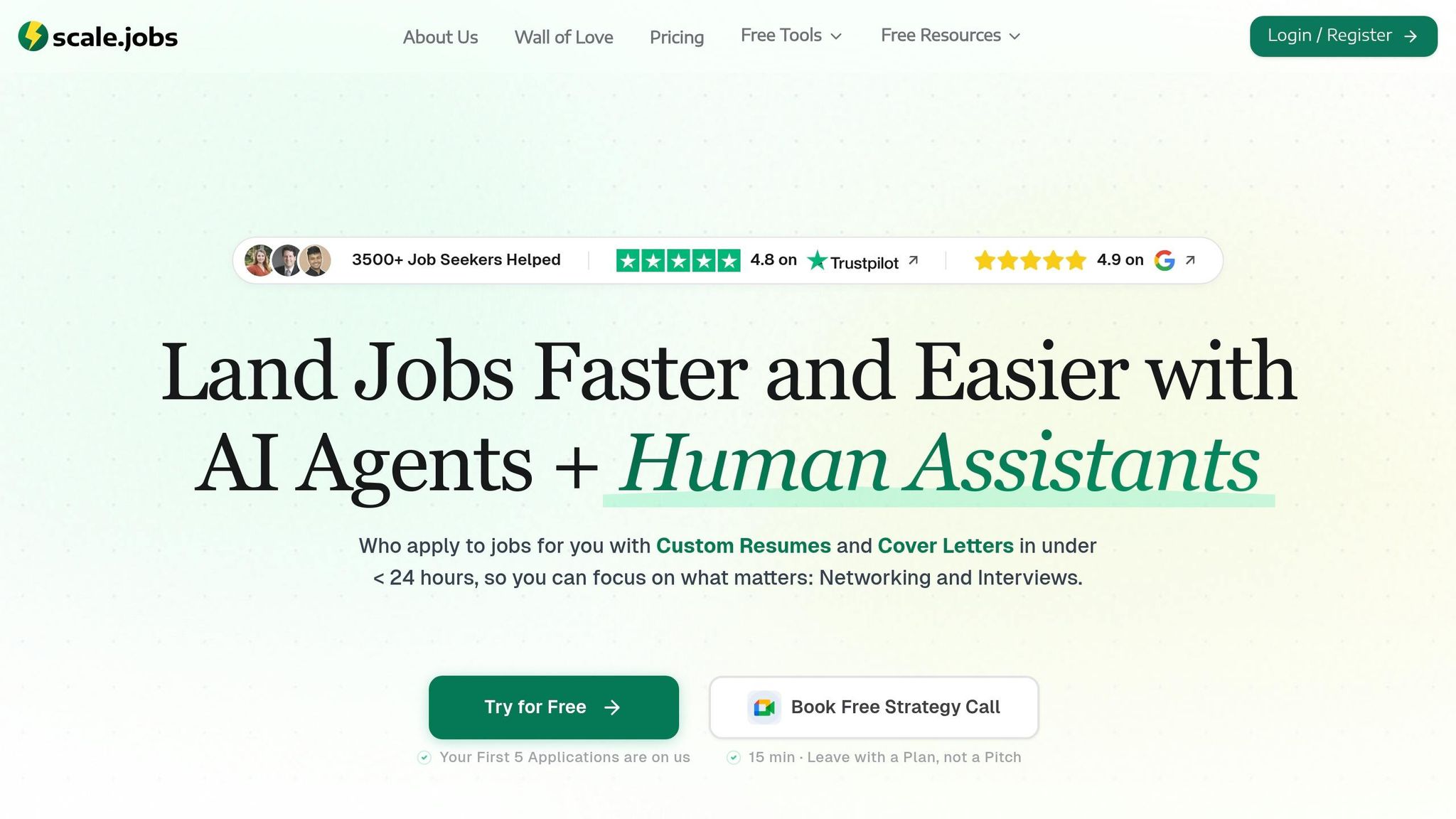
Automation tools like LazyApply and Simplify.jobs may save time but often fail to address visa-specific needs, risking errors or rejection. Scale.jobs stands out by combining human oversight, tailored applications, and proof of submission, ensuring precision and transparency.
| Feature | LazyApply (Automated) | Simplify.jobs (Automated) | Scale.jobs (Human-Powered) |
|---|---|---|---|
| Visa Question Handling | Generic responses | Generic responses | Accurate, manual answers |
| Customization | Minimal tailoring | Limited | Tailored for each role |
| Proof of Work | None | Minimal | Time-stamped screenshots |
| Pricing | $99–$249/month | $29.99/month | $199–$399 flat fee |
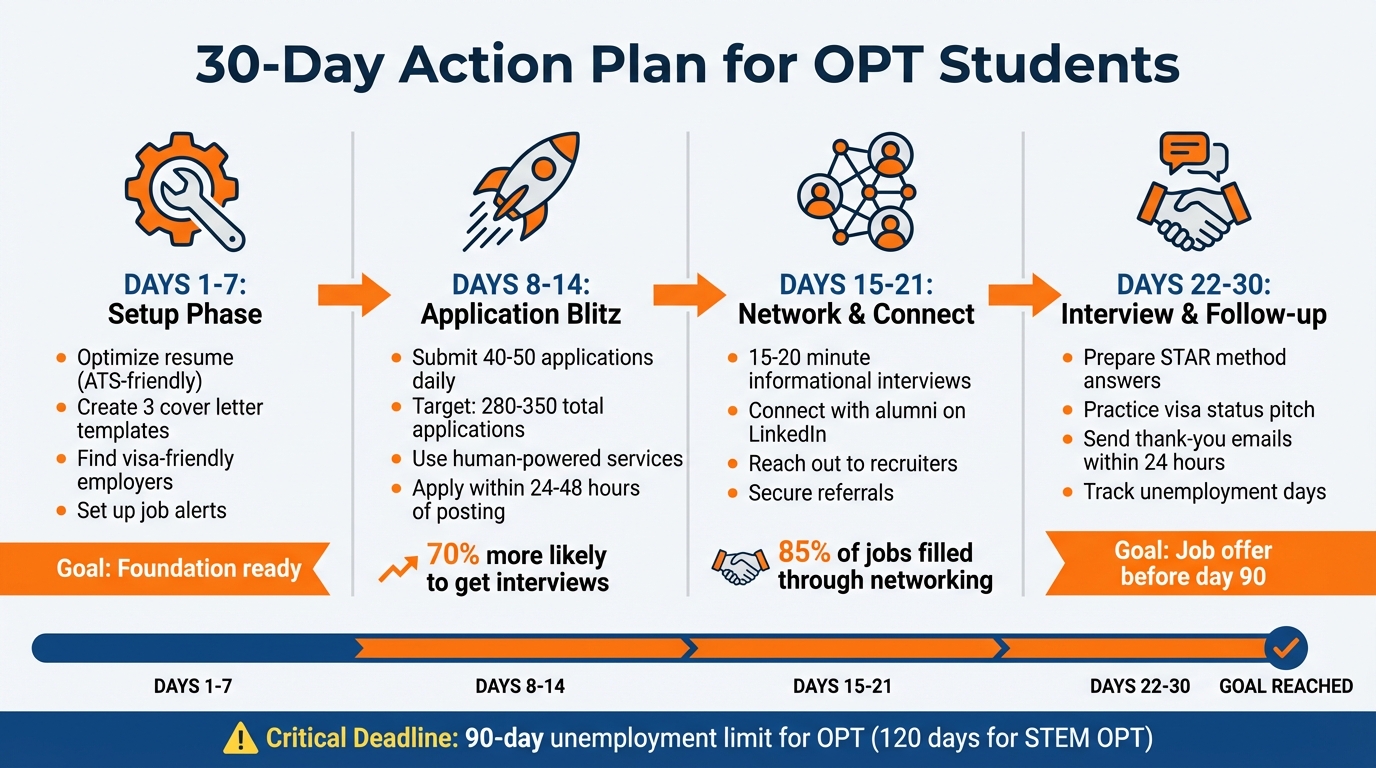
30-Day OPT Job Search Action Plan Timeline
Days 1-7: Set Up Your Job Search Tools
Make Your Resume and Cover Letters ATS-Compliant
To increase your chances of getting noticed, ensure your resume is compatible with Applicant Tracking Systems (ATS). Start by creating a master resume that incorporates keywords from job descriptions you're targeting, such as "data analysis", "Python", or "Agile methodology."
Keep the formatting simple: use single-column layouts, standard fonts like Arial or Calibri, and clearly labeled sections like Education, Experience, and Skills. Avoid using tables, text boxes, or graphics, as these can confuse ATS software. Tools like scale.jobs' free ATS checker can provide useful feedback on keyword usage and formatting. For example, replacing "GPA: 3.8/4.0" with "GPA: 3.8" ensures better compatibility with systems that may misinterpret fractions.
Prepare three cover letter templates tailored to different job categories - tech, business, and research. Leave placeholders for company-specific details, which allows you to quickly personalize each letter while managing a high volume of applications. This approach is especially helpful when applying to over 100 jobs in just a month.
Finally, focus on employers with a history of sponsoring work visas.
Find Visa-Friendly Employers and Job Boards
Once your resume and cover letters are ready, target companies that sponsor visas. Not all employers offer sponsorship, so it's essential to focus on those with proven track records. Platforms like F1 Hire provide databases of H-1B sponsoring employers. Additionally, set up job alerts on platforms like Indeed and LinkedIn using keywords such as "visa sponsorship" or "OPT welcome." Joining LinkedIn groups for OPT/CPT students can also connect you with recruiters who share visa-friendly opportunities.
University career centers like Handshake are excellent resources, connecting candidates regardless of whether they are undergraduate students or postgraduate students with employers familiar with OPT timelines. Platforms like Interstride and CareerEco also host virtual career fairs tailored to international students, often featuring opportunities in industries like tech, finance, and consulting - fields known for higher sponsorship rates. Setting notifications for terms like "OPT job search" or "STEM OPT" ensures you stay updated on new postings within 24–48 hours.
Consider creating a spreadsheet to track companies by their sponsorship history, application deadlines, and specific visa requirements. This will help you stay organized as you manage a high volume of applications.
LazyApply vs scale.jobs: Why OPT Students Need Human Assistance
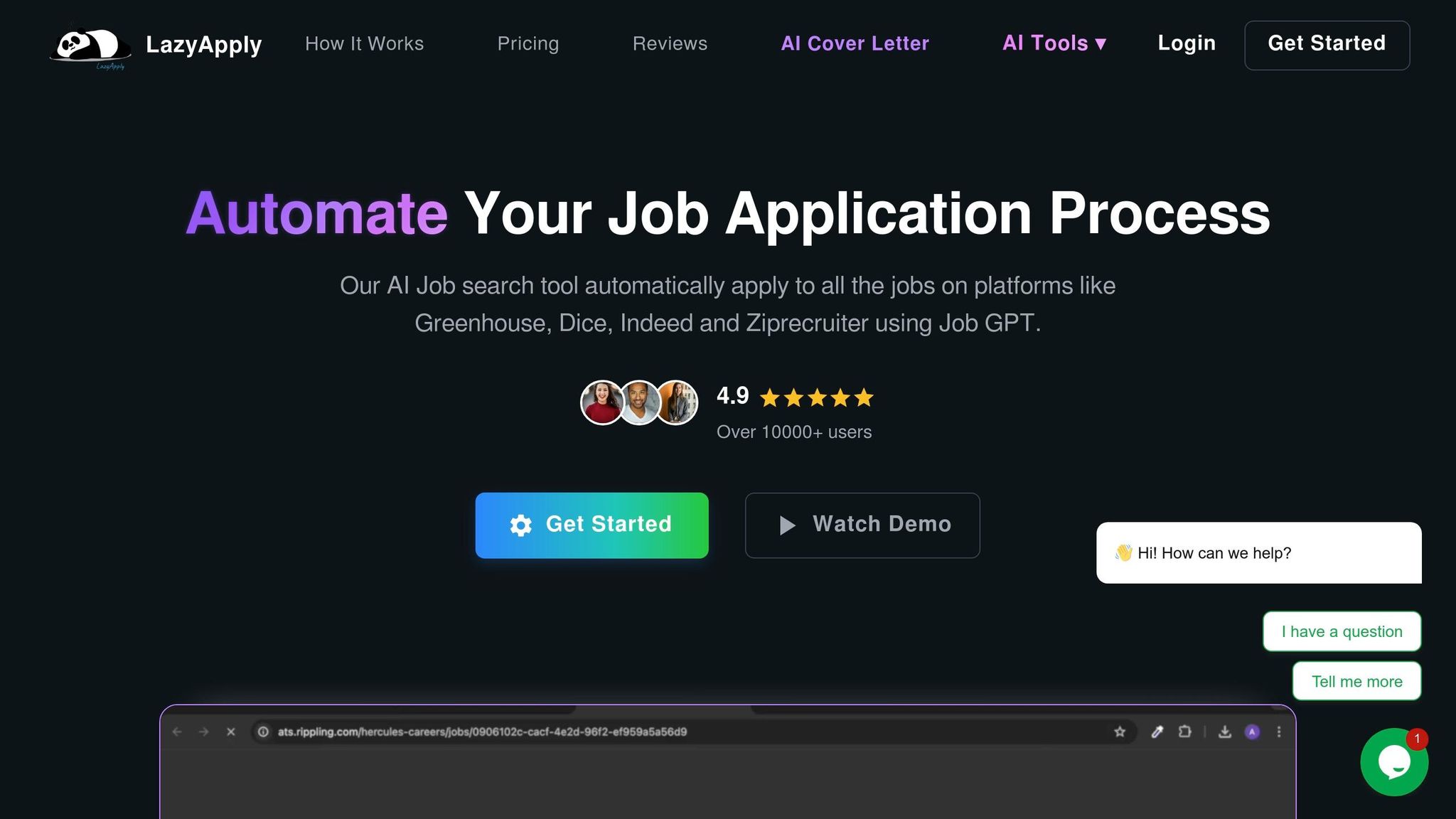
LazyApply offers automation for job applications, using bots to submit on your behalf. While this may sound convenient, it comes with risks, especially for international students. Questions like "Are you legally authorized to work in the United States?" or "Will you now or in the future require sponsorship?" require careful, tailored answers. Bots often provide generic responses, which can jeopardize your application. Moreover, ATS systems may flag bot-submitted applications as spam due to identical submission patterns, a critical issue when time is limited.
On the other hand, scale.jobs employs trained human assistants to manually handle each application. This ensures visa-related questions are answered accurately and consistently, reducing the risk of errors that could harm your chances. With manual oversight, scale.jobs also avoids bot-detection issues, providing a more reliable application process.
| Feature | LazyApply | scale.jobs |
|---|---|---|
| Human involvement | Fully automated bot | Trained human assistants for each application |
| Visa question handling | Generic automated responses | Accurate, case-specific answers |
| ATS compatibility | High bot-detection risk | Manual submission avoids flags |
| Application customization | Minimal tailoring | Custom resumes and cover letters per posting |
| Proof of work | Application count only | Time-stamped screenshots and updates via WhatsApp |
| Pricing model | $99–$249/month subscription | $199–$399 one-time fee (250–1,000 applications) |
Who should use LazyApply:
This service works best for students who have the time to monitor applications, are targeting non-visa-sensitive roles, or want to test applications across a wide range of employers without much customization.
Who should choose scale.jobs:
OPT students facing the 90-day unemployment limit will benefit most, as scale.jobs handles visa-related questions with precision. It’s also ideal for candidates targeting competitive roles that require tailored applications or those who value transparency through proof-of-work screenshots and real-time updates. If you're considering professional resume writing services, scale.jobs combines expert resume creation with comprehensive application management.
Switch to scale.jobs if:
- You've received bot-detection warnings from job portals.
- You need consistent, accurate answers for visa-related questions across numerous applications.
- You require custom resumes for each job within a 24-hour timeframe.
- You want proof that applications are submitted, not just logged.
- You're applying to companies with complex portals that bots struggle to navigate.
Days 8-14: Submit 100+ Applications with Human Support
Use scale.jobs for High-Volume, Visa-Friendly Applications
During this phase, aim to submit 40–50 job applications daily, reaching a total of 280–350 by the end of Day 14. Research shows that candidates who apply within 24–48 hours of a job posting are 70% more likely to secure interview calls. Keeping up this pace while ensuring accurate and consistent responses - especially for visa-related questions - requires a well-organized strategy.
This is where scale.jobs comes in. Their trained human assistants handle each application manually, ensuring precision and consistency, particularly for complex visa-related queries. This human-driven process reduces the likelihood of triggering bot-detection systems, a common risk when submitting hundreds of applications. Each application is paired with a role-specific resume and submitted within 24 hours of your approval. To maintain transparency, time-stamped screenshots are shared with you via WhatsApp, confirming the submission details.
For OPT students, especially those in STEM fields (who make up nearly 70% of OPT participants), this approach can make a significant difference. With employers now required to demonstrate that H-1B roles qualify as "specialty occupations", having a resume that aligns closely with job responsibilities is crucial. scale.jobs ensures each submission meets these standards, improving your chances of passing both ATS systems and human reviews. If you're considering professional help to refine your resume, explore their resume writing services, which combine expert resume creation with ongoing application support.
Every day matters under the OPT 90-day rule. Up next, let’s see how Simplify.jobs’ automation compares to scale.jobs’ human-driven precision.
Simplify.jobs vs scale.jobs: Manual Execution vs Automation
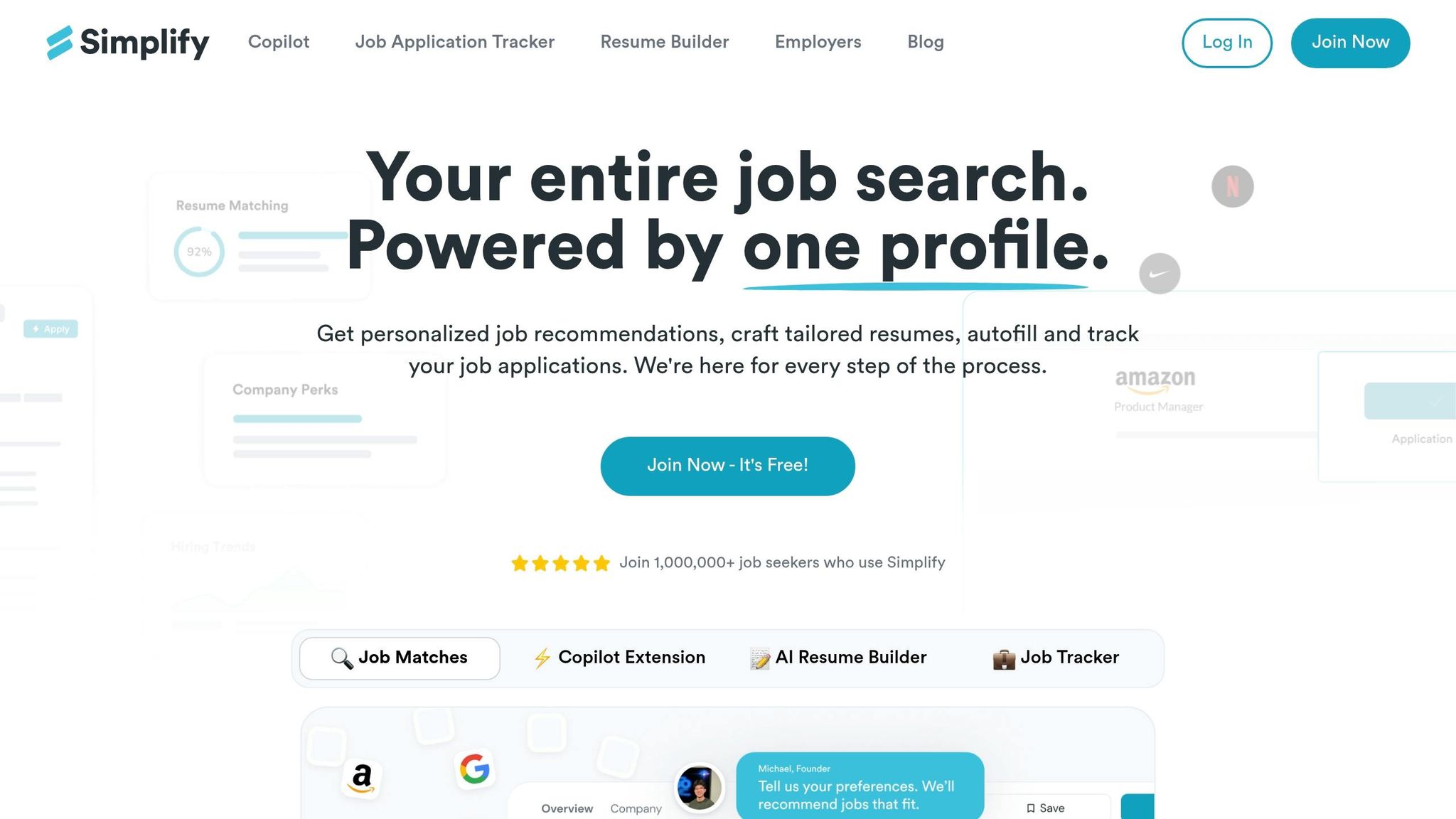
When it comes to applying for jobs efficiently while addressing tailored needs like visa-related questions, the method you choose can have a big impact. Simplify.jobs offers automated application tools, which save time but may fall short in handling specific requirements. For instance, automated systems can provide generic or incorrect responses to visa questions, and some employer portals now detect and flag automated submissions, leading to delays or rejections.
In contrast, scale.jobs relies on trained human assistants for manual submissions. This approach avoids bot-detection issues and ensures accurate, personalized answers for visa-related queries, aligning with your OPT timeline and sponsorship needs. While Simplify.jobs offers a subscription model (around $29.99/month for unlimited applications), scale.jobs provides one-time flat-fee bundles starting at $199 for 250 applications, delivering more tailored and transparent results.
| Feature | Simplify.jobs | scale.jobs |
|---|---|---|
| Submission Method | Automated with AI auto-fill | Manual entry by human assistants |
| Visa Question Handling | Automated (risk of errors) | Accurate, tailored responses by humans |
| Bot-Detection Risk | High | Low |
| Resume Customization | One-size-fits-all | Customized per job posting |
| Application Speed | Instant batch submissions | 24-hour turnaround per application |
| Proof of Work | Minimal | Time-stamped screenshots via WhatsApp |
| Pricing Model | Monthly ($29.99/month) | Flat fee ($199–$399 for 250–1,000 applications) |
Who should use Simplify.jobs:
Simplify.jobs is a good choice for students with straightforward work authorization (such as U.S. citizens or permanent residents) who want to quickly apply to a variety of roles without needing extensive customization. It's particularly suitable for positions where visa-related questions or detailed application processes aren't a concern.
Who should choose scale.jobs:
scale.jobs is ideal for OPT students who need precise handling of visa-related questions and customized applications to meet H-1B specialty occupation standards. This service is particularly valuable for those applying to employers with complex application portals, those who need proof of submission, or anyone aiming to avoid delays caused by automated errors.
Consider switching to scale.jobs if:
- Your Simplify.jobs applications are being flagged or rejected due to bot-detection systems.
- You've encountered discrepancies in work authorization responses during interviews.
- You require tailored resumes that align with specific job descriptions for H-1B roles.
- You’re applying to companies with multi-step application portals that automated tools struggle to navigate.
- You want detailed, real-time proof of submission for every application.
Days 15-21: Network While Your Applications Are Handled
Use Informational Interviews and Networking to Get Referrals
With your applications being managed by human assistants, now is the time to focus on networking. Why? Because 85% of jobs are filled through networking, and for OPT students, every day counts when working against the 90-day unemployment window.
Start by connecting with alumni from your university who are already working in your target industry. LinkedIn is your best friend here - search for professionals with shared academic backgrounds and send personalized connection requests. Be sure to mention your shared university and ask for advice. Your goal? Secure 15–20 minute informational interviews to learn about their career paths and gain insights into the field. Prepare 7–8 specific questions ahead of time to make the most of these conversations.
| Outreach Type | Best Practice | Goal |
|---|---|---|
| Alumni | Mention shared university and ask for advice | Secure a referral or informational interview |
| Recruiter | Clearly state OPT eligibility (12–36 months) | Clarify work authorization and secure a screening call |
| Peer/Professional | Engage with their posts or shared interests | Build a long-term professional relationship |
When reaching out to recruiters, be upfront about your OPT eligibility (12 months standard, or 24–36 months for STEM extensions). This transparency can save both you and the recruiter time. For peers and professionals, interact with their LinkedIn posts before sending a connection request - this small step increases the likelihood of a response.
This networking phase complements your application efforts, helping you bypass applicant tracking systems (ATS) by securing referrals. Referrals often lead to quicker interview invitations, saving you precious time. Next, we’ll dive into a comparison of AI-powered resume tools like Rezi.ai versus the full-service application support offered by scale.jobs.
Rezi.ai vs scale.jobs: AI Resume Builders vs Human Application Services
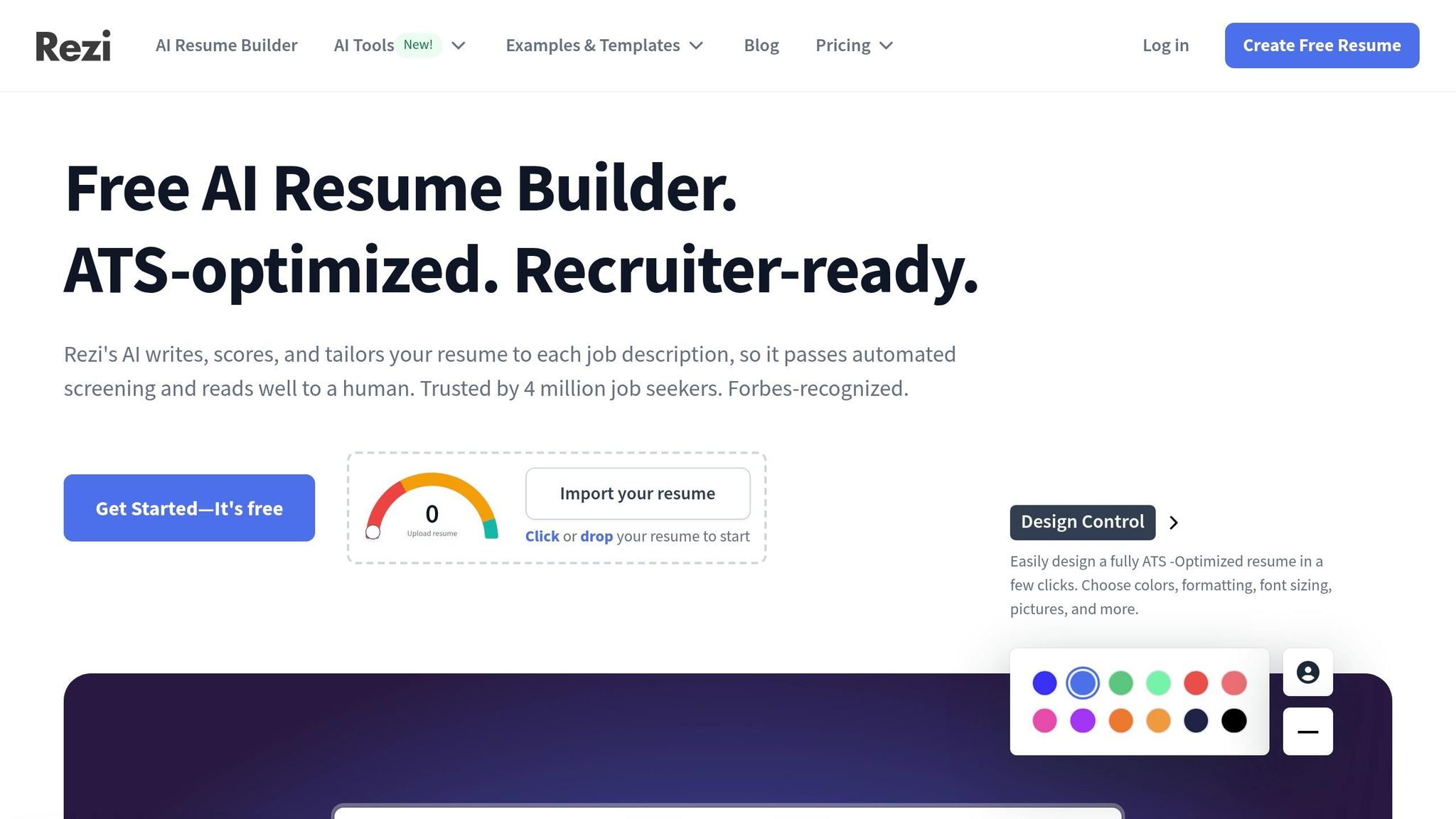
While networking is underway, it's crucial to ensure your applications are optimized and handled with care. Here's where tools like Rezi.ai and services like scale.jobs come into play.
Rezi.ai is an AI-powered resume builder designed to help you craft ATS-friendly resumes. It uses keyword matching and formatting templates to align your resume with specific job descriptions. For $29/month, you can create unlimited resume versions, making it a great option for those who prefer a DIY approach. It excels at identifying missing keywords and suggesting improvements, but it stops there - you’ll still need to manually submit applications, handle visa-related questions, and track everything yourself.
On the other hand, scale.jobs offers a more comprehensive solution. Their trained human assistants handle everything from resume optimization to the actual application process. This includes addressing visa-related questions and manually entering applications into employer portals. Their service is tailored for OPT and H-1B roles, ensuring applications are strategically positioned.
| Feature | Rezi.ai | scale.jobs |
|---|---|---|
| Primary Focus | AI-powered resume optimization | End-to-end application management |
| Method | DIY resume creation using AI templates | Human assistants handle submissions |
| Visa Strategy | General ATS optimization | Visa-aware targeting for OPT/H-1B roles |
| Support | Self-service tool | Real-time updates via WhatsApp |
| Application Handling | None (user applies manually) | Full management (submissions, tracking) |
| Pricing Model | $29/month subscription | $199–$399 flat fee for 250–1,000 applications |
Who should use Rezi.ai:
Rezi.ai is ideal for those who have the time to manage their entire application process and are comfortable with self-service tools. If you’re looking for a polished resume quickly and don’t need help with visa-related complexities, this is a solid choice.
Who should choose scale.jobs:
scale.jobs is perfect for OPT students who need to maximize their application volume without sacrificing quality. It’s especially helpful if you’re dealing with visa-related questions, want to save time for networking, or need proof of submission to track your 90-day unemployment timeline.
Consider switching to scale.jobs if:
- You’re spending more than 3 hours daily on applications instead of networking.
- You need consistent, accurate responses to visa sponsorship questions.
- You want proof of submission for every application.
- You’re applying to companies with time-consuming, multi-step application portals.
- You prefer a one-time payment over monthly subscriptions.
Both tools have their strengths, but choosing the right one depends on your needs and how much time you can dedicate to managing your job search. For those balancing networking, visa concerns, and high application volumes, scale.jobs offers a more hands-off, comprehensive approach. For others, Rezi.ai provides a budget-friendly way to create a standout resume.
Days 22-30: Prepare for Interviews and Manage Your OPT Timeline
Prepare for Interviews and Send Follow-Up Emails
By the fourth week, you should start receiving interview invitations. At this stage, preparation and follow-up are crucial, especially for OPT students who need to address specific work authorization questions confidently.
Begin by practicing answers to behavioral questions using the STAR method (Situation, Task, Action, Result). Additionally, prepare a clear and concise status pitch, such as: "I am currently on OPT, which provides 12 months of full work authorization, with the possibility of a 24-month STEM extension. This means I can begin working immediately without the need for sponsorship during the first year." This kind of clarity reassures potential employers and eliminates uncertainty about your visa status.
After each interview, send a thank-you email within 24 hours. Keep it brief - three to four sentences are enough. Reference specific points from your conversation, reiterate your interest in the role, and offer to provide any additional references or work samples. For OPT students, this email is also a good opportunity to clarify any visa-related concerns that may have been discussed.
Keep track of unemployment days using a spreadsheet or calendar. Set reminders for 60 and 75 days to stay ahead of the 90-day unemployment limit for OPT (120 days for STEM OPT). Exceeding this limit can jeopardize your visa status, so careful monitoring is essential.
If managing multiple interviews while keeping up with visa requirements feels overwhelming, consider services like professional resume writing services. These can help streamline your materials and ensure your follow-up strategy aligns with both hiring expectations and immigration guidelines.
As you prepare for interviews, ensure your tools for tracking and managing applications are keeping pace with your efforts.
TealHQ vs scale.jobs: Why Application Tracking Isn't Enough
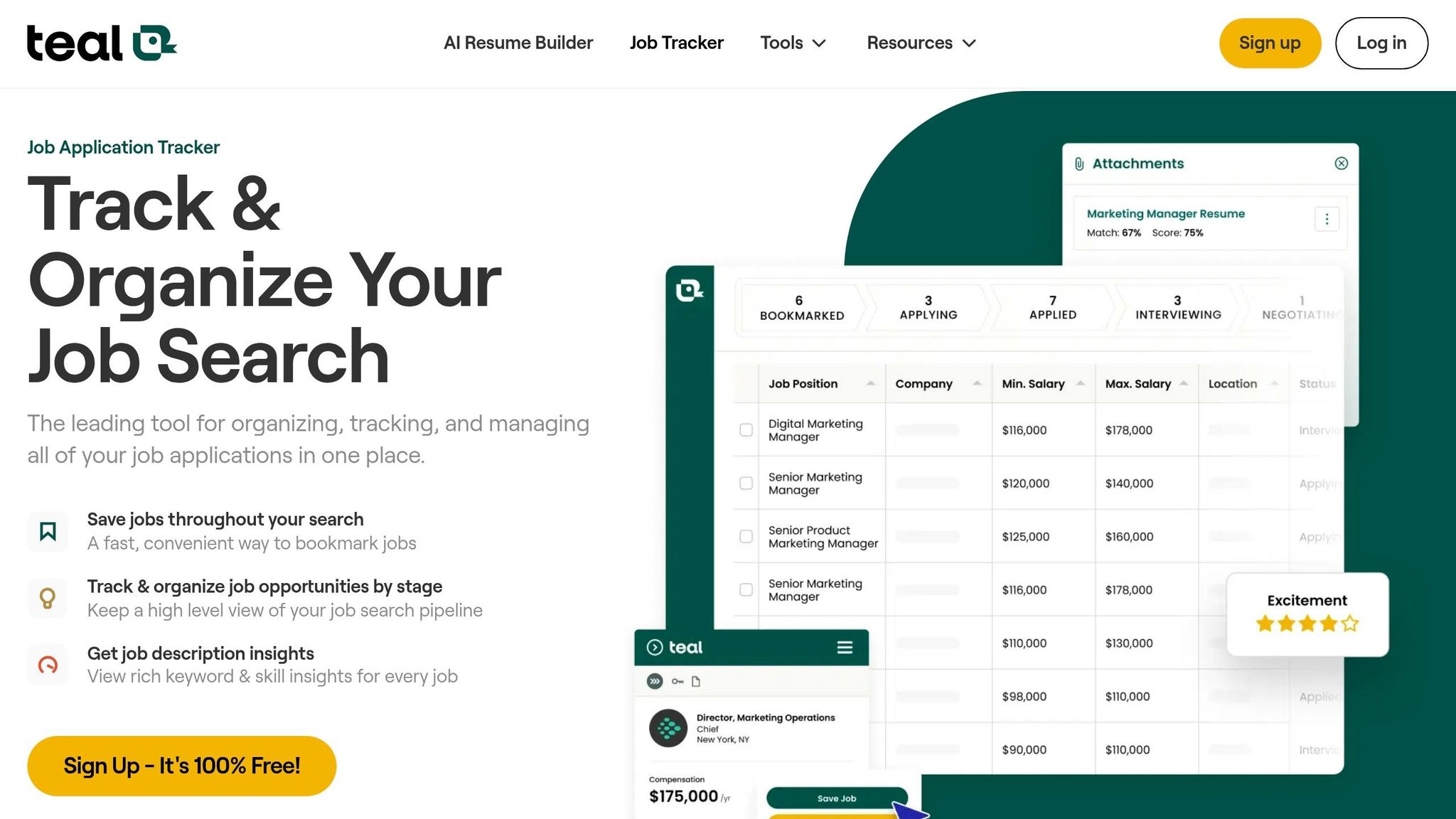
TealHQ is a well-known platform designed to help job seekers organize applications, save job postings, and monitor progress. For $9 per month (or $79 annually), it offers features like resume templates, keyword optimization tips, and a centralized dashboard for tracking your search.
However, TealHQ is primarily focused on organization and tracking. You'll still need to manually submit applications, answer visa-related questions, and tailor your resume for each role. For OPT students working against the 90-day unemployment clock, this can take up significant time - often 3–4 hours daily - that could be better spent on interview preparation or networking.
scale.jobs, on the other hand, handles the entire application process for you. This service builds on its earlier strengths by managing visa-sensitive application details while allowing you to focus on other priorities. Trained human assistants take care of submissions, customize resumes for each job, and ensure visa sponsorship questions are answered accurately. You’ll also receive real-time WhatsApp updates and proof-of-work screenshots for every application, offering full transparency without the manual effort.
Why scale.jobs Stands Out
- Human assistants ensure visa-related questions are answered accurately.
- Resumes are tailored for each application, improving ATS (Applicant Tracking System) success rates.
- Transparent tracking with time-stamped proof-of-work screenshots.
- Manual submissions avoid issues with automated tools being flagged by employers.
| Feature | TealHQ | scale.jobs |
|---|---|---|
| Primary Function | Job tracking and organization | End-to-end application management |
| Human Involvement | None (self-service platform) | Trained assistants handle tasks |
| Resume Customization | Templates and keyword tips | Tailored resumes for each role |
| Visa Question Handling | Managed by user | Assistants provide accurate answers |
| Proof of Work | Self-tracked in dashboard | Screenshots for each submission |
| Pricing Model | $9/month or $79/year | $199–$399 for 250–1,000 applications |
Who Should Use TealHQ?
TealHQ is a good choice for job seekers who have the time to manage their own applications and want a budget-friendly solution for tracking progress. It works well for those applying to a smaller number of roles and who prefer to have complete control over every submission.
Who Should Opt for scale.jobs?
scale.jobs is ideal for OPT students who need to apply to a high volume of jobs while keeping visa compliance top of mind. It’s especially helpful for managing complex application portals, ensuring sponsorship questions are answered consistently, and saving time for interview prep and networking.
Consider Switching to scale.jobs If:
- You’re spending more than three hours daily on job applications instead of preparing for interviews.
- You need proof of submission to track your 90-day unemployment window.
- You’re applying to roles with multi-step application portals that require manual data entry.
- You want consistent and accurate answers to visa sponsorship questions across all applications.
- You prefer a one-time fee over recurring subscription costs.
Decision Summary
TealHQ is a practical choice if you have the time to manage your own applications and need a low-cost tracking tool. However, for OPT students facing tight timelines, scale.jobs provides a hands-off solution that ensures accurate, visa-aware applications while freeing up your time for higher-priority tasks. The added transparency and efficiency can make all the difference in meeting your 90-day deadline.
Find an OPT Job In a Tough Job Market (2023)
Conclusion: Complete Your 30-Day Job Search Plan
This 30-day plan balances mass applications with targeted networking, a crucial strategy for OPT students racing against the 90-day unemployment window. Spending weeks perfecting a single resume or manually navigating countless application portals simply isn’t practical when time is of the essence.
By outsourcing repetitive tasks - like submitting applications, navigating portals, and handling visa-related questions - you can reclaim over 20 hours each week. This extra time allows you to focus on interviews and building connections, the activities that truly impact your job search. Unlike bots, human assistants can accurately manage visa-related queries, ensuring your applications are handled with precision. This combination of efficiency and accuracy strengthens your chances of securing an offer before your OPT deadline.
If you find yourself bogged down by repetitive tasks, it’s time to reassess. Are you spending hours on applications instead of preparing for interviews? Are you confident that visa-related questions are being answered correctly across multiple platforms? If not, consider professional resume writing services or full application management to redirect your energy toward networking and interview preparation - actions that drive real results.
By Week 4, review your progress. Are you meeting your interview goals and managing your unemployment days effectively? If not, it might be time to refine your resume, tailor your applications, or adjust your visa messaging. The aim isn’t to apply to as many jobs as possible - it’s to apply smartly, while preserving time and energy for meaningful conversations and interviews.
With scale.jobs, you gain access to ATS-friendly documents, human oversight, transparent pricing, dedicated WhatsApp support, and proof-of-work, giving you a distinct advantage over automated tools.
Stick to the plan, leverage the right resources, and focus on what truly matters. These next 30 days will determine whether you’re scrambling at day 89 or celebrating a job offer well before your deadline. Track your progress, adapt as needed, and position yourself to secure the opportunities you deserve.
FAQs
How do I answer work authorization and sponsorship questions on applications?
When addressing work authorization and sponsorship questions, it's essential to provide accurate and clear information based on your current visa status. For example, if you're on OPT under an F-1 visa, you might say:
"I am authorized to work in the United States under OPT status, which is valid until [specific date]."
If you are eligible for a STEM extension, you can add:
"I am eligible for a STEM OPT extension, which would allow me to work for an additional 24 months after my initial OPT expires."
Regarding sponsorship, be upfront about your needs. For instance:
"I will require H-1B visa sponsorship to continue employment after my OPT period ends."
Consistency and clarity in your responses not only demonstrate professionalism but also help employers understand your work authorization situation.
What qualifies as OPT employment under the 90-day unemployment rule?
OPT employment needs to align directly with your major field of study. For post-completion OPT, it must involve at least 20 hours of work per week and can be either paid or unpaid. These requirements are crucial to staying compliant with the 90-day unemployment rule.
How should I prioritize applying vs networking in these 30 days?
Start Week 1 by focusing on refining your resume and LinkedIn profile. This step is crucial because it sets the foundation for both applying to jobs and making professional connections. Pay attention to highlighting your skills, achievements, and OPT eligibility clearly to stand out to employers.
In Week 2, shift your attention to networking. Reach out to OPT-friendly employers, alumni from your school, and other professionals in your field. Building these connections can open doors to opportunities that might not be publicly advertised.
By Week 3, your priority should be on submitting tailored job applications. Use the insights gained from networking to customize your applications and make them more impactful. Continue to leverage your network for referrals and advice during this phase.
Throughout the process, maintain a balance between networking and applying early on. As deadlines for OPT draw closer, increase your focus on application volume and follow-ups to ensure you're meeting the necessary timelines.