8 Confidence Traps That Make You Undersell Yourself in Interviews
scale.jobs
February 5, 2026
Struggling with interviews? You're not alone. Many job seekers unintentionally downplay their skills due to psychological habits like imposter syndrome, over-apologizing, or perfectionism. These patterns can make you appear less confident, leading to missed opportunities. Here's a quick guide to overcoming these traps:
- Imposter Syndrome: Own your achievements with specific examples.
- Over-Apologizing: Replace "sorry" with "thank you" to sound more confident.
- Downplaying Achievements: Use strong, action-oriented language like "led" or "managed."
- Perfectionism Paralysis: Focus on clarity and progress over perfection.
- Fear of Self-Promotion: Highlight your contributions with measurable results.
- Over-Reliance on Humility: Balance modesty with clear evidence of your impact.
- Ignoring Body Language: Maintain good posture, eye contact, and purposeful gestures.
- Weak Follow-Up: Send a personalized thank-you note to reinforce your value.
8 Confidence Traps That Sabotage Job Interviews and How to Overcome Them
1. Imposter Syndrome
How it affects your confidence
Imposter syndrome can make you feel like you're not genuinely qualified for your role, convincing you that your achievements are the result of luck rather than skill. This mindset often leads to downplaying accomplishments, using phrases like "I just..." or attributing success to a team effort instead of owning individual contributions. Even when you meet most job qualifications, you might fixate on one missing requirement, doubting your overall capability. Interestingly, 75% of executive women admit to experiencing this, frequently attributing their success to external factors rather than their own merit.
"I have written 11 books, but each time I think, 'Uh oh, they're going to find out now. I've run a game on everybody, and they're going to find me out.'" - Maya Angelou
This self-doubt often intensifies during pivotal moments, such as job interviews, where the pressure to prove oneself feels especially high.
When this trap shows up in interviews
Imposter syndrome tends to rear its head at critical points in the interview process. It might start during the pre-interview phase, as you convince yourself that landing the interview was a fluke. Anxiety often peaks while waiting to be called in, and even during the conversation, receiving compliments from the interviewer can trigger more doubt than confidence. Major career transitions or stepping into highly competitive roles can amplify these feelings. Each additional interview round can feel like mounting pressure, and tough questions about past challenges may heighten fears of being "found out."
Steps to overcome it
To combat imposter syndrome, start by building a "Hero Bank" that highlights your career wins - projects you've led, problems you've solved, and measurable results you've achieved. Use the STAR method (Situation, Task, Action, Result) to structure your responses and clearly communicate your contributions. When self-doubt creeps in, revisit this evidence and intentionally shift your language from "we achieved" to "I led" or "I implemented." Remember, being invited to an interview means you've already been deemed qualified by the hiring team.
Tools and methods to improve your performance
Prepare a digital "wins folder" filled with positive feedback, screenshots of praise, and records of major achievements. Reviewing this before an interview can help reinforce your confidence. Additionally, practicing power poses for just two minutes can reduce stress hormones and help you feel more self-assured. If articulating your value feels challenging, consider working with resume writing services that combine AI tools with expert input to craft clear, results-driven statements about your accomplishments. This approach ensures that your strengths are communicated effectively.
During the interview, if anxiety begins to take over, try shifting your focus outward. Observe the interviewer's body language or ask them about their experiences with the company. This small shift can interrupt the spiral of self-doubt and help you stay present in the conversation.
2. Over-Apologizing
How it affects your confidence
Over-apologizing can quietly undermine your confidence and the way others perceive you. When you frequently use phrases like "I'm sorry" or downplay your role with statements such as "I just helped" instead of "I led", you inadvertently diminish your accomplishments. This habit often stems from a discomfort with self-promotion, as many people associate it with bragging. Unfortunately, this hesitation can make your achievements sound less impactful and leave interviewers questioning your authority and contributions.
"Over-apologizing can backfire, especially at the workplace. It can make others think less of you, lower your self-esteem, and water down the impact of future apologies." - Muhammad Sajwani, Founder and Managing Director, Evolve HR
Statistics back this up: 40% of employers hesitate to hire candidates who seem to lack confidence - a perception often fueled by soft speech or excessive apologies. When recruiters notice this pattern, they may doubt your ability to take ownership of results or handle high-pressure situations, particularly in leadership roles.
When this trap shows up in interviews
This tendency to over-apologize often surfaces during virtual interviews, especially when technical issues occur. For example, you might find yourself apologizing for an unstable internet connection or audio glitches, even when they’re out of your control. It can also happen when discussing qualifications you feel are lacking, filling pauses with phrases like, "I'm sorry, I need a moment to think." Additionally, candidates often default to an apologetic tone when addressing past failures or gaps in employment, rather than reframing these moments as opportunities for growth. Recognizing these patterns is the first step toward breaking them.
Steps to overcome it
You can shift away from over-apologizing with a few intentional changes. Replace "I'm sorry" with "thank you." For instance, instead of saying, "Sorry for the delay", try, "Thank you for your patience." This small adjustment subtly shifts the tone from apologetic to appreciative. Similarly, eliminate minimizing language like "just", "maybe", or "I think", as these words can make you sound unsure of yourself. When discussing your achievements, use "I" statements to clearly highlight your individual contributions rather than hiding behind collective terms like "we."
"It's not your job to decide you're not qualified. That's what the interviewer is there to determine." - Pamela Skillings, Co-founder, Big Interview
Take a moment to pause and collect your thoughts before answering questions instead of rushing to fill silence with apologies. This approach not only gives you time to craft a thoughtful response but also projects confidence. When addressing weaknesses, reframe them as opportunities for growth without over-explaining or apologizing.
Tools and methods to improve your performance
To break the habit of over-apologizing, consider practicing mock interviews and recording yourself. Watching the playback can help you identify moments where "sorry" slips out unnecessarily. Replace those instances with more assertive language. If articulating your value feels challenging, a job application service can assist in crafting strong, results-driven statements for your resume, giving you a solid foundation to speak from during interviews.
Another helpful technique is adopting "power poses" for two minutes before your interview. These poses can reduce stress hormones and help you feel more in control, reducing the temptation to apologize unnecessarily. Additionally, when writing follow-up emails, avoid phrases like "Sorry to bother you." Instead, use confident alternatives such as "Thank you for your time" to maintain a professional yet assured tone. These small but impactful changes can help you project confidence and leave a lasting positive impression.
3. Downplaying Your Achievements
How it affects your confidence
When you minimize your achievements, you not only chip away at your confidence but also risk giving interviewers the wrong impression about your abilities. Studies reveal that 75% of executive women admit to either downplaying their accomplishments or feeling undeserving of their success, often attributing their wins to luck rather than skill. This tendency is further amplified by weak language choices - phrases like "worked on" instead of "launched" or "contributed to" rather than "managed" dilute the impact of your contributions.
Another common pitfall is the overuse of "we" when discussing your role in team projects. While teamwork is essential, failing to highlight your individual contributions can create confusion for hiring managers. They may struggle to identify what you specifically bring to the table, making it harder for them to see your true value. This disconnect often results in missed opportunities, even when you're fully qualified for the role.
When this trap shows up in interviews
This habit of undervaluing yourself becomes especially clear during interviews. It often appears when candidates rush through their accomplishments, signaling discomfort with discussing their successes. You might find yourself attributing achievements to "good timing" or external factors instead of acknowledging your hard work and skills. Another scenario is viewing your accomplishments as merely "meeting expectations" or "just doing my job", rather than recognizing them as standout contributions.
"Downplaying your wins is a silent career killer. It's like being a world-class chef who only serves the interviewer a frozen dinner." - Shelley Piedmont, Career Coach
Pay attention to moments when you give vague responses like, "I'm a great problem solver", without offering concrete examples. If you’re spending more time highlighting what you don’t know instead of showcasing your expertise, it’s a clear sign you’ve fallen into this trap.
Steps to overcome it
The key is to differentiate between bragging and confidently showcasing your achievements. Bragging seeks attention ("I am the best"), while showcasing provides evidence-based facts ("Here’s what I achieved and how I did it"). To structure your responses effectively, use the PPI Method: describe the Problem you faced, outline your Process, and highlight the measurable Impact you delivered.
Shift from "we" to "I" when talking about your contributions. For instance, instead of saying, "We improved workflow efficiency", say, "I implemented a workflow that increased efficiency by 20%." Always back up your claims with hard numbers - percentages, revenue growth, or time saved - so your impact is undeniable. If you’re unsure how to frame your experience, a job application service can help you craft statements that reflect your accomplishments in a compelling way. By mastering these strategies, you ensure your value is clear and unmistakable during interviews.
Tools and methods to improve your performance
Start a "Wins Journal" to document your achievements every quarter. Include details like positive feedback, successful project outcomes, and milestones you’ve hit. This habit keeps your wins fresh in your mind and ready to share when needed.
Practice using the STAR method (Situation, Task, Action, Result) to ensure you focus on the "Result" - this is where your true value shines. Before interviews, review your Wins Journal and rehearse telling your success stories out loud. This kind of preparation builds the confidence and clarity needed to speak about your accomplishments with ease.
4. Perfectionism Paralysis
How it affects your confidence
Much like imposter syndrome and over-apologizing, perfectionism paralysis chips away at your ability to showcase your talents effectively. It traps you in a cycle of fear - fear of failure, fear of mistakes - leaving you unable to respond naturally. Instead, you obsess over getting everything "just right", which only amplifies anxiety. This cycle often feeds imposter syndrome, making you feel unqualified simply because you aren't flawless. The result? You dwell on minor missteps, blowing them out of proportion and undermining your confidence.
Interestingly, research reveals that perfectionists don't necessarily perform better than their non-perfectionist peers. Yet, the perfectionist mindset often causes people to dismiss their best ideas as "too simple" or "not good enough", leading to overcomplicated responses that lack clarity. For recruiters, this behavior can be a red flag. In fact, 85% of recruiters value authenticity over perfection in candidates. Ironically, admitting to perfectionism may even signal difficulties with decision-making or meeting deadlines.
When this trap shows up in interviews
Perfectionism paralysis often becomes obvious during interviews. You might hesitate to share accomplishments, downplaying significant achievements as merely "doing your job" rather than noteworthy contributions. Even though about 85% of professional skills are transferable, you might dismiss your own because you haven't "perfected" them in your new field.
"Perfectionism is also simply not the way to achieve great things. It's clunky, it's inflexible, and it leaves little room for creativity." - Rebecca AE Smith, PhD, Psychologist
Another hallmark of this trap is the overwhelming fear of saying something "wrong." You might stall mid-answer, overthink your response, or avoid discussing new skills altogether because you're not an expert yet. This mindset not only stifles your ability to communicate effectively but also makes it harder for interviewers to see your potential. Breaking free from this mental block requires both a shift in perspective and some practical strategies.
Steps to overcome it
Instead of aiming for perfection, focus on delivering thoughtful, clear answers that reflect sound judgment. A helpful approach is the "1% improvement" rule - strive to make a small positive impact rather than aiming for an ideal performance. Speak confidently, and let follow-up questions guide you rather than waiting for absolute certainty before answering.
When anxiety kicks in, redirect your attention outward. Notice the interviewer's expressions, jot down their names, and engage them in conversation. This helps you break free from overthinking. Applying the 80/20 principle can also ease the pressure - aim for progress, not perfection. If you're struggling to articulate your value, consider using a resume writing service to frame your achievements in a way that highlights your strengths without the perfectionist filter.
Tools and methods to improve your performance
Set firm deadlines for revising your interview materials to avoid endless tweaking. When addressing weaknesses, try the "Weakness + Context + Improvement" formula: acknowledge your challenge, explain the work context, and share specific steps you've taken to improve.
Challenge your perfectionist tendencies by engaging in activities where you're not an expert. This helps you see that imperfection is not failure. As Winston Churchill wisely said, "Perfection is the enemy of progress." By letting go of the need to be flawless, you'll open the door to genuine growth and better opportunities.
5. Fear of Self-Promotion
How it affects your confidence
The fear of self-promotion can make talking about your achievements feel awkward or even wrong. Many of us grow up hearing that humility is a virtue and that boasting is unattractive. This can lead to seeing self-marketing as arrogant, even when you're simply stating the truth about your work. The result? You downplay your accomplishments, undervalue your experience, and avoid standing out. This hesitation can lead to missed opportunities, such as lower salary offers or slower career growth.
When asked to highlight your strengths, you might find yourself stumbling over your words, offering vague answers, or even drawing a blank. These responses can unintentionally signal a lack of confidence. In fact, research shows that 40% of employers hesitate to hire candidates who appear unsure of themselves, often indicated by soft-spoken or overly reserved behavior.
When this trap shows up in interviews
A common sign of this fear is falling into the "we" trap. Instead of owning your contributions, you give all the credit to the team, using phrases like "worked on" instead of stronger, action-oriented verbs like "led", "designed", or "executed." When asked about your biggest achievement, you might downplay it by saying, "I just did my job", or fail to explain the impact of your work. Recruiters, however, are looking for clear evidence of the results you’ve achieved. Skipping this critical piece of information can make it harder for them to see your true value.
Steps to overcome it
To break free from this mindset, start by reframing how you think about self-promotion. Instead of seeing it as bragging, think of it as "showcasing" your skills and impact. Career coach Shelley Piedmont puts it well:
"Bragging is about seeking attention, self-aggrandizement, and disrespecting others. Talking about what you actually did and the results falls outside this category."
Make a habit of using "I" instead of "we" when describing tasks you personally handled. While teamwork is important, recruiters need to understand your specific role. Build a "Hero Bank" where you list your key achievements - times when you took the lead, solved a problem, or delivered measurable results. Reviewing this list before interviews can help you feel more prepared and confident.
Tools and methods to improve your performance
A practical way to highlight your achievements is by using the Problem-Process-Impact (PPI) method. This approach ensures you include the most important details - especially the results. For instance:
- Problem: "Customer churn was at 18%."
- Process: "I redesigned the onboarding flow and introduced weekly check-ins."
- Impact: "Churn dropped to 12% within three months."
Additionally, keeping a wins journal can be a game-changer. Use it to document feedback, milestones, and successes, so you always have concrete examples to draw from. If self-promotion feels especially tough, consider working with a resume writing service. They can help you craft fact-based statements that highlight your value in a way that feels authentic and professional.
6. Over-Reliance on Humility
How it affects your confidence
Relying too much on humility during interviews can dilute the impression you leave, making it hard for recruiters to see the value you bring. If you’re constantly downplaying your achievements or attributing success to luck or external factors, it can work against you. Many professionals struggle with this, especially if they’ve been taught that highlighting accomplishments is akin to bragging. However, recruiters need clear evidence of your skills and contributions, and excessive modesty can make it difficult for them to gauge your true potential.
In fact, 40% of employers hesitate to hire candidates who seem to lack confidence, which can be signaled by speaking too softly or appearing overly reserved. What you might perceive as humility could come across as uncertainty - or even a lack of competence. Career coach Sonia Sheechoria explains this well:
"Confidence is a critical component of any stage of the recruitment process... it's confidence that candidates often unfortunately lack, and the reason why they might not land the job."
When this trap shows up in interviews
Excessive humility often manifests in subtle ways, much like imposter syndrome or over-apologizing. One common sign is repeatedly using "we" instead of "I" when discussing your accomplishments. While teamwork is essential, interviewers are primarily interested in understanding your specific role and contributions. For instance, saying, "We launched the campaign" doesn’t clarify what part you played.
Another red flag is attributing your success to external factors, such as saying, "I was just lucky" or "I happened to be in the right place at the right time." Similarly, using minimizing language like "I just helped out" or "It wasn’t a big deal" can make your achievements seem less impactful than they truly were.
The words you choose also matter. Weak verbs like "assisted", "contributed to", or "was involved in" lack the strength of more direct alternatives like "led", "designed", or "executed." To stand out, focus on quantifying your contributions and showcasing your individual impact with specific examples and metrics.
Steps to overcome it
Changing how you view self-promotion is the first step. Career coach Shelley Piedmont offers a helpful perspective:
"It is the difference between 'I am the best' and 'This is what I have done and can do.'"
Stating facts about your achievements isn’t bragging - it’s providing the interviewer with the information they need to make an informed decision. 85% of recruiters value authenticity over perfection, so they’re more interested in hearing honest, confident accounts of your skills than vague, overly modest responses.
When discussing your work, be clear about your role. For instance, say, "I led..." or "I managed..." to highlight your personal contributions. Keeping a wins journal can also help. Record your accomplishments, positive feedback, and measurable outcomes regularly. This gives you a solid foundation to refer to during interviews, making it easier to articulate your value without feeling like you’re overstepping. If you find it challenging to craft these statements, consider using a resume writing service to help translate your achievements into professional, impactful language.
Tools and methods to improve your performance
The Problem-Process-Impact (PPI) method is a practical way to balance humility with assertiveness. Instead of saying, "I helped improve customer retention", reframe it with specifics: "Customer retention was 78%. I redesigned the onboarding sequence and raised it to 86% in four months." This approach emphasizes the facts, showcasing your impact without sounding boastful.
Combine this strategy with the techniques discussed earlier to create a confident and well-rounded narrative. Striking the right balance between humility and self-advocacy can make all the difference in how you present yourself in interviews. By focusing on clear, measurable contributions, you can leave a lasting impression while staying true to yourself.
7. Ignoring Body Language
How it affects your confidence
Your body language often speaks louder than your words, and it can make or break your presentation during an interview. Studies suggest that 70%-93% of communication is non-verbal. This means that how you sit, gesture, and make eye contact can carry more weight than the actual content of your responses. Even a well-thought-out answer can lose its impact if paired with slouching or avoiding eye contact.
Interestingly, body language doesn’t just influence how others see you; it also affects how you perceive yourself. When you're feeling nervous, your body tends to shrink - your shoulders slump, your posture weakens, and you physically try to take up less space. This "shrinking" signals low confidence to your interviewer and can even drain your internal sense of self-assurance. On the flip side, standing tall with your chin up can create a positive feedback loop, boosting both your confidence and the impression you leave. Much like verbal communication, non-verbal cues play a key role in shaping your professional image.
When this trap shows up in interviews
The tricky part is that poor body language often manifests in subtle ways that can still be damaging. Fidgeting - whether it’s tapping your feet, clicking a pen, or playing with your hair - can give off an impression of anxiety. Crossing your arms may unintentionally make you seem closed off or defensive. Even a weak handshake, which lasts just a few seconds, can send the wrong message. In fact, 40% of employers admit they hesitate to hire candidates who exude low confidence through soft speech or poor physical presence.
Eye contact is another critical area. Avoiding the interviewer’s gaze can come across as disinterest or even dishonesty. However, staring too intensely can feel aggressive. The ideal balance is maintaining eye contact about 60% of the time, which shows engagement without making anyone uncomfortable. For video interviews, this means looking directly at the camera lens rather than the screen - a common mistake many candidates make.
Even small details, like the direction your feet are pointing, can reveal unconscious feelings. If your feet are angled toward the door instead of the interviewer, it might signal a desire to leave, even if unintentionally.
Steps to overcome it
One effective technique to boost your confidence is the power pose. Before your interview, spend two minutes standing with your feet shoulder-width apart and your hands on your hips. This stance can lower cortisol (the stress hormone) and increase feelings of self-assurance, setting a confident tone before you even walk into the room.
During the interview, focus on maintaining an open and approachable posture. Keep your arms uncrossed to appear more receptive and honest. Use purposeful hand gestures to emphasize key points, and consider the "steeple" gesture - touching your fingertips together - which can convey confidence and authority.
If you're unsure about your non-verbal habits, consider recording yourself during a mock interview or working with a job search coach who offers interview preparation. Watching the playback can help you identify patterns, like looking down when answering tough questions, that you might not notice otherwise.
Tools and methods to improve your performance
To stay calm and collected, try the 4-4-4 box breathing technique. Breathe in for four seconds, hold for four seconds, exhale for four seconds, and hold again for four seconds. This simple practice can regulate your heart rate and help prevent nervous habits like a shaky voice. Pair this with a quick vocal warm-up - reading aloud or practicing tongue twisters for 60 seconds - to ensure your voice sounds clear and steady from the start.
Another helpful strategy is subtle mirroring. Match the interviewer’s energy and pace; if they speak slowly and thoughtfully, adjust your own speech to align with theirs. This creates an unspoken connection that helps build rapport.
Before answering questions, take a brief pause to ground yourself. A small physical cue, like pressing your thumb and forefinger together, can help you stay centered and avoid rushing your responses. This moment of calm will project the composed confidence that interviewers look for.
8. Weak Follow-Up
How it affects your confidence
The interview isn’t over the moment you step out of the room or end the video call. What you do afterward can either reinforce your confidence or chip away at it. Skipping a follow-up or sending a bland, generic thank-you note robs you of the chance to highlight your value one last time. This silence often leads to second-guessing, as you replay the interview in your head, obsessing over things you forgot to say or answers you could have improved. That lingering doubt can slowly erode your self-assurance.
Failing to follow up also sends the wrong message to the hiring team. After all the effort you put into preparing and presenting yourself, not following up - or doing so poorly - can make it seem like you’re not fully invested in the opportunity. On the other hand, a thoughtful, specific follow-up can leave a lasting impression, showing both your professionalism and genuine interest in the role.
When this trap shows up in interviews
The days immediately following an interview are critical, yet this is where many candidates falter. You might feel the interview went well and assume your work is done, leading you to skip the follow-up entirely or send a generic thank-you note. These cookie-cutter messages fail to stand out because they don’t refer to anything specific from the interview, such as challenges the team mentioned or how your skills match their needs.
Another misstep is using the follow-up as a platform to over-apologize for perceived mistakes during the interview. Instead of reinforcing your strengths, you end up drawing attention to your insecurities. A strong follow-up should focus on what went right, referencing key points from the conversation and showing enthusiasm for the role. Sending it within 24 hours keeps the momentum going and ensures your name stays fresh in the interviewer’s mind.
Steps to overcome it
Treat the follow-up as a strategic part of your interview process, not just a formality. Ditch the generic templates and craft a message that reflects the actual conversation you had. Mention specific topics discussed during the interview to show you were engaged and attentive. For instance, if the interviewer talked about a particular challenge their team is facing, briefly acknowledge it and connect it to your experience.
"A prompt, personalized thank-you note reiterates your interest and allows you to briefly add any points you might have missed. Avoid generic templates; reference specific parts of your conversation to make it memorable."
– Poozle Career Hub
If you feel you didn’t fully address a question or forgot to mention an important qualification, the follow-up is your chance to clarify. Career coach Ana Goehner suggests framing it positively, like this:
"I've been reflecting on our conversation, and I wanted to briefly add context to my answer about leading cross-functional teams. One project that really challenged and grew me was..."
– Ana Goehner, Career Coach
Tools and methods to improve your performance
A well-crafted follow-up note should be brief, professional, and focused on reinforcing your value. Aim for three to four short paragraphs that express gratitude, highlight a specific moment from the interview, and add any relevant details you may have missed. For example, if you didn’t quantify an achievement during the interview, this is your chance to include it. Send your note within 24 hours to maintain momentum and demonstrate your enthusiasm.
If you’re unsure about how to structure your follow-up or want to refine your approach to job applications, consider working with a job application service. These services can help you polish your communication and ensure your follow-ups are as impactful as your interviews. By taking a proactive approach, you’ll not only strengthen your overall performance but also silence the doubts that can undermine your confidence.
How to Interview with CONFIDENCE! 7 Interview Tips
Tool Comparison: scale.jobs vs LazyApply vs Simplify.jobs

Your choice of job application tool can significantly impact your interview readiness. If you lean on automation that sends out generic applications, you might face more rejections and feel less prepared during interviews. On the other hand, using a service that customizes each application helps you build a stronger foundation to confidently present yourself as the right fit for the role. This comparison highlights how tailored applications can lead to better interview outcomes.
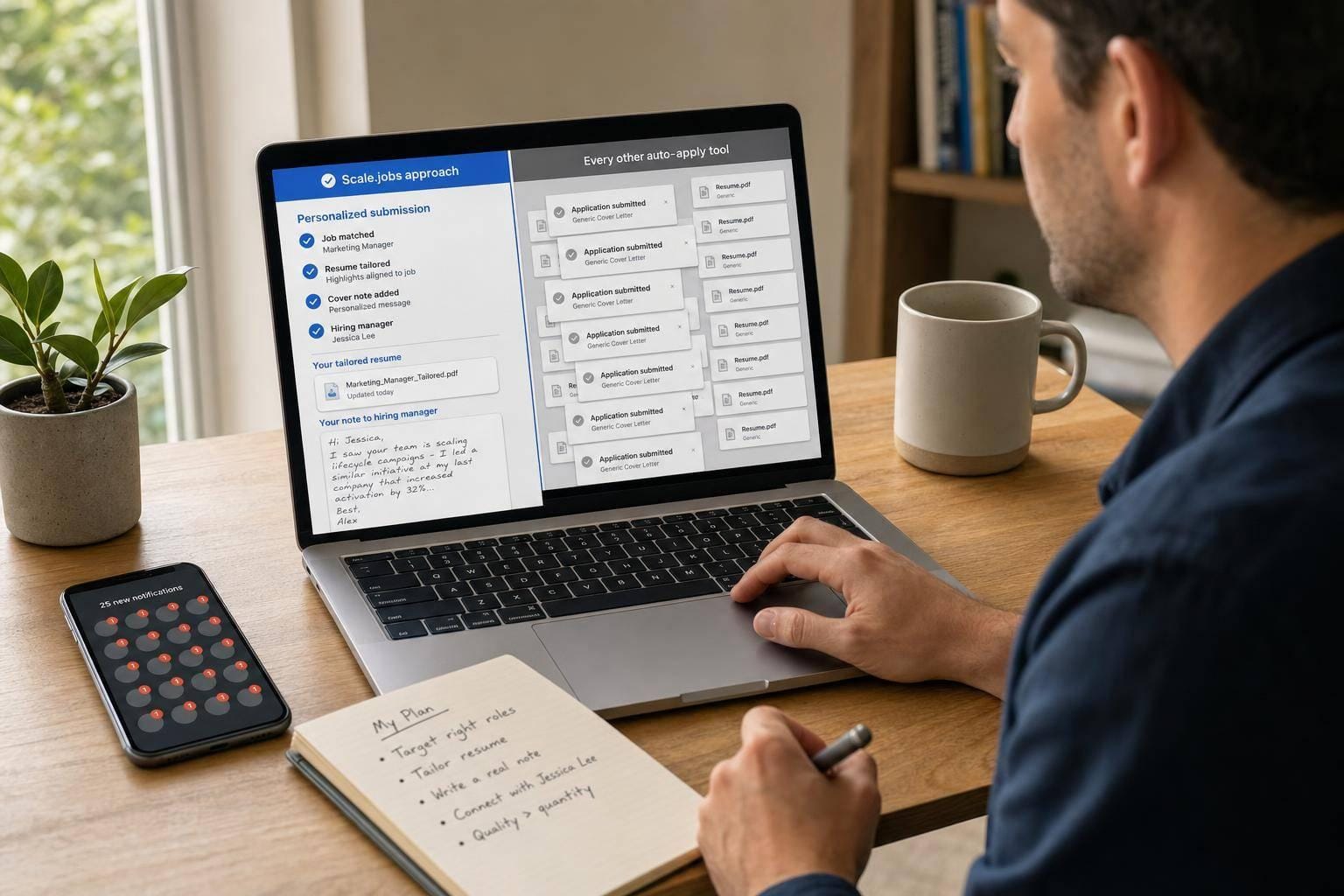
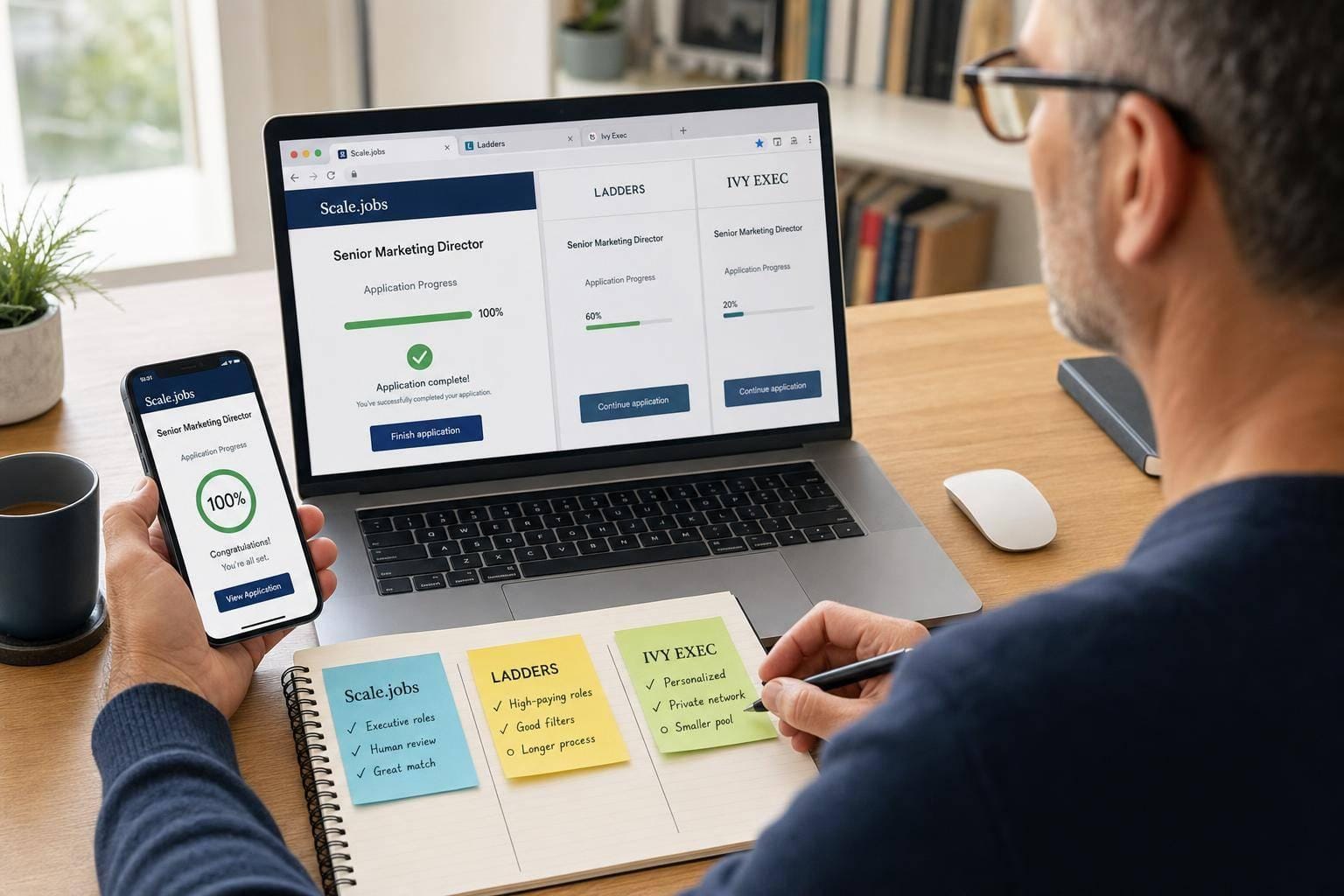
When comparing these tools, it becomes clear how your application strategy influences your results. LazyApply focuses on high-volume submissions using Job-GPT, which prioritizes quantity but often results in generic applications that fail to address specific job requirements or company values. Simplify.jobs offers a middle-ground solution with one-click applications and some AI-driven personalization but still relies predominantly on automation. scale.jobs, however, takes a completely different approach by assigning a dedicated Career Manager who manually tailors your resume for each position, manages networking outreach, and provides detailed updates and proof of work.
This distinction directly impacts your interview preparation. If your applications are sent by a bot using templated messages, you may lack the context to explain why you applied or how your skills align with the role. With scale.jobs, the human-in-the-loop process ensures each application reflects a genuine connection between your background and the job requirements. This gives you clear talking points for interviews, aligning with what 85% of recruiters value most: authenticity over perfection.
| Feature | scale.jobs | LazyApply | Simplify.jobs |
|---|---|---|---|
| Human Involvement | Dedicated Career Manager handles entire process | Fully automated AI (Job-GPT) | Primarily automated with optional AI assistance |
| Resume Customization | Customized resume for each application | AI templates applied at scale | One-click with limited AI personalization |
| ATS Optimization | Human-verified for each ATS system | AI algorithm attempts compatibility | Basic ATS formatting |
| Application Method | Hand-filled forms, zero bot flags | Mass automation across platforms | One-click automation |
| Transparency & Proof | Dedicated career manager updates with documented proof | Application count tracking | Simple submission confirmations |
| Pricing Model | One-time campaign bundles: $199 (250 apps), $299 (500 apps), $399 (1,000 apps) | Subscription: $129/month (unlimited apps) | Free tier + paid plans starting $30/month |
Who Benefits from Each Tool?
- LazyApply: Ideal for candidates who prioritize volume over personalization, such as early-career professionals applying to a wide range of roles in high-demand job markets.
- Simplify.jobs: Best suited for tech professionals looking for basic automation and a cost-effective solution for straightforward applications.
- scale.jobs: Perfect for mid-to-senior-level professionals, career changers, or individuals with specific needs like visa sponsorships. It’s tailored for those who value quality over quantity and want every application to strengthen their candidacy.
Why Choose scale.jobs?
Switching to scale.jobs makes sense if you're tired of automated rejections and want applications that provide meaningful interview preparation. With ATS-optimized documents verified by experts, you can avoid the pitfalls of generic automation. The service’s proof-of-work updates and flat-fee pricing ensure transparency, while its human-driven approach saves you over 20 hours per week - time better spent on interview preparation rather than filling out forms.
If you're ready for a job application service that emphasizes quality submissions, scale.jobs could be the tool to help you stand out. Thoughtfully crafted applications not only improve your chances of landing interviews but also equip you with compelling stories to share when meeting hiring managers.
Decision Summary
- LazyApply: Best for high-volume applications at a low cost.
- Simplify.jobs: A simple, low-cost option for basic automation.
- scale.jobs: The choice for candidates who value tailored applications and want to enter interviews fully prepared, with the confidence that their submissions reflect their strengths and align with the job requirements.
Conclusion
Tackling these common confidence traps head-on can dramatically improve your interview performance and ensure your applications showcase your true potential. Imposter syndrome, over-apologizing, perfectionism, and other habits like downplaying achievements or weak follow-ups can hold you back from landing the opportunities you deserve. In fact, research highlights that 70% of individuals encounter imposter syndrome, and 40% of employers hesitate to hire candidates who seem to lack confidence. These challenges aren't just minor hurdles - they can directly impact your career trajectory, from missed opportunities to slower salary growth.
Simple shifts can make a big difference. For instance, swapping vague descriptions for concrete examples using the STAR method or confidently taking credit for your contributions by saying "I" instead of "we" can reshape how interviewers view you. Remember, recruiters value authenticity, not perfection. They want to see the real you - someone who recognizes and communicates their value effectively.
"Downplaying your wins is a silent career killer. It's like being a world-class chef who only serves the interviewer a frozen dinner."
- Shelley Piedmont, Career Coach
If confidence feels elusive, the root issue might stem from the way you approach your job applications. Generic or automated applications often fail to convey why you're the perfect fit for a role. By using tools like scale.jobs, which offer tailored application services, including ATS-friendly resumes and personalized cover letters, you can walk into interviews with clarity and confidence, fully prepared to highlight how your skills align with the position.
Addressing these confidence traps leads to better job offers, higher salaries, and faster career advancement. Start by documenting your achievements, practicing "I" statements, and ensuring each application reflects your full potential. When you pair a mindset shift with strategic application tools, you stop underselling yourself and begin securing the roles you’re meant for. Let scale.jobs help you present your strengths effectively and take the next step in your career.
FAQs
How can I overcome imposter syndrome and showcase confidence during interviews?
Overcoming imposter syndrome begins with understanding that self-doubt is a shared human experience - it doesn’t define your true abilities. Instead of seeing an interview as a high-stakes interrogation, try reframing it as a two-way conversation. This shift in perspective can help ease the pressure and allow you to interact more naturally.
Preparation is key to building confidence. Start by identifying your core strengths and accomplishments, then practice articulating them with specific examples. This not only reinforces your self-belief but also makes it easier to communicate your value. When self-critical thoughts creep in, counter them by focusing on concrete evidence of your skills and past successes. Techniques like visualization, positive affirmations, and mindful breathing can also help you maintain calm and focus.
It’s important to remember that feeling nervous is perfectly normal, and confidence is something you can nurture over time. By staying grounded in your value and approaching the interview with honesty and self-assurance, you’ll be in a stronger position to present yourself effectively.
How can I stop over-apologizing during job interviews?
To avoid over-apologizing during interviews, it’s essential to adjust your mindset and build confidence. Think of the interview as a balanced conversation where both sides are learning about each other, rather than a high-pressure interrogation. This perspective can help you feel more self-assured and reduce the impulse to apologize unnecessarily.
Be aware of societal or personal habits that may lead to excessive humility, particularly for women or individuals from underrepresented groups. Instead of apologizing, focus on using strong, affirmative language to showcase your skills and accomplishments. For example, swap phrases like "Sorry, I only..." for statements like "I successfully..." or "I contributed by..." to clearly articulate the value you bring.
Preparation can make a big difference. Practice answering common interview questions, ask trusted friends or mentors for feedback, and center your responses around your strengths. Over time, these strategies will help you communicate confidently, ensuring your professionalism shines through without the need for unwarranted apologies.
What are some tips for improving my body language to appear more confident in interviews?
Improving your body language during interviews can significantly enhance the way you’re perceived, helping you exude confidence and leave a lasting impression. Start with maintaining good posture - sitting or standing upright gives off an air of self-assurance. Leaning slightly forward can also signal genuine interest and engagement in the conversation. Eye contact is key; it helps establish a connection, but be mindful not to overdo it, as constant staring can feel awkward.
Pay attention to your gestures as well. Keep your movements intentional and avoid habits like fidgeting, which might reveal nervousness. To stay composed, try deep breathing techniques beforehand to calm your nerves and keep your body relaxed. During the conversation, use purposeful hand gestures to emphasize your points, and nod occasionally to show you’re actively listening. These subtle but effective tweaks can make you appear poised and confident, even if you’re feeling a bit anxious.