
8 Networking Platforms for Legal Professionals

Sarah Mitchell
January 8, 2026

In today's legal landscape, digital networking platforms are reshaping how attorneys connect, share knowledge, and grow their careers. With 60% of new client work coming from referrals and platforms driving a 37% higher client retention rate, these tools are essential for building relationships, gaining expertise, and uncovering new opportunities. Whether you're a solo practitioner, in-house counsel, or part of a large firm, these platforms can help you stay connected and competitive.
Here are 8 key platforms tailored for legal professionals:
- Quora: Public Q&A site for sharing expertise and building credibility.
- Bar Association Forums: Membership-based communities offering practice-specific discussions and CLE opportunities.
- LinkedIn Groups: Professional networking spaces for engaging with peers and sharing industry insights.
- Listservs: Email-based groups for real-time legal discussions and referrals.
- Lawyerist Community: Resources and coaching for solo and small firm attorneys.
- Reddit Subreddits: Anonymous forums like r/LawFirm and r/biglaw for candid discussions and advice.
- Slack Communities (e.g., LawyerSmack): Real-time chat hubs for collaboration and mentorship.
- Law School Alumni Forums: Exclusive networks for career transitions and mentorship.
These platforms cater to different needs, from client referrals to career transitions and professional support. By focusing on one or two that align with your goals, you can build meaningful connections and advance your legal career.
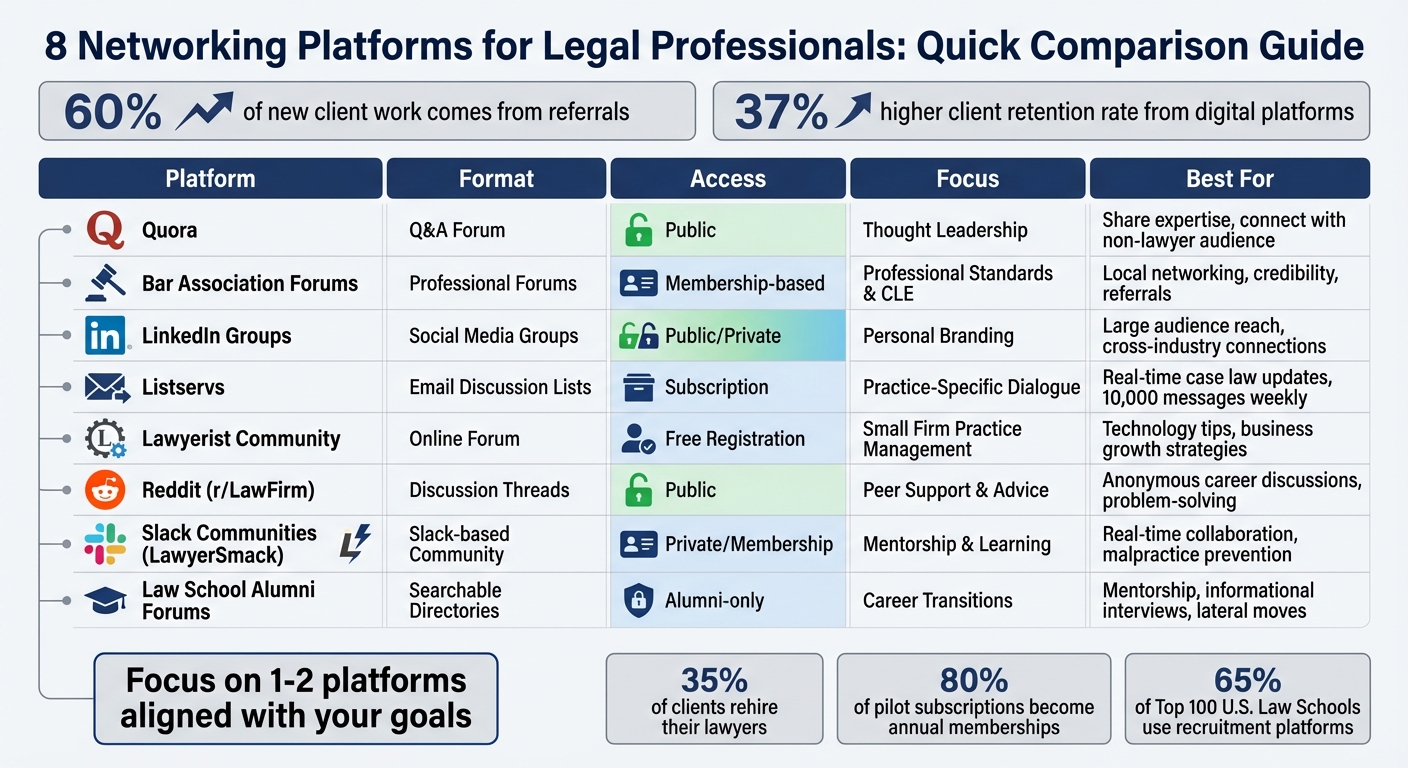
Comparison of 8 Networking Platforms for Legal Professionals
1. Quora
Format
Quora operates as a public Q&A platform where users provide detailed answers to a wide range of questions. The platform encourages well-thought-out responses, making it a great space for breaking down complex legal concepts. Legal professionals can also subscribe to "Spaces" dedicated to specific practice areas, such as intellectual property, criminal defense, or corporate law. This feature helps tailor their feed to match their professional interests and expertise.
Access
The platform is free to browse, but posting answers or following topics requires registration. This open-access model gives attorneys a chance to build their online presence and connect with a diverse audience, including both peers and potential clients.
Focus
Quora is home to vibrant legal communities, covering everything from general legal inquiries to highly specialized topics like "Patent Law" or "Immigration Law." This setup allows attorneys to demonstrate their knowledge in specific areas of law.
Networking Benefits
By consistently providing valuable insights, attorneys can enhance their credibility and attract referrals. Potential clients get a firsthand look at their expertise, aligning with the growing trend of digital-first professional networking.
2. Bar Association Forums
Format
Bar association forums bring together discussion boards, listservs, and webinars into one comprehensive networking platform. For example, the American Bar Association (ABA) organizes its platform into over 35 specialized Member Groups, each focusing on specific practice areas like Criminal Law or Intellectual Property. Similarly, NALPconnect serves as the go-to digital space for NALP members, enabling real-time collaboration and knowledge exchange. Beyond the digital realm, many associations also host in-person events, such as section dinners and annual meetings, to further strengthen connections.
Access
Unlike open online platforms, bar association forums operate on a membership basis. Becoming a member typically requires proof of legal credentials and payment of annual dues. For instance, the New York State Bar Association encourages membership with this promise:
Join Today and Enjoy Complimentary Access to CLE Programs, Publications, Forms & More!
While some general content may be accessible to the public, features like specialized forums, member directories, and practice-specific listservs are reserved exclusively for paying members.
Focus
These forums are designed to provide targeted networking opportunities within specific practice areas. Discussions are further refined by career stages, ensuring that members engage in conversations that are both relevant and focused on their professional needs.
Networking Benefits
Bar association forums are powerful tools for building referrals and advancing careers. Regular participation helps boost visibility among peers, increasing the likelihood of being remembered for referral opportunities. Additionally, these platforms often feature Continuing Legal Education (CLE) sessions, which serve a dual purpose: earning CLE credits and networking with other professionals. For newer attorneys, many associations offer "Bridge the Gap" programs, which include networking opportunities tailored to help them transition smoothly into the legal profession.
3. LinkedIn Groups
Format
LinkedIn Groups serve as online forums where legal professionals come together to exchange ideas, share articles, ask questions, and discuss legal issues. The platform is designed to keep things organized - allowing users to follow specific topics, get notifications when new discussions pop up, and search through past conversations for helpful insights.
Access
Access to these groups is not open to just anyone. Most professional groups require approval before you can join. Group administrators carefully review profiles to confirm that applicants have a legitimate connection to the legal field. This process ensures that the groups maintain a professional and credible community, rather than becoming open forums. Once you're approved, you can access all the features without any cost.
Focus
There’s a LinkedIn Group for nearly every niche in the legal world. From broad communities like "Legal Professionals Worldwide" to specialized groups focused on intellectual property litigation, legal operations, or specific geographic regions, the options are extensive. Some groups even cater to different career stages, offering separate spaces for law students, junior associates, and seasoned partners. This segmentation ensures discussions stay relevant and engaging, making it easier to connect with peers who share your interests or expertise.
Networking Benefits
Being active in LinkedIn Groups can significantly boost your professional visibility. Posting thoughtful insights, sharing updates on recent cases, or commenting on industry trends helps you build credibility and positions you as a knowledgeable expert. Members often share case law updates, explore new legal technologies, and engage in both quick exchanges and deep discussions. Over time, this visibility can lead to valuable referrals - when someone needs to pass along a case outside their area of expertise, they’re more likely to think of a peer whose posts they’ve been following. Beyond networking, these groups offer a steady stream of learning opportunities, with members sharing resources and advice on navigating the challenges of the legal profession with virtual assistant support.
4. Listservs
Format
Email-based listservs, rooted in the tradition of online forums, offer a practical way for legal professionals to network and share knowledge. These groups deliver targeted legal discussions directly to your inbox and have evolved to include modern features like Slack-style channels and dedicated forums. For example, LawyerSmack's Sidebar community hosts dozens of channels covering practice areas such as Criminal Law, Family Law, Intellectual Property, Finance, and the Federal Rules of Civil Procedure (FRCP). The platform sees an impressive 10,000 messages exchanged weekly, making it a hub for active legal discussions.
Access
Joining most legal listservs requires credential verification to ensure a secure and professional environment. Some platforms, like Sidebar, have an application process to maintain a vetted community. Discussions are often organized into focused groups covering topics like recruiting, career advice, lateral hiring, and diversity. For those just starting out, platforms such as Legal.io provide free basic access to their talent network, making it easier for newer attorneys to engage without upfront costs. For those ready to transition into new roles, using job application assistance can further streamline the process. This layered access ensures both security and inclusivity for participants.
Focus
Listservs excel at fostering focused conversations on a wide array of legal topics. Channels are tailored to specific practice settings - In-House counsel, Solo/Small Firms, Big Law, and Government/Prosecution - as well as substantive legal areas like Corporate, Employment, Litigation, Privacy, and Regulatory law. Beyond professional topics, many platforms include informal channels designed to help lawyers connect on a personal level, reducing the isolation often associated with the profession.
Networking Benefits
These platforms aren't just for networking - they also function as malpractice prevention tools. Attorneys can test out legal theories and vet expert witnesses in a confidential setting. As Rich Herbert from Rich Herbert Law puts it:
"Sidebar developed into an actual learning space; it's now also a straight-up malpractice prevention tool. I can bounce ideas off of several lawyers at any given time."
Joshua Holt from Big Law Investor highlights the efficiency of these platforms:
"Rather than sifting through an old-fashioned legal database, Sidebar is the new method for sourcing good ideas."
Listservs also facilitate business referrals and provide instant access to experts in niche areas of practice. Jennifer Judge, Deputy General Counsel, captures the appeal perfectly:
"Sidebar is all the benefits of networking with other lawyers, without the awkward mingling and standing alone at networking events."
In short, listservs offer a fast and secure way for attorneys to connect with peers, share insights, and collaborate - all while maintaining confidentiality. They’re a modern solution for building relationships and exchanging expertise in the legal field.
5. Lawyerist Community
Format
The Lawyerist Community offers support tailored for solo and small firm lawyers through a variety of channels. These include a Facebook forum, the Lawyerist Lab coaching program, podcasts, and a resource hub filled with legal product reviews and business guides. Unlike platforms that focus strictly on legal theory, Lawyerist bridges the gap between practicing law and running a law firm as a business. It emphasizes building "healthy" firms using six core pillars: Strategy, Team, Clients, Systems, Profits, and Owner Health. This multi-channel setup provides lawyers with diverse ways to engage and grow.
Access
While some resources, like the Facebook forum and podcasts, are free, the heart of the community lies in the paid Lawyerist Lab coaching program. This program is specifically designed for solo and small firm attorneys, connecting them with a team of business strategists, attorneys, and subject matter experts dedicated to helping them develop their firms.
Focus
The platform zeroes in on the unique challenges of managing a law practice as a business. Its "Healthy Firm" model encourages lawyers to work smarter, aiming for less than 40-hour workweeks by implementing streamlined, technology-driven, and client-centered systems. Topics covered include client acquisition, optimizing fees, marketing strategies, hiring processes, and selecting the right legal tech - all with the goal of creating sustainable and efficient practices.
Networking Benefits
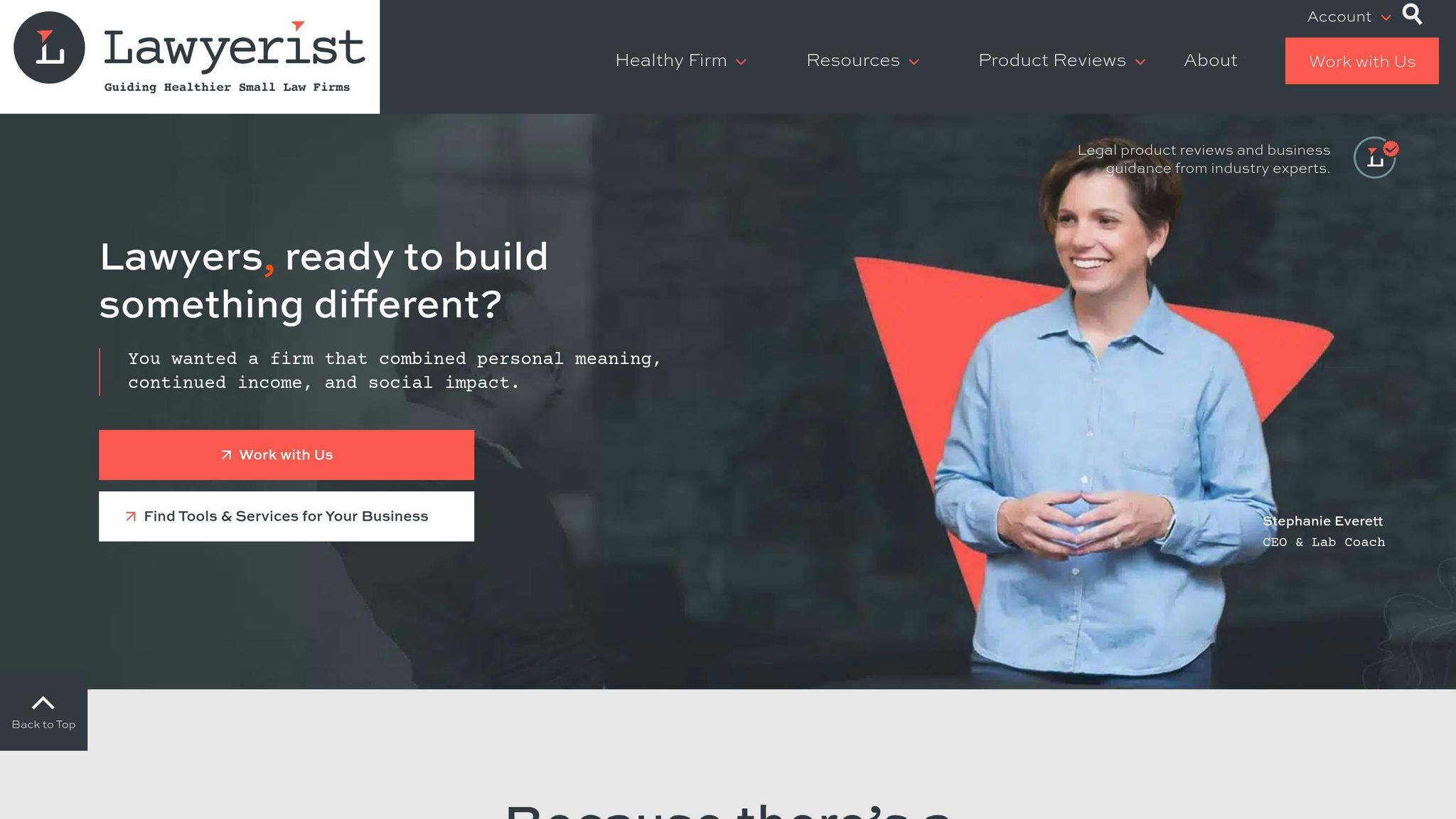
Members gain the opportunity to connect with peers who share similar goals, exchanging ideas and discussing best practices for running a law firm. They also benefit from direct coaching by seasoned strategists, which has led to real results like increased fees, improved client acquisition systems, and more efficient hiring processes. CEO Stephanie Everett’s coaching is often praised as the "gold standard" for small firm guidance.
"We're on a mission to change [the business of law]."
6. Reddit (r/LawFirm and Lawyer Subreddits)
Format
Reddit serves as a hub where legal professionals exchange questions, experiences, and advice. Among the most active legal communities are r/LawFirm, which emphasizes the business side of law - covering topics like solo practice management, technology, and marketing. Then there’s r/biglaw, a space tailored for associates at large international firms, where discussions often revolve around compensation, work-life balance, and firm culture. For a more exclusive environment, r/lawyers provides a verified-only space where attorneys can discuss professional matters openly. These diverse communities offer a variety of perspectives and engagement opportunities.
Access
Most legal-related subreddits are free to join, but r/lawyers stands out by requiring proof of bar admission. This verification ensures a trusted environment for members to discuss sensitive topics. Once verified, users gain access to conversations that are more candid than what’s typically found on public forums. This layered access makes Reddit a unique platform for niche legal networking.
Focus
Each subreddit caters to specific interests within the legal profession. r/LawFirm is ideal for solo practitioners and small firm owners, focusing on practice management and entrepreneurship. r/biglaw zooms in on the challenges faced by associates at large firms. Beyond these, there are subreddits dedicated to specialized areas like family law, intellectual property, and more.
Networking Benefits
One of Reddit’s biggest strengths is its relative anonymity, which encourages lawyers to ask questions they might avoid in more formal settings. Whether it’s about switching practice areas, handling challenging clients, or evaluating job offers, these discussions provide valuable insights. Engaging in these conversations can also highlight expertise and even lead to referrals. Additionally, Reddit offers real-time updates on trends such as legal technology and hiring practices, blending professional transparency with community-driven knowledge.
7. Slack Communities (e.g., LawyerSmack)
Format
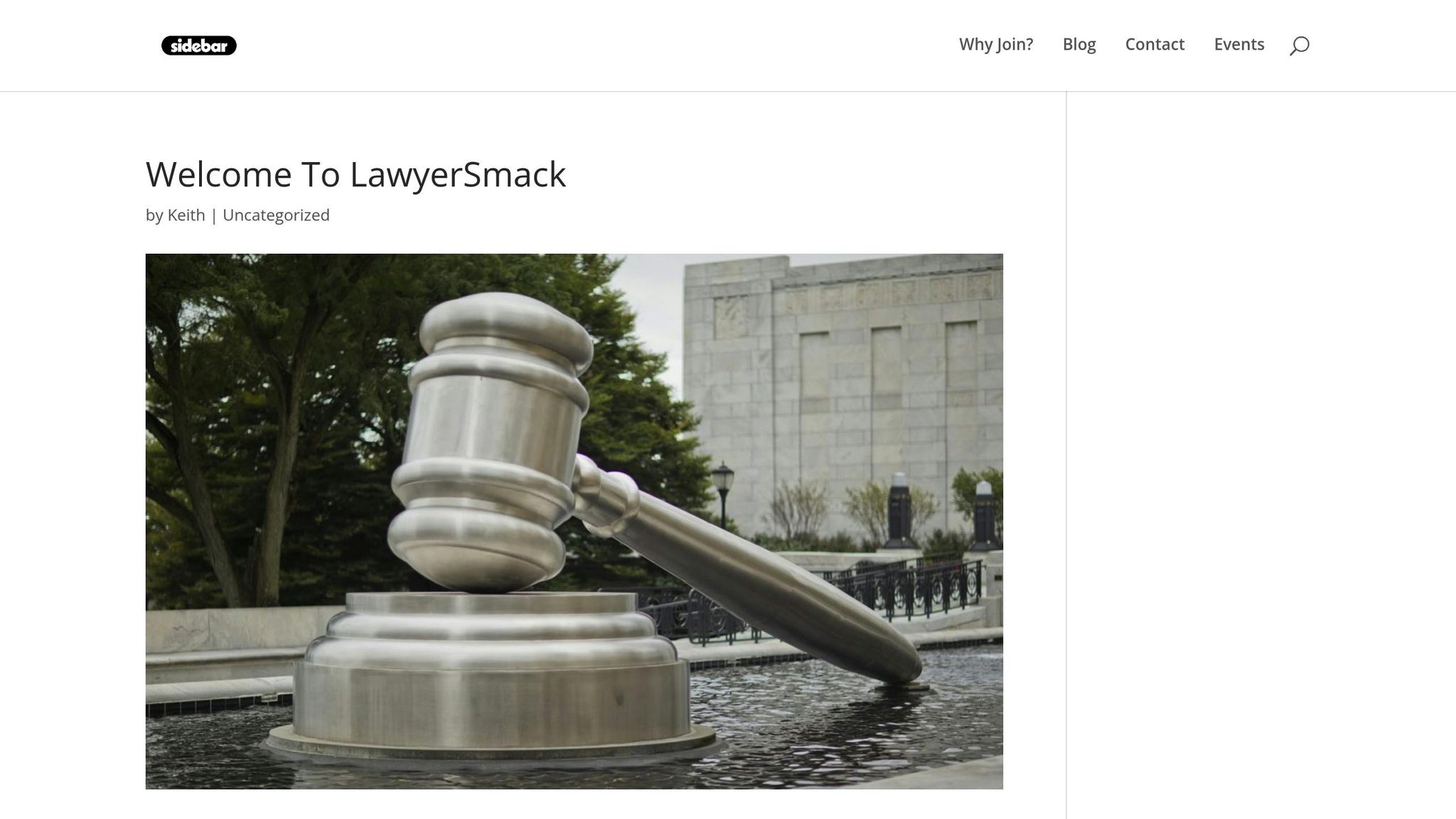
Slack-based legal communities, like LawyerSmack, function as dynamic chat hubs organized into various specialized channels. Unlike traditional forums where replies might take hours or even days, these platforms allow for real-time conversations. Channels are tailored to specific practice areas - such as Criminal, Domestic, FRCP, In-House, Intellectual Property, Finance, and Solo/Small Firm - making it easy for lawyers to dive straight into discussions that matter to them. Beyond legal topics, there are also casual channels for interests like gaming, fashion, and pop culture, fostering personal connections outside of work. With over 10,000 messages exchanged weekly, these communities are among the most active spaces for legal professionals to network and collaborate.
Access
Joining LawyerSmack requires private, verified membership, ensuring a secure and trusted environment. This vetting process guarantees that all participants are legitimate legal professionals, allowing for candid discussions on sensitive topics without fear of public exposure. The exclusivity of the platform cultivates a sense of trust and encourages open dialogue.
Focus
LawyerSmack strikes a balance between professional growth and personal connection. On the professional side, attorneys use the platform to share precedent, brainstorm challenging legal issues, and receive quick feedback on case strategies. On the personal side, the non-legal channels provide a much-needed sense of community, especially for solo practitioners, federal clerks, and in-house counsel who may feel isolated. As Matthew L. Kreitzer from Kreitzer Law explains:
"I've found LawyerSmack invaluable in starting my own solo career and breaking free of the law firm model. Highly recommend it for any lawyer looking to learn from a diverse set of colleagues."
Networking Benefits
The real-time interaction on Slack reshapes how lawyers connect and collaborate. LawyerSmack has evolved into a space where members can learn, share insights, and even prevent potential malpractice through instant peer feedback. It’s also a great resource for business referrals, expert recommendations, and career advice, all without the discomfort of traditional networking events. Jennifer Judge, Deputy General Counsel, highlights this advantage:
"Sidebar is all the benefits of networking with other lawyers, without the awkward mingling and standing alone at networking events."
From Big Law attorneys to niche solo practitioners, LawyerSmack brings together a wide range of legal professionals, creating a diverse and knowledgeable community that spans across practice areas and geographic locations.
8. Law School Alumni Forums
Format
Law school alumni forums serve as searchable directories, often integrated with legal research tools and career portals unique to each school. These platforms let legal professionals connect with fellow alumni based on criteria like practice area, location, or specific judicial clerkships. Many schools now leverage advanced recruitment software to host virtual and hybrid networking events, offering more dynamic opportunities than static directories ever could. In fact, over 65% of the Top 100 U.S. Law Schools use these platforms to manage employment connections, combining ease of use with secure access protocols.
Access
Access to these forums is typically limited to graduates and current students, creating a private network built on shared academic experiences. To join, you’ll need to go through your law school’s career services or alumni office. This exclusivity ensures that every interaction starts with a common ground, making it easier to establish rapport and build meaningful connections.
Focus
One of the standout features of these forums is their ability to facilitate highly targeted searches. You can filter alumni by practice area, jurisdiction, or even specific clerkships. This level of precision is particularly useful when you’re exploring a new legal specialty, considering a move to a different region, or preparing for a career transition. Many schools also offer support through career counselors, who can help you craft effective outreach emails and fine-tune your networking strategies.
Networking Benefits
These alumni directories are a goldmine for setting up informational interviews. By researching an alum’s background - using tools like litigation profiles or news databases - you can turn a cold email into a meaningful conversation. These connections often lead to mentorship opportunities and even lateral career moves, making these forums an invaluable resource for legal professionals.
Ultimate LinkedIn Guide for Lawyers | Social Media | Lunch Hour Legal Marketing
Platform Comparison Table
Here's a quick look at how the networking platforms stack up for legal professionals. Each one offers distinct features, access levels, and opportunities for building connections in the legal world.
| Platform | Format | Access Type | Focus Area | Networking Benefits |
|---|---|---|---|---|
| Quora | Q&A Forum | Public | Thought Leadership | Share expertise by answering legal questions; connect with a broader, non-lawyer audience |
| Bar Association Forums | Professional Forums | Membership-based | Professional Standards & CLE | Network locally and statewide, build professional credibility, and find referral opportunities |
| LinkedIn Groups | Social Media Groups | Public/Private | Personal Branding | Reach a large audience, publish content, and connect across industries |
| Listservs | Email Discussion Lists | Subscription | Practice-Specific Dialogue | Get real-time updates on case law and exchange advice tailored to specific jurisdictions |
| Lawyerist Community | Online Forum | Free Registration | Small Firm Practice Management | Access technology tips and strategies for growing your business |
| Reddit (r/LawFirm) | Discussion Threads | Public | Peer Support & Advice | Engage in anonymous discussions about career challenges and problem-solving |
| Slack Communities (LawyerSmack) | Slack-based Community | Private/Membership | Mentorship & Learning | Collaborate securely with peers, share ideas, and prevent malpractice through collective brainstorming |
| Law School Alumni Forums | Searchable Directories | Alumni-only | Career Transitions | Explore mentorship opportunities, conduct informational interviews, and navigate lateral career moves |
Choosing the right platform depends on what you need at the moment. Solo practitioners might benefit from platforms that simplify marketing and billing, freeing up time for client work. If you're considering an in-house role, look for vetted networks that can help with salary insights and connections. For mentorship or quick problem-solving, Slack communities are great for real-time advice from peers who understand your challenges.
This table can help you pinpoint the platform that best matches your legal career goals.
Conclusion
Selecting the right networking platform can significantly impact the growth of your legal career. Whether you're a solo attorney looking for client referrals through Bar Association Forums, an in-house counsel seeking salary insights and peer connections, or a law student exploring early career networking strategies, aligning your choice of platform with your specific goals is key.
Michael Meyer offers a compelling perspective:
"As a lawyer, your professional network can be as important as your legal expertise."
Each platform discussed - whether it's LinkedIn Groups for broad exposure or Slack communities like LawyerSmack for real-time collaboration - caters to different needs at various career stages.
Consider this: 35% of clients rehire their lawyers, and 80% of pilot subscriptions transition into annual memberships. These numbers highlight the importance of maintaining a consistent and strategic online presence.
Take a moment to assess where you are in your career. Do you need referrals, mentorship, new clients, or a career pivot? Focus on one or two platforms that align with your goals and dedicate one to two hours a month to engaging there. Success doesn’t come from being everywhere - it comes from showing up consistently in the right places. Use these tools to build meaningful connections and take your legal career to the next level.
FAQs
What’s the best networking platform for advancing my legal career?
When it comes to choosing the right networking platform for your legal career, the best option will depend on what you’re aiming to achieve. Whether you’re looking to secure a full-time associate position, grow a solo practice, or explore freelance opportunities, the ideal platform should align with your goals. Look for one that’s tailored to legal professionals, offers a strong network of peers and recruiters, and provides useful features like job boards, virtual events, and tools for managing your connections effectively.
Some platforms are designed to connect law students and early-career attorneys with internships and entry-level positions, while others focus on helping solo practitioners attract clients and expand their practice. When evaluating your options, think about factors like how user-friendly the platform is, the cost, and whether it supports ATS-friendly resumes. Trying out free features or demos can give you a sense of whether the platform meets your needs and is worth your time and investment.
What are the advantages of joining membership-based forums like Bar Association Forums for legal professionals?
Membership-based forums, like Bar Association Forums, provide legal professionals with a private and reliable space to connect with colleagues, mentors, and even future employers. These platforms often feature a membership directory and a community portal, making it easier to network within specific practice areas or geographic regions. This kind of access can open doors to referrals, collaborations, and job opportunities that aren’t typically advertised to the public.
Beyond networking, members gain access to tools such as dedicated job boards, custom job alerts, and career resources designed to support professional growth. From résumé tips to interview preparation and insights tailored to specific practice areas, these resources are built to help members advance in their careers. Many forums also host regular webinars and events, offering updates on industry trends and actionable strategies for professional development - all often included in the membership package.
Joining a recognized bar association also boosts credibility, showcasing a commitment to ethical standards and continuous learning. Members often benefit from exclusive access to research materials, policy updates, and advocacy initiatives, keeping them informed and actively engaged in shaping the future of the legal field.
How can Slack-style communities help lawyers reduce the risk of malpractice?
Slack-style legal communities offer attorneys a dynamic, real-time platform to collaborate and refine their work, significantly lowering the chances of mistakes that could lead to malpractice. Through private channels tailored to specific practice areas, lawyers can exchange draft documents, pose strategic questions, and receive immediate feedback from seasoned colleagues. This kind of collaboration helps identify potential issues like missing citations, procedural missteps, or ethical concerns early in the process.
These communities also build a sense of accountability by encouraging members to share updates on court rulings, bar standards, and effective practices. For junior attorneys, it’s a supportive space to ask questions and gain guidance, reducing the likelihood of uninformed decisions. On top of that, the searchable archives of past discussions serve as a valuable resource for tackling similar cases, helping ensure decisions are informed and backed by collective insight.
This peer-review approach not only streamlines validation but also minimizes reliance on individual memory and provides a documented trail of diligence - key elements in defending against malpractice claims. By using these tools, legal professionals transform networking into a proactive way to guard against costly errors.