
US proposes four key reforms to H-1B visa program

Sarah Mitchell
April 15, 2026
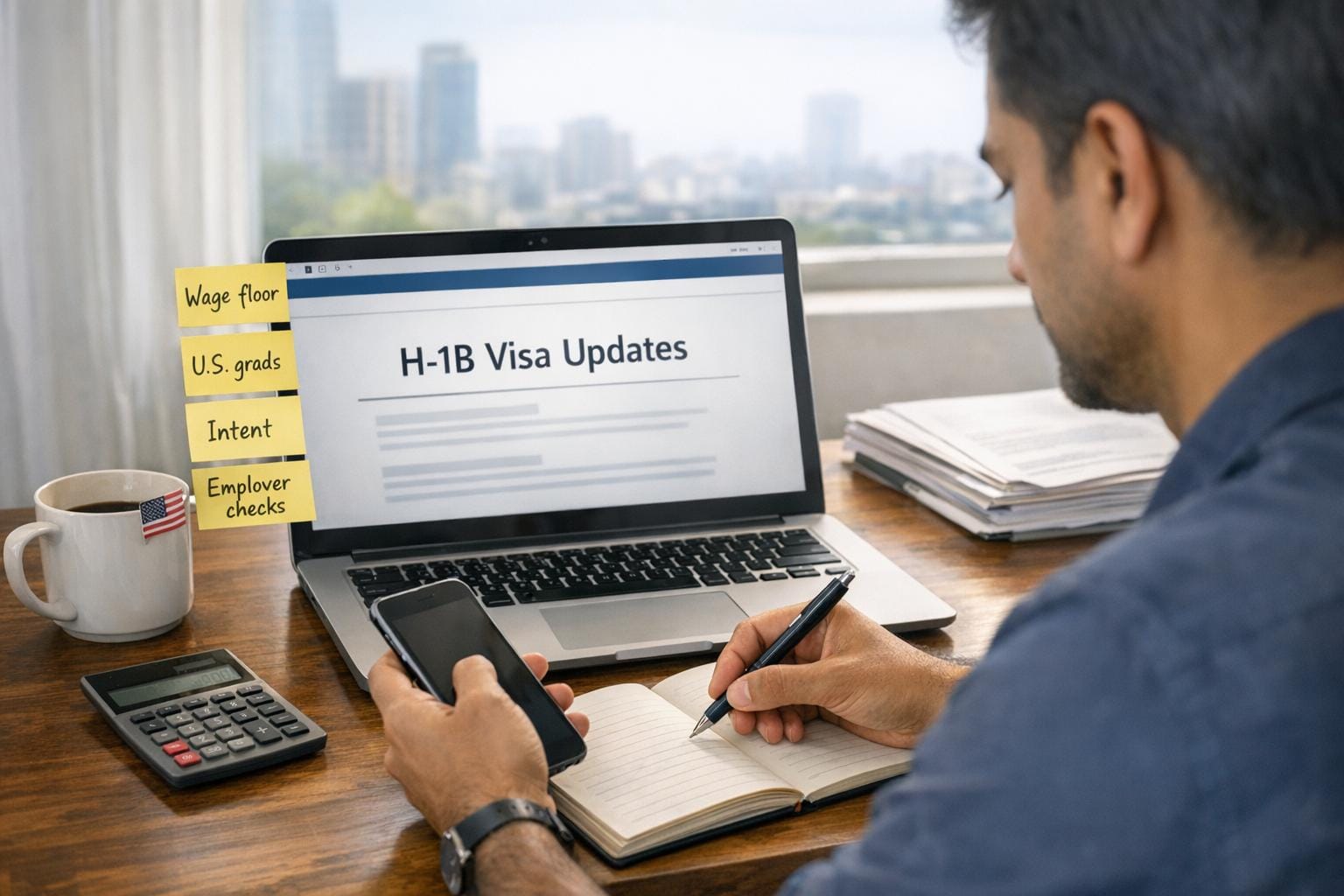
The United States Department of Labor (DOL) has announced a set of significant proposed changes to the H-1B visa program, aiming to tighten regulations and address concerns about wage fairness and the hiring of domestic workers. These measures, if implemented, could impact how foreign workers are employed in sectors like tech and engineering.
Major reforms target visa system and wages
The proposed reforms center on four key areas:
- Ending dual intent: Under the current system, H-1B visa holders can apply for green cards despite the visa being temporary by nature. The new proposal seeks to eliminate this "dual intent", ensuring that temporary visas do not serve as a pathway to permanent residency.
- Prioritizing salaries: A key aspect of the changes is the introduction of a system where visas are prioritized based on salaries. Higher-paying jobs would be given preference, potentially curbing the practice of hiring foreign workers in lower-wage roles.
- Favoring US-educated candidates: The DOL has proposed giving preference to individuals with US degrees, particularly those with a master’s degree or higher. This reform is designed to encourage the hiring of foreign workers who have pursued advanced education within the United States.
- Stricter employer checks: Employers may need to demonstrate more rigorously that they attempted to hire American workers before recruiting foreign employees. Additionally, random audits could be introduced to ensure compliance with the new rules.
sbb-itb-564272e
Wage adjustments to prevent underpayment
In conjunction with these reforms, the DOL has outlined a proposal to increase the minimum salaries for H-1B jobs. This adjustment aims to prevent companies from using the visa program to cut costs by paying foreign workers less than their US counterparts.
Currently, H-1B jobs are categorized into four wage levels based on experience and skill, with pay rates tied to specific percentiles. Under the new plan, these wage levels would increase significantly:
- Level I (entry-level) would rise from the 17th percentile to the 34th.
- Level II (qualified) would increase from the 34th percentile to the 52nd.
- Level III (experienced) would shift from the 50th percentile to the 70th.
- Level IV (fully competent) would escalate from the 67th percentile to the 88th.
These changes aim to "reduce the incentive to displace American workers with low-wage foreign visa holders and establish parity between the wages paid to US workers and foreign workers", according to the department.
A shift in the visa allocation process
The proposed reforms build upon earlier changes introduced by the Department of Homeland Security (DHS). In February, the DHS modified the H-1B visa allocation process, replacing the random lottery system with one that prioritizes higher-paying jobs. Together, these measures reflect a broader effort to incentivize higher wages for roles filled by foreign workers.
Implications for companies
If implemented, these reforms could have a significant impact on companies that rely heavily on H-1B visas, especially in industries like technology and engineering. The increased wage requirements and stricter regulations might lead to higher hiring costs. Consequently, companies may focus more on filling genuinely high-skill positions and consider hiring local talent for other roles.
Addressing criticisms of the program
The H-1B visa program was originally introduced in 1990 to help US companies address skill shortages. However, critics argue that the program has deviated from its original purpose. Reports suggest that some companies use the program to hire lower-paid foreign workers as replacements for Americans, rather than filling genuine skill gaps.
On paper, the annual cap for H-1B visas stands at 65,000, with an additional 20,000 for individuals with advanced degrees. However, exemptions for nonprofit and university jobs, as well as renewals, mean that the actual number of approved petitions often far exceeds these limits. For instance, in fiscal year 2024, approximately 400,000 H-1B petitions were approved, well above the official cap.
Critics have also highlighted inconsistencies, pointing to major tech firms conducting layoffs even while benefiting from the program. This has raised questions about whether the system is being misused to lower labor costs.
The Department of Labor’s proposed reforms represent an attempt to address these issues and re-align the H-1B visa program with its intended purpose. By prioritizing wages and stricter compliance, the reforms aim to ensure that the program benefits both the US economy and its workforce.
Read the source