
Accounting Resume Examples, Templates & Writing Guide

Written by: Scale.jobs EditorialLast updated: May 1, 2026







Introduction
Create a professional accountant resume that demonstrates your GAAP expertise, financial reporting accuracy, and proven track record of supporting organizational compliance and profitability.
This guide walks you through every major section of a accountant resume, with practical tips you can apply today.
- How to position your GAAP and IFRS knowledge to attract top accounting employers
- Strategies for quantifying your impact on financial statement accuracy and audit readiness
- Techniques for presenting ERP system proficiency and advanced Excel capabilities effectively
- Methods for structuring experience bullets around month-end close and reporting deliverables
- Best practices for showcasing CPA licensure or exam progress on your resume
- Ways to tailor your resume for public accounting, industry, or government accounting roles
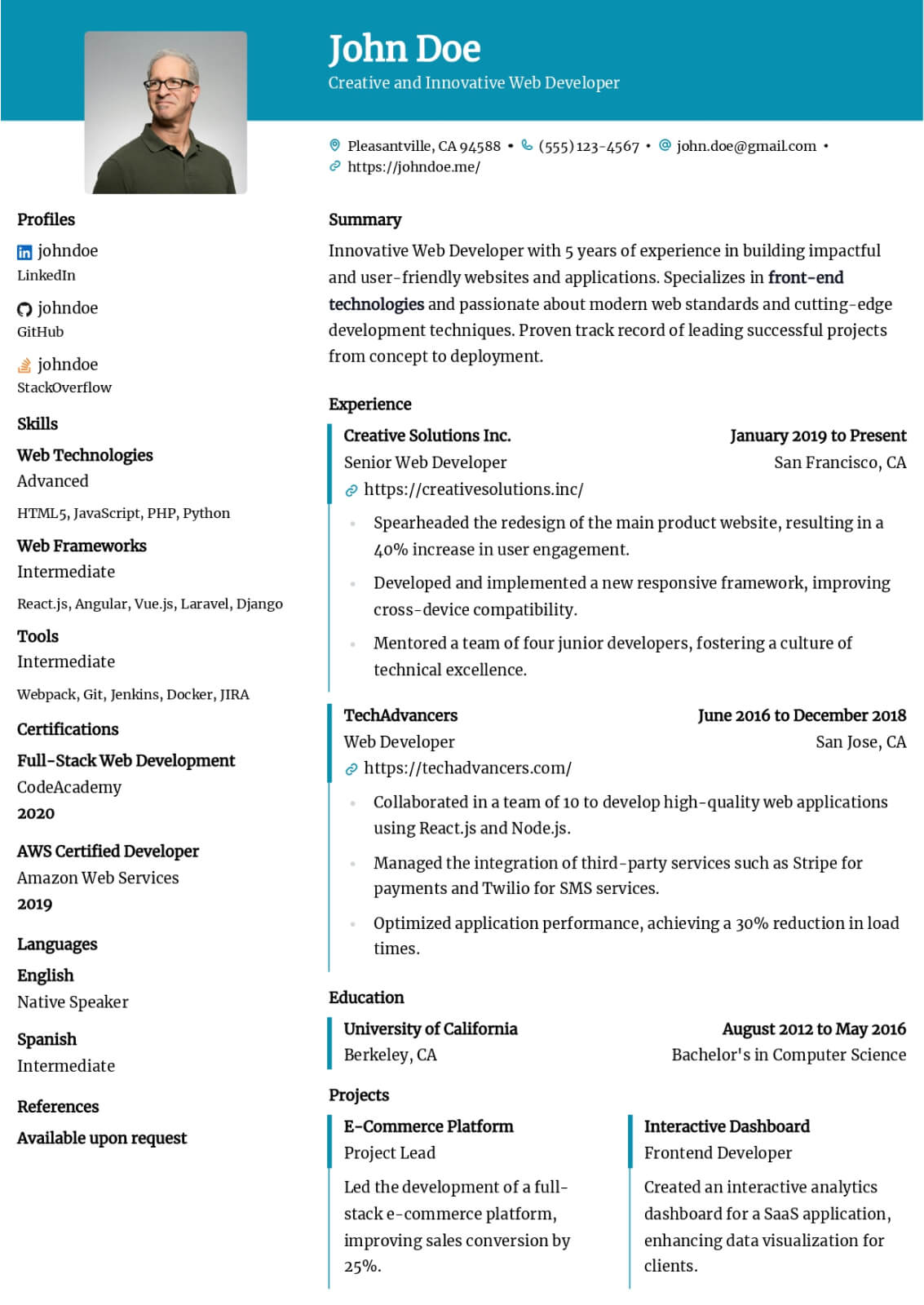
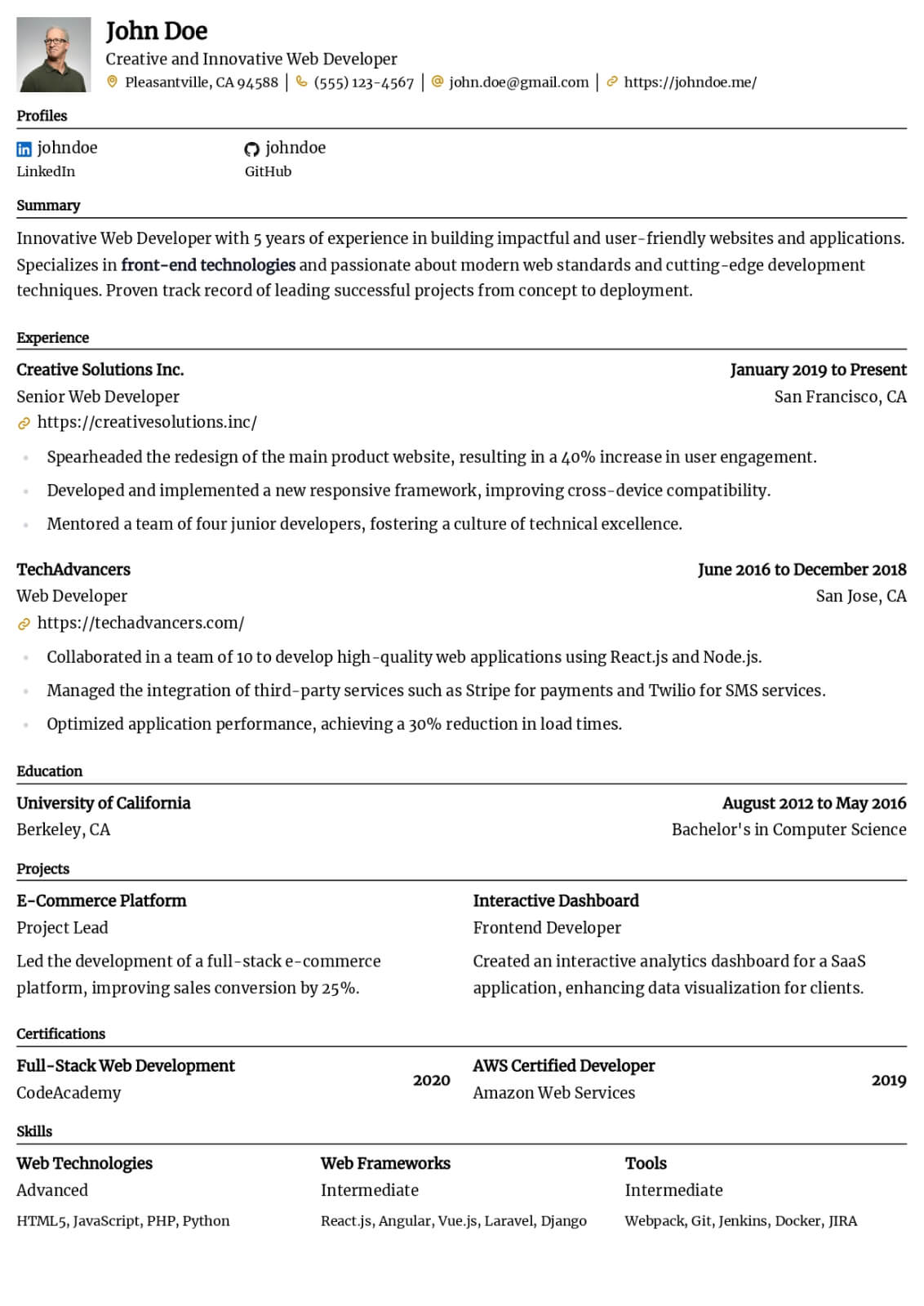
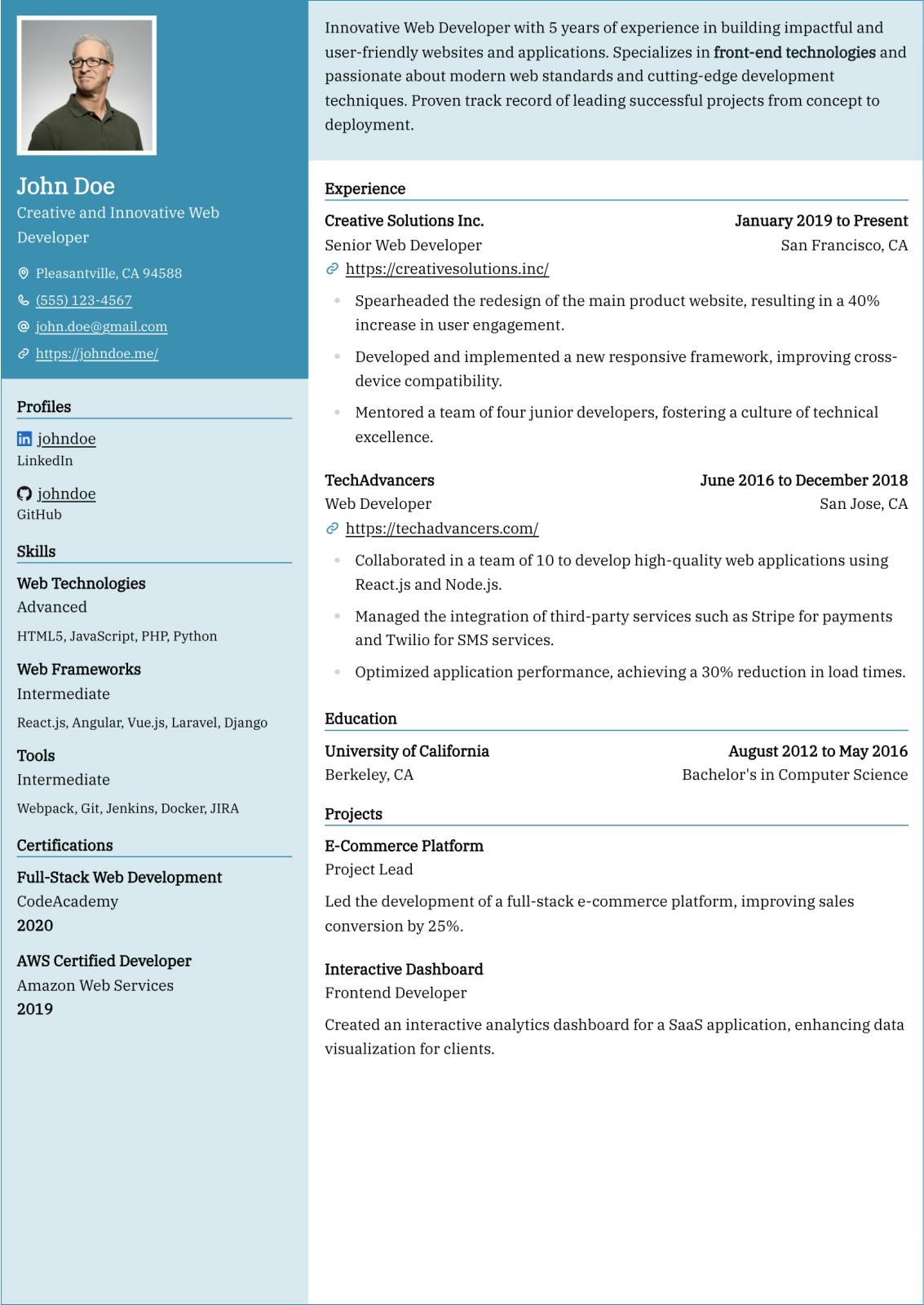
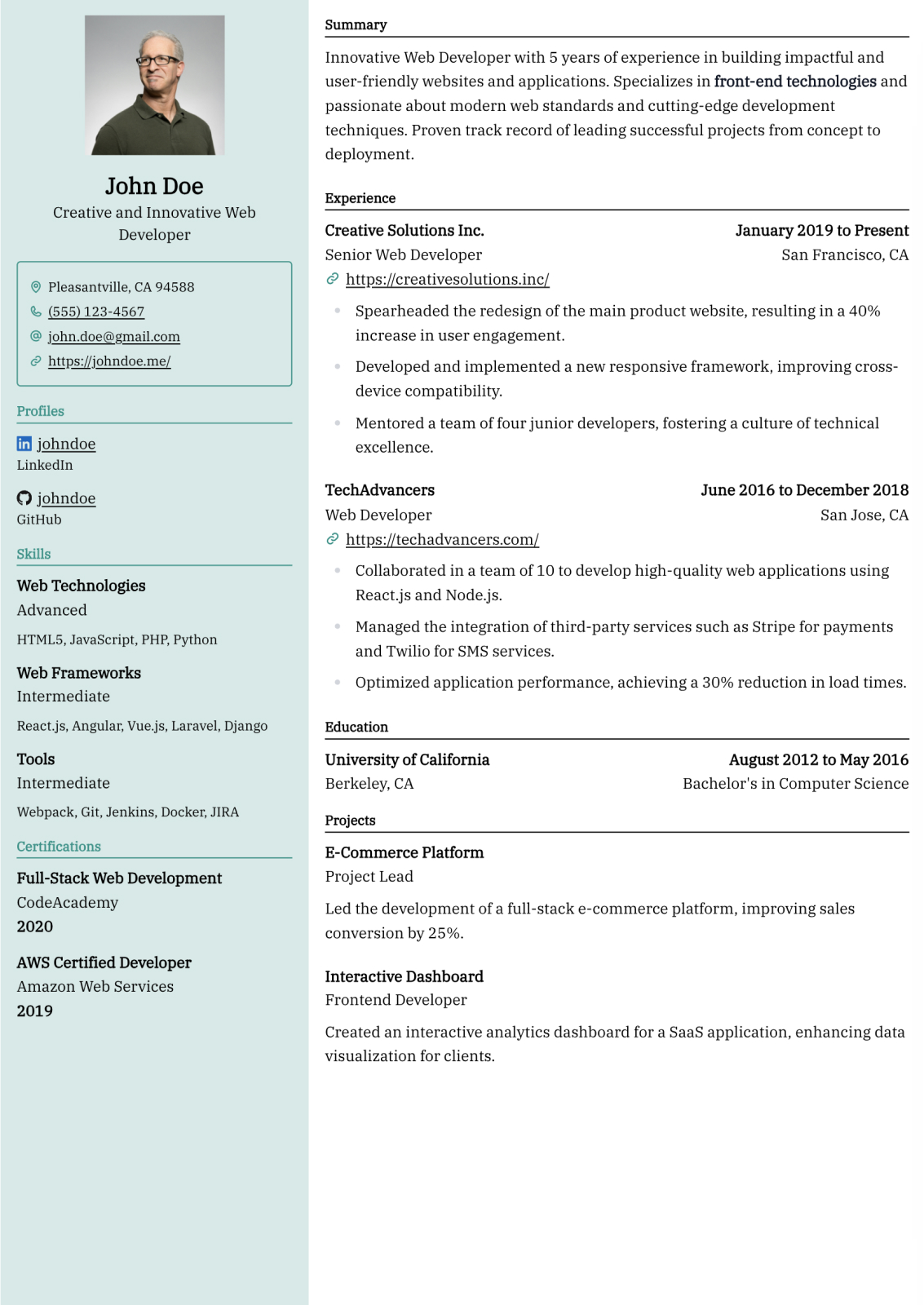
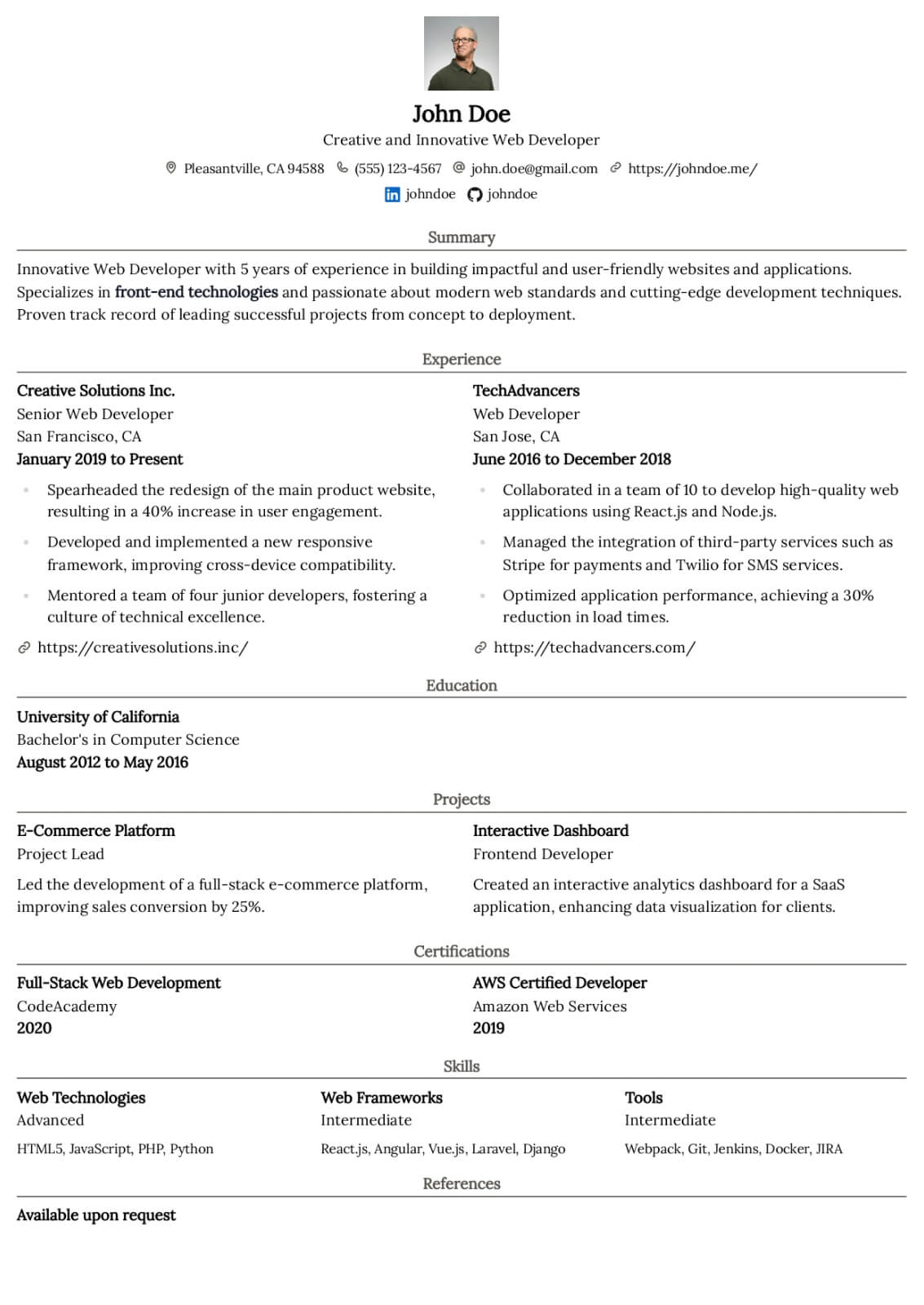
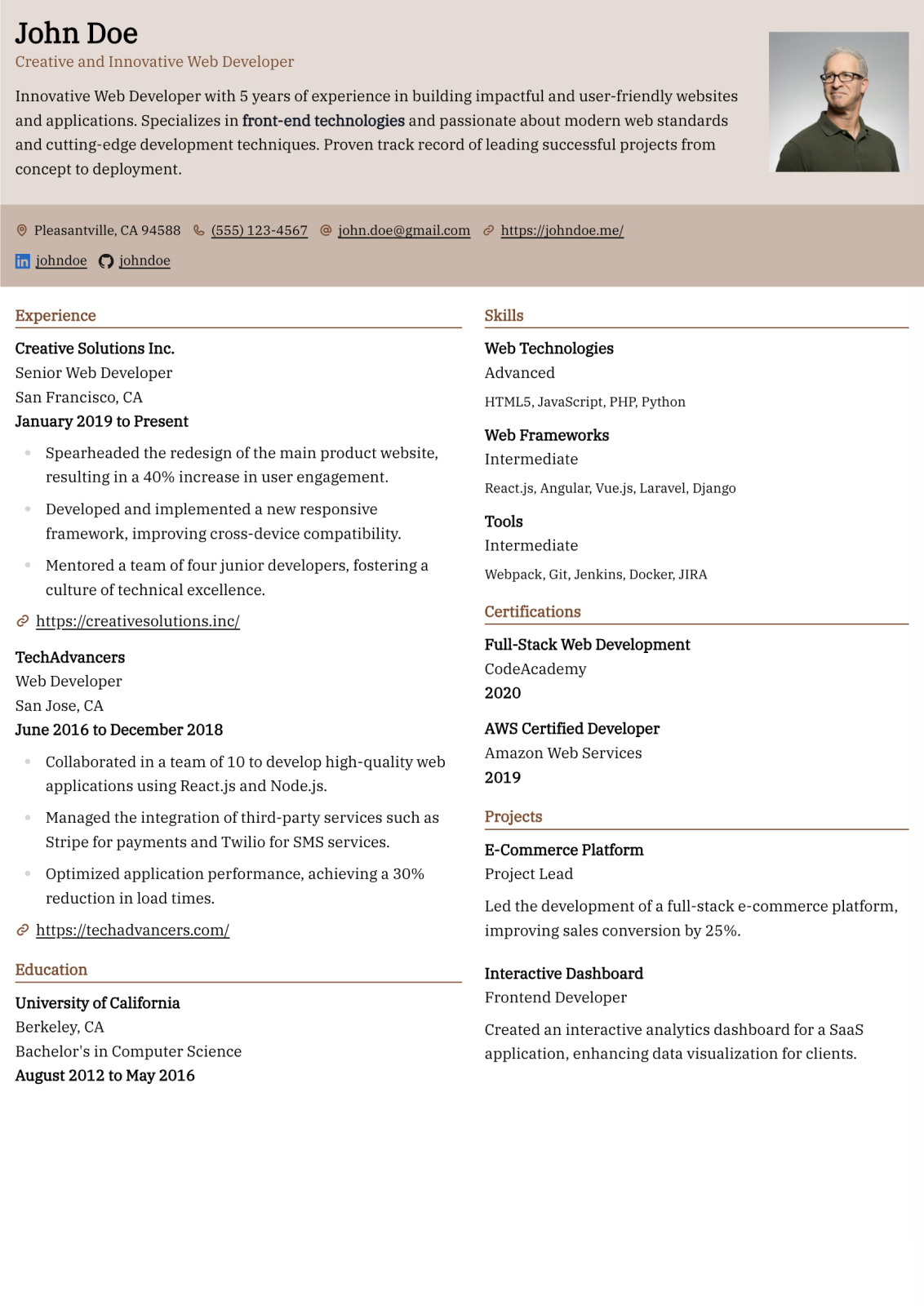
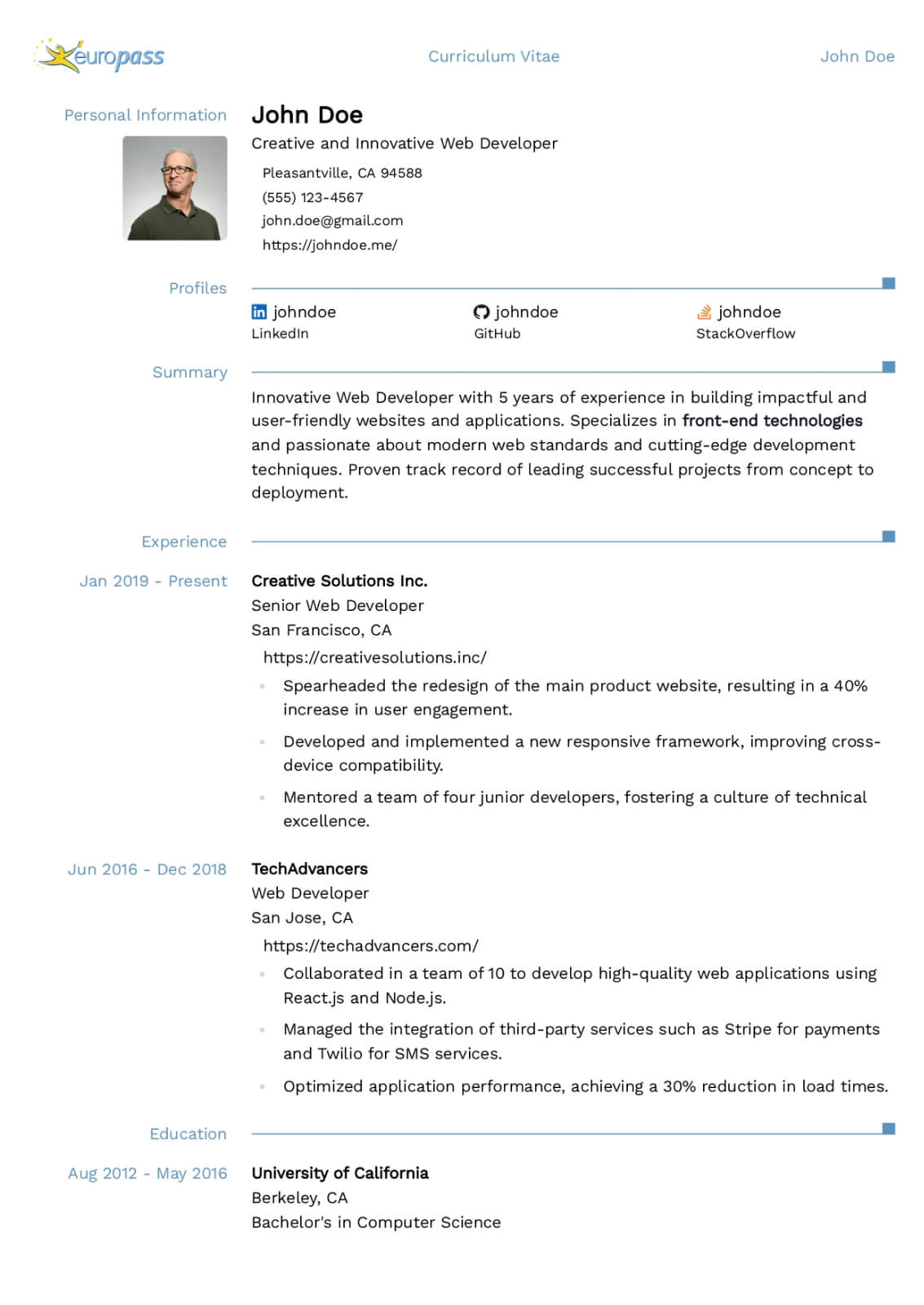
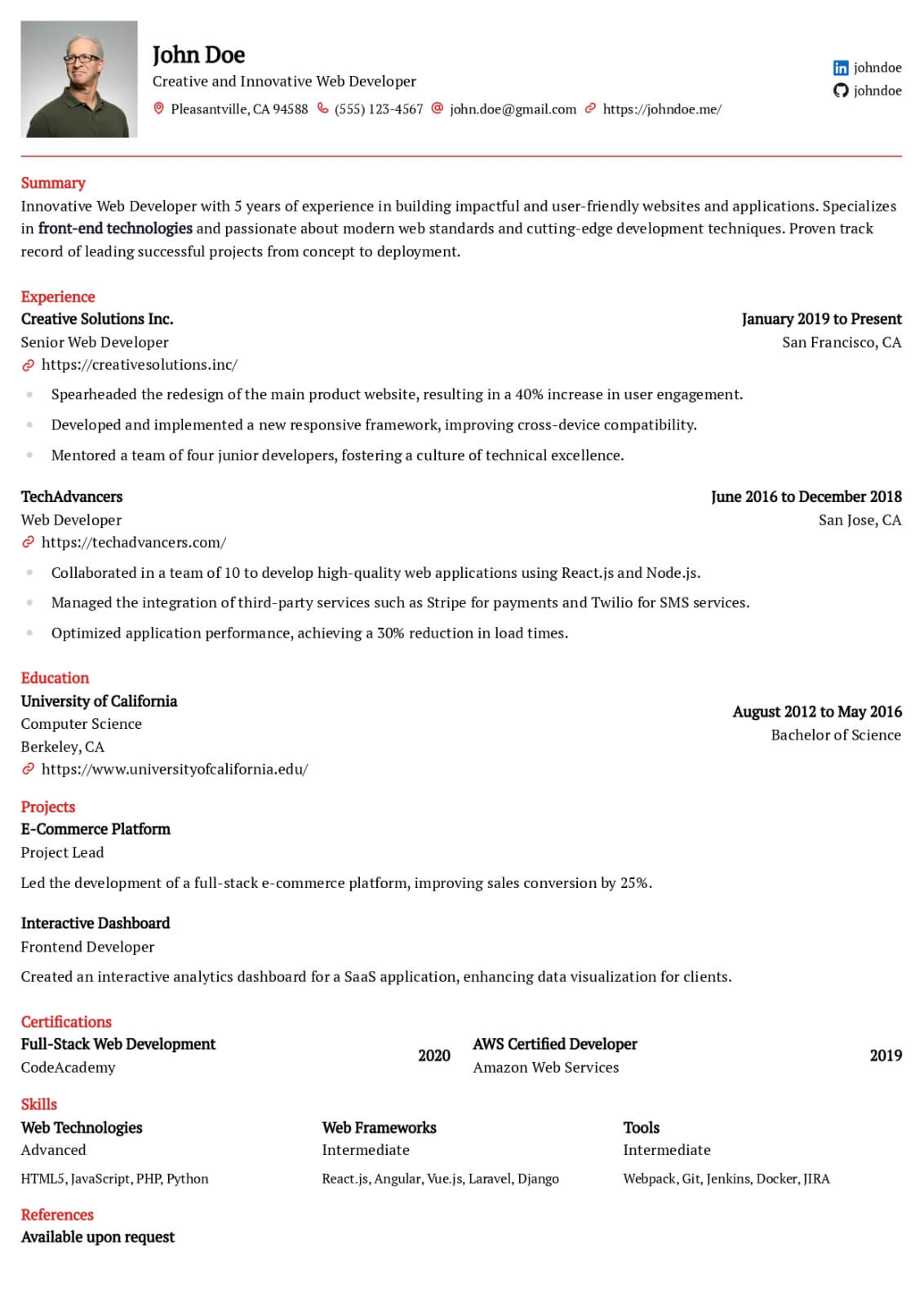
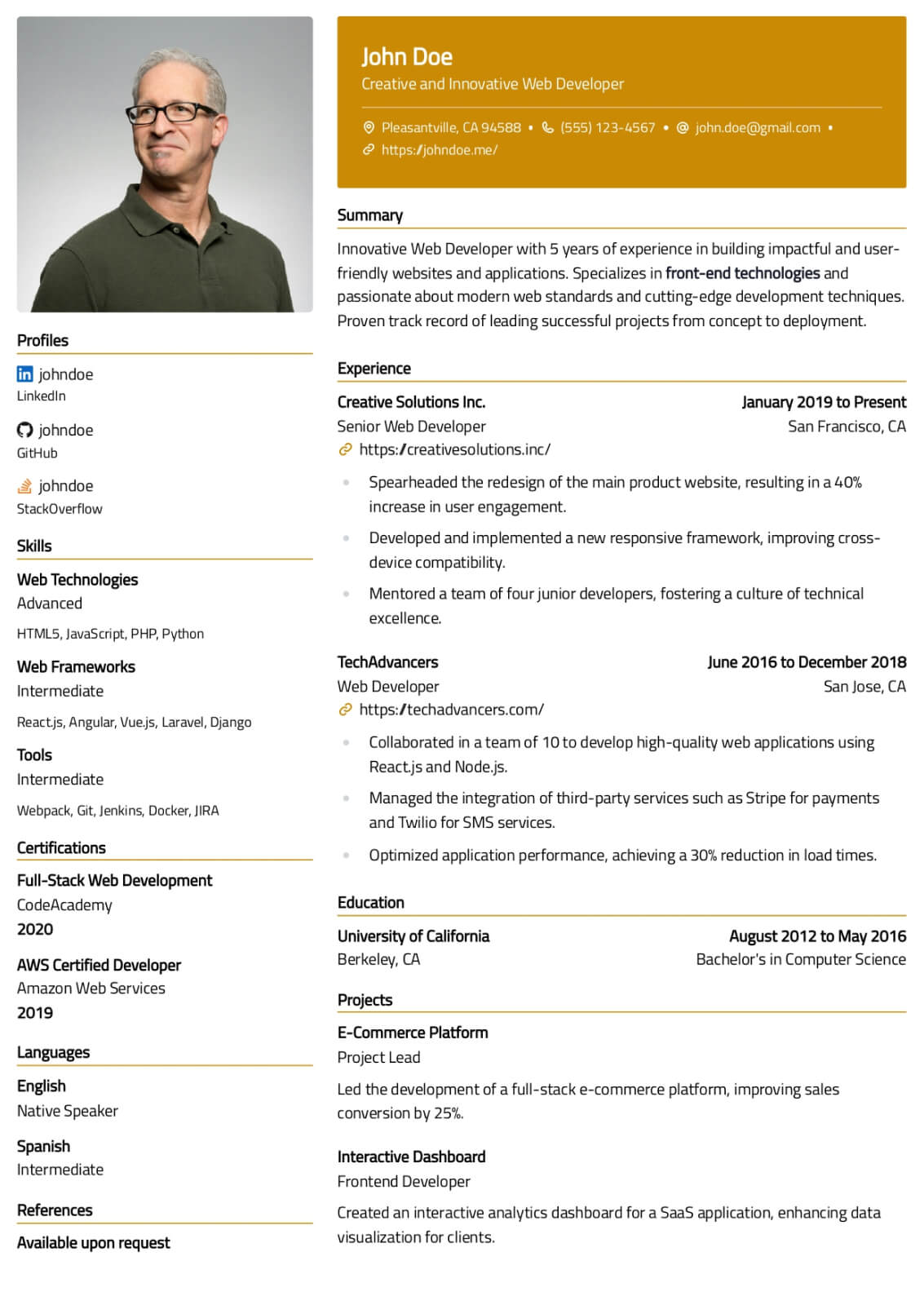
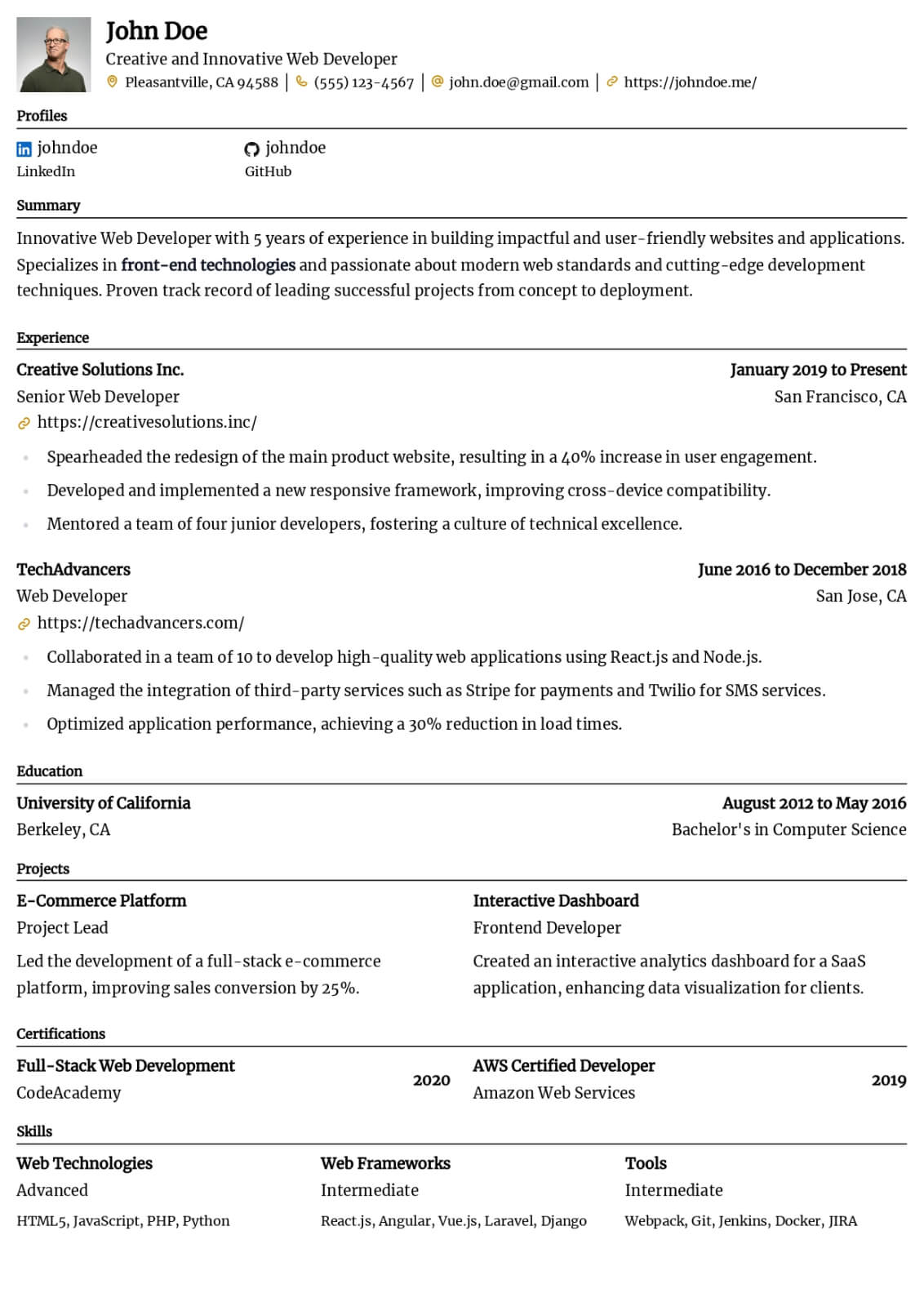
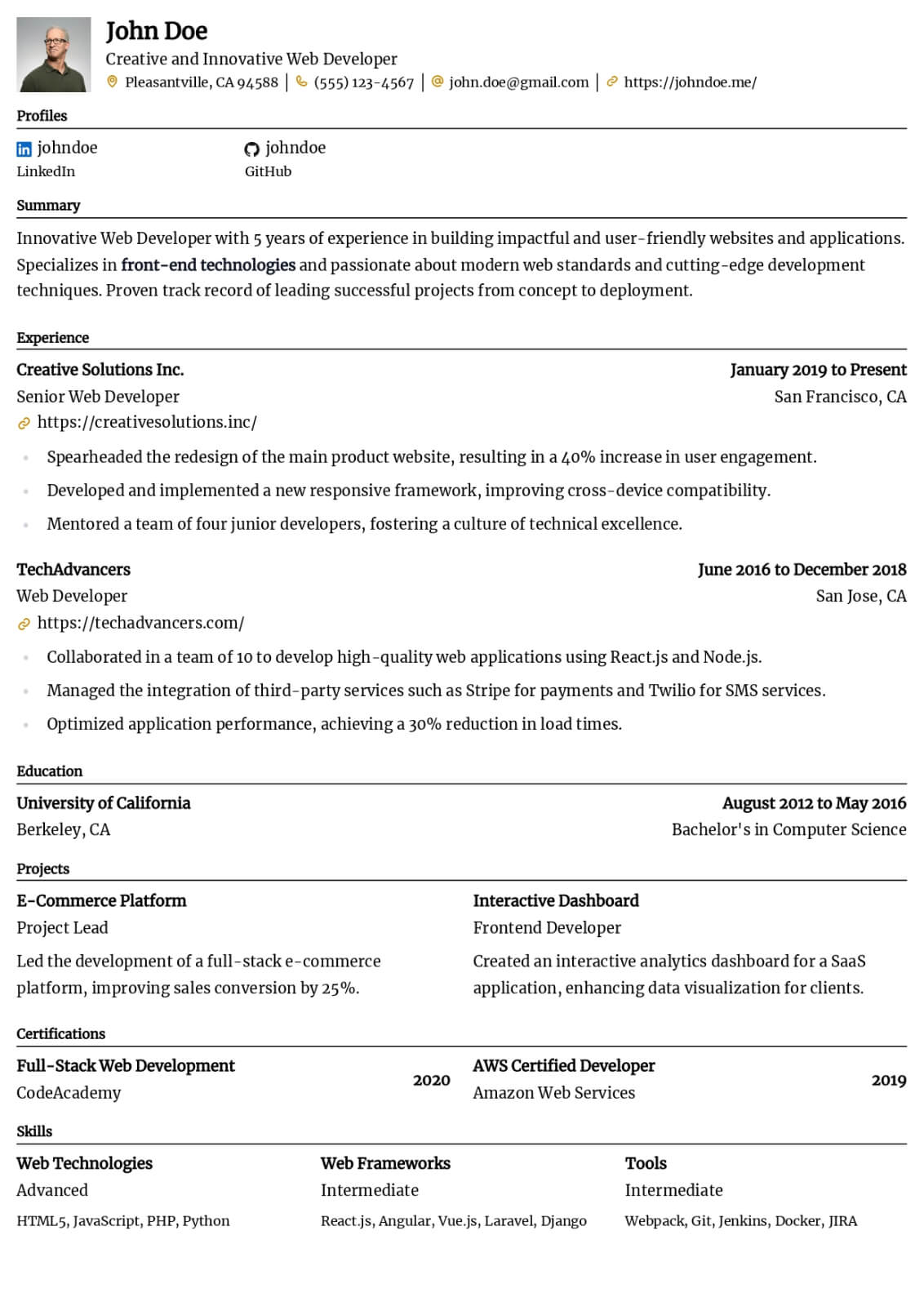
Accountant resume guide
Below, you will find section-by-section guidance for your accountant resume — from your opening summary through skills and experience. Tailor every line to the job you want.
Professional Summary
Begin your professional summary with a clear positioning statement that identifies your accounting specialization, whether that is public accounting, corporate financial reporting, tax compliance, or government accounting. State your years of experience and mention your CPA status if applicable, as this credential is the single most impactful differentiator in accounting hiring. Reference your strongest technical capabilities such as GAAP compliance, financial statement preparation, or ERP administration in systems like SAP or Oracle. Include at least one quantified result, for example stating that you managed the month-end close process for a fifty-million-dollar revenue division, reducing close time by three business days. Keep the summary between three and five sentences to maintain sharpness without sacrificing substance. Tailor the language to reflect the specific terminology and priorities outlined in each job description.
Work Experience
Organize your work history in reverse-chronological order, providing the company name, your title, and the employment dates for each role. Write four to six bullet points per position, opening each with a strong action verb such as prepared, reconciled, audited, analyzed, or reported. Every bullet should connect your accounting action to a tangible outcome, for example stating that you prepared quarterly financial statements for three subsidiaries totaling one hundred twenty million dollars in combined revenue. Describe your involvement in audit preparation by mentioning how you compiled supporting documentation and resolved auditor inquiries. Highlight process improvements you introduced, such as automating journal entry templates that reduced manual errors by twenty-five percent. Avoid restating job descriptions without results, as hiring managers seek evidence of efficiency gains, compliance achievements, and financial stewardship.
Skills
Assemble a skills section containing eight to ten technical competencies and six to seven soft skills directly aligned with the target role. Technical skills should include GAAP and IFRS knowledge, financial statement preparation, general ledger management, tax return preparation, and proficiency in ERP systems like SAP, Oracle, or NetSuite. Add advanced Excel abilities including pivot tables, INDEX-MATCH, and macro development if relevant. On the interpersonal side, emphasize analytical thinking, deadline management, ethical judgment, and clear communication with both financial and non-financial stakeholders. Avoid including generic skills that every candidate claims. Only list competencies you can support with examples during an interview, and mirror the exact phrasing from the job posting to optimize ATS keyword matching.
Certifications & Licenses
Place your CPA license at the top of this section if you hold it, including the issuing state and license number if space permits. The CPA is the gold standard credential in accounting and immediately elevates your candidacy above non-certified competitors. If you have passed some but not all CPA exam sections, list the sections passed and your expected completion date. Other valuable credentials include the Certified Management Accountant designation, the Certified Internal Auditor certification, or an Enrolled Agent license for tax-focused roles. Include the issuing organization and the date earned for every credential. Displaying active certifications signals to employers that you meet rigorous professional standards and maintain continuing education requirements.
Key Projects
Dedicate a section to two to four significant projects that demonstrate your accounting expertise beyond routine responsibilities. For each project, specify the business context, the accounting challenge addressed, the tools and standards you applied, and the measurable outcome achieved. A compelling example might read: Led the implementation of a new revenue recognition process under ASC 606 for three product lines, ensuring full compliance and reducing restatement risk across quarterly filings. Projects are especially powerful for mid-career accountants seeking to demonstrate leadership capacity and technical depth simultaneously. Include any cross-departmental initiatives where you collaborated with legal, operations, or IT teams to solve complex accounting problems.
Education
List your highest relevant degree, institution, and graduation year. Accounting roles typically require at least a bachelor's degree in accounting, finance, or a closely related field, and many states require one hundred fifty credit hours for CPA eligibility. If you completed a master's in accounting or an MBA with an accounting concentration, highlight it prominently as it satisfies the credit-hour requirement and signals advanced expertise. Include relevant coursework such as auditing, tax accounting, cost accounting, or accounting information systems for recent graduates. Mention academic honors or participation in accounting honor societies like Beta Alpha Psi. Experienced professionals with ten or more years in the field should keep this section brief and let their credentials and career accomplishments carry the application.
Resume layout and formatting
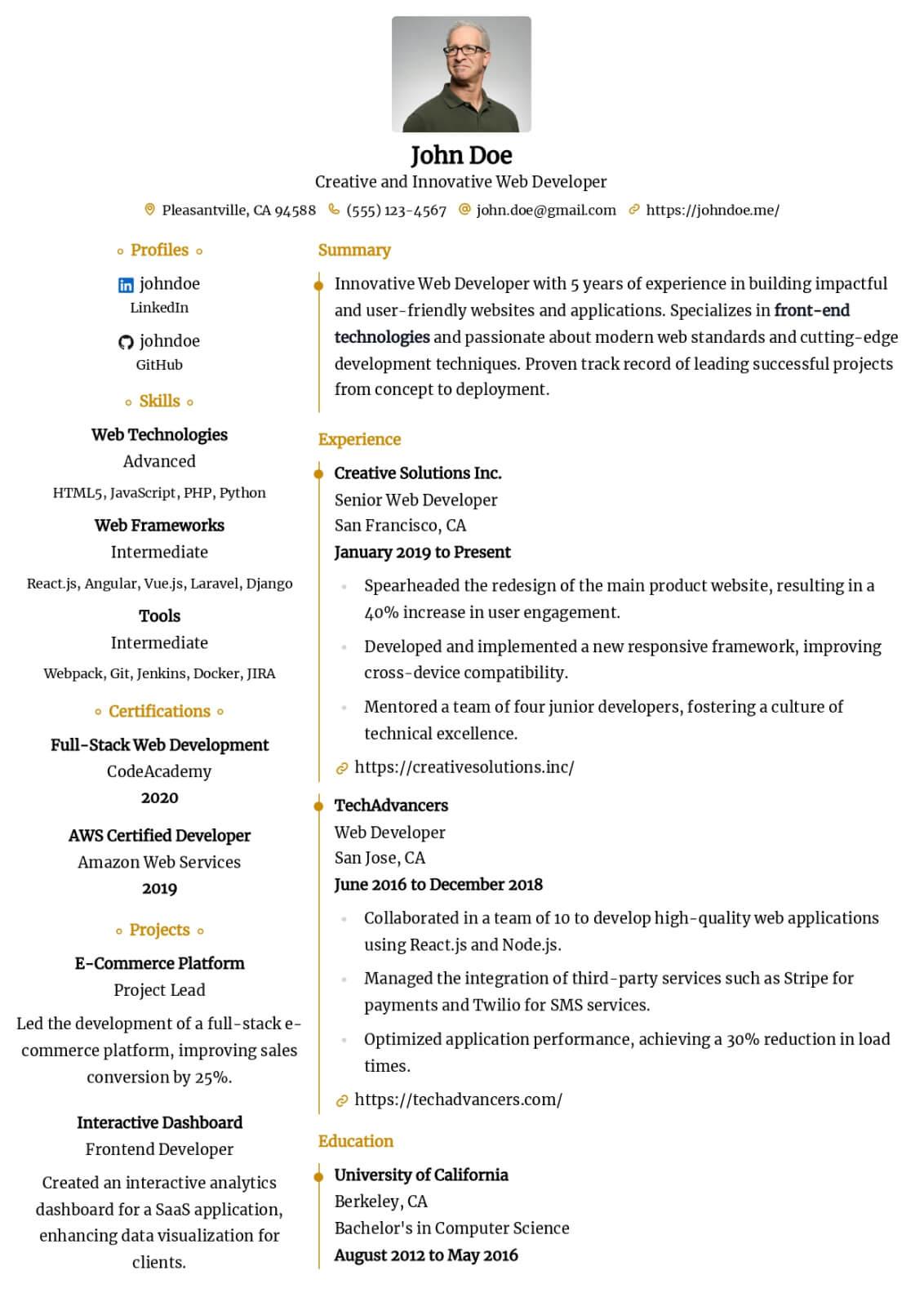
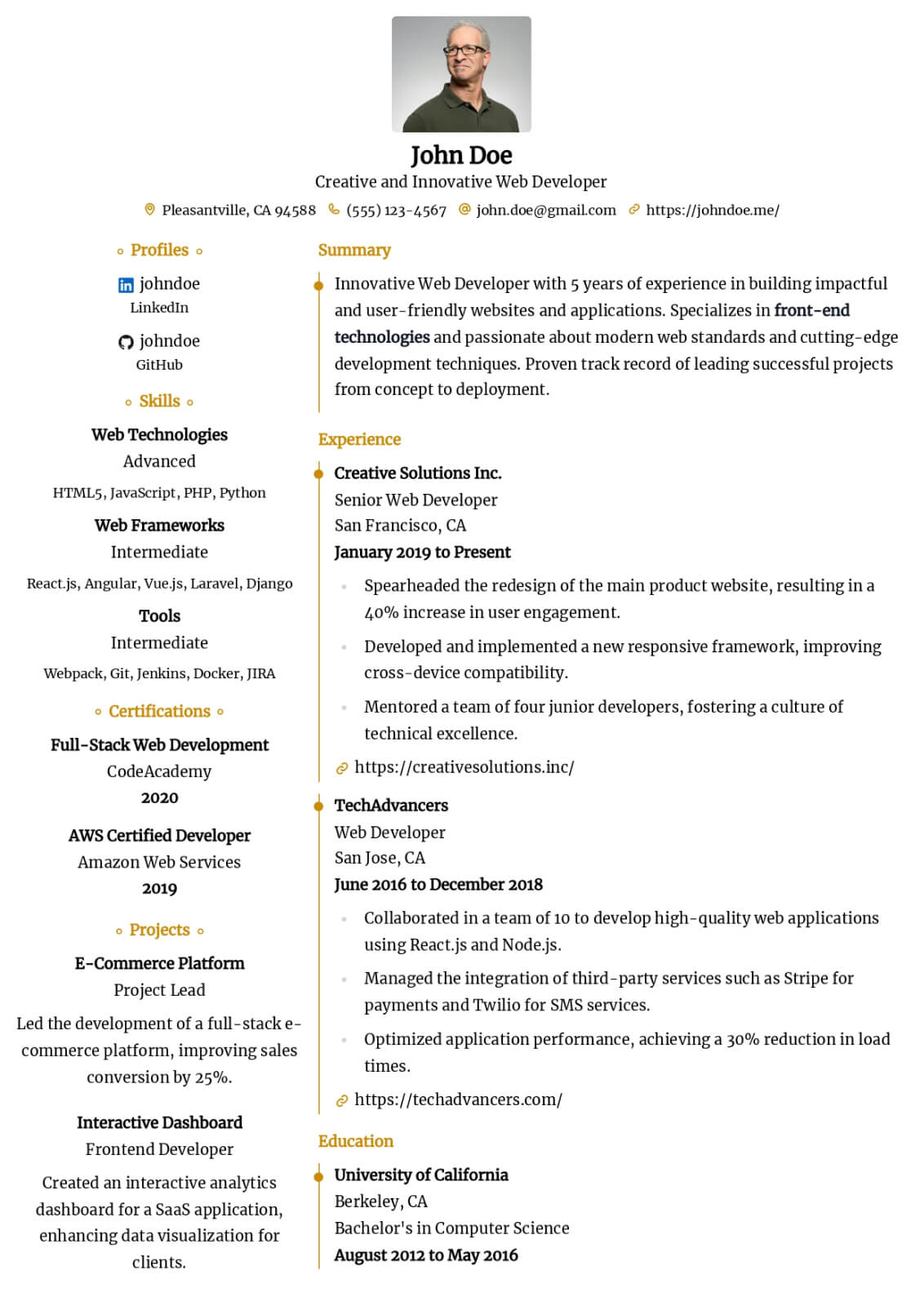
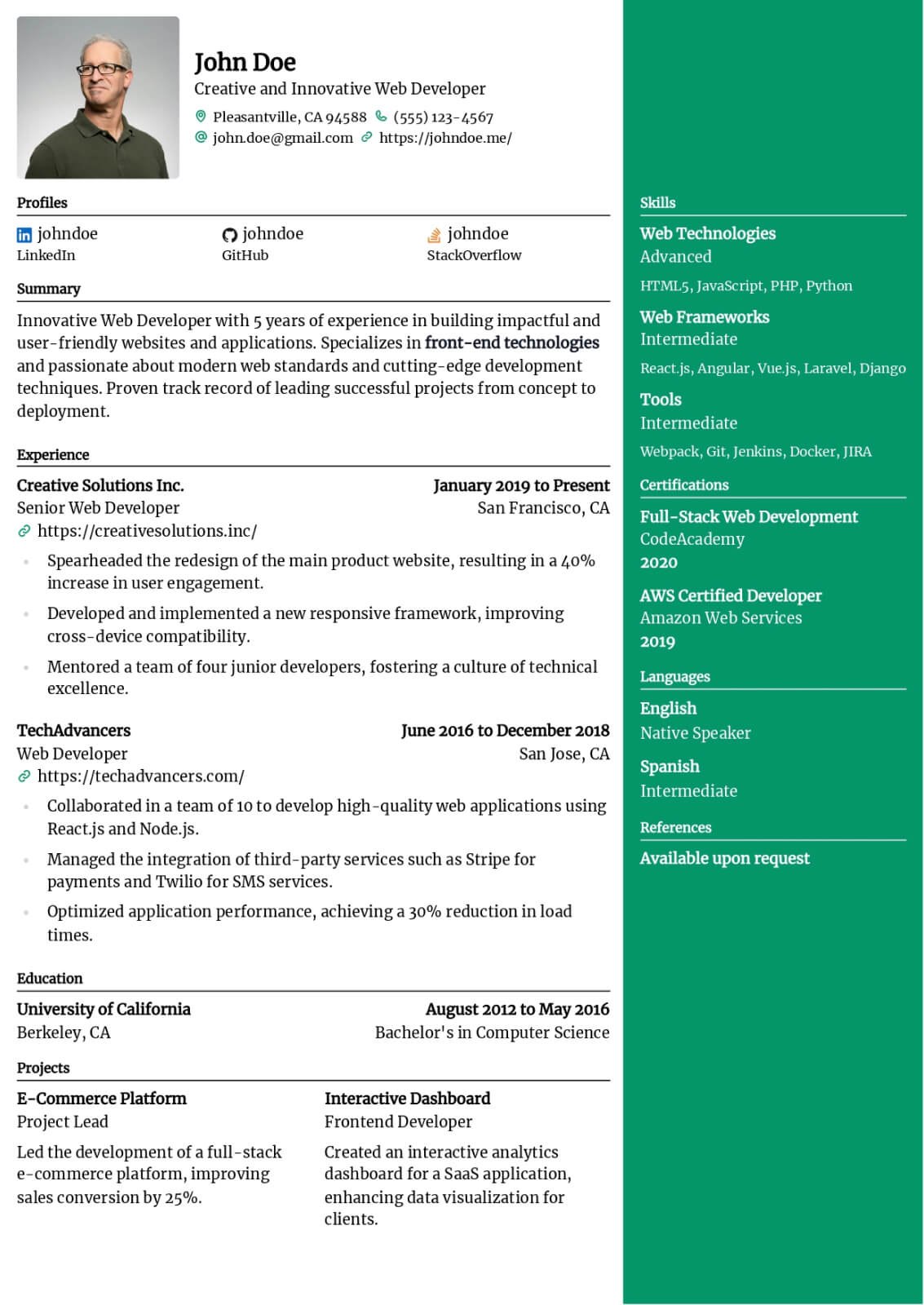
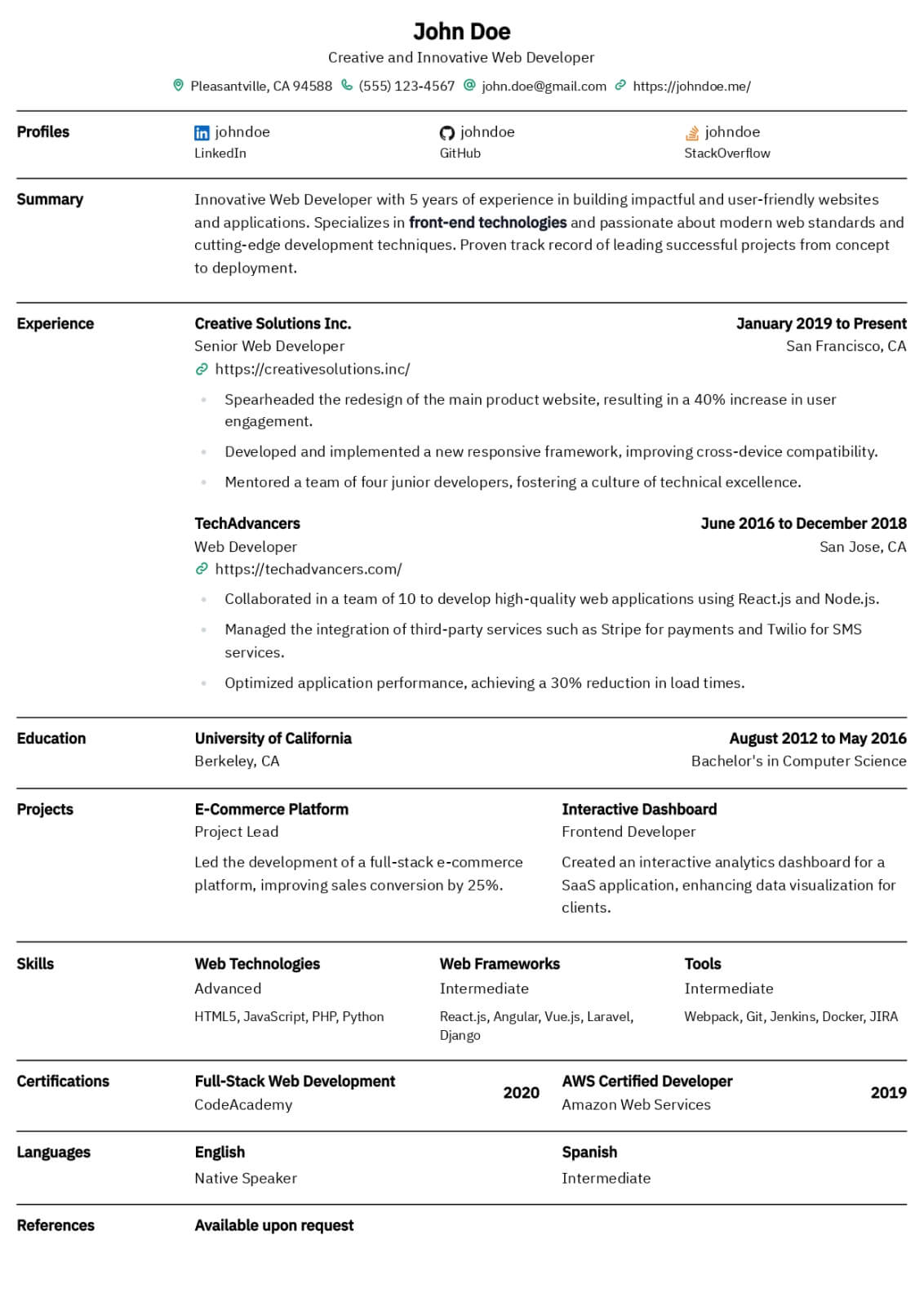
Use a clean, single-column layout with clear section headings and plenty of white space. Lead with technical strengths such as GAAP & IFRS Compliance, Financial Statement Preparation, General Ledger Management, Tax Return Preparation (Federal & State), SAP / Oracle / NetSuite ERP, Advanced Excel (Macros, INDEX-MATCH), then reinforce interpersonal strengths like Analytical Thinking, Ethical Judgment, Deadline Management, Clear Communication. Keep fonts standard (e.g., Arial or Calibri) at 10–12pt body size so your resume stays ATS-friendly and easy to scan.
Key takeaways
- Lead with your CPA status and a quantified accomplishment in the summary section
- Attach dollar amounts, percentages, or time savings to every experience bullet point
- Mirror exact keywords from the job posting to pass ATS filters consistently
- Dedicate a certifications section that prominently displays CPA and CMA credentials
- Include a projects section for complex initiatives like ERP migrations or compliance overhauls
- Maintain clean formatting with consistent fonts and logical section ordering throughout
Build your Accountant resume with Scale
Lead with your CPA status and a quantified accomplishment in the summary section
Use This Template
Professional Templates That Make You Stand Out
Browse modern, ATS-friendly resume designs crafted to impress recruiters. Customize any template and download it as a Word or PDF file.
Listen What Our Users Have to Say

Rohan Sen
I am very happy with the team's quick turnaround time - any query is responded at utmost priority. Shoutout to my client manager, Anub Biju - very helpful.

Gael L
Service and communication is great, cover letters are non-ai sounding and well tailored. Just have a lot of communication and review with your staff!

Jonathan Parry
Wow - don't tell your peers! Wow, I can't recommend scale.jobs enough - it's so good I am not sharing with my peers. Applications at scale that get through filters. Thank you!

Cynthia Zhu
Great service! The scale.jobs team was very responsible and managed to apply tons of jobs for me in a very tight deadline to help me secure interviews quickly. Highly recommend to anyone who needs help applying to jobs!

Yash Yenugu
Save your fingers. Saved me from a thumb cramp because we're expected to effortlessly apply to jobs during these times.

Cian O'Driscoll
Clever service. Takes the hard effort out of applying for jobs with an intuitive dashboard and attention to detail. A great asset to job seekers. :-)
Frequently asked questions
What should a strong accountant resume include in 2026?
A competitive accountant resume in 2026 should feature a targeted professional summary mentioning CPA status, a detailed experience section with quantified outcomes, a skills list matching the job description, and prominent certifications. Employers increasingly expect ERP system proficiency and comfort with data analytics tools alongside traditional GAAP knowledge. Clean formatting with ATS-standard section headings ensures your resume reaches the human reviewer after automated screening.
How important is a CPA license on an accounting resume?
The CPA license is the most influential credential in accounting and is often a non-negotiable requirement for senior roles, public accounting positions, and any function involving SEC filings. Listing even partial CPA exam progress demonstrates commitment and discipline to hiring managers. Pairing your CPA status with concrete examples of compliance outcomes or audit results dramatically increases the impact of this credential on your resume.
How do I quantify my accomplishments as an accountant?
Quantify accomplishments by attaching specific numbers to your contributions, such as the dollar value of financial statements you prepared, the percentage reduction in close time you achieved, or the number of audit findings you resolved. For example, rather than writing that you assisted with audits, state that you resolved forty-seven auditor inquiries within two weeks, contributing to a clean audit opinion. Concrete metrics transform generic duties into compelling evidence of performance.
Which ERP systems should I list on my accounting resume?
Name the specific ERP platforms you have hands-on experience with, prioritizing any system mentioned in the target job posting. SAP, Oracle, NetSuite, and Microsoft Dynamics are among the most commonly requested platforms in accounting job listings. Listing specific modules you have used, such as SAP FI/CO or Oracle General Ledger, shows deeper expertise than naming the platform alone and helps your resume stand out during technical screening.
Should I tailor my accountant resume for each application?
Tailoring your resume for each application significantly improves your interview rate because it aligns your language with the specific keywords and priorities of each employer. Adjust your summary to reflect the job title and key requirements, reorder skills to match the posting, and emphasize the experience bullets most relevant to the role. This targeted approach takes more time but consistently outperforms a generic resume sent to dozens of unrelated openings.
How long should an accountant resume be?
One page works best for accountants with fewer than ten years of experience, while a carefully structured two-page format is appropriate for senior professionals with extensive credentials. Every line should demonstrate measurable value, so remove outdated positions or unrelated early-career roles that dilute your narrative. Recruiters spend only seconds on an initial scan, so prioritize density of impact over exhaustive employment history.
Related Resume Guides
Auditor
Build an authoritative auditor resume that demonstrates your audit planning expertise, internal controls assessment capabilities, and track record of identifying risks and ensuring regulatory compliance.
Accounting Manager
Create a leadership-focused accounting manager resume that demonstrates your ability to direct financial reporting teams, optimize close processes, and ensure regulatory compliance at scale.
Bookkeeper
Create a professional bookkeeper resume that demonstrates your ledger management precision, financial record-keeping reliability, and ability to support small businesses and accounting teams with organized, accurate books.
Tax Preparer
Build a persuasive tax preparer resume that demonstrates your individual and business return expertise, tax code knowledge, and ability to maximize client refunds while ensuring full IRS compliance.
Financial Analyst
Craft a compelling financial analyst resume that showcases your valuation expertise, forecasting accuracy, and ability to translate complex data into strategic investment recommendations.