
Electrical Engineer Resume Examples, Templates & Writing Guide

Written by: Scale.jobs EditorialLast updated: May 1, 2026







Introduction
Design an impactful electrical engineering resume that demonstrates circuit design expertise, power systems knowledge, and embedded firmware skills to attract top employers in energy and electronics.
This guide walks you through every major section of a electrical engineer resume, with practical tips you can apply today.
- How to present circuit design, PCB layout, and signal integrity expertise with project-level specifics
- Strategies for quantifying power system improvements in efficiency, uptime, or load capacity metrics
- Methods for showcasing embedded firmware development using C, VHDL, or Verilog in product contexts
- Techniques for demonstrating compliance with NEC, IEEE, and UL standards on your resume
- Approaches to highlighting PE licensure and FE certification for power and utility engineering roles
- Ways to tailor your resume across power, electronics, controls, and telecommunications specializations
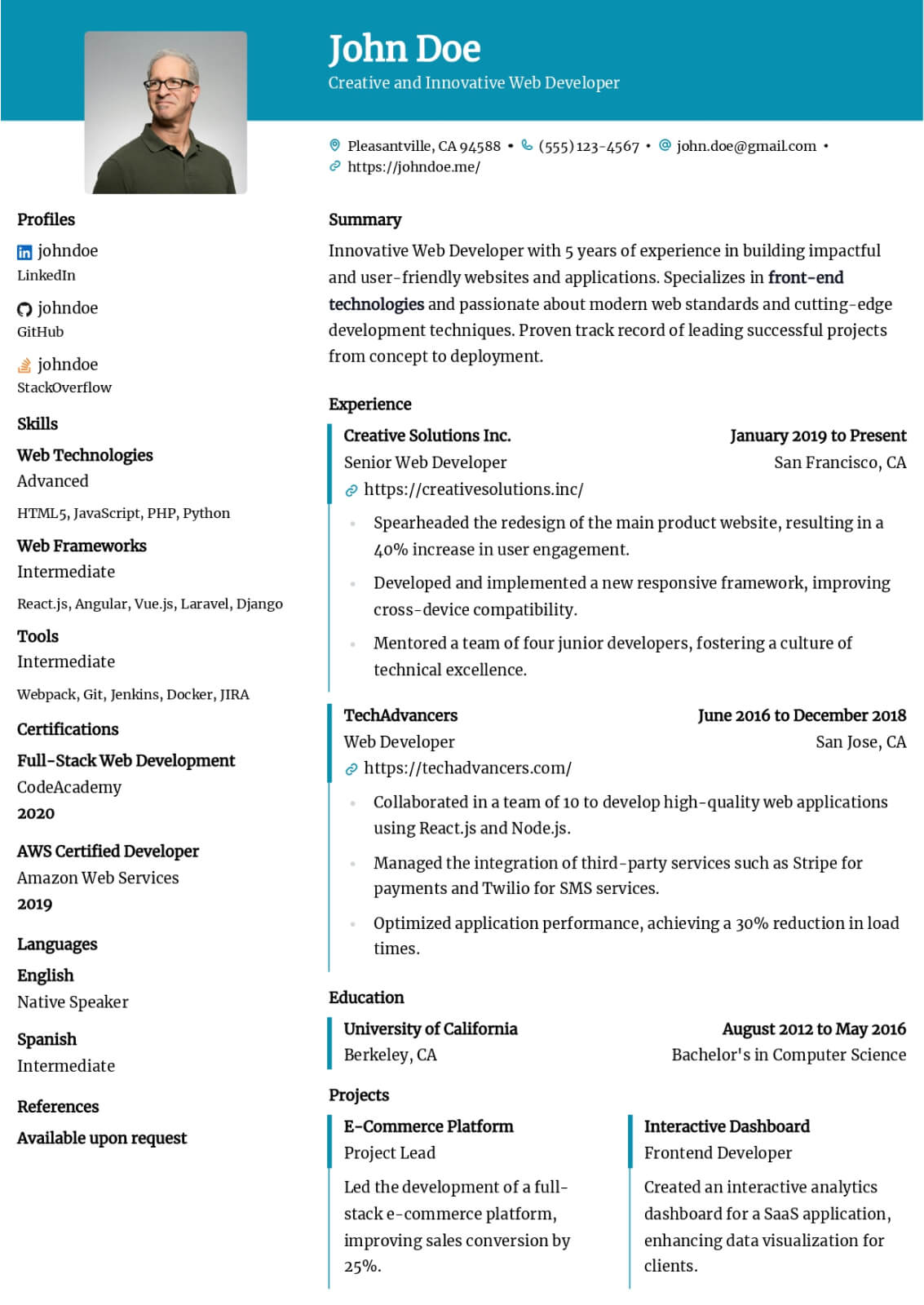
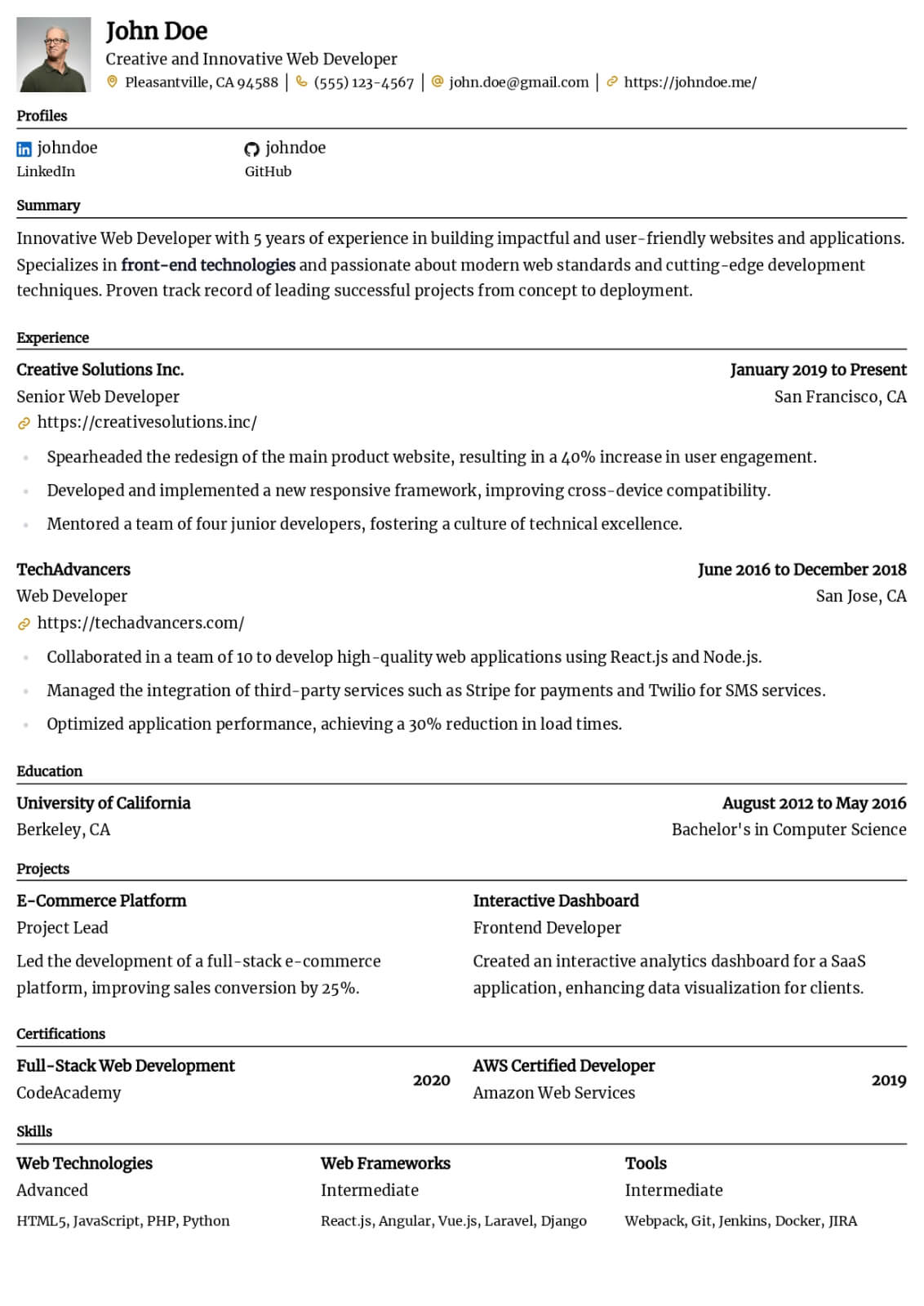
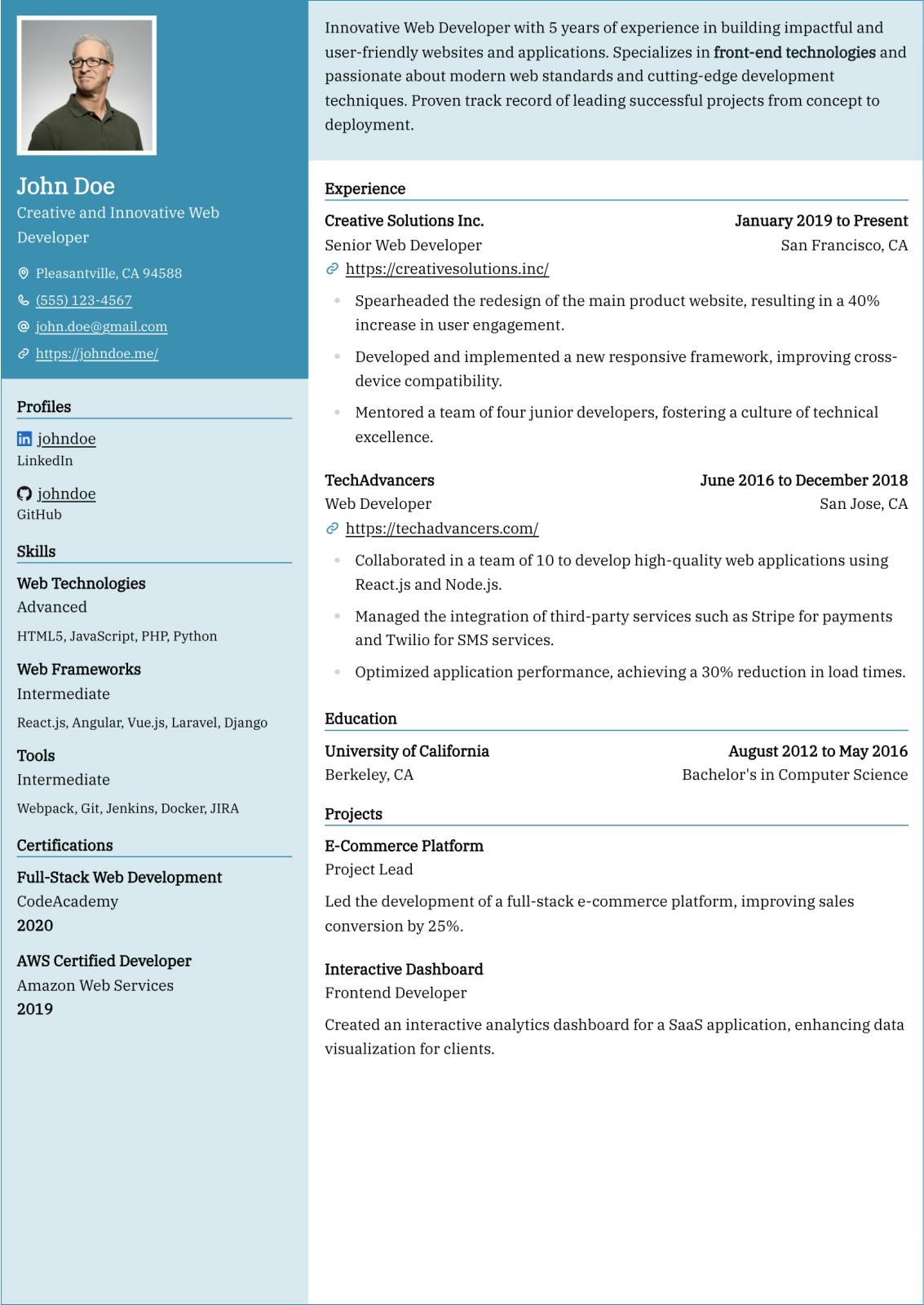
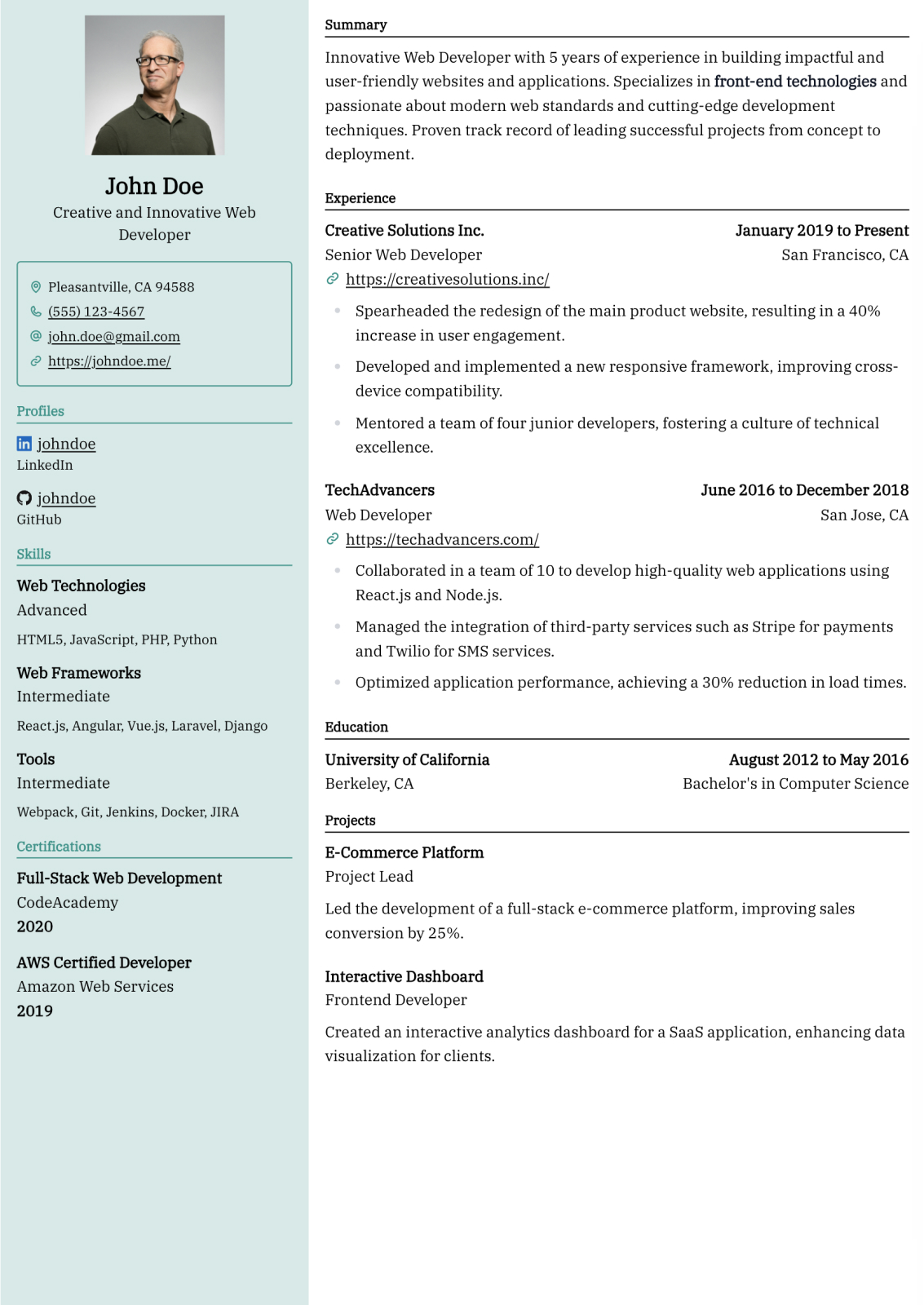
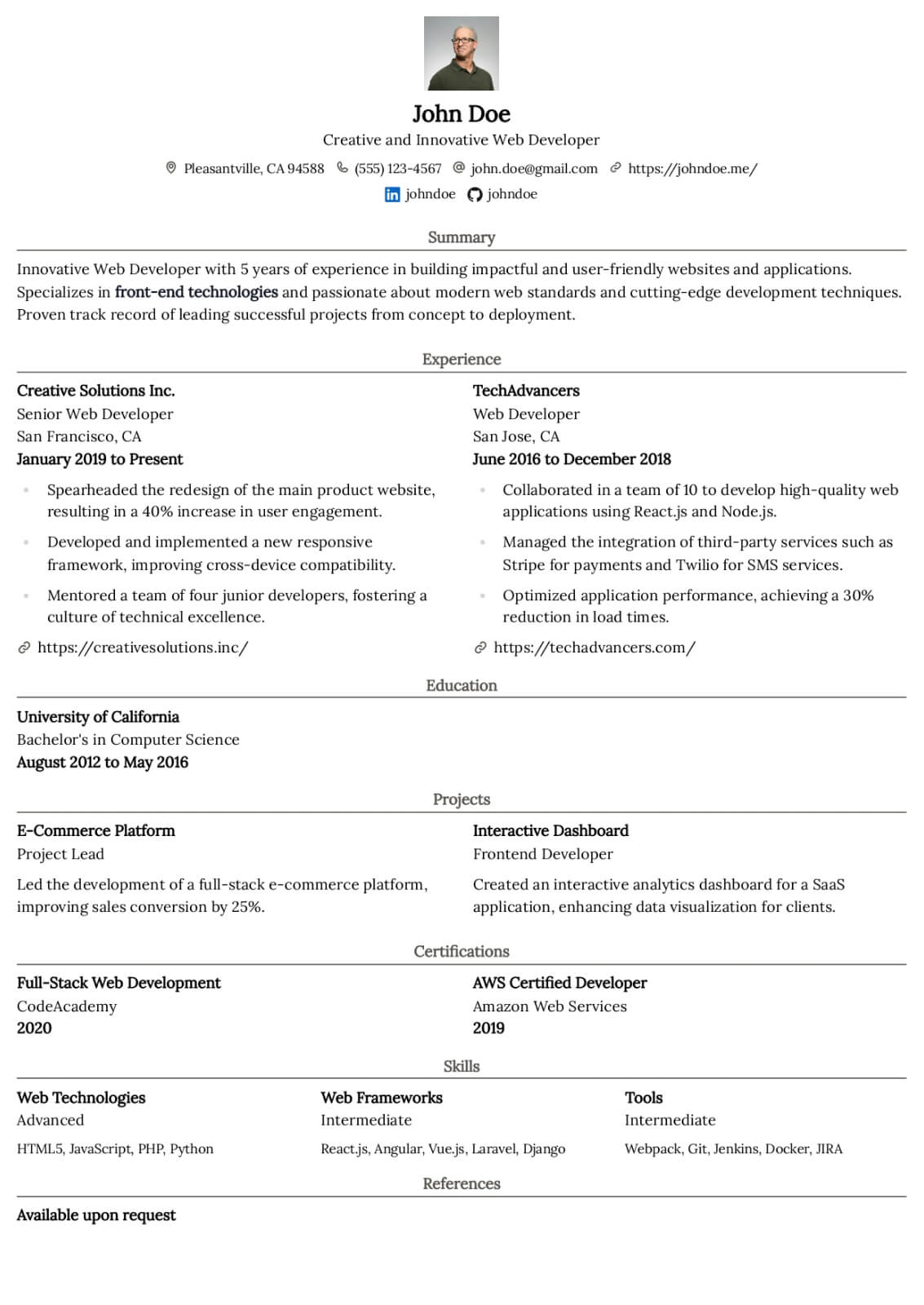
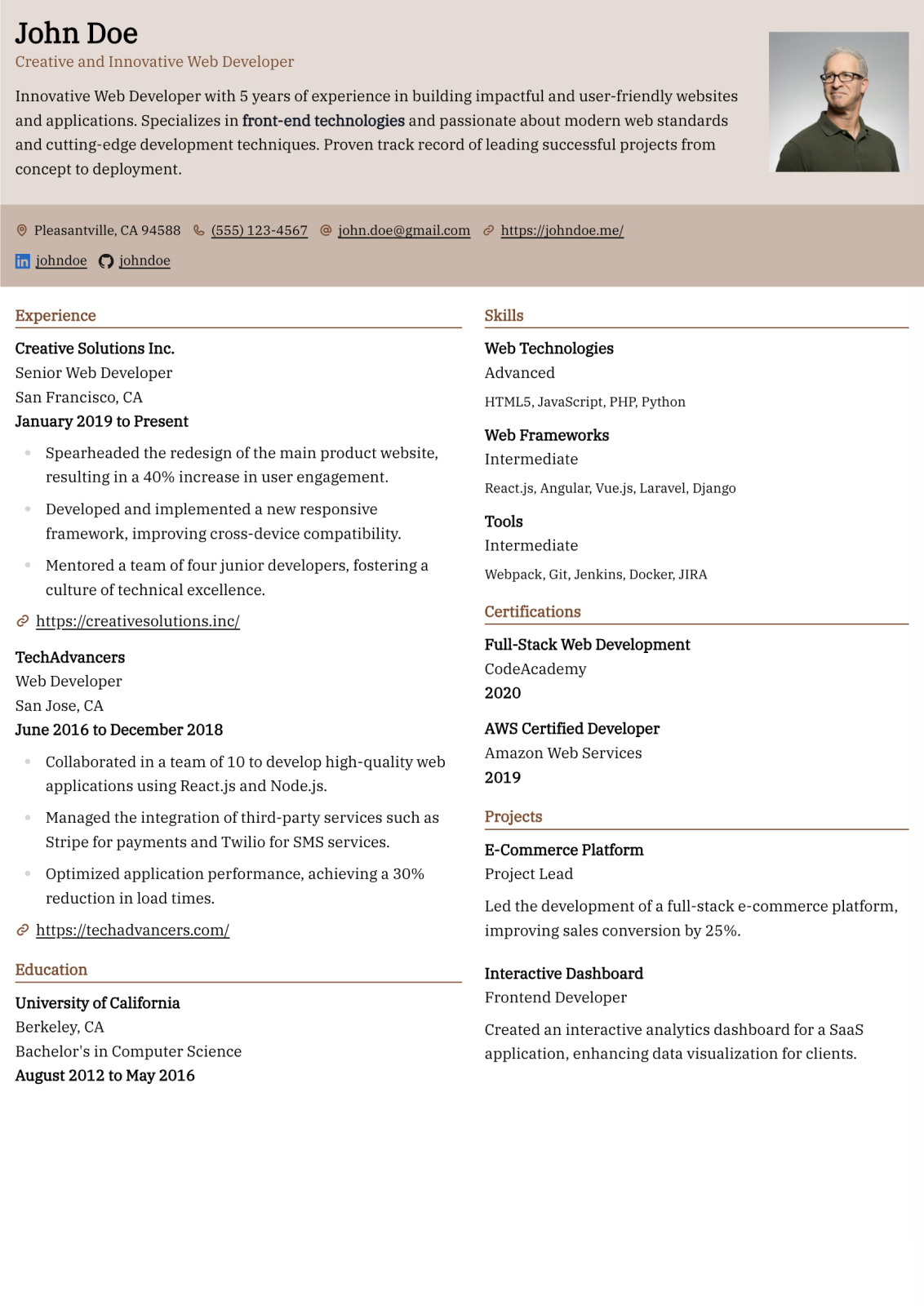
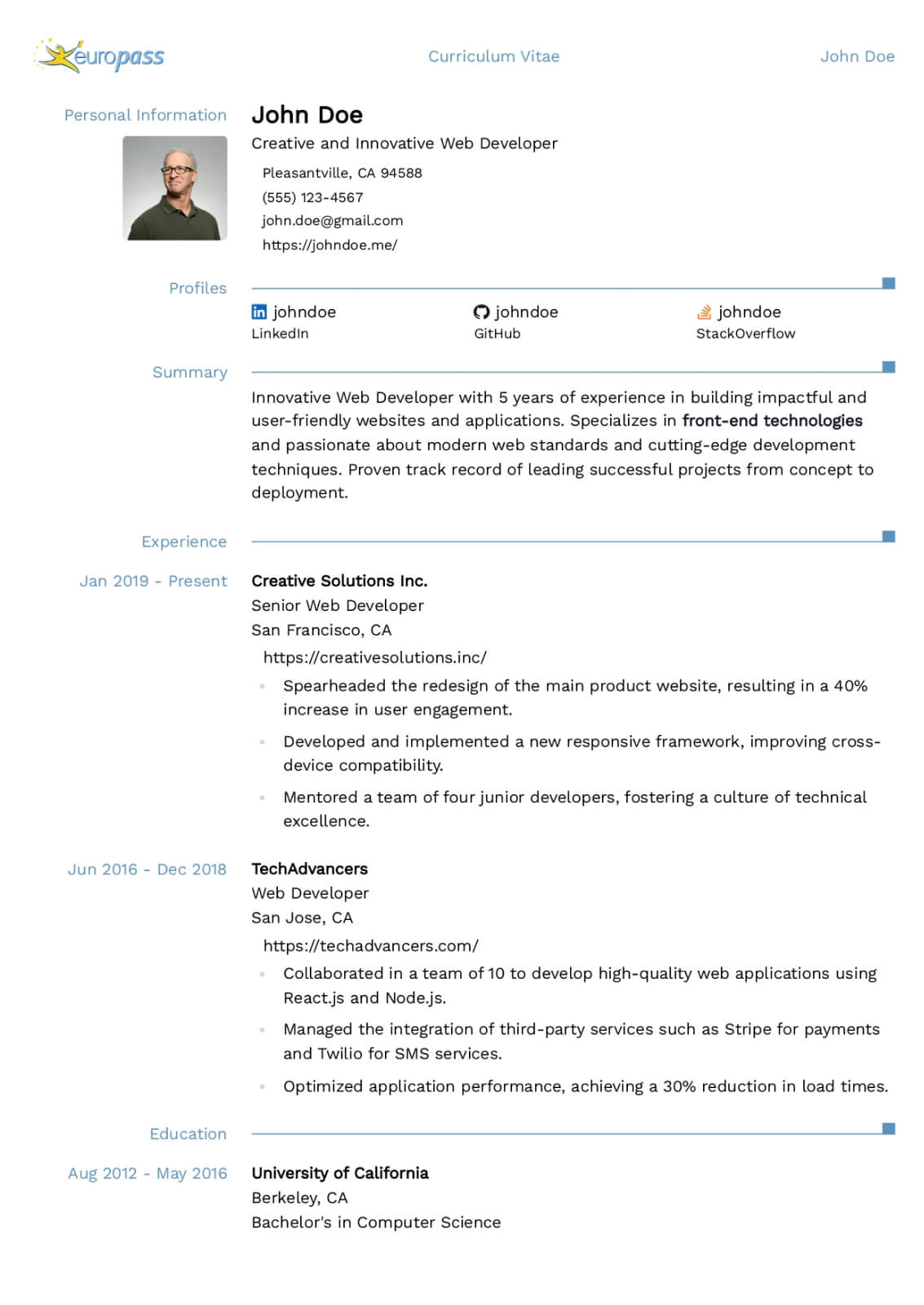
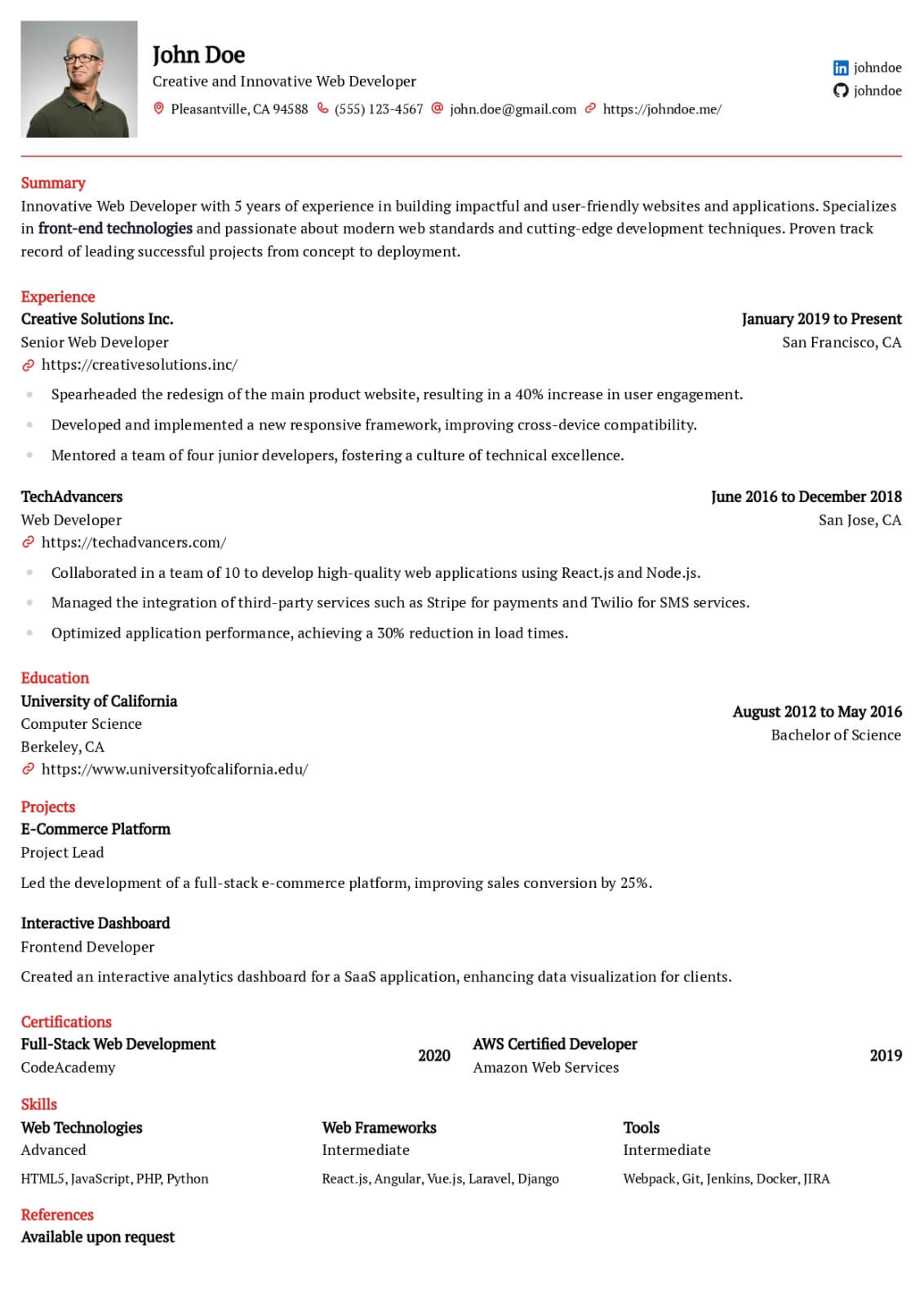
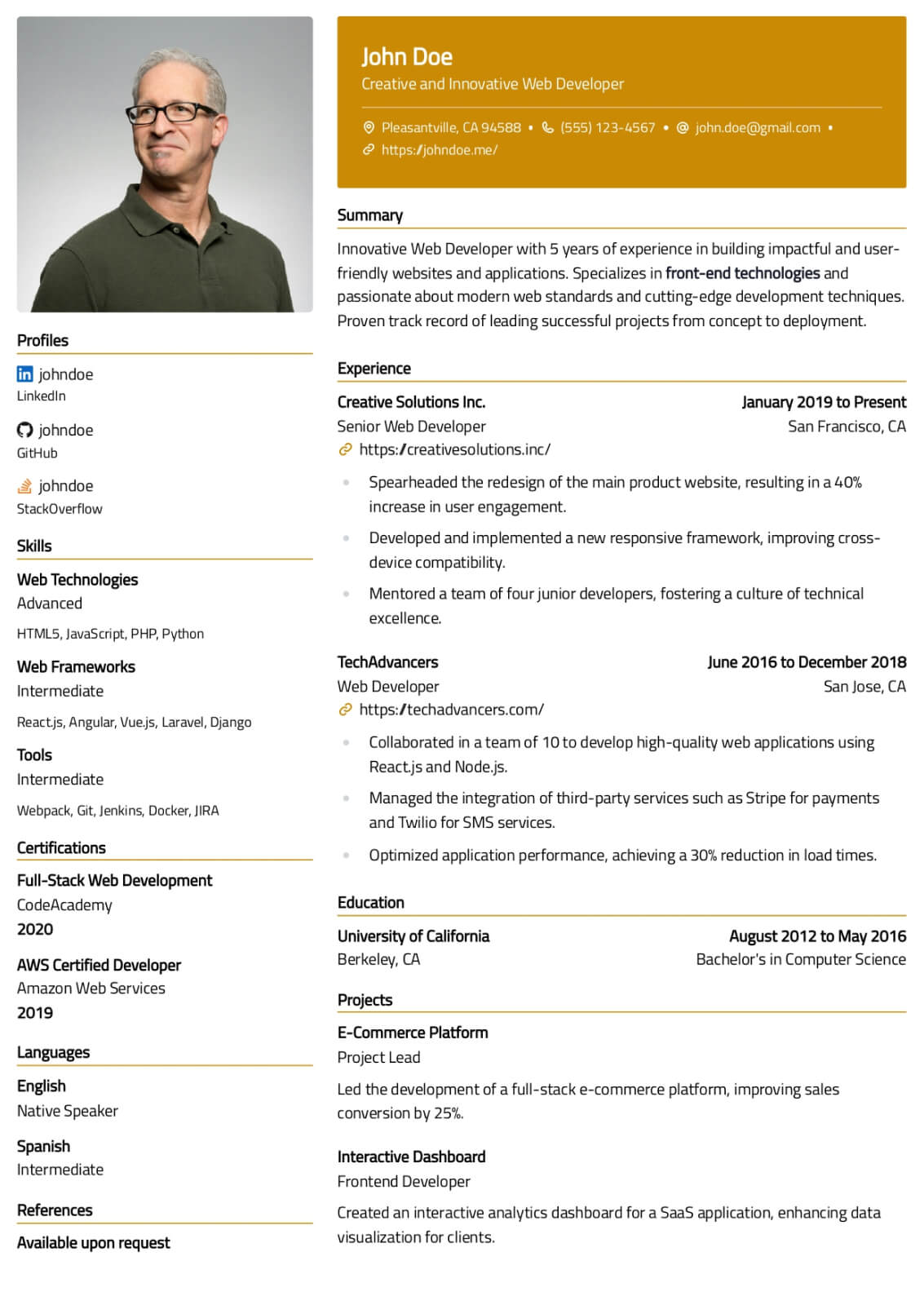
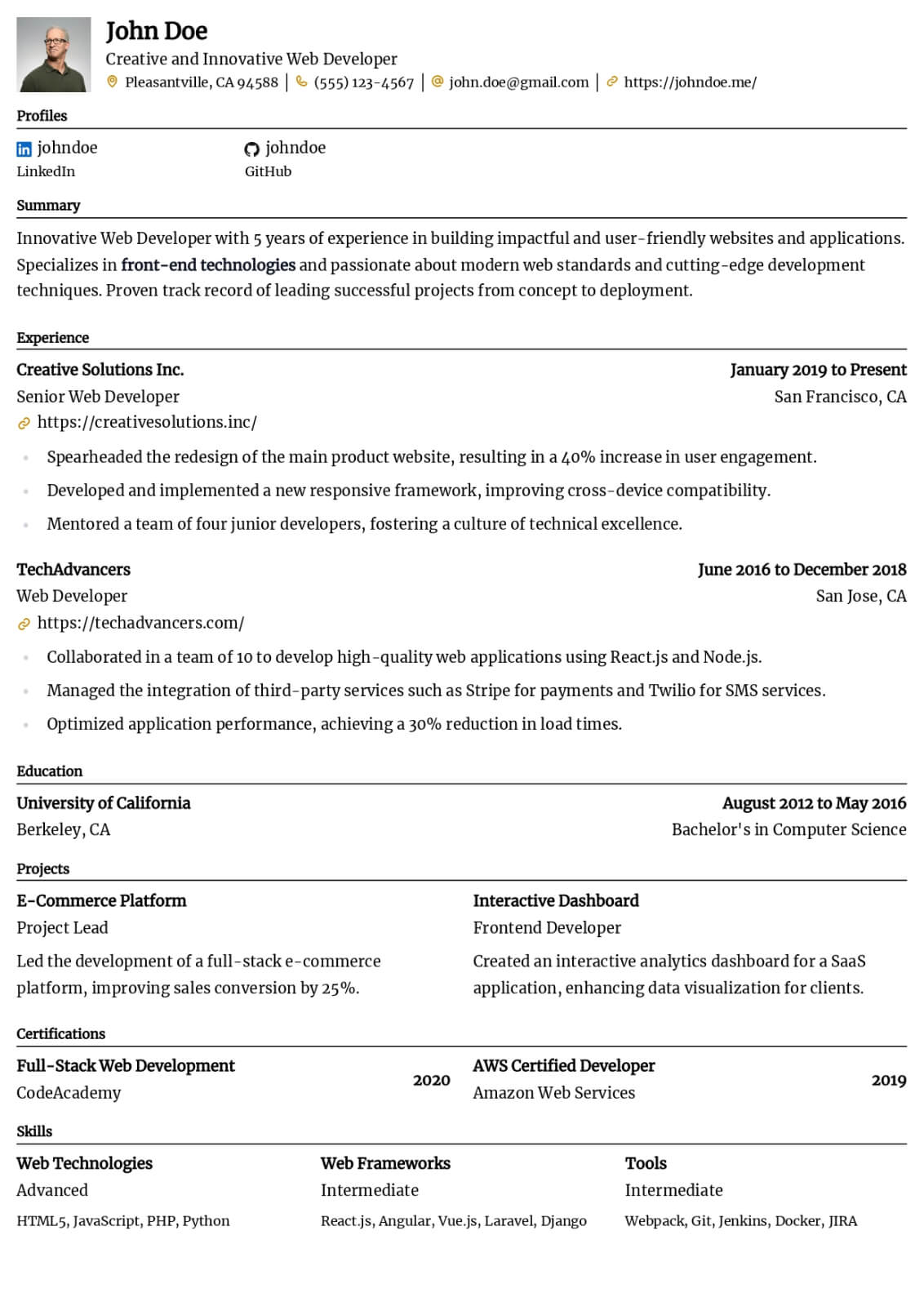
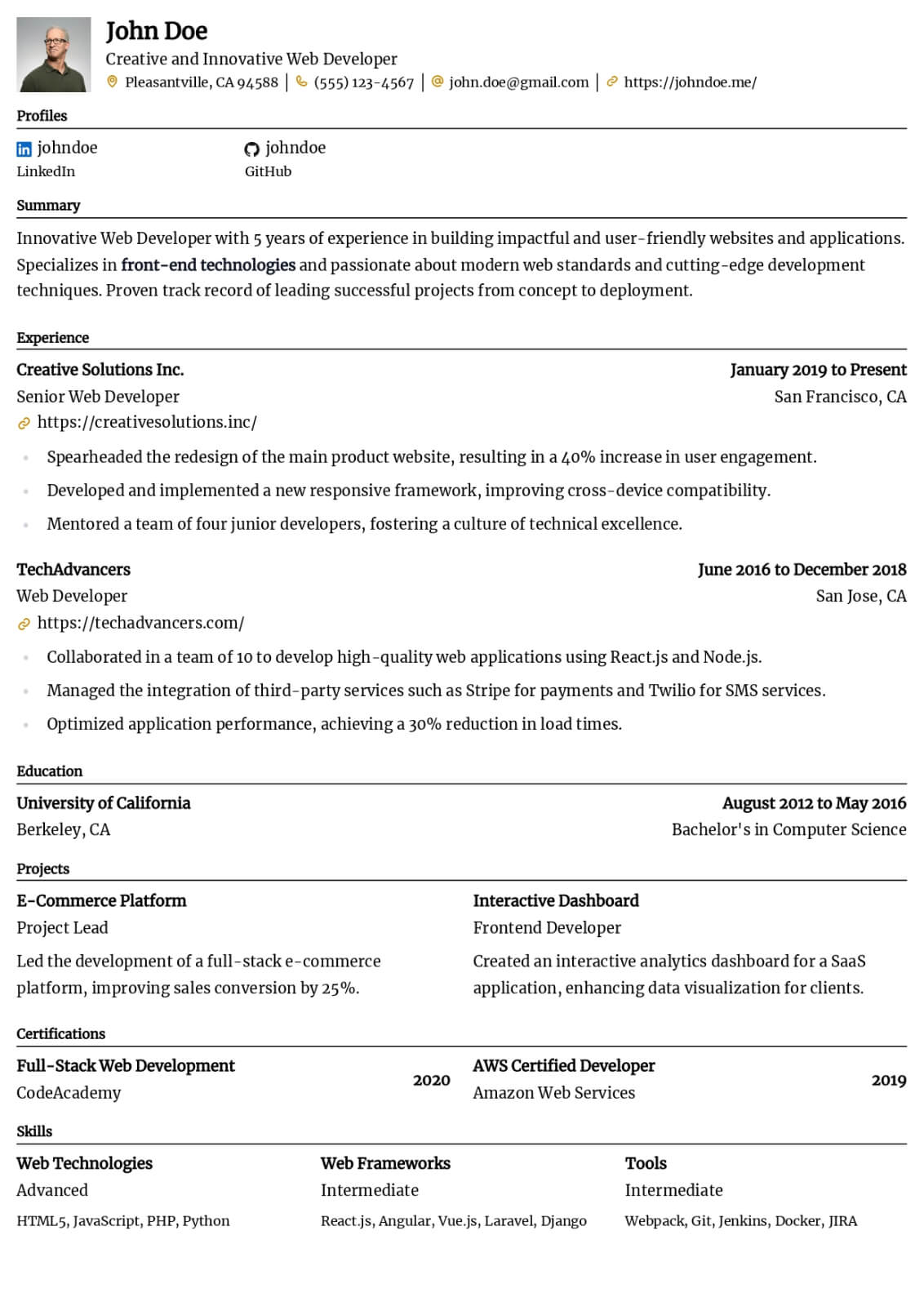
Electrical Engineer resume guide
Below, you will find section-by-section guidance for your electrical engineer resume — from your opening summary through skills and experience. Tailor every line to the job you want.
Professional Summary
Open your professional summary by identifying your electrical engineering specialization, whether power distribution, analog circuit design, embedded systems, or controls engineering. State your years of experience and the industries you have served, such as semiconductor, energy, or defense. Reference two to three signature tools or technologies like Altium Designer, MATLAB Simulink, or ETAP that signal immediate technical relevance. Include at least one quantified achievement, for example stating that you improved power conversion efficiency by eight percent through redesigned gate driver circuits. Align the terminology with the job posting so your summary passes ATS keyword screening and resonates with hiring managers who scan for domain-specific depth. Limit the summary to three to five sentences for maximum impact.
Work Experience
Arrange your positions in reverse-chronological order with clear titles, company names, and dates of employment. Write four to six bullet points per role, each starting with a strong action verb such as designed, simulated, validated, or commissioned. Each bullet should connect an engineering action to a measurable result, for instance stating that you designed a three-phase inverter control algorithm that reduced total harmonic distortion by twelve percent across a fifty-megawatt solar installation. Reference the design tools, test equipment, and standards you applied, including oscilloscopes, spectrum analyzers, SPICE simulation, and IEEE protection coordination studies. Highlight cross-functional collaboration with firmware, mechanical, and manufacturing teams to illustrate your systems-level perspective. Avoid listing generic duties without quantified results, as reviewers prioritize evidence of engineering impact.
Skills
Construct a skills section with eight to ten hard skills and six to seven soft skills mapped to the target job description. On the technical side, list EDA tools such as Altium Designer, Cadence OrCAD, or Mentor PADS alongside simulation platforms like MATLAB Simulink, PSpice, or ETAP. Include domain-specific competencies such as PCB layout and signal integrity analysis, power electronics topology design, embedded C and RTOS development, or PLC programming depending on your focus area. Add standards knowledge including NEC, IEEE C37 protection standards, or UL product safety requirements. For soft skills, emphasize systems-level thinking, cross-functional teamwork, and technical documentation. Prioritize skills you can substantiate with project examples rather than exhaustively listing every tool you have touched.
Key Projects
Dedicate a projects section to two to four engineering initiatives where you delivered measurable design, performance, or reliability improvements. For each project, specify the electrical engineering challenge, your design approach, the tools and standards involved, and the quantified outcome. A strong example might describe how you developed a custom motor drive controller using a TMS320 DSP, implementing field-oriented control that reduced torque ripple by twenty-two percent and enabled the product to pass UL 61800-5-1 safety testing on the first submission. Projects are especially valuable for engineers transitioning between subdisciplines or seeking senior roles, as they demonstrate applied problem-solving and standards compliance beyond routine tasks. Reference IEEE, IEC, or NEC standards where applicable.
Certifications & Licensure
List your Professional Engineer license if you hold one, specifying the state, as PE licensure is a significant differentiator for electrical engineers working in power systems, utility design, or building electrical. Include the Fundamentals of Engineering certification if you have passed the FE exam but have not yet obtained your PE. Add industry credentials such as Certified Energy Manager, IPC-A-610 Acceptability of Electronic Assemblies, or vendor-specific certifications like Siemens or Allen-Bradley PLC programming credentials. For each credential, include the issuing body and date earned. Position this section prominently when the job posting requires or prefers licensed or certified candidates.
Education
Include your highest relevant degree, institution name, and graduation year. Electrical engineering roles typically require a bachelor of science in electrical engineering or a closely related field such as computer engineering from an ABET-accredited program. If you graduated within the last five years, add relevant coursework like power electronics, electromagnetic theory, digital signal processing, or VLSI design that aligns with the target role. Mention senior design projects or research that involved hardware prototyping, FPGA development, or power system simulation. For experienced engineers with a PE license and more than a decade of professional history, keep this section concise and let your technical portfolio and licensure carry the weight of your candidacy.
Resume layout and formatting
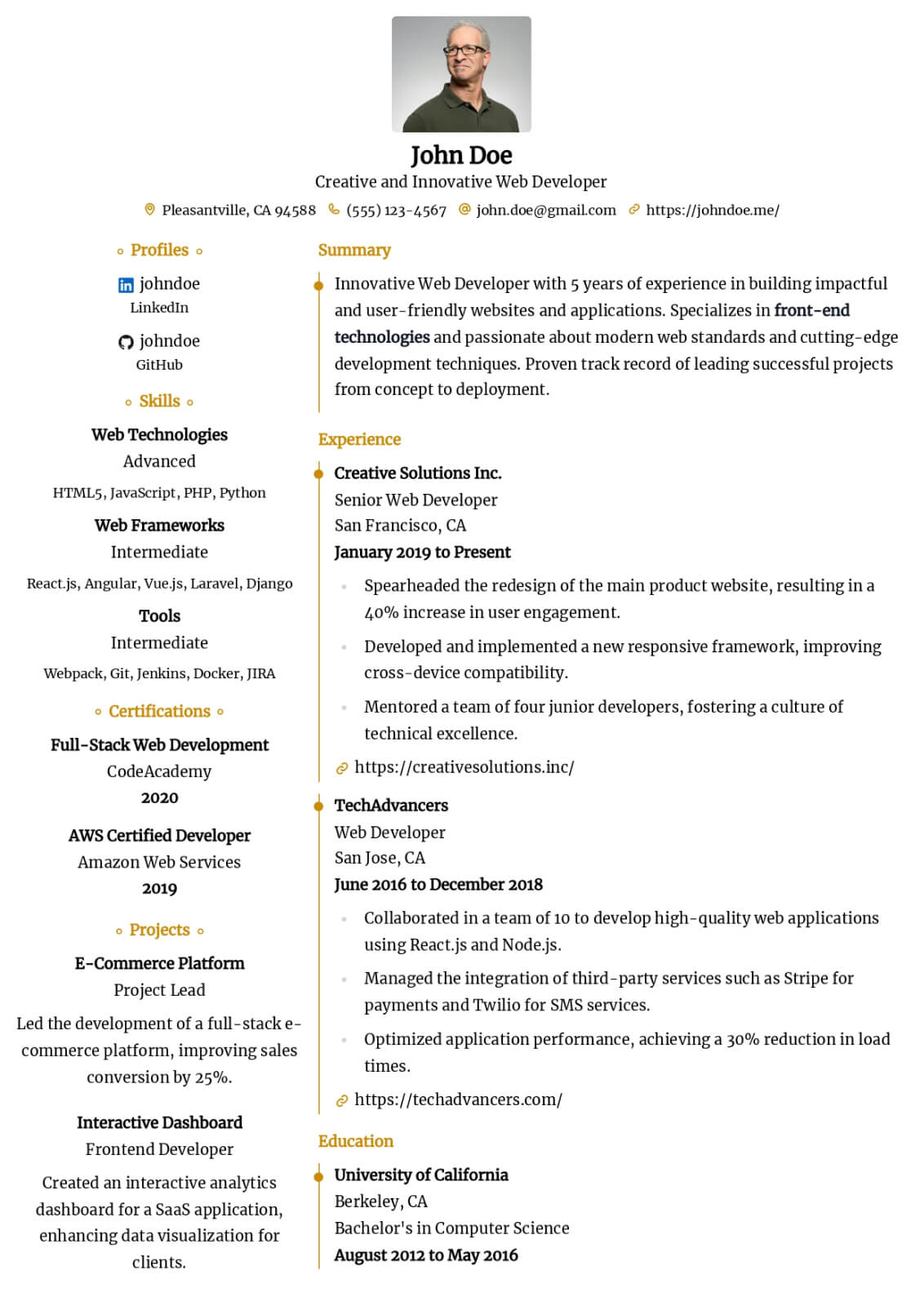
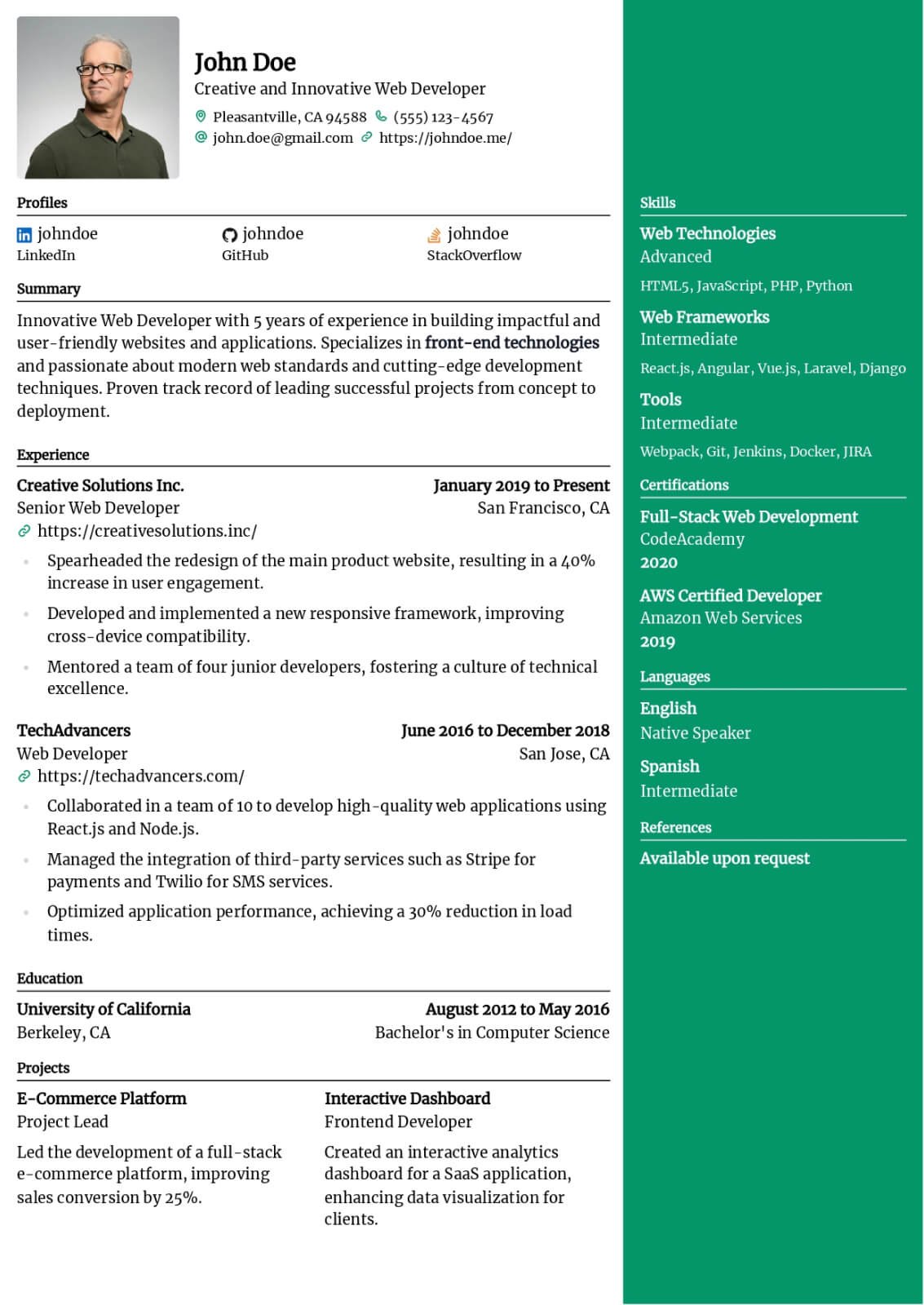
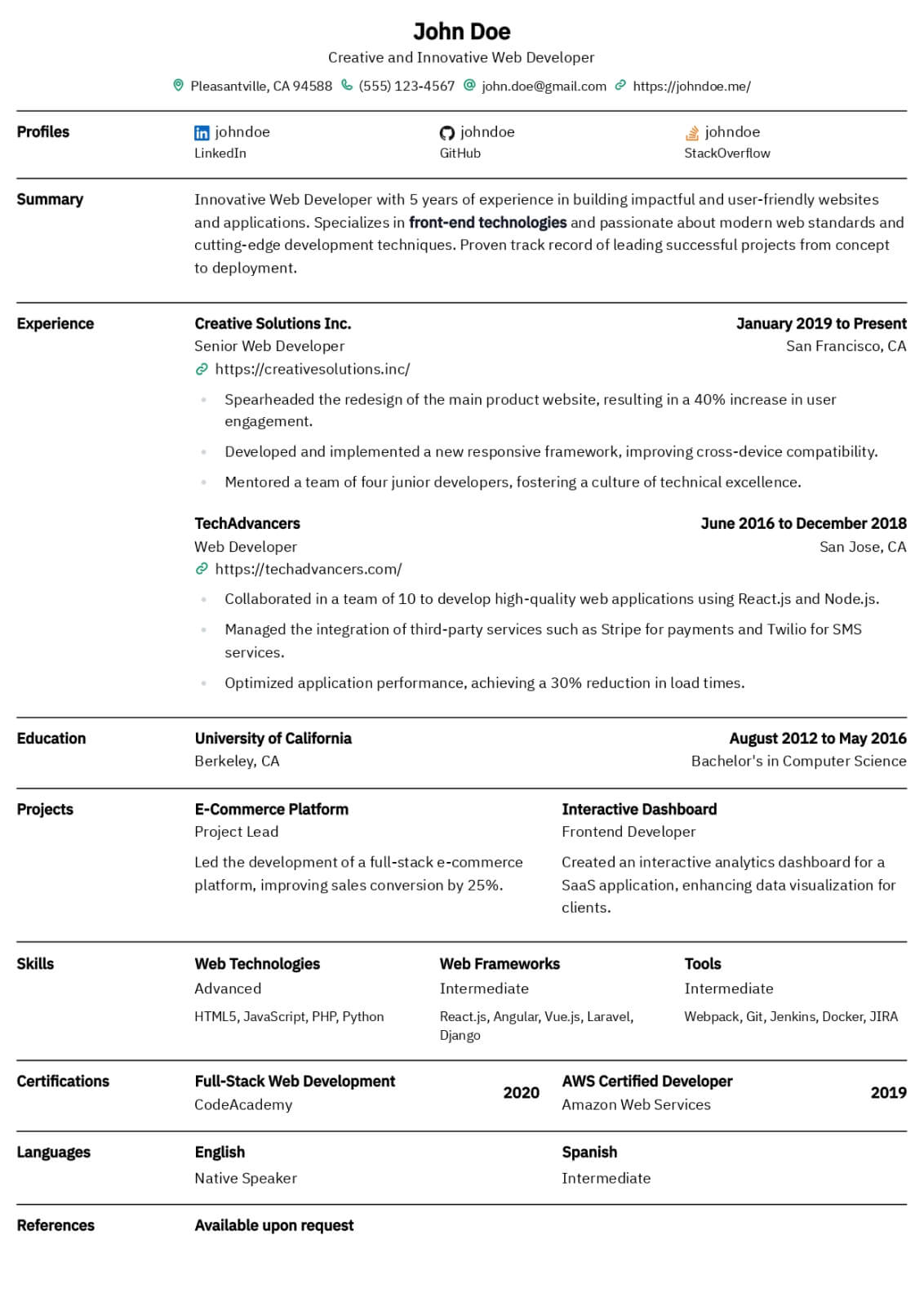
Use a clean, single-column layout with clear section headings and plenty of white space. Lead with technical strengths such as Altium Designer / Cadence OrCAD (PCB Layout), MATLAB Simulink / PSpice Simulation, ETAP / SKM Power System Analysis, Embedded C / RTOS Development, VHDL / Verilog (FPGA Design), PLC Programming (Allen-Bradley / Siemens), then reinforce interpersonal strengths like Systems-Level Thinking, Cross-Functional Teamwork, Technical Documentation, Root Cause Analysis. Keep fonts standard (e.g., Arial or Calibri) at 10–12pt body size so your resume stays ATS-friendly and easy to scan.
Key takeaways
- Lead with a summary that names your EE specialization and a quantified design achievement
- Pair every experience bullet with measurable results and specific tools or standards
- Mirror NEC, IEEE, and EDA tool keywords from the job posting for ATS alignment
- Add a projects section highlighting complex circuit or systems-level design work
- Feature PE licensure or FE status prominently for power and utility engineering roles
- Maintain consistent formatting with standard section headings for recruiter scan-ability
Build your Electrical Engineer resume with Scale
Lead with a summary that names your EE specialization and a quantified design achievement
Use This Template
Professional Templates That Make You Stand Out
Browse modern, ATS-friendly resume designs crafted to impress recruiters. Customize any template and download it as a Word or PDF file.
Listen What Our Users Have to Say

Rohan Sen
I am very happy with the team's quick turnaround time - any query is responded at utmost priority. Shoutout to my client manager, Anub Biju - very helpful.

Gael L
Service and communication is great, cover letters are non-ai sounding and well tailored. Just have a lot of communication and review with your staff!

Jonathan Parry
Wow - don't tell your peers! Wow, I can't recommend scale.jobs enough - it's so good I am not sharing with my peers. Applications at scale that get through filters. Thank you!

Cynthia Zhu
Great service! The scale.jobs team was very responsible and managed to apply tons of jobs for me in a very tight deadline to help me secure interviews quickly. Highly recommend to anyone who needs help applying to jobs!

Yash Yenugu
Save your fingers. Saved me from a thumb cramp because we're expected to effortlessly apply to jobs during these times.

Cian O'Driscoll
Clever service. Takes the hard effort out of applying for jobs with an intuitive dashboard and attention to detail. A great asset to job seekers. :-)
Frequently asked questions
What should an electrical engineer emphasize on a resume in 2026?
A competitive electrical engineering resume should feature a focused professional summary naming your subdiscipline, detailed experience with quantified design outcomes, a skills section covering EDA tools and relevant standards, and PE or FE credentials. Adding a key projects section is increasingly important because it demonstrates applied engineering beyond routine task lists. Ensure ATS compatibility by using standard section headings and matching keywords from the target posting.
How do I present PCB design experience effectively on my resume?
Describe PCB projects with specifics including layer count, board area, signal speed, and the EDA tool used. Rather than writing that you designed circuit boards, state that you completed a ten-layer high-speed PCB in Altium Designer with impedance-controlled differential pairs running at three gigabits per second, achieving first-pass EMC compliance. Mentioning DFM collaboration with your contract manufacturer adds further credibility. Quantified PCB details immediately signal depth to hiring managers.
Is PE licensure valuable for electrical engineers outside of power systems?
PE licensure is most impactful for power, utility, and building electrical roles where drawing approval authority is required. For electronics, embedded, or semiconductor positions, it is less common but still respected as proof of professional rigor. If you work in a subdiscipline where PE is not standard, emphasize vendor certifications, IPC credentials, or advanced degrees instead. Evaluate whether your target roles list PE as required or preferred before dedicating resume space to it.
Which programming languages should an electrical engineer list?
Prioritize languages specified in the job posting. Embedded C and C++ remain dominant for firmware and microcontroller development. VHDL and Verilog are essential for FPGA and ASIC roles. Python is increasingly used for test automation, data analysis, and scripting instrument interfaces. MATLAB is standard for control systems and signal processing modeling. Only list languages where you have project-level experience and can discuss implementation details during a technical interview.
How long should an electrical engineer resume be?
Electrical engineers with fewer than ten years of experience should target a dense one-page resume. Those with extensive project portfolios spanning multiple subdisciplines or holding a PE license may justify a two-page format. Every bullet must demonstrate measurable engineering value. Remove early-career internships or unrelated positions that dilute your technical narrative. Recruiters in engineering firms typically spend fewer than ten seconds on an initial scan, so clarity and density are paramount.
How can an electrical engineer differentiate from other applicants?
Combine three strategies to stand out. Lead each experience bullet with a quantified outcome such as improved efficiency, reduced EMI, or faster time-to-market. Add a dedicated projects section showcasing complex designs that required multidisciplinary coordination or novel technical approaches. Reference specific standards like IEEE 519 or UL 60950 to demonstrate regulatory depth. Tailored, technically detailed resumes consistently outperform generic submissions in competitive electrical engineering applicant pools.
Related Resume Guides
Mechanical Engineer
Craft a results-driven mechanical engineering resume that highlights CAD proficiency, FEA expertise, and product development achievements to land interviews at top engineering firms.
Aerospace Engineer
Develop an authoritative aerospace engineering resume that highlights flight systems design, CFD and FEA validation, and DO-178C compliance to land interviews at defense and commercial aviation firms.
Manufacturing Engineer
Build a results-driven manufacturing engineering resume highlighting process validation, tooling design, and production efficiency for automotive and aerospace employers.
Quality Engineer
Develop a metrics-driven quality engineering resume highlighting CAPA management, audit leadership, and SPC expertise for manufacturing and medtech employers.
Process Engineer
Build a performance-driven process engineering resume demonstrating yield optimization, capacity debottlenecking, and continuous improvement for top manufacturing employers.