
Market Research Analyst Resume Examples, Templates & Writing Guide

Written by: Scale.jobs EditorialLast updated: May 1, 2026






Introduction
Create a data-driven market research analyst resume that demonstrates consumer insights expertise, competitive intelligence capabilities, and actionable business recommendations that drive strategic decisions.
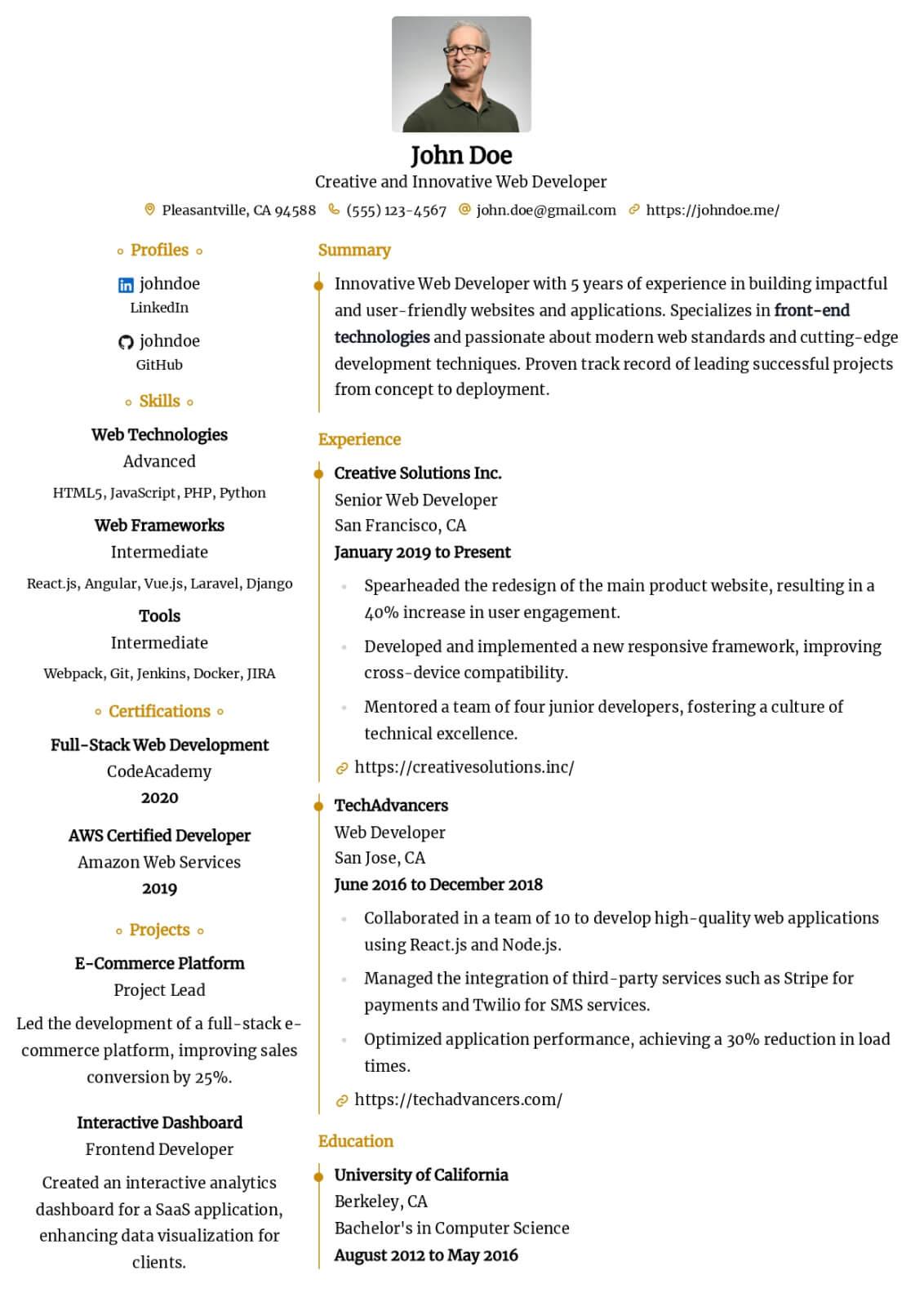
This guide walks you through every major section of a market research analyst resume, with practical tips you can apply today.
- How to demonstrate consumer insights expertise and data-driven recommendation capabilities
- Key quantitative and qualitative research skills hiring managers prioritize for analyst roles
- Strategies for showcasing survey design, data collection, and statistical analysis proficiency
- Proven methods for presenting competitive intelligence and market sizing deliverables on your resume
- Techniques for aligning resume language with market research terminology for ATS optimization
- How to tailor your resume to highlight cross-functional stakeholder influence and presentation skills
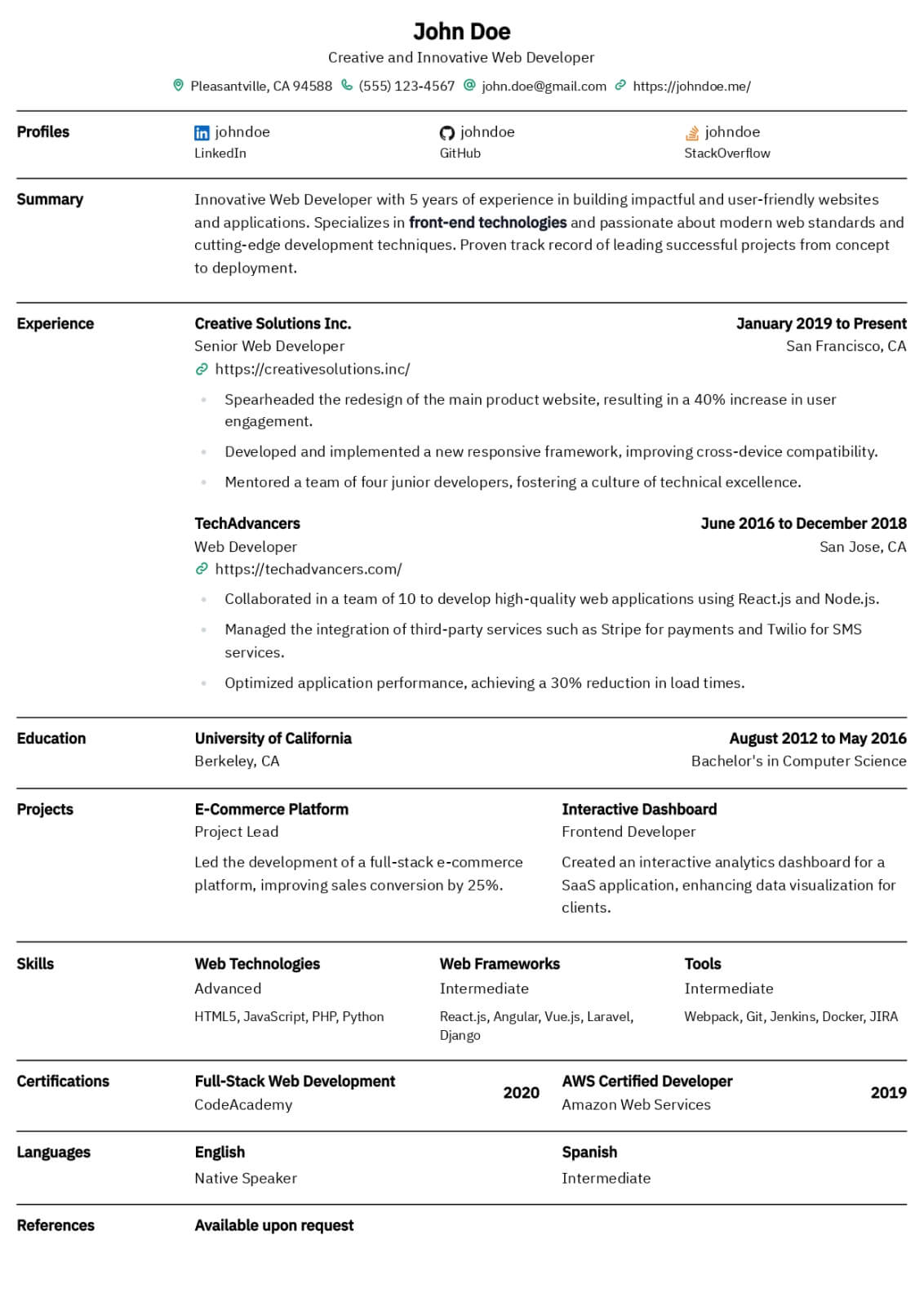
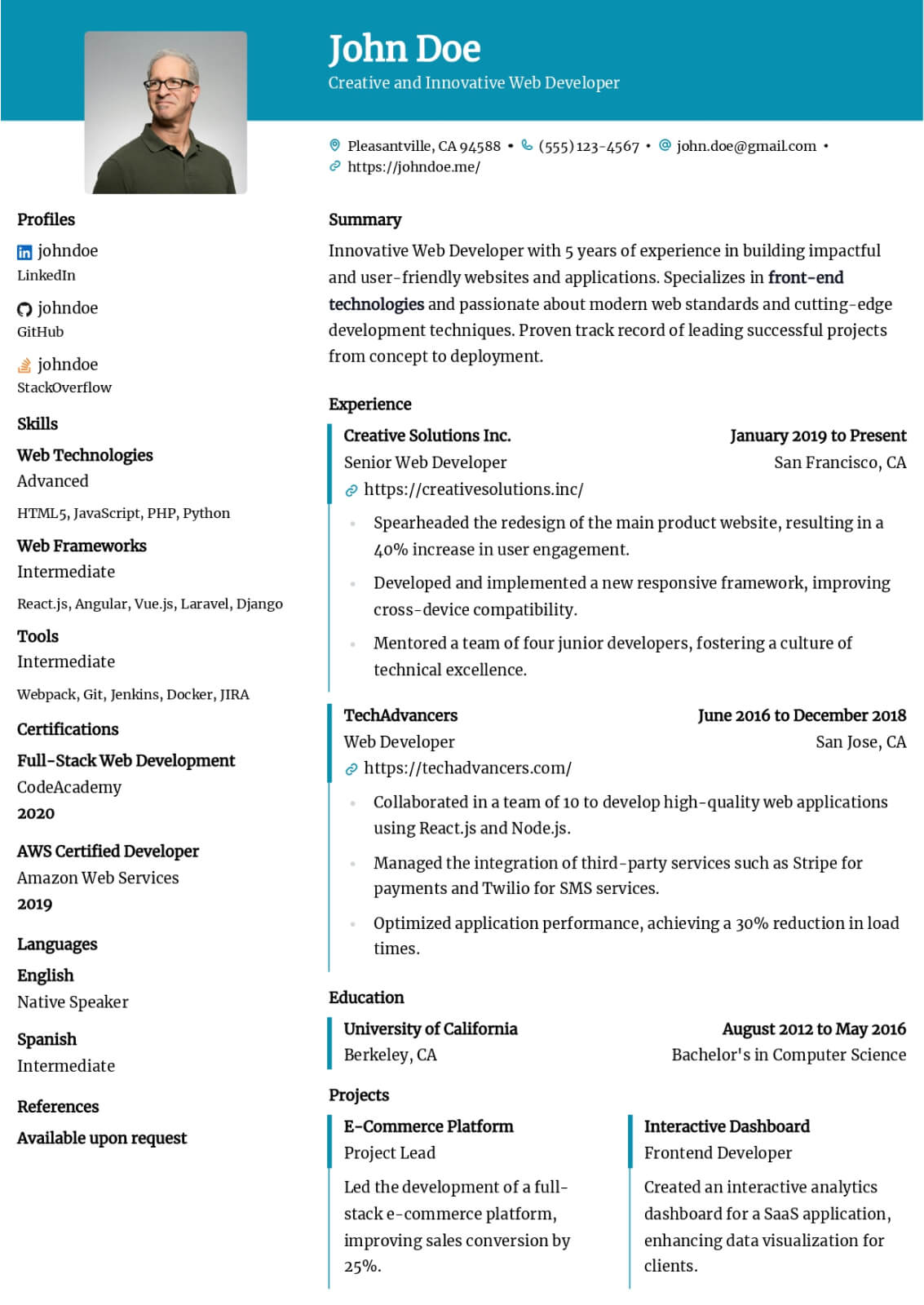
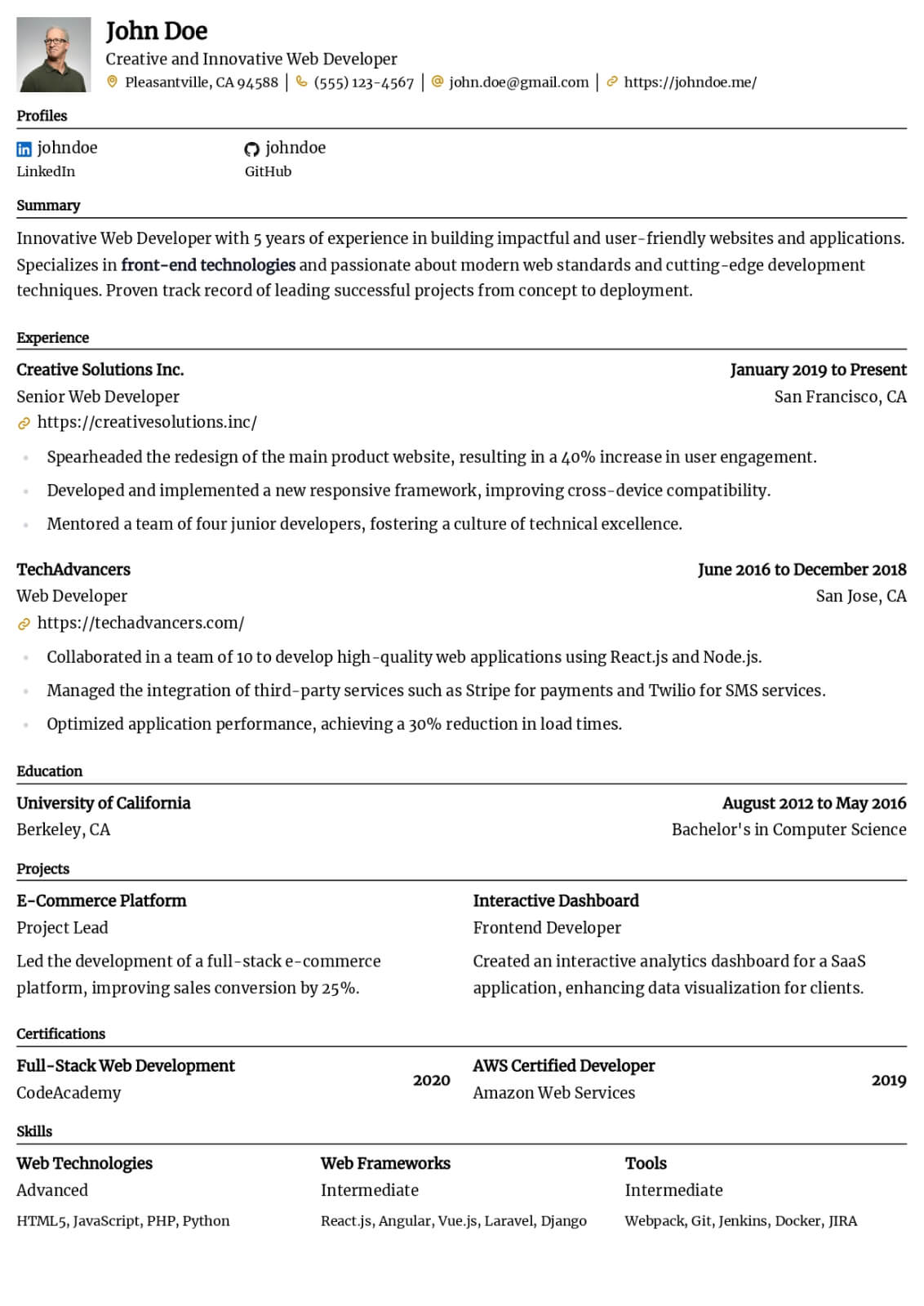
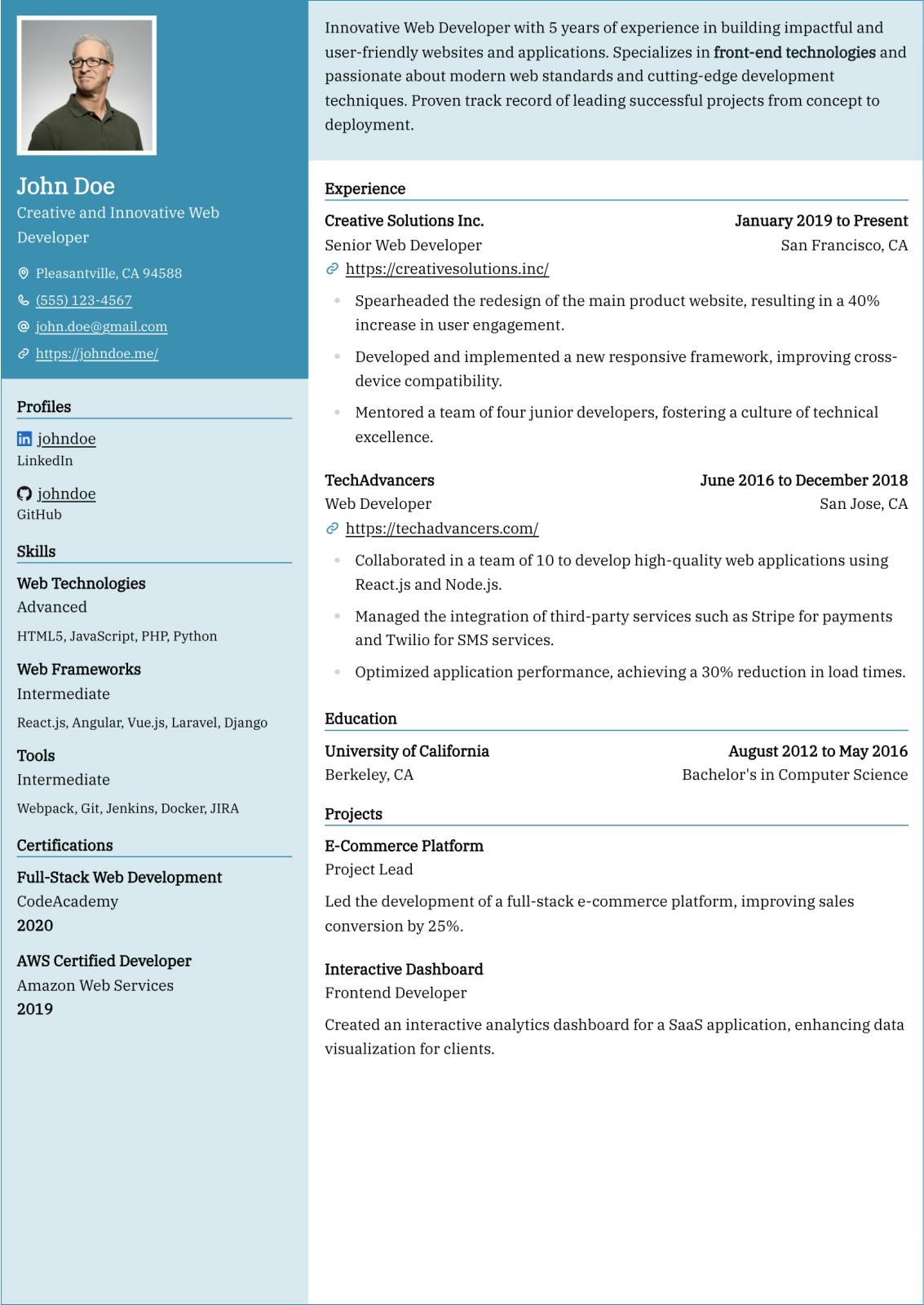
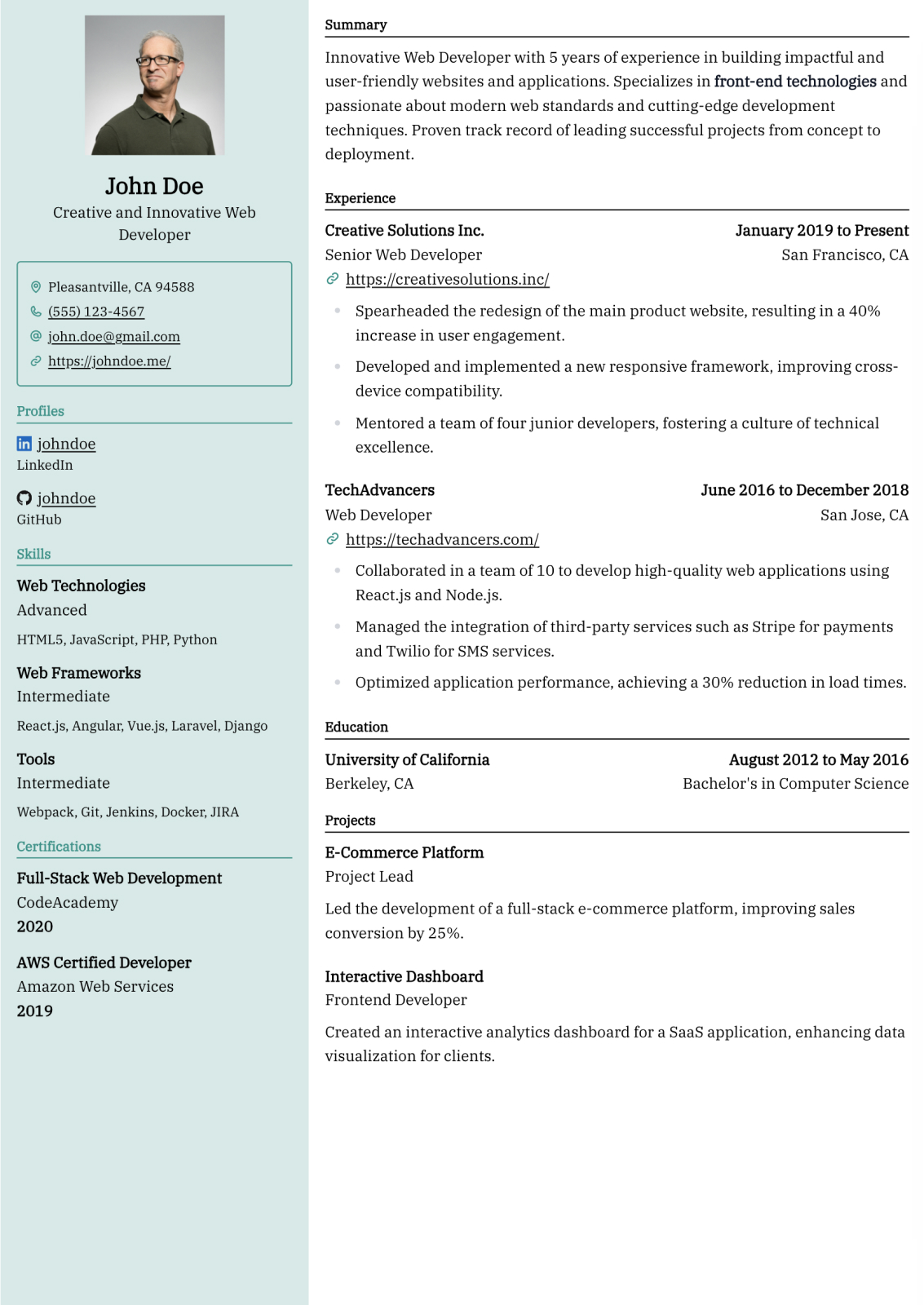
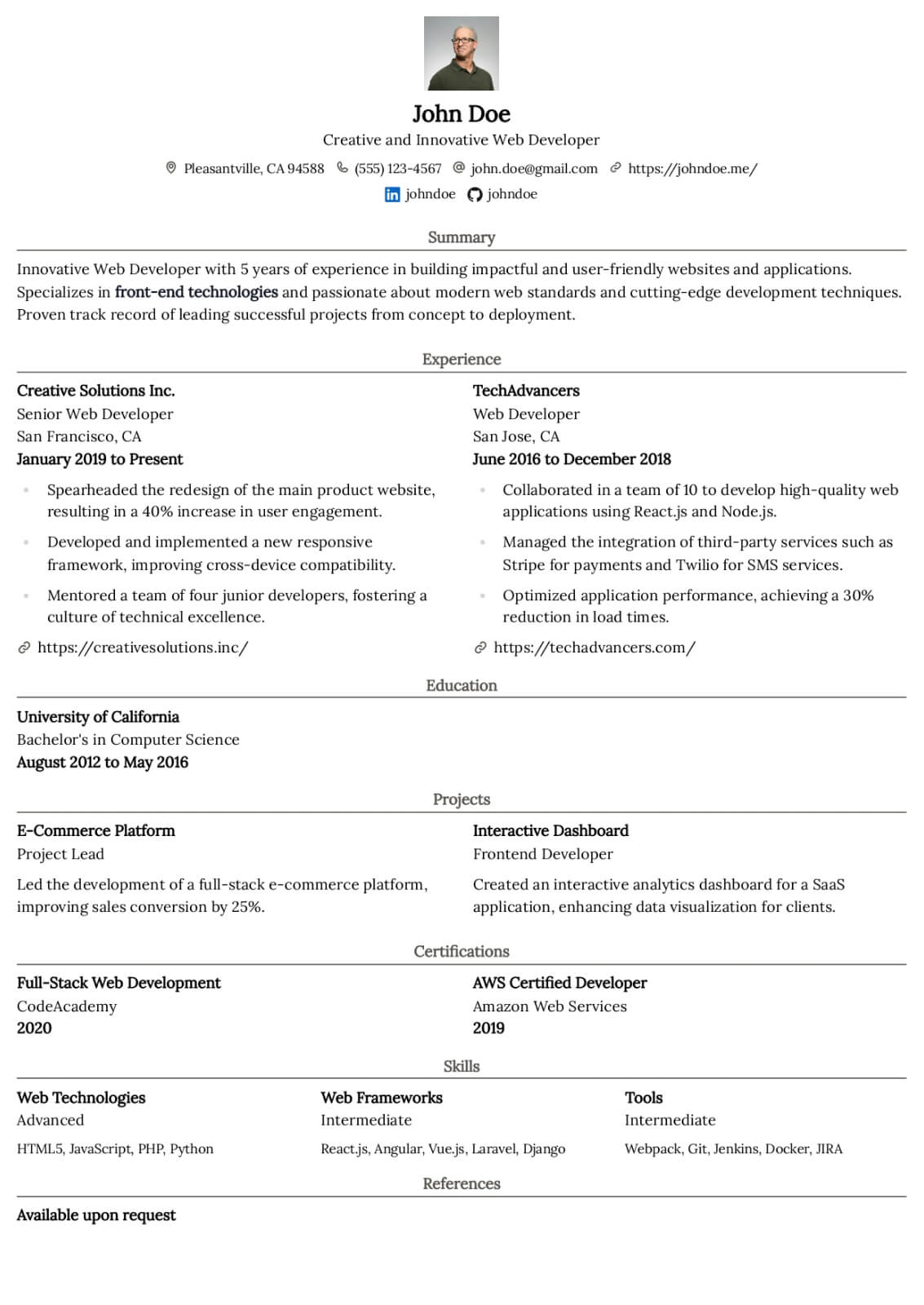
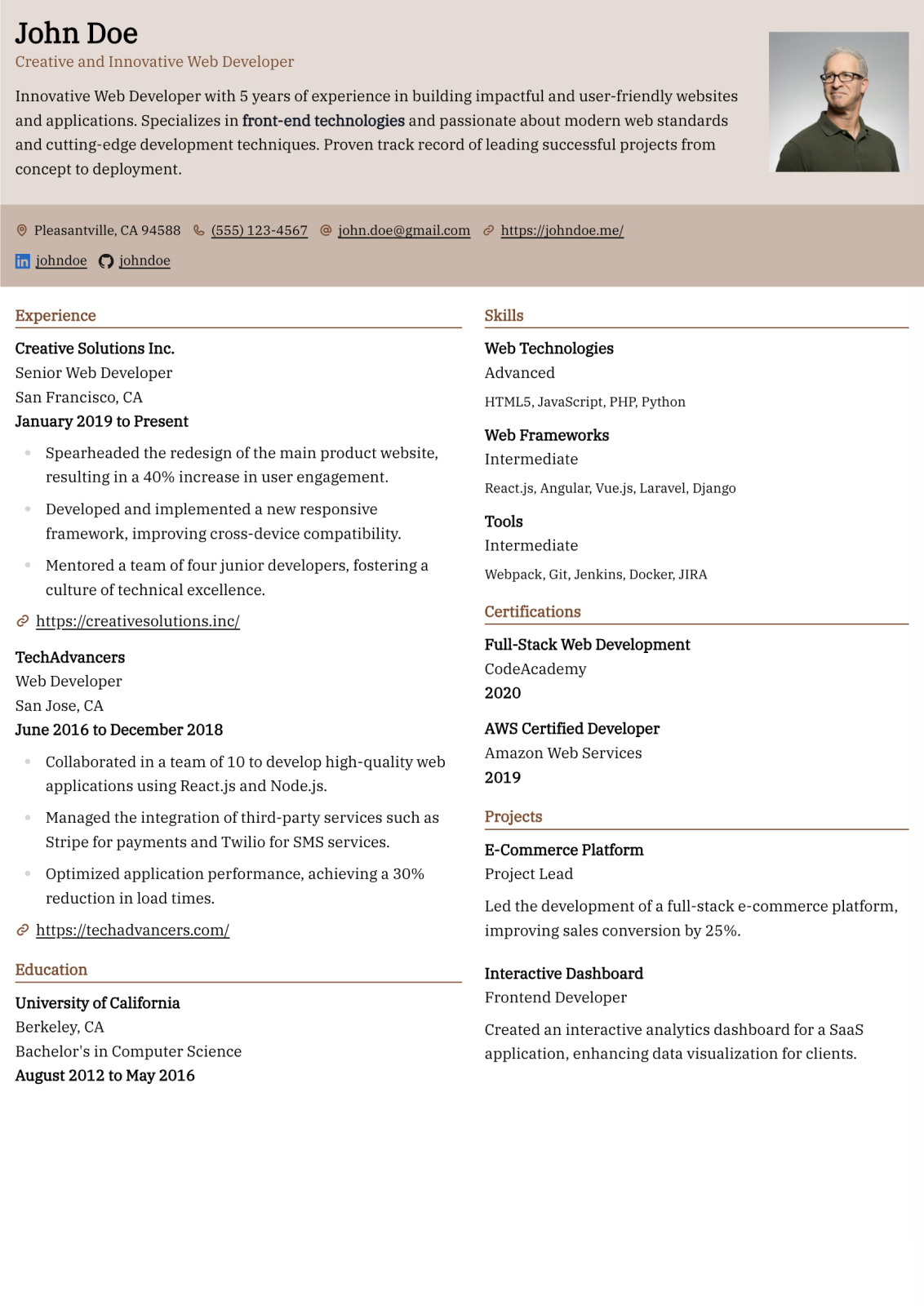
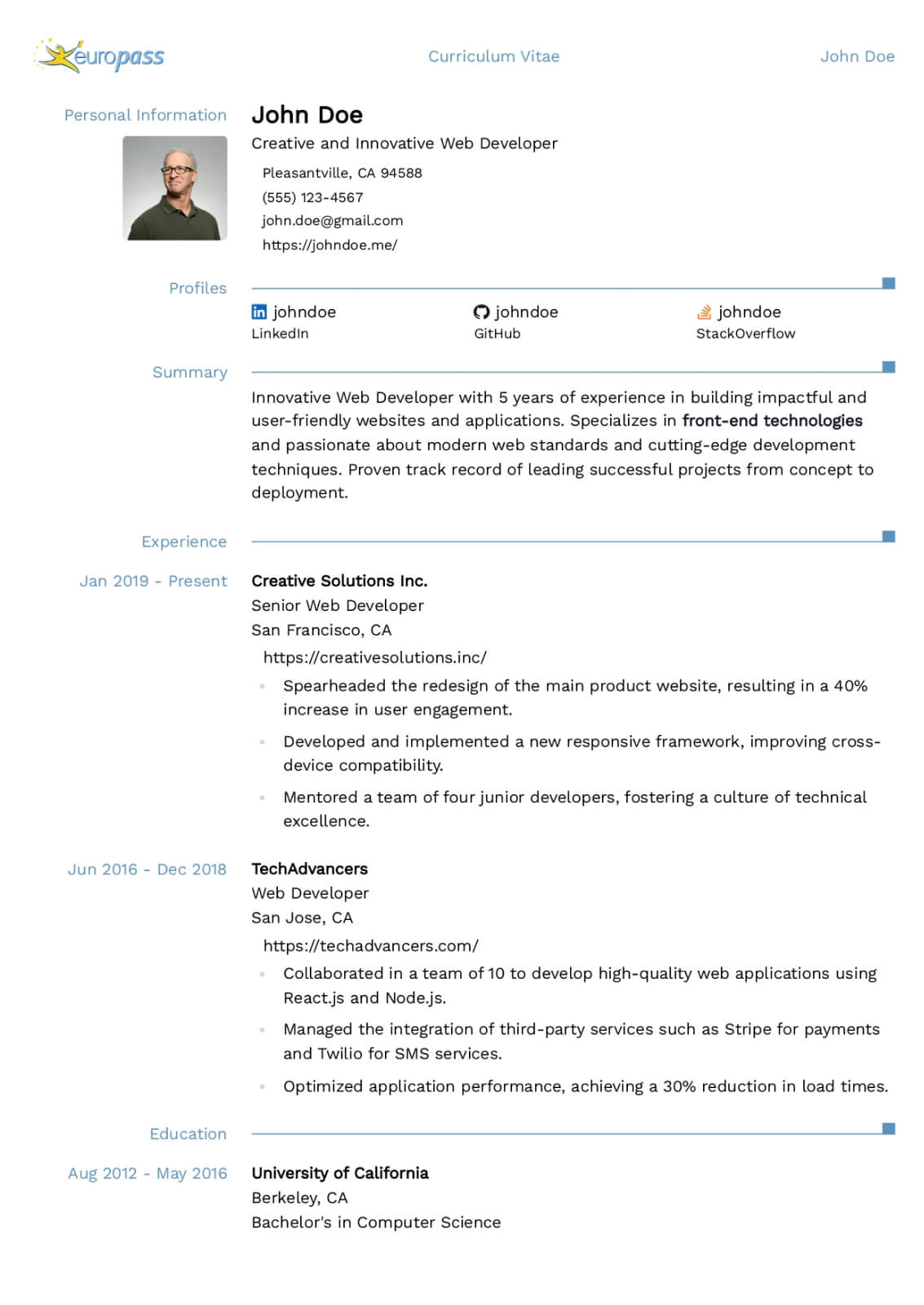
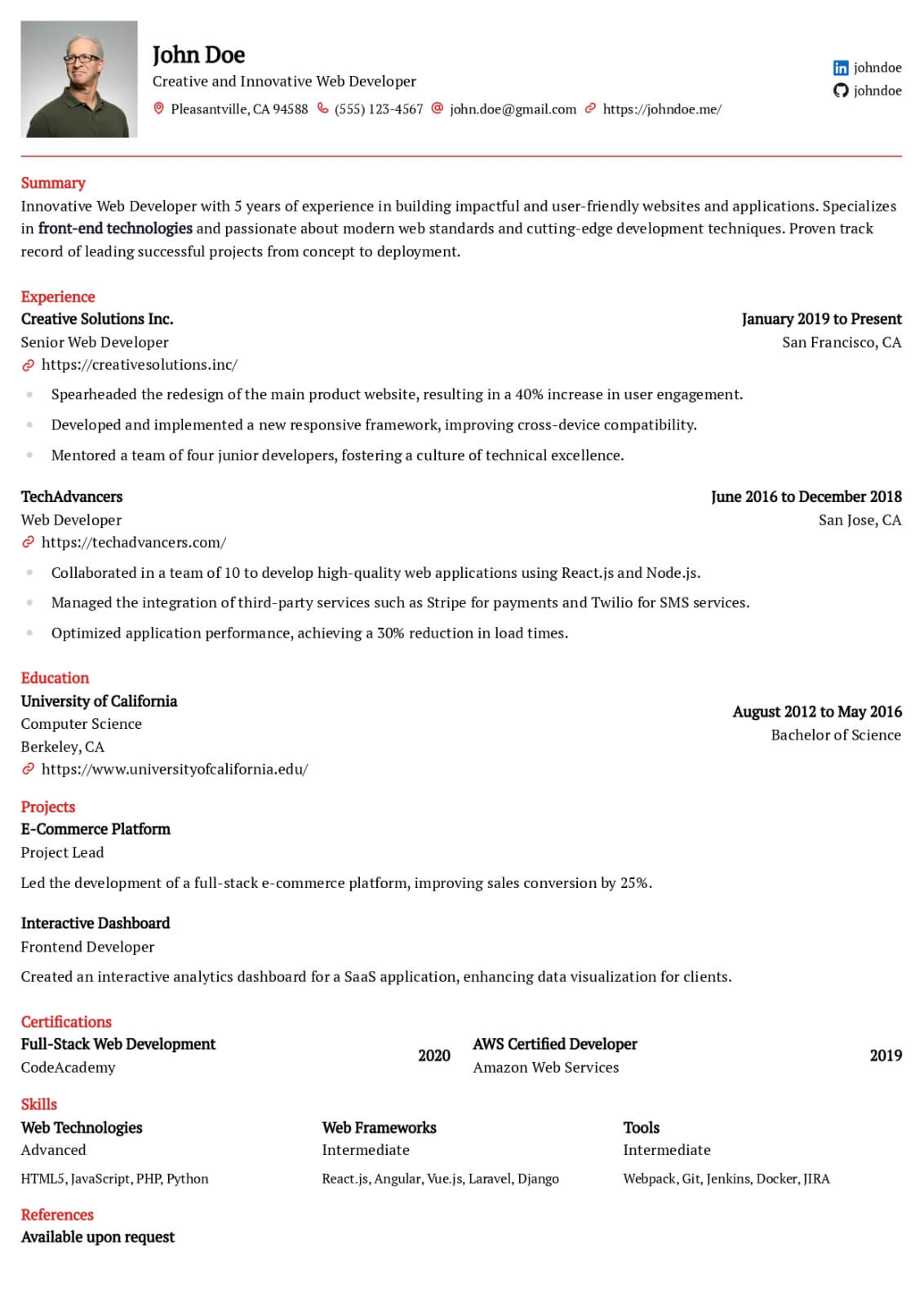
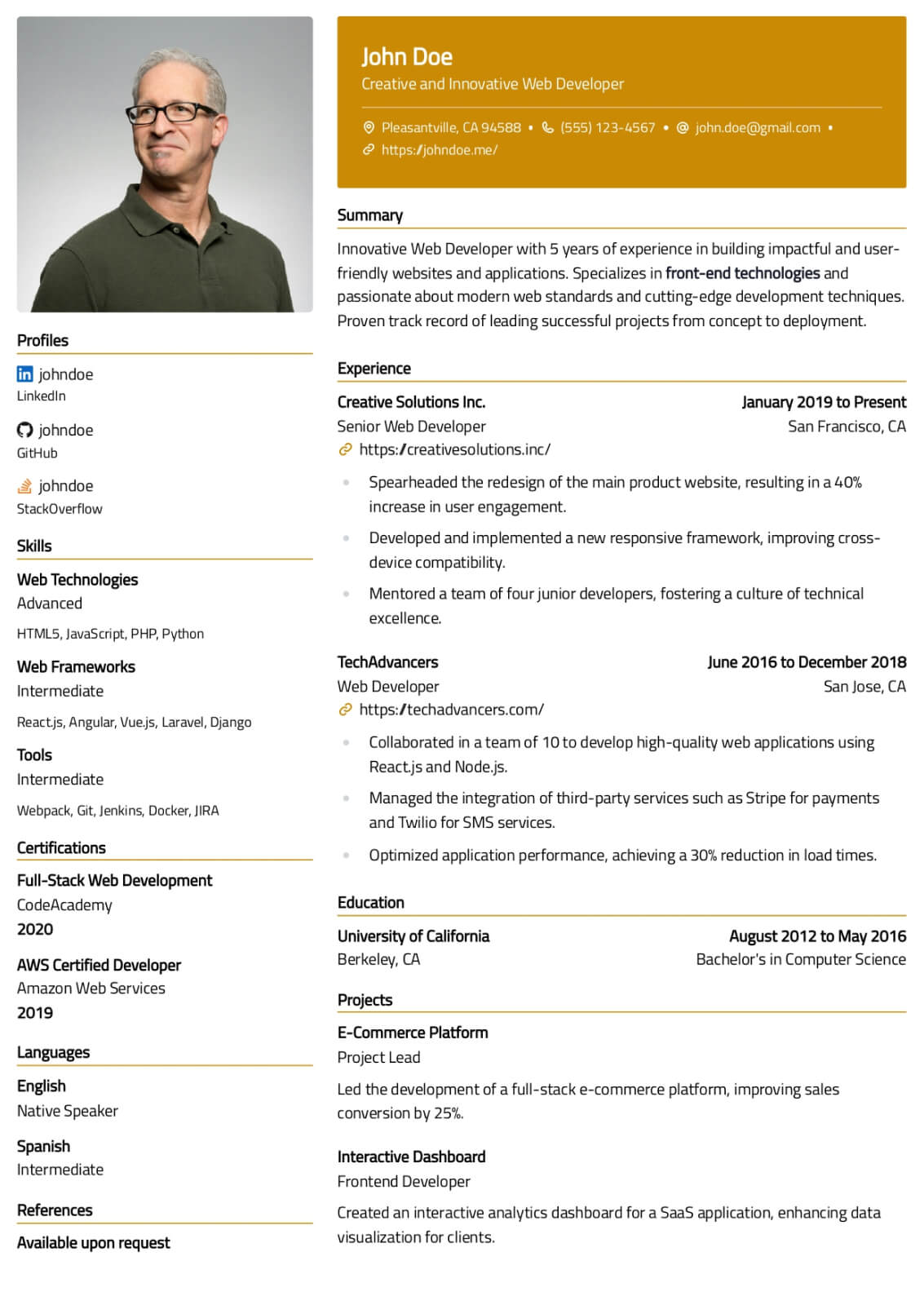
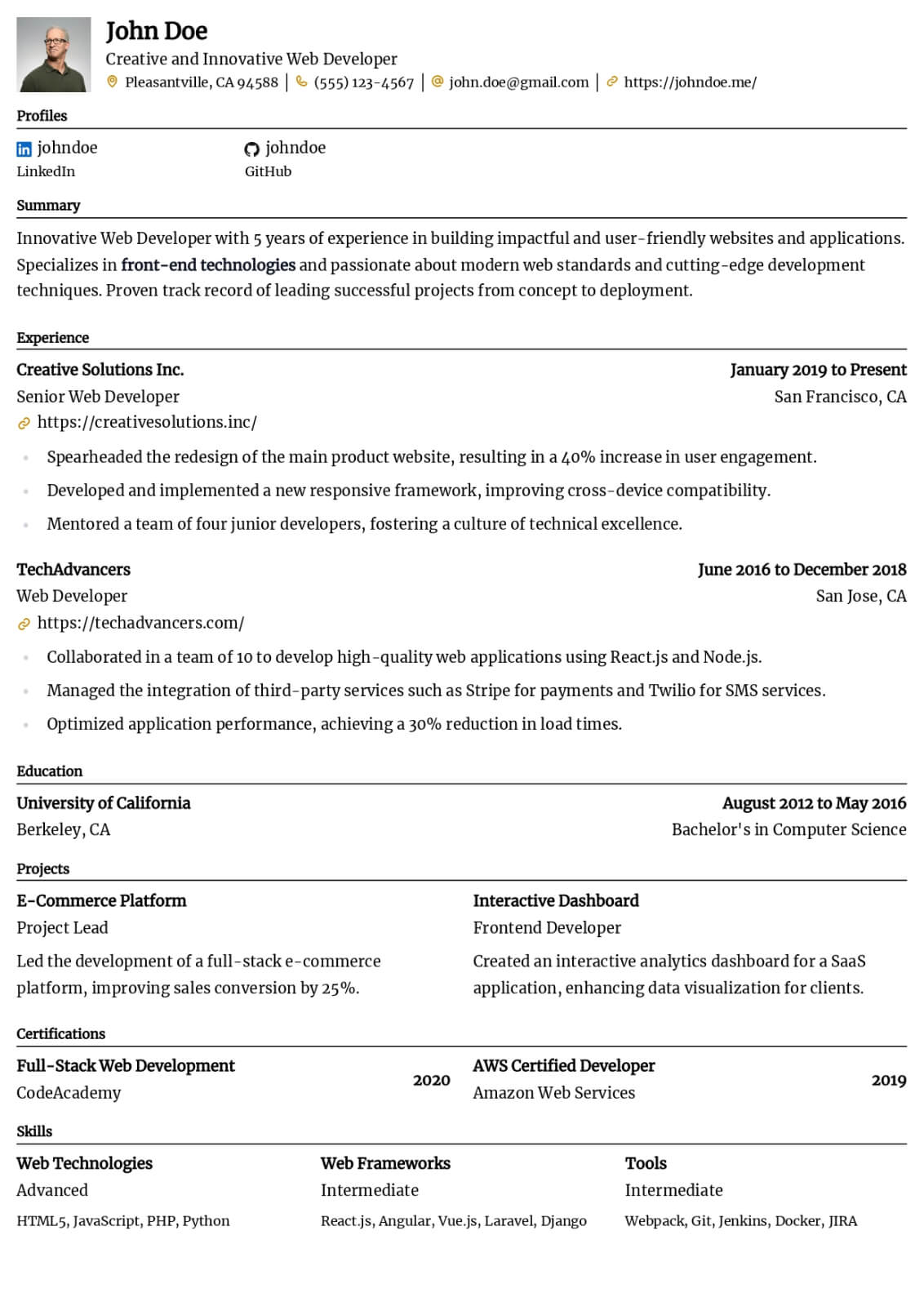
Market Research Analyst resume guide
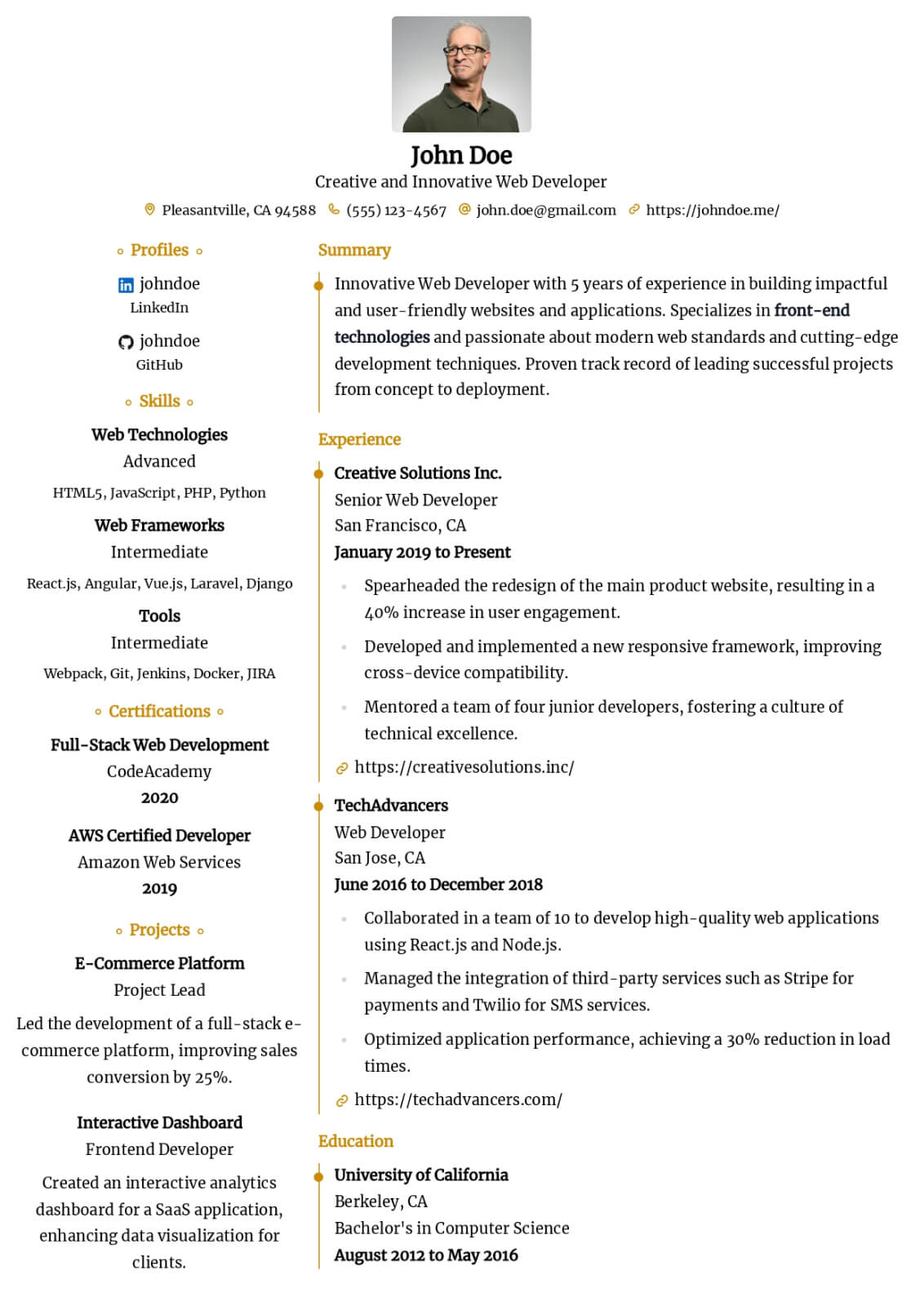
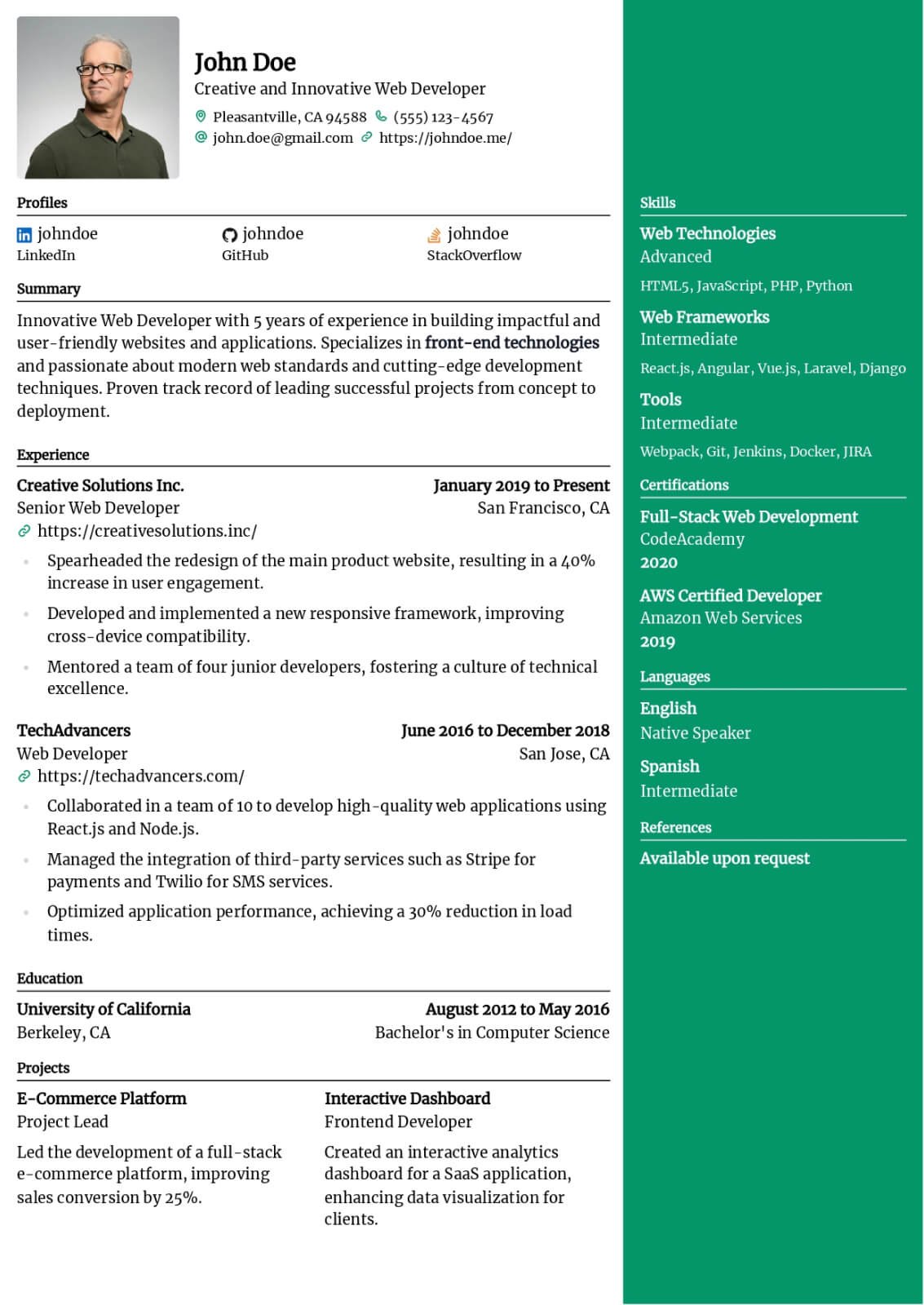
Below, you will find section-by-section guidance for your market research analyst resume — from your opening summary through skills and experience. Tailor every line to the job you want.
Professional Summary
Your professional summary should position you as an analytical market research professional who transforms raw data into actionable business insights. Open with your years of experience and primary research focus, whether consumer behavior analysis, competitive intelligence, or market sizing and segmentation. Reference the scale of research programs you have managed, such as designing and executing studies reaching over ten thousand respondents across multiple markets. Include at least one quantified impact statement like noting that your research insights informed a product launch strategy that captured eight percent market share within the first year. Incorporate methodology and tool terminology such as SPSS, Qualtrics, and conjoint analysis to clear ATS screening.
Work Experience
Present your experience in reverse-chronological order with clear titles, companies, and dates. Each role should include four to six bullet points beginning with action verbs like analyzed, designed, synthesized, or recommended. Every bullet must connect a research activity to a business outcome, for example noting that you conducted a competitive landscape analysis across eighteen market players that identified a pricing opportunity, leading to a repositioning strategy that generated five million dollars in incremental annual revenue. Demonstrate breadth across quantitative methods like surveys and statistical modeling and qualitative methods like focus groups and in-depth interviews. Highlight cross-functional collaboration with product, marketing, and executive teams. Show how your research directly influenced strategic business decisions.
Skills
Organize your skills into eight to ten hard skills and six to seven soft skills aligned to market research analyst requirements. Hard skills should include statistical analysis software like SPSS, SAS, or R, survey platforms like Qualtrics or SurveyMonkey, data visualization tools like Tableau or Power BI, and qualitative analysis software. Add competencies in research design methodology, conjoint analysis, segmentation modeling, and competitive intelligence frameworks. Soft skills should emphasize analytical thinking, storytelling with data, stakeholder communication, intellectual curiosity, and attention to methodological rigor. Only list methods and tools you can discuss in detail during interviews.
Research Project Highlights
Dedicate a section to two to four significant research projects that demonstrate your ability to deliver insights that drive business strategy. For each project, specify the research question, methodology, sample design, analytical approach, and business impact. A compelling example might describe how you designed and executed a conjoint analysis study with three thousand respondents that identified optimal feature-price bundles, informing a product roadmap that projected twenty million dollars in three-year revenue. This section is particularly valuable for demonstrating applied research competence and the ability to translate complex findings into clear, actionable executive recommendations. Describe the stakeholders you collaborated with and the presentation format you used to communicate findings effectively to non-technical audiences.
Certifications & Professional Development
List research and analytics certifications that validate your methodological expertise and analytical rigor. Valuable credentials include the Insights Association Professional Researcher Certification, Google Analytics Certification, Qualtrics certifications, and advanced statistics or data science certificates from recognized institutions. Include the issuing organization and completion date for each credential to establish professional currency. Certifications demonstrate structured training in research ethics, methodology, and analytical techniques beyond what a degree alone conveys to hiring managers. They are particularly impactful when competing against candidates with similar educational backgrounds and experience levels. If pursuing credentials, list them with expected completion dates to show continued investment in professional development and methodological expertise.
Education
Include your highest relevant degree, institution, and graduation year. Market research analyst roles typically require degrees in marketing, statistics, psychology, sociology, economics, or related quantitative fields. A master's degree in marketing research, applied statistics, or data science strengthens candidacy for senior positions. Include relevant coursework in research methods, multivariate statistics, or consumer behavior. Highlight thesis projects, published research, or academic conference presentations that demonstrate analytical rigor. For experienced professionals, keep education concise and let your research project portfolio carry the primary weight.
Resume layout and formatting
Use a clean, single-column layout with clear section headings and plenty of white space. Lead with technical strengths such as Statistical Analysis (SPSS, SAS, R), Survey Design & Platform Management (Qualtrics), Data Visualization (Tableau, Power BI), Conjoint & MaxDiff Analysis, Market Segmentation & Cluster Modeling, Competitive Intelligence & Market Sizing, then reinforce interpersonal strengths like Analytical Thinking, Data Storytelling & Presentation, Stakeholder Communication, Intellectual Curiosity. Keep fonts standard (e.g., Arial or Calibri) at 10–12pt body size so your resume stays ATS-friendly and easy to scan.
Key takeaways
- Lead with research impact metrics showing how your insights drove business decisions
- Demonstrate breadth across quantitative and qualitative research methodologies on your resume
- Mirror research tool names and methodology terminology from job postings for ATS matching
- Include a research project highlights section with methodology details and business outcomes
- Showcase data visualization and executive presentation skills alongside analytical capabilities
- Quantify every research initiative with respondent counts, market sizing figures, and revenue impact
Build your Market Research Analyst resume with Scale
Lead with research impact metrics showing how your insights drove business decisions
Use This Template
Professional Templates That Make You Stand Out
Browse modern, ATS-friendly resume designs crafted to impress recruiters. Customize any template and download it as a Word or PDF file.
Listen What Our Users Have to Say

Rohan Sen
I am very happy with the team's quick turnaround time - any query is responded at utmost priority. Shoutout to my client manager, Anub Biju - very helpful.

Gael L
Service and communication is great, cover letters are non-ai sounding and well tailored. Just have a lot of communication and review with your staff!

Jonathan Parry
Wow - don't tell your peers! Wow, I can't recommend scale.jobs enough - it's so good I am not sharing with my peers. Applications at scale that get through filters. Thank you!

Cynthia Zhu
Great service! The scale.jobs team was very responsible and managed to apply tons of jobs for me in a very tight deadline to help me secure interviews quickly. Highly recommend to anyone who needs help applying to jobs!

Yash Yenugu
Save your fingers. Saved me from a thumb cramp because we're expected to effortlessly apply to jobs during these times.

Cian O'Driscoll
Clever service. Takes the hard effort out of applying for jobs with an intuitive dashboard and attention to detail. A great asset to job seekers. :-)
Frequently asked questions
What should a market research analyst resume include in 2026?
A strong market research analyst resume should feature an insight-focused professional summary, work experience with research methodology details and business outcomes, a technical skills section aligned to the job description, and research project highlights. Include certifications in analytics and research methodology. Maintain ATS-compatible formatting with clear section headings and consistent structure.
How do I quantify market research impact on my resume?
Quantify impact by connecting research insights to business decisions and outcomes. Instead of stating you conducted surveys, write that your segmentation study informed a targeted marketing strategy that increased campaign conversion rates by twenty-eight percent. Reference revenue influenced, market share captured, or cost savings achieved through research-informed decisions. Use specific respondent counts and confidence intervals.
Which research tools should I highlight on my resume?
Prioritize tools mentioned in the target job posting. Core tools include SPSS or R for statistical analysis, Qualtrics for survey management, Tableau or Power BI for visualization, and Excel for modeling. Include qualitative tools like NVivo if relevant. Listing tools you can demonstrate proficiency with during technical assessments is more valuable than an exhaustive list.
How important is a master's degree for market research analyst roles?
A master's degree strengthens candidacy significantly, especially for positions at research firms and large corporations. Degrees in marketing research, statistics, or data science are most valued. However, candidates with bachelor's degrees combined with strong project experience and relevant certifications can compete effectively. Advanced statistical skills and demonstrated research impact matter more than degree level alone.
Should I include qualitative research experience on my resume?
Qualitative research skills are highly valued as they complement quantitative capabilities and demonstrate analytical versatility. Highlighting experience conducting focus groups, in-depth interviews, and ethnographic research strengthens your candidacy substantially. Describe how you synthesized qualitative findings into actionable insights for product and marketing teams. Many hiring managers value researchers who can design mixed-methods studies that combine quantitative rigor with qualitative depth and consumer empathy.
How do I showcase presentation skills on a market research resume?
Reference specific executive presentations and their outcomes. State that you presented consumer segmentation findings to the C-suite that informed a twenty-million-dollar product investment decision. Mention the audiences you regularly present to, the types of deliverables you create, and any positive feedback or action taken as a result. Data storytelling capability is a critical differentiator for research analysts.
Related Resume Guides
Digital Marketing Specialist
Build a high-performance digital marketing specialist resume that highlights paid media expertise, analytics fluency, and conversion-driven campaigns to stand out in competitive applicant pools.
Brand Manager
Build a compelling brand manager resume that showcases brand equity growth, market positioning strategy, and cross-functional product launch leadership to secure interviews at leading consumer and technology companies.
Marketing Manager
Craft a results-driven marketing manager resume that showcases campaign ROI, team leadership, and omnichannel strategy expertise to land interviews at top-tier organizations.
SEO Specialist
Build a data-driven SEO specialist resume that demonstrates organic traffic growth, technical optimization expertise, and search visibility improvements to land roles at top digital marketing organizations.
Content Marketing Manager
Build a compelling content marketing manager resume that demonstrates editorial leadership, organic growth strategy, and measurable pipeline contribution through content-driven demand generation.