
Respiratory Therapist Resume Examples, Templates & Writing Guide

Written by: Scale.jobs EditorialLast updated: May 1, 2026







Introduction
Create a respiratory therapist resume that showcases ventilator management expertise, arterial blood gas interpretation, RRT credentials, and critical care competencies for hospital and pulmonary rehabilitation roles.
This guide walks you through every major section of a respiratory therapist resume, with practical tips you can apply today.
- How to present ventilator management and airway skills across critical care settings
- Strategies for quantifying clinical outcomes like ventilator weaning success and readmission rates
- Techniques for highlighting RRT credentials, state licensure, and specialty certifications
- Methods for showcasing ABG interpretation and pulmonary function testing proficiency
- How to demonstrate interdisciplinary collaboration in ICU and emergency department settings
- Key approaches for tailoring your resume to acute care, neonatal, or pulmonary rehab roles
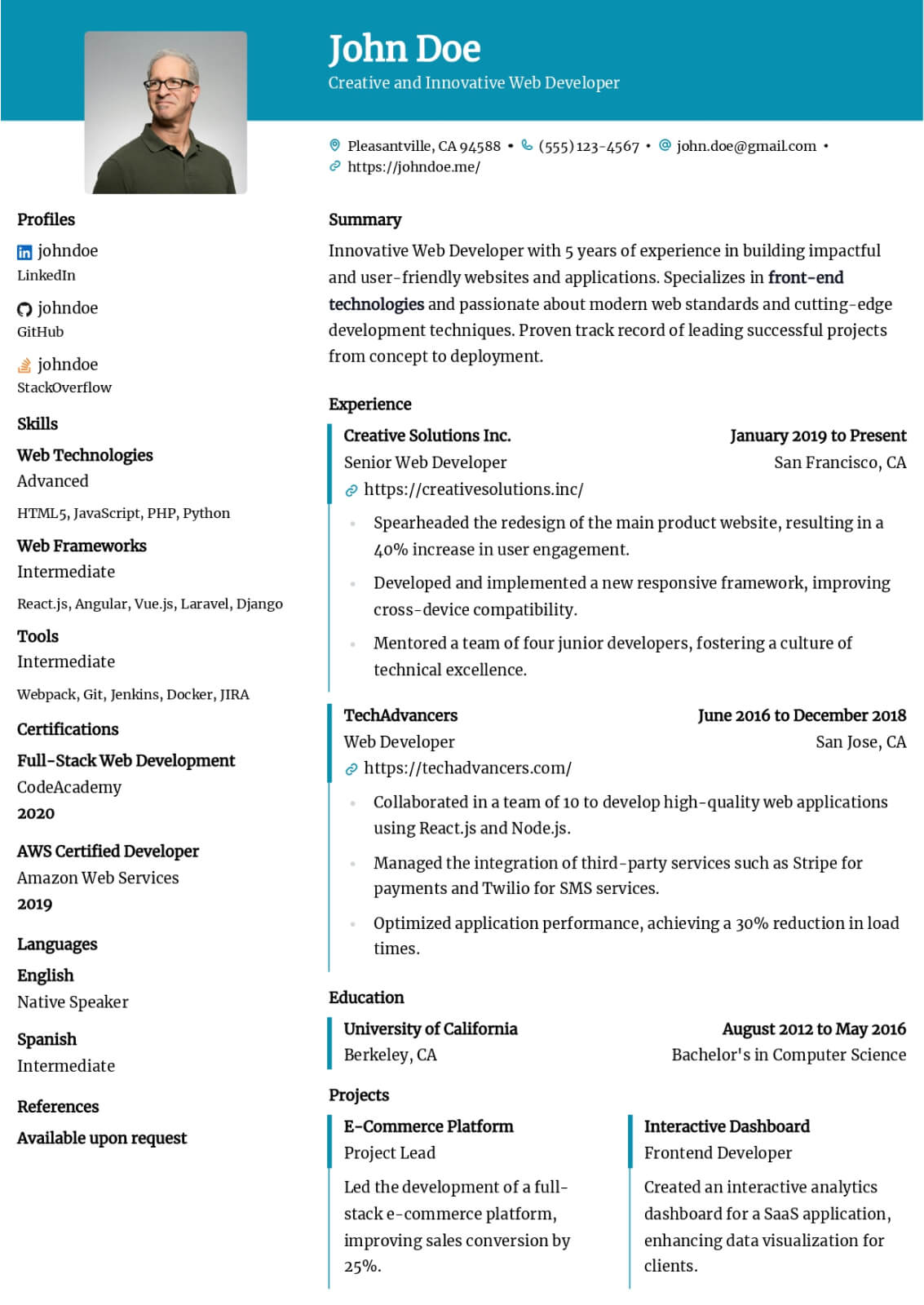
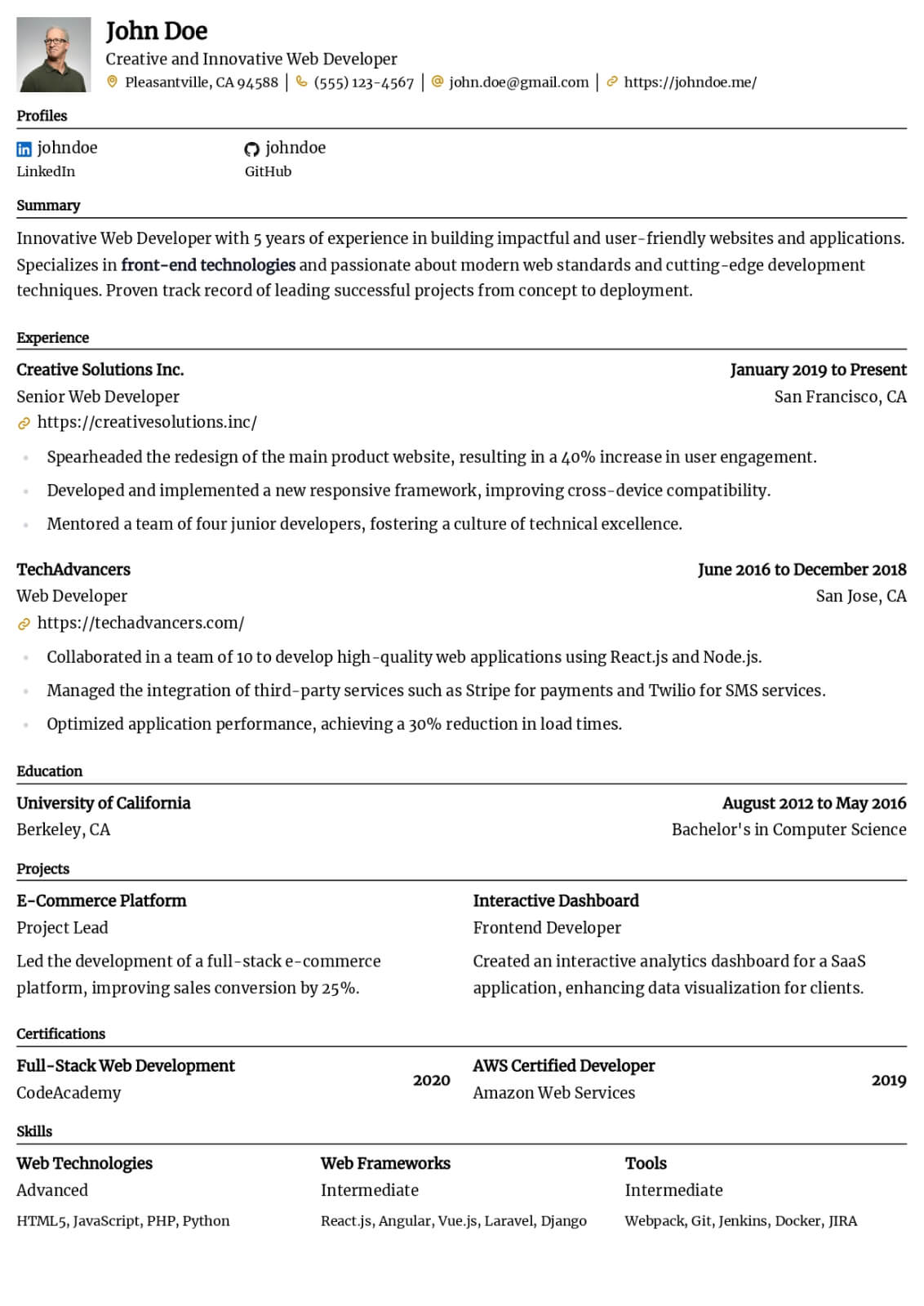
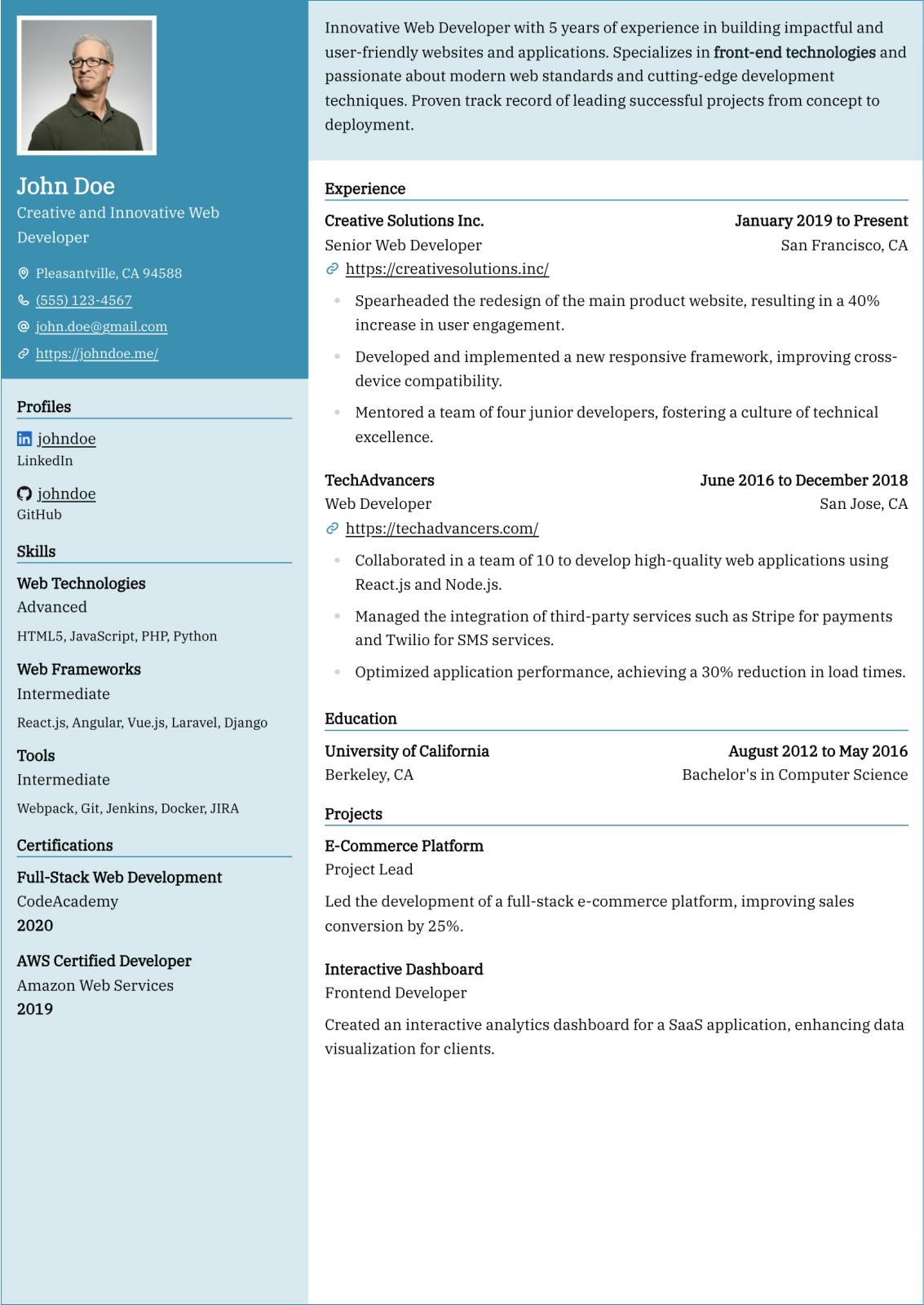
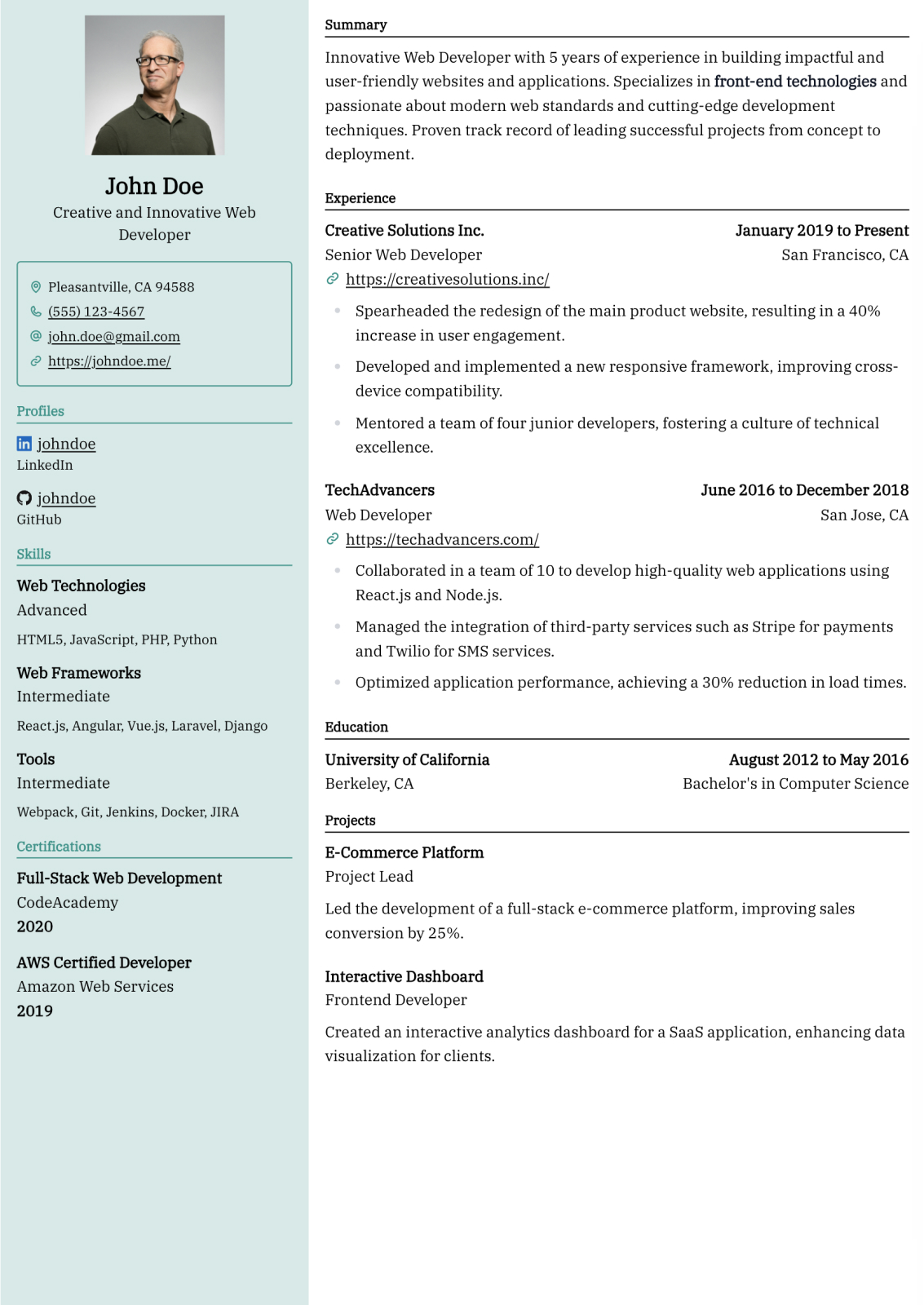
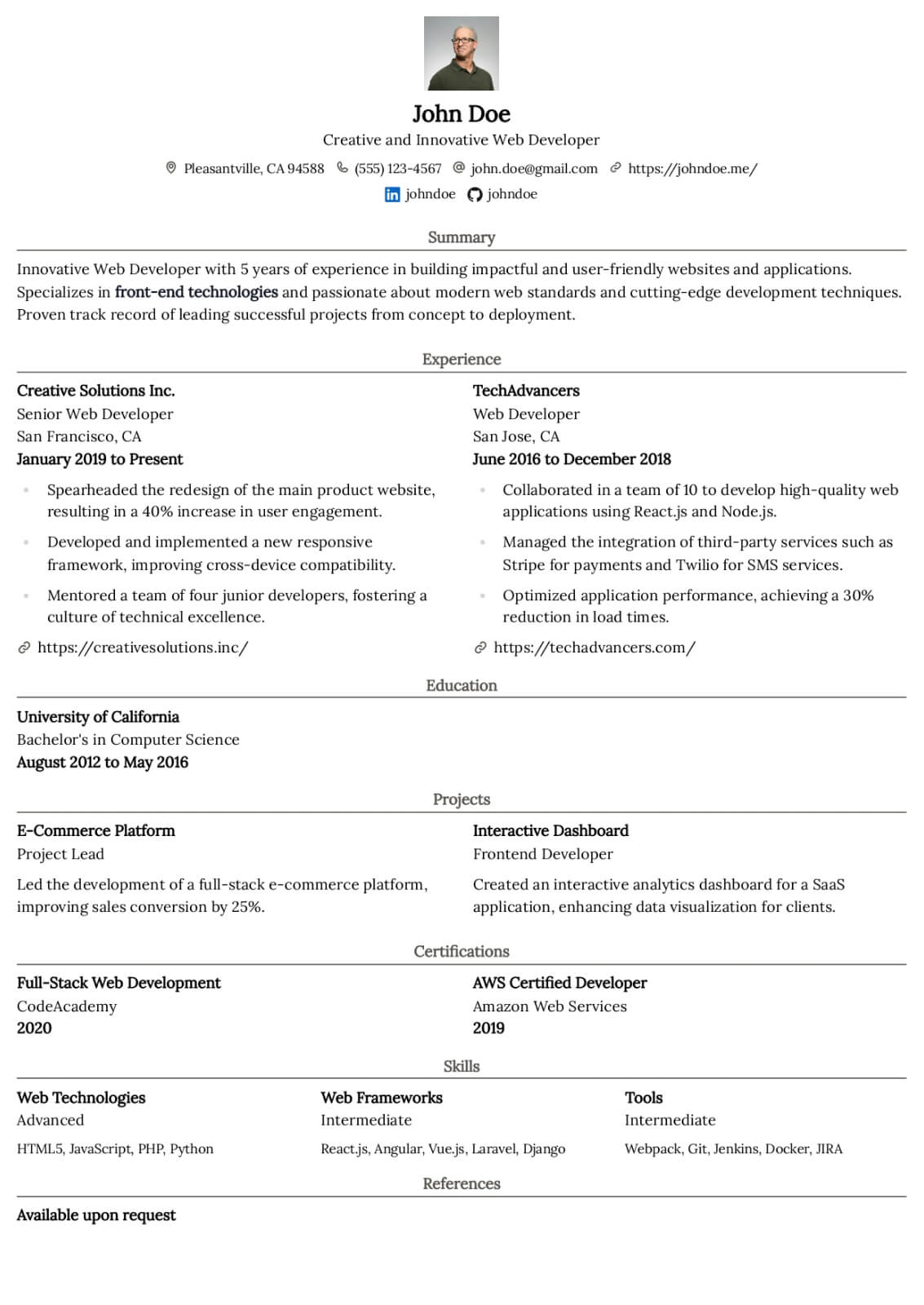
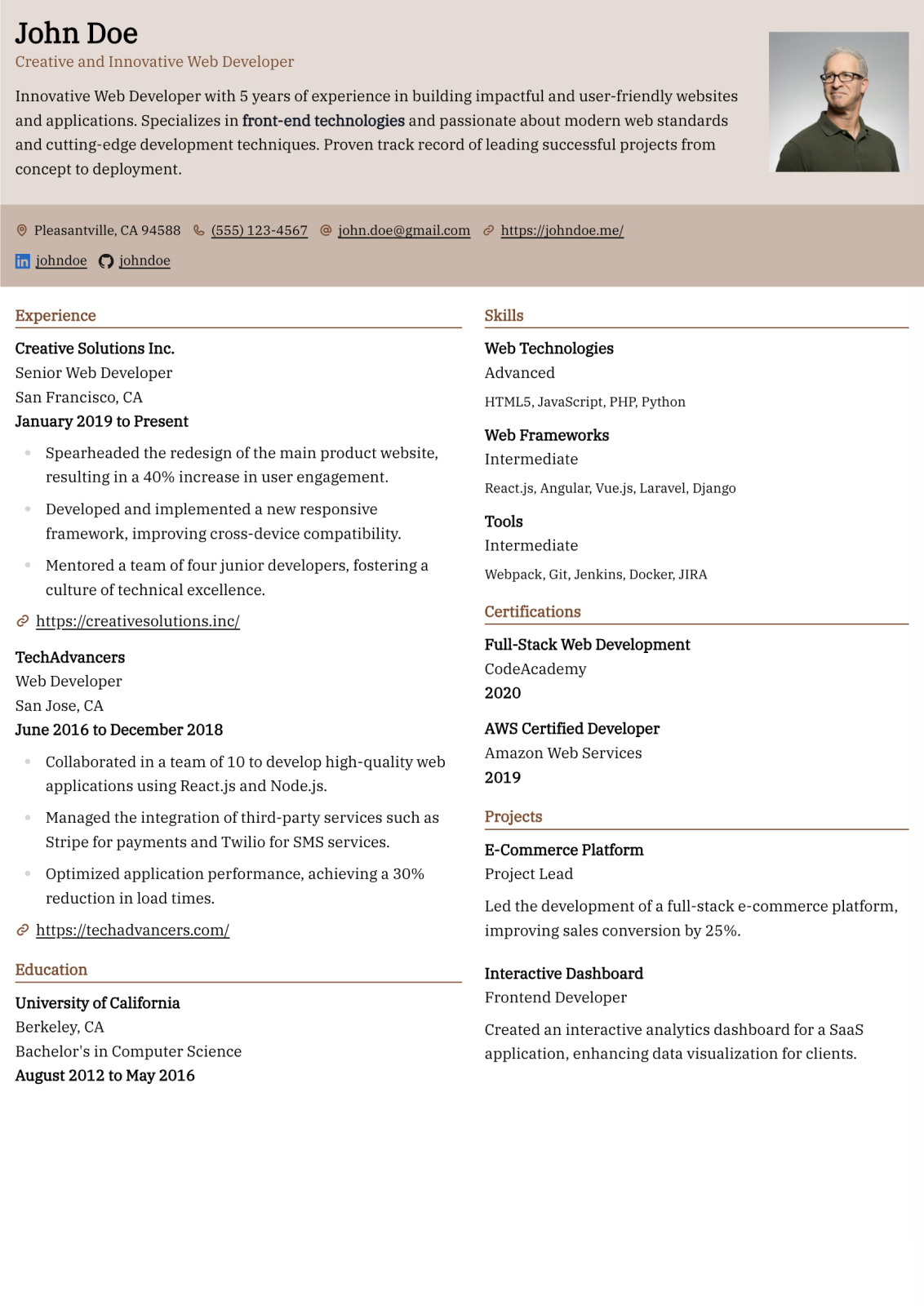
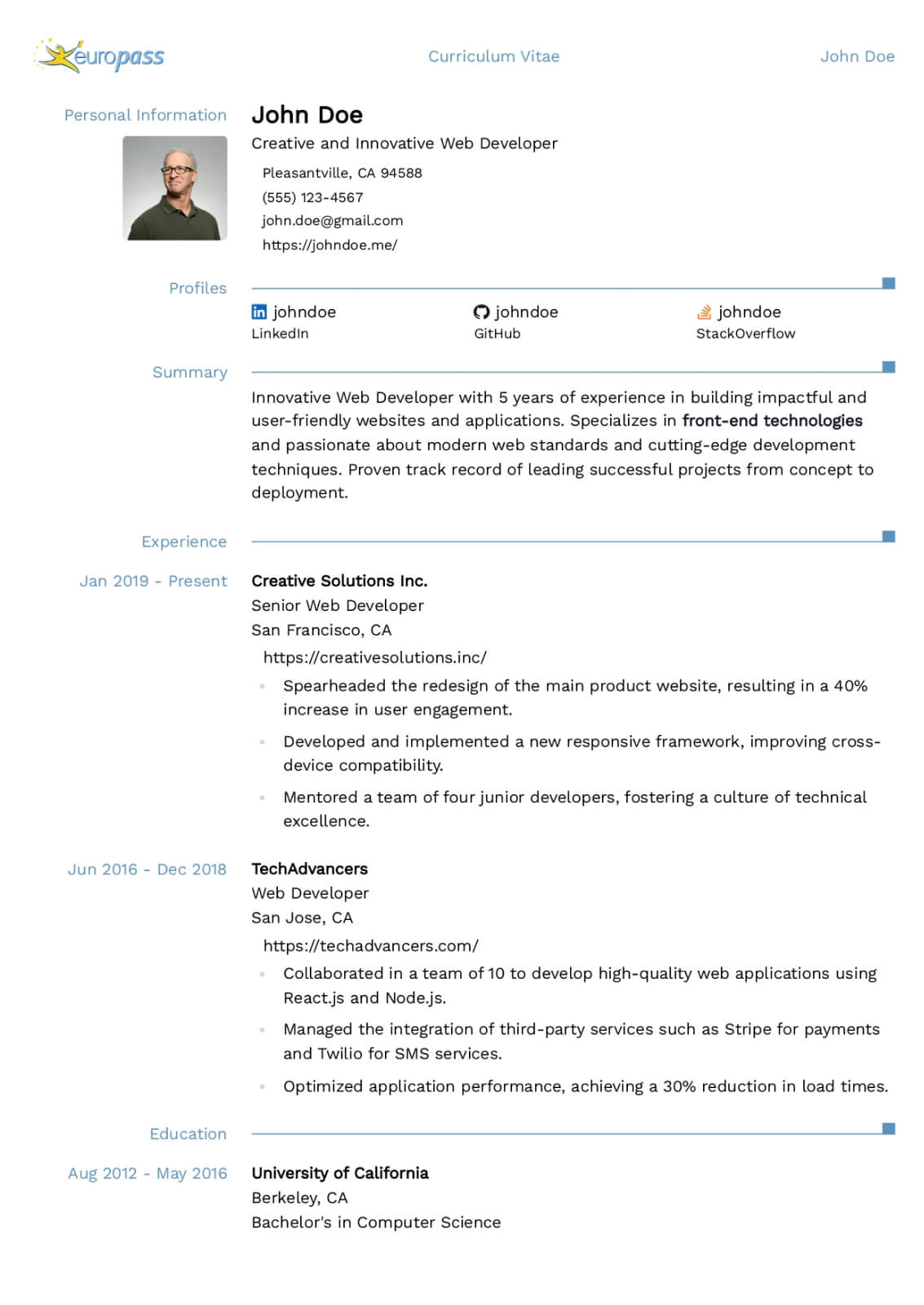
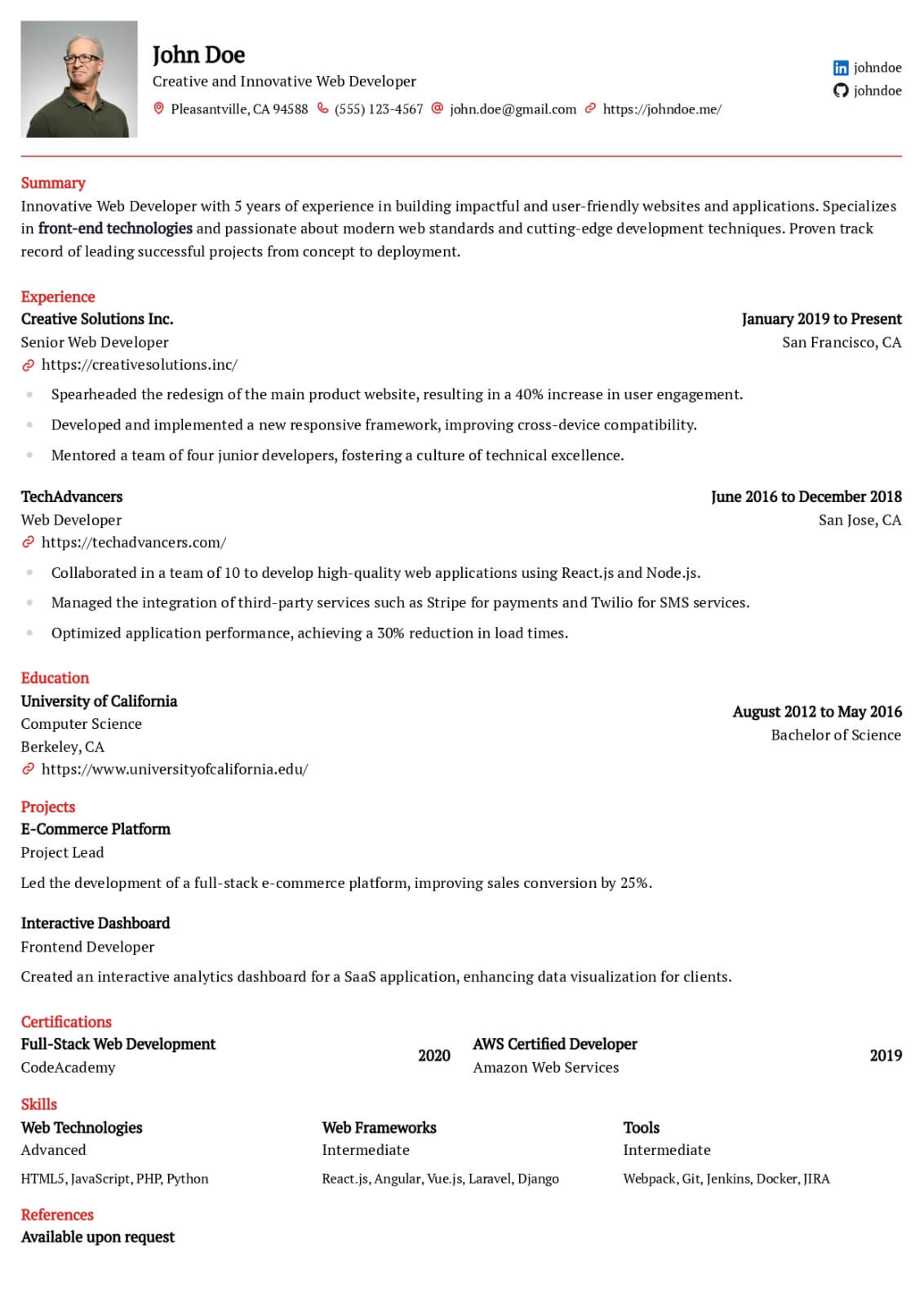
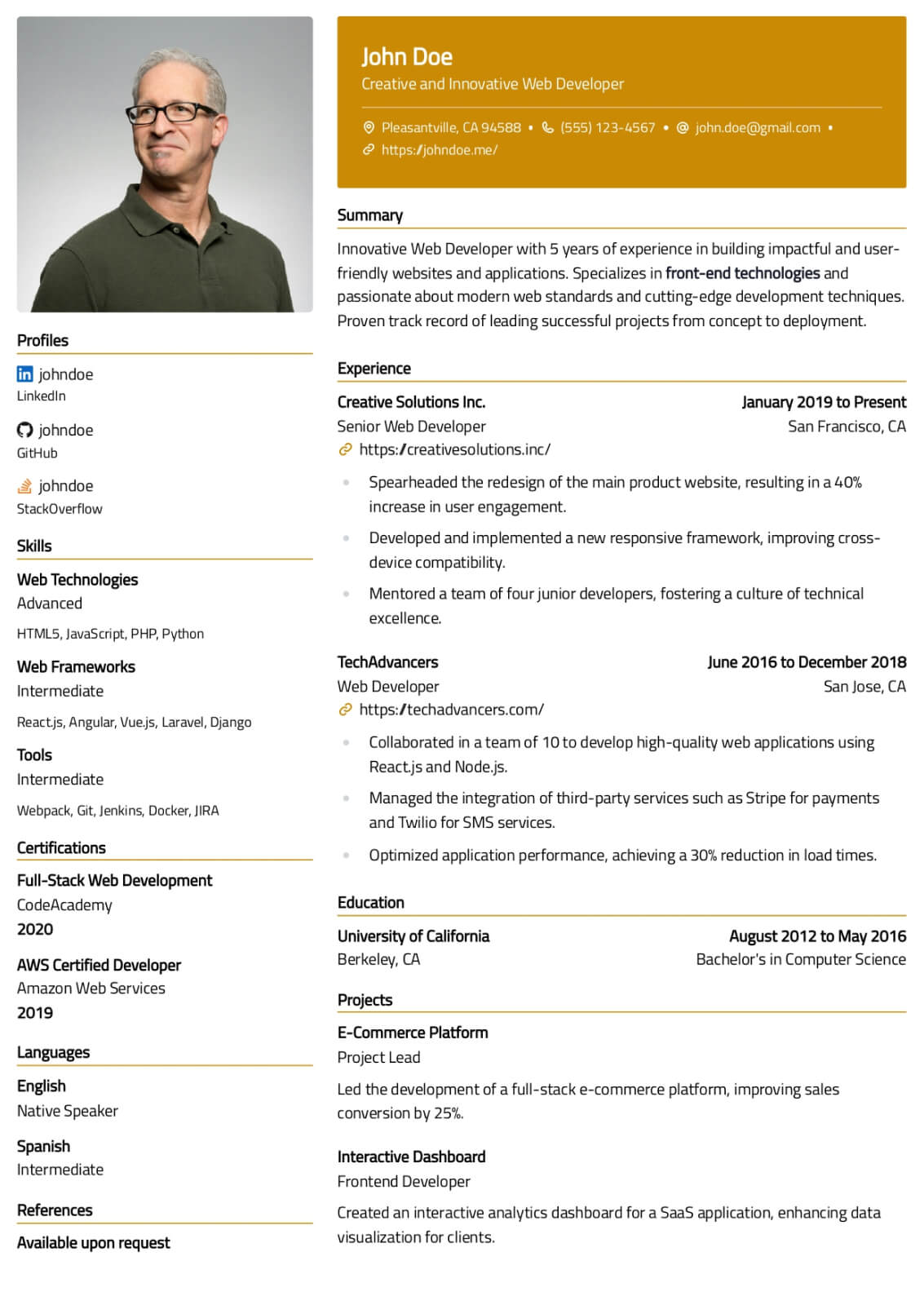
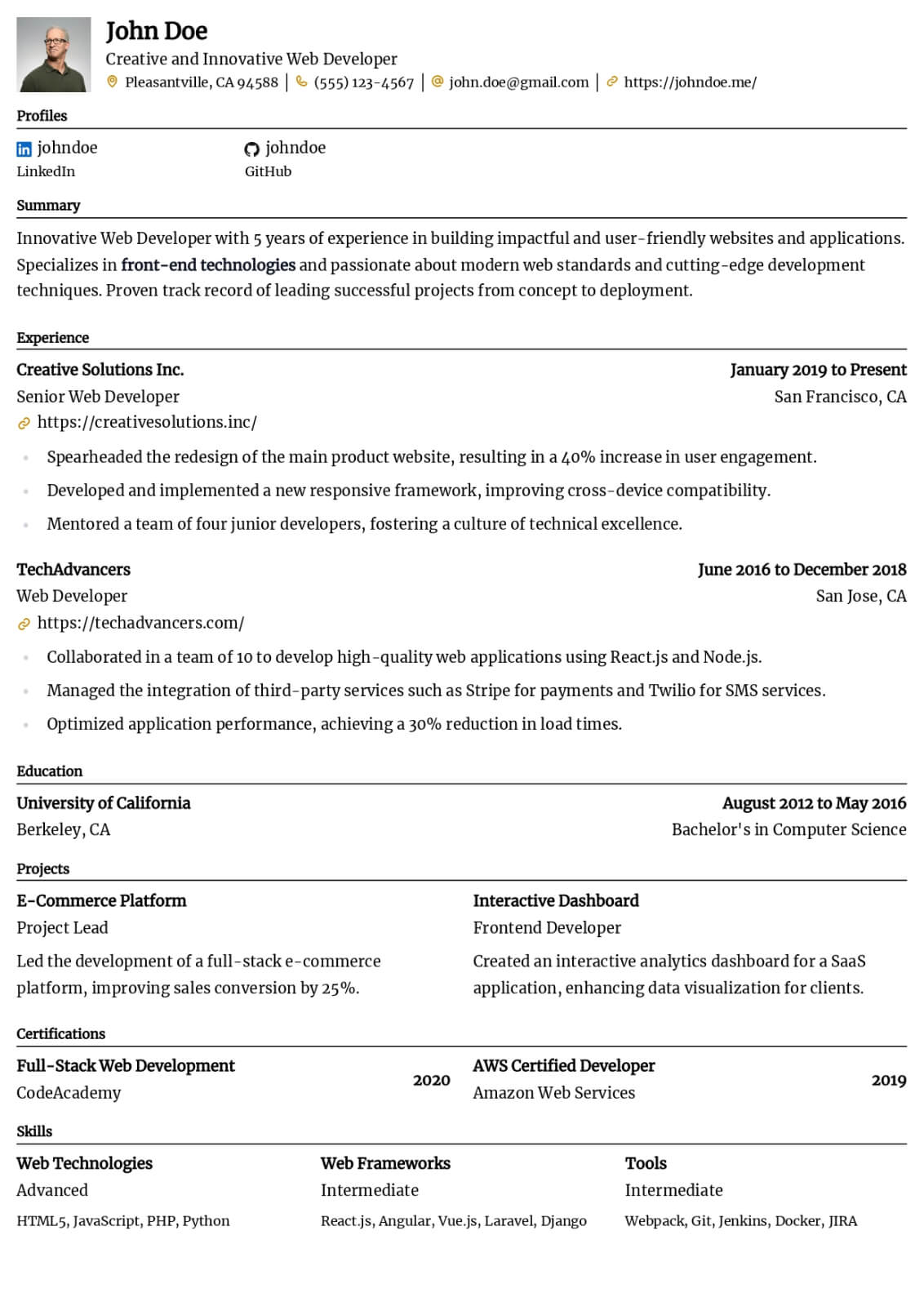
Respiratory Therapist resume guide
Below, you will find section-by-section guidance for your respiratory therapist resume — from your opening summary through skills and experience. Tailor every line to the job you want.
Professional Summary
Your professional summary should establish you as a credentialed respiratory therapist with critical care expertise and strong clinical outcomes. Open by stating your RRT credential from the NBRC, state licensure, and primary practice setting such as adult ICU, neonatal intensive care, or pulmonary rehabilitation. Reference your patient care capacity and core competencies, for instance managing ventilator care for twelve to fifteen critically ill patients per shift in a Level I trauma center ICU. Include a quantified outcome such as achieving a ventilator-associated pneumonia rate below the national benchmark through strict VAP bundle compliance. Mention ABG interpretation and advanced airway management as core strengths. Keep the summary between three and five sentences for maximum readability.
Clinical Experience
Present your respiratory therapy positions in reverse-chronological order, listing the facility name, department, and employment dates. Write four to six bullet points per role using action verbs such as managed, intubated, assessed, titrated, and educated. Quantify your impact by noting daily patient volumes, ventilator weaning success rates, and protocol-driven outcome improvements. Describe specific responsibilities including mechanical ventilation initiation and management, arterial blood gas analysis and interpretation, bronchoscopy assistance, aerosolized medication administration, and oxygen therapy titration. Highlight critical care experience by describing rapid response team participation, emergency intubation assistance, and transport ventilation for interfacility transfers. Mention experience with neonatal and pediatric respiratory care, ECMO management, or pulmonary rehabilitation programming if applicable to your background.
Clinical & Technical Skills
Build a skills section with eight to ten respiratory-specific hard skills and six to seven professional soft skills. Hard skills should include mechanical ventilation modes and weaning protocols, ABG analysis and acid-base interpretation, advanced airway management including intubation assistance, pulmonary function testing and bronchial provocation, and noninvasive ventilation modalities such as BiPAP and CPAP. List diagnostic equipment you operate and respiratory care information systems. Add hemodynamic monitoring interpretation if you work in critical care settings. Soft skills should emphasize interdisciplinary ICU team communication, patient and family education regarding respiratory conditions, calm performance during emergency airway situations, and evidence-based protocol development collaboration. Use respiratory therapy-specific terminology to align with healthcare ATS screening requirements.
Licensure & Certifications
Lead with your Registered Respiratory Therapist credential from the NBRC as this is the advanced-level certification recognized by employers nationwide. Include your state respiratory care practitioner license with the license number and renewal date. Add specialty certifications such as Neonatal/Pediatric Respiratory Care Specialist, Adult Critical Care Specialist, or Asthma Educator certification from the NAECB. List BLS, ACLS, PALS, and NRP certifications based on your practice setting requirements. If you hold pulmonary function technologist credentialing from the NBRC, include it as well. Place this section prominently because respiratory therapy department directors verify NBRC credentials as the first screening step in the hiring process.
Education
List your Associate of Applied Science or Bachelor of Science in Respiratory Therapy along with the institution name and graduation year. Specify CoARC accreditation status as this is required for NBRC examination eligibility. Include clinical rotations completed during your program, specifying the hospital, care areas, and patient populations served including adult critical care, neonatal ICU, emergency department, and pulmonary rehabilitation. Mention relevant coursework in cardiopulmonary anatomy, mechanical ventilation, pharmacology, and patient assessment. For therapists pursuing bachelor's degree completion or master's programs in respiratory therapy or healthcare administration, include the program with expected completion date.
Protocol Development & Quality Improvement
Include contributions to respiratory care protocol development and quality improvement initiatives. Describe projects such as implementing a ventilator weaning protocol that reduced average ventilator days by one point five days across the ICU or developing an oxygen conservation protocol that decreased hospital oxygen utilization costs. Mention participation in rapid response teams, code blue committees, or respiratory care plan optimization initiatives. Reference any involvement in disease-specific management programs such as COPD readmission reduction, asthma action plan implementation, or tobacco cessation counseling. These entries demonstrate clinical leadership and systems thinking that distinguish you from technician-level candidates.
Resume layout and formatting
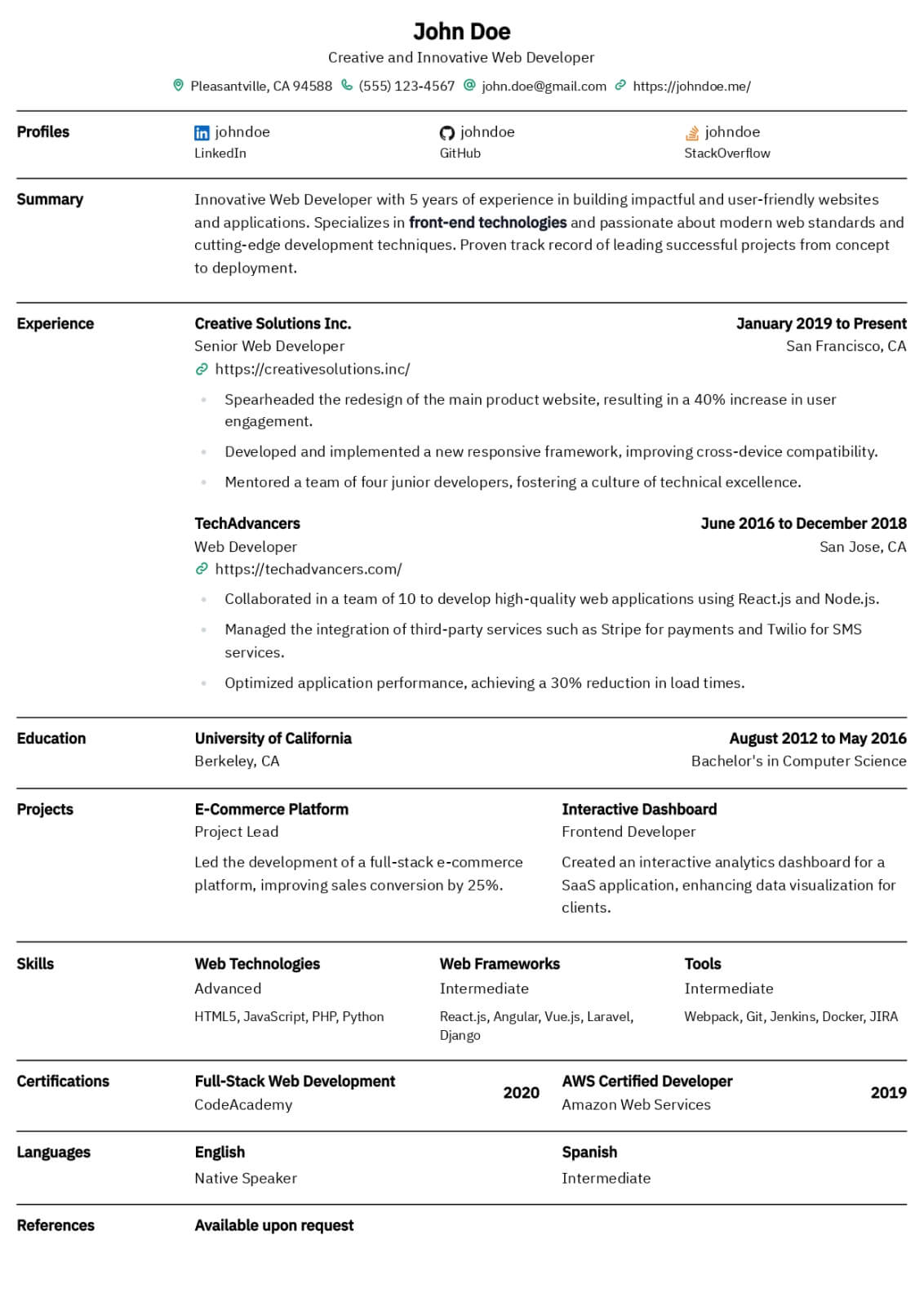
Use a clean, single-column layout with clear section headings and plenty of white space. Lead with technical strengths such as Mechanical Ventilation Management & Weaning Protocols, Arterial Blood Gas Analysis & Acid-Base Interpretation, Advanced Airway Management & Intubation Assistance, Pulmonary Function Testing (Spirometry, DLCO, Plethysmography), Noninvasive Ventilation (BiPAP, CPAP, HFNC), Aerosolized Medication Administration, then reinforce interpersonal strengths like Interdisciplinary ICU Team Communication, Patient & Family Respiratory Education, Composure During Emergency Airway Situations, Evidence-Based Protocol Collaboration. Keep fonts standard (e.g., Arial or Calibri) at 10–12pt body size so your resume stays ATS-friendly and easy to scan.
Key takeaways
- Lead with RRT credential and state licensure prominently as the primary hiring qualifiers
- Quantify ventilator weaning rates and clinical outcome metrics with specific performance data
- Highlight specialty certifications like NPS or ACCS for advanced clinical positions
- Describe protocol development contributions to demonstrate clinical leadership capacity
- Include experience across multiple care settings to show respiratory care versatility
- Tailor clinical terminology to the target department and patient population requirements
Build your Respiratory Therapist resume with Scale
Lead with RRT credential and state licensure prominently as the primary hiring qualifiers
Use This Template
Professional Templates That Make You Stand Out
Browse modern, ATS-friendly resume designs crafted to impress recruiters. Customize any template and download it as a Word or PDF file.
Listen What Our Users Have to Say

Rohan Sen
I am very happy with the team's quick turnaround time - any query is responded at utmost priority. Shoutout to my client manager, Anub Biju - very helpful.

Gael L
Service and communication is great, cover letters are non-ai sounding and well tailored. Just have a lot of communication and review with your staff!

Jonathan Parry
Wow - don't tell your peers! Wow, I can't recommend scale.jobs enough - it's so good I am not sharing with my peers. Applications at scale that get through filters. Thank you!

Cynthia Zhu
Great service! The scale.jobs team was very responsible and managed to apply tons of jobs for me in a very tight deadline to help me secure interviews quickly. Highly recommend to anyone who needs help applying to jobs!

Yash Yenugu
Save your fingers. Saved me from a thumb cramp because we're expected to effortlessly apply to jobs during these times.

Cian O'Driscoll
Clever service. Takes the hard effort out of applying for jobs with an intuitive dashboard and attention to detail. A great asset to job seekers. :-)
Frequently asked questions
What should a respiratory therapist resume include in 2026?
A strong RT resume should feature RRT credentials from NBRC, state licensure, a professional summary with quantified patient outcomes, detailed clinical experience across care settings, and specialty certifications. Include ventilator management metrics, ABG interpretation skills, and pulmonary function testing proficiency. Tailor the resume to the target department whether adult ICU, NICU, or pulmonary rehabilitation.
Is the RRT credential required for respiratory therapy positions?
The RRT credential from NBRC is the standard professional requirement for respiratory therapist positions at most hospitals and healthcare systems. While the CRT entry-level credential exists, employers overwhelmingly prefer or require RRT certification. The advanced credential demonstrates competency in critical care, diagnostics, and disease management that hiring managers expect from qualified candidates.
How do I quantify clinical outcomes on an RT resume?
Reference ventilator-associated pneumonia rates, average ventilator days, weaning success percentages, readmission rates for COPD patients, and protocol compliance metrics. Pull data from department quality dashboards and outcome reports. Specific metrics such as reducing VAP rates by forty percent through bundle compliance demonstrate your direct impact on patient safety and clinical quality.
Should I include emergency department experience on an ICU-focused RT resume?
Yes, ED experience demonstrates your ability to perform rapid assessments, manage acute airway emergencies, and work effectively in high-pressure clinical situations. Describe specific emergency interventions such as rapid sequence intubation assistance, trauma airway management, and acute asthma exacerbation treatment. These skills are directly transferable and valued in critical care settings.
How long should a respiratory therapist resume be?
Most respiratory therapists should aim for a one-page resume. Focus on your RRT credential, specialty certifications, most relevant clinical experience, and quantified patient outcomes. Experienced therapists with protocol development contributions, quality improvement leadership, and multiple specialty certifications may appropriately extend to two pages if every entry adds clinical value.
What specialty certifications strengthen a respiratory therapist resume?
The Neonatal/Pediatric Respiratory Care Specialist and Adult Critical Care Specialist credentials from NBRC validate advanced competency in specific patient populations. The Asthma Educator certification from NAECB is valuable for outpatient roles. These specialty credentials differentiate you from general practice therapists and typically command higher compensation in specialized clinical settings.
Related Resume Guides
Registered Nurse
Craft a compelling registered nurse resume that highlights clinical competencies, patient care outcomes, EMR proficiency, and licensure credentials to land interviews at top healthcare facilities.
Physician Assistant
Create a physician assistant resume that highlights diagnostic acumen, procedural competence, PA-C certification, and collaborative practice experience to secure positions in hospitals, clinics, and surgical teams.
Radiologic Technologist
Build a radiologic technologist resume that showcases diagnostic imaging proficiency, ARRT certification, radiation safety expertise, and patient positioning skills for hospital and outpatient imaging center roles.
Physical Therapist
Create a compelling physical therapist resume that showcases evidence-based treatment planning, functional outcome measurements, DPT credentials, and patient rehabilitation success to secure positions across clinical settings.
Surgical Technologist
Create a surgical technologist resume that showcases sterile technique mastery, surgical instrumentation expertise, CST certification, and operating room efficiency for hospital and ambulatory surgery center positions.