
Environmental Engineer Resume Examples, Templates & Writing Guide

Written by: Scale.jobs EditorialLast updated: May 1, 2026







Introduction
Build an authoritative environmental engineering resume demonstrating remediation design, regulatory compliance, and sustainability impact for consulting and agency roles.
This guide walks you through every major section of a environmental engineer resume, with practical tips you can apply today.
- How to present remediation design and site investigation experience with regulatory context
- Strategies for quantifying contaminant reduction, permit compliance rates, and cost savings
- Methods for showcasing PE licensure and certifications like CHMM or QEP effectively
- Techniques for demonstrating proficiency with GIS, MODFLOW, and environmental data management tools
- Approaches to highlighting NEPA, CERCLA, RCRA, and Clean Water Act regulatory fluency
- Ways to tailor your resume for remediation, water treatment, air quality, or sustainability roles
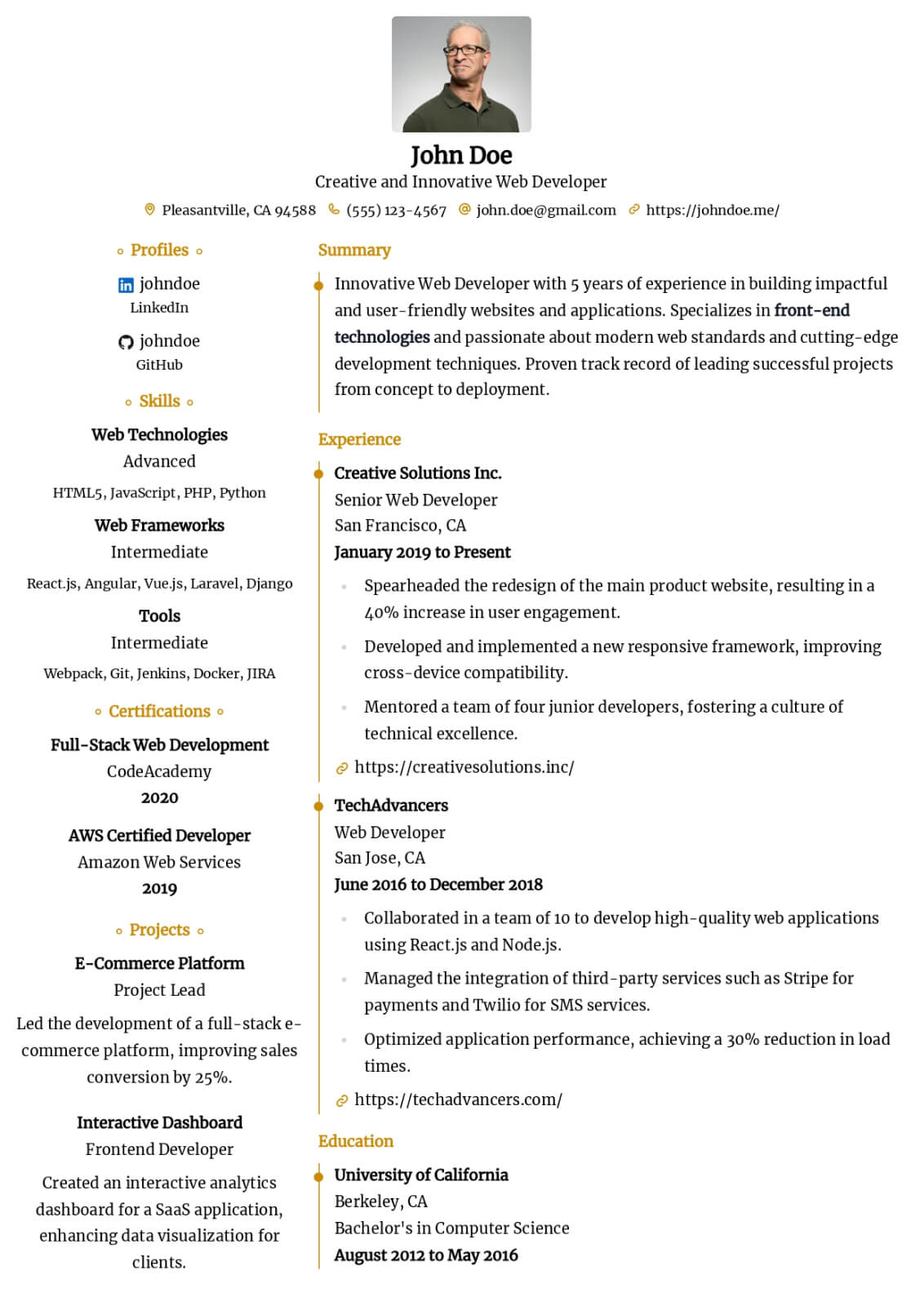
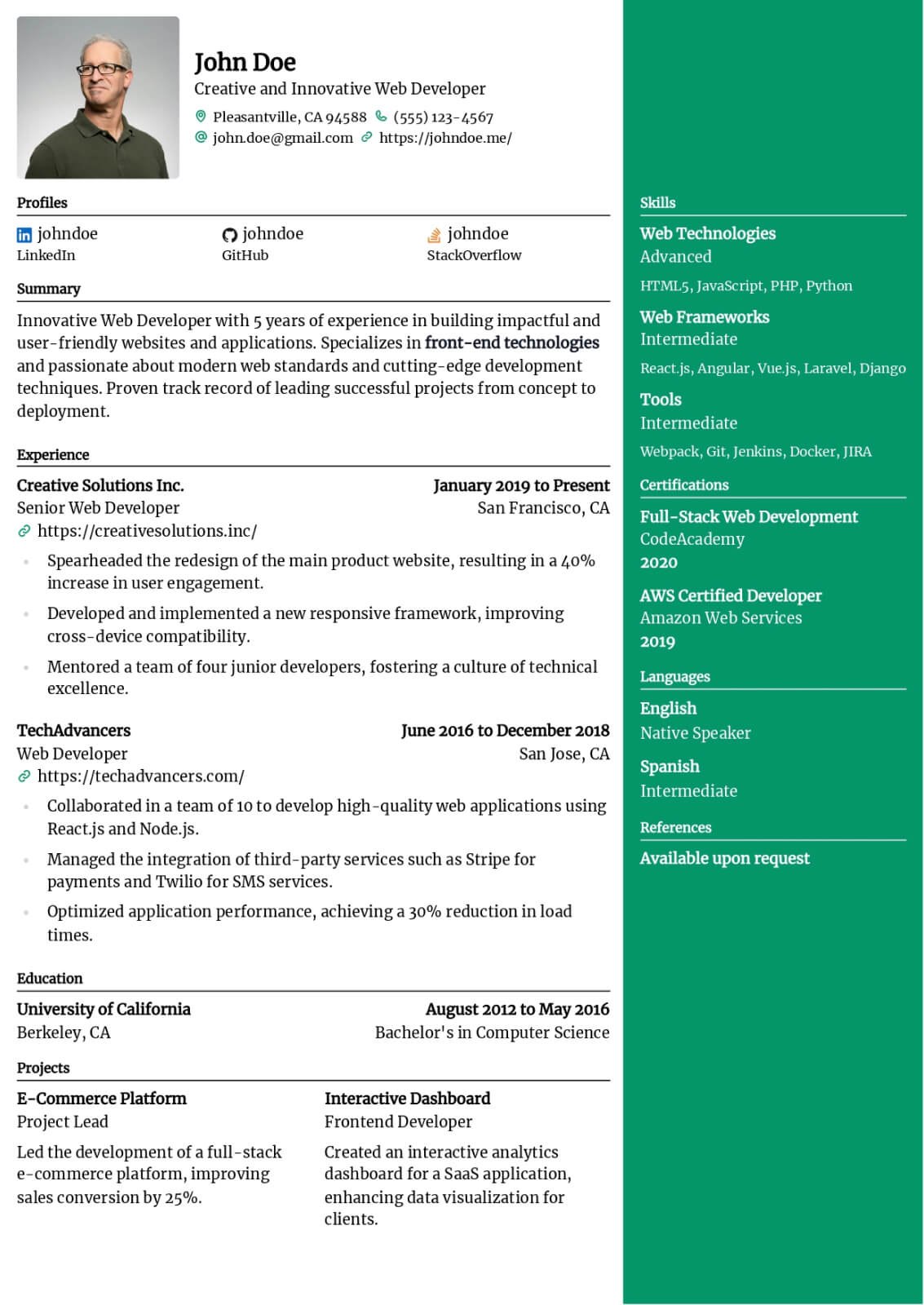
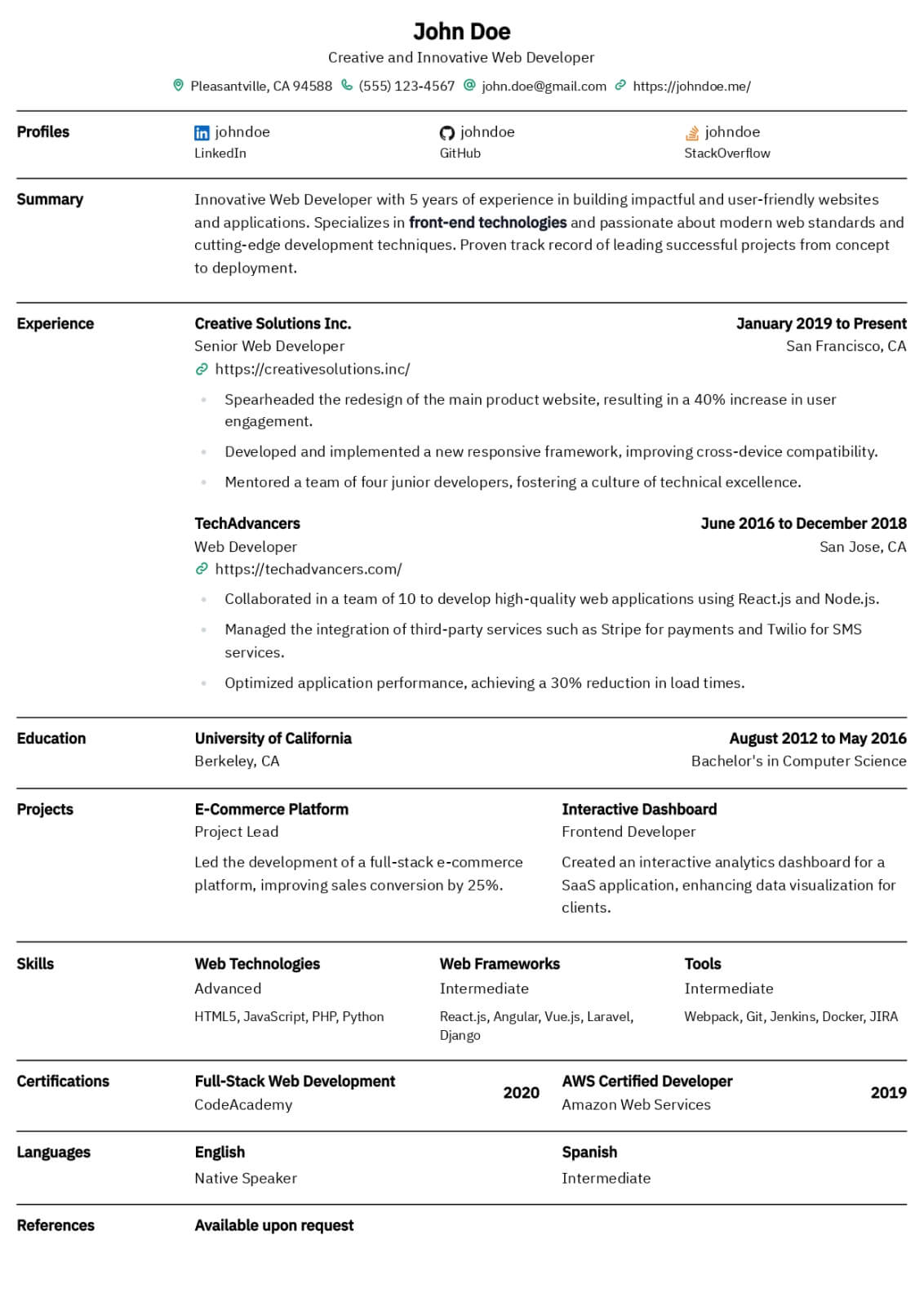
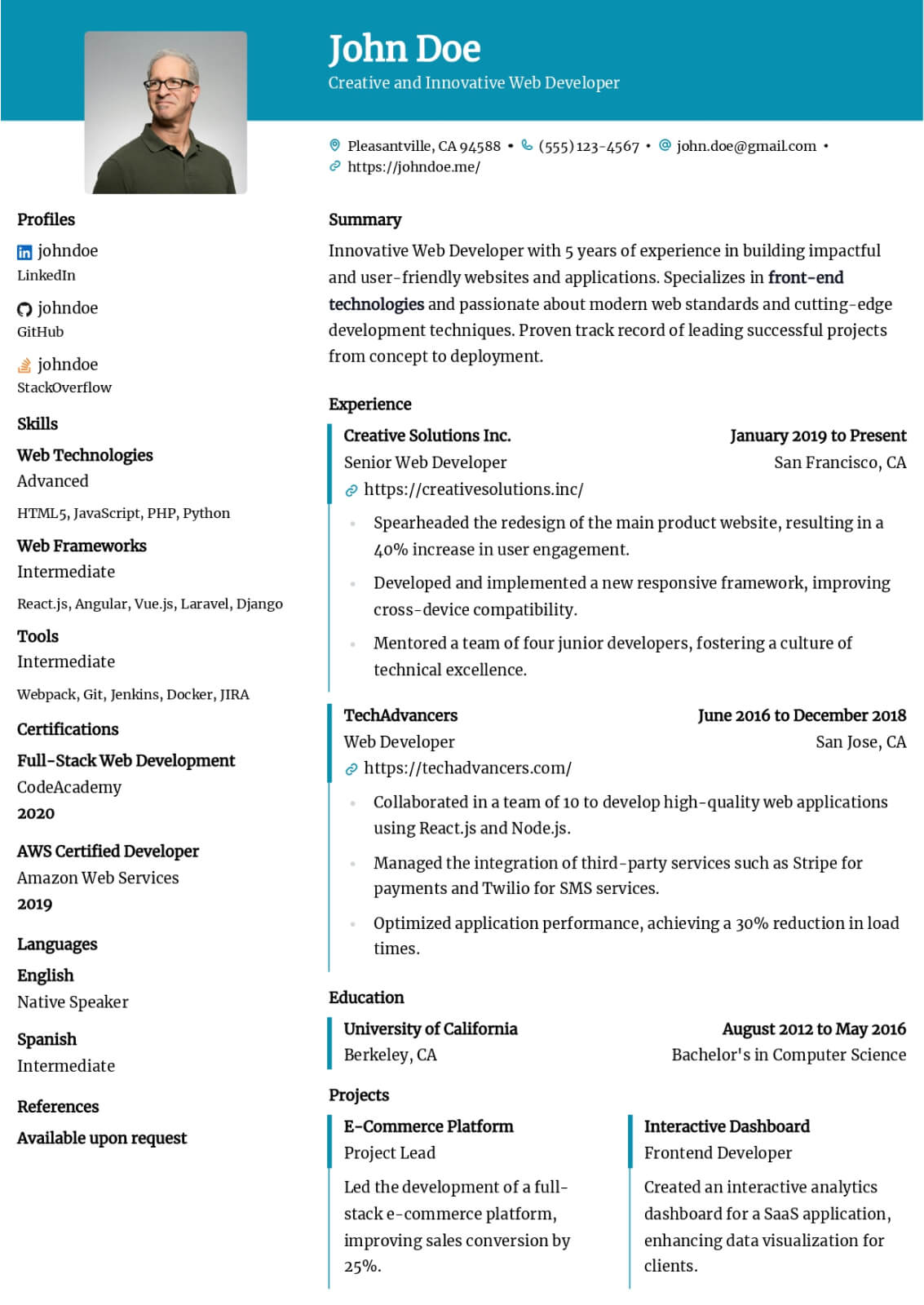
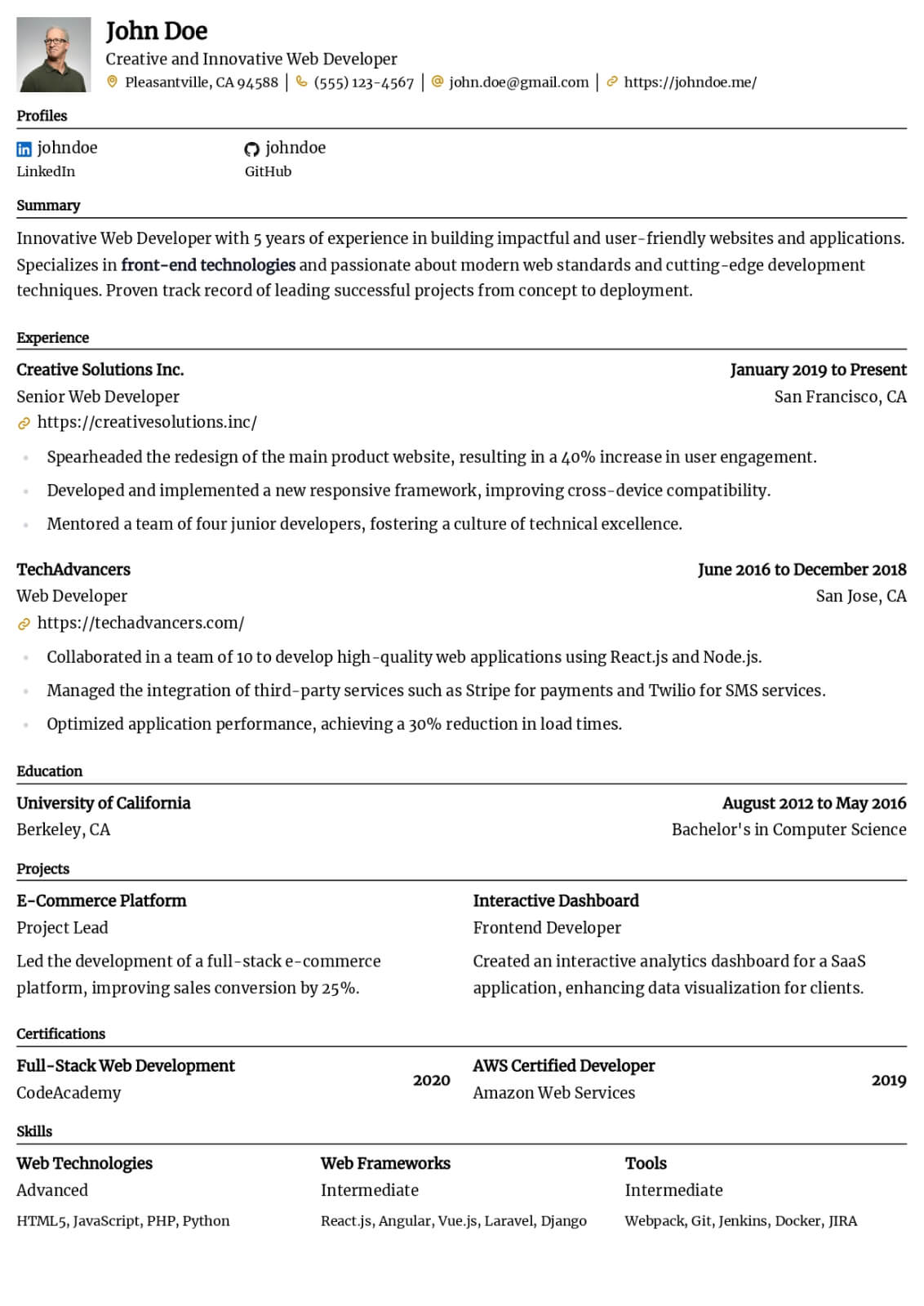
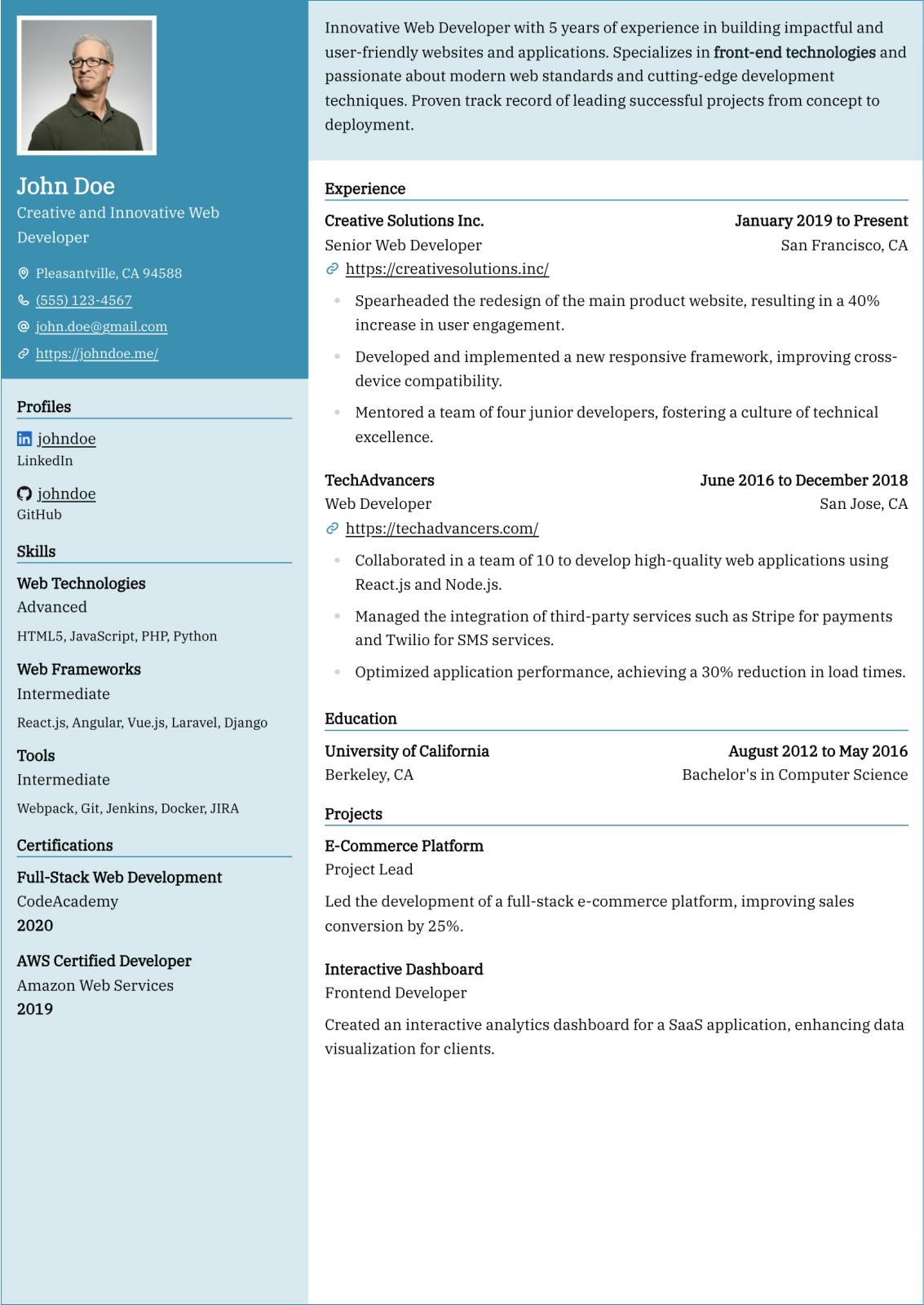
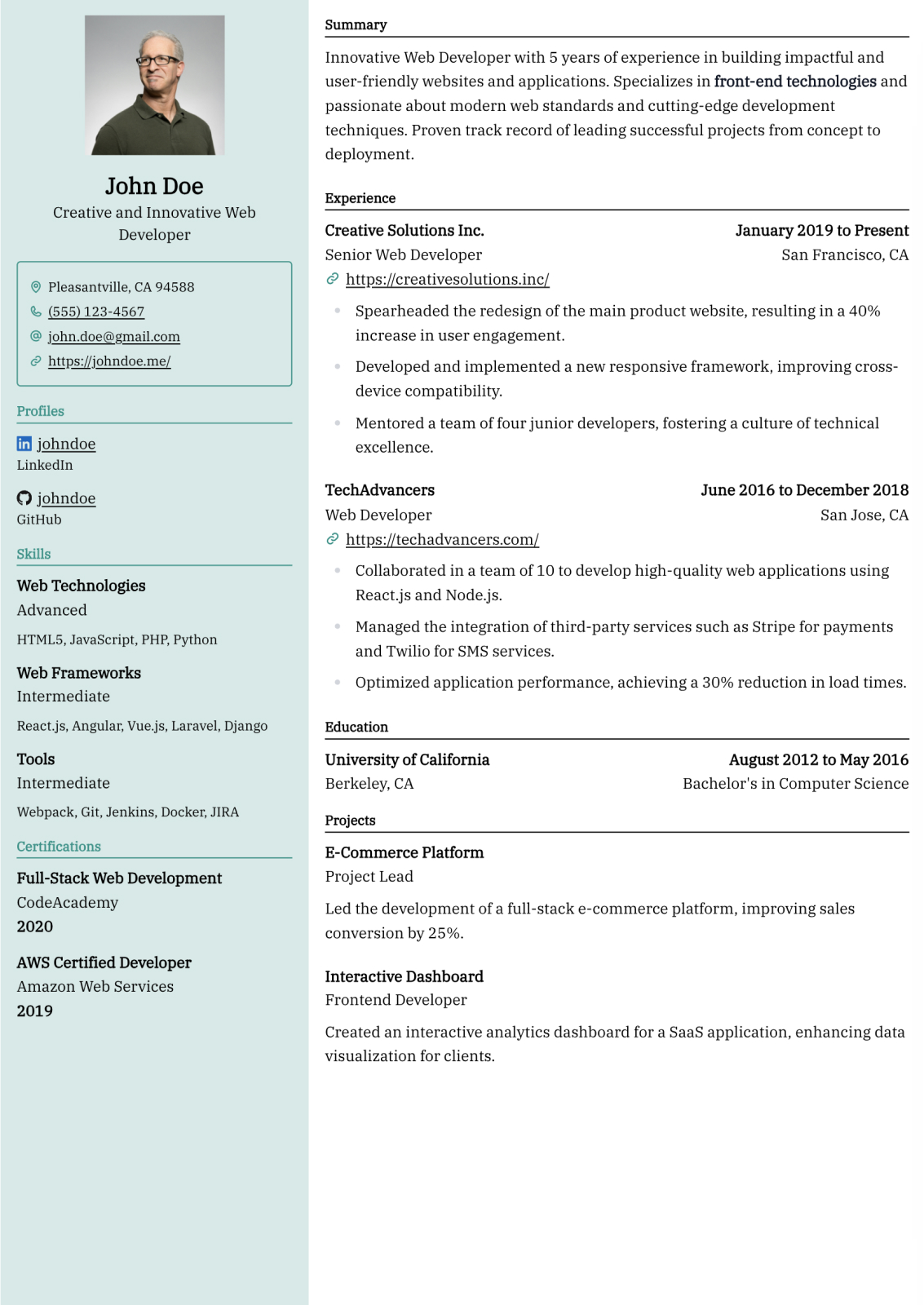
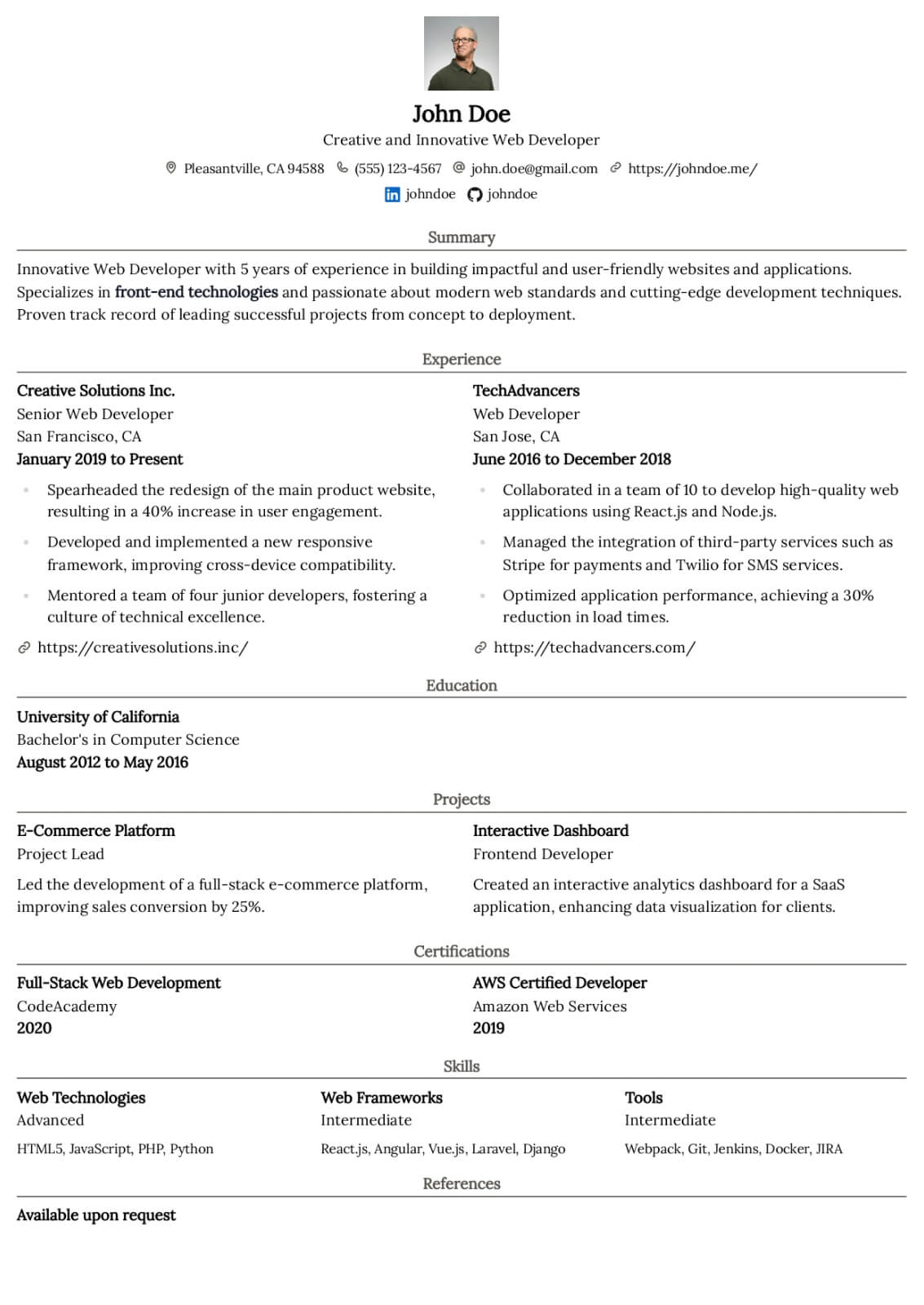
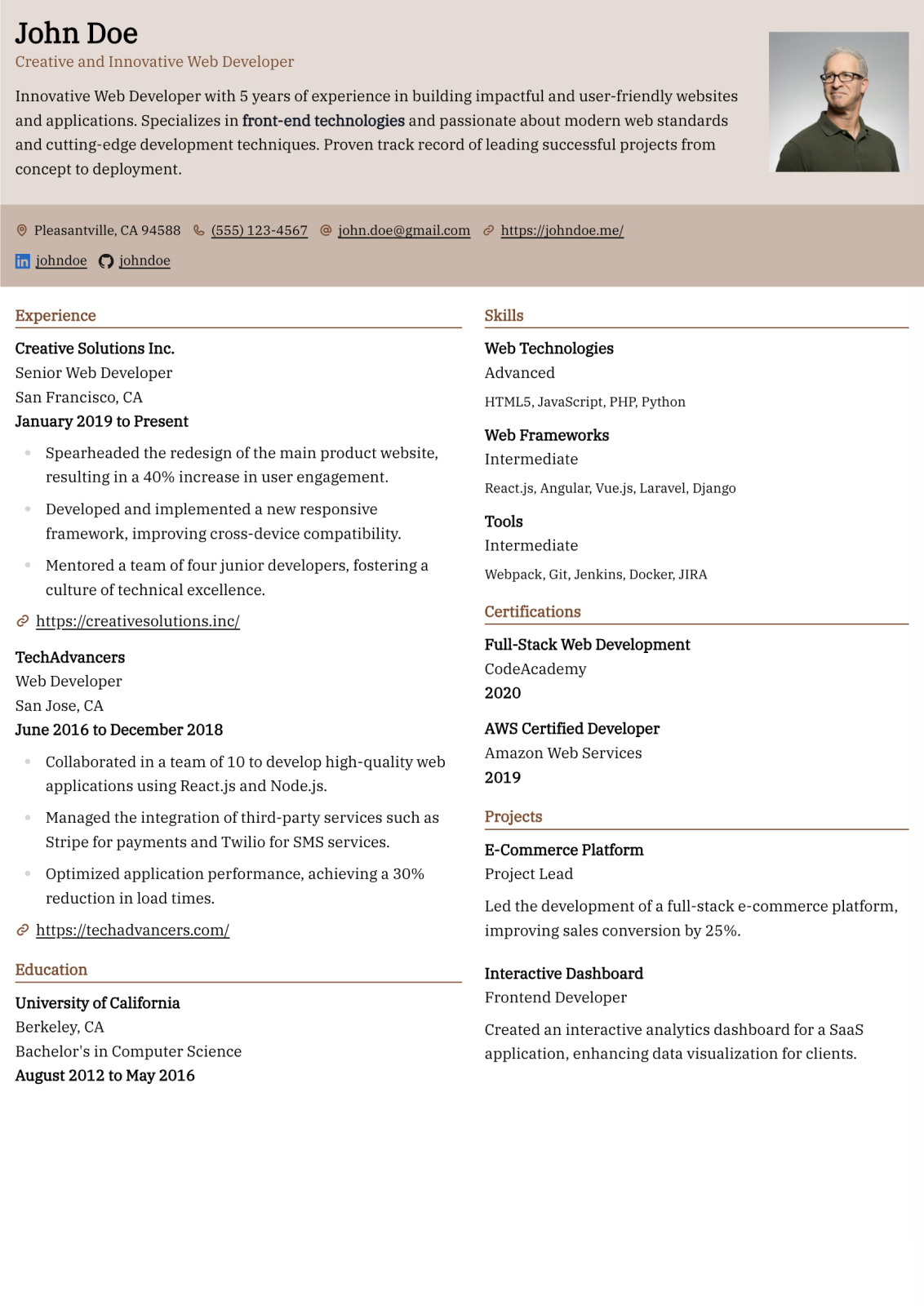
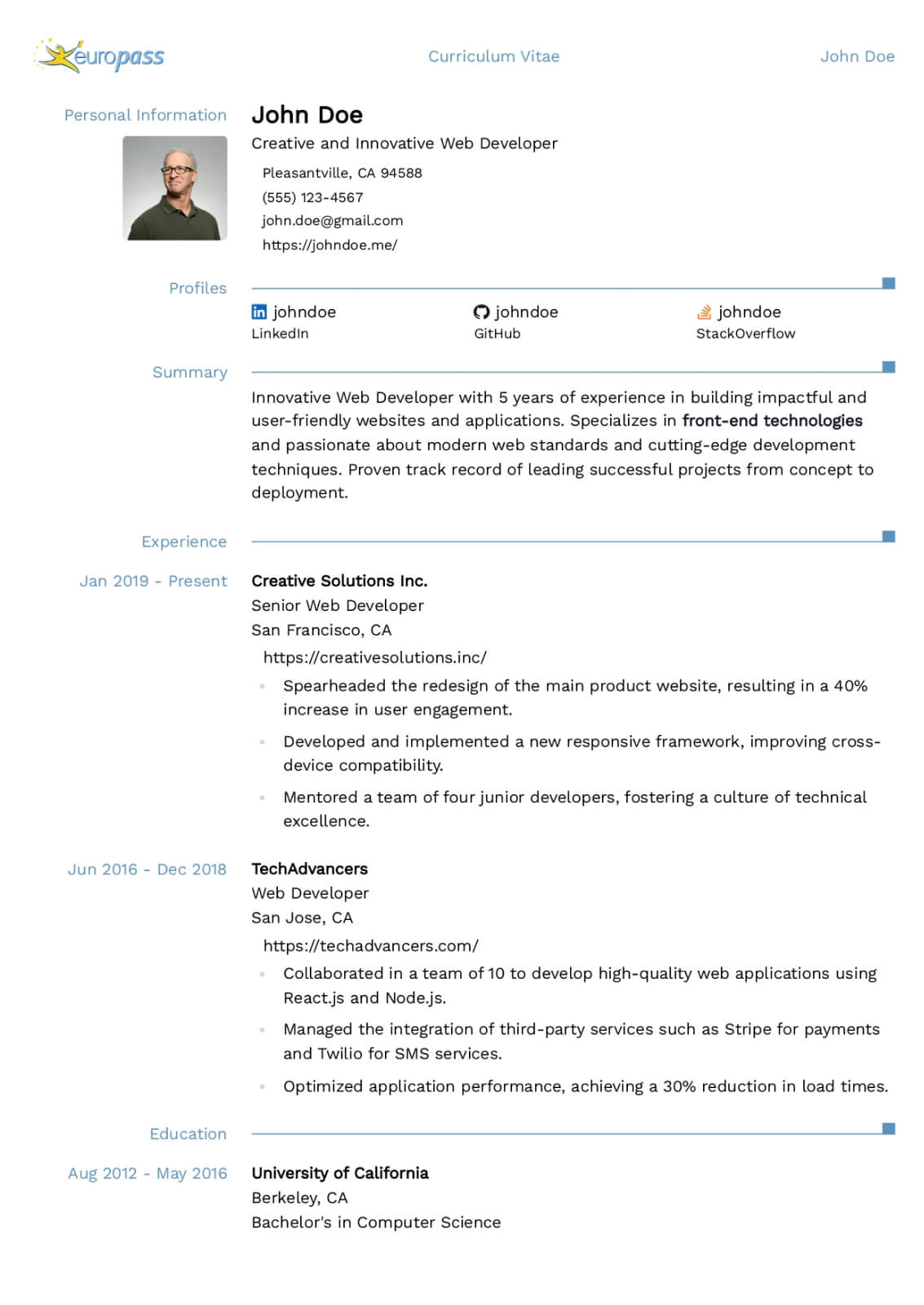
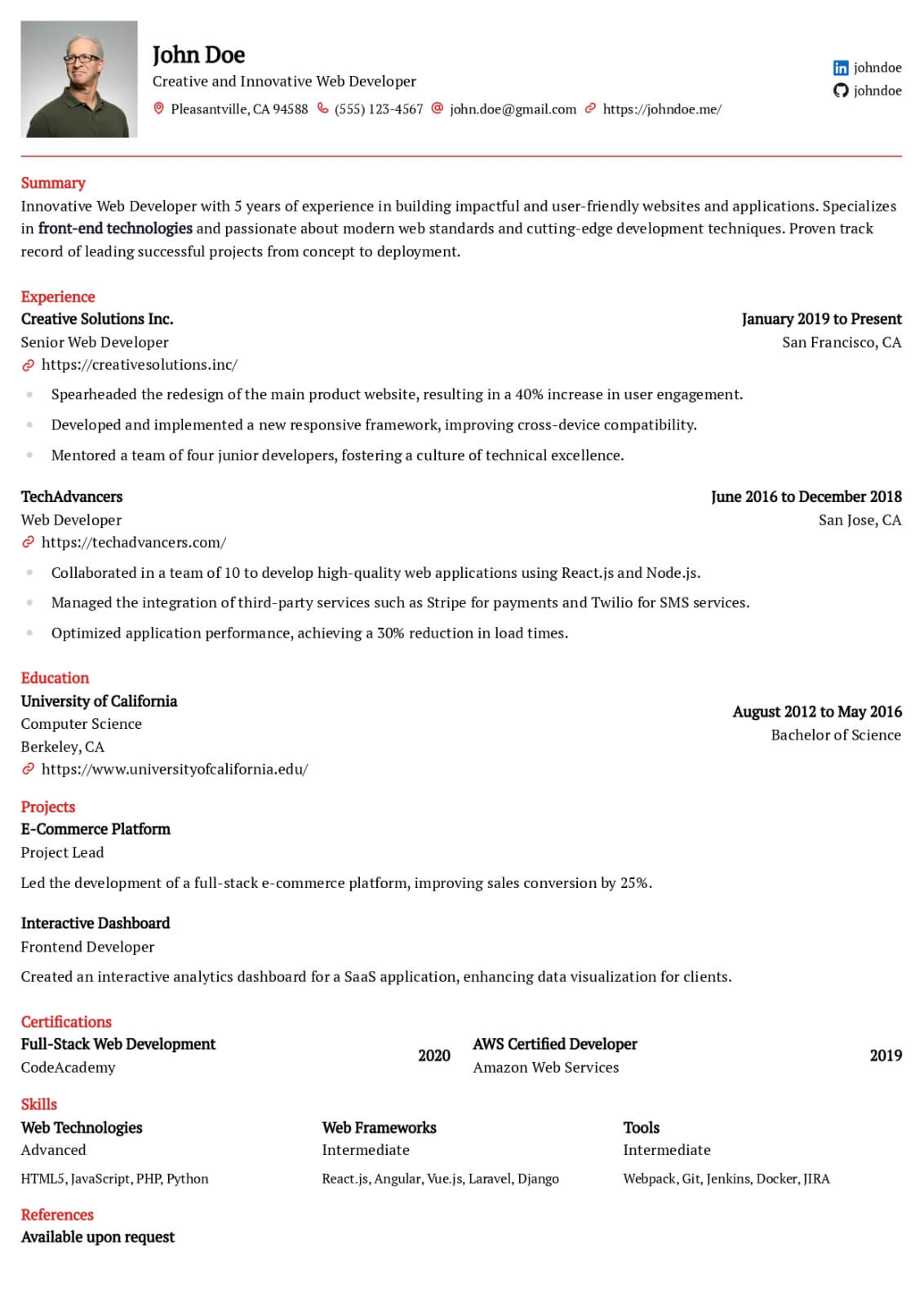
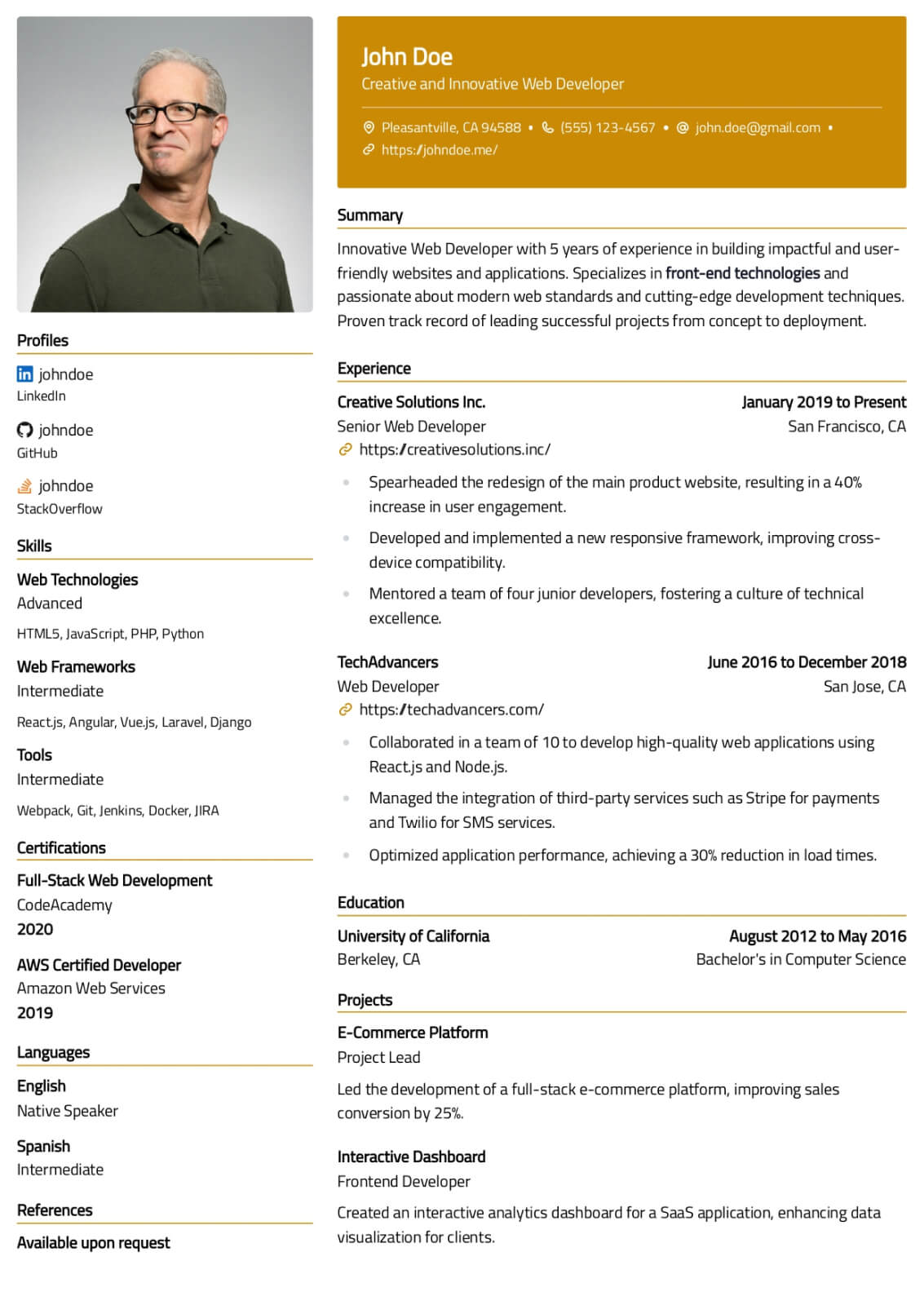
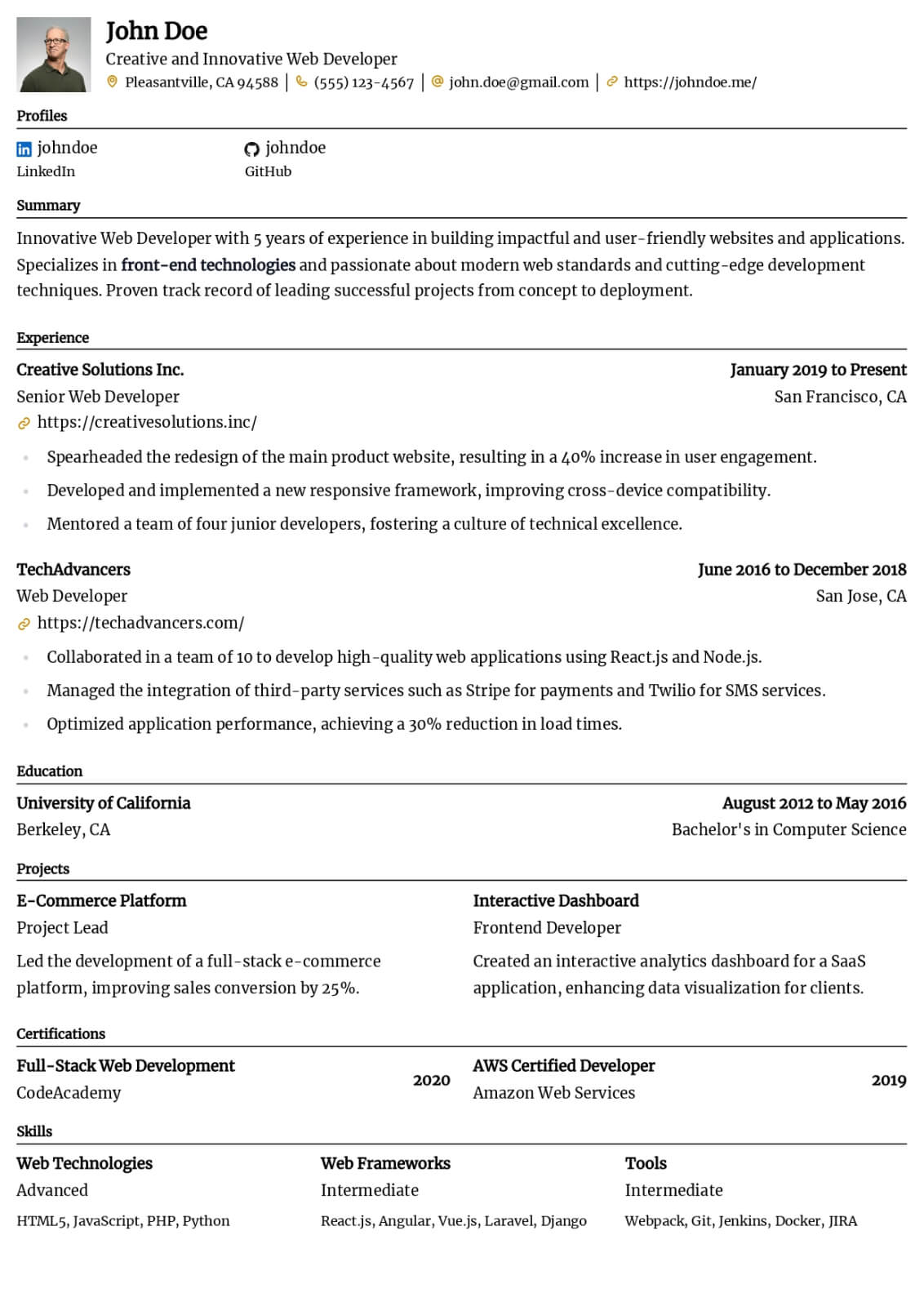
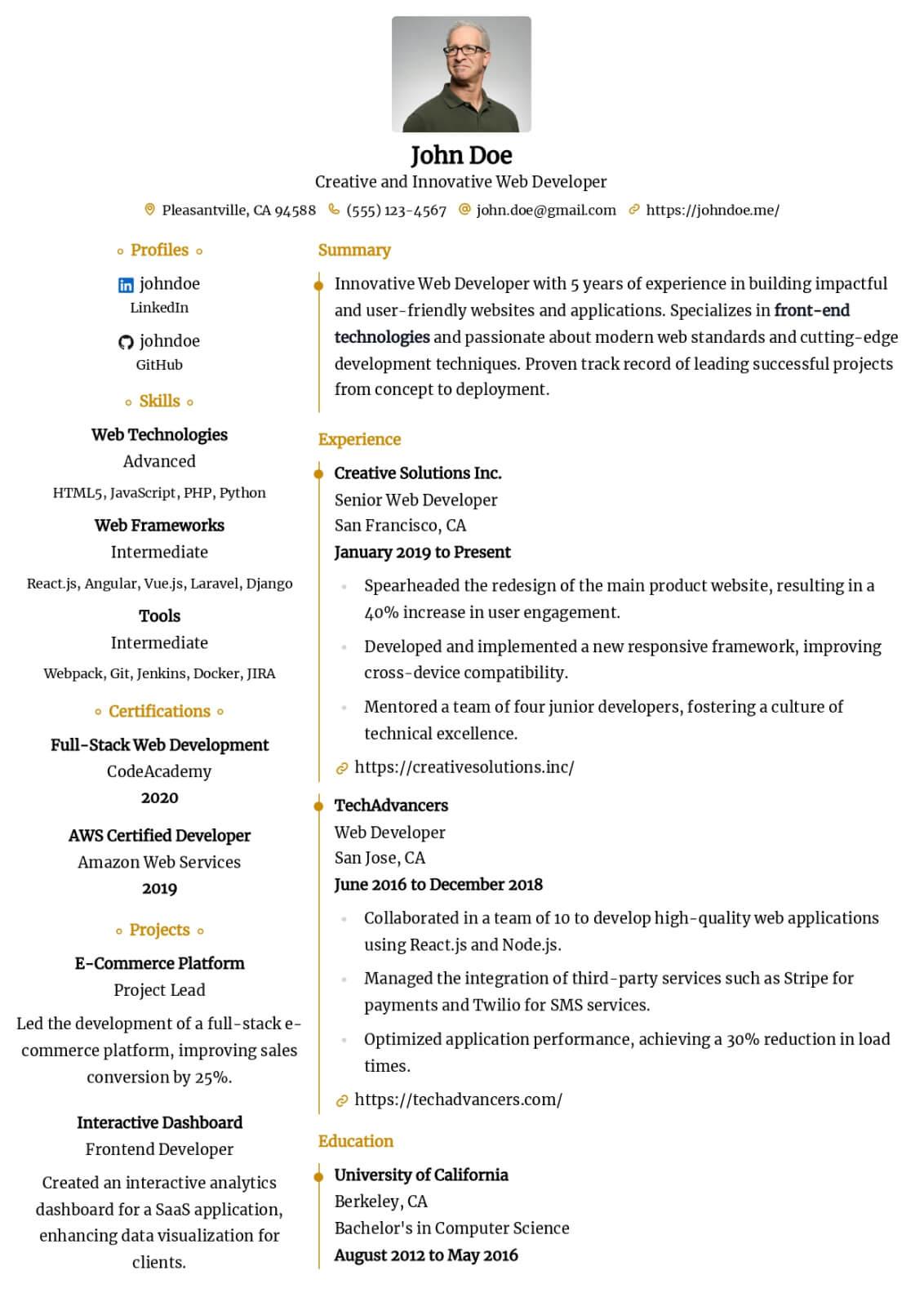
Environmental Engineer resume guide
Below, you will find section-by-section guidance for your environmental engineer resume — from your opening summary through skills and experience. Tailor every line to the job you want.
Professional Summary
Open your professional summary by identifying your environmental engineering specialization, whether site remediation, water and wastewater treatment, air quality management, or sustainability consulting. State your years of experience and the regulatory frameworks you have worked within, such as CERCLA, RCRA, or state voluntary cleanup programs. Reference two to three core tools or competencies like MODFLOW groundwater modeling, GIS-based spatial analysis, or Phase I and II ESA investigation that signal domain expertise. Include at least one quantified achievement, for example stating that you designed an in-situ chemical oxidation system that reduced TCE concentrations by ninety-seven percent and achieved regulatory closure at a Superfund site. Keep the summary at three to five sentences and align keywords with the job posting.
Work Experience
Arrange your positions in reverse-chronological order with clear titles, firm names, and employment dates. Write four to six bullets per role starting with action verbs such as designed, assessed, permitted, or remediated. Connect each action to a measurable environmental outcome, for instance stating that you authored NPDES permit applications for twelve industrial facilities achieving zero violations across three consecutive reporting periods. Describe the sampling methodologies, modeling tools, and regulatory submittals involved, including groundwater monitoring well installation, fate-and-transport modeling, and corrective action plans. Highlight collaboration with regulatory agencies, legal counsel, and site owners to demonstrate project management and stakeholder coordination skills. Avoid generic duty lists without outcomes, as environmental hiring managers prioritize quantified regulatory and remediation successes.
Skills
Construct a skills section with eight to ten technical competencies and six to seven interpersonal skills aligned to the target position. On the technical side, list modeling and analysis tools such as MODFLOW, Visual MODFLOW, or GMS for groundwater modeling alongside GIS platforms like ArcGIS or QGIS for spatial analysis. Include field investigation competencies like soil and groundwater sampling per EPA SW-846 methods, Phase I and II ESA per ASTM E1527, and remediation design for technologies like pump-and-treat, SVE, or in-situ bioremediation. Add regulatory knowledge spanning NEPA, CERCLA, RCRA, CWA, and state environmental statutes. For soft skills, emphasize regulatory agency communication, technical report writing, and client management. Prioritize skills you can substantiate with project examples from your experience section.
Key Projects
Dedicate a projects section to two to four significant environmental engineering engagements where you achieved measurable regulatory or remediation outcomes. For each project, define the environmental challenge, your engineering role, the analytical tools and standards applied, and the quantified result. A compelling entry might describe how you served as lead remediation engineer for a twenty-acre former industrial site, designing a multi-phase extraction system that reduced BTEX concentrations below state action levels within eighteen months and achieved a No Further Action letter from the regulatory authority. Projects are essential for environmental engineers pursuing senior consultant or project manager roles because they demonstrate end-to-end site management from investigation through closure.
Certifications & Licensure
List your Professional Engineer license with the issuing state, as PE licensure is a critical differentiator for environmental engineers who stamp remediation designs, sign off on permit applications, or provide expert testimony. Include the Fundamentals of Engineering certification if you have not yet obtained your PE. Add industry-specific credentials such as Certified Hazardous Materials Manager, Qualified Environmental Professional, or LEED Accredited Professional. State certifications like OSHA 40-Hour HAZWOPER and annual refresher training demonstrate field readiness for site investigation work. Include the issuing body and date earned for each credential.
Education
Include your highest relevant degree, institution name, and graduation year. Environmental engineering positions typically require a bachelor of science in environmental engineering, civil engineering with an environmental focus, or a related discipline from an ABET-accredited program. Many senior and consulting roles prefer a master's degree in environmental science, hydrogeology, or water resources engineering. If you graduated within the last five years, list coursework like contaminant hydrogeology, environmental chemistry, or air pollution control. Highlight thesis research or capstone projects involving field investigation, treatment system design, or environmental impact assessment. For experienced engineers with a PE and extensive site closure portfolio, keep education concise.
Resume layout and formatting
Use a clean, single-column layout with clear section headings and plenty of white space. Lead with technical strengths such as MODFLOW / Visual MODFLOW (Groundwater Modeling), ArcGIS / QGIS (Spatial Analysis), Phase I & II ESA (ASTM E1527 / E1903), Remediation Design (SVE, P&T, ISCO, Bioremediation), NEPA / CERCLA / RCRA Regulatory Compliance, NPDES Permit Preparation & Compliance, then reinforce interpersonal strengths like Regulatory Agency Communication, Technical Report Writing, Client Relationship Management, Field Team Leadership. Keep fonts standard (e.g., Arial or Calibri) at 10–12pt body size so your resume stays ATS-friendly and easy to scan.
Key takeaways
- Lead with a summary highlighting your regulatory specialty and a quantified remediation outcome
- Attach contaminant reduction percentages, closure milestones, or compliance rates to each bullet
- Reference CERCLA, RCRA, and NEPA to demonstrate deep regulatory framework knowledge
- Add a projects section showcasing investigation-through-closure site management experience
- Feature PE licensure, CHMM, or HAZWOPER certifications prominently for consulting roles
- Mirror environmental modeling and regulatory keywords from the posting for ATS compatibility
Build your Environmental Engineer resume with Scale
Lead with a summary highlighting your regulatory specialty and a quantified remediation outcome
Use This Template
Professional Templates That Make You Stand Out
Browse modern, ATS-friendly resume designs crafted to impress recruiters. Customize any template and download it as a Word or PDF file.
Listen What Our Users Have to Say

Rohan Sen
I am very happy with the team's quick turnaround time - any query is responded at utmost priority. Shoutout to my client manager, Anub Biju - very helpful.

Gael L
Service and communication is great, cover letters are non-ai sounding and well tailored. Just have a lot of communication and review with your staff!

Jonathan Parry
Wow - don't tell your peers! Wow, I can't recommend scale.jobs enough - it's so good I am not sharing with my peers. Applications at scale that get through filters. Thank you!

Cynthia Zhu
Great service! The scale.jobs team was very responsible and managed to apply tons of jobs for me in a very tight deadline to help me secure interviews quickly. Highly recommend to anyone who needs help applying to jobs!

Yash Yenugu
Save your fingers. Saved me from a thumb cramp because we're expected to effortlessly apply to jobs during these times.

Cian O'Driscoll
Clever service. Takes the hard effort out of applying for jobs with an intuitive dashboard and attention to detail. A great asset to job seekers. :-)
Frequently asked questions
What should an environmental engineer prioritize on a resume in 2026?
A competitive environmental engineering resume should lead with a targeted summary identifying your practice area, followed by experience bullets quantified with contaminant reduction metrics, permit compliance rates, or site closure milestones. A skills section covering modeling tools, field investigation methods, and regulatory frameworks is essential. Adding a key projects section that demonstrates end-to-end site management from assessment through regulatory closure substantially strengthens your candidacy.
How do I quantify environmental engineering achievements on my resume?
Attach specific metrics to every environmental contribution. Rather than stating you performed site remediation, write that you designed an in-situ bioremediation system that reduced chlorinated solvent concentrations by ninety-five percent across a two-acre groundwater plume within twenty-four months. Pull data from remediation progress reports, regulatory correspondence, or monitoring well sampling results. Quantified outcomes immediately convey the scale and effectiveness of your environmental engineering work to reviewers.
Is PE licensure important for environmental engineering roles?
PE licensure is a significant credential for environmental engineers who stamp remediation designs, sign permit applications, or serve as responsible charge engineers on regulatory submittals. Many consulting firms require PE status for senior and principal engineer positions. For entry-level roles, the FE certification demonstrates progress toward licensure. Evaluate whether the target posting lists PE as required or preferred before determining how prominently to position it on your resume.
Which environmental modeling tools should I list on my resume?
Prioritize tools specified in the target job posting. MODFLOW and Visual MODFLOW dominate groundwater modeling roles. AERMOD is standard for air quality dispersion analysis. ArcGIS is expected for spatial data management and site mapping. For water treatment design, reference modeling tools like EPA-Net or biokinetic models. Only list tools where you can discuss model setup, calibration methodology, and result interpretation during a technical interview assessment.
Should I include HAZWOPER certification on my environmental engineering resume?
OSHA 40-Hour HAZWOPER training is a baseline requirement for environmental engineers who perform field work at contaminated sites. Listing it confirms your readiness for site investigation and remediation oversight tasks. If you have completed specialized HAZWOPER supervisor training or have maintained your annual refresher without gaps, mention this as well. For office-based roles focused on permitting or environmental compliance, other credentials like QEP or CHMM may carry more differentiating value.
How can an environmental engineer make their resume stand out?
Differentiate your resume with three combined strategies. Lead every experience bullet with a quantified environmental outcome such as contaminant concentration reduction, regulatory closure achieved, or compliance record sustained. Add a dedicated projects section highlighting complex multi-phase remediation or environmental impact assessment engagements. Reference specific regulations and standards like CERCLA response actions or ASTM Phase II procedures to demonstrate regulatory depth. Technically precise, results-oriented resumes consistently outperform generic template-based submissions.
Related Resume Guides
Civil Engineer
Build an authoritative civil engineering resume showcasing PE licensure, infrastructure delivery, and site development expertise to win interviews at top consulting firms.
Chemical Engineer
Develop a compelling chemical engineering resume showcasing process simulation, P&ID development, and plant optimization to secure interviews at top chemical firms.
Geotechnical Engineer
Develop an authoritative geotechnical engineering resume showcasing subsurface investigation, foundation design, and slope stability expertise for consulting firms.
Research Scientist
Create a publication-strong research scientist resume demonstrating experimental design, data analysis rigor, and grant-funded leadership for top R&D employers.
Process Engineer
Build a performance-driven process engineering resume demonstrating yield optimization, capacity debottlenecking, and continuous improvement for top manufacturing employers.