
Research Scientist Resume Examples, Templates & Writing Guide

Written by: Scale.jobs EditorialLast updated: May 1, 2026







Introduction
Create a publication-strong research scientist resume demonstrating experimental design, data analysis rigor, and grant-funded leadership for top R&D employers.
This guide walks you through every major section of a research scientist resume, with practical tips you can apply today.
- How to present peer-reviewed publications, patents, and conference presentations with maximum impact
- Strategies for quantifying research outcomes using citations, grant funding secured, and technology transfers
- Methods for demonstrating experimental design and statistical analysis rigor in your experience bullets
- Techniques for showcasing laboratory instrument expertise from bench-level to computational modeling
- Approaches to presenting principal investigator experience and research team leadership effectively
- Ways to tailor your resume for industry R&D, national laboratories, or government research positions
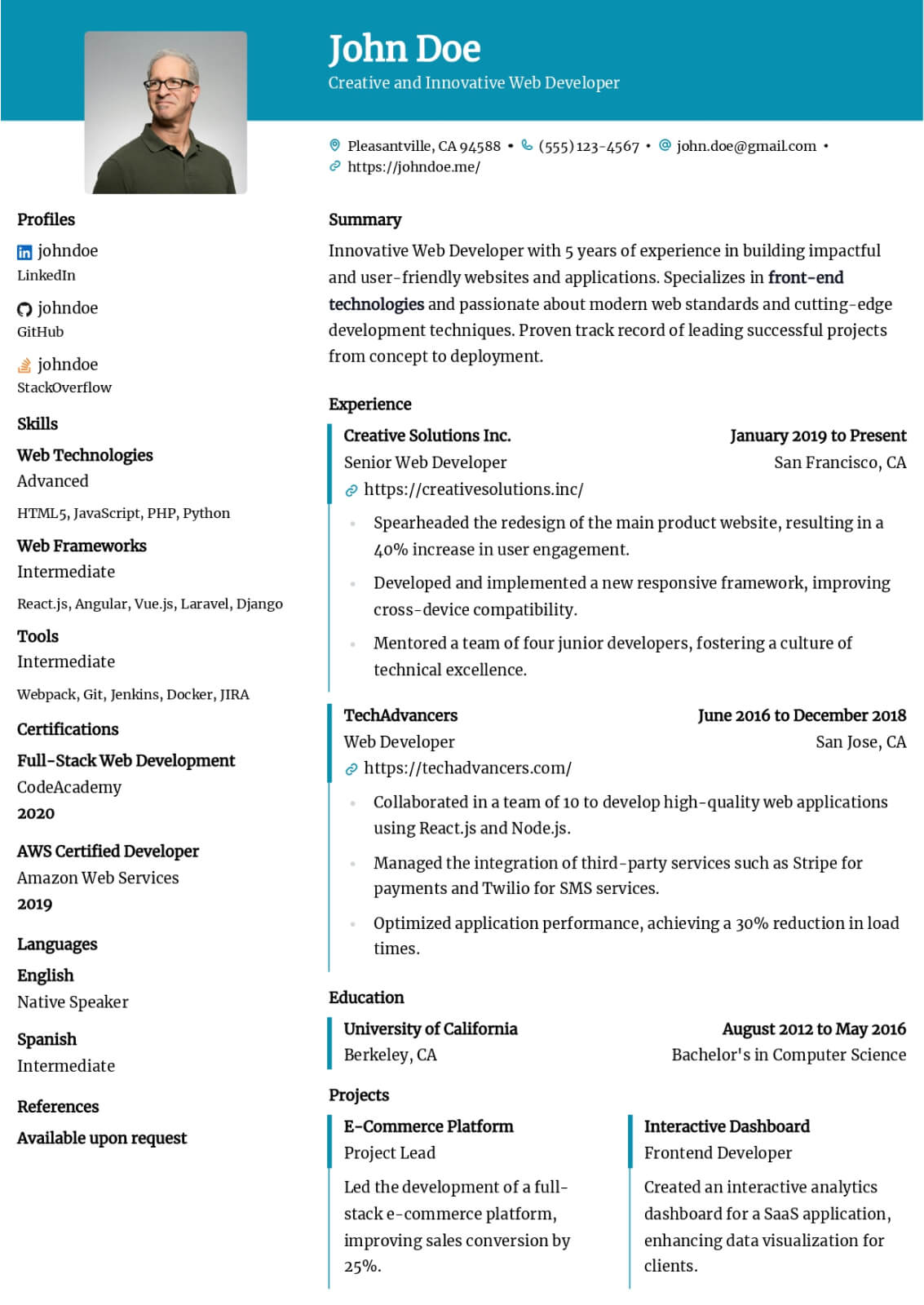
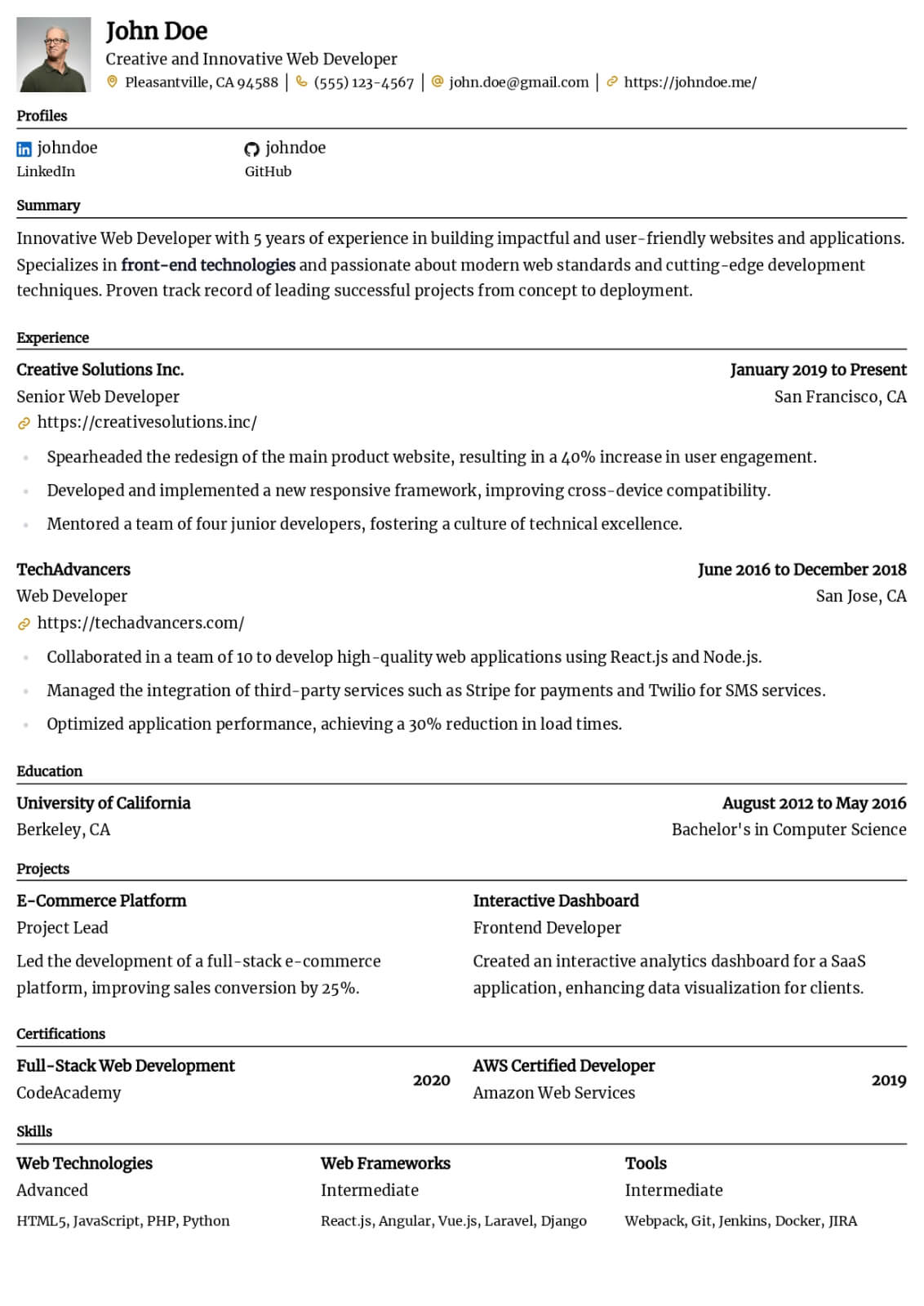
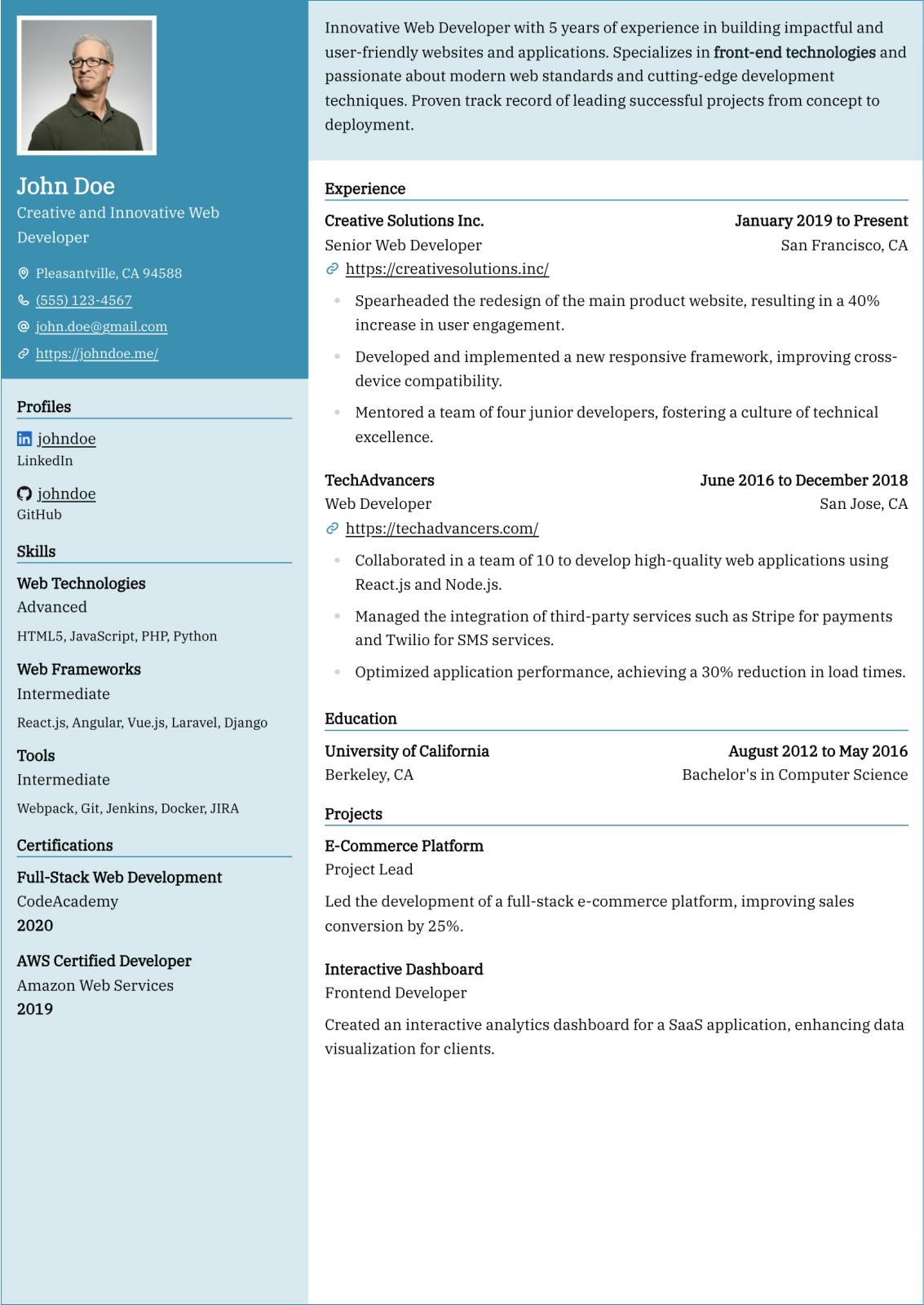
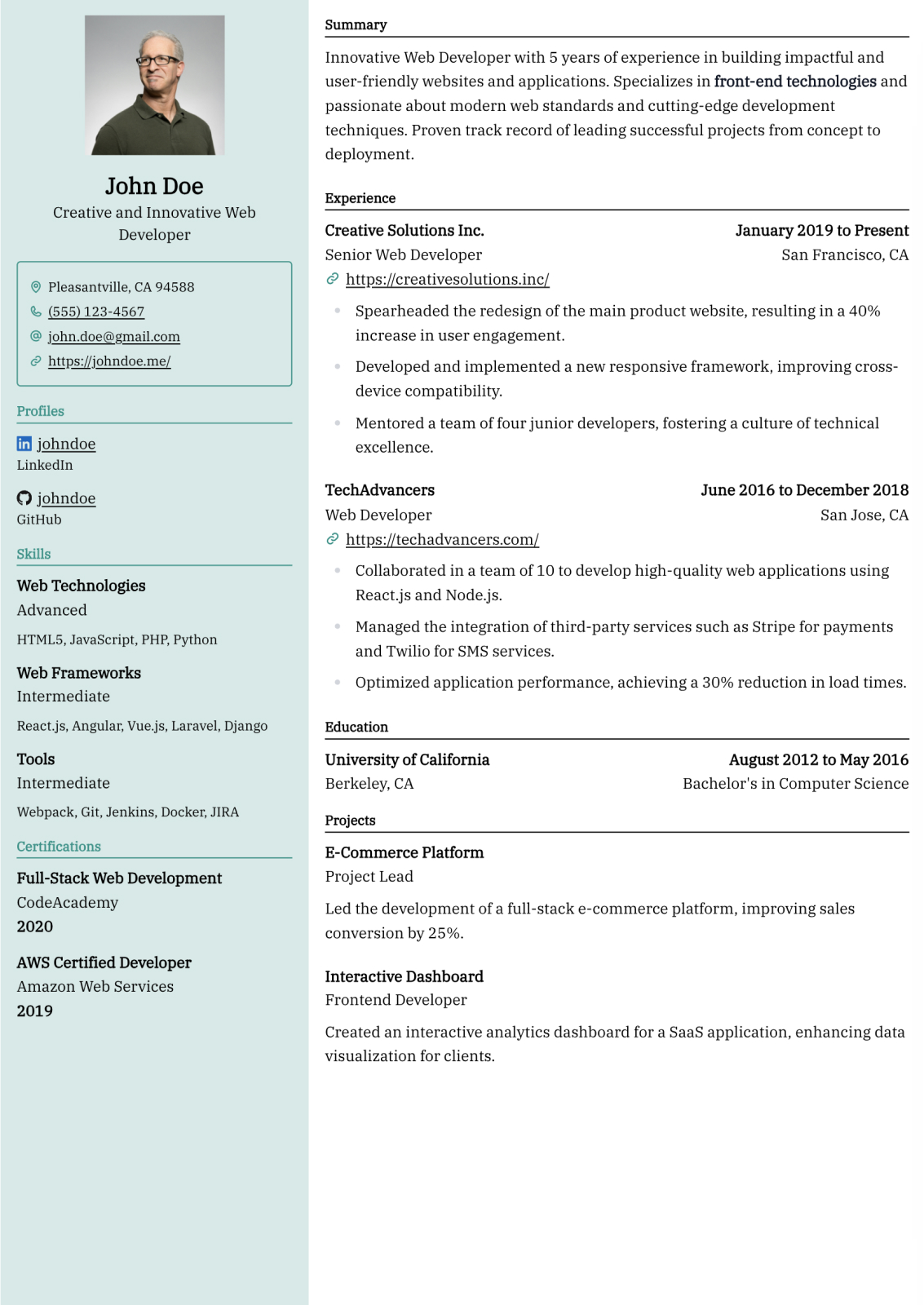
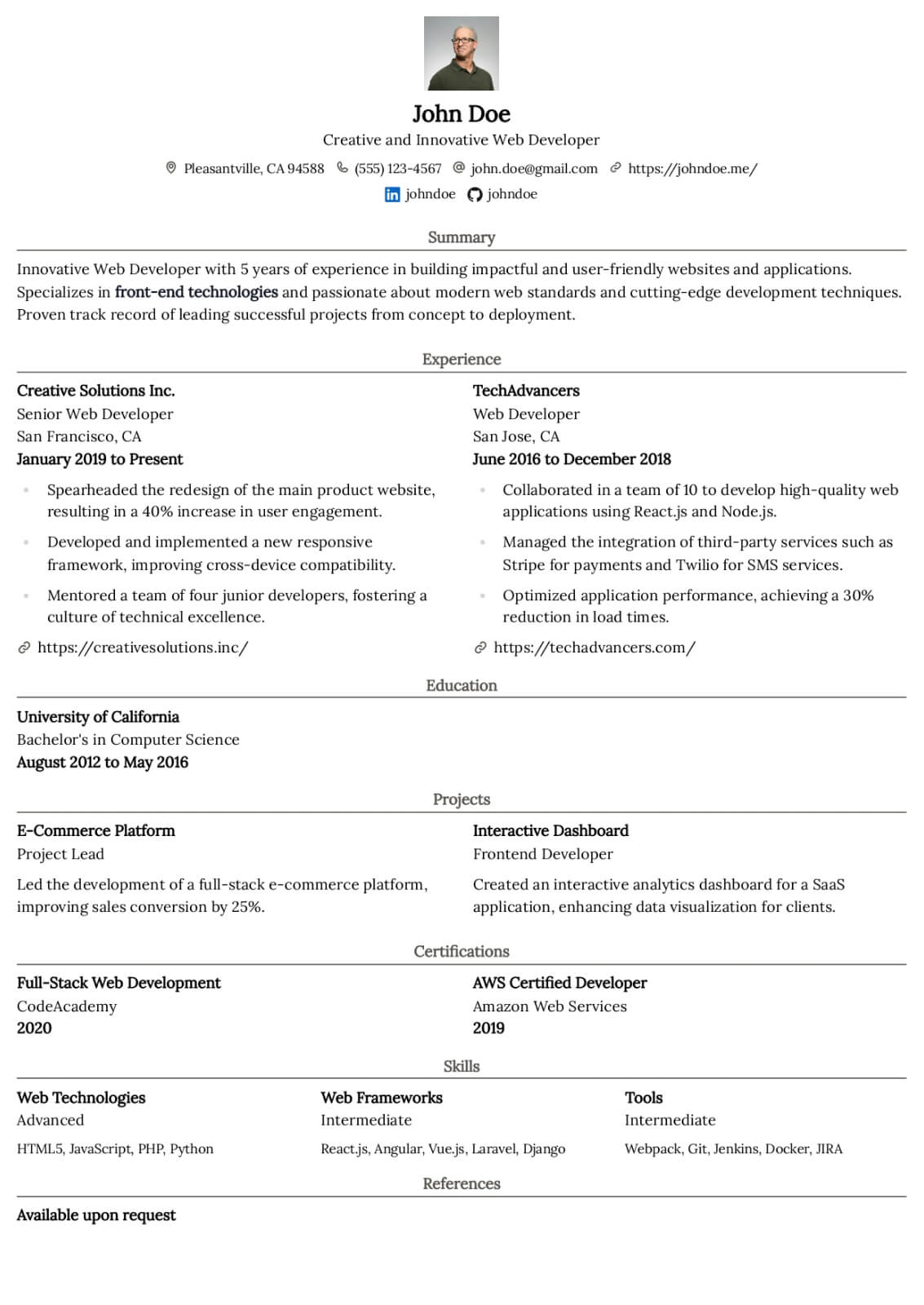
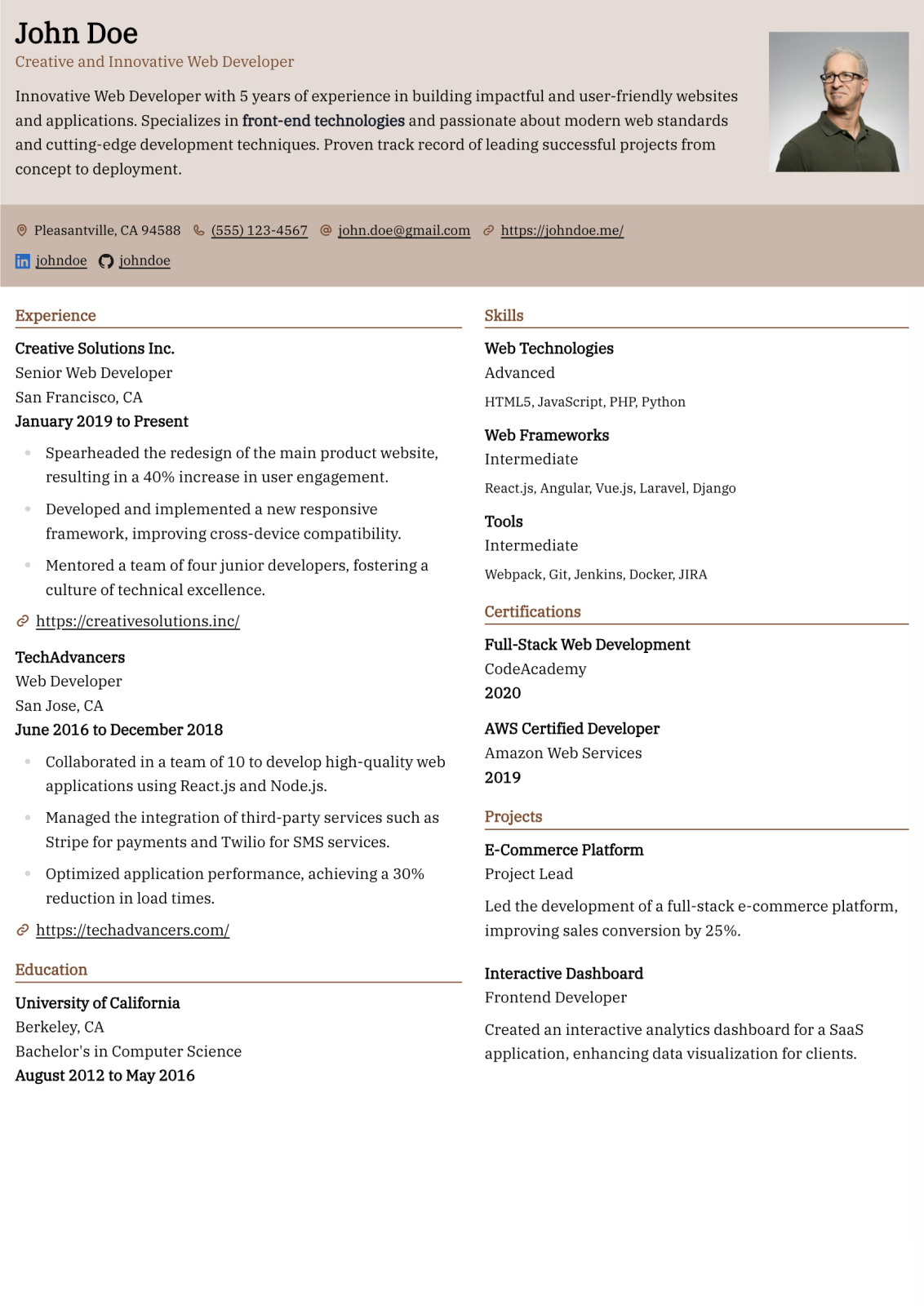
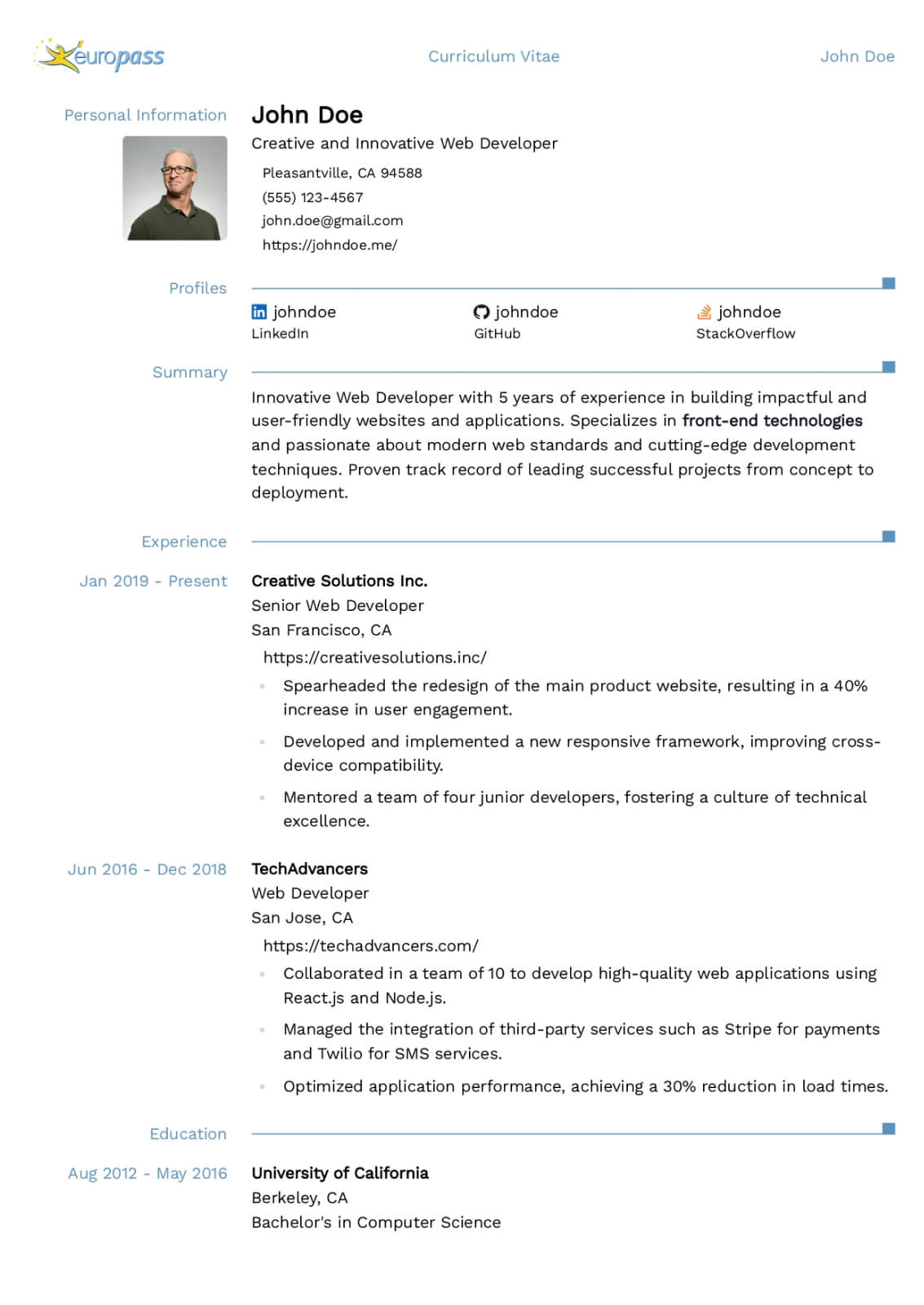
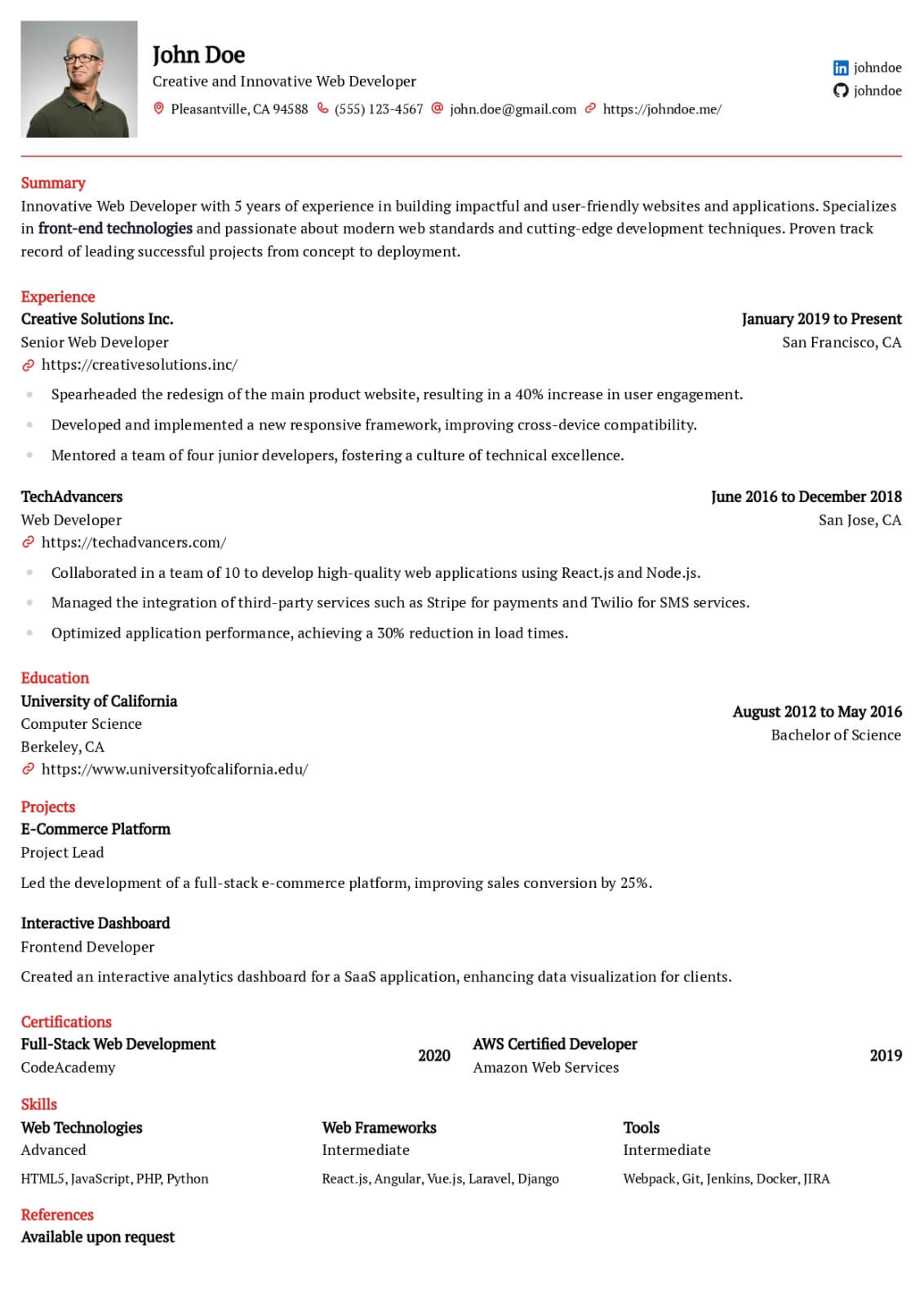
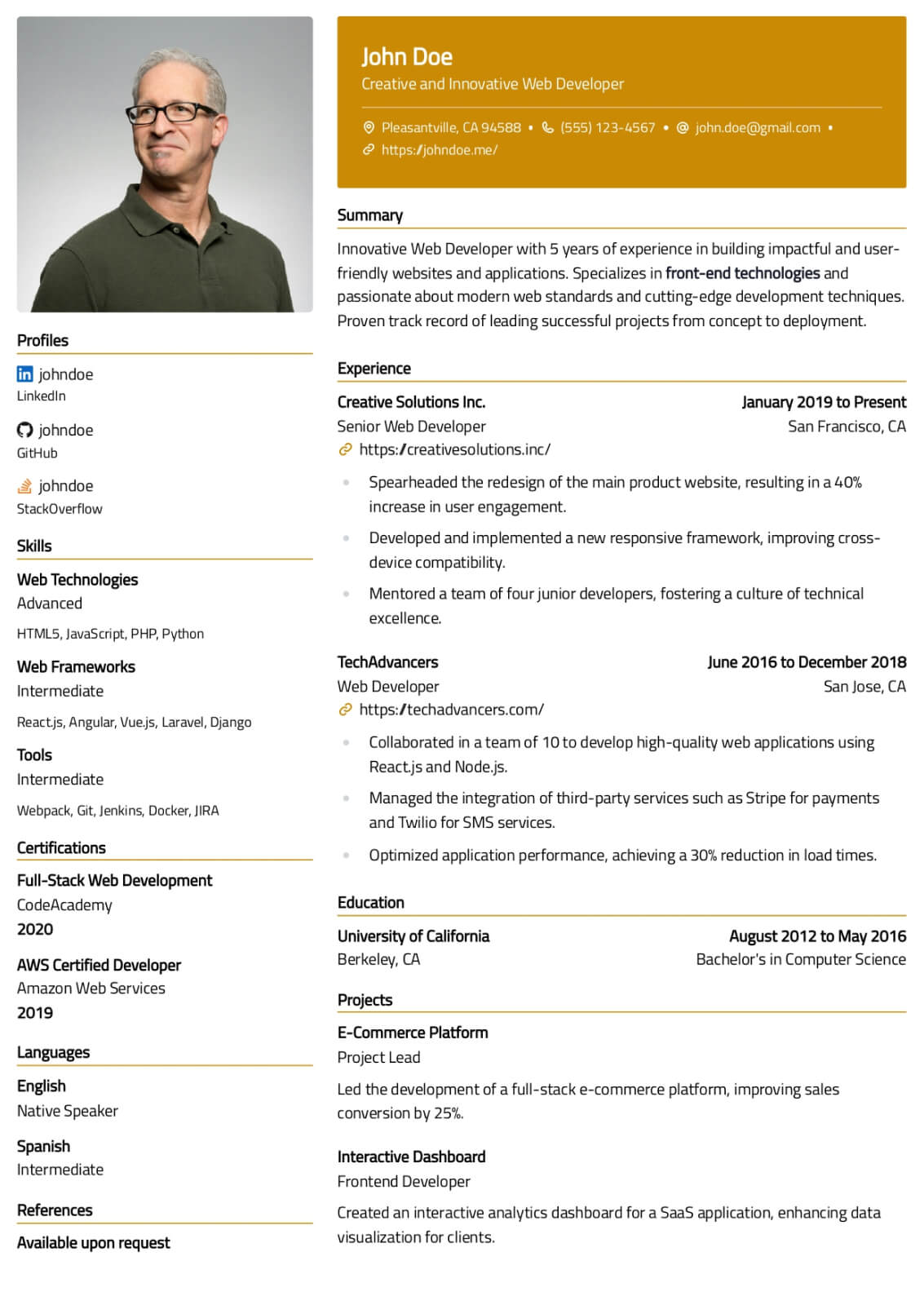
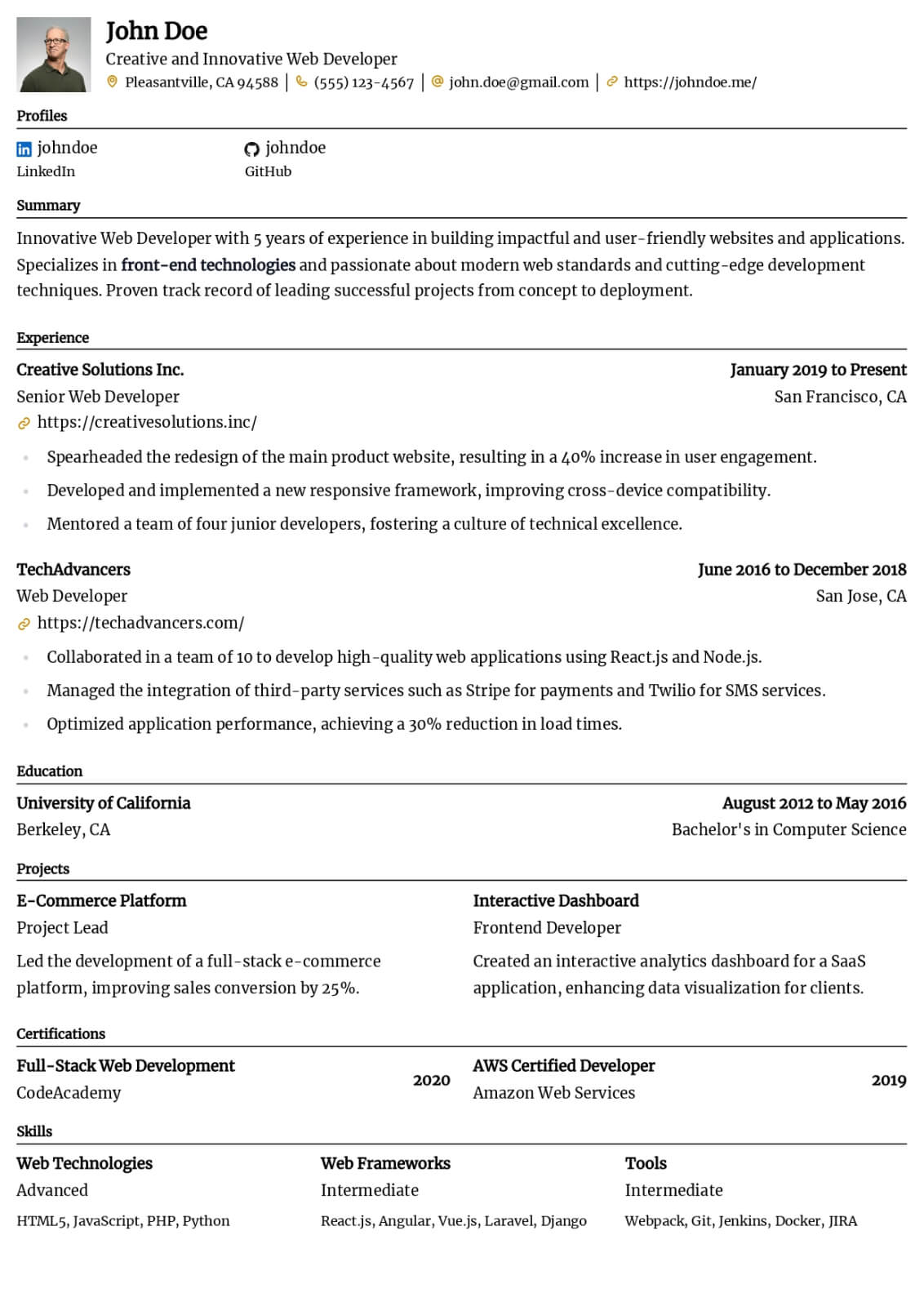
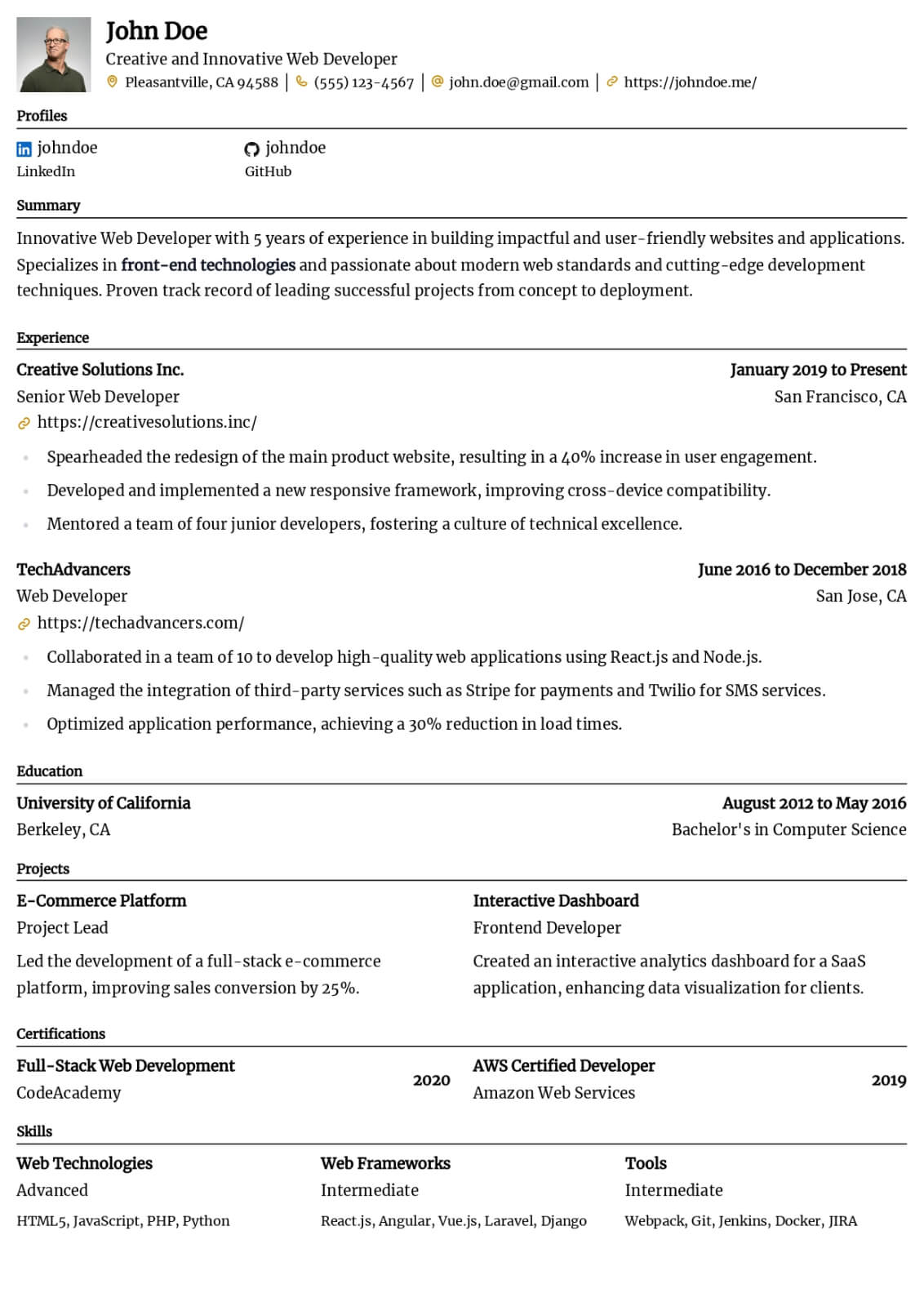
Research Scientist resume guide
Below, you will find section-by-section guidance for your research scientist resume — from your opening summary through skills and experience. Tailor every line to the job you want.
Professional Summary
Open your professional summary by identifying your research domain, whether materials science, physics, chemistry, biology, or interdisciplinary applied research. State your years of research experience, the number of peer-reviewed publications you have authored, and the total grant funding you have secured or contributed to. Mention two to three core methodological competencies such as statistical experimental design, computational modeling, or advanced spectroscopy that signal analytical depth. Include at least one quantified achievement, for example stating that you led a five-member research team that published twelve peer-reviewed papers and secured two point three million dollars in federal research funding over four years. Align the language with the posting to pass institutional ATS screening and appeal to hiring committees.
Research Experience
Present your research positions in reverse-chronological order with clear titles, institution names, and dates. Write four to six bullets per role beginning with action verbs such as investigated, characterized, modeled, or published. Connect each action to a quantified scientific or organizational outcome, for instance stating that you designed and executed a forty-eight-run factorial DOE to optimize nanoparticle synthesis parameters, achieving a reproducibility improvement from seventy-two to ninety-four percent and publishing the results in ACS Nano with a forty-seven citation count. Describe the instrumentation, computational tools, and statistical methods you employed. Highlight collaboration with external research partners, industry sponsors, or regulatory bodies. Avoid vague descriptions of research topics without quantified outputs, because R&D hiring managers evaluate candidates by the rigor and impact of their scientific contributions.
Skills
Build a skills section with eight to ten technical competencies and six to seven interpersonal skills aligned to the target research role. On the technical side, list laboratory instrumentation you are proficient with, such as HPLC, mass spectrometry, NMR, electron microscopy, or laser-based spectroscopic techniques. Include computational and data analysis tools like Python, R, MATLAB, Origin, or specialized simulation software relevant to your domain. Add experimental design methodologies including fractional factorial DOE, response surface methodology, and Bayesian optimization. List scientific writing competencies including manuscript preparation, grant proposal authoring, and peer review participation. For soft skills, emphasize research team leadership, interdisciplinary collaboration, and data-driven hypothesis formulation. Prioritize skills that differentiate you for the target position.
Publications & Presentations
A dedicated publications section is essential for research scientist resumes and often carries as much weight as work experience. List your most impactful peer-reviewed journal articles in standard citation format including all authors, journal name, volume, year, and DOI. If your publication count exceeds eight, select the most relevant entries and note the total number and cumulative citation count. Include granted and pending patents with application numbers and brief invention descriptions. List invited talks, keynote presentations, and poster presentations at major conferences in your field. For industry positions, supplement academic publications with internal technical reports that led to product development or process improvements.
Grants & Funding
List significant grants you have secured as principal investigator or co-principal investigator, including the funding agency, award amount, project title, and performance period. Grant funding demonstrates your ability to formulate compelling research questions, secure competitive resources, and manage multi-year project budgets. For industry scientists, include internal R&D funding awards or competitive innovation grants that demonstrate your ability to champion research initiatives within your organization. Even if you have not held PI status, describe your contributions to funded proposals such as writing specific aims, performing preliminary experiments, or managing budget sections. Position this section prominently for roles that explicitly require grant-writing experience.
Education
Include your highest degree, institution name, and graduation year. Research scientist positions in industry and government typically require a PhD in a relevant scientific discipline. List your dissertation title and advisor if they are recognized in the field, as this provides immediate context for your research pedigree. Include postdoctoral training if applicable, specifying the institution, mentor, and research focus. If you graduated within the last five years, add relevant coursework in advanced statistics, machine learning for scientific applications, or specialized experimental techniques. For senior scientists, keep this section concise and allow publications and grant records to demonstrate ongoing research excellence.
Resume layout and formatting
Use a clean, single-column layout with clear section headings and plenty of white space. Lead with technical strengths such as Experimental Design (DOE / RSM / Bayesian), Statistical Analysis (Python / R / MATLAB), Electron Microscopy (SEM / TEM), Spectroscopic Techniques (NMR / FTIR / Raman), Chromatography (HPLC / GC-MS), Scientific Manuscript Preparation, then reinforce interpersonal strengths like Research Team Leadership, Interdisciplinary Collaboration, Data-Driven Hypothesis Formulation, Scientific Peer Review. Keep fonts standard (e.g., Arial or Calibri) at 10–12pt body size so your resume stays ATS-friendly and easy to scan.
Key takeaways
- Lead with a summary citing your publication count, grant funding total, and research domain
- Attach citation counts, funding amounts, or patent filings to every research experience bullet
- Include a dedicated publications section as it carries equal weight to work experience
- List grants with funding agency, amount, and period to demonstrate resource acquisition capability
- Mirror instrumentation and statistical methodology keywords from the posting for ATS alignment
- Keep formatting consistent with standard academic-industry hybrid section headings for readability
Build your Research Scientist resume with Scale
Lead with a summary citing your publication count, grant funding total, and research domain
Use This Template
Professional Templates That Make You Stand Out
Browse modern, ATS-friendly resume designs crafted to impress recruiters. Customize any template and download it as a Word or PDF file.
Listen What Our Users Have to Say

Rohan Sen
I am very happy with the team's quick turnaround time - any query is responded at utmost priority. Shoutout to my client manager, Anub Biju - very helpful.

Gael L
Service and communication is great, cover letters are non-ai sounding and well tailored. Just have a lot of communication and review with your staff!

Jonathan Parry
Wow - don't tell your peers! Wow, I can't recommend scale.jobs enough - it's so good I am not sharing with my peers. Applications at scale that get through filters. Thank you!

Cynthia Zhu
Great service! The scale.jobs team was very responsible and managed to apply tons of jobs for me in a very tight deadline to help me secure interviews quickly. Highly recommend to anyone who needs help applying to jobs!

Yash Yenugu
Save your fingers. Saved me from a thumb cramp because we're expected to effortlessly apply to jobs during these times.

Cian O'Driscoll
Clever service. Takes the hard effort out of applying for jobs with an intuitive dashboard and attention to detail. A great asset to job seekers. :-)
Frequently asked questions
What should a research scientist emphasize on a resume in 2026?
A competitive research scientist resume should feature a targeted summary with publication and funding metrics, detailed research experience quantified with citation counts and grant awards, and a focused skills section covering instrumentation and statistical methods. A dedicated publications section is essential for R&D roles. For industry positions, balance academic output with descriptions of how your research translated into product development or process improvement.
How do I transition from an academic CV to an industry research resume?
Reframe academic achievements in business-impact language. Instead of listing publications alone, describe how your research contributed to a technology transfer, patent filing, or collaboration with an industry partner. Quantify outcomes using metrics that industry managers value, such as prototype performance improvements or cost reductions from materials innovations. Trim your publication list to the most relevant entries and expand your description of cross-functional project management and stakeholder communication.
How important are publications for industry research scientist positions?
Publications remain highly valued for industry R&D roles because they demonstrate your ability to conduct rigorous research and communicate findings to the scientific community. Most R&D hiring managers review your publication record to assess your technical depth and research productivity. For applied research positions, complement publications with descriptions of how your work led to patent filings, product improvements, or technology licensing outcomes.
Should I include my full publication list or a curated selection?
For resumes targeting industry positions, curate your publication list to the five to eight most relevant papers and note your total publication count and cumulative h-index or citation count. This approach keeps the resume focused while signaling overall research productivity. For government laboratory or academic-adjacent roles where comprehensive records are expected, you may include a fuller list or reference an online profile such as Google Scholar or ORCID for the complete bibliography.
How do I quantify research impact on my resume beyond publication count?
Quantify impact through multiple dimensions. Cite cumulative citation count, h-index, or individual high-impact paper citations. Reference total grant funding secured and the number of graduate students or postdocs mentored. Describe technology transfers, licensing agreements, or patents that demonstrate commercial relevance. For industry R&D, quantify contributions to product development milestones, cost savings from research-driven process improvements, or time reductions in development cycles.
How can a research scientist stand out from other applicants?
Differentiate by combining publication impact metrics with demonstrated translational research outcomes. Lead experience bullets with quantified scientific results such as property improvements, synthesis yield increases, or model accuracy gains. Include patent filings and technology transfer outcomes alongside journal publications. Reference interdisciplinary collaboration and external partnership management to demonstrate the breadth expected of senior research scientists. Data-rich, impact-oriented resumes consistently outperform generic academic CVs.
Related Resume Guides
Materials Scientist
Build a research-driven materials science resume highlighting characterization techniques, alloy development, and failure analysis for aerospace and semiconductor employers.
Lab Technician
Build a detail-oriented lab technician resume demonstrating instrument proficiency, GLP/GMP compliance, and analytical testing accuracy for pharmaceutical and chemical labs.
Chemical Engineer
Develop a compelling chemical engineering resume showcasing process simulation, P&ID development, and plant optimization to secure interviews at top chemical firms.
Biomedical Engineer
Craft a compelling biomedical engineering resume highlighting medical device design, FDA submissions, and clinical validation expertise to attract leading medtech employers.
Quality Engineer
Develop a metrics-driven quality engineering resume highlighting CAPA management, audit leadership, and SPC expertise for manufacturing and medtech employers.