
Materials Scientist Resume Examples, Templates & Writing Guide

Written by: Scale.jobs EditorialLast updated: May 1, 2026







Introduction
Build a research-driven materials science resume highlighting characterization techniques, alloy development, and failure analysis for aerospace and semiconductor employers.
This guide walks you through every major section of a materials scientist resume, with practical tips you can apply today.
- How to present materials characterization and failure analysis expertise with publication-grade detail
- Strategies for quantifying material performance improvements in strength, corrosion resistance, or lifetime
- Methods for showcasing proficiency with SEM, TEM, XRD, DSC, and mechanical testing instrumentation
- Techniques for demonstrating knowledge of ASTM, ASM, and AMS material specifications on your resume
- Approaches to highlighting peer-reviewed publications, patents, and conference presentations effectively
- Ways to tailor your resume for metals, polymers, ceramics, composites, or semiconductor materials roles
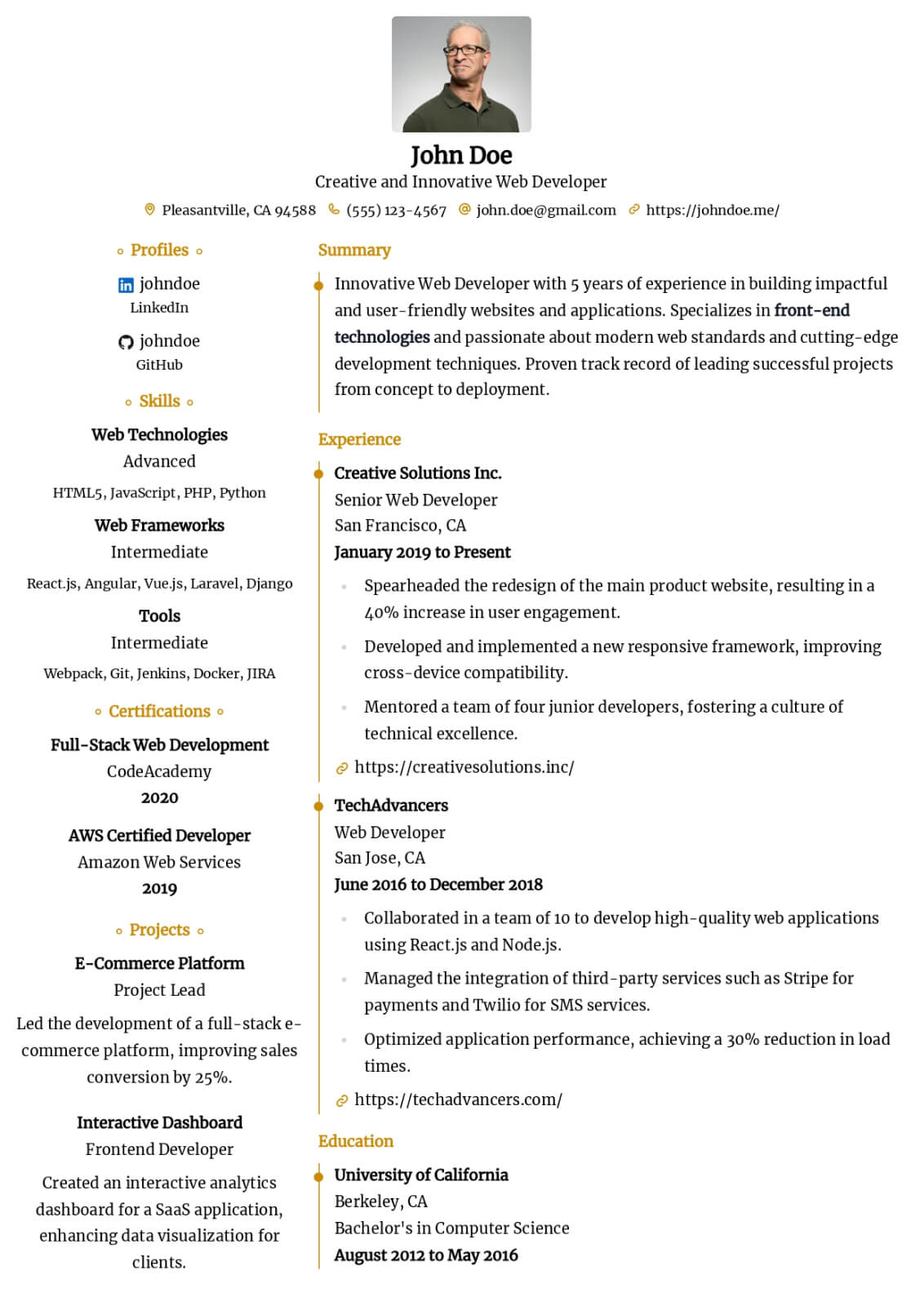
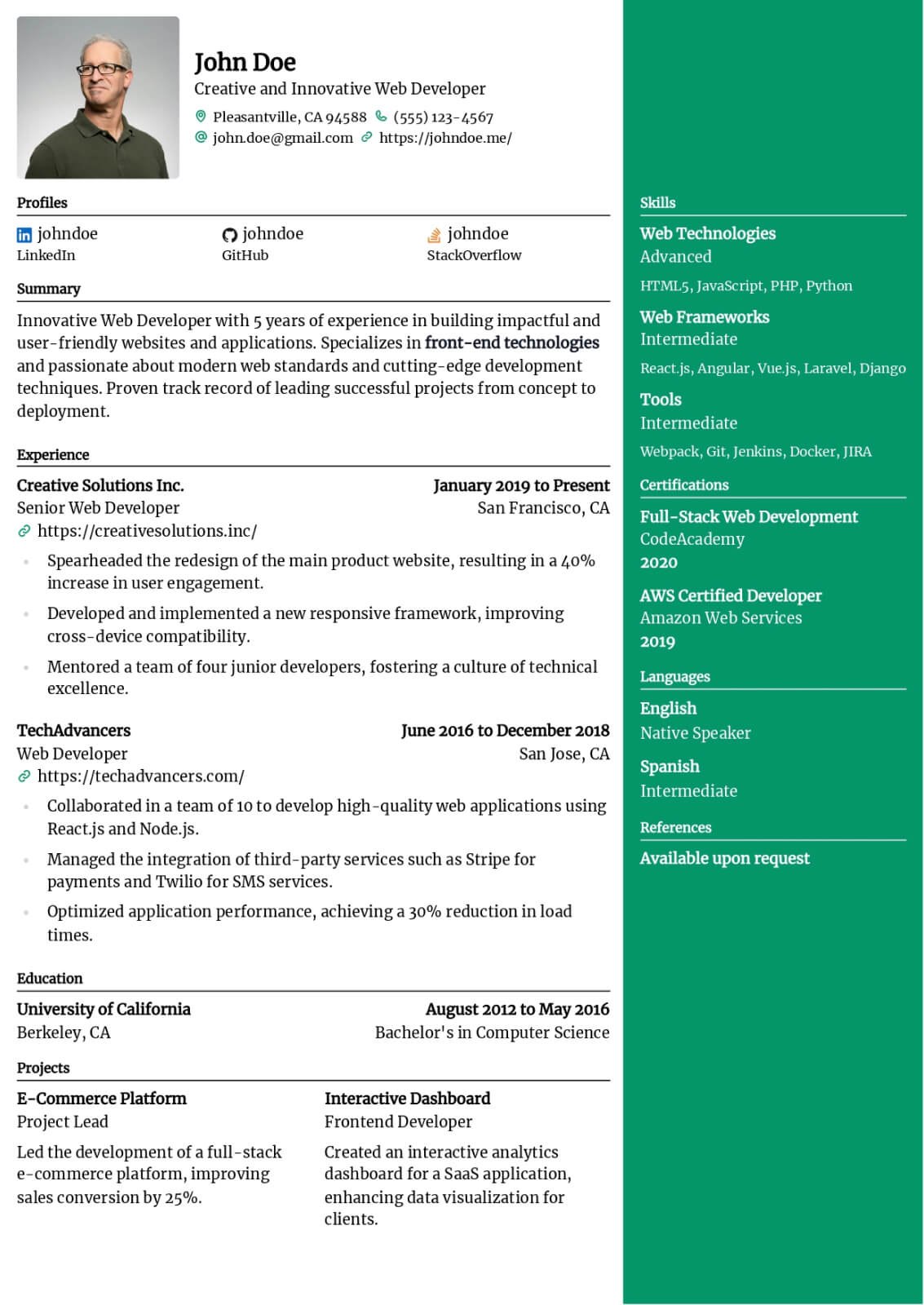
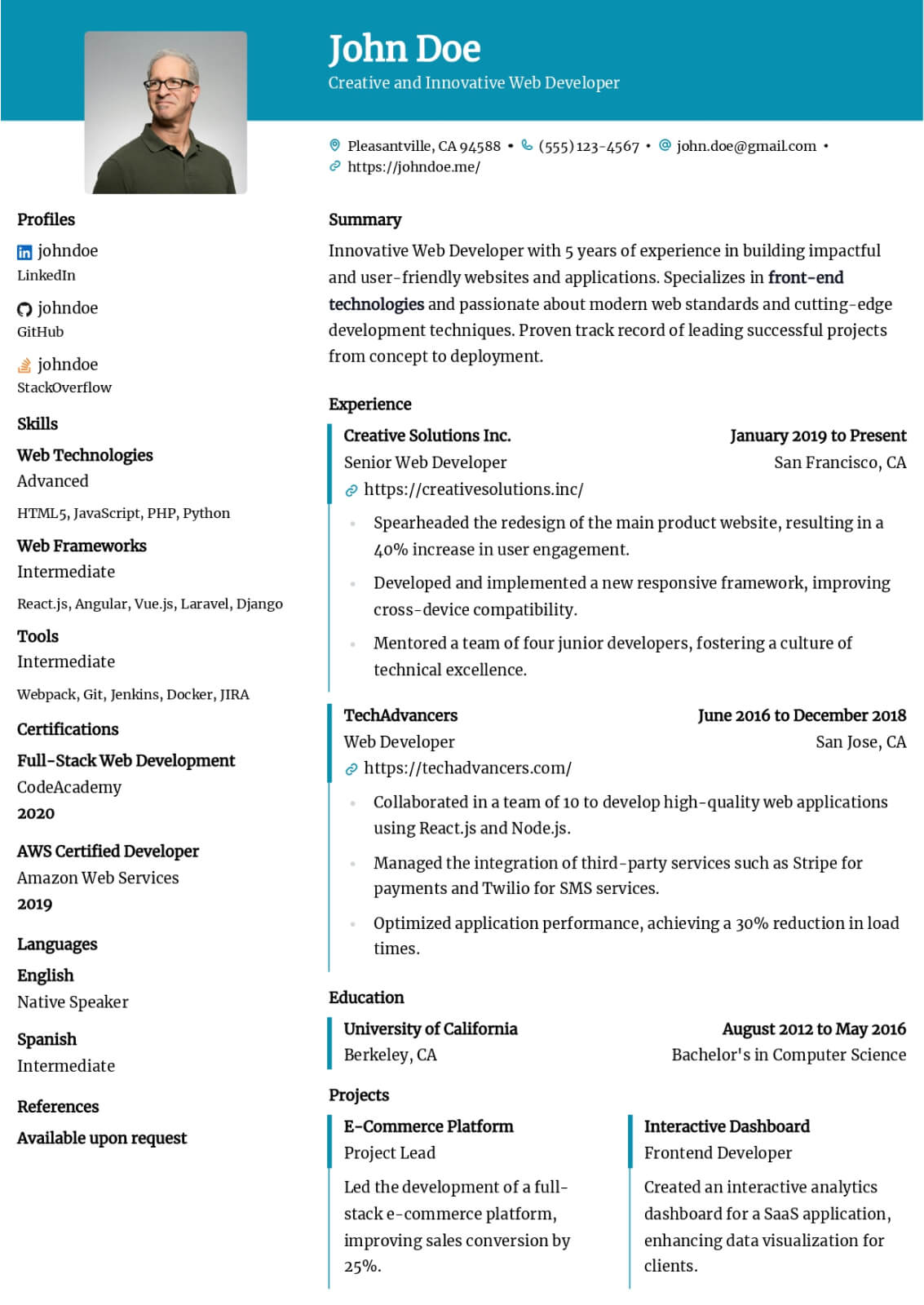
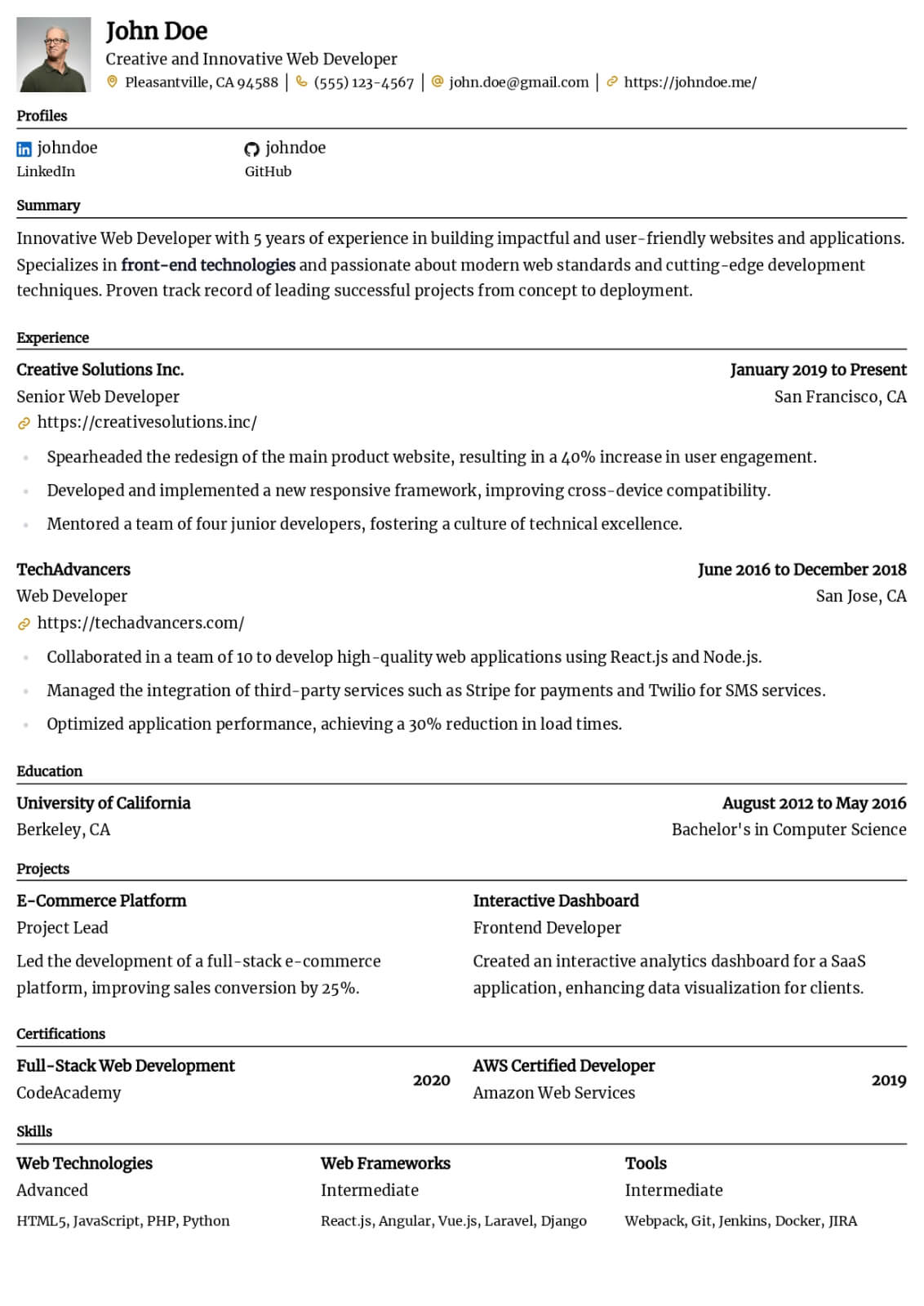
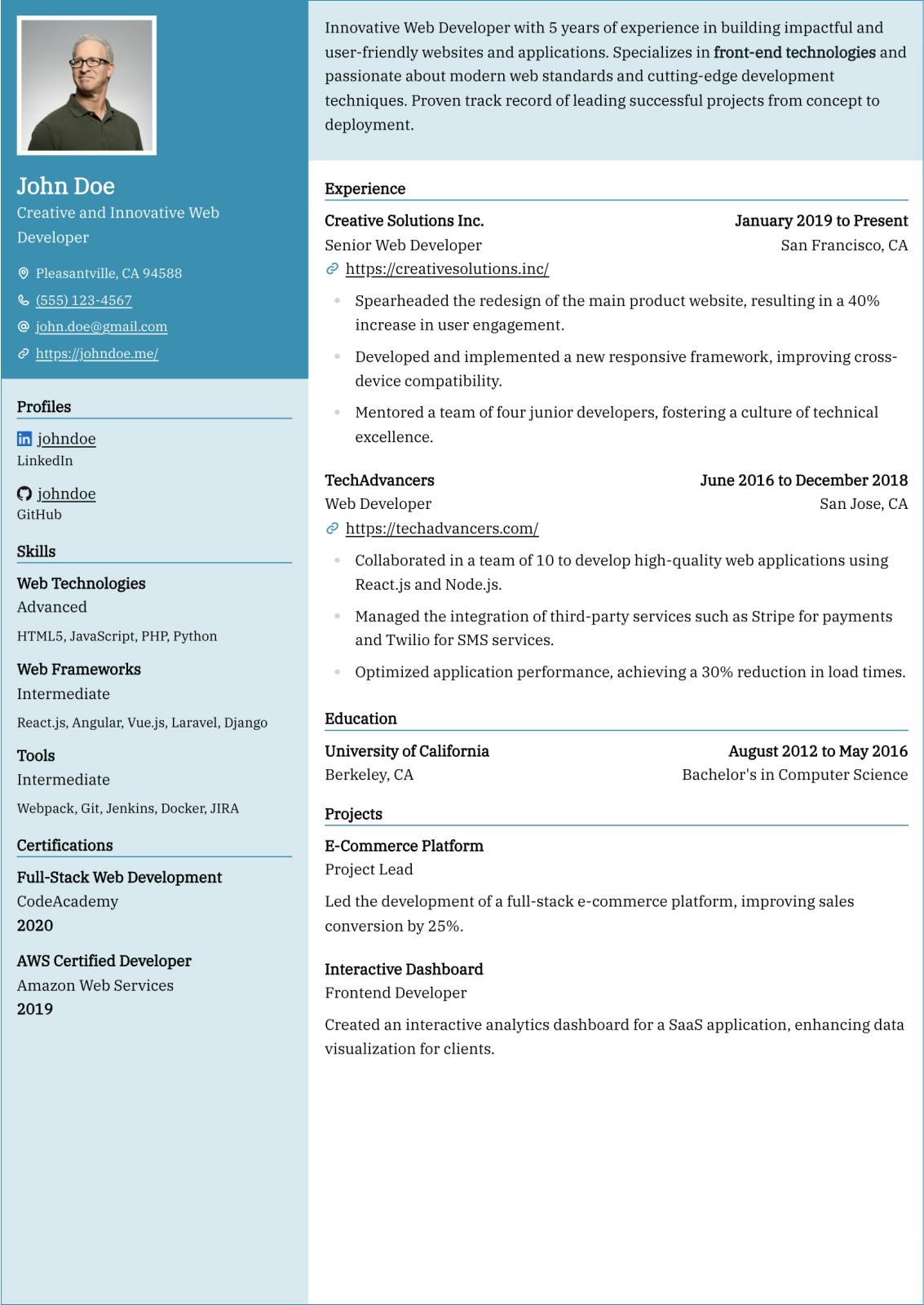
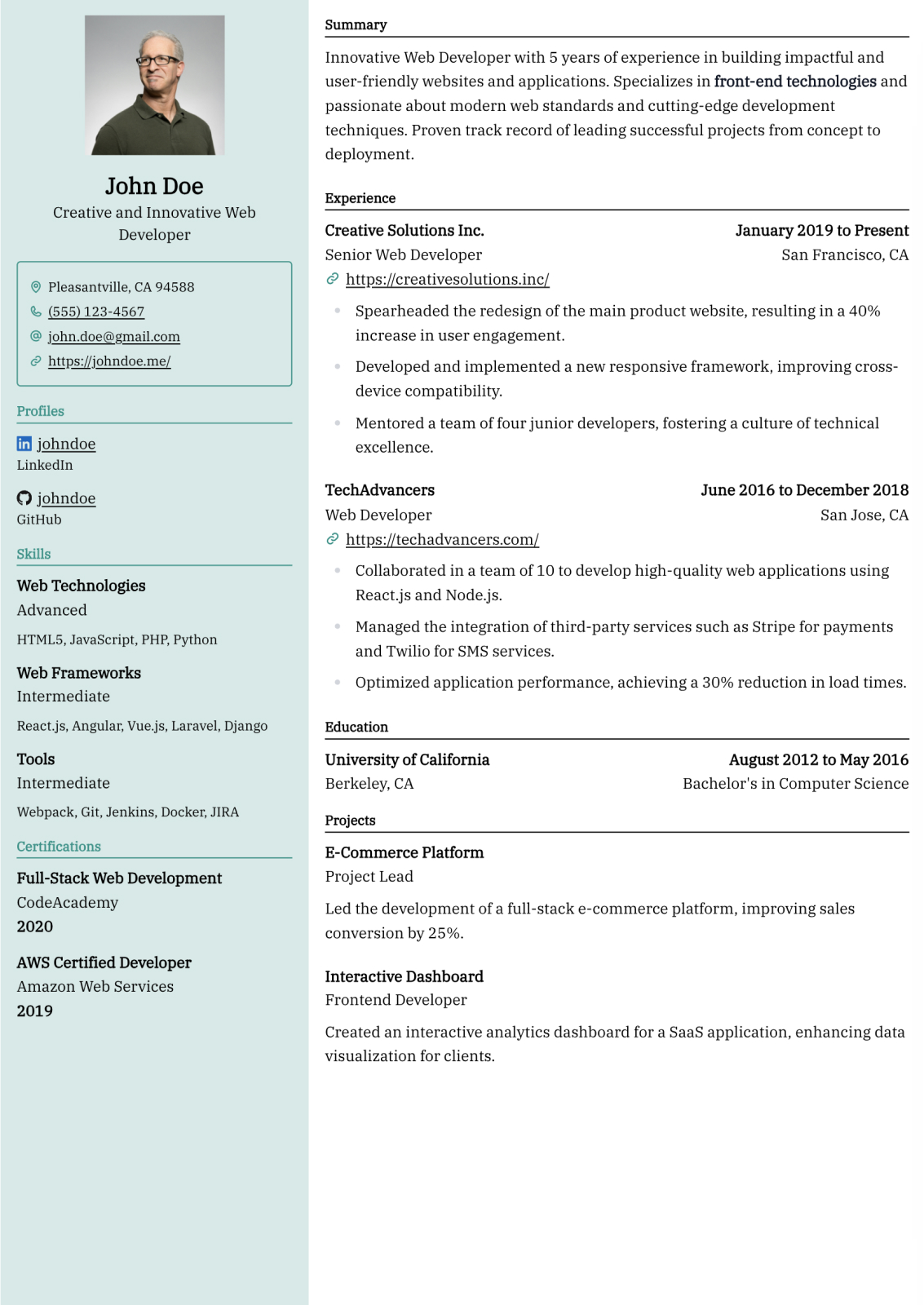
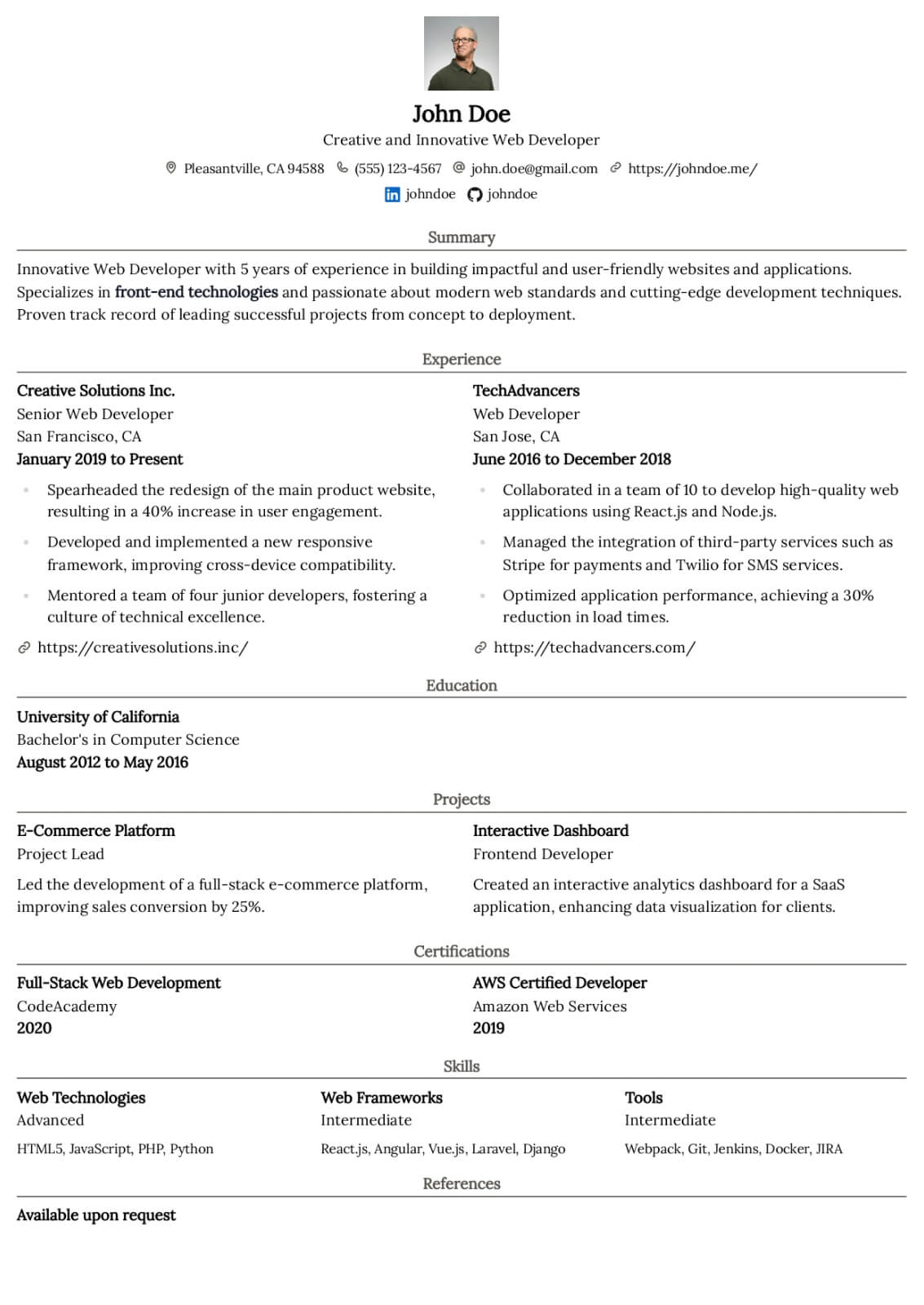
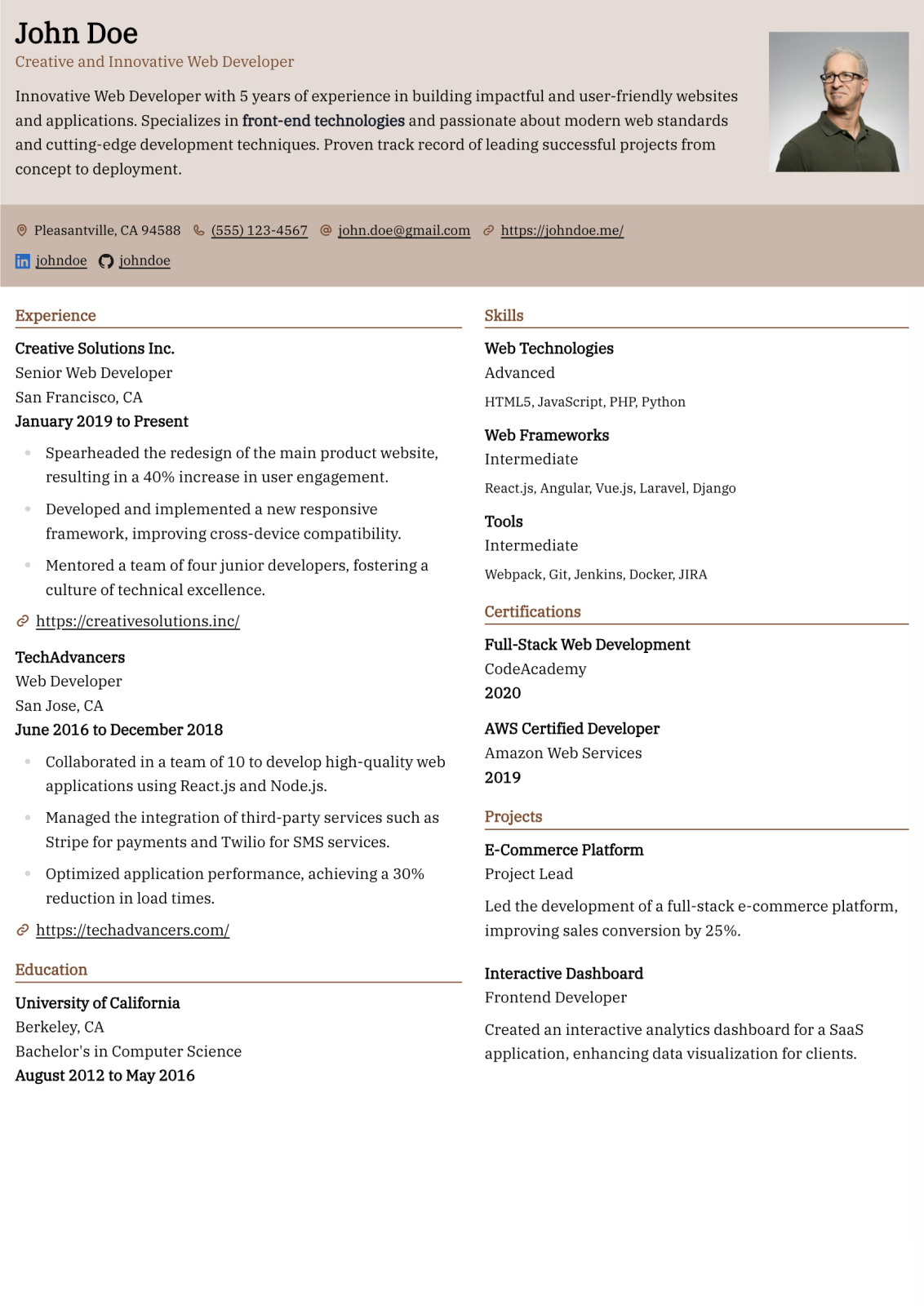
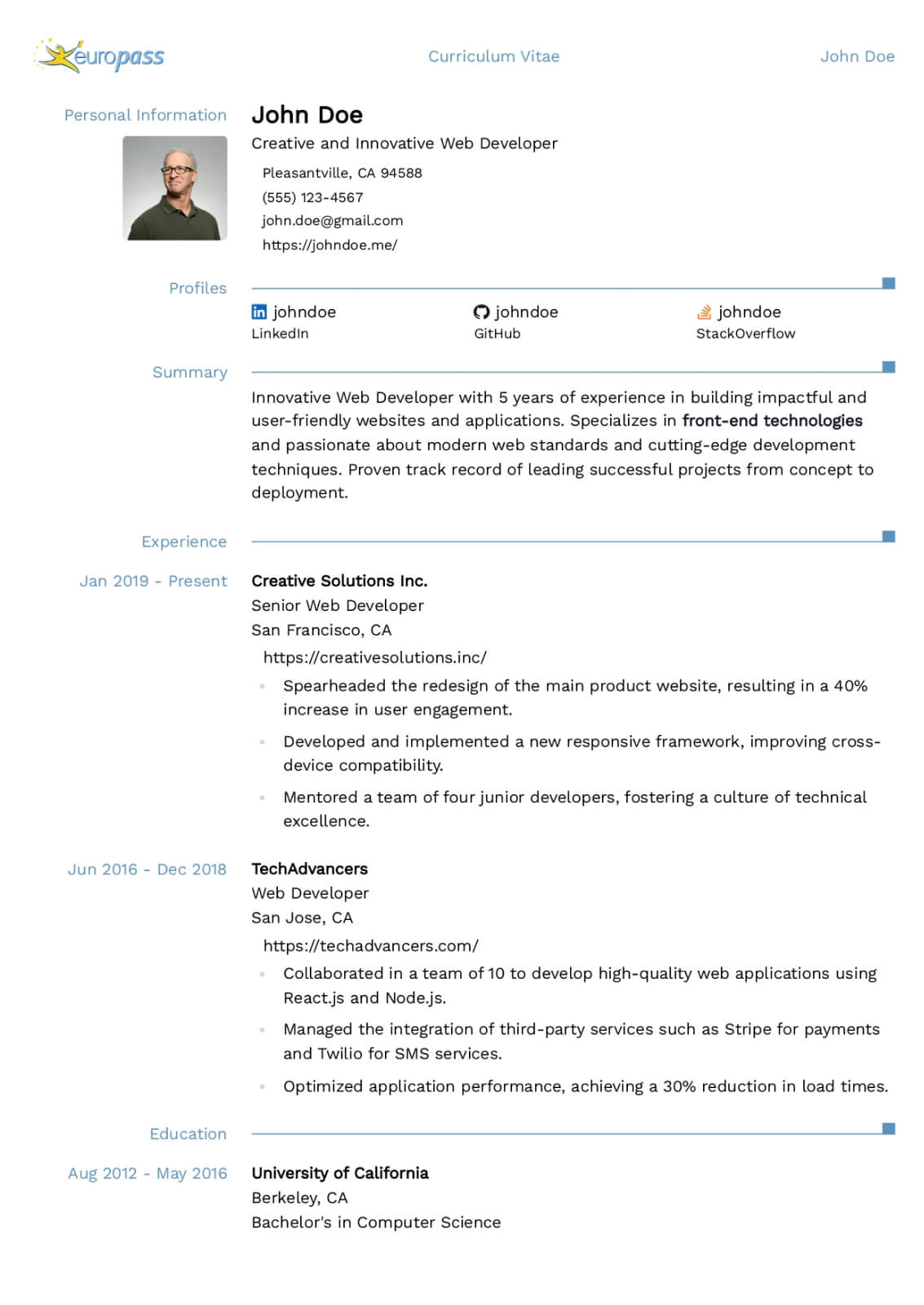
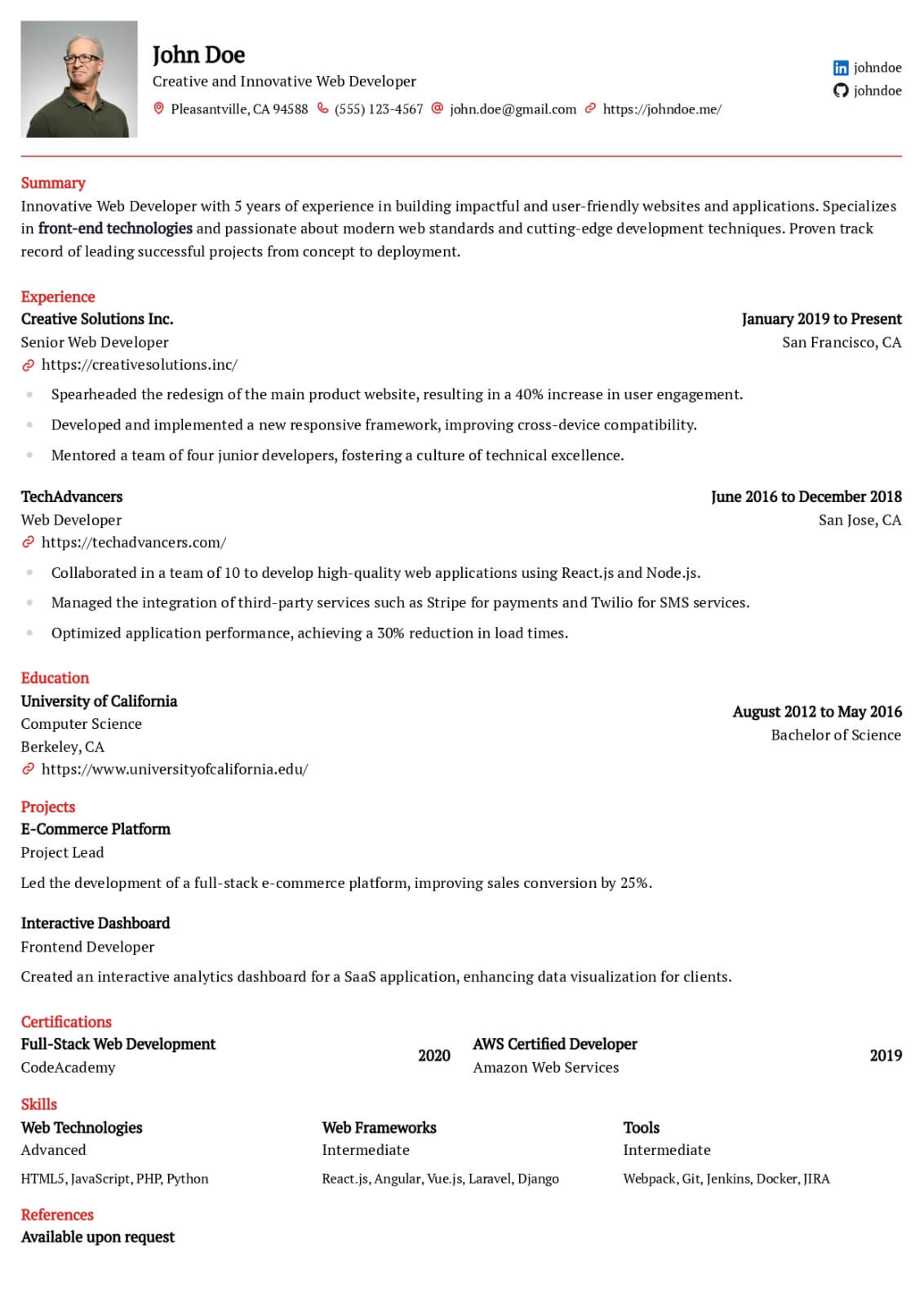
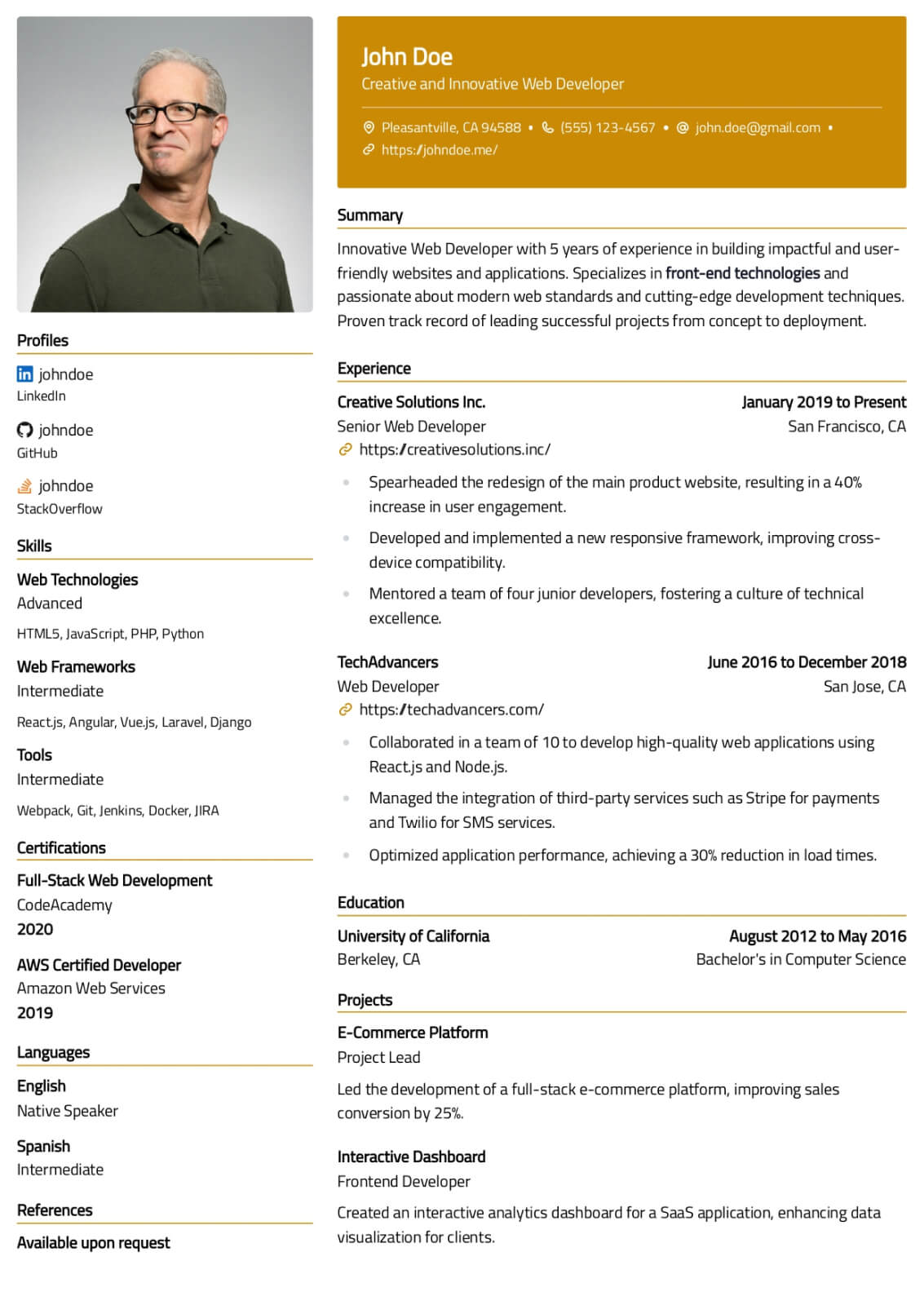
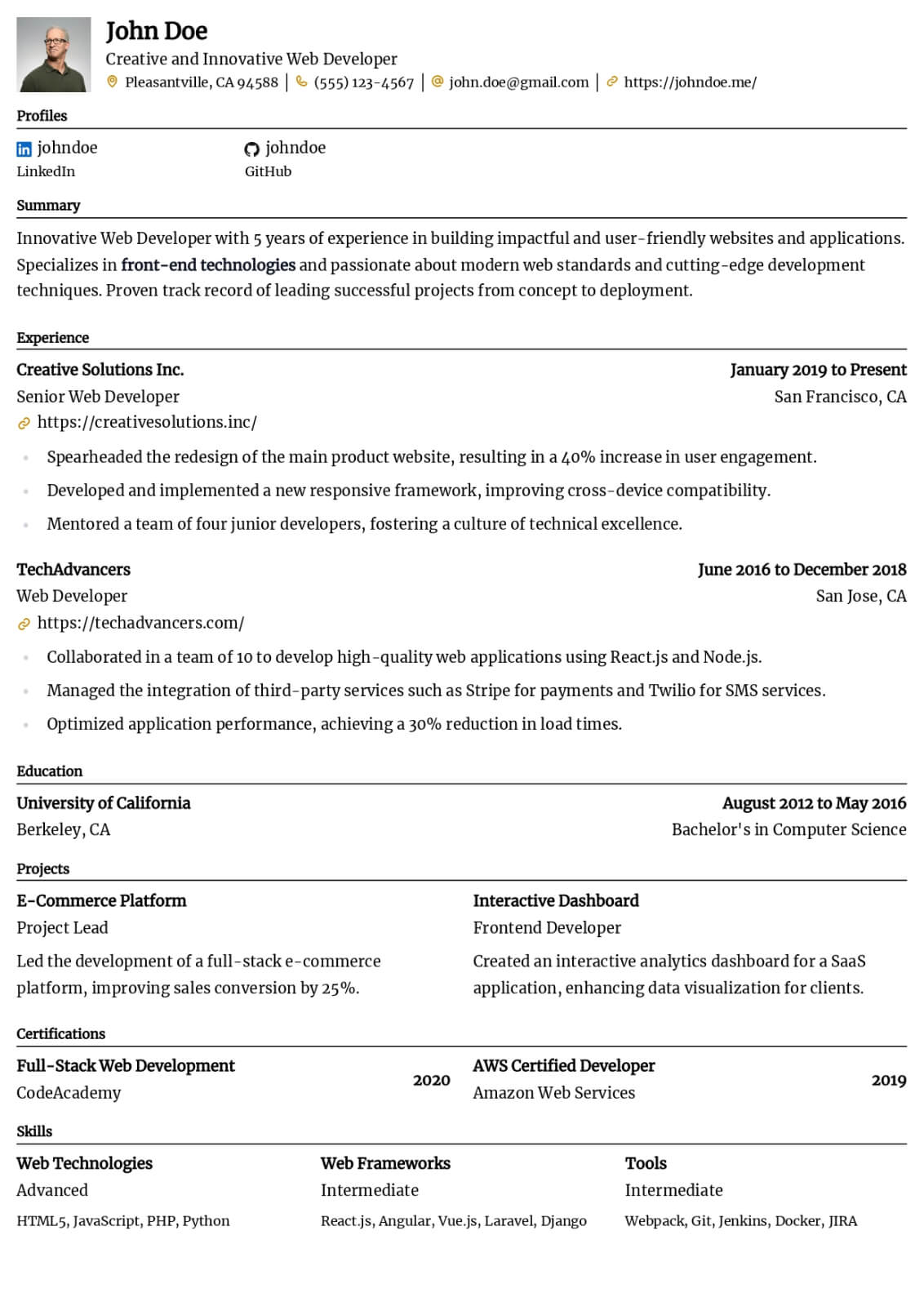
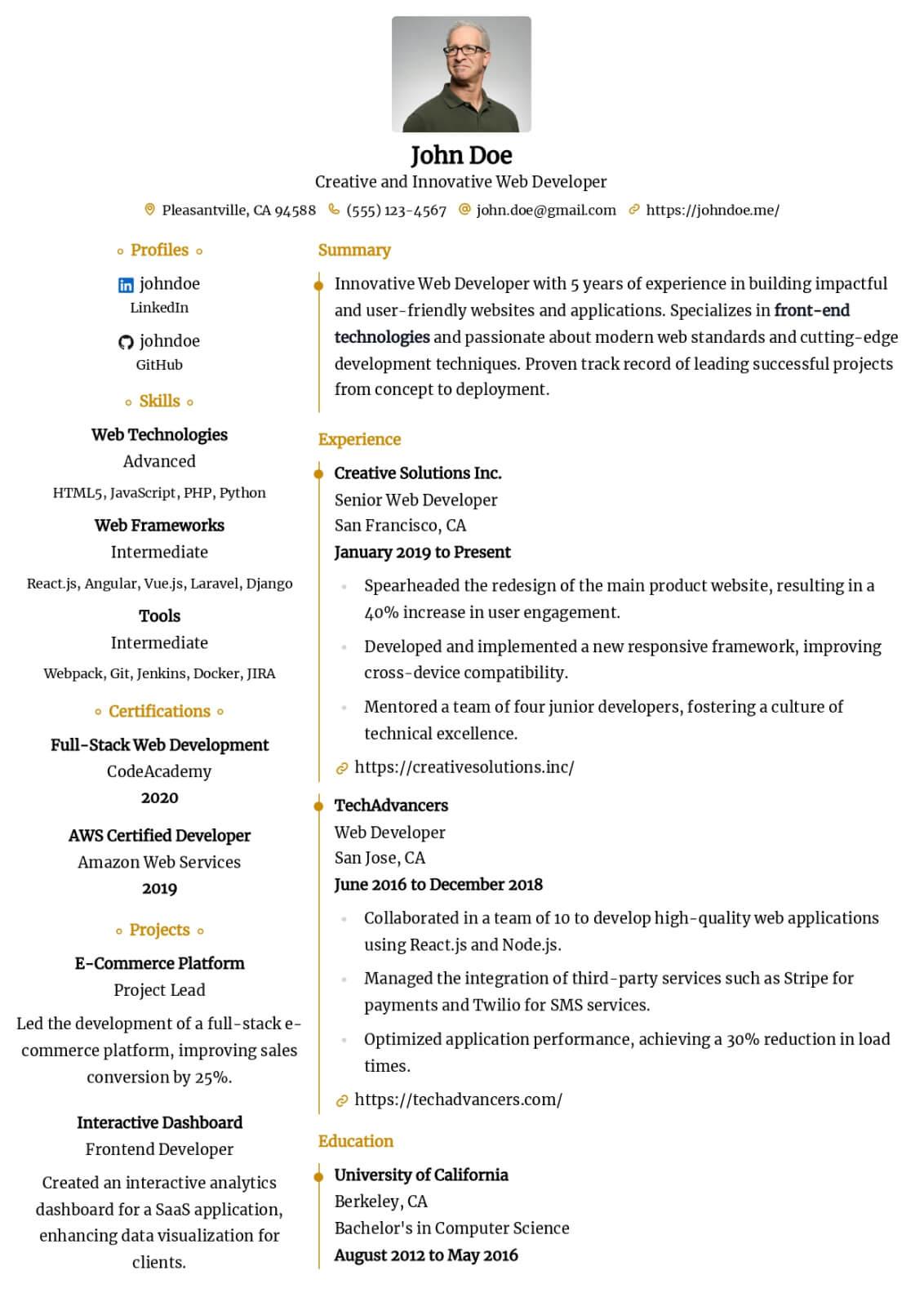
Materials Scientist resume guide
Below, you will find section-by-section guidance for your materials scientist resume — from your opening summary through skills and experience. Tailor every line to the job you want.
Professional Summary
Open your professional summary by identifying your materials science focus area, whether metallurgy, polymer science, ceramic engineering, composite development, or semiconductor materials. State your years of experience and the industries you have served, such as aerospace, automotive, medical devices, or electronics. Mention two to three core techniques like SEM-EDS microanalysis, X-ray diffraction phase identification, or mechanical property characterization that signal hands-on laboratory competence. Include at least one quantified achievement, for example stating that you developed a precipitation-hardened nickel alloy variant that improved high-temperature creep life by thirty-five percent for turbine blade applications. Align the language with the job posting to pass ATS filters and resonate with R&D hiring managers. Keep the summary between three and five sentences.
Work Experience
Present your experience in reverse-chronological order with clear titles, organization names, and dates. Write four to six bullets per role beginning with verbs such as characterized, developed, analyzed, or optimized. Connect each action to a measurable material performance or business outcome, for instance stating that you performed root cause failure analysis using fractography and EDS on fourteen field-returned turbine components, identifying a previously undetected sulfidation mechanism and implementing a coating modification that eliminated recurrence. Reference the instrumentation, testing standards, and material specifications you applied, including ASTM E8 tensile testing, ASTM E384 microhardness, and AMS specifications for aerospace alloys. Highlight collaboration with design engineers, manufacturing teams, and external testing laboratories. Avoid generic research descriptions without quantified material property or business outcomes.
Skills
Construct a skills section with eight to ten technical competencies and six to seven interpersonal skills. On the technical side, list characterization instruments such as SEM with EDS and EBSD, TEM, XRD, DSC, and DMA. Include mechanical testing capabilities like tensile, fatigue, fracture toughness, and hardness testing per ASTM standards. Add materials processing knowledge such as heat treatment metallurgy, polymer extrusion and injection molding, or thin film deposition techniques like PVD and CVD. Include computational tools like Thermo-Calc, JMatPro, or COMSOL for phase diagram calculations and material property modeling. For soft skills, emphasize scientific communication, cross-functional R&D collaboration, and data-driven experimental design. Prioritize competencies that are directly relevant to the target position and your demonstrated expertise.
Publications & Patents
Materials science roles, especially in R&D, heavily weight publication and patent records as evidence of technical contribution. List your most relevant peer-reviewed journal articles in a standard citation format including journal name, volume, year, and DOI. Include granted and pending patents with application numbers and brief descriptions of the invention. Mention invited conference presentations at venues like TMS Annual Meeting, MRS Spring or Fall Meeting, or ASM International. If your publication list exceeds five items, select those most relevant to the target role and note the total count. For industry-focused positions, highlight technical reports and internal publications that led to product improvements or process changes.
Certifications & Professional Development
List certifications that validate your materials expertise and quality competence. Relevant credentials include ASQ Certified Quality Engineer, ASNT NDT Level II or III for nondestructive testing, or ASM International Certified Heat Treater. Add Six Sigma Green Belt if you have applied statistical DOE to materials development programs. If you hold a PE license, include it with the state of issuance, though PE licensure is uncommon in materials science compared to traditional engineering disciplines. Include the issuing body and date earned for each credential, and position this section prominently when the posting values certified materials professionals.
Education
Include your highest relevant degree, institution name, and graduation year. Materials science positions frequently require a master's degree or doctorate in materials science, metallurgical engineering, ceramic engineering, or polymer science. For research scientist roles, a PhD with a strong publication record is typically expected. If you graduated within the last five years, list coursework such as crystallography, phase transformations, mechanical metallurgy, or polymer physics. Highlight your dissertation or thesis topic if it aligns with the target role, and mention funding awards or fellowships that validate the quality of your research contributions.
Resume layout and formatting
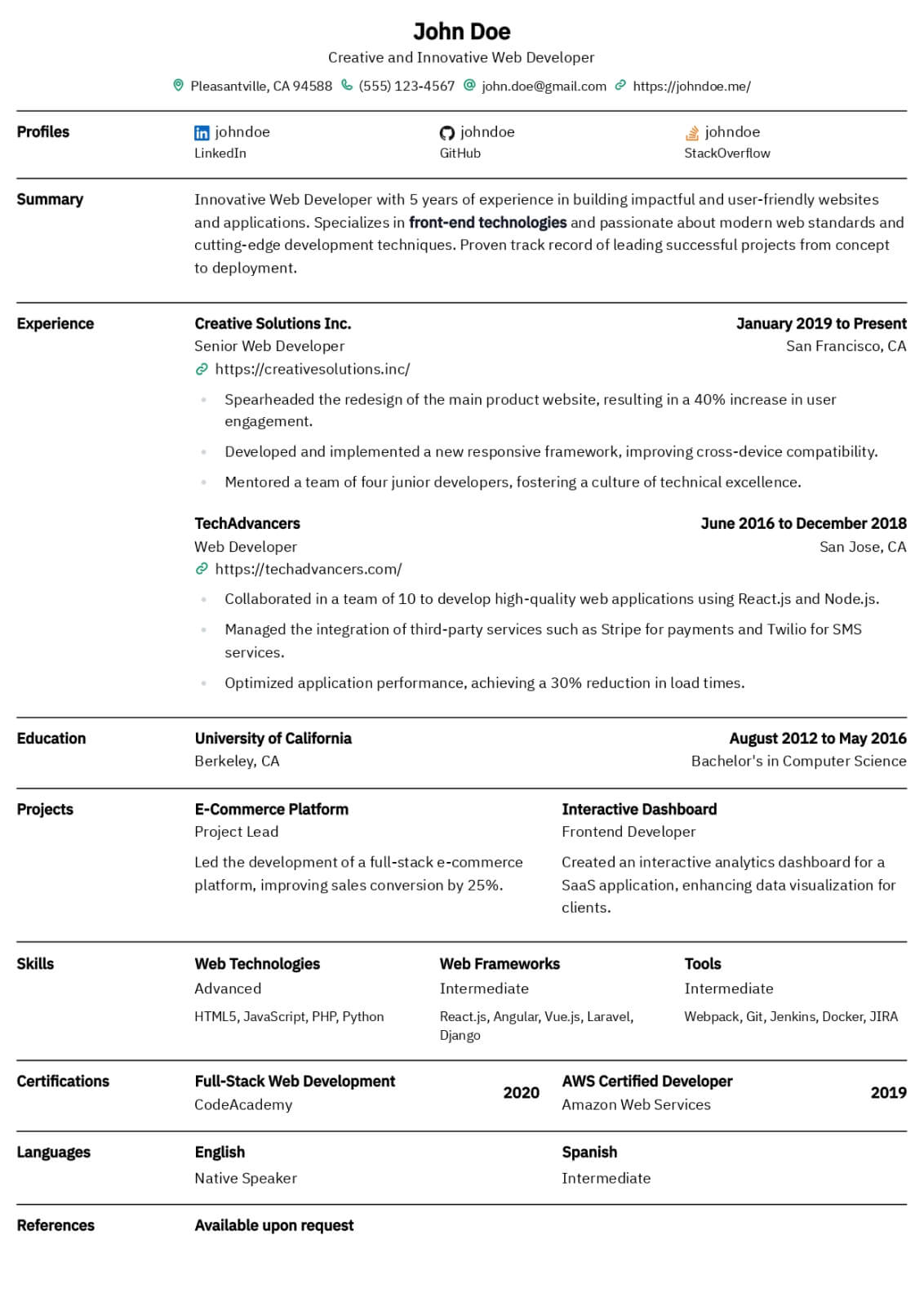
Use a clean, single-column layout with clear section headings and plenty of white space. Lead with technical strengths such as SEM / EDS / EBSD Microanalysis, TEM (Transmission Electron Microscopy), XRD (X-Ray Diffraction Phase Analysis), DSC / DMA (Thermal & Mechanical Analysis), Mechanical Testing (ASTM E8, E384, E647), Failure Analysis & Fractography, then reinforce interpersonal strengths like Scientific Communication & Publishing, Cross-Functional R&D Collaboration, Data-Driven Experimental Design, Technical Mentorship. Keep fonts standard (e.g., Arial or Calibri) at 10–12pt body size so your resume stays ATS-friendly and easy to scan.
Key takeaways
- Lead with a summary naming your materials specialty and a quantified property improvement outcome
- Attach material performance metrics like strength gains or lifetime extension to every bullet
- Reference ASTM testing standards and AMS specifications to demonstrate materials fluency
- Include a publications section listing peer-reviewed articles, patents, and conference presentations
- Mirror characterization technique and materials processing keywords for ATS compatibility
- Keep formatting clean with standard section headings for recruiter and hiring manager scanning
Build your Materials Scientist resume with Scale
Lead with a summary naming your materials specialty and a quantified property improvement outcome
Use This Template
Professional Templates That Make You Stand Out
Browse modern, ATS-friendly resume designs crafted to impress recruiters. Customize any template and download it as a Word or PDF file.
Listen What Our Users Have to Say

Rohan Sen
I am very happy with the team's quick turnaround time - any query is responded at utmost priority. Shoutout to my client manager, Anub Biju - very helpful.

Gael L
Service and communication is great, cover letters are non-ai sounding and well tailored. Just have a lot of communication and review with your staff!

Jonathan Parry
Wow - don't tell your peers! Wow, I can't recommend scale.jobs enough - it's so good I am not sharing with my peers. Applications at scale that get through filters. Thank you!

Cynthia Zhu
Great service! The scale.jobs team was very responsible and managed to apply tons of jobs for me in a very tight deadline to help me secure interviews quickly. Highly recommend to anyone who needs help applying to jobs!

Yash Yenugu
Save your fingers. Saved me from a thumb cramp because we're expected to effortlessly apply to jobs during these times.

Cian O'Driscoll
Clever service. Takes the hard effort out of applying for jobs with an intuitive dashboard and attention to detail. A great asset to job seekers. :-)
Frequently asked questions
What should a materials scientist emphasize on a resume in 2026?
A competitive materials science resume should lead with a targeted summary naming your materials specialty, followed by experience bullets quantified with property improvements or failure analysis outcomes. A skills section covering characterization instruments, testing standards, and computational tools is essential. A publications or patents section is critical for R&D positions. Ensure the document uses standard headings compatible with applicant tracking systems.
How important are publications and patents on a materials science resume?
Publications and patents are among the most valued differentiators for materials scientists, especially in R&D and academic-adjacent industry roles. Peer-reviewed journal articles demonstrate your ability to conduct rigorous research and communicate findings to the scientific community. Patents show commercially applicable innovation. Even for applied engineering roles, listing two to three relevant publications signals depth that generic experience descriptions cannot match.
How do I present failure analysis experience effectively on my resume?
Describe failure investigations with technical specificity. Rather than stating you performed failure analysis, write that you conducted fractographic examination and EDS mapping of fourteen field-returned turbine blades, identifying intergranular sulfidation as the root cause and recommending an aluminide coating modification that eliminated the failure mode. Reference the characterization techniques, testing standards, and corrective actions involved. Quantified failure analysis outcomes demonstrate applied materials expertise to hiring managers.
Which characterization instruments should I list on my resume?
Prioritize instruments specified in the target posting. SEM with EDS and EBSD, TEM, and XRD are foundational for most materials science roles. For polymer or ceramic positions, add DSC, TGA, and DMA. For thin film or semiconductor roles, include XPS, AES, or ellipsometry. Only list instruments where you can discuss sample preparation, data acquisition parameters, and result interpretation at a working-scientist level during a technical interview.
Is a PhD required for materials science positions in industry?
A PhD is typically required for research scientist, principal investigator, and advanced R&D roles where you will lead independent research programs or develop novel materials. For quality engineering, manufacturing support, or applications engineering roles, a master's degree or bachelor's degree with strong industry experience is often sufficient. Evaluate the educational requirements in the specific job posting and position your strongest qualifications, whether degree or experience, to match.
How can a materials scientist stand out from other applicants?
Differentiate your resume by combining quantified material property outcomes with scientific publication evidence. Lead every experience bullet with a measurable result such as improved fracture toughness, extended fatigue life, or reduced corrosion rate. Include a publications section highlighting journal articles and patents relevant to the target role. Reference specific ASTM or AMS standards and characterization techniques to demonstrate hands-on depth. Research-oriented, data-rich resumes consistently outperform generic submissions.
Related Resume Guides
Research Scientist
Create a publication-strong research scientist resume demonstrating experimental design, data analysis rigor, and grant-funded leadership for top R&D employers.
Chemical Engineer
Develop a compelling chemical engineering resume showcasing process simulation, P&ID development, and plant optimization to secure interviews at top chemical firms.
Mechanical Engineer
Craft a results-driven mechanical engineering resume that highlights CAD proficiency, FEA expertise, and product development achievements to land interviews at top engineering firms.
Quality Engineer
Develop a metrics-driven quality engineering resume highlighting CAPA management, audit leadership, and SPC expertise for manufacturing and medtech employers.
Biomedical Engineer
Craft a compelling biomedical engineering resume highlighting medical device design, FDA submissions, and clinical validation expertise to attract leading medtech employers.