
Medical Assistant Resume Examples, Templates & Writing Guide

Written by: Scale.jobs EditorialLast updated: May 1, 2026







Introduction
Create a medical assistant resume that showcases your clinical and administrative versatility, EHR proficiency, phlebotomy skills, and patient intake expertise to impress hiring managers at clinics and hospitals.
This guide walks you through every major section of a medical assistant resume, with practical tips you can apply today.
- How to present both clinical and administrative competencies on a single resume
- Strategies for highlighting phlebotomy, vitals collection, and patient intake experience
- Techniques for showcasing EHR proficiency across platforms like Epic and eClinicalWorks
- Methods for quantifying patient throughput and front-office efficiency improvements
- How to position CMA or RMA certification as a competitive hiring advantage
- Key approaches for tailoring your resume to specialty clinics versus hospital settings
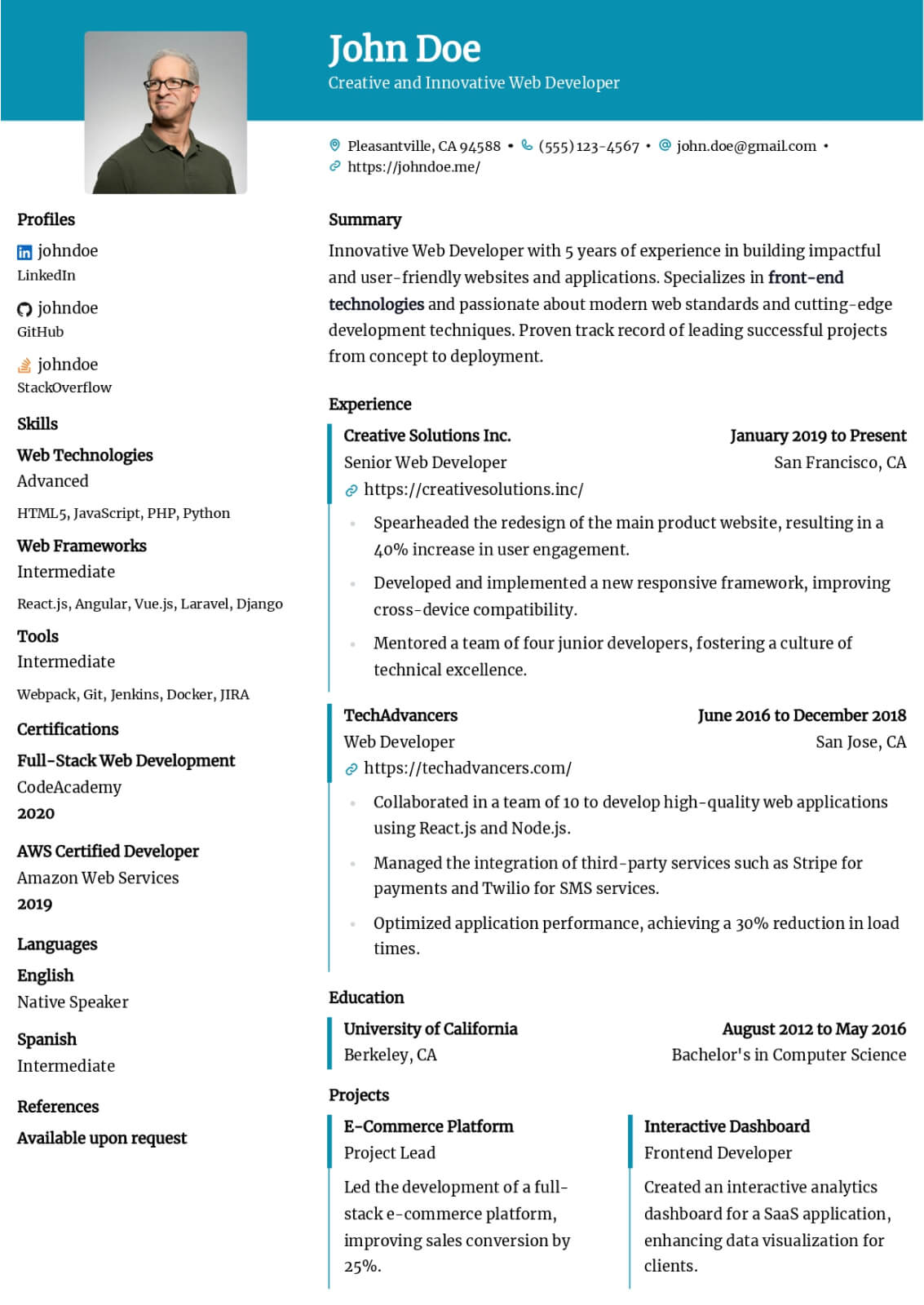
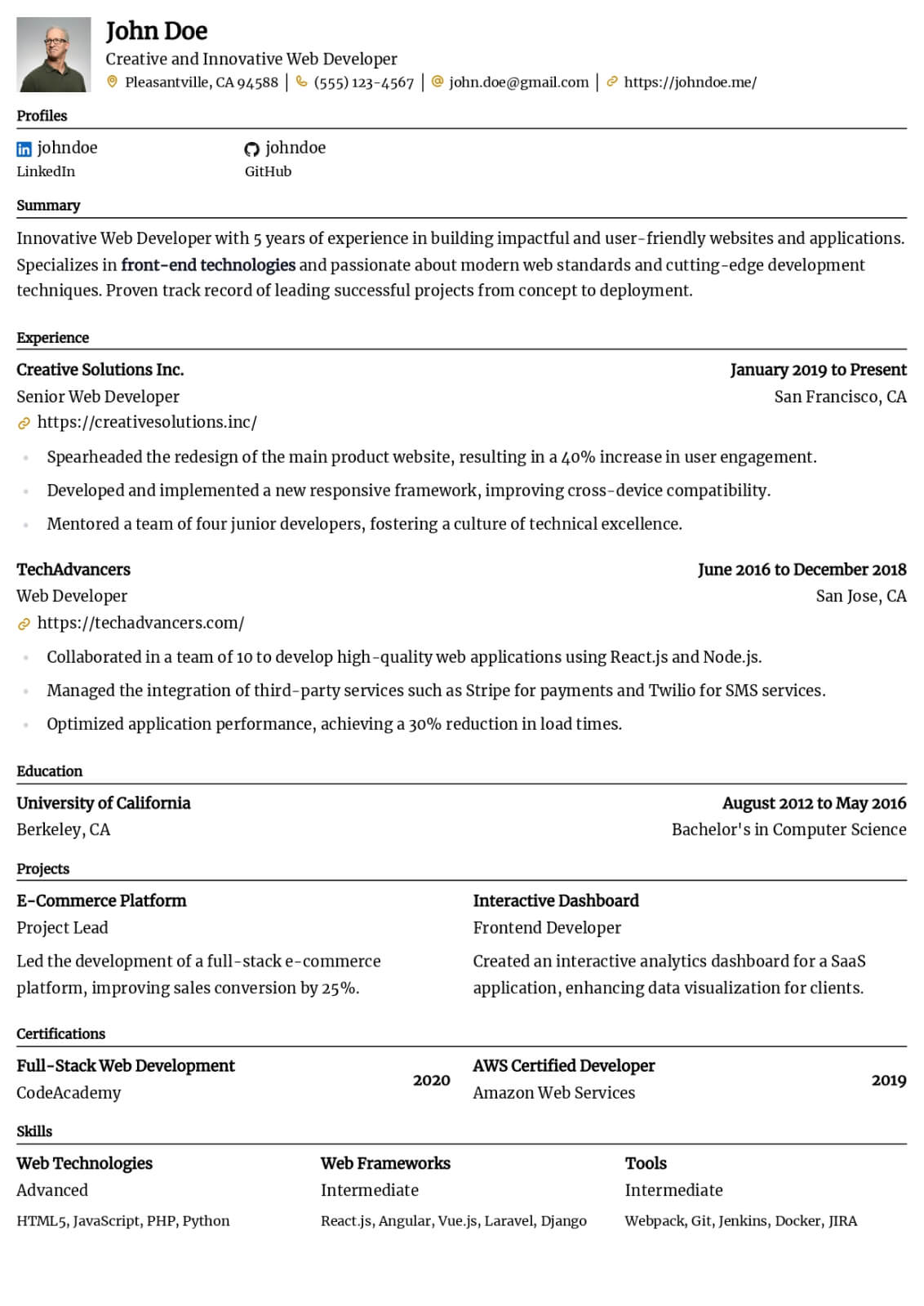
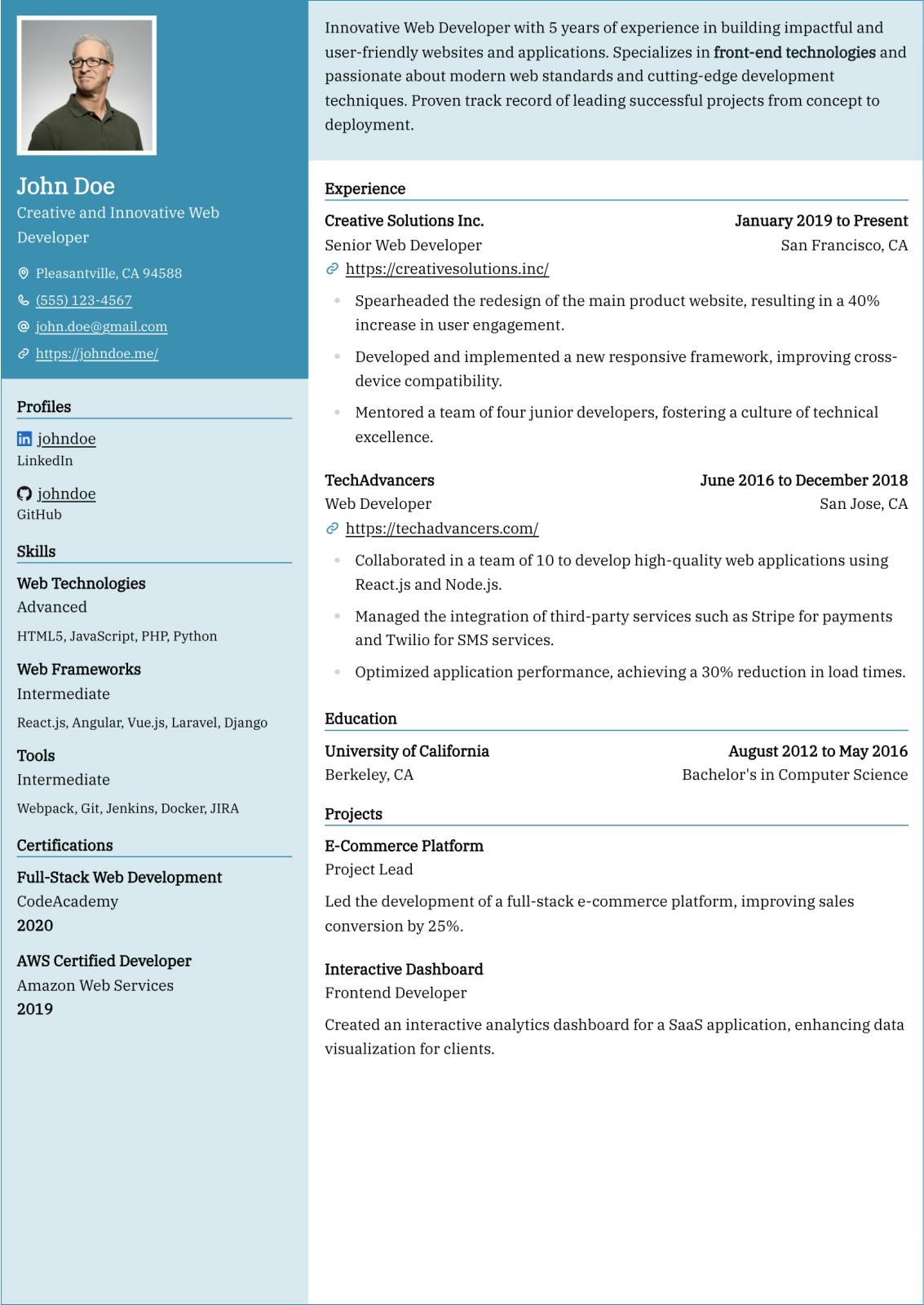
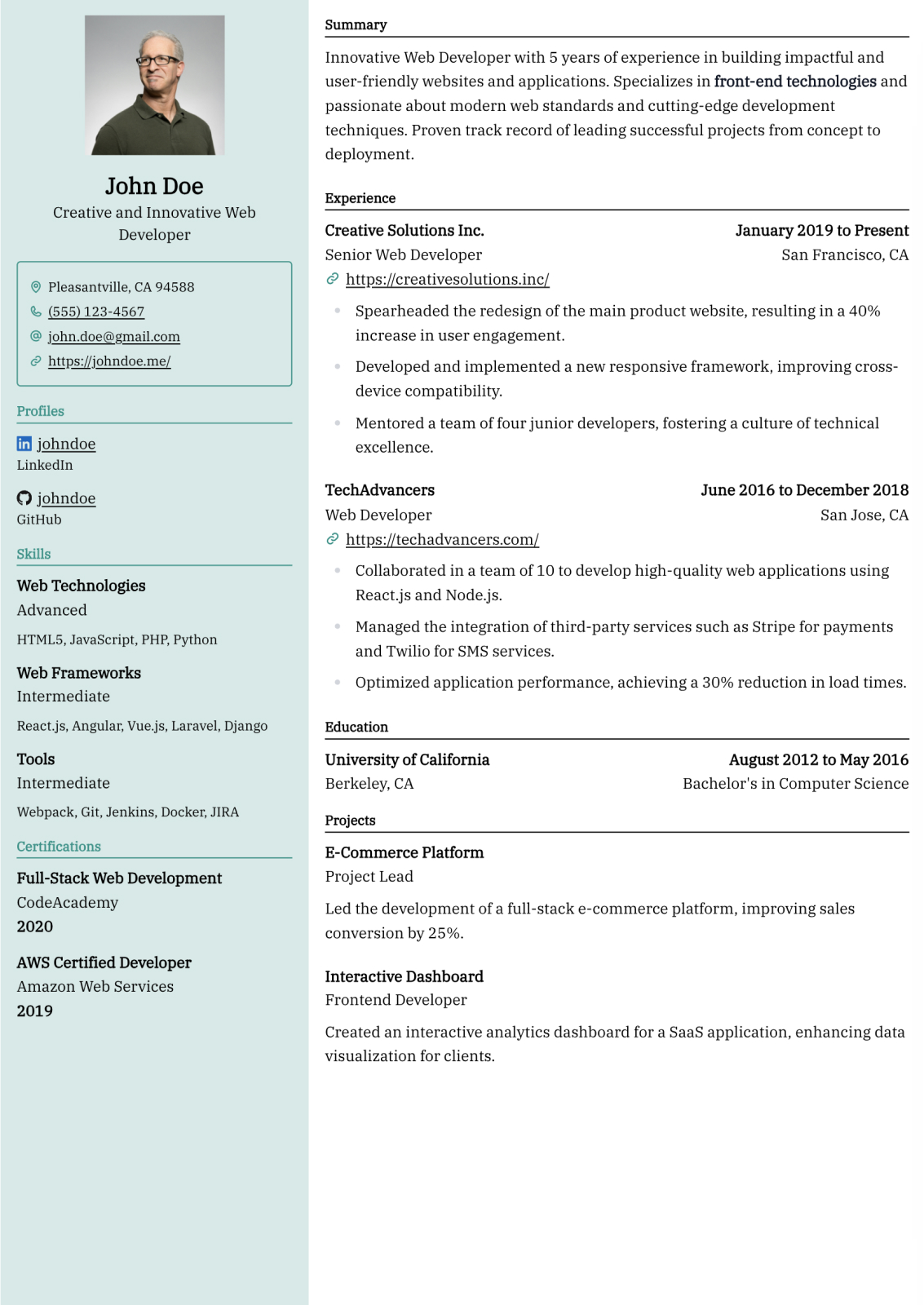
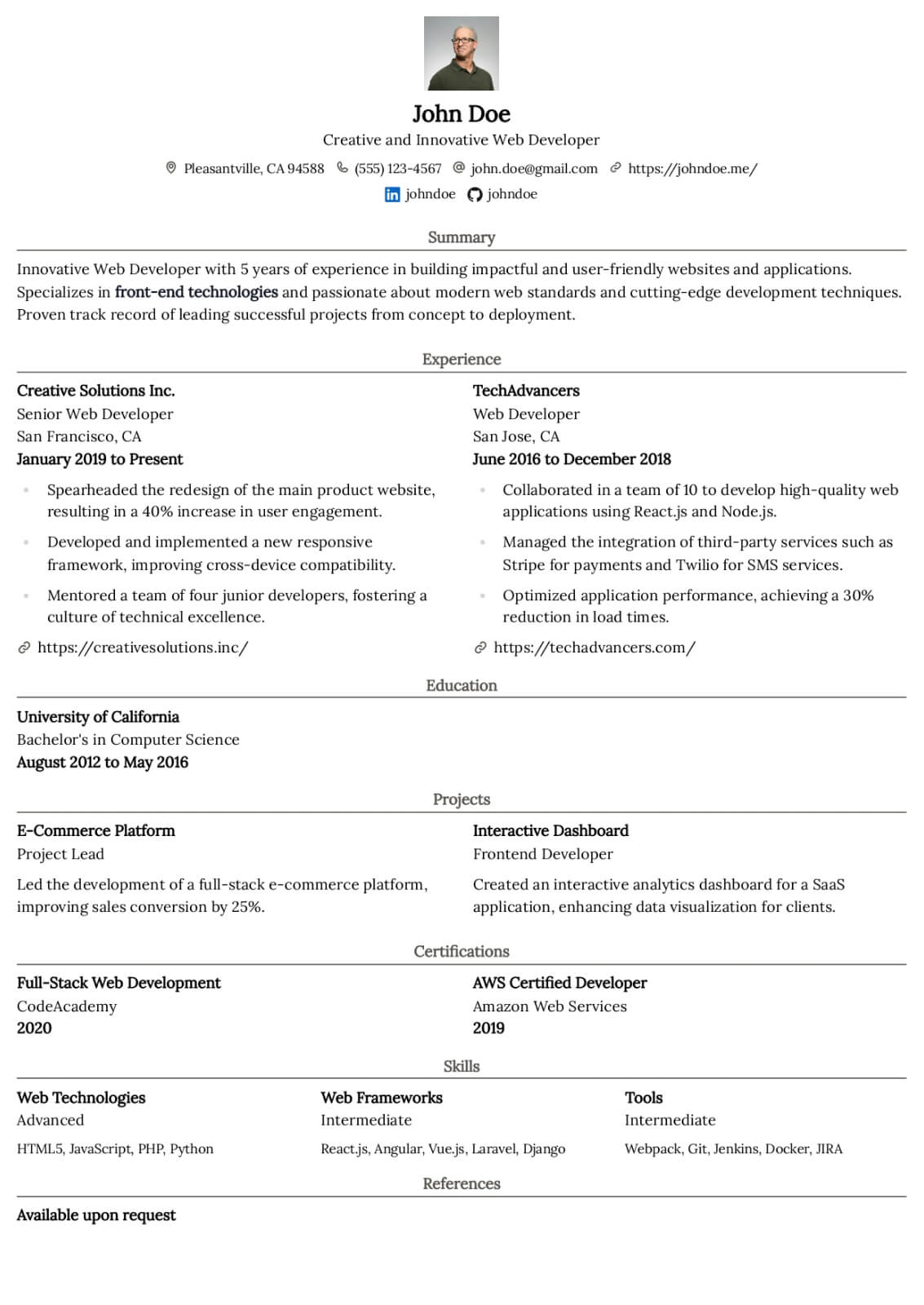
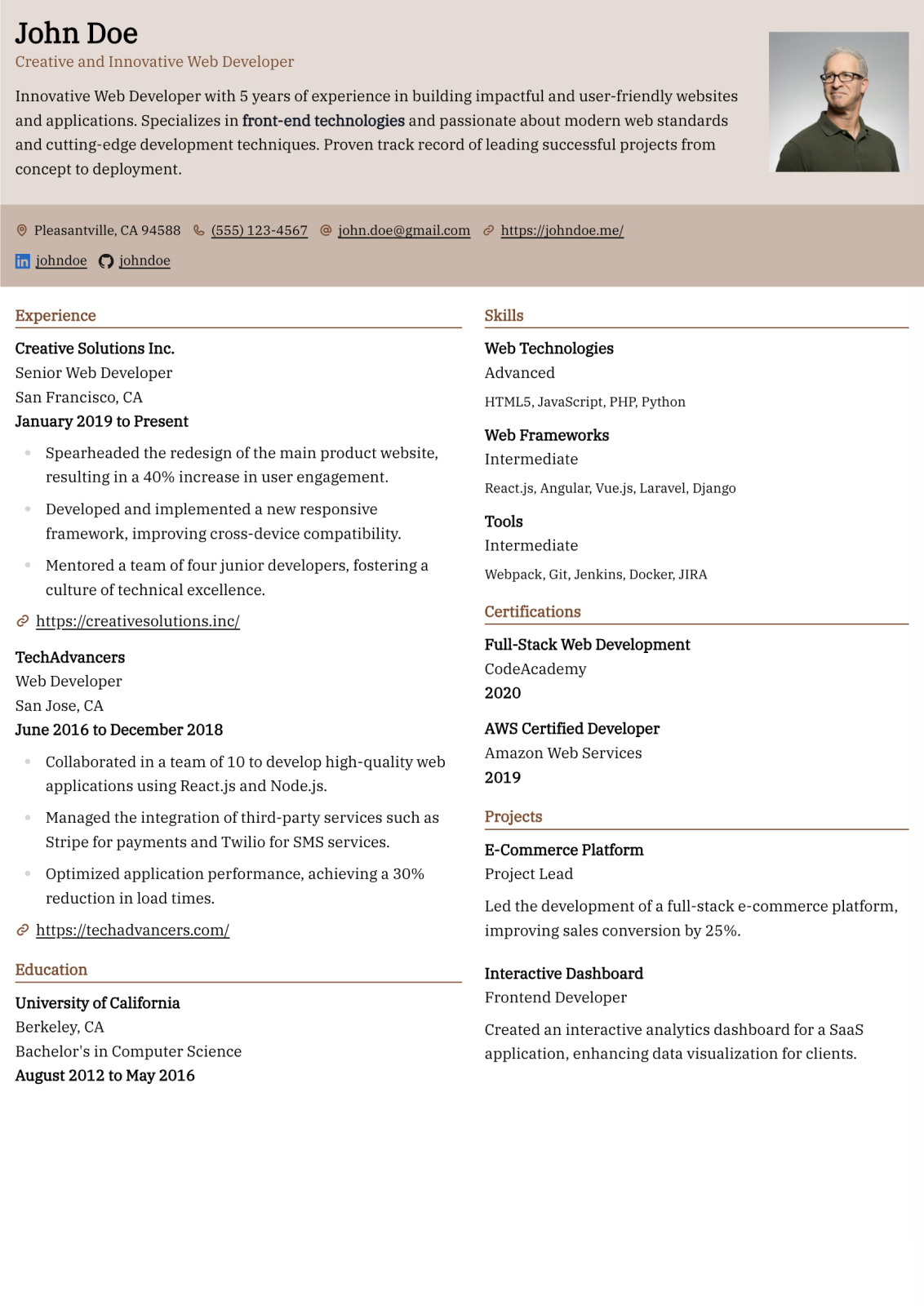
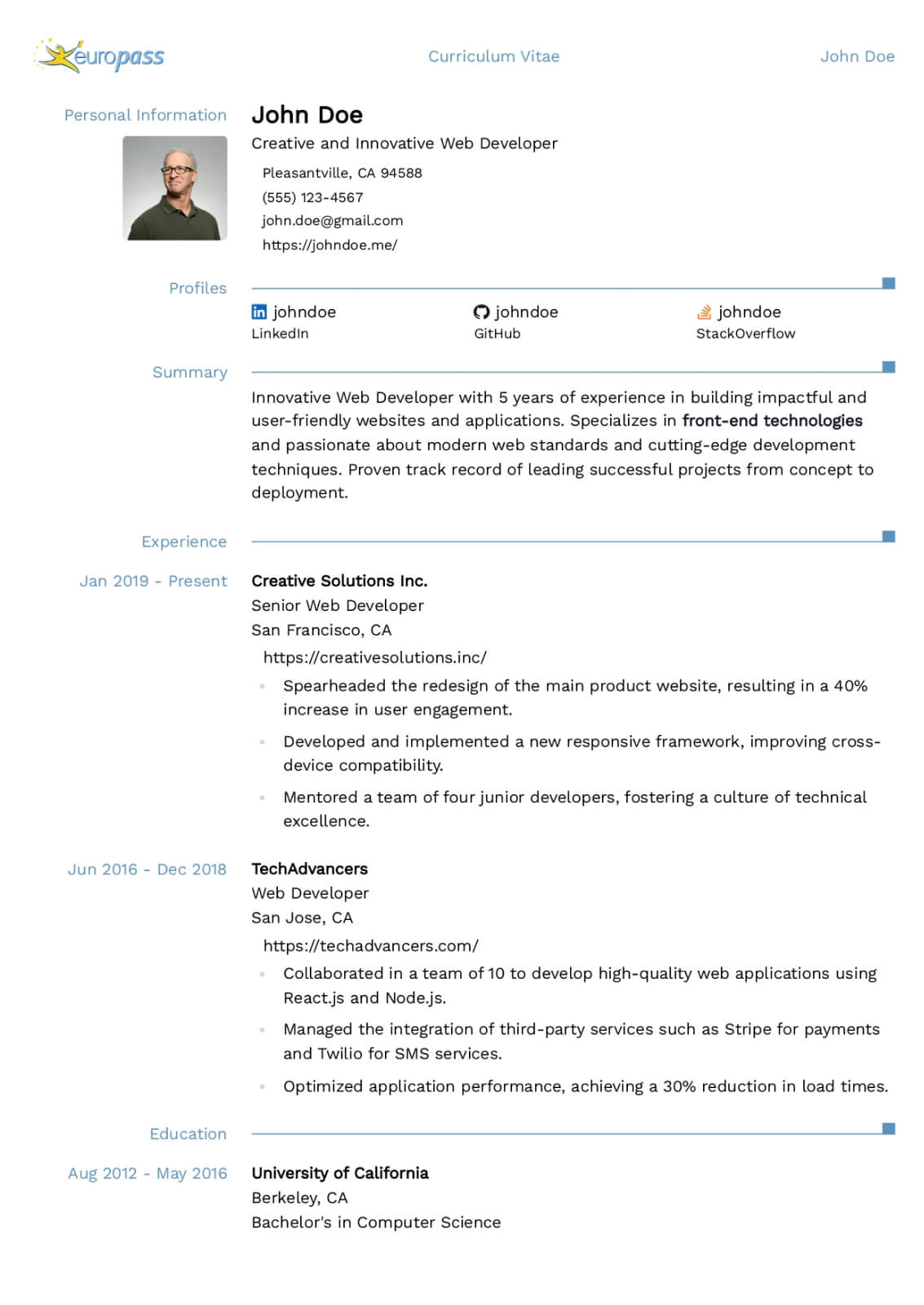
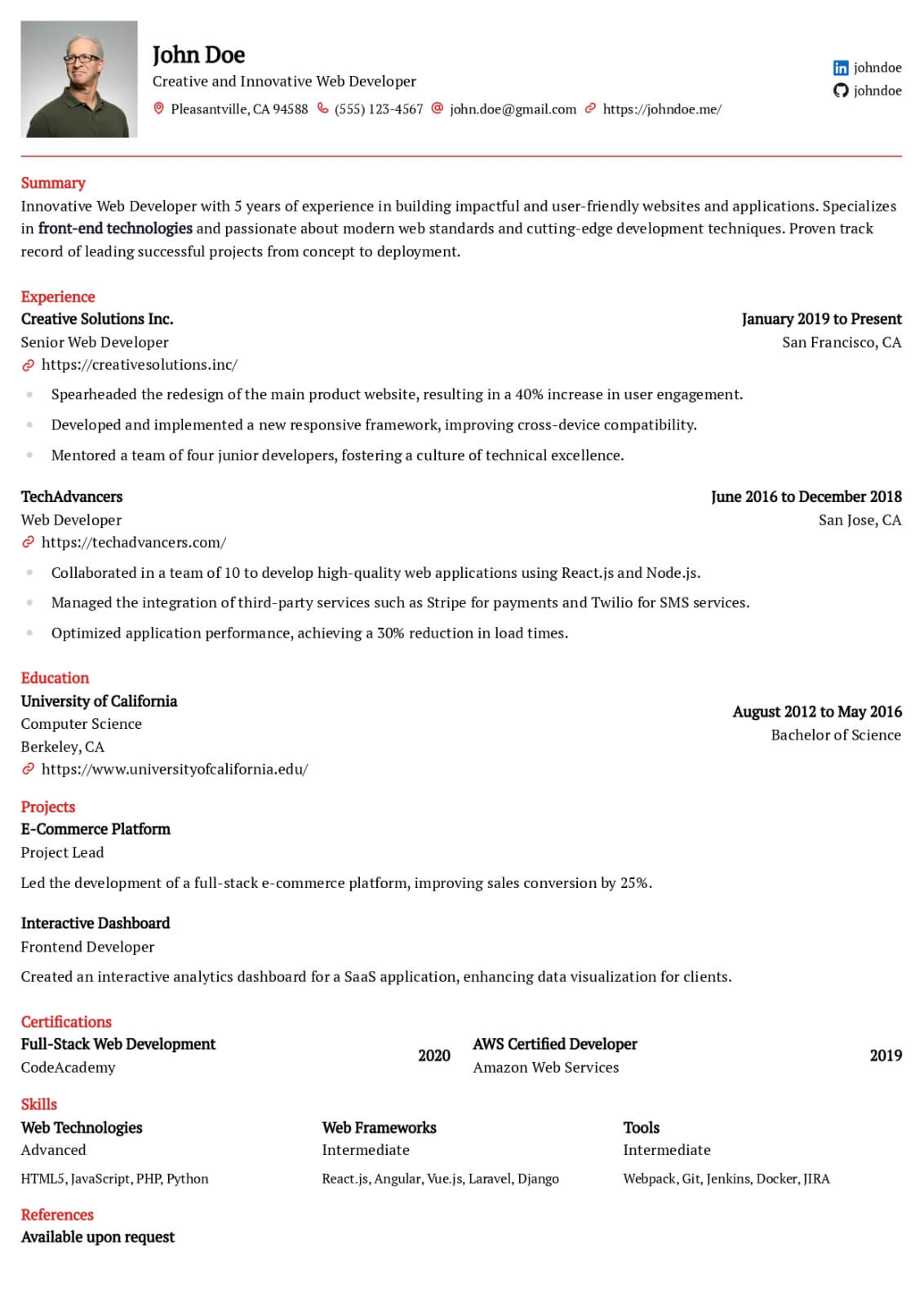
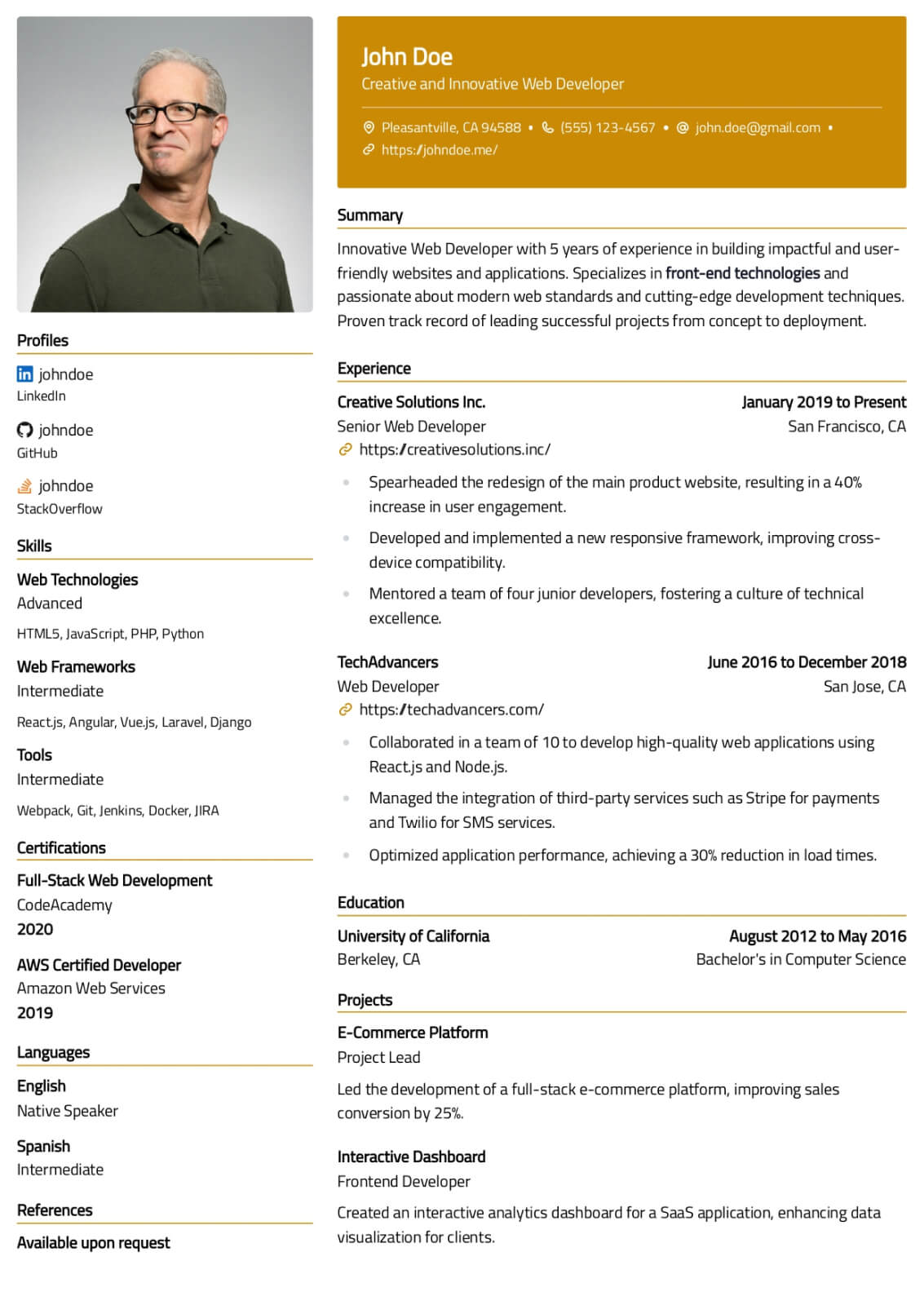
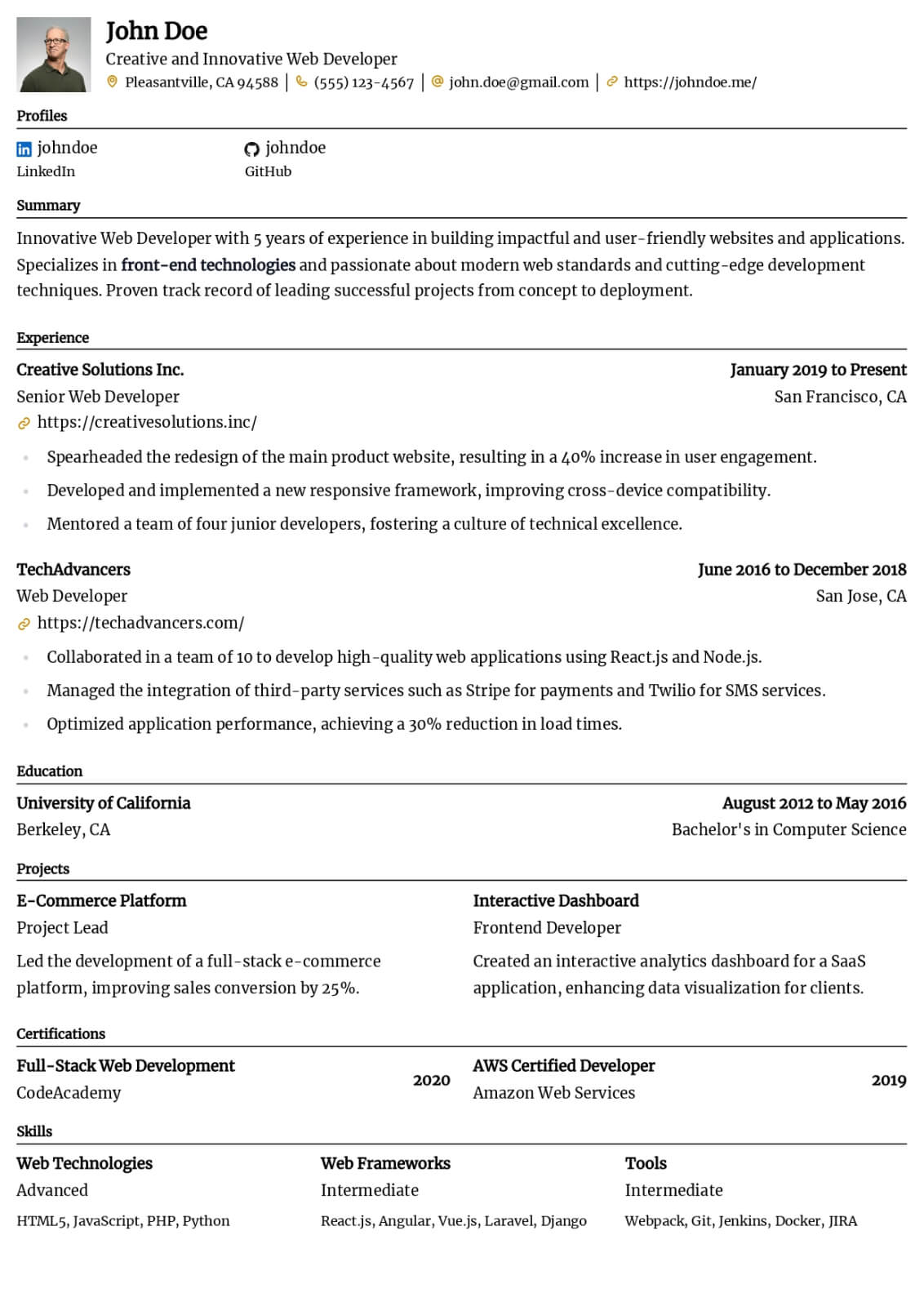
Medical Assistant resume guide
Below, you will find section-by-section guidance for your medical assistant resume — from your opening summary through skills and experience. Tailor every line to the job you want.
Professional Summary
Your professional summary should immediately establish you as a certified medical assistant with a balance of clinical and administrative capabilities. Open by stating your certification status, whether CMA through AAMA or RMA through AMT, along with your total years of experience in ambulatory or hospital settings. Reference your clinical competencies such as phlebotomy, EKG administration, and medication preparation alongside front-office skills like scheduling and insurance verification. Include a quantified achievement such as managing patient intake for a practice averaging sixty patients per day while maintaining a ninety-five percent patient satisfaction rating. Tailor the language to match the specific practice type in the job posting, whether it is a multi-specialty group, urgent care, or pediatric office.
Work Experience
List your medical assistant positions in reverse-chronological order, including the practice name, specialty, and dates of employment. Write four to six bullet points per role using clinical action verbs such as prepared, administered, collected, documented, and coordinated. Quantify your contributions by noting daily patient volumes, the number of providers you supported, or improvements in workflow efficiency you helped achieve. Describe clinical tasks like performing phlebotomy, administering injections, collecting and processing lab specimens, and assisting with minor surgical procedures. Include administrative duties such as scheduling appointments, verifying insurance eligibility, managing referrals, and handling prior authorizations. Highlight your ability to multitask across clinical and front-office responsibilities in a fast-paced ambulatory care environment.
Skills
Build a skills section with eight to ten clinical and administrative hard skills and six to seven soft skills. Hard skills should include phlebotomy and specimen collection, vital signs measurement, EKG and cardiac rhythm strip preparation, medication administration under provider direction, and autoclave operation for instrument sterilization. Add EHR platforms such as Epic, eClinicalWorks, or NextGen alongside medical billing and coding familiarity with CPT and ICD-10 codes. Soft skills should emphasize patient rapport building, multitasking in high-volume environments, attention to detail in clinical documentation, and professional communication with providers and patients. Avoid vague entries and instead use precise medical assistant terminology that ATS systems and hiring managers recognize.
Certifications & Credentials
Place your CMA, RMA, or CCMA certification prominently because many employers require or strongly prefer certified candidates. List the certifying body, credential number if requested, and expiration date. Include your BLS or CPR certification with the expiration date as this is a universal requirement for clinical medical assistant positions. Add any specialty certifications such as Certified Phlebotomy Technician or Certified EKG Technician that expand your clinical scope. If you have completed a CAAHEP or ABHES accredited medical assisting program, note this accreditation as it validates the quality of your training. Place this section near the top of your resume to satisfy the immediate credentialing check that most healthcare employers perform.
Education
List your medical assisting diploma, certificate, or associate degree along with the institution name and graduation year. Specify whether the program was accredited by CAAHEP or ABHES, as accreditation status affects eligibility for certain certifications and employer preferences. If you completed an externship during your program, include the site name, specialty, and duration as this serves as relevant clinical experience for entry-level candidates. Mention any relevant coursework in anatomy and physiology, pharmacology, or medical terminology that strengthens your clinical foundation. For experienced medical assistants pursuing further education such as a nursing or health administration degree, include the program with its expected completion date.
Professional Achievements
Include achievements that demonstrate value beyond routine clinical and administrative duties. Describe instances where you improved office workflow, such as implementing a new patient check-in process that reduced wait times by fifteen minutes per visit. Mention any cross-training you completed to support additional clinical specialties within the practice. Reference patient compliments, practice-level recognition awards, or involvement in PCMH accreditation activities if applicable. Include any role in training new medical assistants or externship students, as this signals leadership potential and clinical competence that hiring managers value in experienced candidates.
Resume layout and formatting
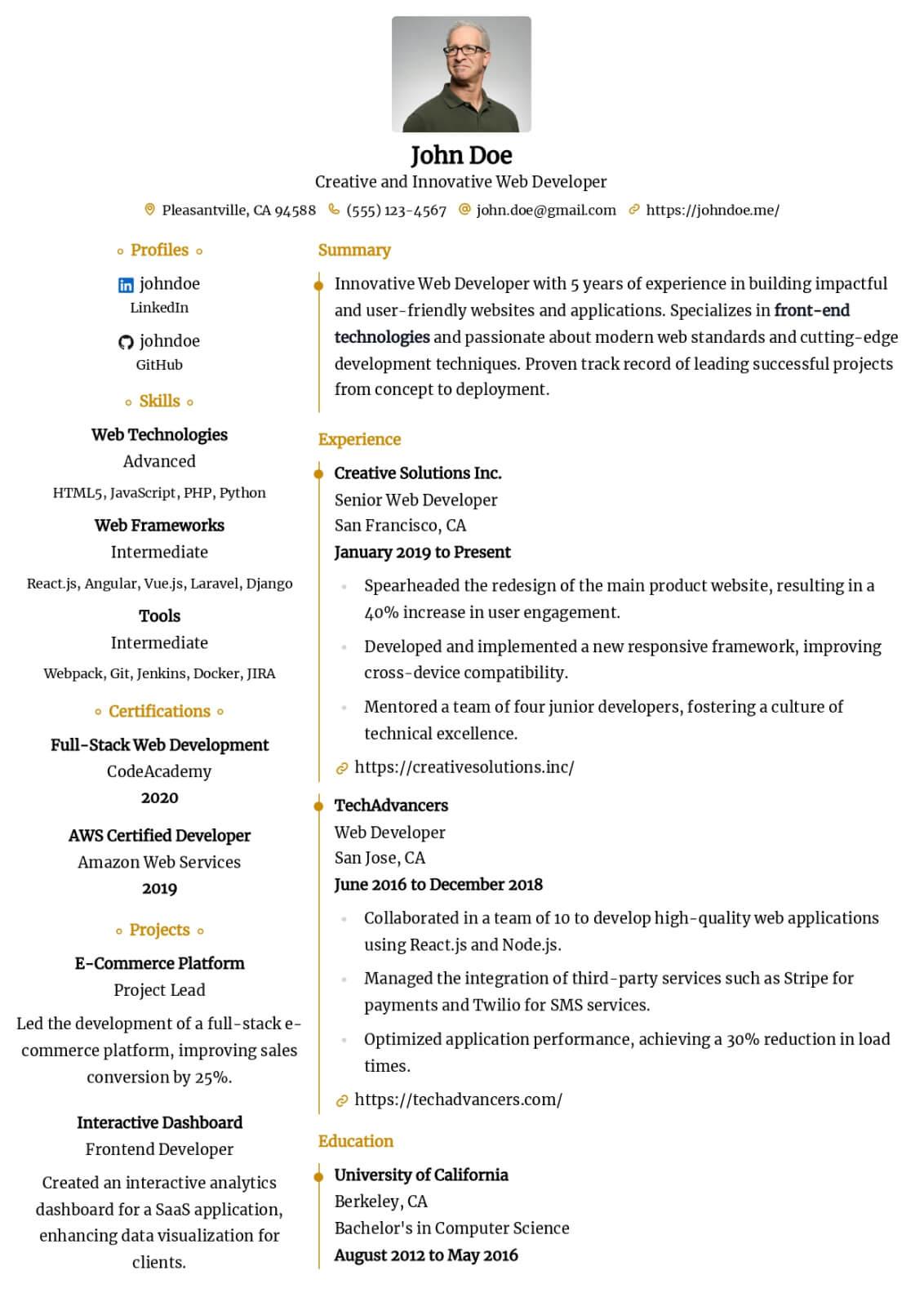
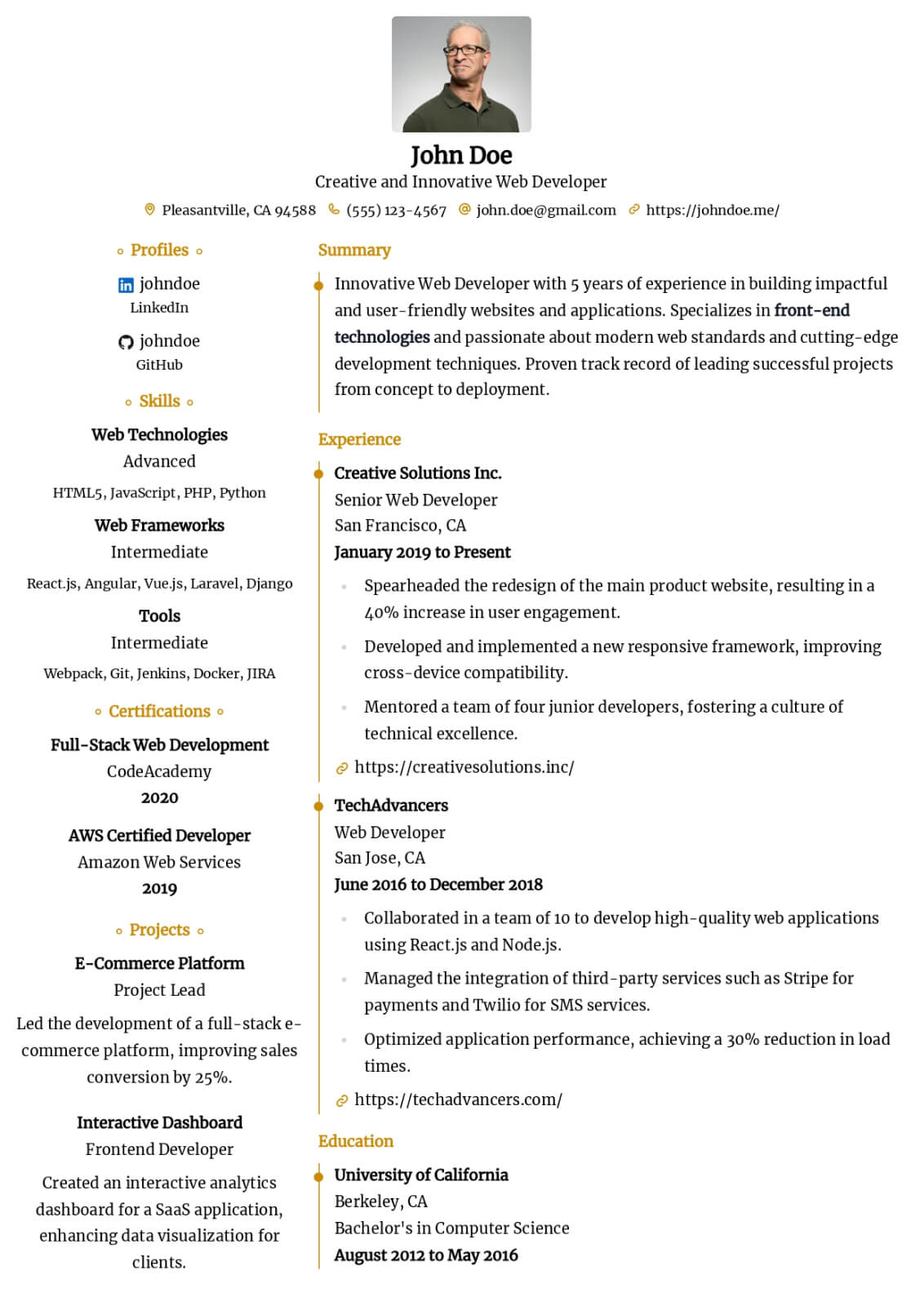
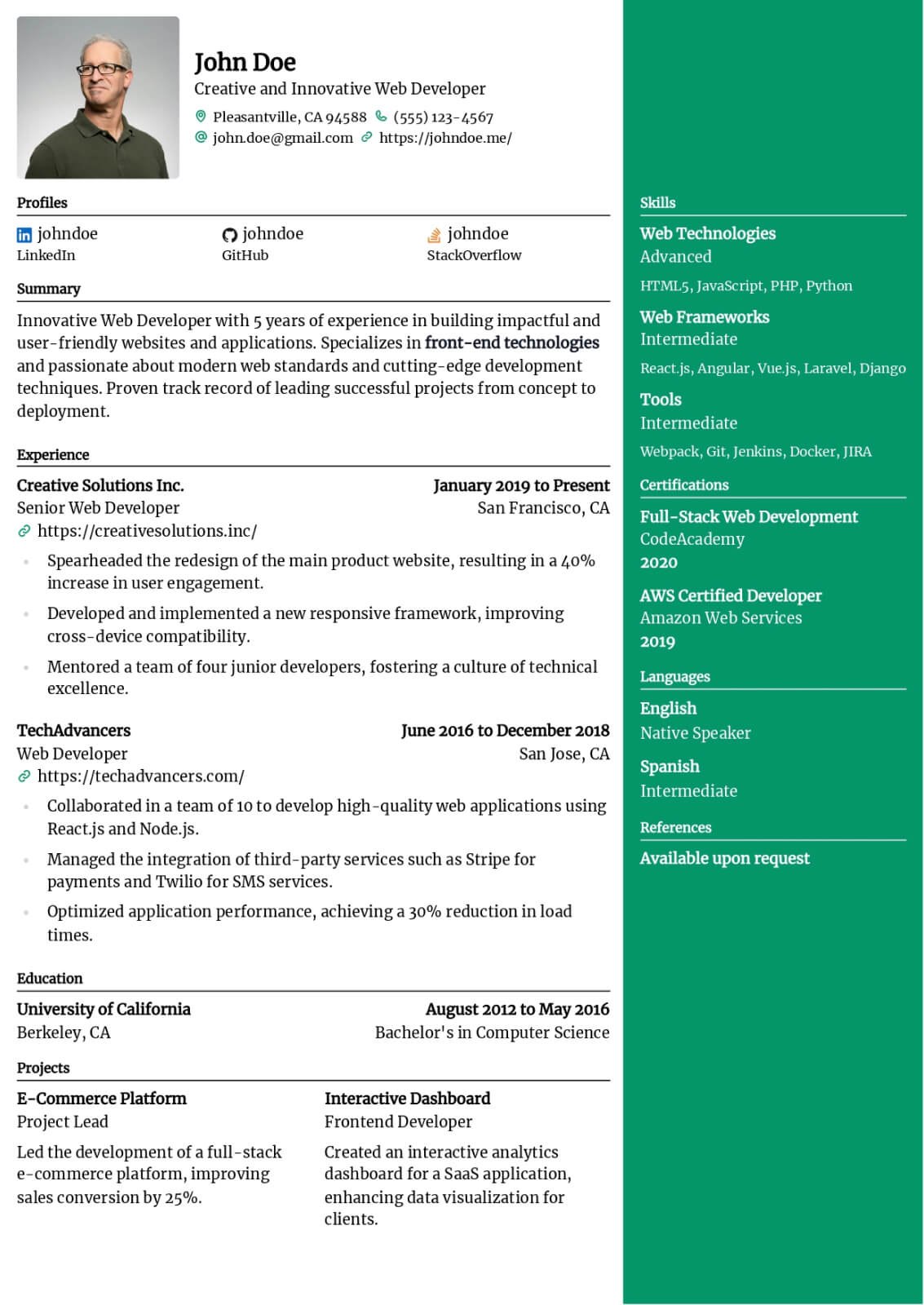
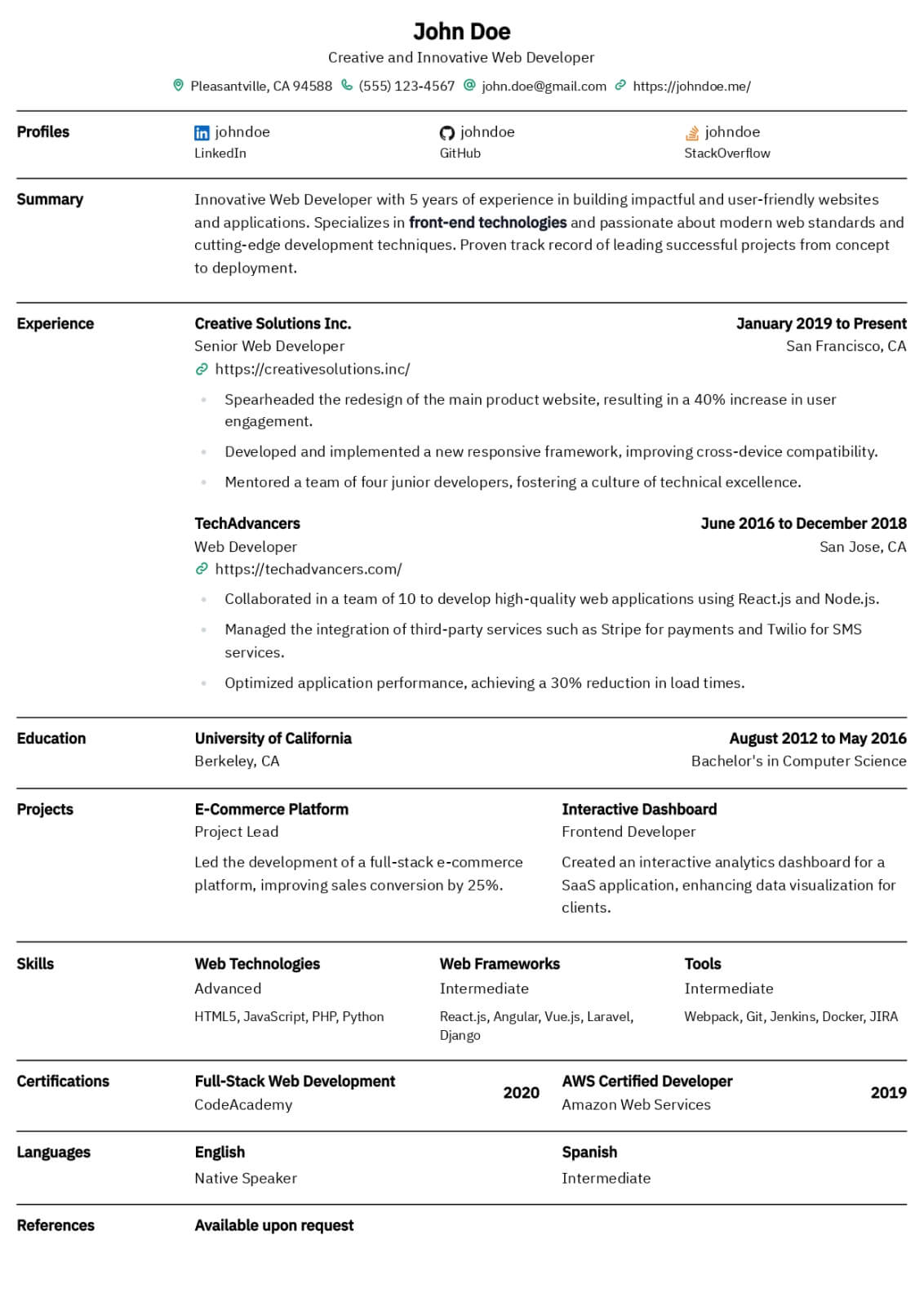
Use a clean, single-column layout with clear section headings and plenty of white space. Lead with technical strengths such as Phlebotomy & Specimen Collection, Vital Signs Measurement & Documentation, EKG Administration & Cardiac Monitoring, Medication Preparation & Administration, EHR Documentation (Epic, eClinicalWorks, NextGen), Medical Billing & Coding (CPT, ICD-10), then reinforce interpersonal strengths like Patient Rapport Building, Multitasking in High-Volume Settings, Attention to Clinical Documentation Detail, Professional Provider Communication. Keep fonts standard (e.g., Arial or Calibri) at 10–12pt body size so your resume stays ATS-friendly and easy to scan.
Key takeaways
- Position your CMA or RMA certification prominently at the top of your resume
- Demonstrate both clinical and administrative skills to show full-scope versatility
- Quantify patient volume and workflow improvements with specific numbers and percentages
- List EHR platforms by name to match employer technology requirements precisely
- Include externship experience if you are an entry-level medical assistant candidate
- Tailor clinical terminology to match the specialty of the target practice or facility
Build your Medical Assistant resume with Scale
Position your CMA or RMA certification prominently at the top of your resume
Use This Template
Professional Templates That Make You Stand Out
Browse modern, ATS-friendly resume designs crafted to impress recruiters. Customize any template and download it as a Word or PDF file.
Listen What Our Users Have to Say

Rohan Sen
I am very happy with the team's quick turnaround time - any query is responded at utmost priority. Shoutout to my client manager, Anub Biju - very helpful.

Gael L
Service and communication is great, cover letters are non-ai sounding and well tailored. Just have a lot of communication and review with your staff!

Jonathan Parry
Wow - don't tell your peers! Wow, I can't recommend scale.jobs enough - it's so good I am not sharing with my peers. Applications at scale that get through filters. Thank you!

Cynthia Zhu
Great service! The scale.jobs team was very responsible and managed to apply tons of jobs for me in a very tight deadline to help me secure interviews quickly. Highly recommend to anyone who needs help applying to jobs!

Yash Yenugu
Save your fingers. Saved me from a thumb cramp because we're expected to effortlessly apply to jobs during these times.

Cian O'Driscoll
Clever service. Takes the hard effort out of applying for jobs with an intuitive dashboard and attention to detail. A great asset to job seekers. :-)
Frequently asked questions
What should a medical assistant resume include in 2026?
A strong medical assistant resume should include CMA or RMA certification details, a professional summary emphasizing clinical and administrative skills, detailed work experience with quantified patient volumes, EHR platform proficiency, and relevant education from an accredited program. Tailor every section to the specific practice specialty and include both front-office and back-office competencies to demonstrate full-scope capability.
Is CMA certification necessary for medical assistant positions?
While not legally required in all states, CMA or RMA certification is strongly preferred by most employers and required by many hospital systems and large practice groups. Certification demonstrates that you have met national competency standards and completed a validated assessment. Certified medical assistants typically earn higher salaries and have access to more competitive positions than non-certified candidates.
How do I highlight externship experience on my resume?
Create a dedicated Clinical Externship section listing the facility name, specialty, duration, and key responsibilities. Describe the clinical tasks you performed such as phlebotomy, patient intake, and EKG preparation. Quantify your exposure by noting the patient volume or number of providers you supported. This section is essential for new graduates who lack paid medical assisting experience.
What EHR systems should I list on a medical assistant resume?
List every EHR platform you have used including Epic, eClinicalWorks, NextGen, Athenahealth, and Practice Fusion. Describe how you used each system for clinical documentation, appointment scheduling, and lab result management. EHR proficiency is a top priority for healthcare employers, and naming specific platforms helps your resume pass both ATS filters and manual screening by office managers.
How long should a medical assistant resume be?
Most medical assistants should keep their resume to one page. Focus on your most relevant clinical and administrative experience, certifications, and skills that match the target position. Remove unrelated work history from non-healthcare settings unless it demonstrates transferable customer service or administrative skills. A concise, focused resume is more effective than a lengthy document that dilutes your clinical qualifications.
How can I make my medical assistant resume stand out?
Differentiate your resume by quantifying your impact with specific metrics such as daily patient volume, wait time reductions, or efficiency improvements you contributed to. Highlight specialty experience in areas like dermatology, orthopedics, or cardiology that align with the target position. Include any additional certifications beyond CMA such as phlebotomy or EKG technician credentials that expand your clinical value to the practice.
Related Resume Guides
Registered Nurse
Craft a compelling registered nurse resume that highlights clinical competencies, patient care outcomes, EMR proficiency, and licensure credentials to land interviews at top healthcare facilities.
Pharmacy Technician
Build a pharmacy technician resume that highlights prescription processing accuracy, inventory management expertise, CPhT certification, and patient counseling support skills for retail and hospital pharmacy roles.
Medical Coder
Build a medical coder resume that demonstrates ICD-10-CM/PCS mastery, CPT coding accuracy, CPC or CCS certification, and revenue cycle impact to secure positions in hospitals, clinics, and remote coding organizations.
Health Information Technician
Craft a health information technician resume that highlights EHR data management expertise, RHIT credentials, HIPAA compliance knowledge, and clinical data integrity skills for HIM department roles.
Dental Hygienist
Create a dental hygienist resume that highlights periodontal assessment expertise, radiographic proficiency, patient education skills, and RDH licensure to secure positions in general and specialty dental practices.