
Medical Coder Resume Examples, Templates & Writing Guide

Written by: Scale.jobs EditorialLast updated: May 1, 2026







Introduction
Build a medical coder resume that demonstrates ICD-10-CM/PCS mastery, CPT coding accuracy, CPC or CCS certification, and revenue cycle impact to secure positions in hospitals, clinics, and remote coding organizations.
This guide walks you through every major section of a medical coder resume, with practical tips you can apply today.
- How to present ICD-10-CM/PCS and CPT coding proficiency with accuracy rate metrics
- Strategies for highlighting CPC, CCS, or specialty coding certifications on your resume
- Techniques for showcasing encoder software and EHR platform experience effectively
- Methods for quantifying revenue cycle contributions and denial rate reduction achievements
- How to demonstrate HIPAA compliance expertise and clinical documentation improvement skills
- Key approaches for tailoring your resume to inpatient, outpatient, or specialty coding roles
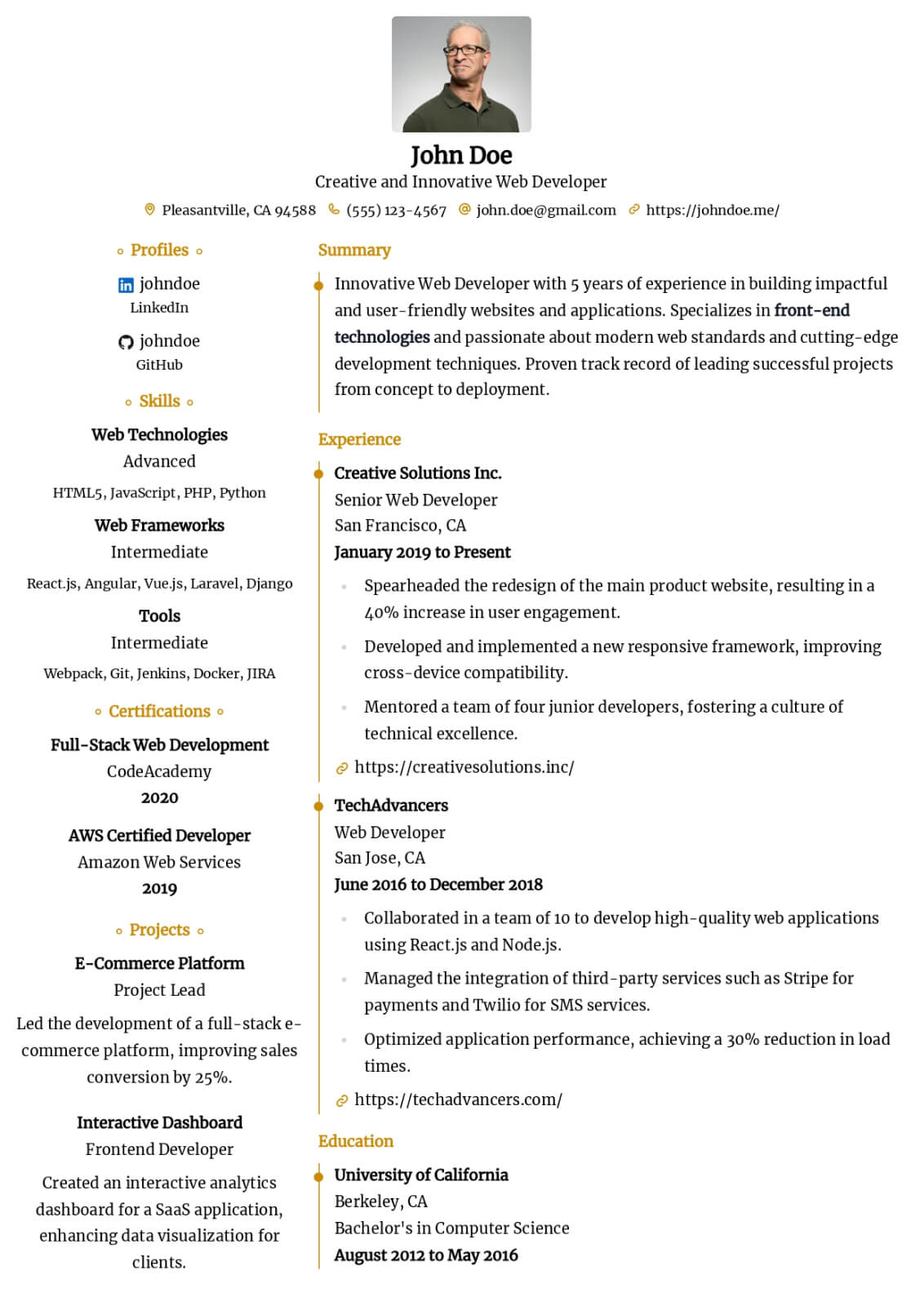
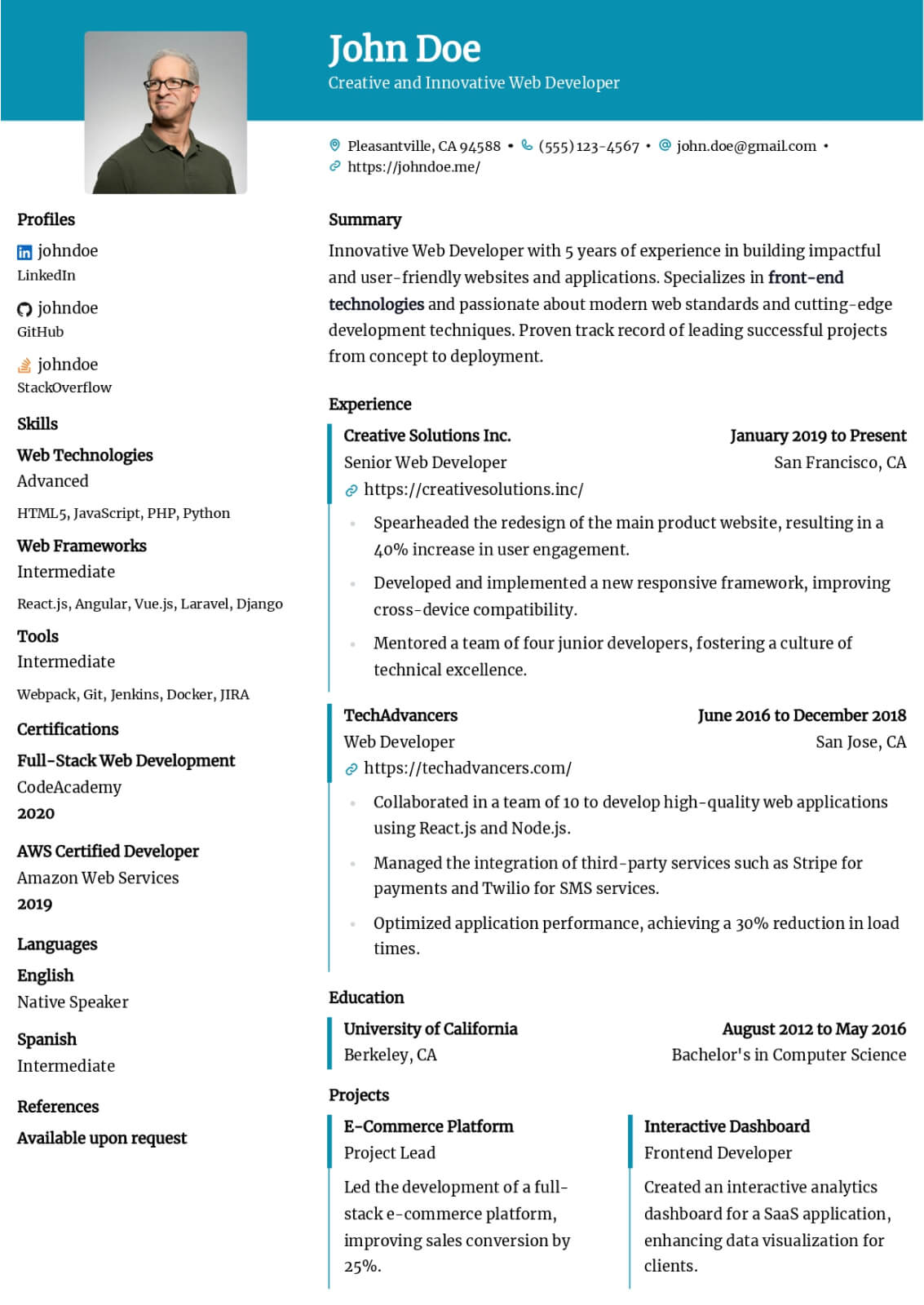
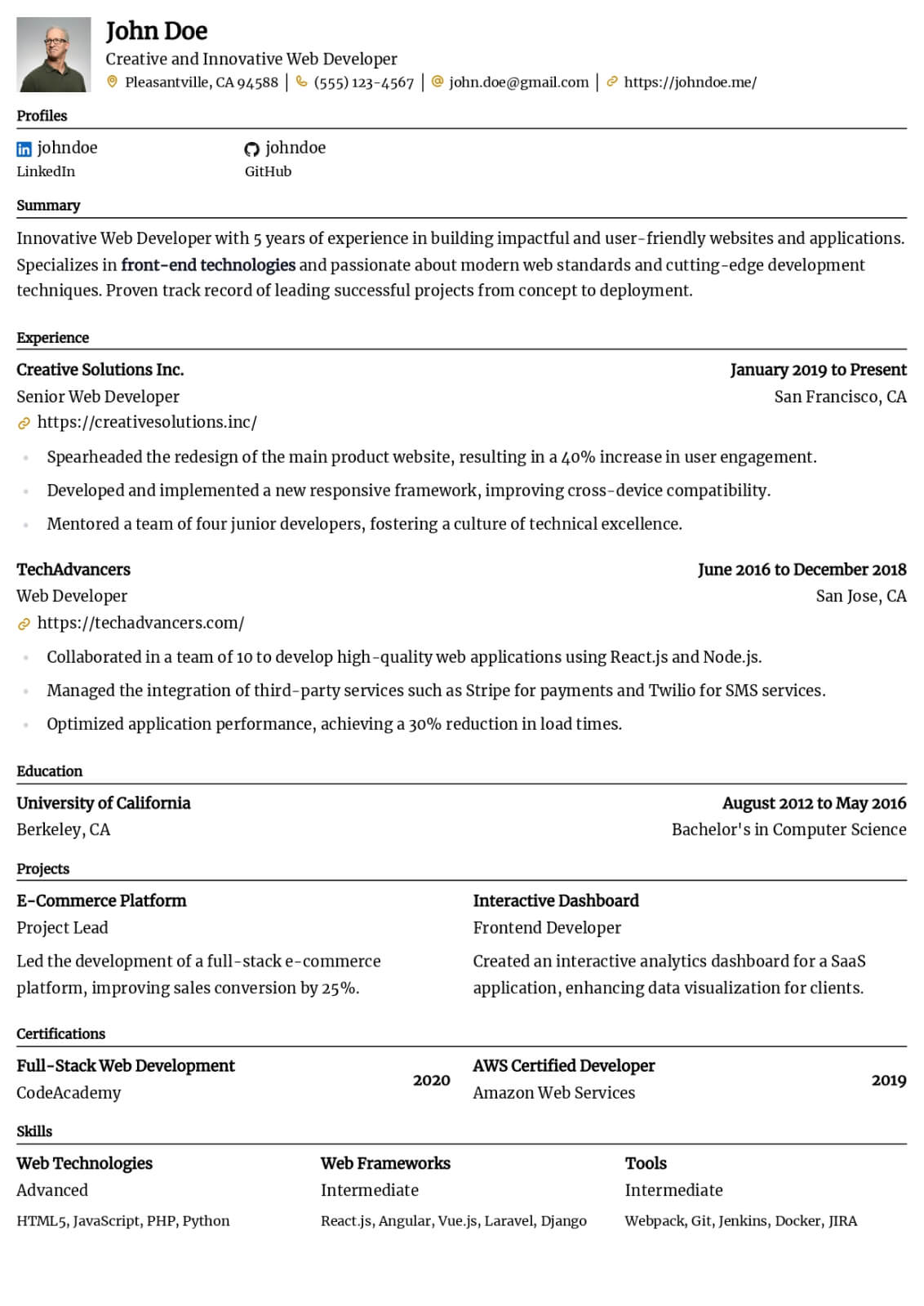
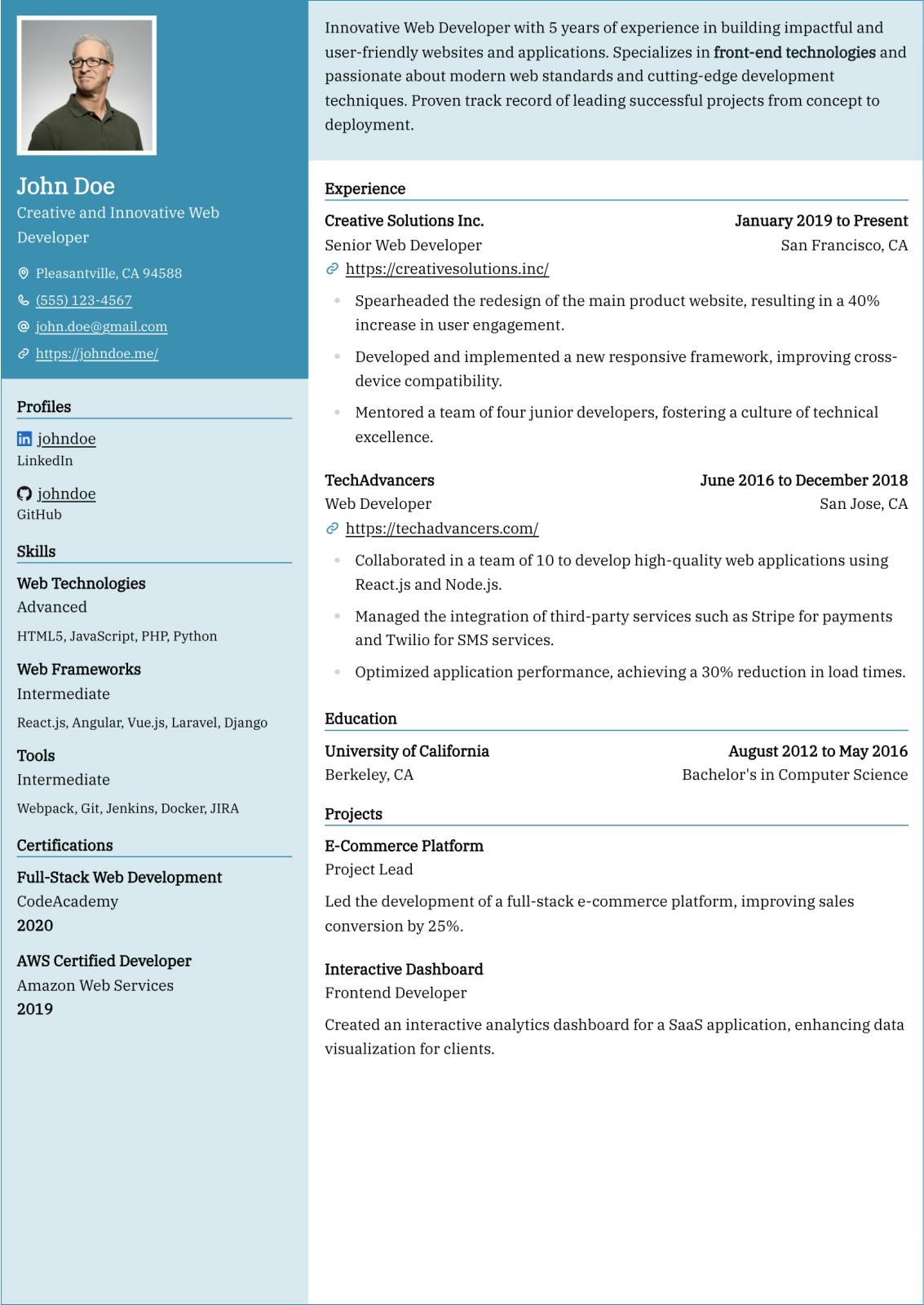
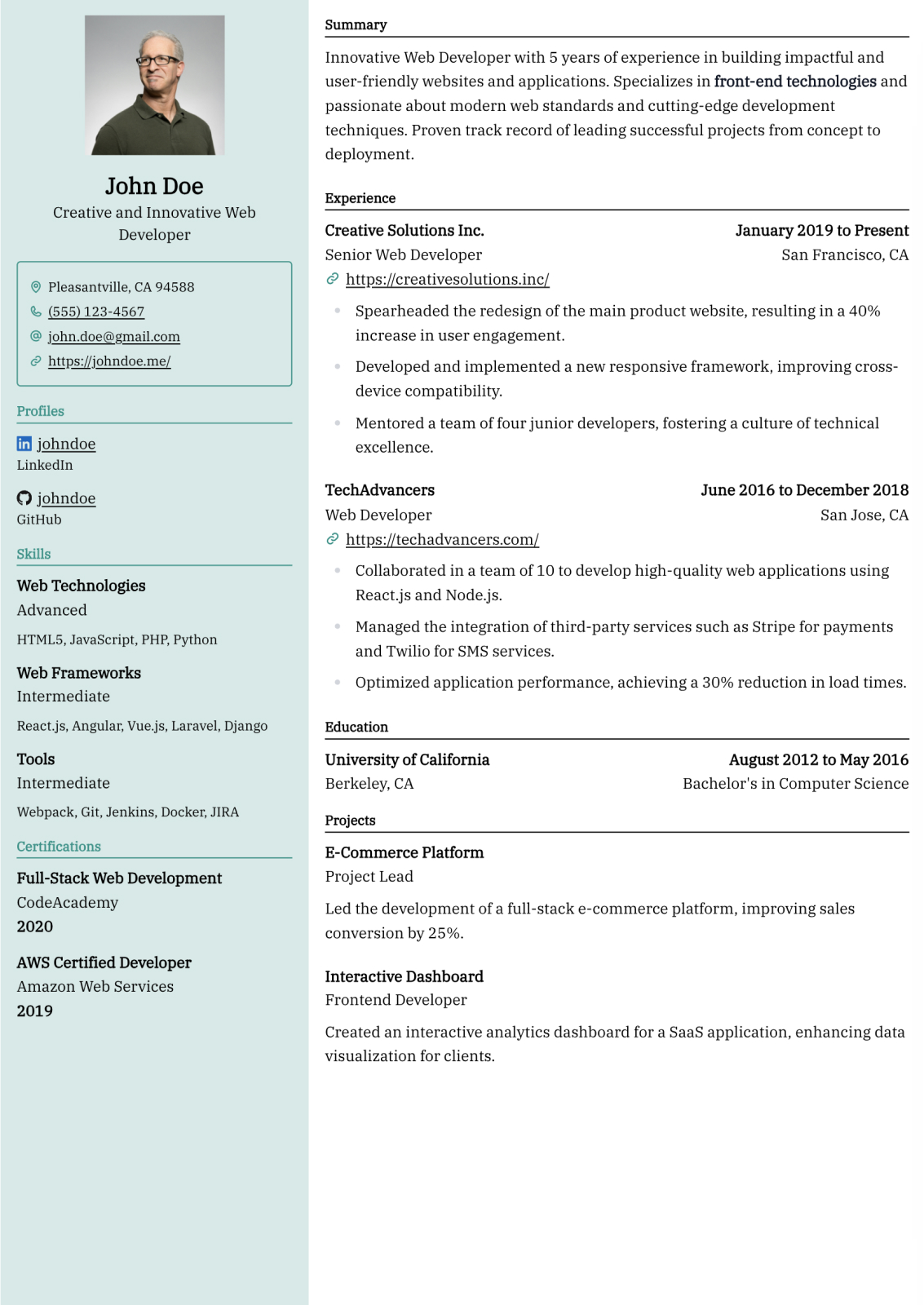
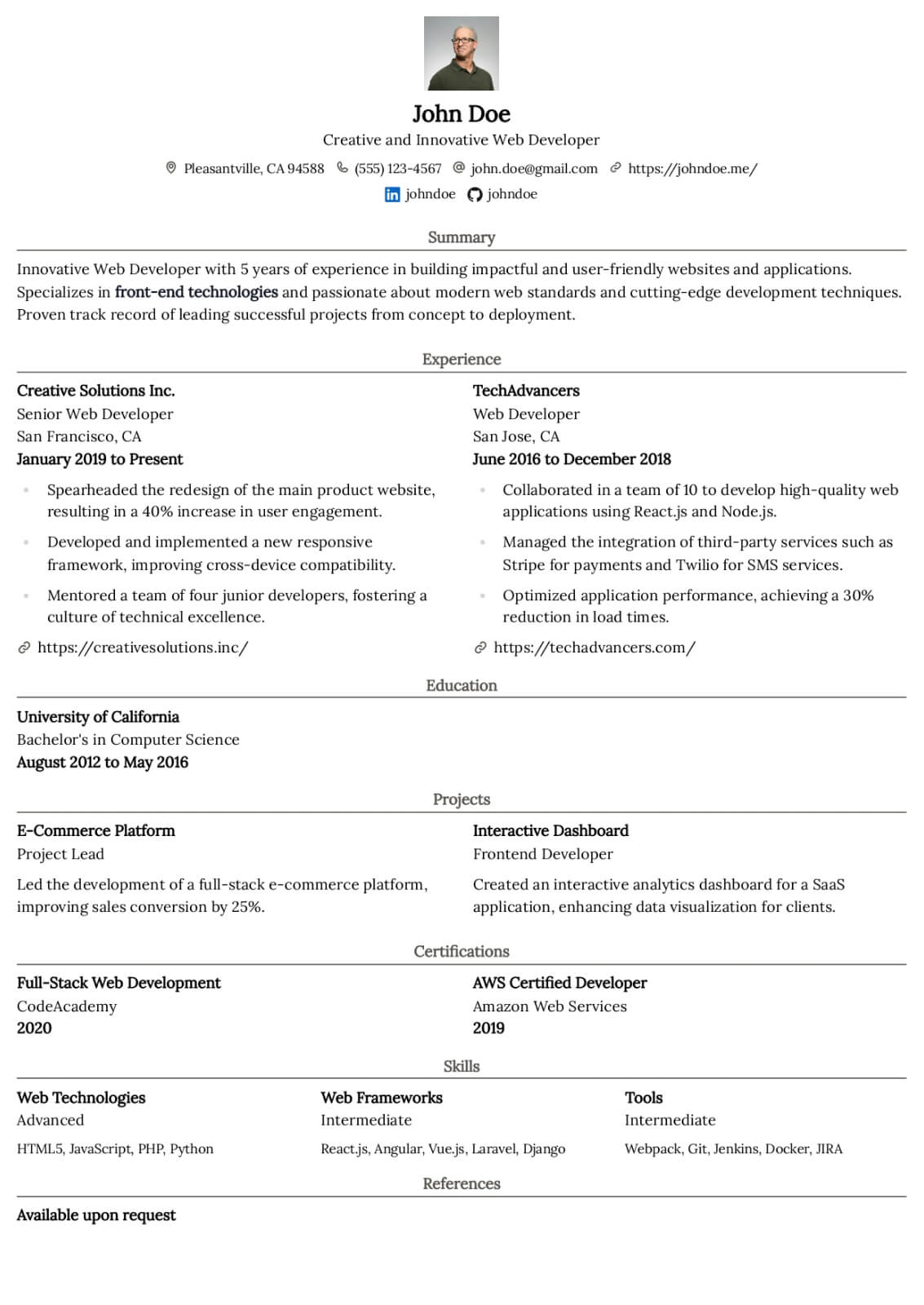
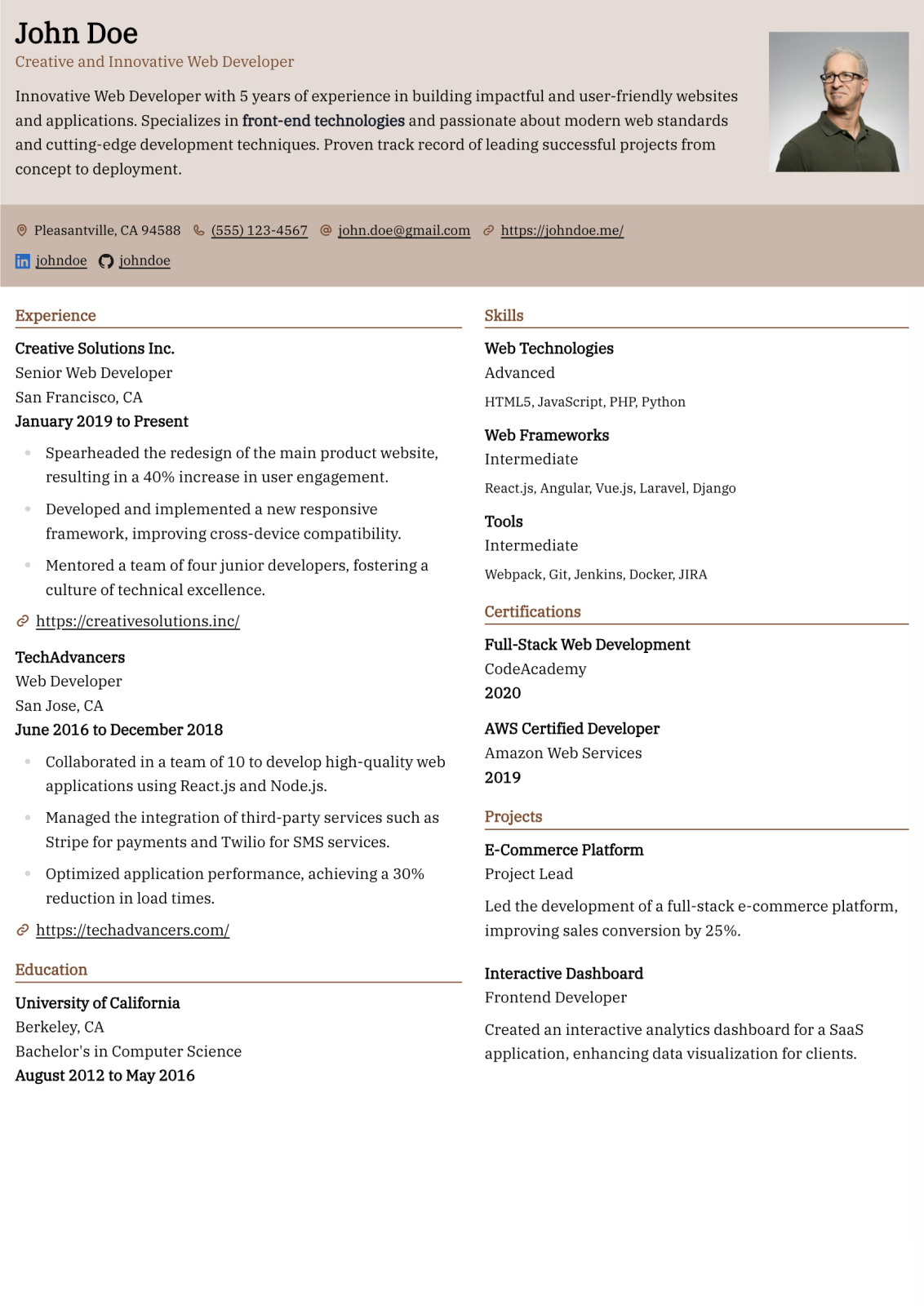
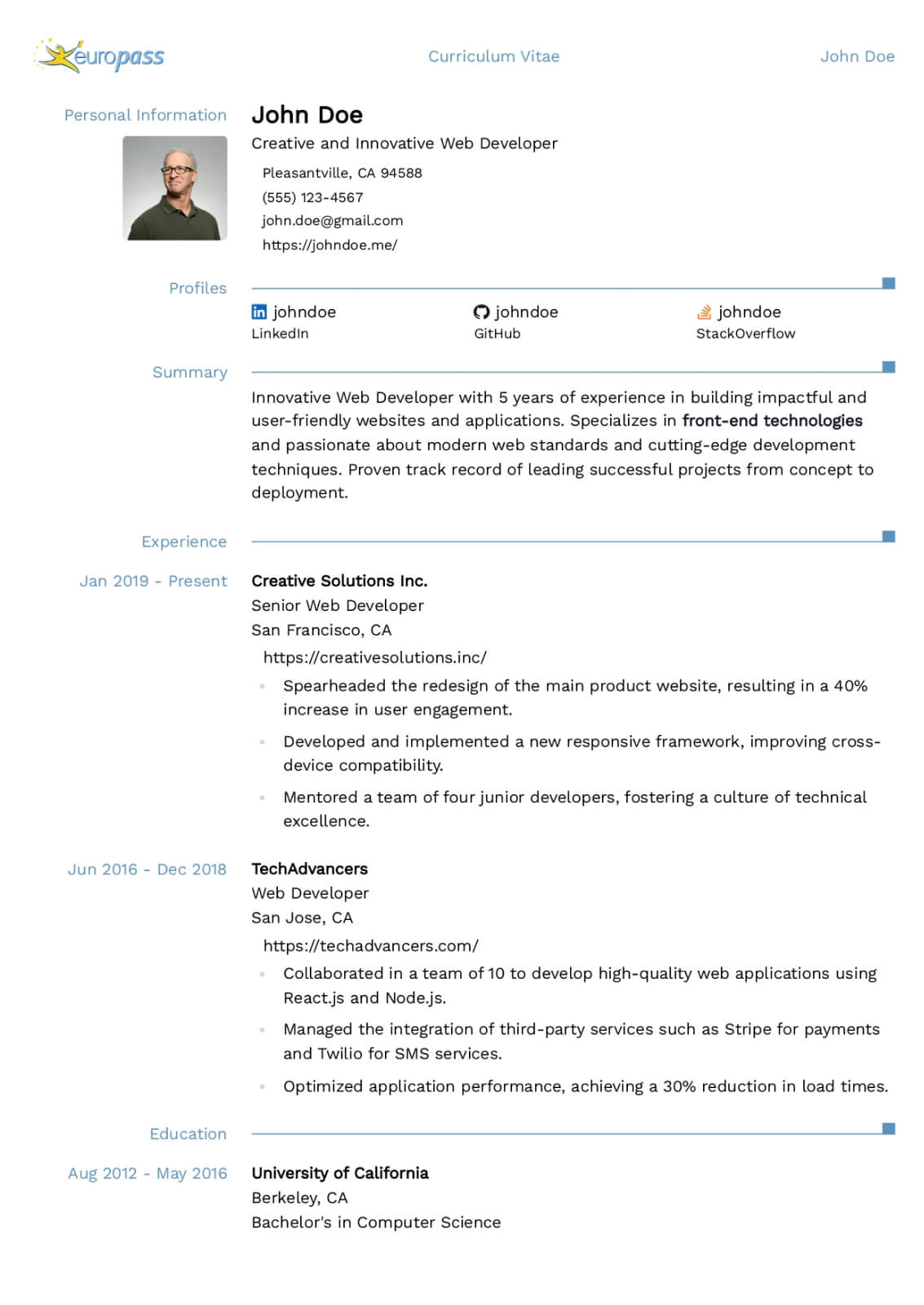
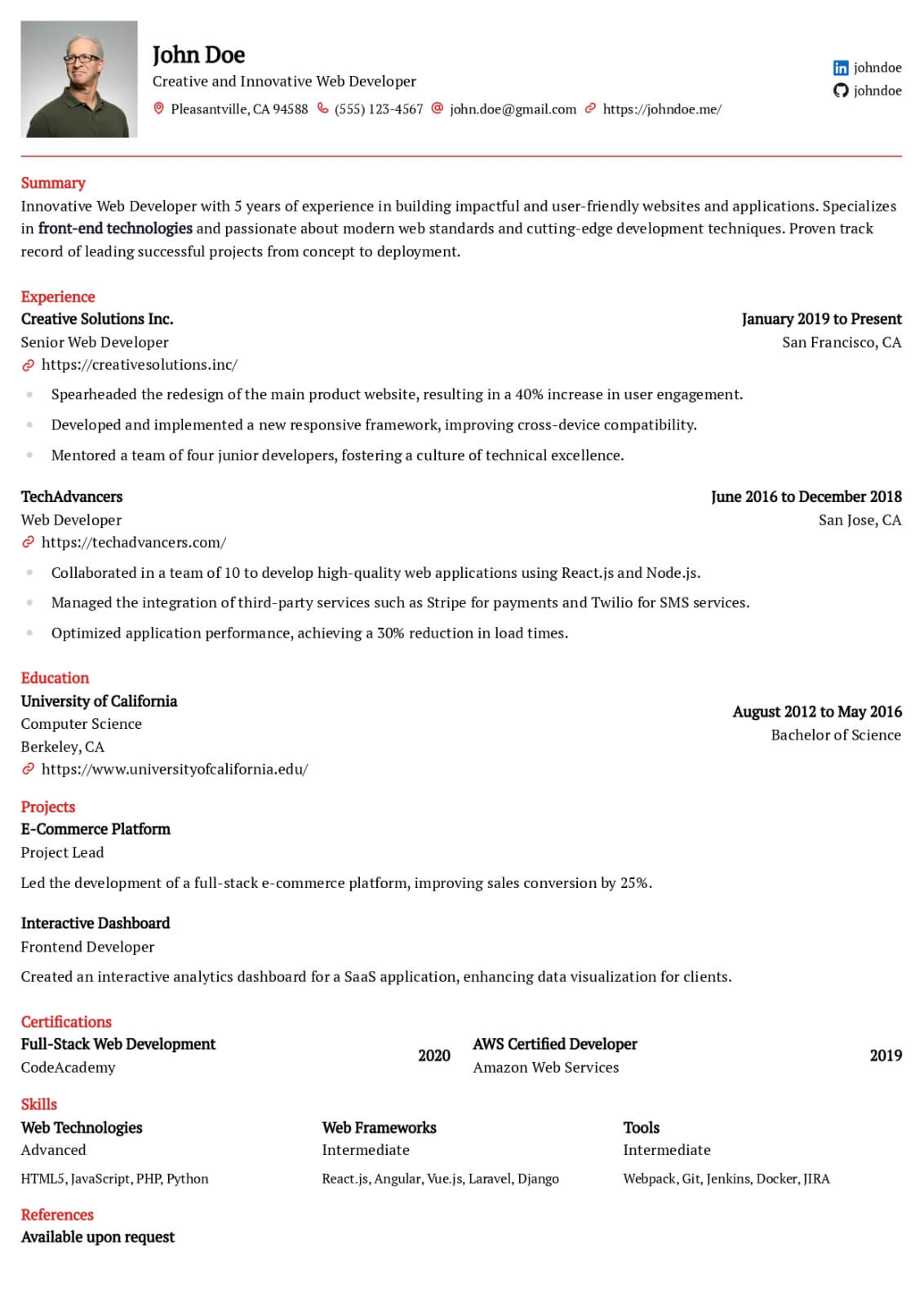
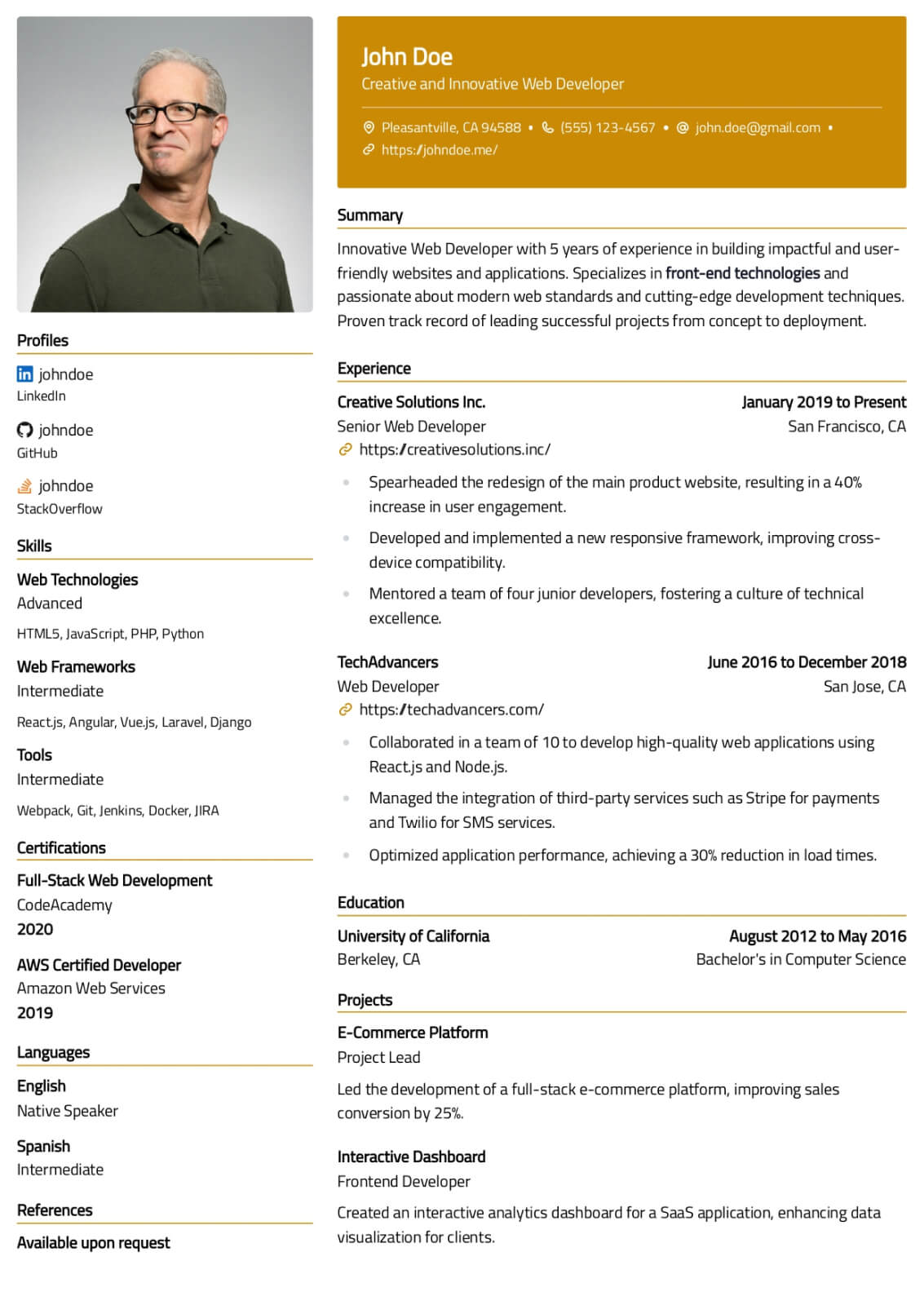
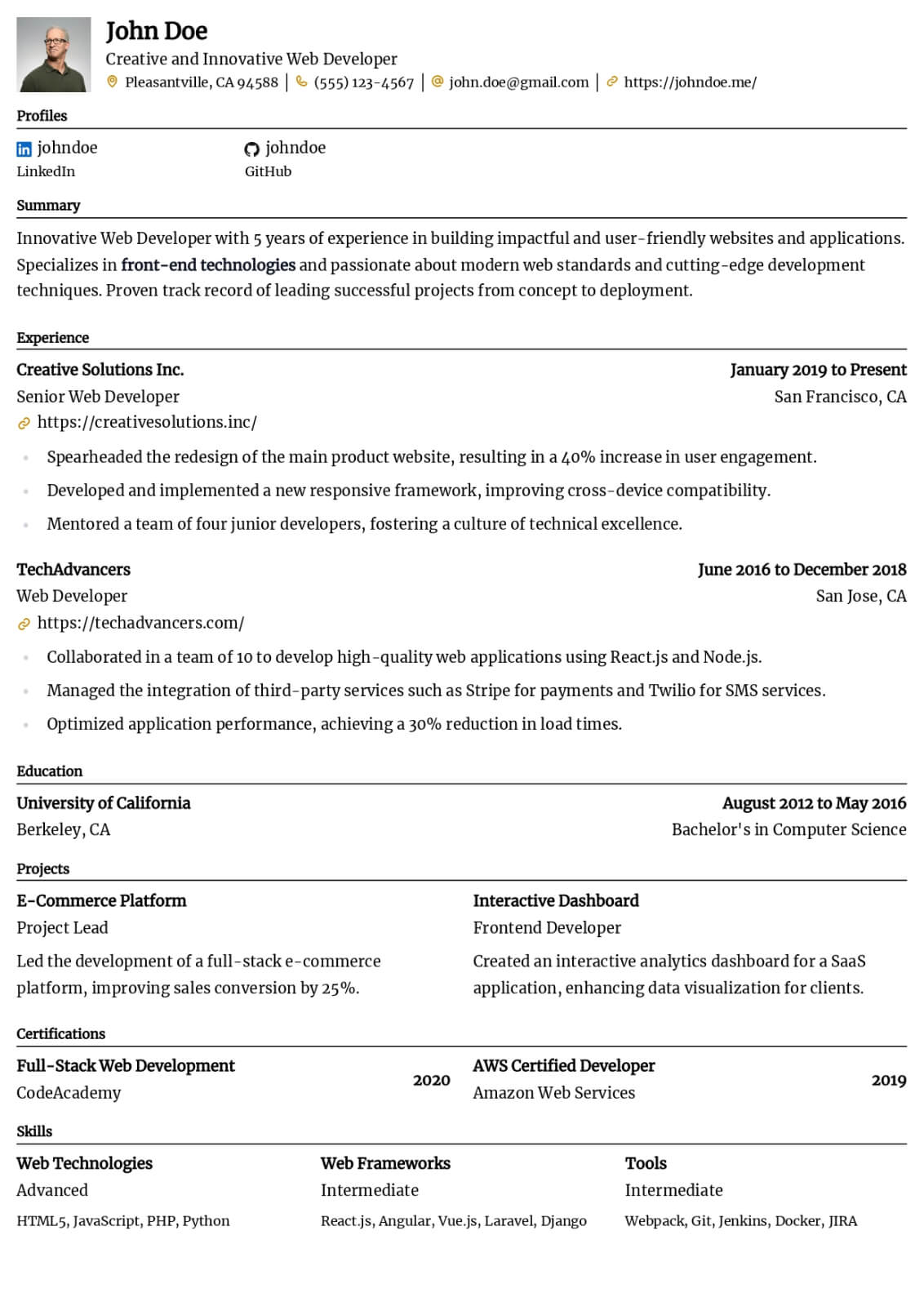
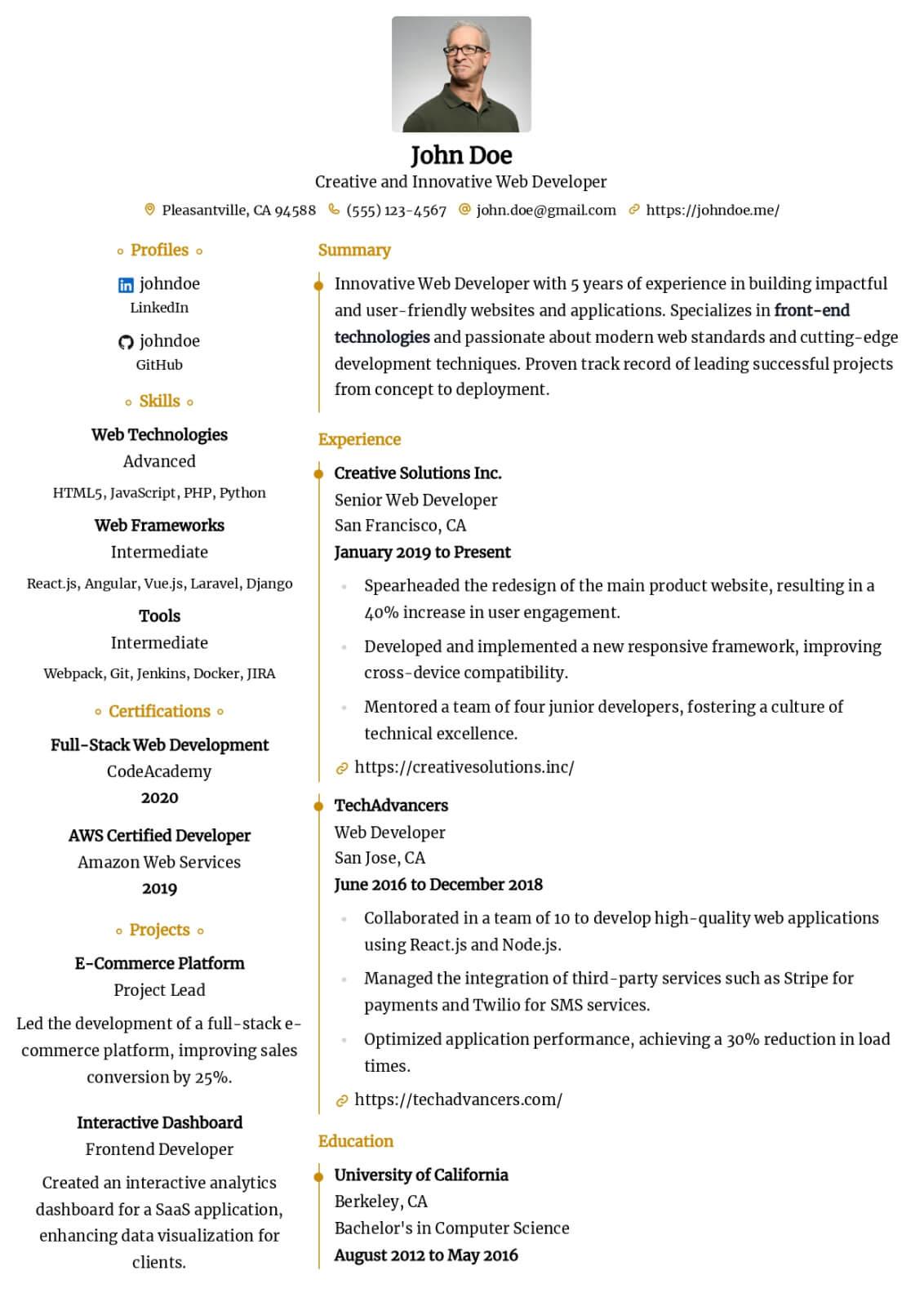
Medical Coder resume guide
Below, you will find section-by-section guidance for your medical coder resume — from your opening summary through skills and experience. Tailor every line to the job you want.
Professional Summary
Your professional summary should position you as a certified medical coder with demonstrated coding accuracy and revenue cycle awareness. Open by stating your primary certification such as CPC through AAPC or CCS through AHIMA, along with your years of coding experience and specialty focus. Reference your coding accuracy rate, for example maintaining a ninety-seven percent accuracy rate across fifteen thousand annual encounters in a multi-specialty outpatient practice. Mention the code sets you work with including ICD-10-CM, ICD-10-PCS, CPT, and HCPCS Level II. Include a quantified impact such as reducing claim denial rates by eighteen percent through improved code selection and documentation queries. Keep the summary between three and five sentences for clarity and impact.
Work Experience
Present your coding positions in reverse-chronological order, listing the organization name, coding specialty, and employment dates. Write four to six bullet points per role using action verbs such as abstracted, assigned, audited, queried, and reconciled. Quantify your productivity by noting daily encounter volumes, coding accuracy percentages, and turnaround time metrics. Describe specific coding responsibilities including reviewing clinical documentation for code assignment, abstracting diagnoses and procedures from operative reports, applying official coding guidelines and conventions, and resolving coding edits and claim rejections. Highlight experience with clinical documentation improvement by describing how you issued physician queries that improved clinical specificity and code accuracy. Mention any leadership roles such as training new coders, conducting internal coding audits, or participating in revenue cycle improvement committees.
Technical Skills
Build a skills section with eight to ten coding-specific hard skills and six to seven professional soft skills. Hard skills should include ICD-10-CM and ICD-10-PCS code assignment, CPT and HCPCS Level II procedure coding, medical terminology and anatomy knowledge, encoder software proficiency with platforms like 3M, Optum EncoderPro, or TruCode, and EHR navigation for clinical documentation review. Add skills in clinical documentation improvement query writing, diagnosis-related group assignment for inpatient coding, and coding compliance and audit preparation. Soft skills should emphasize analytical attention to detail, effective physician query communication, regulatory compliance mindset, and independent productivity in remote work environments. Use coding-specific terminology to ensure ATS recognition by healthcare employers and coding agencies.
Certifications & Credentials
Lead with your primary coding certification as this is the most critical qualification on a medical coder resume. List CPC from AAPC or CCS from AHIMA with your credential number and active status. Add specialty certifications such as Certified Outpatient Coder, Certified Inpatient Coder, or specialty-specific credentials like Certified Professional Coder for Payer. Include AHIMA or AAPC membership status as active membership demonstrates ongoing professional engagement and access to continuing education resources. List any additional certifications in areas like clinical documentation improvement, coding audit, or risk adjustment coding. Place this section prominently because coding employers verify certification status through AAPC or AHIMA credential verification systems before advancing candidates.
Education
List your medical coding certificate, associate degree in health information management, or bachelor's degree along with the institution name and graduation year. Note whether the program was CAHIIM accredited or AAPC approved, as program accreditation affects credential eligibility and employer preference. Include relevant coursework in medical terminology, anatomy and physiology, pharmacology, and health information management that supports your coding knowledge base. Mention any practicum or externship experience where you coded real medical records under supervision, as this provides verified hands-on experience for entry-level candidates. For coders pursuing RHIT or RHIA credentials, include the program with expected completion date.
Coding Quality & Revenue Impact
Highlight achievements that demonstrate your impact on coding quality and the revenue cycle beyond routine code assignment. Describe audit results showing your coding accuracy rate compared to department benchmarks. Mention contributions to denial management by describing how your accurate code selection or documentation queries reduced specific denial categories by measurable percentages. Reference participation in coding compliance programs, ICD-10 implementation projects, or revenue cycle optimization initiatives. Include any recognition such as coder-of-the-quarter awards or quality achievement bonuses. These entries demonstrate to hiring managers that you understand the financial implications of accurate coding and actively contribute to organizational revenue integrity.
Resume layout and formatting
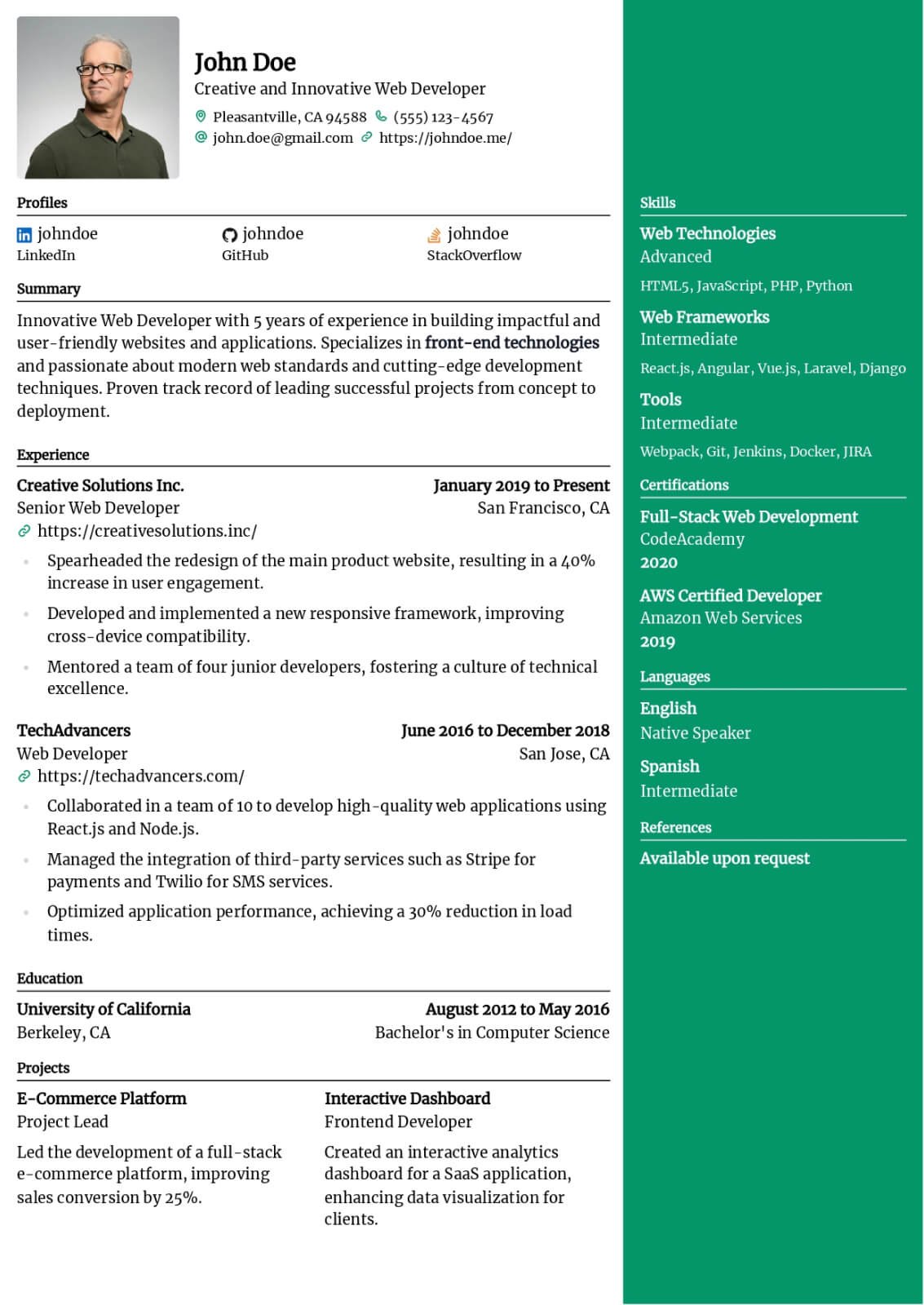
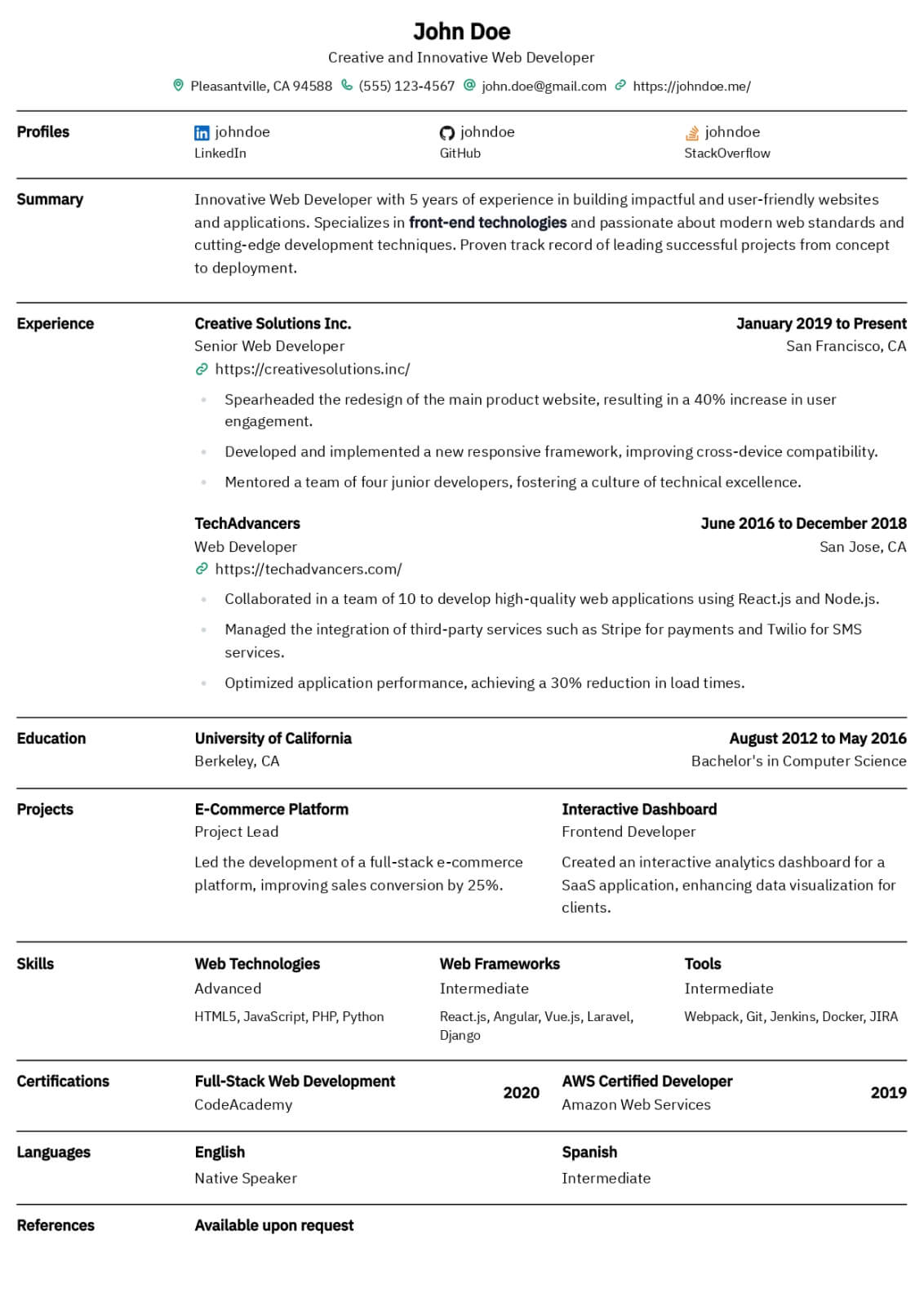
Use a clean, single-column layout with clear section headings and plenty of white space. Lead with technical strengths such as ICD-10-CM & ICD-10-PCS Code Assignment, CPT & HCPCS Level II Procedure Coding, Encoder Software (3M, Optum EncoderPro, TruCode), EHR Navigation & Clinical Documentation Review, Medical Terminology & Anatomy Knowledge, Clinical Documentation Improvement (CDI) Queries, then reinforce interpersonal strengths like Analytical Attention to Detail, Effective Physician Query Communication, Regulatory Compliance Mindset, Independent Remote Work Productivity. Keep fonts standard (e.g., Arial or Calibri) at 10–12pt body size so your resume stays ATS-friendly and easy to scan.
Key takeaways
- Lead with CPC or CCS certification prominently as the top resume qualifier
- Quantify coding accuracy rates and daily encounter volume with specific numbers
- Name encoder software and EHR platforms to match employer technology requirements
- Highlight CDI query experience and denial rate reduction contributions explicitly
- Include specialty coding certifications that align with the target coding role
- Demonstrate understanding of revenue cycle impact beyond basic code assignment duties
Build your Medical Coder resume with Scale
Lead with CPC or CCS certification prominently as the top resume qualifier
Use This Template
Professional Templates That Make You Stand Out
Browse modern, ATS-friendly resume designs crafted to impress recruiters. Customize any template and download it as a Word or PDF file.
Listen What Our Users Have to Say

Rohan Sen
I am very happy with the team's quick turnaround time - any query is responded at utmost priority. Shoutout to my client manager, Anub Biju - very helpful.

Gael L
Service and communication is great, cover letters are non-ai sounding and well tailored. Just have a lot of communication and review with your staff!

Jonathan Parry
Wow - don't tell your peers! Wow, I can't recommend scale.jobs enough - it's so good I am not sharing with my peers. Applications at scale that get through filters. Thank you!

Cynthia Zhu
Great service! The scale.jobs team was very responsible and managed to apply tons of jobs for me in a very tight deadline to help me secure interviews quickly. Highly recommend to anyone who needs help applying to jobs!

Yash Yenugu
Save your fingers. Saved me from a thumb cramp because we're expected to effortlessly apply to jobs during these times.

Cian O'Driscoll
Clever service. Takes the hard effort out of applying for jobs with an intuitive dashboard and attention to detail. A great asset to job seekers. :-)
Frequently asked questions
What should a medical coder resume include in 2026?
A strong medical coder resume should feature CPC or CCS certification, a professional summary with coding accuracy metrics, detailed experience covering code assignment methodology and revenue cycle contributions, encoder software proficiency, and relevant education. Tailor the resume to the target coding specialty whether inpatient, outpatient, or risk adjustment to demonstrate focused expertise.
Is CPC or CCS certification necessary for medical coding positions?
Most employers require or strongly prefer AAPC or AHIMA certification for medical coding positions. CPC is widely recognized for outpatient facility and physician coding, while CCS is valued for inpatient hospital coding. Certification validates your coding knowledge through a standardized examination and is typically the first credential screening criterion applied by healthcare employers and coding agencies.
How do I demonstrate coding accuracy on my resume?
Reference your accuracy rate from internal or external coding audits, specifying the percentage and the volume of records reviewed. For example, state that you maintained a ninety-seven percent accuracy rate across ten thousand coded encounters based on quarterly quality audits. Include any accuracy improvement trends and describe the audit methodology used to establish your quality metrics.
Can I work remotely as a medical coder?
Remote medical coding is increasingly common and many employers offer fully remote positions. To strengthen your candidacy for remote roles, highlight your productivity metrics, independent work habits, home office setup, and experience with remote coding platforms. Emphasize your ability to maintain coding accuracy and meet turnaround deadlines without direct supervision or in-person collaboration.
How long should a medical coder resume be?
Keep your medical coder resume to one page unless you have extensive experience across multiple coding specialties with demonstrable accuracy metrics and certifications. Focus on your most relevant coding positions, certification credentials, and quantified quality outcomes. A concise resume with specific accuracy rates and productivity numbers is more effective than a lengthy document with generic descriptions.
What encoder software should I list on my resume?
List every encoder and coding reference tool you have used including 3M Coding and Reimbursement System, Optum EncoderPro, TruCode, and Find-A-Code. Also include EHR platforms where you reviewed clinical documentation such as Epic, Cerner, or Meditech. Specifying platform experience reduces training overhead and signals readiness to contribute immediately in the target employer's coding environment.
Related Resume Guides
Health Information Technician
Craft a health information technician resume that highlights EHR data management expertise, RHIT credentials, HIPAA compliance knowledge, and clinical data integrity skills for HIM department roles.
Medical Assistant
Create a medical assistant resume that showcases your clinical and administrative versatility, EHR proficiency, phlebotomy skills, and patient intake expertise to impress hiring managers at clinics and hospitals.
Pharmacy Technician
Build a pharmacy technician resume that highlights prescription processing accuracy, inventory management expertise, CPhT certification, and patient counseling support skills for retail and hospital pharmacy roles.
Clinical Research Coordinator
Build a clinical research coordinator resume that showcases IRB protocol management, patient enrollment expertise, GCP compliance, and data integrity skills for academic medical centers and CRO positions.
Registered Nurse
Craft a compelling registered nurse resume that highlights clinical competencies, patient care outcomes, EMR proficiency, and licensure credentials to land interviews at top healthcare facilities.