
Structural Engineer Resume Examples, Templates & Writing Guide

Written by: Scale.jobs EditorialLast updated: May 1, 2026







Introduction
Develop a technically authoritative structural engineering resume showcasing PE-stamped calculations, FEA validation, and code-compliant designs for top consulting firms.
This guide walks you through every major section of a structural engineer resume, with practical tips you can apply today.
- How to present PE or SE licensure and code-compliant structural design authority on your resume
- Strategies for quantifying structural project scope using tonnage, span length, and budget metrics
- Methods for showcasing proficiency in SAP2000, ETABS, RISA-3D, and RAM Structural System
- Techniques for demonstrating compliance with ACI 318, AISC 360, ASCE 7, and IBC provisions
- Approaches to highlighting seismic, wind, and progressive collapse analysis capabilities
- Ways to tailor your resume for building structures, bridges, industrial facilities, or forensic engineering
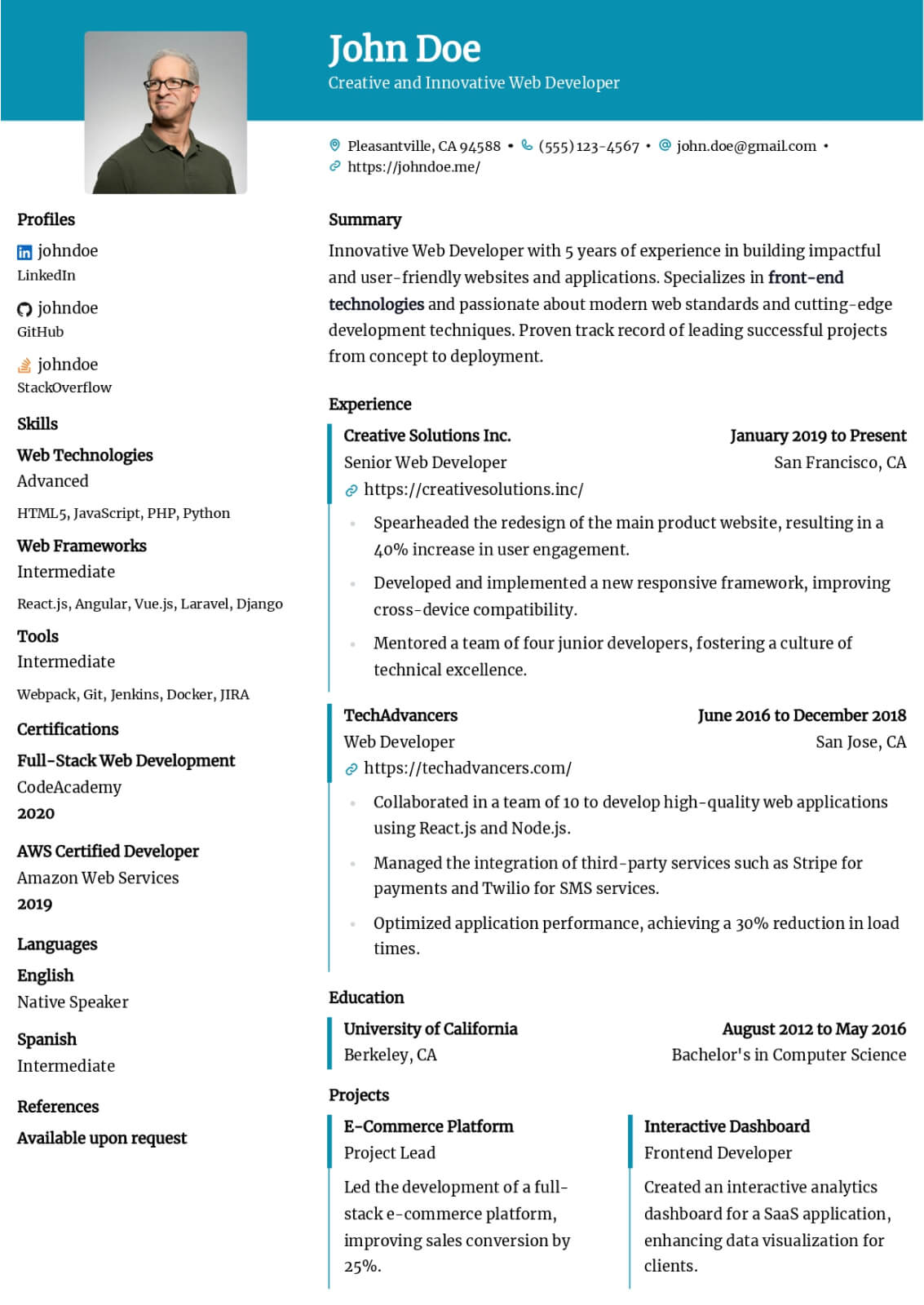
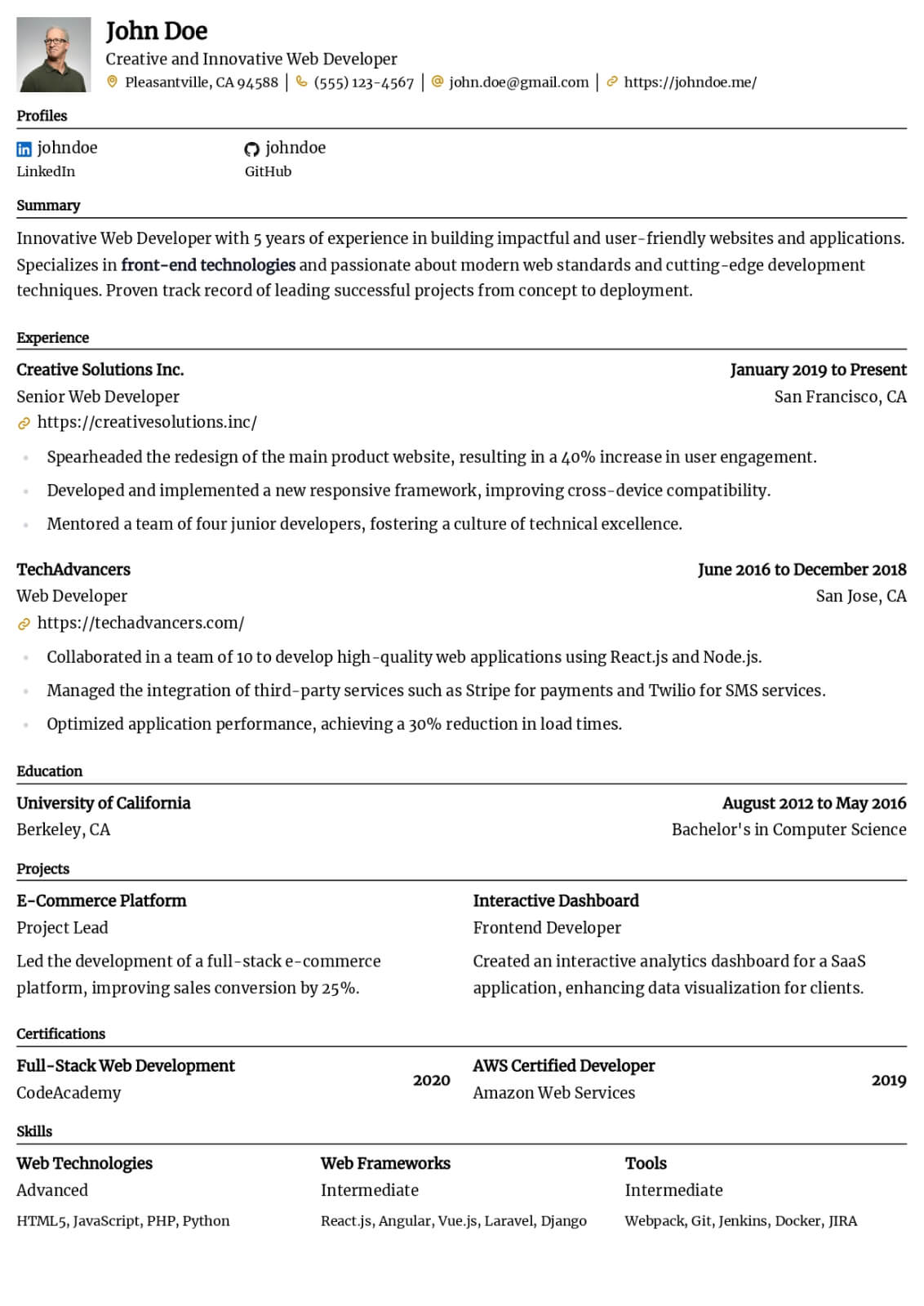
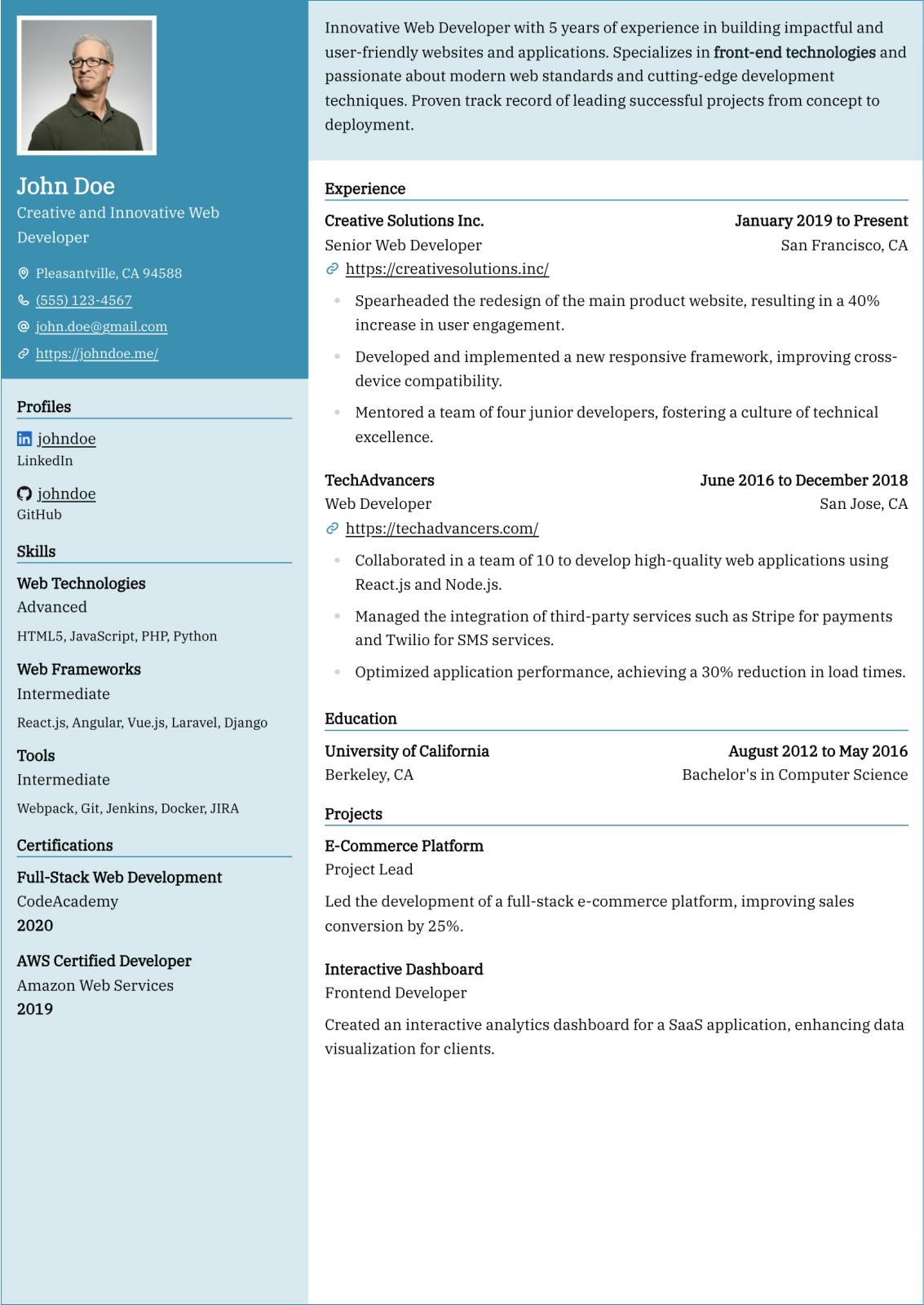
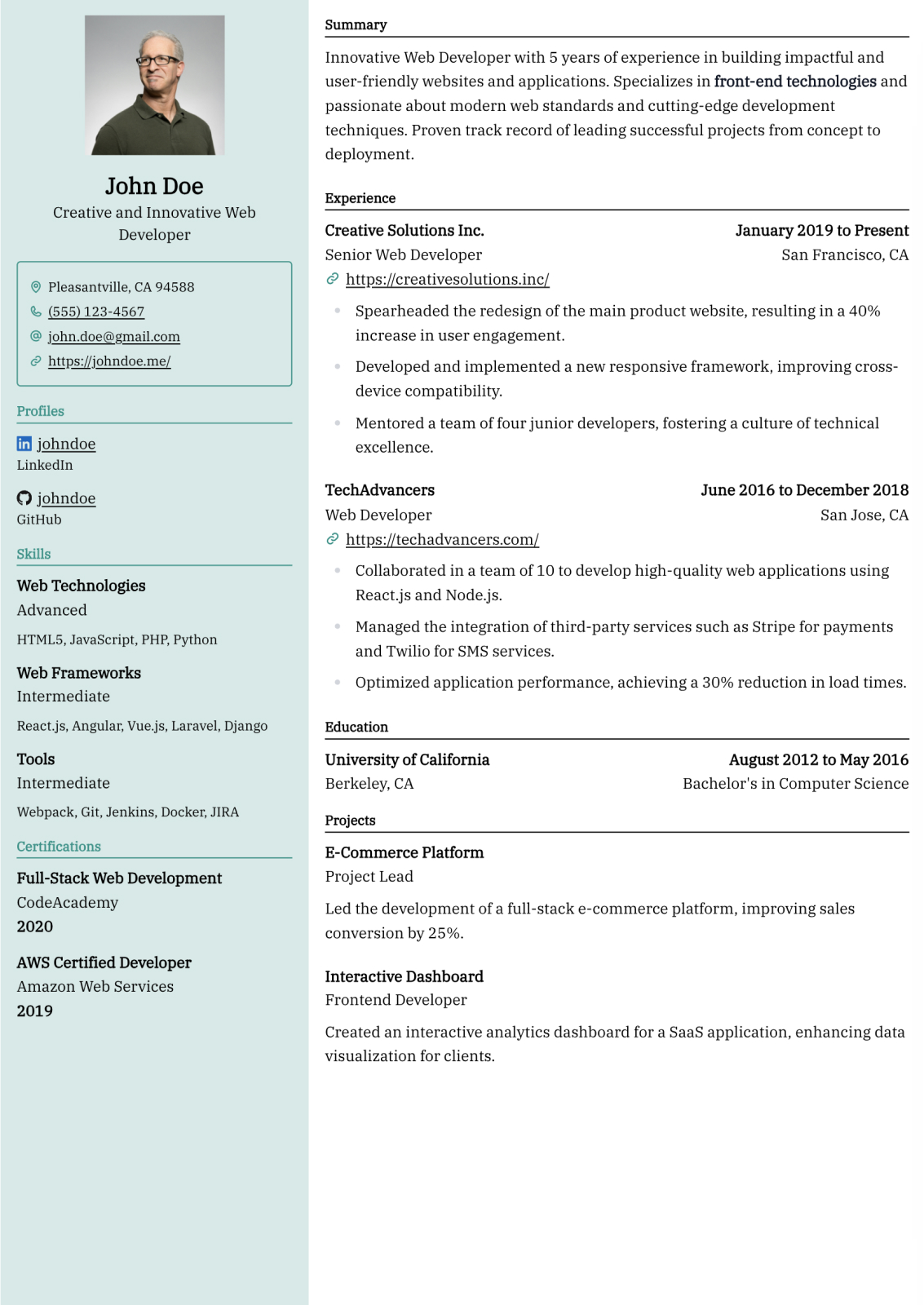
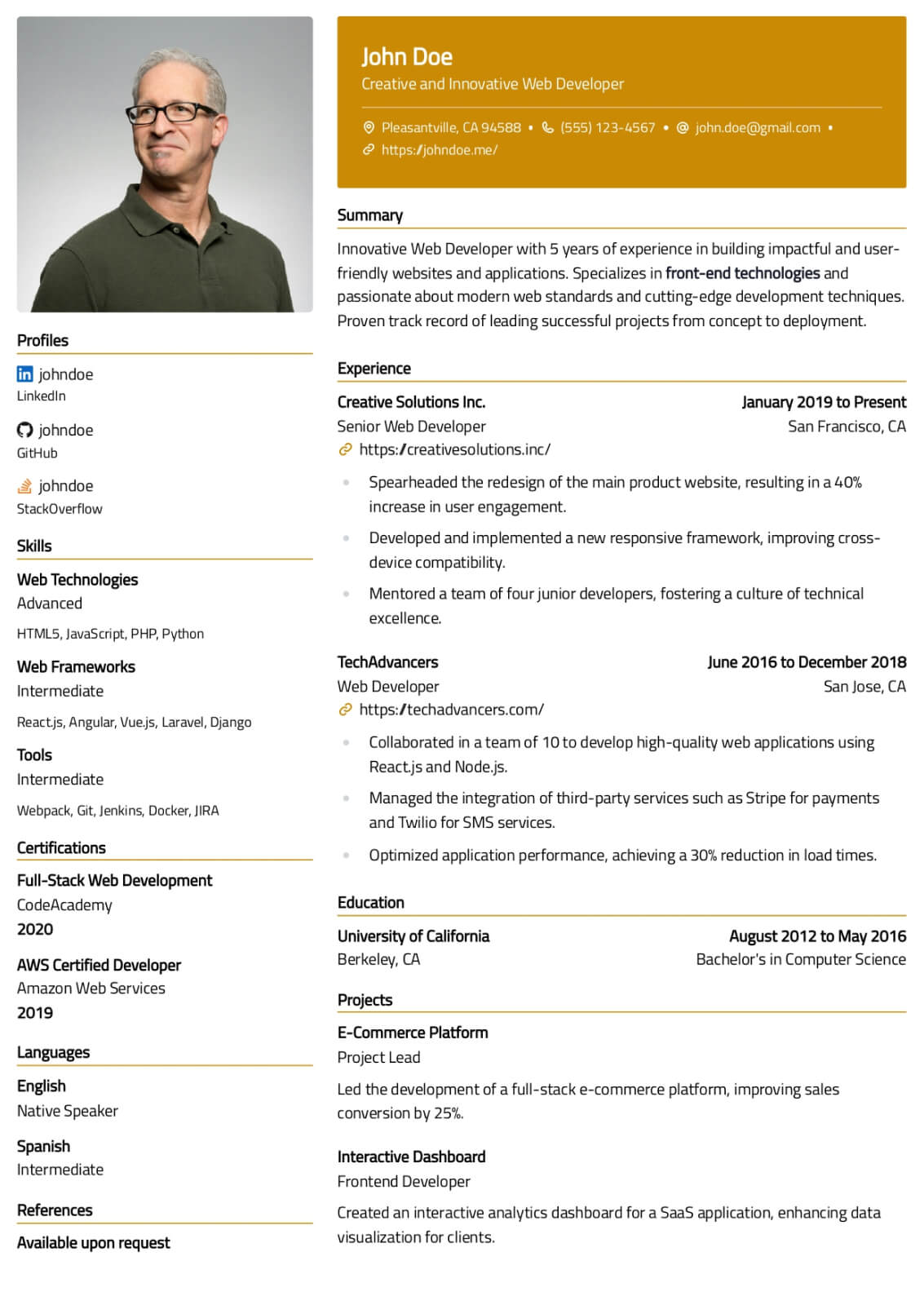
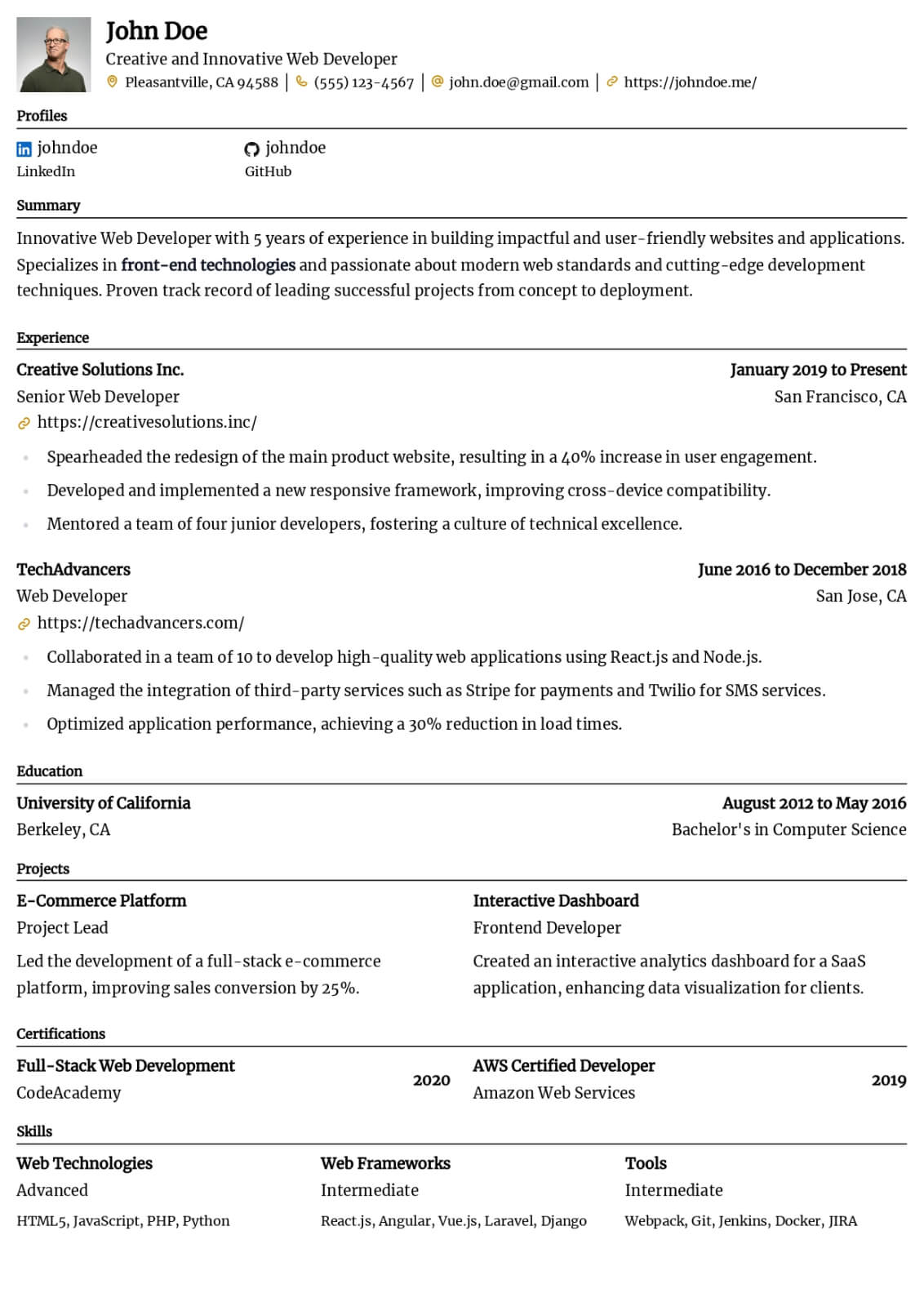
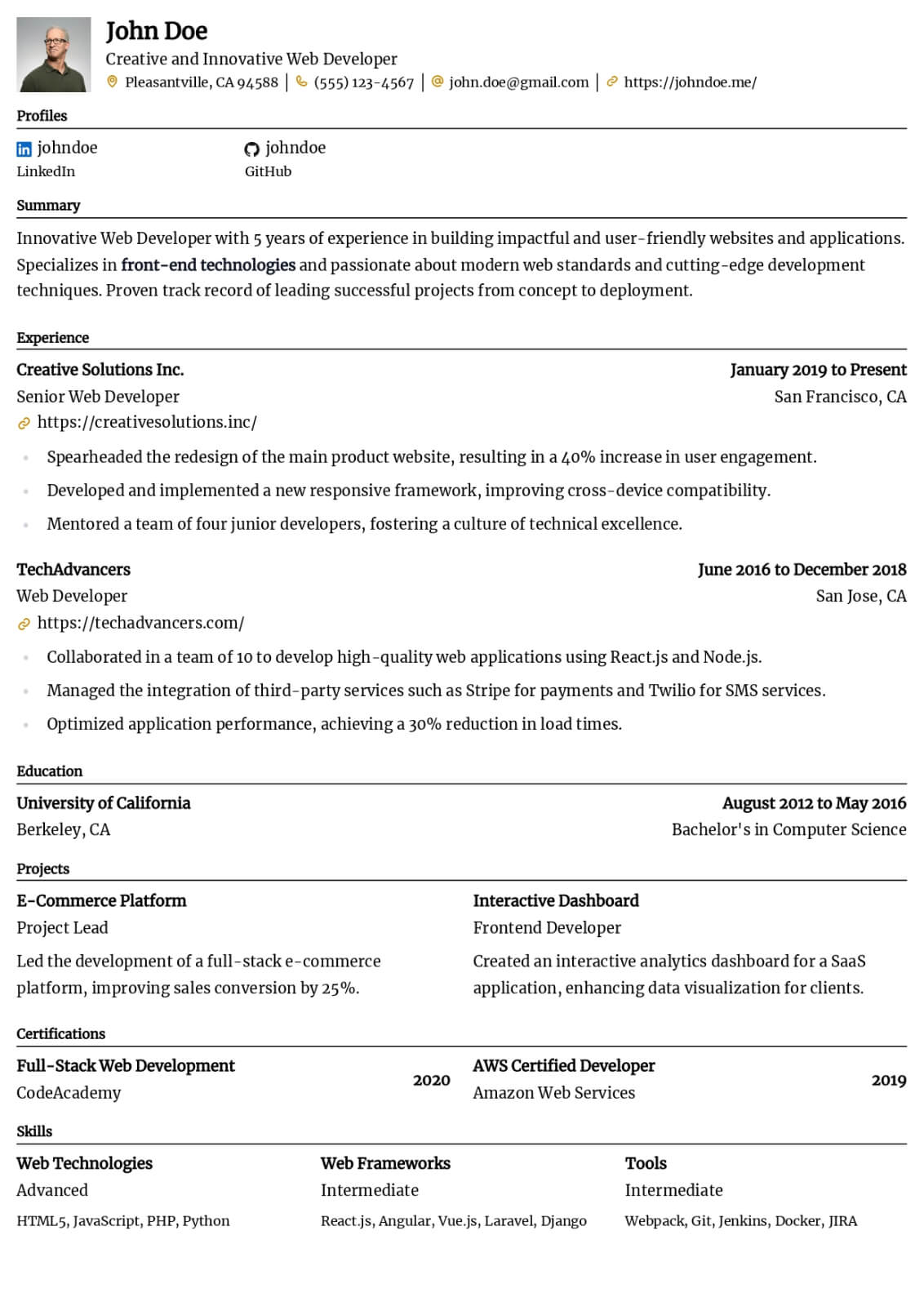
Structural Engineer resume guide
Below, you will find section-by-section guidance for your structural engineer resume — from your opening summary through skills and experience. Tailor every line to the job you want.
Professional Summary
Begin your professional summary by identifying your structural engineering focus, whether building structures, bridge design, industrial facilities, or forensic investigations. State your years of experience, PE or SE licensure status, and the project types you have delivered, referencing scales such as multi-story steel or post-tensioned concrete structures. Mention two to three core analysis tools like SAP2000, ETABS, or RISA-3D that signal computational proficiency. Include at least one quantified achievement, for example stating that you served as engineer of record for a twenty-two-story mixed-use tower requiring performance-based seismic design per ASCE 41. Keep the summary at three to five sentences and mirror the job posting terminology to pass ATS filters and resonate with structural hiring managers.
Work Experience
Present your experience in reverse-chronological order with clear titles, firm names, and dates. Write four to six bullets per role starting with verbs such as designed, analyzed, detailed, or reviewed. Each bullet should connect a structural analysis or design action to a measurable project outcome, for instance stating that you performed wind analysis per ASCE 7-22 for a twelve-story coastal hotel, resulting in a lateral system redesign that reduced structural steel tonnage by eleven percent while meeting code drift limits. Reference the building codes, material standards, and analysis software you applied, including ACI 318, AISC 360, and nonlinear pushover analysis. Highlight collaboration with architects, MEP engineers, and general contractors to demonstrate coordination within the design-build delivery model. Avoid listing generic duties without project-specific results.
Skills
Construct a skills section with eight to ten hard skills and six to seven soft skills mapped to the target structural role. On the technical side, list structural analysis platforms such as SAP2000, ETABS, RISA-3D, and RAM Structural System. Include design competencies like reinforced and post-tensioned concrete design per ACI 318, structural steel connection design per AISC 360, and foundation design including spread footings, mats, and deep foundations. Add lateral analysis capabilities including seismic response spectrum, pushover, and wind tunnel data interpretation per ASCE 7. Include detailing and BIM coordination tools like Revit Structure and Tekla Structures. For soft skills, emphasize design team coordination, code interpretation under ambiguity, and construction phase problem solving. Prioritize competencies that match the target job description.
Key Projects
Dedicate a projects section to two to four significant structural engineering engagements where you held design-responsible or engineer-of-record authority. For each project, specify the structure type, your role, the analysis and design tools applied, the governing codes, and the quantified outcome. A strong entry might describe how you designed the lateral force-resisting system for a fourteen-story post-tensioned concrete residential tower in Seismic Design Category D, performing response spectrum analysis in ETABS and achieving inter-story drift ratios below the ASCE 7 limit with a fifteen percent reduction in shear wall thickness from the preliminary design. Projects demonstrating code-compliant design authority are critical for structural engineers because they validate your ability to serve as engineer of record.
Certifications & Licensure
Place your Professional Engineer or Structural Engineer license at the top of this section, specifying the issuing state, because PE or SE licensure is the most critical credential in structural engineering for drawing stamp authority and responsible charge designation. In states that offer a separate SE license for significant structures, holding it dramatically expands the project types you can lead. Include the Fundamentals of Engineering certification if you have not yet obtained the PE. Add supplementary credentials such as LEED AP or ICC Special Inspector certifications. For each credential, list the issuing body and date earned, and position this section near the top of the resume for roles requiring licensed structural engineers.
Education
Include your highest relevant degree, institution name, and graduation year. Structural engineering positions typically require a bachelor of science in civil or structural engineering from an ABET-accredited program, with many senior design roles preferring a master of science in structural engineering. If you graduated within the last five years, list coursework like advanced structural analysis, prestressed concrete design, earthquake engineering, or bridge engineering. Highlight thesis or research involving nonlinear analysis, blast-resistant design, or novel structural systems. For experienced engineers holding PE or SE licensure with extensive engineer-of-record experience, keep this section brief and let your project portfolio speak to your qualifications.
Resume layout and formatting
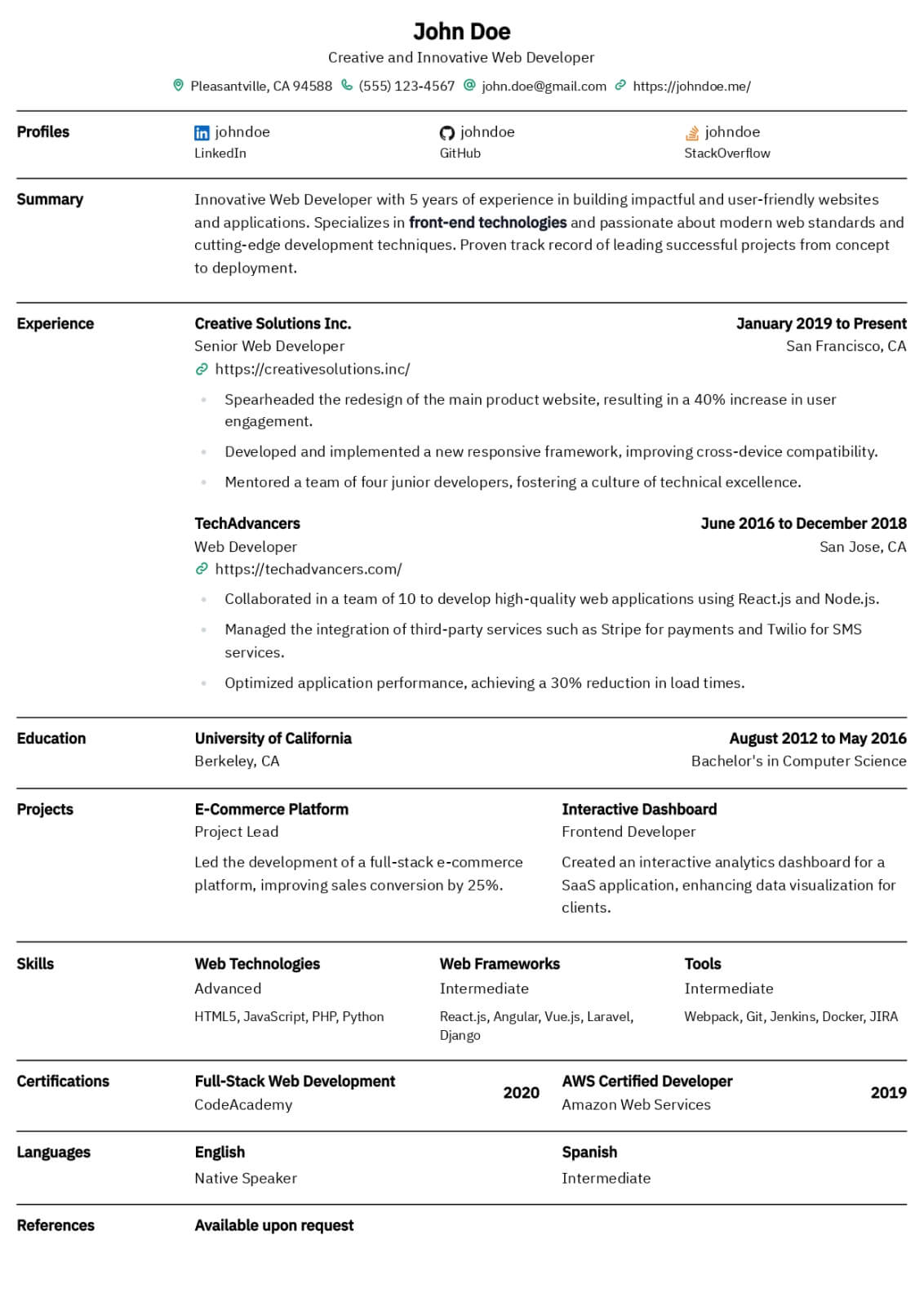
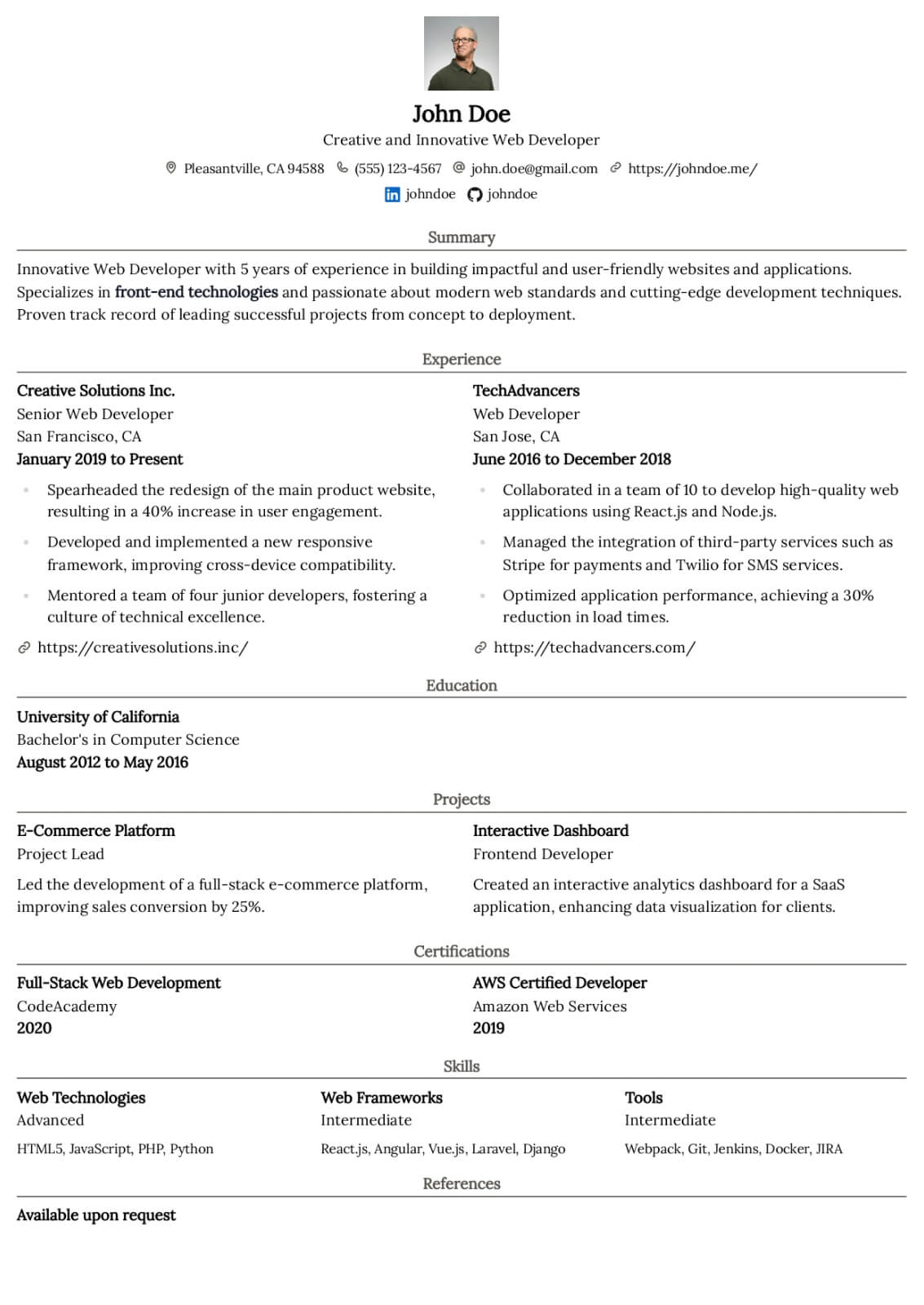
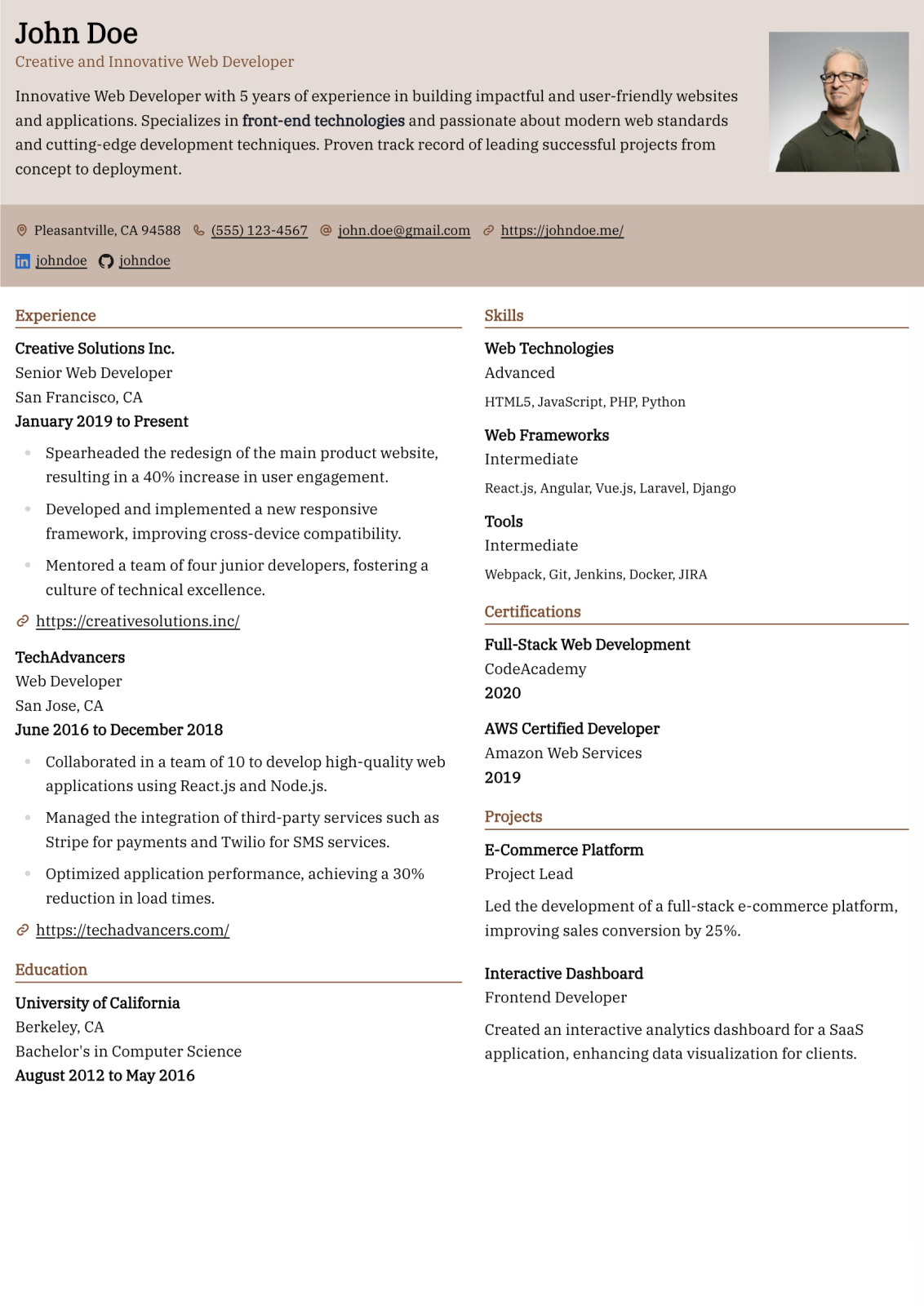
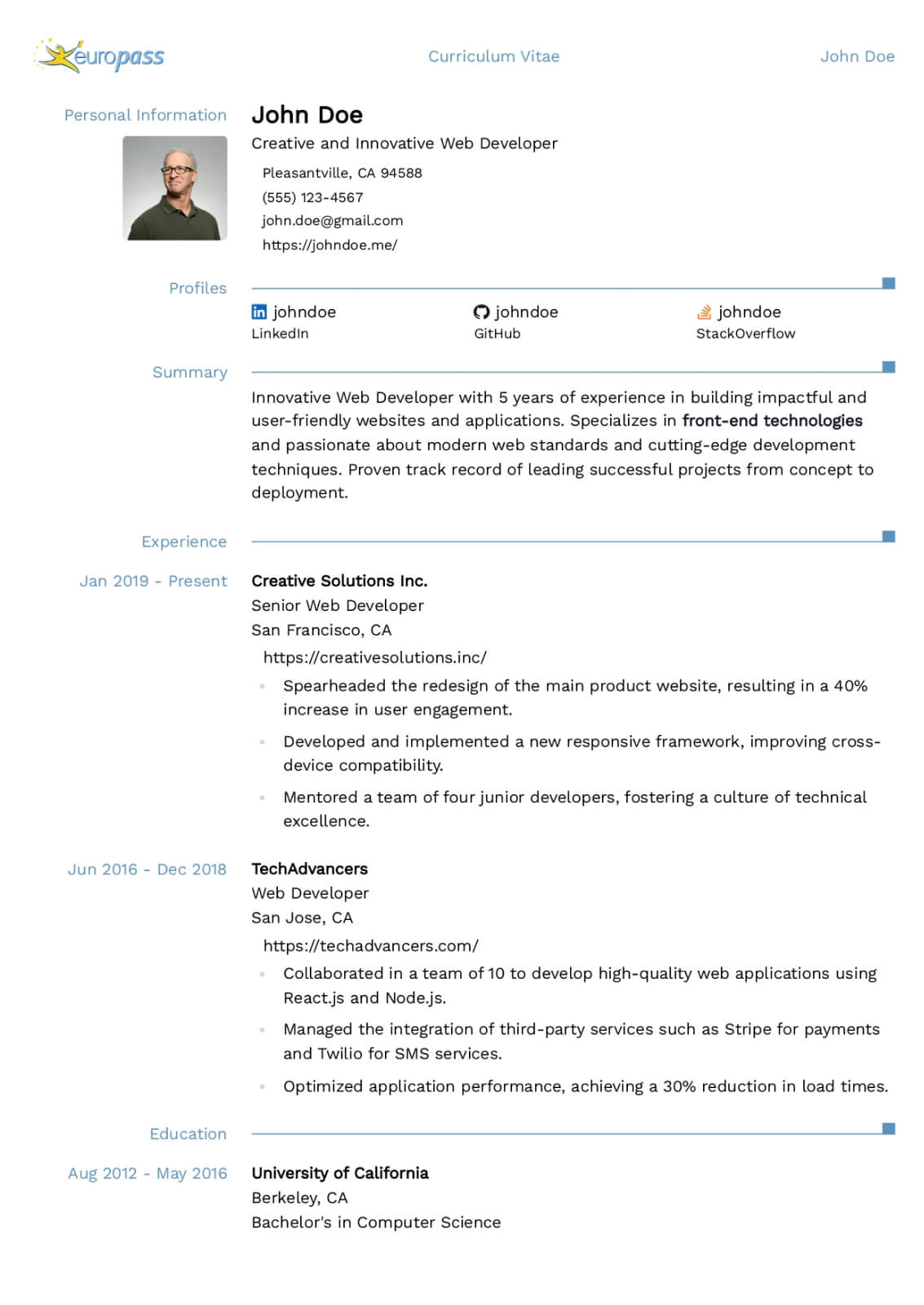
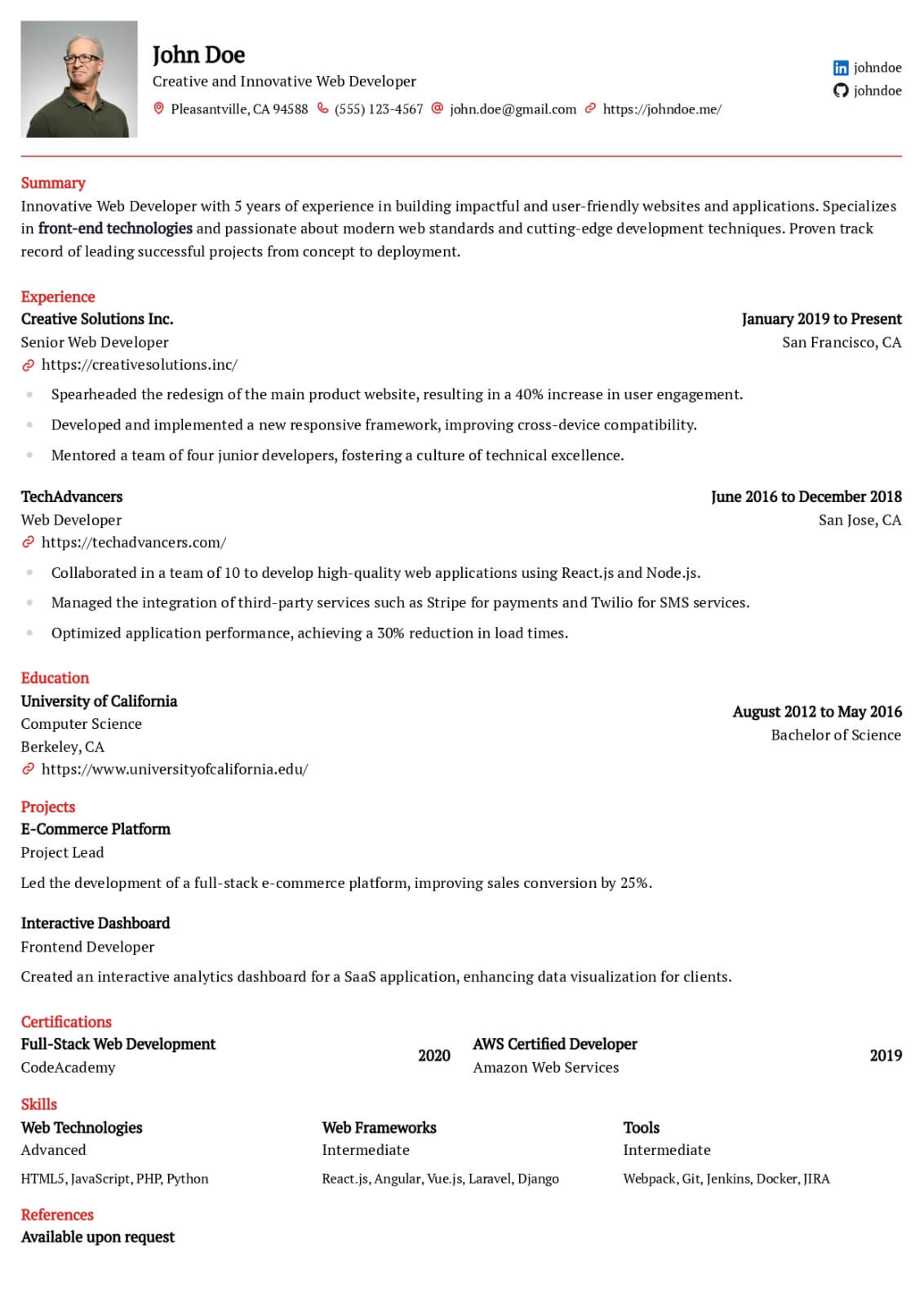
Use a clean, single-column layout with clear section headings and plenty of white space. Lead with technical strengths such as SAP2000 / ETABS (Structural Analysis), RISA-3D / RAM Structural System, Revit Structure / Tekla (BIM & Detailing), Reinforced Concrete Design (ACI 318), Structural Steel Design (AISC 360), Seismic Analysis (Response Spectrum / Pushover), then reinforce interpersonal strengths like Design Team Coordination, Code Interpretation Under Ambiguity, Construction Phase Problem Solving, Client Communication. Keep fonts standard (e.g., Arial or Calibri) at 10–12pt body size so your resume stays ATS-friendly and easy to scan.
Key takeaways
- Feature PE or SE licensure prominently because it is a gating credential for design authority
- Quantify project scope with steel tonnage, span lengths, story count, or budget metrics
- Reference ACI 318, AISC 360, and ASCE 7 to demonstrate code-compliant design fluency
- Add a projects section highlighting engineer-of-record or design-responsible authority
- Mirror structural analysis tool keywords from the job posting for ATS compatibility
- Maintain clean, consistent formatting with standard headings for fast recruiter scanning
Build your Structural Engineer resume with Scale
Feature PE or SE licensure prominently because it is a gating credential for design authority
Use This Template
Professional Templates That Make You Stand Out
Browse modern, ATS-friendly resume designs crafted to impress recruiters. Customize any template and download it as a Word or PDF file.
Listen What Our Users Have to Say

Rohan Sen
I am very happy with the team's quick turnaround time - any query is responded at utmost priority. Shoutout to my client manager, Anub Biju - very helpful.

Gael L
Service and communication is great, cover letters are non-ai sounding and well tailored. Just have a lot of communication and review with your staff!

Jonathan Parry
Wow - don't tell your peers! Wow, I can't recommend scale.jobs enough - it's so good I am not sharing with my peers. Applications at scale that get through filters. Thank you!

Cynthia Zhu
Great service! The scale.jobs team was very responsible and managed to apply tons of jobs for me in a very tight deadline to help me secure interviews quickly. Highly recommend to anyone who needs help applying to jobs!

Yash Yenugu
Save your fingers. Saved me from a thumb cramp because we're expected to effortlessly apply to jobs during these times.

Cian O'Driscoll
Clever service. Takes the hard effort out of applying for jobs with an intuitive dashboard and attention to detail. A great asset to job seekers. :-)
Frequently asked questions
What should a structural engineer prioritize on a resume in 2026?
A competitive structural engineering resume should lead with PE or SE licensure, followed by project experience quantified with tonnage, span, or story-count metrics. A skills section listing analysis platforms like ETABS and design codes like ACI 318 is essential for ATS compatibility. A dedicated projects section demonstrating engineer-of-record authority on complex structures substantially strengthens your candidacy beyond generic experience descriptions.
How critical is SE licensure compared to a standard PE for structural engineers?
In states that issue a separate SE license, holding it is essential for designing significant structures like hospitals, schools, and high-rise buildings. The SE exam covers advanced seismic and lateral design topics beyond the standard PE. Even in states without a distinct SE license, structural experience depth is evaluated closely. If you are pursuing SE licensure, listing it as in-progress signals commitment to the highest level of structural engineering credential.
How do I quantify structural engineering achievements on my resume?
Attach project-level metrics to every design contribution. Rather than stating you designed a building, write that you served as engineer of record for a fourteen-story post-tensioned tower with four hundred tons of structural steel, achieving inter-story drift ratios below code limits and reducing the original shear wall volume by fifteen percent. Pull metrics from design calculations, cost estimates, and construction records. Quantified scope immediately conveys project complexity to hiring managers.
Which structural analysis software should I list on my resume?
Prioritize the tools specified in the target posting. SAP2000 and ETABS from CSI dominate multi-story building analysis. RISA-3D and RAM Structural System are common for steel and concrete building design. For bridges, reference CSiBridge or LARSA 4D. Revit Structure and Tekla Structures are expected for BIM coordination and detailing. Only list software where you can discuss modeling methodology and code-checking results during a technical interview.
Should I include construction administration experience on my structural resume?
Construction administration experience is highly valued because it demonstrates your ability to translate design intent into built structures. Describe your roles in RFI resolution, shop drawing review, and site observation visits. Quantify the number of submittals reviewed, the critical field issues resolved, and the project budget or schedule outcomes achieved. Many structural firms evaluate candidates on their ability to manage the full project lifecycle from design through construction completion.
How can a structural engineer stand out from other applicants?
Differentiate with three combined approaches. Lead every bullet with quantified design outcomes like reduced steel tonnage, optimized foundation dimensions, or accelerated construction schedules. Add a projects section highlighting complex lateral system designs, performance-based engineering, or forensic investigations. Reference specific code provisions such as ASCE 7 Chapter 12 seismic parameters or AISC Seismic Provisions to demonstrate deep regulatory fluency. Technically precise, data-driven resumes consistently win in competitive structural applicant pools.
Related Resume Guides
Civil Engineer
Build an authoritative civil engineering resume showcasing PE licensure, infrastructure delivery, and site development expertise to win interviews at top consulting firms.
Geotechnical Engineer
Develop an authoritative geotechnical engineering resume showcasing subsurface investigation, foundation design, and slope stability expertise for consulting firms.
Mechanical Engineer
Craft a results-driven mechanical engineering resume that highlights CAD proficiency, FEA expertise, and product development achievements to land interviews at top engineering firms.
Aerospace Engineer
Develop an authoritative aerospace engineering resume that highlights flight systems design, CFD and FEA validation, and DO-178C compliance to land interviews at defense and commercial aviation firms.
Materials Scientist
Build a research-driven materials science resume highlighting characterization techniques, alloy development, and failure analysis for aerospace and semiconductor employers.