
Analyst Resume Examples, Templates & Writing Guide

Written by: Scale.jobs EditorialLast updated: May 1, 2026
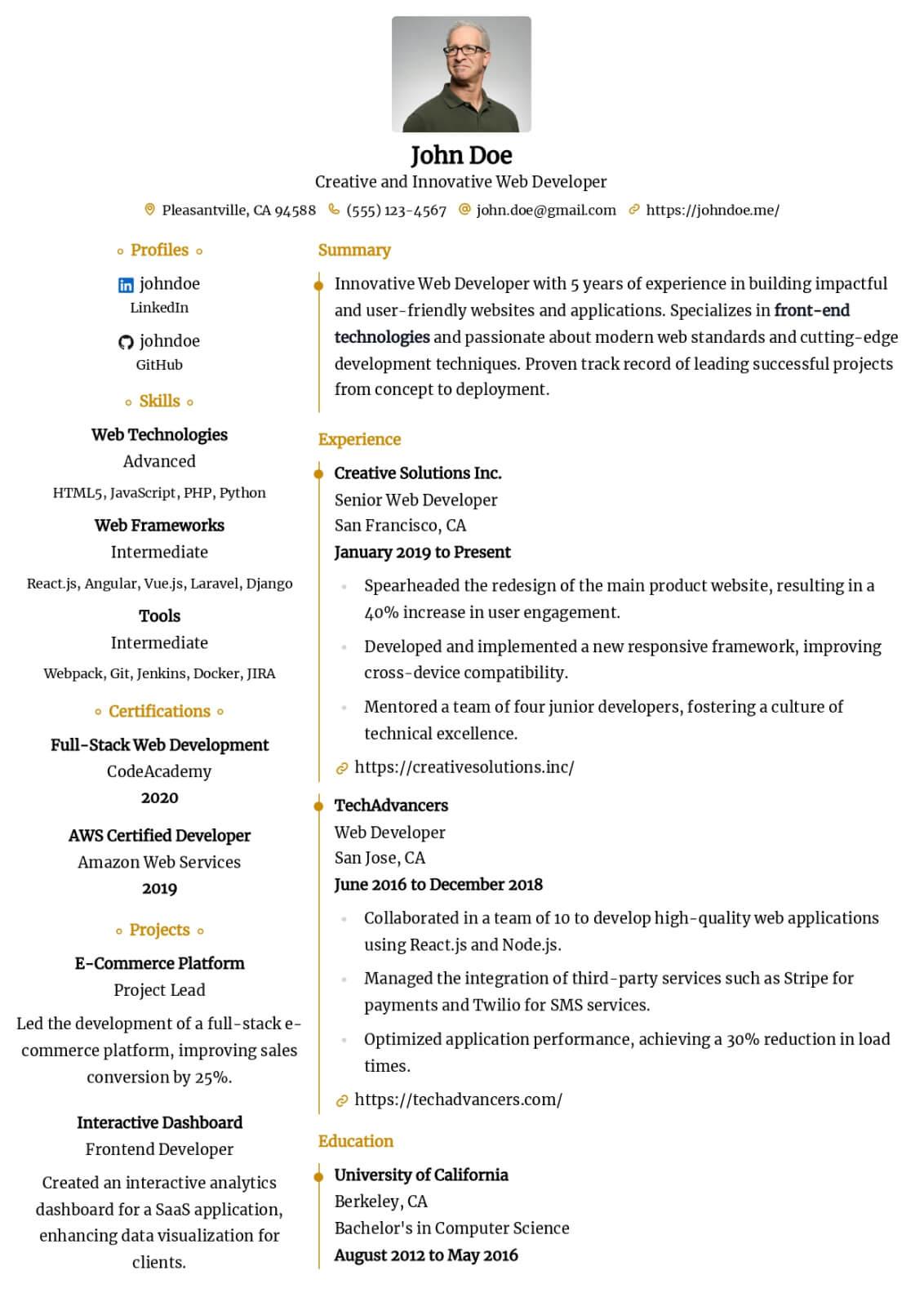







Introduction
Create a versatile analyst resume that demonstrates your data interpretation skills, reporting capabilities, and ability to deliver actionable insights that drive strategic business decisions across departments.
This guide walks you through every major section of a analyst resume, with practical tips you can apply today.
- How to position your analytical toolkit and domain expertise to attract a wide range of employers
- Techniques for quantifying the business impact of your reports, dashboards, and data-driven recommendations
- Strategies for demonstrating proficiency in SQL, Excel, Tableau, and other analytical platforms
- Methods for structuring experience bullets around insight delivery and stakeholder decision support
- Best practices for highlighting cross-functional collaboration and presentation skills on your resume
- Ways to tailor your analyst resume for finance, operations, marketing, or strategy analyst positions
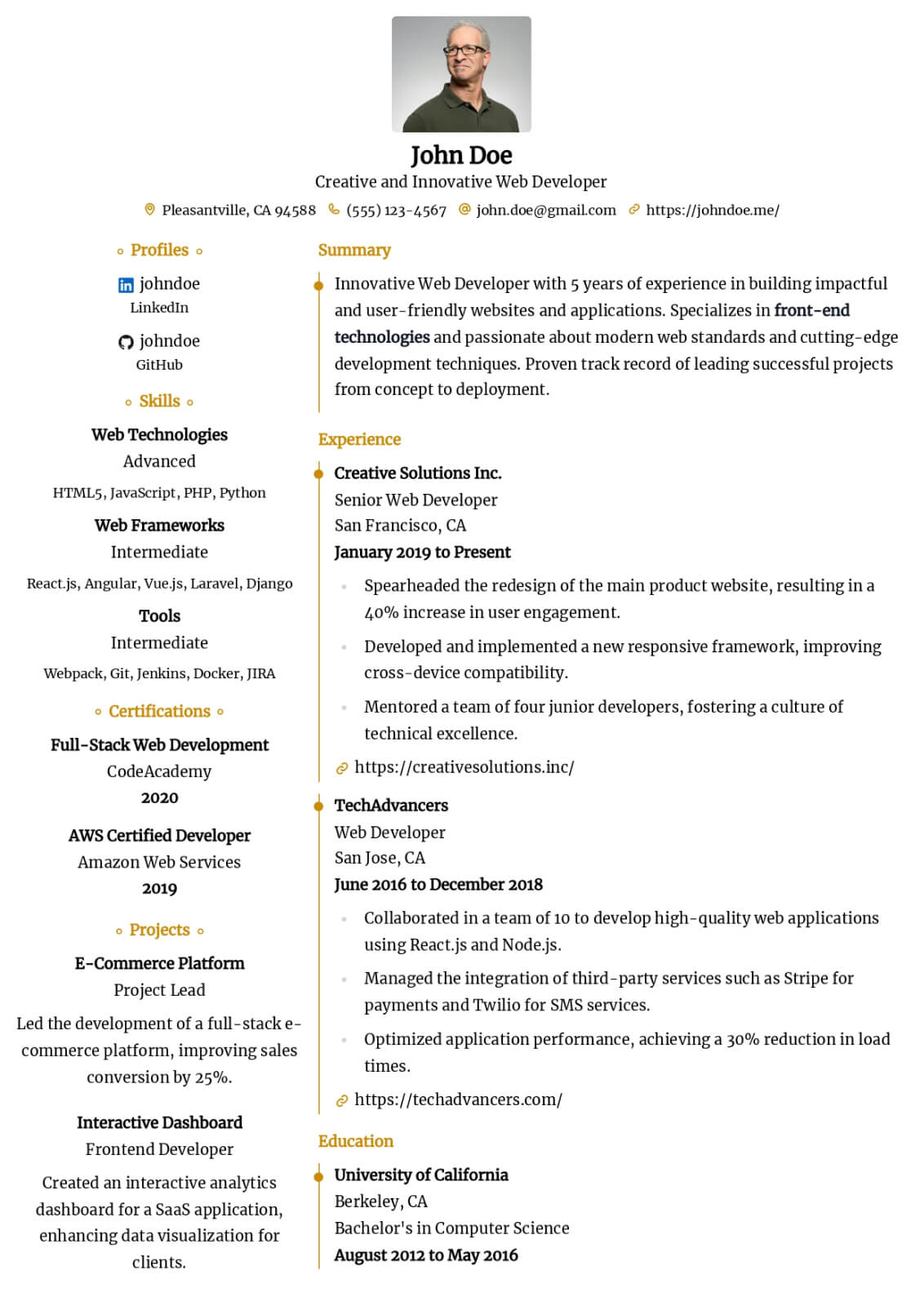
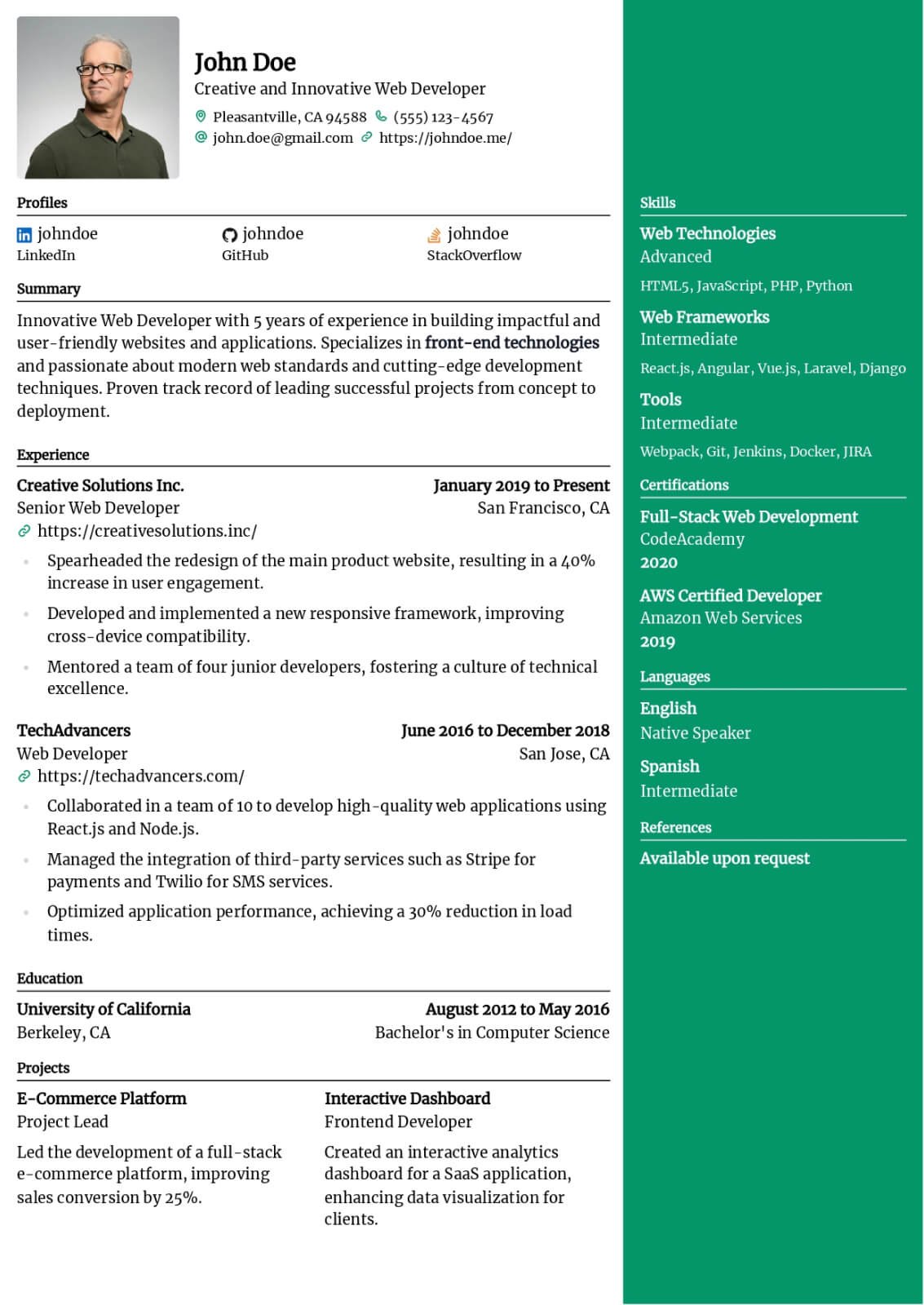
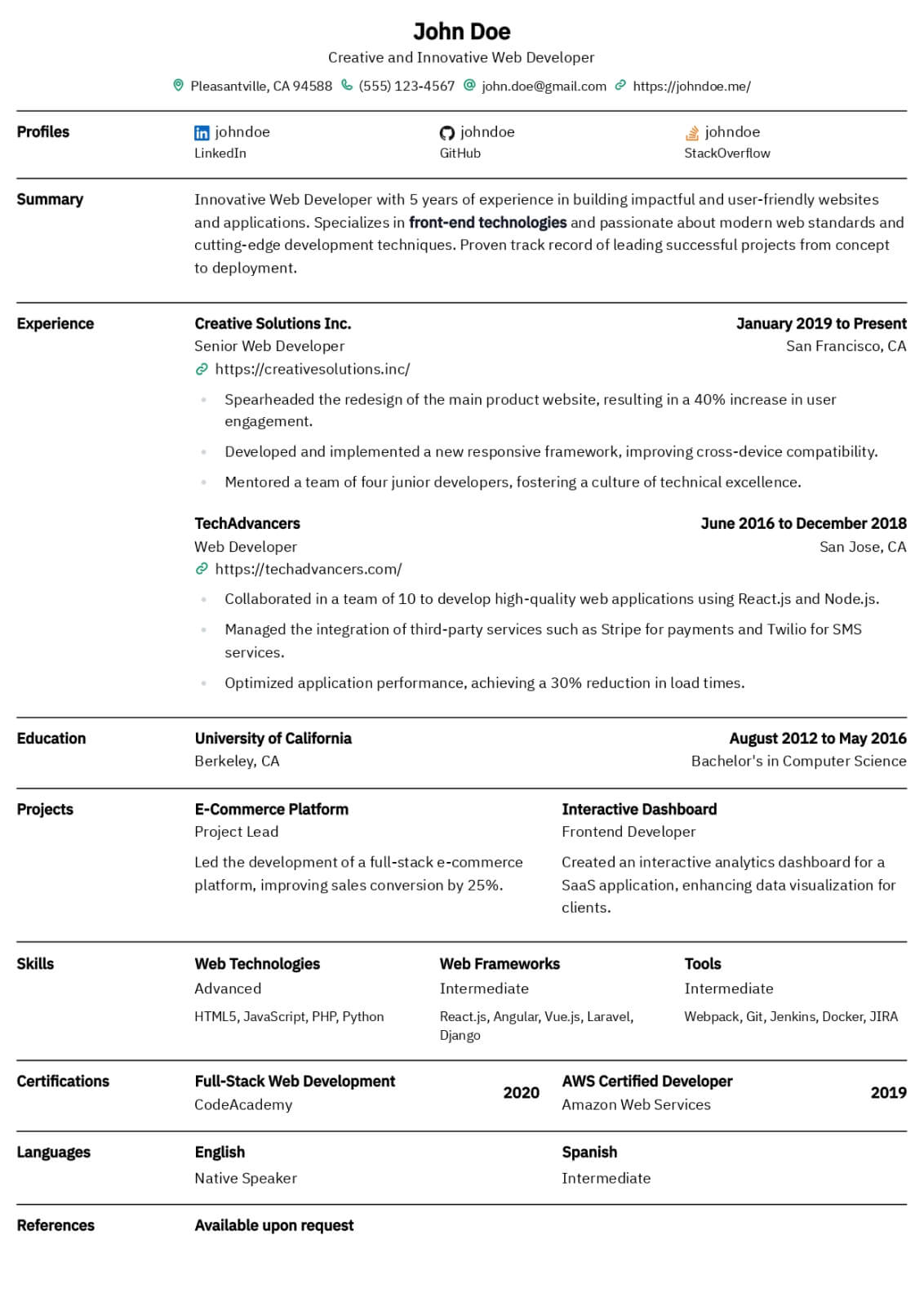
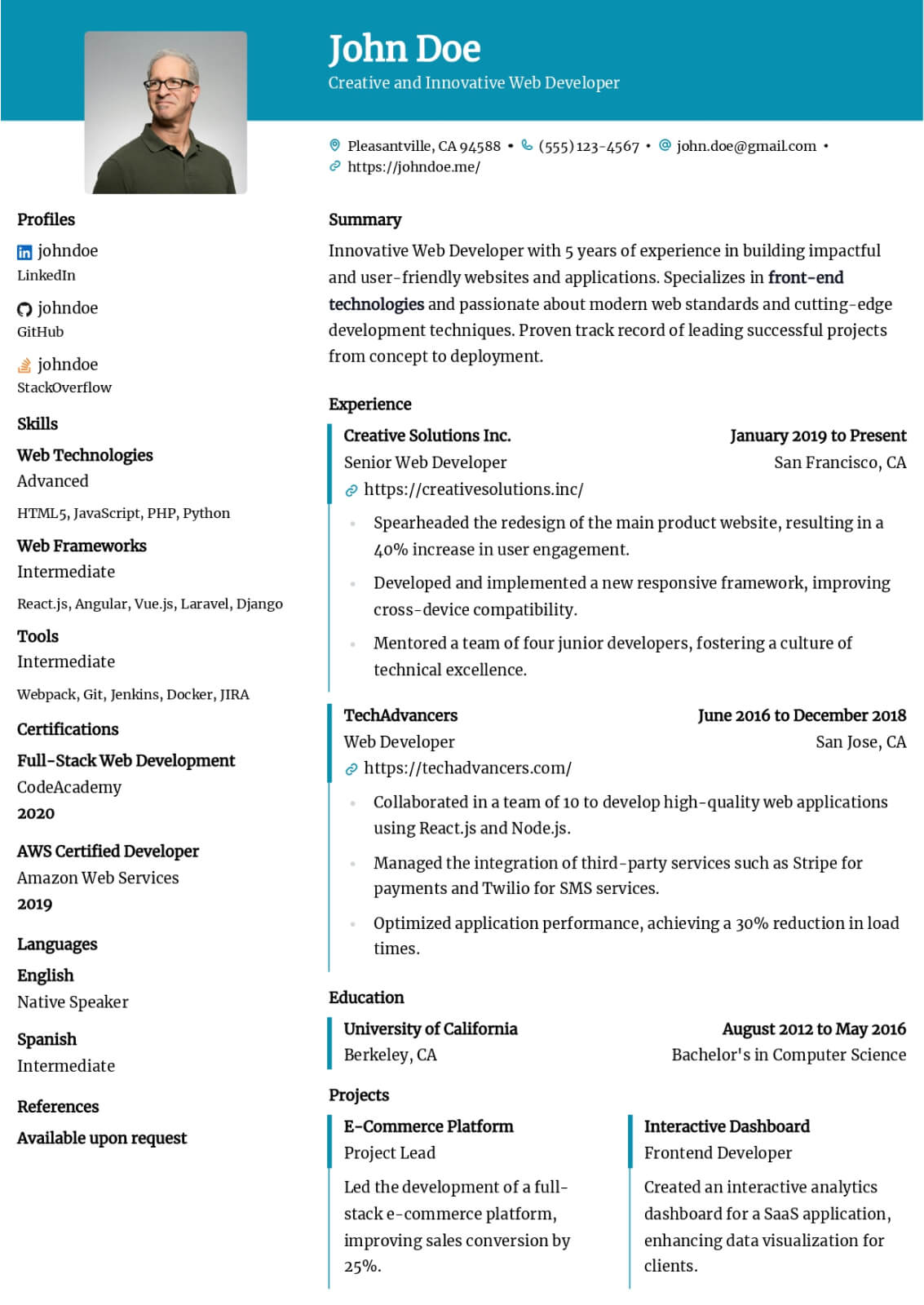
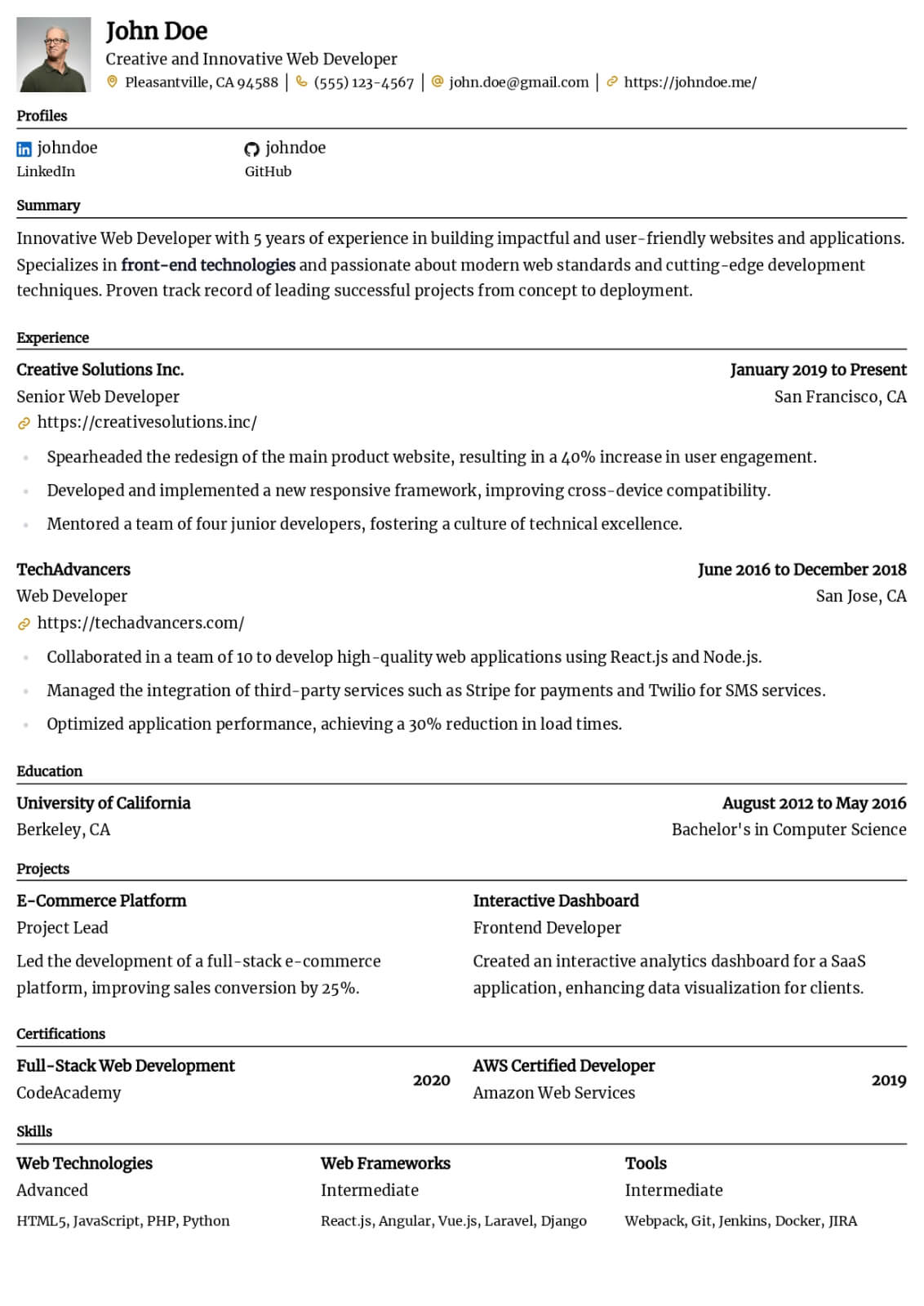
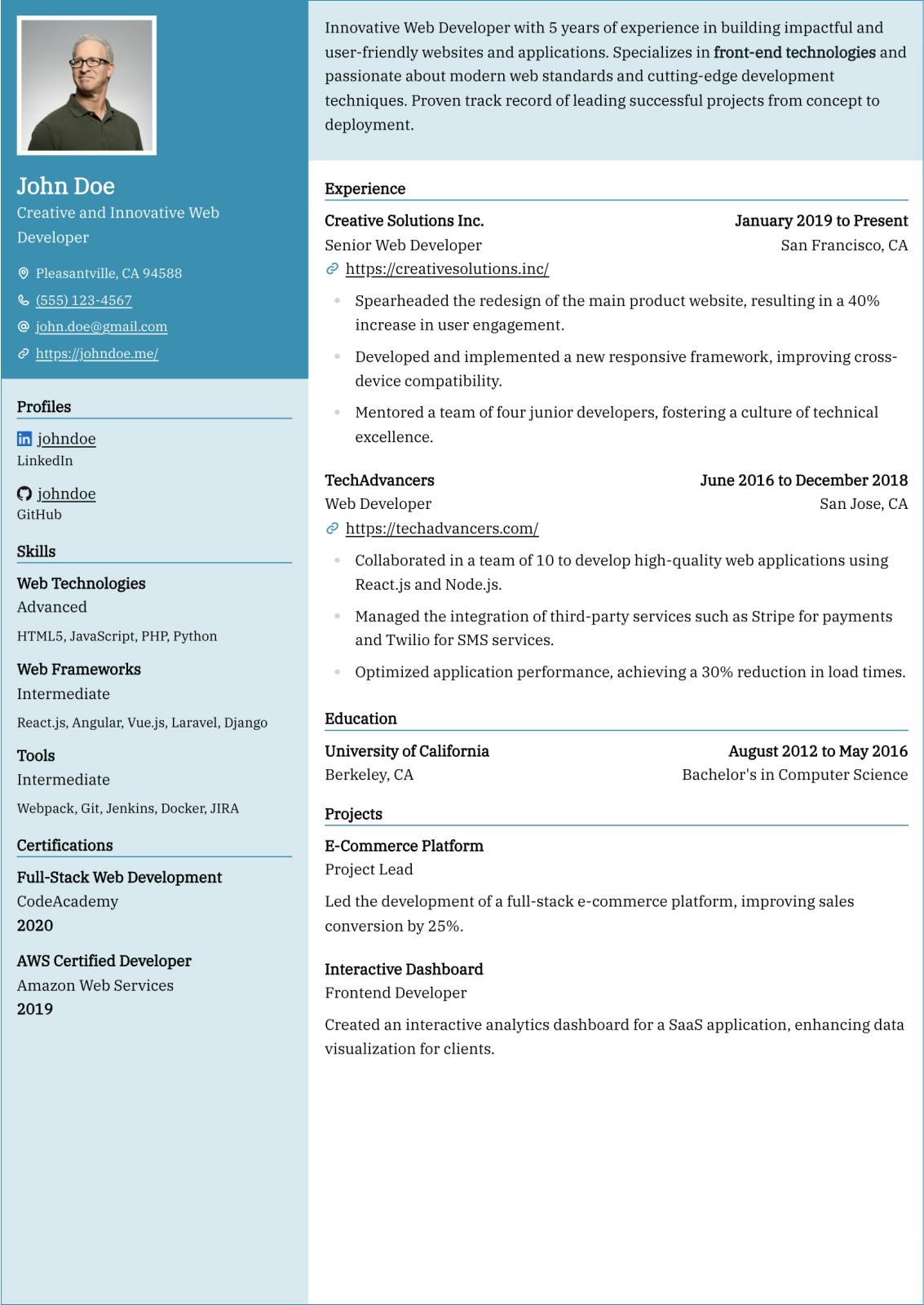
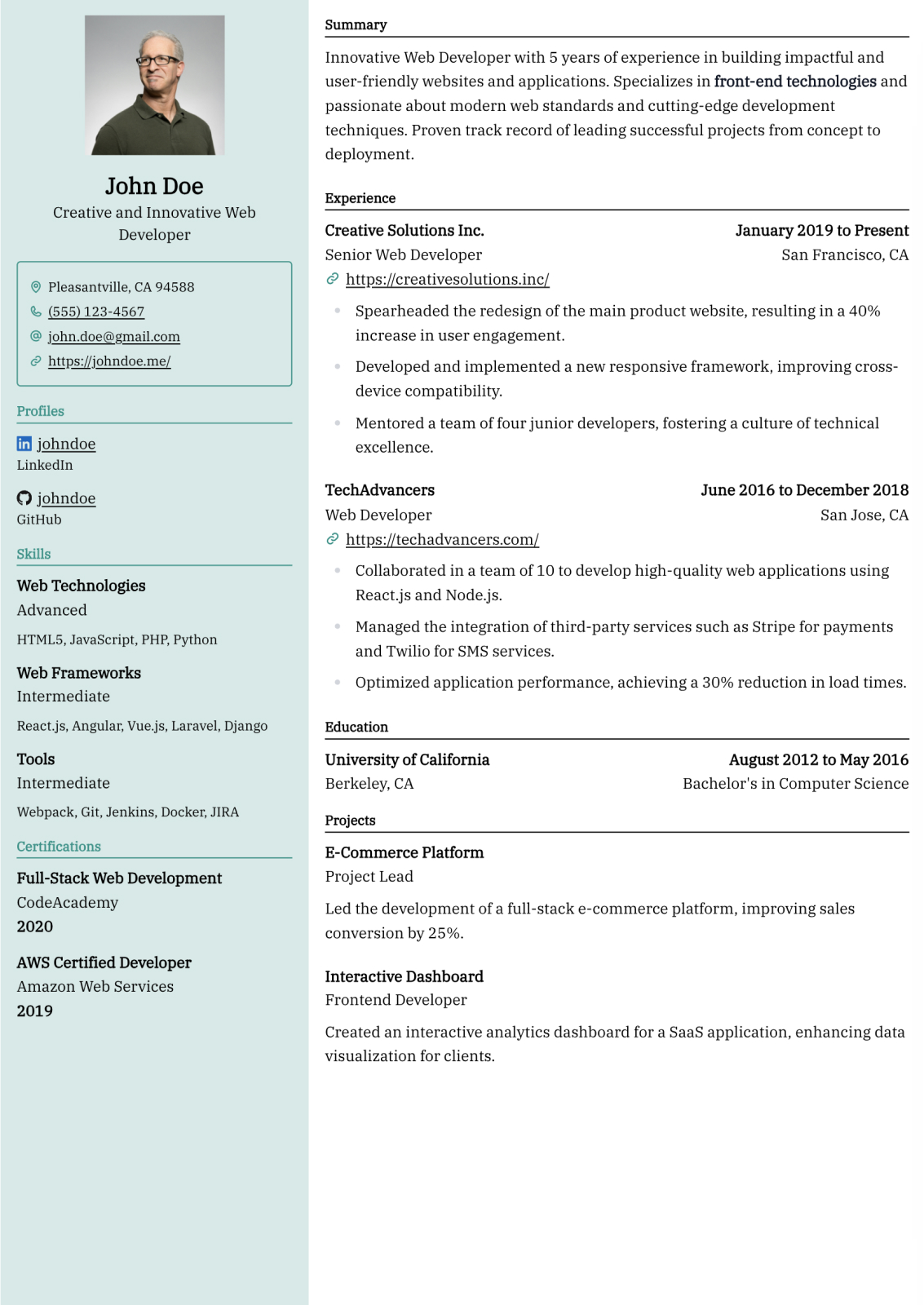
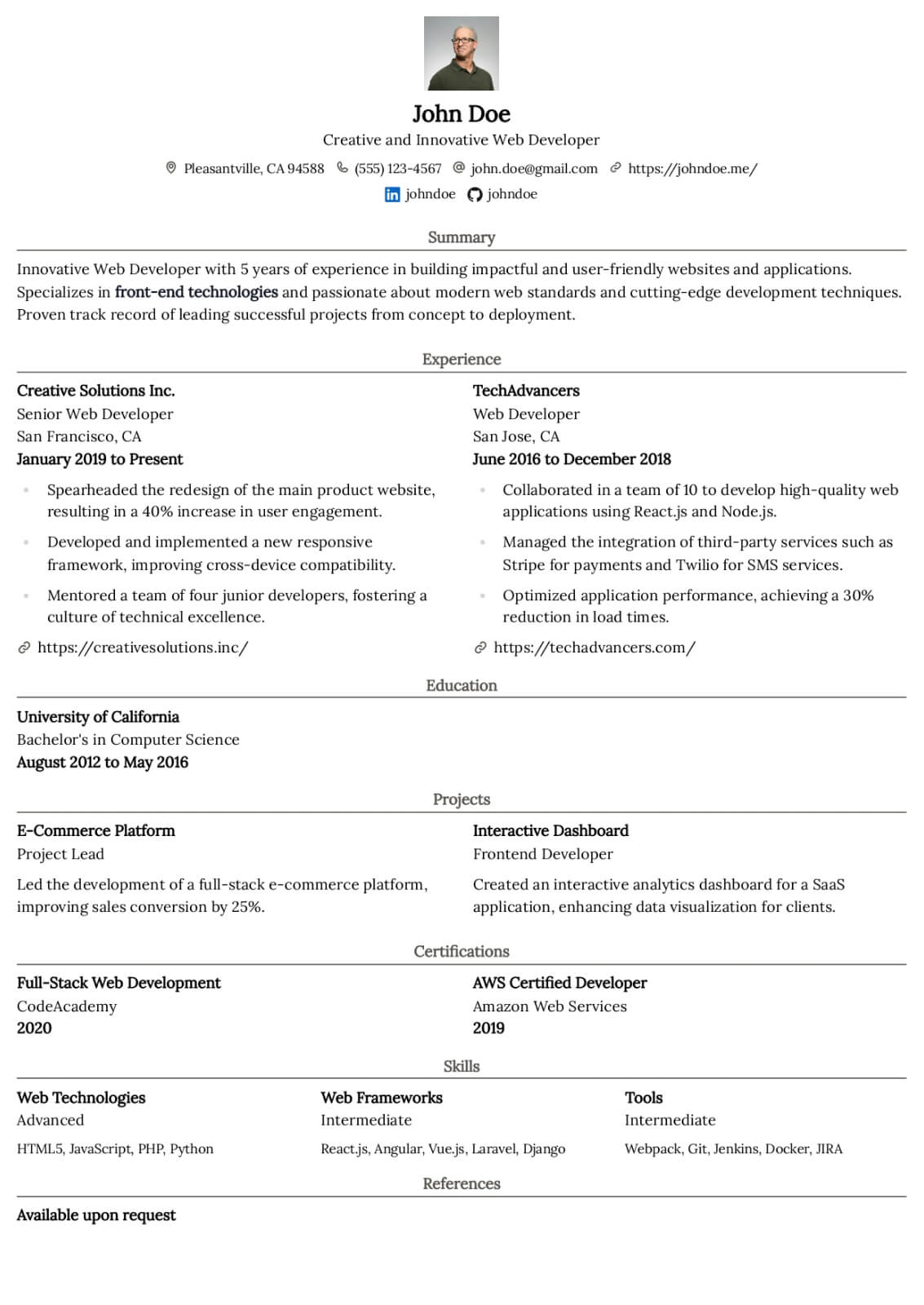
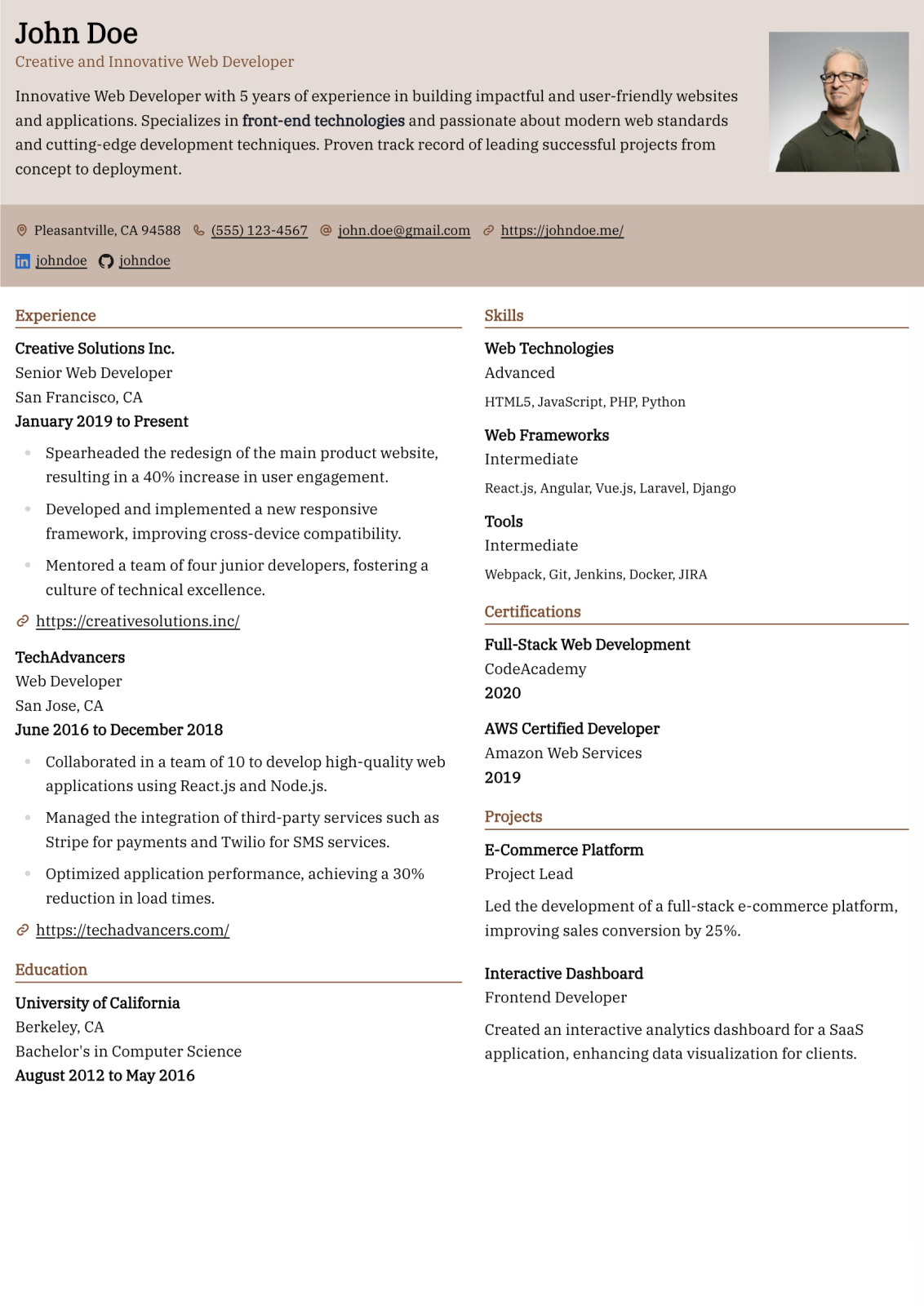
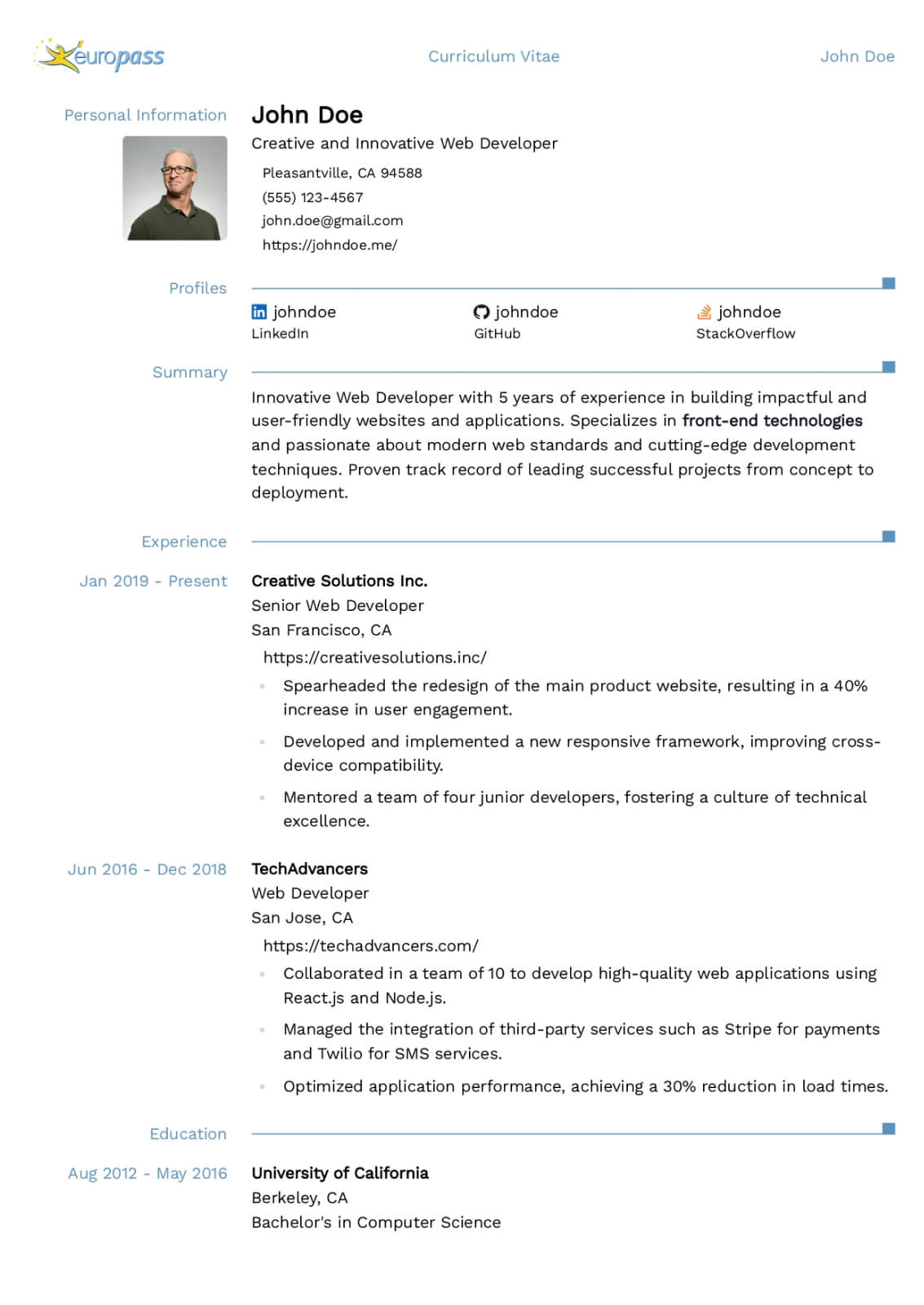
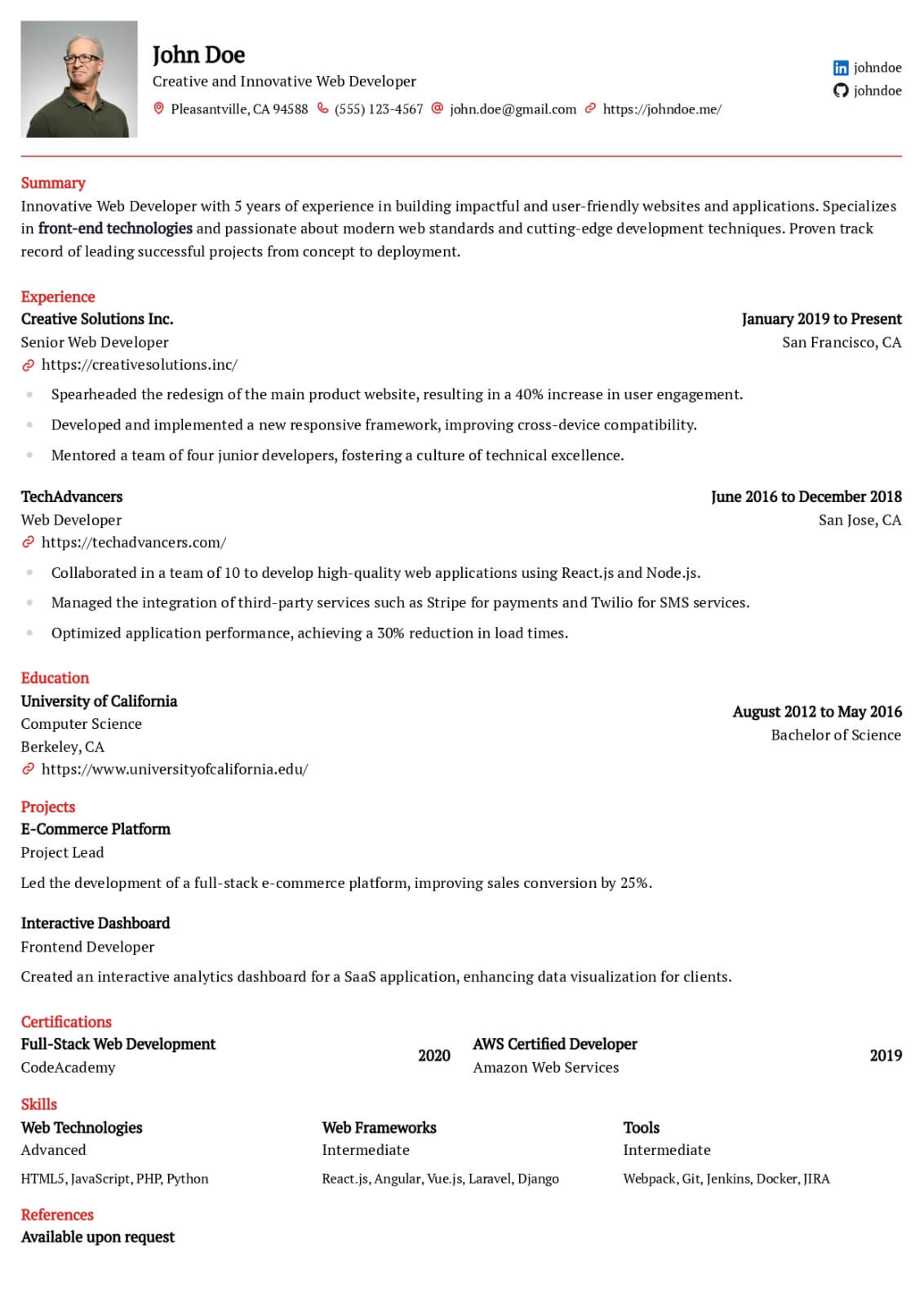
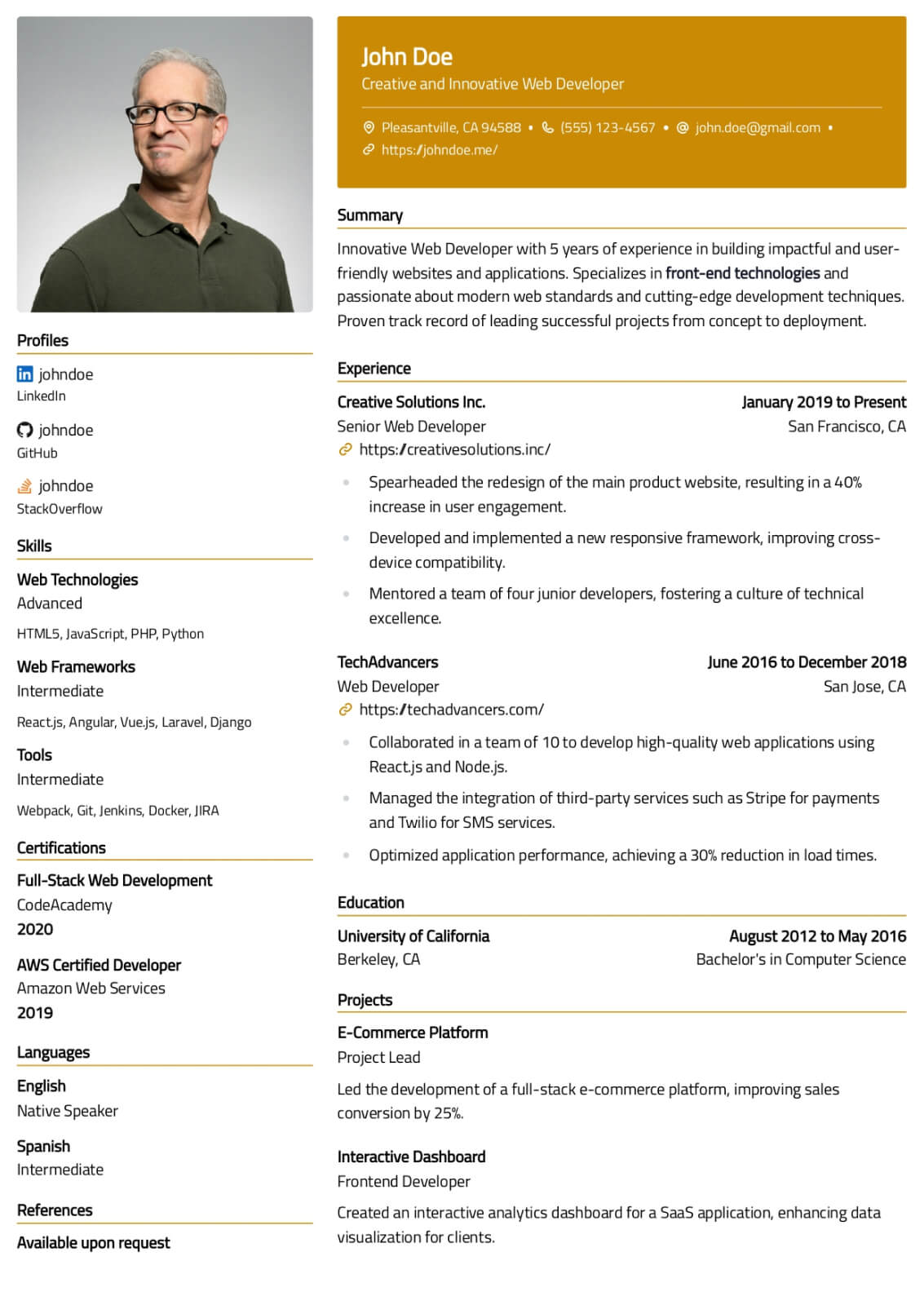
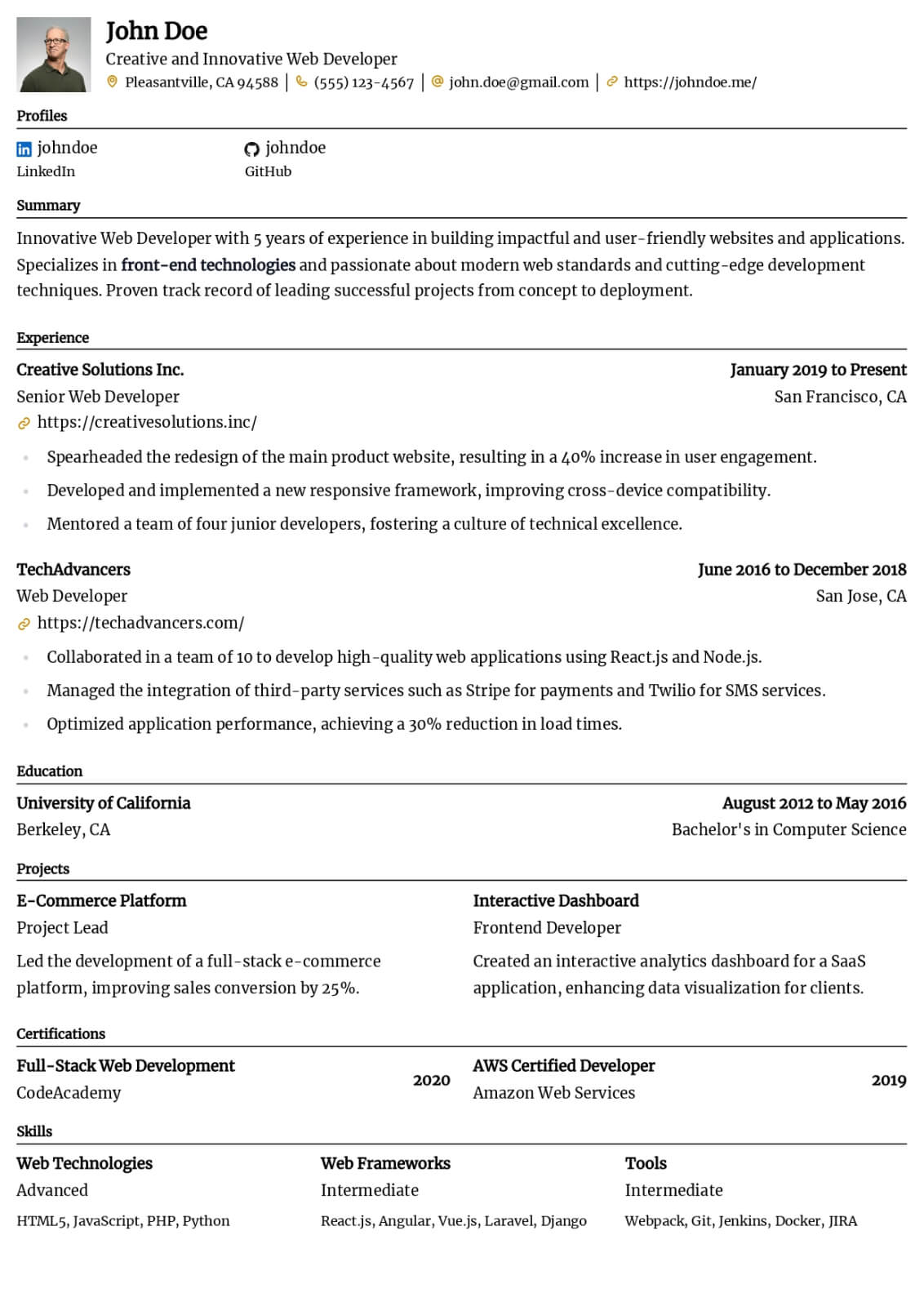
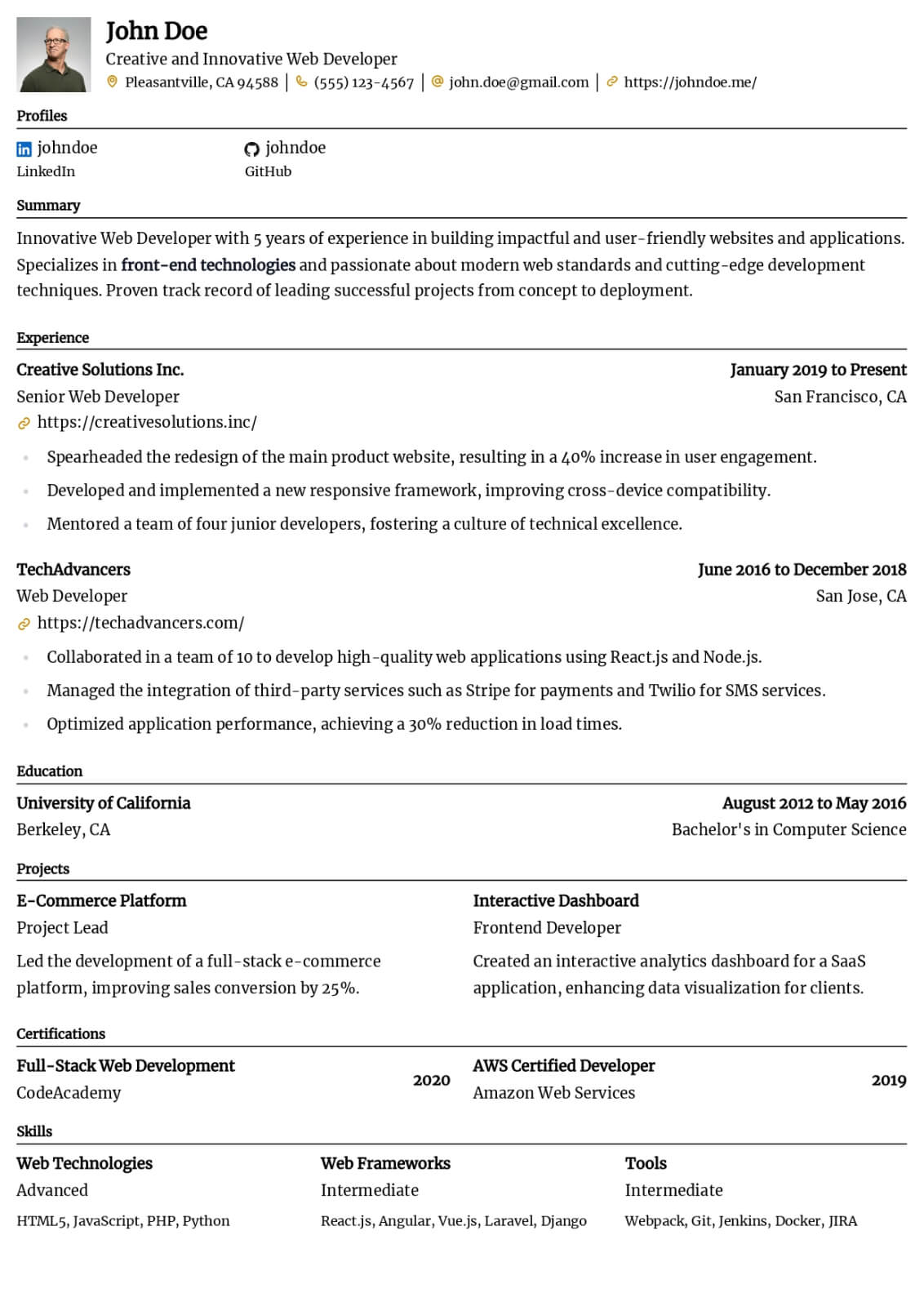
Analyst resume guide
Below, you will find section-by-section guidance for your analyst resume — from your opening summary through skills and experience. Tailor every line to the job you want.
Professional Summary
Your professional summary should establish you as a versatile analyst who transforms raw data into actionable insights that drive organizational decisions. Open with your years of experience and the functional area or industry you specialize in, such as financial analysis, operational performance, or market research. Mention your core analytical tools like SQL, Tableau, Power BI, or Python to pass automated keyword screens. Include one quantified accomplishment, for example stating that you built an automated reporting dashboard that reduced weekly analysis time by fifteen hours and enabled real-time decision-making for the executive team. Keep the summary between three and five sentences to deliver a focused opening. Tailor the language to mirror the vocabulary and priorities found in each specific job description you target.
Work Experience
Present your positions in reverse-chronological order with clear titles, company names, and employment dates. Write four to six bullet points per role, opening each with an analytical action verb such as analyzed, modeled, visualized, optimized, or recommended. Every bullet should connect your analysis to a business outcome, for example stating that you analyzed customer churn patterns across three product lines and recommended retention strategies that reduced attrition by nineteen percent. Demonstrate your ability to translate findings for non-technical audiences by mentioning executive presentations, written recommendation reports, or stakeholder briefings you delivered. Highlight the data volumes and complexity of your work, such as analyzing datasets with over one million records. Avoid vague statements about performing analysis without specifying the subject matter, methodology, or result.
Skills
Construct a skills section with eight to ten technical competencies and six to seven interpersonal abilities aligned to analyst roles. On the technical side, include SQL for data querying, Excel with advanced formulas and pivot tables, data visualization tools like Tableau or Power BI, Python or R for statistical analysis, and basic knowledge of database structures and data warehousing concepts. Add domain-specific skills based on your target role, such as financial modeling for finance analysts or A/B testing for marketing analysts. For soft skills, emphasize critical thinking, storytelling with data, stakeholder communication, intellectual curiosity, and the ability to synthesize complex information into clear recommendations. Mirror the exact terms from the job posting to maximize ATS keyword alignment.
Key Projects & Analyses
Dedicate a section to two to four high-impact analyses or projects that demonstrate your ability to deliver actionable insights. For each project, describe the business question, the data sources and analytical methods you employed, the tools used, and the measurable outcome your work produced. A strong entry might read: Designed a predictive churn model using logistic regression on two years of customer transaction data, enabling the retention team to target at-risk accounts and reduce monthly churn by eleven percent. Projects are particularly valuable for analysts early in their careers or transitioning from adjacent fields. Include cross-functional projects where your analysis informed decisions by marketing, operations, or finance teams.
Certifications & Professional Development
List analytical certifications that validate your technical skills, such as Google Data Analytics Professional Certificate, Tableau Desktop Specialist, Microsoft Certified Data Analyst Associate, or IBM Data Science Professional Certificate. Include the issuing organization and date earned for each credential. If you have completed specialized training in statistical methods, machine learning, or financial modeling, include those as well. Certifications are especially impactful for analysts who are self-taught or transitioning from non-analytical roles because they provide independent verification of competency. Position this section prominently when the target job description specifically mentions or prefers certified candidates.
Education
Include your highest relevant degree, institution name, and graduation year. Analyst roles commonly accept degrees in finance, economics, statistics, mathematics, computer science, or business administration. If you graduated within the last five years, include relevant coursework such as econometrics, database management, statistical methods, or business intelligence to reinforce your analytical foundation. Mention academic honors, relevant capstone projects, or research work that demonstrates your ability to conduct structured analysis and present findings clearly. For experienced analysts with extensive professional portfolios, keep education concise and allow your project outcomes and tool proficiency to carry the primary weight of your application.
Resume layout and formatting
Use a clean, single-column layout with clear section headings and plenty of white space. Lead with technical strengths such as SQL (Data Querying & Joins), Excel (Advanced Formulas, Pivot Tables), Tableau / Power BI, Python or R for Analysis, Statistical Methods & Hypothesis Testing, Data Warehousing Concepts, then reinforce interpersonal strengths like Critical Thinking, Data Storytelling, Stakeholder Communication, Intellectual Curiosity. Keep fonts standard (e.g., Arial or Calibri) at 10–12pt body size so your resume stays ATS-friendly and easy to scan.
Key takeaways
- Lead with a summary that names your analytical tools and a quantified business impact achievement
- Attach measurable outcomes to every experience bullet showing how your analysis drove decisions
- Include a projects section to showcase complex analyses that standard job bullets cannot capture
- Mirror keywords from the job description to optimize ATS compatibility across different analyst roles
- List analytical certifications to validate your toolset, especially if you are self-taught or transitioning
- Keep formatting clean and professional to reflect the clarity expected in analytical communication
Build your Analyst resume with Scale
Lead with a summary that names your analytical tools and a quantified business impact achievement
Use This Template
Professional Templates That Make You Stand Out
Browse modern, ATS-friendly resume designs crafted to impress recruiters. Customize any template and download it as a Word or PDF file.
Listen What Our Users Have to Say

Rohan Sen
I am very happy with the team's quick turnaround time - any query is responded at utmost priority. Shoutout to my client manager, Anub Biju - very helpful.

Gael L
Service and communication is great, cover letters are non-ai sounding and well tailored. Just have a lot of communication and review with your staff!

Jonathan Parry
Wow - don't tell your peers! Wow, I can't recommend scale.jobs enough - it's so good I am not sharing with my peers. Applications at scale that get through filters. Thank you!

Cynthia Zhu
Great service! The scale.jobs team was very responsible and managed to apply tons of jobs for me in a very tight deadline to help me secure interviews quickly. Highly recommend to anyone who needs help applying to jobs!

Yash Yenugu
Save your fingers. Saved me from a thumb cramp because we're expected to effortlessly apply to jobs during these times.

Cian O'Driscoll
Clever service. Takes the hard effort out of applying for jobs with an intuitive dashboard and attention to detail. A great asset to job seekers. :-)
Frequently asked questions
What should an analyst resume include in 2026?
A competitive analyst resume should feature a summary highlighting your core tools and a headline achievement, detailed experience bullets with quantified outcomes, a focused skills section, and relevant certifications. Employers expect demonstrated proficiency in SQL and at least one visualization platform alongside evidence that your analyses have driven real business decisions. ATS-compatible formatting with standard headings ensures your resume passes automated screening before reaching a hiring manager.
How do I tailor my analyst resume for different industries?
Adjust your summary to reference the specific domain, reorder your skills to prioritize those mentioned in the job posting, and emphasize experience bullets most relevant to the target industry. A finance analyst resume should highlight financial modeling and variance analysis, while a marketing analyst resume should feature campaign performance tracking and A/B testing. This targeted approach consistently outperforms sending a generic resume to multiple industries.
Which analytical tools should I feature on my analyst resume?
Always list the tools specified in the target job posting first, then supplement with additional platforms you have hands-on experience with. SQL is expected in nearly every analyst role, followed by Excel at an advanced level and at least one visualization tool like Tableau or Power BI. Adding Python or R signals that you can handle complex statistical analysis and automate repetitive reporting workflows beyond basic spreadsheet capabilities.
How do I quantify achievements on an analyst resume?
Attach specific percentages, dollar amounts, or time savings to your analytical contributions. Rather than writing that you analyzed sales data, state that your sales trend analysis identified three underperforming product lines and informed a pricing strategy that increased quarterly revenue by seven percent. Sourcing metrics from stakeholder feedback, project summaries, or performance reviews ensures your claims are credible and defensible during interviews.
Should I include a projects section on my analyst resume?
A dedicated projects section is highly effective for analysts because it provides space to describe complex analyses that standard experience bullets cannot fully capture. Each project entry should specify the business question, analytical methodology, tools used, and measurable outcome delivered. This section is particularly valuable for early-career analysts or those transitioning from adjacent fields who need to demonstrate applied competence beyond routine reporting tasks.
How long should an analyst resume be?
One page is appropriate for most analysts with fewer than ten years of experience. Senior analysts with extensive project portfolios may extend to two pages if every entry delivers quantified value. Remove outdated roles or unrelated positions that dilute your analytical narrative. Recruiters scan analyst resumes quickly, so density of impact and clarity of formatting matter more than exhaustive employment chronology.
Related Resume Guides
Financial Analyst
Craft a compelling financial analyst resume that showcases your valuation expertise, forecasting accuracy, and ability to translate complex data into strategic investment recommendations.
Business Analyst
Build a high-impact business analyst resume that demonstrates data-driven decision-making, stakeholder engagement, and measurable business outcomes with proven frameworks.
Data Analyst
Build an effective data analyst resume that demonstrates your proficiency in SQL, data visualization, and translating complex datasets into actionable insights that drive strategic business decisions.
Budget Analyst
Create a results-driven budget analyst resume that demonstrates your expertise in expenditure forecasting, variance analysis, and the ability to align organizational spending with strategic financial objectives.
Credit Analyst
Craft a compelling credit analyst resume that showcases your creditworthiness assessment expertise, financial statement analysis capabilities, and track record of making sound lending recommendations under risk constraints.