
Credit Analyst Resume Examples, Templates & Writing Guide

Written by: Scale.jobs EditorialLast updated: May 1, 2026







Introduction
Craft a compelling credit analyst resume that showcases your creditworthiness assessment expertise, financial statement analysis capabilities, and track record of making sound lending recommendations under risk constraints.
This guide walks you through every major section of a credit analyst resume, with practical tips you can apply today.
- How to present your credit risk assessment methodology and lending recommendation track record effectively
- Techniques for quantifying portfolio quality metrics, default rate improvements, and approval throughput
- Strategies for showcasing proficiency in credit scoring models, Moody's Analytics, and financial spreading tools
- Methods for demonstrating financial statement analysis expertise including ratio analysis and cash flow evaluation
- Best practices for highlighting experience with commercial, consumer, or institutional credit portfolios
- Ways to tailor your resume for bank lending, corporate credit, or credit rating agency positions
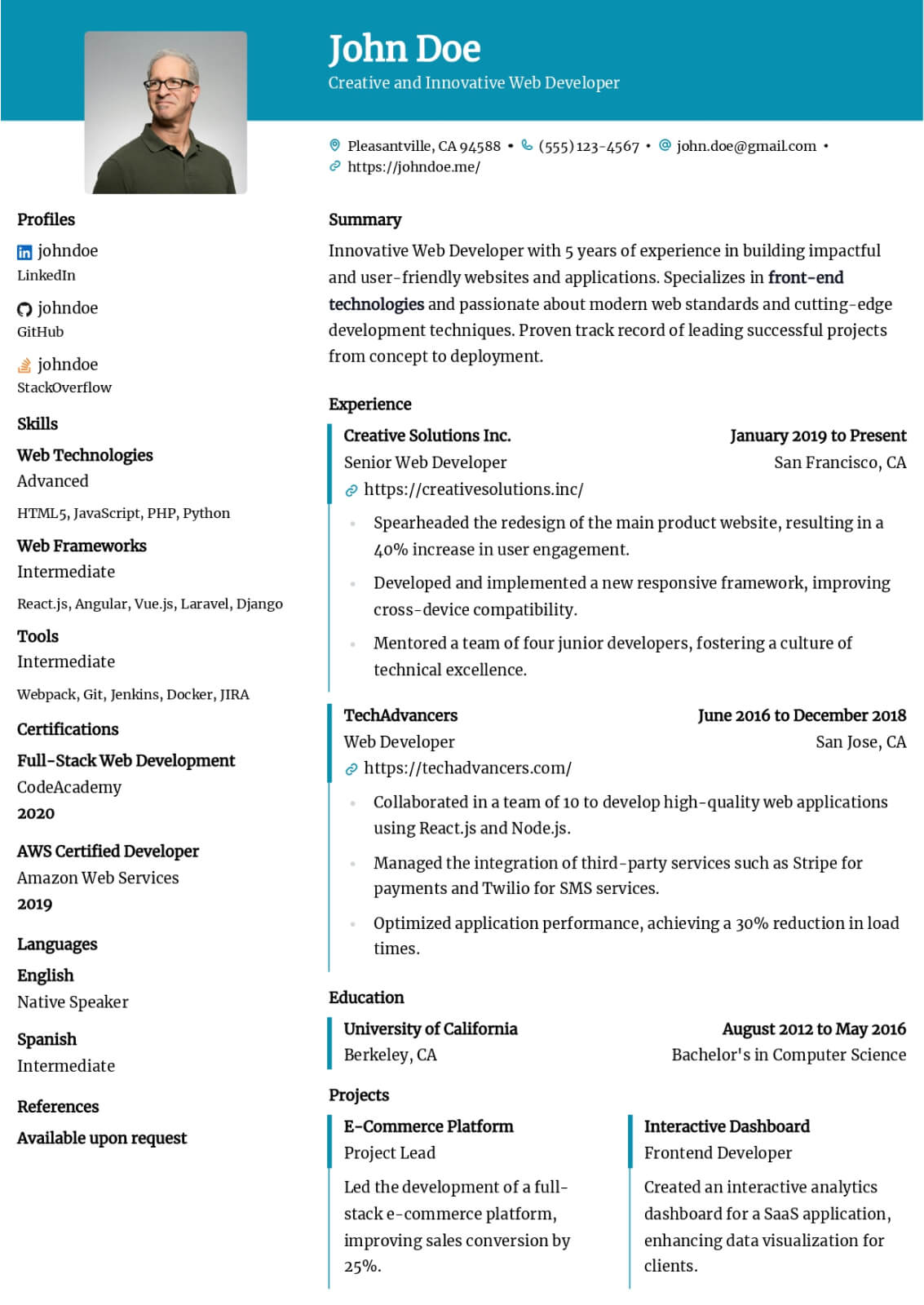
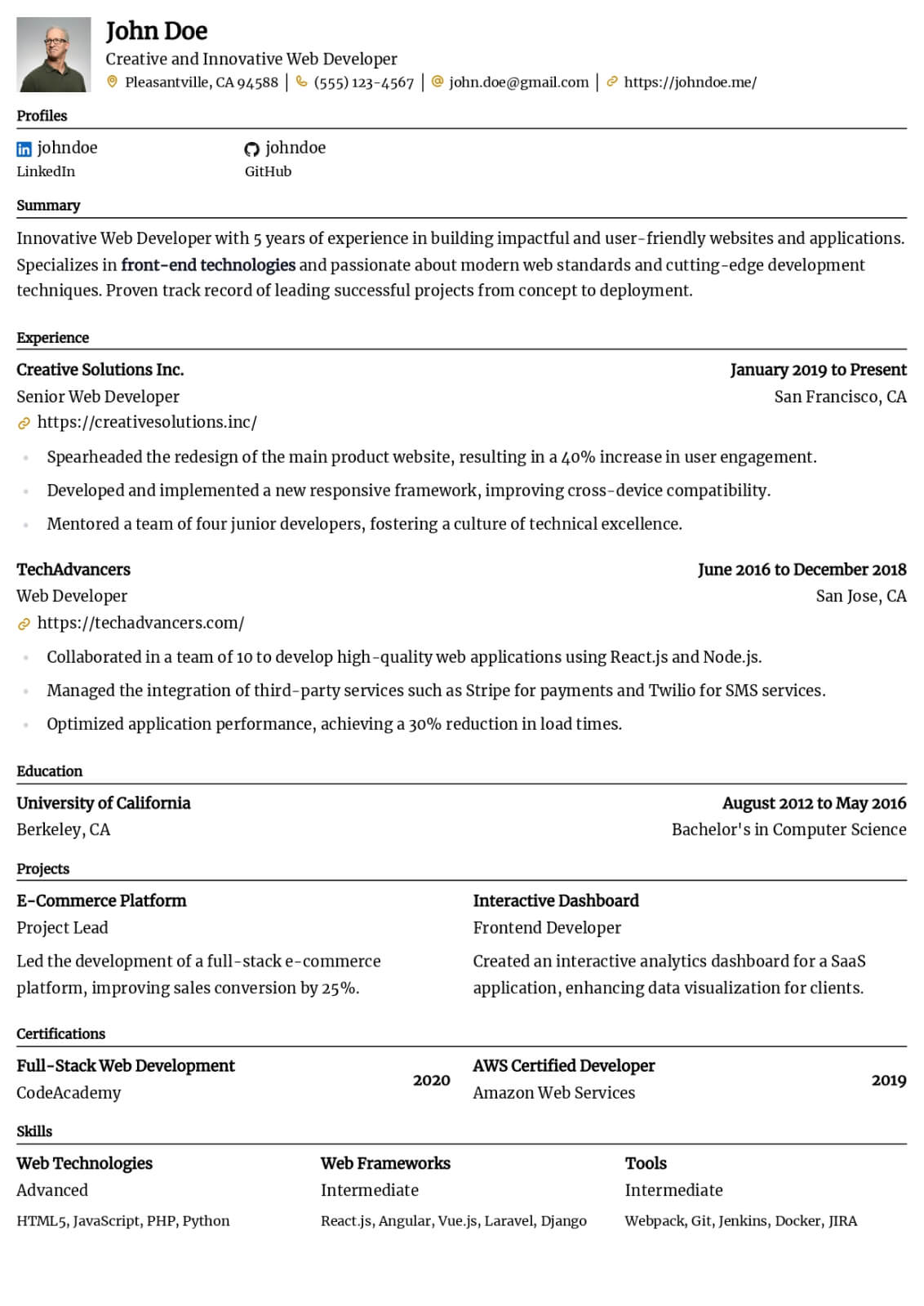
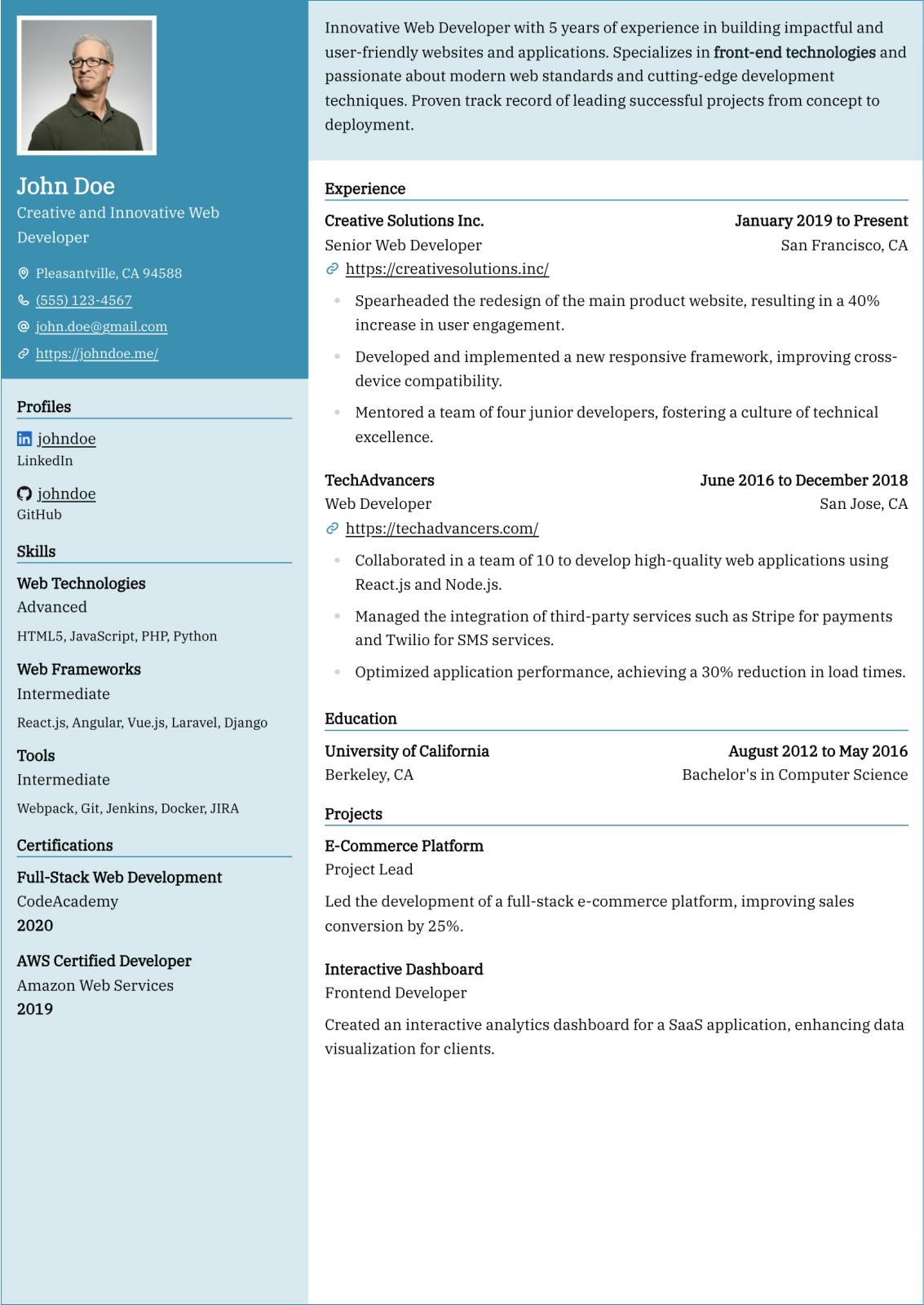
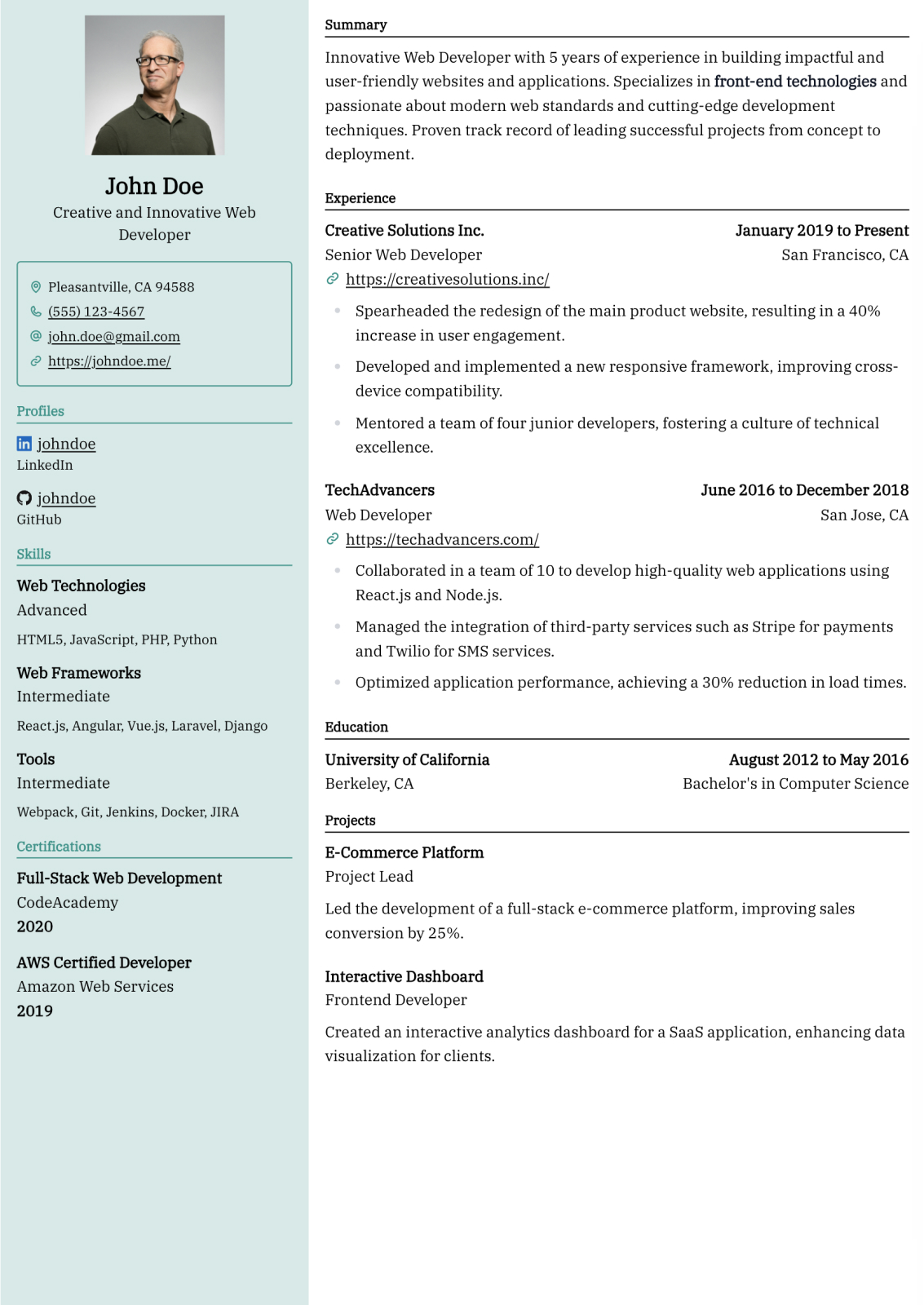
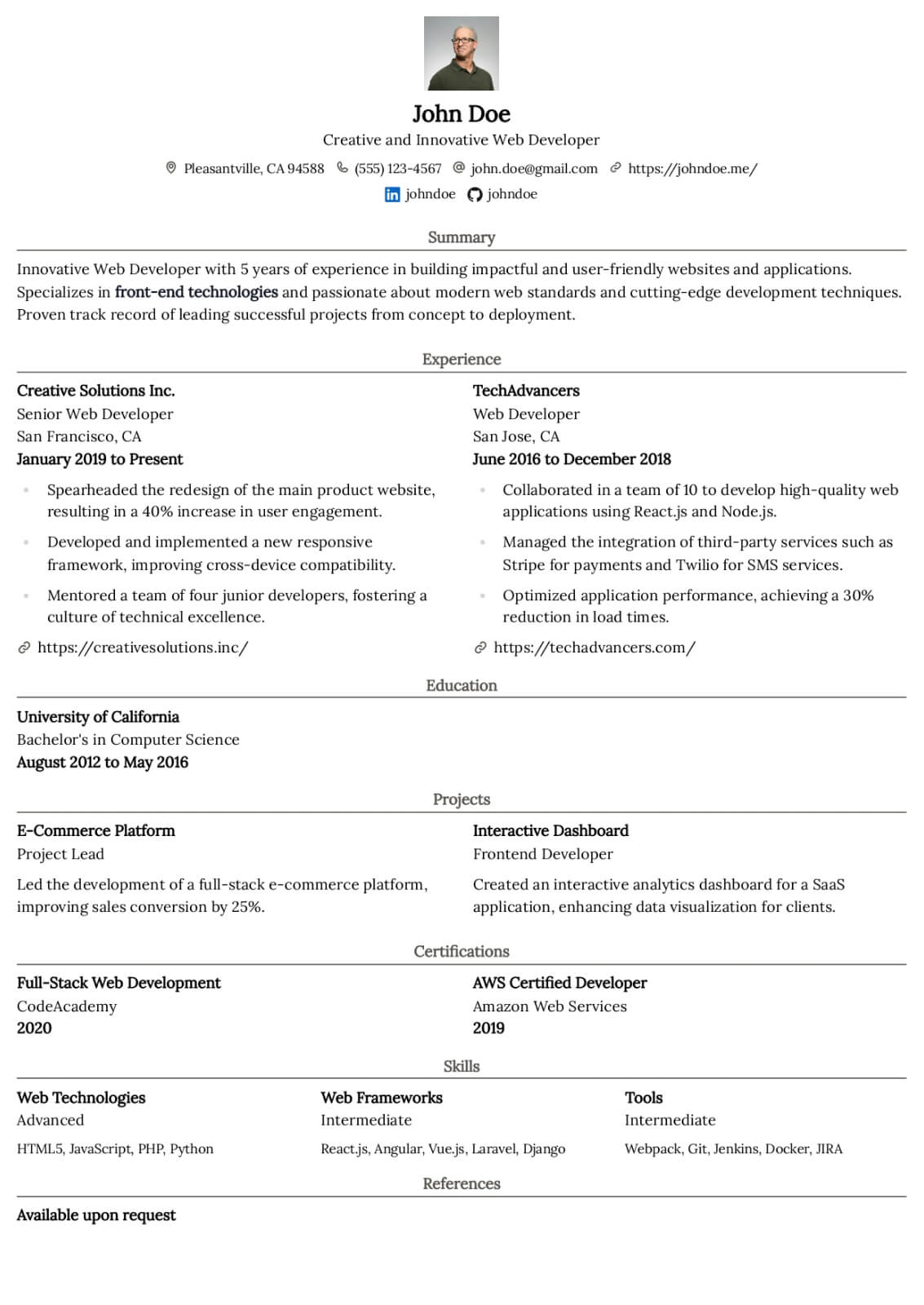
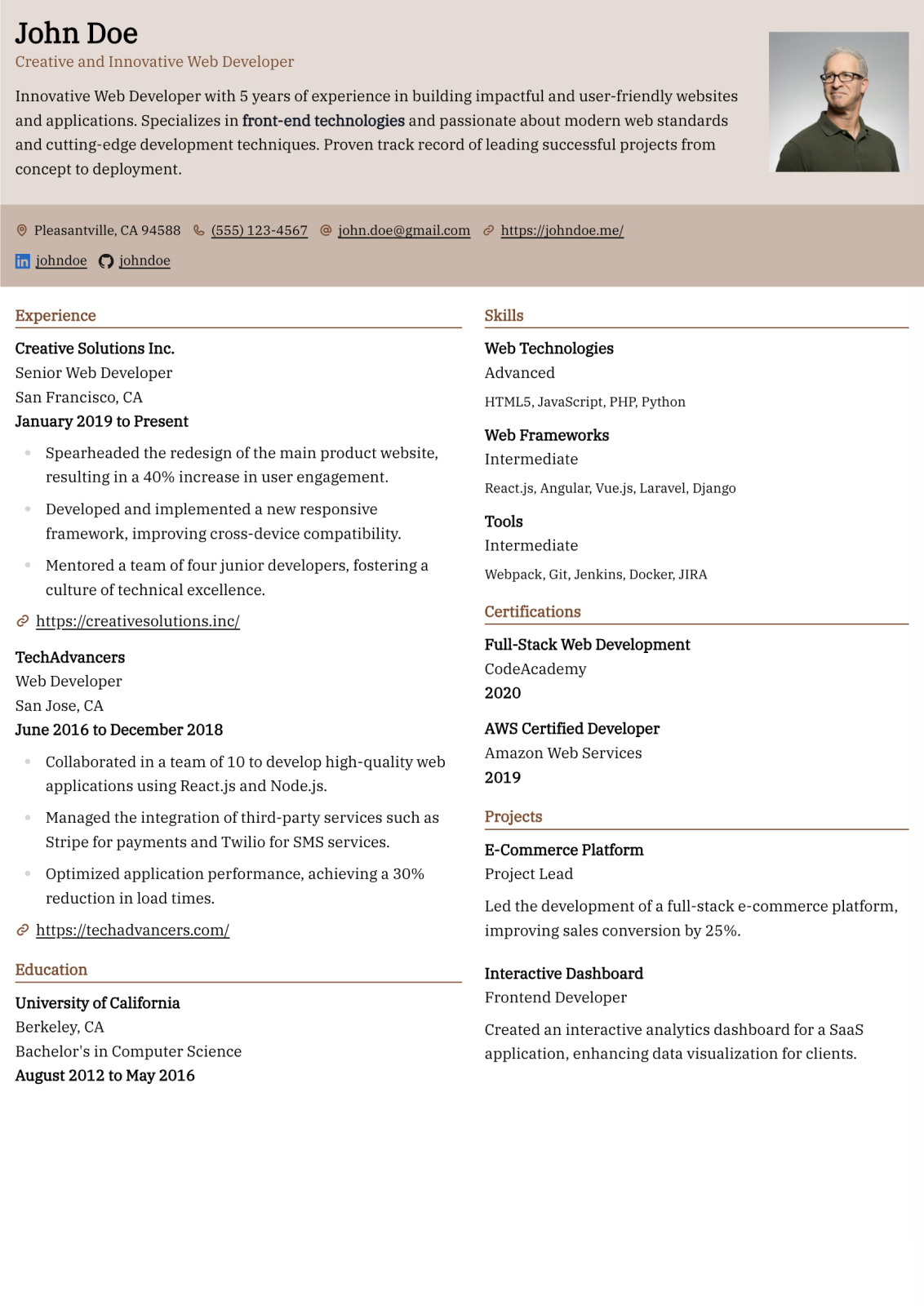
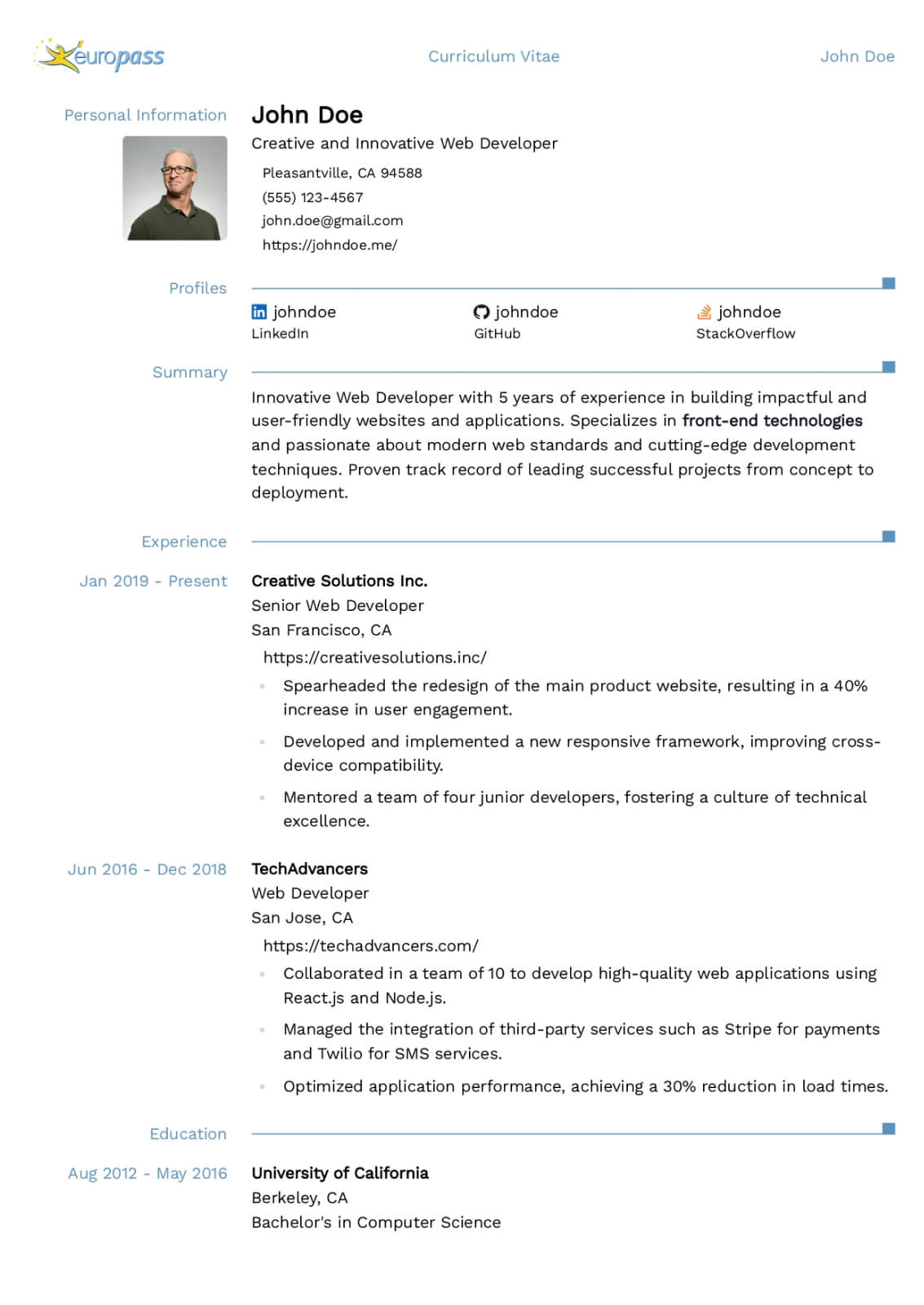
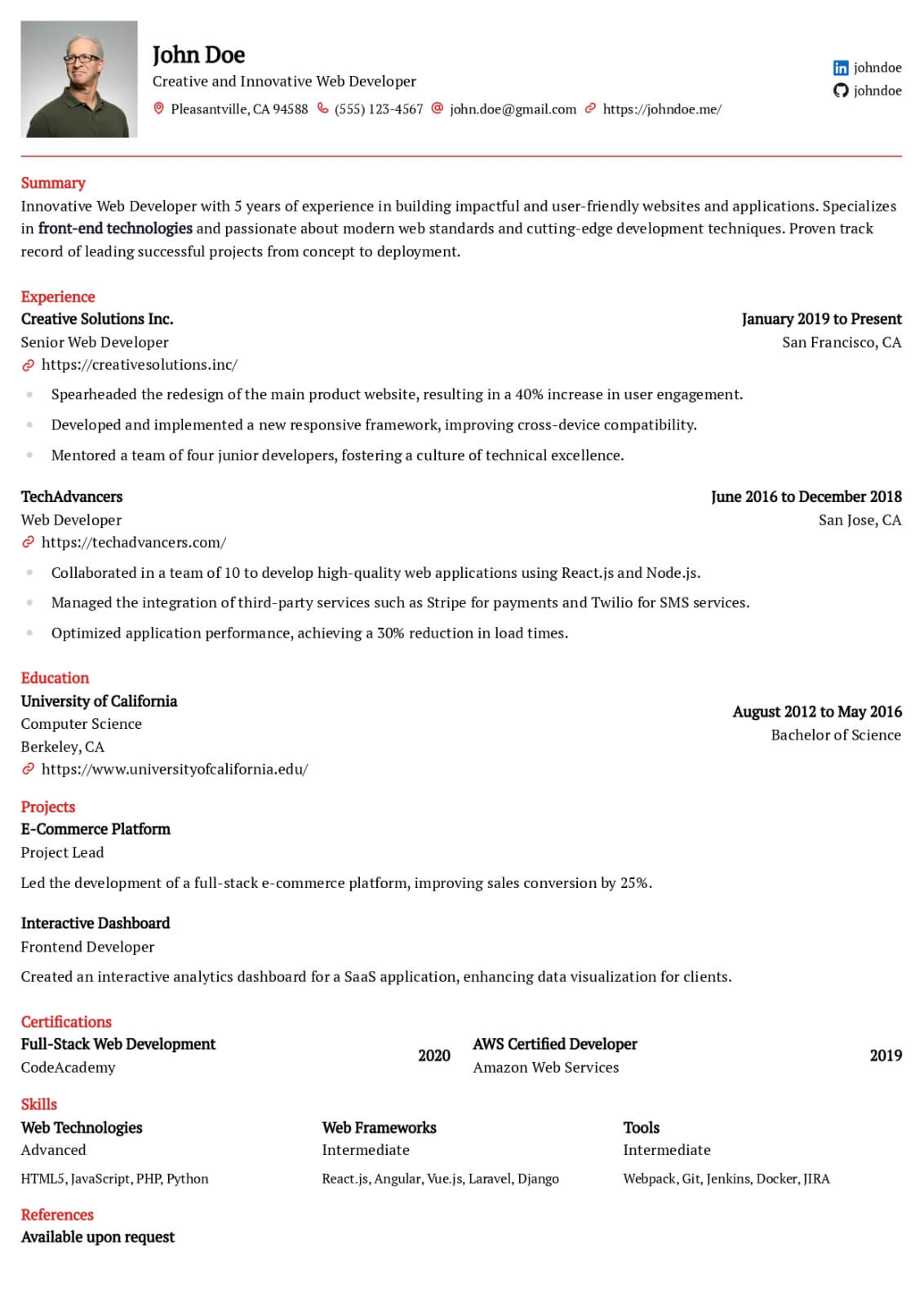
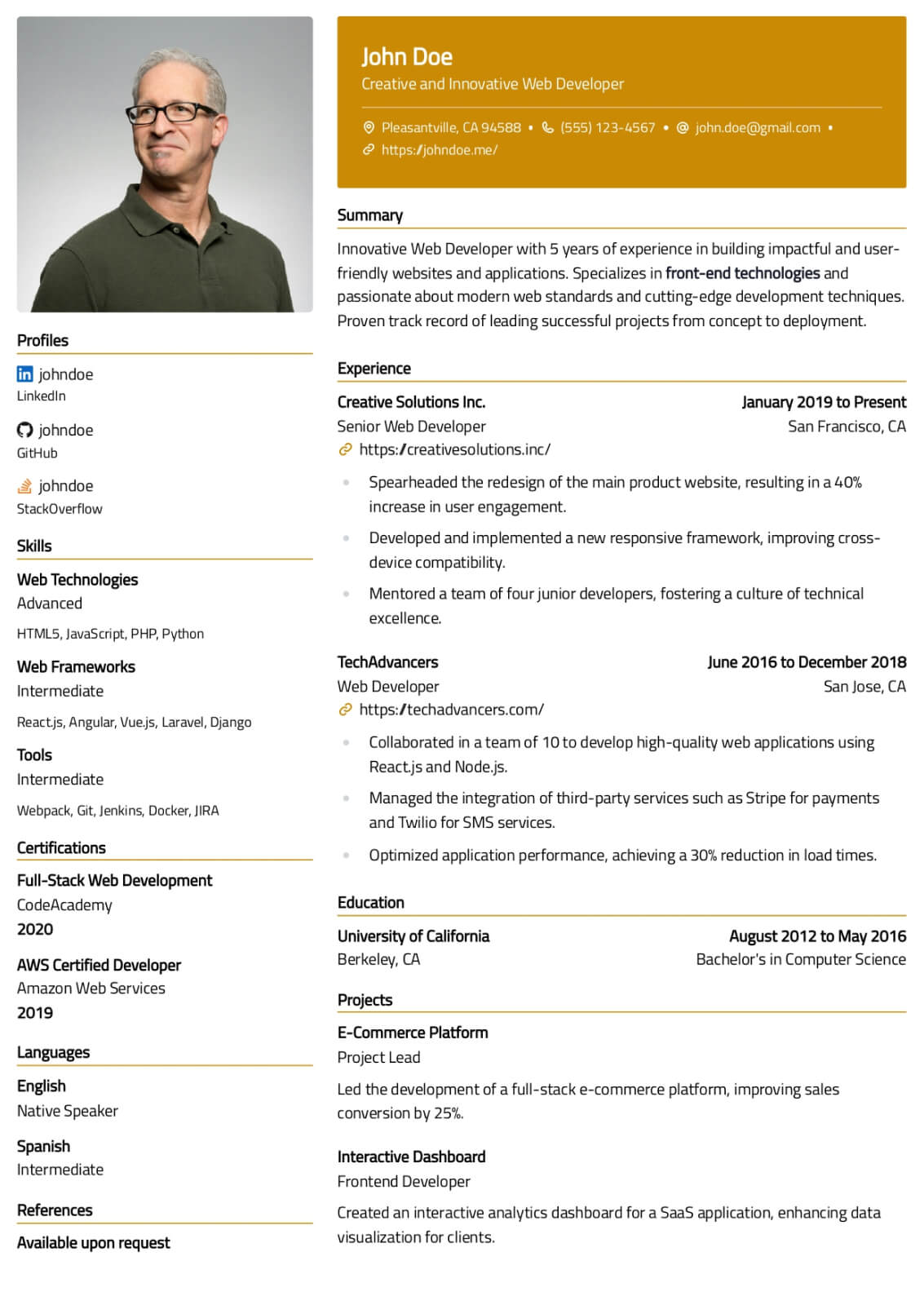
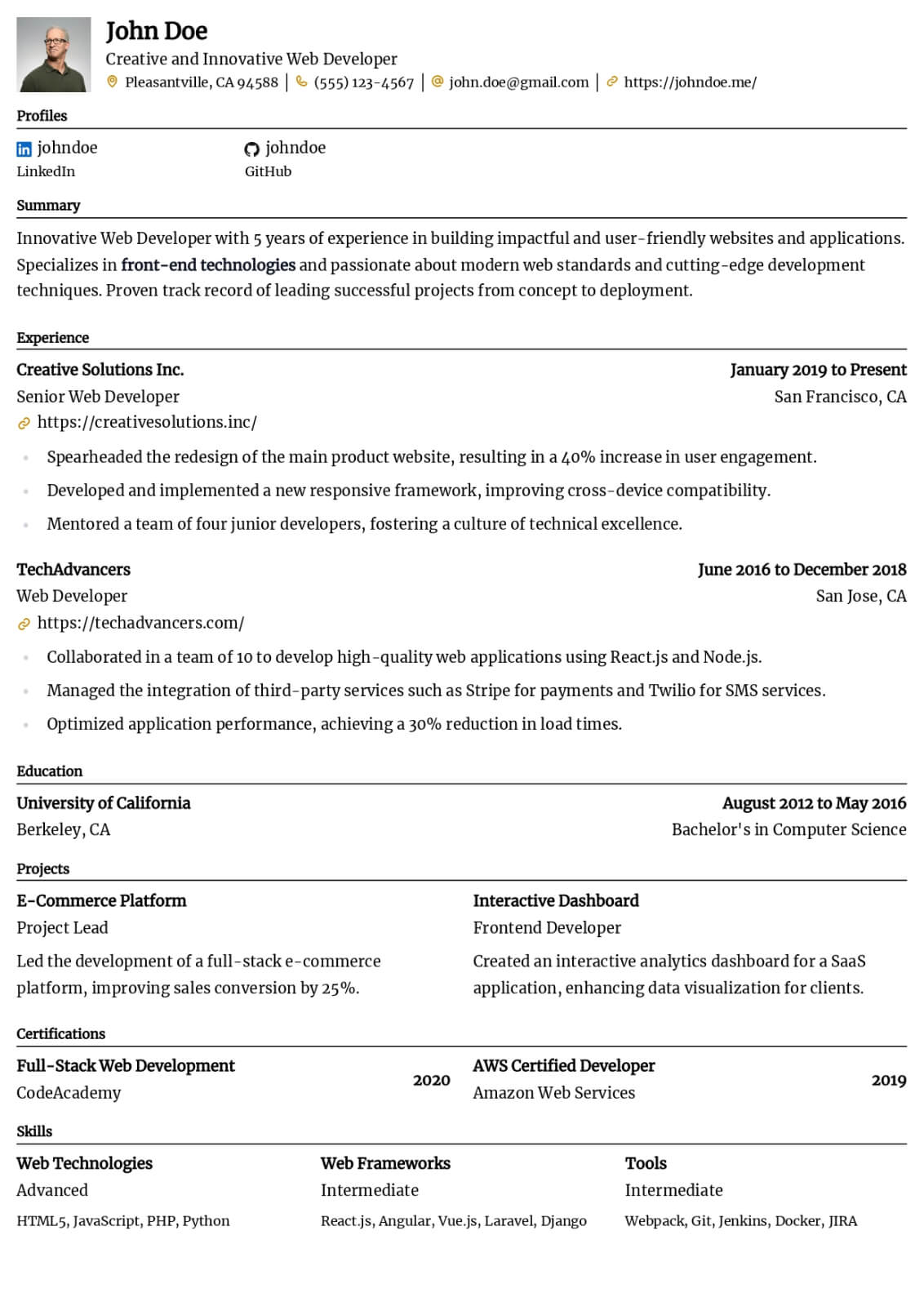
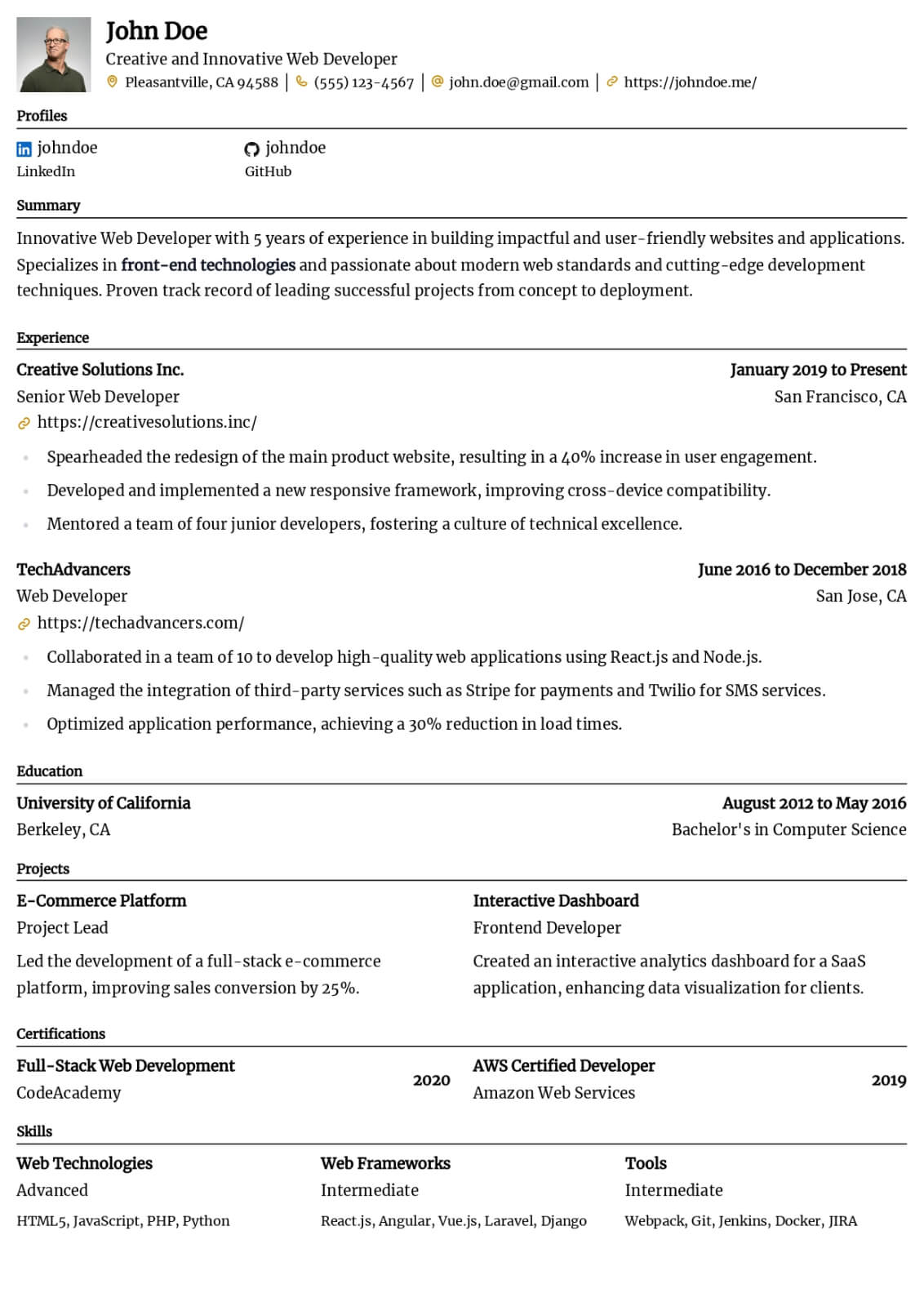
Credit Analyst resume guide
Below, you will find section-by-section guidance for your credit analyst resume — from your opening summary through skills and experience. Tailor every line to the job you want.
Professional Summary
Open your professional summary by identifying yourself as a credit analyst with a specific number of years evaluating creditworthiness for commercial, consumer, or institutional borrowers. State the portfolio size and complexity you manage, such as analyzing credit risk for a two-hundred-million-dollar commercial lending portfolio spanning manufacturing, healthcare, and technology sectors. Mention the credit analysis tools and models you use, such as Moody's RiskCalc, S&P Capital IQ Credit Analytics, or proprietary scoring models, to pass automated keyword screening. Include one quantified achievement like maintaining a portfolio default rate forty percent below the institution's historical average through rigorous underwriting standards. Keep the summary between three and five sentences for a focused, authoritative opening.
Work Experience
Arrange your positions in reverse-chronological order with clear titles, company names, and employment dates. Write four to six bullet points per role, beginning each with a precise action verb such as evaluated, underwrote, recommended, structured, or monitored. Every bullet should connect a credit analysis action to a measurable outcome, for example stating that you evaluated seventy-five commercial loan applications annually ranging from five hundred thousand to fifteen million dollars, recommending approvals that generated four point two million dollars in net interest income with zero charge-offs over three years. Describe your financial spreading process, including the ratios and cash flow metrics you analyze to assess borrower health. Mention your experience presenting credit memoranda to loan committees and your role in ongoing portfolio monitoring and early warning detection.
Skills
Construct a skills section with eight to ten technical competencies and six to seven interpersonal abilities specific to credit analysis. On the technical side, include financial statement analysis and spreading, ratio analysis including debt service coverage, leverage, and liquidity ratios, credit scoring models, cash flow analysis and projection, Moody's Analytics and S&P Capital IQ, loan structuring and covenant analysis, and industry risk assessment. Add Excel financial modeling skills and knowledge of regulatory guidelines like OCC and FDIC examination standards. For soft skills, emphasize analytical judgment, risk communication, attention to detail, independent decision making, professional writing for credit memos, and client relationship management. Mirror terminology from the target posting to optimize ATS match rates.
Key Credit Analyses
Dedicate a section to two to four significant credit analyses or portfolio initiatives that demonstrate your expertise beyond routine underwriting. For each entry, describe the borrower profile or portfolio segment, the analytical methodology applied, the tools used, and the business outcome. A strong example might read: Conducted a comprehensive sector stress test of the thirty-five-million-dollar healthcare portfolio under rising interest rate scenarios, identifying five at-risk credits and recommending covenant modifications that prevented two potential defaults. This section is especially valuable for analysts seeking to demonstrate the depth and complexity of their credit judgment beyond standard approval-or-decline decisions. Include any portfolio quality improvement initiatives or credit policy development work.
Certifications & Professional Credentials
List credit-specific certifications that validate your analytical competency. The Certified Credit Analyst or Certified Risk Analyst designation from the National Association of Credit Management is directly relevant. The CFA charter signals deep financial analysis proficiency valued in institutional credit and rating agency roles. The Financial Risk Manager certification from GARP demonstrates specialized risk management expertise. Include the issuing organization and date earned for each credential. Certifications carry significant weight in credit analyst hiring because they provide independent validation that your analytical judgment meets recognized professional standards.
Education
Include your highest relevant degree, institution name, and graduation year. Credit analyst positions typically require a bachelor's degree in finance, accounting, economics, or a related quantitative field. A master's in finance or an MBA with a concentration in banking or credit risk management strengthens candidacy for senior-level positions. If you graduated recently, include coursework such as financial statement analysis, credit and lending, commercial banking, or risk management. Mention academic honors or finance-related student organization leadership. For experienced analysts with extensive portfolio track records, keep education concise and let your credit decision outcomes serve as the primary evidence of your qualifications.
Resume layout and formatting
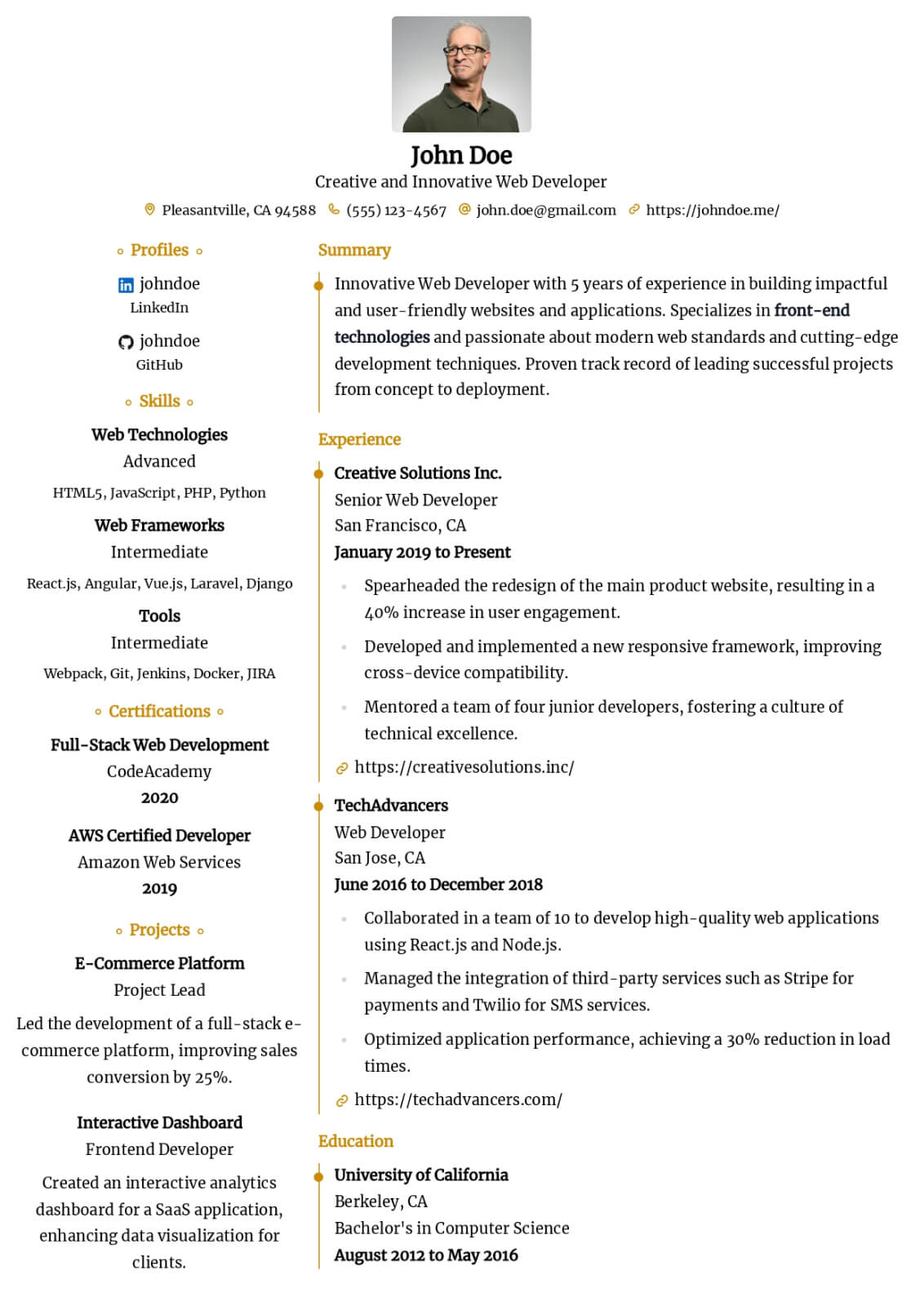
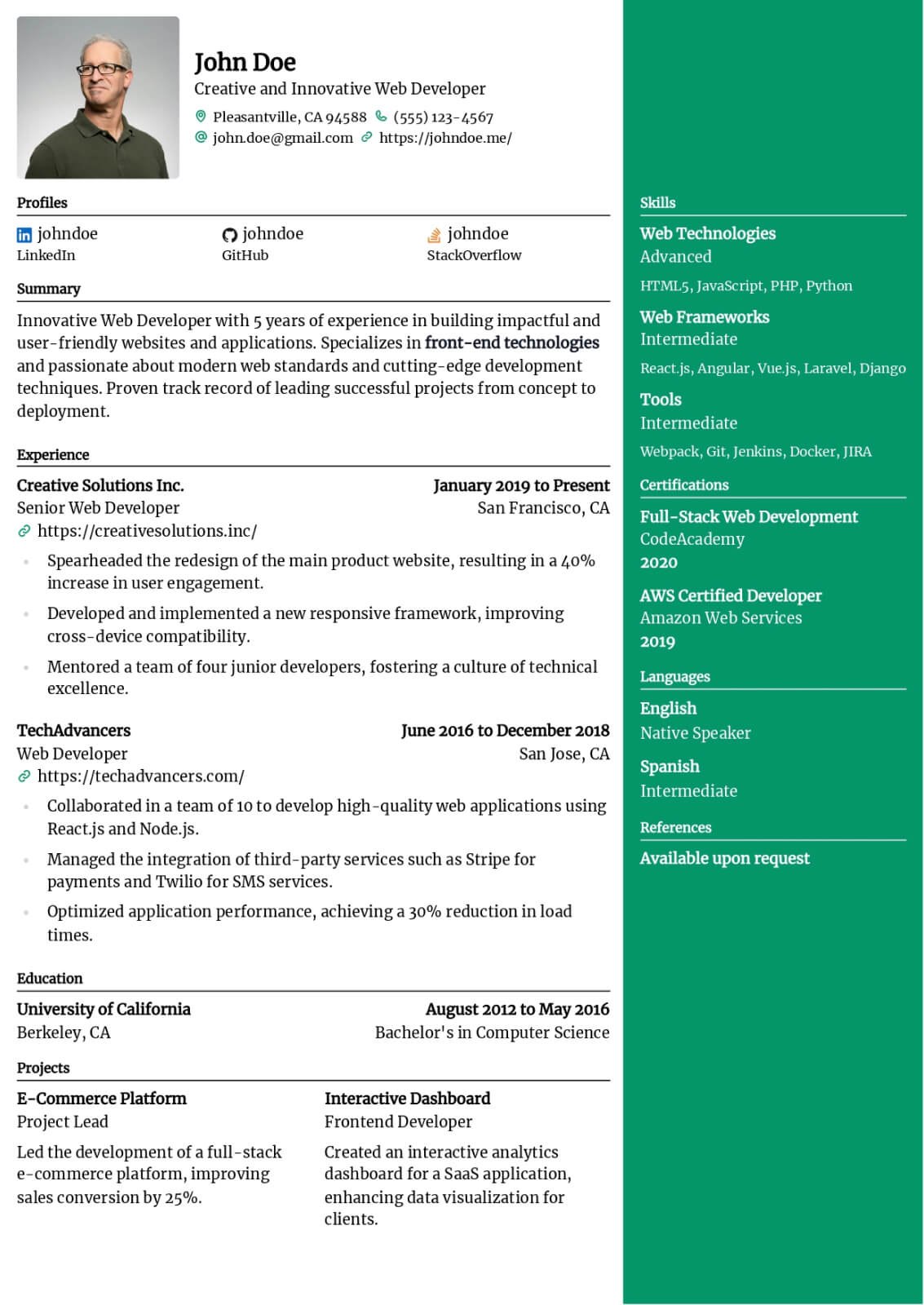
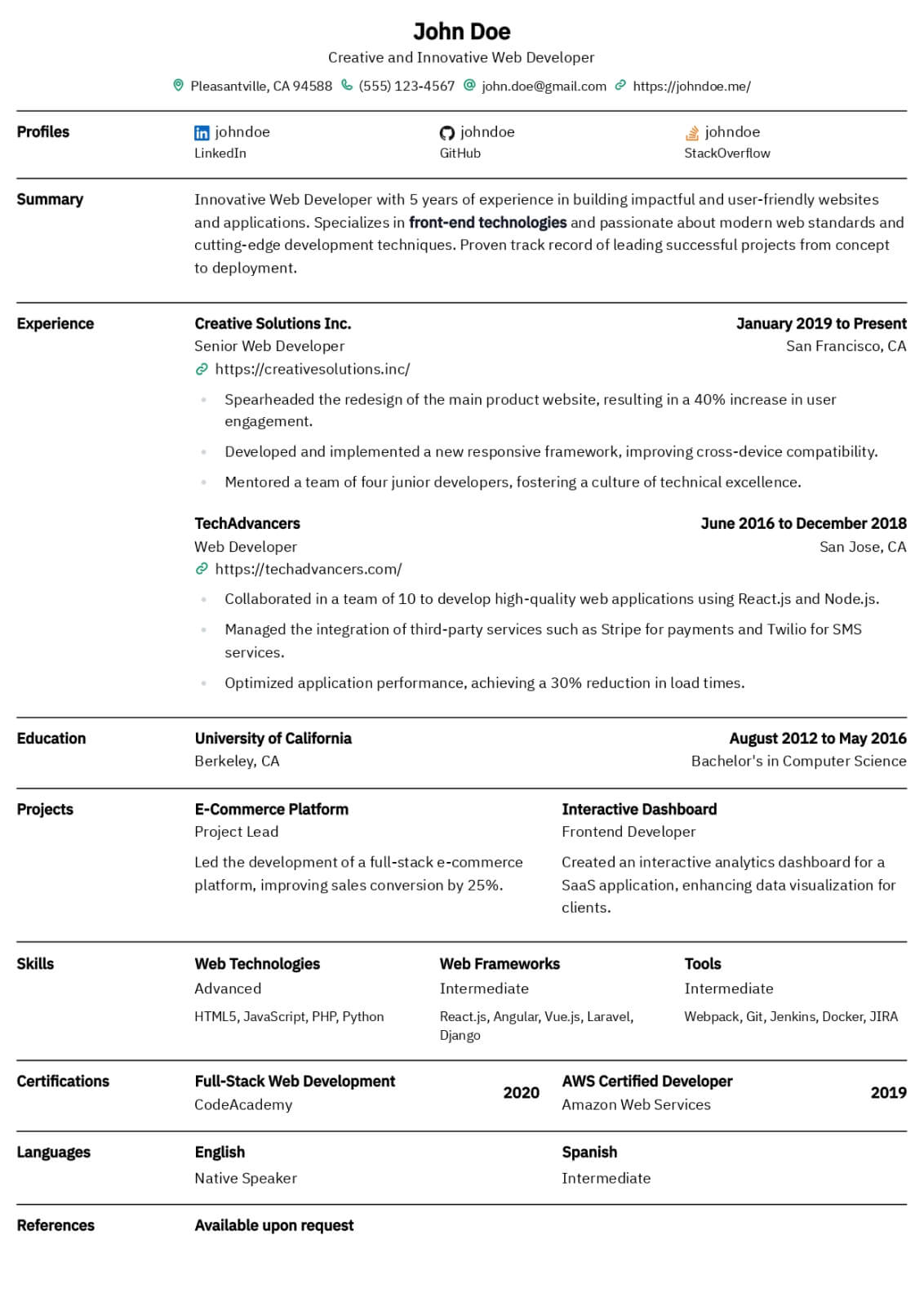
Use a clean, single-column layout with clear section headings and plenty of white space. Lead with technical strengths such as Financial Statement Analysis & Spreading, Credit Scoring Models & Risk Rating, Cash Flow Analysis & Projection, Moody's Analytics / S&P Capital IQ, Ratio Analysis (DSCR, Leverage, Liquidity), Loan Structuring & Covenant Analysis, then reinforce interpersonal strengths like Analytical Judgment, Risk Communication, Attention to Detail, Independent Decision Making. Keep fonts standard (e.g., Arial or Calibri) at 10–12pt body size so your resume stays ATS-friendly and easy to scan.
Key takeaways
- Lead with your portfolio size, default rate performance, and key analytical tools in the summary
- Quantify lending outcomes by stating approval volumes, net interest income generated, and charge-off rates
- Name specific credit analysis platforms and scoring models to satisfy ATS keyword requirements
- Include a key analyses section for complex credit decisions or portfolio stress-testing initiatives
- Display CFA progress or NACM certifications to validate your credit judgment credentials
- Maintain a professional format that reflects the analytical rigor expected in credit risk roles
Build your Credit Analyst resume with Scale
Lead with your portfolio size, default rate performance, and key analytical tools in the summary
Use This Template
Professional Templates That Make You Stand Out
Browse modern, ATS-friendly resume designs crafted to impress recruiters. Customize any template and download it as a Word or PDF file.
Listen What Our Users Have to Say

Rohan Sen
I am very happy with the team's quick turnaround time - any query is responded at utmost priority. Shoutout to my client manager, Anub Biju - very helpful.

Gael L
Service and communication is great, cover letters are non-ai sounding and well tailored. Just have a lot of communication and review with your staff!

Jonathan Parry
Wow - don't tell your peers! Wow, I can't recommend scale.jobs enough - it's so good I am not sharing with my peers. Applications at scale that get through filters. Thank you!

Cynthia Zhu
Great service! The scale.jobs team was very responsible and managed to apply tons of jobs for me in a very tight deadline to help me secure interviews quickly. Highly recommend to anyone who needs help applying to jobs!

Yash Yenugu
Save your fingers. Saved me from a thumb cramp because we're expected to effortlessly apply to jobs during these times.

Cian O'Driscoll
Clever service. Takes the hard effort out of applying for jobs with an intuitive dashboard and attention to detail. A great asset to job seekers. :-)
Frequently asked questions
What should a credit analyst resume emphasize in 2026?
A competitive credit analyst resume should spotlight your portfolio quality metrics, the scale and complexity of credits you have underwritten, and your proficiency with credit scoring models and financial spreading tools. Employers want evidence that your lending recommendations balance growth with prudent risk management. Quantified outcomes such as default rate performance or net interest income generation carry far more weight than descriptions of routine financial statement review.
How do I quantify my credit analysis achievements on a resume?
Track your annual underwriting volume, average deal size, portfolio default and charge-off rates, and net interest income attributed to your approved credits. A strong bullet might state that you underwrote sixty commercial loans totaling one hundred ten million dollars with a portfolio charge-off rate of zero point three percent against an institutional average of one point one percent. These metrics demonstrate both productivity and credit quality simultaneously.
Which credit analysis tools should I list on my resume?
Name the platforms specified in the target job posting first, then add other tools from your experience. Moody's RiskCalc, S&P Capital IQ Credit Analytics, and Fitch Solutions are widely used in institutional credit environments. For bank lending roles, mention your experience with internal risk rating systems and financial spreading applications. Listing specific tools rather than writing general credit software demonstrates concrete technical proficiency.
How important is the CFA designation for credit analyst roles?
The CFA charter is highly valued for institutional credit, rating agency, and investment-grade analysis positions because it validates deep financial analysis and ethical standards. Even CFA Level I or II candidacy signals serious professional commitment. For commercial banking credit roles, NACM certifications may be equally relevant. Pairing any credential with quantified portfolio performance metrics maximizes its impact on your resume.
Should I tailor my credit analyst resume for different lending sectors?
Tailoring your resume for the specific lending sector significantly improves your relevance to each employer. A commercial credit analyst resume should emphasize business financial statement analysis and industry risk assessment. A consumer credit resume should highlight scoring model proficiency and portfolio-level performance metrics. Adjusting your summary, skills emphasis, and experience bullets for each sector demonstrates domain expertise that generic resumes cannot convey.
How long should a credit analyst resume be?
One page is ideal for credit analysts with fewer than ten years of experience. Senior analysts managing large, complex portfolios may extend to two pages if every entry delivers quantified credit quality outcomes. Remove early-career roles that no longer demonstrate lending relevance. The precision of your resume format itself signals the analytical discipline that credit risk hiring managers expect from candidates.
Related Resume Guides
Financial Analyst
Craft a compelling financial analyst resume that showcases your valuation expertise, forecasting accuracy, and ability to translate complex data into strategic investment recommendations.
Analyst
Create a versatile analyst resume that demonstrates your data interpretation skills, reporting capabilities, and ability to deliver actionable insights that drive strategic business decisions across departments.
Auditor
Build an authoritative auditor resume that demonstrates your audit planning expertise, internal controls assessment capabilities, and track record of identifying risks and ensuring regulatory compliance.
Budget Analyst
Create a results-driven budget analyst resume that demonstrates your expertise in expenditure forecasting, variance analysis, and the ability to align organizational spending with strategic financial objectives.
Accounting Manager
Create a leadership-focused accounting manager resume that demonstrates your ability to direct financial reporting teams, optimize close processes, and ensure regulatory compliance at scale.