
Information Security Analyst Resume Examples, Templates & Writing Guide

Written by: Scale.jobs EditorialLast updated: May 1, 2026







Introduction
Craft a compelling information security analyst resume that demonstrates your expertise in threat detection, vulnerability management, and compliance frameworks to protect organizational assets and data.
This guide walks you through every major section of a information security analyst resume, with practical tips you can apply today.
- How to present information security expertise with quantified threat mitigation and incident response outcomes
- Key security certifications and compliance frameworks hiring managers expect infosec candidates to demonstrate
- Strategies for quantifying your security impact through vulnerability remediation rates and incident metrics
- Proven methods for demonstrating proficiency across threat detection, incident response, and risk assessment
- Techniques for optimizing your resume keywords to pass automated applicant tracking system screening
- How to differentiate your candidacy by showcasing both technical security skills and risk communication abilities
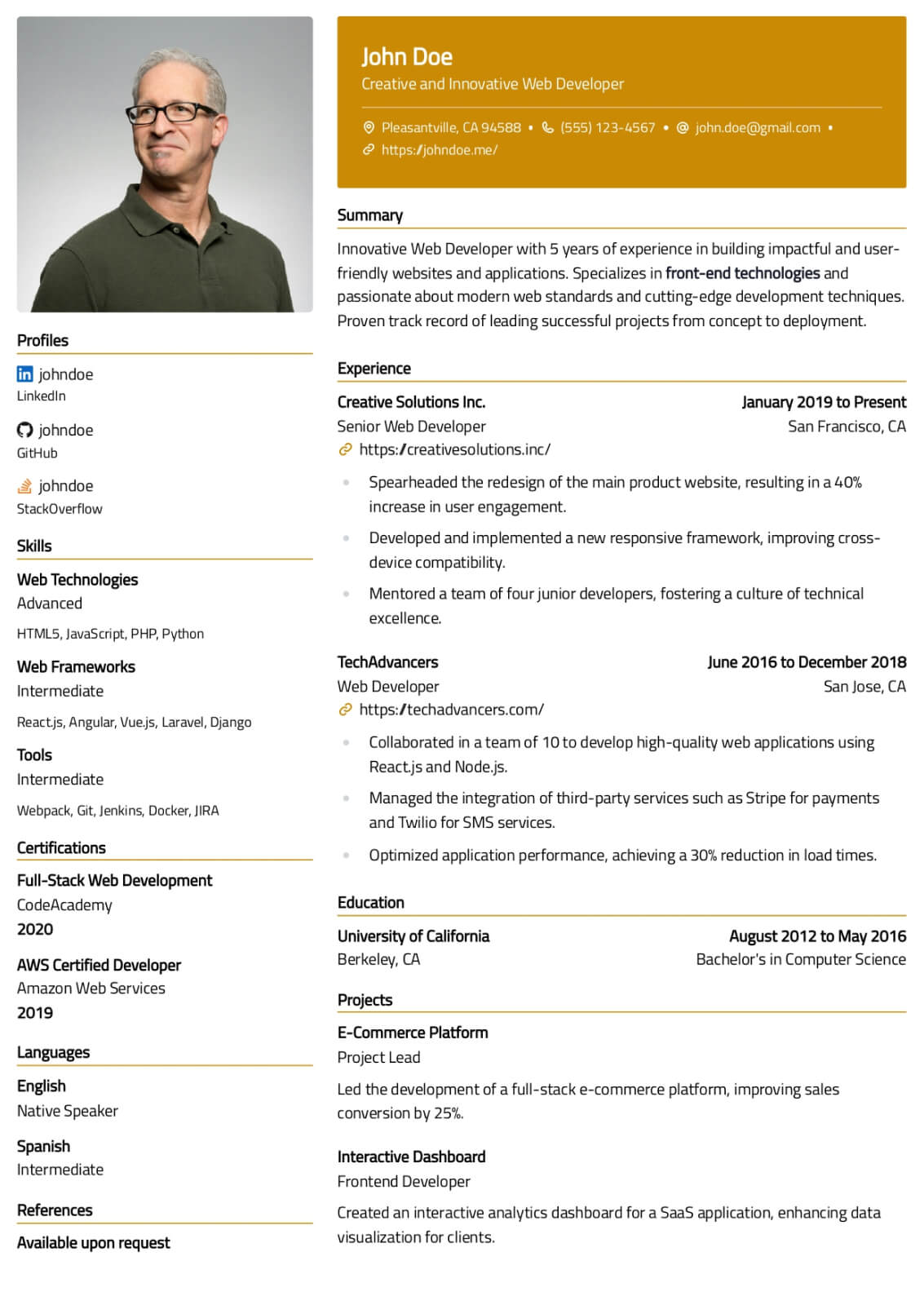
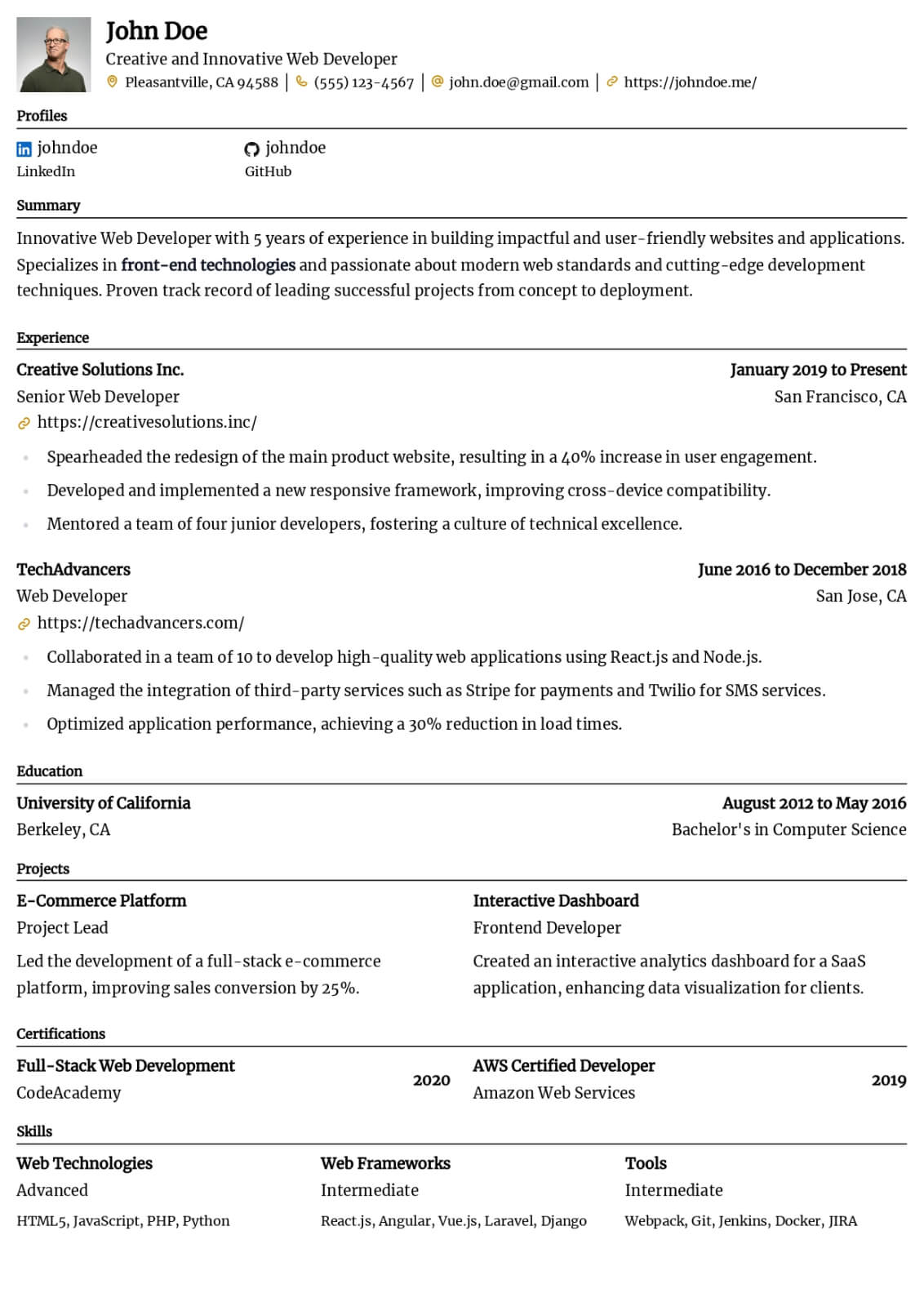
Information Security Analyst resume guide
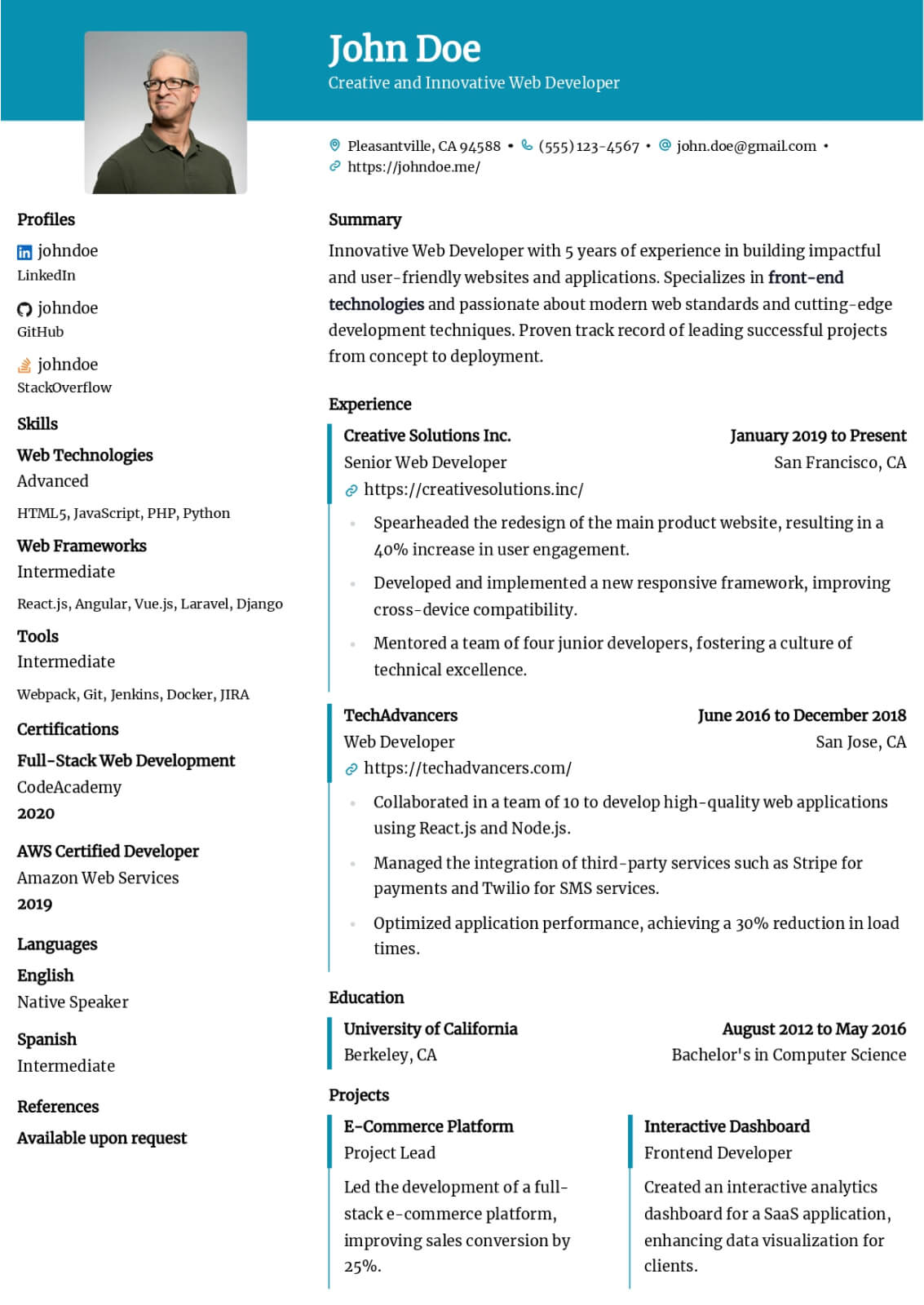
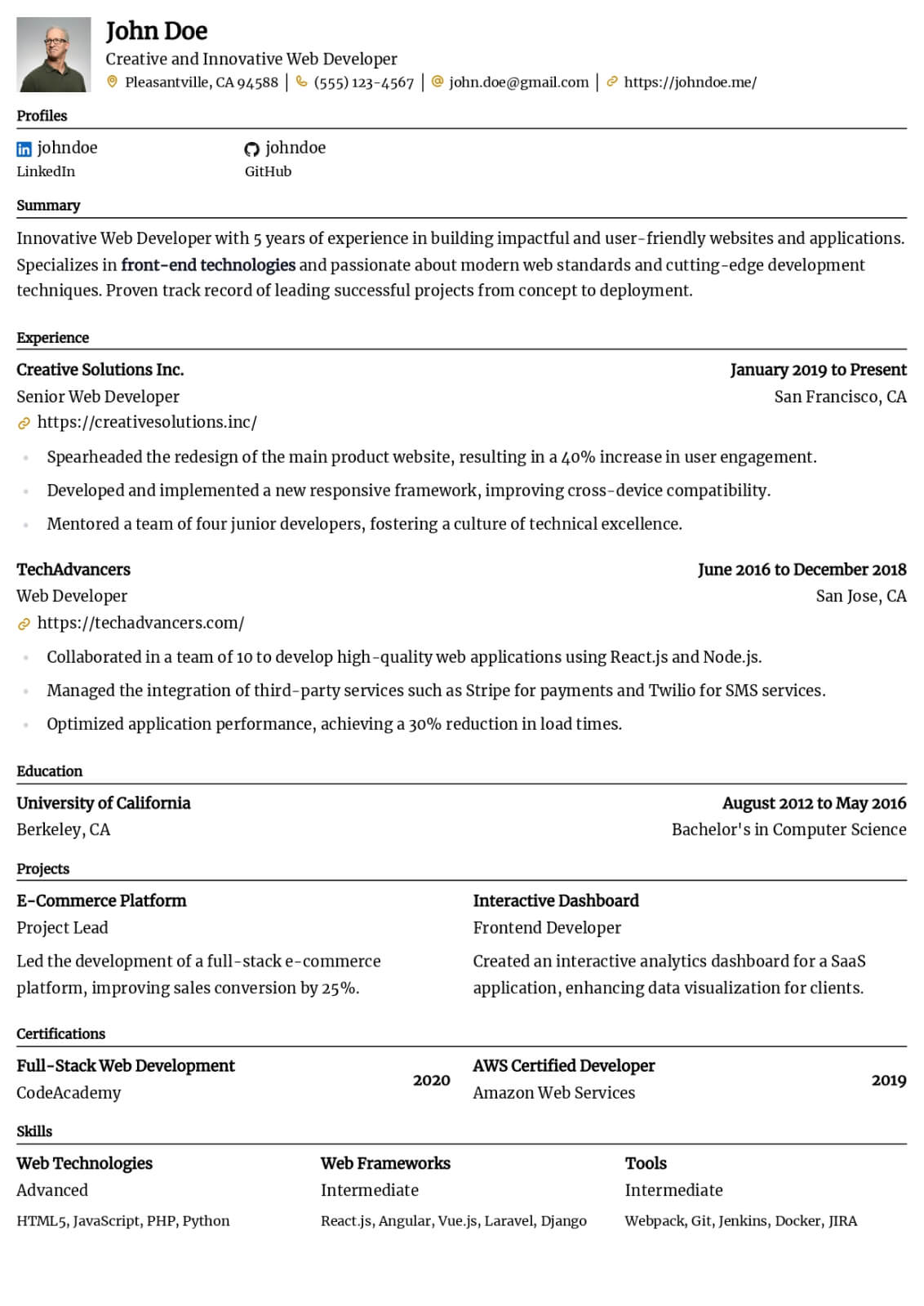
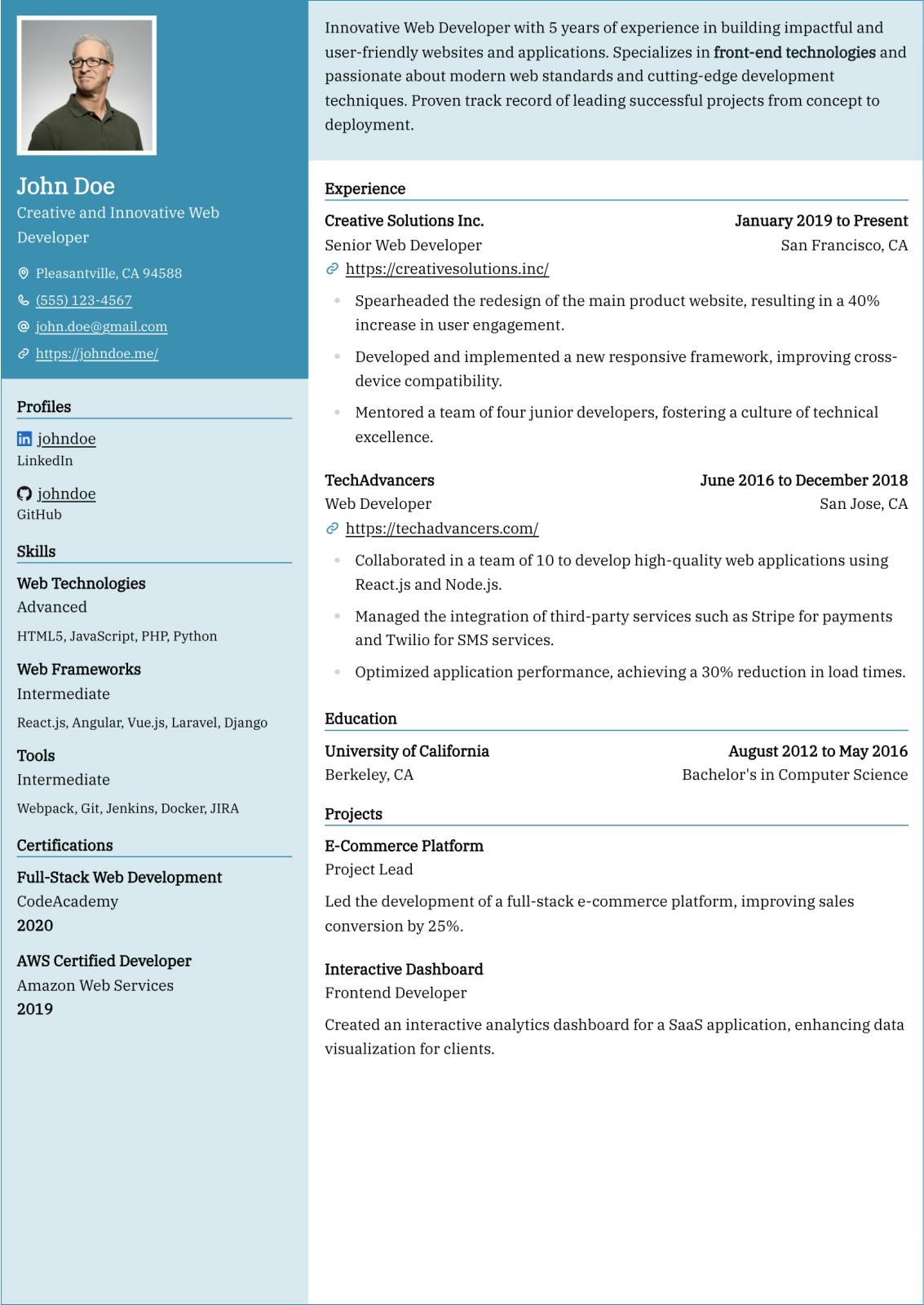
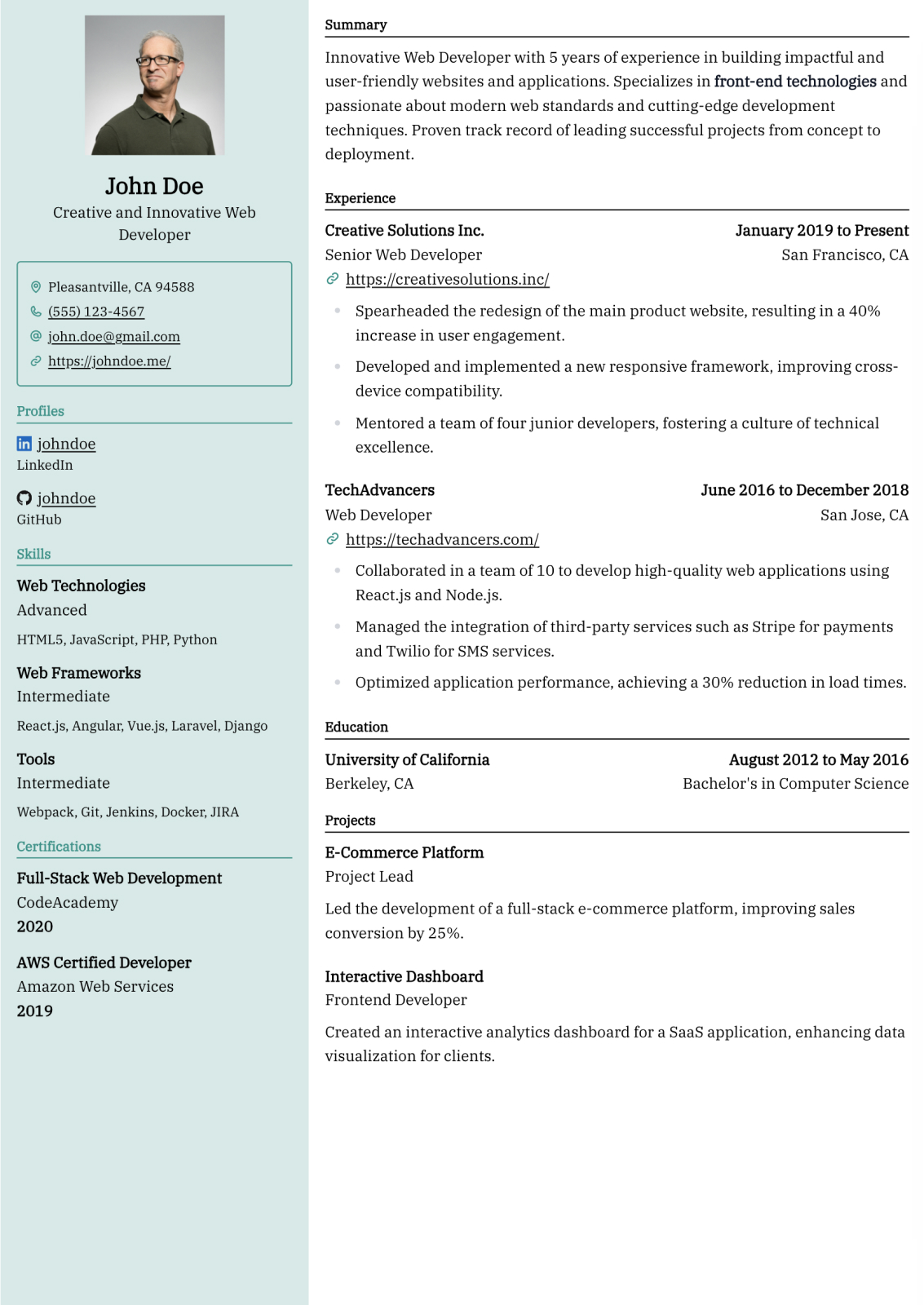
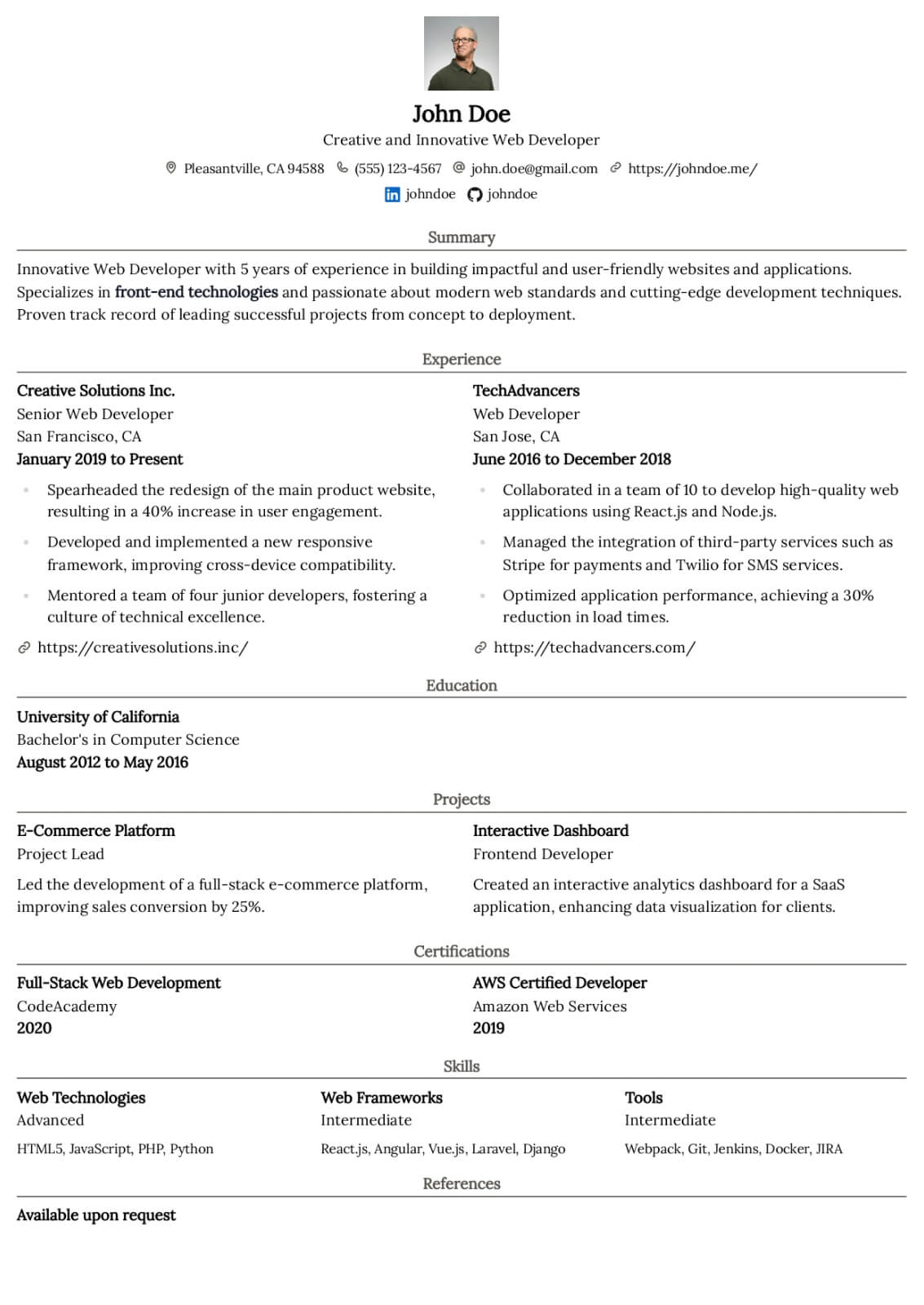
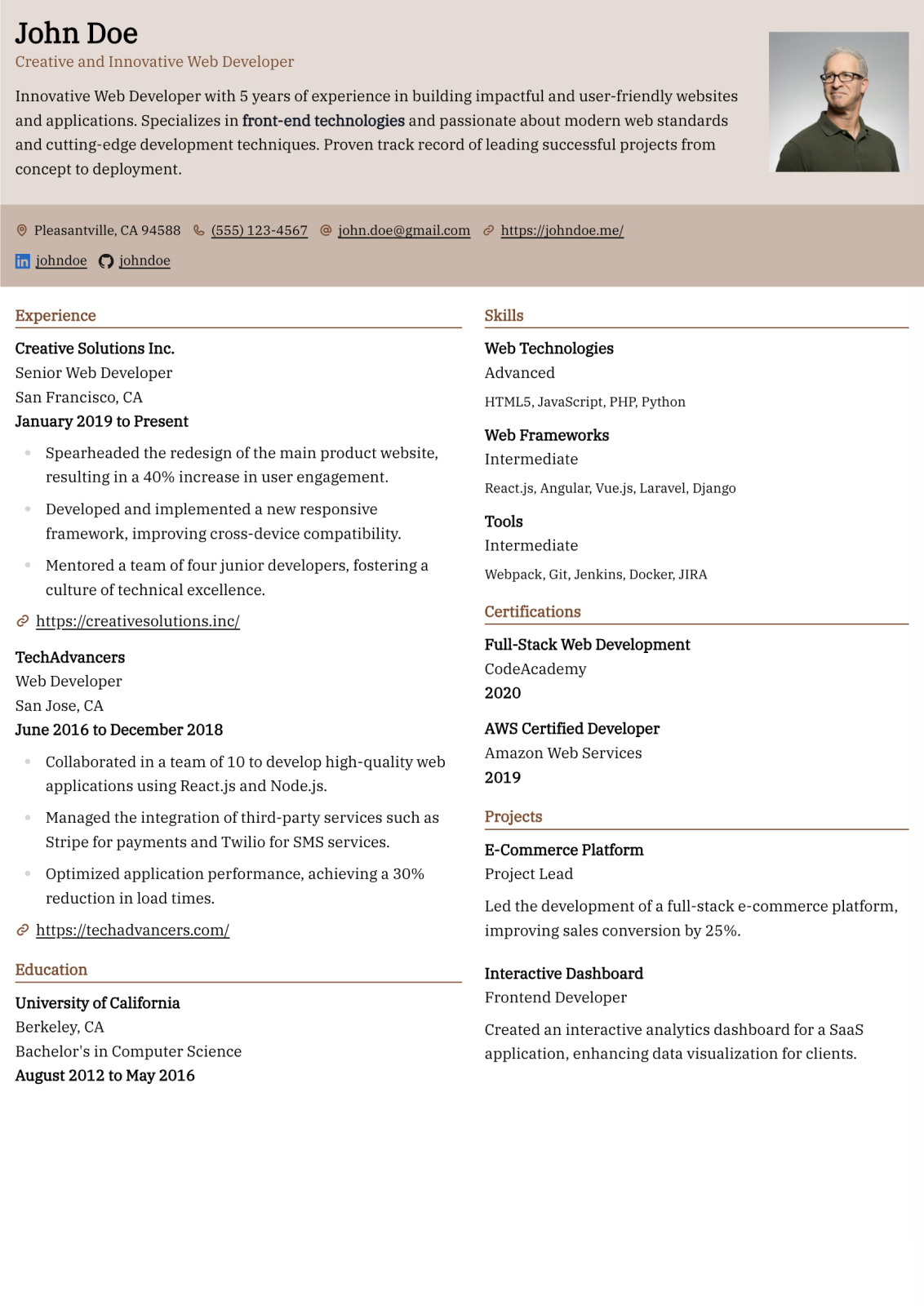
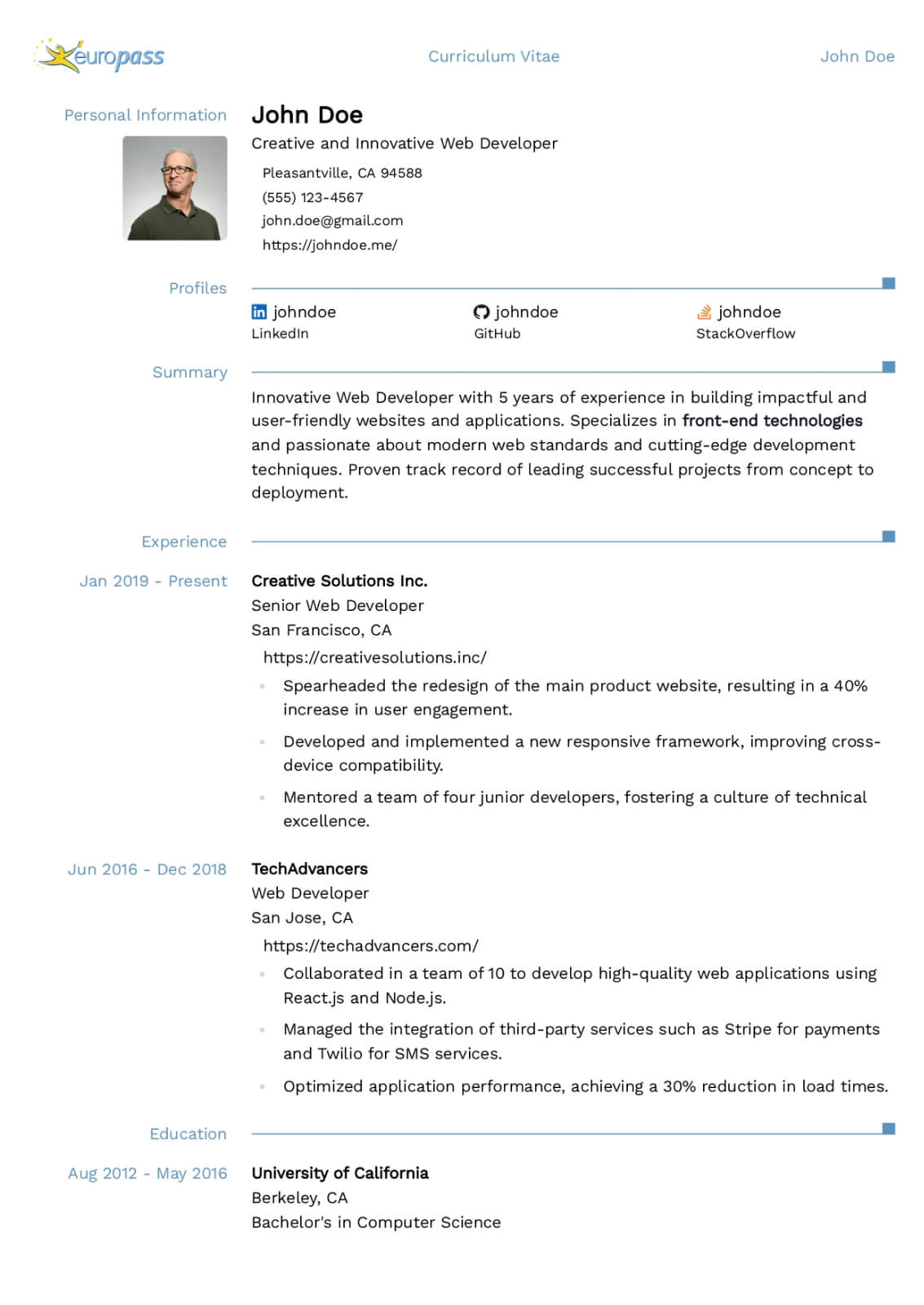
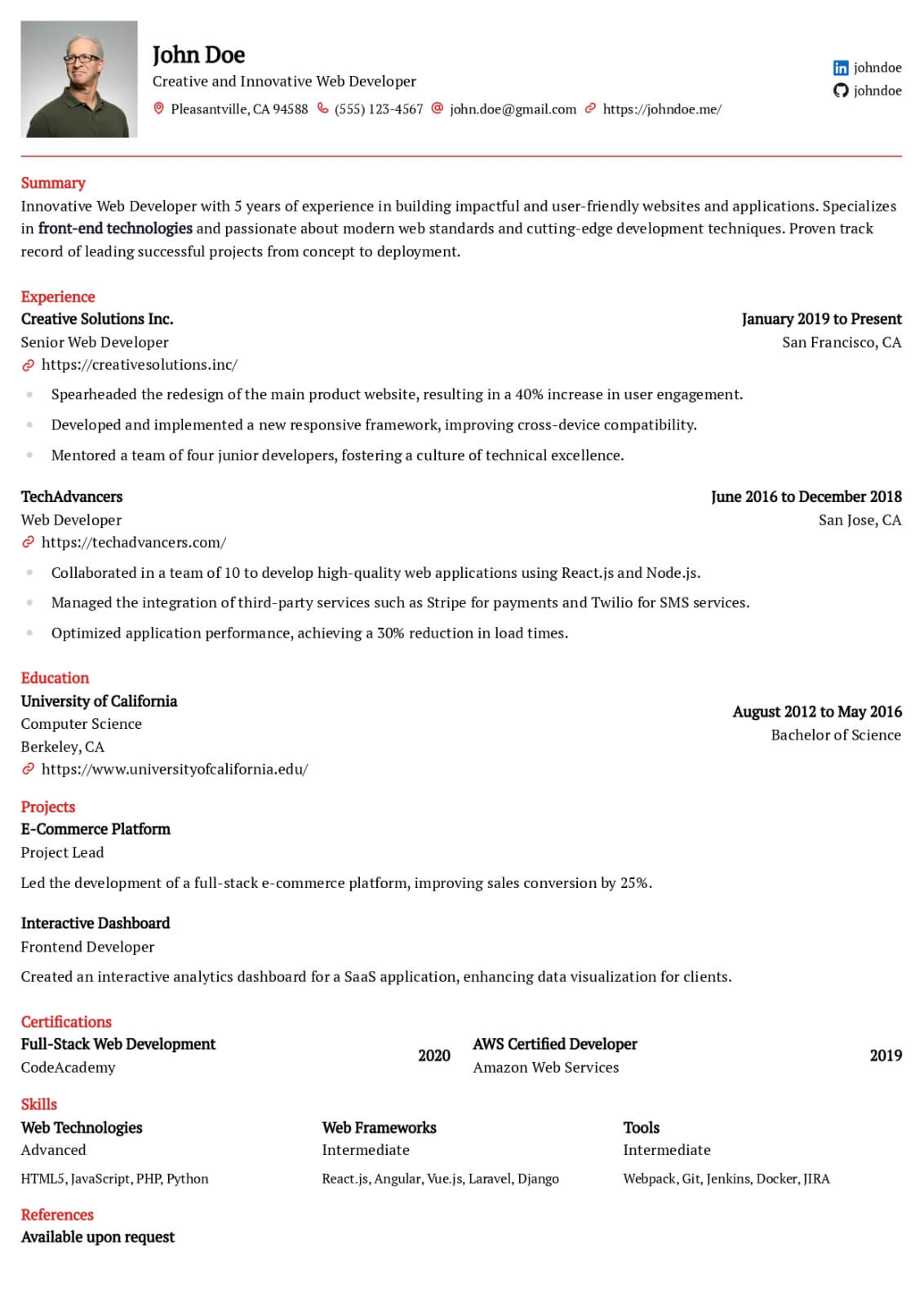
Below, you will find section-by-section guidance for your information security analyst resume — from your opening summary through skills and experience. Tailor every line to the job you want.
Professional Summary
Your professional summary should establish you as a security professional who protects organizational assets through proactive threat detection, incident response, and risk management. Open with a statement identifying your security specialization, whether SOC operations, vulnerability management, or compliance auditing, alongside your years of experience in information security. Reference two to three core competencies such as SIEM administration, penetration testing, or regulatory compliance that align with the target role. Include a quantified achievement, for instance stating that you reduced mean time to incident containment by forty-two percent through implementing automated threat detection playbooks across a twenty-thousand-endpoint environment. Align your language with the job description to satisfy both technical reviewers and automated keyword matching systems. Keep the summary between three and five sentences to communicate your security value proposition effectively.
Work Experience
Present your work experience in reverse-chronological order with clear titles, company names, and employment dates. Write four to six bullet points per role beginning with action verbs like investigated, remediated, hardened, monitored, or implemented. Each bullet should connect a security action to a measurable outcome, such as stating that you conducted vulnerability assessments across three hundred production servers and coordinated remediation efforts that reduced critical vulnerabilities by seventy-eight percent within one quarter. Demonstrate breadth by referencing threat hunting, incident investigation, security policy development, compliance audit preparation, and security awareness training delivery. Reference the scale of environments you have protected in terms of endpoints, users, or data volume. Avoid listing security tools without explaining how your use of them prevented threats or reduced organizational risk exposure.
Skills
Construct a skills section with eight to twelve technical security competencies and six to eight risk communication and collaboration skills aligned to the target position. On the technical side, include SIEM platforms like Splunk, Microsoft Sentinel, or QRadar alongside endpoint detection and response tools such as CrowdStrike and Carbon Black. Add vulnerability scanning tools like Nessus and Qualys, network security technologies including firewalls and IDS/IPS, and cloud security platforms for AWS, Azure, or GCP environments. Include compliance framework knowledge covering NIST CSF, ISO 27001, SOC 2, and HIPAA as applicable. For interpersonal skills, emphasize risk communication to non-technical stakeholders, incident coordination under pressure, cross-functional security collaboration, and security awareness program delivery. Only list tools and frameworks you can discuss with operational depth during security-focused interviews.
Key Security Initiatives
Dedicate a section to two to four security initiatives where you delivered measurable risk reduction beyond routine monitoring and incident response. For each initiative, describe the security challenge, your approach to addressing it, the tools and frameworks leveraged, and the quantified outcome. A compelling entry might state that you designed and deployed an automated phishing detection and response pipeline that reduced average phishing incident triage time from thirty-five minutes to four minutes and blocked eight thousand malicious emails before user exposure in the first quarter. Security initiatives demonstrate proactive engineering and strategic thinking that elevate you above candidates who describe only reactive security monitoring responsibilities. This section is especially impactful when applying for senior security analyst or security engineering roles that require evidence of program-level security improvement beyond alert triage.
Certifications & Professional Development
Security certifications carry exceptional weight in information security hiring because they validate domain-specific knowledge that general IT experience does not cover. List credentials such as CompTIA Security Plus, Certified Information Systems Security Professional from ISC2, Certified Ethical Hacker from EC-Council, or GIAC Security Essentials alongside the issuing organization and completion date. Advanced certifications like CISSP or GIAC Certified Incident Handler signal readiness for senior analyst or security engineering roles. If you are actively pursuing a certification, include it with the expected completion date to demonstrate career investment. Place this section prominently since many security job postings list specific certifications as non-negotiable requirements.
Education
Include your highest relevant degree, the institution name, and graduation year. Information security analyst positions commonly accept degrees in cybersecurity, computer science, information technology, or related technical fields. If you graduated within the last five years, add relevant coursework in network security, cryptography, digital forensics, or operating systems security to reinforce your foundational knowledge. Academic projects involving penetration testing, security audit simulations, or malware analysis strengthen your candidacy. For experienced security professionals with multiple industry certifications and incident response track records, keep education concise and let your professional security accomplishments carry the primary weight.
Resume layout and formatting
Use a clean, single-column layout with clear section headings and plenty of white space. Lead with technical strengths such as SIEM Administration (Splunk, Microsoft Sentinel), Endpoint Detection & Response (CrowdStrike, Carbon Black), Vulnerability Scanning (Nessus, Qualys), Network Security (Firewalls, IDS/IPS), Cloud Security (AWS, Azure, GCP), Incident Response & Digital Forensics, then reinforce interpersonal strengths like Risk Communication to Executives, Incident Coordination Under Pressure, Cross-Functional Security Collaboration, Security Awareness Training Delivery. Keep fonts standard (e.g., Arial or Calibri) at 10–12pt body size so your resume stays ATS-friendly and easy to scan.
Key takeaways
- Lead your summary with security specialization and a quantified threat mitigation or response metric
- Attach vulnerability reduction percentages and incident response times to every experience bullet
- Mirror compliance framework names and SIEM platform keywords to maximize ATS compatibility
- Add a security initiatives section to demonstrate proactive risk engineering beyond monitoring
- List certifications like CISSP or Security Plus prominently as most postings require them
- Keep formatting structured and precise to reflect the discipline central to security practice
Build your Information Security Analyst resume with Scale
Lead your summary with security specialization and a quantified threat mitigation or response metric
Use This Template
Professional Templates That Make You Stand Out
Browse modern, ATS-friendly resume designs crafted to impress recruiters. Customize any template and download it as a Word or PDF file.
Listen What Our Users Have to Say

Rohan Sen
I am very happy with the team's quick turnaround time - any query is responded at utmost priority. Shoutout to my client manager, Anub Biju - very helpful.

Gael L
Service and communication is great, cover letters are non-ai sounding and well tailored. Just have a lot of communication and review with your staff!

Jonathan Parry
Wow - don't tell your peers! Wow, I can't recommend scale.jobs enough - it's so good I am not sharing with my peers. Applications at scale that get through filters. Thank you!

Cynthia Zhu
Great service! The scale.jobs team was very responsible and managed to apply tons of jobs for me in a very tight deadline to help me secure interviews quickly. Highly recommend to anyone who needs help applying to jobs!

Yash Yenugu
Save your fingers. Saved me from a thumb cramp because we're expected to effortlessly apply to jobs during these times.

Cian O'Driscoll
Clever service. Takes the hard effort out of applying for jobs with an intuitive dashboard and attention to detail. A great asset to job seekers. :-)
Frequently asked questions
What should an information security analyst resume emphasize in 2026?
A competitive information security analyst resume in 2026 should emphasize cloud security expertise, automated threat detection capabilities, and compliance framework knowledge across multiple regulatory standards. Employers increasingly expect security analysts to work with SOAR platforms and integrate security into DevSecOps pipelines alongside traditional SOC monitoring. Quantified incident response improvements and vulnerability remediation rates differentiate strong candidates from those who describe only tool familiarity.
How do I quantify my impact as a security analyst on my resume?
Quantify security impact by referencing vulnerability reduction percentages, mean time to detection and containment improvements, incident volume trends, and compliance audit outcomes. For example, state that your vulnerability management program reduced critical findings by seventy-three percent across the production environment within two quarters. Pull metrics from SIEM dashboards, vulnerability scanning reports, and incident management platforms. Concrete risk reduction figures are far more persuasive than generic descriptions of security monitoring activities.
Which security certifications are most valued by employers?
CompTIA Security Plus serves as the foundational certification most employers require for entry to mid-level security positions. The CISSP from ISC2 is the gold standard for experienced security professionals and is frequently listed as a requirement for senior analyst roles. Certified Ethical Hacker validates offensive security knowledge, while GIAC certifications like GSEC and GCIH demonstrate specialized defensive security expertise. Holding multiple certifications across different security domains signals comprehensive competency.
Should I include compliance and governance experience on a security analyst resume?
Compliance and governance experience significantly strengthens your candidacy because many organizations hire security analysts specifically to support regulatory requirements. Reference frameworks you have worked with such as NIST Cybersecurity Framework, ISO 27001, SOC 2, PCI DSS, or HIPAA alongside specific audit activities you supported. Describing how you translated compliance requirements into technical security controls demonstrates the ability to bridge regulatory and engineering perspectives that employers value highly.
How long should an information security analyst resume be?
Most information security analysts should target a single-page resume unless they have more than ten years of specialized security experience across multiple organizations. A well-organized two-page document is appropriate for senior analysts with incident response leadership and security architecture experience. Every line should demonstrate measurable security impact rather than describe routine monitoring activities. Remove early-career IT roles unrelated to security unless they demonstrate transferable technical foundations.
What mistakes should security analysts avoid on their resumes?
The most common mistake is listing security tools and platforms without explaining how you used them to detect, prevent, or respond to specific threats. Another frequent error is omitting compliance framework experience when the target role involves regulatory audit support. Avoid using classified or confidential incident details that you cannot share, but do reference sanitized metrics and outcomes that demonstrate your security effectiveness. Neglecting to include essential certifications like Security Plus or CISSP when the posting requires them also eliminates candidates during initial screening.
Related Resume Guides
Cybersecurity Analyst
Build a compelling cybersecurity analyst resume that showcases your threat detection capabilities, incident response expertise, and security operations experience protecting critical organizational assets.
Network Engineer
Create a powerful network engineer resume that demonstrates your expertise in designing, implementing, and troubleshooting enterprise network architectures across LAN, WAN, and cloud environments.
Compliance Officer
Develop a regulatory-focused compliance officer resume that demonstrates your expertise in policy development, regulatory interpretation, risk assessment, and organizational compliance program management.
Systems Administrator
Build an effective systems administrator resume that showcases your expertise in server management, Active Directory administration, infrastructure automation, and maintaining enterprise IT environments.