
Network Engineer Resume Examples, Templates & Writing Guide

Written by: Scale.jobs EditorialLast updated: May 1, 2026







Introduction
Create a powerful network engineer resume that demonstrates your expertise in designing, implementing, and troubleshooting enterprise network architectures across LAN, WAN, and cloud environments.
This guide walks you through every major section of a network engineer resume, with practical tips you can apply today.
- How to present network architecture design experience with performance and reliability metrics
- Strategies for showcasing routing and switching expertise across Cisco and Juniper platforms
- Techniques for quantifying network engineering impact through uptime and throughput improvements
- Best practices for describing network security implementations and firewall management experience
- Methods for highlighting cloud networking and SD-WAN migration achievements on your resume
- How to position Cisco and Juniper certifications as competitive differentiators for employers
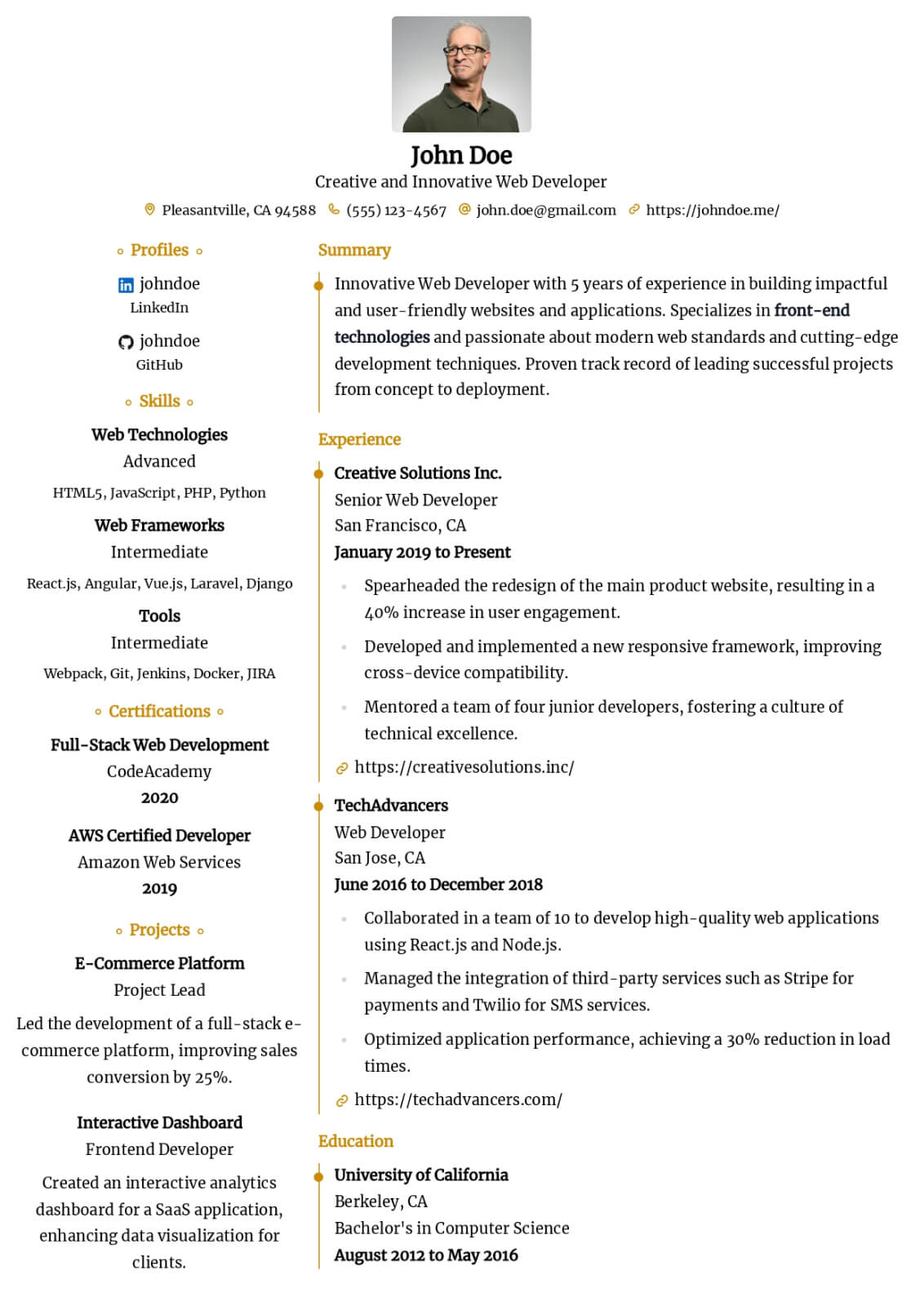
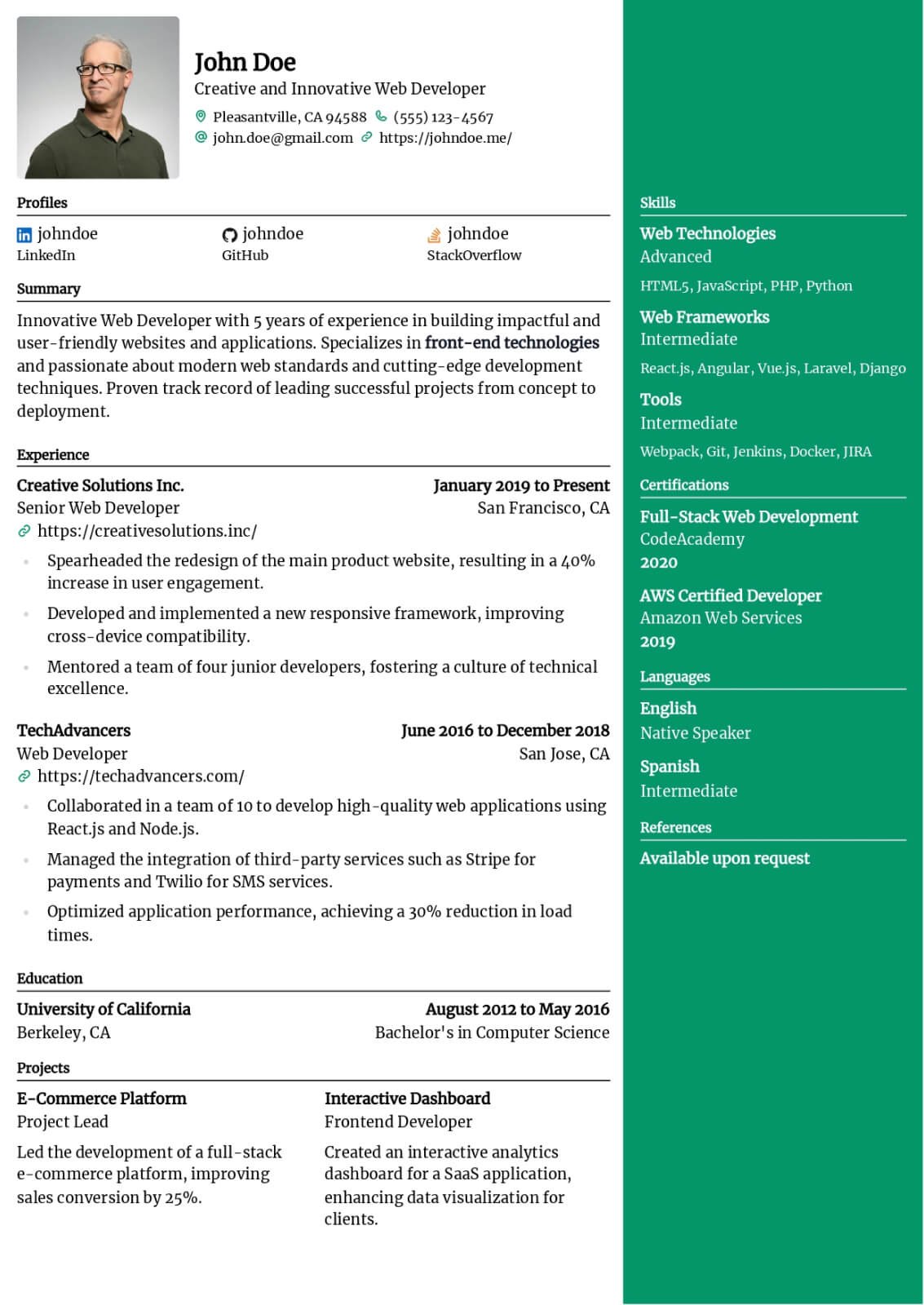
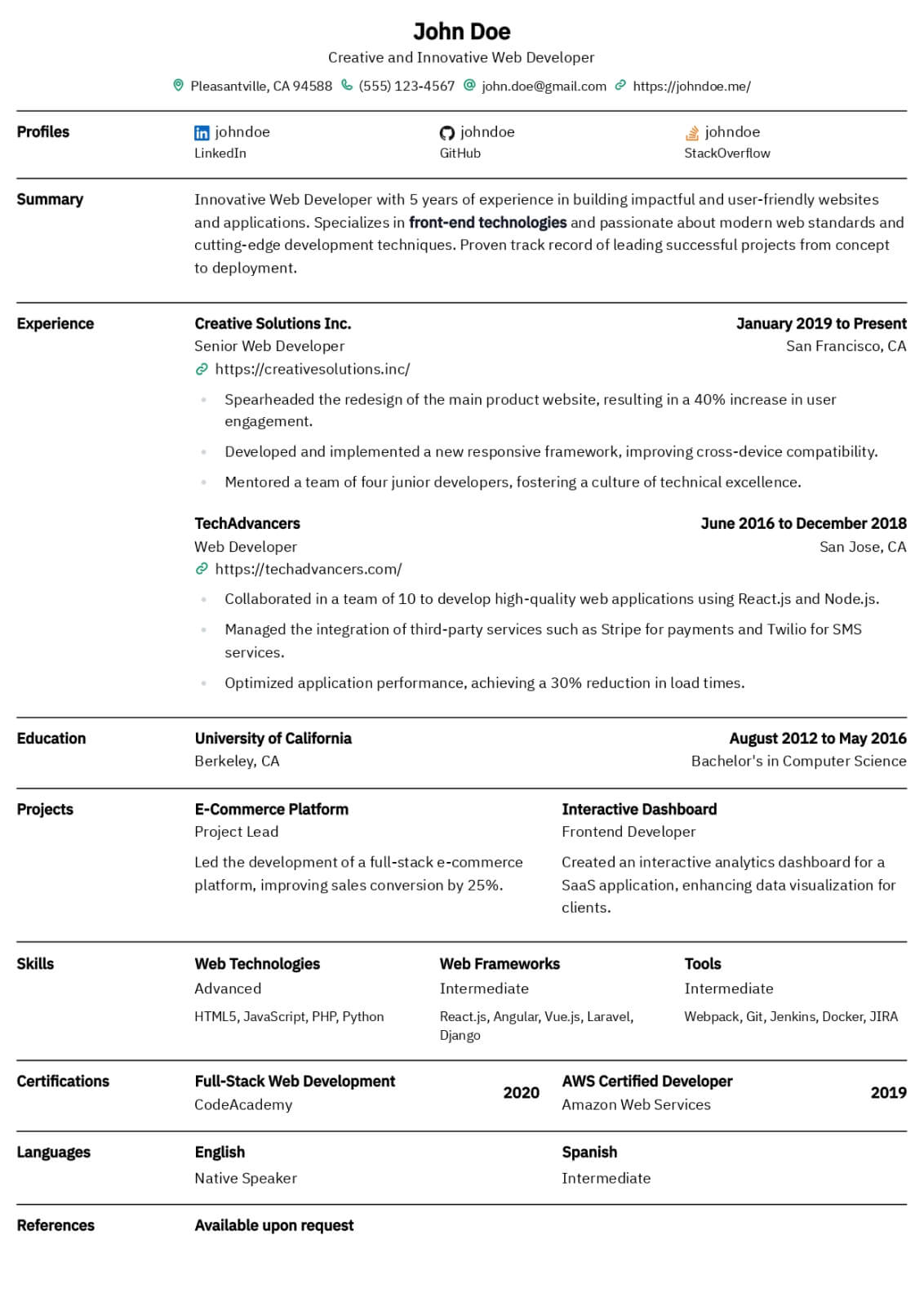
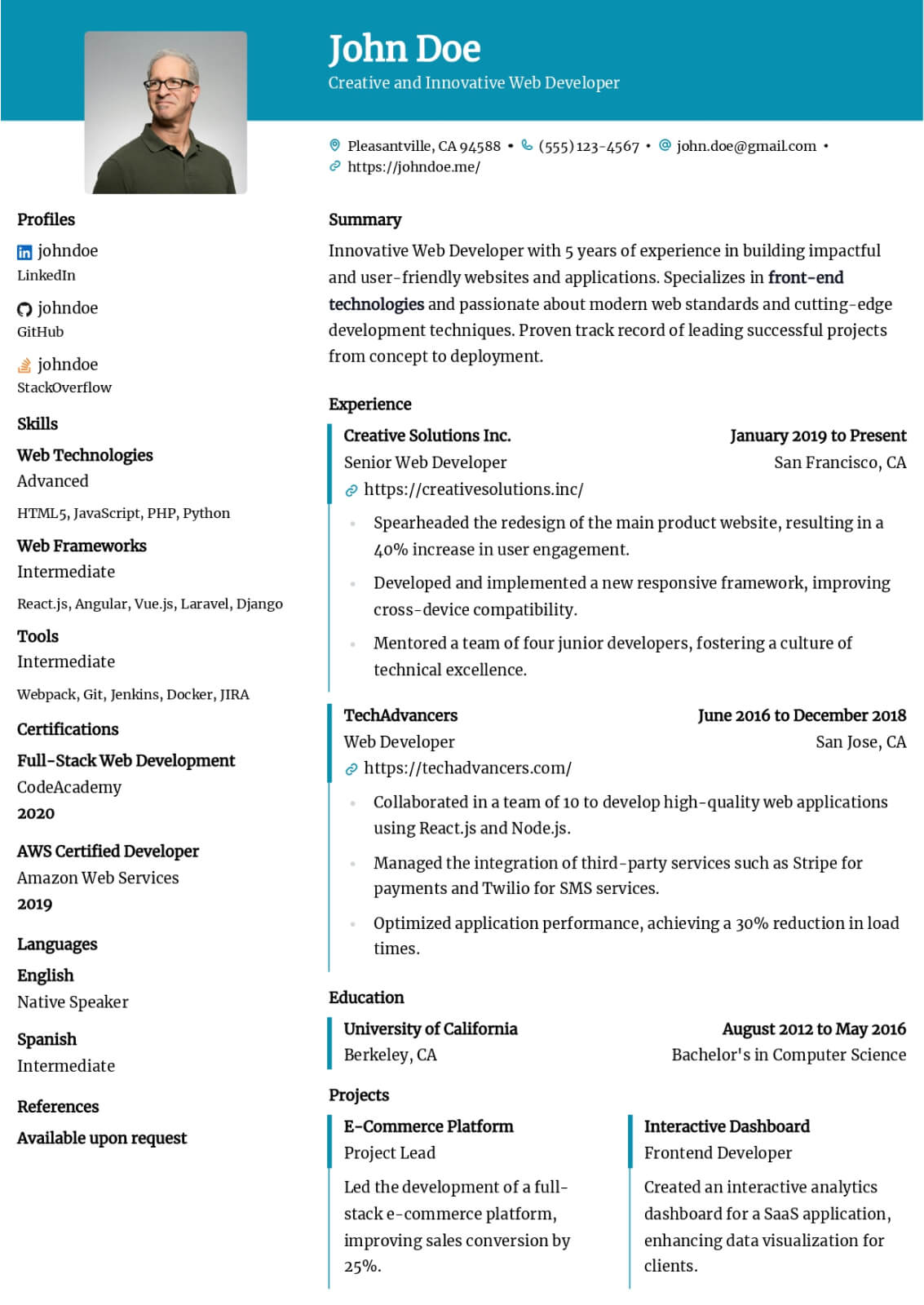
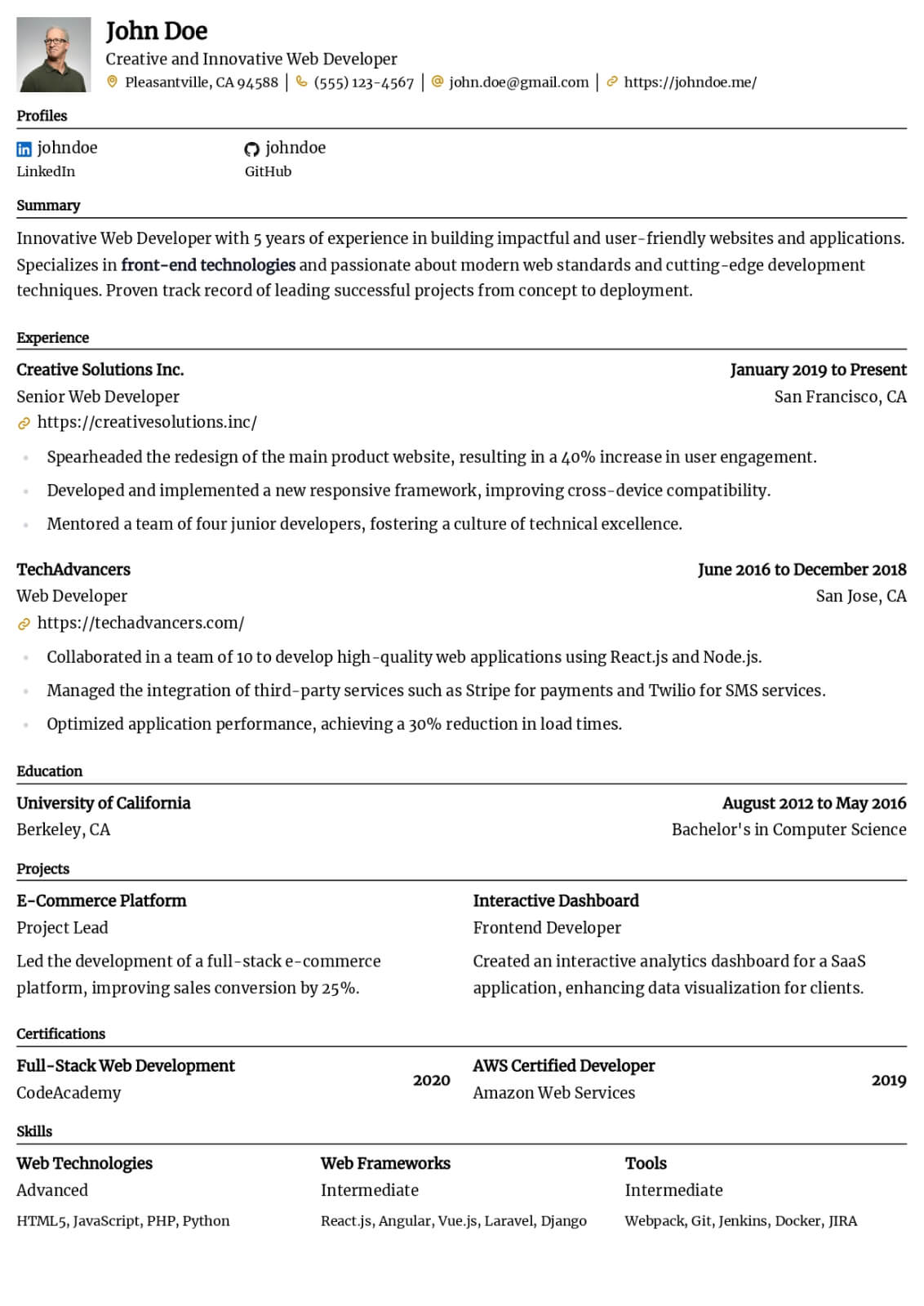
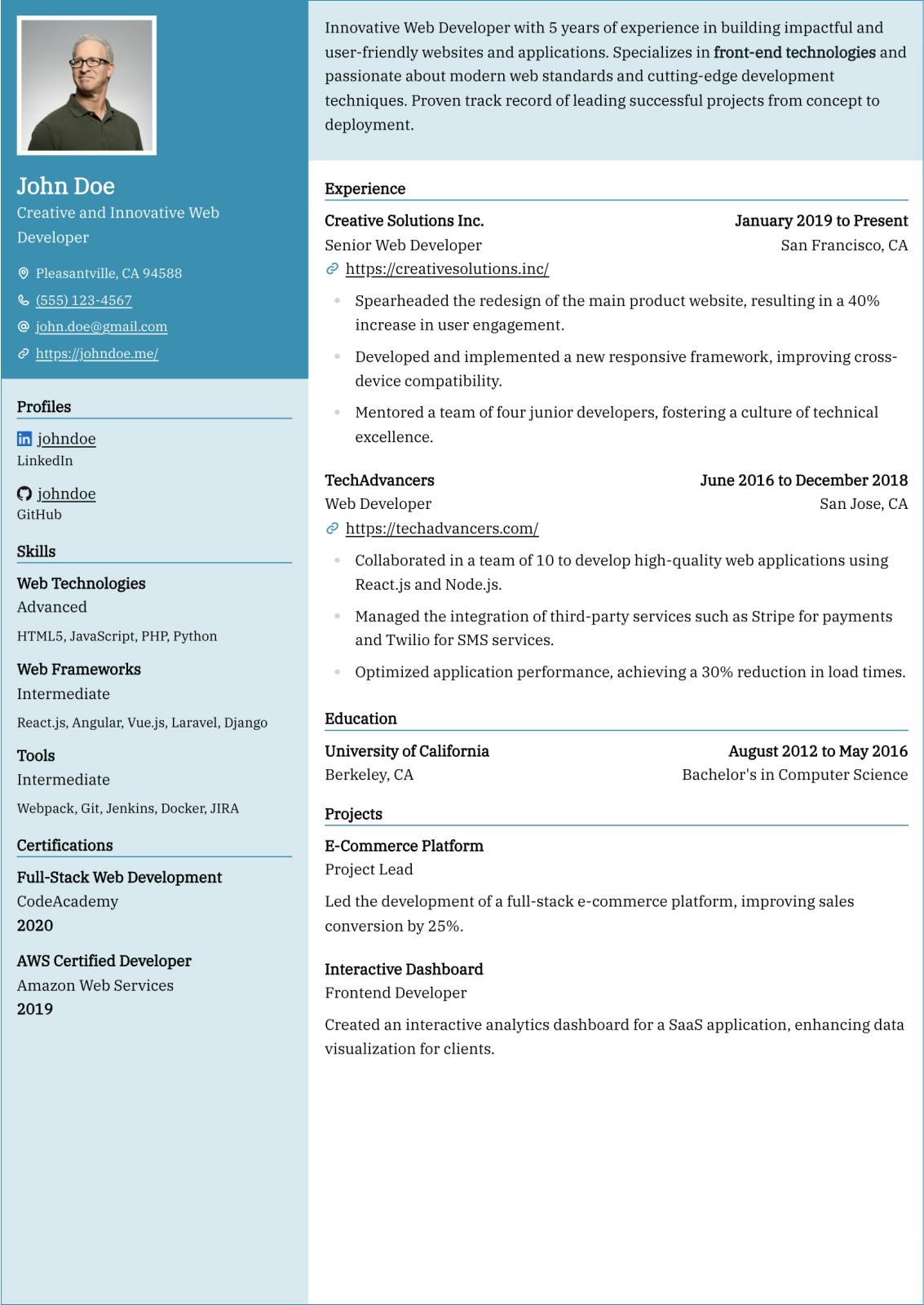
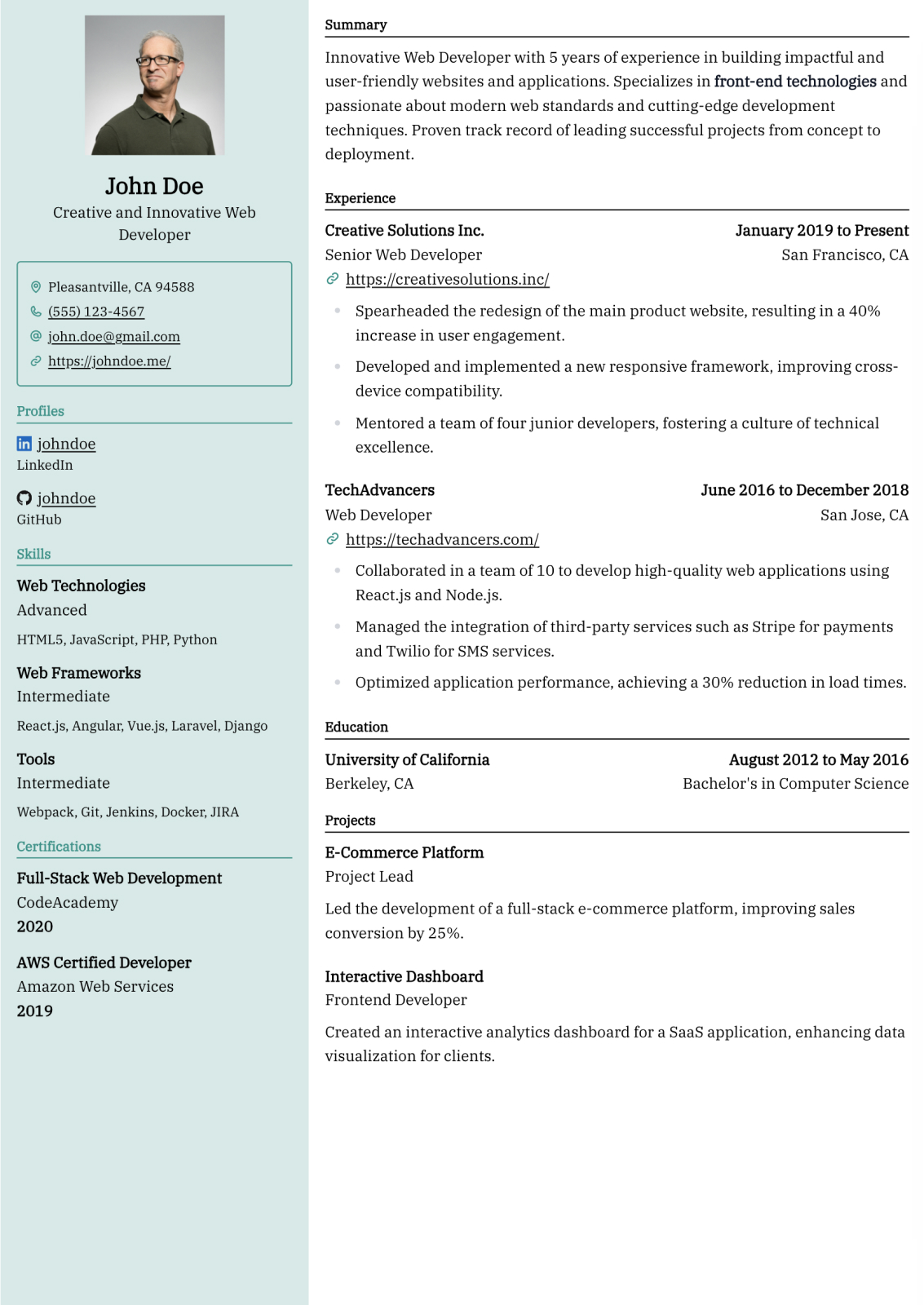
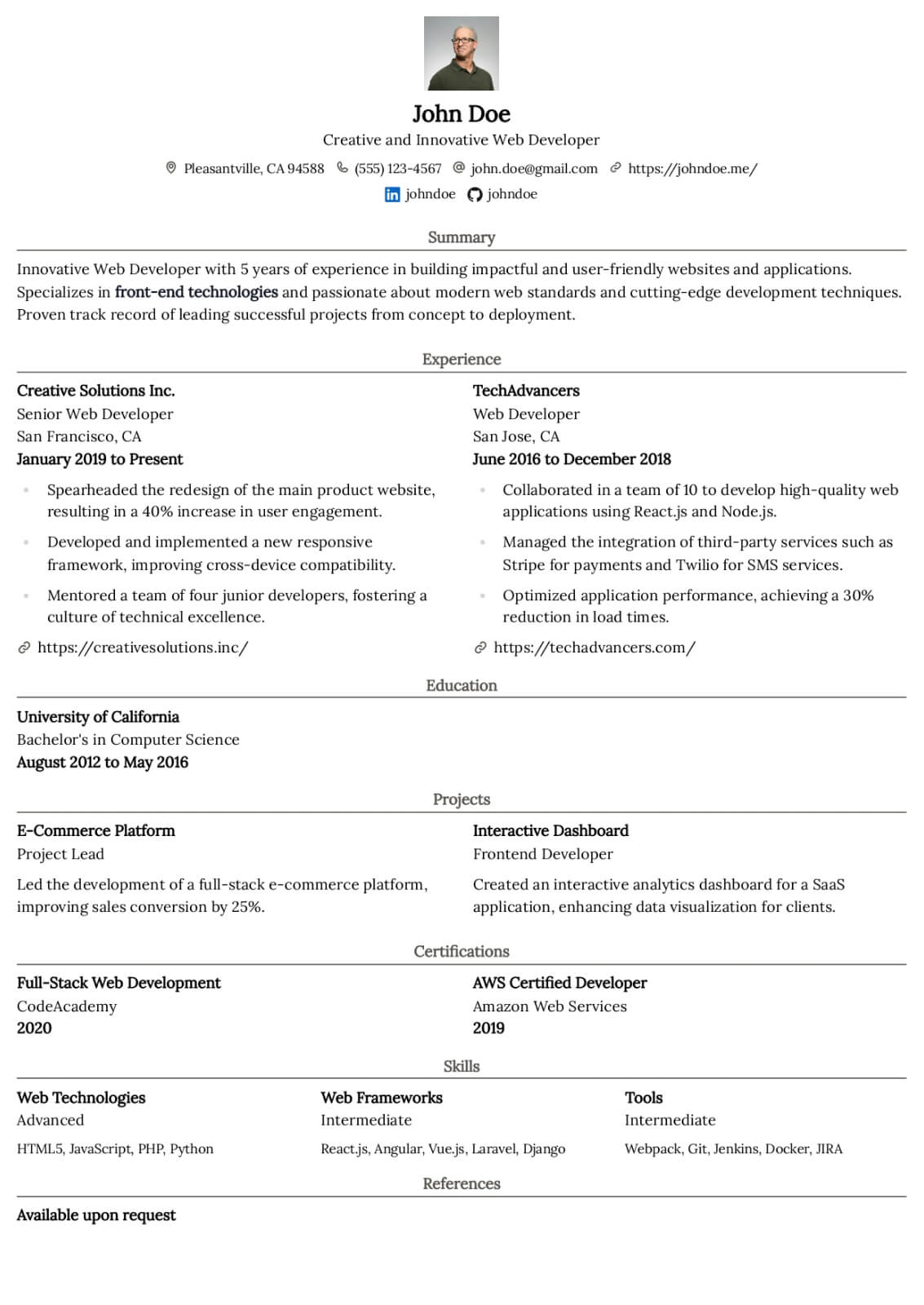
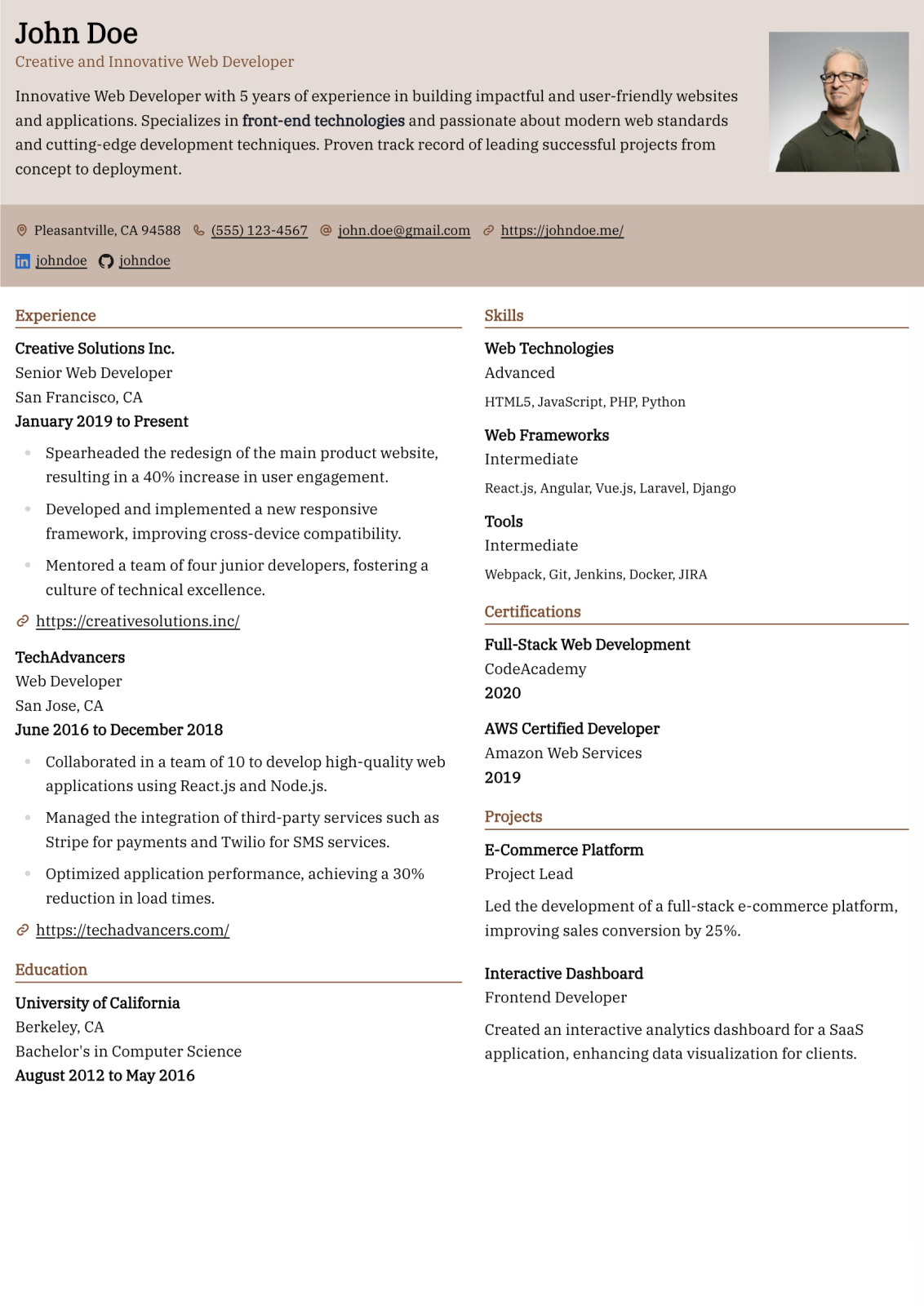
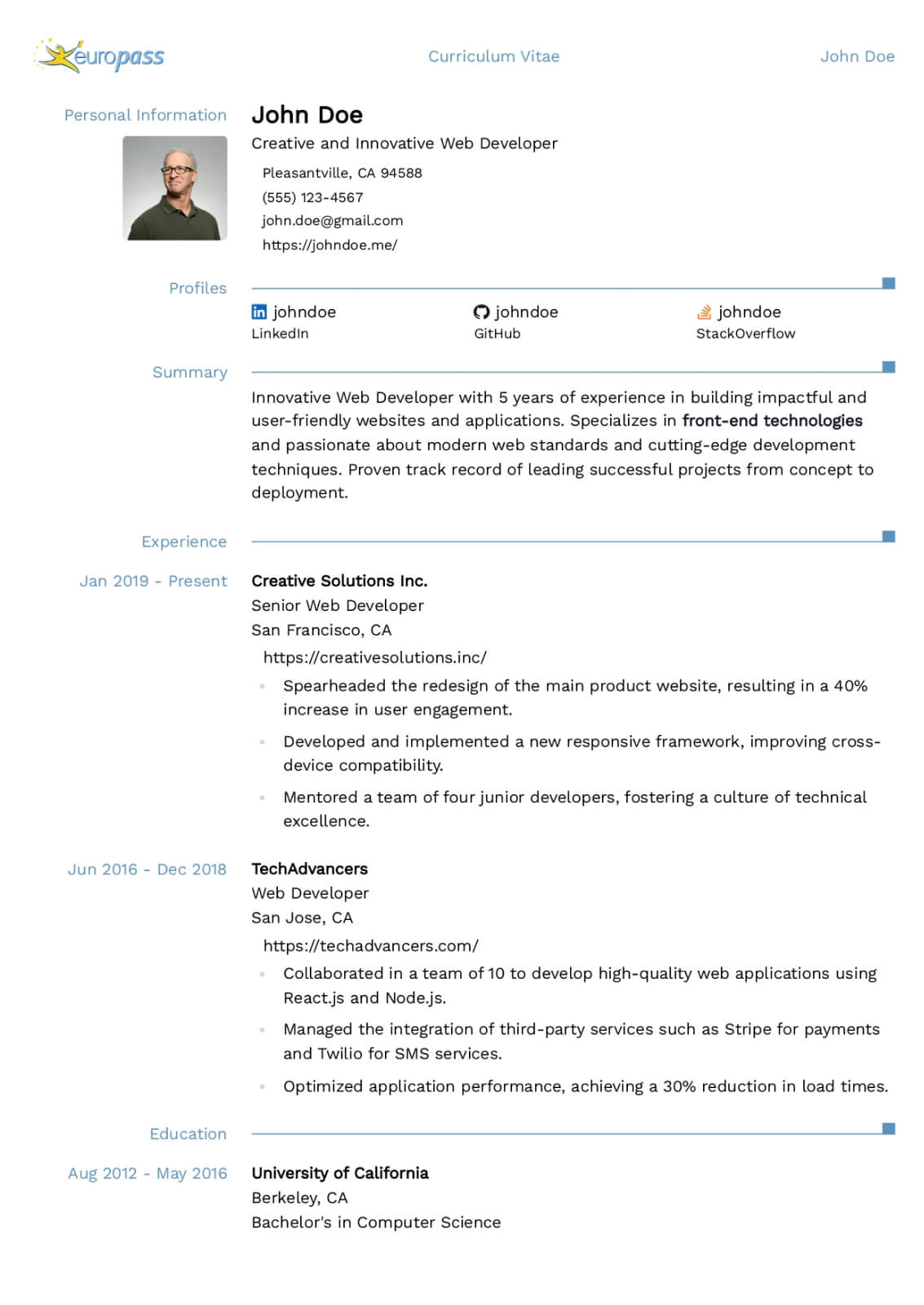
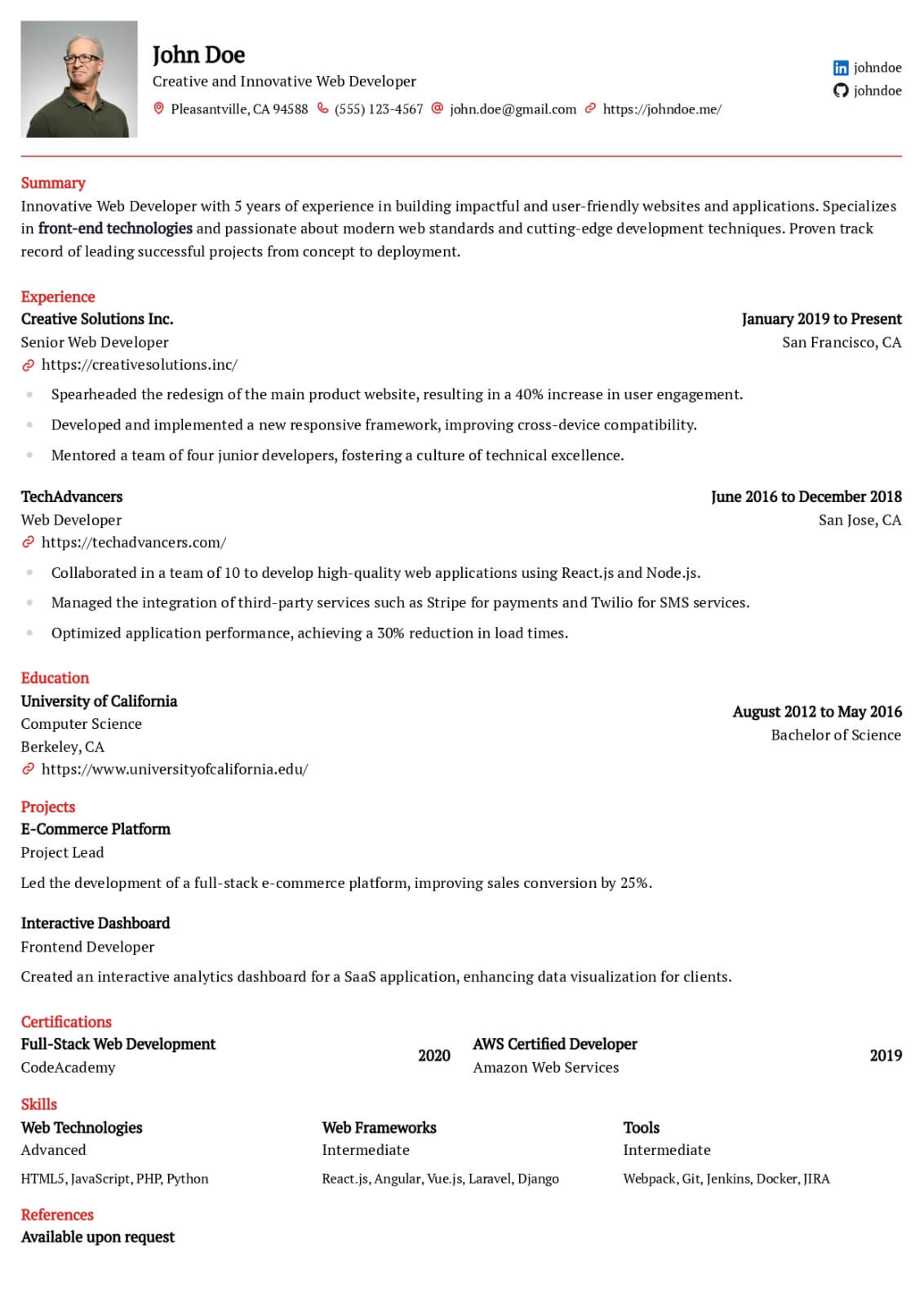
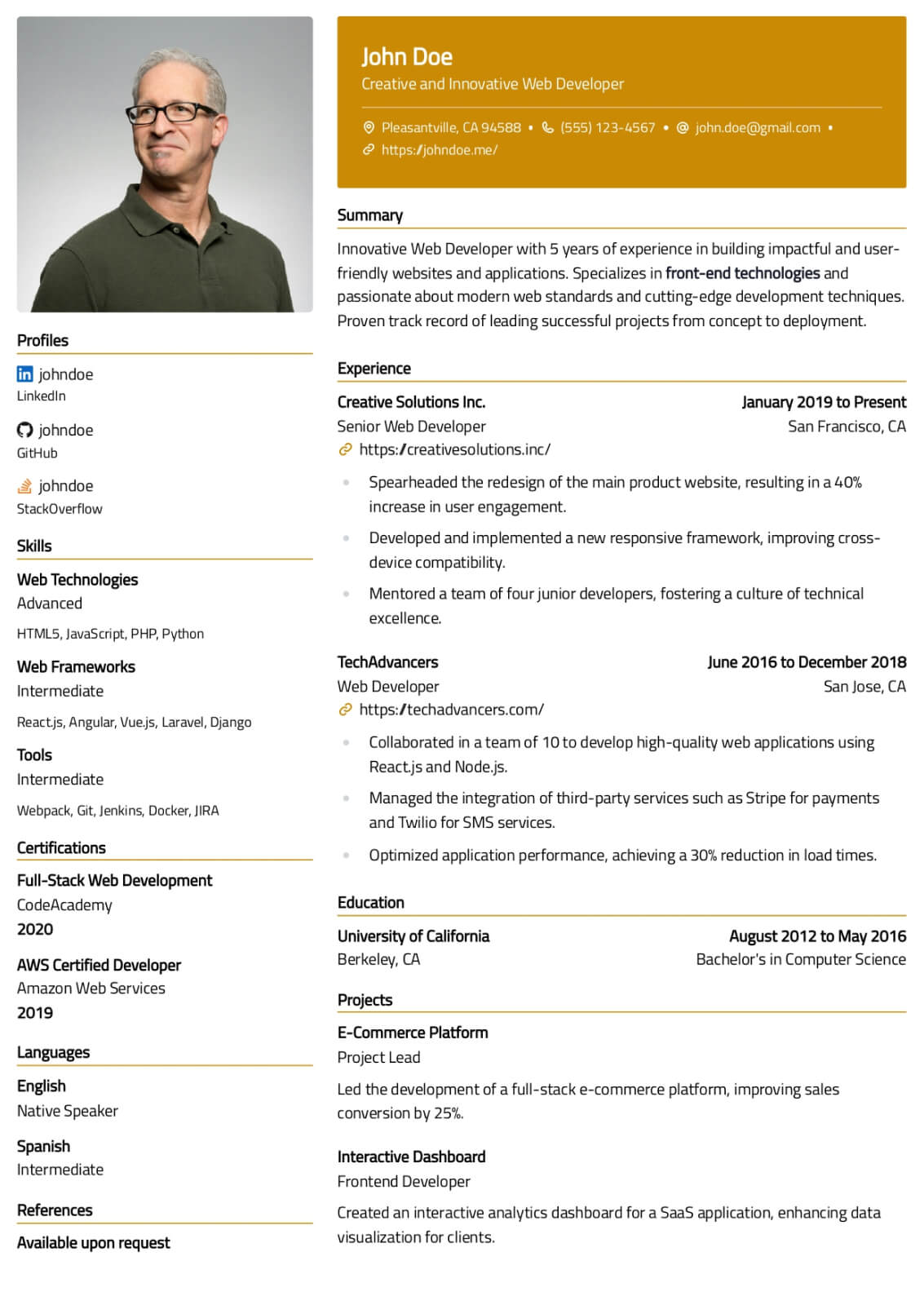
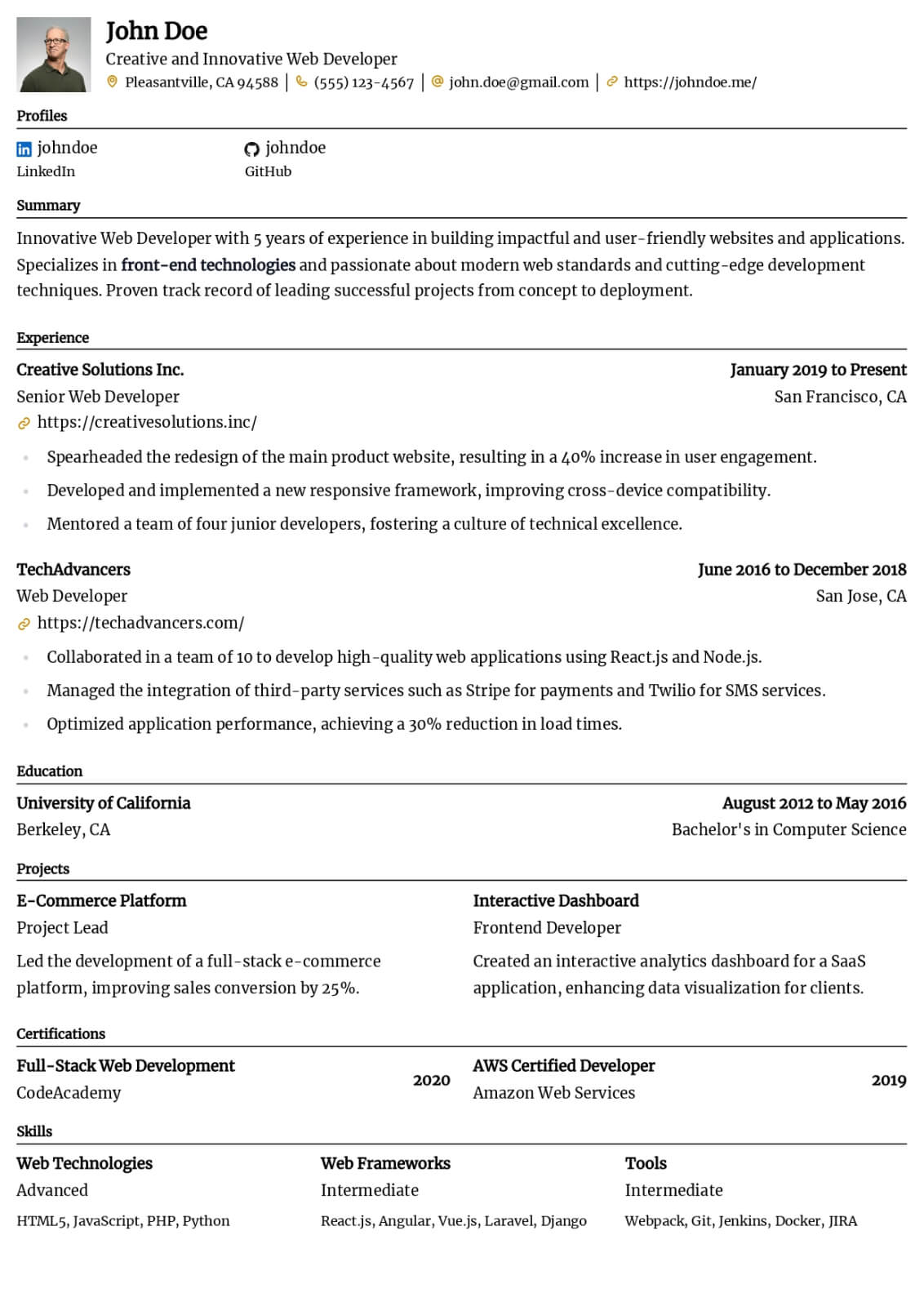
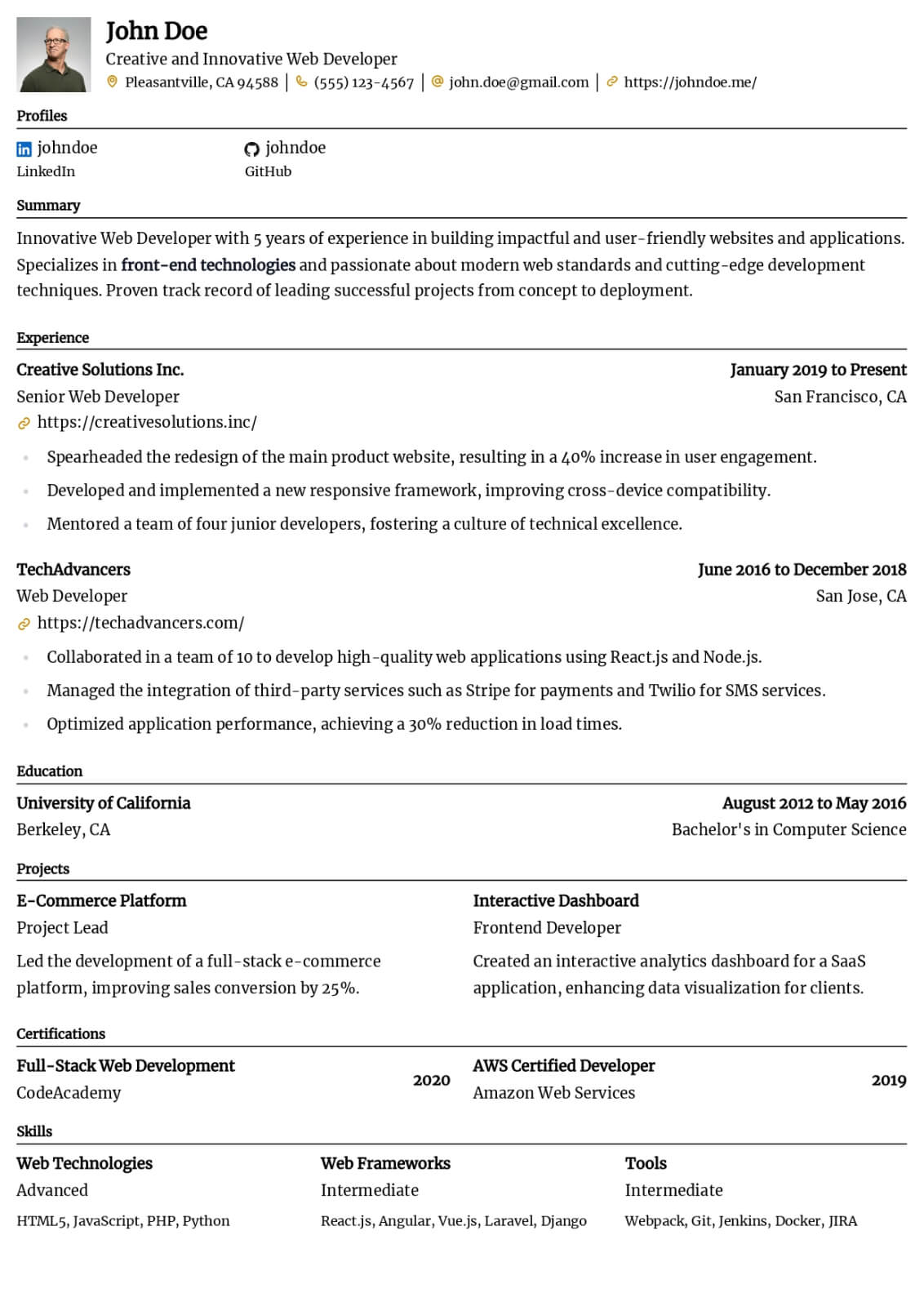
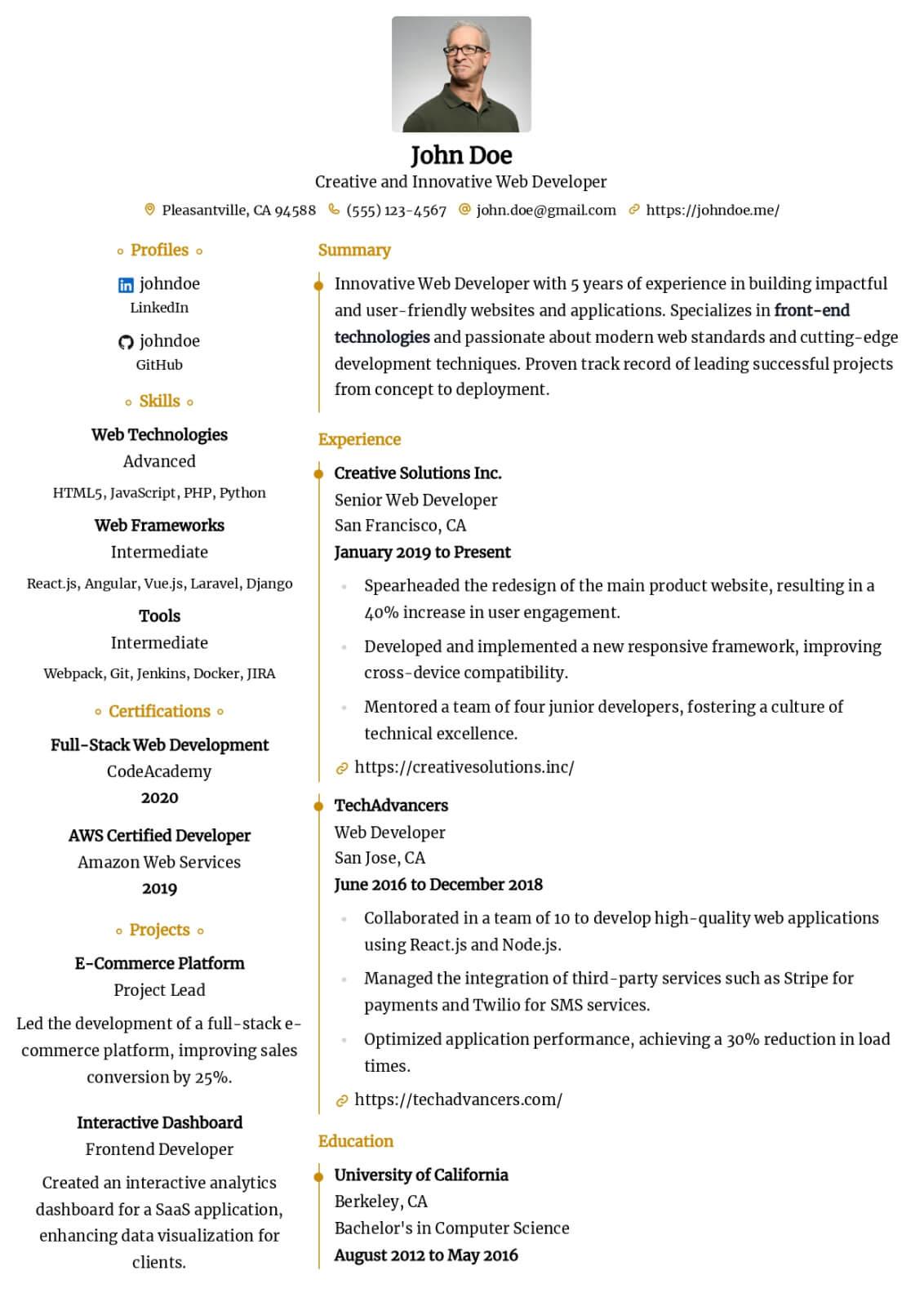
Network Engineer resume guide
Below, you will find section-by-section guidance for your network engineer resume — from your opening summary through skills and experience. Tailor every line to the job you want.
Professional Summary
Your professional summary should establish your network engineering expertise by stating your years of experience and the types of network environments you specialize in, such as enterprise LAN/WAN, data center networking, or service provider infrastructure. Name the vendor platforms you work with including Cisco, Juniper, Palo Alto, or Arista. Reference the scale of networks you have managed, whether that means campus networks spanning multiple buildings, WAN connections across dozens of sites, or data center fabrics handling terabits of throughput. Include a headline achievement such as redesigned a campus network serving four thousand users across six buildings, improving backbone throughput by three hundred percent while reducing network-related support tickets by fifty-five percent. Mention your experience with network automation tools like Ansible or Python scripting to signal modern engineering practices. Close with the networking challenges you are eager to solve next.
Work Experience
Present each network engineering role with four to six bullet points covering network design, implementation, troubleshooting, and optimization. Lead bullets with action verbs like designed, configured, migrated, optimized, or troubleshot. Attach quantified outcomes to every achievement: migrated twelve branch offices from MPLS to a Cisco SD-WAN solution, reducing WAN costs by forty percent while improving application performance by thirty percent through intelligent path selection. Describe routing protocol implementations including OSPF, BGP, or EIGRP with details about the number of routes managed and convergence time improvements. Highlight firewall and security implementations such as next-generation firewall deployments, network segmentation, and zero-trust architecture contributions. Show your involvement in capacity planning by describing bandwidth upgrades, redundancy implementations, and performance monitoring that prevented outages before they impacted users.
Technical Skills
Organize your network engineering skills into categories such as routing and switching, security, wireless, cloud networking, automation, and monitoring. Under routing and switching list protocols like OSPF, BGP, EIGRP, and spanning tree along with platforms like Cisco IOS, NX-OS, Juniper Junos, or Arista EOS. For security include firewalls from Palo Alto, Fortinet, or Cisco ASA, VPN technologies including IPsec and SSL, and network access control solutions. Under wireless list Cisco Meraki, Aruba, or enterprise WLAN controllers you have deployed. Add cloud networking skills including AWS VPC, Azure Virtual Network, Transit Gateway, and Direct Connect or ExpressRoute. Include automation tools like Ansible, Python with Netmiko or NAPALM libraries, and Terraform for network infrastructure as code. List monitoring platforms such as SolarWinds, PRTG, ThousandEyes, or Wireshark for packet analysis.
Network Design & Migration Projects
A dedicated projects section showcases your ability to plan and execute complex network transformations beyond routine maintenance. Describe two to three significant projects including the business driver, your design approach, vendor technologies selected, and quantified results. For example, you might describe designing and deploying a leaf-spine data center fabric using Arista switches with VXLAN-EVPN, replacing a legacy three-tier architecture and increasing east-west traffic capacity by ten times while supporting automated provisioning through Ansible. Include WAN transformation projects such as SD-WAN deployments or MPLS migrations with details about site counts, cost savings, and application performance improvements. Reference wireless network overhauls covering access point placement surveys, controller configurations, and user density support improvements that enhanced the mobile experience for employees or customers.
Certifications & Education
Network engineering certifications are among the most heavily weighted screening criteria in the industry. List credentials such as Cisco CCNA, CCNP Enterprise, CCIE, Juniper JNCIA, JNCIS, or CompTIA Network+ alongside the issuing organization and year earned. CCIE certification is considered the gold standard and should be displayed prominently if you hold it. Include security-focused networking certifications like Palo Alto PCNSA or Fortinet NSE if relevant to your target role. In the education section include your degree, institution, and graduation year. Information technology, computer science, or electrical engineering degrees are common backgrounds. Many successful network engineers enter the field through technical certifications combined with hands-on experience rather than four-year degrees. Highlight relevant coursework in data communications, network protocols, or telecommunications if applicable.
Layout & ATS Optimization
Use a clean single-column format with standard section headings for reliable ATS parsing. Embed vendor and protocol names exactly as they appear in the job posting, writing Cisco Catalyst rather than switches and BGP rather than routing protocol. Include both abbreviated and expanded forms where applicable, such as OSPF and Open Shortest Path First, to capture different keyword variations in ATS configurations. Quantify network scale with throughput numbers, site counts, user populations, and uptime percentages to create high-impact scannable bullets. Save as PDF and keep your resume to one or two pages depending on experience depth and certification count. Provide links to any published network design documents, blog posts, or community contributions that demonstrate your technical expertise.
Resume layout and formatting
Use a clean, single-column layout with clear section headings and plenty of white space. Lead with technical strengths such as Cisco IOS / NX-OS / Meraki, Routing Protocols (OSPF, BGP, EIGRP), Switching & VLAN Configuration, Palo Alto / Fortinet Firewalls, SD-WAN (Cisco Viptela, VMware VeloCloud), Wireless (Cisco, Aruba, Meraki), then reinforce interpersonal strengths like Systematic Troubleshooting, Technical Documentation, Vendor Relationship Management, Clear Communication During Outages. Keep fonts standard (e.g., Arial or Calibri) at 10–12pt body size so your resume stays ATS-friendly and easy to scan.
Key takeaways
- Lead with vendor platform expertise and a headline network performance achievement
- Quantify throughput improvements, uptime percentages, and cost savings in every bullet
- Include network design and migration projects that demonstrate architectural planning skills
- Position Cisco or Juniper certifications prominently as they are primary hiring criteria
- Mirror exact protocol and platform names from job postings for ATS optimization
- Highlight network automation experience to differentiate from traditional CLI-only engineers
Build your Network Engineer resume with Scale
Lead with vendor platform expertise and a headline network performance achievement
Use This Template
Professional Templates That Make You Stand Out
Browse modern, ATS-friendly resume designs crafted to impress recruiters. Customize any template and download it as a Word or PDF file.
Listen What Our Users Have to Say

Rohan Sen
I am very happy with the team's quick turnaround time - any query is responded at utmost priority. Shoutout to my client manager, Anub Biju - very helpful.

Gael L
Service and communication is great, cover letters are non-ai sounding and well tailored. Just have a lot of communication and review with your staff!

Jonathan Parry
Wow - don't tell your peers! Wow, I can't recommend scale.jobs enough - it's so good I am not sharing with my peers. Applications at scale that get through filters. Thank you!

Cynthia Zhu
Great service! The scale.jobs team was very responsible and managed to apply tons of jobs for me in a very tight deadline to help me secure interviews quickly. Highly recommend to anyone who needs help applying to jobs!

Yash Yenugu
Save your fingers. Saved me from a thumb cramp because we're expected to effortlessly apply to jobs during these times.

Cian O'Driscoll
Clever service. Takes the hard effort out of applying for jobs with an intuitive dashboard and attention to detail. A great asset to job seekers. :-)
Frequently asked questions
What certifications should a network engineer highlight on their resume?
CCNA is the foundational certification most employers expect for entry-level and mid-level roles. CCNP Enterprise demonstrates advanced routing, switching, and wireless expertise. CCIE is the most prestigious networking credential and should be prominently displayed if earned. Include vendor-specific security certifications like Palo Alto PCNSA if the role involves firewall management. Match your certification emphasis to the vendor ecosystem your target employer uses.
How do I quantify network engineering achievements on my resume?
Measure throughput improvements, latency reductions, uptime percentages, ticket volume decreases, and cost savings from architecture changes. State specific outcomes like improved WAN throughput by two hundred percent through SD-WAN deployment or maintained ninety-nine point nine nine percent uptime across a twelve-site enterprise network. Numbers demonstrate that your network engineering work delivers measurable value to the organization.
Is network automation experience important for network engineer resumes?
Network automation is increasingly essential as organizations manage larger and more complex networks. Include experience with Python scripting using libraries like Netmiko, NAPALM, or Nornir for configuration management and bulk changes. Ansible for network device automation is also highly valued. Automation skills differentiate you from candidates who rely exclusively on manual CLI configuration across network devices.
Should I include cloud networking skills on my resume?
Cloud networking knowledge is increasingly expected as organizations adopt hybrid and multi-cloud architectures. Include experience with AWS VPC, Transit Gateway, Direct Connect, Azure Virtual Network, or GCP VPC peering. Describe how you extended on-premises networks into cloud environments or designed cloud-native networking architectures. This expertise positions you for the growing number of roles that span traditional and cloud networking.
How do I describe SD-WAN experience on my network engineer resume?
Specify the SD-WAN platform such as Cisco Viptela, VMware VeloCloud, or Fortinet, the number of sites deployed, and the business outcomes achieved. State that you designed and deployed an SD-WAN overlay across thirty-five branch locations, reducing WAN circuit costs by forty percent while improving SaaS application response times. Include details about policy-based routing, application-aware path selection, and migration strategy from legacy MPLS.
How long should a network engineer resume be?
One page works well for network engineers with fewer than eight years of experience. Senior engineers and those with extensive certifications like CCIE may extend to two pages to accommodate project details and credential lists. Every line should demonstrate measurable technical impact. Remove early-career help desk roles that do not directly support your network engineering narrative to maintain focus.
Related Resume Guides
Systems Administrator
Build an effective systems administrator resume that showcases your expertise in server management, Active Directory administration, infrastructure automation, and maintaining enterprise IT environments.
Cloud Engineer
Create a powerful cloud engineer resume that demonstrates your expertise in designing, deploying, and managing cloud infrastructure across AWS, Azure, or GCP with reliability and cost efficiency.
Cybersecurity Analyst
Build a compelling cybersecurity analyst resume that showcases your threat detection capabilities, incident response expertise, and security operations experience protecting critical organizational assets.
DevOps Engineer
Build an impactful DevOps engineer resume that highlights your expertise in CI/CD pipelines, infrastructure as code, container orchestration, and reliable production system operations at scale.
Solutions Architect
Build a compelling solutions architect resume that demonstrates your ability to design scalable system architectures, align technical solutions with business requirements, and lead enterprise-level technology transformations.