
Cybersecurity Analyst Resume Examples, Templates & Writing Guide

Written by: Scale.jobs EditorialLast updated: May 1, 2026







Introduction
Build a compelling cybersecurity analyst resume that showcases your threat detection capabilities, incident response expertise, and security operations experience protecting critical organizational assets.
This guide walks you through every major section of a cybersecurity analyst resume, with practical tips you can apply today.
- How to present threat detection and incident response achievements with measurable outcomes
- Strategies for showcasing SIEM platform expertise and security monitoring capabilities
- Techniques for quantifying security contributions through incidents resolved and risks mitigated
- Best practices for describing vulnerability assessment and penetration testing experience
- Methods for highlighting compliance frameworks and regulatory audit expertise on your resume
- How to position security certifications as key differentiators for your candidacy
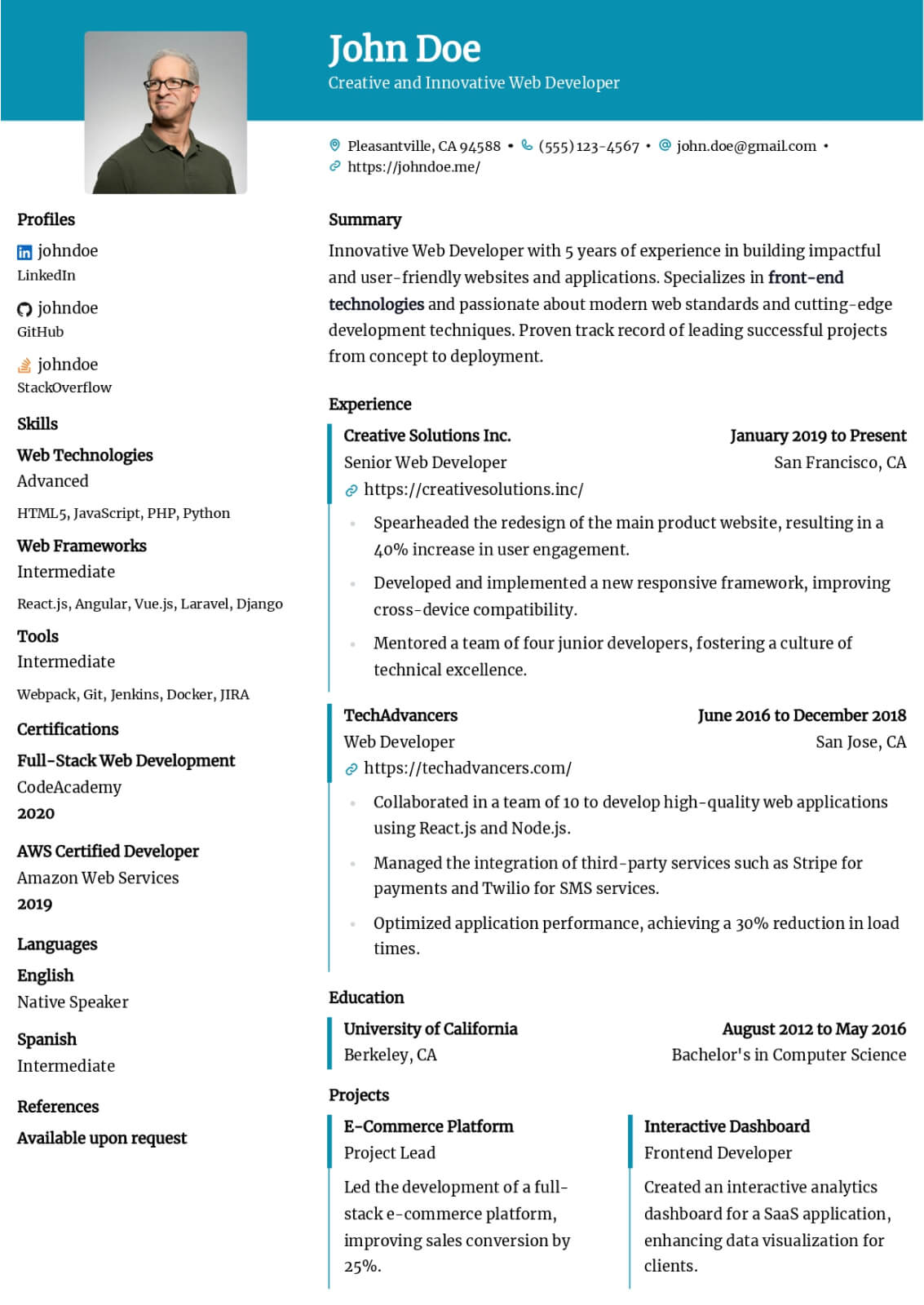
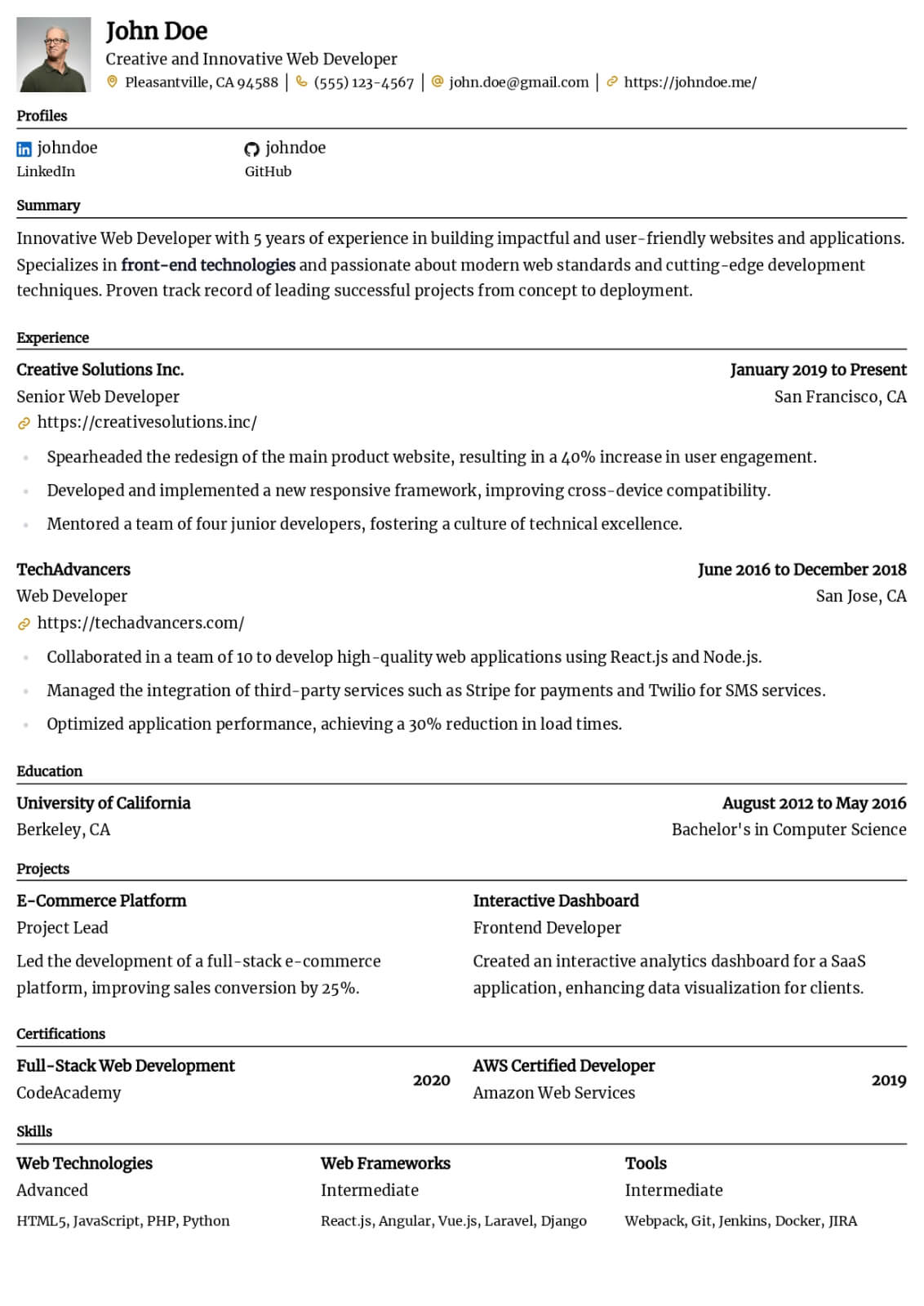
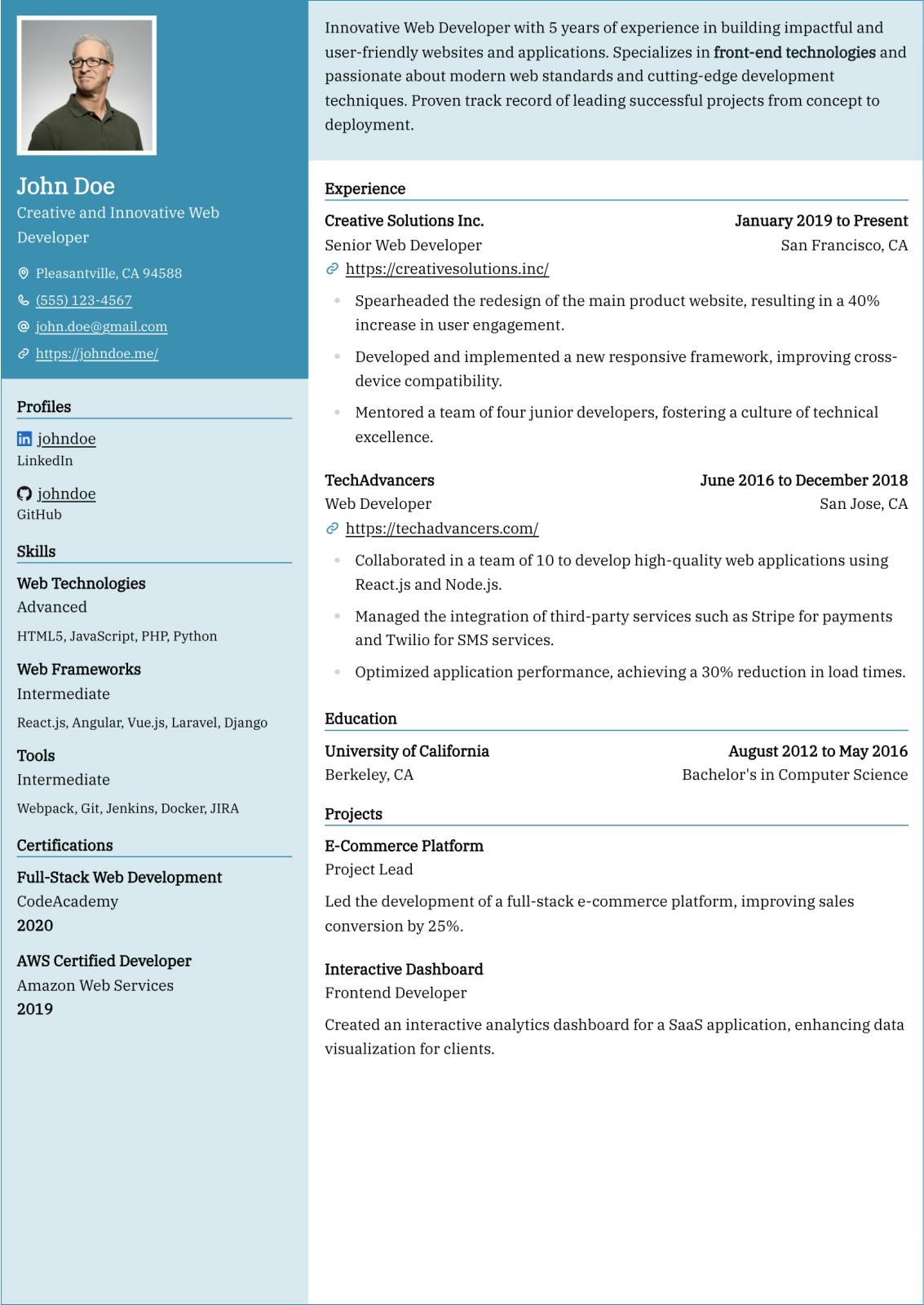
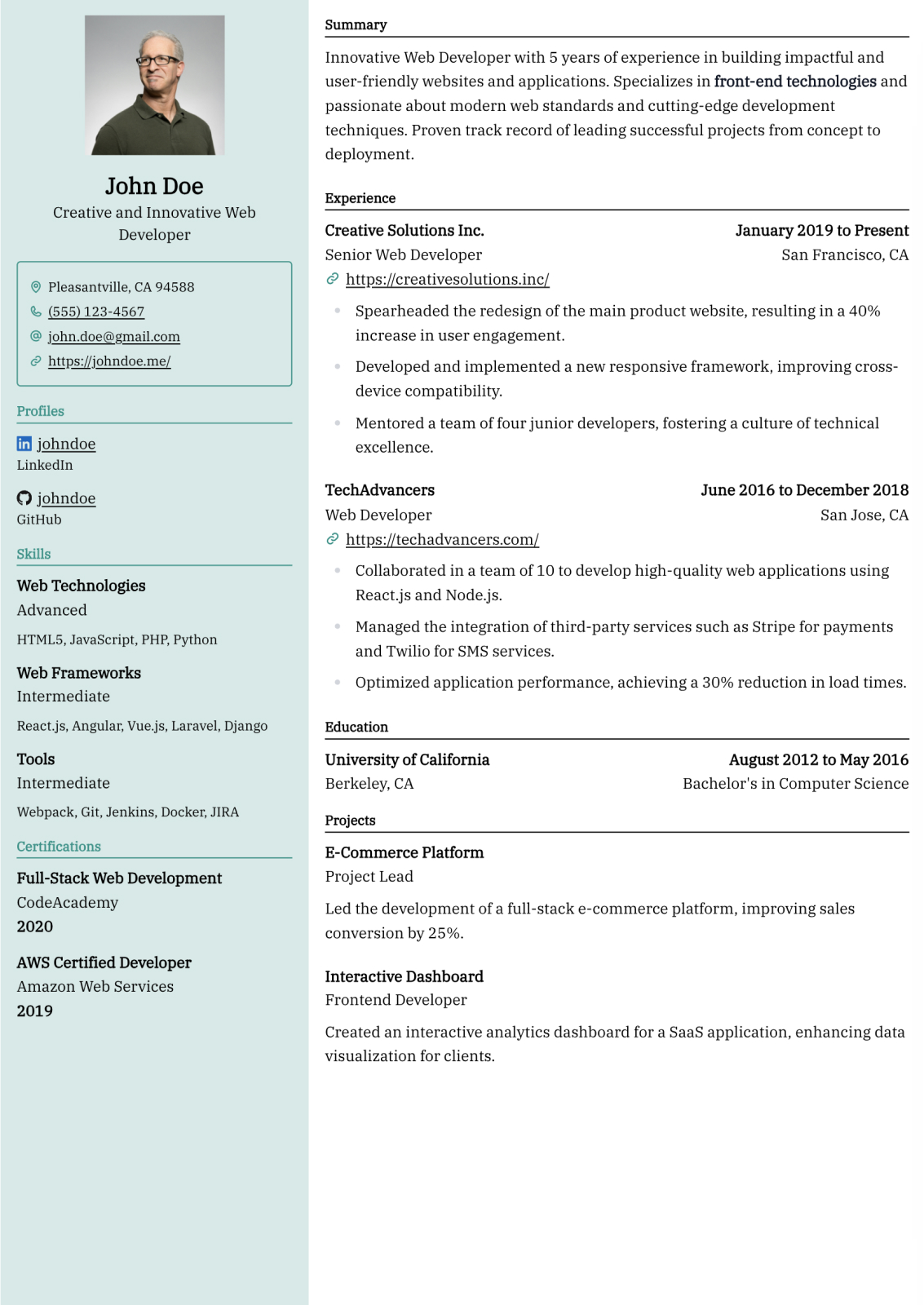
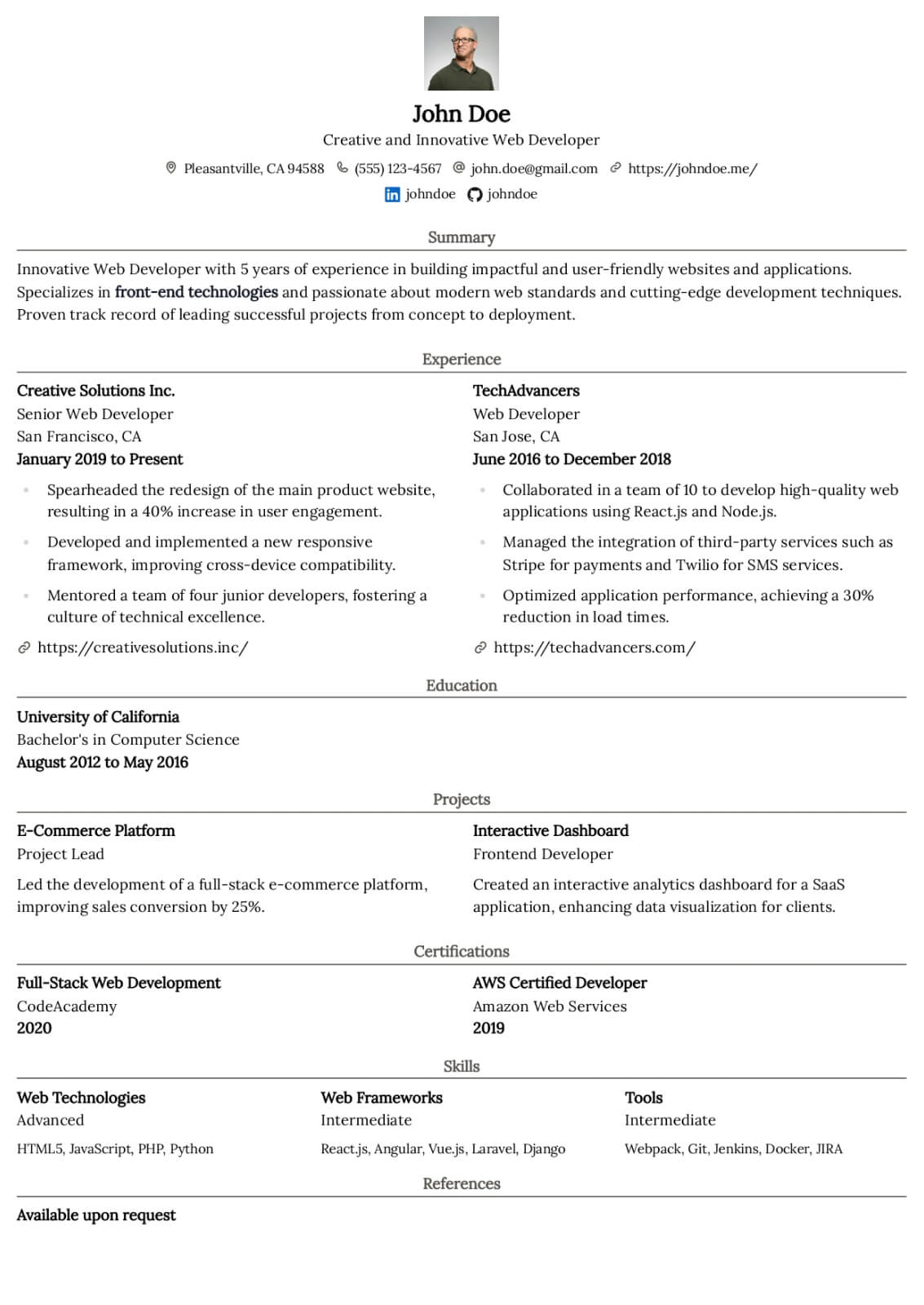
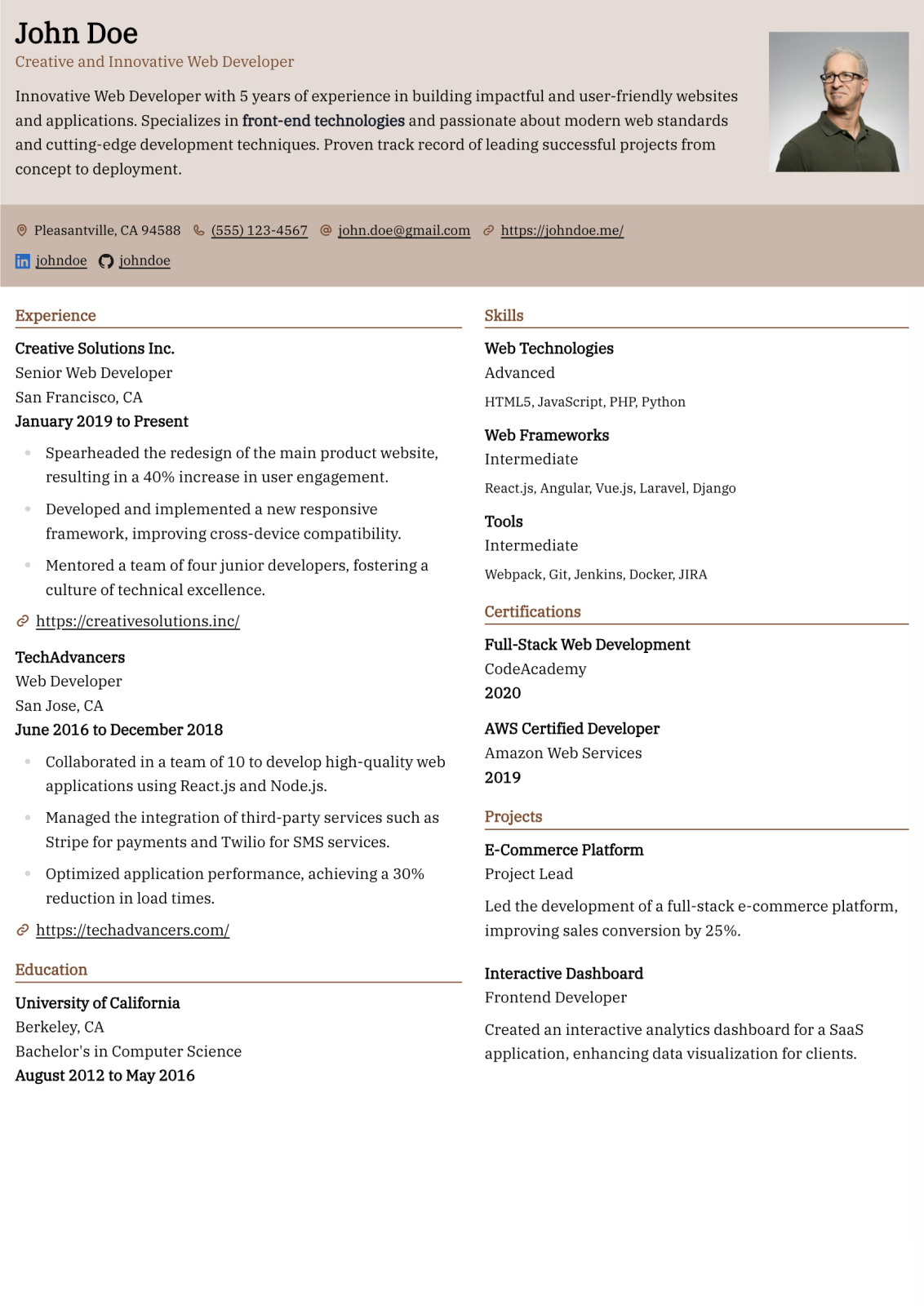
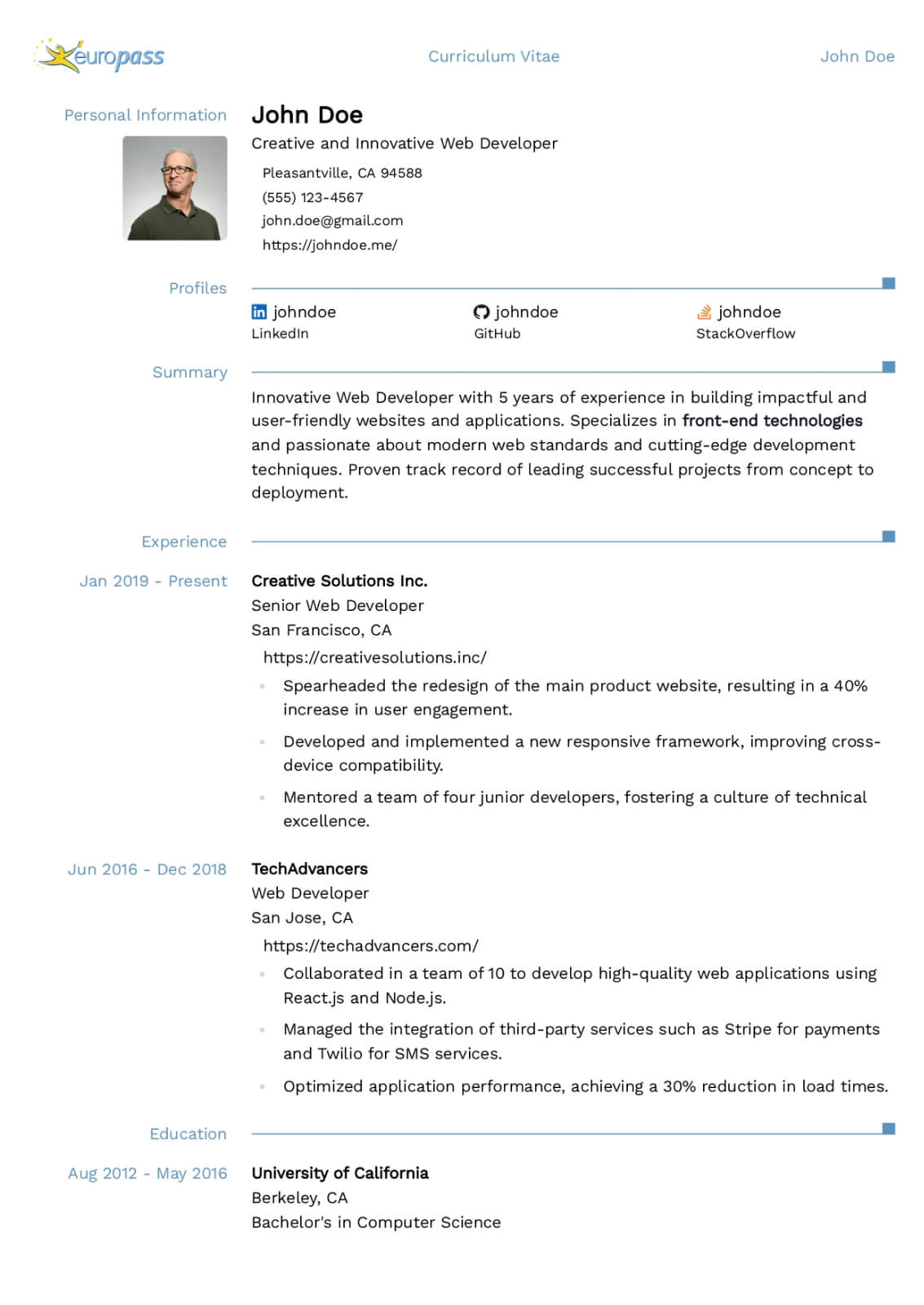
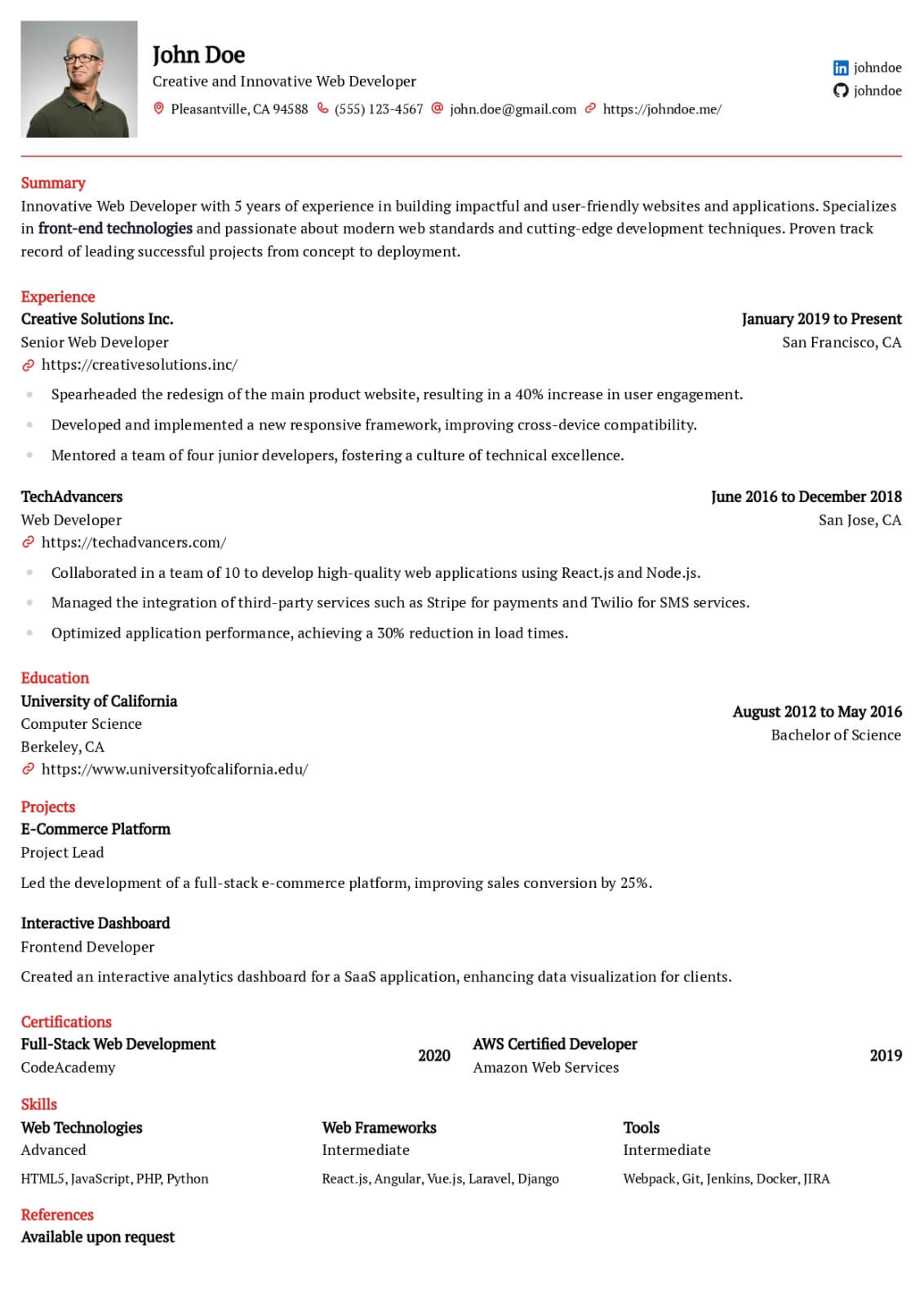
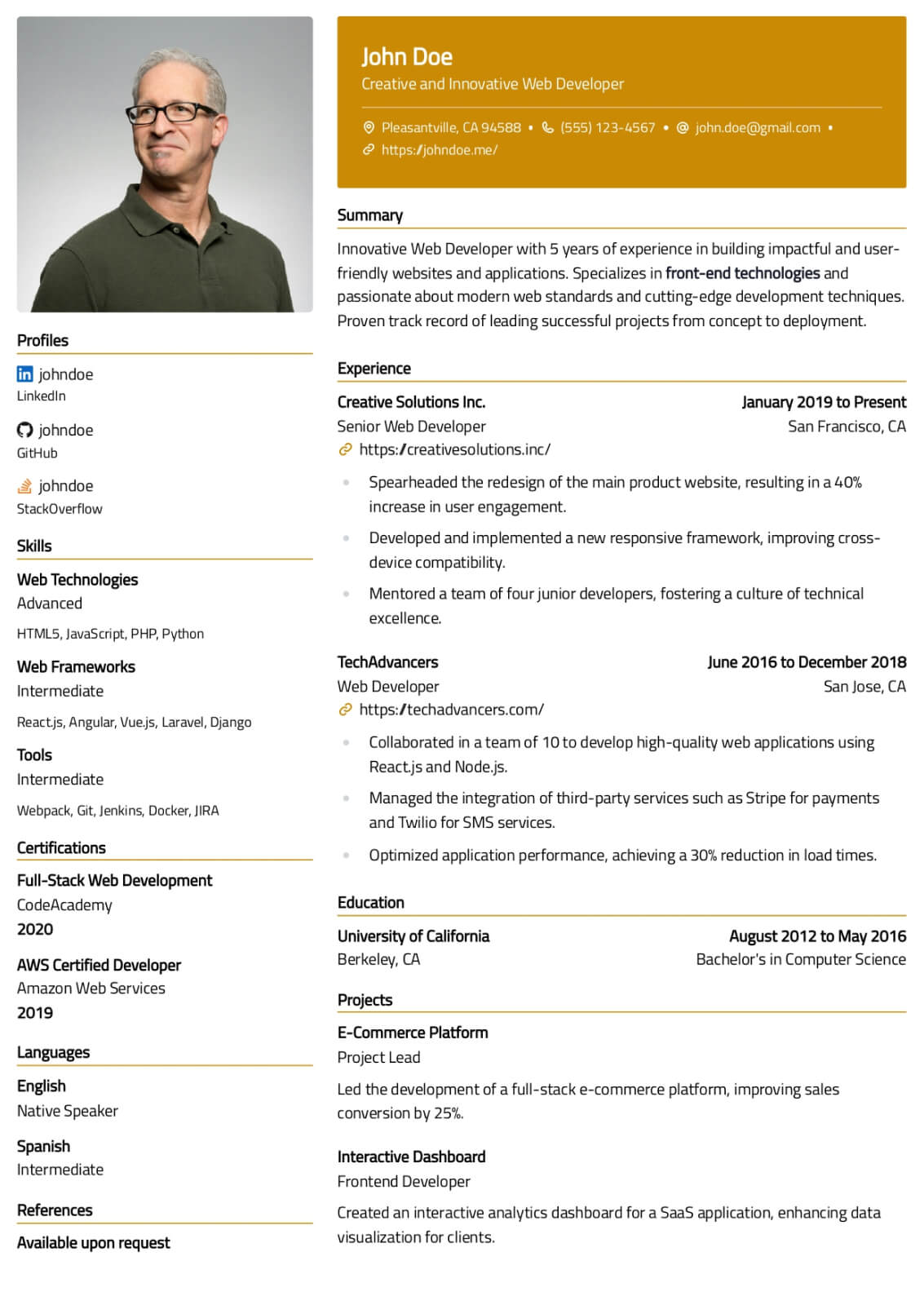
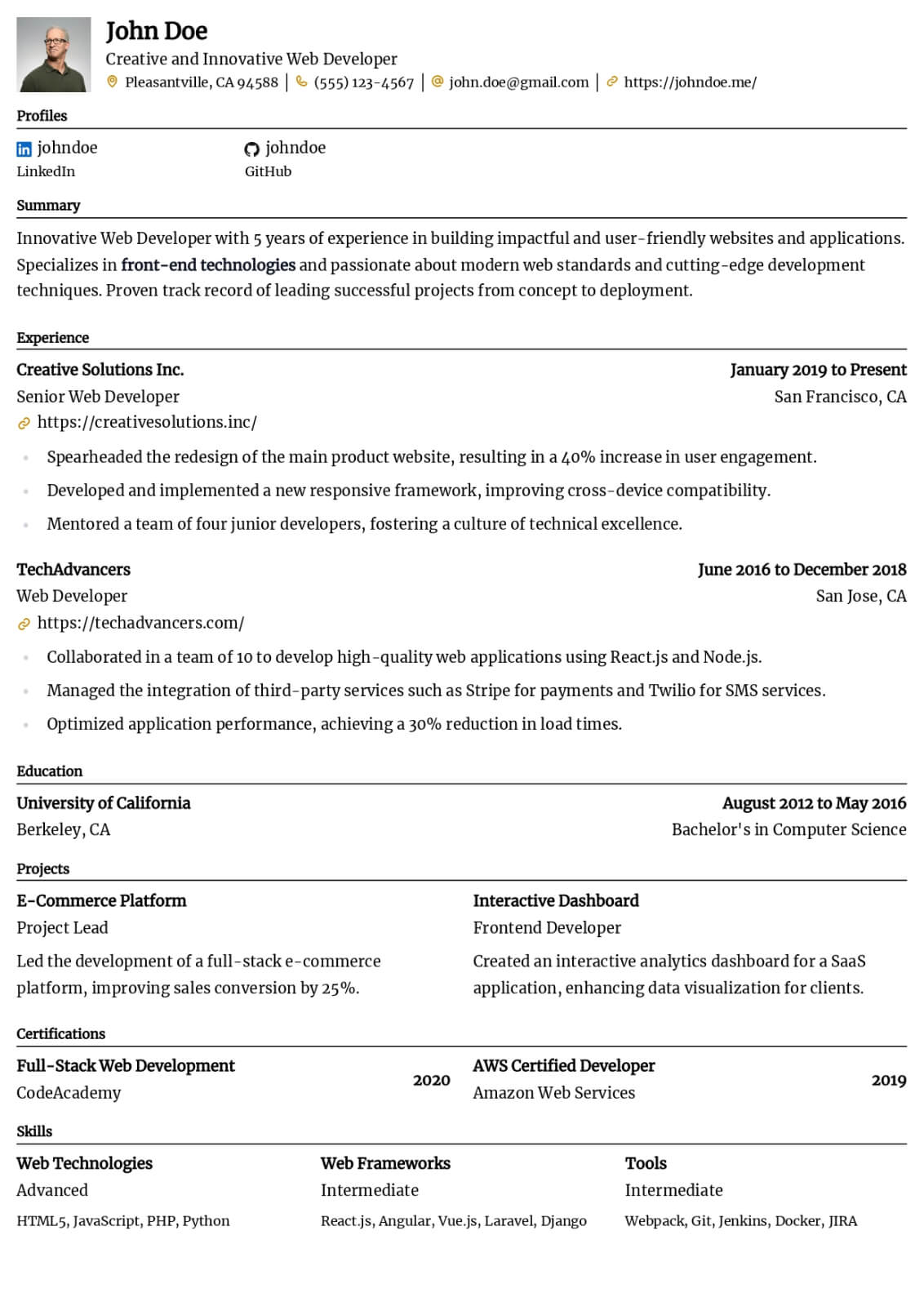
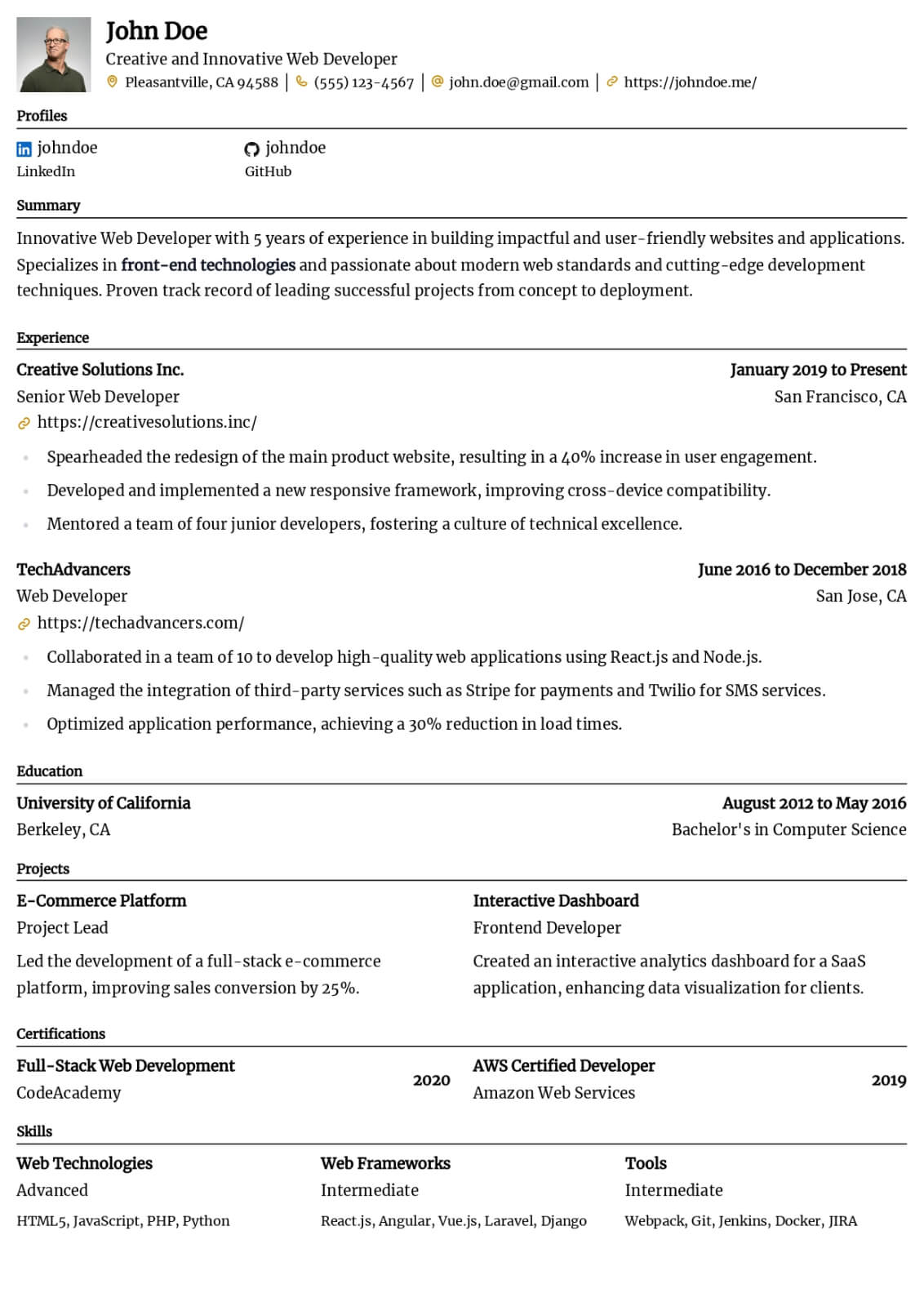
Cybersecurity Analyst resume guide
Below, you will find section-by-section guidance for your cybersecurity analyst resume — from your opening summary through skills and experience. Tailor every line to the job you want.
Professional Summary
Your professional summary should immediately establish your cybersecurity expertise by stating your years of experience and primary specialization such as security operations, threat intelligence, vulnerability management, or incident response. Name the security platforms and tools you work with daily, including SIEM platforms like Splunk, Microsoft Sentinel, or IBM QRadar, and endpoint detection tools like CrowdStrike or Carbon Black. Reference the scale and sensitivity of environments you have protected, whether that means enterprise networks with ten thousand endpoints or cloud infrastructure handling regulated healthcare or financial data. Include a flagship achievement such as led incident response for a critical ransomware attack, containing the threat within four hours and preventing an estimated two million dollars in potential data loss. Mention your familiarity with compliance frameworks like NIST, ISO 27001, or SOC 2 to signal breadth of security knowledge.
Work Experience
Structure each cybersecurity role with four to six bullet points covering threat detection, incident response, vulnerability management, and security architecture contributions. Lead each bullet with action verbs like investigated, contained, remediated, implemented, or hardened. Quantify your impact wherever possible: monitored and triaged over five hundred security alerts weekly using Splunk, reducing false positive rate by forty percent through custom correlation rule development. Describe incident response engagements with details about the threat type, your containment methodology, and the organizational impact of your response. Highlight vulnerability management work including the number of systems scanned, critical findings remediated, and mean time to remediation improvements. Show collaboration with IT operations, development teams, and executive leadership to contextualize your role within the broader organizational security posture.
Technical Skills
Organize your cybersecurity skills into categories such as security tools, networking, compliance frameworks, scripting, and cloud security. Under security tools list SIEM platforms like Splunk, Sentinel, or QRadar alongside EDR solutions like CrowdStrike, SentinelOne, or Carbon Black. Include vulnerability scanners like Nessus, Qualys, or Rapid7 and penetration testing tools like Burp Suite, Metasploit, or Nmap. For networking list protocols and concepts you secure including TCP/IP, DNS, firewalls, IDS/IPS, and VPN technologies. Under compliance frameworks include NIST CSF, ISO 27001, SOC 2, PCI DSS, HIPAA, or GDPR depending on your industry experience. Add scripting languages like Python, PowerShell, and Bash that you use for security automation. Include cloud security expertise covering AWS Security Hub, Azure Defender, or GCP Security Command Center to demonstrate modern security operations capabilities.
Notable Incident Response & Projects
A dedicated section highlighting significant incident response engagements or security projects differentiates experienced analysts from those who only perform routine monitoring. Describe two to three incidents or projects including the threat context, your role and methodology, tools employed, and the outcome. For example, you might describe leading the response to a phishing campaign that compromised executive credentials, coordinating containment across three business units, and implementing post-incident controls that reduced phishing success rates by seventy-five percent. Include proactive security projects such as designing a new SIEM use case library, implementing a threat hunting program, or automating compliance reporting. Describe security awareness training programs you developed or contributed to, including participation rates and measurable behavior changes like reduced click rates on simulated phishing emails.
Certifications & Education
Cybersecurity certifications are among the most impactful resume elements for analyst roles because they validate specialized expertise that employers actively screen for. List credentials such as CompTIA Security+, Certified Information Systems Security Professional (CISSP), Certified Ethical Hacker (CEH), GIAC Security Essentials (GSEC), or Certified SOC Analyst (CSA) alongside the issuing organization and year earned. Position certifications prominently if the job posting lists them as required or preferred qualifications. In the education section include your degree, institution, and graduation year. Cybersecurity, computer science, information technology, and criminal justice are common degree backgrounds. Highlight relevant coursework in network security, digital forensics, or cryptography if applicable to your target role.
Layout & ATS Optimization
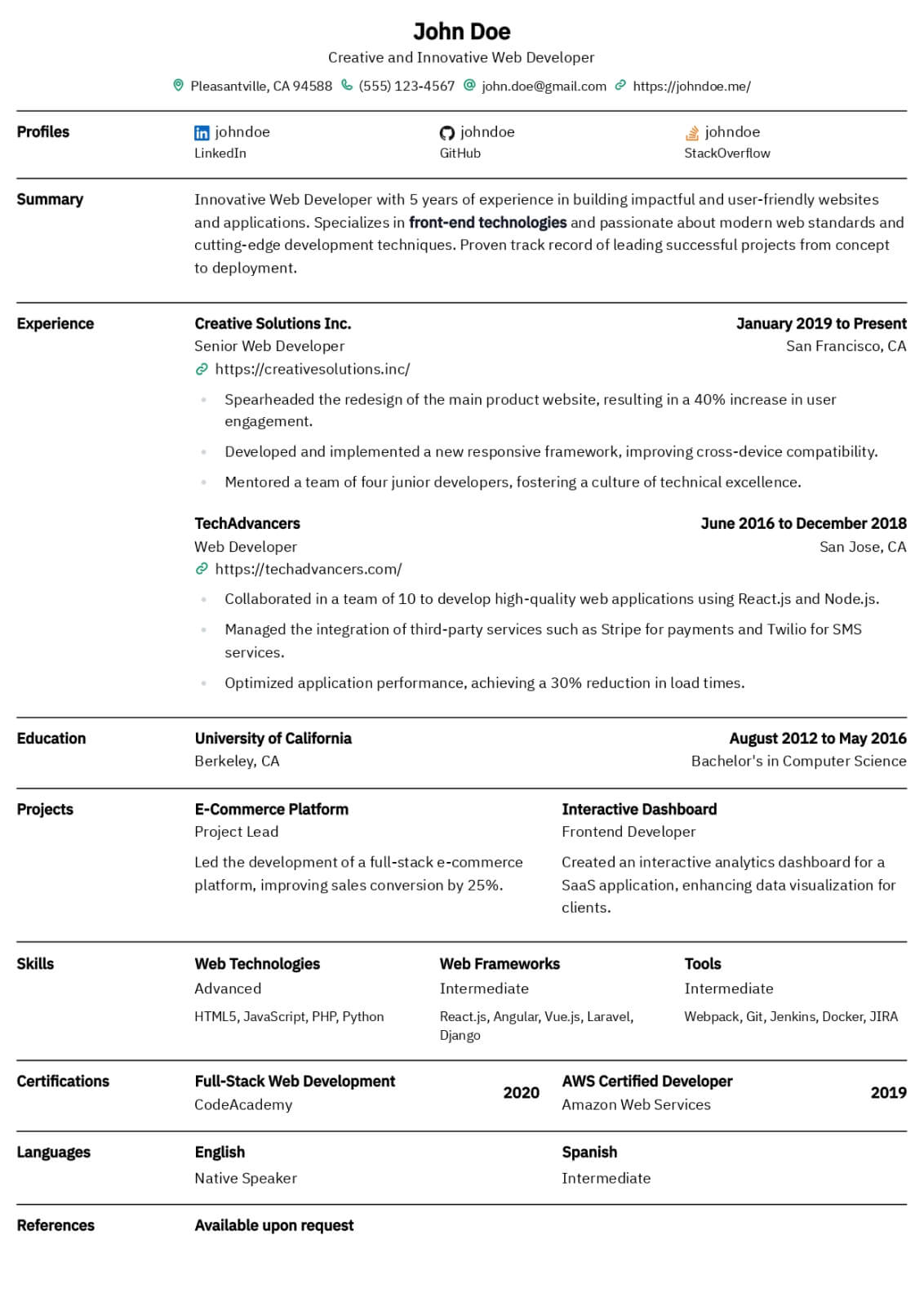
Use a single-column format with standard section headings to ensure ATS systems parse your resume accurately. Embed security-specific keywords from the job description naturally within your experience bullets, targeting terms like SIEM, incident response, vulnerability assessment, threat hunting, and the specific tool names mentioned in the posting. Include both abbreviations and full forms such as IDS and intrusion detection system to capture different keyword patterns. Keep your resume to one or two pages depending on experience depth and certification count. Save as PDF unless the employer specifies another format. Because cybersecurity employers value discretion, avoid including sensitive organizational details or classified project specifics and instead describe outcomes in general terms.
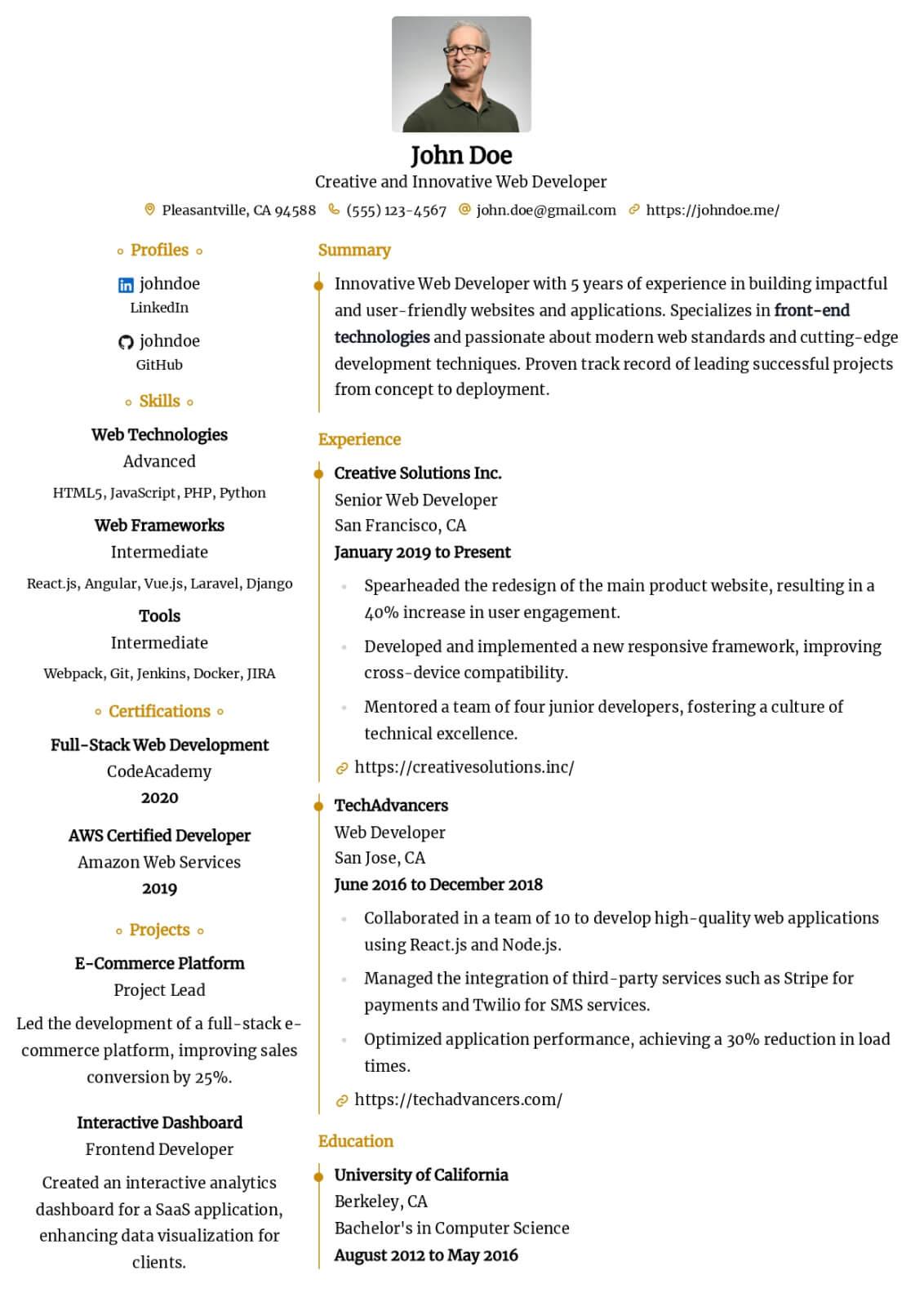
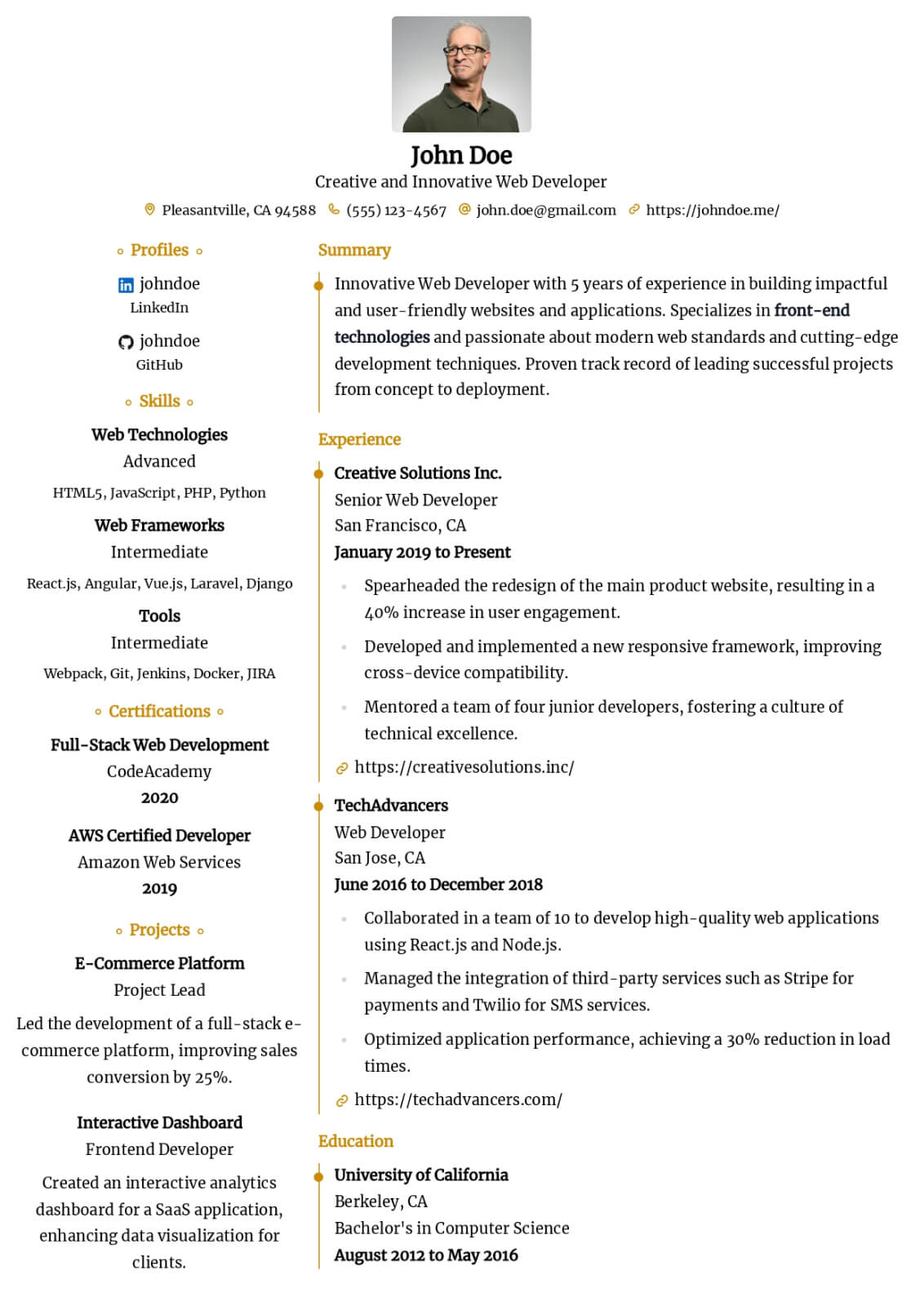
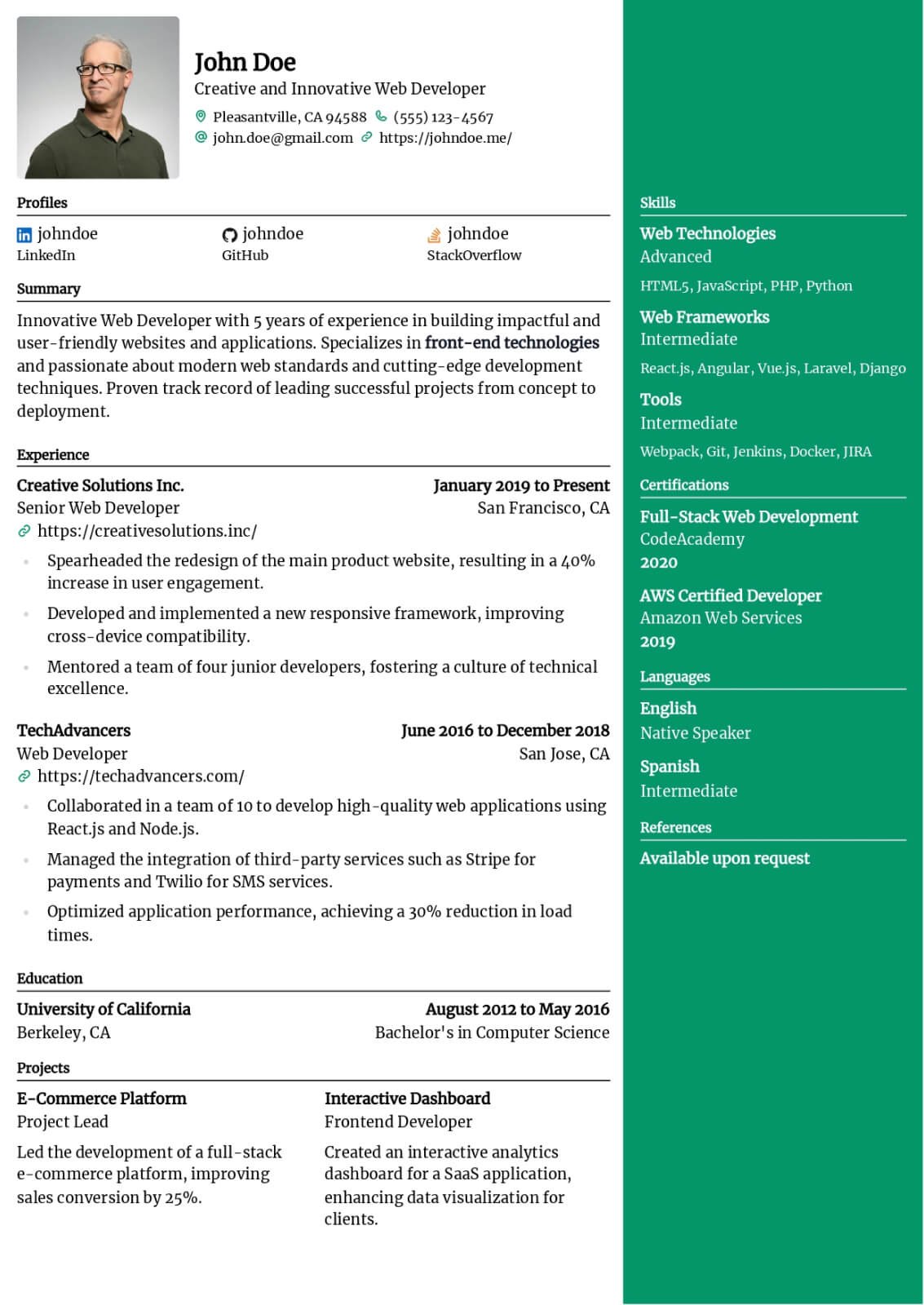
Resume layout and formatting
Use a clean, single-column layout with clear section headings and plenty of white space. Lead with technical strengths such as SIEM (Splunk, Microsoft Sentinel, QRadar), Endpoint Detection & Response (CrowdStrike, SentinelOne), Vulnerability Scanning (Nessus, Qualys), Network Security (Firewalls, IDS/IPS, VPN), Incident Response & Digital Forensics, Penetration Testing (Burp Suite, Metasploit), then reinforce interpersonal strengths like Analytical Thinking Under Pressure, Incident Communication & Escalation, Cross-Departmental Collaboration, Attention to Detail. Keep fonts standard (e.g., Arial or Calibri) at 10–12pt body size so your resume stays ATS-friendly and easy to scan.
Key takeaways
- Lead with your security specialization and headline incident response achievement
- Quantify threat detection, response times, and vulnerability remediation metrics in every bullet
- Position security certifications prominently as they are heavily screened by employers
- Include notable incident response engagements that demonstrate real-world crisis management
- Mirror SIEM platform names and compliance framework acronyms from the job posting
- Keep sensitive organizational details appropriately general while still demonstrating impact
Build your Cybersecurity Analyst resume with Scale
Lead with your security specialization and headline incident response achievement
Use This Template
Professional Templates That Make You Stand Out
Browse modern, ATS-friendly resume designs crafted to impress recruiters. Customize any template and download it as a Word or PDF file.
Listen What Our Users Have to Say

Rohan Sen
I am very happy with the team's quick turnaround time - any query is responded at utmost priority. Shoutout to my client manager, Anub Biju - very helpful.

Gael L
Service and communication is great, cover letters are non-ai sounding and well tailored. Just have a lot of communication and review with your staff!

Jonathan Parry
Wow - don't tell your peers! Wow, I can't recommend scale.jobs enough - it's so good I am not sharing with my peers. Applications at scale that get through filters. Thank you!

Cynthia Zhu
Great service! The scale.jobs team was very responsible and managed to apply tons of jobs for me in a very tight deadline to help me secure interviews quickly. Highly recommend to anyone who needs help applying to jobs!

Yash Yenugu
Save your fingers. Saved me from a thumb cramp because we're expected to effortlessly apply to jobs during these times.

Cian O'Driscoll
Clever service. Takes the hard effort out of applying for jobs with an intuitive dashboard and attention to detail. A great asset to job seekers. :-)
Frequently asked questions
What certifications should a cybersecurity analyst highlight on their resume?
CompTIA Security+ is the foundational certification most employers expect. CISSP is highly valued for mid-to-senior roles and demonstrates broad security knowledge. GIAC certifications like GSEC or GCIH validate specialized technical skills. CEH is relevant for roles involving vulnerability assessment. List certifications prominently because many cybersecurity job postings use them as hard screening criteria.
How do I quantify cybersecurity achievements on my resume?
Track metrics like number of incidents investigated and resolved, mean time to detection and response, false positive reduction percentages, and vulnerability remediation rates. State specific outcomes such as reduced mean time to contain security incidents from eight hours to ninety minutes through automated playbook implementation. Numbers transform generic security descriptions into evidence of operational effectiveness.
Should I include hands-on lab or CTF experience on my resume?
Capture-the-flag competition results and home lab experience are valuable for early-career cybersecurity analysts who may lack extensive professional experience. Include CTF rankings, platforms like TryHackMe or HackTheBox achievements, and home lab configurations that demonstrate practical security skills. These entries signal initiative and hands-on technical capability to hiring managers evaluating junior candidates.
How important is cloud security knowledge for cybersecurity analyst roles?
Cloud security expertise is increasingly essential as organizations migrate infrastructure to AWS, Azure, and GCP. Include experience with cloud-native security tools, identity and access management configurations, and cloud compliance monitoring. Analysts who can secure hybrid and multi-cloud environments are in higher demand than those limited to on-premises network security experience.
How do I describe incident response experience without revealing sensitive details?
Emphasize your methodology, tools used, and measurable outcomes rather than organizational specifics. State that you led incident response for a critical malware outbreak affecting enterprise endpoints, containing the threat within a defined timeframe without naming the company or disclosing breach details. Hiring managers understand the need for discretion and evaluate your process and impact rather than organizational identifiers.
What is the career path from cybersecurity analyst to senior security roles?
Progress typically moves from SOC analyst through senior analyst, incident response lead, security architect, and eventually CISO or security director. Your resume should reflect growing scope and responsibility over time. Advanced certifications like CISSP and GIAC, combined with demonstrated leadership in major incidents and security program development, position you for senior roles. Highlight mentoring, process improvement, and strategic security planning contributions.
Related Resume Guides
Information Security Analyst
Craft a compelling information security analyst resume that demonstrates your expertise in threat detection, vulnerability management, and compliance frameworks to protect organizational assets and data.
Network Engineer
Create a powerful network engineer resume that demonstrates your expertise in designing, implementing, and troubleshooting enterprise network architectures across LAN, WAN, and cloud environments.
Systems Administrator
Build an effective systems administrator resume that showcases your expertise in server management, Active Directory administration, infrastructure automation, and maintaining enterprise IT environments.
Cloud Engineer
Create a powerful cloud engineer resume that demonstrates your expertise in designing, deploying, and managing cloud infrastructure across AWS, Azure, or GCP with reliability and cost efficiency.
Software Engineer
Craft a compelling software engineer resume that highlights your technical depth, system design expertise, and measurable contributions to production software used by millions of users worldwide.