
Lab Technician Resume Examples, Templates & Writing Guide

Written by: Scale.jobs EditorialLast updated: May 1, 2026







Introduction
Build a detail-oriented lab technician resume demonstrating instrument proficiency, GLP/GMP compliance, and analytical testing accuracy for pharmaceutical and chemical labs.
This guide walks you through every major section of a lab technician resume, with practical tips you can apply today.
- How to present analytical instrument proficiency with specific techniques and throughput volumes
- Strategies for quantifying testing accuracy, turnaround times, and calibration compliance metrics
- Methods for demonstrating GLP, GMP, and ISO 17025 compliance knowledge on your resume
- Techniques for showcasing sample preparation, chemical handling, and laboratory safety practices
- Approaches to highlighting LIMS experience and electronic data integrity documentation
- Ways to tailor your resume for pharmaceutical QC, environmental testing, or clinical laboratory roles
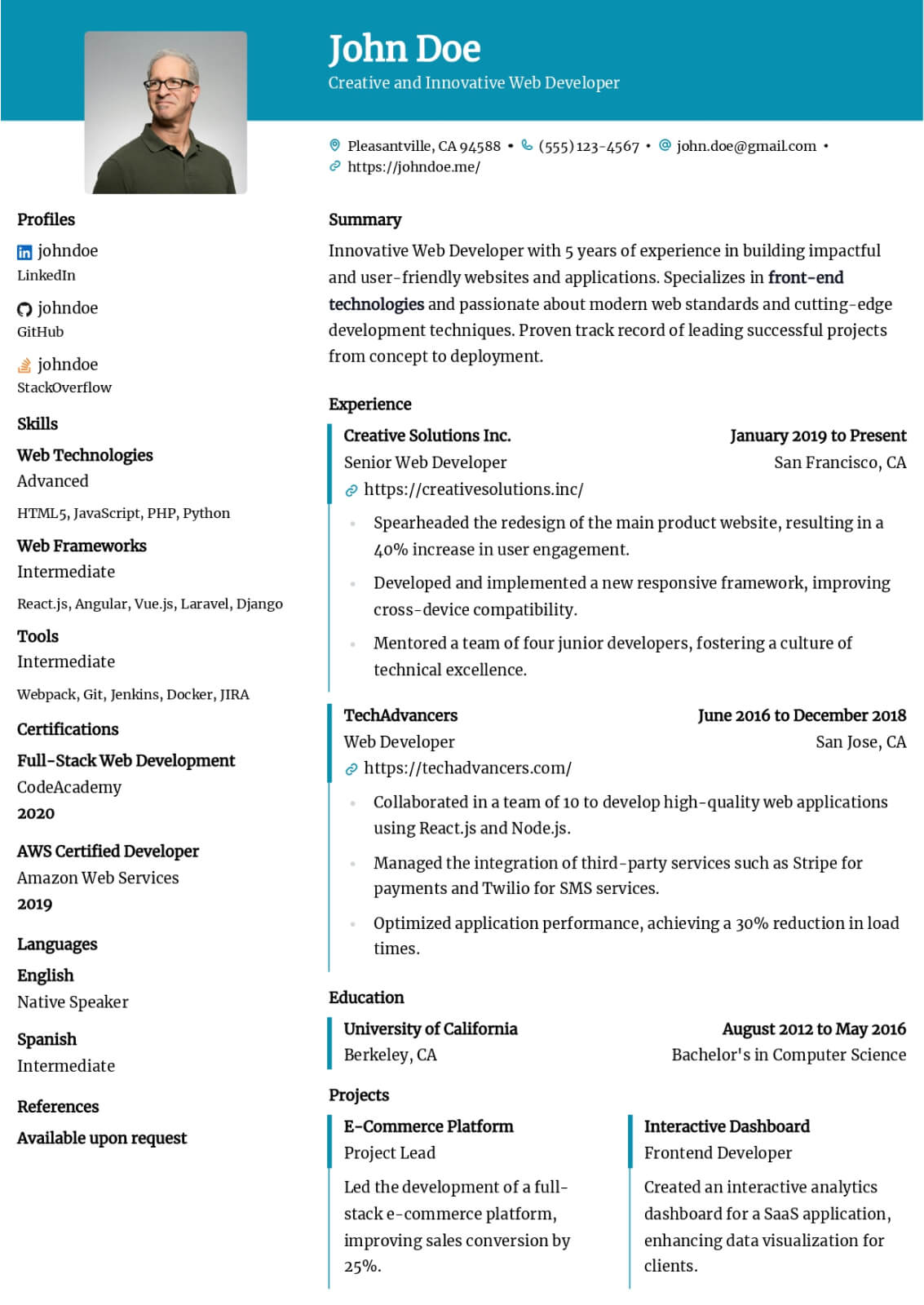
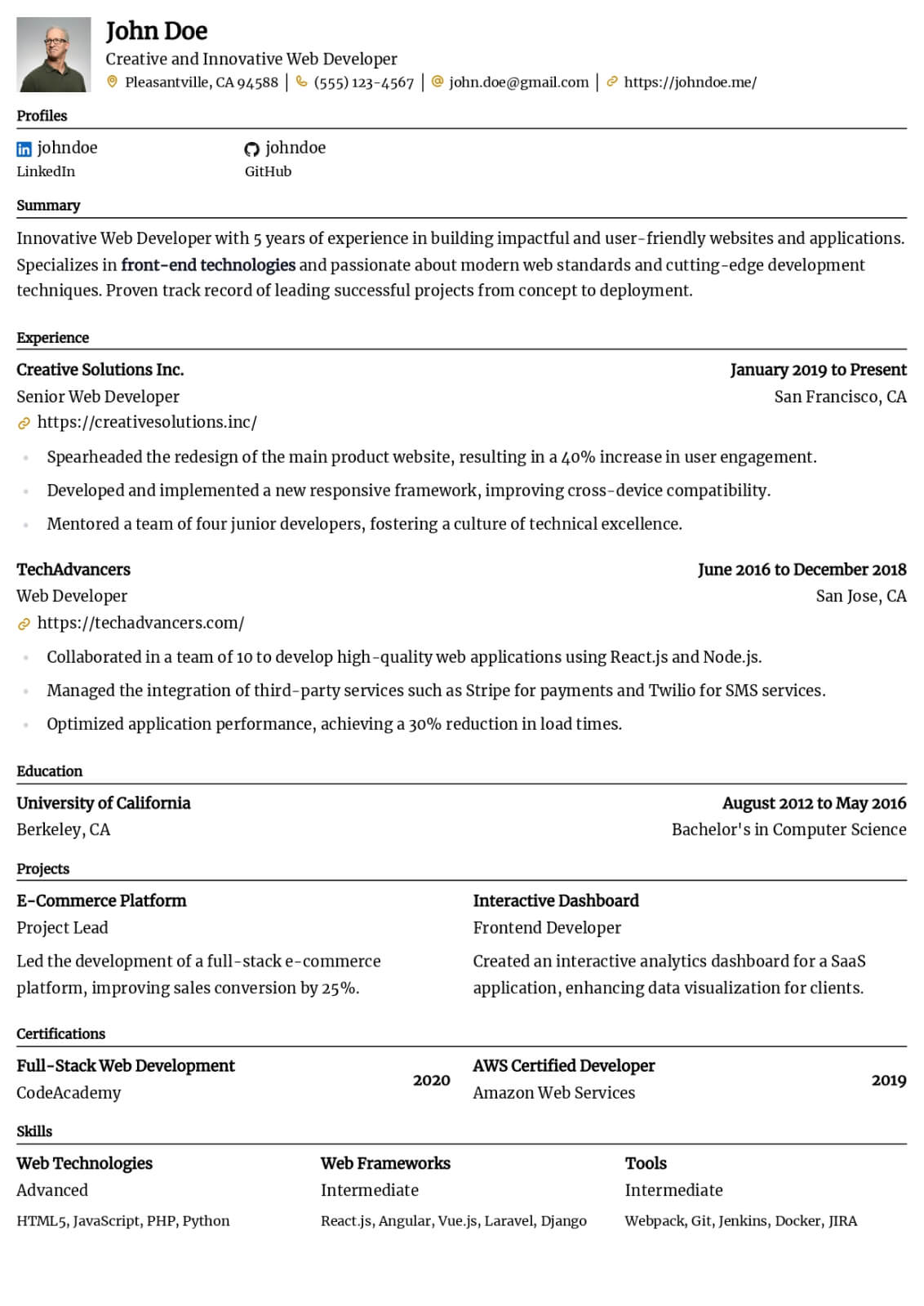
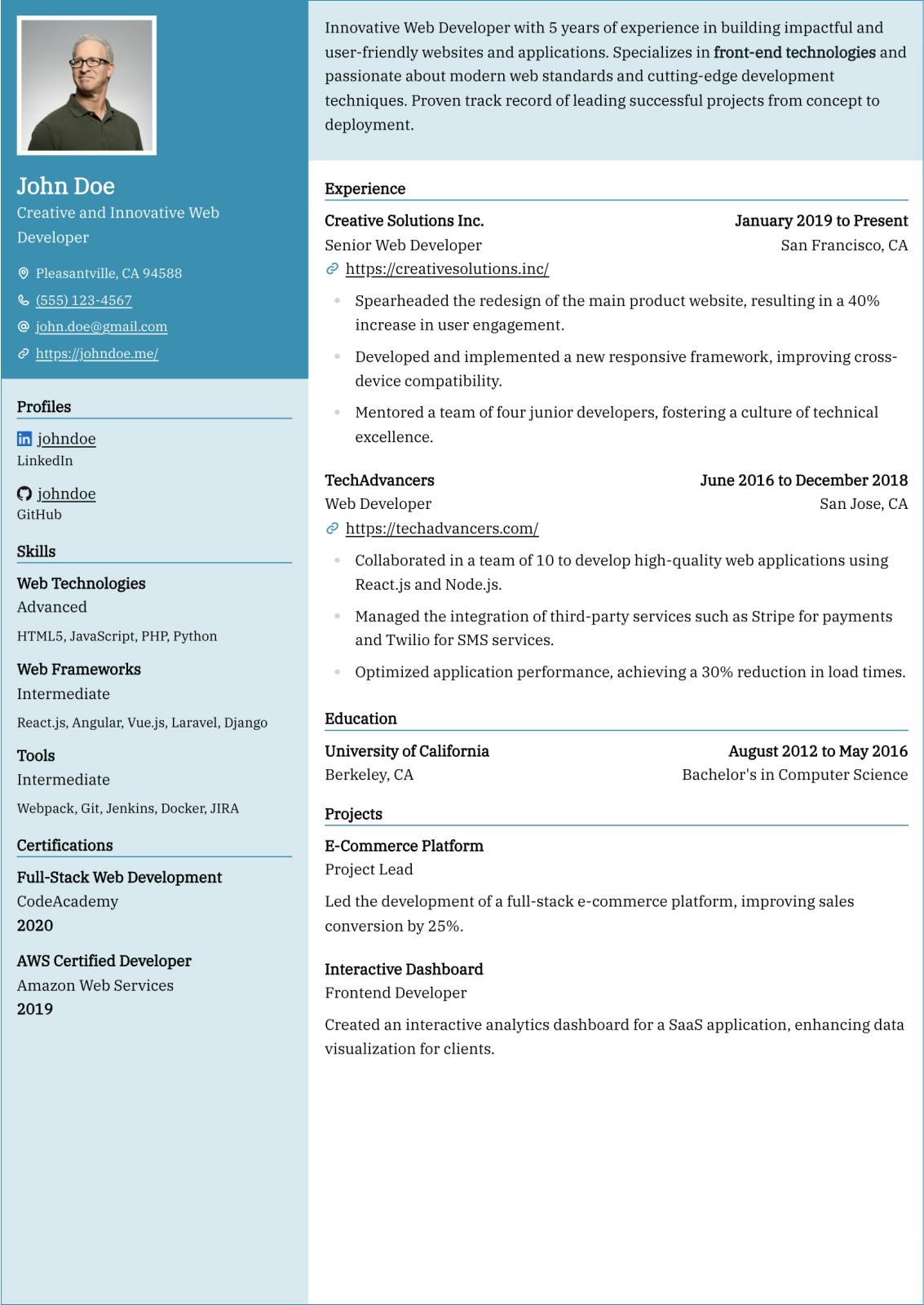
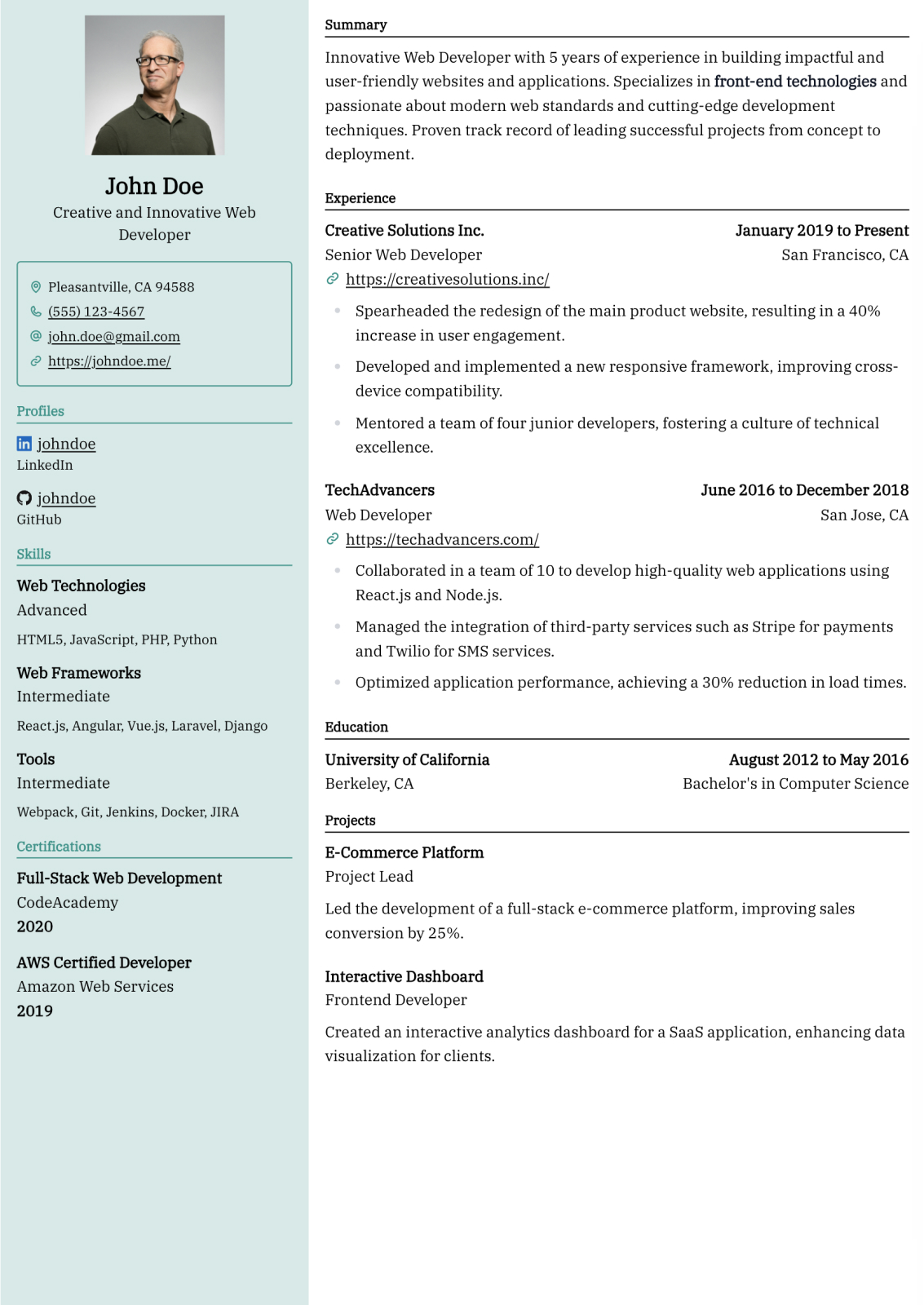
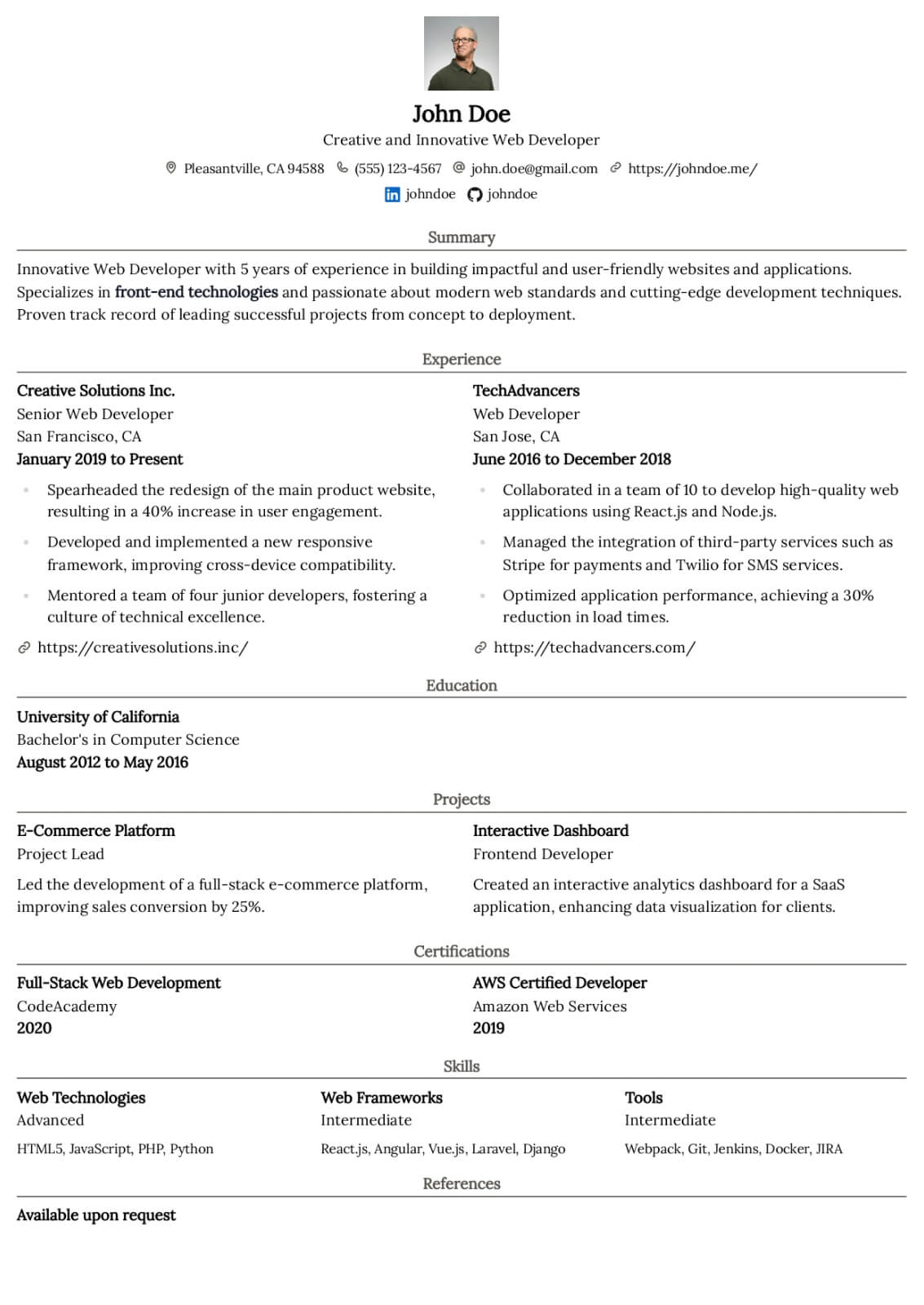
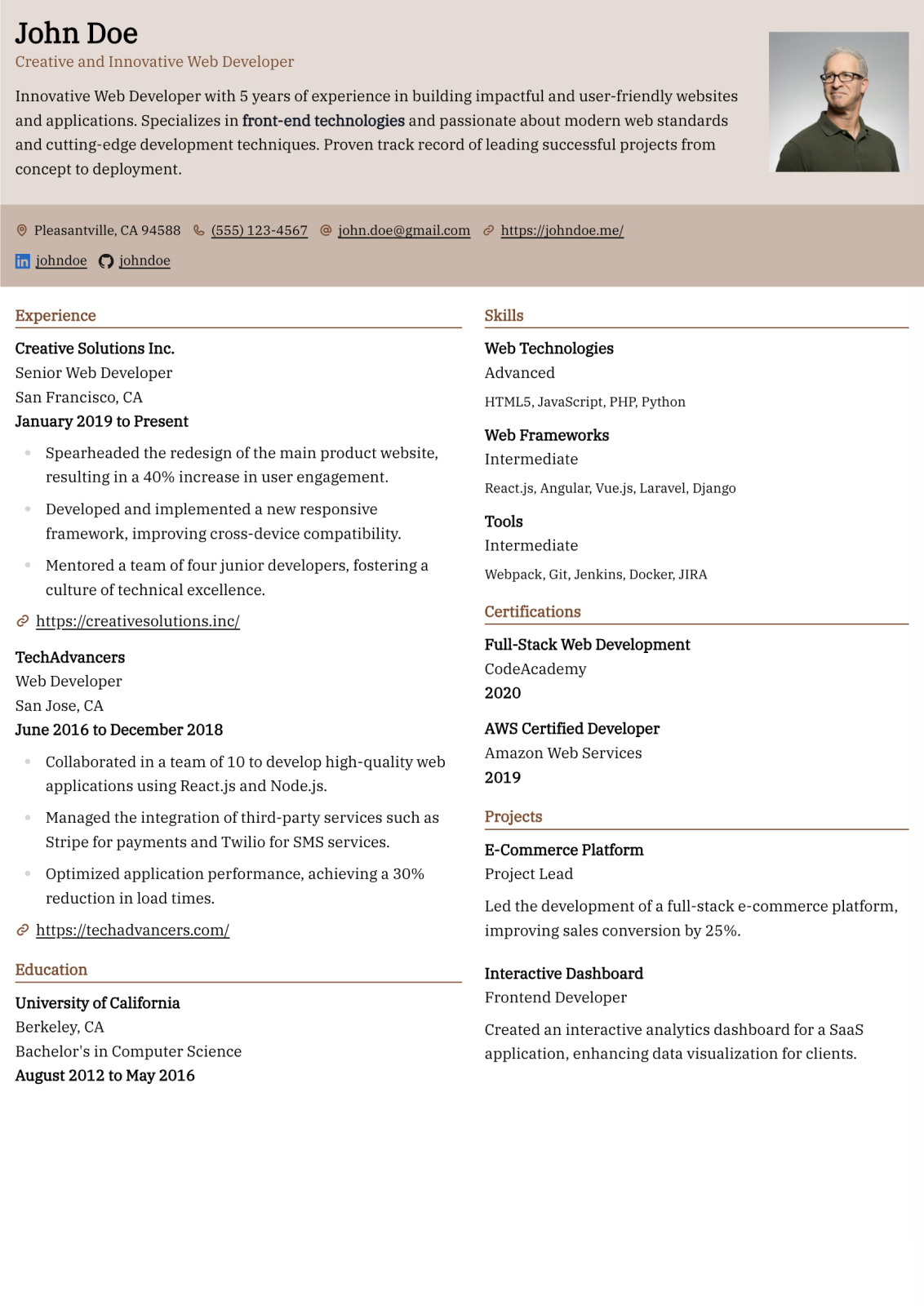
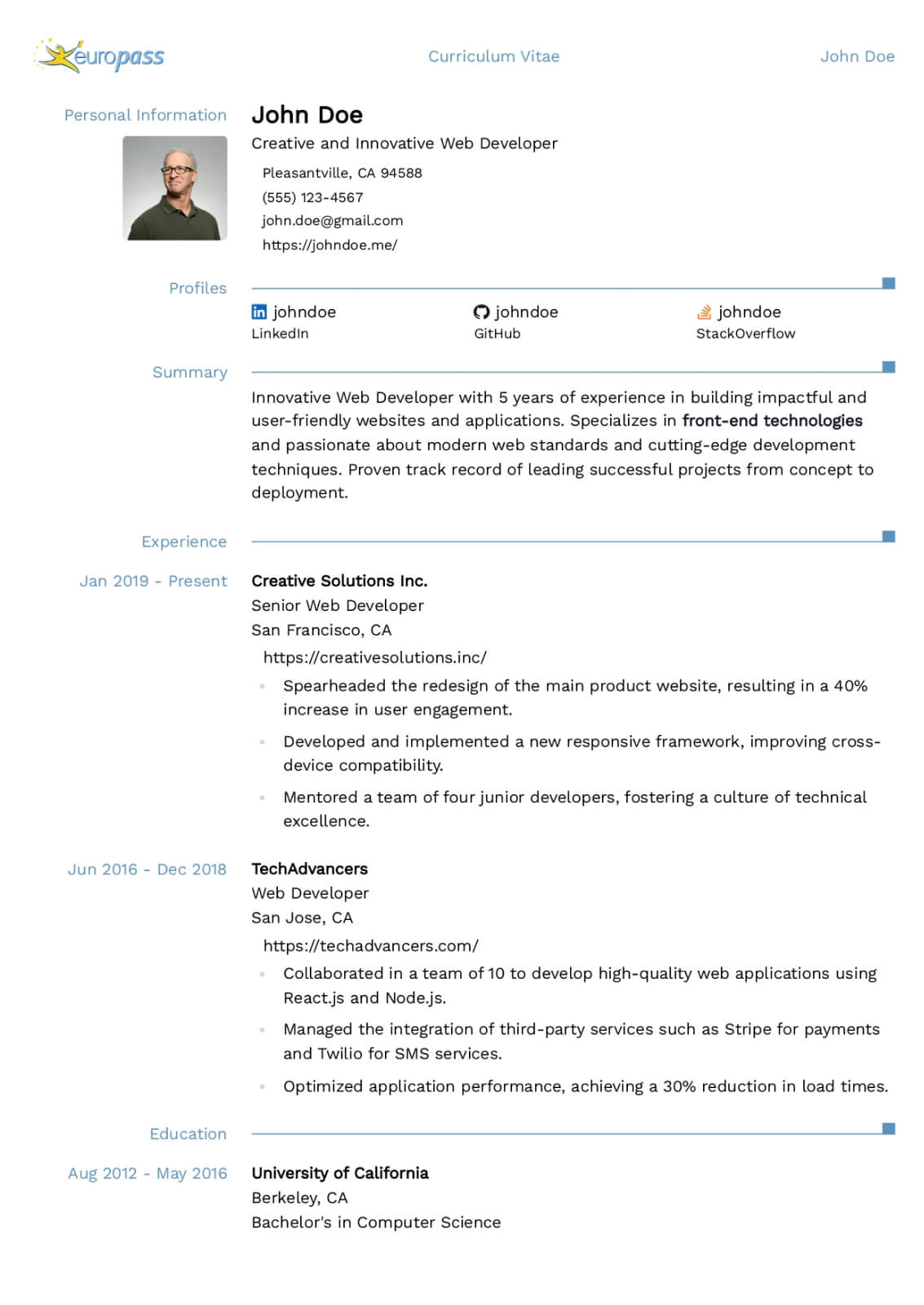
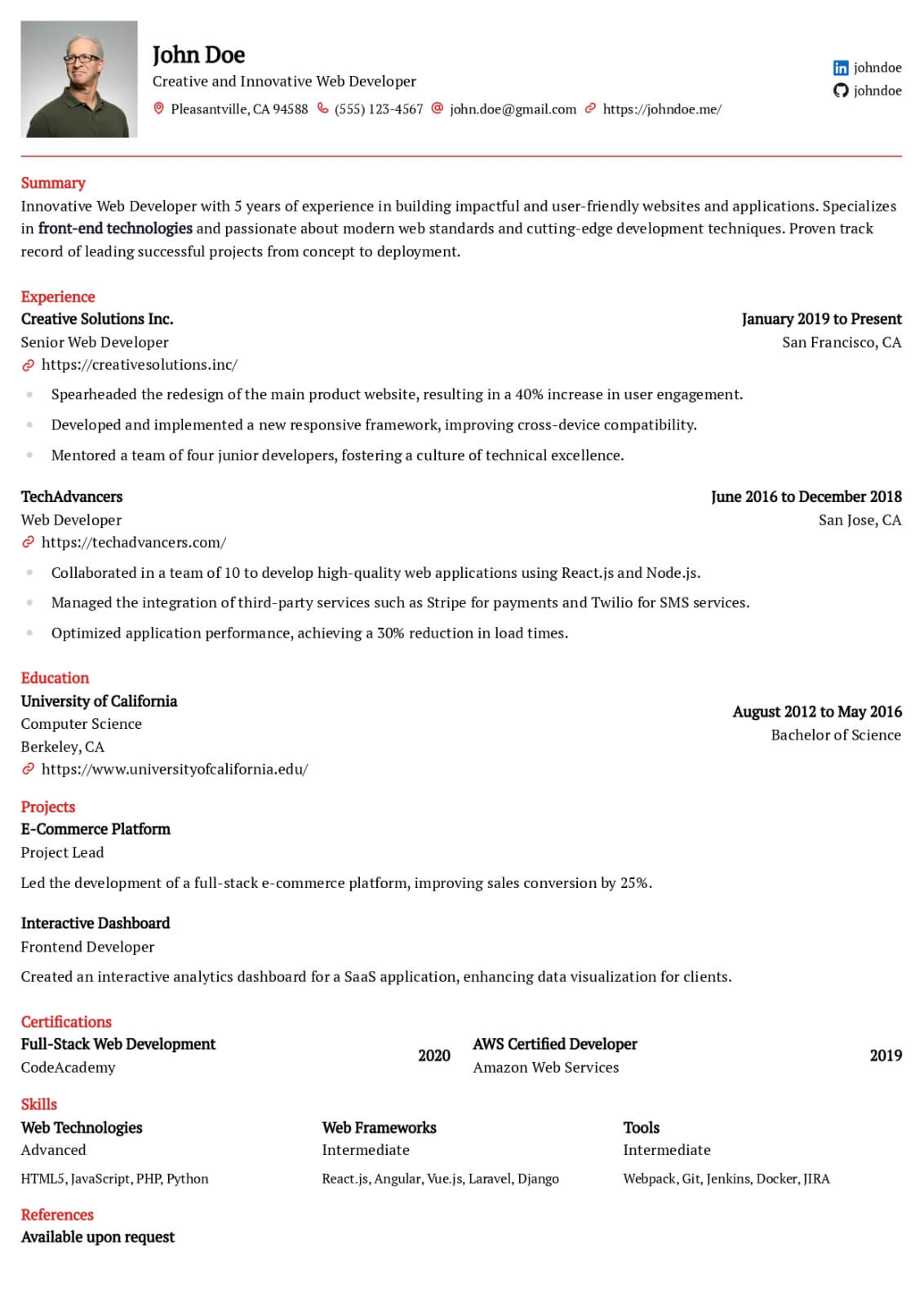
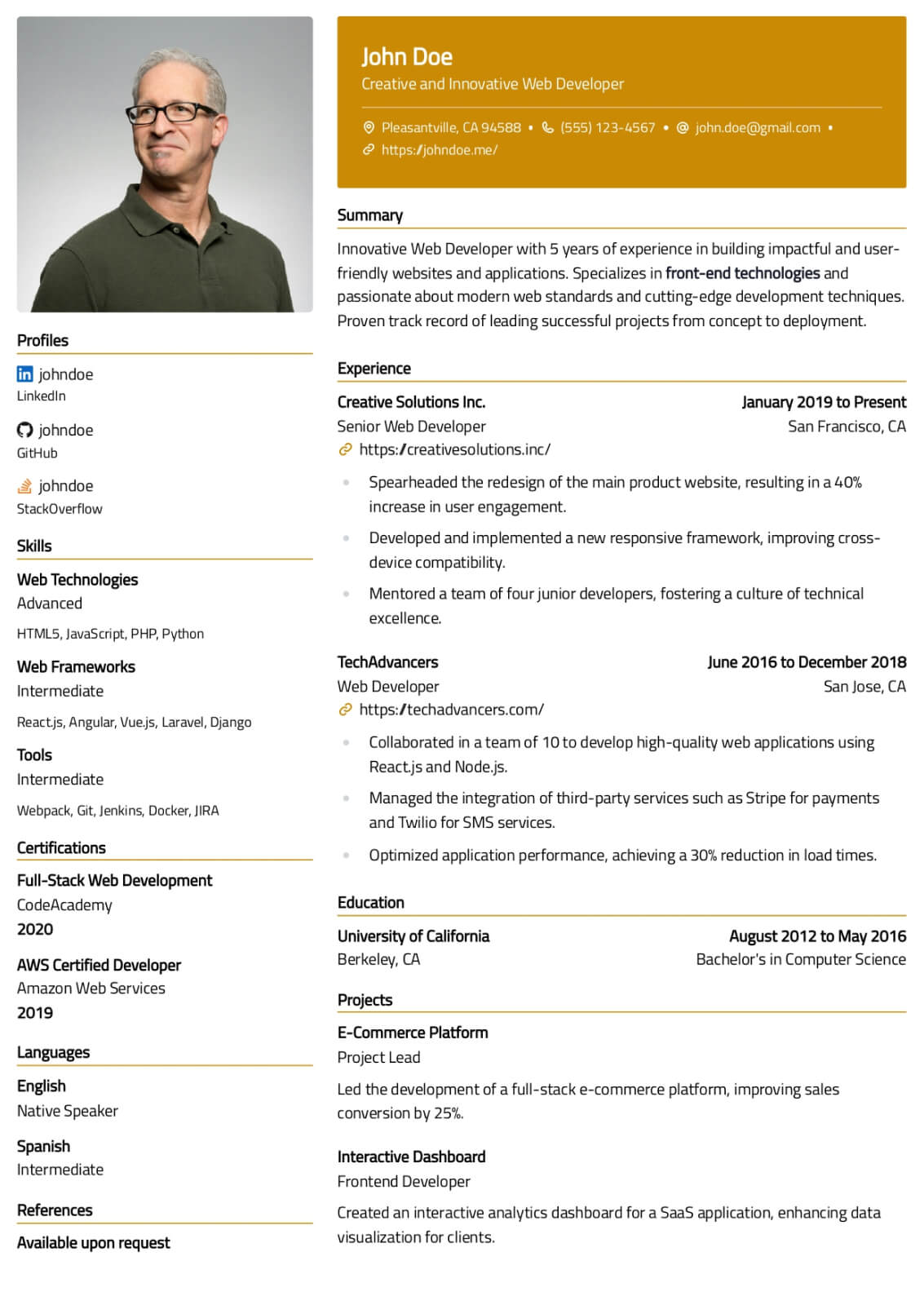
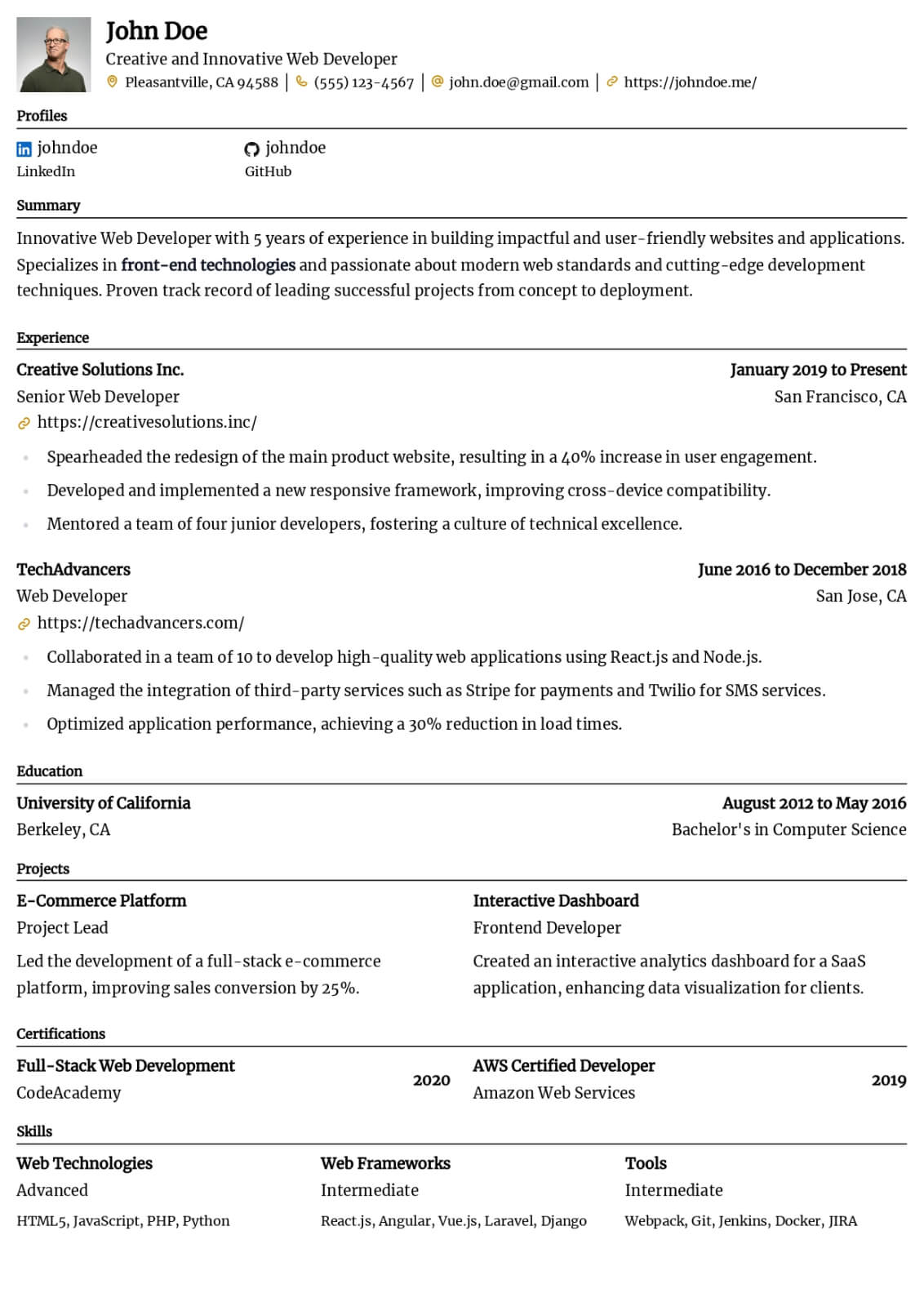
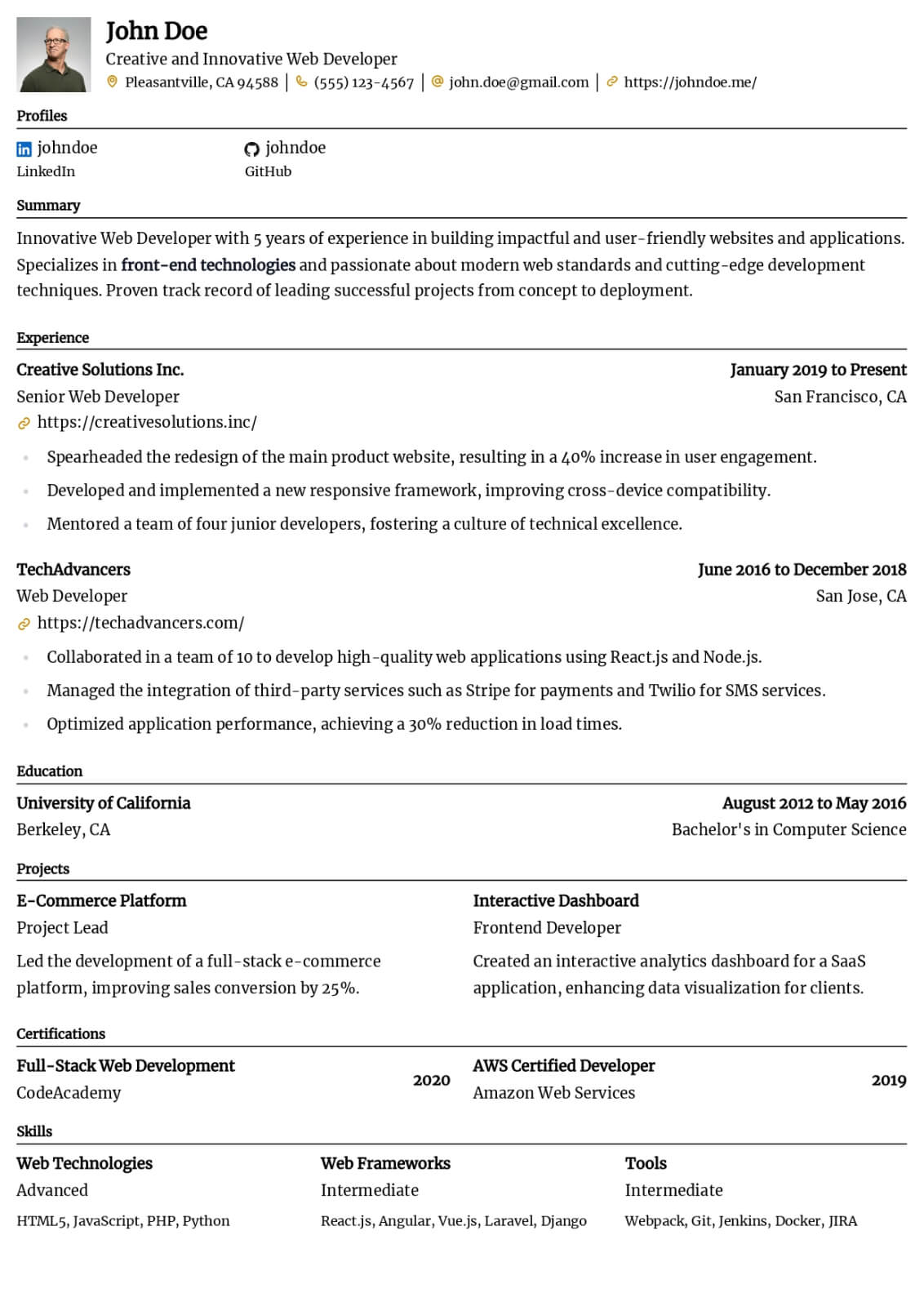
Lab Technician resume guide
Below, you will find section-by-section guidance for your lab technician resume — from your opening summary through skills and experience. Tailor every line to the job you want.
Professional Summary
Open your professional summary by identifying your laboratory specialization, whether pharmaceutical quality control, environmental analytical testing, clinical pathology, or materials characterization. State your years of bench-level experience and the types of analyses you perform, such as chromatographic separations, wet chemistry, or microbiological assays. Mention two to three core instruments like HPLC, GC-MS, or ICP-OES that signal hands-on analytical capability. Include at least one quantified achievement, for example stating that you maintained ninety-nine point seven percent calibration compliance across forty-two instruments over three consecutive audit cycles. Align the language with the job posting to pass ATS filters. Keep the summary between three and five sentences for rapid readability.
Work Experience
Present your experience in reverse-chronological order with clear titles, employer names, and dates. Write four to six bullets per role starting with action verbs such as analyzed, calibrated, prepared, or documented. Connect each action to a measurable laboratory outcome, for instance stating that you performed dissolution and assay testing on sixty-four incoming raw material lots per month using HPLC per USP monograph methods, achieving a ninety-eight percent on-time reporting rate. Describe the regulatory environments you operated within, including FDA cGMP, GLP, or ISO 17025 accreditation requirements. Highlight your LIMS usage for sample tracking, electronic signatures, and data integrity per 21 CFR Part 11. Avoid generic descriptions of laboratory tasks without throughput, accuracy, or compliance metrics.
Skills
Construct a skills section with eight to ten technical competencies and six to seven interpersonal skills mapped to the target laboratory role. On the technical side, list analytical instruments you operate including HPLC, GC, GC-MS, UV-Vis spectrophotometry, ICP-OES, and Karl Fischer titration. Include sample preparation techniques such as solid phase extraction, dilution series preparation, and matrix spike recovery calculations. Add regulatory and quality knowledge areas like GLP, GMP, ISO 17025, and 21 CFR Part 11 electronic records compliance. Include LIMS platforms you have used such as LabWare, STARLIMS, or SampleManager. For soft skills, emphasize attention to procedural detail, time management under testing deadlines, and clear documentation practices. Prioritize instrument and regulatory competencies that match the target posting.
Key Projects & Contributions
Dedicate a section to two to four laboratory initiatives where you contributed beyond routine testing duties. A strong entry might describe how you participated in the validation of a new HPLC method for a pharmaceutical active ingredient, executing specificity, linearity, accuracy, and precision studies per ICH Q2(R1) guidelines and generating the validation report that supported a regulatory filing. Another entry could describe how you led calibration program optimization that reduced instrument downtime by twenty percent across the analytical laboratory. These entries demonstrate initiative and problem-solving capability that distinguish you from candidates who only list routine sample analysis. Reference applicable standards and quantify the impact of each contribution.
Certifications & Training
List certifications that validate your laboratory competence and safety awareness. Relevant credentials include ASCP certification for clinical laboratory technicians, American Chemical Society Certified Chemist designation, or instrument-specific vendor training certifications from Agilent, Waters, or Thermo Fisher. Include OSHA laboratory safety training and hazardous waste handling certifications such as DOT shipping or RCRA generator training. Add GMP or GLP training documentation if your target industry requires it. State the issuing body and date earned for each credential, and position this section prominently when the posting specifies certified laboratory personnel.
Education
Include your highest relevant degree, institution name, and graduation year. Lab technician positions typically require an associate or bachelor of science degree in chemistry, biology, biochemistry, or a related laboratory science. Clinical lab technician roles may require specific accredited medical laboratory science programs. If you graduated within the last five years, add coursework such as analytical chemistry, instrumental analysis, microbiology, or organic chemistry that directly supports the target role. Highlight senior laboratory courses or capstone projects involving method development or independent research. For experienced technicians with extensive bench time and certifications, keep education concise.
Resume layout and formatting
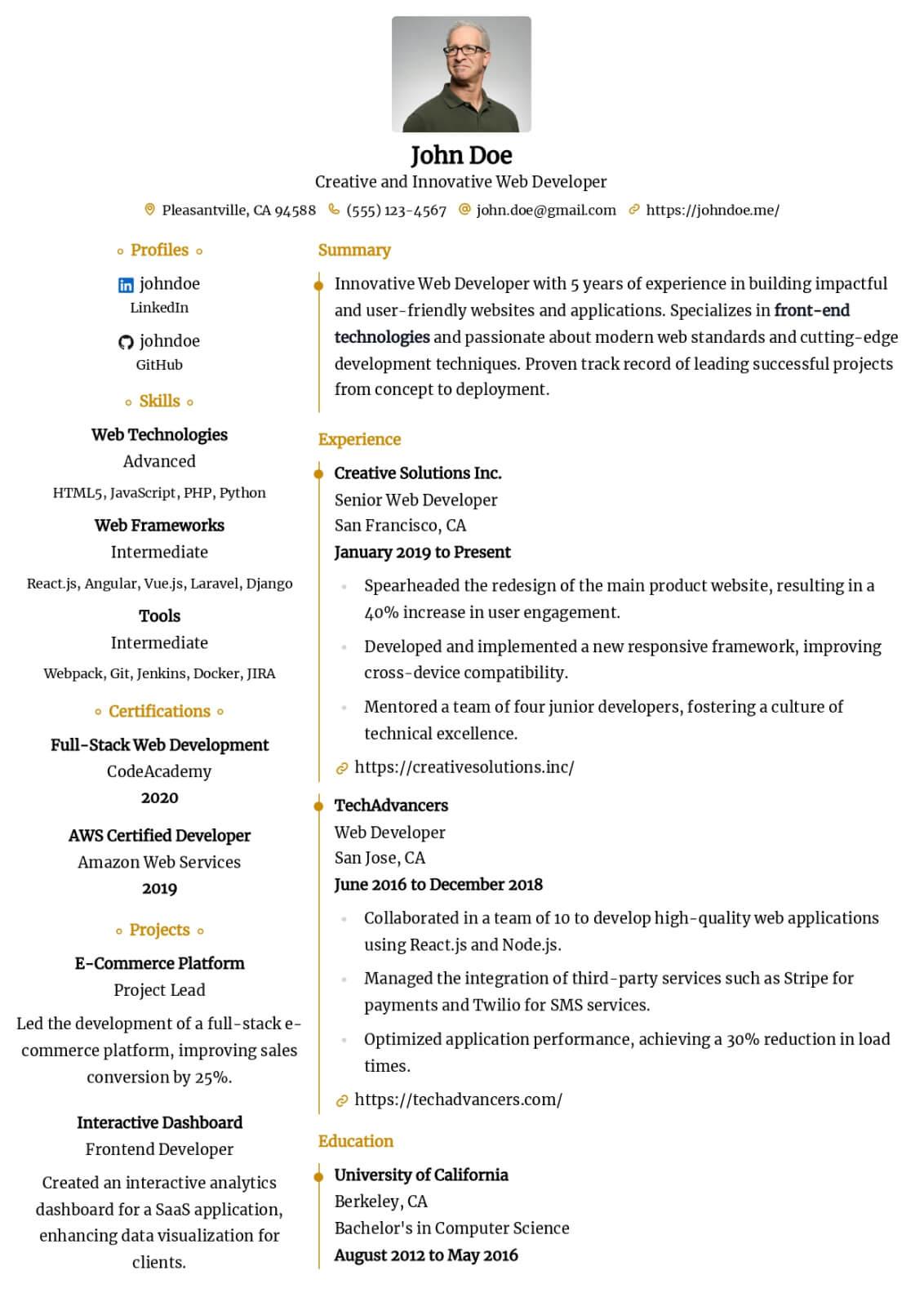
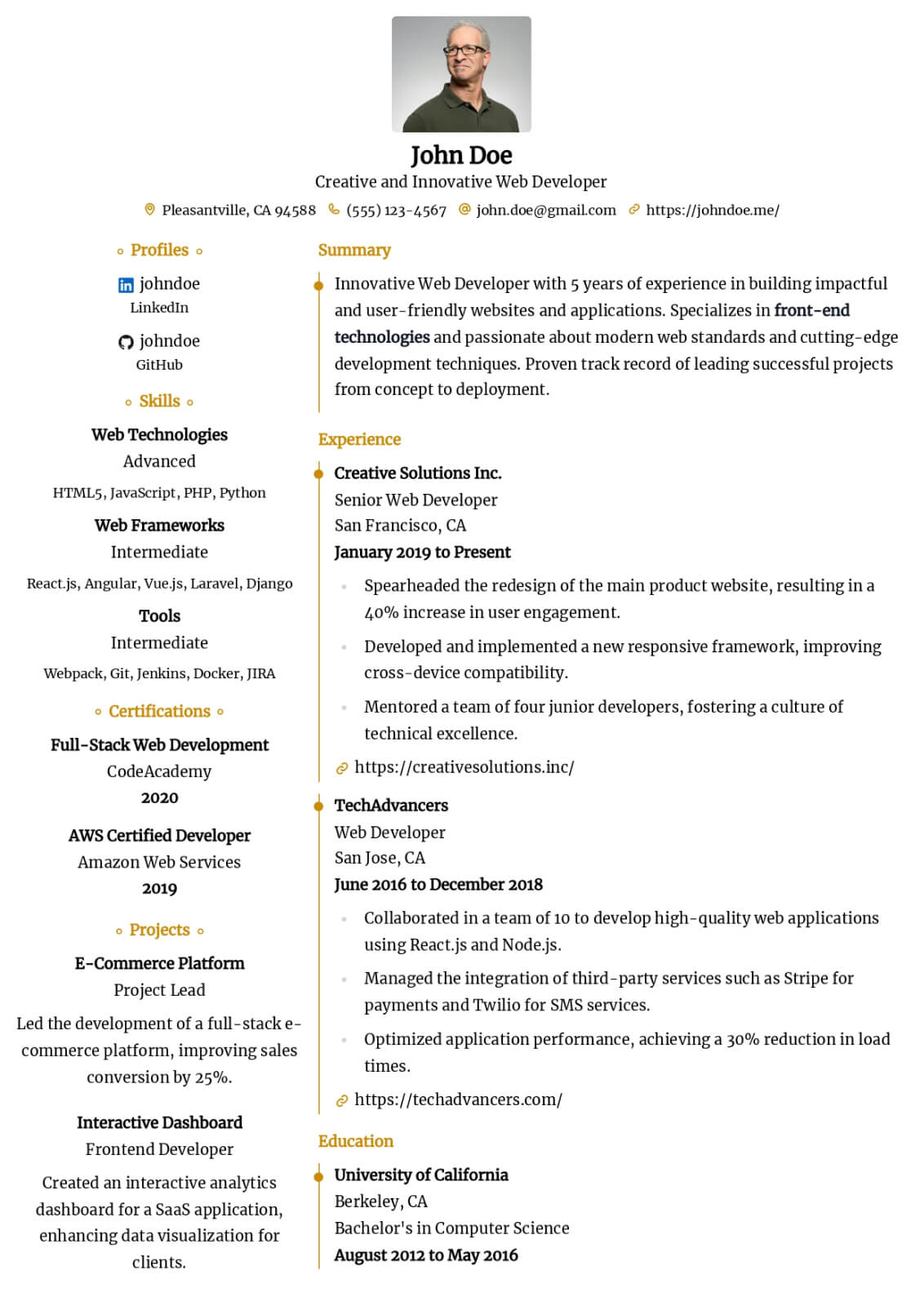
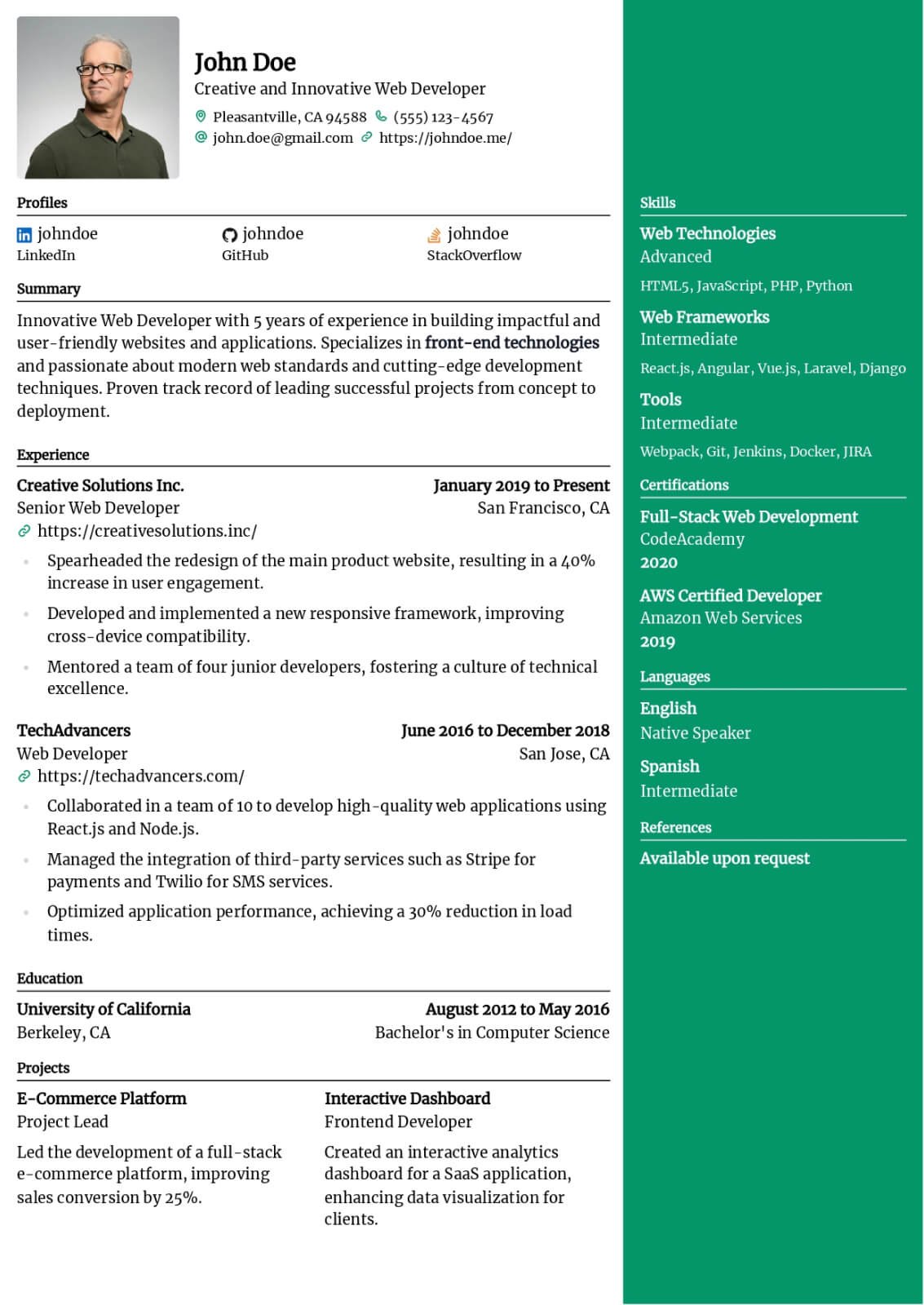
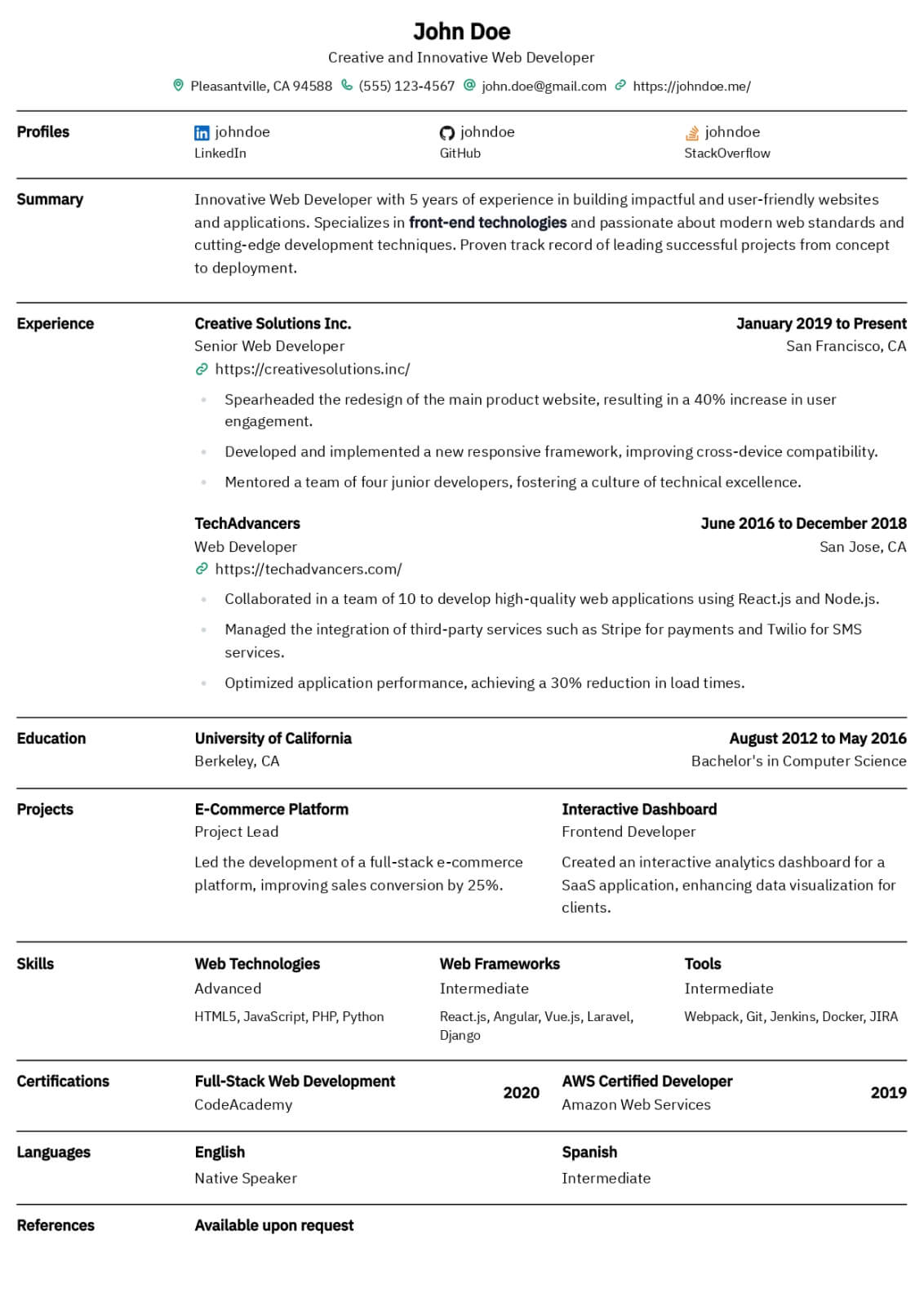
Use a clean, single-column layout with clear section headings and plenty of white space. Lead with technical strengths such as HPLC / UPLC Operation & Troubleshooting, GC / GC-MS Analysis, UV-Vis Spectrophotometry, ICP-OES / ICP-MS (Elemental Analysis), Karl Fischer Titration (Moisture Analysis), Sample Preparation & Extraction Techniques, then reinforce interpersonal strengths like Attention to Procedural Detail, Time Management Under Deadlines, Clear Documentation Practices, Team Communication. Keep fonts standard (e.g., Arial or Calibri) at 10–12pt body size so your resume stays ATS-friendly and easy to scan.
Key takeaways
- Lead with a summary naming your lab specialty and a quantified accuracy or compliance metric
- Attach testing throughput volumes, calibration rates, or turnaround times to every bullet
- Reference GLP, GMP, and ISO 17025 to demonstrate regulatory environment awareness
- Add a projects section showcasing method validation or calibration improvement contributions
- List LIMS platform experience and 21 CFR Part 11 data integrity knowledge explicitly
- Mirror analytical instrument and regulatory keywords from the posting for ATS compatibility
Build your Lab Technician resume with Scale
Lead with a summary naming your lab specialty and a quantified accuracy or compliance metric
Use This Template
Professional Templates That Make You Stand Out
Browse modern, ATS-friendly resume designs crafted to impress recruiters. Customize any template and download it as a Word or PDF file.
Listen What Our Users Have to Say

Rohan Sen
I am very happy with the team's quick turnaround time - any query is responded at utmost priority. Shoutout to my client manager, Anub Biju - very helpful.

Gael L
Service and communication is great, cover letters are non-ai sounding and well tailored. Just have a lot of communication and review with your staff!

Jonathan Parry
Wow - don't tell your peers! Wow, I can't recommend scale.jobs enough - it's so good I am not sharing with my peers. Applications at scale that get through filters. Thank you!

Cynthia Zhu
Great service! The scale.jobs team was very responsible and managed to apply tons of jobs for me in a very tight deadline to help me secure interviews quickly. Highly recommend to anyone who needs help applying to jobs!

Yash Yenugu
Save your fingers. Saved me from a thumb cramp because we're expected to effortlessly apply to jobs during these times.

Cian O'Driscoll
Clever service. Takes the hard effort out of applying for jobs with an intuitive dashboard and attention to detail. A great asset to job seekers. :-)
Frequently asked questions
What should a lab technician highlight on a resume in 2026?
A competitive lab technician resume should feature a targeted summary identifying your analytical specialty, detailed experience with quantified testing volumes and accuracy metrics, and a skills section covering specific instruments, regulatory frameworks, and LIMS platforms. Adding a projects section that demonstrates initiative beyond routine sample analysis, such as method validation participation or calibration program improvements, significantly strengthens your candidacy.
How do I quantify lab technician achievements on my resume?
Attach operational metrics to every testing responsibility. Rather than stating you performed HPLC analysis, write that you executed dissolution and assay testing on sixty-four raw material lots per month with a ninety-eight percent on-time reporting rate and zero out-of-specification deviations requiring investigation over twelve months. Pull data from quality dashboards, LIMS reports, or performance reviews. Quantified throughput and accuracy immediately demonstrate reliability to laboratory hiring managers.
Are certifications important for lab technician positions?
Certifications strengthen your candidacy, especially in regulated industries. ASCP certification is often required for clinical laboratory positions. For pharmaceutical QC, GMP training documentation and vendor-specific instrument certifications from Agilent or Waters demonstrate validated competence. Even listing an in-progress certification shows professional development commitment. Evaluate the target posting to determine which credentials are required versus preferred before allocating resume space to them.
Which analytical instruments should I list on a lab technician resume?
Prioritize instruments specified in the job posting. HPLC and GC are foundational for most analytical laboratory roles. Add GC-MS, ICP-OES, UV-Vis spectrophotometry, or Karl Fischer titration depending on your specialty. For microbiology roles, list autoclave qualification, laminar flow hood operation, and colony counting methods. Only list instruments where you can discuss operation, basic troubleshooting, and data interpretation at a working technician level.
How important is LIMS experience for lab technician resumes?
LIMS proficiency is increasingly expected because most regulated laboratories manage sample tracking, results entry, and electronic signatures through these platforms. Name the specific LIMS you have used, whether LabWare, STARLIMS, SampleManager, or another system. Describe your proficiency level, including sample login, results approval workflows, and report generation. Mentioning 21 CFR Part 11 compliance awareness signals that you understand electronic data integrity requirements governing regulated laboratory environments.
How can a lab technician make their resume stand out from competitors?
Differentiate your resume by combining quantified testing metrics with demonstrated initiative beyond routine duties. Lead every bullet with a throughput, accuracy, or turnaround metric. Add a projects section highlighting method validation work, out-of-specification investigation contributions, or calibration program enhancements. Reference specific pharmacopoeial methods like USP or EP to show you understand the testing standards you operate within. Technically specific, data-rich resumes consistently outperform generic lab descriptions.
Related Resume Guides
Research Scientist
Create a publication-strong research scientist resume demonstrating experimental design, data analysis rigor, and grant-funded leadership for top R&D employers.
Quality Engineer
Develop a metrics-driven quality engineering resume highlighting CAPA management, audit leadership, and SPC expertise for manufacturing and medtech employers.
Chemical Engineer
Develop a compelling chemical engineering resume showcasing process simulation, P&ID development, and plant optimization to secure interviews at top chemical firms.
Biomedical Engineer
Craft a compelling biomedical engineering resume highlighting medical device design, FDA submissions, and clinical validation expertise to attract leading medtech employers.
Materials Scientist
Build a research-driven materials science resume highlighting characterization techniques, alloy development, and failure analysis for aerospace and semiconductor employers.