
Site Reliability Engineer Resume Examples, Templates & Writing Guide

Written by: Scale.jobs EditorialLast updated: May 1, 2026







Introduction
Craft a results-driven SRE resume that demonstrates your expertise in maintaining service reliability, automating operations, and engineering scalable infrastructure that supports millions of users.
This guide walks you through every major section of a site reliability engineer resume, with practical tips you can apply today.
- How to present reliability engineering expertise with quantified uptime and incident reduction achievements
- Key observability platforms and infrastructure tools hiring managers expect SRE candidates to demonstrate
- Strategies for quantifying operational improvements through SLO adherence and mean time to recovery
- Proven methods for showcasing automation initiatives that eliminated toil and reduced manual operations
- Techniques for tailoring your resume keywords to pass automated applicant tracking system screening
- How to differentiate your candidacy by demonstrating both software engineering and operations depth
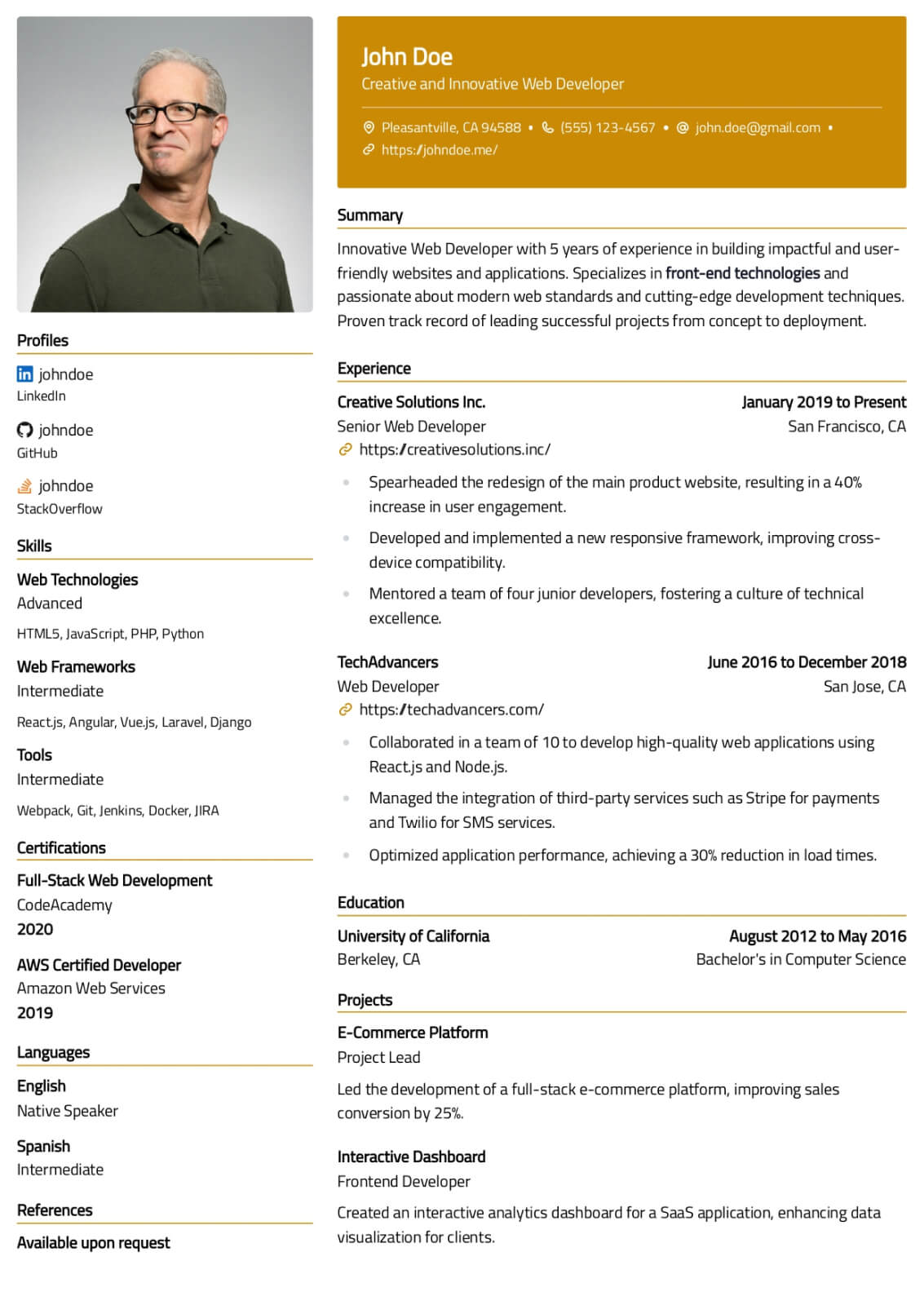
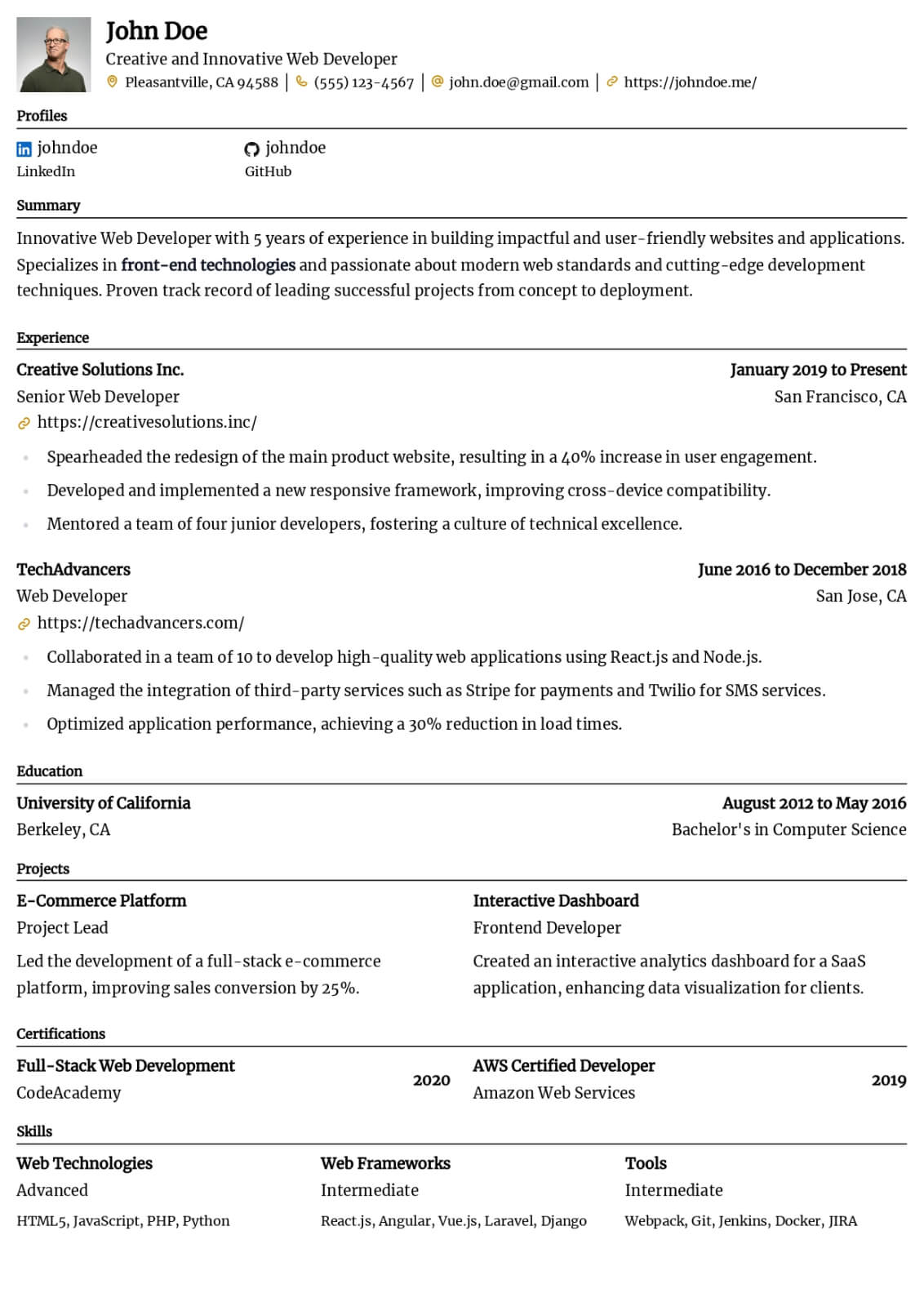
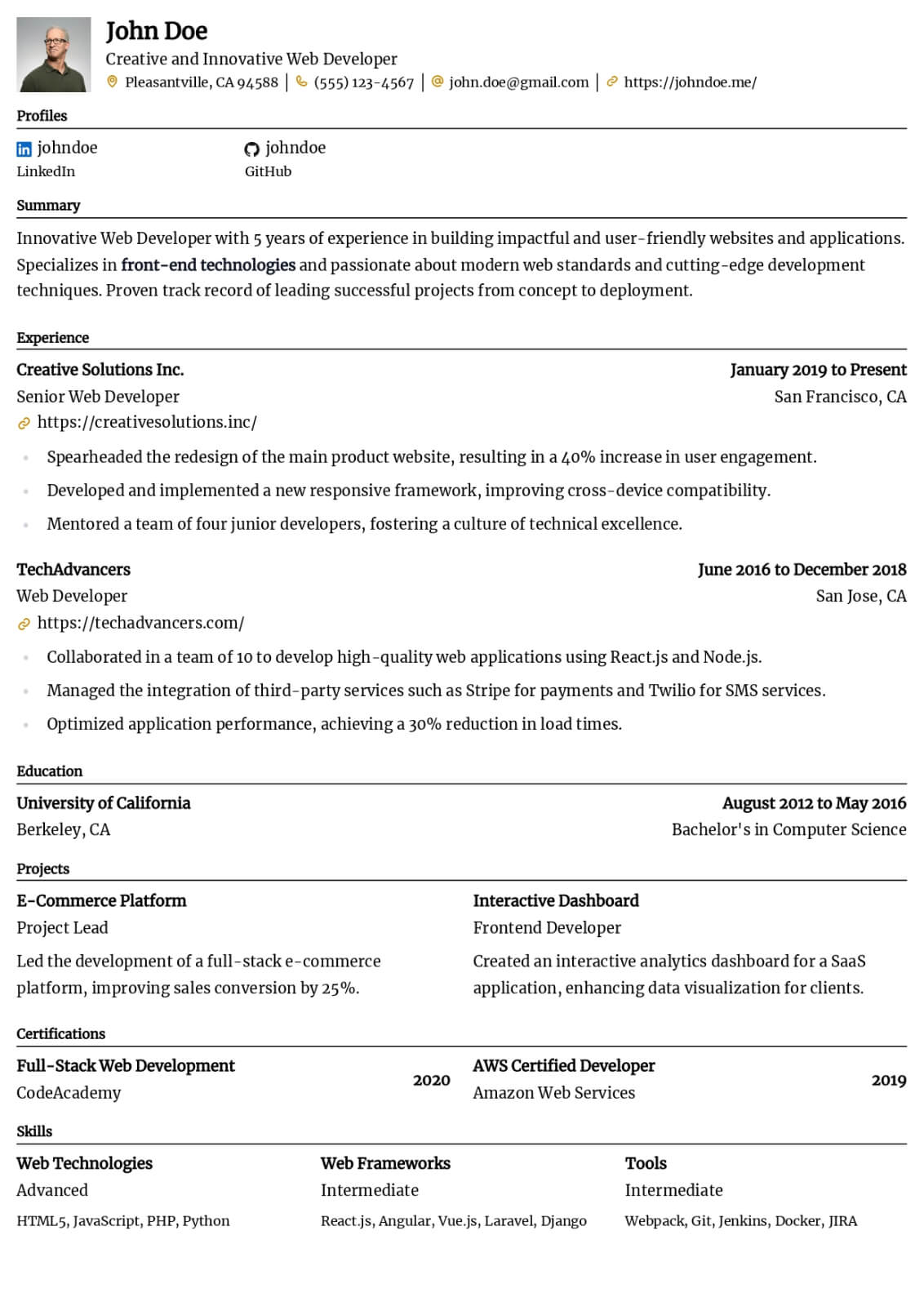
Site Reliability Engineer resume guide
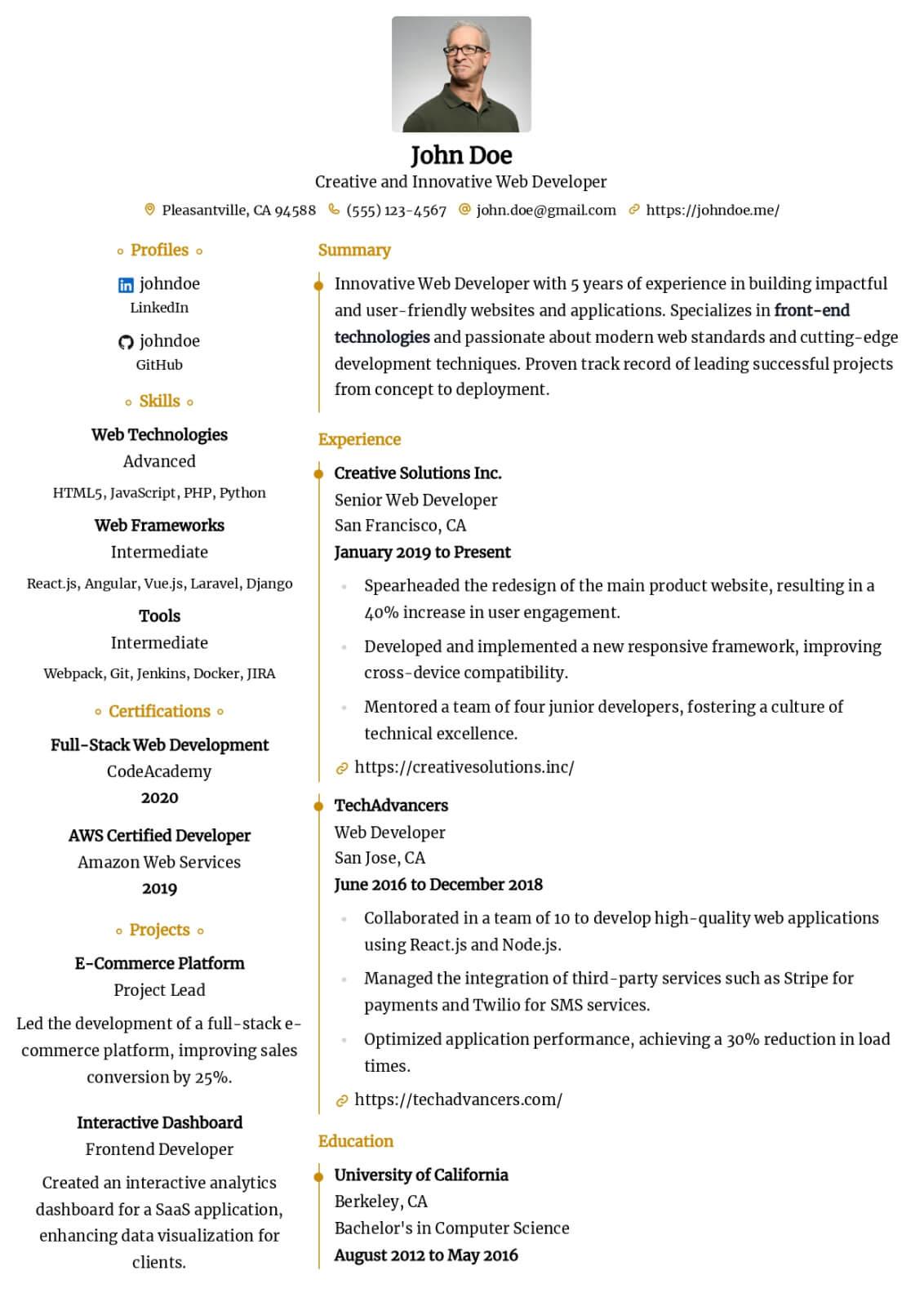
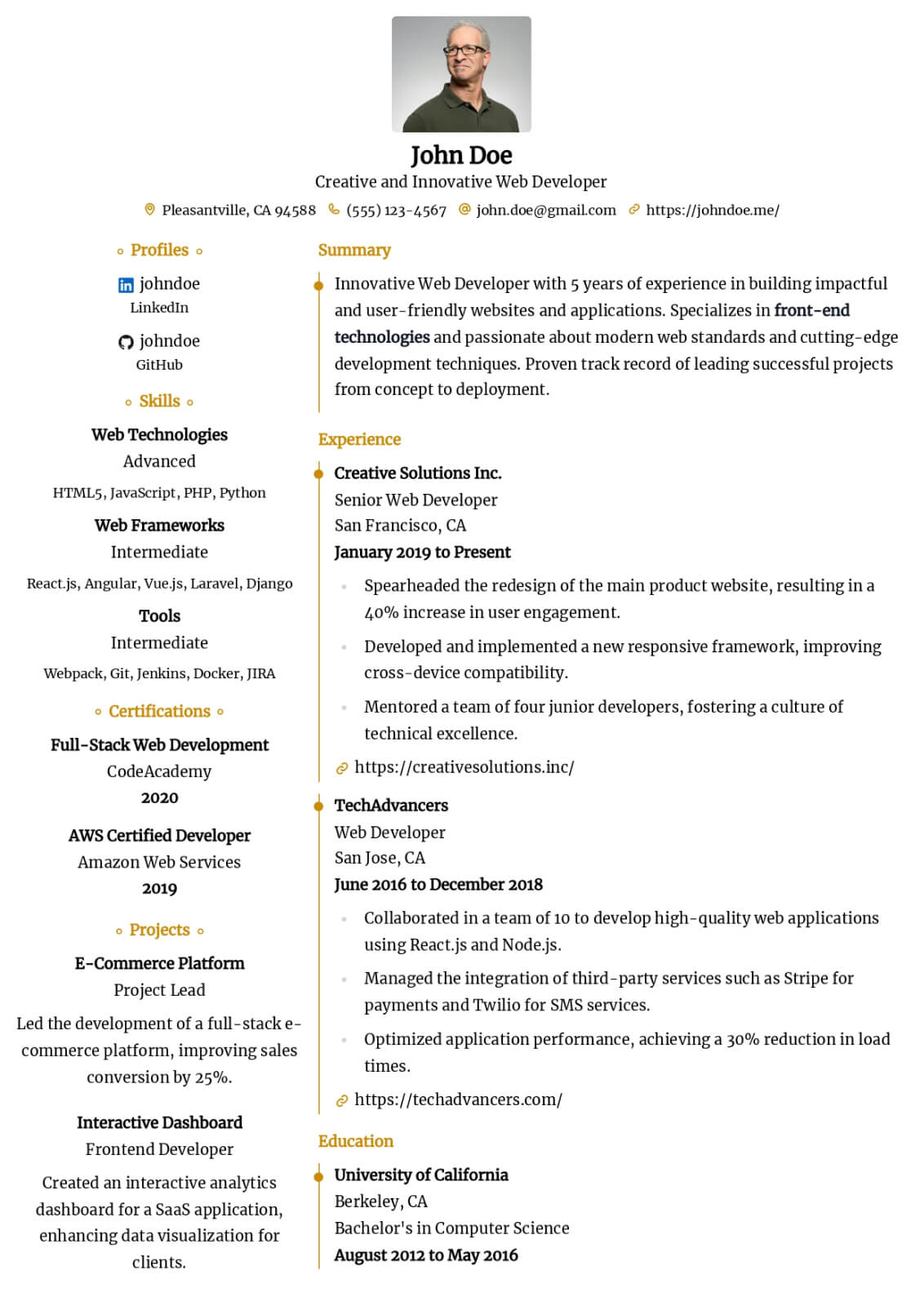
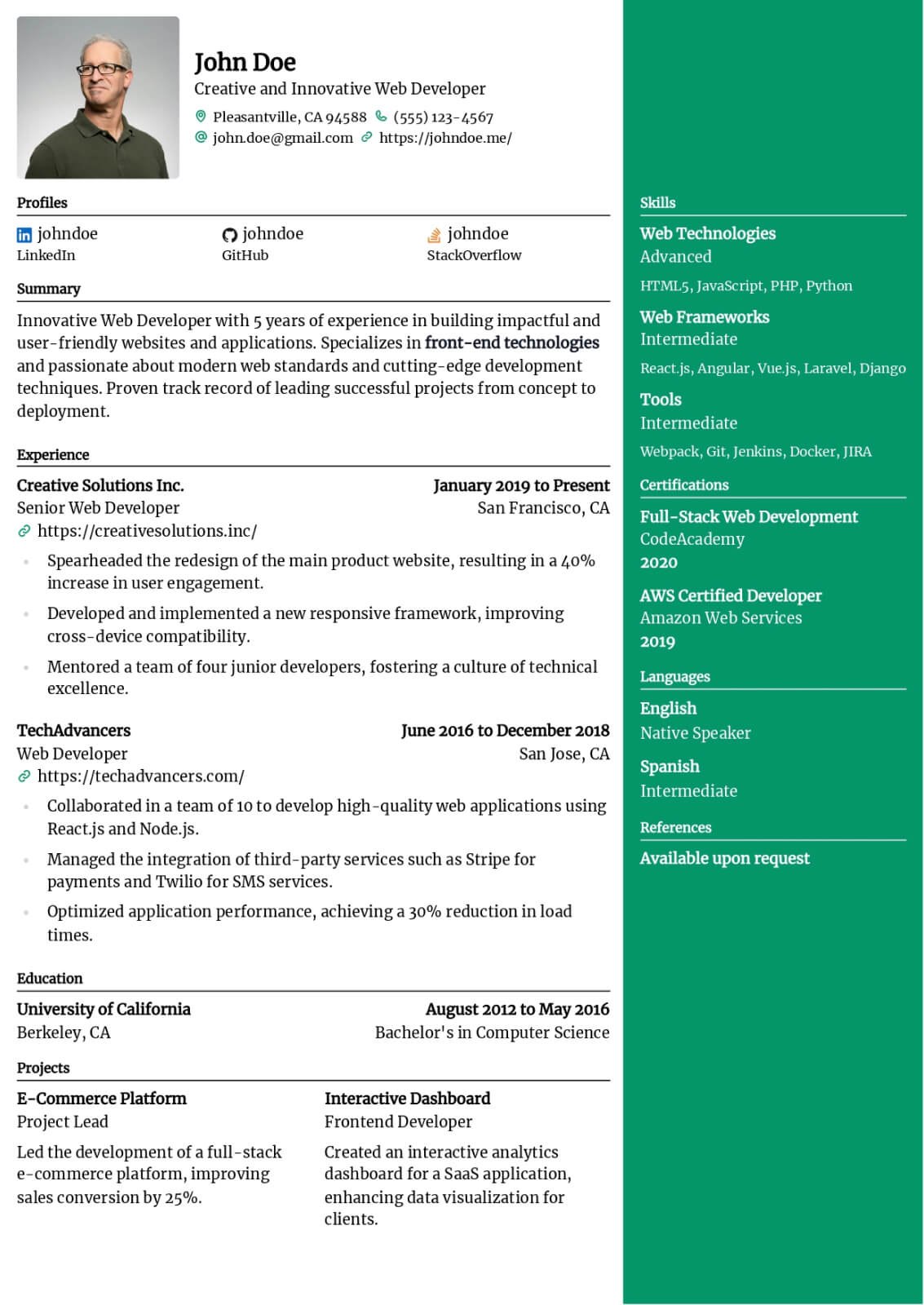
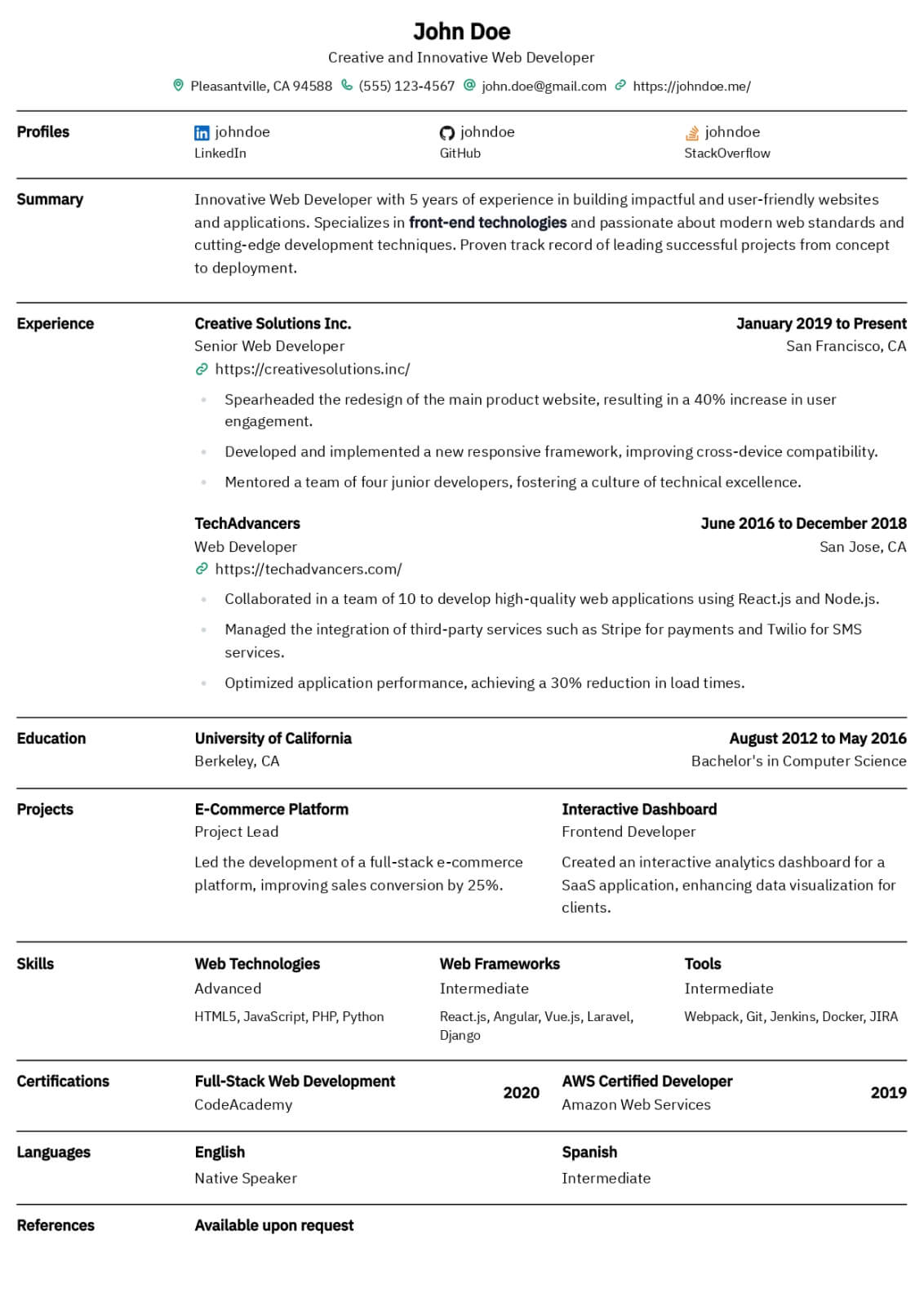
Below, you will find section-by-section guidance for your site reliability engineer resume — from your opening summary through skills and experience. Tailor every line to the job you want.
Professional Summary
Your professional summary should position you as an engineer who ensures service reliability through automation, observability, and principled capacity planning. Open with a statement identifying your infrastructure focus, such as cloud-native reliability engineering or large-scale distributed systems, alongside your years of experience. Reference two to three core competencies like SLO-driven incident management, infrastructure as code, or Kubernetes orchestration that align with the target role. Include a quantified achievement, for instance stating that you maintained ninety-nine point ninety-five percent availability across a platform serving twelve million daily active users while reducing operational toil by forty percent through automation. Mirror the job description terminology to satisfy both human reviewers and ATS keyword filters. Keep the summary between three and five sentences for maximum impact.
Work Experience
Organize your work experience in reverse-chronological order listing each role with a clear title, company name, and employment dates. Write four to six bullet points per position beginning with action verbs like engineered, automated, instrumented, reduced, or scaled. Each bullet should connect a reliability action to a measurable outcome, such as stating that you designed and deployed a Prometheus and Grafana observability stack that reduced mean time to detection from twenty-two minutes to under three minutes across forty production microservices. Demonstrate breadth by referencing incident response leadership, post-mortem processes, capacity planning, on-call rotation improvements, and SLO definition in collaboration with product teams. Reference the scale of infrastructure you manage in terms of servers, containers, or request throughput. Avoid describing operational tasks without attaching reliability improvement metrics or automation outcomes.
Skills
Construct a skills section with eight to twelve infrastructure and software engineering competencies and six to eight operational and communication skills. On the technical side, list observability platforms like Prometheus, Grafana, Datadog, and PagerDuty alongside infrastructure tools including Terraform, Ansible, Kubernetes, and Docker. Add programming languages you use for automation such as Python, Go, or Bash, and CI/CD platforms like Jenkins, GitLab CI, or Argo CD. Include SLO and SLI definition, incident management frameworks, chaos engineering practices, and cloud platforms such as AWS, GCP, or Azure. For interpersonal skills, emphasize incident communication under pressure, blameless post-mortem facilitation, cross-functional engineering collaboration, and mentoring junior engineers. Only list technologies that you can discuss with architectural depth during technical interviews.
Key Reliability Initiatives
Dedicate a section to two to four reliability initiatives where you delivered significant operational improvements beyond routine maintenance. For each initiative, describe the reliability challenge, your engineering approach, the tools and automation you built, and the quantified results achieved. A strong entry might state that you designed and implemented an automated canary deployment pipeline using Argo Rollouts that caught four critical regressions before production exposure and reduced deployment-related incidents by sixty-five percent over two quarters. Reliability initiatives demonstrate engineering leadership and proactive improvement that distinguish you from candidates who only describe reactive operational duties. This section carries particular weight when applying for senior SRE or platform engineering roles that require evidence of systemic reliability improvement beyond individual incident response.
Certifications & Professional Development
List relevant certifications such as Google Cloud Professional Cloud DevOps Engineer, AWS Certified DevOps Engineer Professional, Certified Kubernetes Administrator from the Cloud Native Computing Foundation, or HashiCorp Certified Terraform Associate. Include the issuing organization and the date earned for each credential. These certifications validate your proficiency with the platforms and tools central to SRE practice. If you contribute to open-source reliability tools, publish technical blog posts about SRE practices, or present at conferences like SREcon, include these activities as evidence of community leadership. Certifications in progress with expected completion dates also demonstrate ongoing professional investment.
Education
Include your highest relevant degree, the institution name, and graduation year. SRE positions commonly accept degrees in computer science, computer engineering, systems engineering, or related technical fields. If you graduated within the last five years, add relevant coursework in distributed systems, operating systems, networking, or software engineering to reinforce your foundational knowledge. Academic research in fault-tolerant systems, performance engineering, or distributed computing strengthens your candidacy. For experienced SREs with extensive operational track records and cloud certifications, keep education concise and let your engineering accomplishments carry the primary weight of your application.
Resume layout and formatting
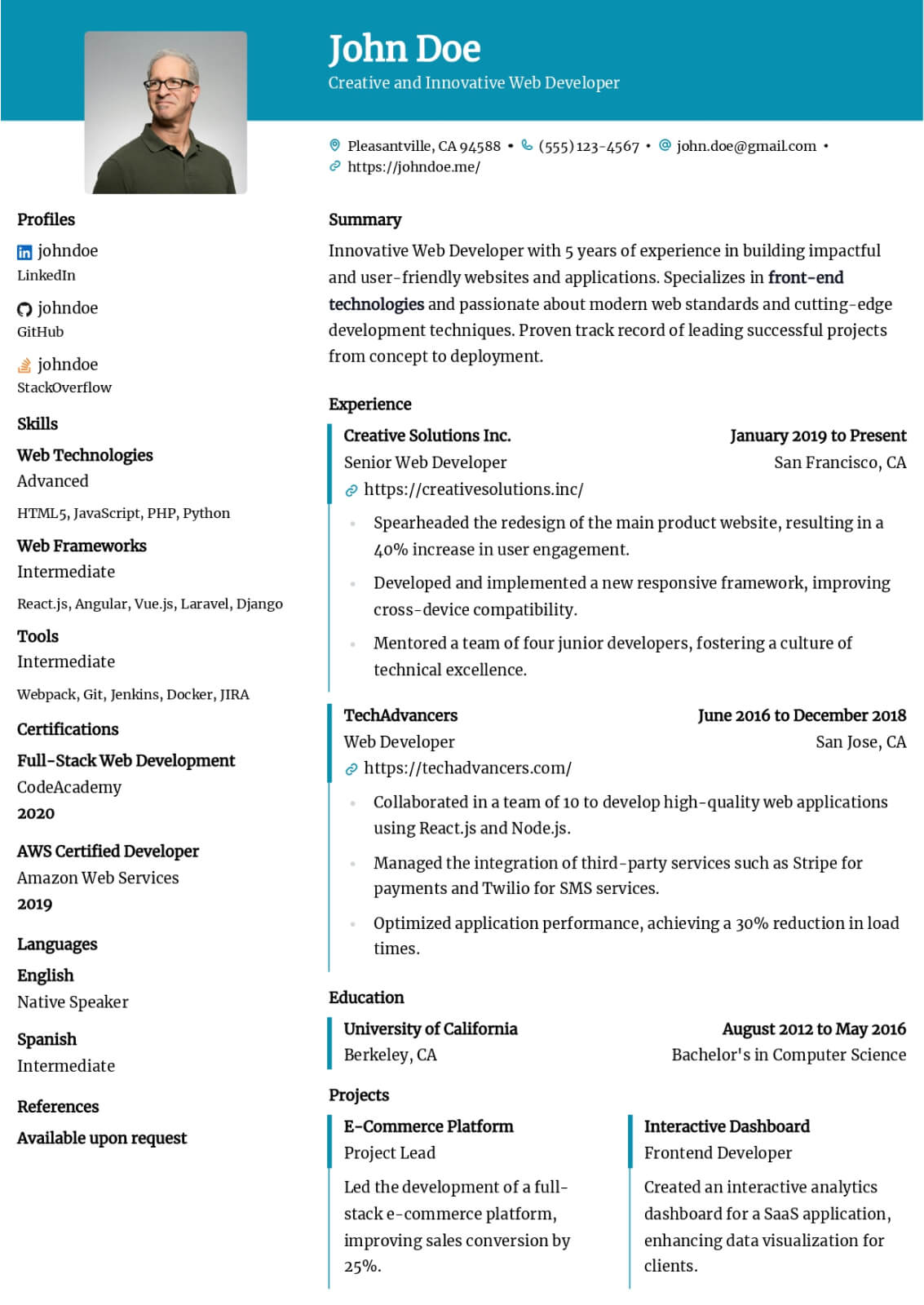
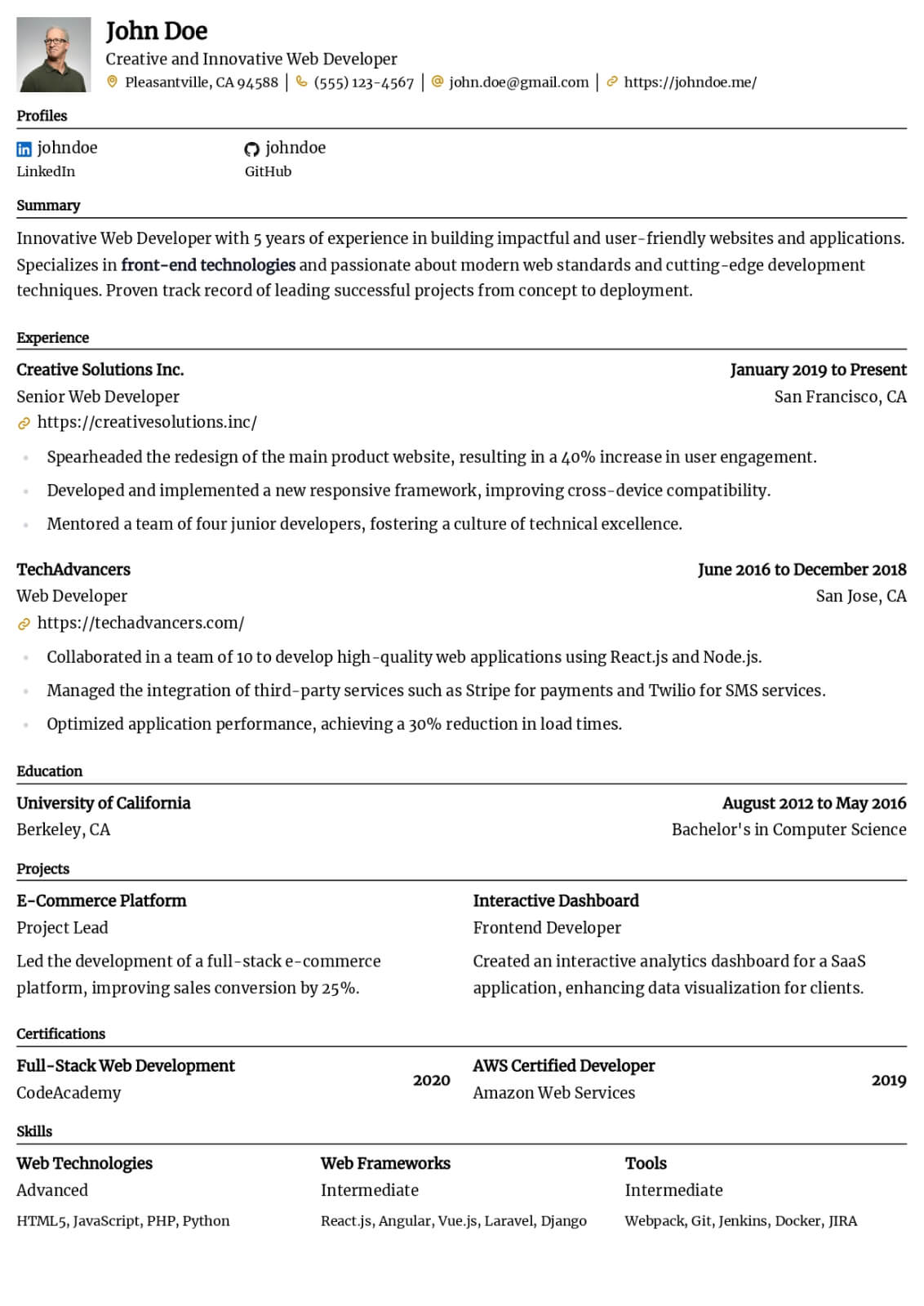
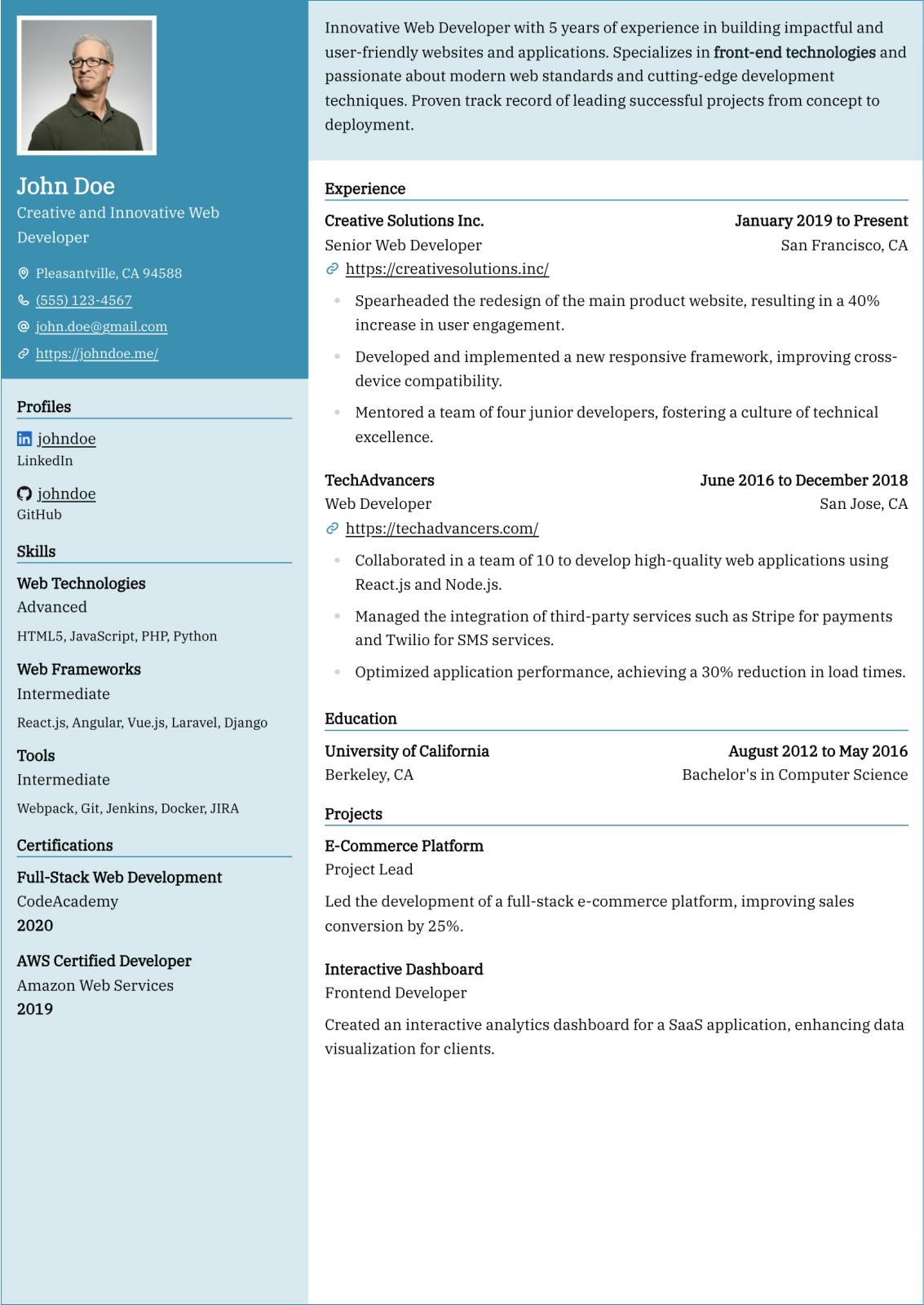
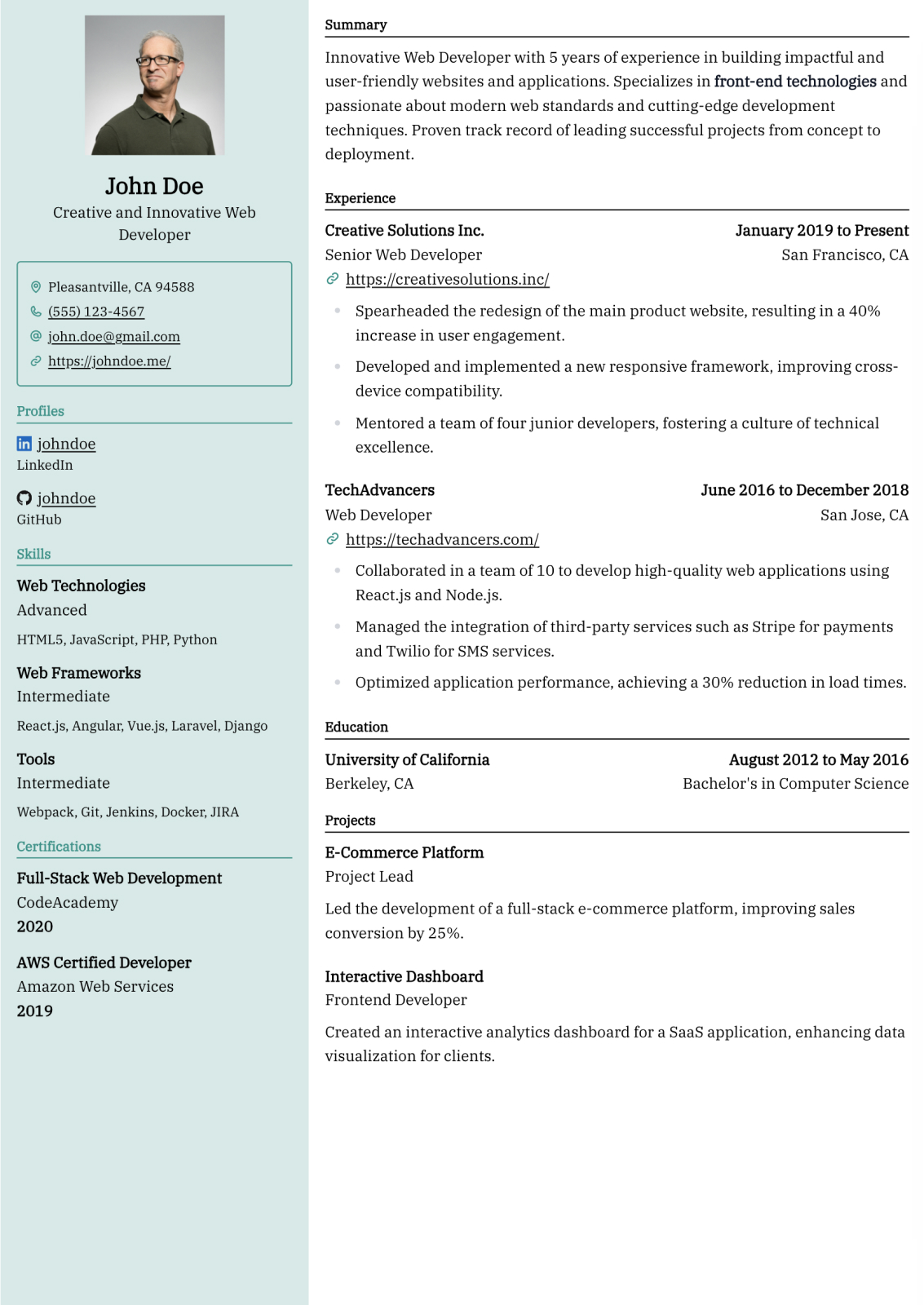
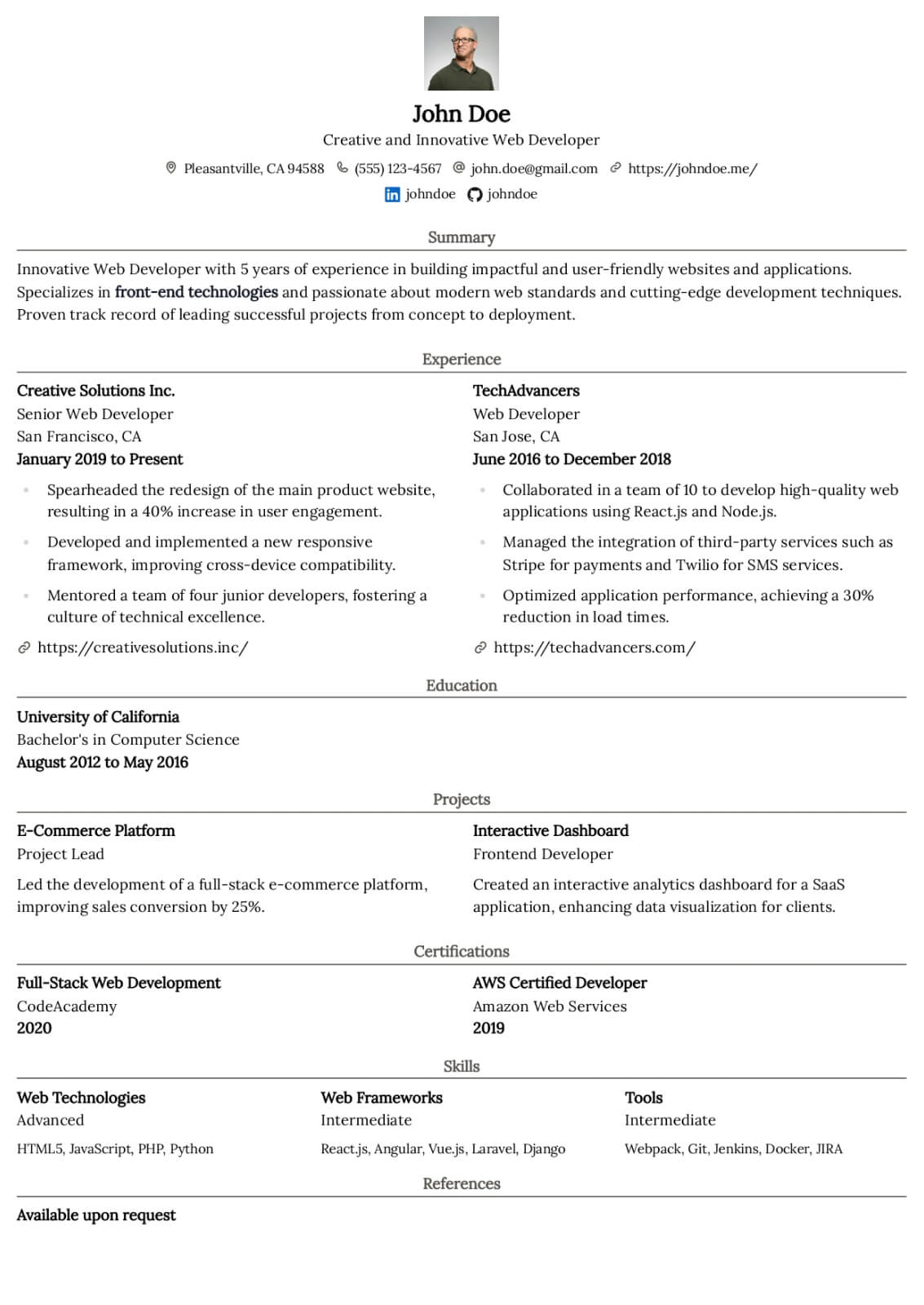
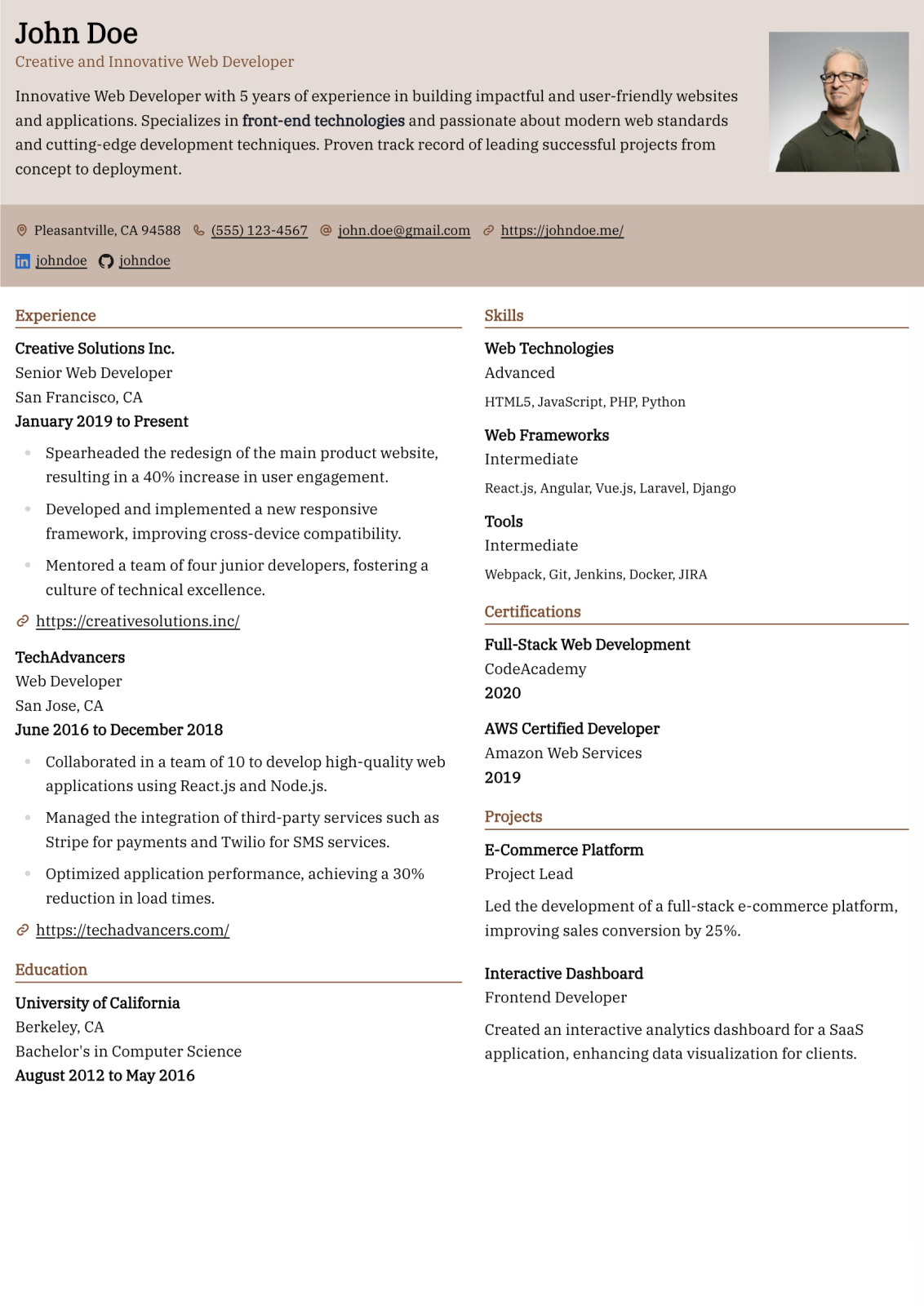
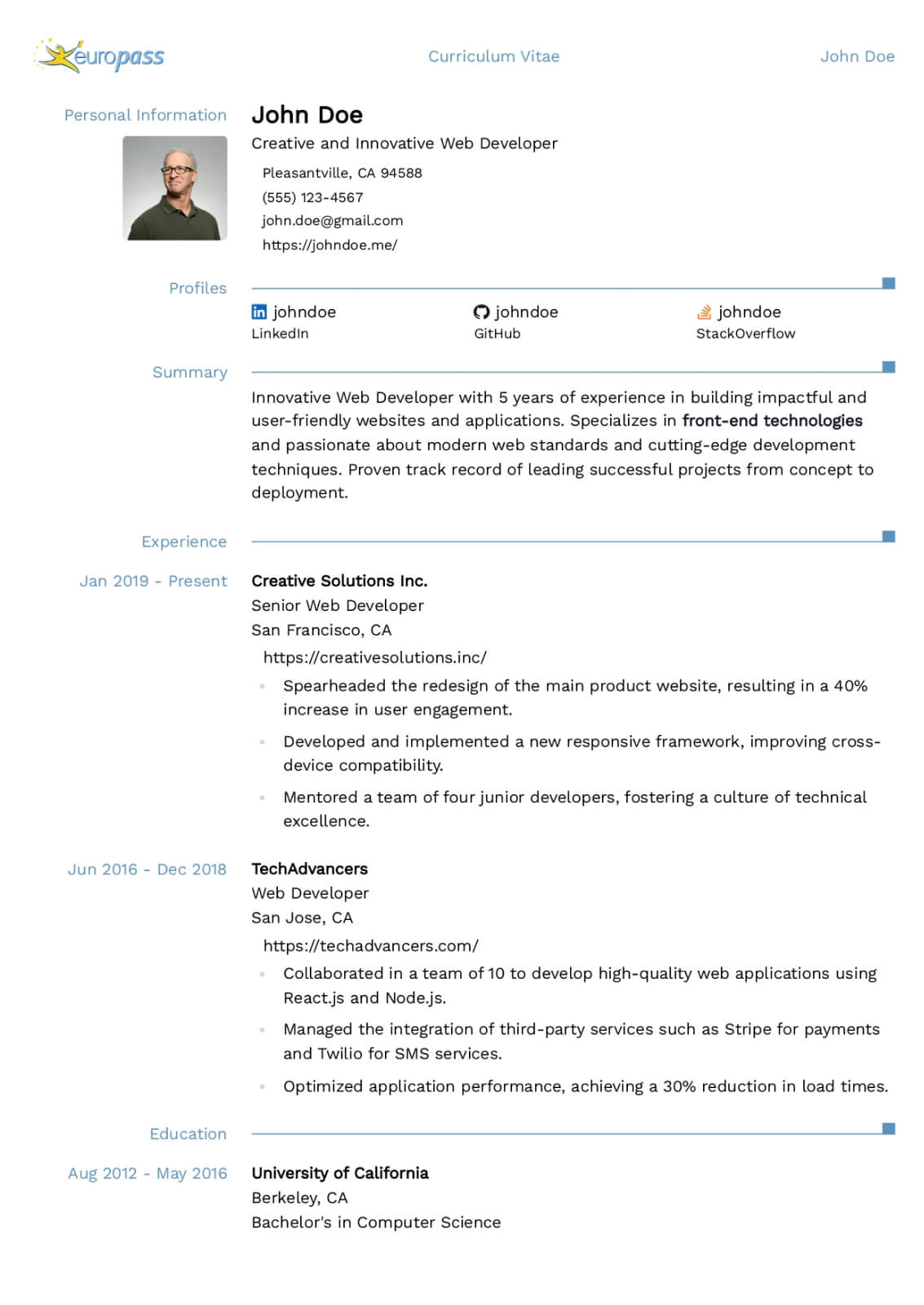
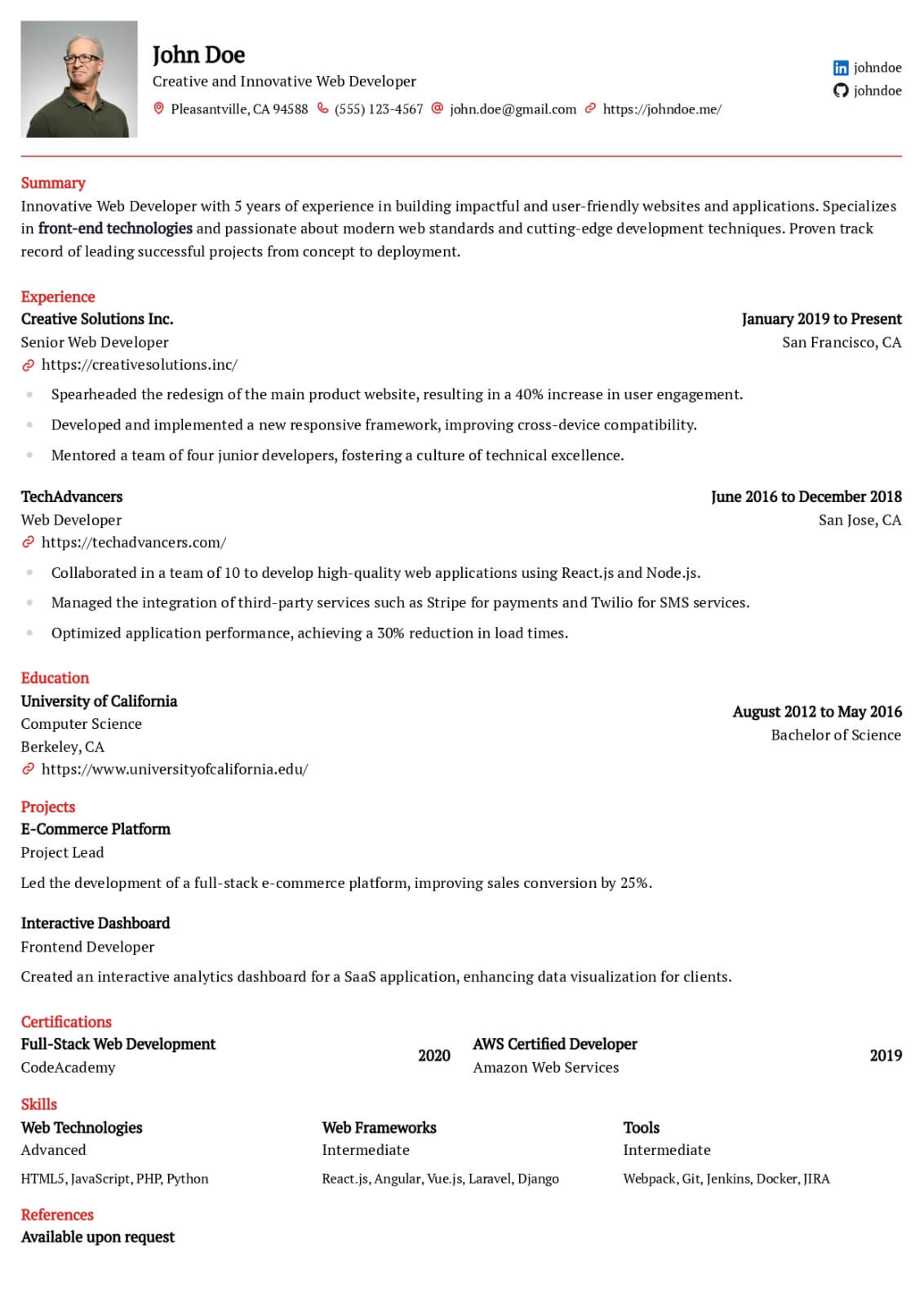
Use a clean, single-column layout with clear section headings and plenty of white space. Lead with technical strengths such as Kubernetes & Container Orchestration, Terraform & Infrastructure as Code, Prometheus, Grafana & Datadog, Python, Go & Bash Automation, AWS, GCP & Azure Cloud Platforms, CI/CD Pipelines (Jenkins, GitLab CI, Argo CD), then reinforce interpersonal strengths like Incident Communication Under Pressure, Blameless Post-Mortem Facilitation, Cross-Functional Engineering Collaboration, Mentoring Junior Engineers. Keep fonts standard (e.g., Arial or Calibri) at 10–12pt body size so your resume stays ATS-friendly and easy to scan.
Key takeaways
- Lead your summary with infrastructure scale and a quantified availability or toil reduction metric
- Attach uptime percentages, MTTR improvements, or automation outcomes to every experience bullet
- Mirror cloud platform and observability keywords from job postings to maximize ATS compatibility
- Add a reliability initiatives section to demonstrate engineering-driven operational improvement
- List Kubernetes and cloud certifications prominently as they validate core SRE competencies
- Keep formatting clean and systematic to reflect the engineering discipline central to SRE practice
Build your Site Reliability Engineer resume with Scale
Lead your summary with infrastructure scale and a quantified availability or toil reduction metric
Use This Template
Professional Templates That Make You Stand Out
Browse modern, ATS-friendly resume designs crafted to impress recruiters. Customize any template and download it as a Word or PDF file.
Listen What Our Users Have to Say

Rohan Sen
I am very happy with the team's quick turnaround time - any query is responded at utmost priority. Shoutout to my client manager, Anub Biju - very helpful.

Gael L
Service and communication is great, cover letters are non-ai sounding and well tailored. Just have a lot of communication and review with your staff!

Jonathan Parry
Wow - don't tell your peers! Wow, I can't recommend scale.jobs enough - it's so good I am not sharing with my peers. Applications at scale that get through filters. Thank you!

Cynthia Zhu
Great service! The scale.jobs team was very responsible and managed to apply tons of jobs for me in a very tight deadline to help me secure interviews quickly. Highly recommend to anyone who needs help applying to jobs!

Yash Yenugu
Save your fingers. Saved me from a thumb cramp because we're expected to effortlessly apply to jobs during these times.

Cian O'Driscoll
Clever service. Takes the hard effort out of applying for jobs with an intuitive dashboard and attention to detail. A great asset to job seekers. :-)
Frequently asked questions
What should a site reliability engineer resume emphasize in 2026?
A competitive SRE resume in 2026 should emphasize automation-first thinking, observability platform expertise, and SLO-driven reliability practices. Employers expect SREs to demonstrate software engineering skills alongside operational knowledge, reflecting the discipline's origin at Google. Experience with Kubernetes, infrastructure as code, and cloud-native architectures is increasingly table stakes. Quantified improvements in availability, incident response times, and toil reduction differentiate strong candidates from those who describe only reactive operations work.
How do I quantify my impact as an SRE on my resume?
Quantify reliability impact by referencing service availability percentages, mean time to detection and recovery improvements, operational toil reduction percentages, and incident frequency decreases resulting from your engineering work. For example, state that your automated remediation runbooks reduced mean time to recovery from forty-five minutes to eight minutes for the top five incident categories. Pull metrics from monitoring dashboards, incident management platforms, and error budget tracking tools to substantiate every claim.
Should I emphasize software engineering or operations skills as an SRE?
The most effective SRE resumes demonstrate both competencies because the role fundamentally bridges software engineering and operations. Lead with whichever dimension the target job description prioritizes, but ensure your resume shows that you can write production-quality automation code and manage complex distributed infrastructure. Companies hiring SREs specifically seek engineers who eliminate operational toil through software rather than handling it manually. Balancing both dimensions signals that you understand the core SRE philosophy.
Which certifications are most valuable for SRE roles?
The Certified Kubernetes Administrator from the Cloud Native Computing Foundation validates container orchestration expertise central to modern SRE work. Google Cloud Professional Cloud DevOps Engineer and AWS Certified DevOps Engineer Professional demonstrate cloud platform proficiency. HashiCorp Certified Terraform Associate validates infrastructure as code competency. Holding multiple certifications across different tools and platforms signals the versatility that SRE roles demand, especially at organizations operating multi-cloud environments.
How long should an SRE resume be?
Most SREs should target a single-page resume unless they have more than ten years of directly relevant reliability engineering experience across multiple organizations. A well-structured two-page document is appropriate for senior SREs with platform architecture leadership and team management experience. Every line should demonstrate measurable reliability improvements rather than describe routine operational activities. Remove early-career roles that do not involve infrastructure engineering to keep the document focused and impactful.
What common mistakes should SREs avoid on their resumes?
The most frequent mistake is describing operations tasks without quantifying reliability improvements or automation outcomes. Another common error is failing to demonstrate software engineering capabilities when the role requires building tools and automation rather than performing manual operations. Avoid listing monitoring and infrastructure tools without explaining how you used them to improve specific reliability metrics. Neglecting to mention SLO-driven practices and incident management experience also weakens your candidacy for organizations that follow formal SRE methodologies.
Related Resume Guides
DevOps Engineer
Build an impactful DevOps engineer resume that highlights your expertise in CI/CD pipelines, infrastructure as code, container orchestration, and reliable production system operations at scale.
Cloud Engineer
Create a powerful cloud engineer resume that demonstrates your expertise in designing, deploying, and managing cloud infrastructure across AWS, Azure, or GCP with reliability and cost efficiency.
Systems Administrator
Build an effective systems administrator resume that showcases your expertise in server management, Active Directory administration, infrastructure automation, and maintaining enterprise IT environments.
Software Engineer
Craft a compelling software engineer resume that highlights your technical depth, system design expertise, and measurable contributions to production software used by millions of users worldwide.