
DevOps Engineer Resume Examples, Templates & Writing Guide

Written by: Scale.jobs EditorialLast updated: May 1, 2026







Introduction
Build an impactful DevOps engineer resume that highlights your expertise in CI/CD pipelines, infrastructure as code, container orchestration, and reliable production system operations at scale.
This guide walks you through every major section of a devops engineer resume, with practical tips you can apply today.
- How to showcase CI/CD pipeline design and deployment frequency improvements on your resume
- Strategies for presenting infrastructure as code expertise with Terraform or Pulumi
- Techniques for quantifying reliability gains using uptime percentages and incident reduction metrics
- Best practices for describing container orchestration and Kubernetes cluster management experience
- Methods for demonstrating cost optimization achievements in cloud infrastructure spending
- How to position monitoring, alerting, and observability skills as core DevOps competencies
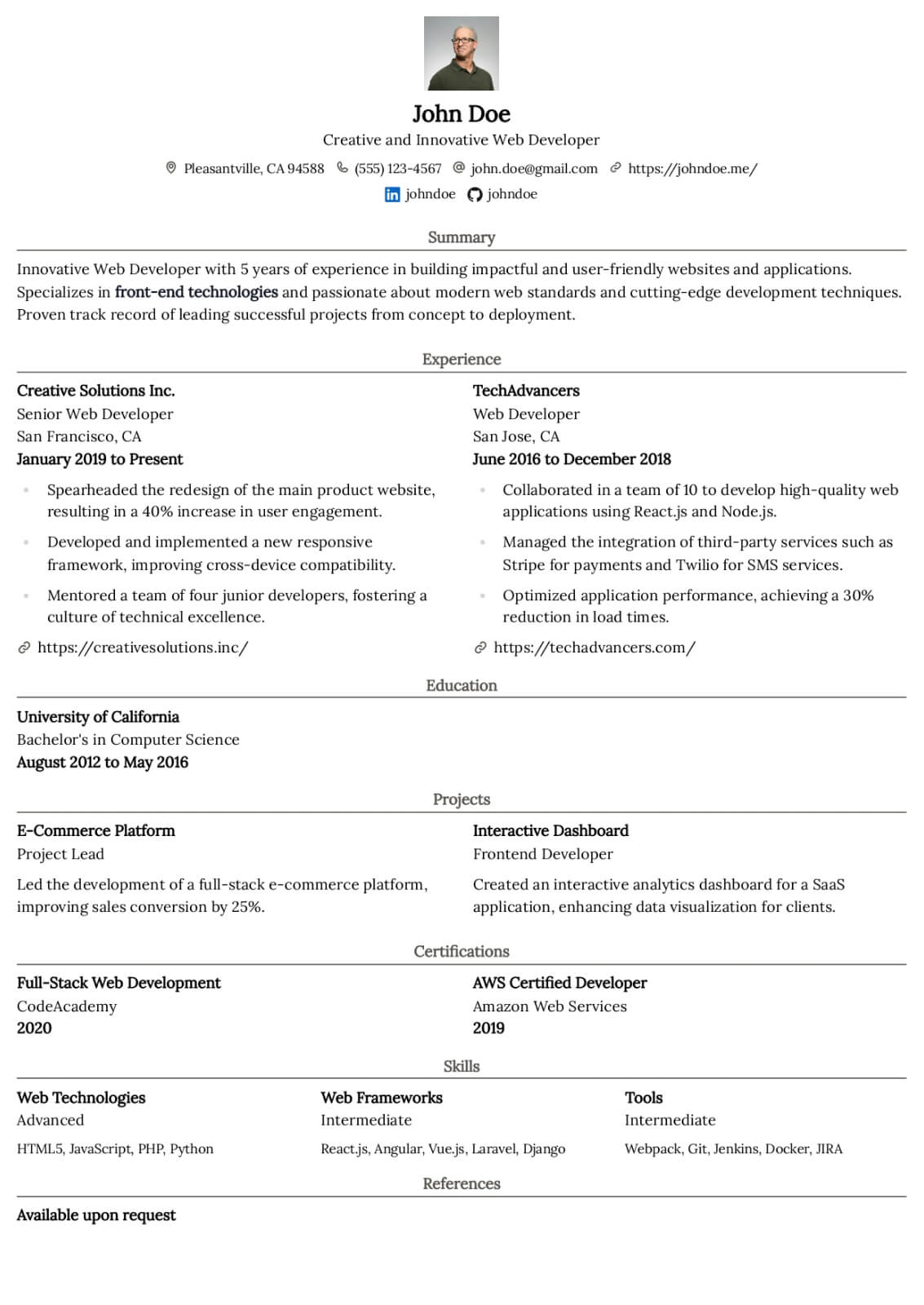
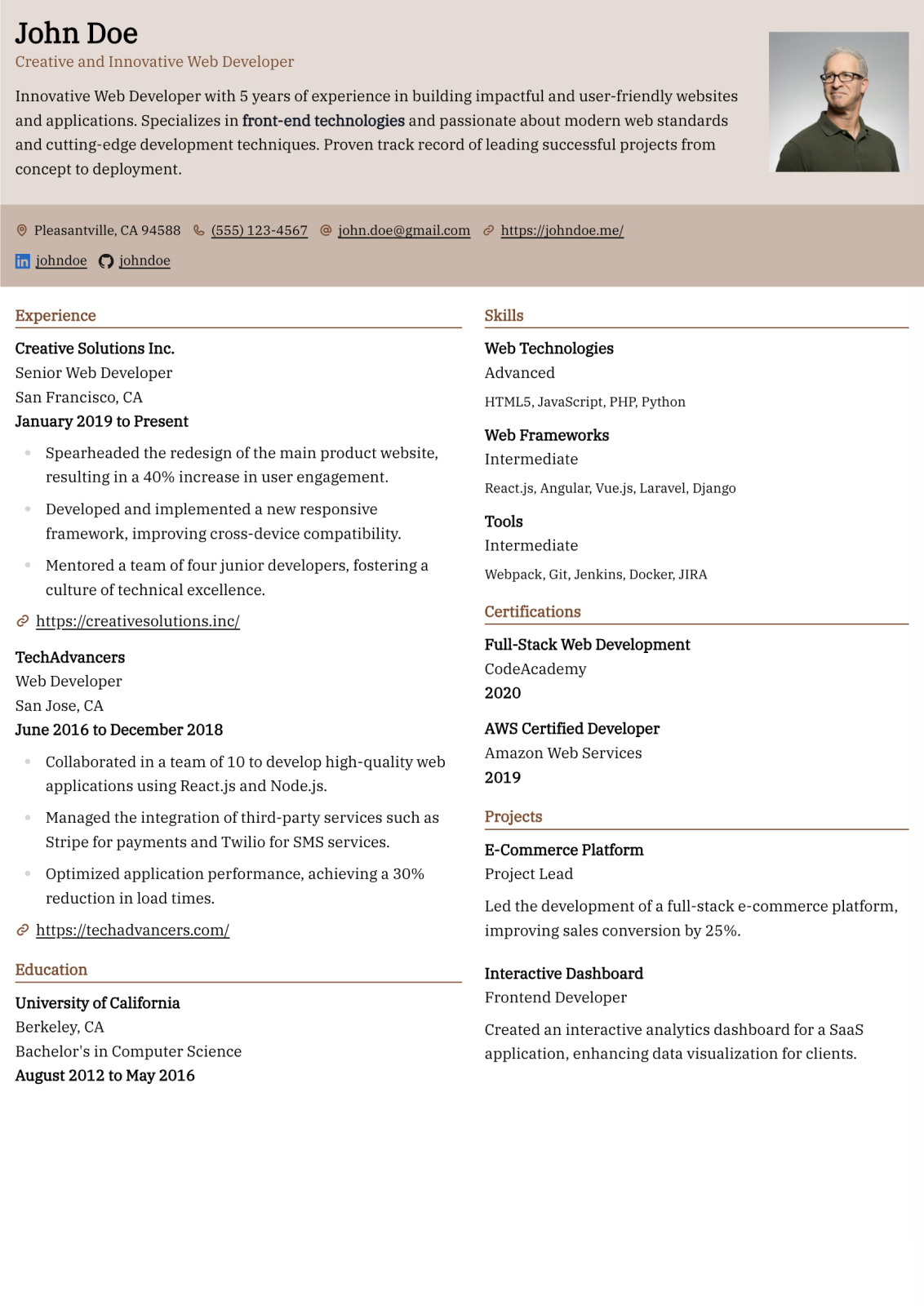
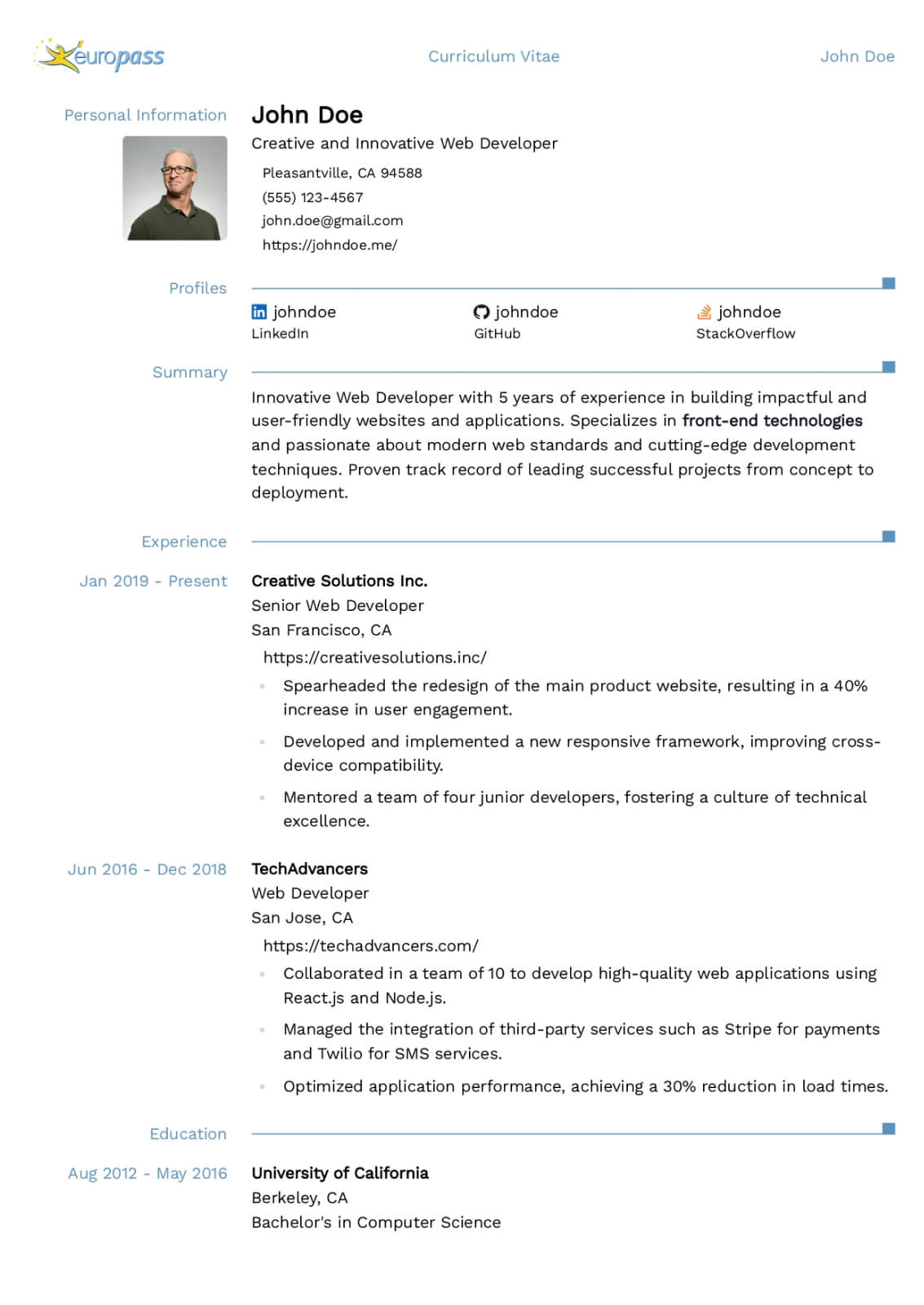
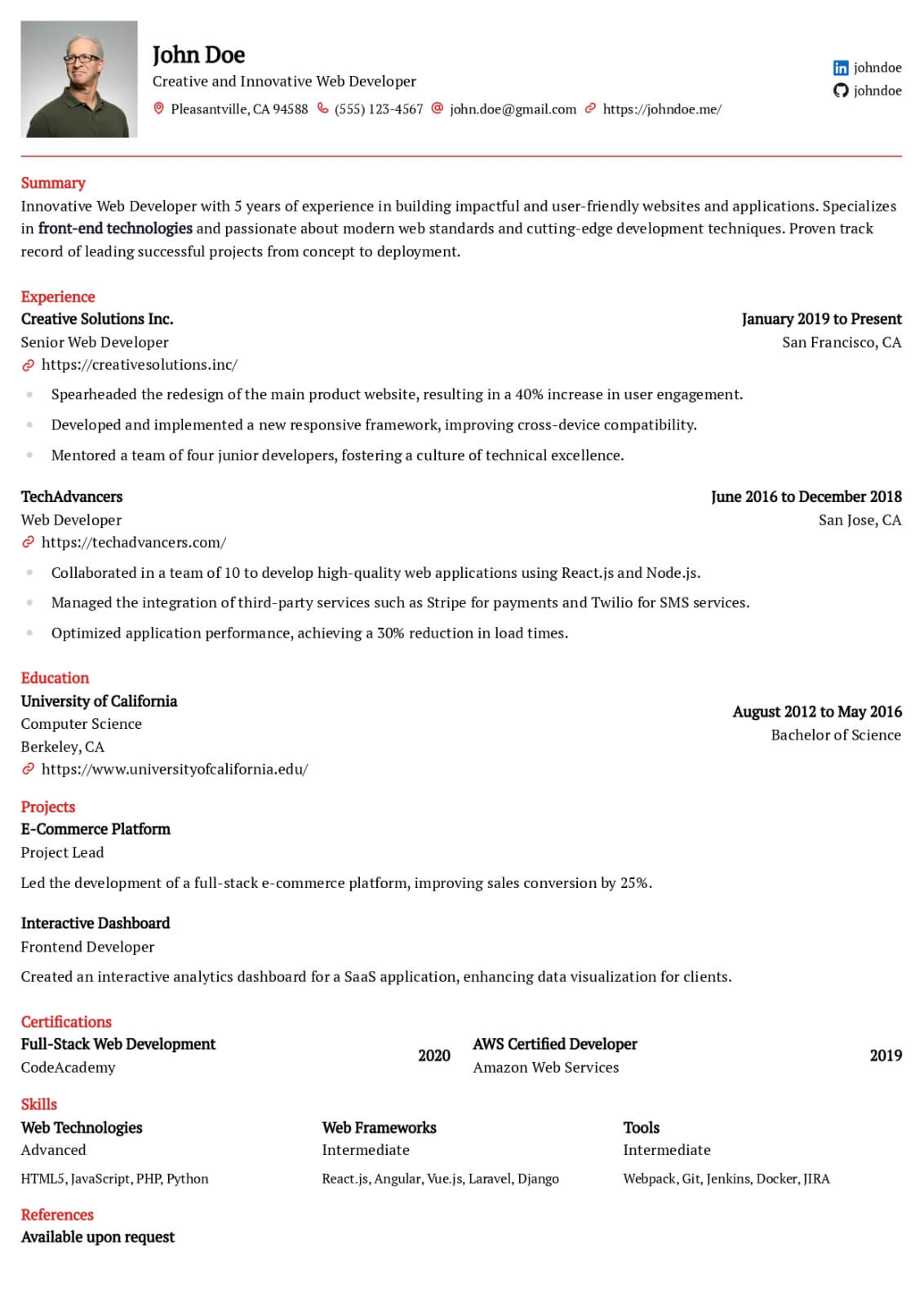
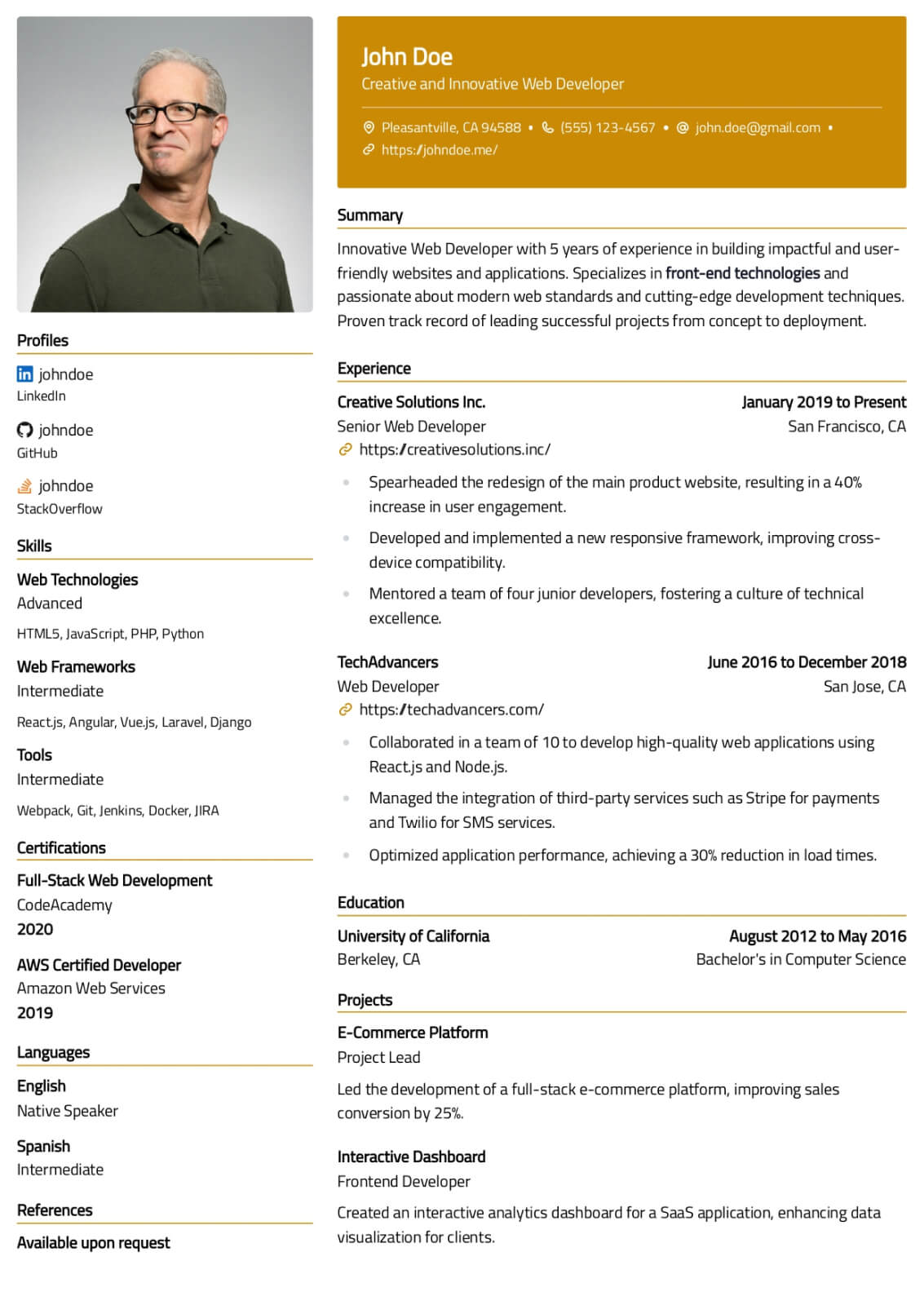
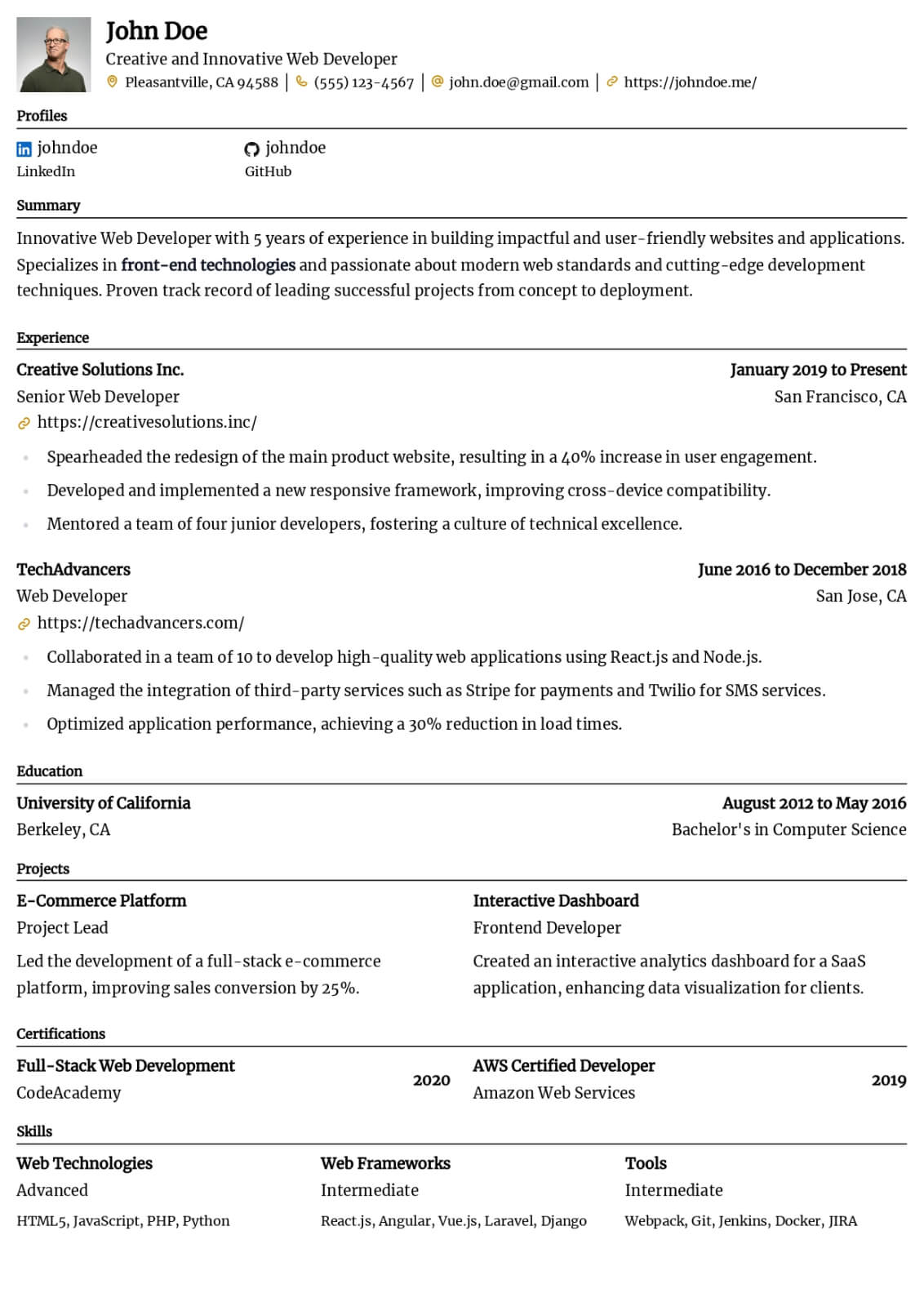
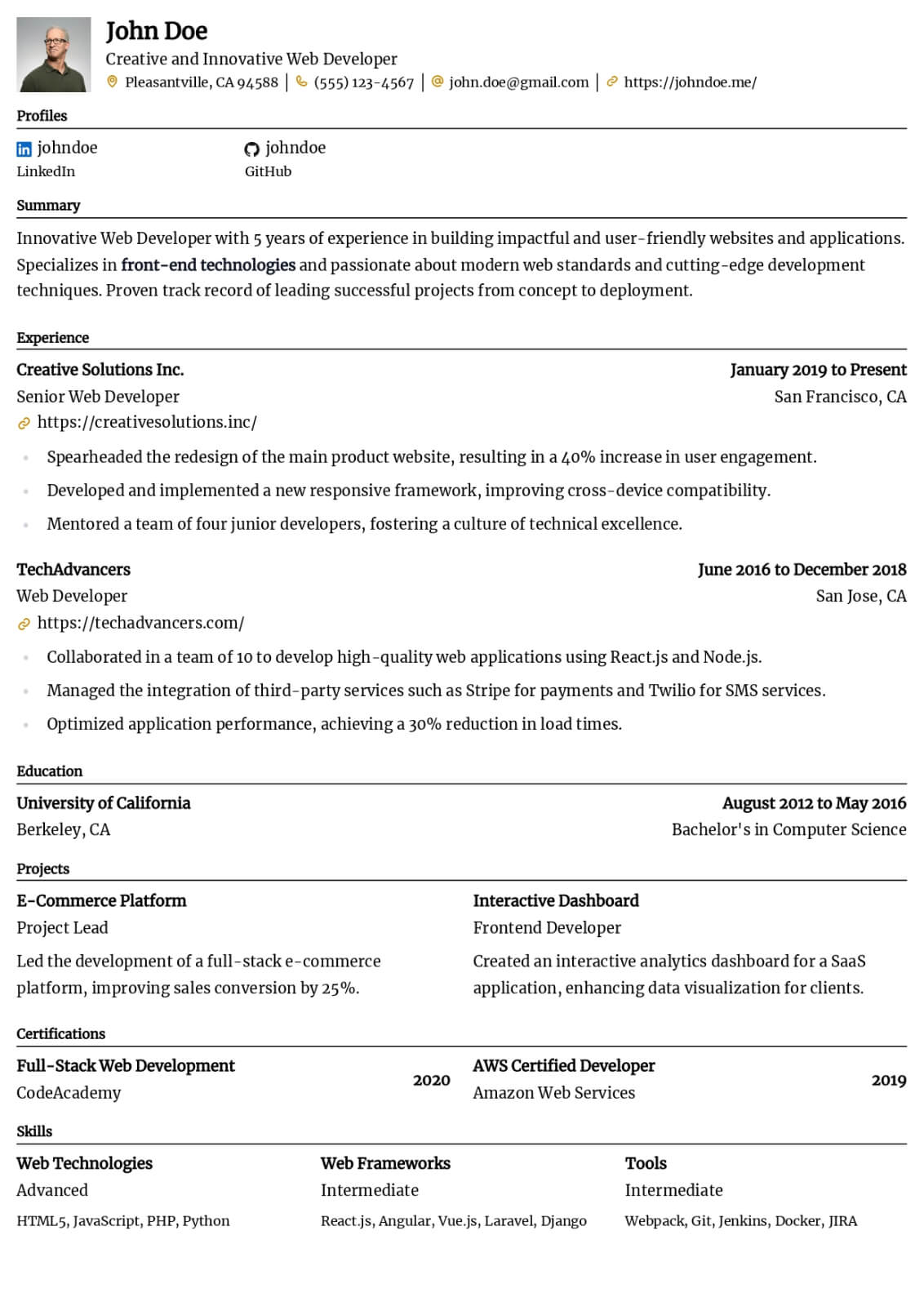
DevOps Engineer resume guide
Below, you will find section-by-section guidance for your devops engineer resume — from your opening summary through skills and experience. Tailor every line to the job you want.
Professional Summary
Open your summary by identifying yourself as a DevOps engineer with specific years of experience automating infrastructure and optimizing software delivery pipelines. Name the cloud platforms you specialize in such as AWS, GCP, or Azure and reference your primary infrastructure as code tools like Terraform, CloudFormation, or Pulumi. Include a headline metric that demonstrates operational impact, such as increased deployment frequency from weekly to fifty times per day while maintaining ninety-nine point nine five percent uptime. Mention your experience with container orchestration platforms like Kubernetes or ECS to signal that you can manage production workloads at scale. Reference your collaboration model with development teams, emphasizing how you embed reliability practices into the software development lifecycle. Close with the type of engineering culture you thrive in, whether that is platform engineering, site reliability, or developer experience focused organizations.
Work Experience
Present your DevOps roles in reverse chronological order with four to six bullet points per position. Each bullet should open with action verbs specific to DevOps work such as automated, provisioned, orchestrated, instrumented, migrated, or hardened. Connect every action to a measurable outcome: designed and implemented a Terraform-managed AWS infrastructure supporting forty microservices, reducing provisioning time from three days to fifteen minutes. Describe CI/CD pipeline improvements with before-and-after metrics such as build times, deployment frequency, and rollback duration. Highlight incident management contributions including mean time to recovery reductions and post-mortem process improvements. Show your impact on developer experience by describing self-service tooling, internal developer platforms, or documentation initiatives that accelerated onboarding for new engineers. Include security hardening work like implementing secrets management with HashiCorp Vault or automating vulnerability scanning in the deployment pipeline.
Technical Skills
Organize your DevOps skills into categories such as cloud platforms, infrastructure as code, CI/CD, containers and orchestration, monitoring and observability, and scripting languages. Under cloud platforms list specific services you have managed in production like AWS EC2, EKS, RDS, Lambda, S3, or their GCP and Azure equivalents. For infrastructure as code include Terraform, CloudFormation, Pulumi, or Ansible with details about module counts or environments managed. List CI/CD platforms like GitHub Actions, GitLab CI, Jenkins, or ArgoCD along with artifact registries and deployment strategies you have implemented. Under containers include Docker, Kubernetes, Helm, and service mesh technologies like Istio if applicable. Add monitoring tools such as Prometheus, Grafana, Datadog, PagerDuty, and ELK stack. Include scripting languages like Bash, Python, and Go that you use for automation tooling and operational scripts.
Infrastructure & Architecture Achievements
A dedicated section showcasing infrastructure projects can differentiate your resume from candidates who only list tools without context. Describe two to three significant infrastructure initiatives including the business problem, your architectural approach, tools used, and quantified results. For example, you might describe migrating a company from manually provisioned EC2 instances to a fully automated Kubernetes platform on EKS, reducing infrastructure costs by thirty-five percent while improving deployment reliability. Include details about networking architecture, security group configurations, and disaster recovery strategies you designed. Reference multi-region or multi-cloud deployments if applicable, as these demonstrate advanced operational maturity. This section is particularly valuable for senior DevOps engineers seeking roles with significant infrastructure ownership and architectural decision-making authority.
Certifications & Education
DevOps certifications carry substantial weight because they validate expertise across cloud platforms and operational tools that employers depend on daily. List credentials such as AWS Certified DevOps Engineer Professional, Certified Kubernetes Administrator, HashiCorp Terraform Associate, or Google Professional Cloud DevOps Engineer with the issuing organization and year earned. Multiple certifications across different tools demonstrate breadth across the DevOps toolchain. In the education section include your degree, institution, and graduation year. While computer science degrees are common, many successful DevOps engineers come from systems administration, networking, or self-taught backgrounds. Highlight relevant coursework in operating systems, networking, or distributed systems if applicable. Position certifications prominently if the job description explicitly lists them as requirements.
Formatting & ATS Optimization
DevOps resumes should use clear section headings and a single-column layout that ATS systems can parse reliably. Embed tool names exactly as they appear in the job posting, for example writing Terraform rather than IaC tool or Kubernetes rather than container platform. Include both acronyms and full names where relevant, such as CI/CD and continuous integration and continuous deployment, to capture different keyword variations. Keep your resume to one or two pages depending on experience level, and ensure all dates, company names, and titles are formatted consistently. Save as PDF for submission and test with an ATS parsing tool to confirm accurate extraction. Include links to your GitHub profile, personal blog, or technical talks if they showcase relevant DevOps work and automation projects.
Resume layout and formatting
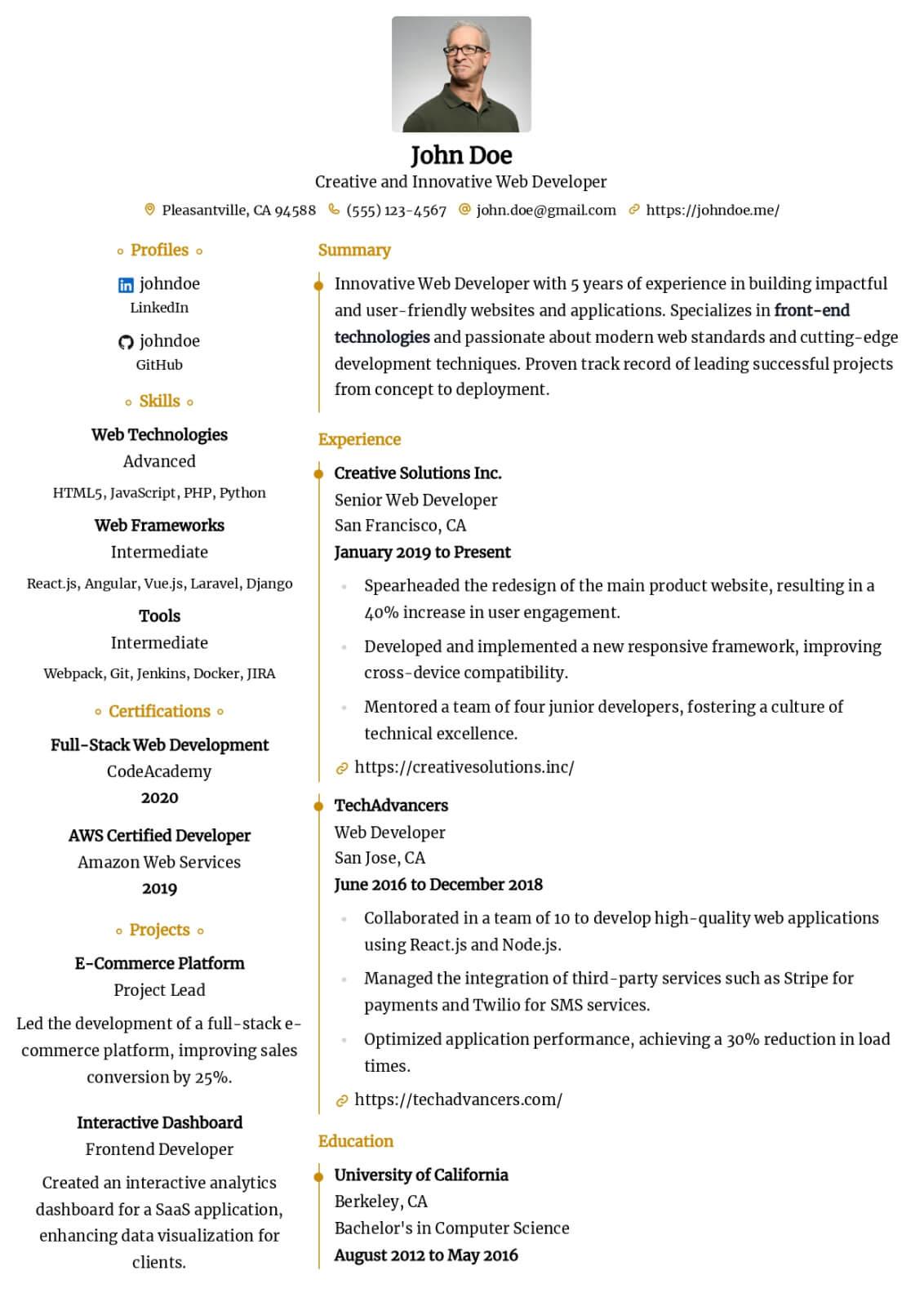
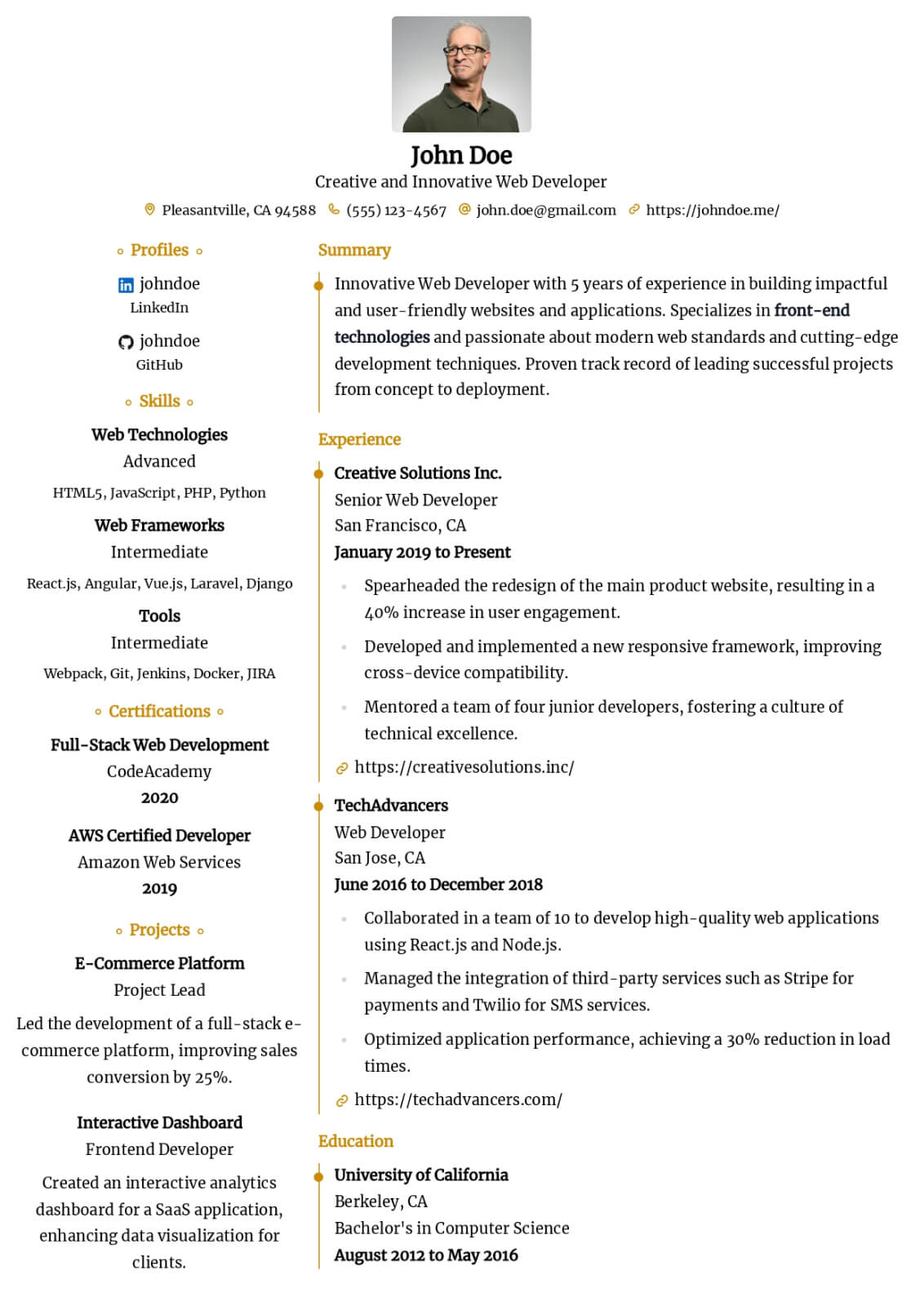
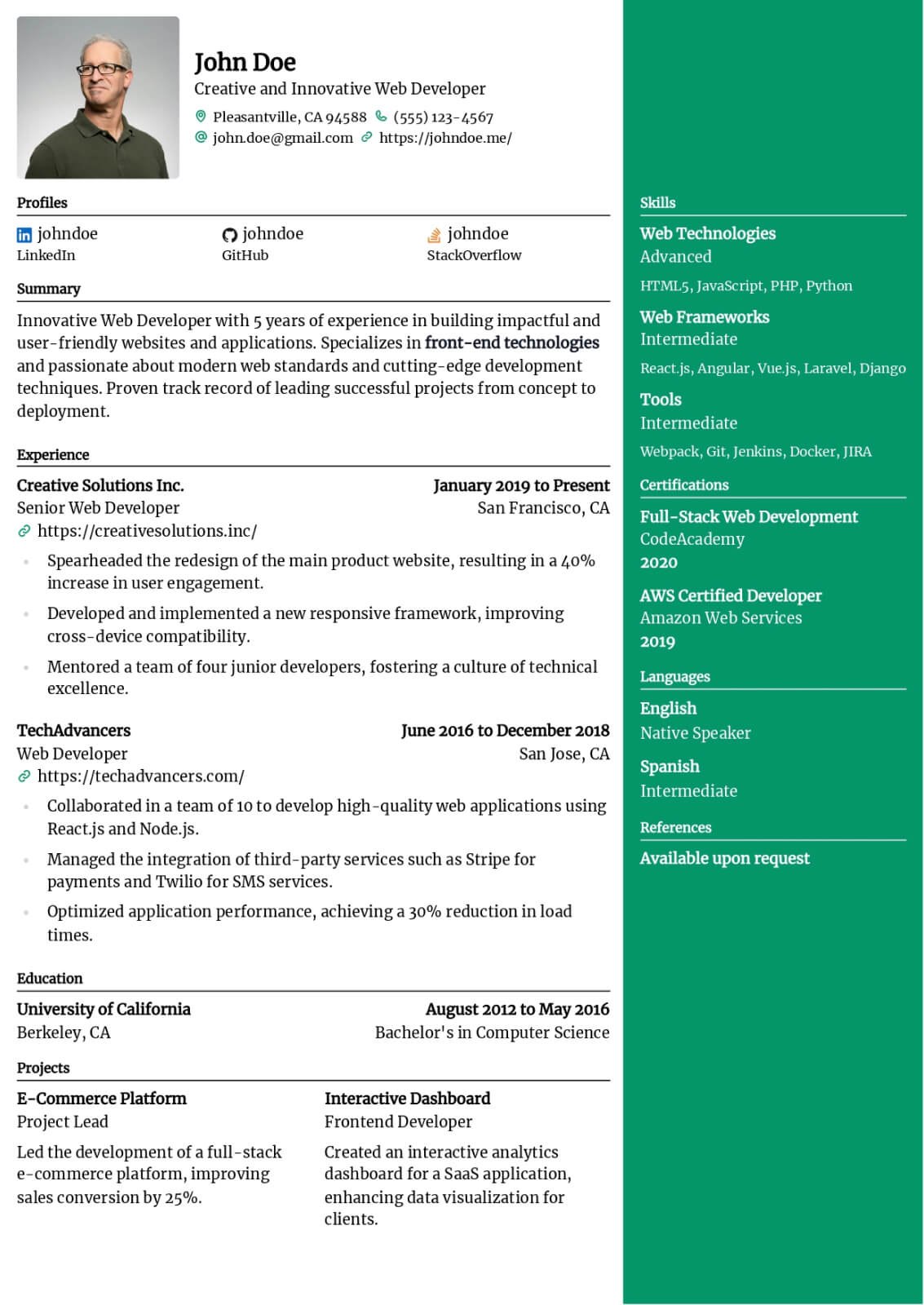
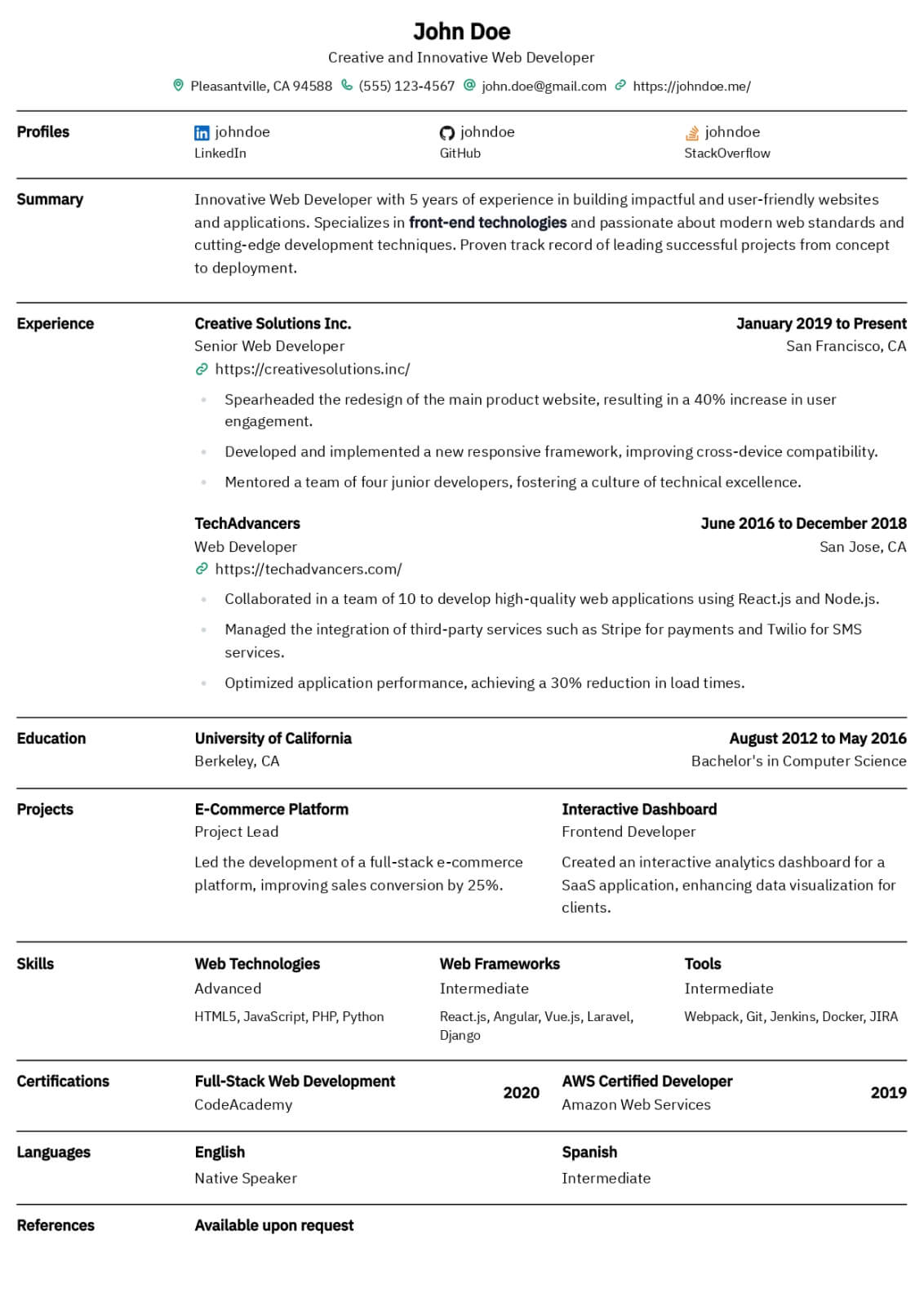
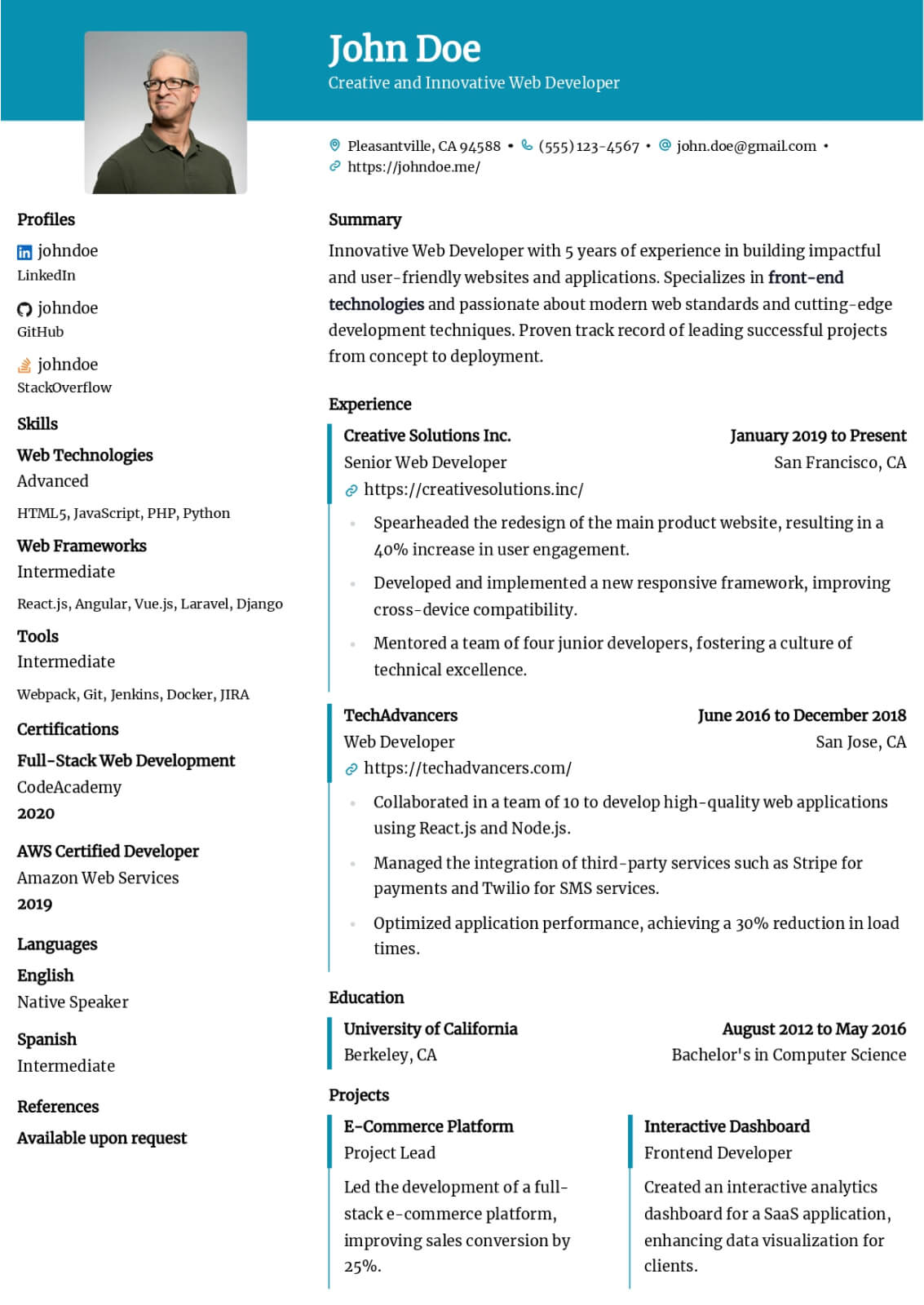
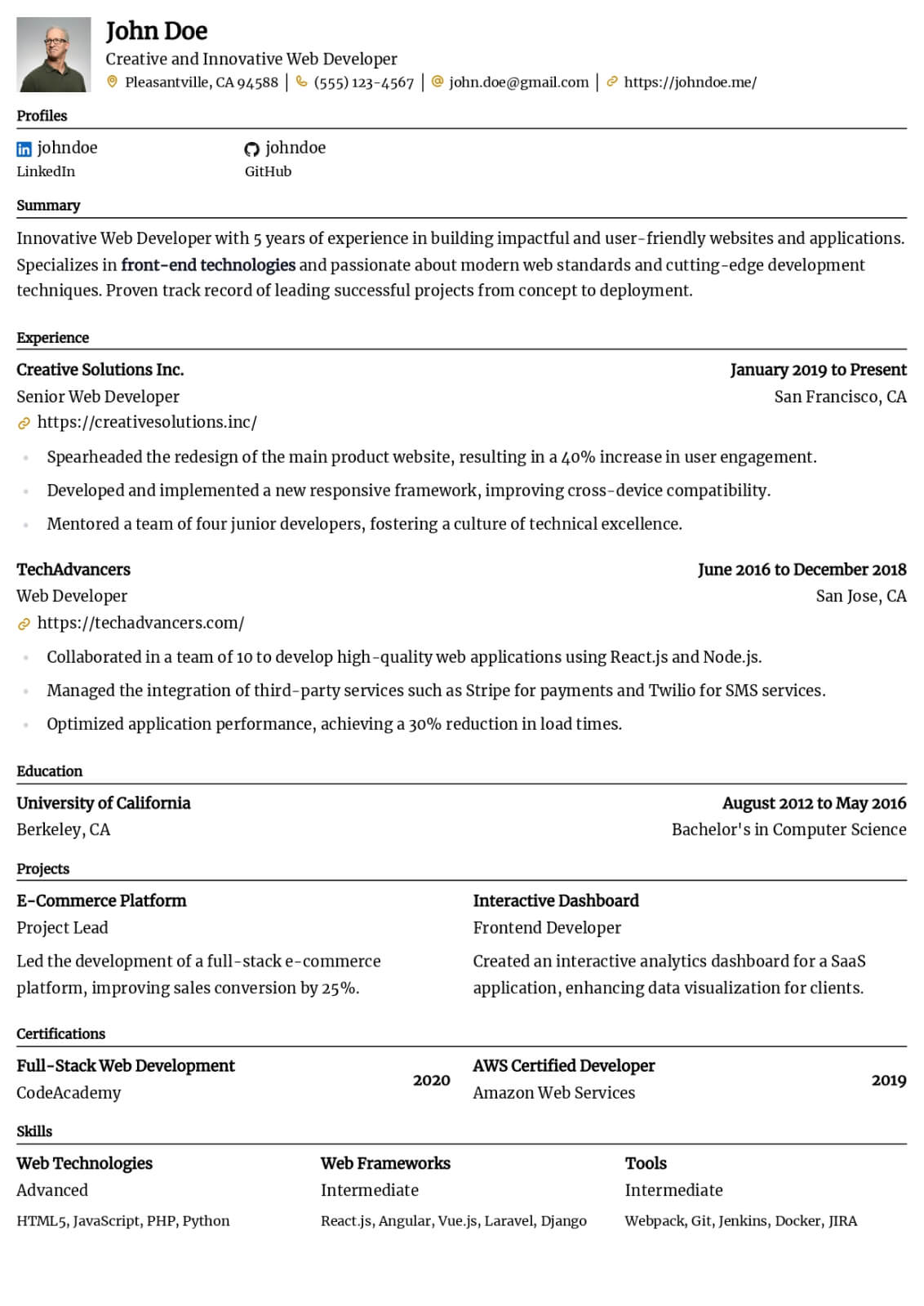
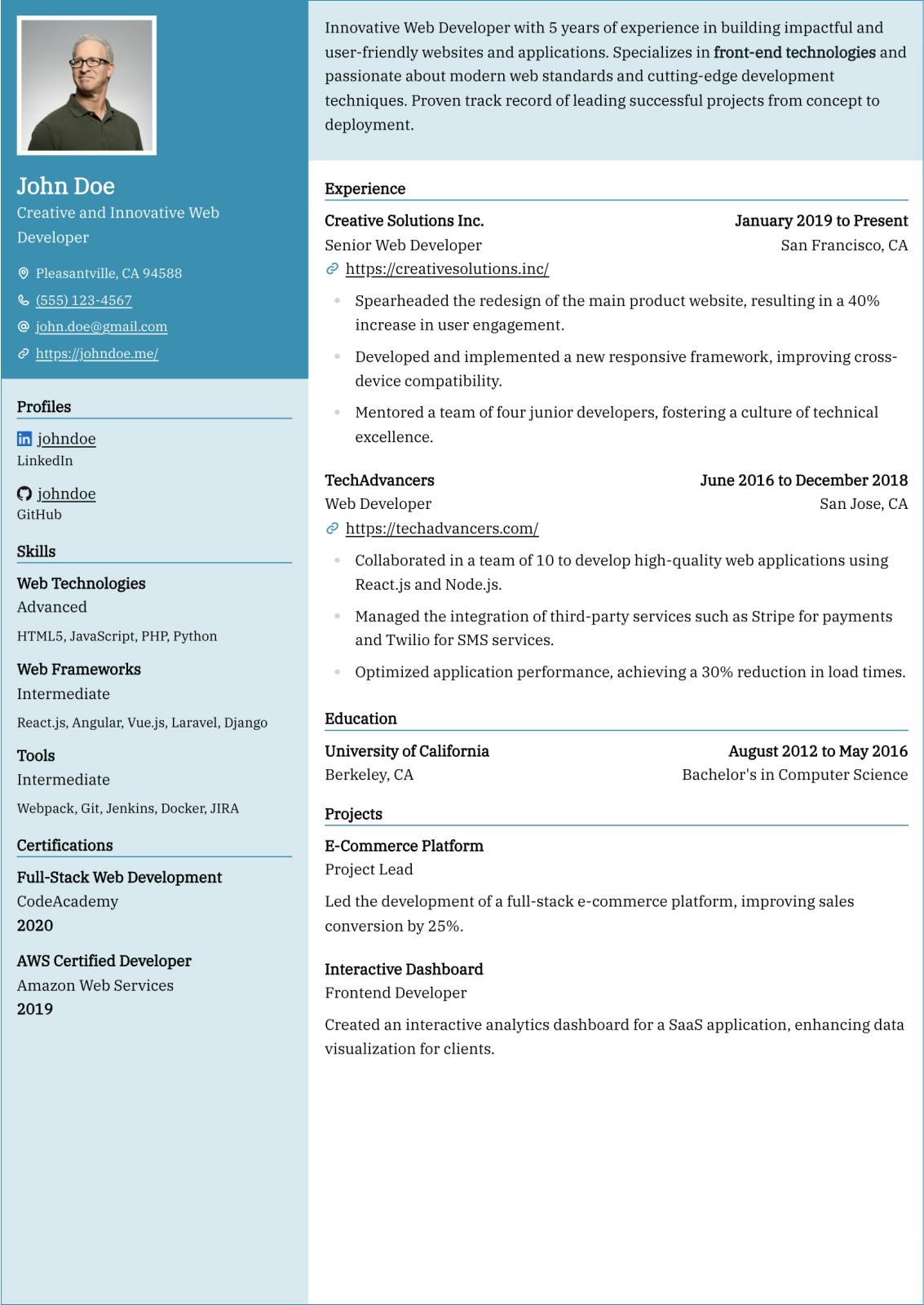
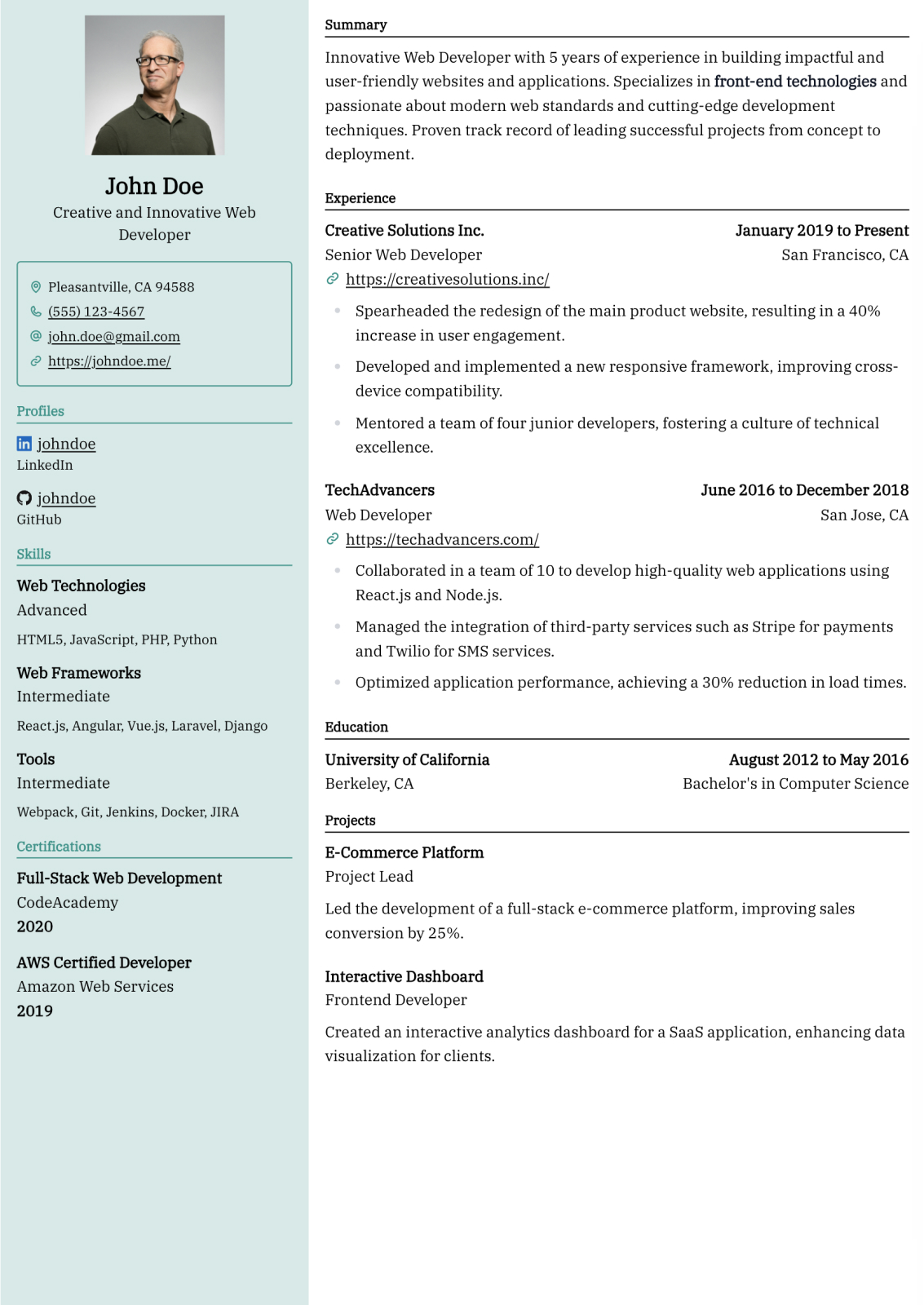
Use a clean, single-column layout with clear section headings and plenty of white space. Lead with technical strengths such as AWS / GCP / Azure Administration, Terraform & Infrastructure as Code, Docker & Kubernetes, CI/CD Pipelines (GitHub Actions, GitLab CI, Jenkins), Prometheus, Grafana & Datadog, Bash & Python Scripting, then reinforce interpersonal strengths like Cross-Team Collaboration, Incident Response Leadership, Documentation & Knowledge Sharing, Proactive Problem Identification. Keep fonts standard (e.g., Arial or Calibri) at 10–12pt body size so your resume stays ATS-friendly and easy to scan.
Key takeaways
- Lead with cloud platform expertise and infrastructure automation achievements in your summary
- Quantify deployment frequency, uptime improvements, and cost savings in every bullet
- Organize skills by DevOps domain to demonstrate structured depth across the toolchain
- Include infrastructure architecture projects that show end-to-end ownership and impact
- List cloud and Kubernetes certifications prominently as they carry strong employer signal
- Mirror exact tool names from job postings to maximize ATS keyword matching
Build your DevOps Engineer resume with Scale
Lead with cloud platform expertise and infrastructure automation achievements in your summary
Use This Template
Professional Templates That Make You Stand Out
Browse modern, ATS-friendly resume designs crafted to impress recruiters. Customize any template and download it as a Word or PDF file.
Listen What Our Users Have to Say

Rohan Sen
I am very happy with the team's quick turnaround time - any query is responded at utmost priority. Shoutout to my client manager, Anub Biju - very helpful.

Gael L
Service and communication is great, cover letters are non-ai sounding and well tailored. Just have a lot of communication and review with your staff!

Jonathan Parry
Wow - don't tell your peers! Wow, I can't recommend scale.jobs enough - it's so good I am not sharing with my peers. Applications at scale that get through filters. Thank you!

Cynthia Zhu
Great service! The scale.jobs team was very responsible and managed to apply tons of jobs for me in a very tight deadline to help me secure interviews quickly. Highly recommend to anyone who needs help applying to jobs!

Yash Yenugu
Save your fingers. Saved me from a thumb cramp because we're expected to effortlessly apply to jobs during these times.

Cian O'Driscoll
Clever service. Takes the hard effort out of applying for jobs with an intuitive dashboard and attention to detail. A great asset to job seekers. :-)
Frequently asked questions
What should a DevOps engineer resume emphasize in 2026?
A modern DevOps resume should highlight infrastructure as code expertise, CI/CD pipeline design, container orchestration with Kubernetes, and observability tooling. Emphasize platform engineering contributions that improve developer experience and deployment velocity. Include quantified metrics such as deployment frequency, mean time to recovery, and infrastructure cost reductions to demonstrate operational maturity and business impact.
How do I quantify DevOps achievements on my resume?
Track metrics aligned with the DORA framework including deployment frequency, lead time for changes, change failure rate, and mean time to recovery. State specific improvements like increased deployment frequency from biweekly to multiple times daily or reduced incident resolution time by sixty percent through automated runbooks. Cost savings from infrastructure optimization and developer time saved through automation are equally powerful metrics.
Are Kubernetes certifications important for DevOps roles?
Kubernetes certifications like CKA and CKAD are highly valued because they validate hands-on competence with the platform that most companies use for container orchestration. Employers view these certifications as evidence that you can independently manage production clusters, troubleshoot failures, and implement best practices. Pair Kubernetes certifications with cloud provider credentials for maximum impact on your resume.
Should I include security skills on a DevOps resume?
Security is increasingly central to DevOps roles, often described as DevSecOps. Include experience with secrets management tools like HashiCorp Vault, automated vulnerability scanning in CI pipelines, network security configurations, and compliance automation. Highlighting security competencies differentiates your resume because many DevOps candidates focus exclusively on deployment and infrastructure while neglecting the security dimension.
How do I describe infrastructure as code experience effectively?
Specify the IaC tool, the scope of infrastructure managed, and the operational outcomes achieved. For example, state that you authored and maintained over two hundred Terraform modules managing production infrastructure across three AWS regions. Include details about module reuse, state management strategies, and drift detection processes that demonstrate operational maturity beyond basic resource provisioning.
What programming languages matter most for DevOps engineers?
Bash and Python are foundational for automation scripting and operational tooling. Go is increasingly valued for building custom operators, CLI tools, and infrastructure components. YAML and HCL fluency are essential for Kubernetes manifests and Terraform configurations. Focus on languages you use daily in production automation rather than listing general-purpose languages you rarely apply in DevOps contexts.
Related Resume Guides
Site Reliability Engineer
Craft a results-driven SRE resume that demonstrates your expertise in maintaining service reliability, automating operations, and engineering scalable infrastructure that supports millions of users.
Cloud Engineer
Create a powerful cloud engineer resume that demonstrates your expertise in designing, deploying, and managing cloud infrastructure across AWS, Azure, or GCP with reliability and cost efficiency.
Software Engineer
Craft a compelling software engineer resume that highlights your technical depth, system design expertise, and measurable contributions to production software used by millions of users worldwide.
Systems Administrator
Build an effective systems administrator resume that showcases your expertise in server management, Active Directory administration, infrastructure automation, and maintaining enterprise IT environments.
Network Engineer
Create a powerful network engineer resume that demonstrates your expertise in designing, implementing, and troubleshooting enterprise network architectures across LAN, WAN, and cloud environments.