
Software Engineer Resume Examples, Templates & Writing Guide

Written by: Scale.jobs EditorialLast updated: May 1, 2026







Introduction
Craft a compelling software engineer resume that highlights your technical depth, system design expertise, and measurable contributions to production software used by millions of users worldwide.
This guide walks you through every major section of a software engineer resume, with practical tips you can apply today.
- How to showcase system design decisions and their measurable impact on scalability
- Strategies for presenting programming languages and frameworks with demonstrated proficiency levels
- Techniques for quantifying engineering contributions using latency, uptime, and throughput metrics
- Best practices for structuring open-source contributions and side projects on your resume
- Methods for tailoring your resume to specific engineering levels from junior to staff
- How to align your technical narrative with the requirements of modern ATS screening tools
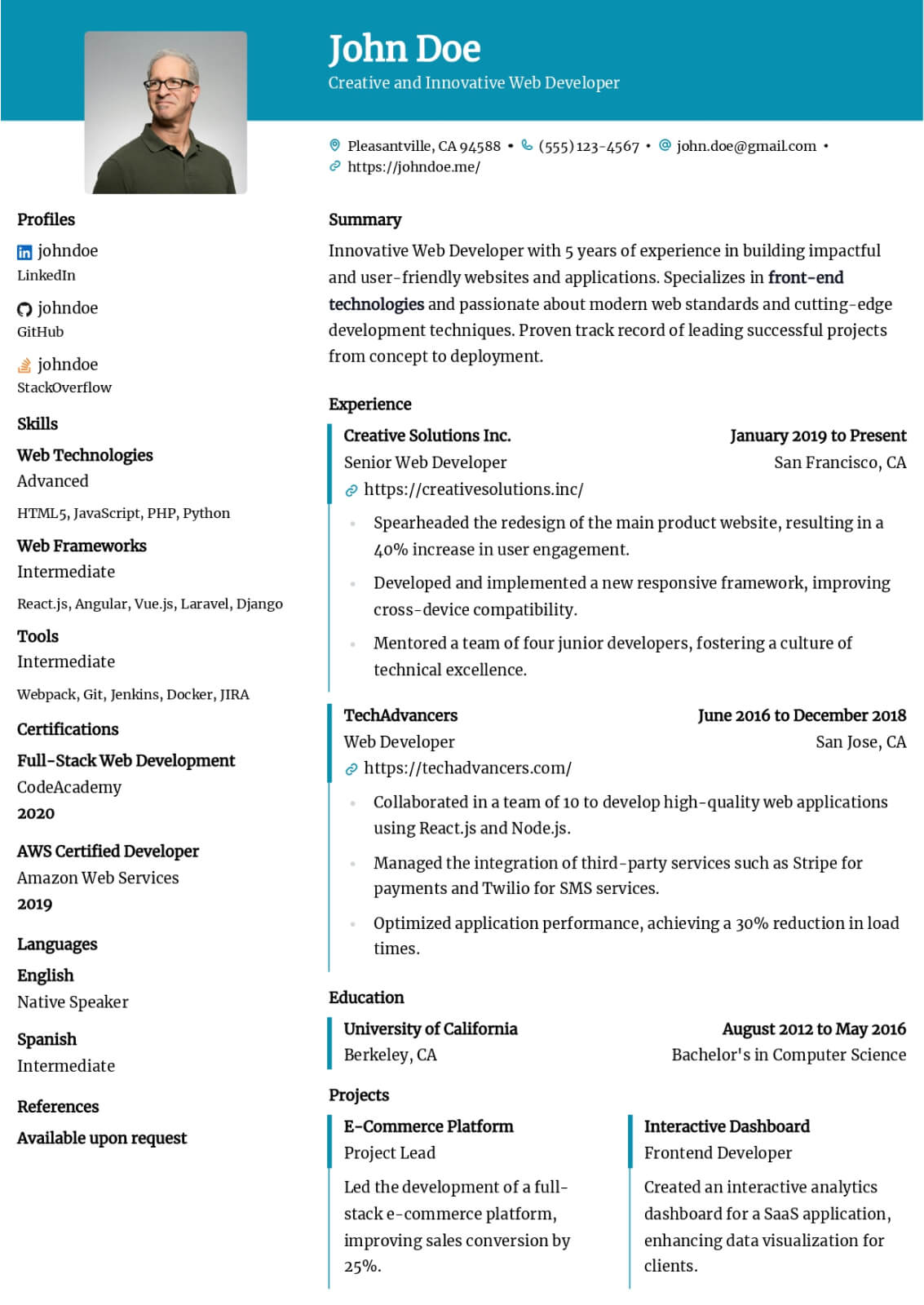
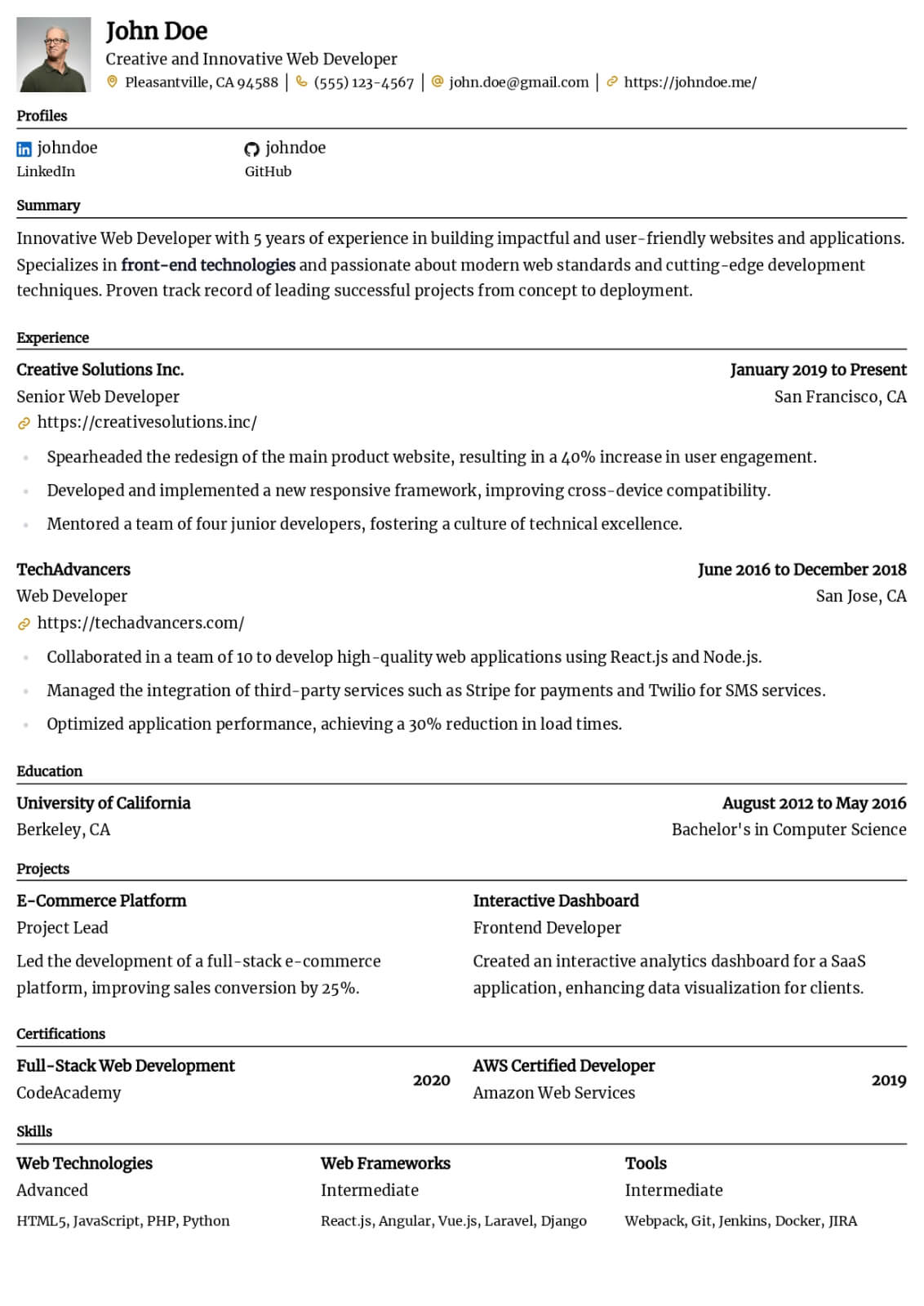
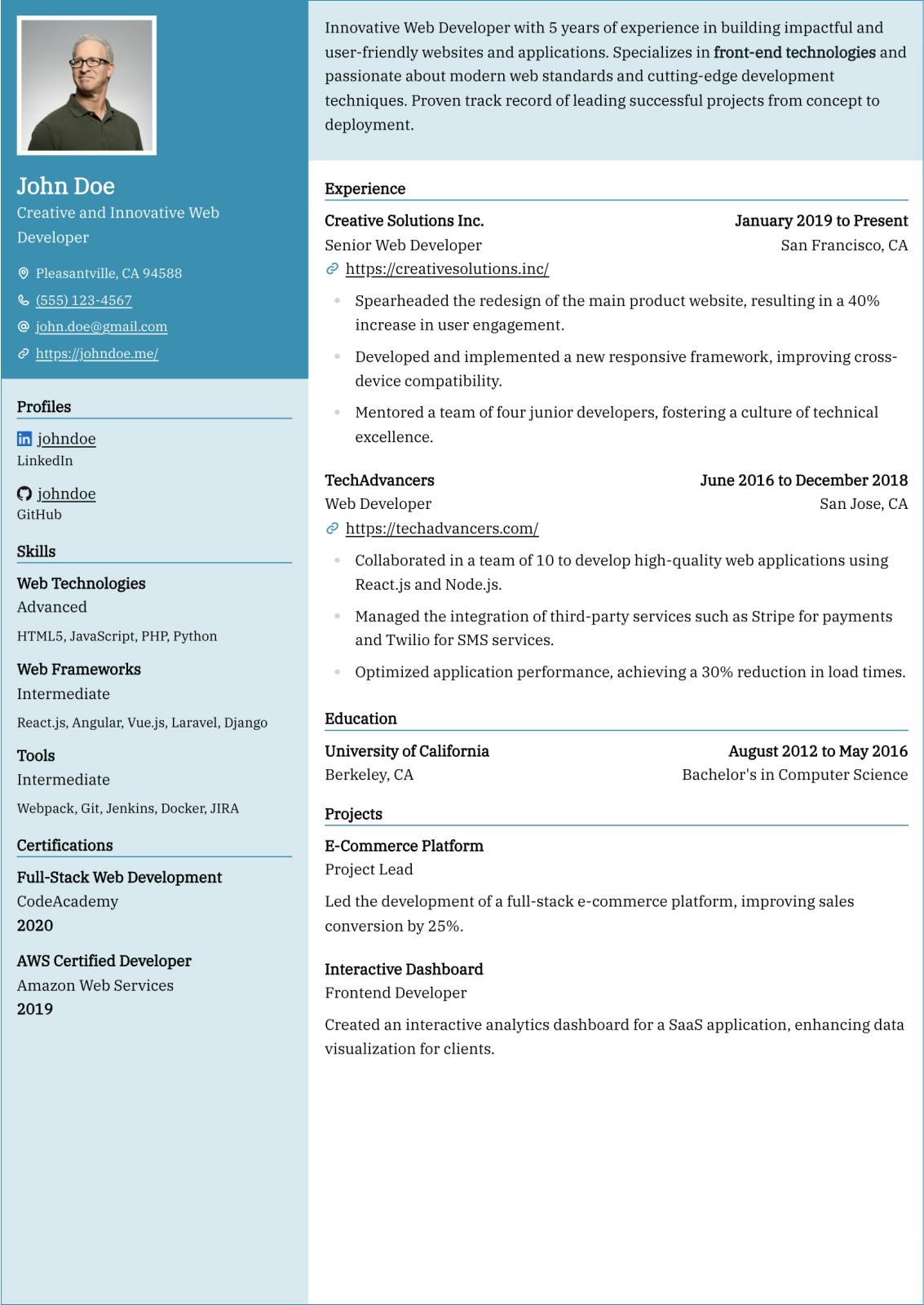
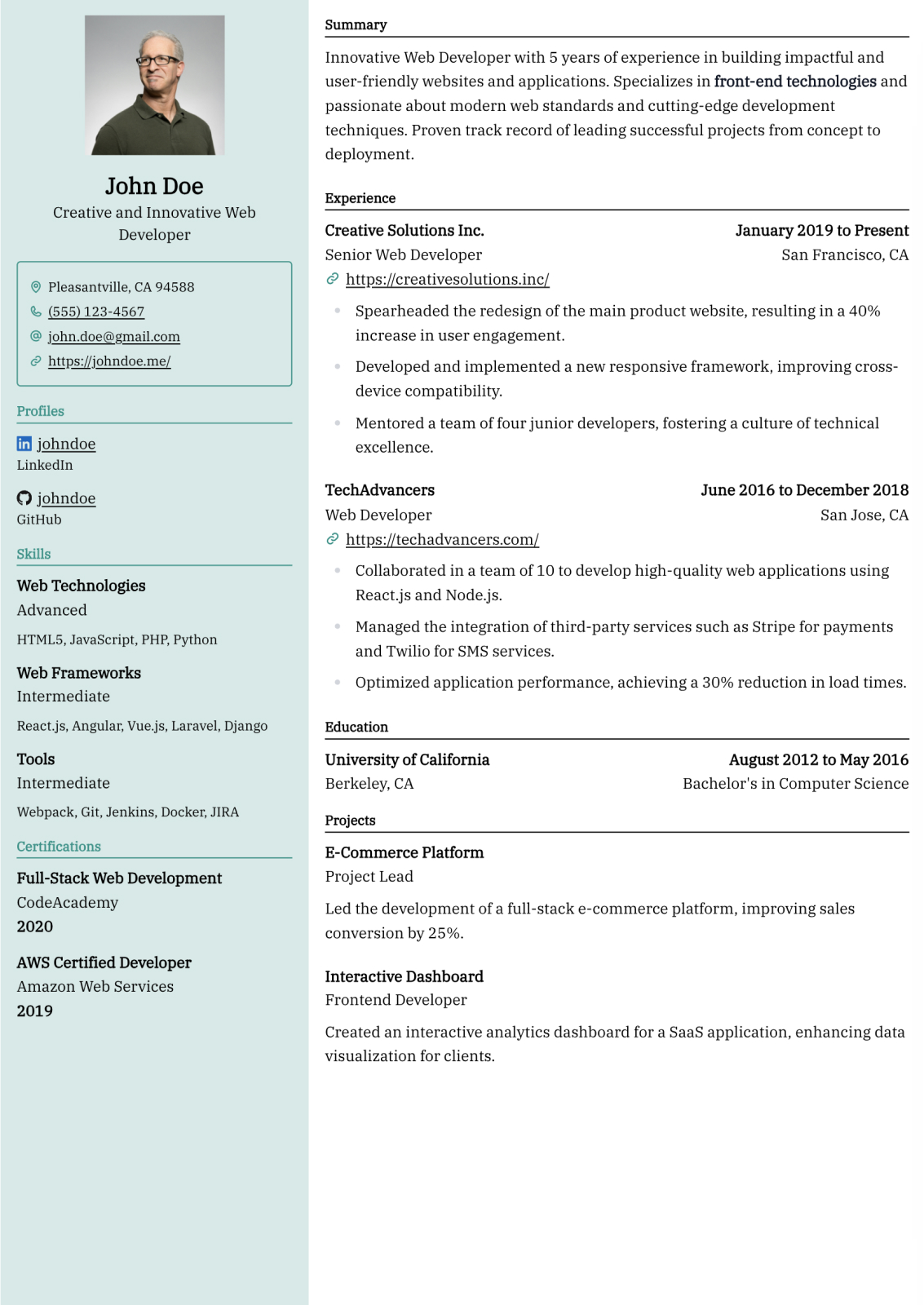
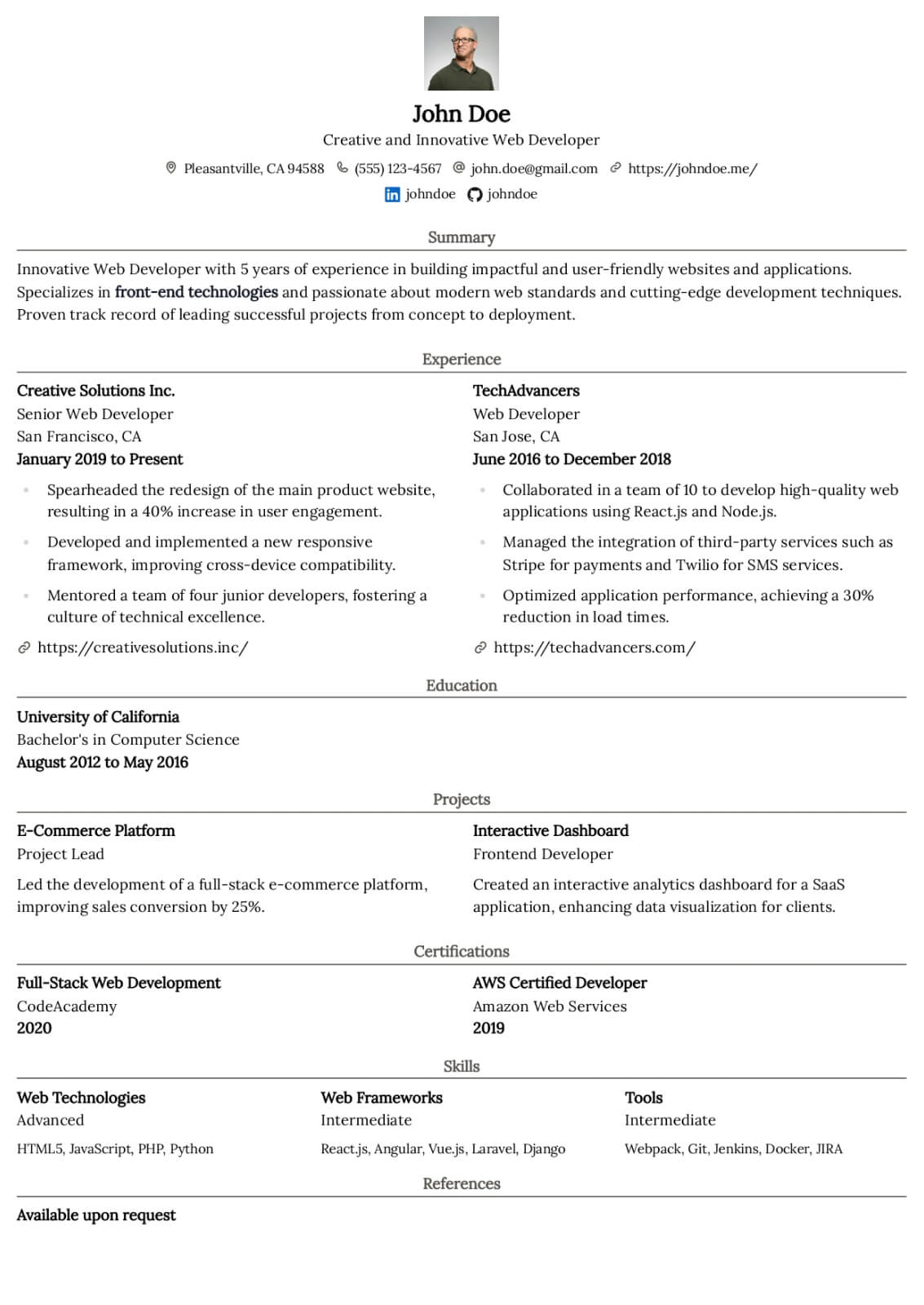
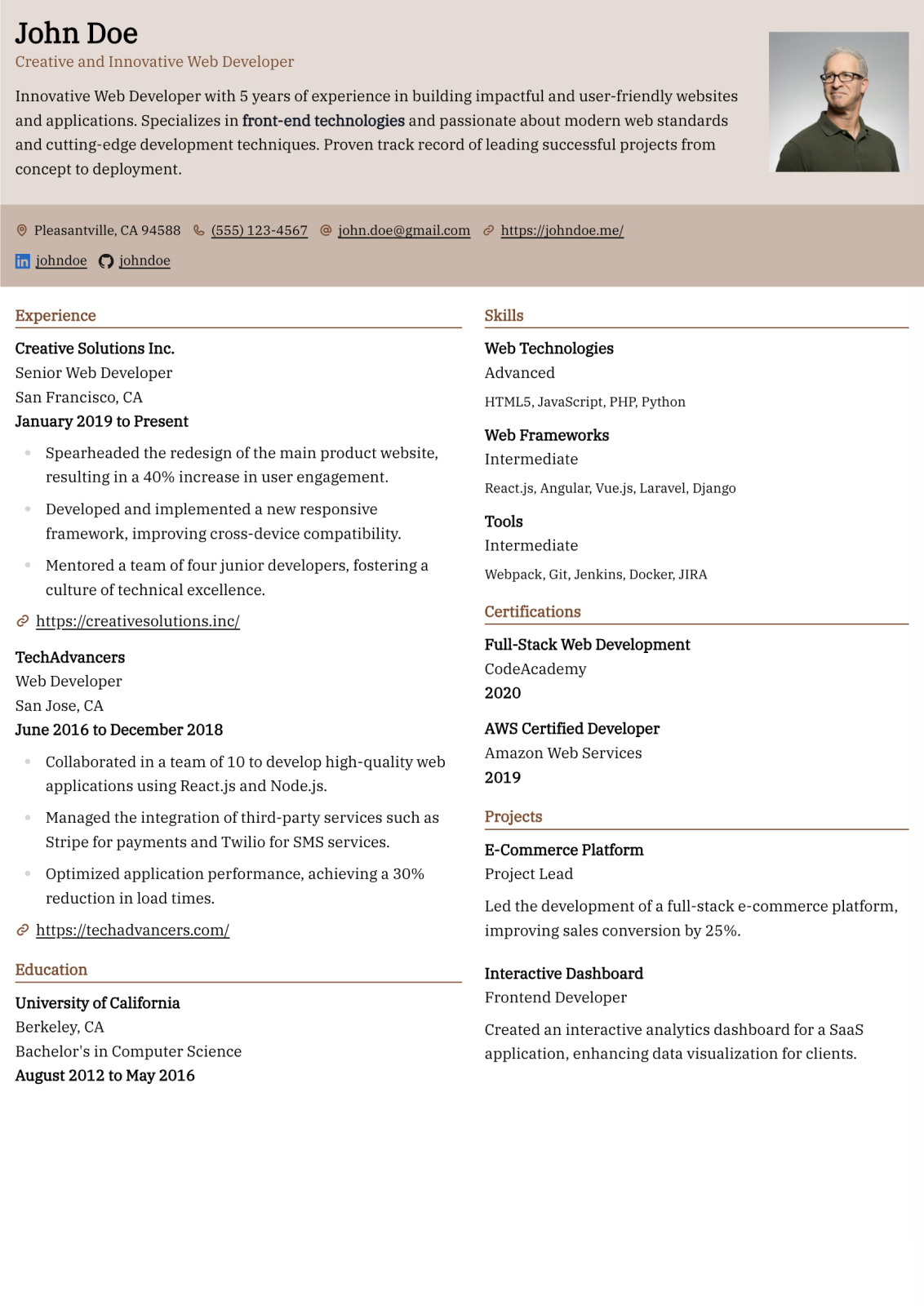
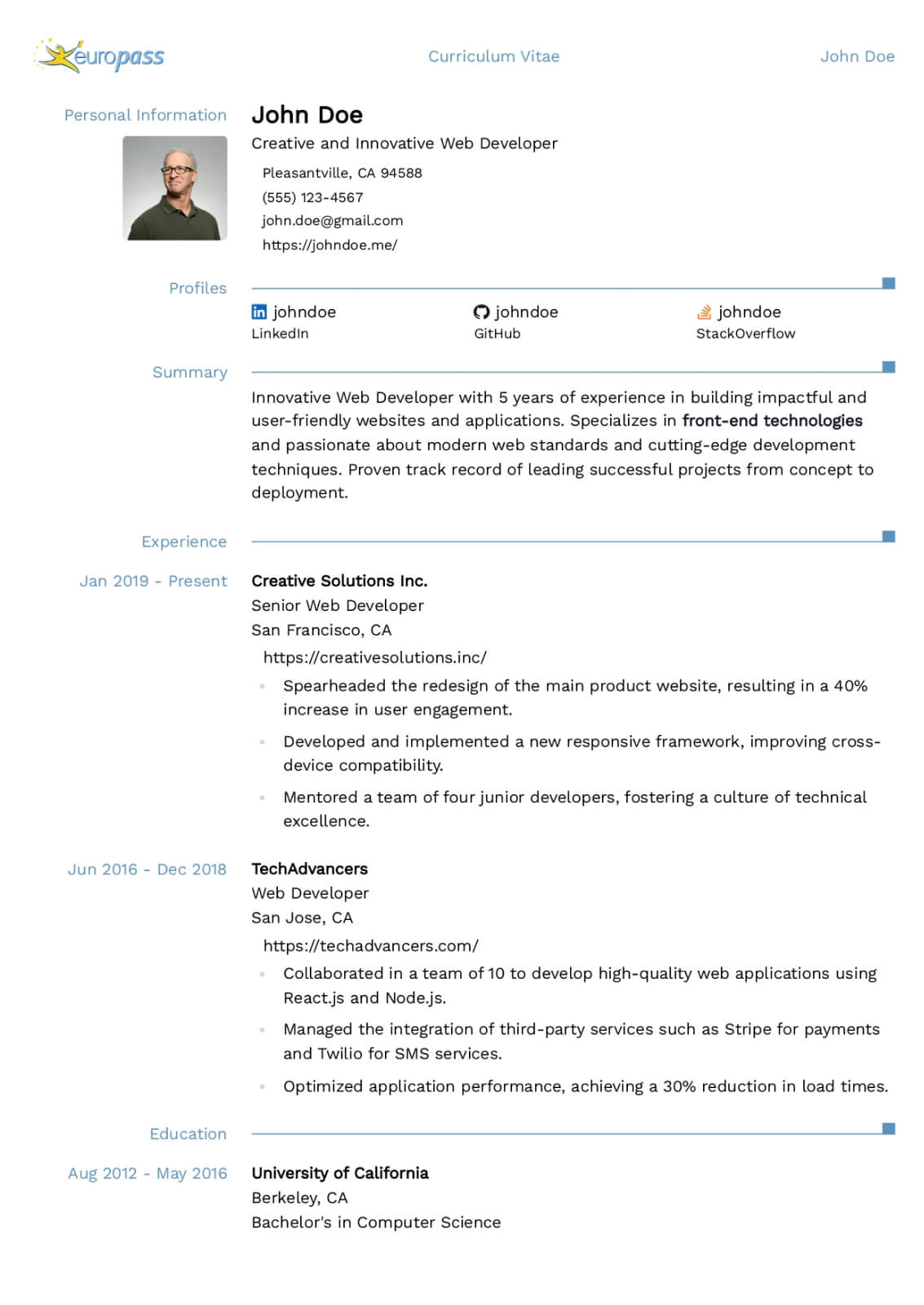
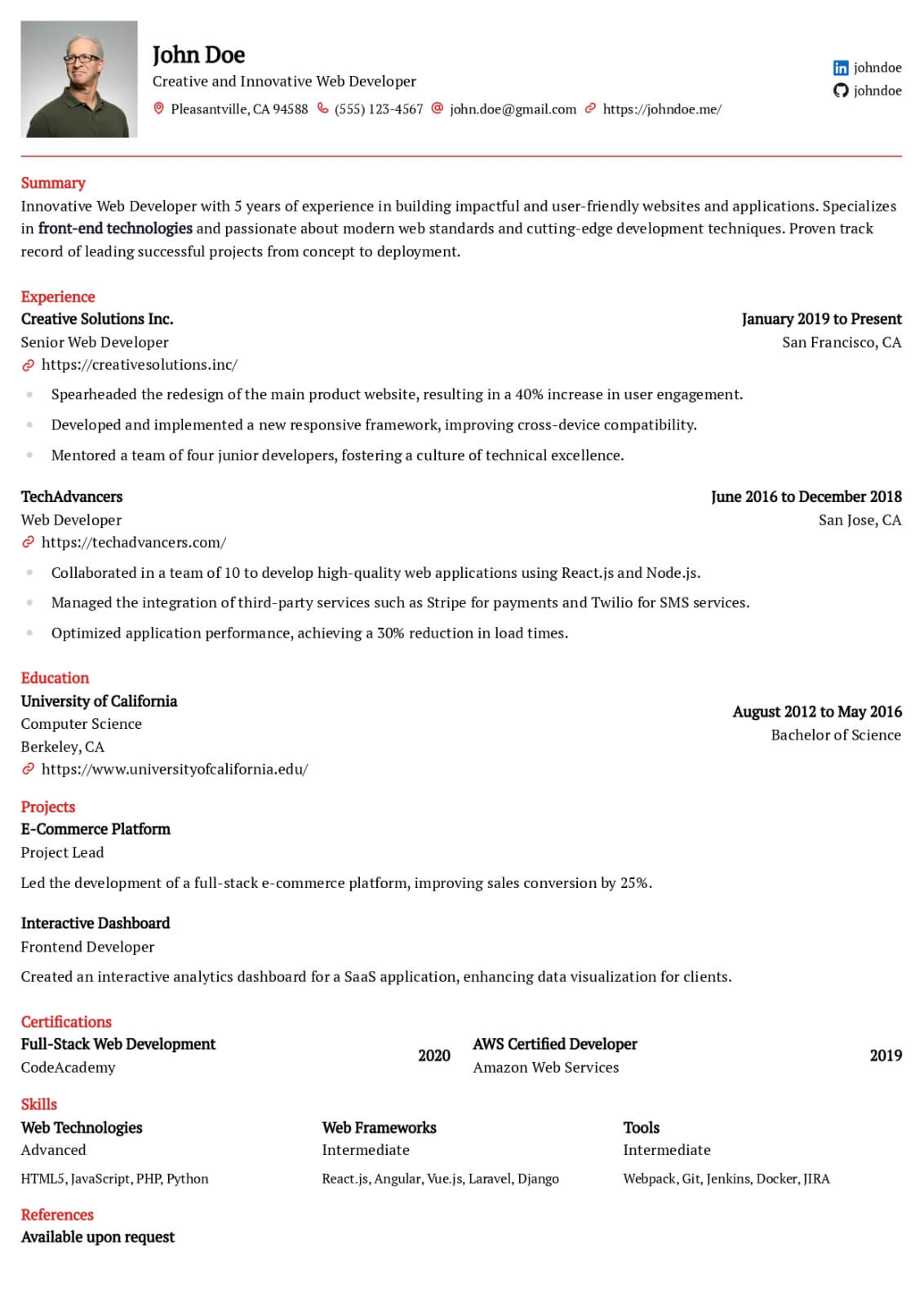
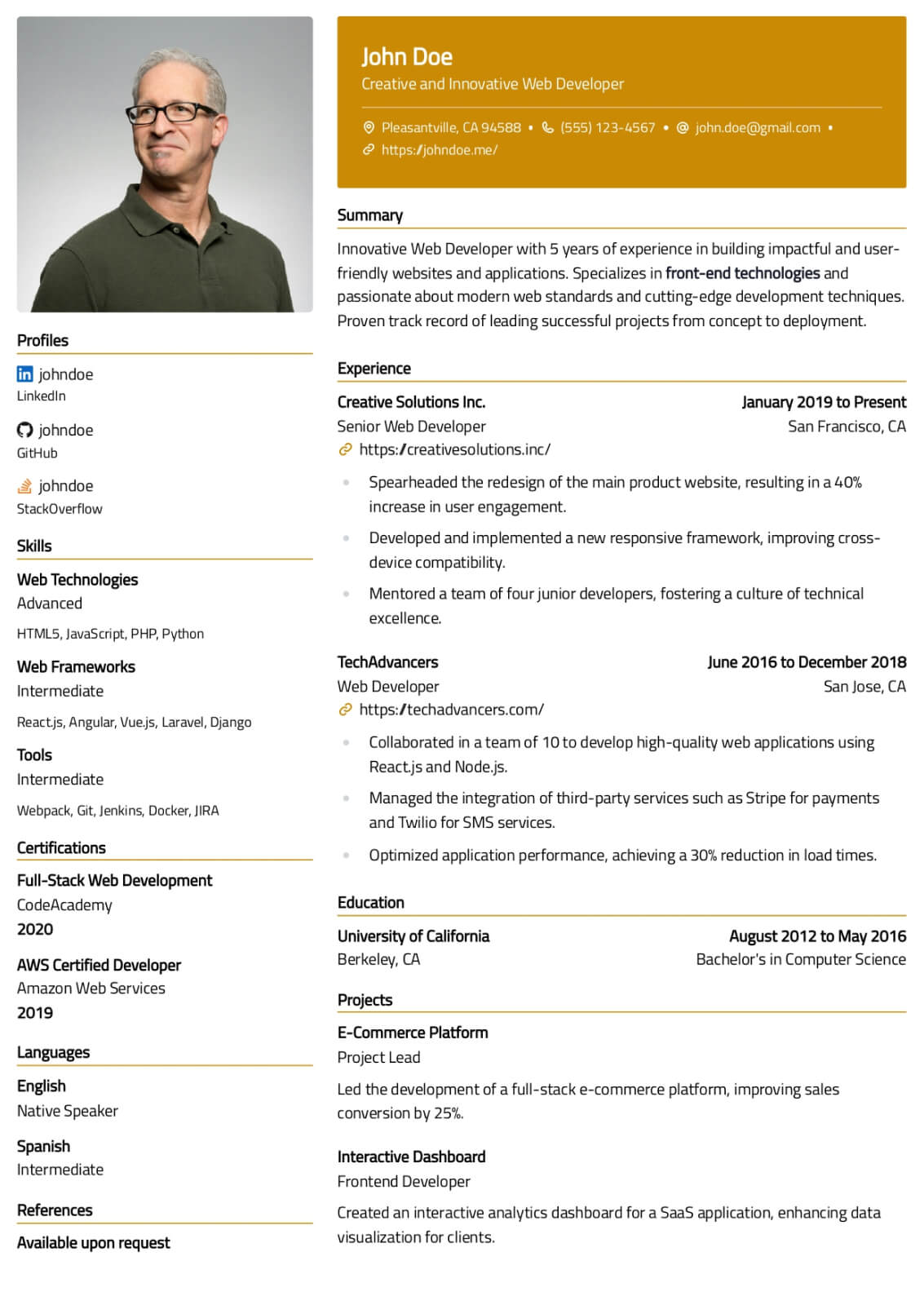
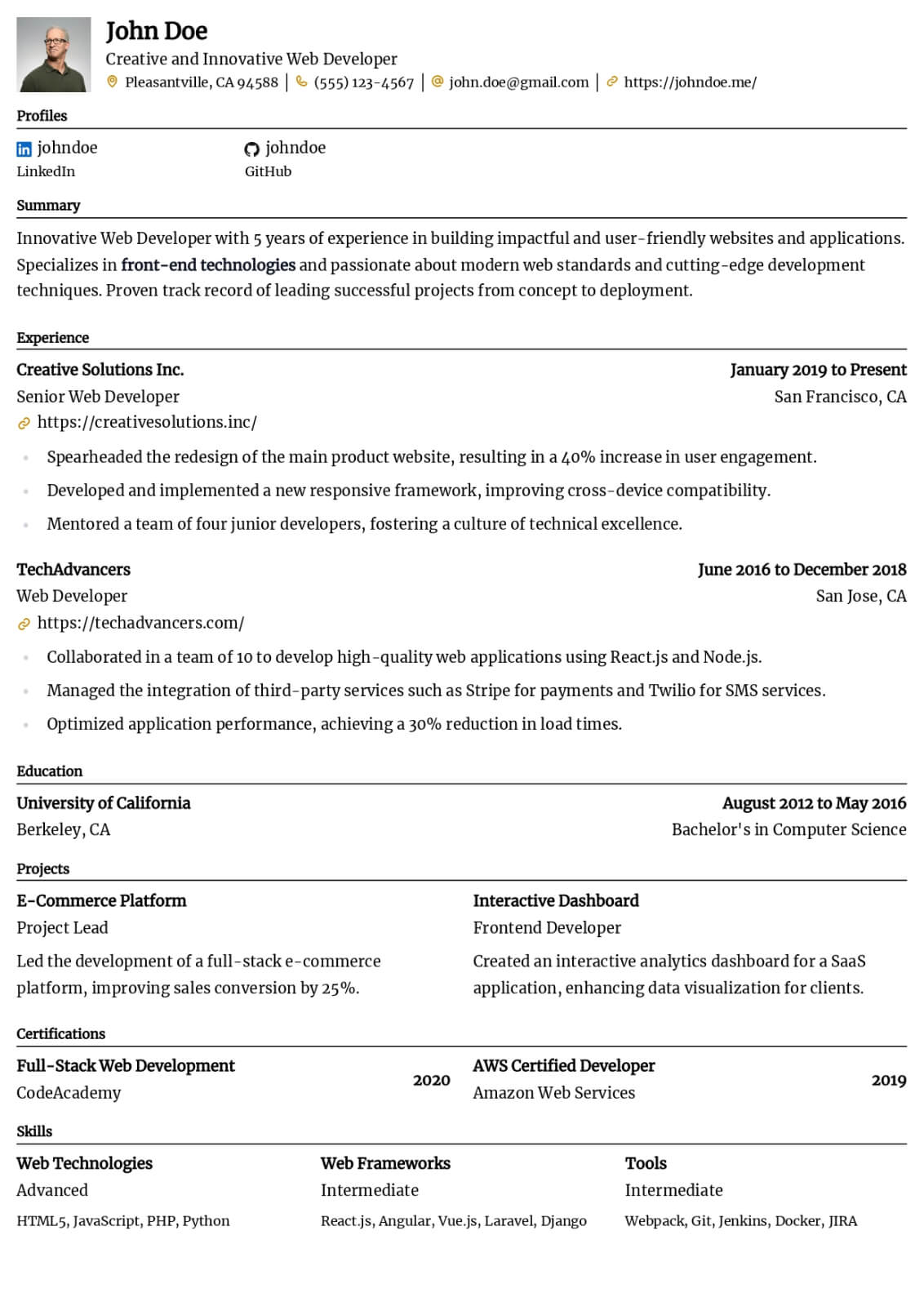
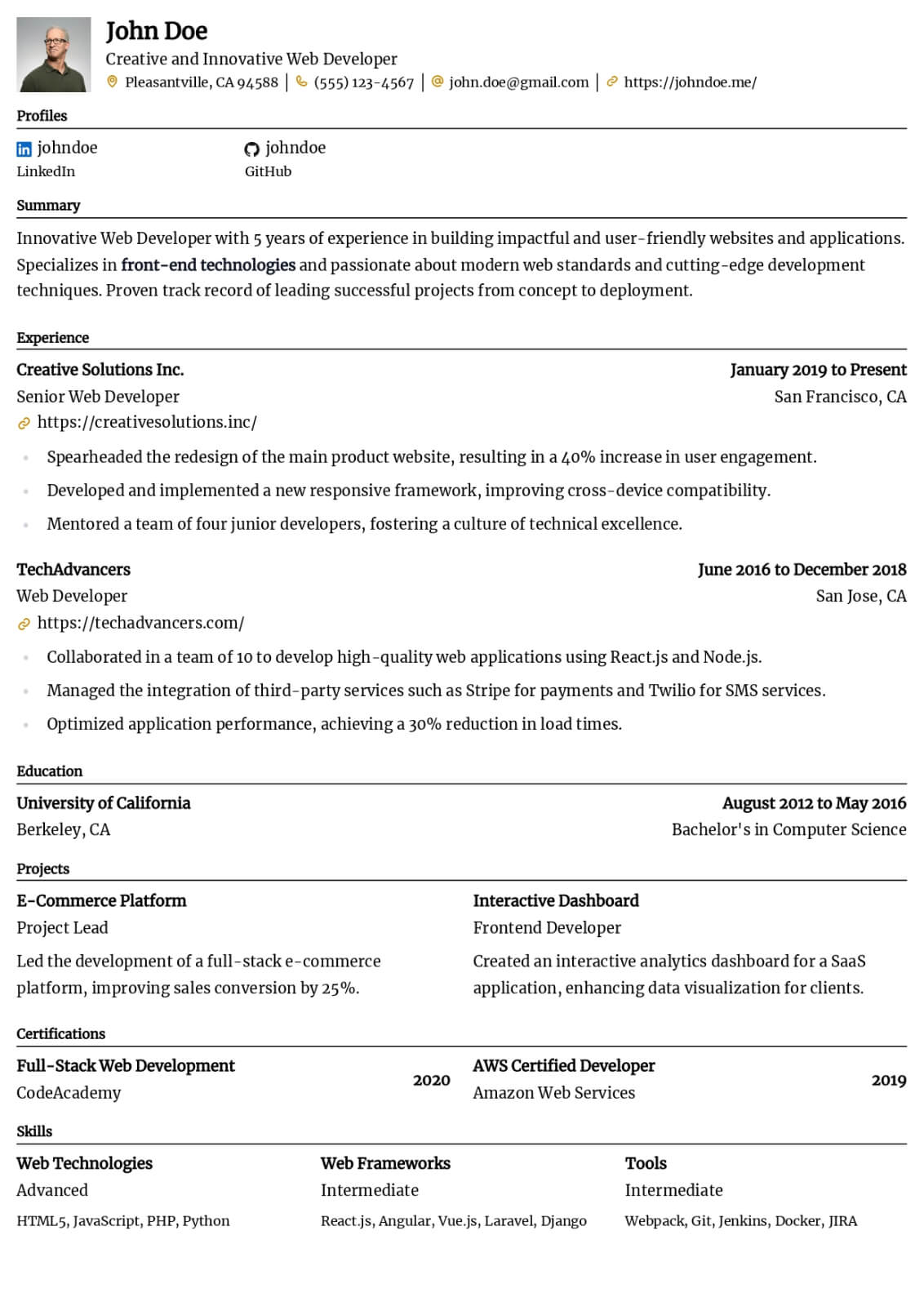
Software Engineer resume guide
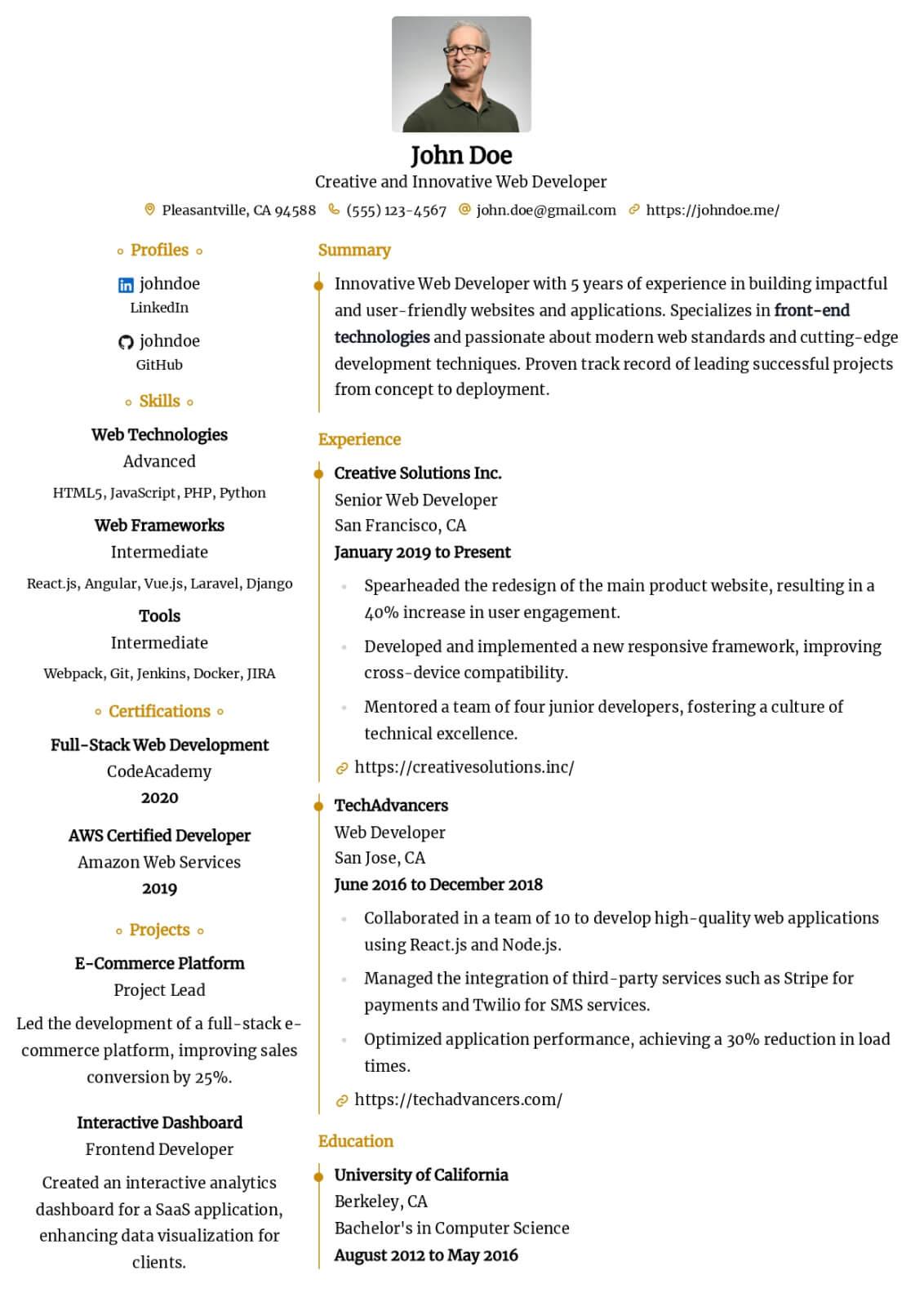
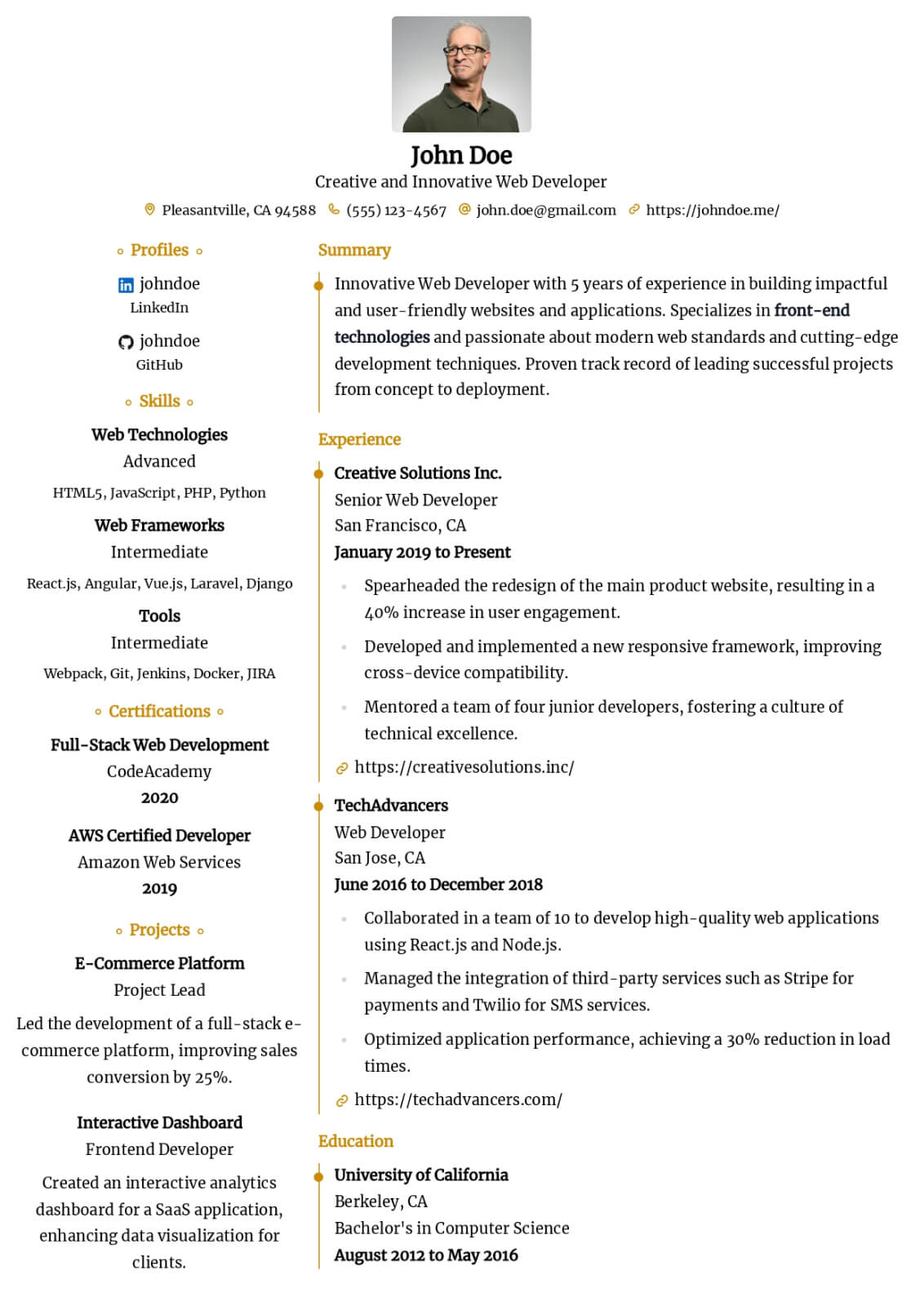
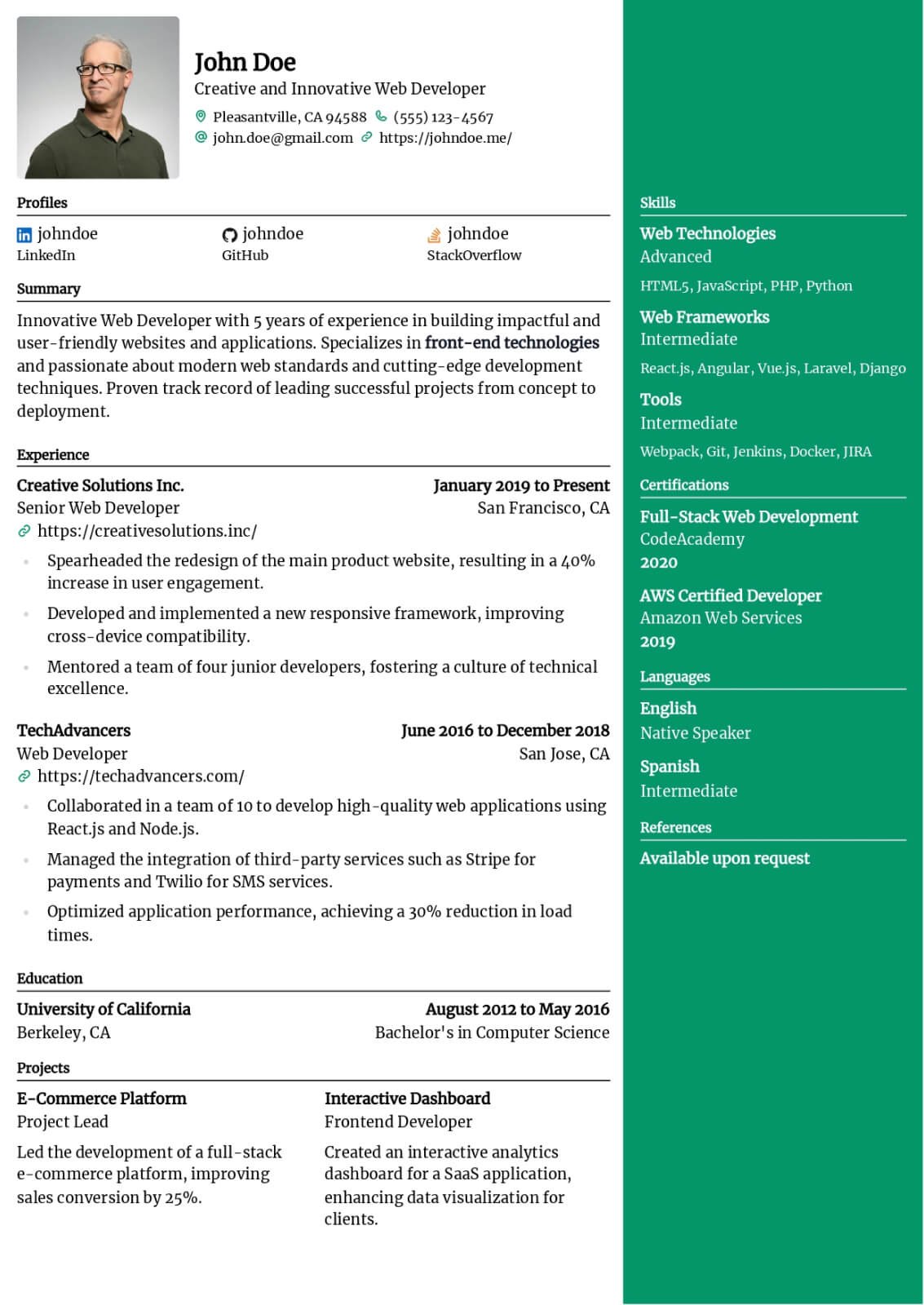
Below, you will find section-by-section guidance for your software engineer resume — from your opening summary through skills and experience. Tailor every line to the job you want.
Professional Summary
Your professional summary should establish your engineering identity within the first two lines, specifying your years of experience and primary technology stack. Lead with a statement like seasoned software engineer with seven years of experience building distributed microservices in Java and Go. Reference the scale of systems you have worked on, whether that means millions of daily active users, thousands of requests per second, or petabytes of data processed. Include one or two standout achievements that demonstrate business impact, such as reducing API latency by forty percent or leading a migration from monolith to microservices that improved deployment frequency tenfold. Mention your familiarity with Agile or DevOps practices if the target role values cross-functional collaboration. Close with a forward-looking statement about the type of engineering challenges you are eager to tackle next, which signals motivation and cultural alignment to hiring managers.
Work Experience
List your engineering roles in reverse chronological order, including company name, title, location, and dates of employment. For each position write four to six bullet points starting with powerful action verbs such as architected, implemented, optimized, refactored, or shipped. Attach quantified outcomes wherever possible: reduced page load time from three seconds to eight hundred milliseconds, increased test coverage from forty-five to ninety-two percent, or handled fifteen thousand concurrent WebSocket connections. Describe the technologies used in context rather than as standalone keywords, for example stating that you designed a real-time event pipeline using Apache Kafka and Flink that processed two million events per minute. Highlight cross-team collaboration such as partnering with product managers to define technical requirements or mentoring junior engineers through code reviews. Avoid vague statements like worked on backend systems and replace them with specifics about the architecture, tools, and measurable results of your contributions.
Technical Skills
Organize your skills into logical groupings such as programming languages, frameworks and libraries, databases, cloud platforms, and developer tools. For programming languages list your primary and secondary languages with honest proficiency indicators, for example Python as primary and Rust as secondary. Include frameworks like React, Spring Boot, Django, or Express that are relevant to your target role. List database technologies you have production experience with, such as PostgreSQL, MongoDB, Redis, or DynamoDB. Add cloud platforms like AWS, Google Cloud, or Azure along with specific services you have used, such as Lambda, ECS, or BigQuery. Include developer tooling like Git, Docker, Kubernetes, Terraform, and CI/CD platforms like GitHub Actions or Jenkins. Avoid inflating your skills list with technologies you touched once in a tutorial, as interviewers will probe deeply into anything listed on your resume.
Projects & Open Source
A dedicated projects section lets you demonstrate initiative and technical breadth beyond your day job. Include two to four projects with a brief description, the technology stack, and a link to the repository or live demo where applicable. For each project describe the problem it solves, the architectural decisions you made, and any traction it gained such as GitHub stars, npm downloads, or active users. Open-source contributions are especially valued at companies with strong engineering cultures, so mention pull requests merged into well-known repositories, issues triaged, or documentation improvements you authored. If you contributed to internal tools that cannot be shared publicly, describe the impact in general terms, such as built an internal code generation tool that reduced boilerplate by sixty percent across twelve microservices. Frame personal projects as evidence of curiosity and continuous learning rather than hobby work.
Certifications & Education
List relevant certifications such as AWS Certified Solutions Architect, Google Professional Cloud Developer, or Kubernetes Application Developer alongside the issuing organization and the year earned. Certifications in cloud platforms are particularly valued for roles involving distributed systems or infrastructure. In the education subsection, include your degree, institution, and graduation year. Computer science, software engineering, or related STEM degrees are standard, but bootcamp graduates should list their program if it is well-regarded in the industry. If your degree is from a top-tier program or you graduated with honors, include that detail. For senior engineers with ten or more years of experience, education carries less weight than professional accomplishments, so keep this section brief and positioned toward the bottom of your resume.
Formatting & ATS Optimization
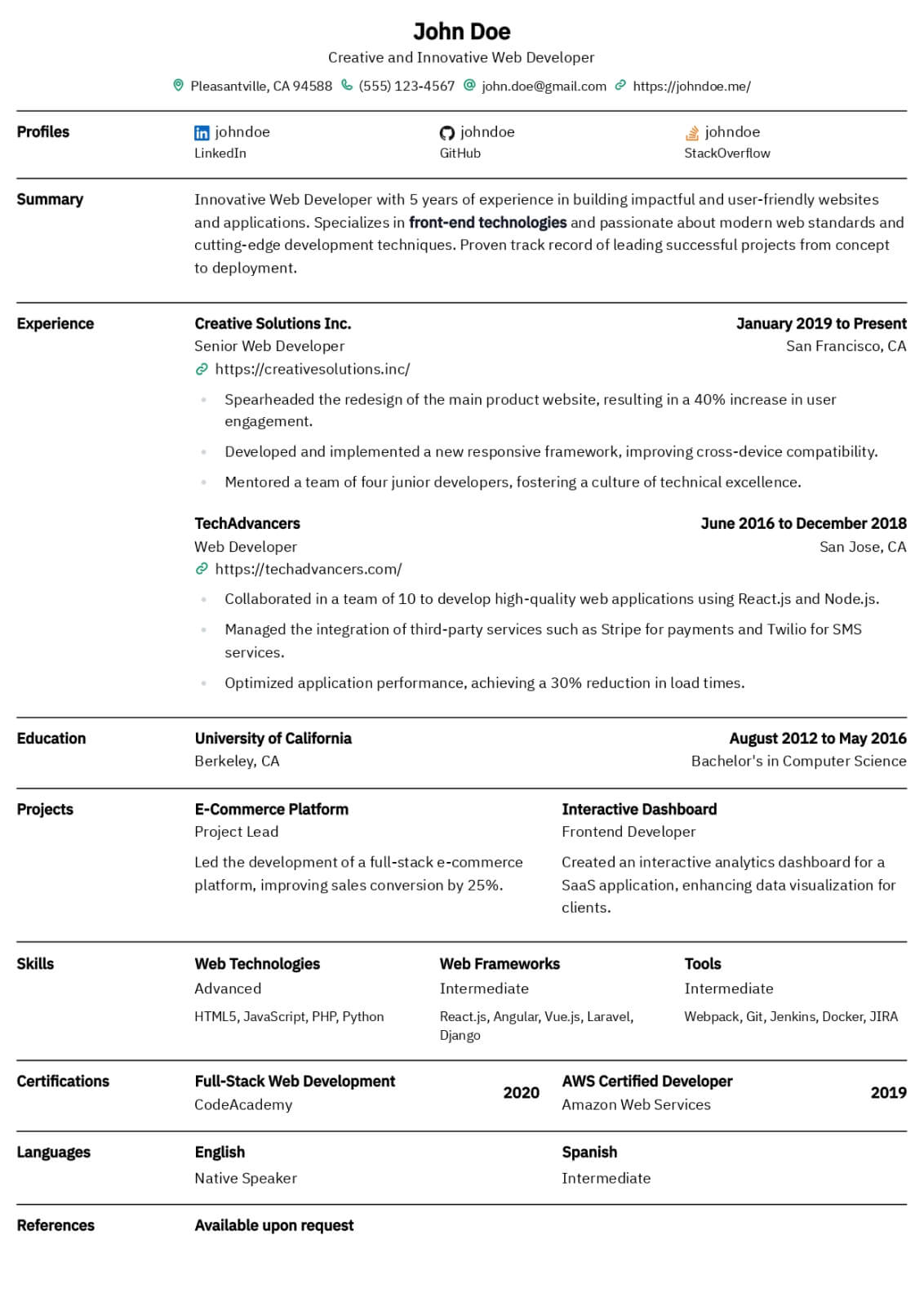
Use a clean single-column layout with clearly labeled sections and consistent formatting for dates and locations. Choose a professional monospaced or sans-serif font at ten to twelve points for body text. Avoid tables, graphics, or multi-column layouts that ATS parsers struggle to interpret correctly. Save your resume as a PDF unless the application portal specifically requests a Word document. Include exact keywords from the job description, particularly technology names and methodologies, to maximize your ATS match score. Keep your resume to one page if you have fewer than eight years of experience and two pages for more senior roles. Run your final draft through an ATS simulator to verify that all sections parse correctly before submitting your application.
Resume layout and formatting
Use a clean, single-column layout with clear section headings and plenty of white space. Lead with technical strengths such as Python, Java, or Go, React or Angular, RESTful API & GraphQL Design, SQL & NoSQL Databases, AWS / GCP / Azure Cloud Services, Docker & Kubernetes, then reinforce interpersonal strengths like Problem Solving, Cross-Team Collaboration, Technical Communication, Mentorship & Code Review. Keep fonts standard (e.g., Arial or Calibri) at 10–12pt body size so your resume stays ATS-friendly and easy to scan.
Key takeaways
- Lead your summary with years of experience and your primary technology stack
- Quantify every achievement with latency, throughput, uptime, or revenue impact metrics
- Organize technical skills into logical categories rather than a flat keyword list
- Include projects and open-source work to demonstrate initiative beyond employment
- Tailor your resume keywords to each specific job description for ATS alignment
- Keep formatting clean and single-column so automated parsers read every section
Build your Software Engineer resume with Scale
Lead your summary with years of experience and your primary technology stack
Use This Template
Professional Templates That Make You Stand Out
Browse modern, ATS-friendly resume designs crafted to impress recruiters. Customize any template and download it as a Word or PDF file.
Listen What Our Users Have to Say

Rohan Sen
I am very happy with the team's quick turnaround time - any query is responded at utmost priority. Shoutout to my client manager, Anub Biju - very helpful.

Gael L
Service and communication is great, cover letters are non-ai sounding and well tailored. Just have a lot of communication and review with your staff!

Jonathan Parry
Wow - don't tell your peers! Wow, I can't recommend scale.jobs enough - it's so good I am not sharing with my peers. Applications at scale that get through filters. Thank you!

Cynthia Zhu
Great service! The scale.jobs team was very responsible and managed to apply tons of jobs for me in a very tight deadline to help me secure interviews quickly. Highly recommend to anyone who needs help applying to jobs!

Yash Yenugu
Save your fingers. Saved me from a thumb cramp because we're expected to effortlessly apply to jobs during these times.

Cian O'Driscoll
Clever service. Takes the hard effort out of applying for jobs with an intuitive dashboard and attention to detail. A great asset to job seekers. :-)
Frequently asked questions
What should a software engineer resume look like in 2026?
A modern software engineer resume features a concise professional summary, reverse-chronological work experience with quantified impact, a well-organized technical skills section, and optional projects or open-source contributions. ATS compatibility is essential, so use standard section headings and embed keywords from the job posting. One page is ideal for candidates with under eight years of experience, while senior engineers may extend to two pages.
How do I showcase system design experience on my resume?
Describe the architecture you built or contributed to, the trade-offs you evaluated, and the measurable outcomes achieved. For example, state that you designed a horizontally scalable event-driven microservices architecture handling two million daily transactions. Reference specific technologies like Kafka, gRPC, or Redis that contextualize your design choices. Hiring managers want to see that you understand distributed systems beyond textbook definitions.
Should I list every programming language I know?
Only list languages you can confidently discuss and code in during a live technical interview. Padding your resume with languages you used once creates risk during whiteboard or take-home assessments. Prioritize languages mentioned in the job description and group them by proficiency level. Three to five well-supported languages carry more weight than a long list of superficial mentions.
How important are side projects on a software engineer resume?
Side projects and open-source contributions significantly strengthen your candidacy, especially for early-career engineers. They demonstrate curiosity, self-motivation, and the ability to ship working software independently. Include a brief description, the tech stack, and any measurable traction such as downloads or stars. Senior engineers can substitute impactful internal tooling or architecture initiatives if public projects are unavailable.
Do I need a computer science degree to get hired as a software engineer?
A computer science degree is helpful but not mandatory at most technology companies in 2026. Bootcamp graduates, self-taught developers, and career changers regularly land engineering roles by demonstrating strong portfolios and passing technical interviews. Focus your resume on projects, measurable work experience, and relevant certifications. Your ability to solve problems and write clean production code matters more than formal credentials.
How do I tailor my resume for different engineering levels?
Junior resumes should emphasize learning velocity, internships, and academic projects with clear technical detail. Mid-level resumes focus on independent feature ownership, mentoring contributions, and cross-functional collaboration. Senior and staff resumes highlight architectural decisions, team-wide process improvements, and business-level impact. Adjust the scope and scale of your bullet points to reflect the level of ownership and influence expected at each tier.
Related Resume Guides
Frontend Developer
Build a standout frontend developer resume that demonstrates your mastery of modern JavaScript frameworks, responsive design, and performance optimization for user-facing web applications.
Backend Developer
Create a powerful backend developer resume that showcases your expertise in server-side architecture, database optimization, API design, and building reliable distributed systems at scale.
Full Stack Developer
Craft a compelling full stack developer resume that demonstrates your ability to build end-to-end web applications spanning frontend interfaces, backend APIs, databases, and cloud deployment.
DevOps Engineer
Build an impactful DevOps engineer resume that highlights your expertise in CI/CD pipelines, infrastructure as code, container orchestration, and reliable production system operations at scale.
Site Reliability Engineer
Craft a results-driven SRE resume that demonstrates your expertise in maintaining service reliability, automating operations, and engineering scalable infrastructure that supports millions of users.