
UI/UX Designer Resume Examples, Templates & Writing Guide

Written by: Scale.jobs EditorialLast updated: May 1, 2026







Introduction
Craft a compelling UI/UX designer resume that demonstrates your ability to translate user research into intuitive interfaces, backed by portfolio evidence and measurable usability improvements.
This guide walks you through every major section of a ui/ux designer resume, with practical tips you can apply today.
- How to present user research and interaction design expertise with quantified usability outcomes
- Key design tools and prototyping platforms hiring managers expect from UI/UX candidates today
- Strategies for connecting portfolio case studies to measurable business impact on your resume
- Proven methods for demonstrating both visual design proficiency and user research methodology depth
- Techniques for optimizing your resume keywords to pass automated applicant tracking system filters
- How to balance showcasing aesthetic sensibility with demonstrating data-driven design decision making
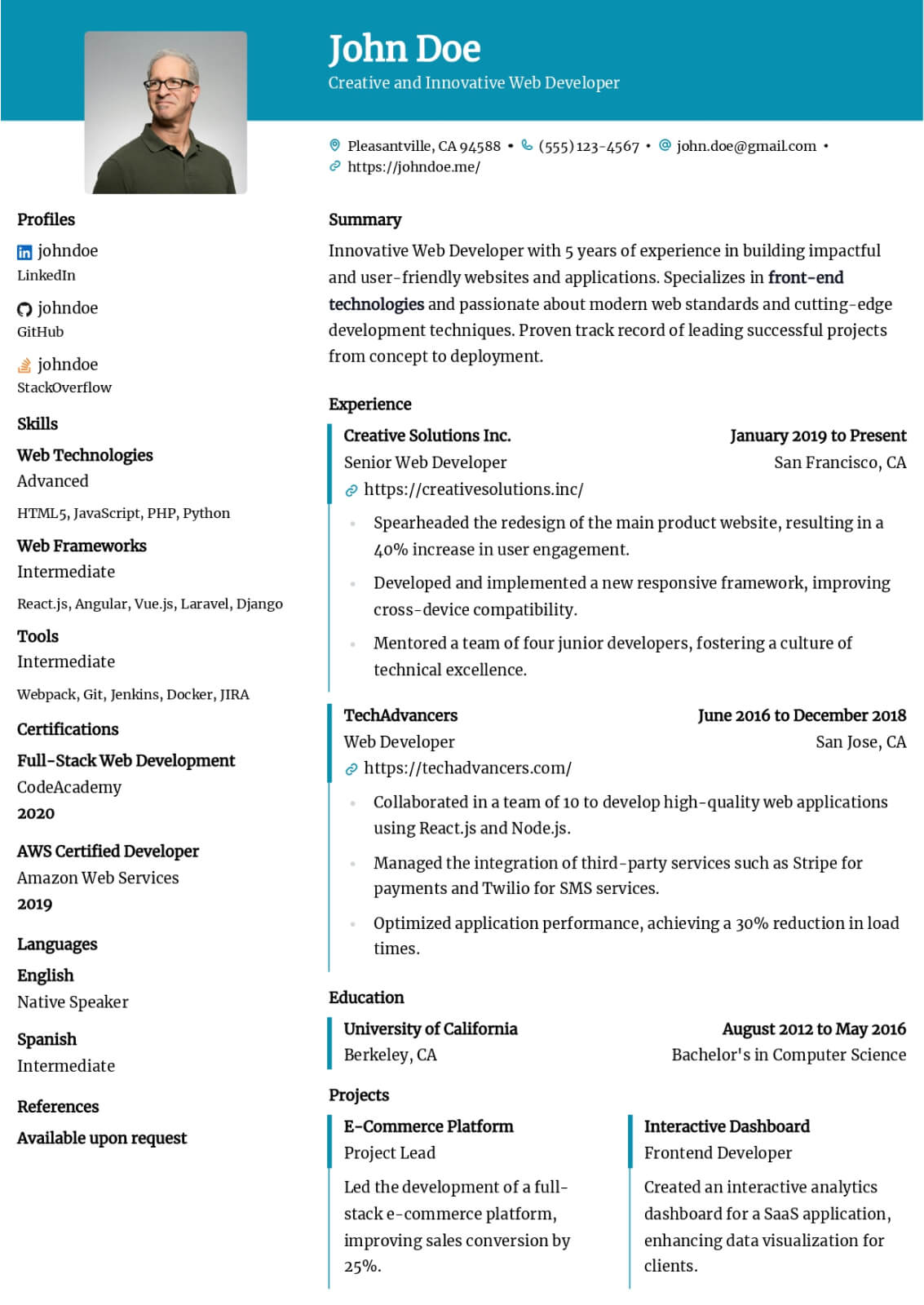
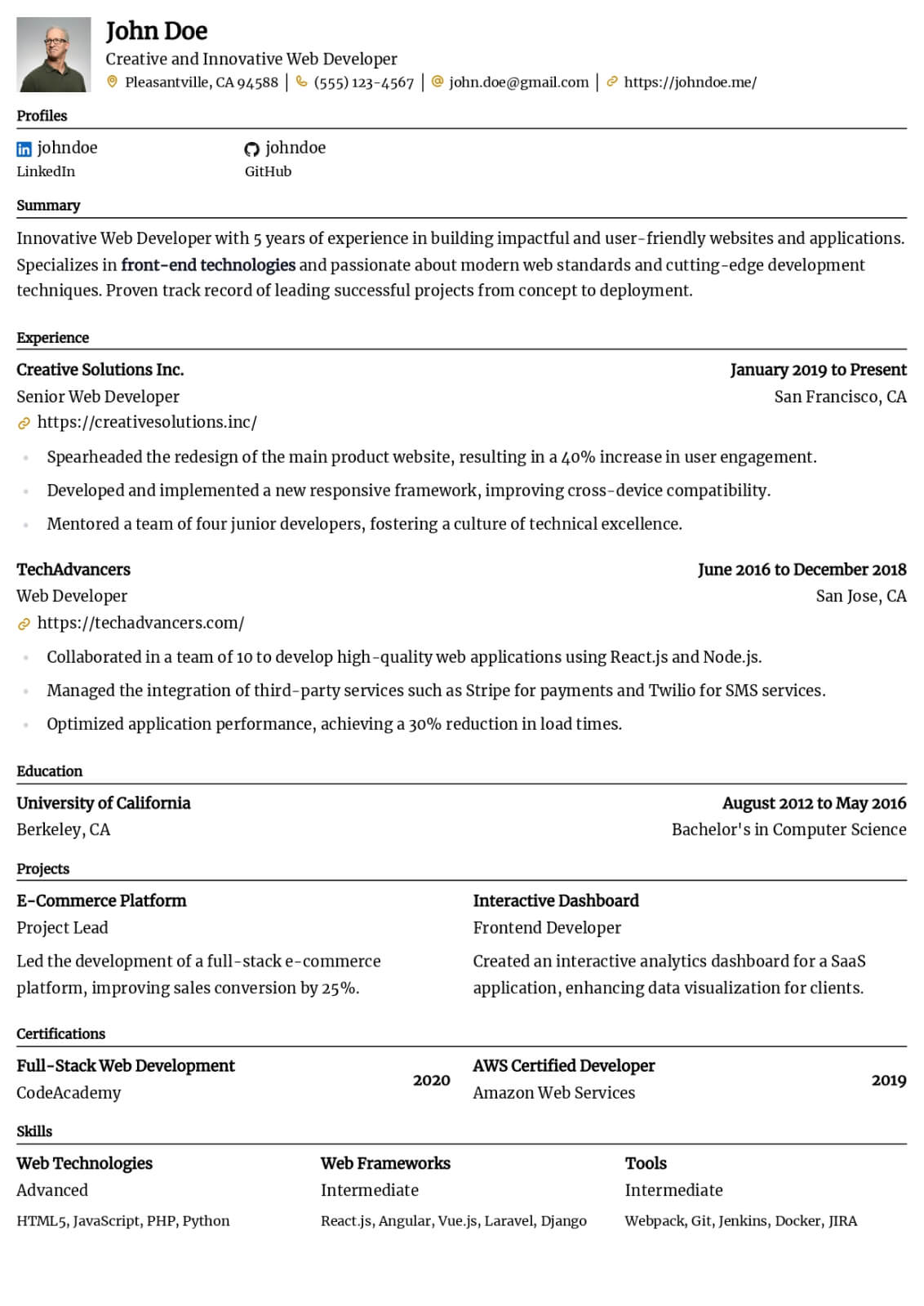
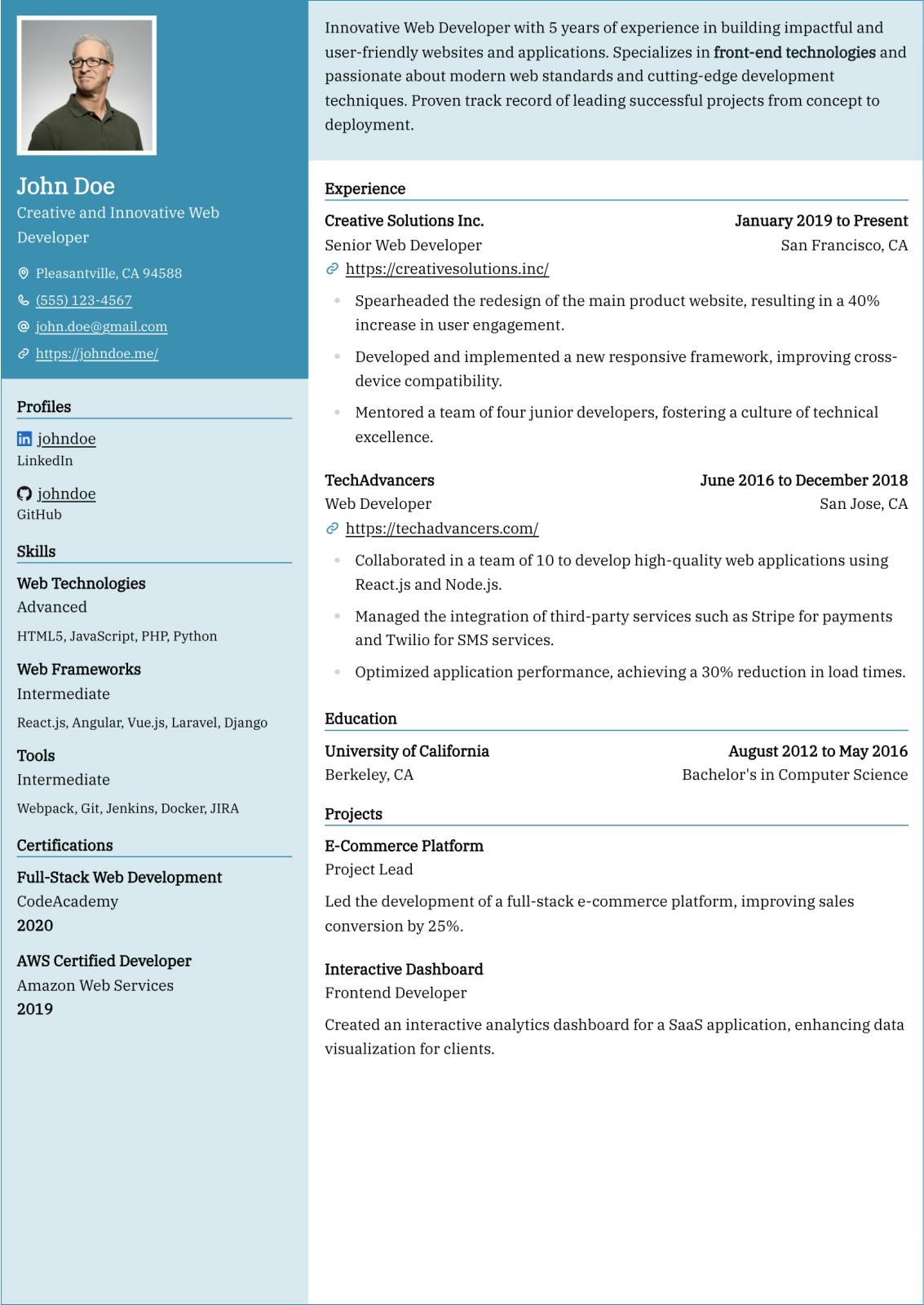
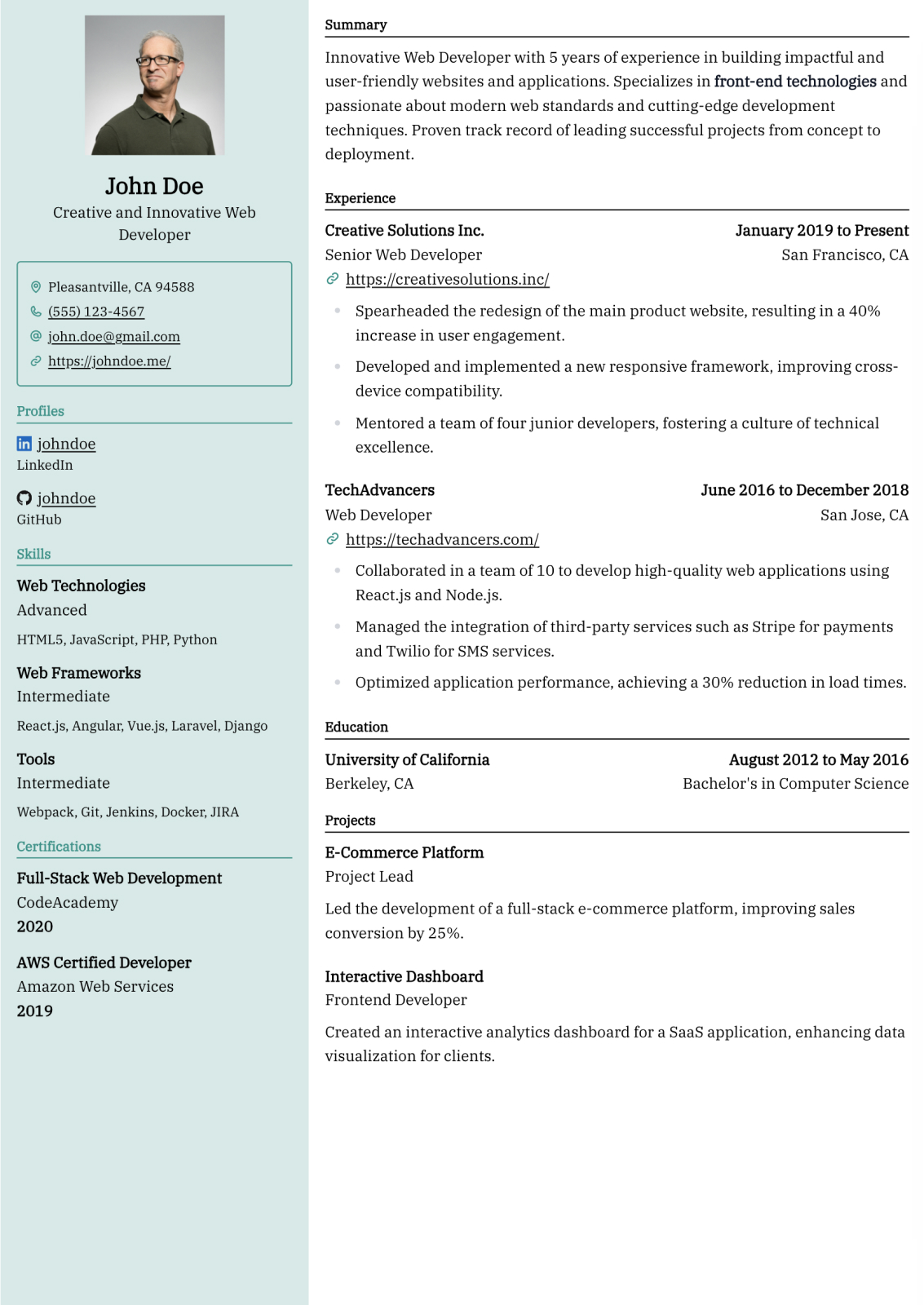
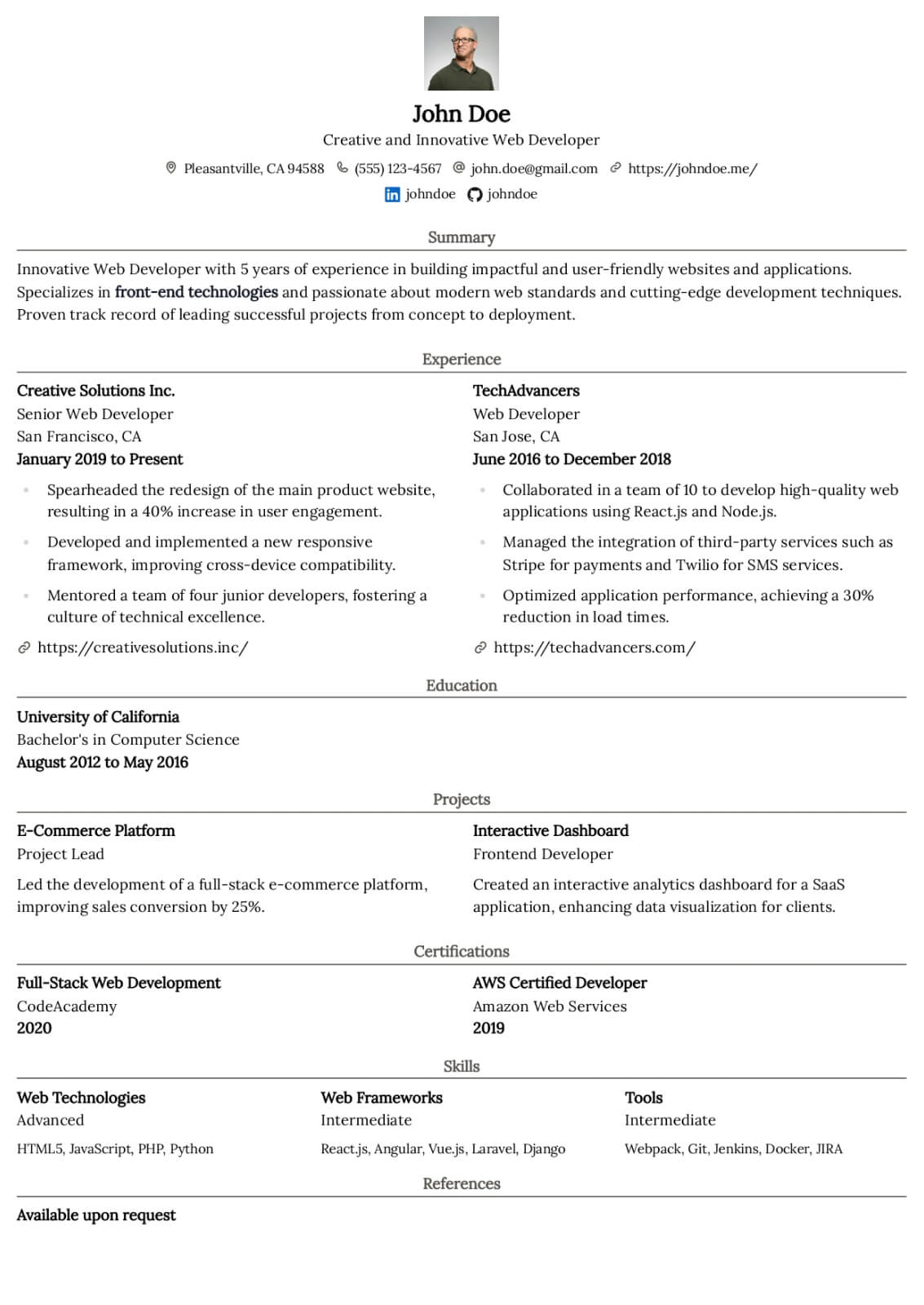
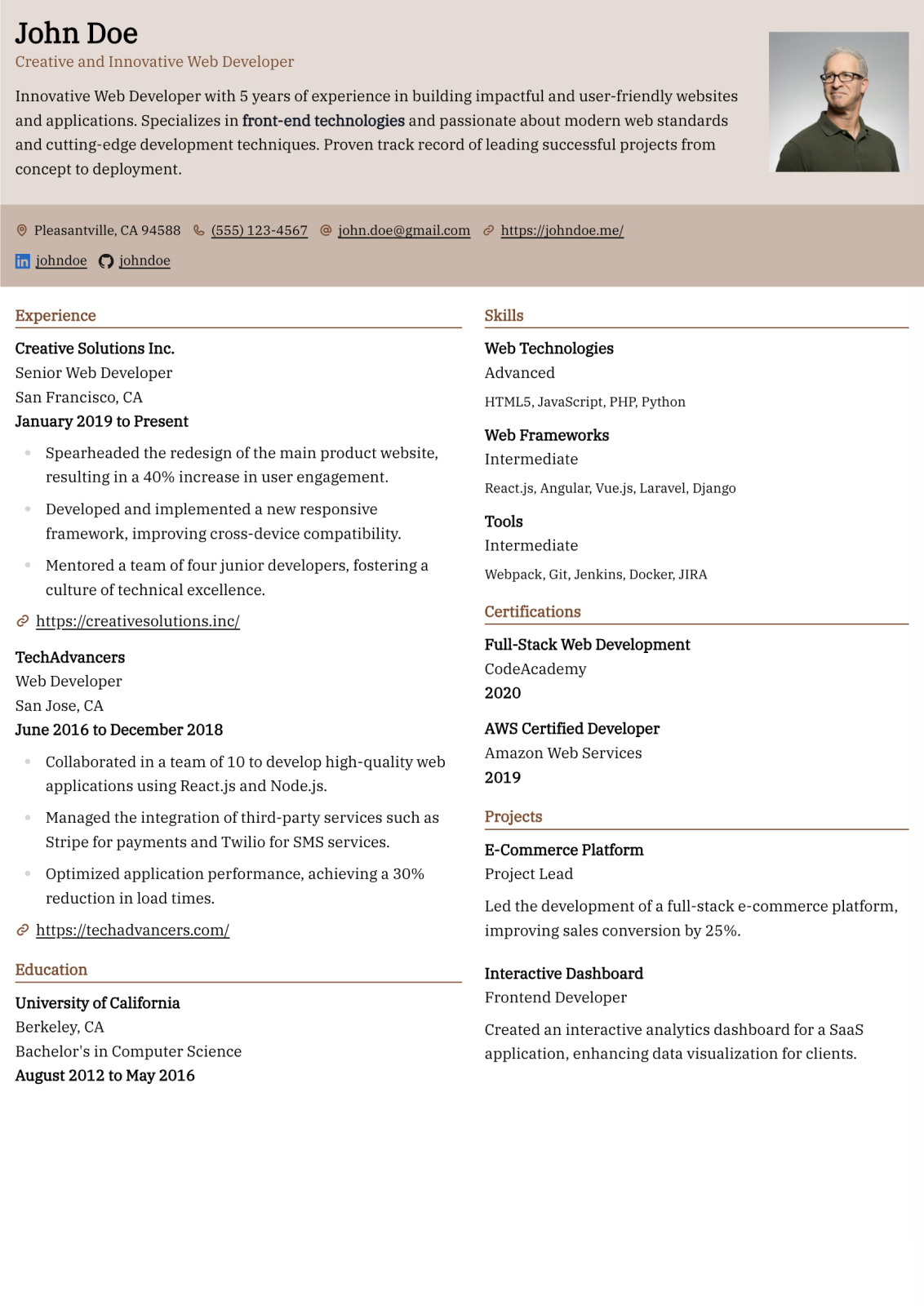
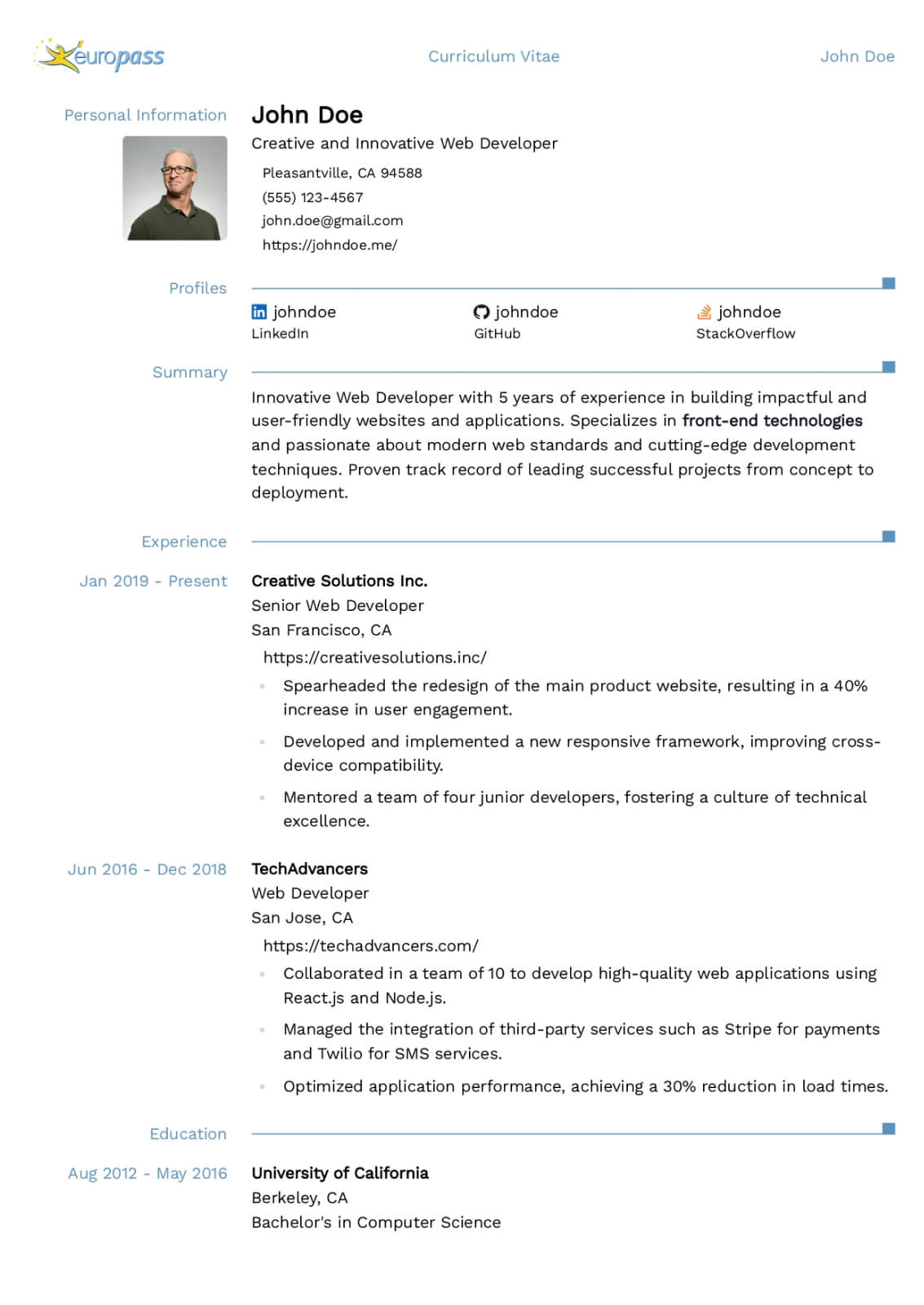
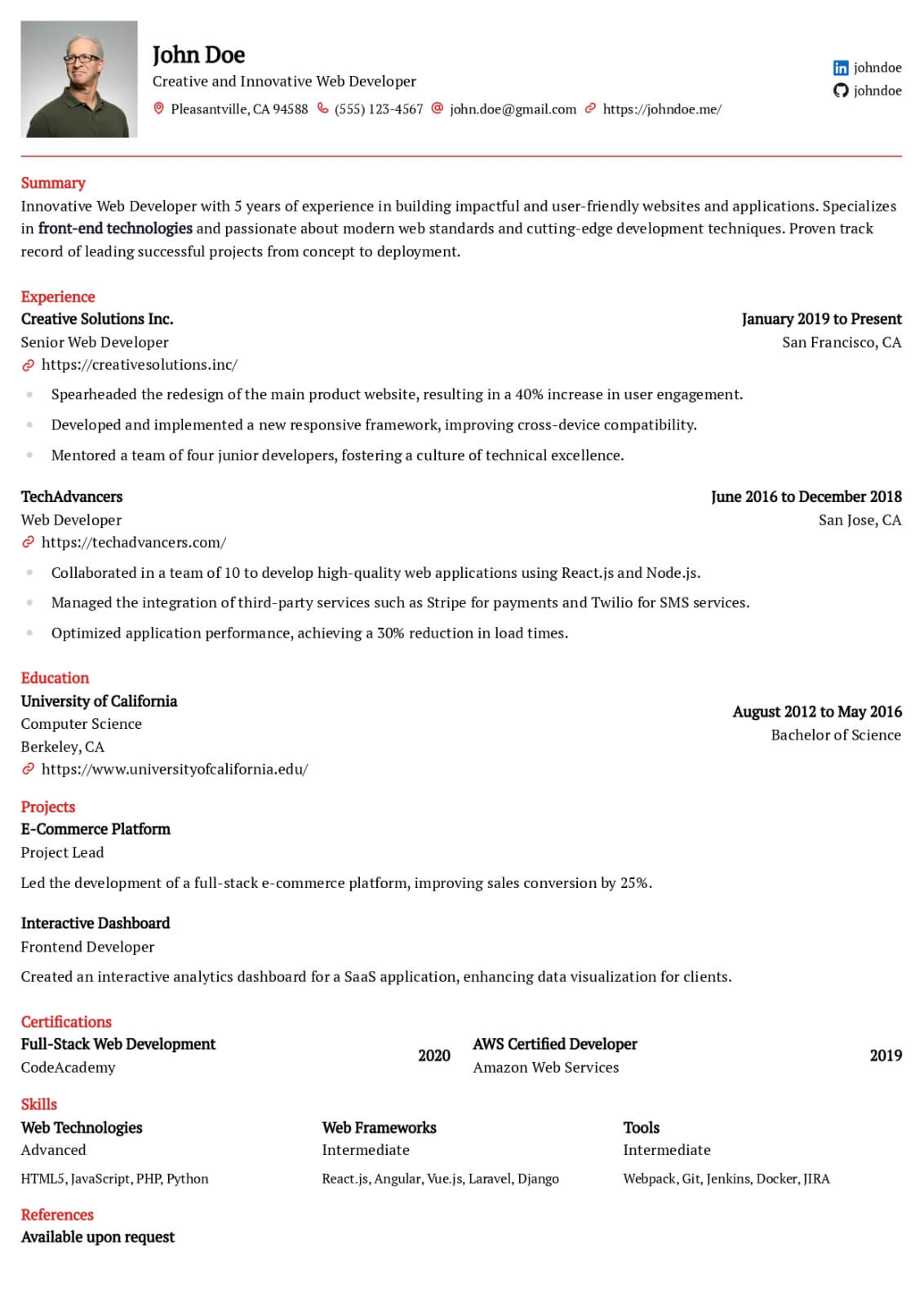
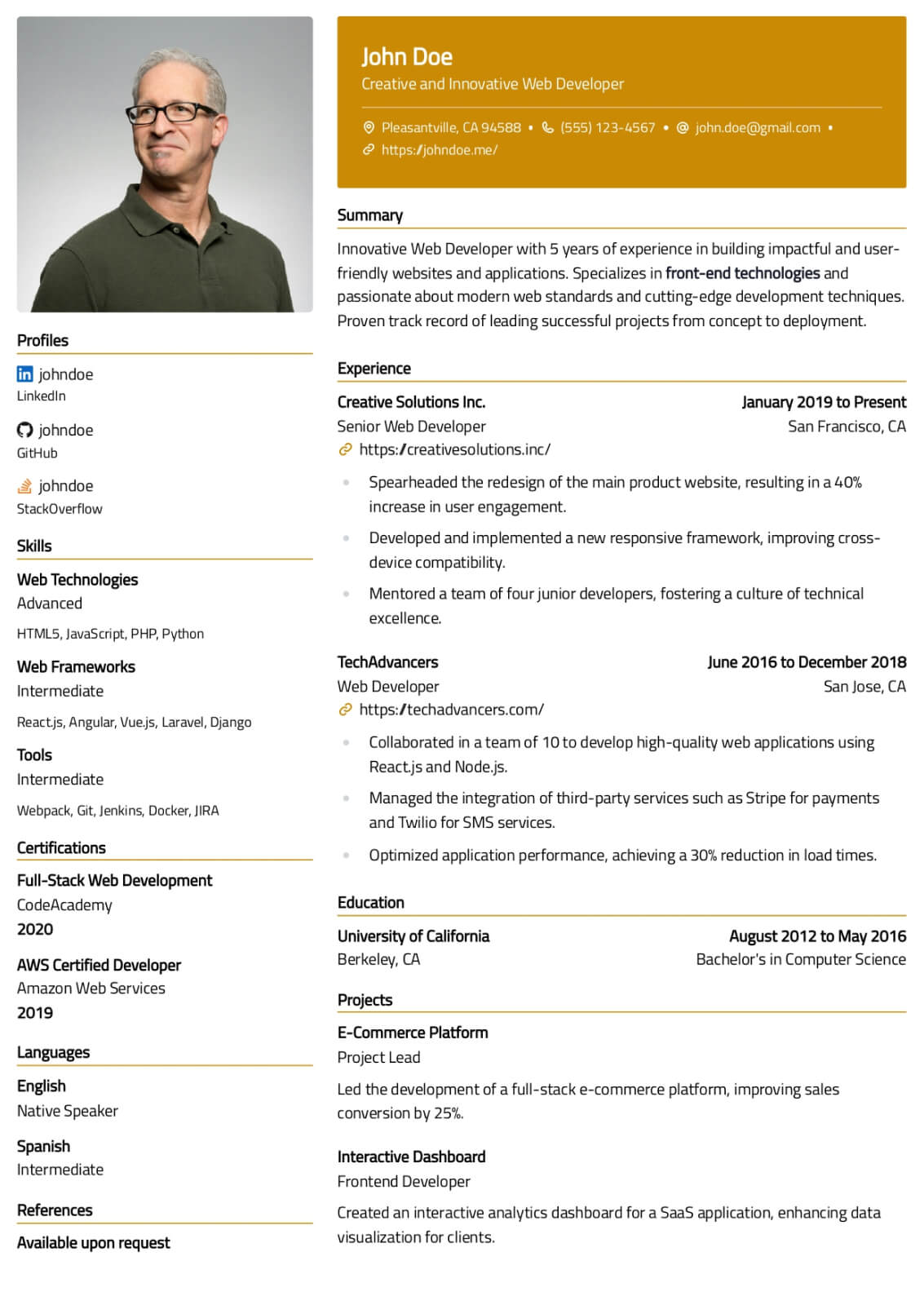
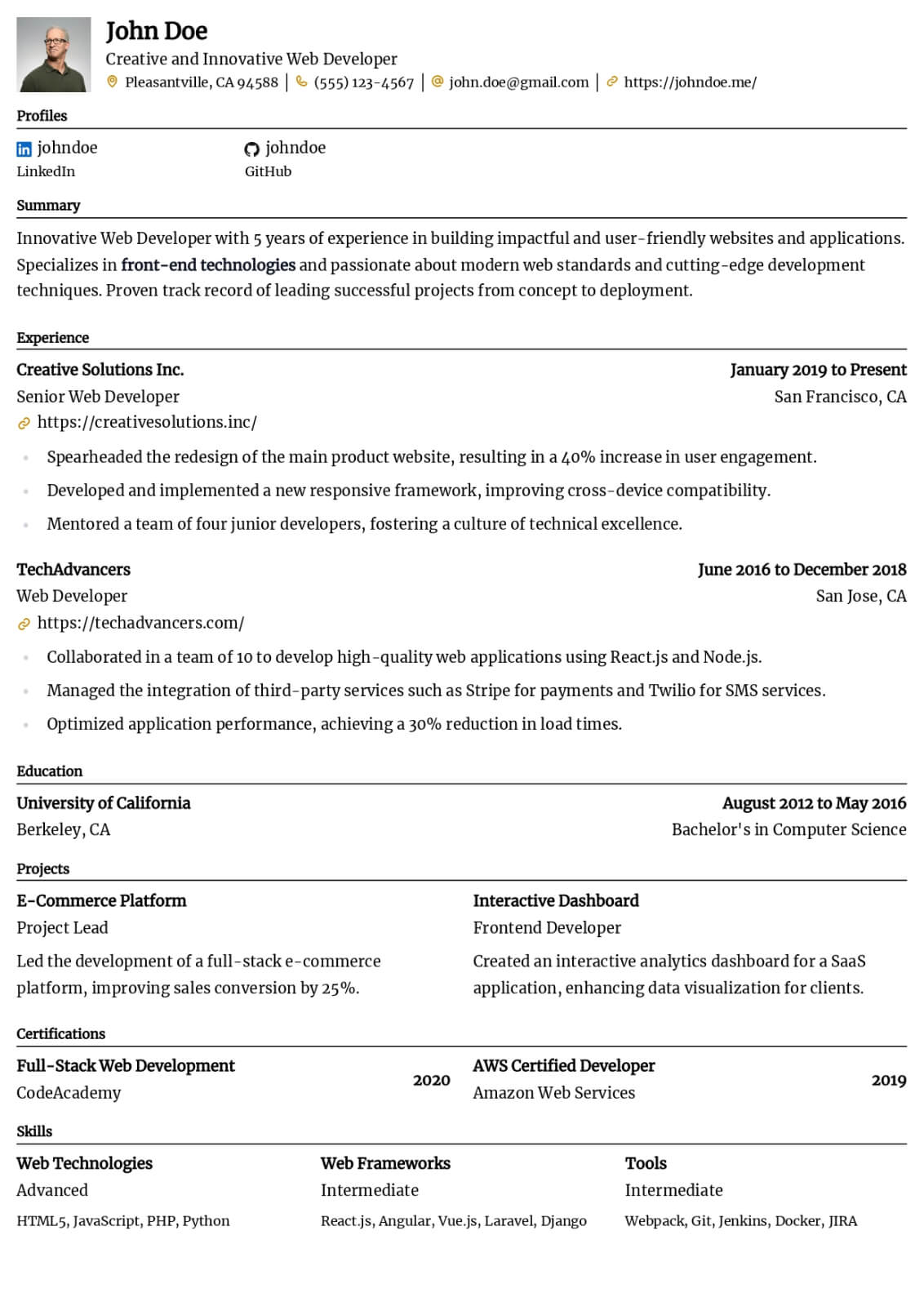
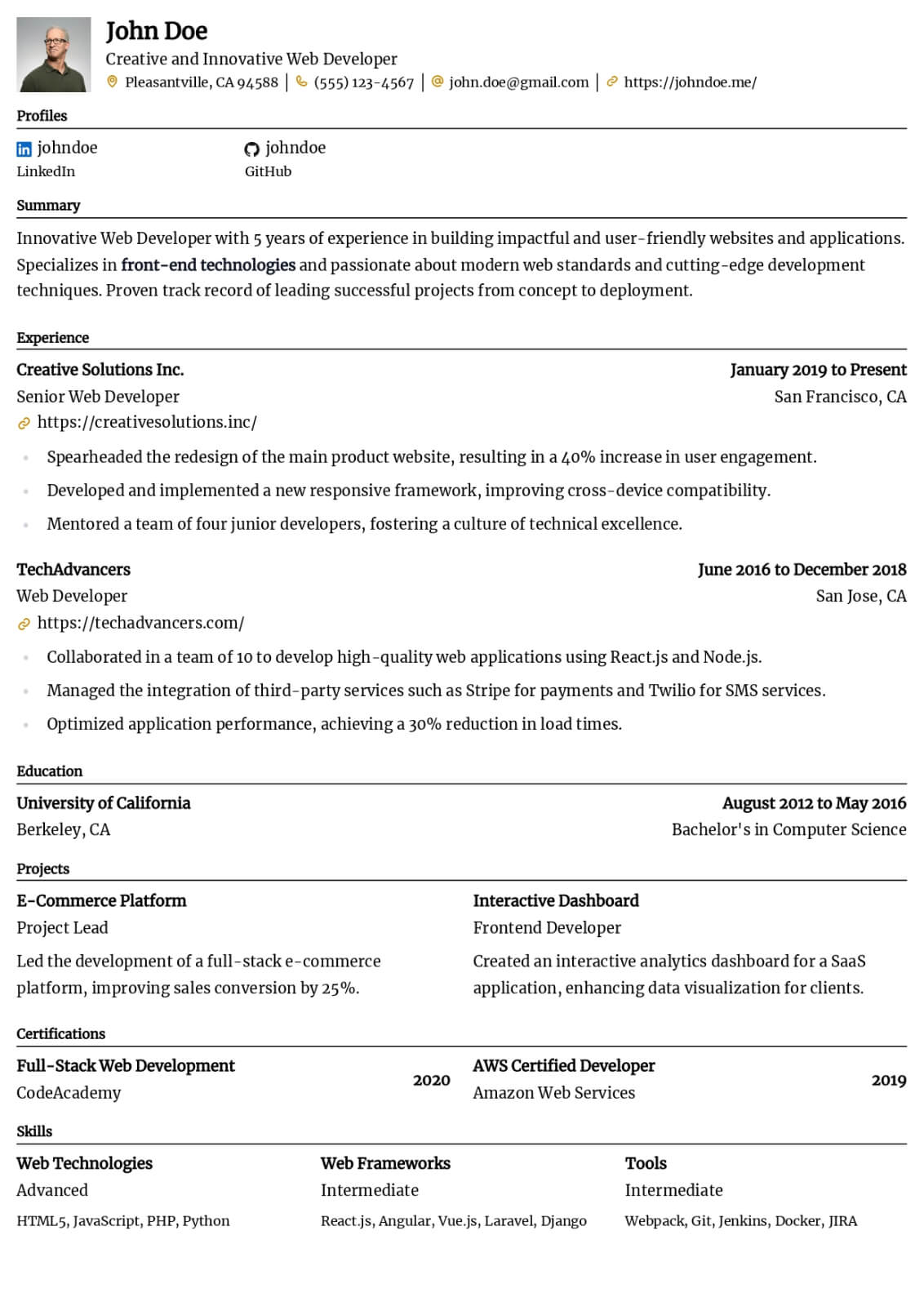
UI/UX Designer resume guide
Below, you will find section-by-section guidance for your ui/ux designer resume — from your opening summary through skills and experience. Tailor every line to the job you want.
Professional Summary
Your professional summary should position you as a designer who bridges user needs and business goals through research-informed interface design. Open with a statement that identifies your specialization, whether product design, interaction design, or design systems, along with your years of professional experience. Reference two to three signature tools such as Figma, Sketch, or Adobe XD that hiring managers associate with productive designers. Include at least one quantified achievement, for instance stating that you redesigned a checkout flow that increased conversion rates by eighteen percent based on A/B test results. Align your language with the terminology used in the target job description to optimize for both human reviewers and automated screening systems. Keep the summary between three and five sentences to establish your design philosophy and impact without overwhelming the reader.
Work Experience
Present your work experience in reverse-chronological order with clear job titles, company names, and employment dates. Write four to six bullet points per role beginning with action verbs like designed, prototyped, researched, validated, or iterated. Each bullet should connect a design action to a measurable outcome, such as stating that you conducted usability studies with twenty-five participants and redesigned the navigation structure, reducing task completion time by thirty-two percent. Demonstrate your end-to-end process by describing research activities, wireframing, visual design, prototyping, usability testing, and design handoff to engineering teams. Reference your collaboration with product managers, engineers, and stakeholders to show that you operate effectively within cross-functional product teams. Avoid listing design deliverables without connecting them to user outcomes or business metrics.
Skills
Construct a skills section with eight to twelve technical design competencies and six to eight interpersonal skills aligned to the target role. On the technical side, list design tools such as Figma, Sketch, Adobe XD, and Framer alongside research and prototyping platforms like Maze, UserTesting, and InVision. Include methodologies such as user journey mapping, wireframing, interaction design, design system creation, and responsive design principles. Add front-end awareness skills like HTML and CSS fundamentals and familiarity with design token systems if the role requires developer handoff collaboration. For soft skills, emphasize empathy for users, stakeholder presentation, iterative thinking, and the ability to translate ambiguous requirements into clear visual solutions. Only list skills you can demonstrate through portfolio case studies or live design challenges.
Portfolio & Case Studies
Your portfolio is the most critical component of a UI/UX designer application, and your resume should direct reviewers to it prominently. Include a link to your portfolio website near the top of your resume alongside your contact information. For two to three featured case studies, provide brief descriptions that specify the design challenge, your research approach, key design decisions, and measurable outcomes achieved. A strong entry might describe how you led the redesign of a SaaS dashboard that improved user satisfaction scores by twenty-four percent and reduced support ticket volume by fifteen percent. Portfolio case studies should demonstrate your complete design process from discovery research through iteration and final delivery rather than showing only polished visual outputs.
Certifications & Professional Development
List relevant credentials such as the Google UX Design Professional Certificate, Nielsen Norman Group UX Certification, or Interaction Design Foundation certificates with the issuing organization and completion date. Certifications validate structured knowledge of user-centered design principles and research methodologies, which is especially valuable for designers without formal design education. If you regularly attend or speak at design conferences like Config, An Event Apart, or UX London, mention these as evidence of community engagement and continuous learning. Active contributions to design publications or mentorship programs also demonstrate leadership beyond individual contributor responsibilities. Place this section prominently if the job listing specifically requests credentialed candidates or values ongoing professional development investment.
Education
Include your highest relevant degree, the institution name, and graduation year. UI/UX design roles accept degrees in graphic design, human-computer interaction, industrial design, psychology, computer science, or related fields. If you transitioned from another discipline, highlight relevant coursework in visual design, cognitive psychology, information architecture, or interaction design. Bootcamp graduates should list the program name and duration alongside the skills acquired during intensive training. For experienced designers with extensive portfolios, keep education concise and let your professional work and case study outcomes carry the primary weight of your application.
Resume layout and formatting
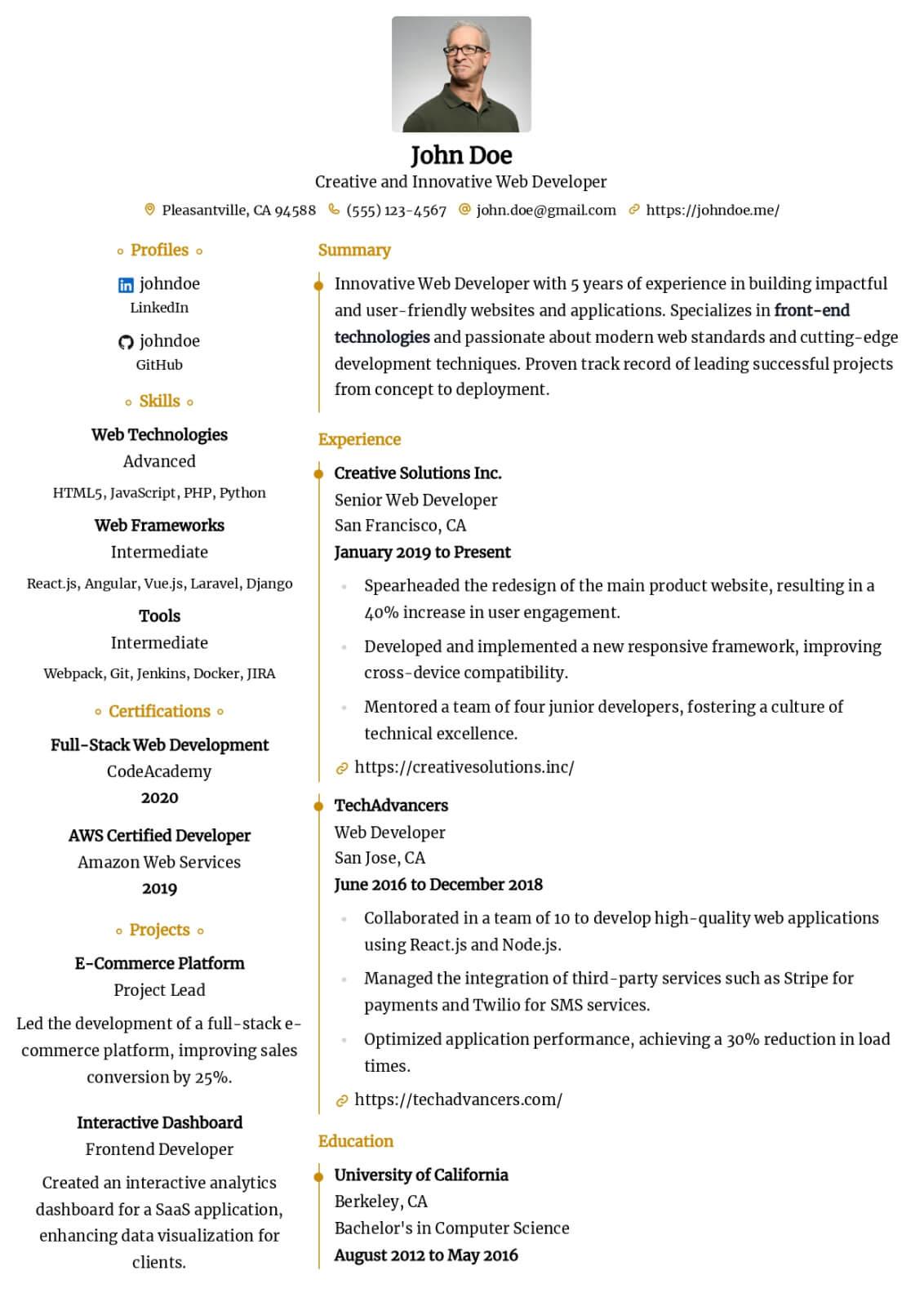
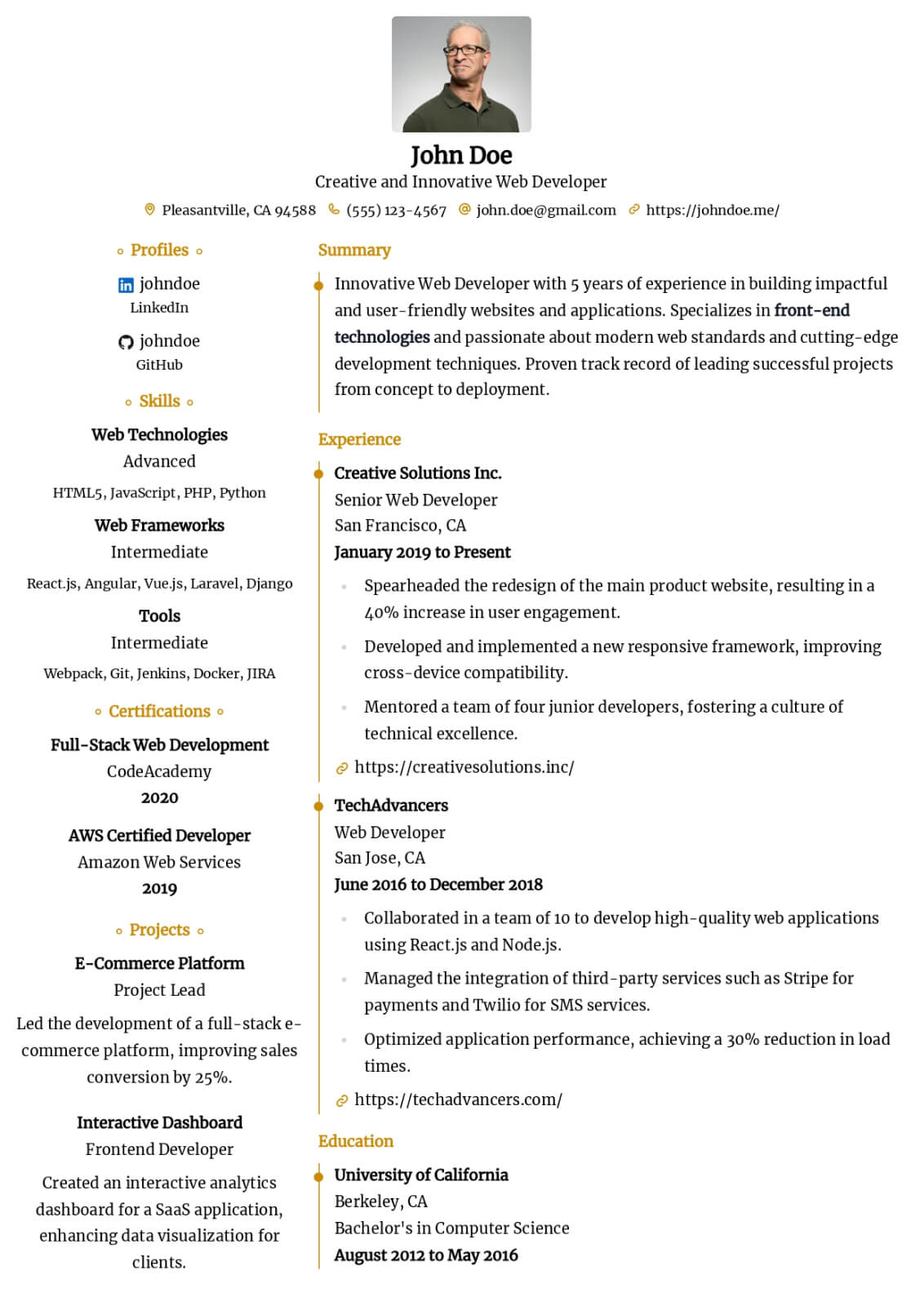
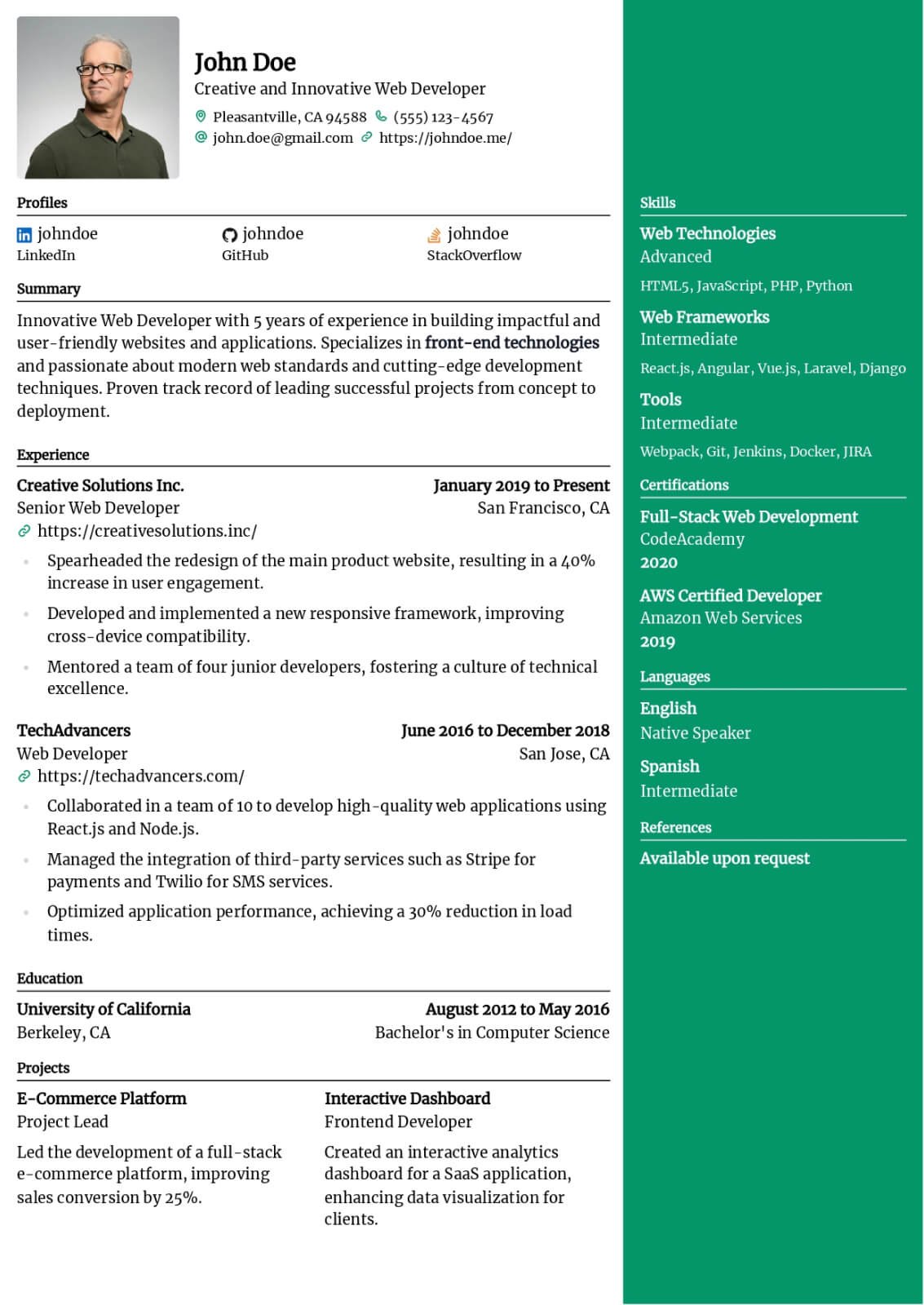
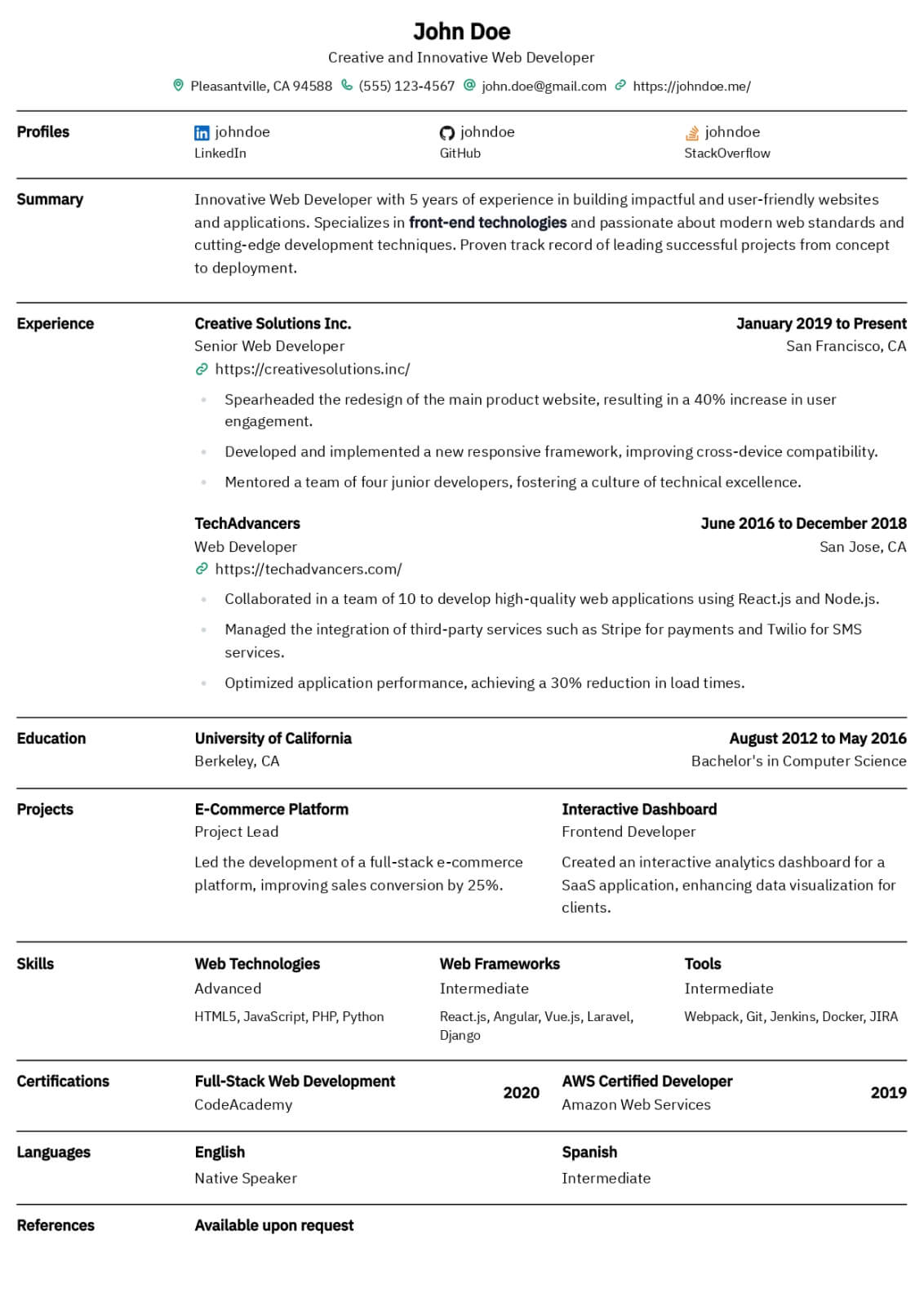
Use a clean, single-column layout with clear section headings and plenty of white space. Lead with technical strengths such as Figma & FigJam, Sketch & Adobe XD, User Research & Usability Testing, Wireframing & Prototyping, Interaction Design & Micro-animations, Design System Creation & Maintenance, then reinforce interpersonal strengths like Empathy for End Users, Stakeholder Presentation Skills, Cross-Functional Teamwork, Iterative Design Thinking. Keep fonts standard (e.g., Arial or Calibri) at 10–12pt body size so your resume stays ATS-friendly and easy to scan.
Key takeaways
- Lead your summary with a design specialization and a quantified usability improvement
- Link to your portfolio prominently and reference case study outcomes on your resume
- Quantify design impact with conversion rates, task completion times, and satisfaction scores
- Demonstrate end-to-end design process from user research through delivery and iteration
- Mirror job posting terminology to ensure your resume clears ATS keyword screening
- Keep formatting visually clean to reflect the design sensibility employers expect from you
Build your UI/UX Designer resume with Scale
Lead your summary with a design specialization and a quantified usability improvement
Use This Template
Professional Templates That Make You Stand Out
Browse modern, ATS-friendly resume designs crafted to impress recruiters. Customize any template and download it as a Word or PDF file.
Listen What Our Users Have to Say

Rohan Sen
I am very happy with the team's quick turnaround time - any query is responded at utmost priority. Shoutout to my client manager, Anub Biju - very helpful.

Gael L
Service and communication is great, cover letters are non-ai sounding and well tailored. Just have a lot of communication and review with your staff!

Jonathan Parry
Wow - don't tell your peers! Wow, I can't recommend scale.jobs enough - it's so good I am not sharing with my peers. Applications at scale that get through filters. Thank you!

Cynthia Zhu
Great service! The scale.jobs team was very responsible and managed to apply tons of jobs for me in a very tight deadline to help me secure interviews quickly. Highly recommend to anyone who needs help applying to jobs!

Yash Yenugu
Save your fingers. Saved me from a thumb cramp because we're expected to effortlessly apply to jobs during these times.

Cian O'Driscoll
Clever service. Takes the hard effort out of applying for jobs with an intuitive dashboard and attention to detail. A great asset to job seekers. :-)
Frequently asked questions
What should a UI/UX designer resume include in 2026?
A competitive UI/UX designer resume in 2026 should feature a prominent portfolio link, a tailored professional summary, quantified work experience, and a skills section aligned to the target role. Employers increasingly expect familiarity with design systems, component libraries, and cross-platform responsive patterns alongside core research and prototyping skills. Demonstrating data-informed design decisions through A/B test results or usability study findings adds significant credibility to your application.
How important is a portfolio compared to the resume itself?
The portfolio is often more influential than the resume in UI/UX hiring decisions because it provides tangible evidence of your design process and output quality. However, your resume serves as the gateway that determines whether reviewers visit your portfolio at all. A strong resume should entice the reader with quantified outcomes and clear case study summaries that motivate them to explore your portfolio in depth. Both documents work together to present a complete picture of your design capabilities.
How do I quantify my design impact on a resume?
Quantify design impact by connecting your work to measurable user and business outcomes wherever possible. Reference conversion rate improvements from redesigned flows, task completion time reductions identified through usability studies, user satisfaction score increases from post-launch surveys, and support ticket reductions after interface improvements. Pull these metrics from analytics platforms, A/B test reports, or stakeholder feedback documents. Concrete numbers transform generic portfolio descriptions into evidence of professional impact.
Should I include coding skills on a UI/UX designer resume?
Listing front-end fundamentals like HTML, CSS, and basic JavaScript is beneficial because it signals that you understand implementation constraints and can collaborate effectively with engineering teams during design handoff. Full-stack coding skills are not expected but they can differentiate you for roles at smaller companies or startups where designers contribute to front-end implementation. Tailor the level of technical detail based on whether the job description emphasizes design-developer collaboration or pure design output.
How long should a UI/UX designer resume be?
Most UI/UX designers should aim for a single-page resume that directs reviewers to a portfolio for deeper evidence of their capabilities. Senior designers with more than ten years of experience and leadership responsibilities may extend to two pages. Every line should contribute measurable value rather than describe routine design tasks that any designer performs. Your resume should function as a curated highlight reel that motivates portfolio exploration rather than attempting to document every project comprehensively.
What common resume mistakes should UI/UX designers avoid?
The most frequent mistake is omitting a portfolio link or burying it at the bottom of the resume where reviewers may never see it. Another common error is listing design tools without connecting them to project outcomes or demonstrating process depth. Avoid overly decorative resume layouts that may not parse correctly through applicant tracking systems. Neglecting to quantify your design contributions with specific metrics also weakens your candidacy against competitors who present data-backed achievements.
Related Resume Guides
Frontend Developer
Build a standout frontend developer resume that demonstrates your mastery of modern JavaScript frameworks, responsive design, and performance optimization for user-facing web applications.
Graphic Designer
Create a visually compelling graphic designer resume that showcases your design portfolio, brand identity expertise, and proficiency with industry-standard creative tools and methodologies.
Product Manager (Tech)
Build a high-impact technical product manager resume that communicates your ability to define product vision, align cross-functional teams, and deliver measurable business outcomes through data-driven prioritization.
Mobile Developer
Create a polished mobile developer resume that showcases your expertise in native and cross-platform app development, performance optimization, and delivering seamless user experiences across iOS and Android.