
The #1 Reason Career Coaching Clients Disengage Before Landing a Job

Sarah Mitchell
July 15, 2026

Most career coaching clients stop before they get hired for one simple reason: they can’t see progress. If you don’t know how many roles you applied to, how many replies came back, or whether your materials changed by role, it gets hard to trust the process.
Here’s the short answer:
- Coaching often helps with direction, not execution
- Auto-apply tools increase volume, not always interview rate
- DIY tools help with one task, but leave the work on you
- People stay engaged when they can see weekly output
If you’re deciding whether to keep your current setup or switch, I’d look at four things first:
- How many applications went out this week?
- Were they tailored by role?
- Can you see proof of submission?
- Is anyone handling follow-up?
A 2024 Jobscan benchmark noted that tailoring your resume to a job description can improve interview odds, while broad “spray and pray” applying often leads to low reply rates. That tracks with what many job seekers feel: activity is not the same as movement.
Quick comparison
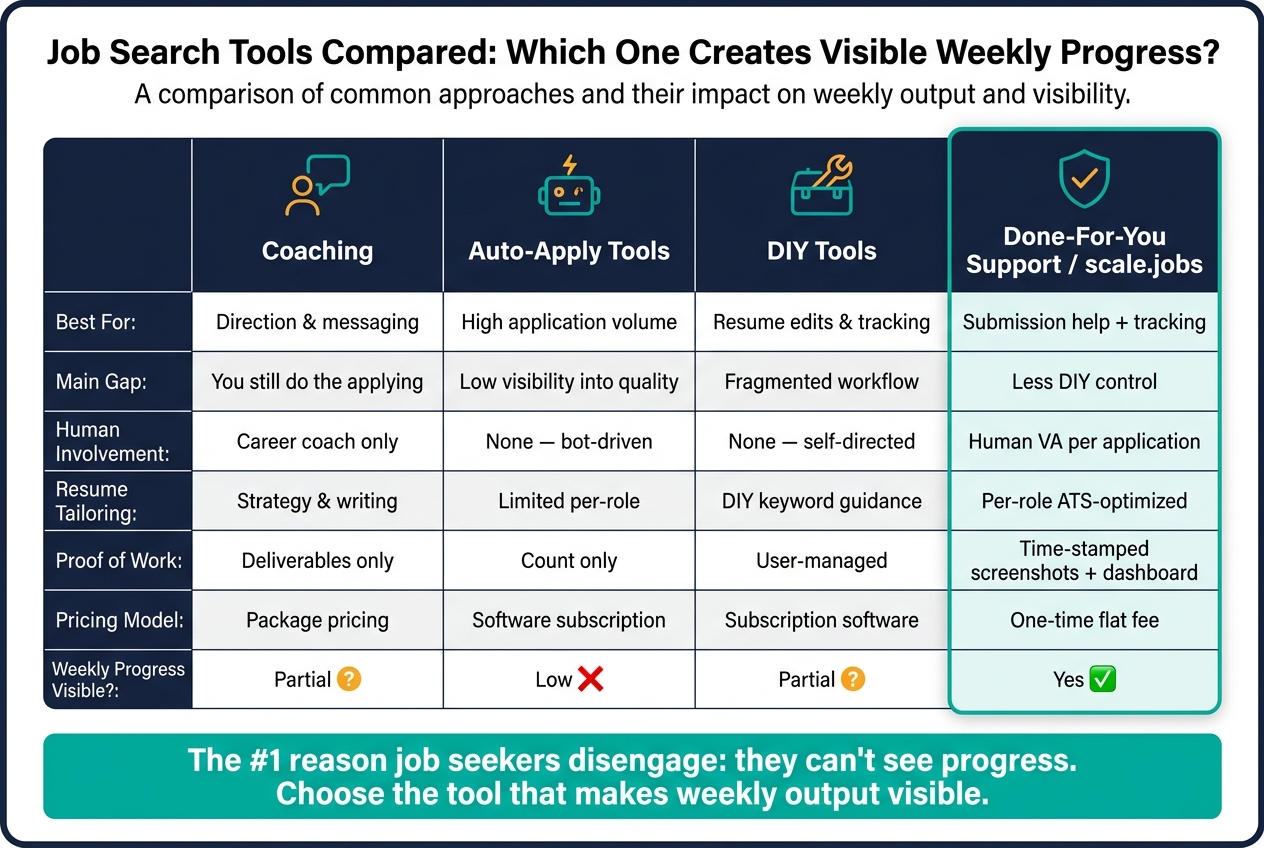
Job Search Tools Compared: Coaching vs Auto-Apply vs DIY vs Done-For-You
| Option | Best for | Main gap | Best if you need |
|---|---|---|---|
| Coaching | Resume, messaging, direction | You still do the applying | career coaching support |
| Auto-apply tools | High application volume | Low visibility into quality | Fast output |
| DIY tools | Resume edits, tracking, prep | Fragmented workflow | Control over each step |
| Done-for-you support | Submission help + tracking | Less DIY control | A job application service |
sbb-itb-564272e
What I’d do if I were stuck
- Keep coaching if your issue is positioning
- Keep DIY tools if you have time to run the search yourself
- Switch if you still have to Apply for jobs manually every week and can’t track your applications effectively
If your search feels busy but stalled, the issue may not be effort. It may be low visibility, weak follow-through, including missing follow-up opportunities, or too many tools with no single workflow.
Where coaching and job-search tools break down
The main problem is simple: people can’t see steady progress.
A lot of services help with one part of the search, but not the whole thing. So even when someone is “doing the work,” it’s hard to tell if that work is leading to interviews. That gap tends to show up in three ways: advice with no execution, lots of applications with few interview results, and separate tools that never come together in one workflow.
Most coaching services stop at advice and skip execution
Many coaches help with positioning, resume language, and how to talk about your background. That can help. But in many cases, the support stops there.
The job seeker still has to pick roles, tailor each application, submit everything, and handle follow-up alone. That means key parts of the process get left out: measurable milestones, ATS-ready edits, and hands-on application support. Once the resume or guidance is sent back, there are still no applications submitted, no recruiter replies tracked, and no follow-up done.
That’s where trust starts to slip. If there’s nothing visible happening week to week, the process starts to feel stuck.
Auto-apply tools fix a different issue: speed.
Auto-apply tools generate activity but not always interviews
Auto-apply tools are built for volume. They can send out a lot of applications fast. For some job seekers, that sounds like relief after hours of manual work.
But more applications don’t always lead to more interviews.
If a tool sends the same resume and the same materials across many roles, without showing what got submitted or how strong the fit was for each opening, the result is often just more activity on paper. Not more conversations. Not more callbacks.
That’s the catch. When interviews don’t show up, people stop believing the system is working.
This is often where job seekers start looking for a better mix of support, whether that’s a job application service, a job search coach, or a more hands-on job search platform that shows what’s happening at each step.
Single-purpose tools help one step but leave the full process fragmented
Some tools do one job well. A resume tool can help with targeting. A tracker can help organize submissions. Interview prep software can help you practice before a call.
Each of those can be useful on its own. The issue starts when all of them live in separate products.
Then the job seeker has to act like the project manager, stitching together edits, applications, status updates, and follow-ups by hand. That creates friction fast, especially for people trying to apply for jobs at scale while juggling work, family, or a long search.
A scattered setup can look like this:
- One tool rewrites the resume
- Another tracks where you applied
- Another helps with interview prep
- None of them handle submission and follow-up together
That’s why weekly momentum disappears. You may be busy, but the process still feels broken.
What tends to work better is one system where execution, tracking, and follow-up stay visible in the same place. For job seekers who want more than advice, that’s where support like a virtual assistant for job seekers, a Virtual Assistant for Job Applications, or a Job search virtual assistant starts to make more sense.
What outcome-driven support looks like and why scale.jobs keeps progress visible
When tools are scattered, progress gets hard to see. The fix is simple: visible execution. You should be able to see what happened this week, what got submitted, what got a response, and what happens next. That kind of visibility keeps a job search from stalling out.
For people trying to Apply for jobs, that matters more than most advice pages admit. If you can't tell whether your search is moving, it's easy to lose momentum.
The operating model that keeps clients engaged until interviews start
Outcome-driven support follows milestones, not just activity. That means tracking how many targeted applications went out this week, which roles got tailored documents, and whether employers responded. It also means one more thing: someone owns the work.
scale.jobs runs on that model. Human assistants submit each application by hand using ATS-optimized documents matched to the role. Every submission includes time-stamped proof of work and shows up in a live dashboard. Updates come through WhatsApp, so follow-up stays fast and easy to track.
That mix - human execution, proof of work, and direct communication - helps avoid the dead zone many job seekers hit with other tools. You’re not left guessing if anything happened.
If you're comparing options like a done-for-you job application service or a Virtual Assistant for Job Applications, this is the difference that stands out fast: you can see the work being done.
That workflow is where scale.jobs differs from coaching-only or bot-first tools.
Why scale.jobs outperforms coaching-only, bot-first, and DIY tools
scale.jobs brings execution, tracking, and follow-up into one workflow. Coaching-only services may help with your resume or interview prep, but they usually leave the actual submissions to you. Bot-first tools can push out volume, but they don't always show what got sent or how well each application matched the role. DIY tools often handle one slice of the process and leave the rest on your plate.
scale.jobs closes those gaps with a few clear features:
- Human assistants apply by hand - submissions are done manually, not through auto-fill bots
- ATS-optimized documents per role - resumes and cover letters are tailored to each posting
- One-time flat-fee pricing - no monthly subscription
- WhatsApp support - fast communication without a slow ticket queue
- Tracked proof of work - time-stamped screenshots and a live dashboard show each application
This setup can be a better fit for job seekers who need more than software. Maybe you're looking for full time jobs and need steady weekly output. Maybe you're balancing life and searching for Part time jobs near me. In both cases, the point is the same: progress should be visible, not vague.
Beyond paid plans, scale.jobs also offers free tools for resume checks, cover letters, tracking, and interview prep. If you're thinking about professional resume writing and job search support, those free tools let you try the workflow first. That gives job seekers a practical way to judge whether their current setup is producing actual weekly movement.
scale.jobs Free Trial Plan: first 5 applications at no cost
For job seekers who want to test the process, scale.jobs also has a free trial. Before paying anything, you can run 5 complete job applications through scale.jobs at no cost. Human assistants handle the submissions, ATS-optimized materials are prepared for each role, and you get the same tracked proof of work included in paid plans.
That makes the trial useful for anyone comparing a job search platform with a job search coach or deciding whether a done-for-you workflow fits better than going solo. Instead of reading promises, you get to see how the process works in practice.
Competitor comparisons for job seekers deciding whether to switch
If your current tool gives you advice or activity but not interviews, the key question is simple: can you see the work getting done?
That’s the split between planning tools and done-for-you execution. Some services help you improve your resume, track jobs, or think through your search. Others help you Apply for jobs and show you what was submitted, when, and where.
Find My Profession vs scale.jobs: Is premium coaching enough without application execution?
Find My Profession is built around resume strategy and career coaching. That can help, especially if your positioning is off. But there’s a common break point: the handoff from advice to action.
Where clients stall: Find My Profession focuses on strategy and guidance, but you still have to submit and follow up yourself. That handoff is often where momentum fades.
scale.jobs steps in at the execution layer. Instead of stopping at coaching, it moves into the part many job seekers struggle to keep up with: consistent, tracked applications.
| Feature | Find My Profession | scale.jobs |
|---|---|---|
| Human involvement | Career coaches and resume writers | Human VAs submit applications by hand |
| Resume customization depth | Resume strategy and writing support | Per-role ATS-optimized tailoring per submission |
| ATS handling | ATS guidance before application | ATS-optimized documents for each application |
| Application execution method | Client submits independently | Human assistants apply on your behalf |
| Transparency and proof of work | Deliverables only; no submission tracking | Time-stamped screenshots, application dashboard |
| Pricing model | Package pricing | One-time flat fee; no recurring charges |
Who should use Find My Profession: Candidates who want coaching and will handle submissions themselves.
Who should choose scale.jobs: Candidates who want applications submitted for them and progress tracked weekly.
Is Find My Profession worth it?
Yes, if your main issue is messaging, resume positioning, or career direction. It makes more sense for people who want a job search coach experience and are still willing to do the day-to-day applying on their own.
If your issue isn’t strategy but follow-through, the gap becomes clear fast. You may leave with a better resume and a clearer plan, but no one is pushing applications out for you.
Find My Profession vs scale.jobs
Here’s the plain-English difference:
Find My Profession helps you prepare.
scale.jobs helps you prepare and get applications submitted.
That matters when your week is packed, your search is dragging, or you’ve already learned that good advice doesn’t always turn into steady action.
If strategy is not the issue and volume is the problem, compare LazyApply next.
LazyApply vs scale.jobs: Check submission quality before running mass auto-apply
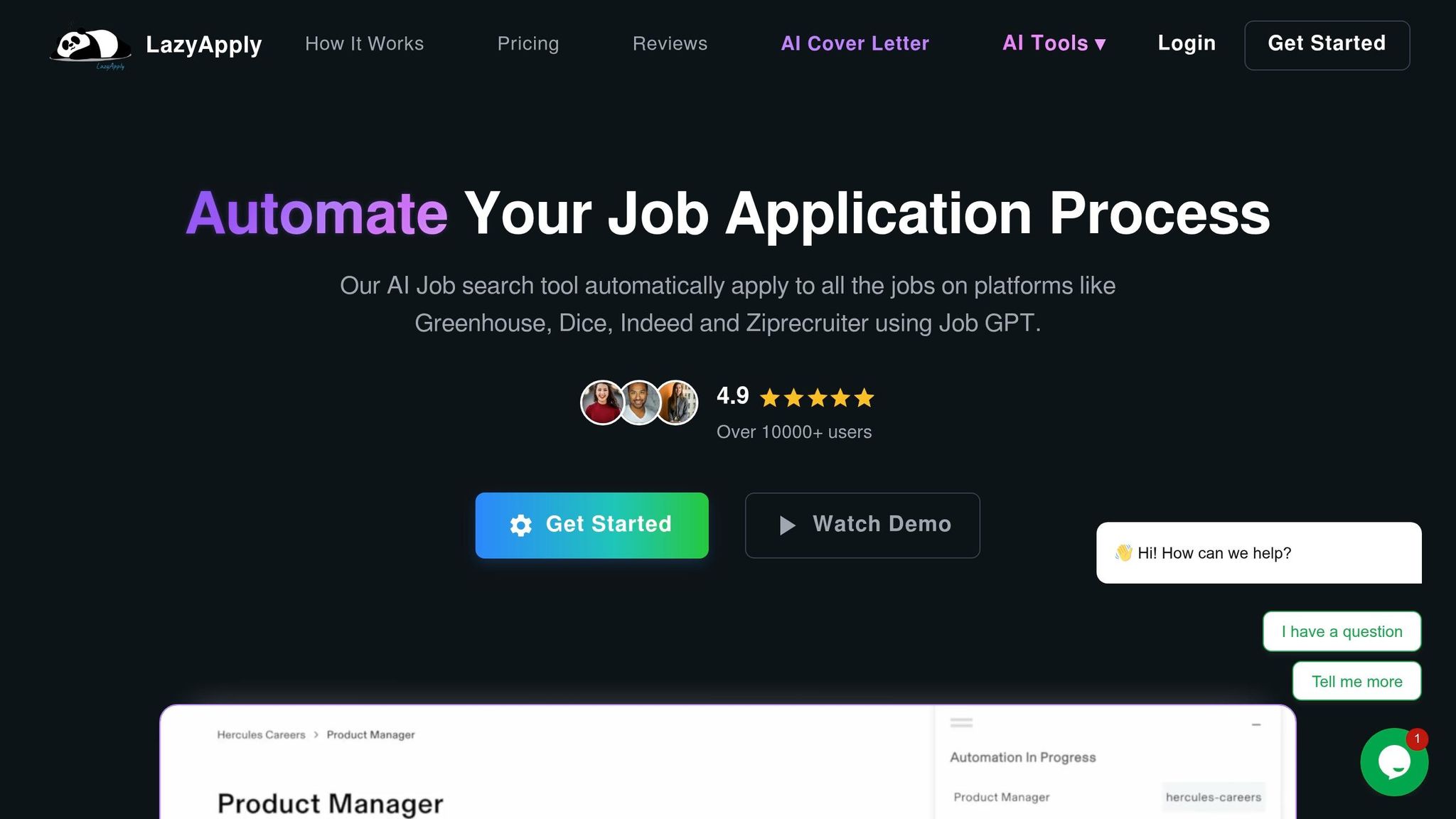
LazyApply’s main draw is speed. It can push out a high number of applications fast.
That sounds good on paper. But if all that activity isn’t turning into interviews, it’s worth looking at what’s happening under the hood. More volume doesn’t always mean better odds. Sometimes it just means more low-fit submissions.
scale.jobs takes the slower, more controlled path. A human assistant reviews each form, submits it manually, and logs the work with proof.
| Feature | LazyApply | scale.jobs |
|---|---|---|
| Human involvement | No human review | Human VA per application |
| Resume customization depth | Limited role-specific tailoring | Tailored per job posting |
| ATS handling | Auto-fill and auto-submit workflow | Manual entry with ATS-optimized documents |
| Application execution method | Bot-driven auto-apply | Hand-submitted by human assistants |
| Transparency and proof of work | Counts only, not submission proof | Time-stamped screenshots, application dashboard |
| Pricing model | Software plan | One-time flat fee |
Switch to scale.jobs if: You're sending lots of applications but not seeing interviews, or you want more visibility into how each application is handled.
Is LazyApply worth it?
It can be, if your top goal is speed and you’re comfortable with automation doing most of the work.
But there’s a catch. If you can’t check the quality of each submission, then application count becomes a weak signal. You know something happened, but not whether the right resume was used, whether the form was completed well, or whether the job was even a close fit.
That’s where a job application service can feel very different from a browser tool. One is built for throughput. The other is built for tracked execution.
LazyApply vs scale.jobs
This comparison comes down to one tradeoff: speed vs oversight.
LazyApply is for job seekers who want to automate the front end of the search. scale.jobs is for job seekers who want a person checking the details and showing proof after each submission.
If you want to stay self-directed but need better keywording and tracking, compare the DIY tools below.
Jobscan, Rezi, Teal, and Resume.io vs scale.jobs
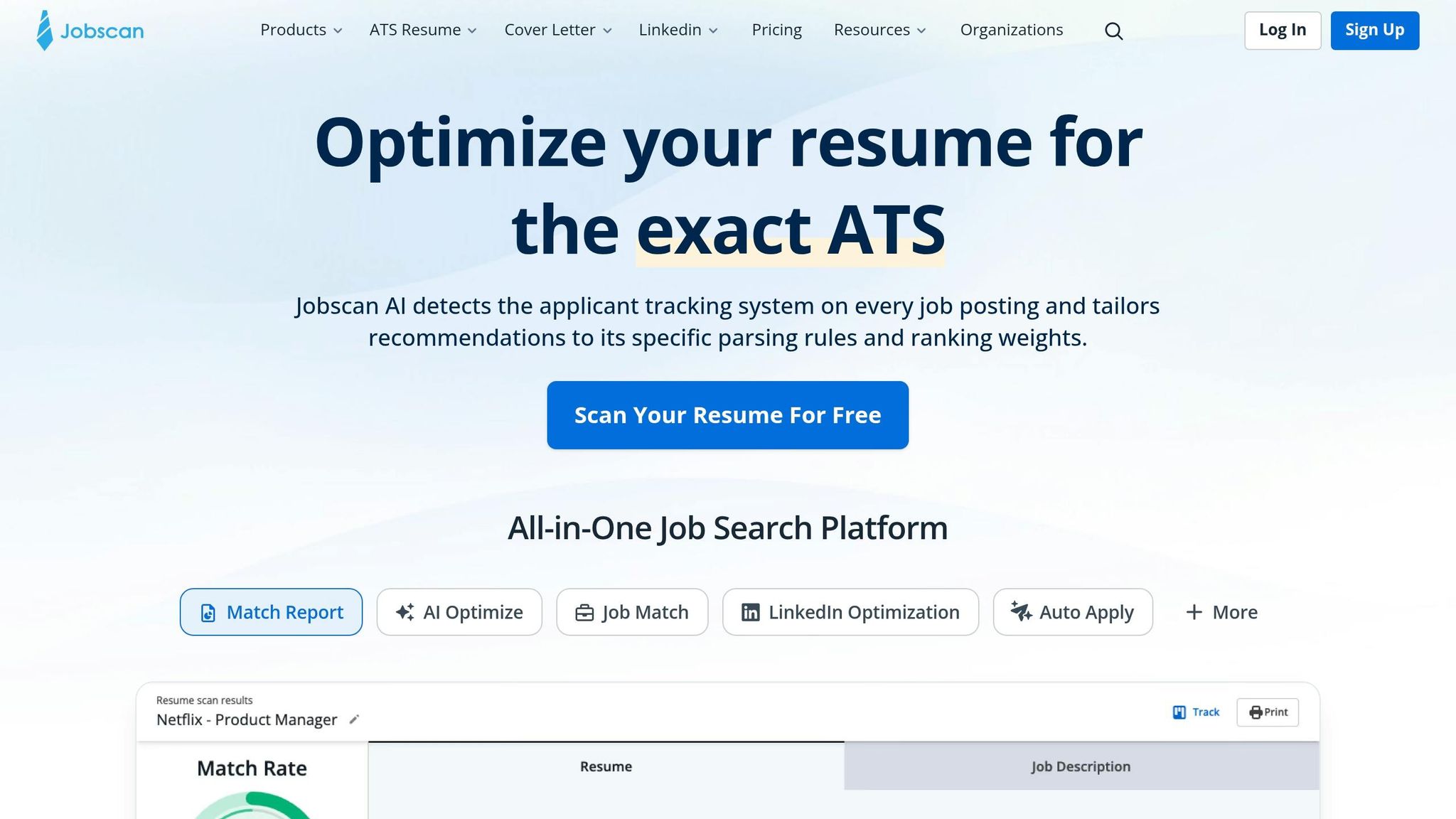
Jobscan, Rezi, Teal, and Resume.io help with keywords, templates, and tracking. They’re useful if you want help tightening your resume or keeping your search organized.
But they still leave the actual submission and follow-up on you.
That setup works for people who want full control and have enough time to manage every step. If not, the missing piece is usually execution. A tool can score your resume, but it won’t sit down and apply to 20 roles for you this week.
scale.jobs handles that application layer directly.
| Feature | Jobscan / Rezi / Teal / Resume.io | scale.jobs |
|---|---|---|
| Human involvement | None - fully self-directed | Human VAs handle submissions |
| Resume customization depth | DIY keyword and template guidance only | Per-role tailoring done for you |
| ATS handling | Keyword scoring and formatting checks | ATS-optimized documents per application |
| Application execution method | User submits independently | Human assistants apply on your behalf |
| Transparency and proof of work | User-managed tracking dashboards | Time-stamped proof of work, application dashboard |
| Pricing model | Subscription software pricing | One-time flat fee |
Keep your DIY stack if you want to control every step and can manage the full search yourself.
Switch to scale.jobs if your stack helps with pieces of the search but still does not create visible weekly progress.
Are Jobscan, Rezi, Teal, and Resume.io worth it?
Yes, for the right kind of user.
If you want an ai resume builder, resume scoring, keyword help, or cleaner tracking, these tools can be useful. The same goes if you want an ai cover letter builder to speed up drafts.
But they are still DIY products. They don’t replace a virtual assistant for job seekers or a hands-on job search platform that deals with execution for you.
Jobscan, Rezi, Teal, and Resume.io vs scale.jobs
A simple way to frame it:
- Use DIY tools if you need help with documents, keywords, and tracking.
- Use scale.jobs if you need someone to take the application workload off your plate and make weekly progress visible.
That’s often the point where job seekers switch. Not because their tools were bad, but because those tools stopped short of the part that takes the most time.
Decision summary: when to stay, when to switch, and how to avoid disengaging again
After comparing the tools above, the choice comes down to one thing: which option creates visible weekly progress.
That’s the test that matters. Not how polished the dashboard looks. Not how many features are packed into the tool. Not how much advice you get. If you’re not moving forward week by week, something is off.
Choose the tool that fixes your main bottleneck.
- Stay with Find My Profession-style coaching if your issue is positioning, senior-level messaging, or interview storytelling, and you’re okay doing the application work yourself.
- Use LazyApply if you want to send a high number of applications fast and don’t mind less hands-on review for each one.
- Keep a DIY stack like Jobscan, Teal, Rezi, or Resume.io if you want full control over keywords, tracking, and submissions, and you have the time to run every step on your own.
- Choose scale.jobs if you want human-submitted applications, ATS-ready tailoring, proof of work, WhatsApp support, and one-time pricing.
If your current setup helps you polish documents but does not move applications forward, scale.jobs is the better fit. It brings together the parts many job seekers miss after trying a coach, a bot, or a DIY setup: execution, accountability, and visible progress.
Who should choose scale.jobs
Choose scale.jobs if you want the search handled for you and want proof of what was submitted.
It makes sense for people who are tired of spending hours on application admin, want help with tailored resumes, and need a clear record of what went out each week. If you’ve tried an ai resume builder, an ai cover letter builder, or even a job application service but still feel stuck, this is usually the gap: the work still depends on you.
This is also a good fit if you want something closer to a Virtual Assistant for Job Applications than a tool that just gives suggestions and leaves the rest on your plate.
Switch to scale.jobs if your current tool is not producing visible weekly progress
If your current setup still leaves you doing the submission work, switch now.
- You're handling all application admin yourself. If your support stops at advice, keyword tips, or a resume score, the hardest part of the search still falls on you.
- Your resume edits are generic. If you’re sending the same document to every role without tailoring, ATS filters may block you before a person even sees your application.
- Your interview rate is low despite high application volume. Sending more applications doesn’t help if the targeting and submission process are weak.
- You have no proof of what was submitted. If you can’t check which resume version went to which company and on what date, you can’t spot patterns or improve week to week.
That last point gets overlooked all the time. A lot of people think they have a volume problem, but they actually have a tracking problem. Without tracking job application responses and proof of submission, you’re flying blind.
If that sounds familiar, it may be time to stop patching together a job search platform, a job search coach, and your own spreadsheet. A done-for-you setup with clear records can remove that drag fast.
FAQs
How do I know if my job search is actually making progress?
Track outcome-driven milestones, not just clicks or automated applications. Real progress shows up in interview invites, recruiter outreach, and clear proof that each tailored application was sent.
Look for:
- proof of submission
- targeted employer responses
- a strategy that shifts based on actual results
If a few weeks go by and you’re not seeing more interviews, that’s a strong sign the process may be missing the human-led tailoring needed to get better results.
When is coaching not enough to get me hired?
Coaching on its own often falls short. You may get a plan, a few talking points, and some advice on how to Apply for jobs. But the hard part still lands on your desk: editing your resume for each role, dealing with ATS forms, and sending applications one by one.
That’s where people hit a wall. The process gets draining fast, and it’s easy to lose momentum when you can’t clearly see what’s been done or what’s working.
When advice alone doesn’t move the needle, an execution-first option like scale.jobs can help close the gap. It adds human support for job applications, ATS-ready materials, and clear proof of work so you’re not left guessing. If you’ve looked at a job search coach but still need hands-on help, this kind of model can feel a lot more practical.
For job seekers who want more than guidance, a job application service or Virtual Assistant for Job Applications can take the repetitive work off your plate while keeping the process visible.
What should I track each week to stay engaged?
Track measurable milestones, not just time spent searching. Focus on things you can count: tailored applications sent, roles targeted, and interview requests received.
If you use Scale.jobs, timestamped submission screenshots give you proof that your applications were sent. That makes it easier to track progress in real time and adjust your approach based on which roles get the most interest.