
Home Health Aide Resume Examples, Templates & Writing Guide

Written by: Scale.jobs EditorialLast updated: May 1, 2026







Introduction
Build a home health aide resume that highlights ADL assistance expertise, patient safety skills, HHA certification, and compassionate caregiving competencies for home care agency and hospice positions.
This guide walks you through every major section of a home health aide resume, with practical tips you can apply today.
- How to present ADL assistance, personal care, and vital signs monitoring skills effectively
- Strategies for highlighting HHA certification and state-specific training credentials
- Techniques for showcasing patient safety awareness and fall prevention competencies
- Methods for quantifying patient care quality through satisfaction and retention metrics
- How to demonstrate compassionate caregiving and family communication abilities
- Key approaches for tailoring your resume to home care, hospice, or assisted living roles
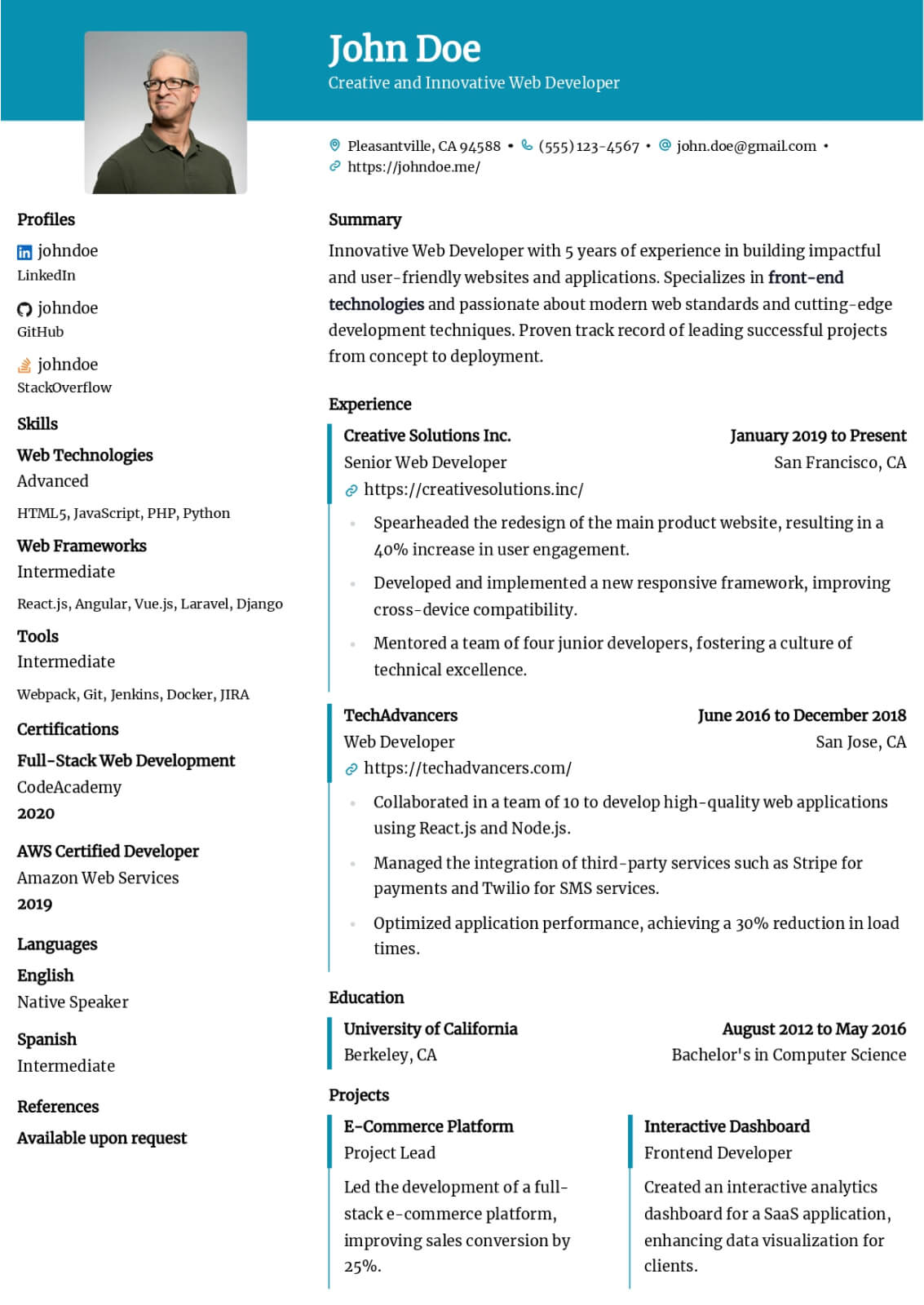
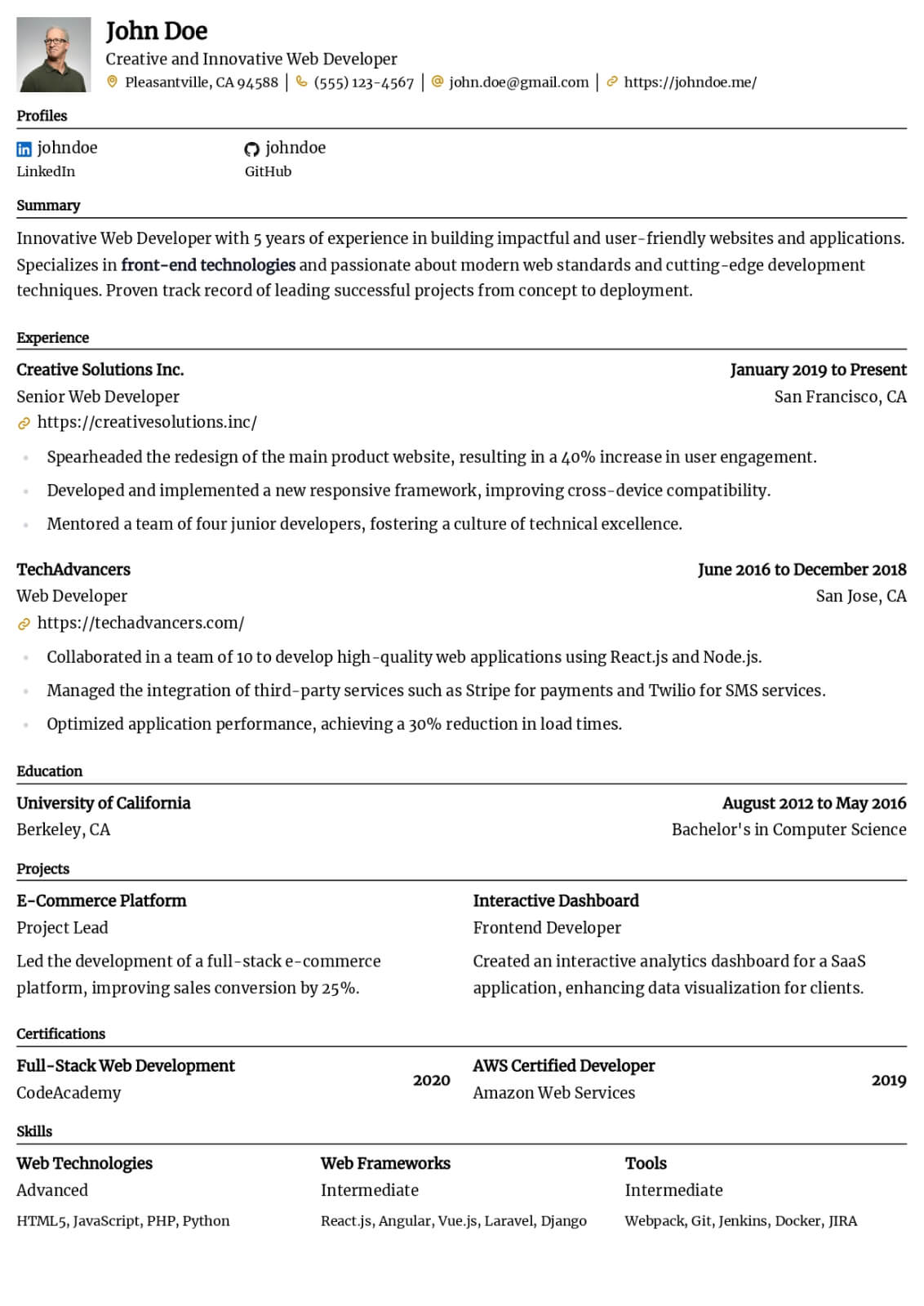
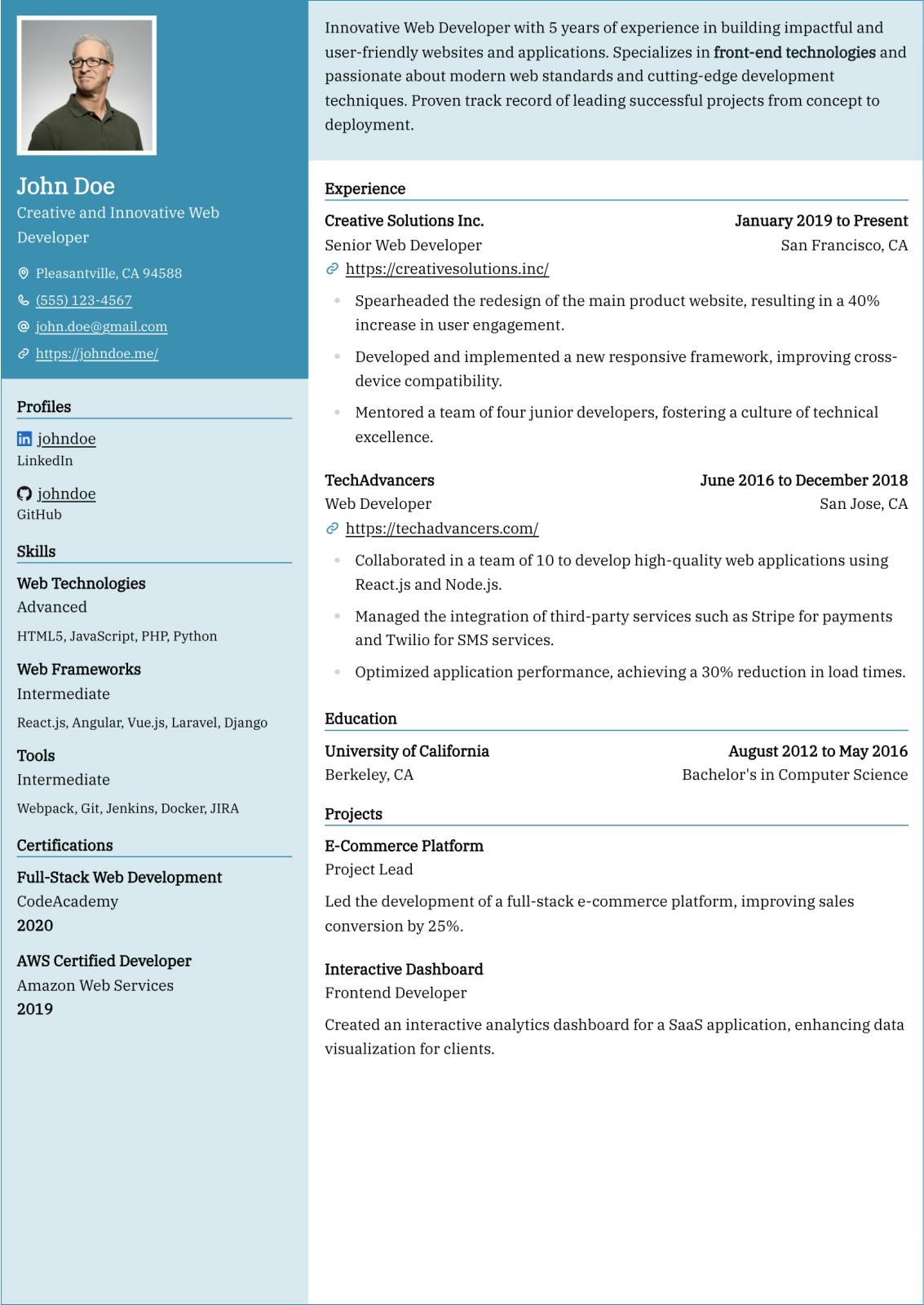
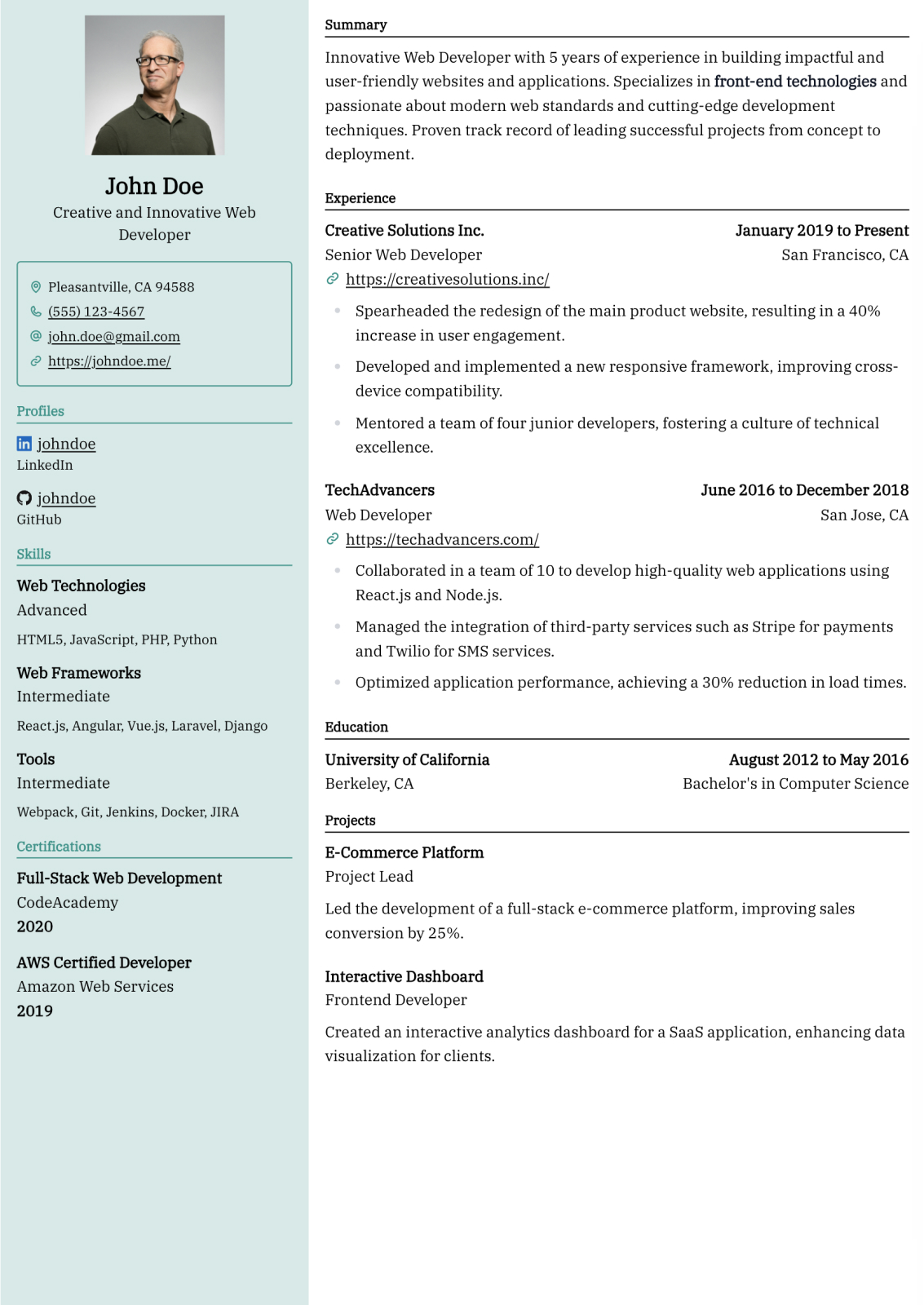
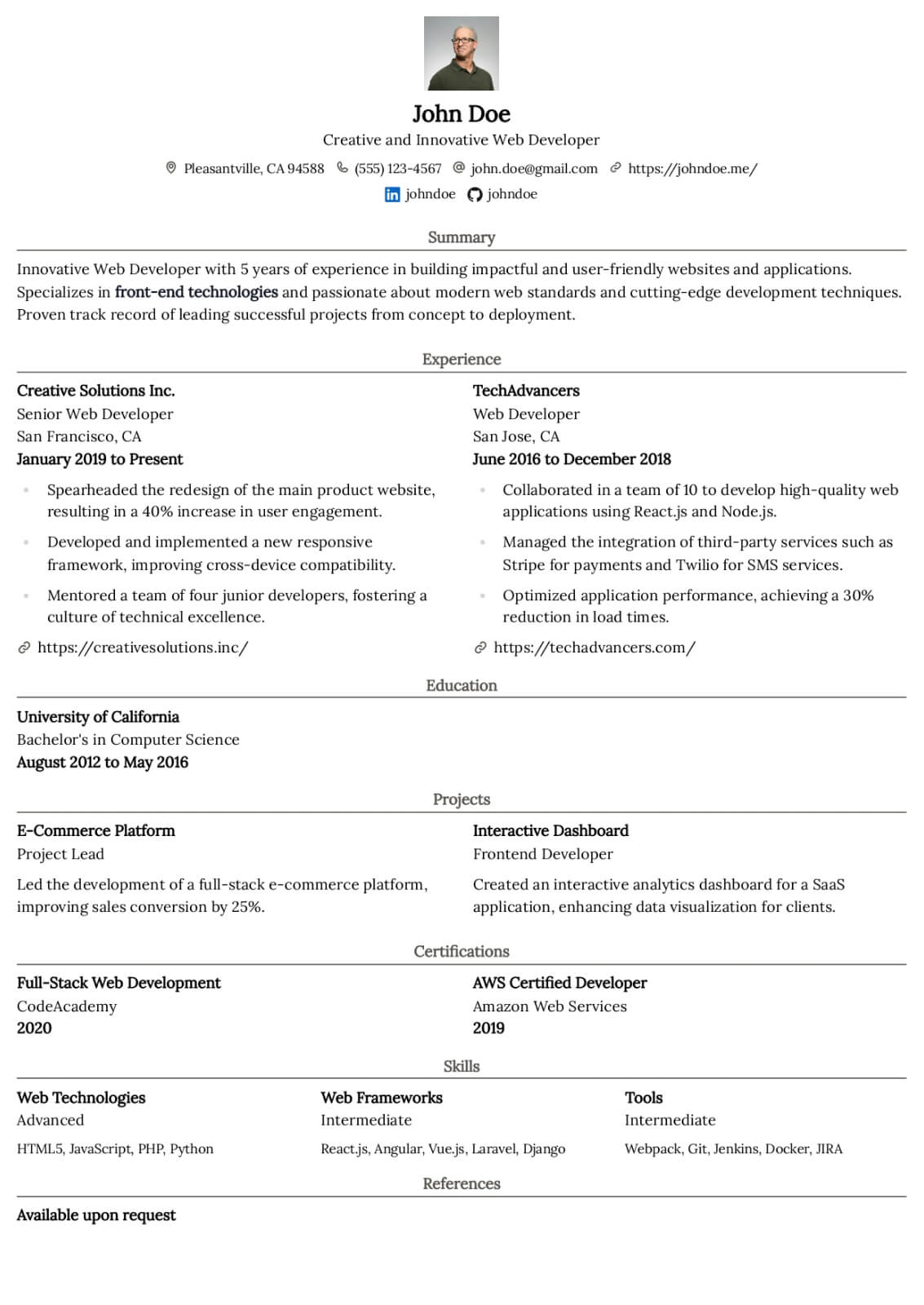
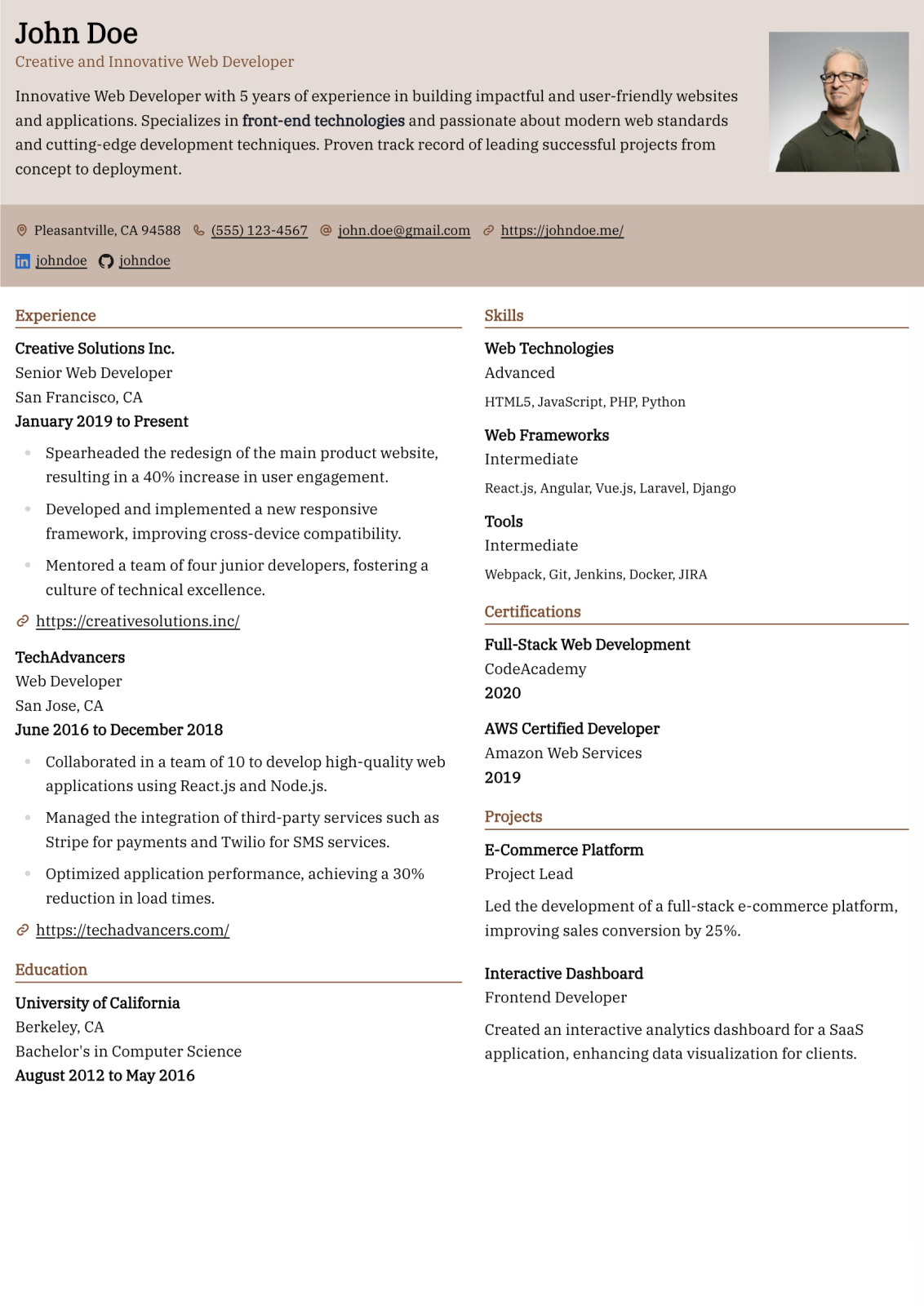
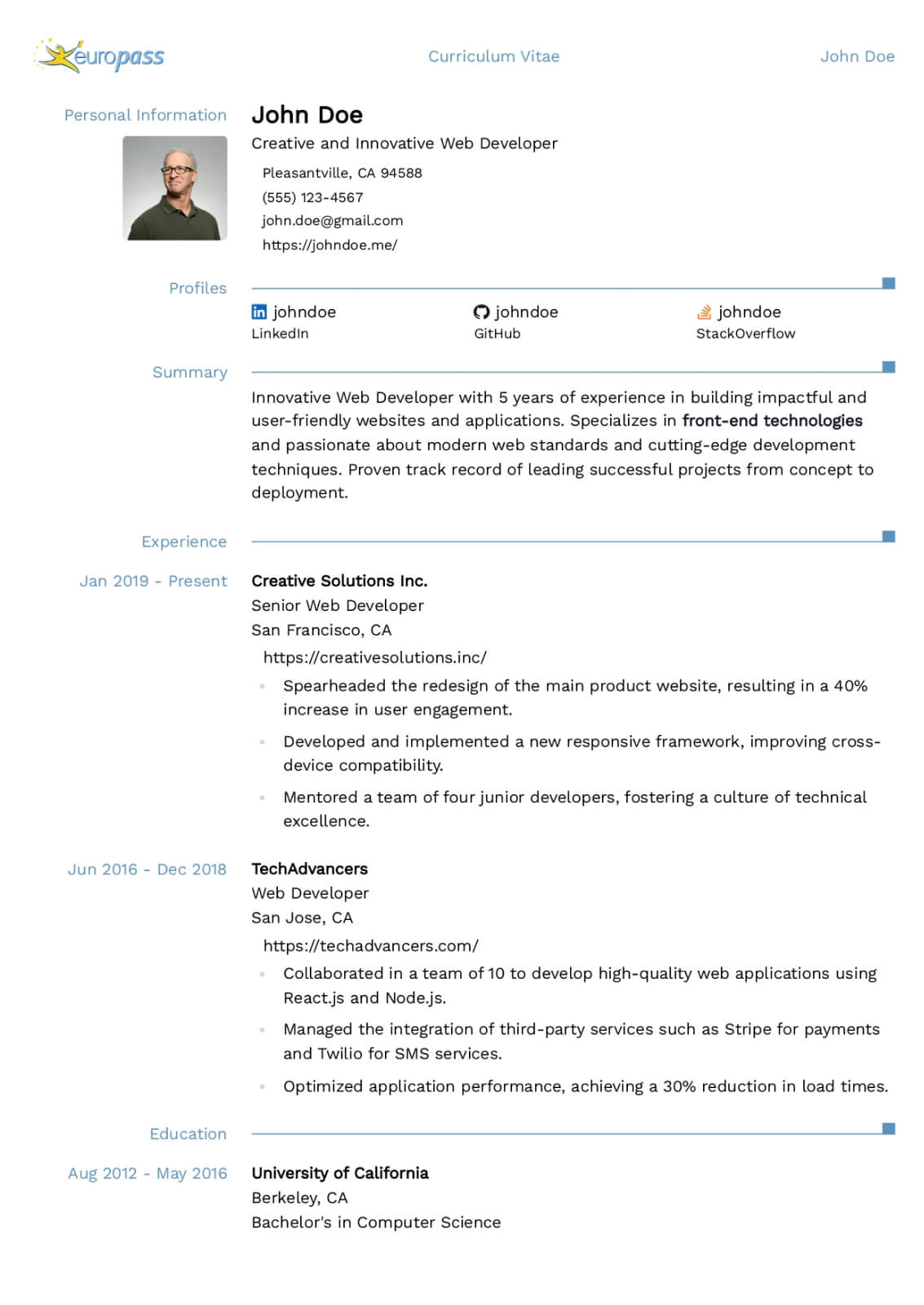
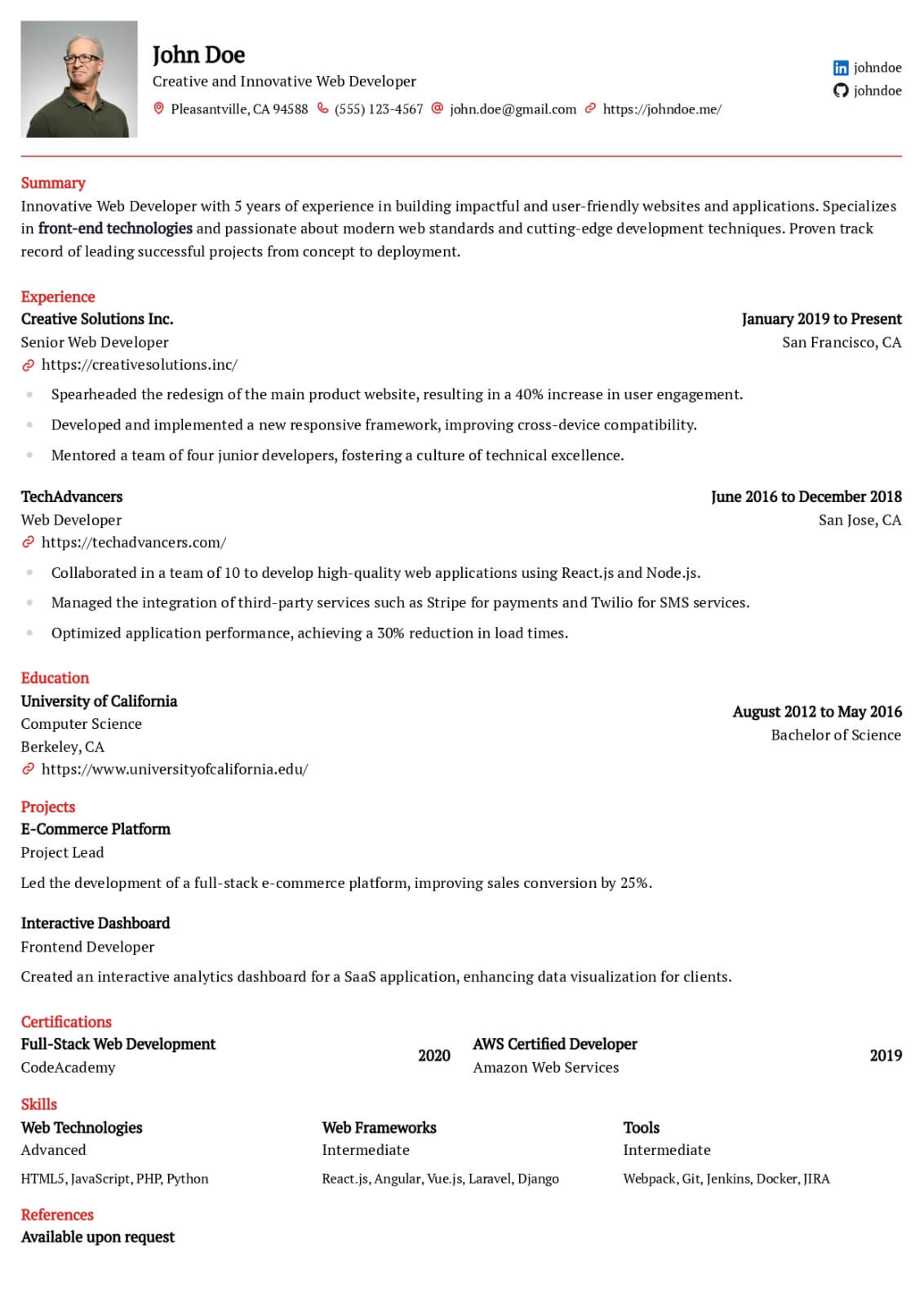
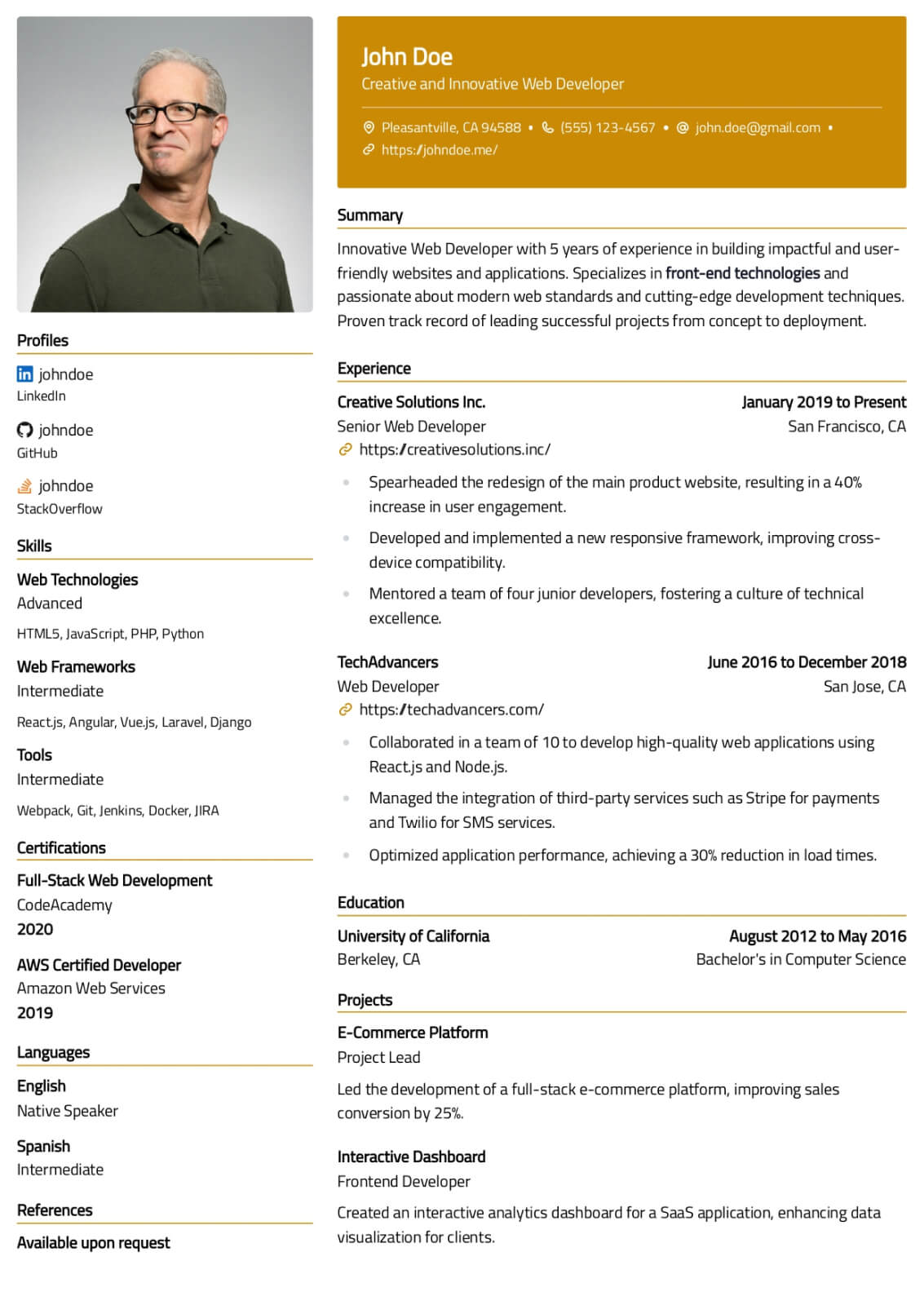
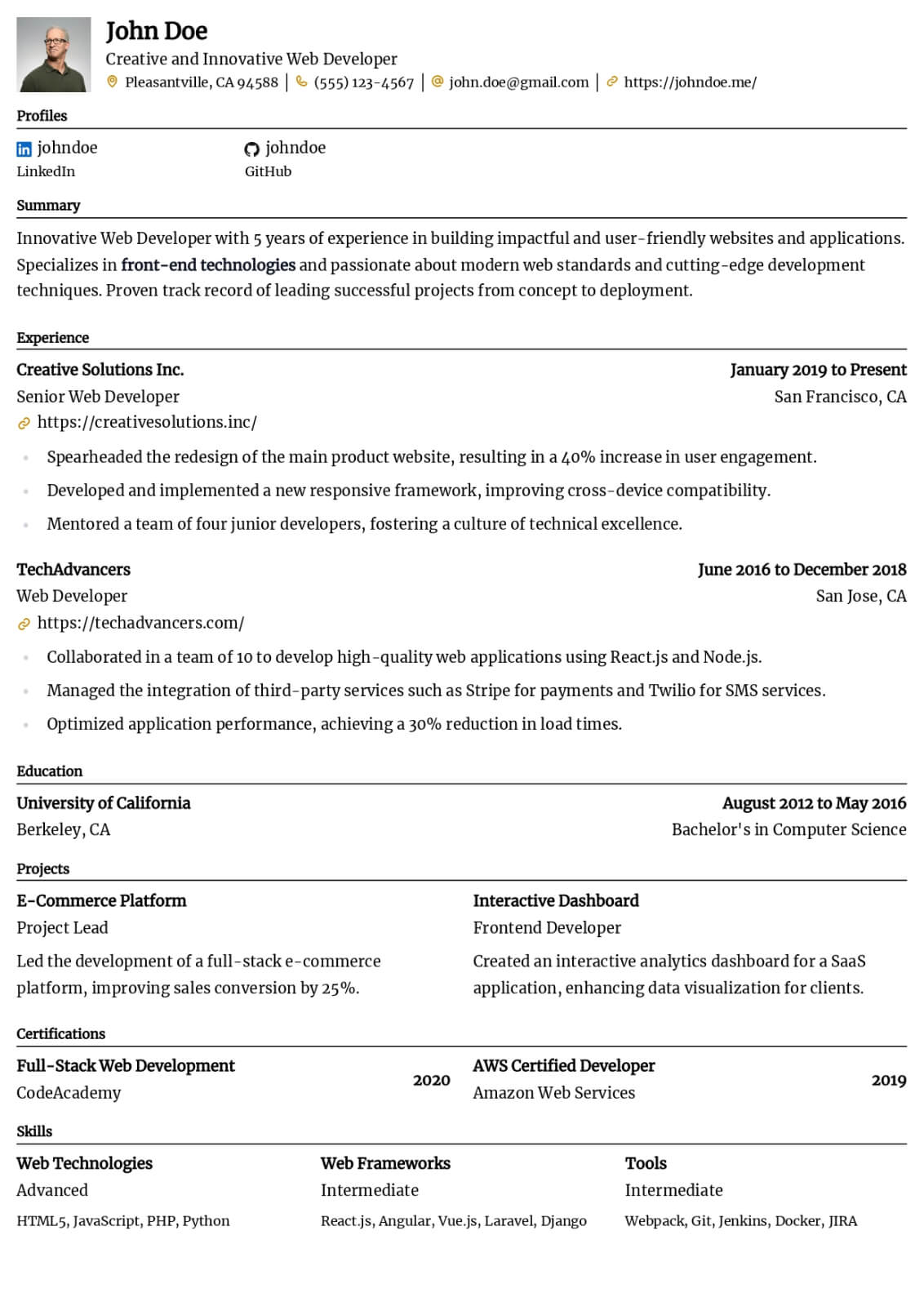
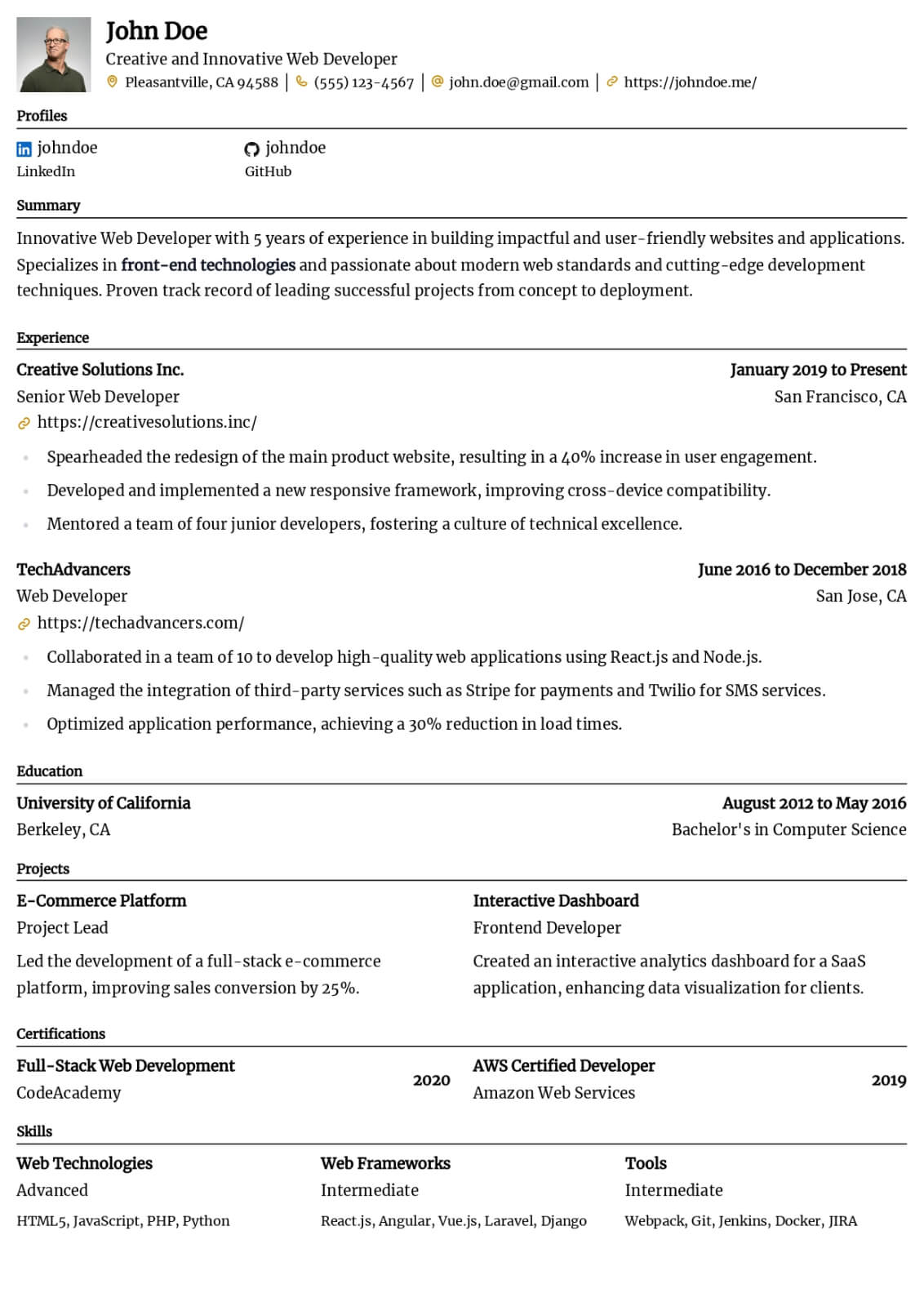
Home Health Aide resume guide
Below, you will find section-by-section guidance for your home health aide resume — from your opening summary through skills and experience. Tailor every line to the job you want.
Professional Summary
Your professional summary should establish you as a certified home health aide with a compassionate caregiving approach and strong patient safety awareness. Open by stating your HHA certification, total years of home care experience, and primary patient populations served such as elderly, post-surgical, or hospice clients. Reference the number of patients you have cared for simultaneously and your core competencies in ADL assistance and vital signs monitoring. Include a quantified achievement such as maintaining a ninety-seven percent patient satisfaction rating across a caseload of eight concurrent home care clients over a twelve-month evaluation period. Mention any specialized training in dementia care, hospice support, or chronic disease management. Keep the summary between three and five sentences for clarity.
Caregiving Experience
Present your home health aide positions in reverse-chronological order, listing the home care agency or employer name and employment dates. Write four to six bullet points per role using action verbs such as assisted, monitored, documented, communicated, and supported. Quantify your impact by noting the number of concurrent patients, patient satisfaction scores, and any care quality metrics maintained. Describe specific caregiving responsibilities including assisting with bathing, dressing, grooming, toileting, and mobility transfers, monitoring and recording vital signs, preparing nutritious meals following dietary restrictions, administering medication reminders, and performing light housekeeping to maintain a safe home environment. Highlight experience with specific patient conditions such as Alzheimer's disease, stroke recovery, congestive heart failure, or end-of-life hospice care. Include any documentation responsibilities in home care agency electronic systems.
Caregiving & Safety Skills
Build a skills section with eight to ten caregiving hard skills and six to seven professional soft skills. Hard skills should include ADL and personal care assistance, vital signs monitoring including blood pressure, pulse, respiration, and temperature, safe patient transfer and mobility assistance techniques, medication reminder administration, wound care observation and reporting, meal preparation following therapeutic diet requirements, and basic infection control and hand hygiene practices. List any home care documentation platforms or electronic visit verification systems you have used. Soft skills should emphasize compassionate and dignified patient interaction, family communication and progress reporting, patience with cognitive and physical limitations, cultural sensitivity in home environments, and reliability in independent work settings. Use home health terminology aligned with Medicare home health conditions of participation.
Certifications & Training
Lead with your Home Health Aide certification with the issuing authority, typically the state health department, and your certification date. HHA certification requires completion of a minimum seventy-five hours of training including sixteen hours of supervised practical experience per federal Medicare standards. Include your CPR and First Aid certifications with expiration dates as these are universally required by home care agencies. Add specialized training certifications such as Alzheimer's and dementia care, hospice aide training, or Certified Nursing Assistant credential if you hold a dual certification. If your state requires additional competency evaluations or continuing education for HHA renewal, note your compliance status. Place this section near the top because home care agencies verify certification before client assignment.
Education & Training
List your HHA training program completion with the institution name and graduation date. Specify whether the program met Medicare-certified training requirements including the minimum seventy-five hours of classroom and clinical instruction. Include any additional education such as a high school diploma, GED, or college coursework in health sciences, gerontology, or nursing that supports your caregiving qualifications. Mention relevant continuing education in specialized areas such as chronic disease management, patient safety, or elder abuse recognition. For HHAs pursuing advancement into CNA, LPN, or nursing programs, include the program with expected completion date to demonstrate career development commitment.
Patient & Family Testimonials
Consider including a brief section referencing patient and family feedback that demonstrates your caregiving quality and professionalism. While maintaining HIPAA compliance by not disclosing patient identifying information, you can reference satisfaction survey results, written commendations from family members, or agency recognition awards. Describe specific instances where your attentive care prevented a patient safety incident such as identifying early signs of a urinary tract infection that led to prompt medical intervention. Mention any caregiver-of-the-month recognitions or patient retention metrics that reflect the quality of your care relationships. These entries help hiring managers assess your interpersonal effectiveness in the intimate home care setting.
Resume layout and formatting
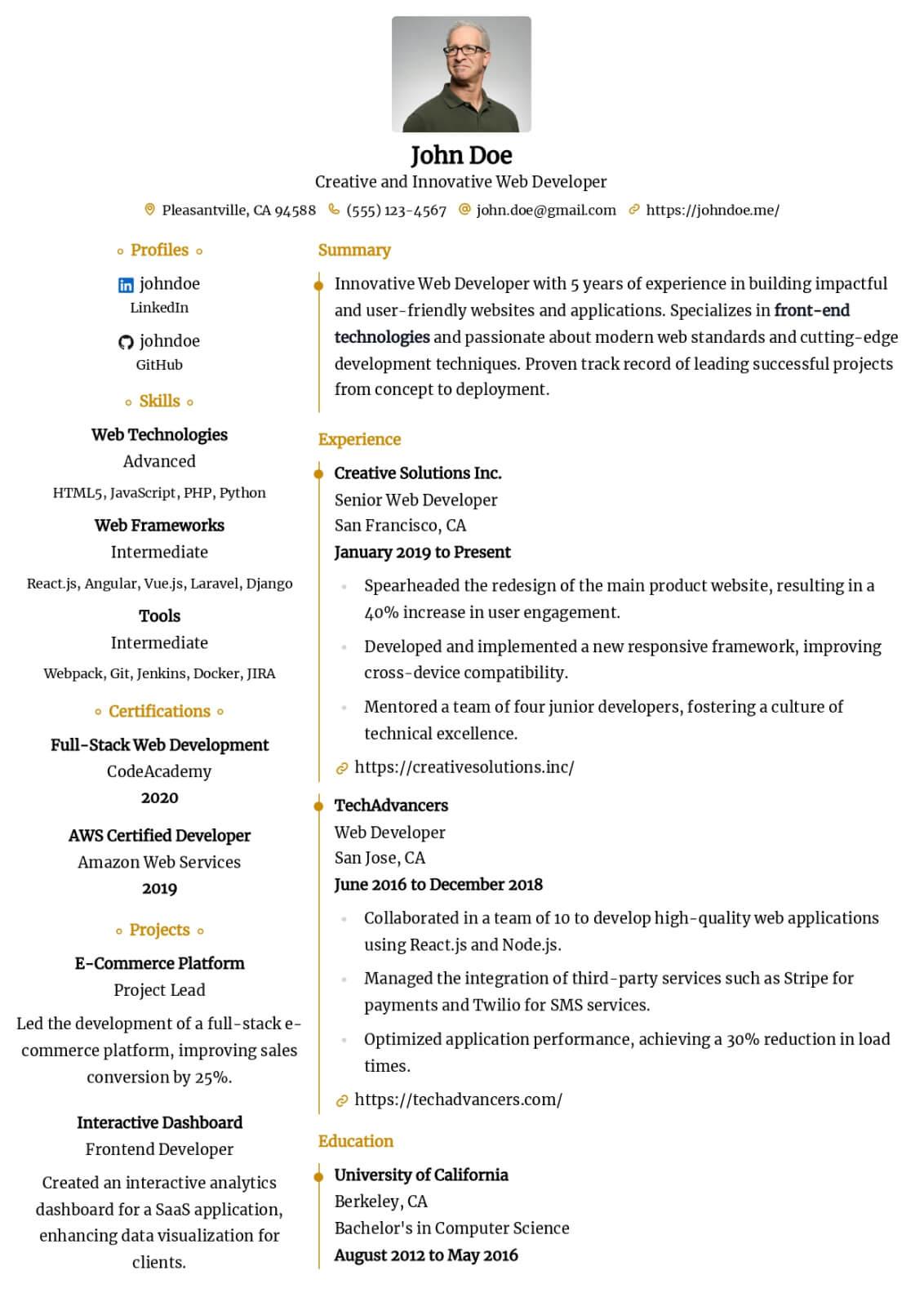
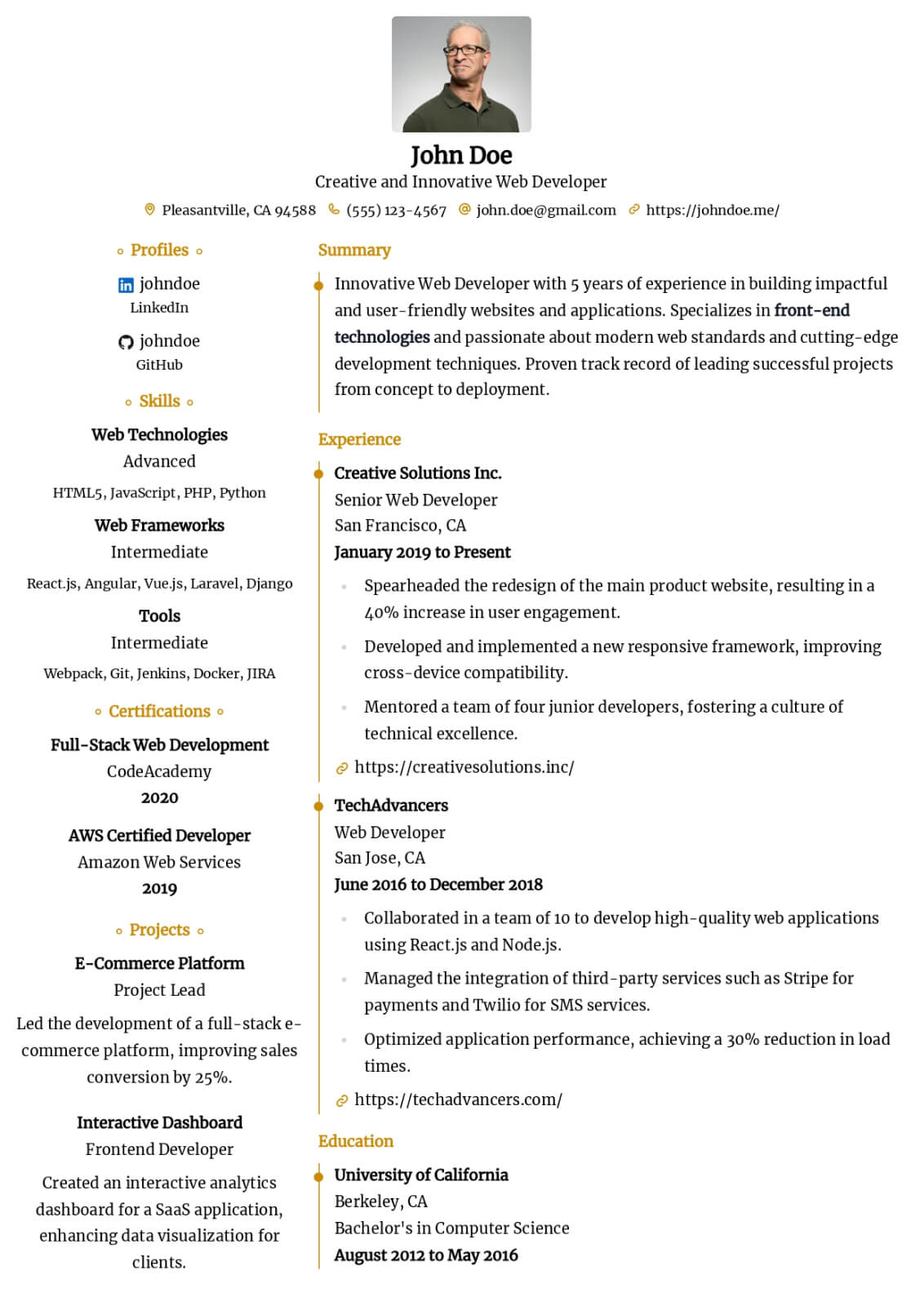
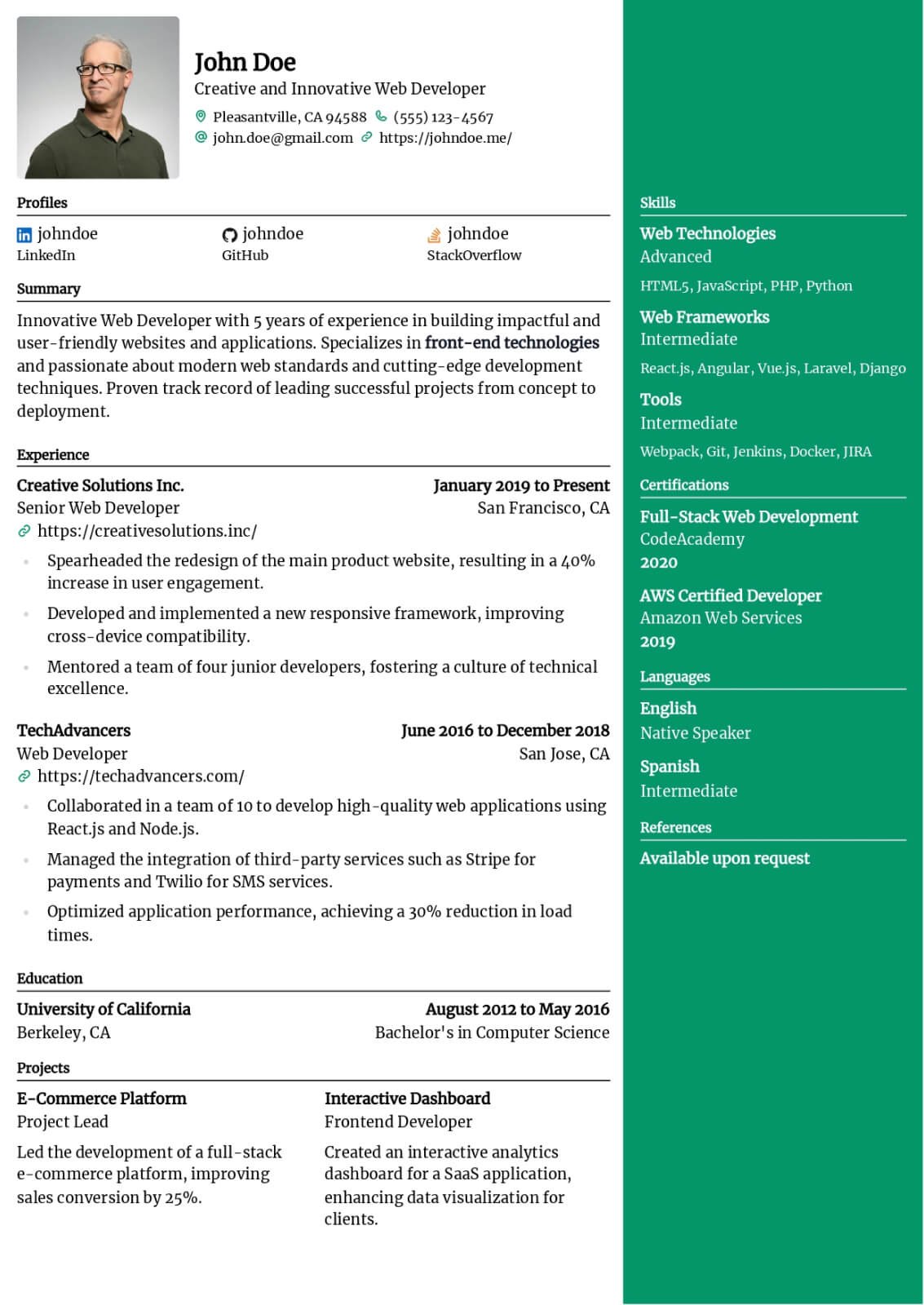
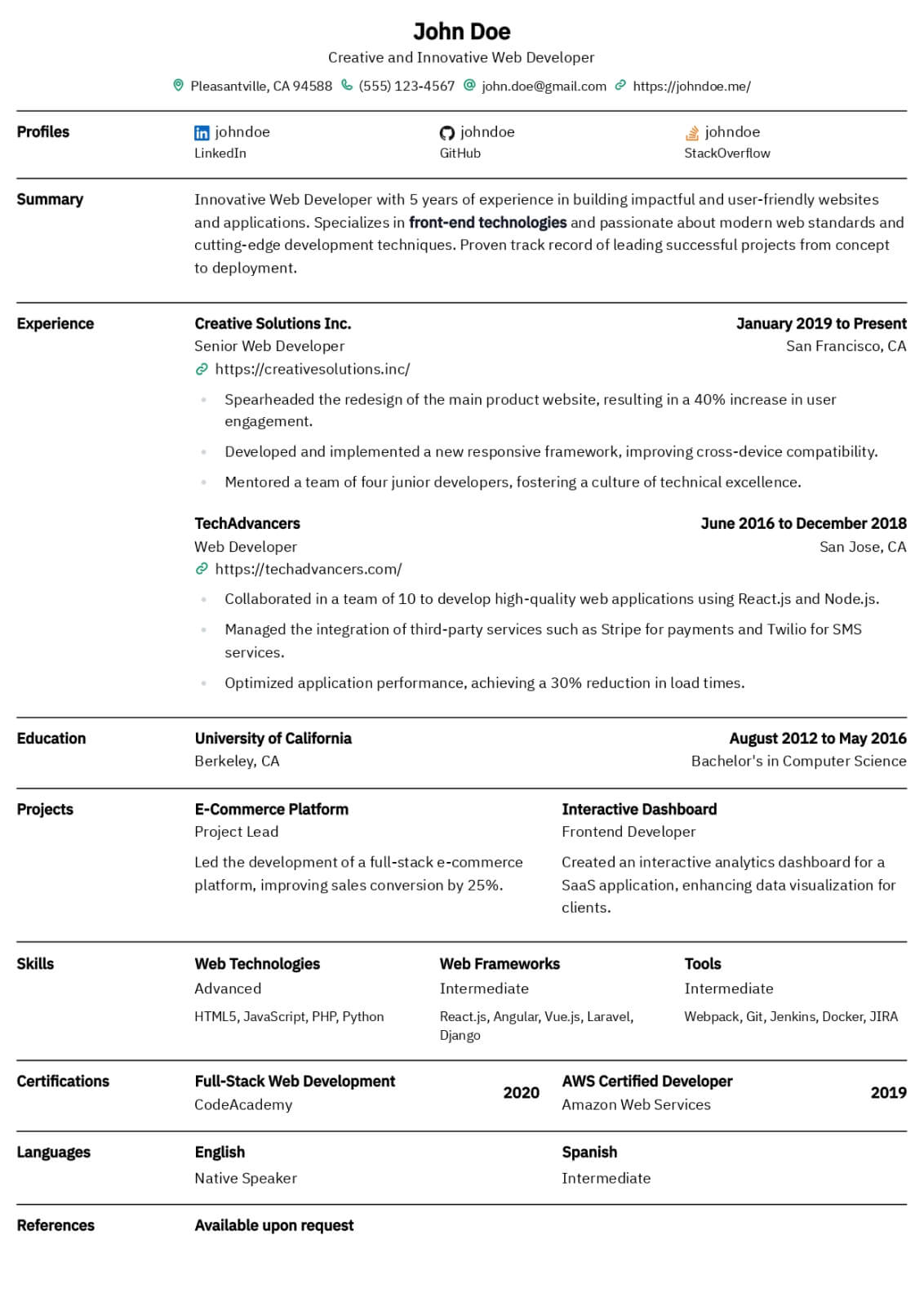
Use a clean, single-column layout with clear section headings and plenty of white space. Lead with technical strengths such as ADL & Personal Care Assistance (Bathing, Dressing, Grooming), Vital Signs Monitoring (BP, Pulse, Respiration, Temperature), Safe Patient Transfer & Mobility Assistance, Medication Reminder Administration, Meal Preparation for Therapeutic Diets, Wound Care Observation & Reporting, then reinforce interpersonal strengths like Compassionate & Dignified Patient Interaction, Family Communication & Progress Reporting, Patience with Cognitive & Physical Limitations, Cultural Sensitivity in Home Environments. Keep fonts standard (e.g., Arial or Calibri) at 10–12pt body size so your resume stays ATS-friendly and easy to scan.
Key takeaways
- Lead with HHA certification and CPR credentials as the primary resume qualifiers
- Quantify patient satisfaction scores and concurrent caseload numbers with specific metrics
- Highlight specialized training in dementia care or hospice for targeted caregiving positions
- Describe specific patient conditions managed to demonstrate clinical awareness and readiness
- Include electronic visit verification system proficiency for home care agency applications
- Emphasize reliability and independent work capability essential for home-based care delivery
Build your Home Health Aide resume with Scale
Lead with HHA certification and CPR credentials as the primary resume qualifiers
Use This Template
Professional Templates That Make You Stand Out
Browse modern, ATS-friendly resume designs crafted to impress recruiters. Customize any template and download it as a Word or PDF file.
Listen What Our Users Have to Say

Rohan Sen
I am very happy with the team's quick turnaround time - any query is responded at utmost priority. Shoutout to my client manager, Anub Biju - very helpful.

Gael L
Service and communication is great, cover letters are non-ai sounding and well tailored. Just have a lot of communication and review with your staff!

Jonathan Parry
Wow - don't tell your peers! Wow, I can't recommend scale.jobs enough - it's so good I am not sharing with my peers. Applications at scale that get through filters. Thank you!

Cynthia Zhu
Great service! The scale.jobs team was very responsible and managed to apply tons of jobs for me in a very tight deadline to help me secure interviews quickly. Highly recommend to anyone who needs help applying to jobs!

Yash Yenugu
Save your fingers. Saved me from a thumb cramp because we're expected to effortlessly apply to jobs during these times.

Cian O'Driscoll
Clever service. Takes the hard effort out of applying for jobs with an intuitive dashboard and attention to detail. A great asset to job seekers. :-)
Frequently asked questions
What should a home health aide resume include in 2026?
A strong HHA resume should feature certification with issuing authority, CPR and First Aid credentials, a professional summary with patient satisfaction metrics, detailed caregiving experience covering ADL assistance and vital signs monitoring, specialized training in relevant patient conditions, and reliable transportation documentation. Tailor the resume to the target population whether elderly, post-surgical, or hospice clients.
Is HHA certification required for home health aide positions?
HHA certification is required by Medicare-certified home health agencies and most state health departments. The federal minimum is seventy-five hours of training including supervised clinical practice. Some states require additional hours or competency evaluations. Certification ensures you meet national caregiving standards and qualifies you for positions with agencies that serve Medicare and Medicaid beneficiaries.
How do I quantify my impact as a home health aide?
Reference metrics such as patient satisfaction survey scores, patient retention rates, concurrent caseload numbers, and agency quality metrics. Include specific outcomes like maintaining zero patient falls across your caseload over a six-month period. Pull numbers from agency performance reports and client feedback systems to provide concrete evidence of your caregiving quality.
Should I include CNA experience on a home health aide resume?
Absolutely. CNA experience demonstrates advanced clinical skills including vital signs assessment, wound care, and nursing team collaboration that transfer directly to home health aide responsibilities. Highlight facility-based patient care competencies that enhance your home care capabilities. Dual CNA and HHA credentials signal versatility and a stronger clinical foundation to employers.
How long should a home health aide resume be?
Keep your home health aide resume to one page. Focus on your HHA certification, most relevant caregiving experience, specialized training, and patient care skills that match the target position. Remove non-healthcare work history unless it demonstrates transferable skills such as customer service or reliability. A concise, focused resume is most effective for home care agency hiring managers.
How can I advance my career from home health aide to nursing?
Highlight your patient care experience, vital signs proficiency, and clinical observation skills gained as an HHA. Note any college coursework in anatomy, biology, or health sciences completed alongside your HHA work. Include your CNA certification if earned and any pre-nursing program enrollment. Frame your HHA experience as a clinical foundation that prepared you for advanced nursing education and practice.
Related Resume Guides
Medical Assistant
Create a medical assistant resume that showcases your clinical and administrative versatility, EHR proficiency, phlebotomy skills, and patient intake expertise to impress hiring managers at clinics and hospitals.
Registered Nurse
Craft a compelling registered nurse resume that highlights clinical competencies, patient care outcomes, EMR proficiency, and licensure credentials to land interviews at top healthcare facilities.
Occupational Therapist
Build an occupational therapist resume that highlights functional independence goals, ADL training expertise, OTR/L licensure, and evidence-based intervention outcomes for pediatric, adult, and geriatric settings.
Physical Therapist
Create a compelling physical therapist resume that showcases evidence-based treatment planning, functional outcome measurements, DPT credentials, and patient rehabilitation success to secure positions across clinical settings.
Dietitian
Build a dietitian resume that showcases medical nutrition therapy expertise, RDN credentials, clinical outcome metrics, and patient education skills for hospital, outpatient, and community nutrition positions.