
Occupational Therapist Resume Examples, Templates & Writing Guide

Written by: Scale.jobs EditorialLast updated: May 1, 2026







Introduction
Build an occupational therapist resume that highlights functional independence goals, ADL training expertise, OTR/L licensure, and evidence-based intervention outcomes for pediatric, adult, and geriatric settings.
This guide walks you through every major section of a occupational therapist resume, with practical tips you can apply today.
- How to present ADL training, adaptive equipment expertise, and functional outcomes effectively
- Strategies for quantifying patient independence gains and discharge goal achievement rates
- Techniques for highlighting OTR/L licensure, NBCOT certification, and specialty credentials
- Methods for tailoring your resume to pediatric, adult rehabilitation, or geriatric settings
- How to demonstrate proficiency with standardized assessments and treatment documentation
- Key approaches for showcasing interdisciplinary collaboration and family education skills
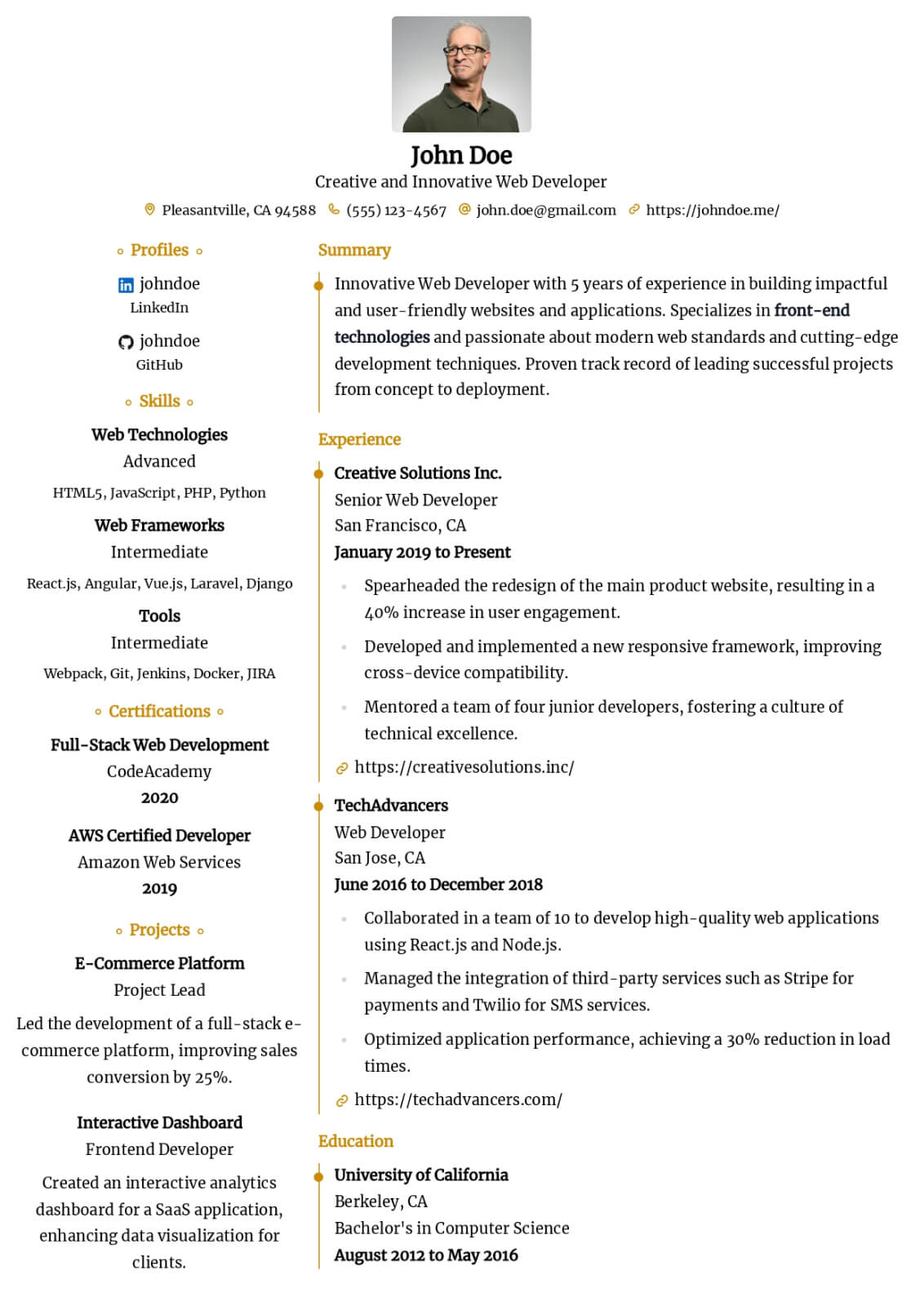
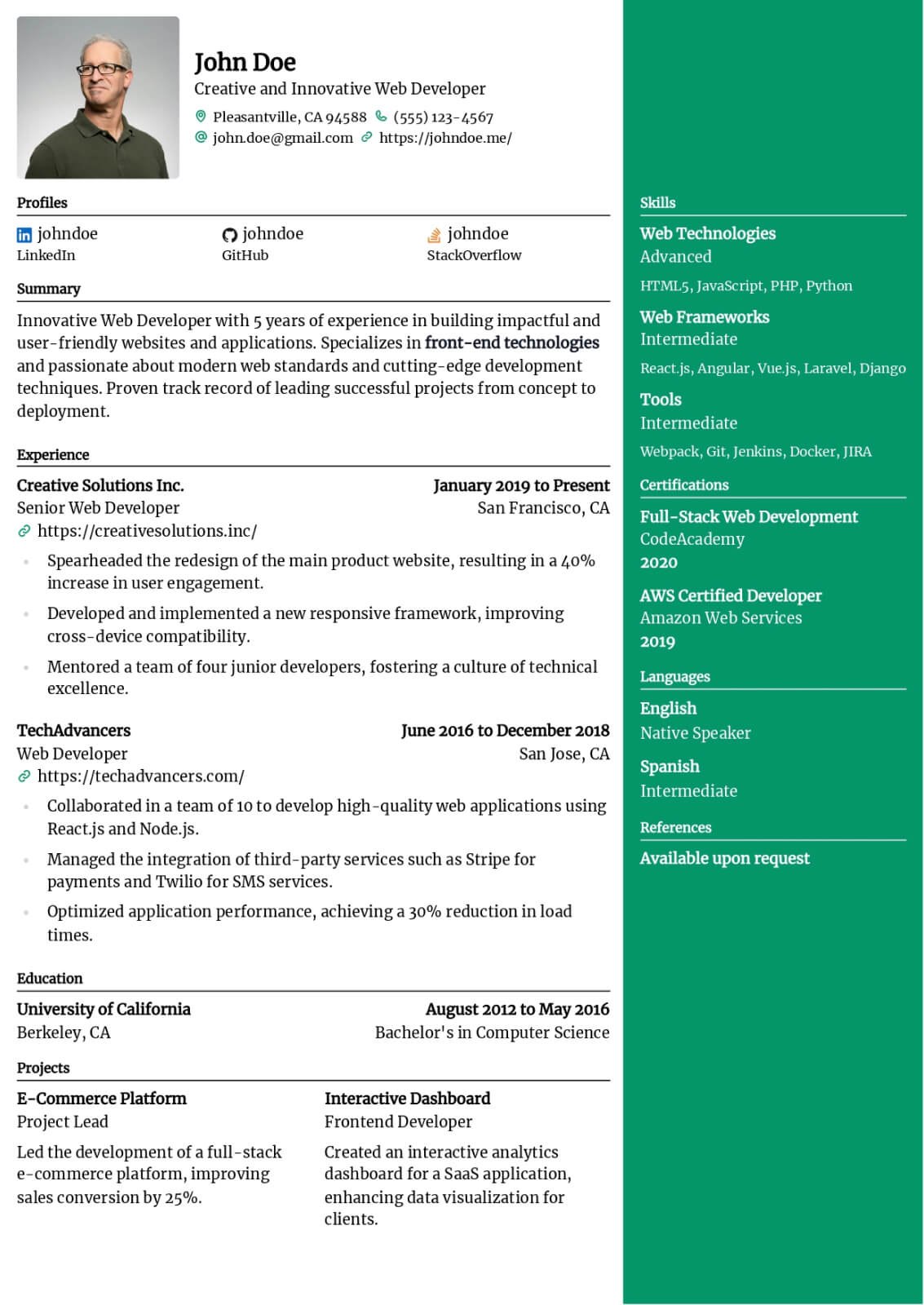
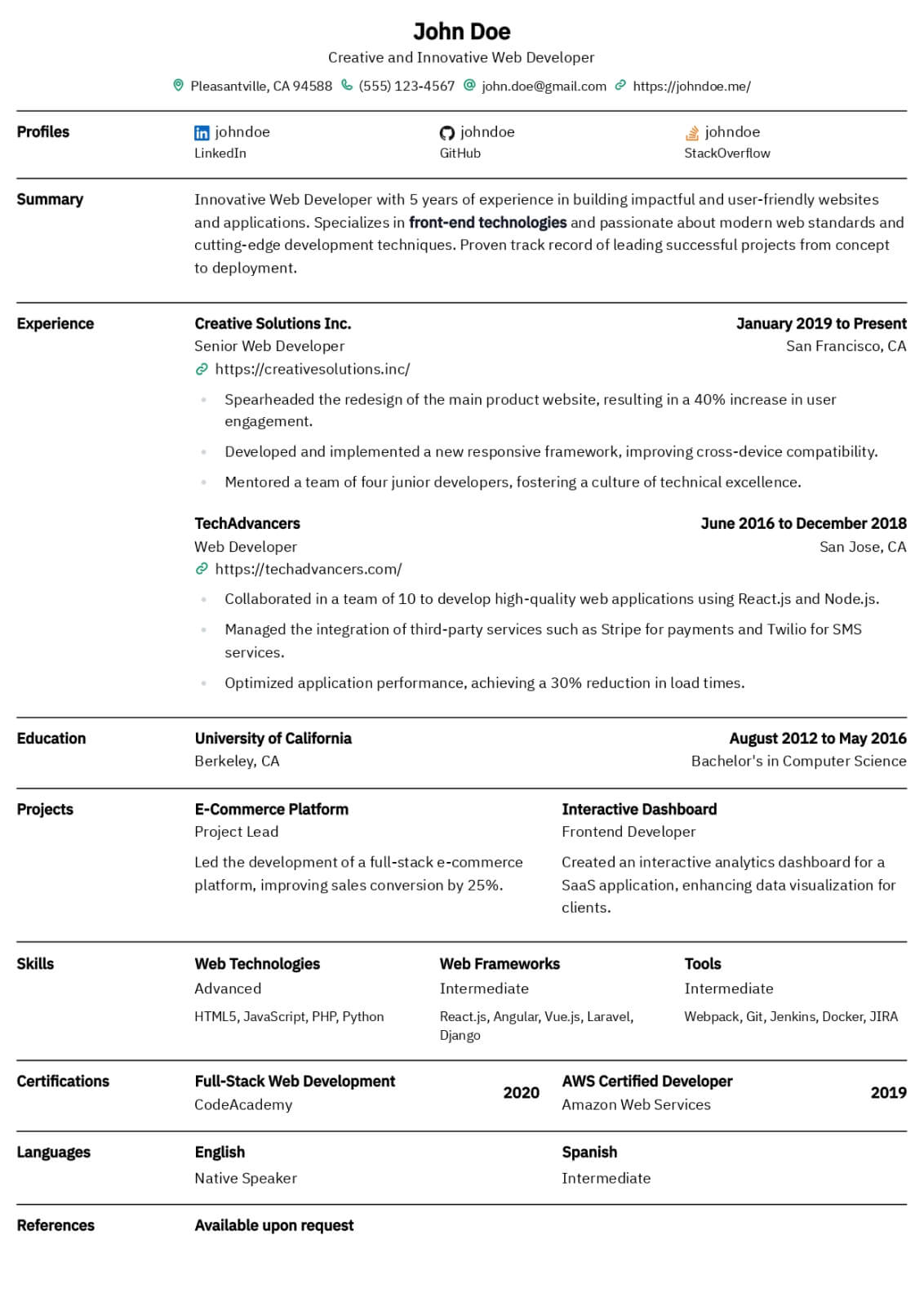
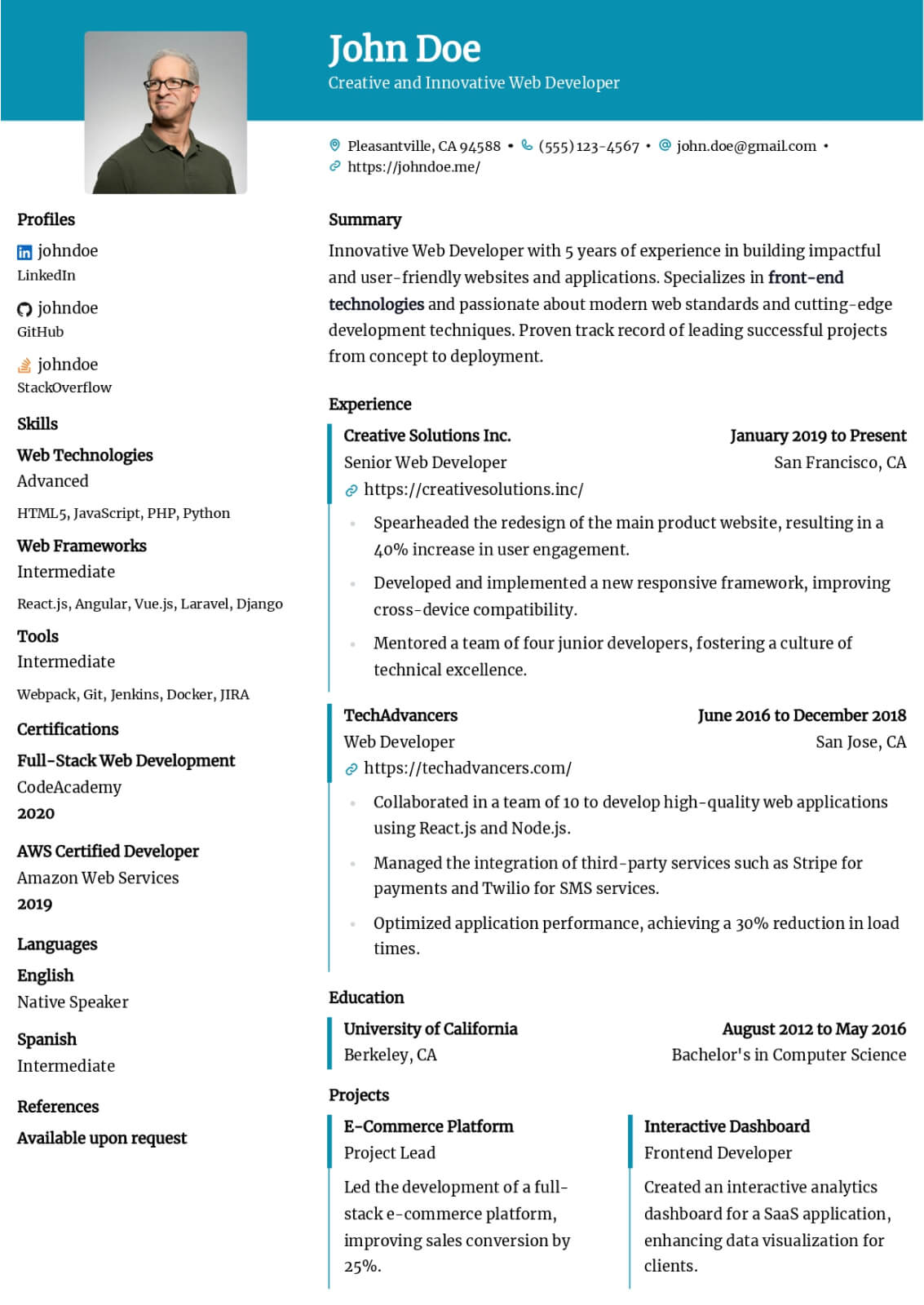
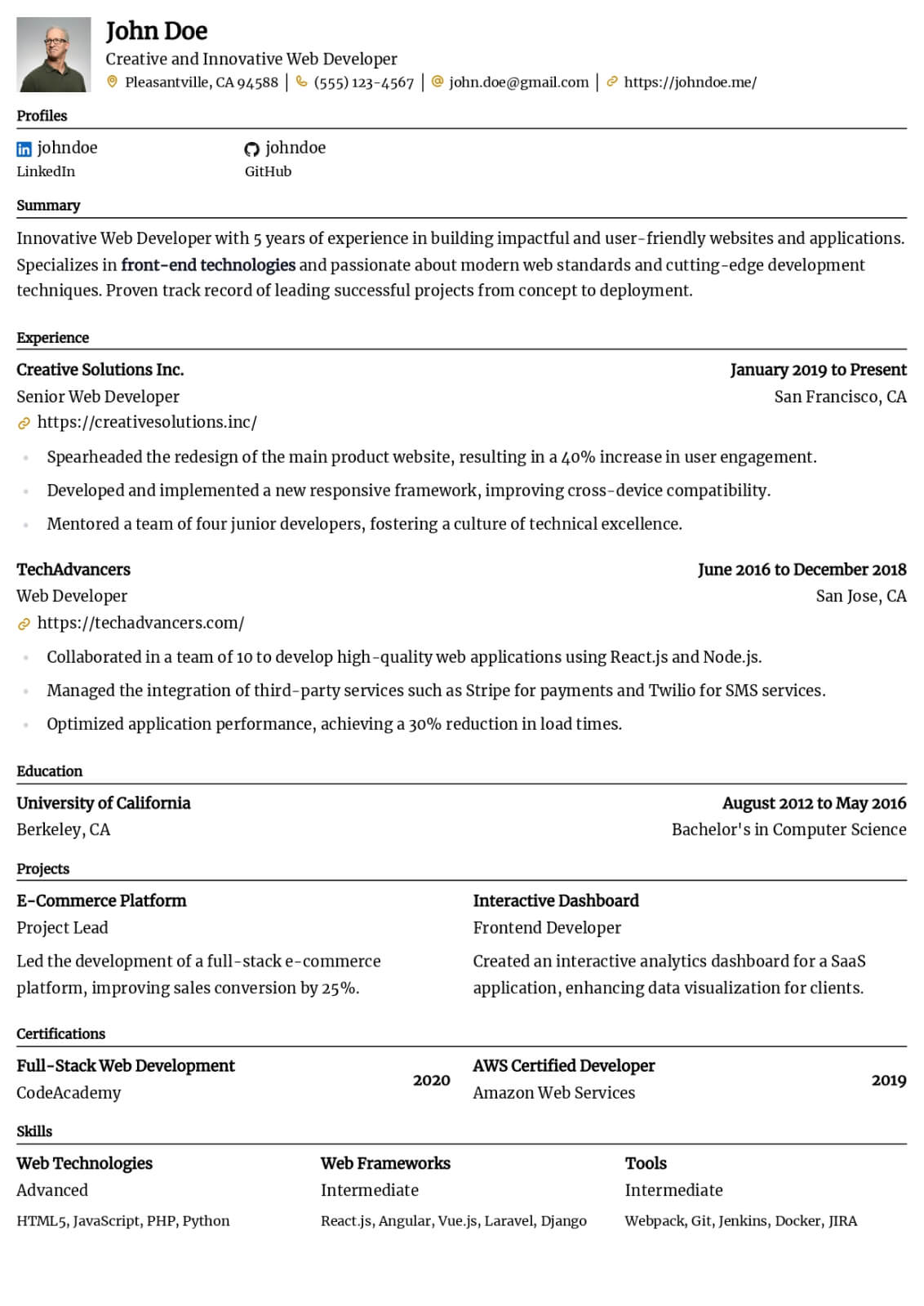
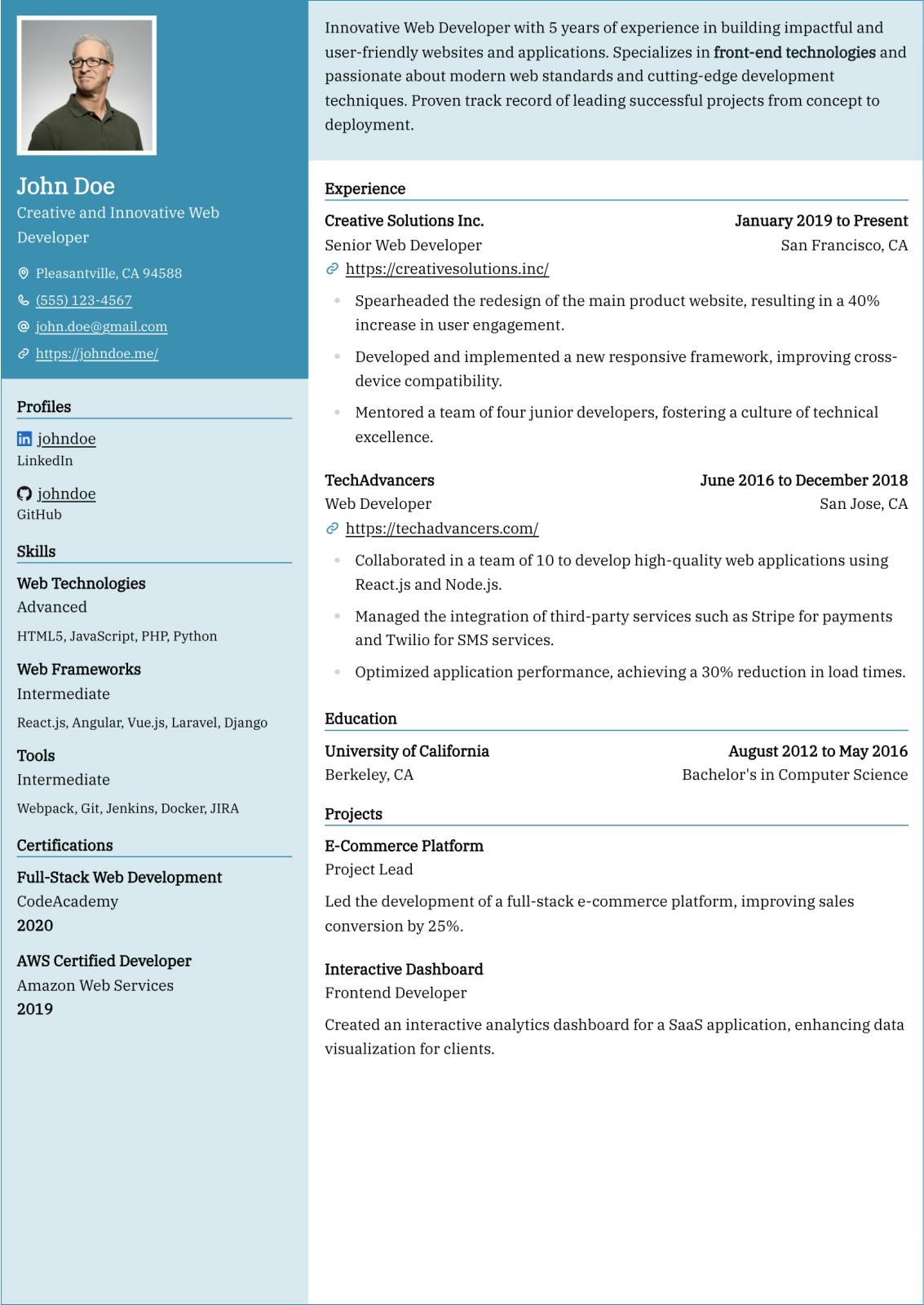
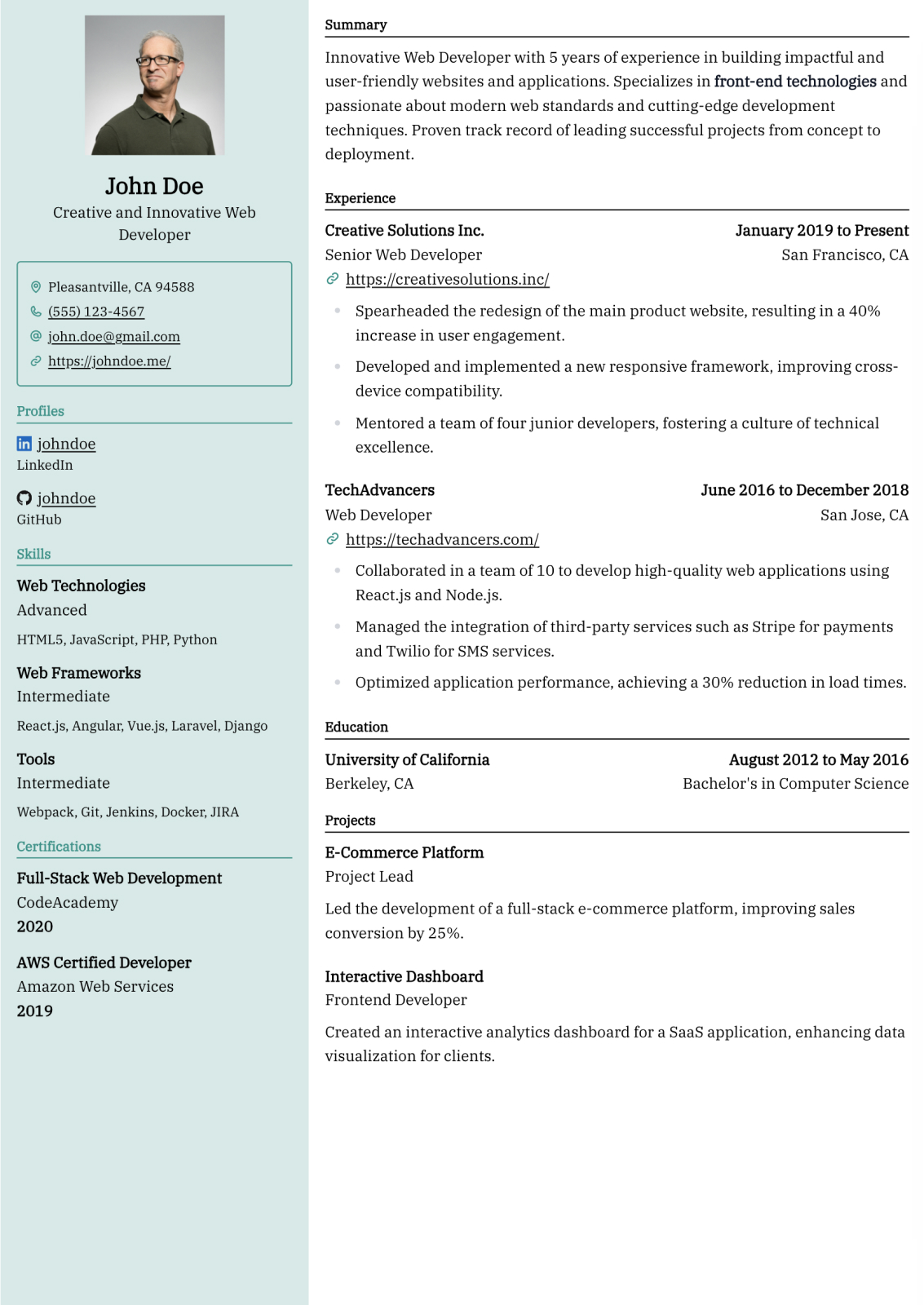
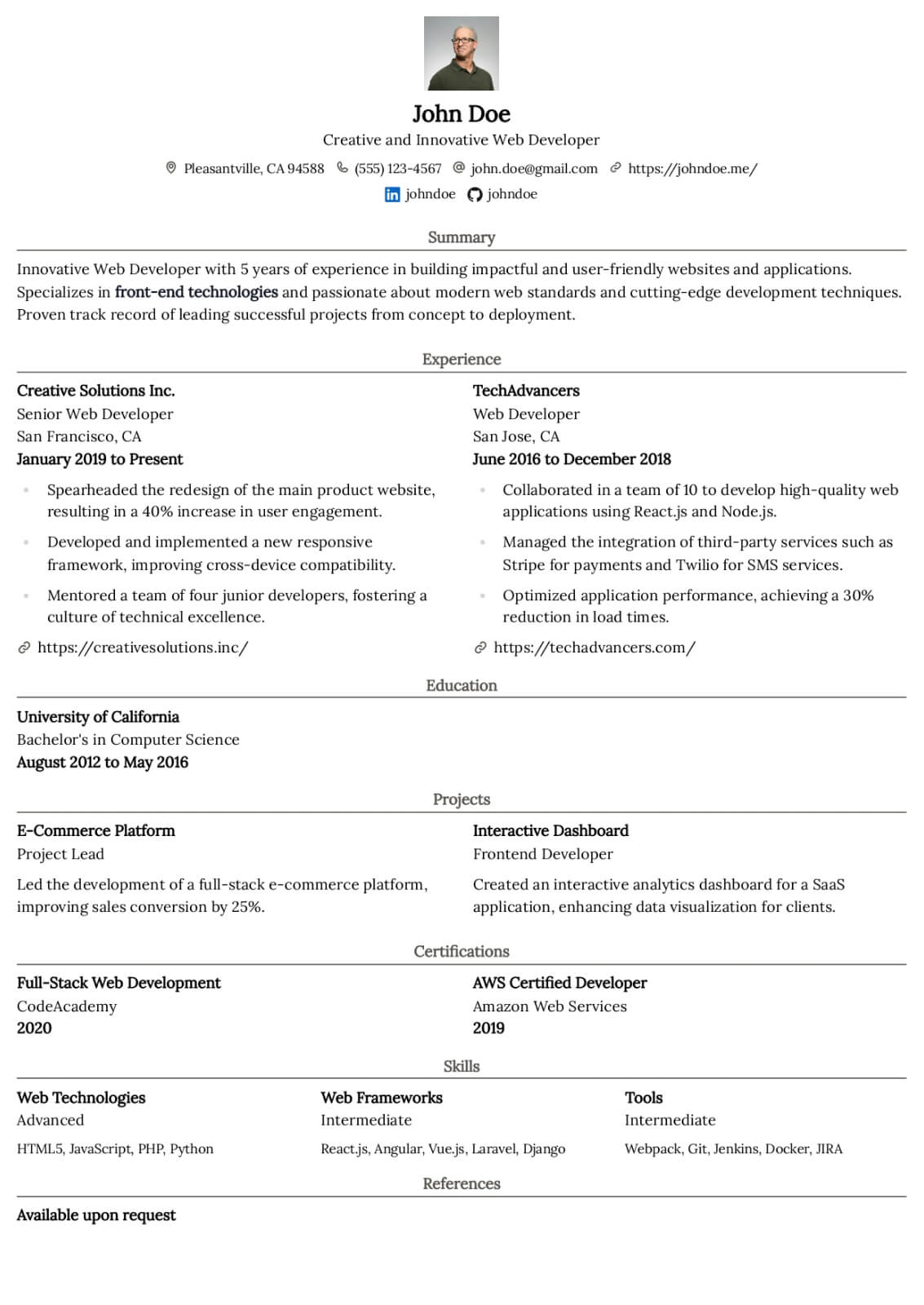
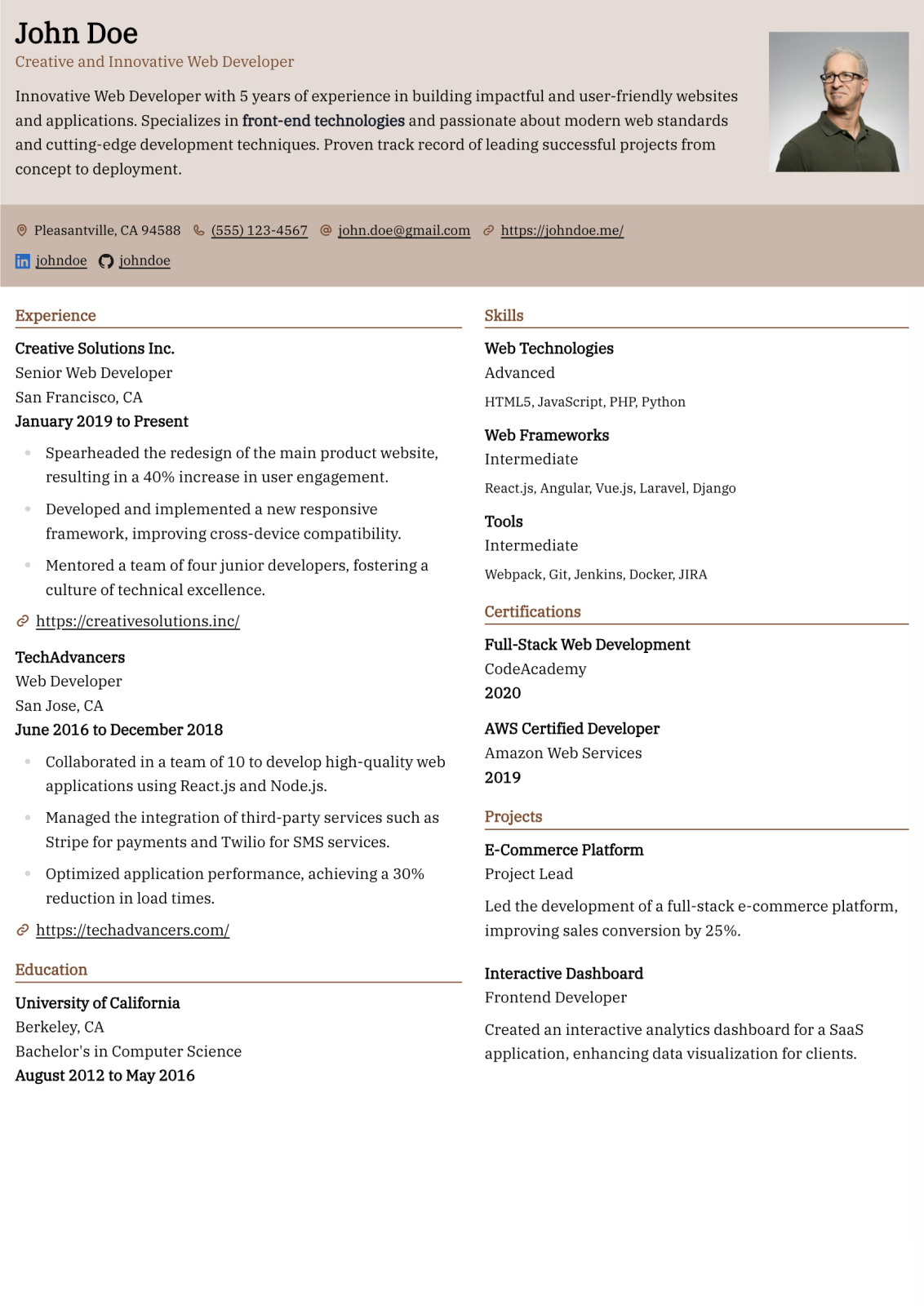
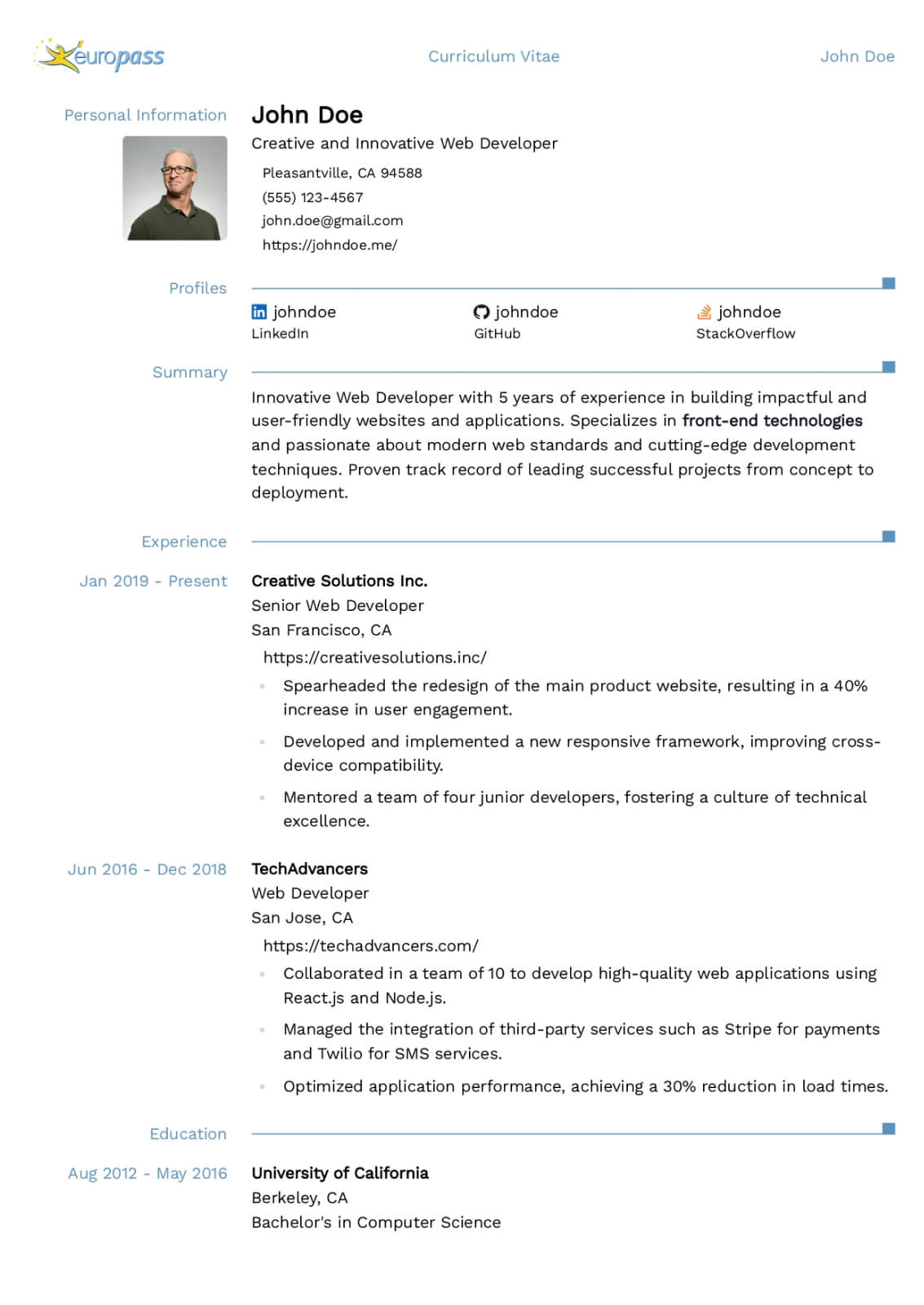
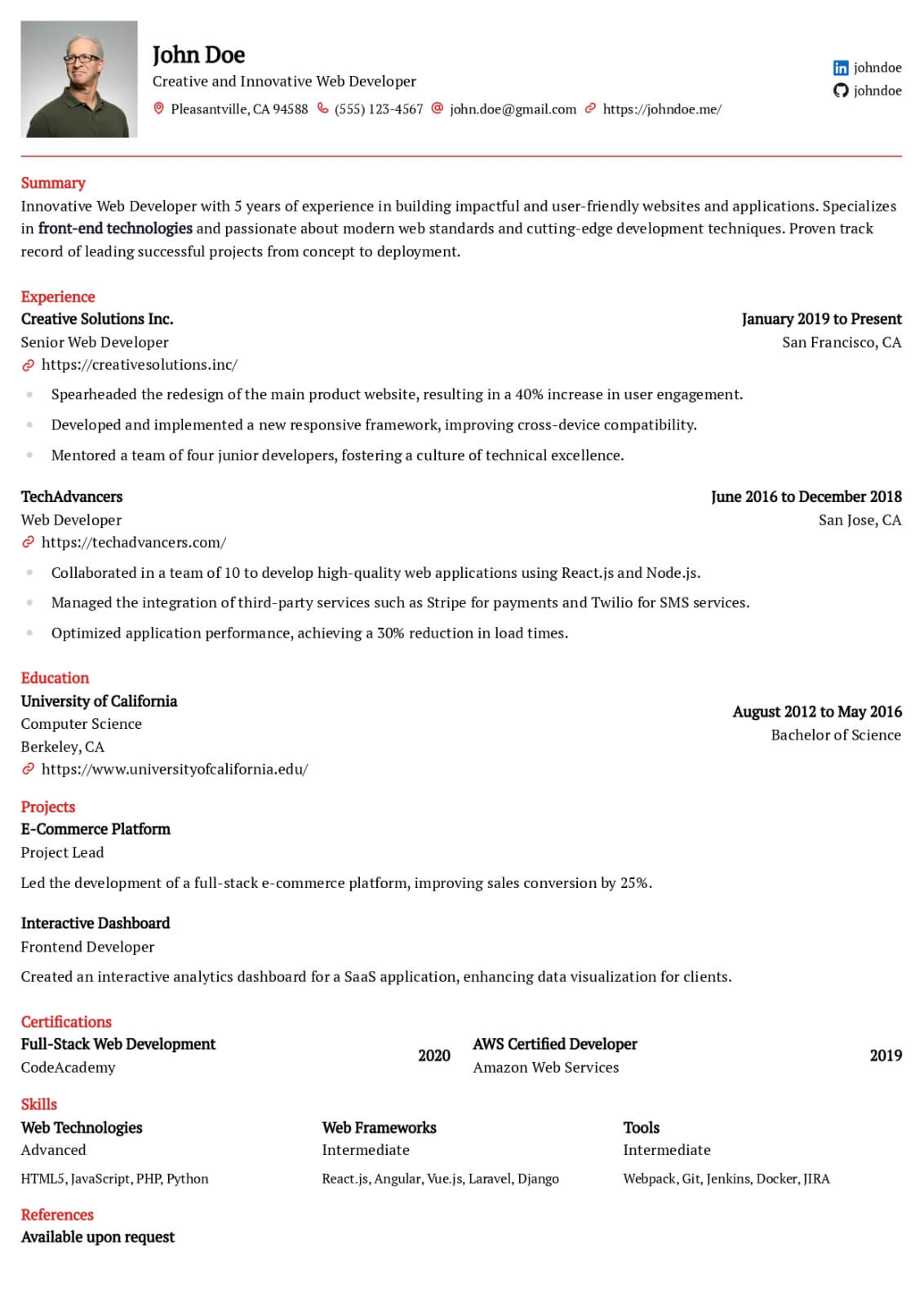
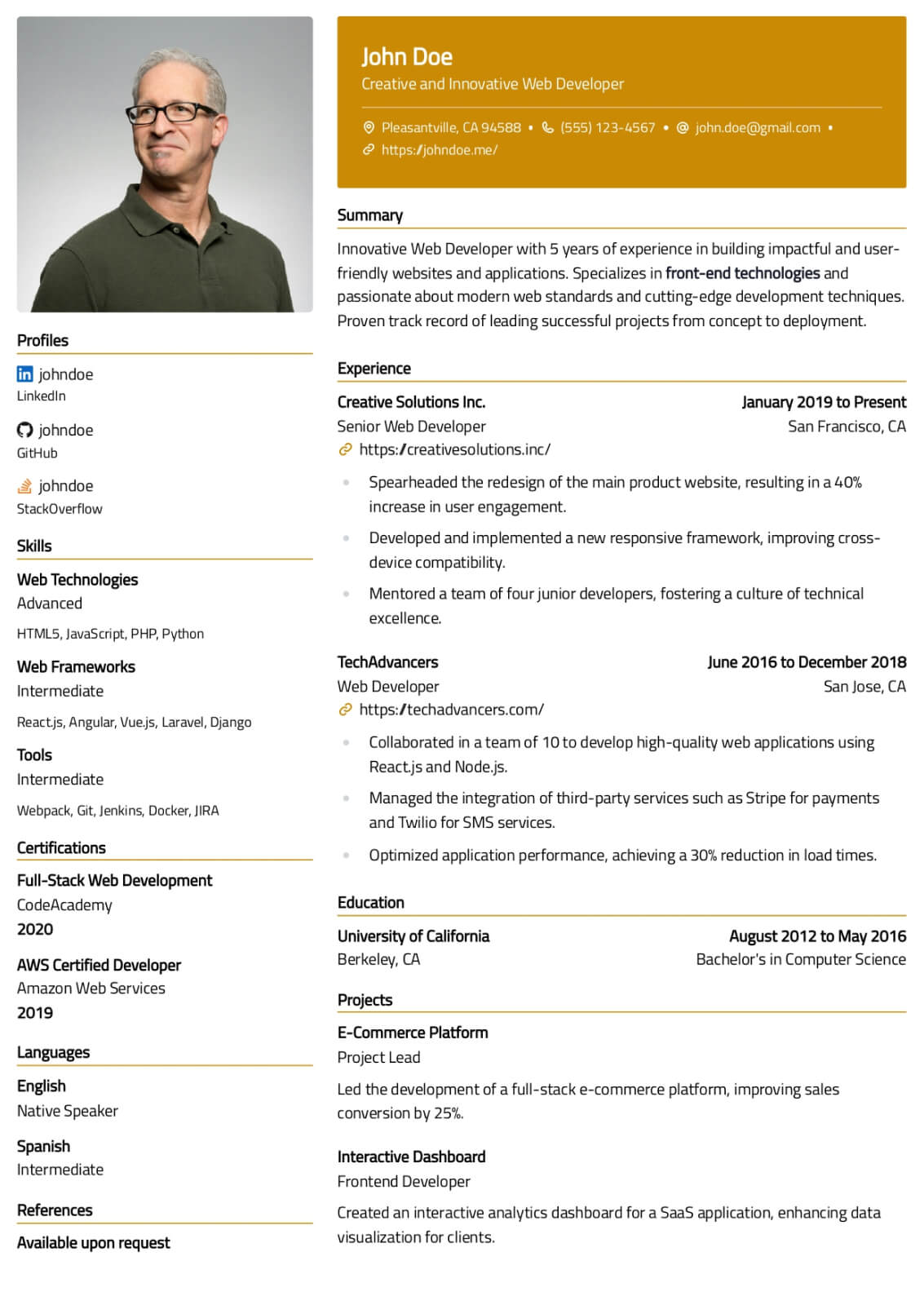
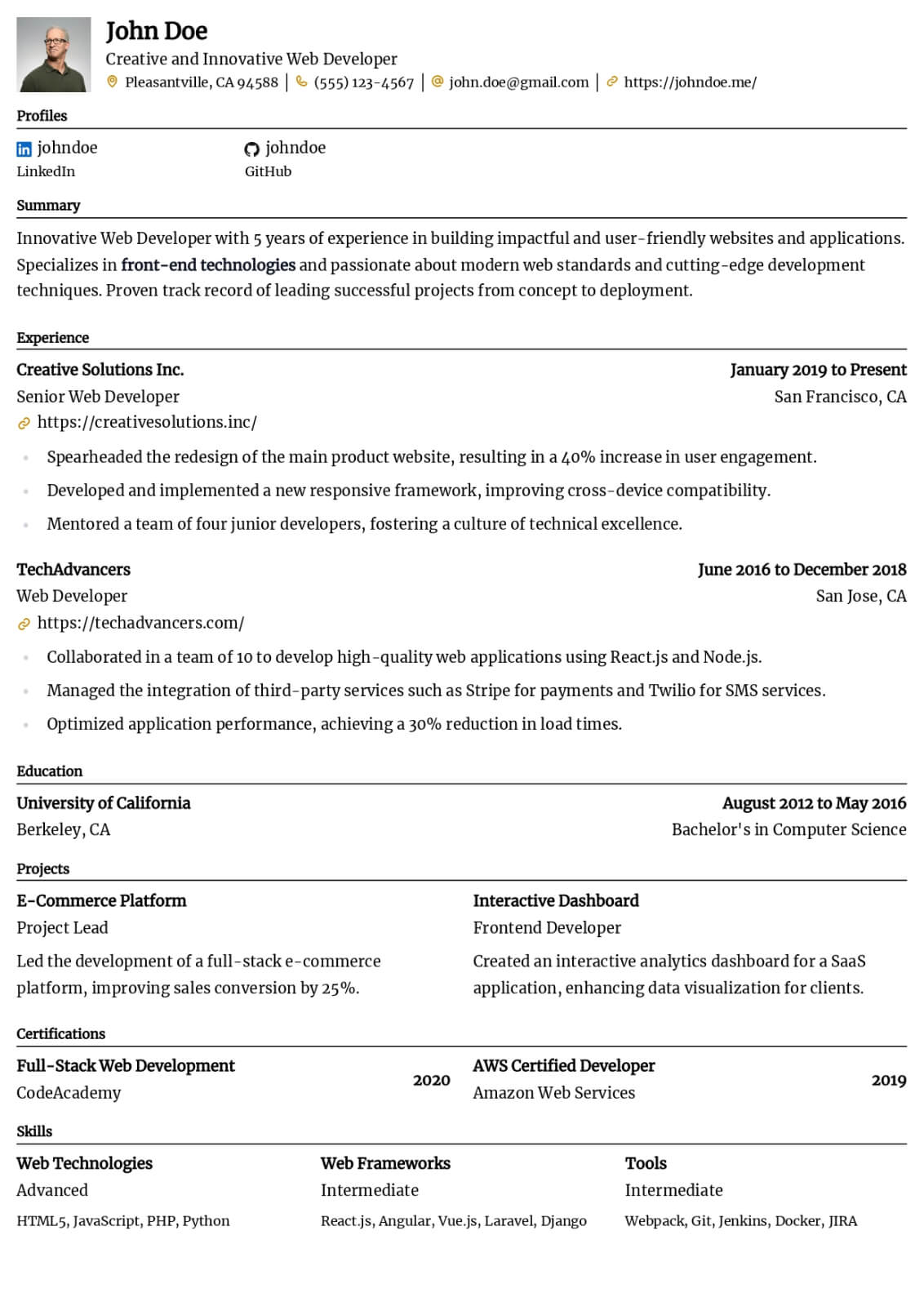
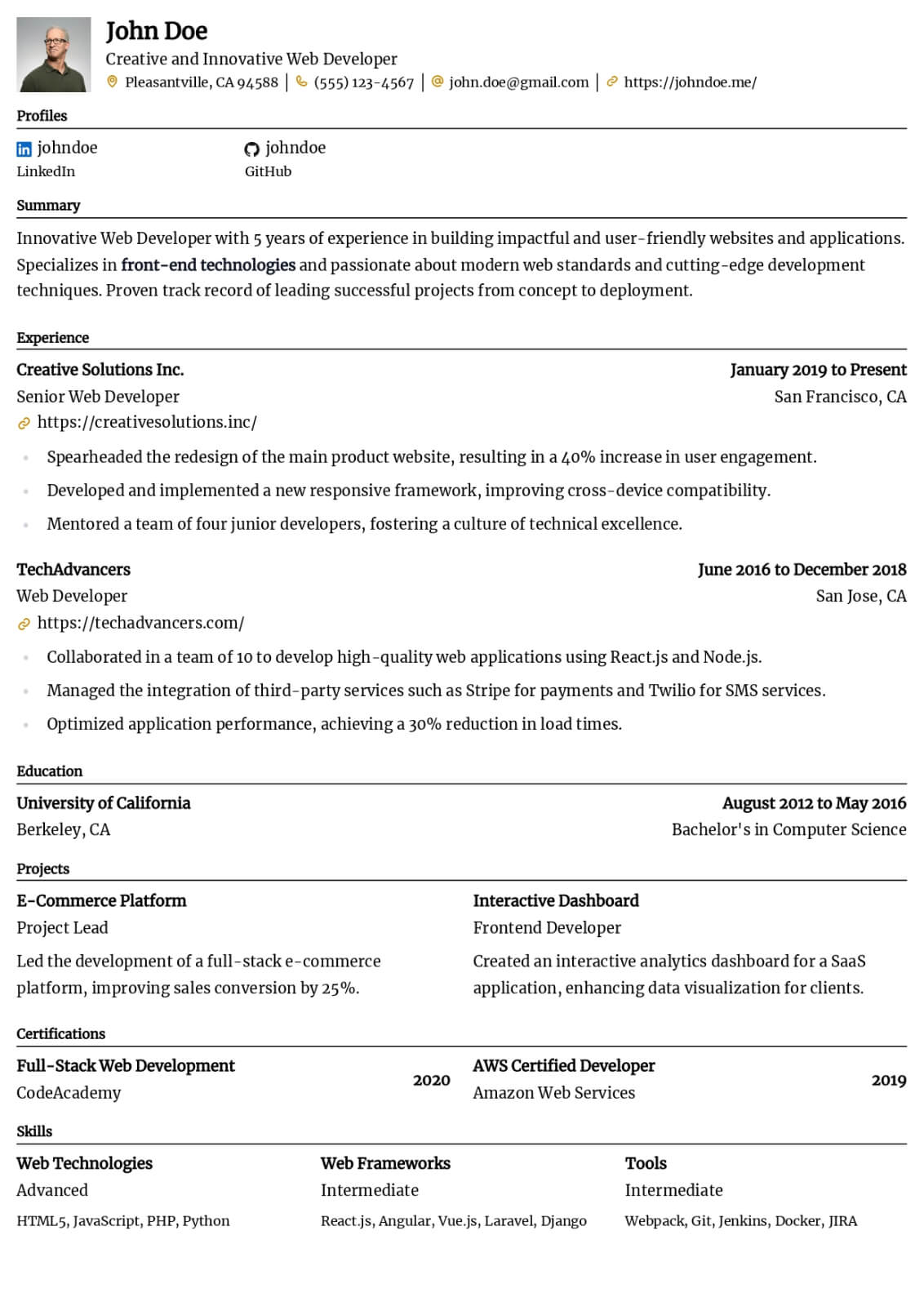
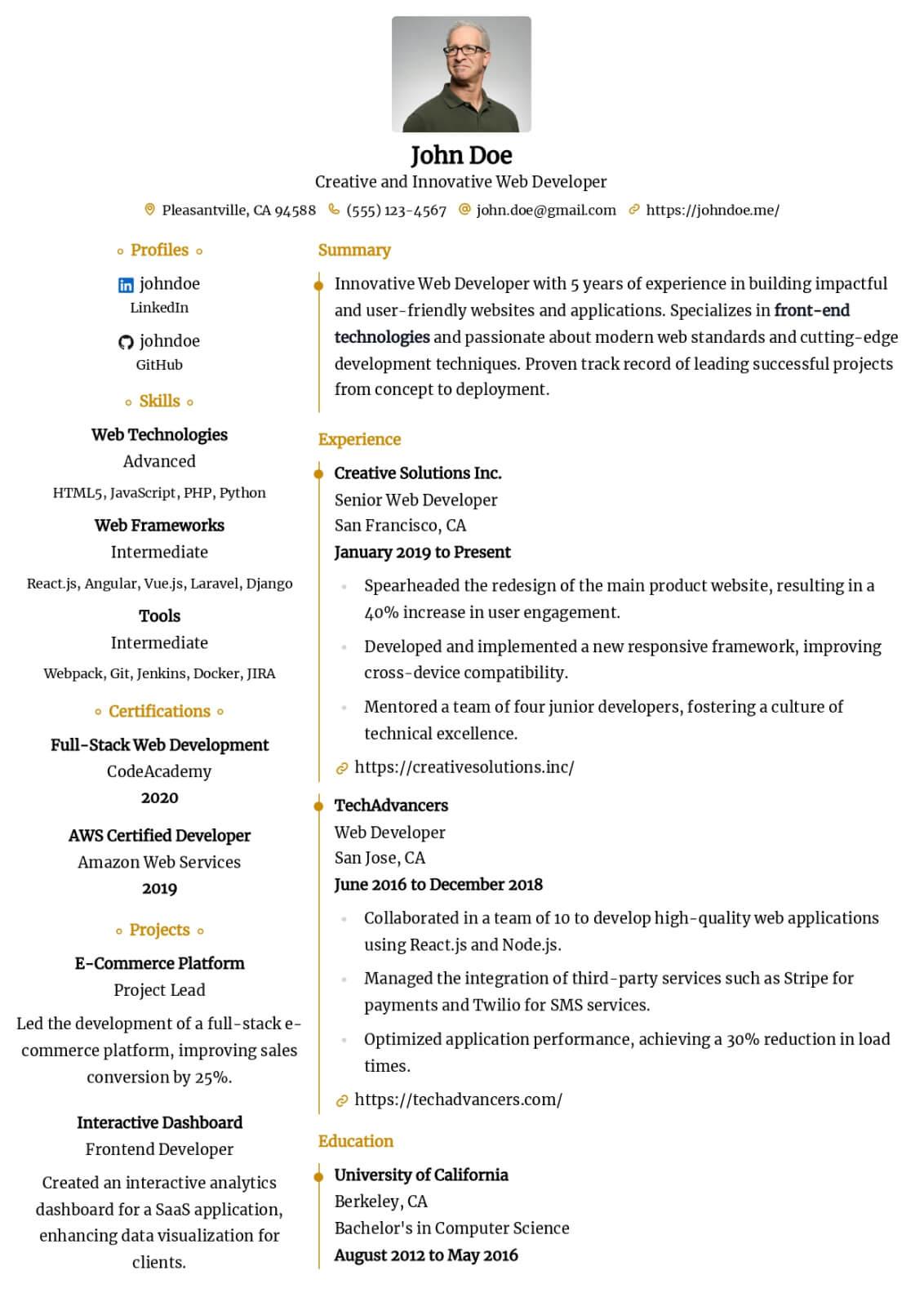
Occupational Therapist resume guide
Below, you will find section-by-section guidance for your occupational therapist resume — from your opening summary through skills and experience. Tailor every line to the job you want.
Professional Summary
Your professional summary should position you as a licensed occupational therapist with a clear specialty focus and patient-centered treatment philosophy. Open by stating your OTR/L licensure, NBCOT certification status, and primary practice population such as pediatric, adult neurorehabilitation, or geriatric care. Reference your caseload capacity and core treatment approaches, for example managing a caseload of thirty-five patients weekly using task-specific training, adaptive equipment prescription, and sensory integration techniques. Include a quantified outcome such as achieving an eighty-eight percent rate of patient discharge to independent community living across your geriatric caseload. Tailor language to the target setting to ensure alignment with the employer's clinical philosophy and patient population needs.
Clinical Experience
Present your occupational therapy positions in reverse-chronological order with clear job titles, facility names, practice settings, and employment dates. Write four to six bullet points per role using action verbs such as evaluated, facilitated, adapted, instructed, and collaborated. Quantify your impact by noting FIM score improvements, discharge-to-home rates, or adaptive equipment recommendation acceptance rates across your patient population. Describe specific interventions including upper extremity rehabilitation, cognitive retraining, home modification assessments, wheelchair and seating evaluations, and splint fabrication. Highlight interdisciplinary work by describing care coordination with physical therapists, speech-language pathologists, and social workers for comprehensive discharge planning. Include any supervisory responsibilities for OT students or certified occupational therapy assistants to demonstrate clinical leadership.
Clinical & Intervention Skills
Build a skills section with eight to ten intervention-specific hard skills and six to seven soft skills aligned with your practice area. Hard skills should include ADL and IADL assessment and training, upper extremity splint fabrication, sensory integration and processing intervention, cognitive and perceptual retraining techniques, and wheelchair and seating prescription. List standardized assessment tools you administer such as the Canadian Occupational Performance Measure, Allen Cognitive Level Screen, or Sensory Profile. Include EMR platforms used for documentation such as Net Health, WebPT, or Meditech. Soft skills should emphasize patient and family education, therapeutic rapport building, creative problem-solving for environmental modifications, and interdisciplinary team collaboration in complex discharge planning scenarios.
Licensure & Certifications
Lead with your state OTR/L license and national NBCOT certification as these are mandatory credentials for occupational therapy practice. Include license numbers and renewal dates to facilitate credentialing verification. Add specialty certifications such as Board Certification in Pediatrics from AOTA, Certified Hand Therapist credential, Assistive Technology Professional designation, or LSVT BIG certification for Parkinson's disease intervention. List BLS certification and any additional credentials required by your practice setting such as wound care certification for acute rehabilitation roles. Place this section prominently because OT hiring managers verify NBCOT status and state licensure before advancing candidates through the interview process.
Education
List your Master of Occupational Therapy or Doctor of Occupational Therapy degree, the institution name, and graduation year. Specify whether your program was accredited by ACOTE, as accreditation status is required for NBCOT examination eligibility. Include Level I and Level II fieldwork placements specifying the facility, setting, patient population, and duration for each rotation. Highlight capstone projects, research studies, or published work from your academic program that demonstrate scholarly engagement with occupational therapy practice. For OTs pursuing post-professional doctoral degrees or specialty residency programs, include these with expected completion dates to signal advanced clinical development.
Program Development & Quality Improvement
Include professional contributions that extend beyond direct patient care to demonstrate leadership and innovation. Describe programs you developed or implemented such as a falls prevention group protocol that reduced fall rates by twenty-five percent on your unit or a community reintegration program for stroke survivors that improved COPM satisfaction scores. Mention contributions to facility accreditation efforts, clinical pathway development, or evidence-based practice committees. Reference presentations at AOTA conferences, state association meetings, or facility in-service education sessions. These entries differentiate you from other candidates by showing your commitment to advancing occupational therapy practice and improving patient outcomes at the systems level.
Resume layout and formatting
Use a clean, single-column layout with clear section headings and plenty of white space. Lead with technical strengths such as ADL & IADL Assessment and Training, Upper Extremity Splint Fabrication, Sensory Integration & Processing Intervention, Cognitive & Perceptual Retraining, Wheelchair Seating & Positioning Assessment, Home Modification & Environmental Adaptation, then reinforce interpersonal strengths like Patient & Family Education, Therapeutic Rapport Building, Creative Problem-Solving for Adaptations, Interdisciplinary Discharge Planning. Keep fonts standard (e.g., Arial or Calibri) at 10–12pt body size so your resume stays ATS-friendly and easy to scan.
Key takeaways
- Lead with OTR/L licensure and NBCOT certification at the top of your resume
- Quantify functional independence outcomes using standardized tools like FIM and COPM
- Specify intervention techniques and populations rather than listing generic OT duties
- Highlight specialty certifications like CHT or ATP for advanced practice positions
- Include fieldwork placement details if you are a recent OT graduate seeking entry-level roles
- Tailor clinical language to the target setting and primary patient population served
Build your Occupational Therapist resume with Scale
Lead with OTR/L licensure and NBCOT certification at the top of your resume
Use This Template
Professional Templates That Make You Stand Out
Browse modern, ATS-friendly resume designs crafted to impress recruiters. Customize any template and download it as a Word or PDF file.
Listen What Our Users Have to Say

Rohan Sen
I am very happy with the team's quick turnaround time - any query is responded at utmost priority. Shoutout to my client manager, Anub Biju - very helpful.

Gael L
Service and communication is great, cover letters are non-ai sounding and well tailored. Just have a lot of communication and review with your staff!

Jonathan Parry
Wow - don't tell your peers! Wow, I can't recommend scale.jobs enough - it's so good I am not sharing with my peers. Applications at scale that get through filters. Thank you!

Cynthia Zhu
Great service! The scale.jobs team was very responsible and managed to apply tons of jobs for me in a very tight deadline to help me secure interviews quickly. Highly recommend to anyone who needs help applying to jobs!

Yash Yenugu
Save your fingers. Saved me from a thumb cramp because we're expected to effortlessly apply to jobs during these times.

Cian O'Driscoll
Clever service. Takes the hard effort out of applying for jobs with an intuitive dashboard and attention to detail. A great asset to job seekers. :-)
Frequently asked questions
What should an occupational therapist resume include in 2026?
A strong OT resume should feature active OTR/L licensure, NBCOT certification, a professional summary with quantified patient outcomes, clinical experience organized by practice setting and population, and specialty credentials. Include specific intervention techniques and standardized assessment tools to demonstrate clinical depth. Tailor every section to the target facility and patient population for maximum relevance.
How do I quantify outcomes on an occupational therapy resume?
Reference standardized measures such as FIM scores, COPM satisfaction and performance ratings, discharge-to-home rates, and patient independence percentages. Pull data from your facility's outcomes tracking system and quality reports. Concrete metrics like improving average COPM performance scores by three points across your caseload provide evidence of your clinical impact that resonates with hiring managers.
Should I include fieldwork placements on my OT resume?
Yes, especially for recent graduates. List each Level II fieldwork placement with the facility name, setting, patient population, and duration in weeks. Describe the interventions you performed independently and the caseload you managed. Fieldwork placements are your primary clinical experience as a new graduate and demonstrate readiness for entry-level practice in the specified setting.
What specialty certifications strengthen an OT resume?
Board certifications from AOTA in areas such as pediatrics, physical rehabilitation, or mental health validate advanced expertise. The Certified Hand Therapist credential is highly valued for upper extremity practice. Assistive Technology Professional certification strengthens applications for technology-focused roles. These credentials signal specialized clinical knowledge that differentiates you from generalist candidates.
How long should an occupational therapist resume be?
New OT graduates should aim for one page, while experienced occupational therapists with multiple practice settings, specialty certifications, and research contributions can appropriately use two pages. Every entry should demonstrate clinical value directly relevant to the target position. Remove outdated content or non-clinical roles that dilute the professional impact of your application.
How do I transition my OT resume between practice settings?
Emphasize transferable clinical skills such as functional assessment, treatment planning, interdisciplinary collaboration, and patient education that apply across settings. Highlight any cross-setting experience from fieldwork placements or continuing education in the target area. Use your professional summary to frame the transition as a deliberate career progression supported by relevant clinical foundations and new specialty training.
Related Resume Guides
Physical Therapist
Create a compelling physical therapist resume that showcases evidence-based treatment planning, functional outcome measurements, DPT credentials, and patient rehabilitation success to secure positions across clinical settings.
Speech-Language Pathologist
Build a speech-language pathologist resume that highlights dysphagia management expertise, CCC-SLP credentials, evidence-based intervention outcomes, and caseload management skills across medical and educational settings.
Registered Nurse
Craft a compelling registered nurse resume that highlights clinical competencies, patient care outcomes, EMR proficiency, and licensure credentials to land interviews at top healthcare facilities.
Mental Health Counselor
Create a mental health counselor resume that highlights evidence-based therapeutic modalities, clinical licensure credentials, caseload management expertise, and measurable client outcome improvements for agency and private practice roles.
Home Health Aide
Build a home health aide resume that highlights ADL assistance expertise, patient safety skills, HHA certification, and compassionate caregiving competencies for home care agency and hospice positions.