
Dietitian Resume Examples, Templates & Writing Guide

Written by: Scale.jobs EditorialLast updated: May 1, 2026







Introduction
Build a dietitian resume that showcases medical nutrition therapy expertise, RDN credentials, clinical outcome metrics, and patient education skills for hospital, outpatient, and community nutrition positions.
This guide walks you through every major section of a dietitian resume, with practical tips you can apply today.
- How to present medical nutrition therapy competencies and clinical assessment skills effectively
- Strategies for quantifying patient nutrition outcomes and dietary compliance improvements
- Techniques for highlighting RDN credentials, CDR registration, and specialty certifications
- Methods for showcasing experience across acute care, outpatient, and community nutrition settings
- How to demonstrate enteral and parenteral nutrition management proficiency on your resume
- Key approaches for tailoring your resume to clinical, food service, or public health dietetics roles
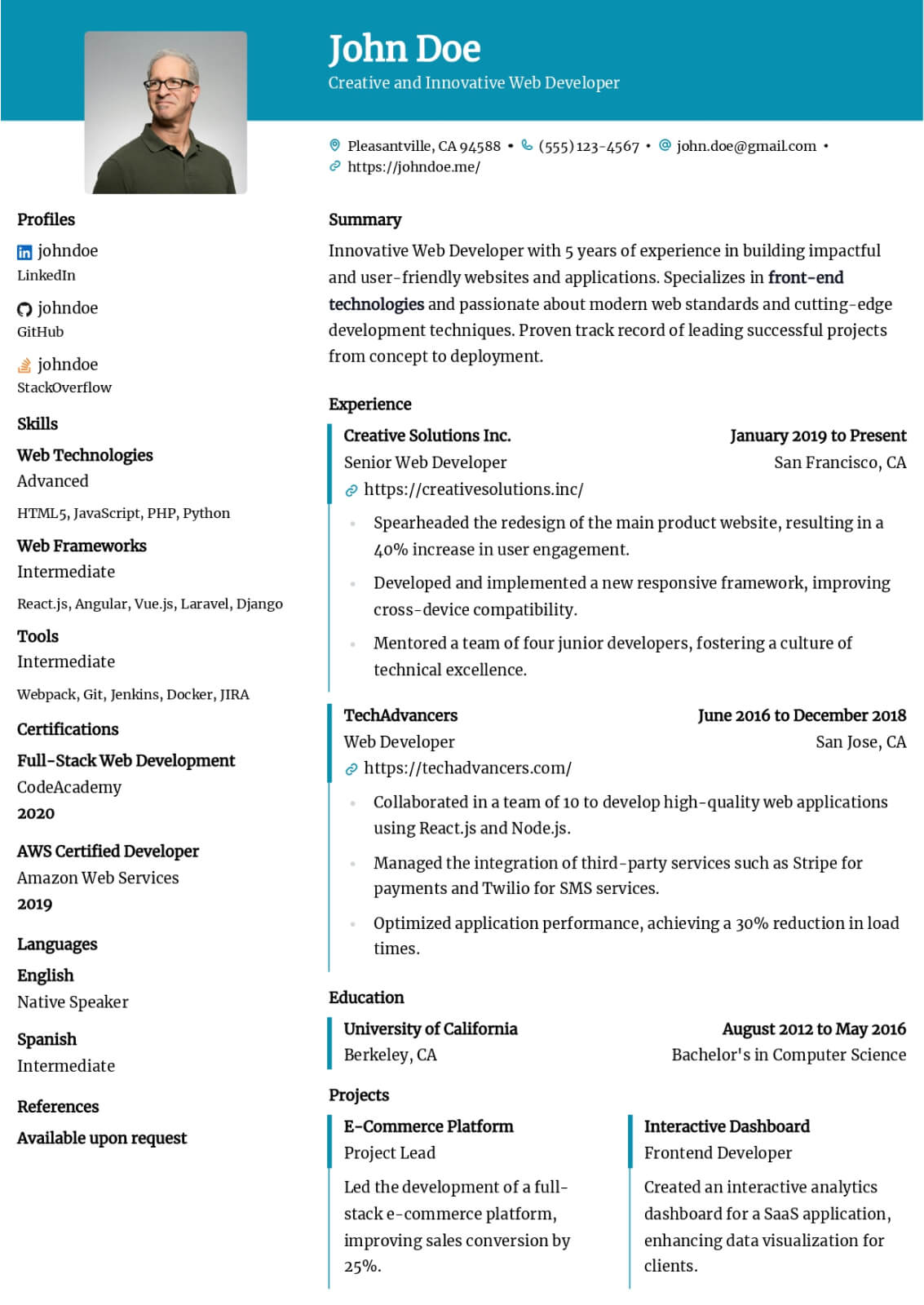
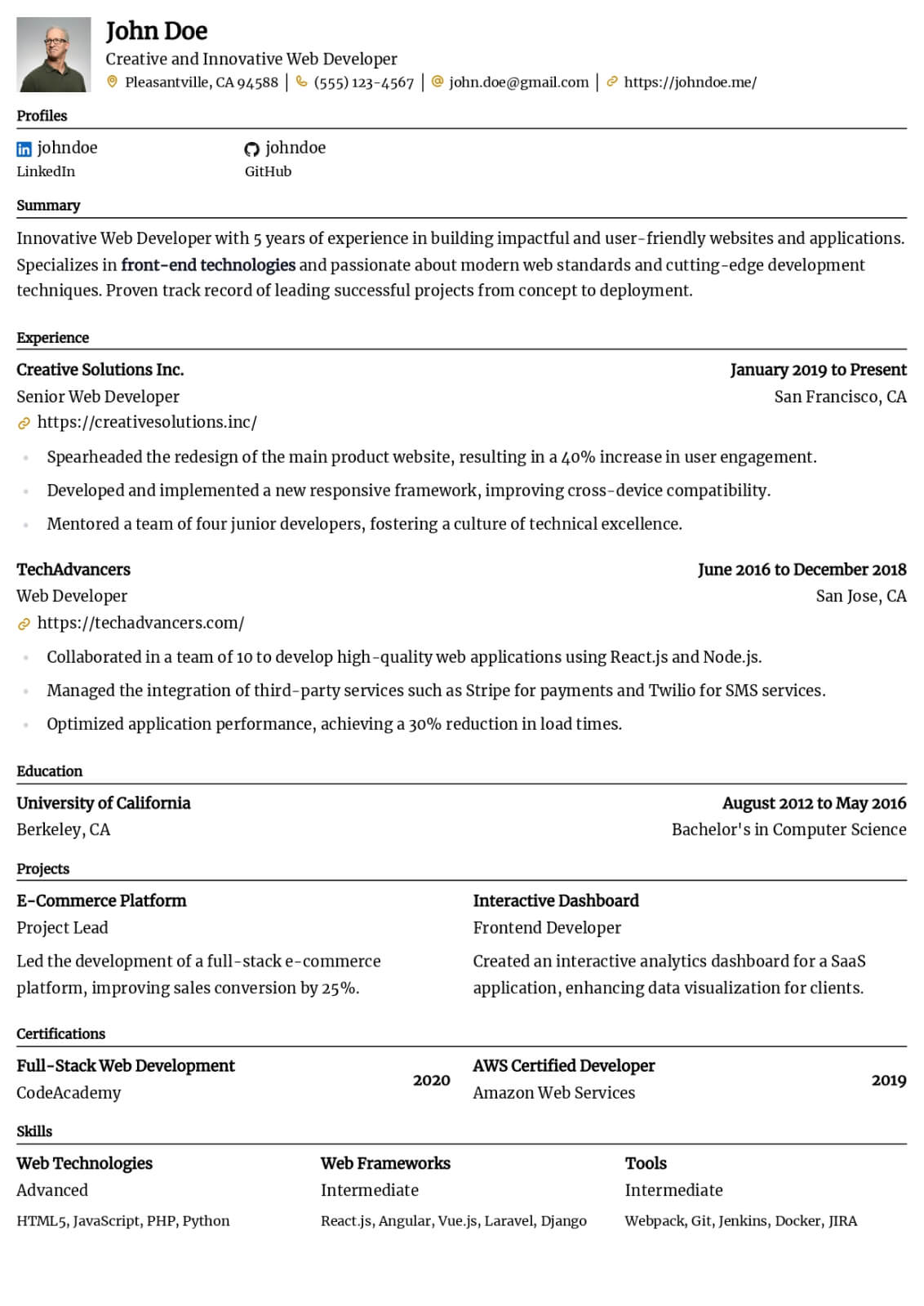
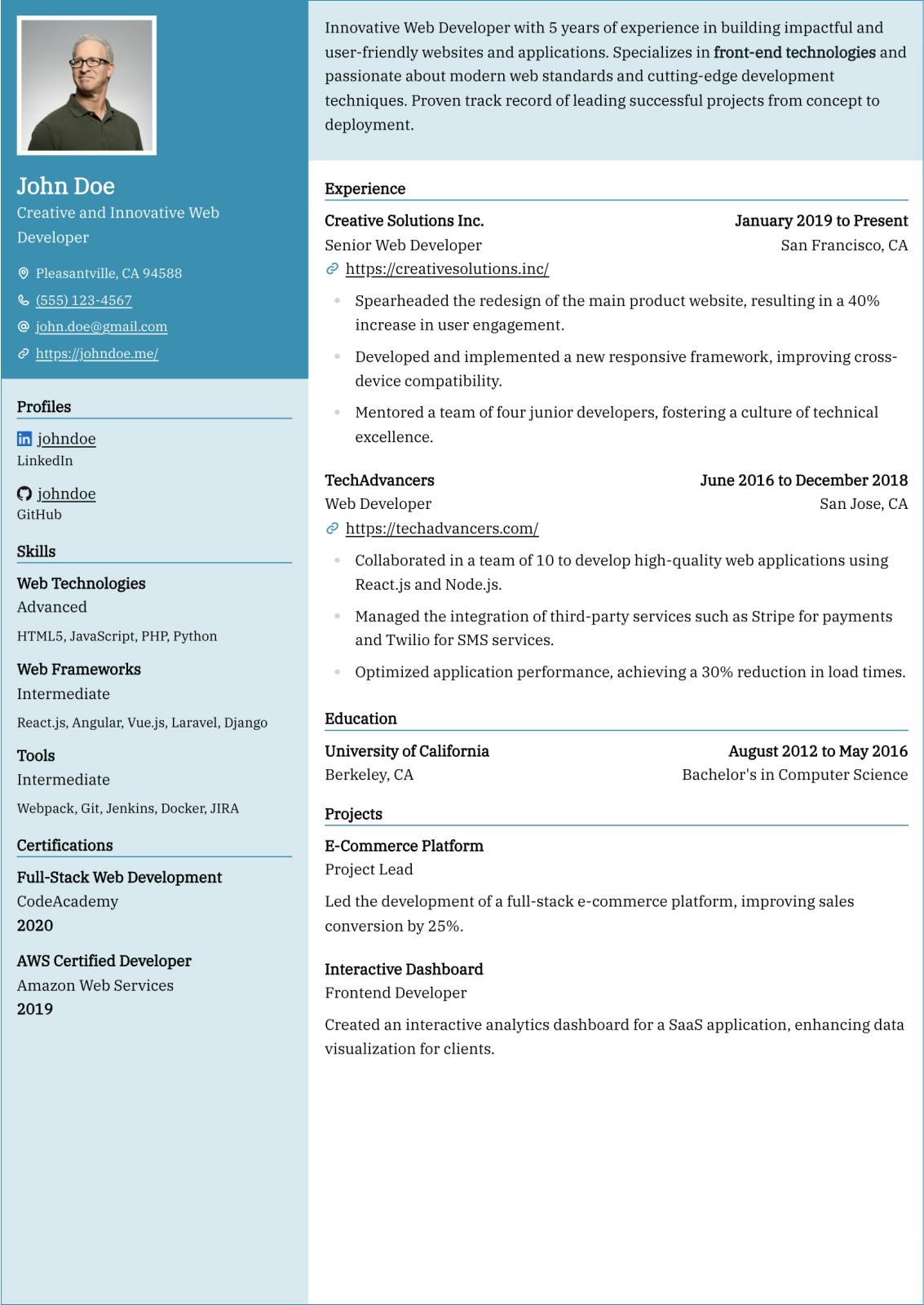
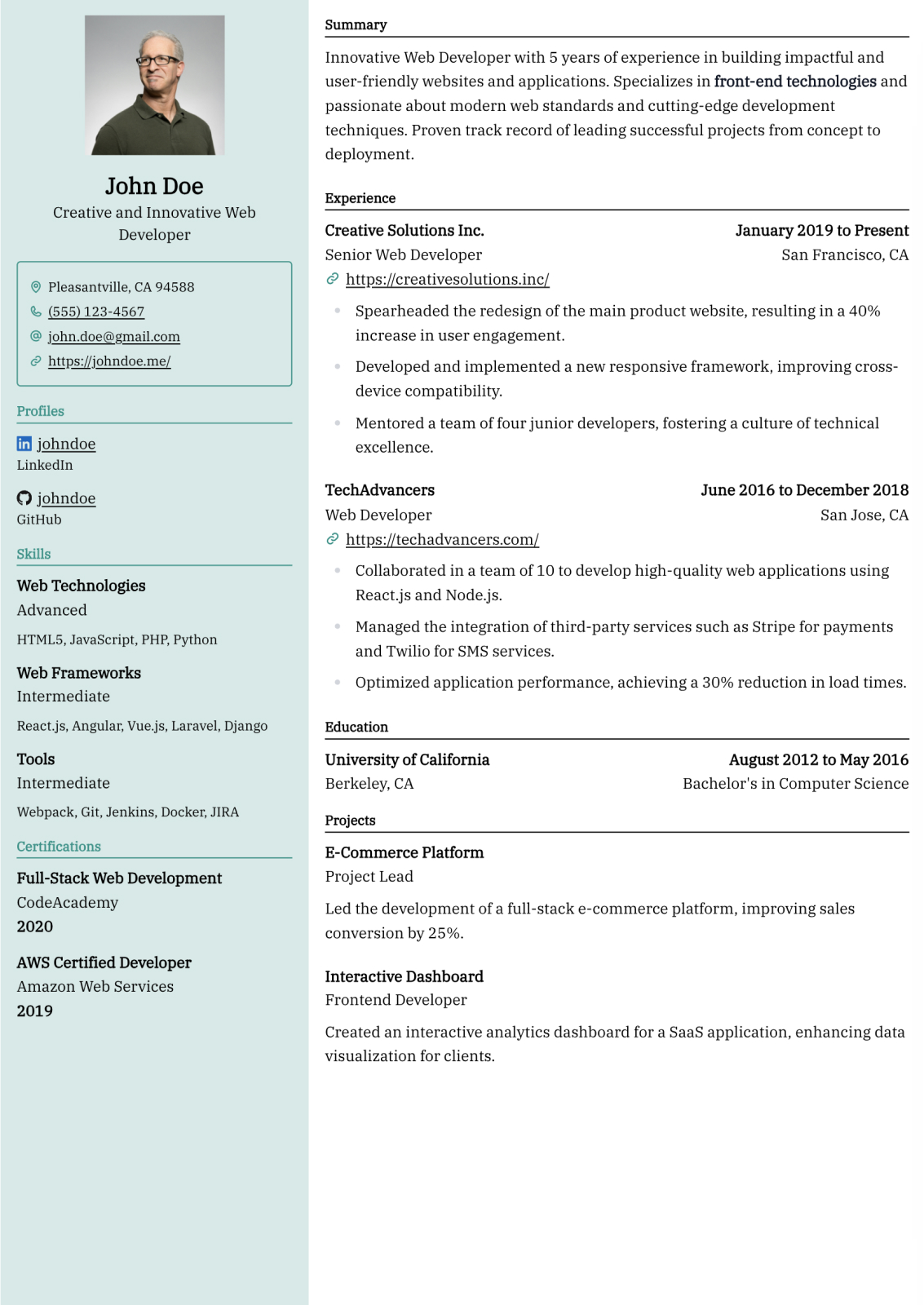
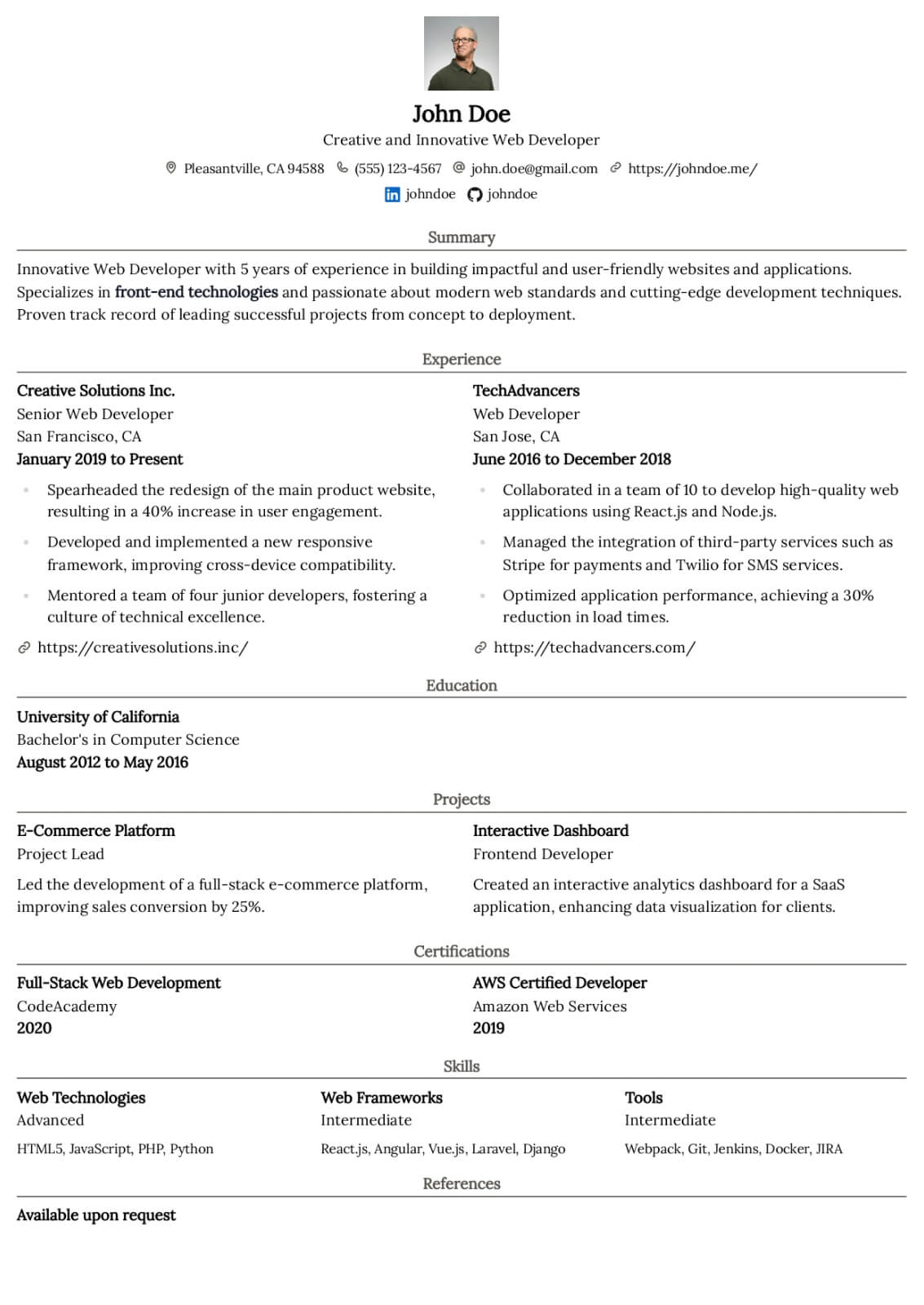
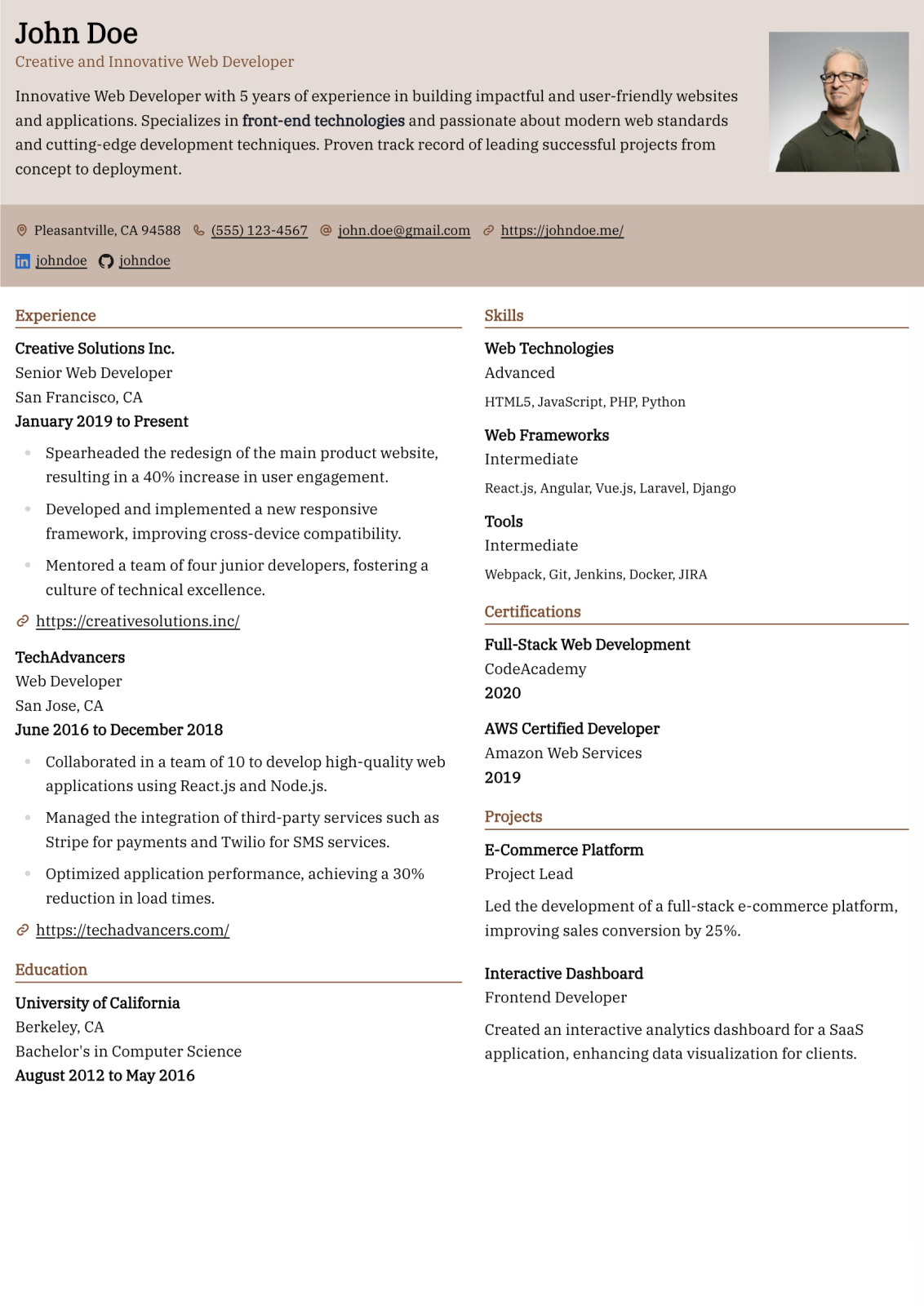
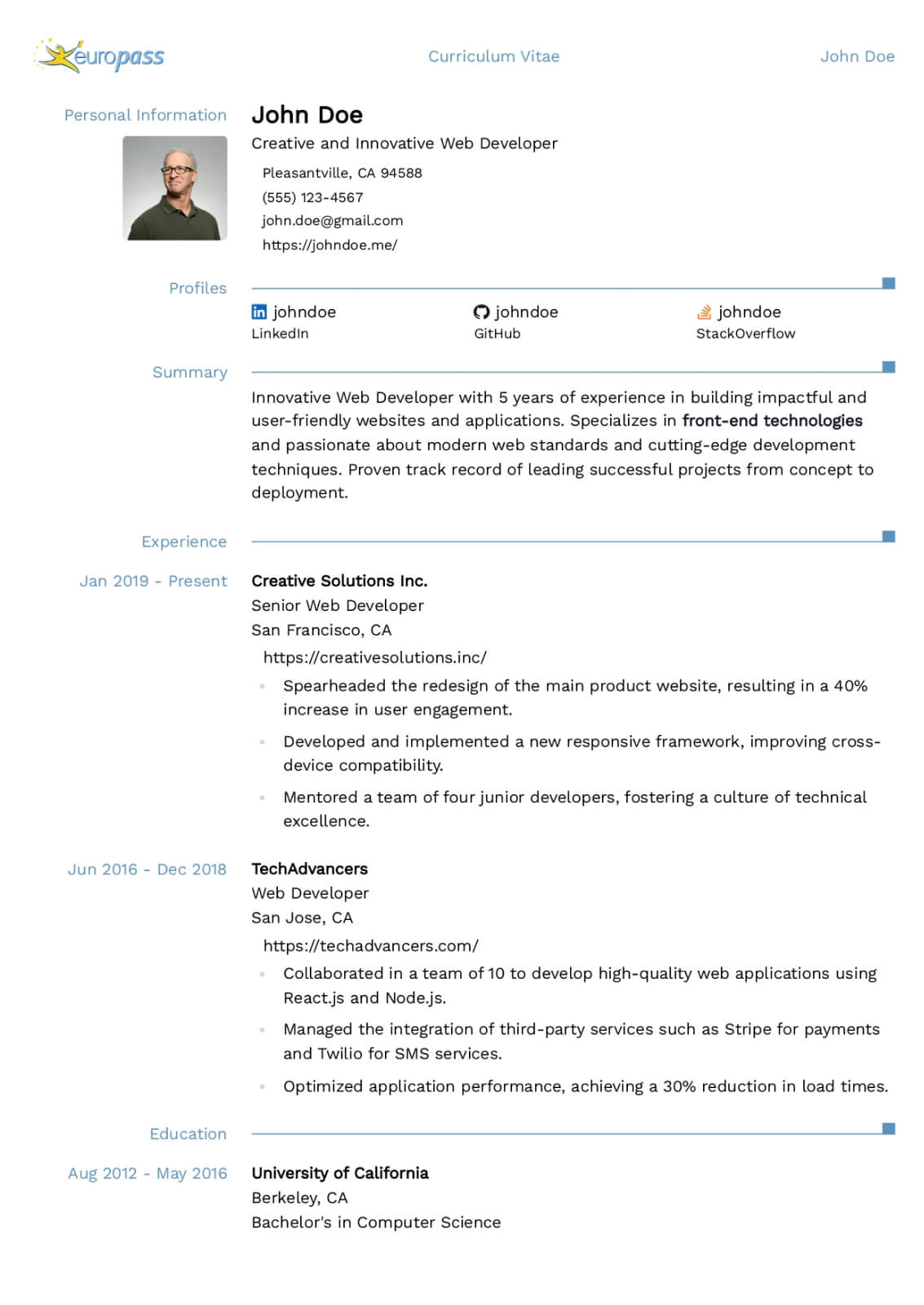
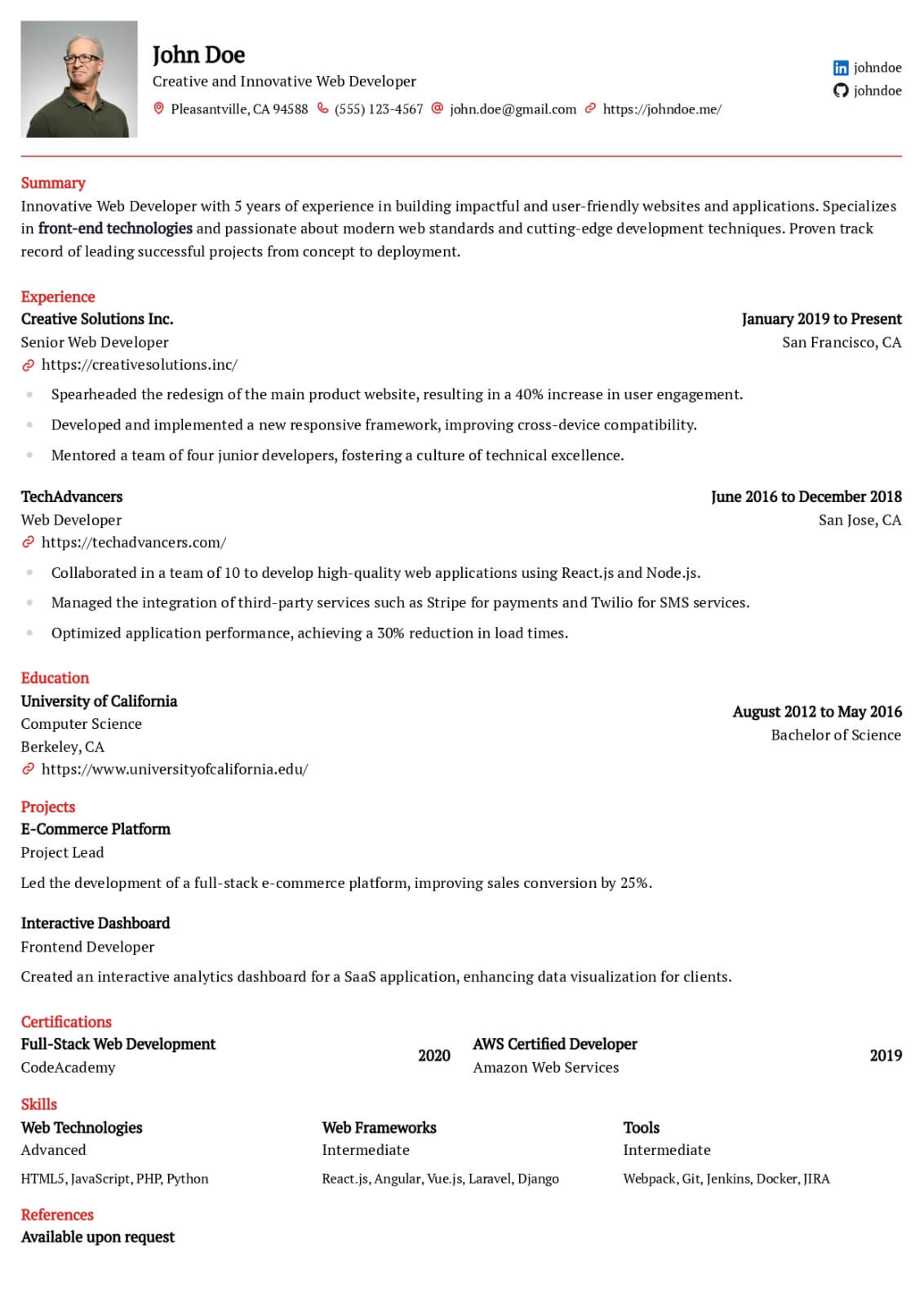
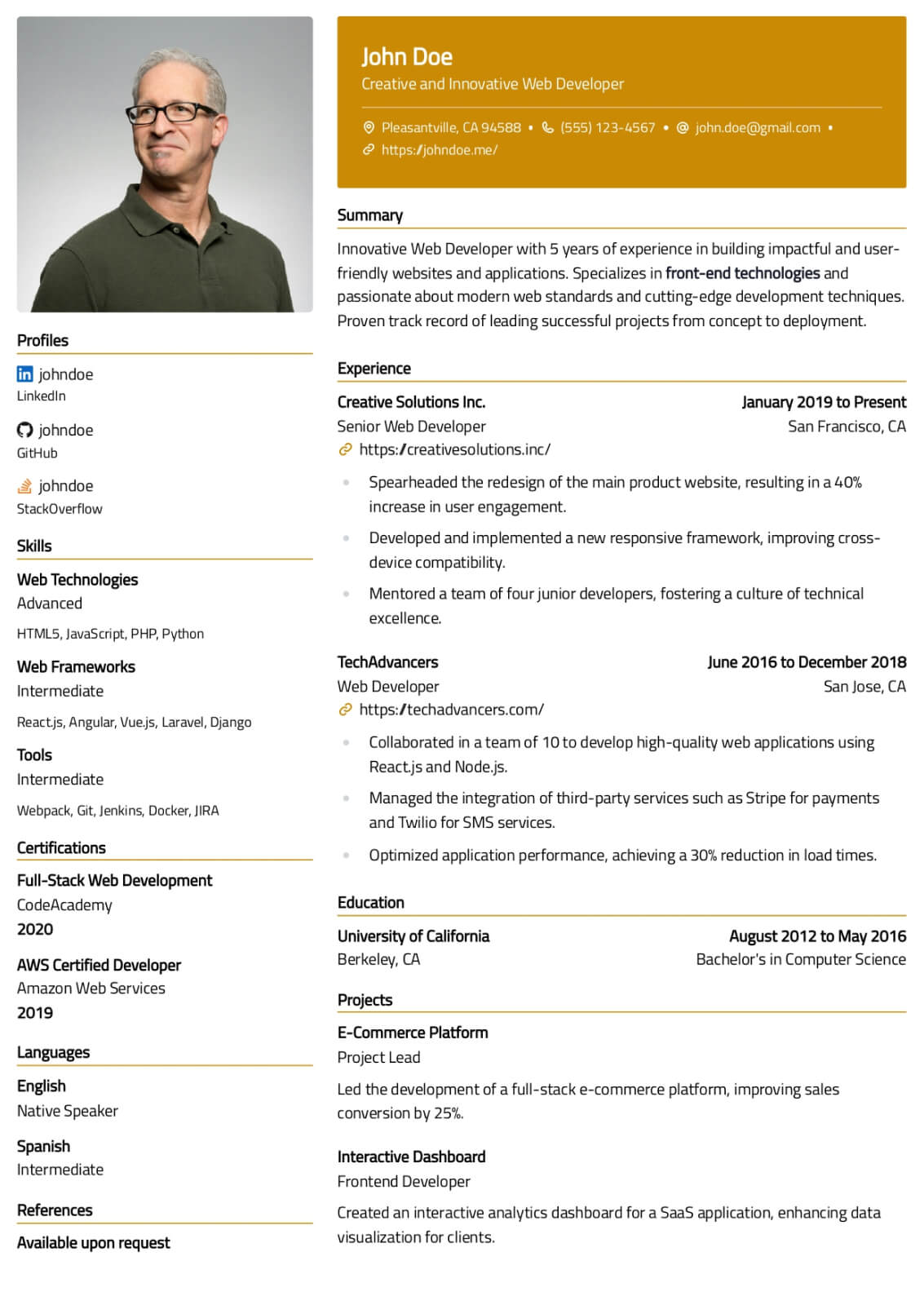
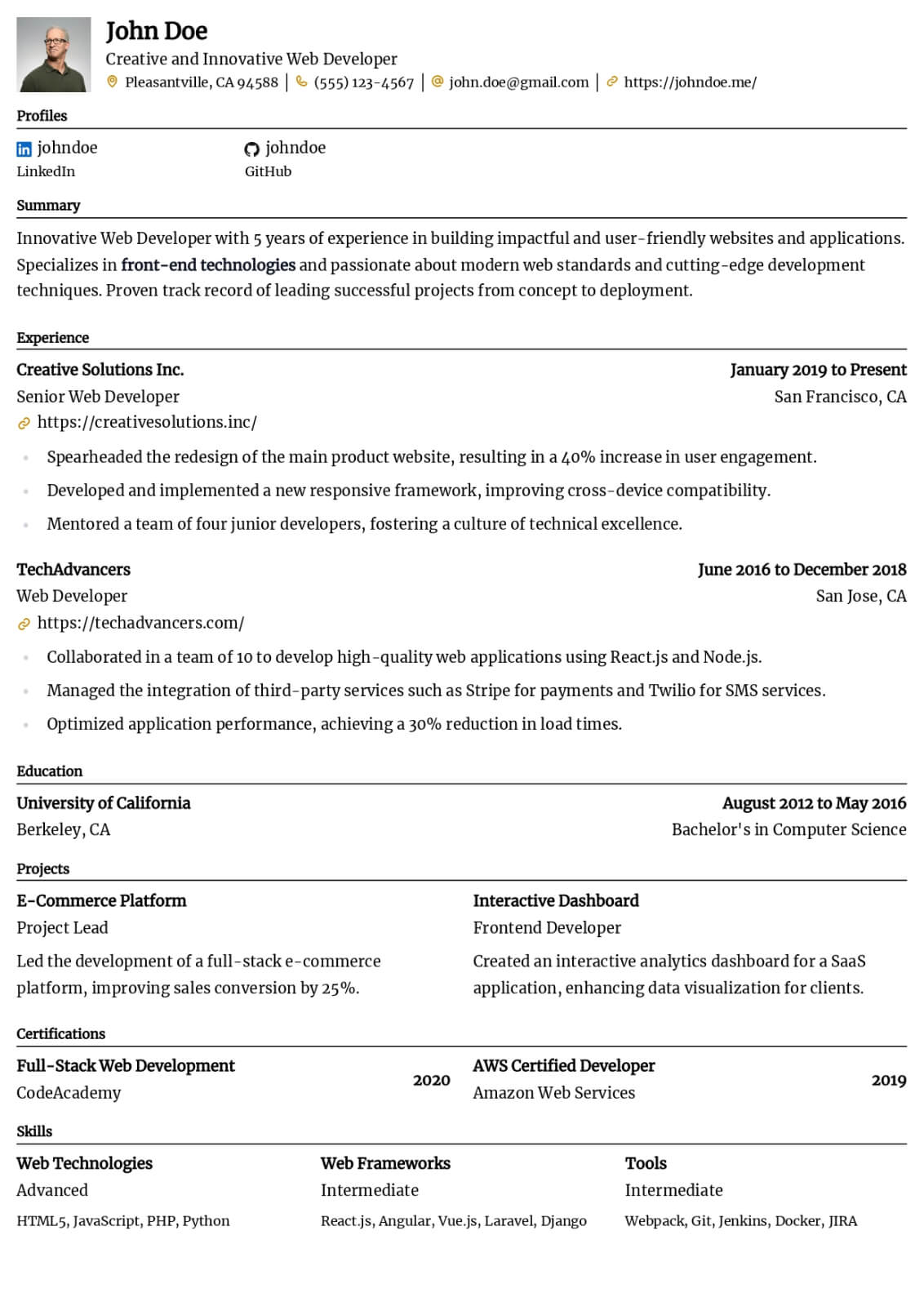
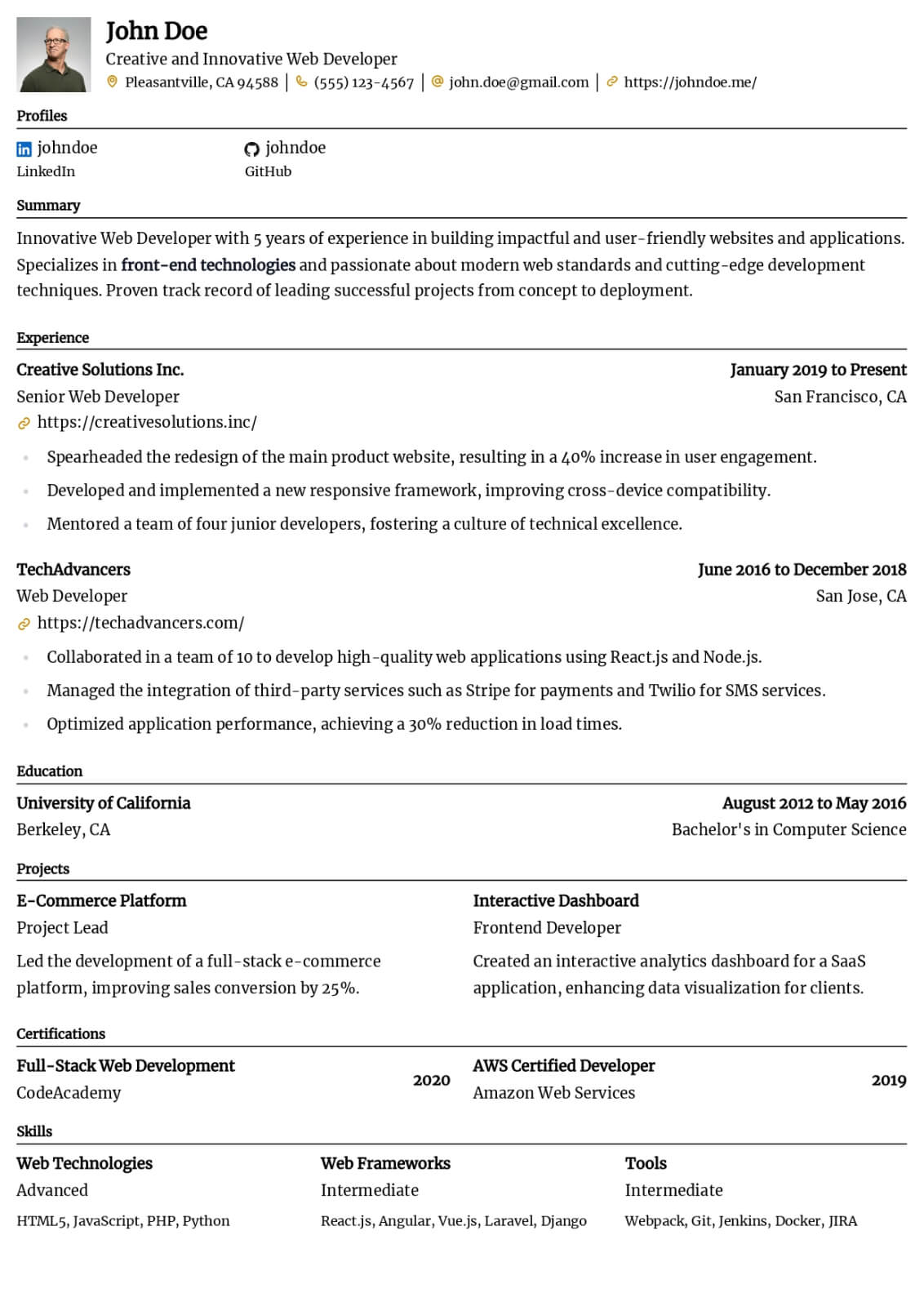
Dietitian resume guide
Below, you will find section-by-section guidance for your dietitian resume — from your opening summary through skills and experience. Tailor every line to the job you want.
Professional Summary
Your professional summary should establish you as a registered dietitian nutritionist with a clear clinical specialty and evidence-based nutrition therapy outcomes. Open by stating your RDN credential from the Commission on Dietetic Registration, state licensure, and primary practice setting such as acute care, outpatient diabetes education, or renal nutrition. Reference your caseload management capacity and core competency areas, for instance providing medical nutrition therapy for a daily census of twenty-five acute care patients with complex metabolic conditions. Include a quantified outcome such as reducing hospital readmission rates for heart failure patients by eighteen percent through targeted nutrition intervention and discharge education. Tailor language to match the target employer's practice setting and patient population.
Clinical Experience
Present your dietetics positions in reverse-chronological order, listing the facility name, department, and employment dates. Write four to six bullet points per role using action verbs such as assessed, prescribed, counseled, monitored, and developed. Quantify your impact by noting daily patient volumes, nutrition outcome improvements, and patient education program participation rates. Describe specific responsibilities including conducting comprehensive nutrition assessments, developing individualized medical nutrition therapy plans, managing enteral and parenteral nutrition orders, providing nutrition counseling for chronic disease management, and contributing to interdisciplinary care rounds. Highlight experience with specific populations such as renal, oncology, pediatric, or critical care nutrition. Include any leadership roles in menu planning, food safety compliance, or nutrition department quality improvement initiatives.
Clinical & Nutrition Skills
Build a skills section with eight to ten nutrition-specific hard skills and six to seven professional soft skills. Hard skills should include medical nutrition therapy assessment and planning, enteral and parenteral nutrition management, diabetes self-management education and support, renal nutrition and fluid management, nutrition-focused physical examination, and malnutrition screening using validated tools such as the Malnutrition Screening Tool or SGA. List EHR platforms used for nutrition documentation such as Epic, Cerner, or CBORD alongside nutrient analysis software like ESHA Food Processor or Computrition. Soft skills should emphasize motivational interviewing for dietary behavior change, interdisciplinary team communication, cultural sensitivity in dietary recommendations, and patient education material development. Use clinical dietetics terminology aligned with Academy of Nutrition and Dietetics standards.
Licensure & Certifications
Lead with your RDN credential from the Commission on Dietetic Registration with your registration number and expiration date, as this is the foundational credential for dietitian practice. Include your state dietitian or nutritionist license with the license number and renewal date. Add specialty certifications such as Certified Diabetes Care and Education Specialist from the Certification Board for Diabetes Care and Education, Board Certified Specialist in Renal Nutrition, Board Certified Specialist in Oncology Nutrition, or Certified Nutrition Support Clinician from ASPEN. List your BLS certification if required by your clinical setting. Place this section near the top because nutrition department managers verify CDR registration status before reviewing clinical qualifications.
Education
List your bachelor's or master's degree in Dietetics, Nutrition Science, or a closely related field along with the institution name and graduation year. Note ACEND accreditation status as this is required for CDR registration eligibility. Include your dietetic internship program completion specifying the institution, supervised practice areas including clinical, community, and food service management, and total practice hours. Starting in 2024 the entry-level credential requires a master's degree, so note your graduate degree if applicable. Highlight any thesis or research projects relevant to your clinical specialty. For dietitians pursuing advanced credentials or doctoral degrees, include the program with expected completion date.
Program Development & Community Nutrition
Include contributions to nutrition program development and community health initiatives that demonstrate leadership beyond direct patient care. Describe programs you created or managed such as a diabetes prevention program that served two hundred community participants with documented weight loss outcomes. Mention involvement in hospital nutrition committee activities, menu development, food safety auditing, or HACCP compliance monitoring. Reference presentations at Academy of Nutrition and Dietetics Food and Nutrition Conference and Expo or state dietetic association meetings. Include community nutrition outreach such as school nutrition education, food bank partnership programs, or public health nutrition campaigns. These entries demonstrate your ability to impact nutrition outcomes at the population level.
Resume layout and formatting
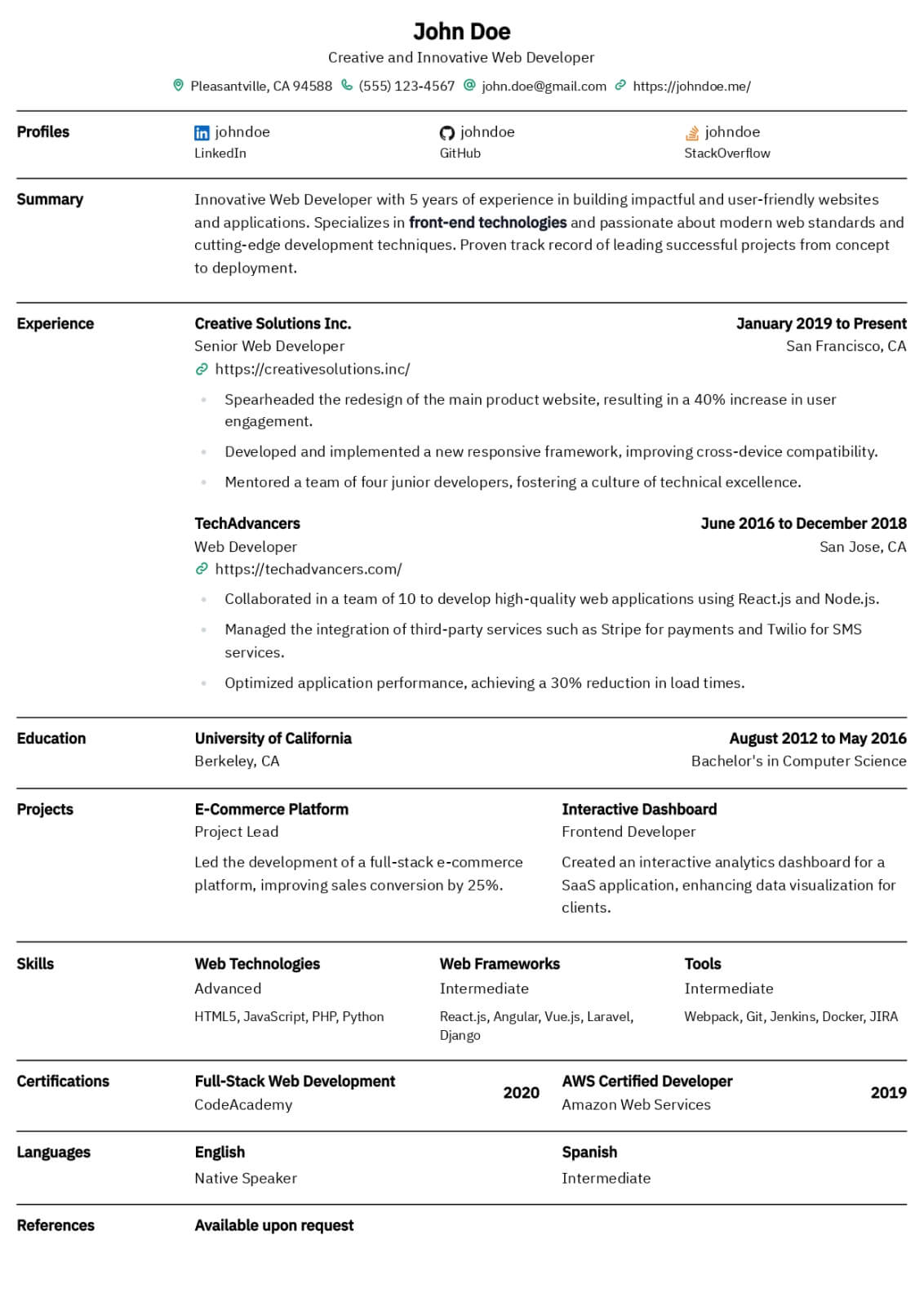
Use a clean, single-column layout with clear section headings and plenty of white space. Lead with technical strengths such as Medical Nutrition Therapy Assessment & Planning, Enteral & Parenteral Nutrition Management, Diabetes Self-Management Education & Support, Renal Nutrition & Fluid Management, Malnutrition Screening (MST, SGA, NFPE), Nutrient Analysis Software (ESHA, Computrition, CBORD), then reinforce interpersonal strengths like Motivational Interviewing for Dietary Change, Interdisciplinary Nutrition Team Communication, Cultural Sensitivity in Dietary Recommendations, Patient & Family Nutrition Education. Keep fonts standard (e.g., Arial or Calibri) at 10–12pt body size so your resume stays ATS-friendly and easy to scan.
Key takeaways
- Lead with RDN credential and CDR registration as the primary resume qualifiers
- Quantify nutrition outcomes using metrics like readmission rates and dietary compliance scores
- Specify therapeutic nutrition specialties such as renal, oncology, or diabetes care
- Highlight enteral and parenteral nutrition competencies for acute care dietitian positions
- Include dietetic internship details for recently credentialed dietitian candidates
- Tailor clinical language to the target practice setting and patient population needs
Build your Dietitian resume with Scale
Lead with RDN credential and CDR registration as the primary resume qualifiers
Use This Template
Professional Templates That Make You Stand Out
Browse modern, ATS-friendly resume designs crafted to impress recruiters. Customize any template and download it as a Word or PDF file.
Listen What Our Users Have to Say

Rohan Sen
I am very happy with the team's quick turnaround time - any query is responded at utmost priority. Shoutout to my client manager, Anub Biju - very helpful.

Gael L
Service and communication is great, cover letters are non-ai sounding and well tailored. Just have a lot of communication and review with your staff!

Jonathan Parry
Wow - don't tell your peers! Wow, I can't recommend scale.jobs enough - it's so good I am not sharing with my peers. Applications at scale that get through filters. Thank you!

Cynthia Zhu
Great service! The scale.jobs team was very responsible and managed to apply tons of jobs for me in a very tight deadline to help me secure interviews quickly. Highly recommend to anyone who needs help applying to jobs!

Yash Yenugu
Save your fingers. Saved me from a thumb cramp because we're expected to effortlessly apply to jobs during these times.

Cian O'Driscoll
Clever service. Takes the hard effort out of applying for jobs with an intuitive dashboard and attention to detail. A great asset to job seekers. :-)
Frequently asked questions
What should a dietitian resume include in 2026?
A strong dietitian resume should feature RDN credentials with CDR registration, state licensure, a professional summary with quantified nutrition outcomes, detailed clinical experience across practice settings, specialty certifications, and EHR platform proficiency. Include medical nutrition therapy competencies and specific population expertise. Tailor the resume to the target position whether clinical, community, or food service management.
How do I present my dietetic internship on my resume?
List your dietetic internship as a distinct clinical experience entry specifying the program name, rotation sites, supervised practice areas, and total hours completed. Describe specific clinical nutrition activities performed during each rotation including patient assessment, nutrition care plan development, and community nutrition programming. This is essential for recently credentialed dietitians who rely on internship experience to demonstrate clinical readiness.
Which specialty certifications strengthen a dietitian resume?
The CDCES credential is highly valued for diabetes-focused positions, while Board Certified Specialist designations in Renal Nutrition, Oncology Nutrition, or Pediatric Nutrition demonstrate advanced clinical expertise. The CNSC credential from ASPEN is essential for nutrition support positions. These certifications signal specialized competency and typically result in higher compensation and access to advanced clinical roles.
How do I quantify nutrition outcomes on my resume?
Reference specific metrics such as malnutrition identification rates, HbA1c improvement in diabetes patients, hospital readmission reduction percentages, weight management program completion rates, and patient satisfaction survey scores. Pull data from quality dashboards and outcome reports. Quantified outcomes demonstrate your clinical effectiveness in a format that healthcare employers value.
How long should a dietitian resume be?
Most dietitians should aim for a one-page resume. Experienced RDNs with multiple practice settings, specialty certifications, program development experience, and publications may extend to two pages. Every entry should demonstrate clinical or professional value directly relevant to the target position. Remove outdated or non-nutrition roles that dilute your dietetics qualifications.
How do I transition from clinical to community nutrition on my resume?
Emphasize transferable skills such as nutrition assessment, patient education, program development, and cultural competence from your clinical background. Highlight any community nutrition experience from your dietetic internship or volunteer work. Address community-specific competencies in your summary such as grant writing, population health assessment, or food security program management to align with community nutrition employer expectations.
Related Resume Guides
Registered Nurse
Craft a compelling registered nurse resume that highlights clinical competencies, patient care outcomes, EMR proficiency, and licensure credentials to land interviews at top healthcare facilities.
Speech-Language Pathologist
Build a speech-language pathologist resume that highlights dysphagia management expertise, CCC-SLP credentials, evidence-based intervention outcomes, and caseload management skills across medical and educational settings.
Occupational Therapist
Build an occupational therapist resume that highlights functional independence goals, ADL training expertise, OTR/L licensure, and evidence-based intervention outcomes for pediatric, adult, and geriatric settings.
Medical Assistant
Create a medical assistant resume that showcases your clinical and administrative versatility, EHR proficiency, phlebotomy skills, and patient intake expertise to impress hiring managers at clinics and hospitals.
Home Health Aide
Build a home health aide resume that highlights ADL assistance expertise, patient safety skills, HHA certification, and compassionate caregiving competencies for home care agency and hospice positions.