
Nuclear Engineer Resume Examples, Templates & Writing Guide

Written by: Scale.jobs EditorialLast updated: May 1, 2026







Introduction
Craft an authoritative nuclear engineering resume demonstrating reactor analysis, radiation protection, and NRC compliance for power generation and defense employers.
This guide walks you through every major section of a nuclear engineer resume, with practical tips you can apply today.
- How to present reactor physics analysis and criticality safety expertise with quantified operational metrics
- Strategies for demonstrating NRC regulatory compliance, 10 CFR knowledge, and licensing experience
- Methods for showcasing Monte Carlo simulation proficiency in MCNP, Serpent, or SCALE on your resume
- Techniques for highlighting security clearance and nuclear access authorization appropriately
- Approaches to presenting health physics, ALARA program management, and dosimetry achievements
- Ways to tailor your resume for commercial power, naval reactors, advanced reactor design, or decommissioning
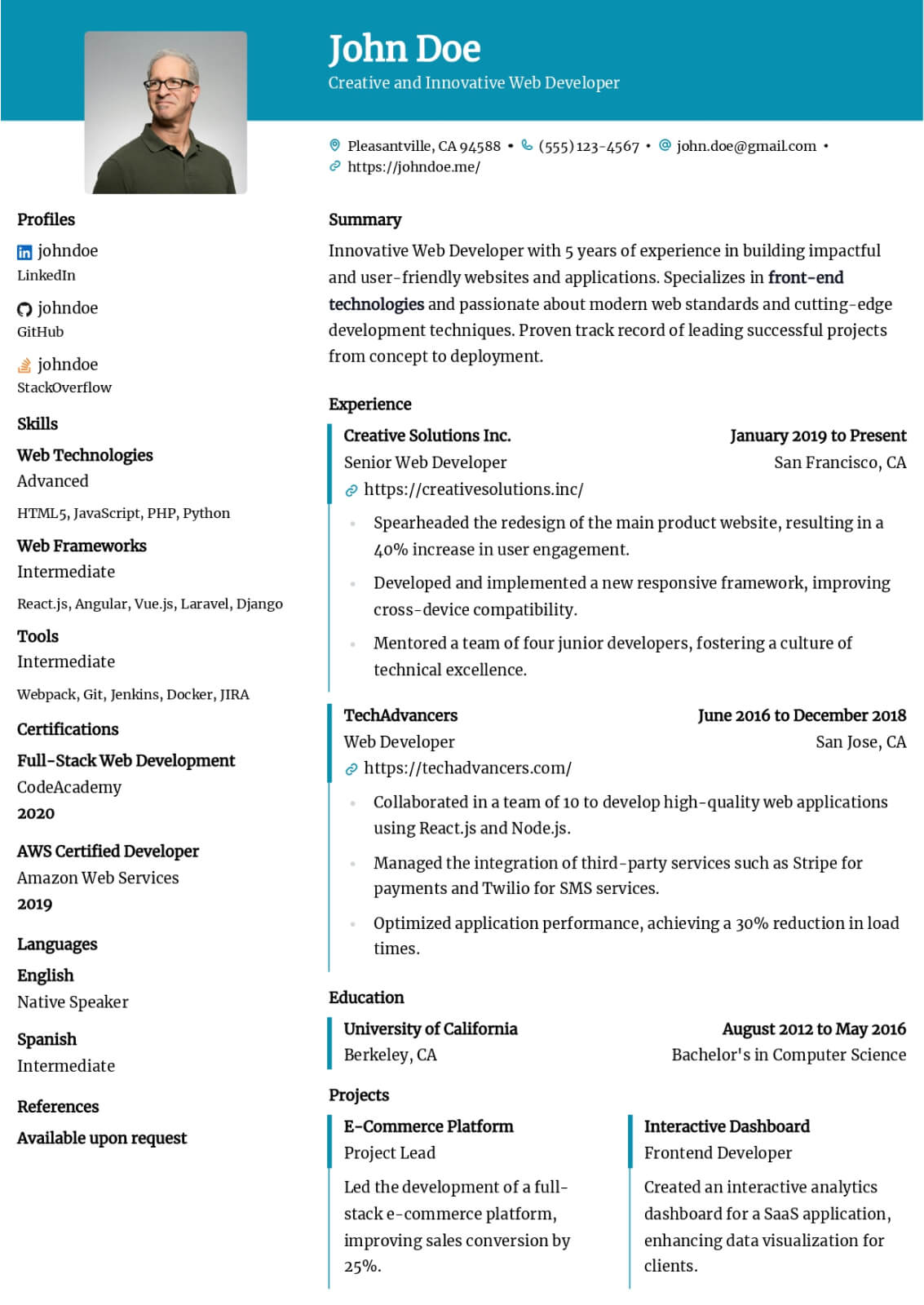
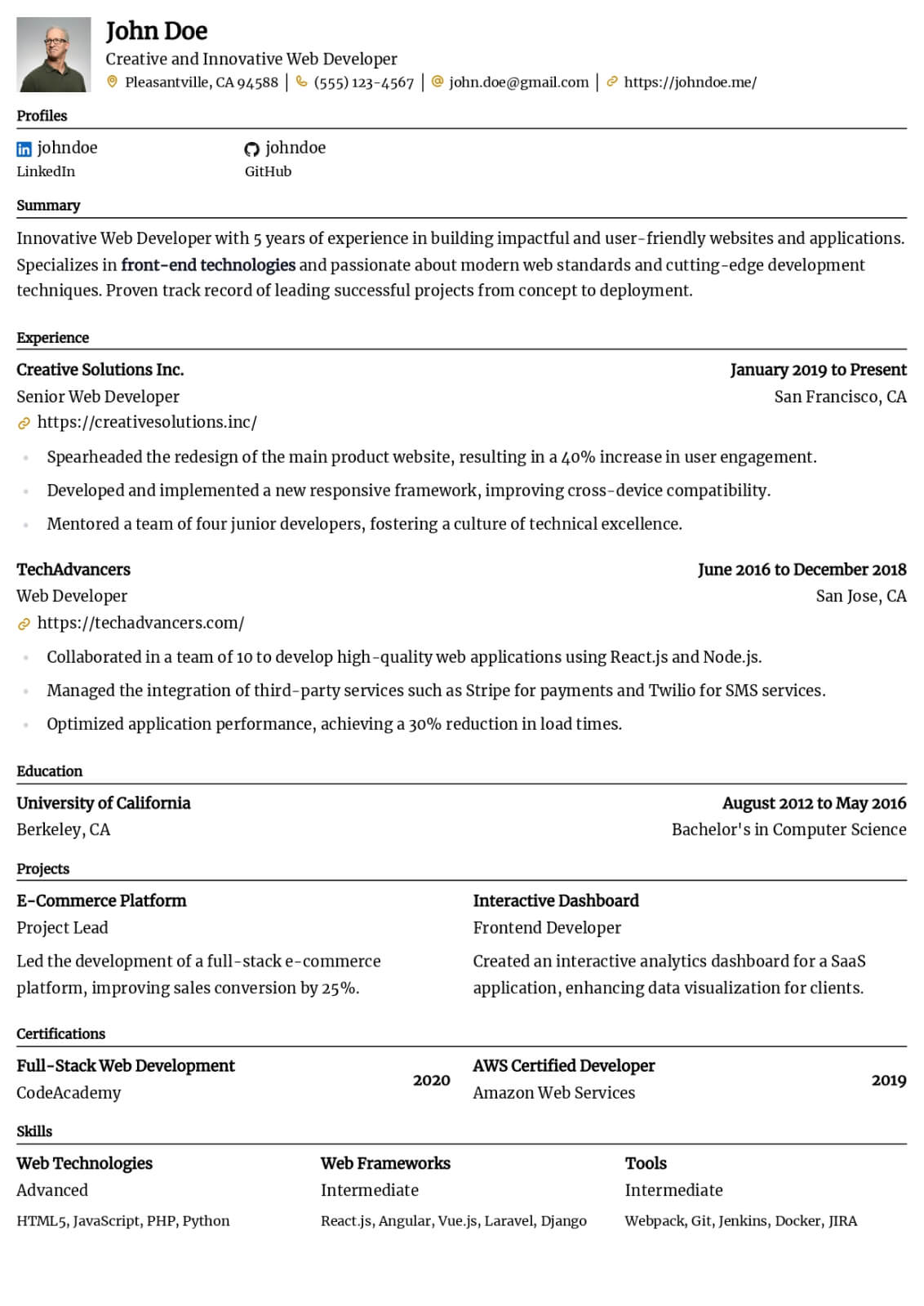
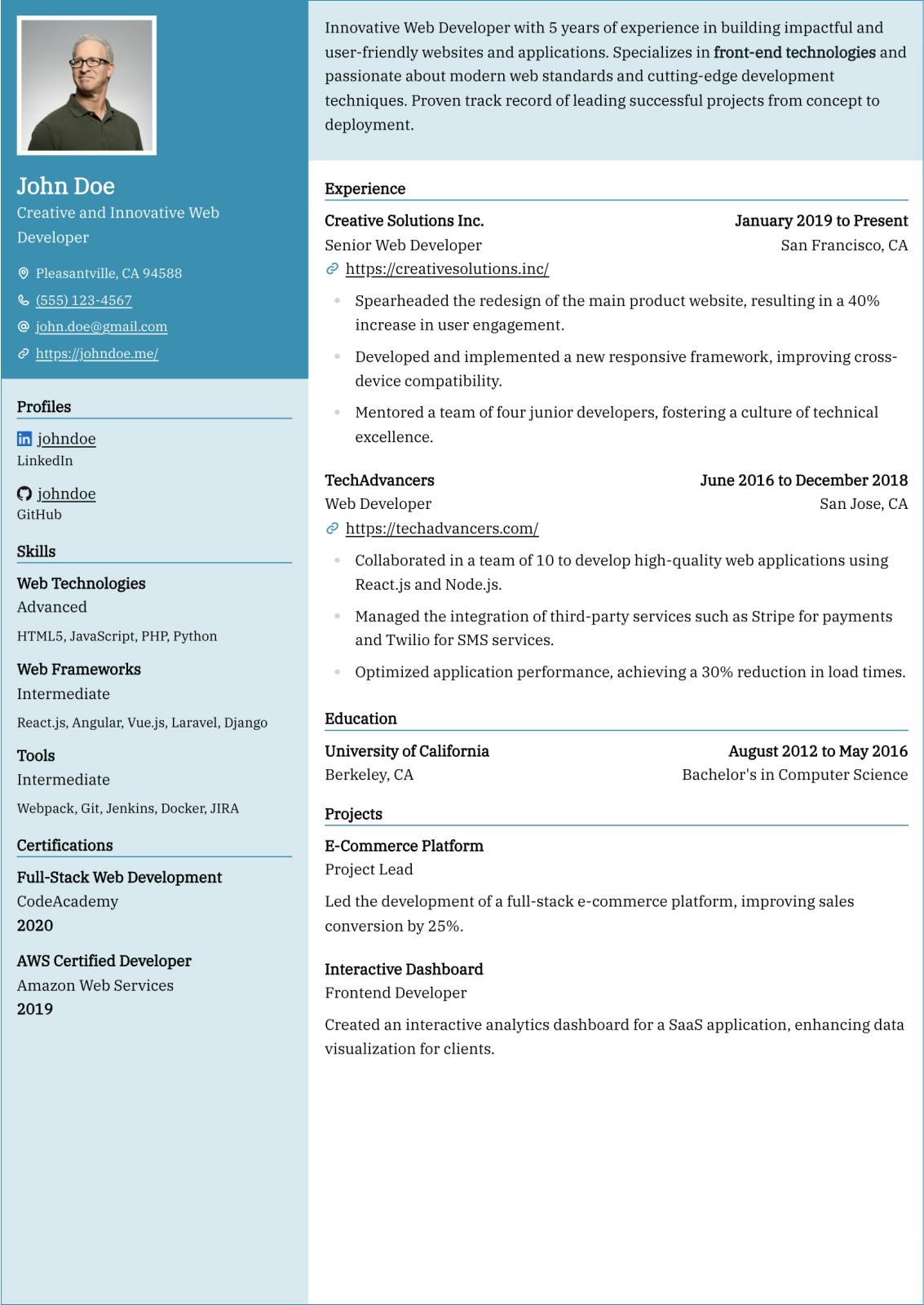
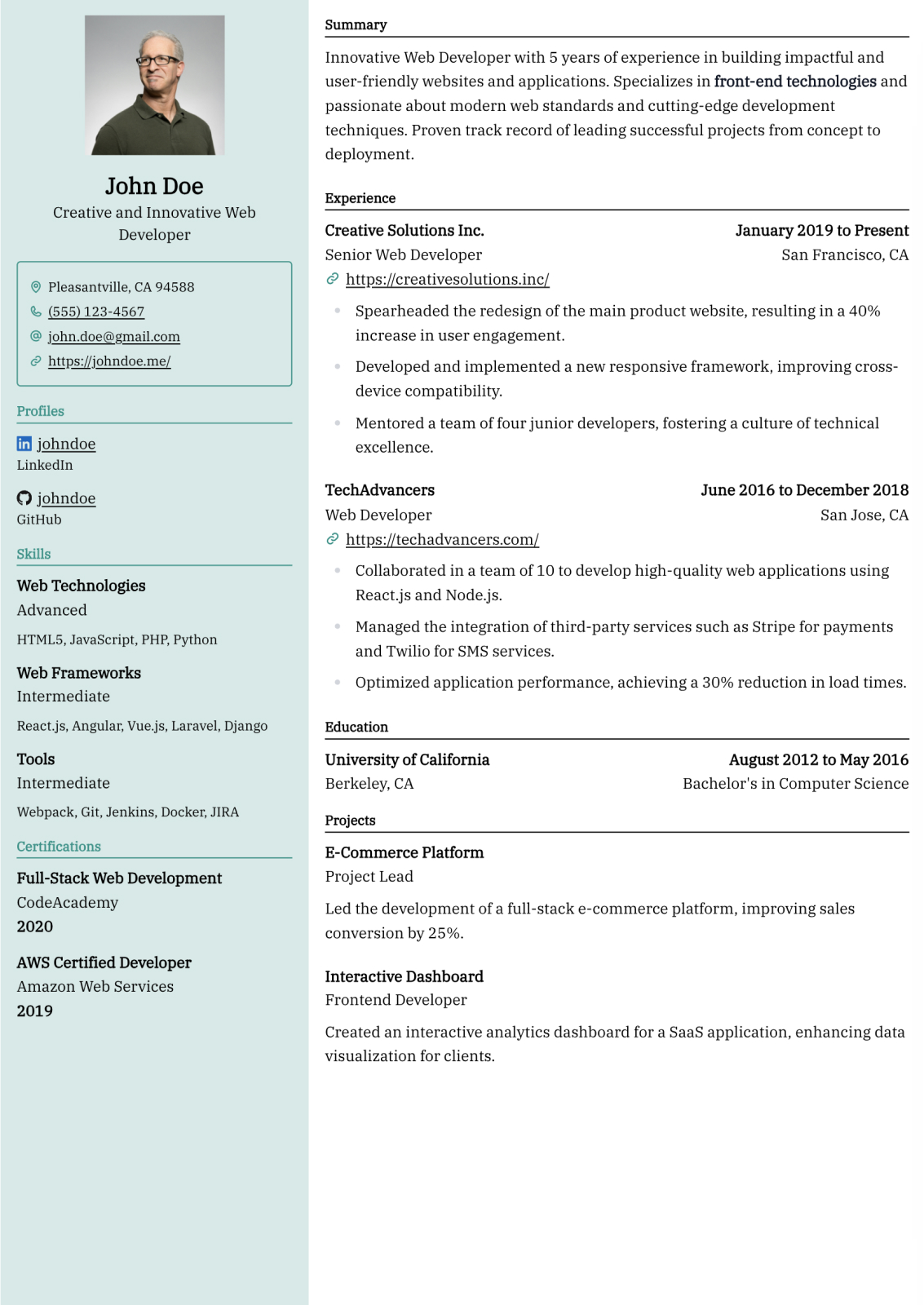
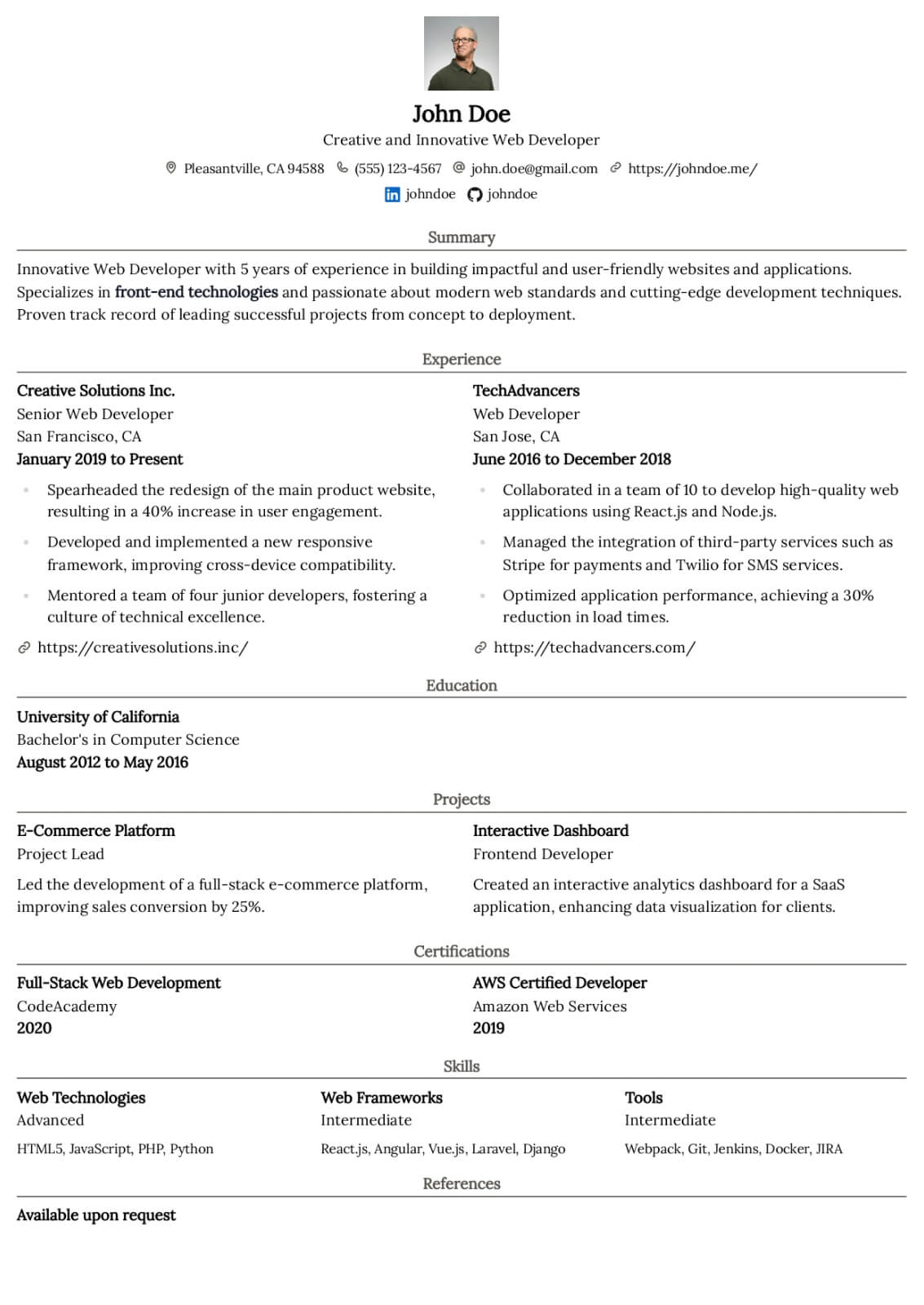
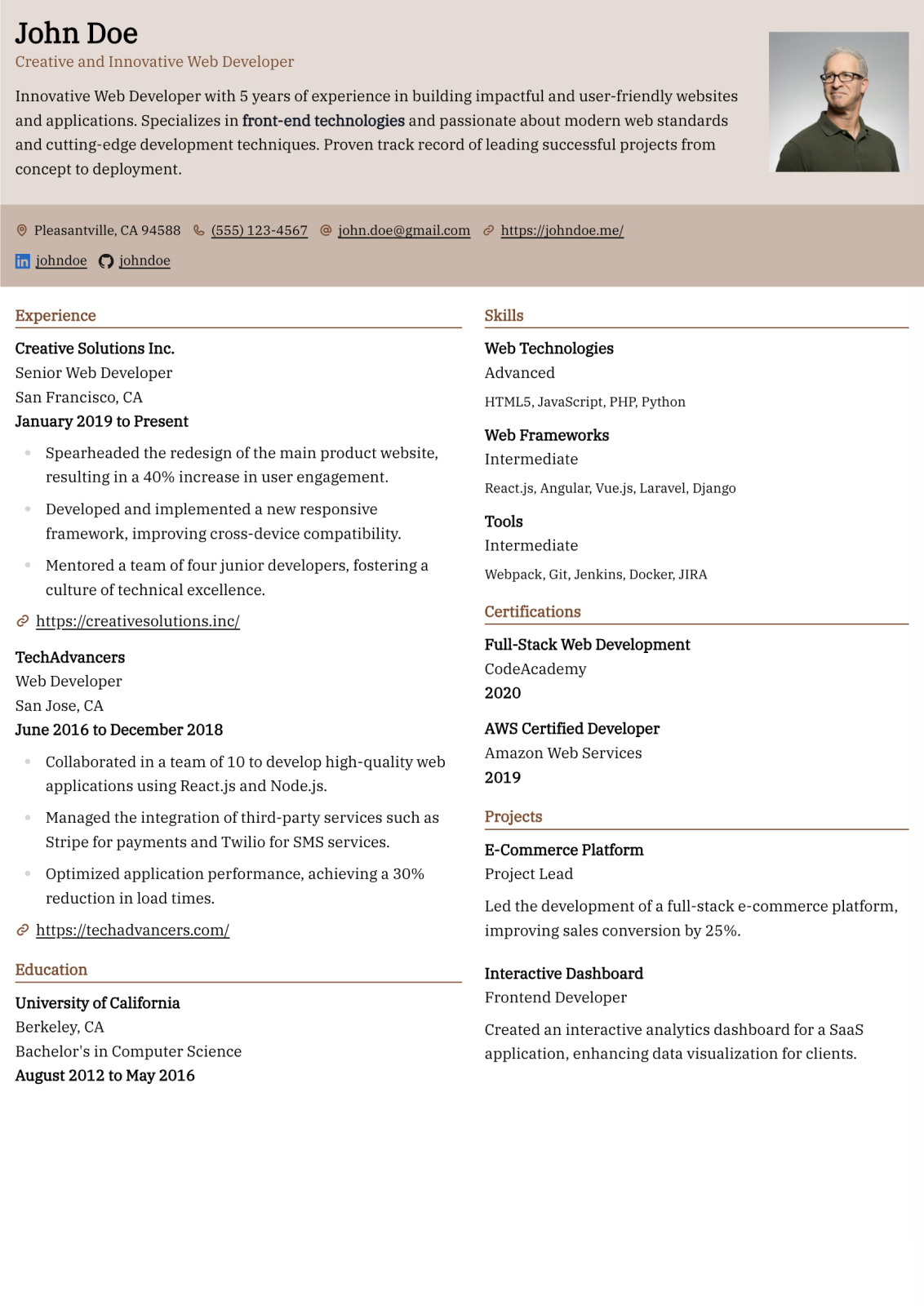
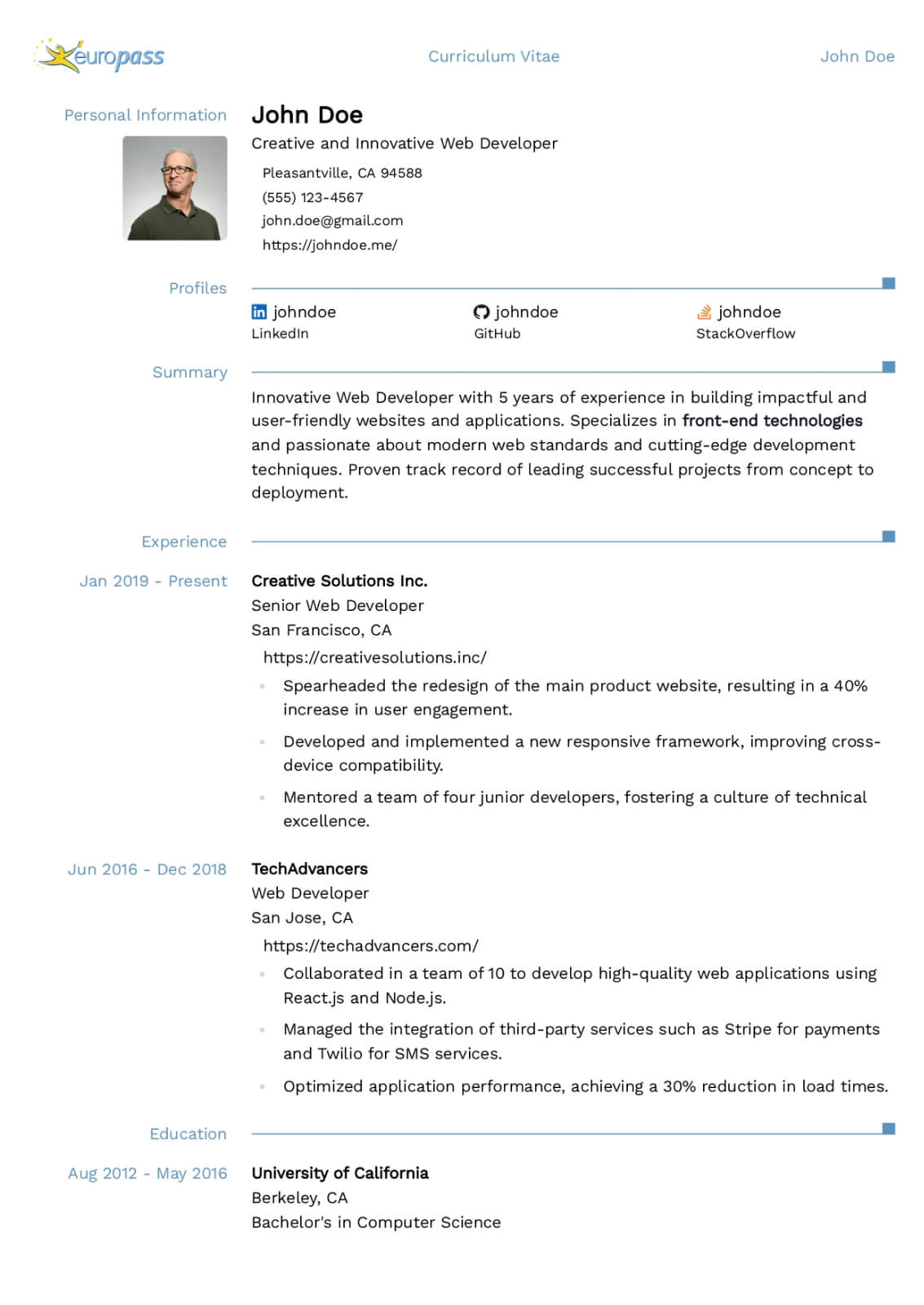
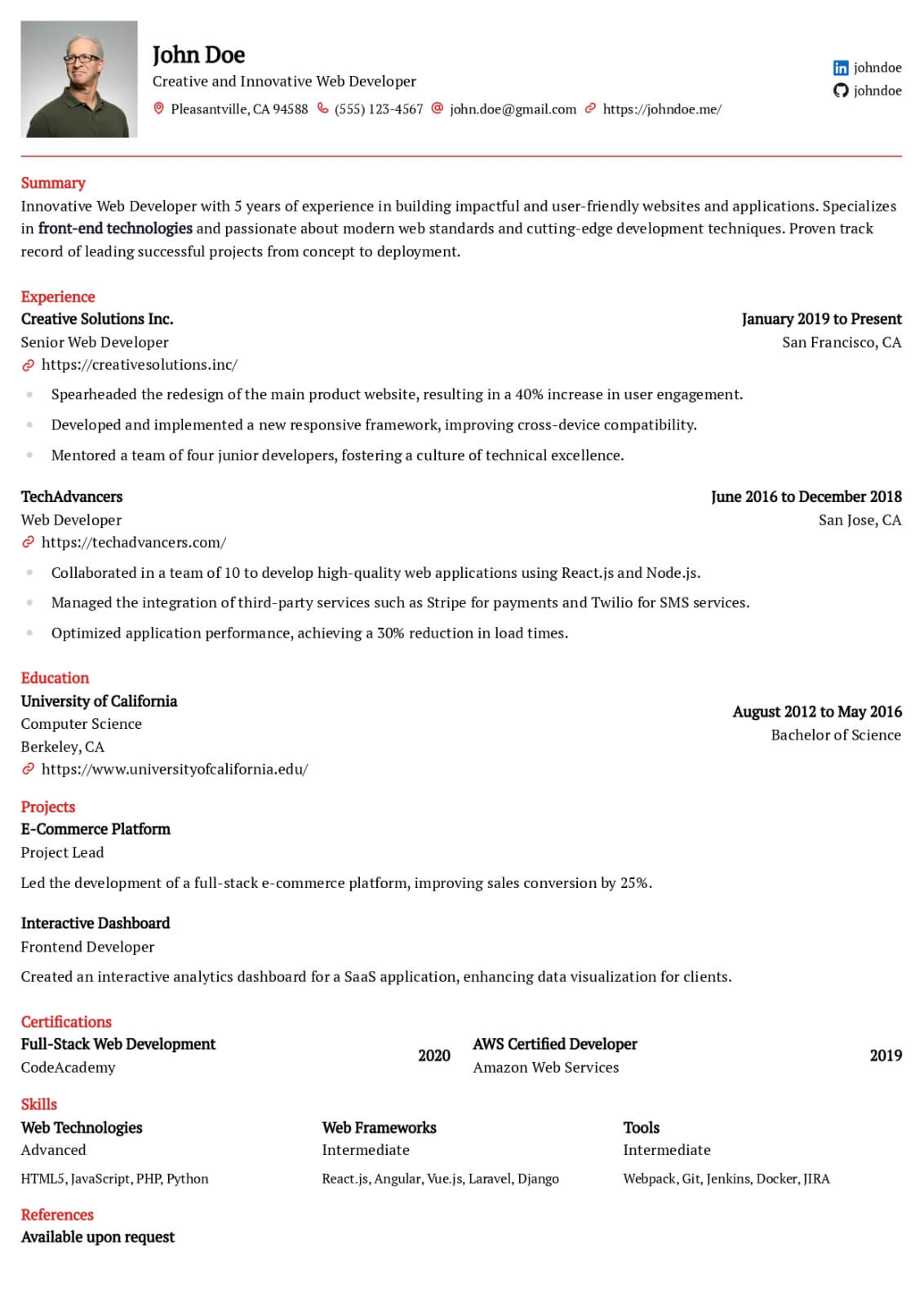
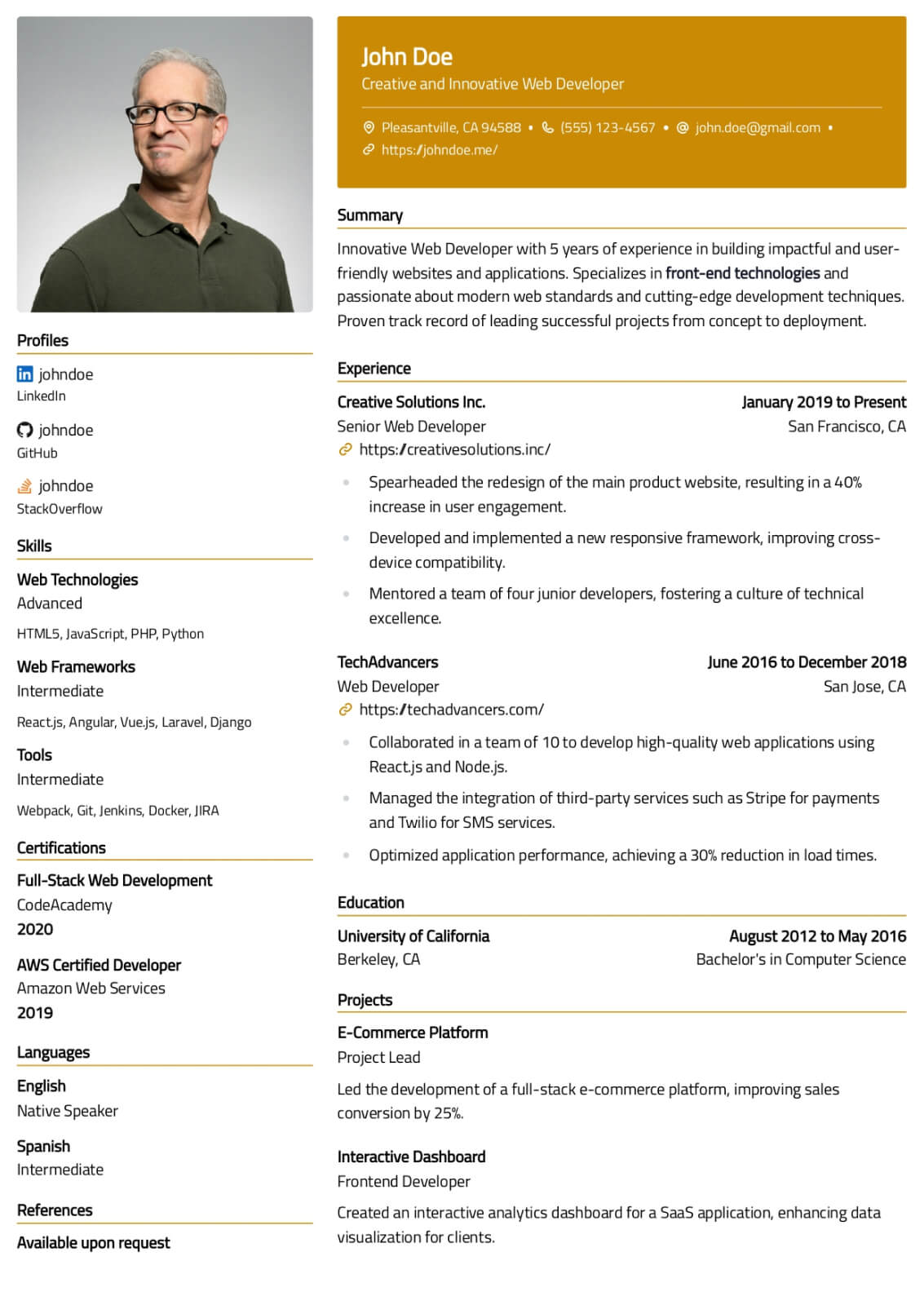
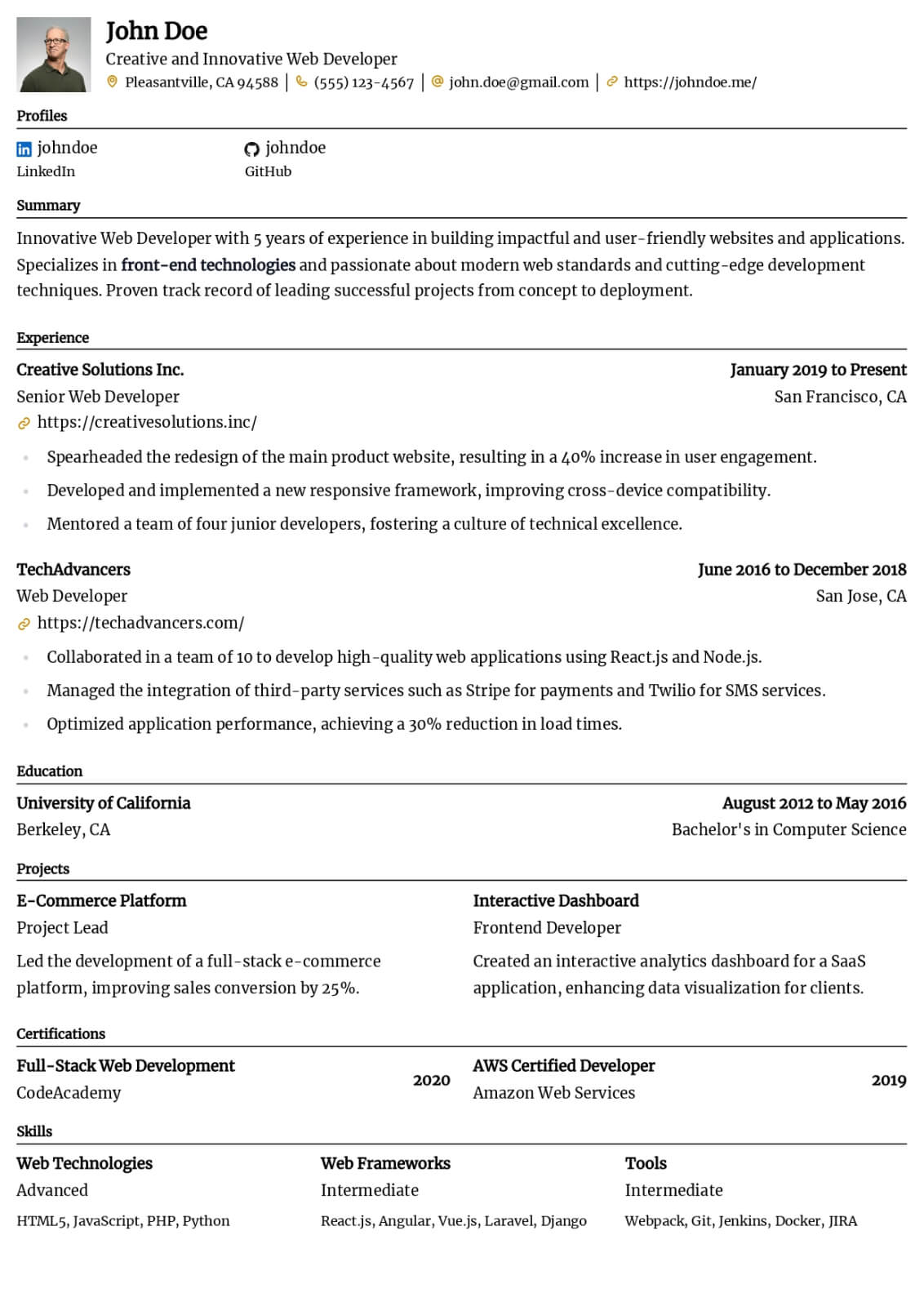
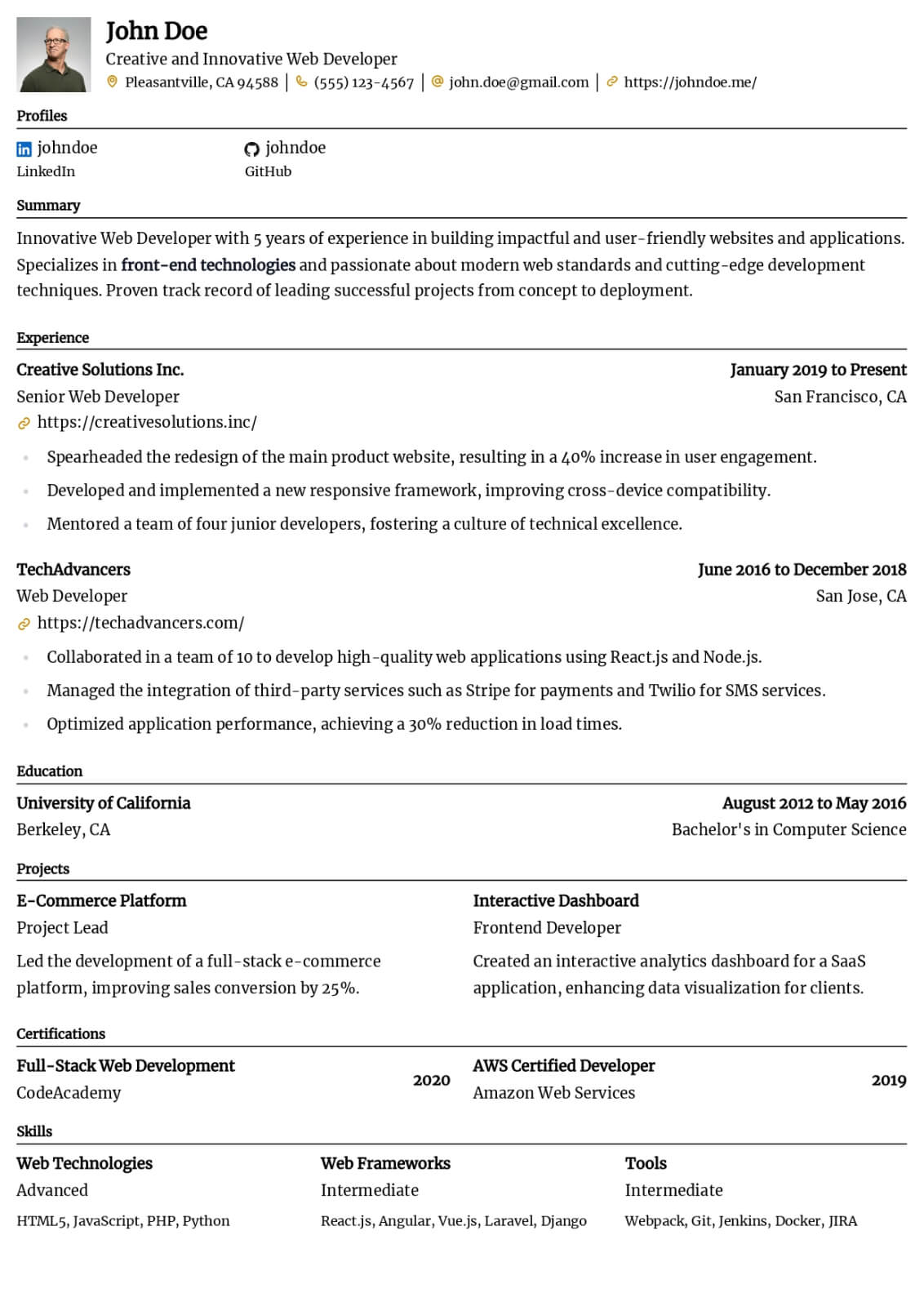
Nuclear Engineer resume guide
Below, you will find section-by-section guidance for your nuclear engineer resume — from your opening summary through skills and experience. Tailor every line to the job you want.
Professional Summary
Begin your professional summary by identifying your nuclear engineering specialization, whether reactor operations, core design, radiation protection, criticality safety, or decommissioning. State your years of experience and the reactor types or nuclear facilities you have worked with, such as PWR, BWR, research reactors, or fuel fabrication plants. Mention two to three core competencies like MCNP neutronics analysis, 10 CFR 50 licensing compliance, or ALARA radiation protection program management that signal domain expertise. Include at least one quantified achievement, for example stating that you supported reactor core reload design that improved cycle length by eight percent while maintaining all thermal-hydraulic safety margin requirements. Keep the summary at three to five sentences and align with the posting terminology.
Work Experience
Arrange your positions in reverse-chronological order with clear titles, employer or facility names, and dates. Write four to six bullets per role beginning with action verbs such as analyzed, modeled, calculated, or verified. Connect each action to a measurable safety, performance, or regulatory outcome, for instance stating that you performed criticality safety evaluations for twenty-three fuel handling configurations using MCNP6, demonstrating subcriticality margins compliant with 10 CFR 70.24 and enabling NRC approval of a modified fuel storage arrangement. Describe the neutronics codes, thermal-hydraulic tools, and regulatory frameworks you applied. Highlight collaboration with reactor operations, health physics, and regulatory affairs teams. Avoid listing generic nuclear engineering duties without quantified safety margin, dose reduction, or licensing outcomes.
Skills
Construct a skills section with eight to ten technical competencies and six to seven soft skills mapped to the target nuclear role. On the technical side, list Monte Carlo and deterministic codes such as MCNP, Serpent, SCALE, and CASMO-SIMULATE for reactor physics. Include thermal-hydraulic analysis tools like RELAP5, TRACE, or GOTHIC. Add radiation protection competencies including dose assessment, shielding design, environmental monitoring, and ALARA program implementation. Include regulatory knowledge covering 10 CFR 50, 10 CFR 20, 10 CFR 70, and NRC inspection procedures. For soft skills, emphasize nuclear safety culture leadership, regulatory communication, and technical procedure writing. Prioritize competencies you can substantiate with specific project examples and facility operational context.
Key Projects
Dedicate a projects section to two to four significant nuclear engineering initiatives where you delivered measurable safety, performance, or licensing outcomes. For each project, specify the facility type, your engineering role, the codes and regulatory standards applied, and the quantified result. A compelling entry might describe how you led the thermal-hydraulic safety analysis for a reactor power uprate using RELAP5, demonstrating that all Chapter 15 FSAR design basis accident acceptance criteria remained satisfied with adequate margin, enabling NRC approval of a five percent power uprate that increased annual revenue by twelve million dollars. Projects are essential for nuclear engineers because they demonstrate the intersection of technical analysis and regulatory licensing that defines the profession.
Certifications & Clearances
List your nuclear access authorization or security clearance level if applicable, as many nuclear positions require NRC L or Q clearance or DOE security clearances. Include your Professional Engineer license with the issuing state if you hold one, as PE licensure strengthens candidacy for senior engineering and consulting positions. Add NRC Senior Reactor Operator license if you hold one, as SRO-licensed engineers are highly sought for operations engineering and licensing roles. Include health physics certifications like Certified Health Physicist from the American Board of Health Physics. State the issuing body and date for each credential.
Education
Include your highest relevant degree, institution name, and graduation year. Nuclear engineering positions typically require a bachelor of science in nuclear engineering, physics, or mechanical engineering with a nuclear focus. Many reactor analysis and criticality safety roles require a master's degree or doctorate in nuclear engineering, health physics, or reactor physics. If you graduated within the last five years, list coursework such as reactor theory, radiation transport, thermal hydraulics, or nuclear fuel cycle. Highlight thesis research involving Monte Carlo simulation, advanced reactor concepts, or radiation shielding design. For experienced engineers with PE licensure and multi-facility experience, keep education concise.
Resume layout and formatting
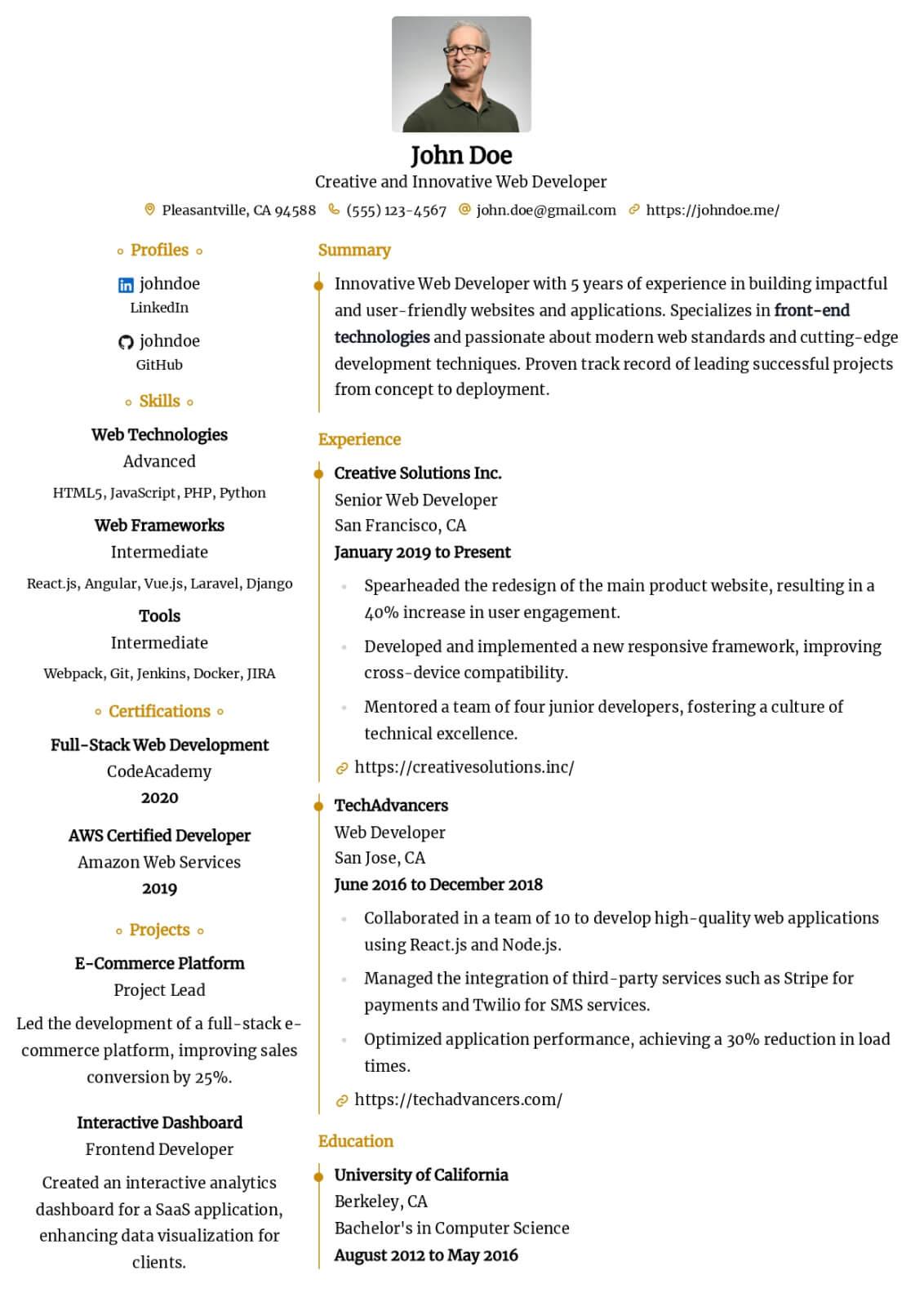
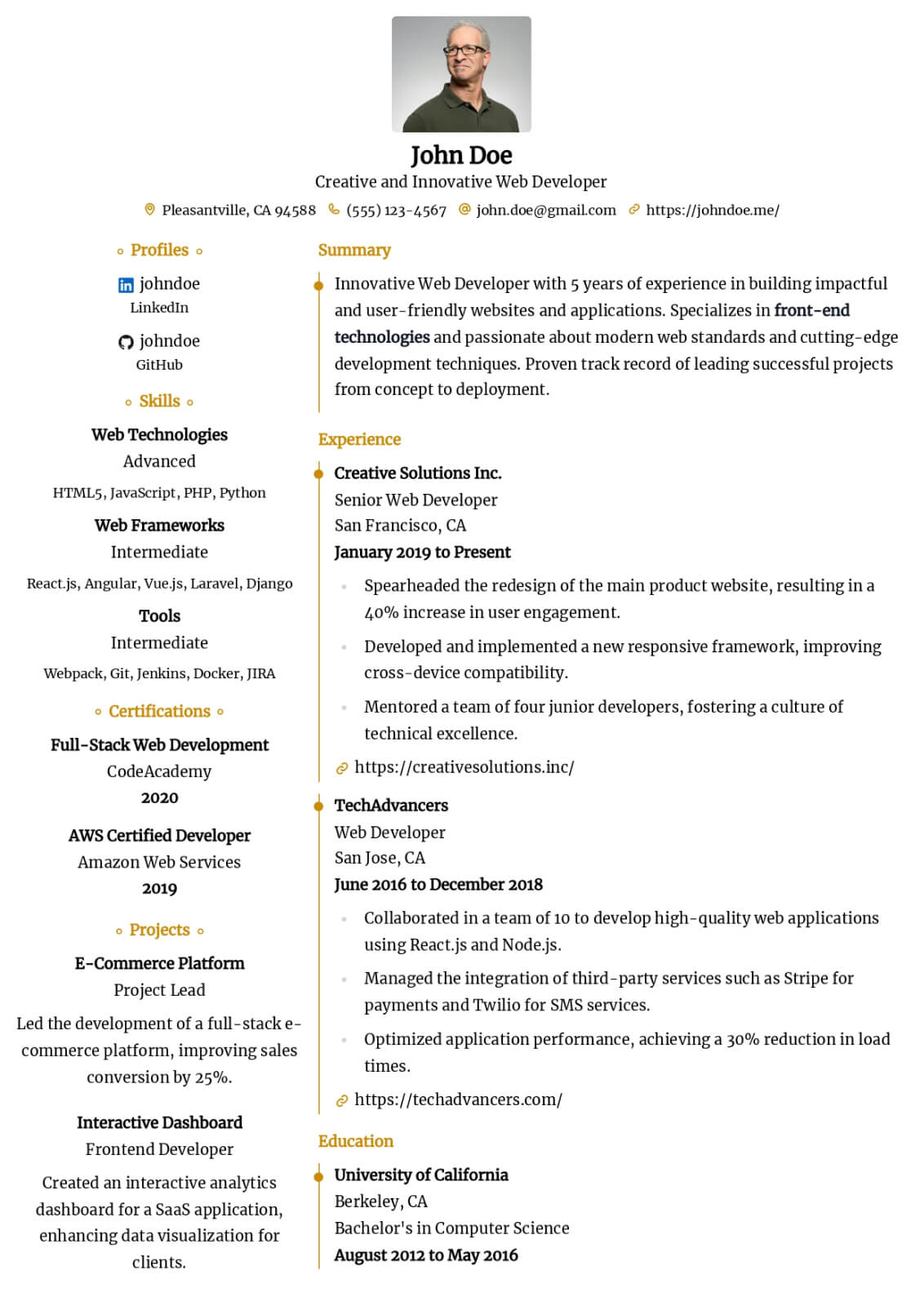
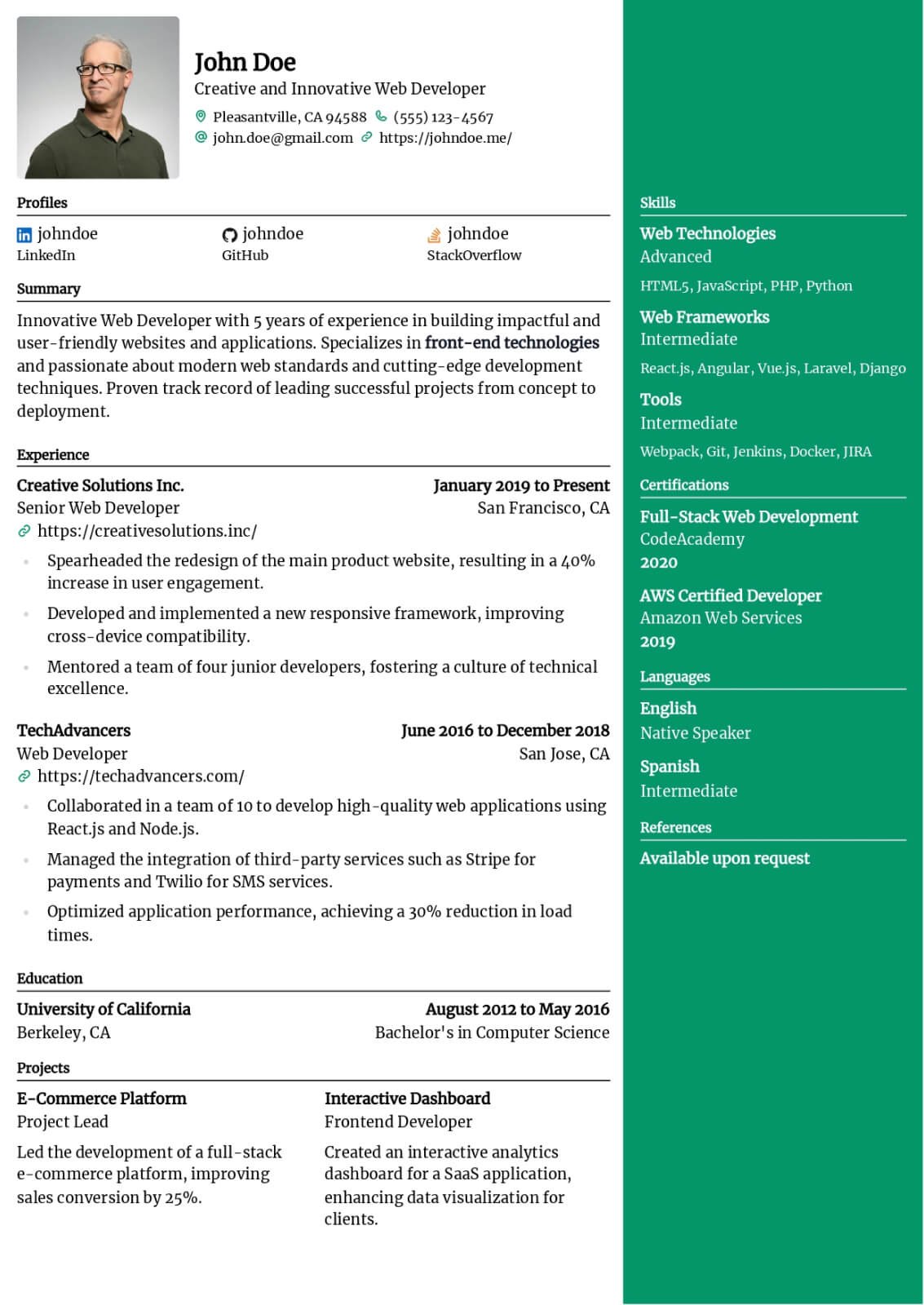
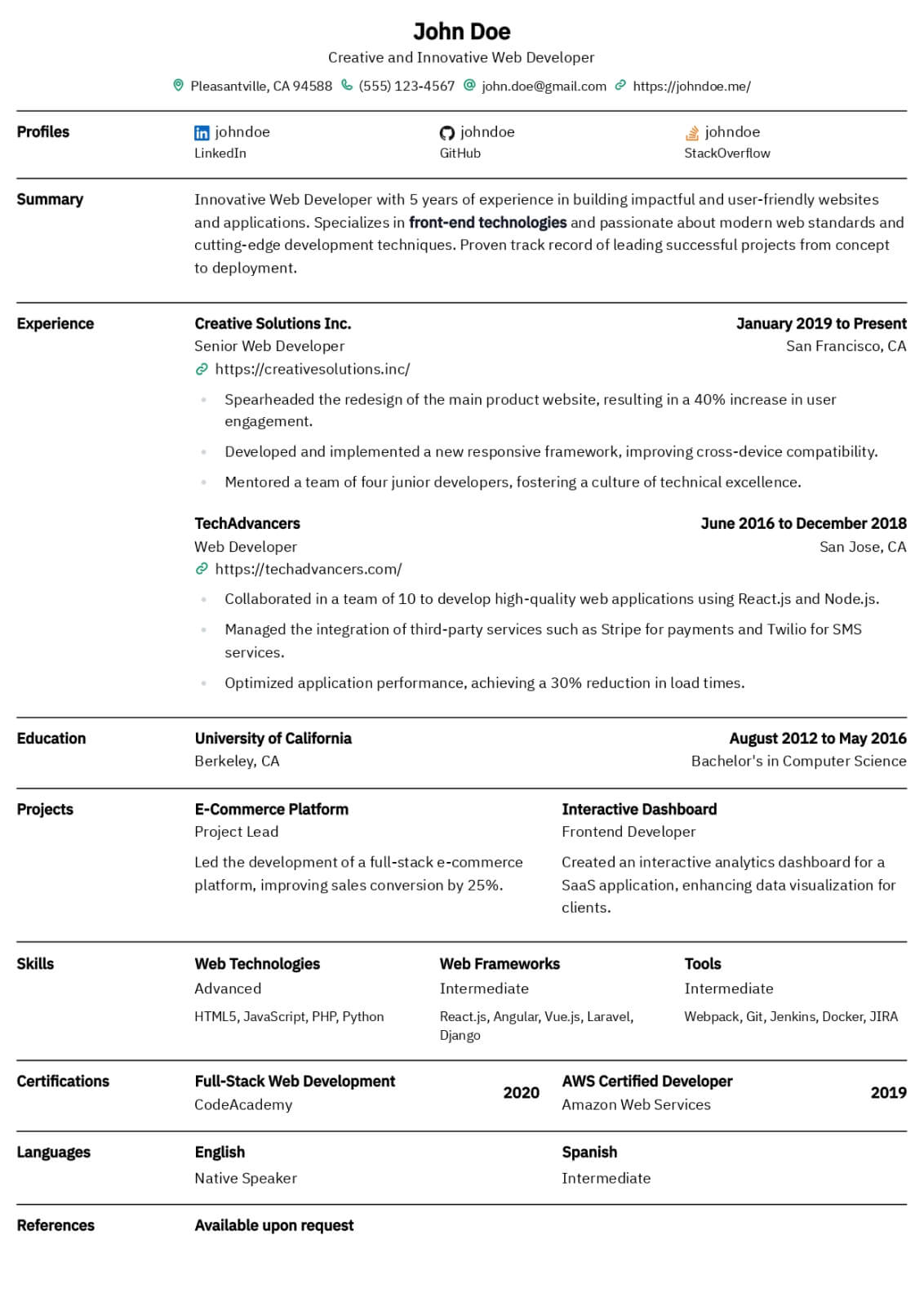
Use a clean, single-column layout with clear section headings and plenty of white space. Lead with technical strengths such as MCNP / Serpent / SCALE (Monte Carlo Neutronics), CASMO-SIMULATE (Core Design & Reload Analysis), RELAP5 / TRACE / GOTHIC (Thermal-Hydraulics), Criticality Safety Analysis (10 CFR 70), Radiation Shielding Design & Dose Assessment, ALARA Program Management, then reinforce interpersonal strengths like Nuclear Safety Culture Leadership, Regulatory Agency Communication, Technical Procedure Writing, Cross-Functional Facility Coordination. Keep fonts standard (e.g., Arial or Calibri) at 10–12pt body size so your resume stays ATS-friendly and easy to scan.
Key takeaways
- Lead with a summary citing your reactor type experience and a quantified safety or performance outcome
- Attach safety margin, dose reduction, or licensing milestone metrics to every experience bullet
- Reference MCNP, RELAP5, and NRC regulatory standards to demonstrate nuclear engineering depth
- Add a projects section showcasing analysis that directly supported NRC licensing decisions
- Note security clearance or nuclear access authorization prominently for facility-based positions
- Mirror neutronics code and regulatory keywords from the posting for optimal ATS alignment
Build your Nuclear Engineer resume with Scale
Lead with a summary citing your reactor type experience and a quantified safety or performance outcome
Use This Template
Professional Templates That Make You Stand Out
Browse modern, ATS-friendly resume designs crafted to impress recruiters. Customize any template and download it as a Word or PDF file.
Listen What Our Users Have to Say

Rohan Sen
I am very happy with the team's quick turnaround time - any query is responded at utmost priority. Shoutout to my client manager, Anub Biju - very helpful.

Gael L
Service and communication is great, cover letters are non-ai sounding and well tailored. Just have a lot of communication and review with your staff!

Jonathan Parry
Wow - don't tell your peers! Wow, I can't recommend scale.jobs enough - it's so good I am not sharing with my peers. Applications at scale that get through filters. Thank you!

Cynthia Zhu
Great service! The scale.jobs team was very responsible and managed to apply tons of jobs for me in a very tight deadline to help me secure interviews quickly. Highly recommend to anyone who needs help applying to jobs!

Yash Yenugu
Save your fingers. Saved me from a thumb cramp because we're expected to effortlessly apply to jobs during these times.

Cian O'Driscoll
Clever service. Takes the hard effort out of applying for jobs with an intuitive dashboard and attention to detail. A great asset to job seekers. :-)
Frequently asked questions
What should a nuclear engineer prioritize on a resume in 2026?
A competitive nuclear engineering resume should feature a targeted summary naming your reactor type experience, detailed work history quantified with safety margins, dose metrics, or licensing outcomes, and a skills section covering neutronics codes, thermal-hydraulic tools, and NRC regulatory standards. A dedicated projects section demonstrating analysis that supported regulatory approvals or safety improvements substantially strengthens your candidacy. Note clearance status prominently for facility positions.
How do I present NRC regulatory experience on my resume?
Describe regulatory contributions with specific regulatory references. Rather than stating you supported NRC compliance, write that you authored the criticality safety evaluation for a modified spent fuel pool configuration per 10 CFR 50.68, demonstrating keff less than 0.95 with ninety-five percent confidence and supporting the license amendment request that received NRC approval within nine months. Reference the specific 10 CFR sections, licensing documents, and safety analysis chapters you contributed to.
How important is security clearance for nuclear engineering positions?
Security clearance or nuclear access authorization is required for most positions at operating nuclear facilities, national laboratories, and naval nuclear programs. NRC L clearance is standard for commercial nuclear roles, while Q clearance or DOE Secret clearance is needed for weapons complex and classified design work. If you hold an active clearance, listing it prominently eliminates a significant hiring barrier. For candidates without clearance, noting eligibility and citizenship status signals readiness for processing.
Which nuclear analysis codes should I list on my resume?
Prioritize codes used by your target employer. MCNP and SCALE dominate criticality safety and shielding analysis. CASMO-SIMULATE is standard for commercial reactor core design. Serpent is gaining traction for advanced reactor physics research. RELAP5, TRACE, and GOTHIC are the primary thermal-hydraulic safety analysis tools. Only list codes where you can discuss input deck construction, model validation, and result interpretation during a technical assessment.
How long should a nuclear engineer resume be?
Nuclear engineers with fewer than ten years of experience should target a focused one-page resume. Those with extensive multi-facility experience, NRC licensing involvement, or PE licensure may justify two pages. Every bullet must demonstrate quantified nuclear safety or performance value. Remove early-career positions unrelated to nuclear engineering. Nuclear hiring managers assess candidates by the depth of their reactor analysis, regulatory compliance, and safety culture contributions.
How can a nuclear engineer differentiate from other applicants?
Differentiate by combining quantified safety analysis outcomes with demonstrated regulatory licensing experience. Lead every bullet with a measurable result such as safety margin demonstrated, dose reduction achieved, or licensing milestone met. Add a projects section highlighting reactor analysis that directly influenced NRC review outcomes. Reference specific codes, 10 CFR sections, and FSAR chapters. Technically precise, regulation-aware resumes consistently outperform generic nuclear engineering descriptions.
Related Resume Guides
Mechanical Engineer
Craft a results-driven mechanical engineering resume that highlights CAD proficiency, FEA expertise, and product development achievements to land interviews at top engineering firms.
Electrical Engineer
Design an impactful electrical engineering resume that demonstrates circuit design expertise, power systems knowledge, and embedded firmware skills to attract top employers in energy and electronics.
Chemical Engineer
Develop a compelling chemical engineering resume showcasing process simulation, P&ID development, and plant optimization to secure interviews at top chemical firms.
Research Scientist
Create a publication-strong research scientist resume demonstrating experimental design, data analysis rigor, and grant-funded leadership for top R&D employers.
Environmental Engineer
Build an authoritative environmental engineering resume demonstrating remediation design, regulatory compliance, and sustainability impact for consulting and agency roles.