
Nurse Practitioner Resume Examples, Templates & Writing Guide

Written by: Scale.jobs EditorialLast updated: May 1, 2026







Introduction
Build a polished nurse practitioner resume that showcases autonomous prescriptive authority, diagnostic expertise, patient panel management, and advanced practice licensure for competitive APRN positions.
This guide walks you through every major section of a nurse practitioner resume, with practical tips you can apply today.
- How to position autonomous prescriptive authority and diagnostic skills on your resume
- Strategies for quantifying patient panel size, outcomes, and quality improvement metrics
- Techniques for highlighting APRN licensure, DEA registration, and national certification
- Methods for presenting clinical specialties like family practice, acute care, or psychiatry
- How to demonstrate EHR proficiency and evidence-based clinical decision-making abilities
- Key approaches for tailoring your resume to hospital, clinic, or telehealth settings
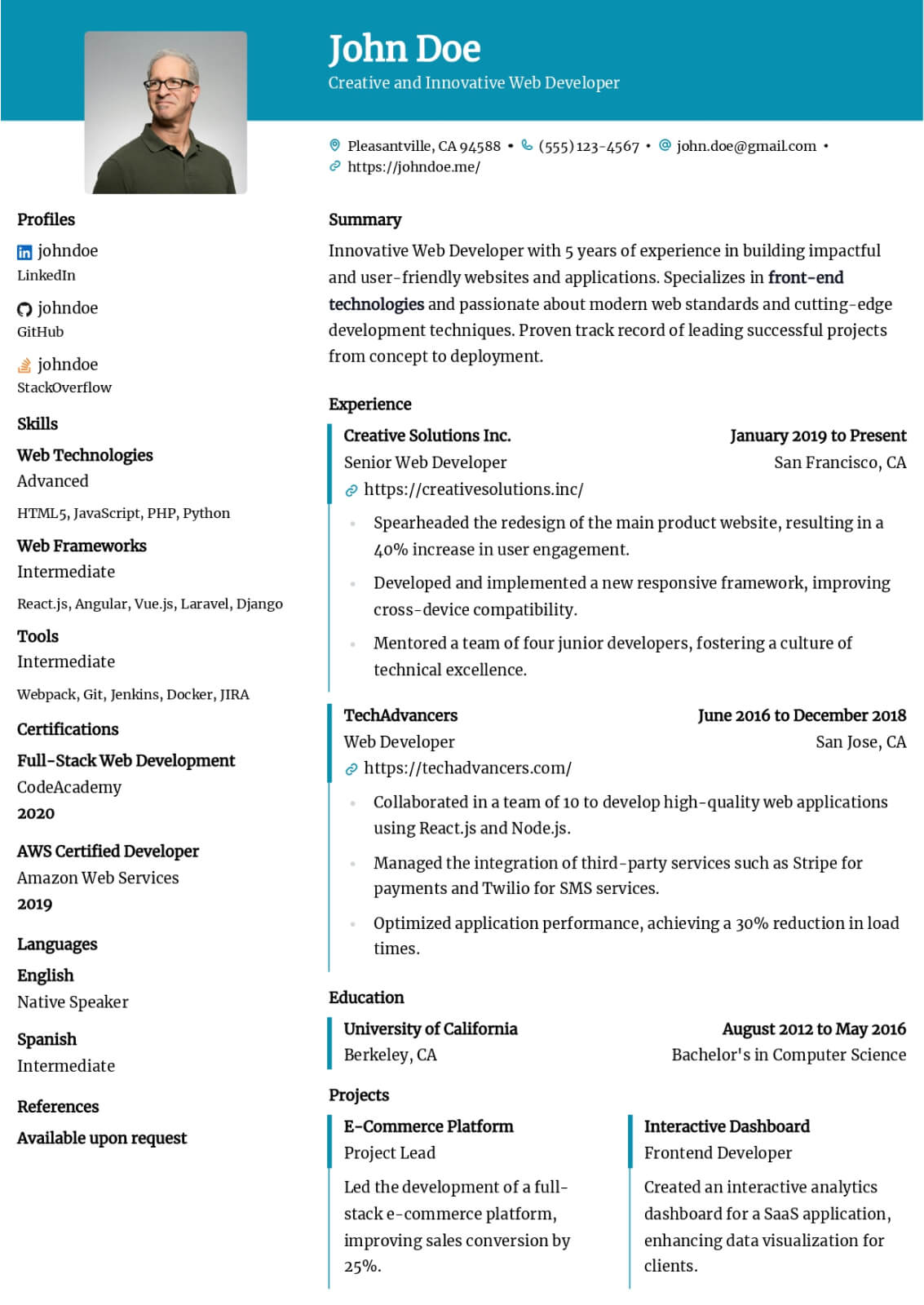
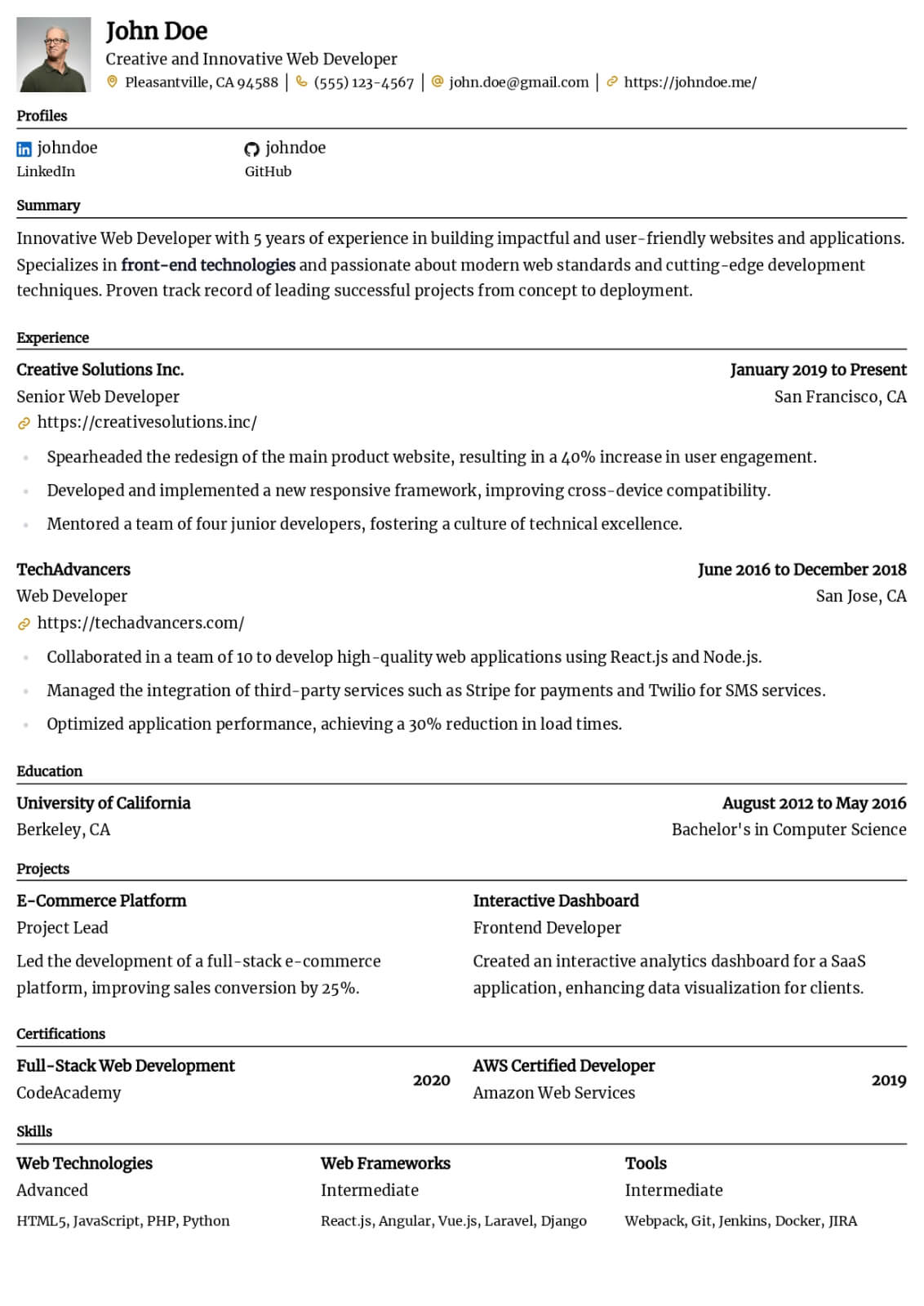
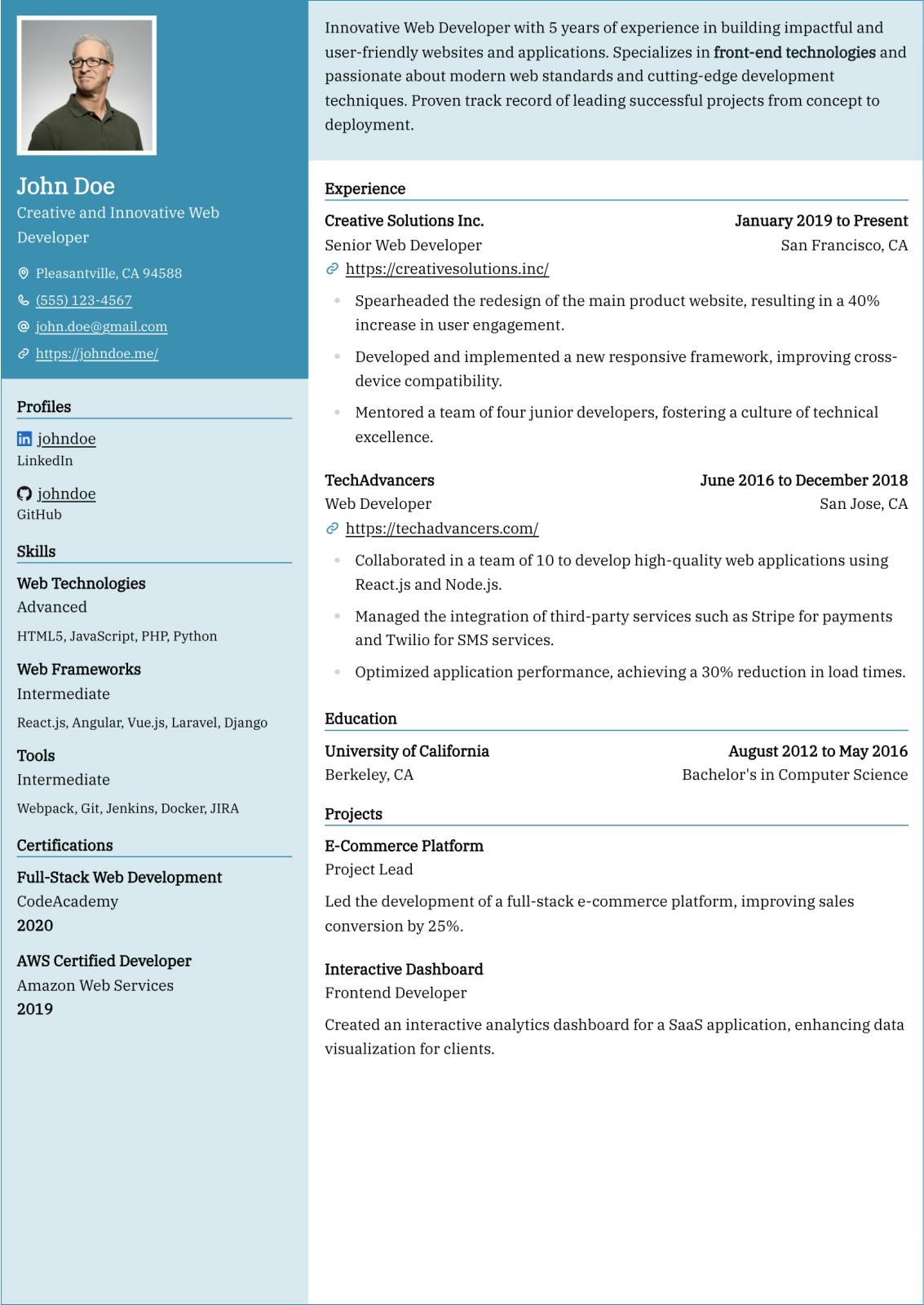
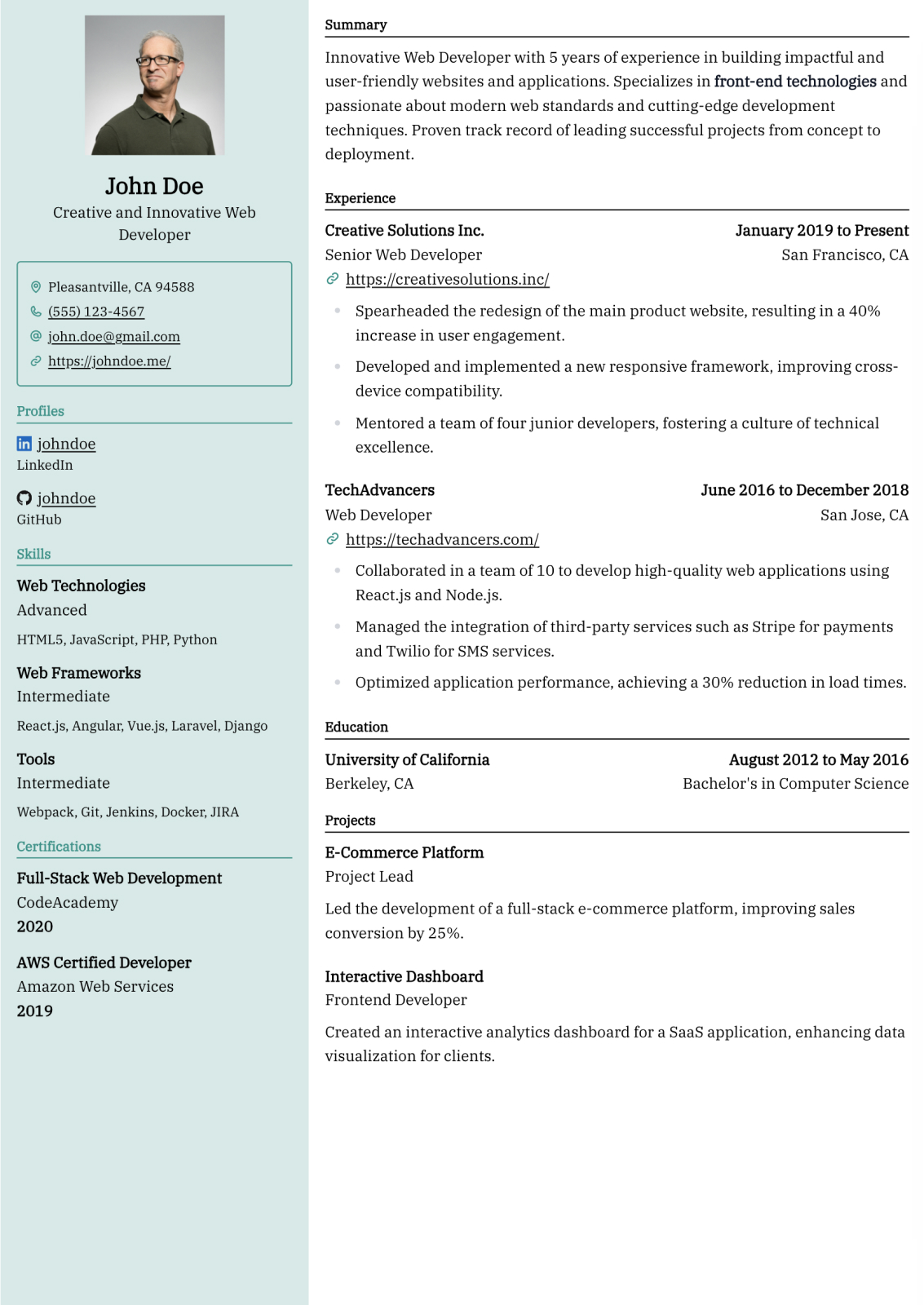
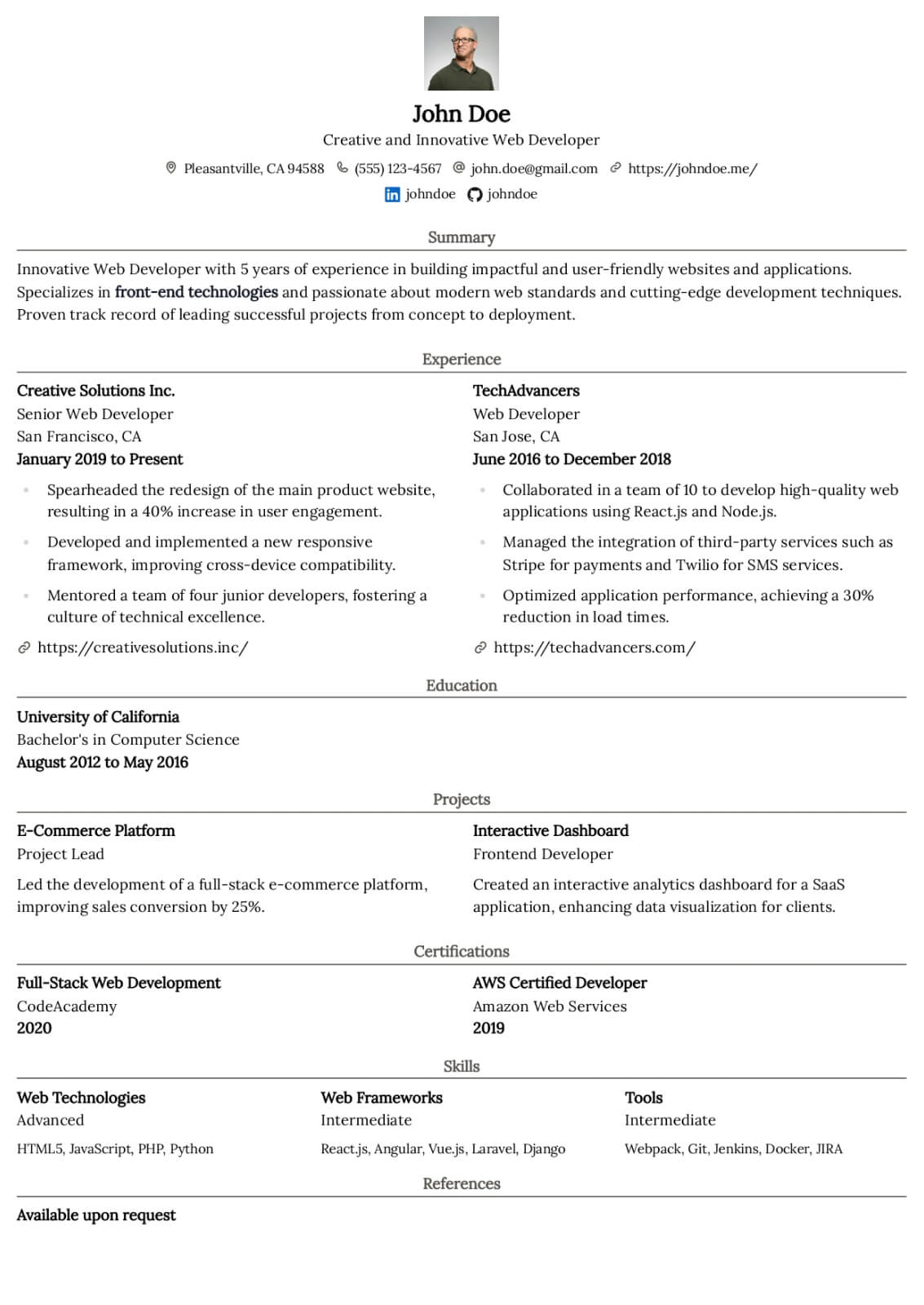
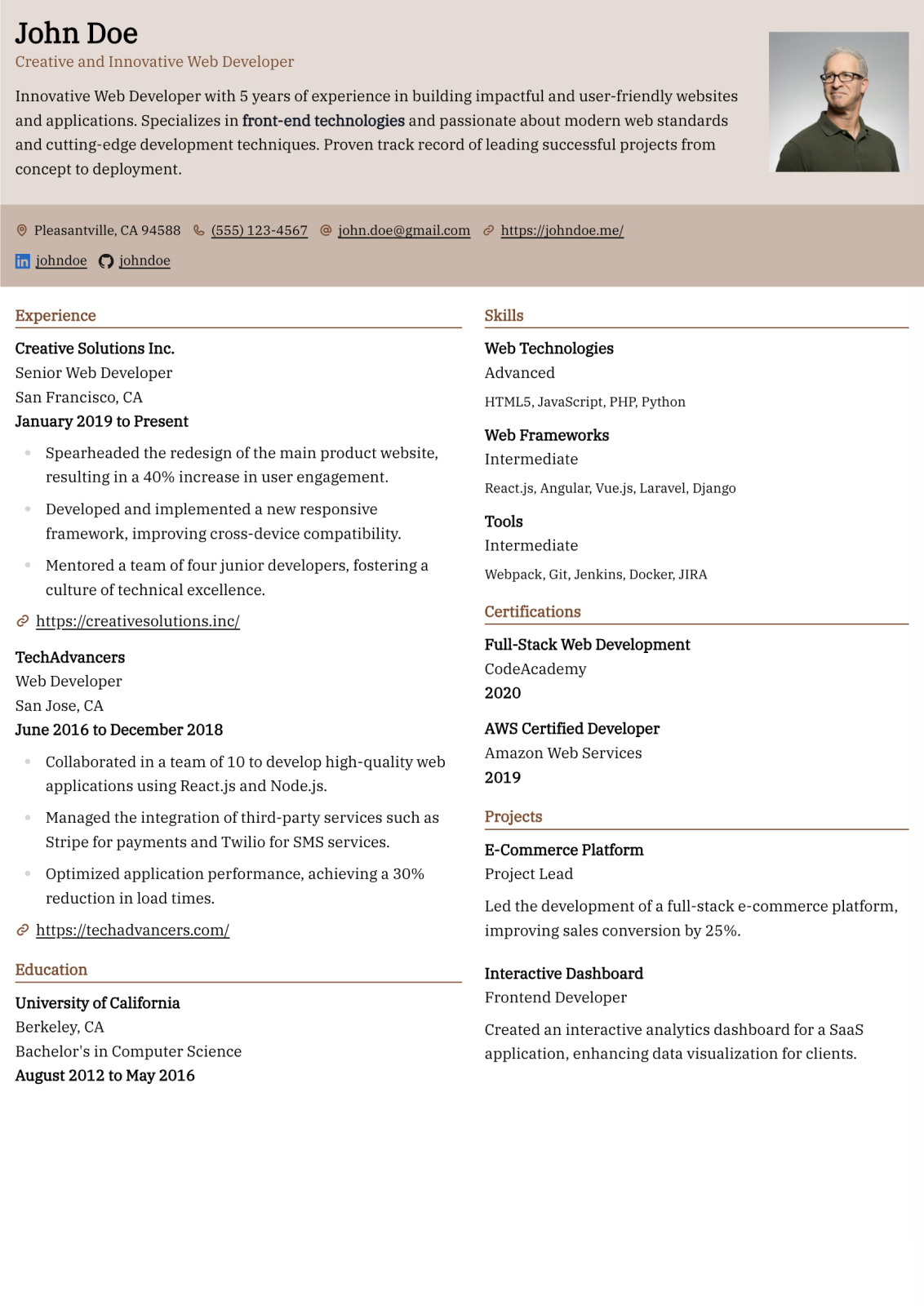
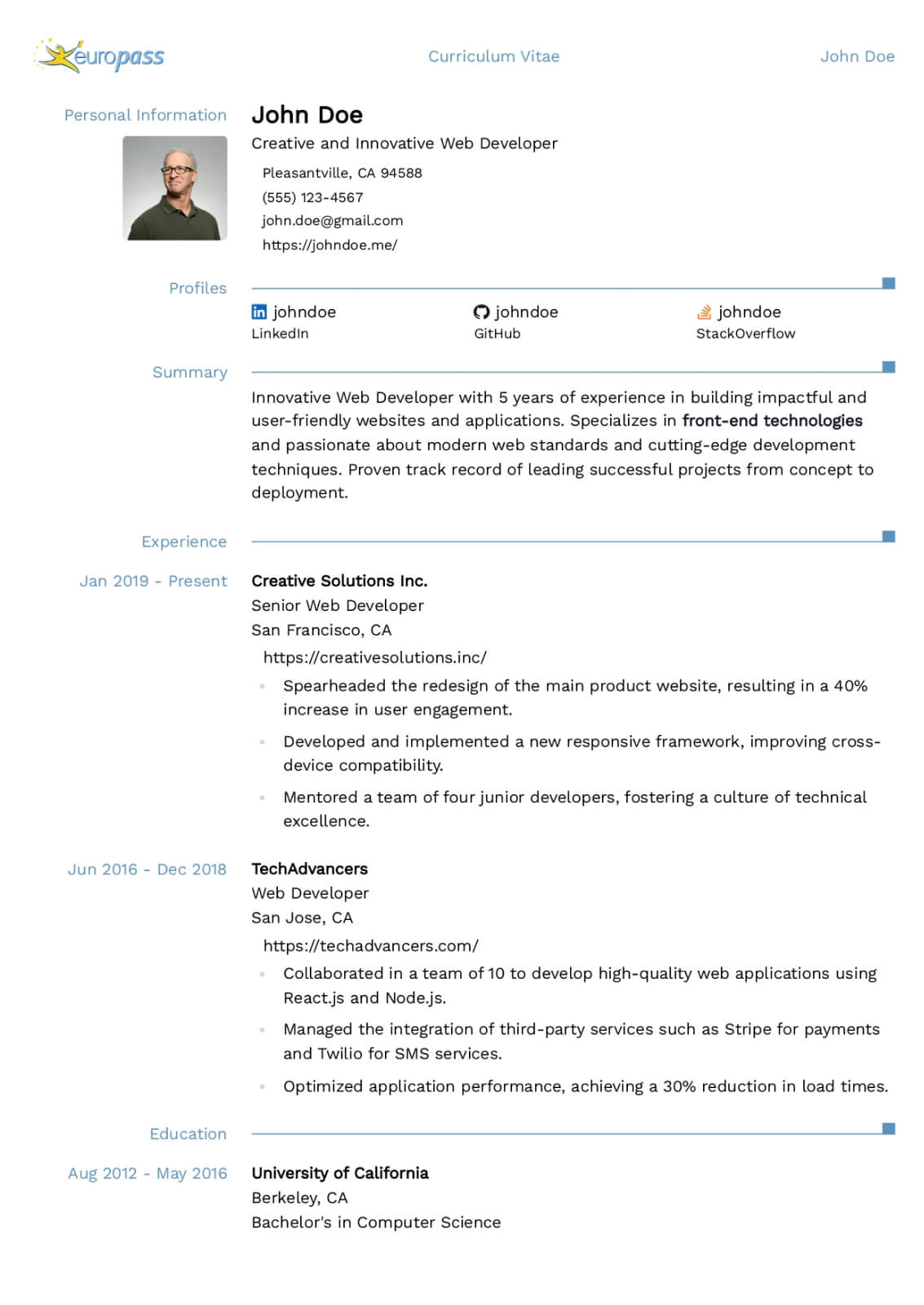
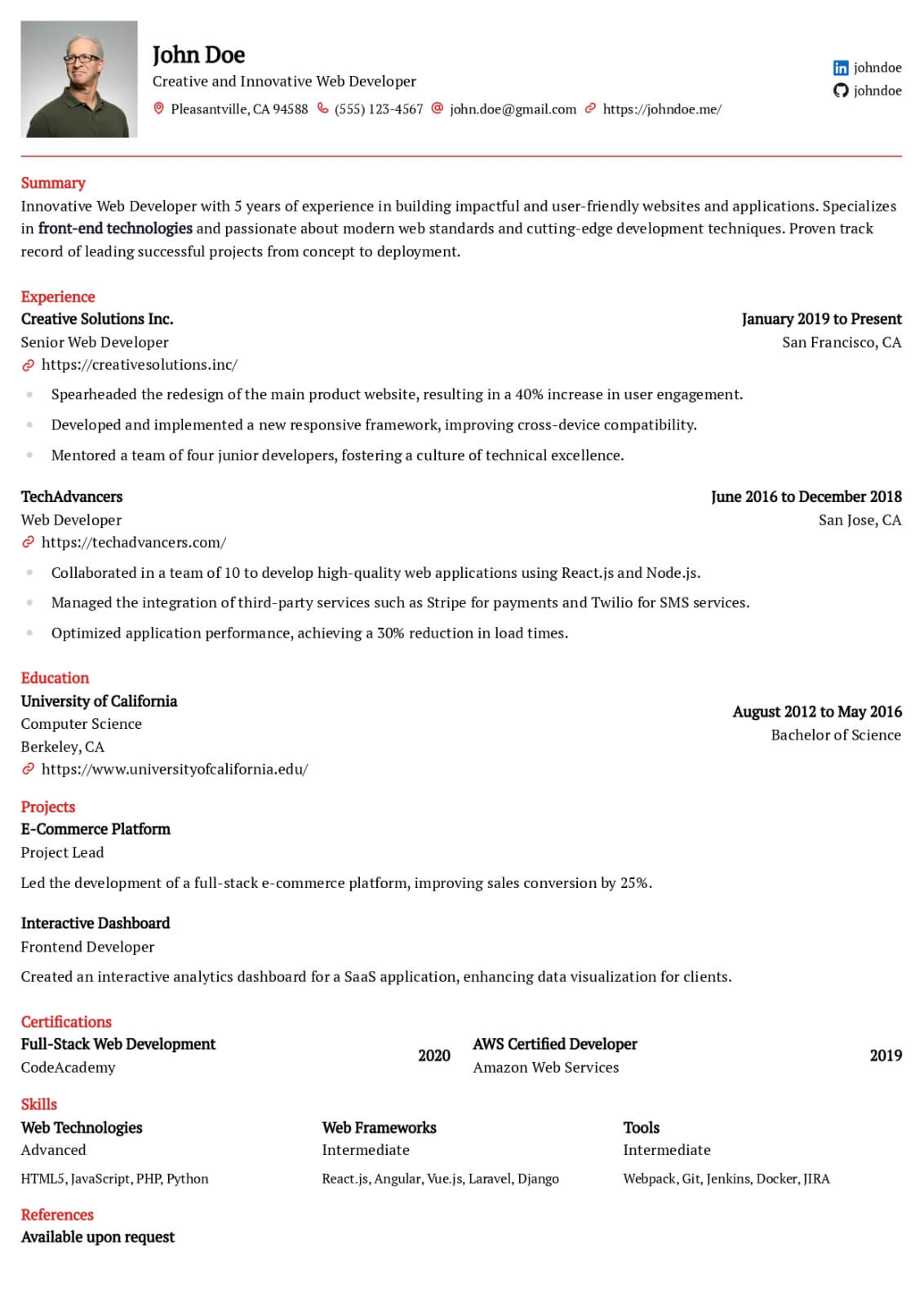
Nurse Practitioner resume guide
Below, you will find section-by-section guidance for your nurse practitioner resume — from your opening summary through skills and experience. Tailor every line to the job you want.
Professional Summary
Your professional summary should establish you as a board-certified nurse practitioner with clearly defined scope of practice and specialty focus. Open by stating your APRN licensure, national certification body such as AANP or ANCC, and primary practice setting. Reference your patient panel capacity, for example managing a panel of over eight hundred patients in a primary care setting with full prescriptive authority. Include at least one measurable clinical outcome such as improving HbA1c control rates by fifteen percent across your diabetic patient population over twelve months. Tailor terminology to the target employer by matching their clinical language, whether they emphasize value-based care, population health, or acute care management. Keep the summary between three and five sentences to maintain focus and readability for hiring managers.
Clinical Experience
Present your advanced practice experience in reverse-chronological order, listing your title, practice name or facility, and employment dates. For each role, write four to six bullet points using action verbs like diagnosed, prescribed, managed, collaborated, and referred. Quantify clinical throughput by noting daily patient encounters, panel sizes, or procedure volumes where applicable. Demonstrate autonomous decision-making by describing complex cases where you independently diagnosed, developed treatment plans, and adjusted pharmacotherapy. Highlight collaborative practice arrangements by describing how you consulted with attending physicians, specialists, and interdisciplinary teams on complex cases. If you transitioned from an RN role, clearly delineate your NP-level responsibilities to avoid confusion about your scope of practice evolution.
Clinical & Diagnostic Skills
Create a skills section containing eight to ten hard skills and six to seven soft skills aligned with your NP specialty. Hard skills should include advanced health assessment and differential diagnosis, pharmacotherapy management, interpretation of diagnostic imaging and laboratory results, procedure-specific competencies like suturing or joint injection, and chronic disease management protocols. List EHR platforms you have used such as Epic, Athenahealth, or eClinicalWorks alongside telehealth platforms if relevant. For soft skills, emphasize shared clinical decision-making, motivational interviewing, patient and family education, and interdisciplinary care coordination. Avoid generic terms and instead use specialty-specific language that demonstrates your advanced practice scope and clinical depth.
Licensure & Certifications
This section is paramount for NP resumes because credentialing verification is the first step in the hiring process. List your state APRN license with the state board and your national certification from AANP or ANCC including the specialty designation such as FNP-BC or AGACNP-BC. Include your DEA registration if you hold prescriptive authority for controlled substances, as this is a common requirement for NP positions. Add BLS, ACLS, and any specialty certifications such as Certified Diabetes Educator or Oncology Certified Nurse Practitioner. If you hold collaborative practice agreements in states that require them, note this to demonstrate regulatory compliance awareness. Place this section prominently because credentialing offices review it before clinical leadership even sees your application.
Education
List your Master of Science in Nursing or Doctor of Nursing Practice degree, the institution, and your graduation year. Specify your APRN track such as Family Nurse Practitioner, Adult-Gerontology Acute Care, or Psychiatric Mental Health. Include the total clinical practicum hours completed during your program, as many employers verify this during credentialing. If you earned your BSN from a Magnet-designated institution or completed your DNP with a clinical capstone project, mention these to demonstrate academic rigor. For NPs pursuing post-master's certificates in additional specialties, list the program with the expected completion date to signal expanding scope of practice.
Research & Quality Improvement
Include a section for scholarly work and quality improvement initiatives if you have contributed to evidence-based practice advancement. Describe any clinical research studies you participated in, specifying your role, the patient population, and the study outcomes. Detail quality improvement projects such as implementing a screening protocol for depression in primary care that increased detection rates by twenty-five percent. Mention publications in peer-reviewed nursing journals, podium or poster presentations at national conferences like AANP or NPA, and any clinical practice guideline development you contributed to. These entries differentiate you from other NP candidates by demonstrating intellectual curiosity and a commitment to advancing the profession beyond direct patient care.
Resume layout and formatting
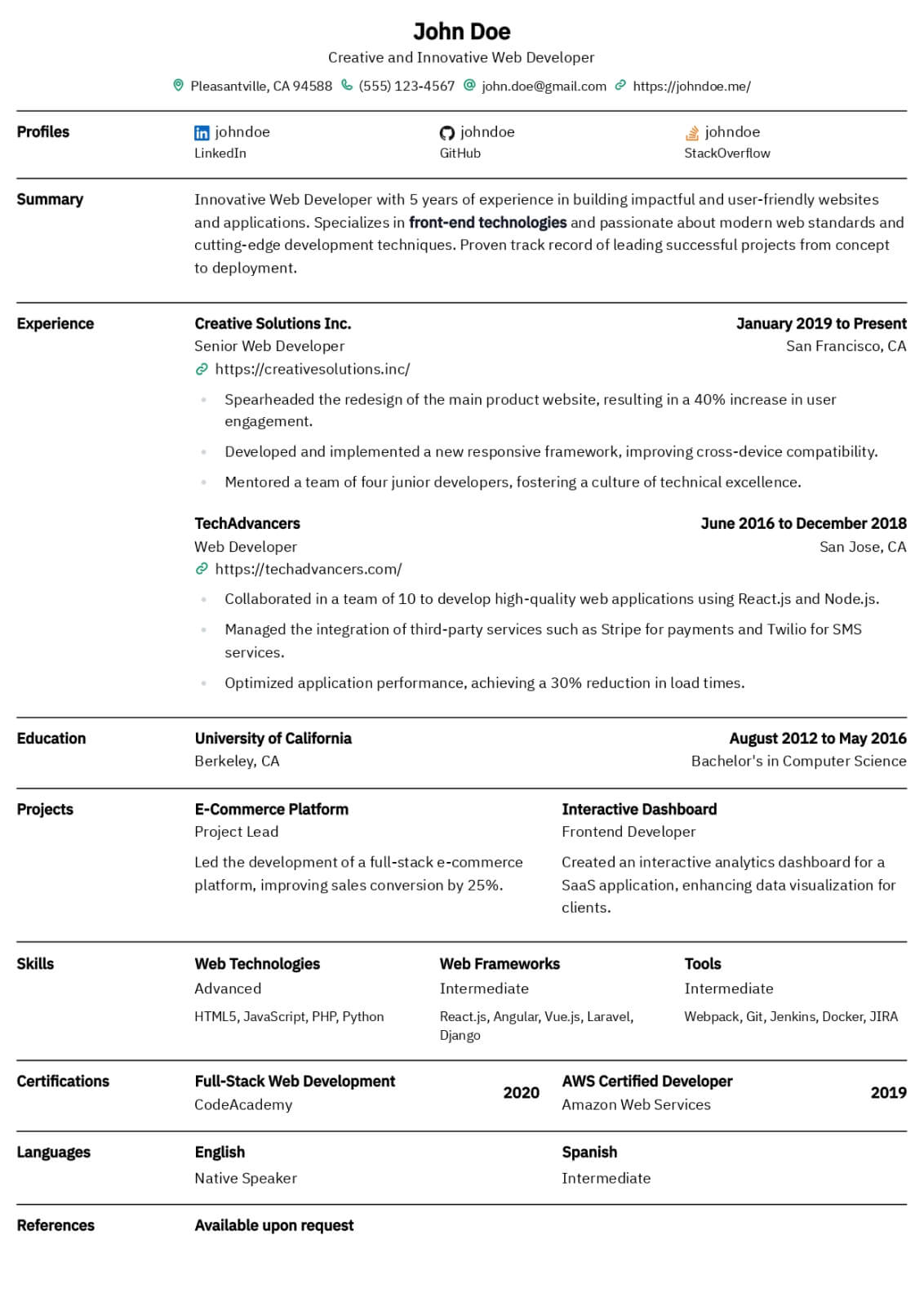
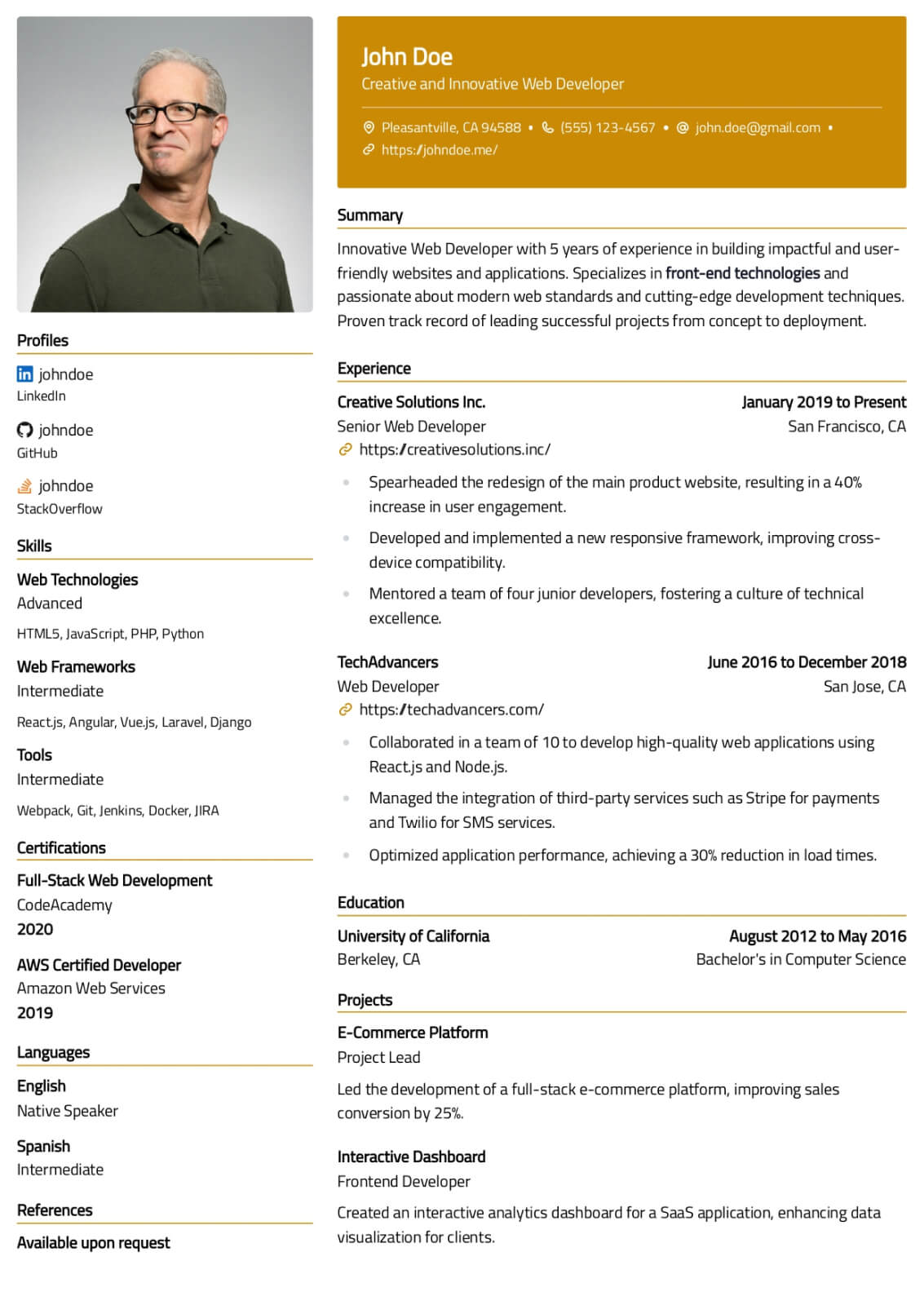
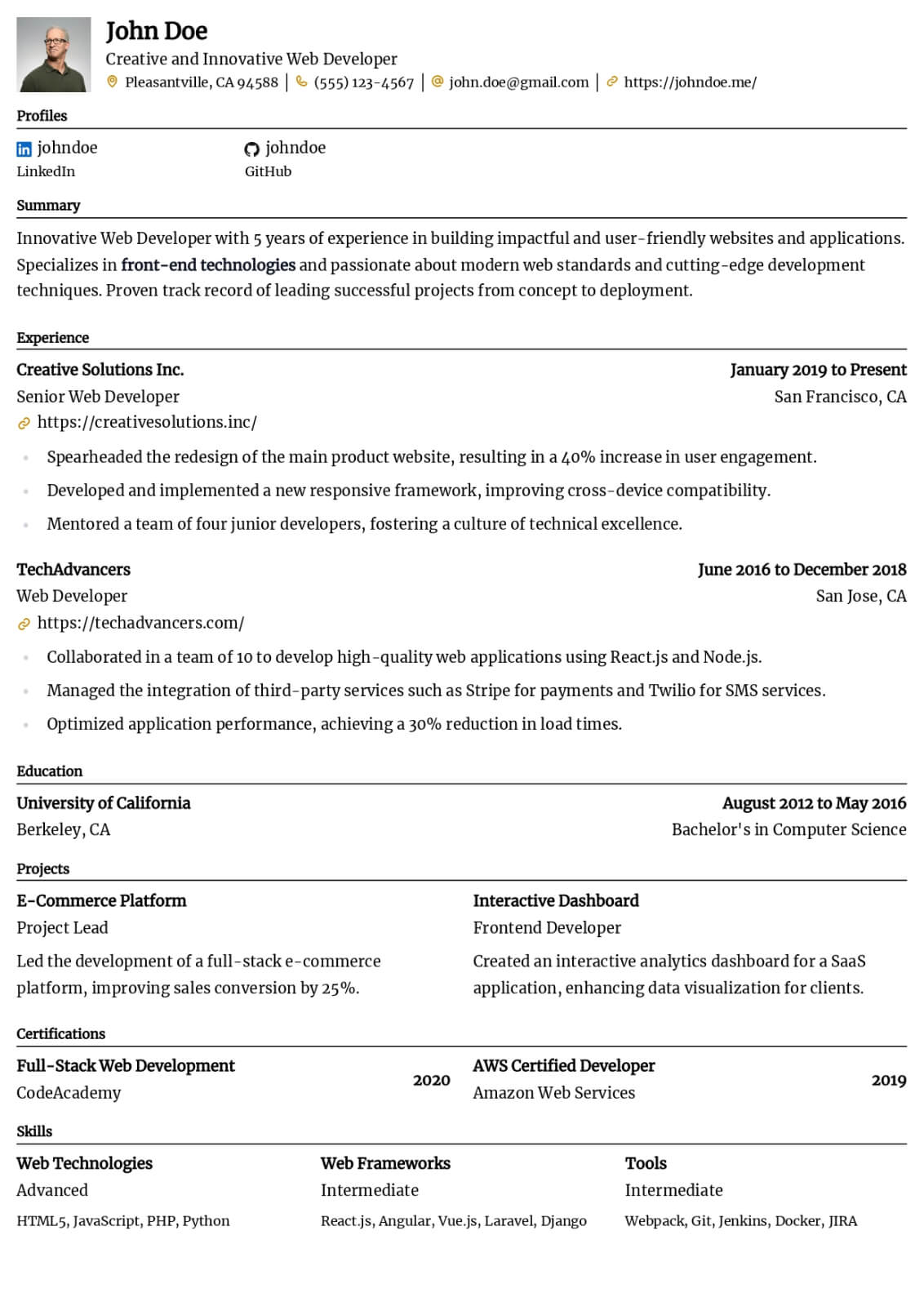
Use a clean, single-column layout with clear section headings and plenty of white space. Lead with technical strengths such as Advanced Health Assessment & Differential Diagnosis, Pharmacotherapy & Prescriptive Authority, Chronic Disease Management (Diabetes, HTN, COPD), Diagnostic Imaging & Lab Result Interpretation, Minor Procedures (Suturing, I&D, Joint Injection), EHR Documentation (Epic, Athenahealth, eClinicalWorks), then reinforce interpersonal strengths like Shared Clinical Decision-Making, Motivational Interviewing, Patient & Family Education, Interdisciplinary Care Coordination. Keep fonts standard (e.g., Arial or Calibri) at 10–12pt body size so your resume stays ATS-friendly and easy to scan.
Key takeaways
- Lead with APRN licensure, national certification, and DEA registration prominently
- Quantify patient panel sizes and clinical throughput to demonstrate practice capacity
- Specify prescriptive authority scope and collaborative practice agreement details clearly
- Highlight specialty-specific certifications that differentiate you from generalist candidates
- Include quality improvement or research contributions to show scholarly practice engagement
- Tailor clinical language to match the target employer setting and patient population
Build your Nurse Practitioner resume with Scale
Lead with APRN licensure, national certification, and DEA registration prominently
Use This Template
Professional Templates That Make You Stand Out
Browse modern, ATS-friendly resume designs crafted to impress recruiters. Customize any template and download it as a Word or PDF file.
Listen What Our Users Have to Say

Rohan Sen
I am very happy with the team's quick turnaround time - any query is responded at utmost priority. Shoutout to my client manager, Anub Biju - very helpful.

Gael L
Service and communication is great, cover letters are non-ai sounding and well tailored. Just have a lot of communication and review with your staff!

Jonathan Parry
Wow - don't tell your peers! Wow, I can't recommend scale.jobs enough - it's so good I am not sharing with my peers. Applications at scale that get through filters. Thank you!

Cynthia Zhu
Great service! The scale.jobs team was very responsible and managed to apply tons of jobs for me in a very tight deadline to help me secure interviews quickly. Highly recommend to anyone who needs help applying to jobs!

Yash Yenugu
Save your fingers. Saved me from a thumb cramp because we're expected to effortlessly apply to jobs during these times.

Cian O'Driscoll
Clever service. Takes the hard effort out of applying for jobs with an intuitive dashboard and attention to detail. A great asset to job seekers. :-)
Frequently asked questions
What credentials should a nurse practitioner list on their resume?
List your state APRN license, national board certification from AANP or ANCC with the specialty designation, DEA registration number status, BLS and ACLS certifications, and any specialty credentials like CDE or ONP-C. These credentials are verified during the credentialing process before you can begin practice, so placing them prominently ensures your application moves forward without delays.
How do I present prescriptive authority on an NP resume?
State your prescriptive authority explicitly, noting whether you have full independent authority or a collaborative practice arrangement depending on your state regulations. Mention your DEA registration and specify the drug schedules you are authorized to prescribe. Include examples of pharmacotherapy management from your clinical experience to provide concrete evidence of how you exercise prescriptive authority in practice.
Should I include my RN experience on a nurse practitioner resume?
Include RN experience if it is directly relevant to your NP specialty or if you have fewer than five years of advanced practice experience. Clearly separate RN and NP roles with distinct section headers to avoid confusion about your scope of practice. For experienced NPs with extensive advanced practice history, consider condensing early RN roles to one or two lines to preserve space for NP-level accomplishments.
How do I quantify patient outcomes on an NP resume?
Pull metrics from quality dashboards, patient satisfaction surveys, and clinical performance reports. Reference specific outcomes such as HbA1c improvement rates, hospital readmission reductions, preventive screening compliance percentages, or patient panel growth figures. Quantified outcomes demonstrate your clinical effectiveness and align with value-based care models that healthcare employers increasingly prioritize in their hiring decisions.
What is the ideal length for a nurse practitioner resume?
Most NPs benefit from a two-page resume given the complexity of advanced practice credentials, clinical experience, and scholarly contributions. If you have fewer than three years of NP experience, a well-organized one-page resume is sufficient. Ensure every entry adds value and avoid including non-clinical roles or outdated certifications that dilute the professional impact of your application.
How should I handle a career transition from RN to NP on my resume?
Structure your resume to lead with NP-level qualifications by placing your APRN credentials, advanced practice summary, and NP clinical experience above any RN history. Use your professional summary to frame the transition as a natural progression of clinical expertise and leadership. Highlight transferable skills from your RN background such as patient assessment, care coordination, and unit leadership that strengthened your advanced practice foundation.
Related Resume Guides
Registered Nurse
Craft a compelling registered nurse resume that highlights clinical competencies, patient care outcomes, EMR proficiency, and licensure credentials to land interviews at top healthcare facilities.
Physician Assistant
Create a physician assistant resume that highlights diagnostic acumen, procedural competence, PA-C certification, and collaborative practice experience to secure positions in hospitals, clinics, and surgical teams.
Clinical Research Coordinator
Build a clinical research coordinator resume that showcases IRB protocol management, patient enrollment expertise, GCP compliance, and data integrity skills for academic medical centers and CRO positions.
Mental Health Counselor
Create a mental health counselor resume that highlights evidence-based therapeutic modalities, clinical licensure credentials, caseload management expertise, and measurable client outcome improvements for agency and private practice roles.
Medical Assistant
Create a medical assistant resume that showcases your clinical and administrative versatility, EHR proficiency, phlebotomy skills, and patient intake expertise to impress hiring managers at clinics and hospitals.