
Mental Health Counselor Resume Examples, Templates & Writing Guide

Written by: Scale.jobs EditorialLast updated: May 1, 2026







Introduction
Create a mental health counselor resume that highlights evidence-based therapeutic modalities, clinical licensure credentials, caseload management expertise, and measurable client outcome improvements for agency and private practice roles.
This guide walks you through every major section of a mental health counselor resume, with practical tips you can apply today.
- How to present evidence-based therapeutic modalities and clinical specializations effectively
- Strategies for quantifying client outcomes using validated assessment tools and metrics
- Techniques for highlighting LPC, LMHC, or LCPC licensure and supervision credentials
- Methods for showcasing crisis intervention skills and safety planning expertise
- How to demonstrate cultural competence and trauma-informed care approaches on your resume
- Key approaches for tailoring your resume to community mental health, hospital, or private practice
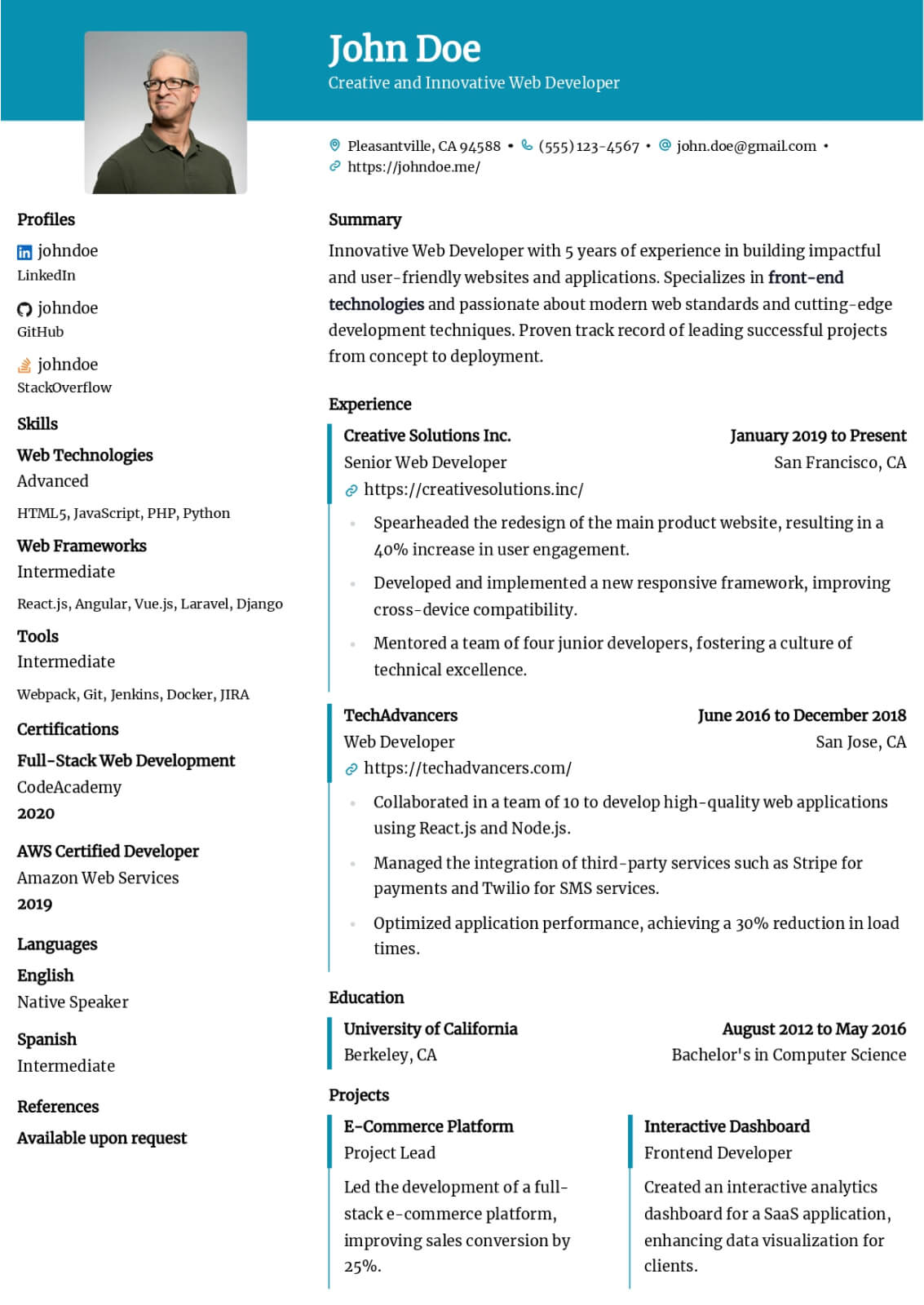
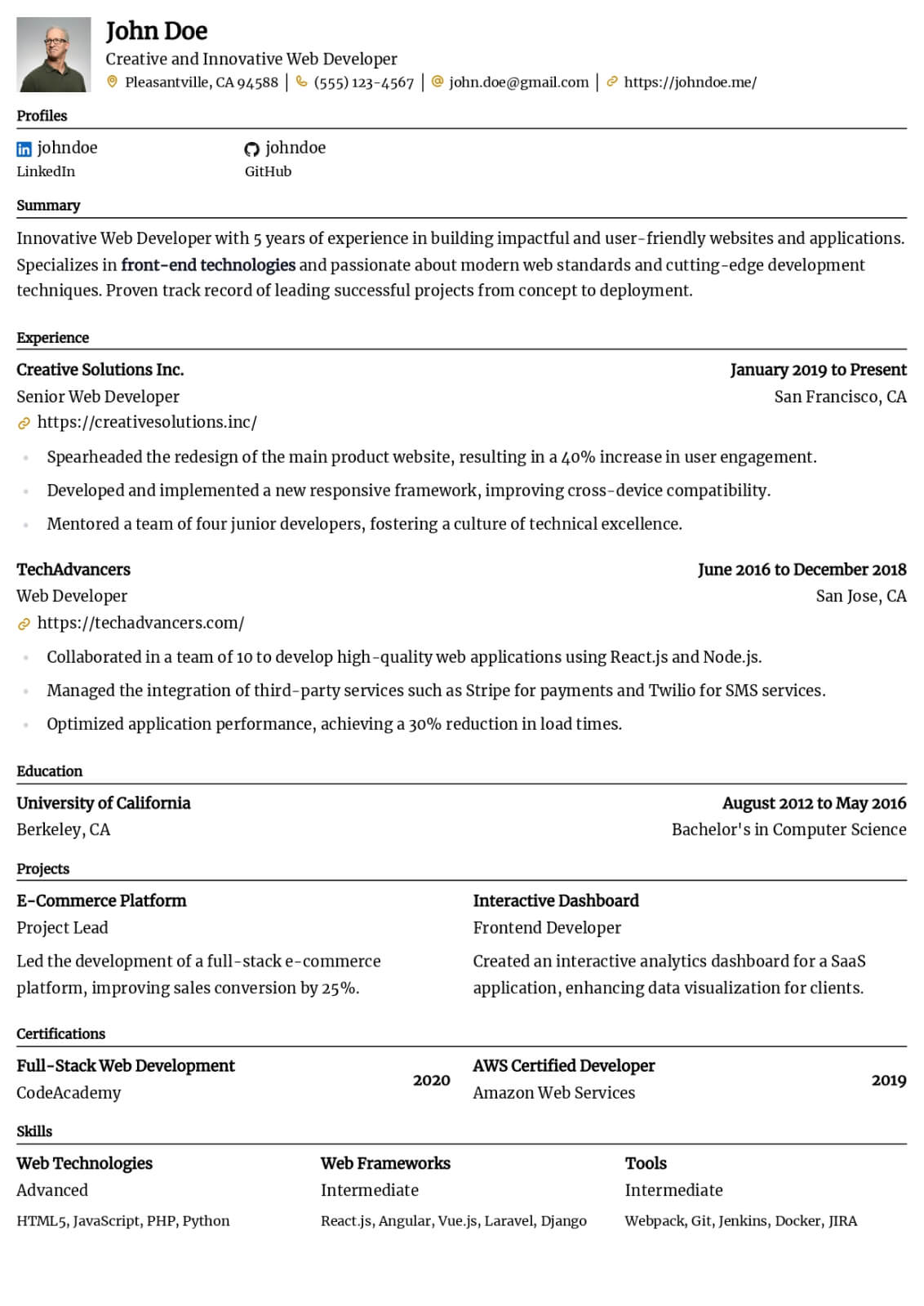
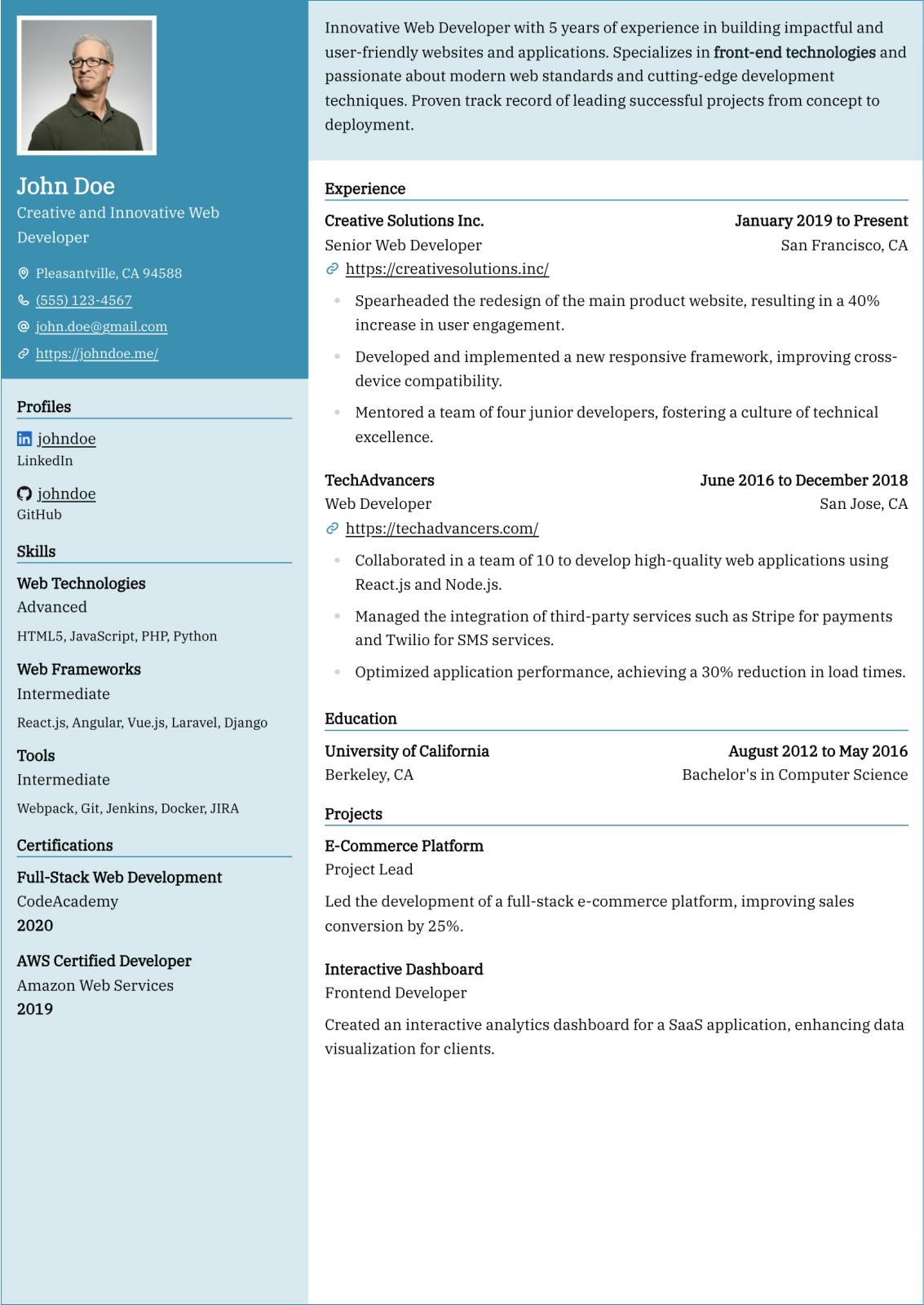
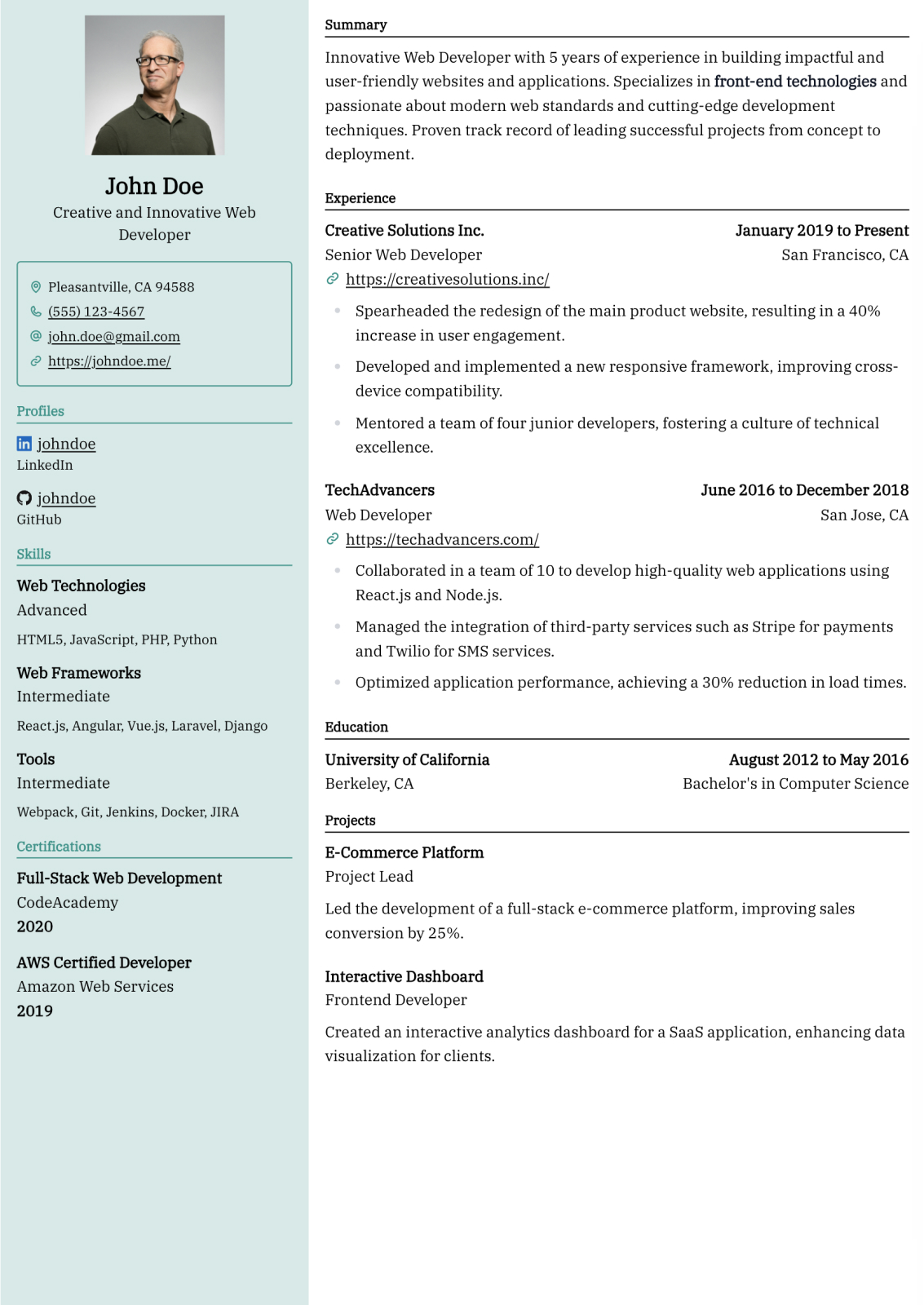
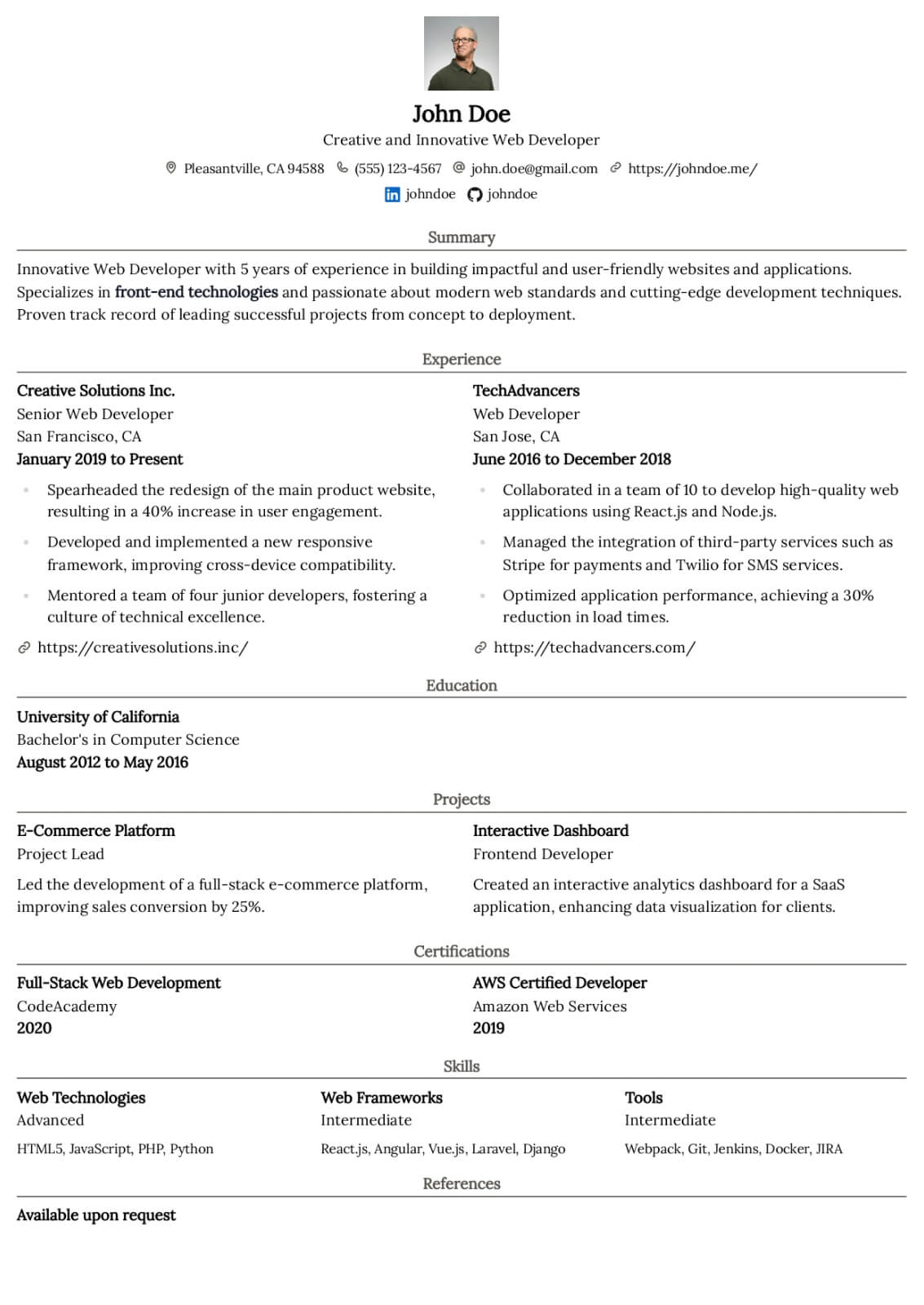
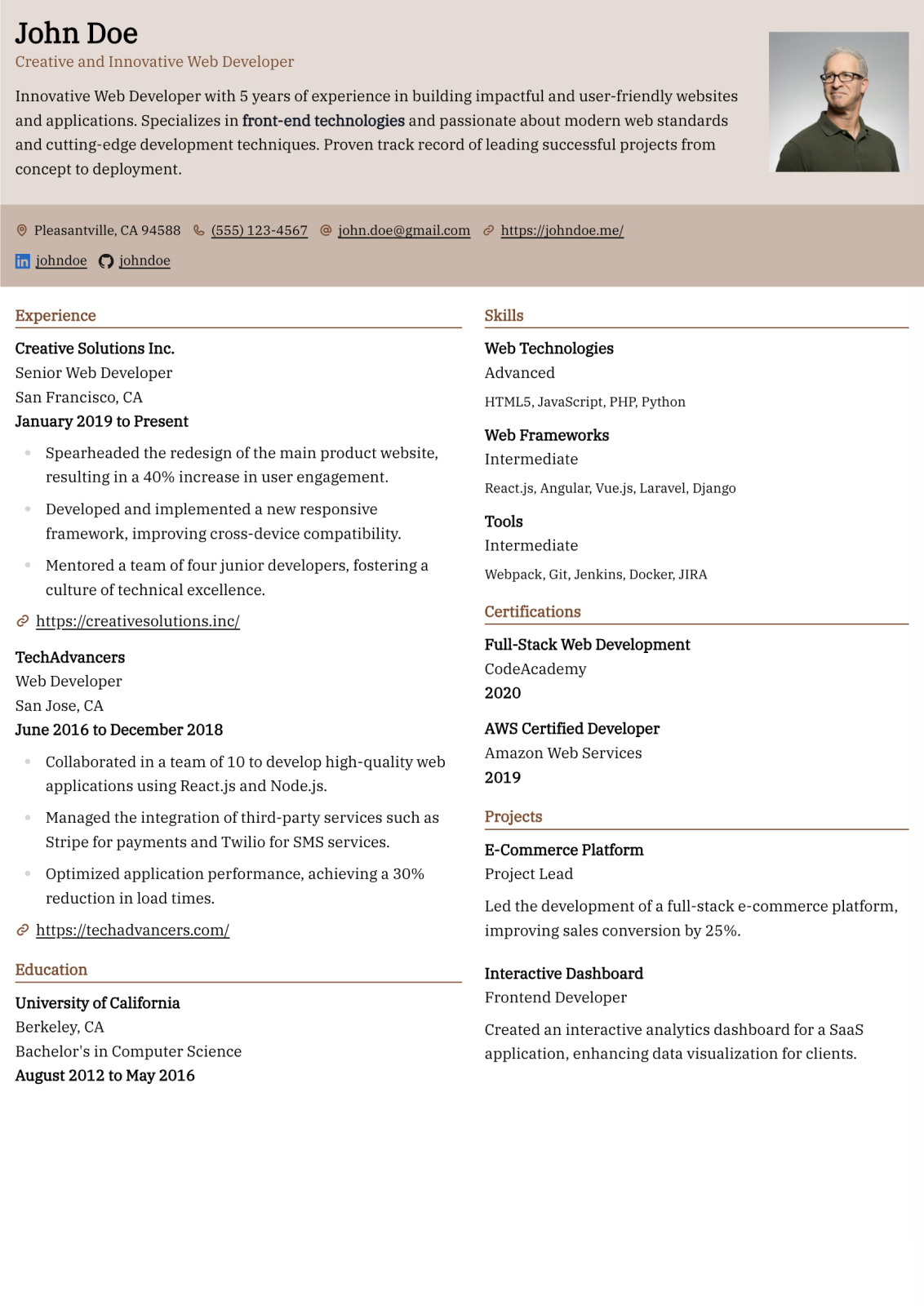
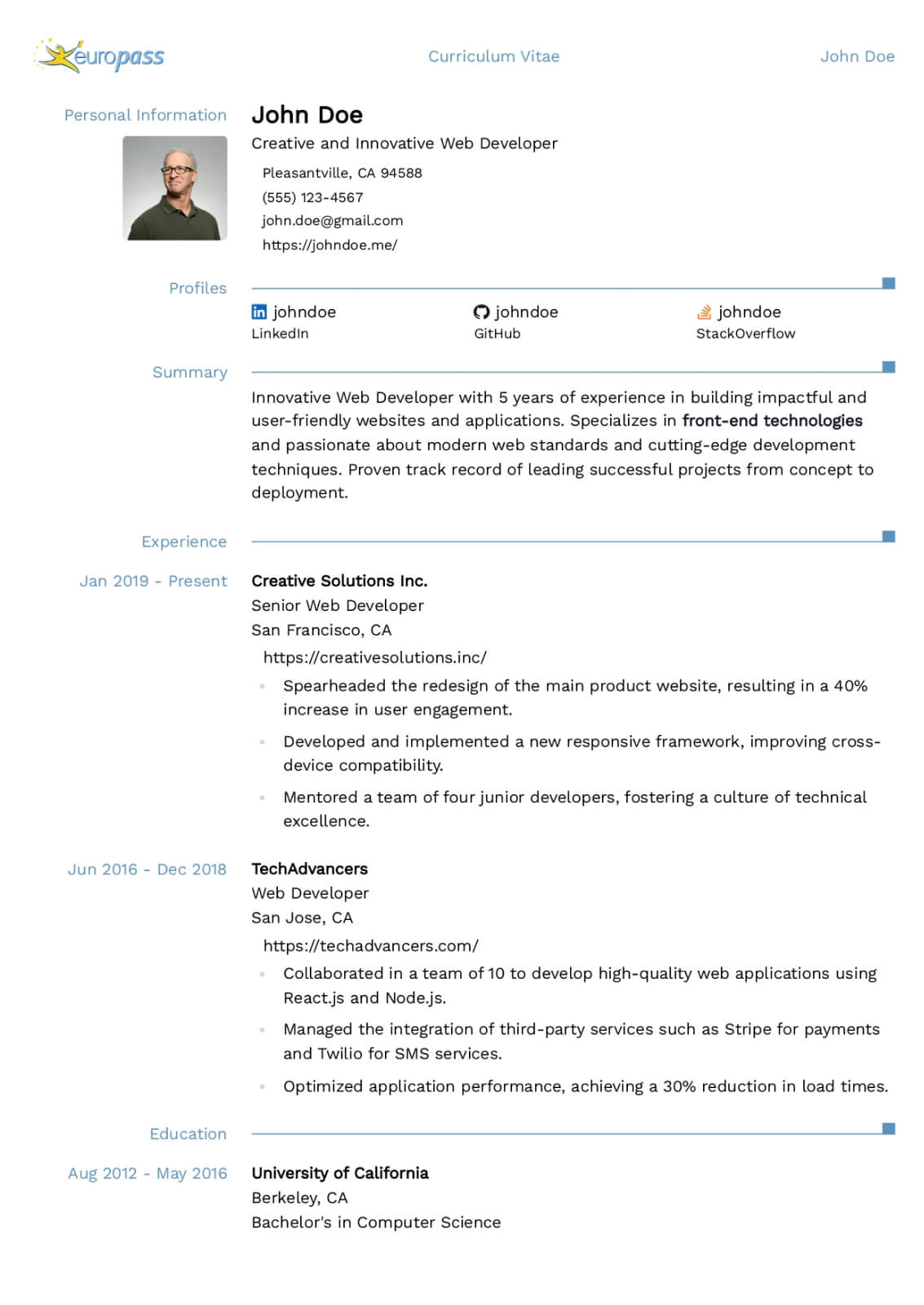
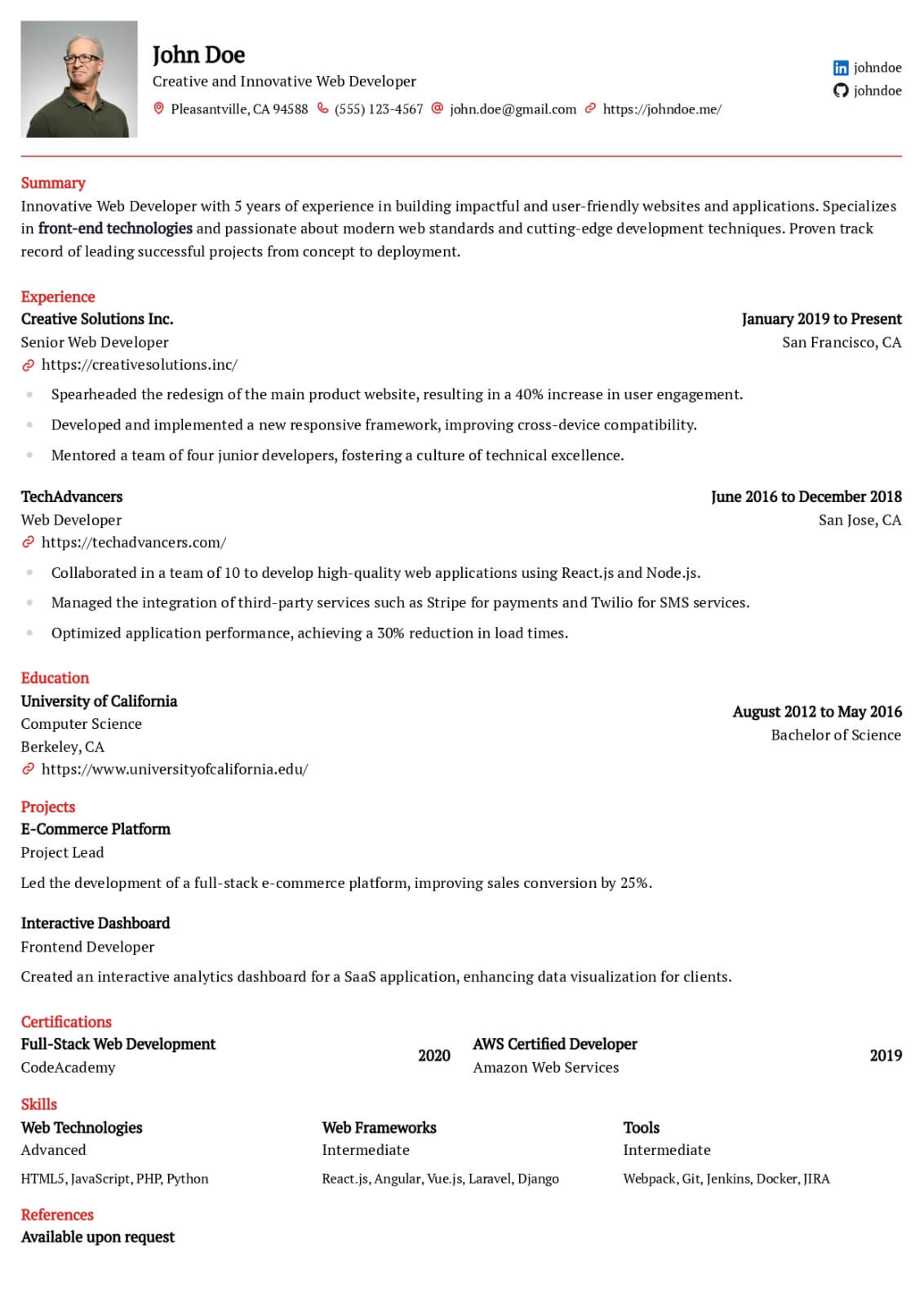
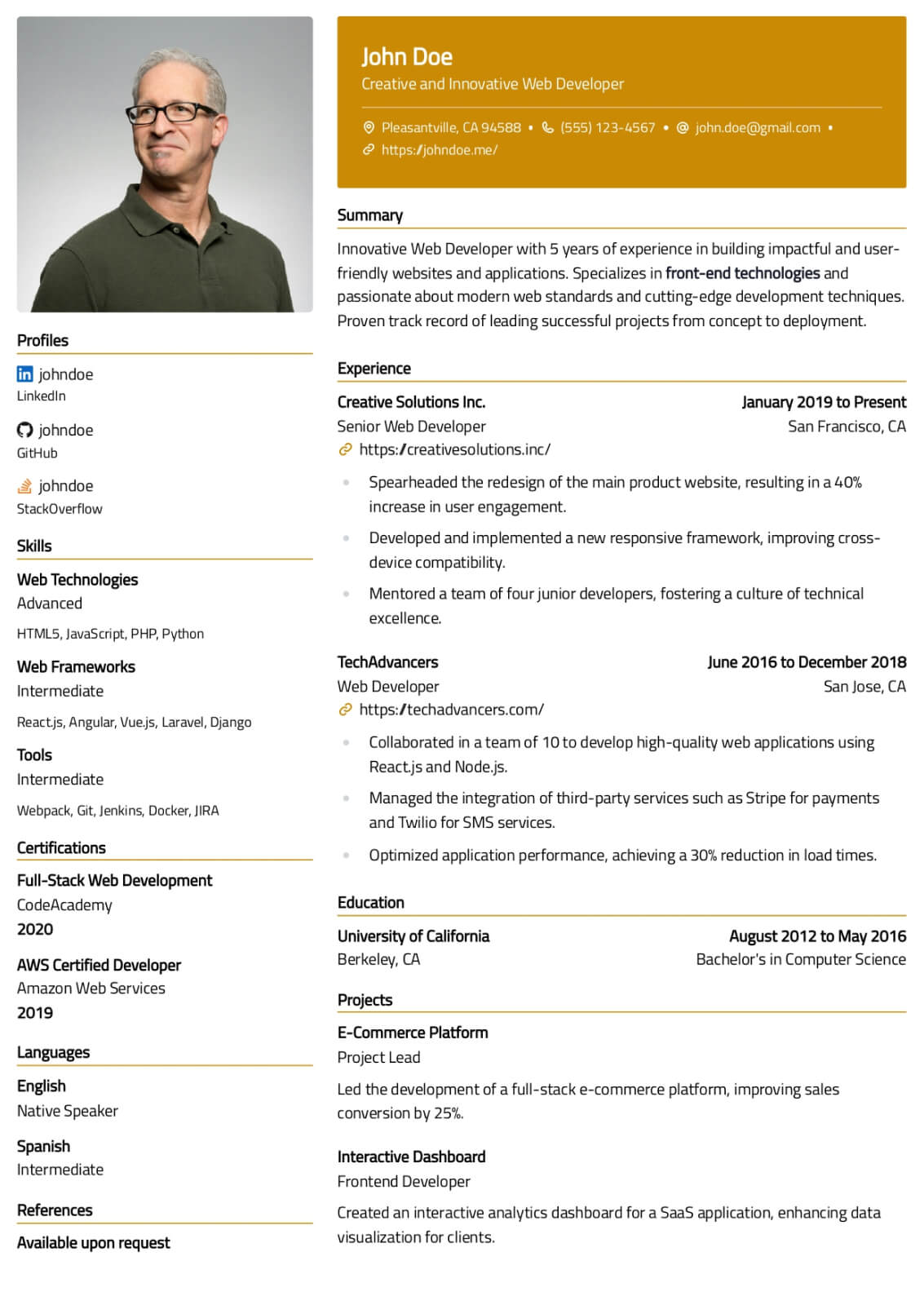
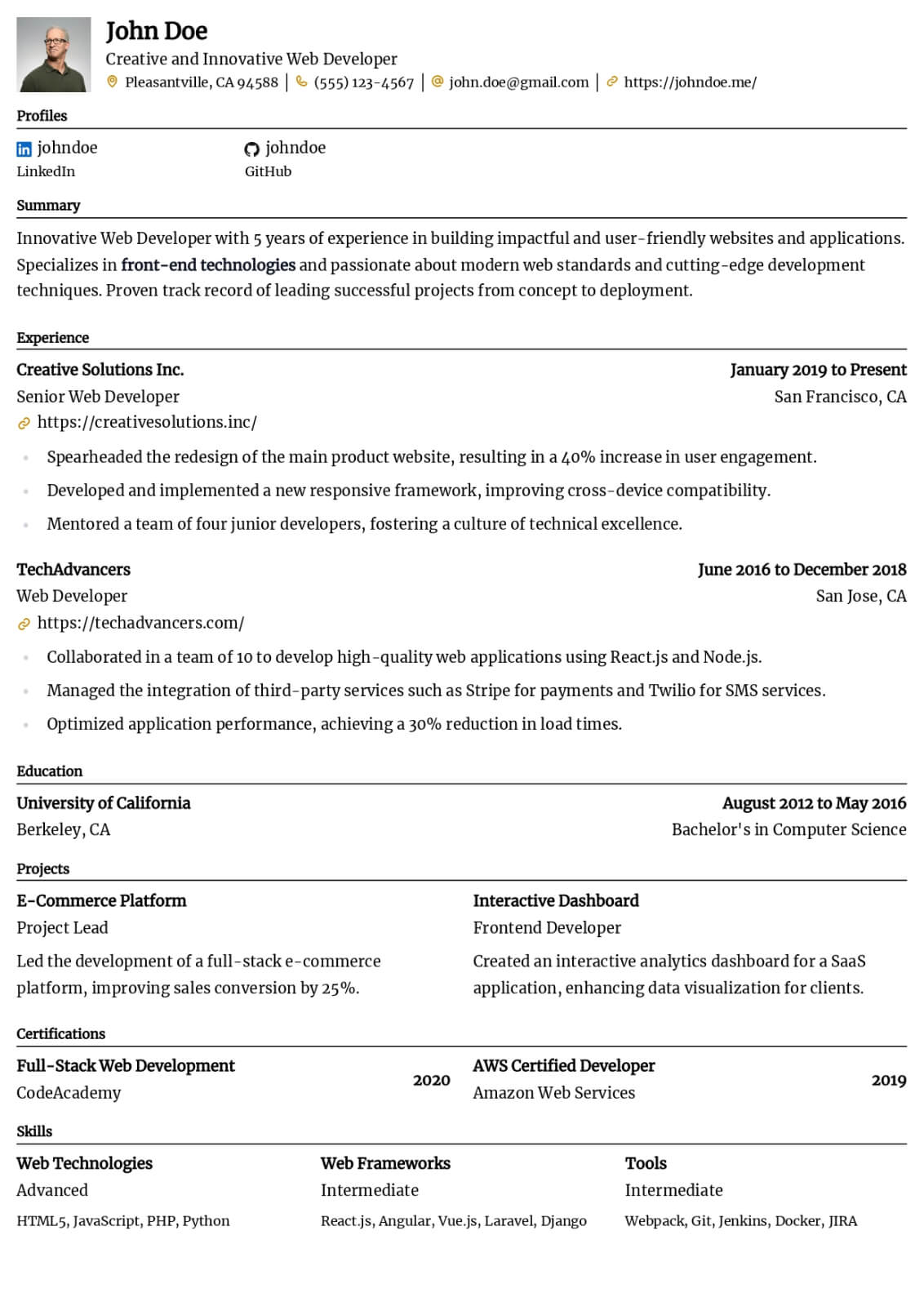
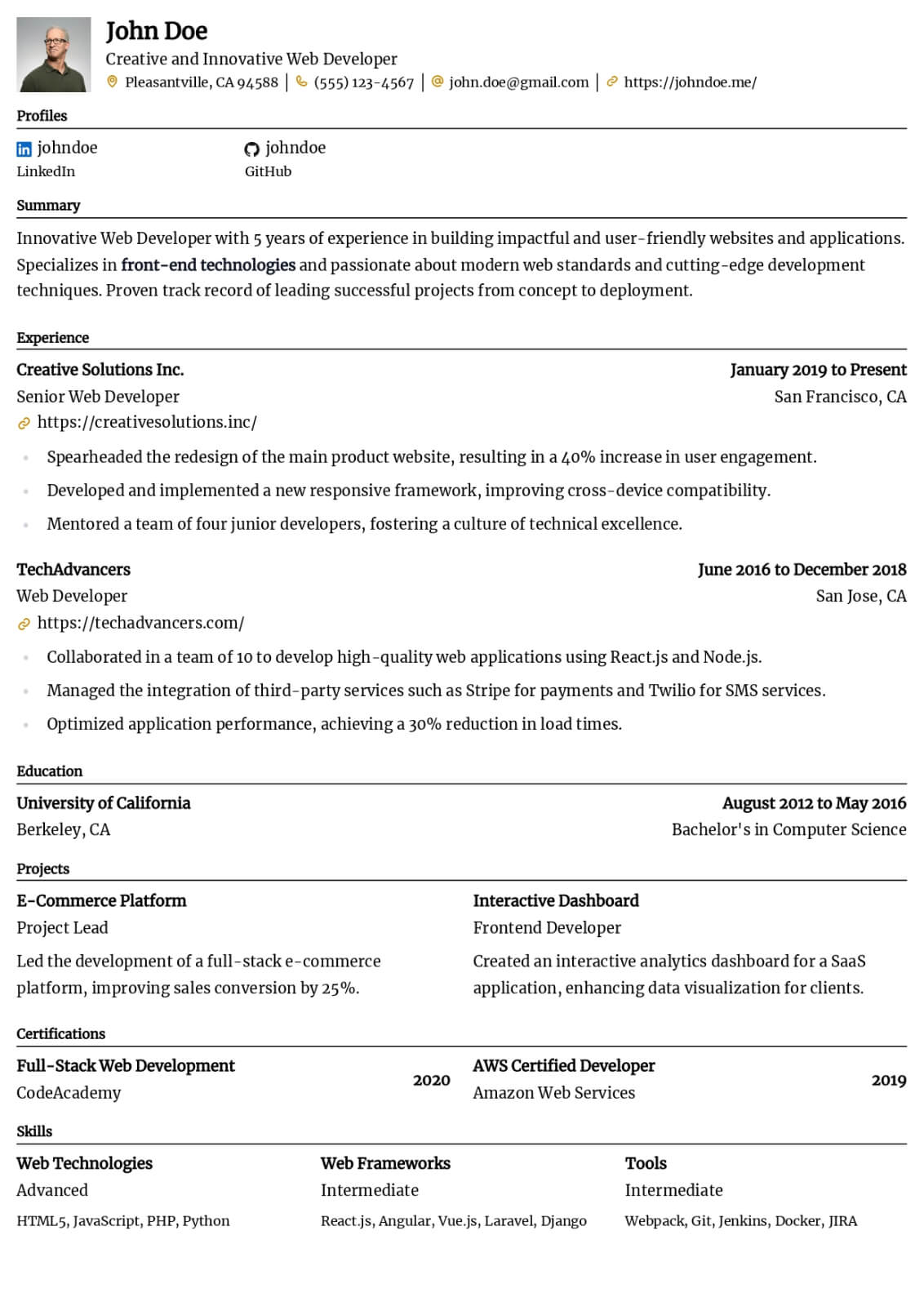
Mental Health Counselor resume guide
Below, you will find section-by-section guidance for your mental health counselor resume — from your opening summary through skills and experience. Tailor every line to the job you want.
Professional Summary
Your professional summary should position you as a licensed mental health counselor with defined therapeutic specialties and evidence-based clinical outcomes. Open by stating your clinical licensure level such as LPC, LMHC, or LCPC, years of clinical counseling experience, and primary treatment populations such as adults, adolescents, or families. Reference your core therapeutic modalities including cognitive behavioral therapy, dialectical behavior therapy, or EMDR. Include a quantified outcome such as maintaining a client retention rate of eighty-five percent and documented symptom reduction in seventy-eight percent of clients using the PHQ-9 as a treatment progress measure. Tailor language to the target practice setting to demonstrate alignment with the employer's clinical philosophy and service population.
Clinical Experience
Present your counseling positions in reverse-chronological order, listing the agency or practice name, setting, and employment dates. Write four to six bullet points per role using clinical action verbs such as assessed, diagnosed, treated, facilitated, and documented. Quantify your impact by noting active caseload size, client outcome improvement rates, and treatment completion percentages. Describe specific clinical responsibilities including conducting biopsychosocial assessments, formulating DSM-5 diagnoses, developing individualized treatment plans, providing individual and group psychotherapy, and coordinating crisis interventions with safety planning. Highlight experience with specific populations such as trauma survivors, substance use co-occurring disorders, or serious mental illness. Include supervisory responsibilities for clinical interns or provisionally licensed counselors if applicable to your experience.
Therapeutic & Clinical Skills
Build a skills section with eight to ten clinical hard skills and six to seven professional soft skills. Hard skills should include specific evidence-based therapeutic modalities such as CBT, DBT, EMDR, motivational interviewing, and solution-focused brief therapy. Add biopsychosocial assessment and DSM-5 diagnostic formulation, crisis intervention and safety planning, group therapy facilitation, and psychological testing administration if applicable. List EHR platforms used for clinical documentation such as TherapyNotes, SimplePractice, or Credible Behavioral Health. Soft skills should emphasize therapeutic rapport building, cultural competence and humility, trauma-informed care orientation, professional boundaries maintenance, and collaborative treatment planning with interdisciplinary teams. Use clinical counseling terminology aligned with licensing board standards and employer expectations.
Licensure & Clinical Credentials
Lead with your state clinical counseling license such as LPC, LMHC, LCPC, or LPCC with your license number and renewal date, as licensure is the non-negotiable credential for independent clinical practice. Include your National Certified Counselor credential from NBCC if applicable. Add specialty certifications such as Certified Clinical Trauma Professional, Board Certified-TeleMental Health Provider, Certified Alcohol and Drug Counselor, or EMDR certification from EMDRIA. List clinical supervision credentials if you are approved to supervise provisionally licensed counselors or clinical interns in your state. If you are working toward independent licensure by completing supervised clinical hours, note your provisional license status and expected full licensure date. Place this section near the top because clinical agencies verify licensure before scheduling interviews.
Education
List your Master of Arts or Master of Science in Clinical Mental Health Counseling, Counseling Psychology, or a closely related field along with the institution name and graduation year. Specify CACREP accreditation status as this is the standard for counselor education programs and affects licensure eligibility in many states. Include your practicum and internship placements specifying the clinical site, population served, hours accrued, and therapeutic modalities practiced. Highlight any thesis or research projects related to your clinical specialty. Mention your undergraduate degree if it is in psychology or a related field that supports your clinical background. For counselors pursuing doctoral degrees or post-graduate specialty training, include the program with expected completion date.
Specialized Training & Community Involvement
Include advanced clinical training and community mental health involvement that differentiates your clinical profile. Describe specialized training in treatment modalities such as EMDR Level I and II completion, DBT intensive training, or somatic experiencing certification. Mention volunteer work with crisis hotlines, community mental health outreach programs, or disaster mental health response teams. Reference presentations at counseling conferences such as ACA or state counseling association meetings. Include participation in peer consultation groups, ethics committees, or diversity and inclusion initiatives within your clinical organization. These entries demonstrate commitment to professional growth and community mental health advocacy beyond direct client care.
Resume layout and formatting
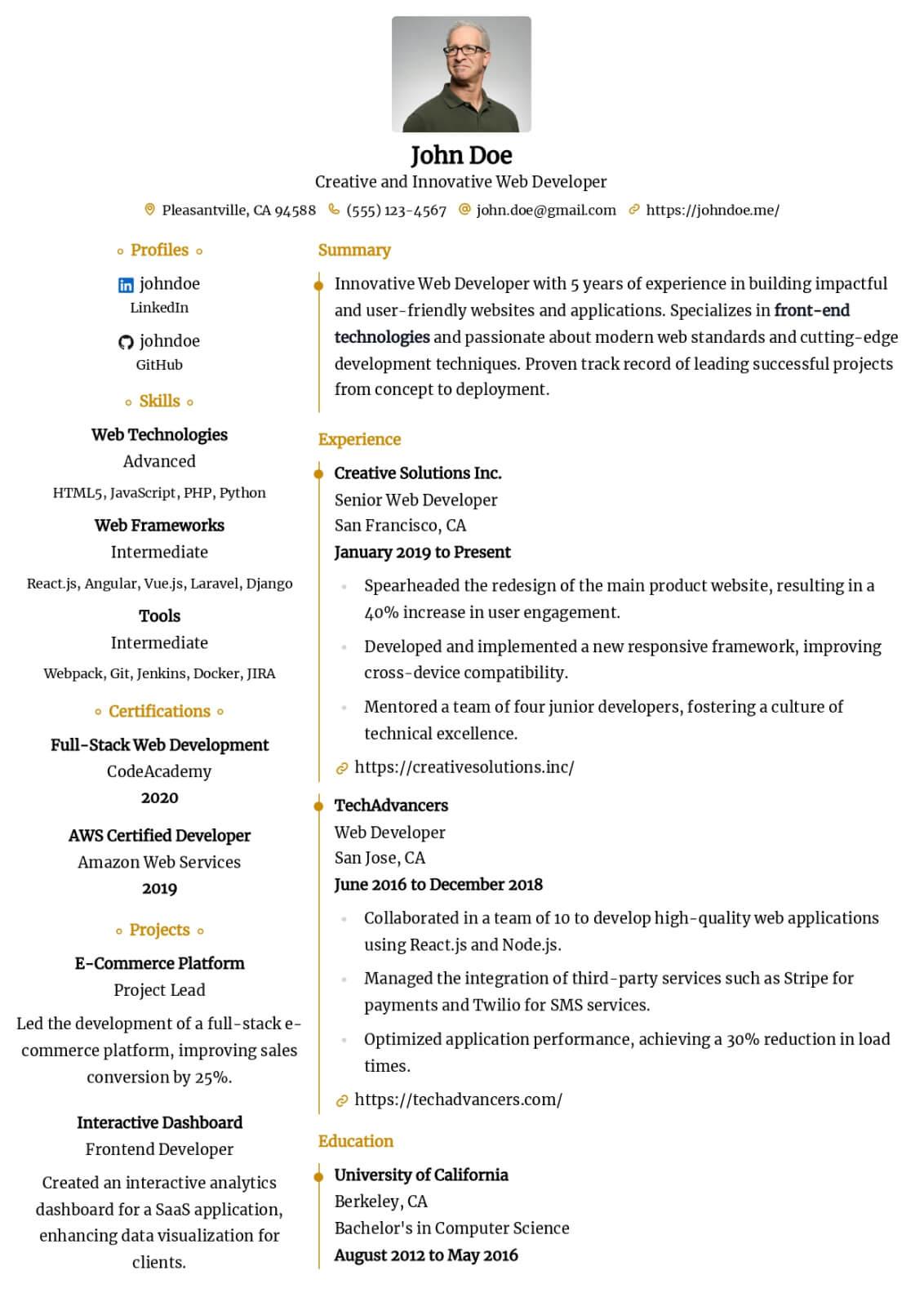
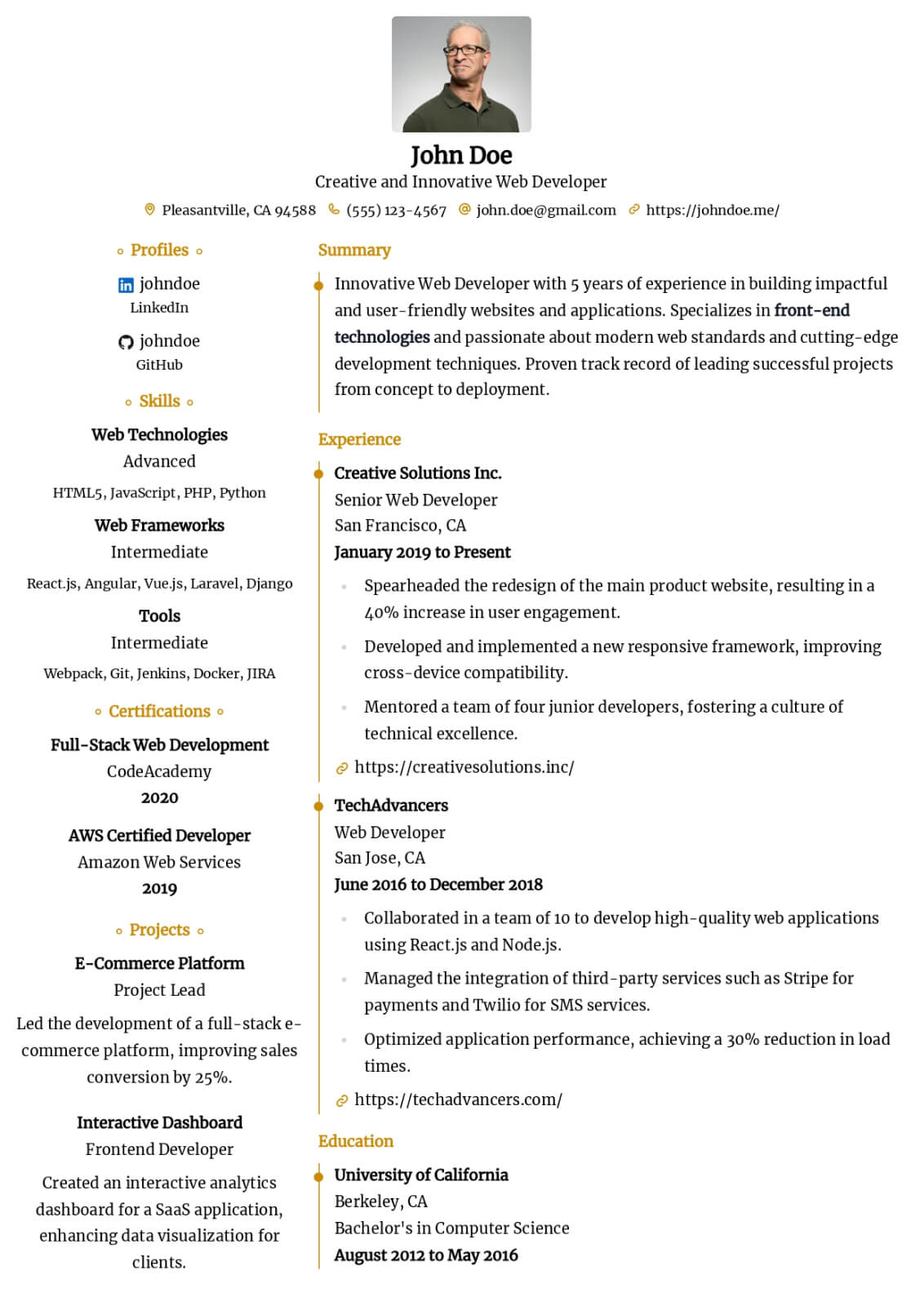
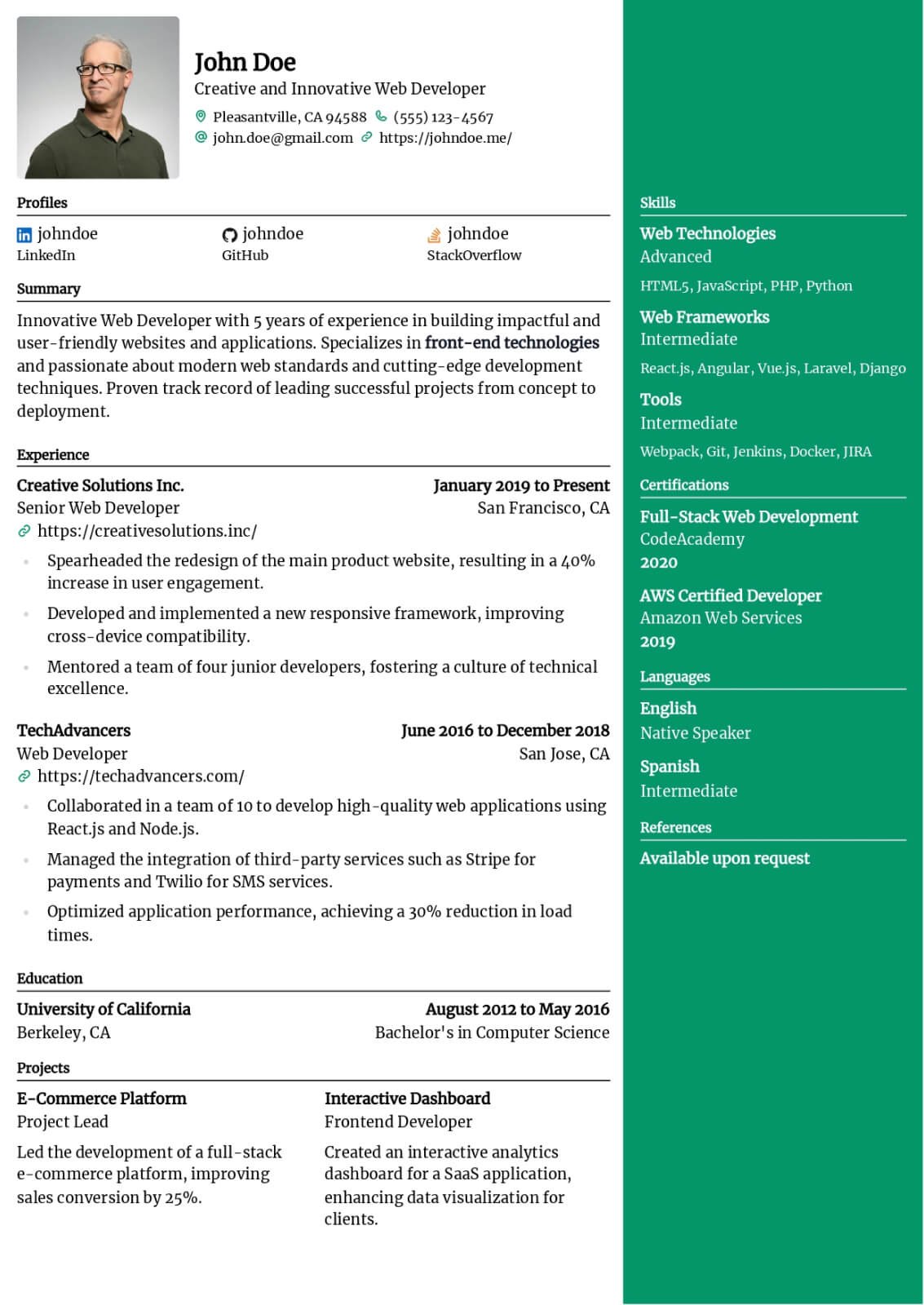
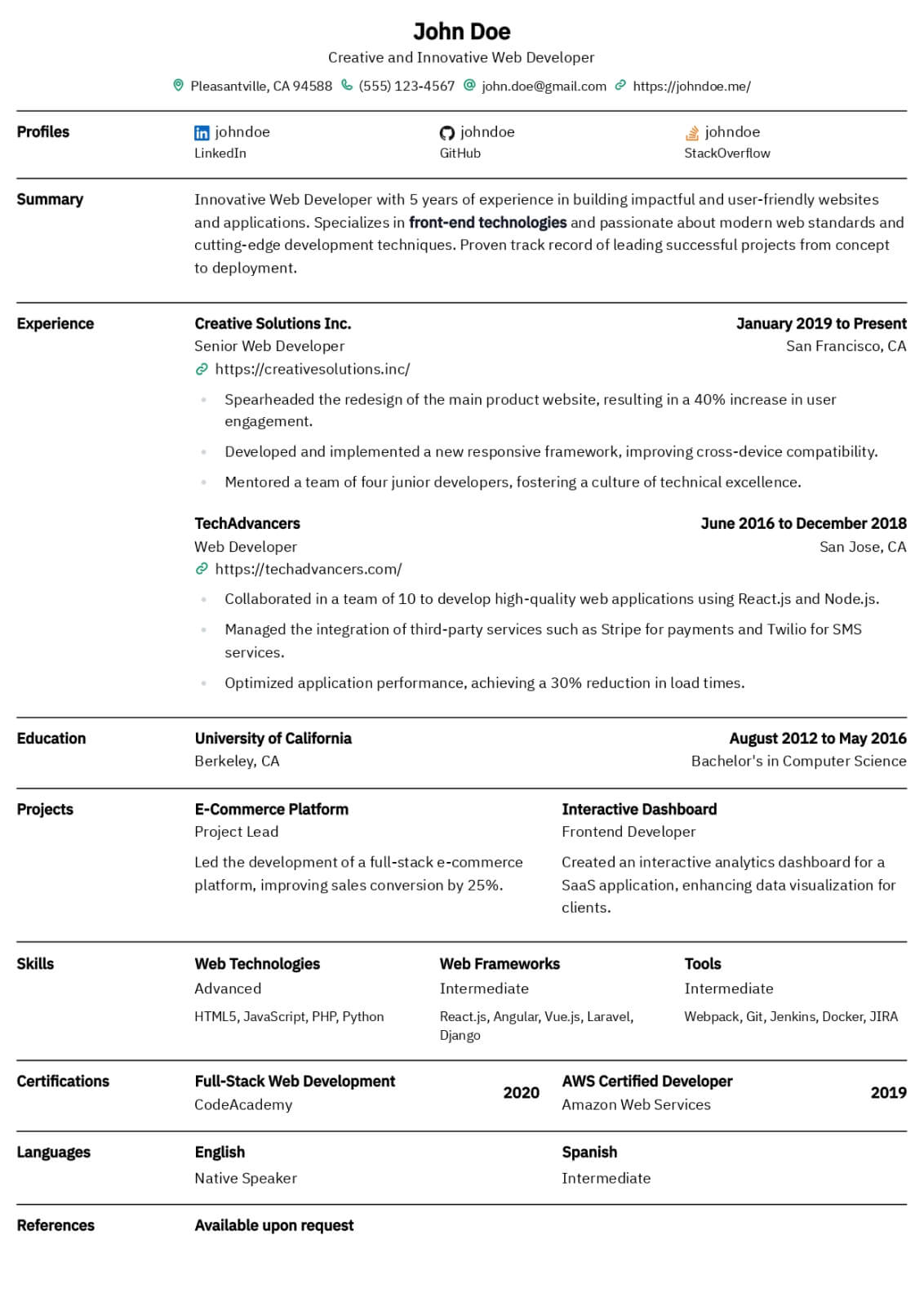
Use a clean, single-column layout with clear section headings and plenty of white space. Lead with technical strengths such as Cognitive Behavioral Therapy (CBT), Dialectical Behavior Therapy (DBT), EMDR (Eye Movement Desensitization & Reprocessing), Biopsychosocial Assessment & DSM-5 Diagnosis, Crisis Intervention & Safety Planning, Motivational Interviewing & Stages of Change, then reinforce interpersonal strengths like Therapeutic Rapport Building, Cultural Competence & Humility, Trauma-Informed Care Orientation, Professional Boundaries Maintenance. Keep fonts standard (e.g., Arial or Calibri) at 10–12pt body size so your resume stays ATS-friendly and easy to scan.
Key takeaways
- Lead with your clinical licensure level and NCC credential prominently on your resume
- Quantify client outcomes using validated tools like PHQ-9 and treatment completion rates
- Specify evidence-based modalities rather than listing generic counseling experience
- Highlight crisis intervention and safety planning competencies for clinical agency positions
- Include clinical supervision credentials if you are qualified to supervise interns
- Tailor therapeutic language to the target setting and population served
Build your Mental Health Counselor resume with Scale
Lead with your clinical licensure level and NCC credential prominently on your resume
Use This Template
Professional Templates That Make You Stand Out
Browse modern, ATS-friendly resume designs crafted to impress recruiters. Customize any template and download it as a Word or PDF file.
Listen What Our Users Have to Say

Rohan Sen
I am very happy with the team's quick turnaround time - any query is responded at utmost priority. Shoutout to my client manager, Anub Biju - very helpful.

Gael L
Service and communication is great, cover letters are non-ai sounding and well tailored. Just have a lot of communication and review with your staff!

Jonathan Parry
Wow - don't tell your peers! Wow, I can't recommend scale.jobs enough - it's so good I am not sharing with my peers. Applications at scale that get through filters. Thank you!

Cynthia Zhu
Great service! The scale.jobs team was very responsible and managed to apply tons of jobs for me in a very tight deadline to help me secure interviews quickly. Highly recommend to anyone who needs help applying to jobs!

Yash Yenugu
Save your fingers. Saved me from a thumb cramp because we're expected to effortlessly apply to jobs during these times.

Cian O'Driscoll
Clever service. Takes the hard effort out of applying for jobs with an intuitive dashboard and attention to detail. A great asset to job seekers. :-)
Frequently asked questions
What should a mental health counselor resume include in 2026?
A strong counselor resume should feature clinical licensure, a professional summary with quantified client outcomes, detailed experience covering therapeutic modalities and populations served, evidence-based treatment competencies, and relevant clinical training. Include crisis intervention skills and EHR platform proficiency. Tailor every section to the target setting whether community mental health, hospital, or private practice.
How do I present my supervised clinical hours on a counselor resume?
List your practicum and internship placements as separate entries under clinical experience, specifying the site, population, hours accrued, and therapeutic modalities practiced. If you are a provisionally licensed counselor accumulating post-graduate supervised hours, clearly state your supervision arrangement and expected full licensure date. This transparency helps employers understand your current clinical standing.
Should I list specific therapeutic modalities on my resume?
Absolutely. Naming specific evidence-based modalities such as CBT, DBT, EMDR, or motivational interviewing demonstrates clinical depth beyond generic counseling skills. Include your training level or certification status for each modality. Hiring managers at clinical agencies specifically screen for candidates trained in the therapeutic approaches they offer to their client populations.
How do I quantify outcomes as a mental health counselor?
Use validated clinical outcome measures such as PHQ-9 depression scores, GAD-7 anxiety ratings, treatment completion rates, and client satisfaction survey results. Reference specific improvements such as documented symptom reduction in seventy-five percent of clients using standardized pre and post measures. Pull metrics from your EHR outcome tracking system or quality improvement reports.
How long should a mental health counselor resume be?
Most counselors should aim for a one-page resume. Experienced clinicians with multiple practice settings, clinical supervision credentials, specialty certifications, and publications may appropriately extend to two pages. Ensure every entry demonstrates clinical value. Remove non-clinical roles or outdated experience that does not support your current counseling career trajectory.
How do I address the LPC versus LMHC title difference across states?
Use the exact license title from your credentialing state and note the state of issuance. If applying to positions in states with different title conventions, add a parenthetical clarification such as LPC (equivalent to LMHC in New York). This transparency prevents confusion during credential verification and ensures your application progresses smoothly through the hiring process.
Related Resume Guides
Registered Nurse
Craft a compelling registered nurse resume that highlights clinical competencies, patient care outcomes, EMR proficiency, and licensure credentials to land interviews at top healthcare facilities.
Nurse Practitioner
Build a polished nurse practitioner resume that showcases autonomous prescriptive authority, diagnostic expertise, patient panel management, and advanced practice licensure for competitive APRN positions.
Occupational Therapist
Build an occupational therapist resume that highlights functional independence goals, ADL training expertise, OTR/L licensure, and evidence-based intervention outcomes for pediatric, adult, and geriatric settings.
Speech-Language Pathologist
Build a speech-language pathologist resume that highlights dysphagia management expertise, CCC-SLP credentials, evidence-based intervention outcomes, and caseload management skills across medical and educational settings.
Home Health Aide
Build a home health aide resume that highlights ADL assistance expertise, patient safety skills, HHA certification, and compassionate caregiving competencies for home care agency and hospice positions.