
Speech-Language Pathologist Resume Examples, Templates & Writing Guide

Written by: Scale.jobs EditorialLast updated: May 1, 2026







Introduction
Build a speech-language pathologist resume that highlights dysphagia management expertise, CCC-SLP credentials, evidence-based intervention outcomes, and caseload management skills across medical and educational settings.
This guide walks you through every major section of a speech-language pathologist resume, with practical tips you can apply today.
- How to present speech, language, and swallowing intervention expertise across populations
- Strategies for quantifying patient progress using standardized assessment outcome measures
- Techniques for highlighting CCC-SLP certification, state licensure, and specialty credentials
- Methods for showcasing experience across medical, school, and early intervention settings
- How to demonstrate instrumental assessment skills like FEES and MBSS proficiency
- Key approaches for tailoring your resume to acute care, outpatient, or pediatric positions
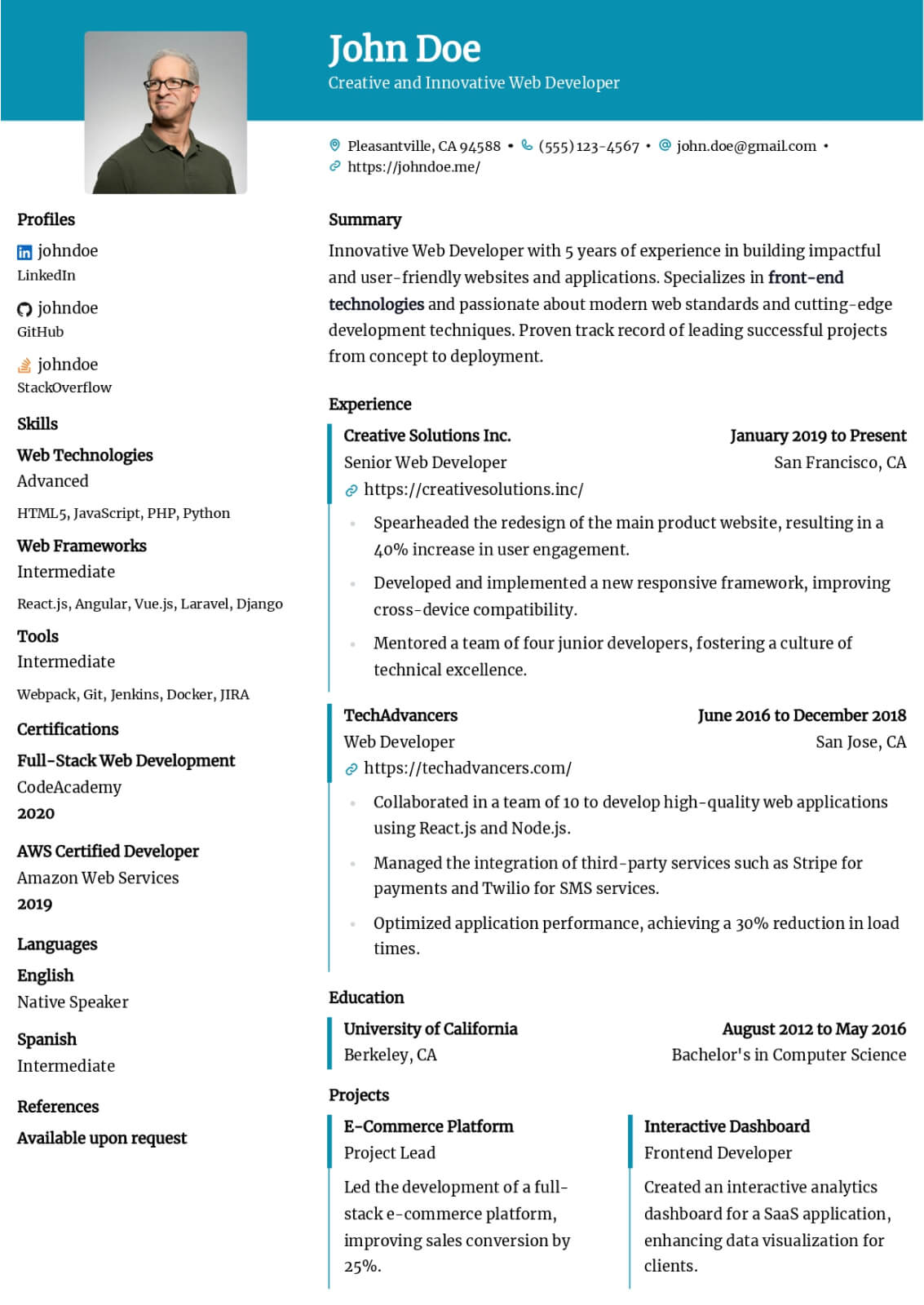
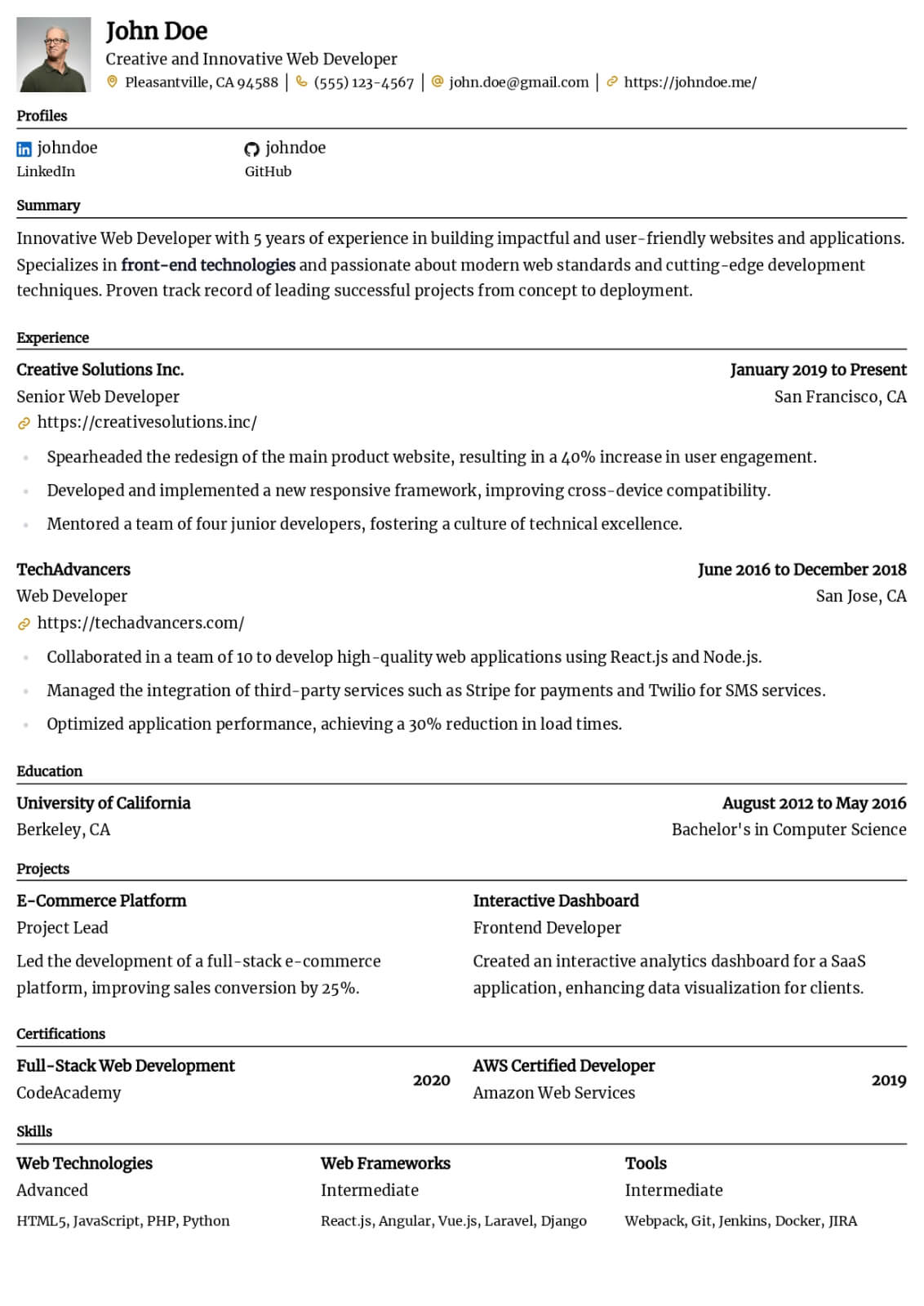
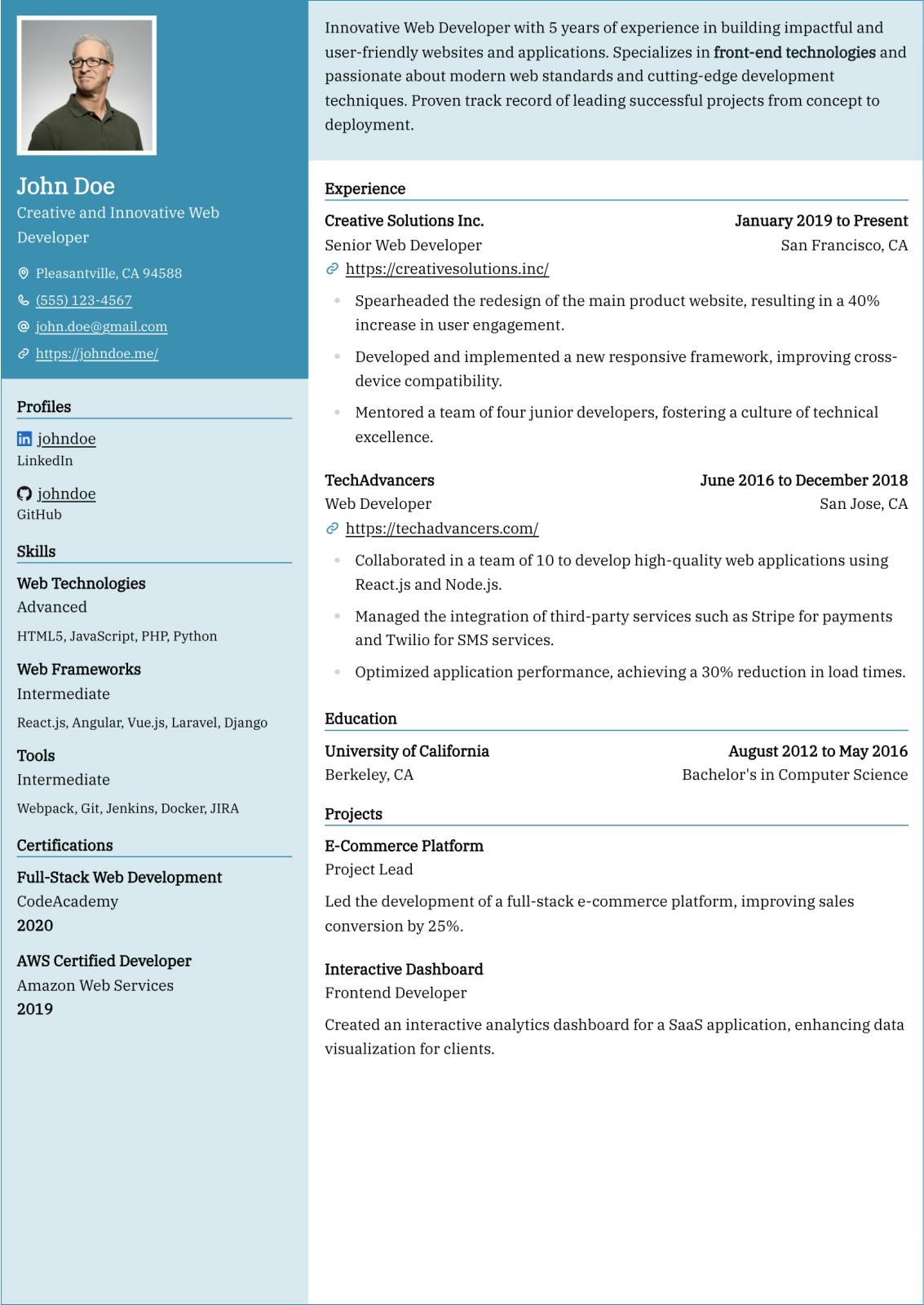
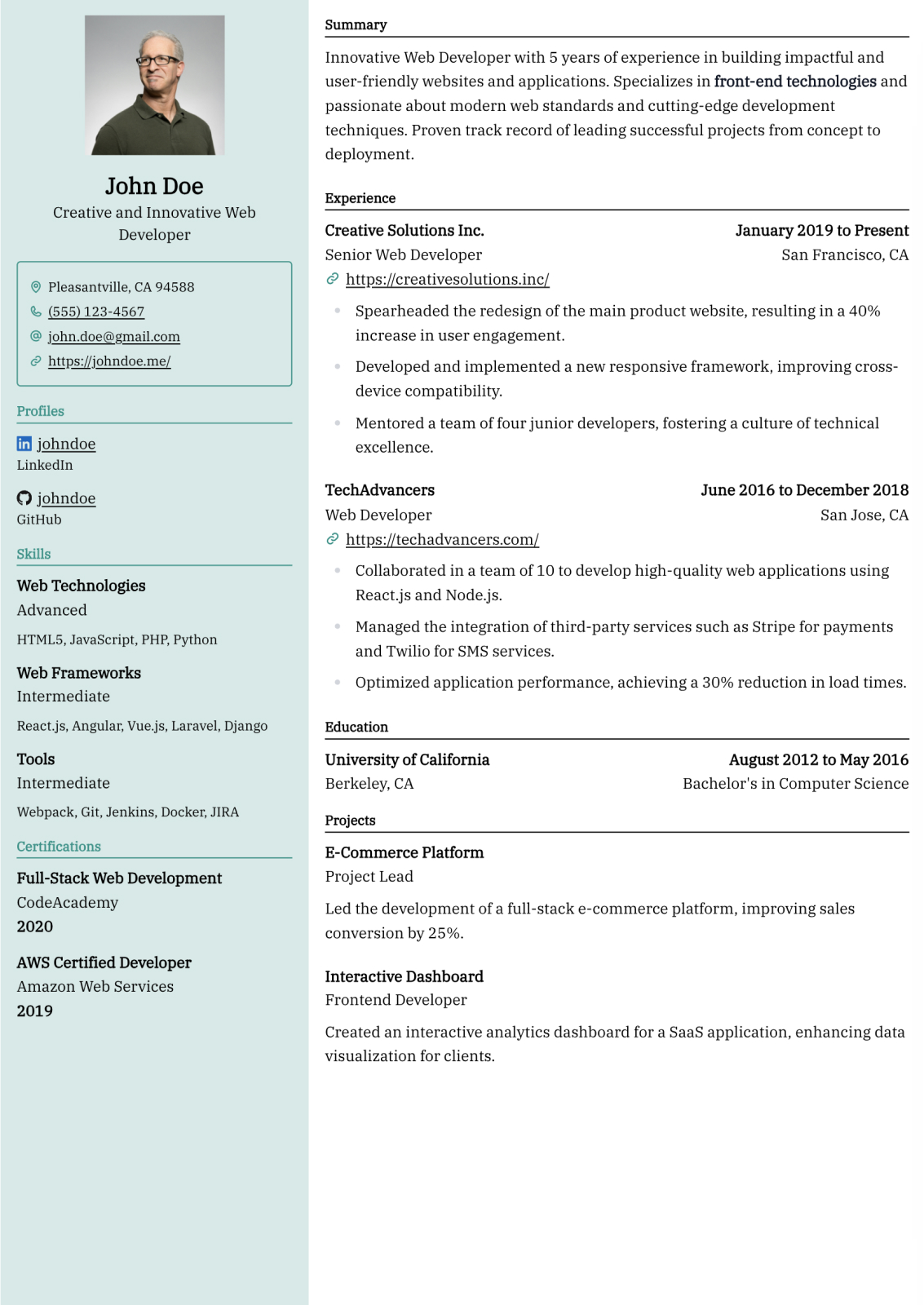
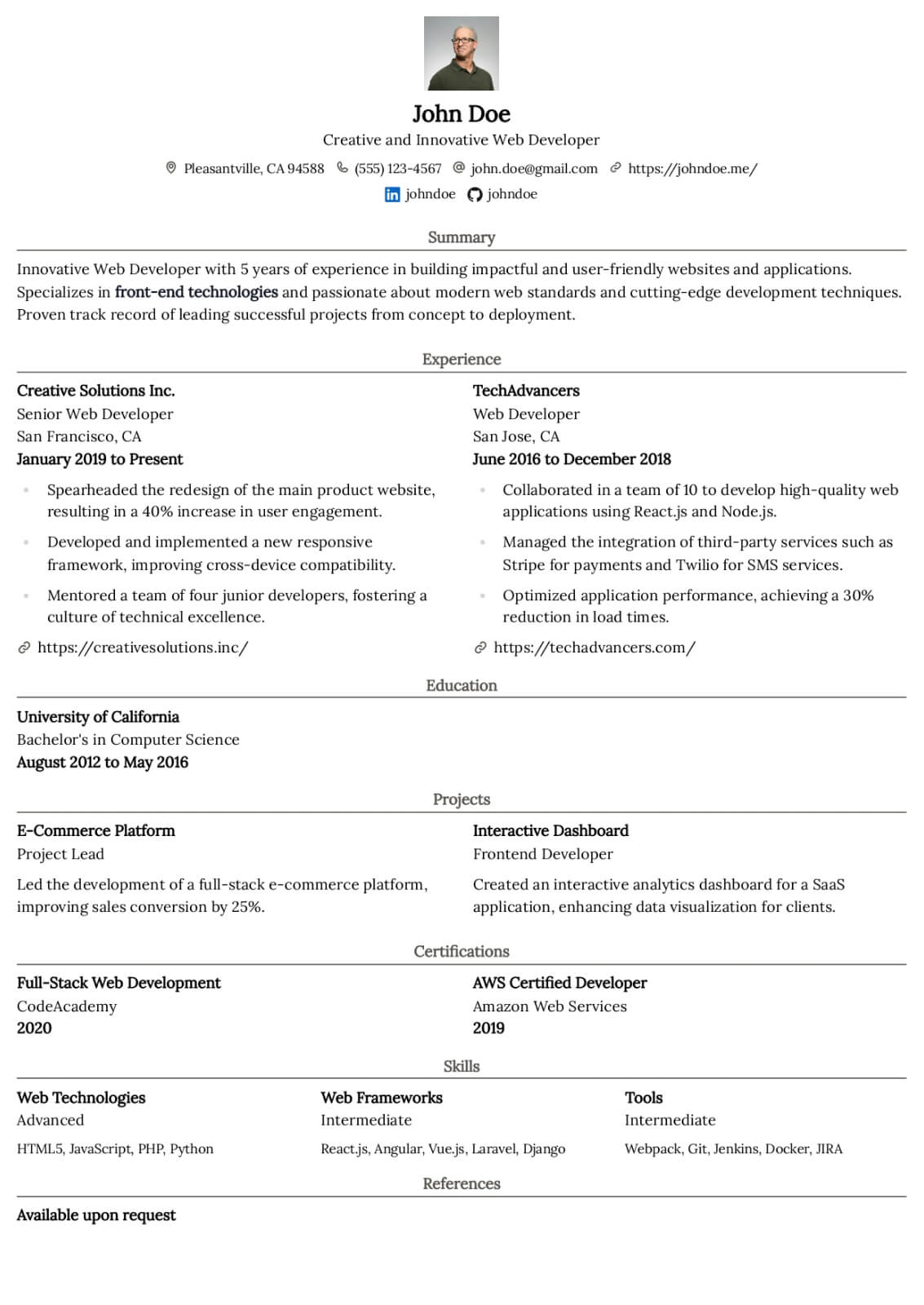
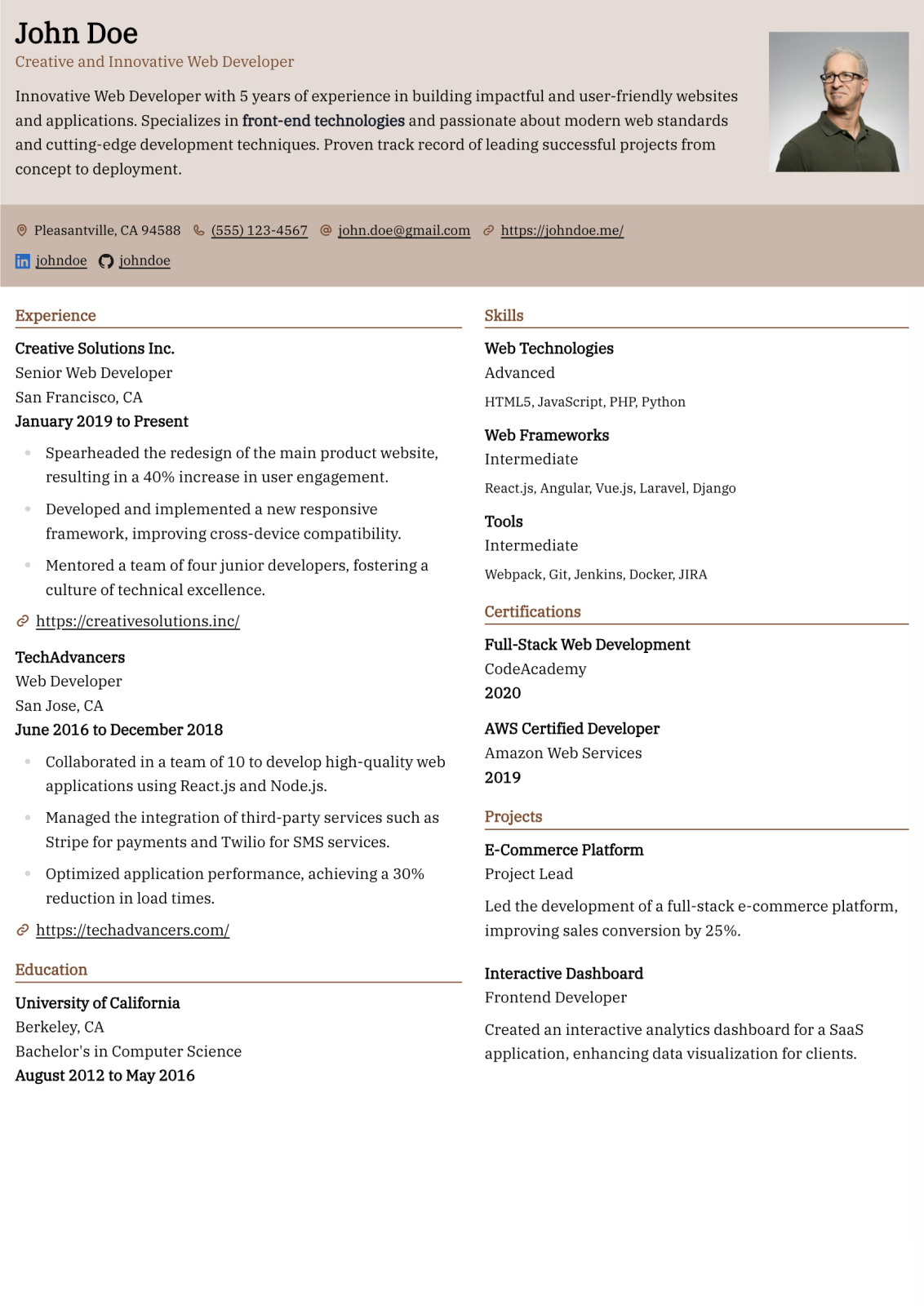
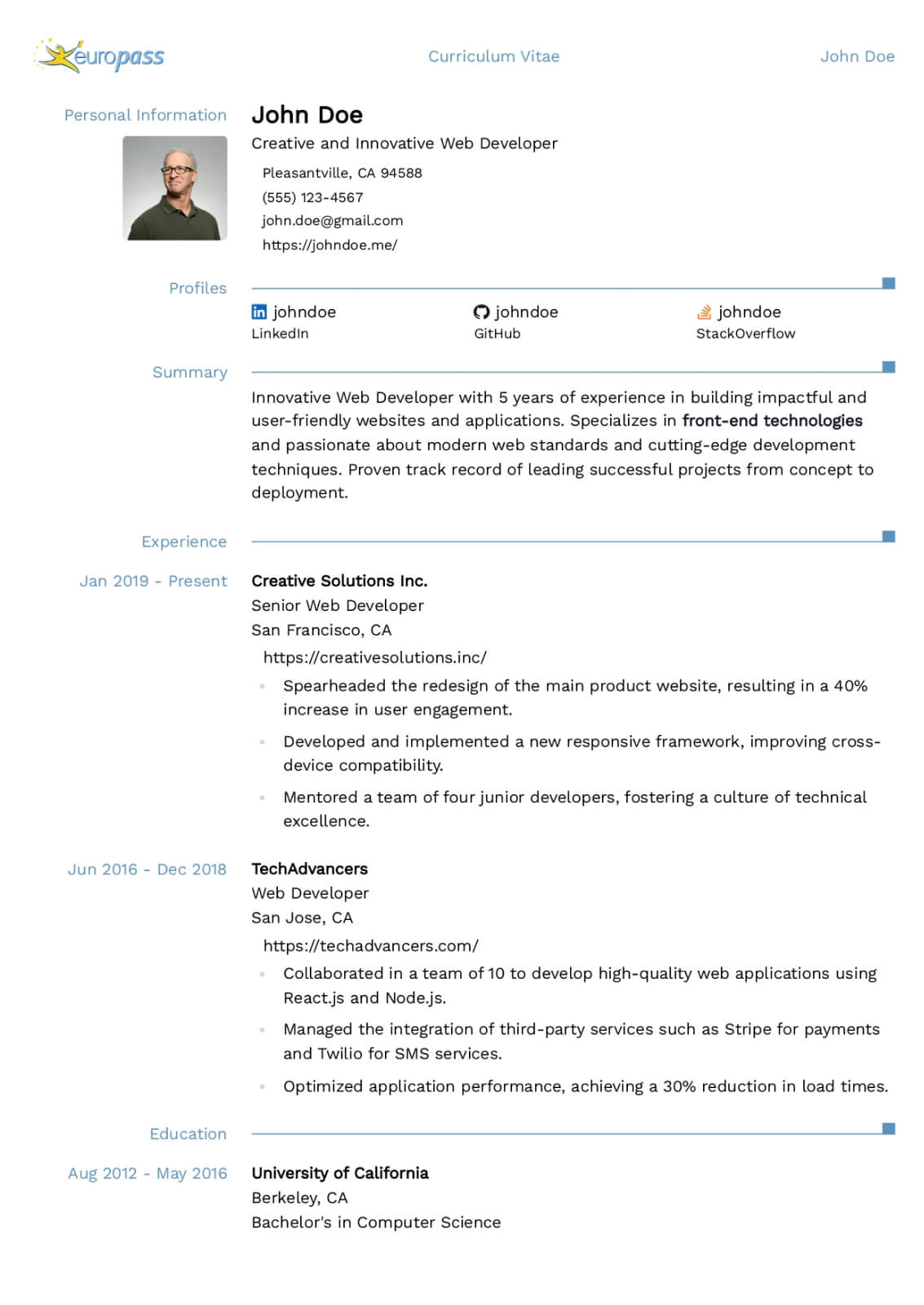
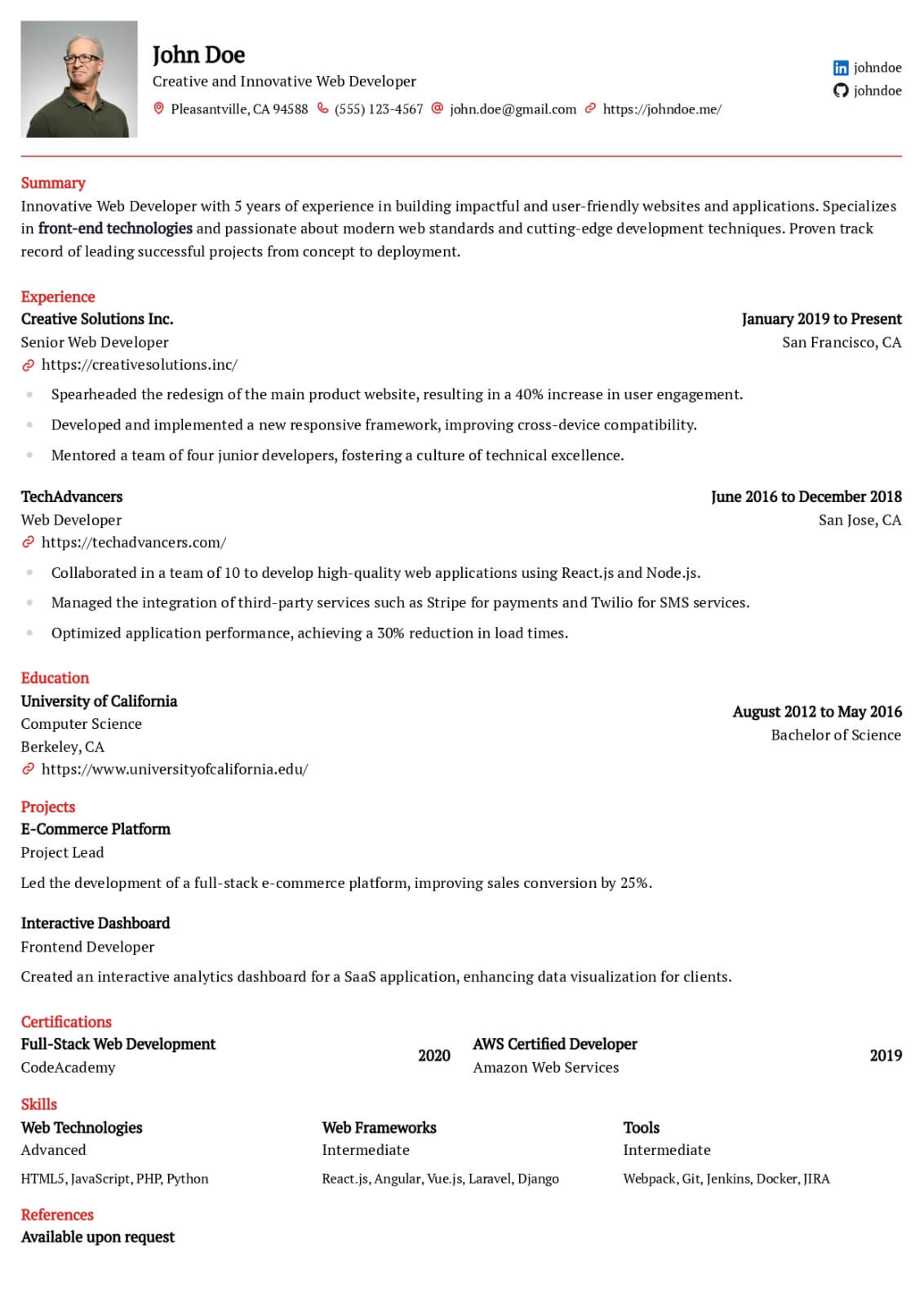
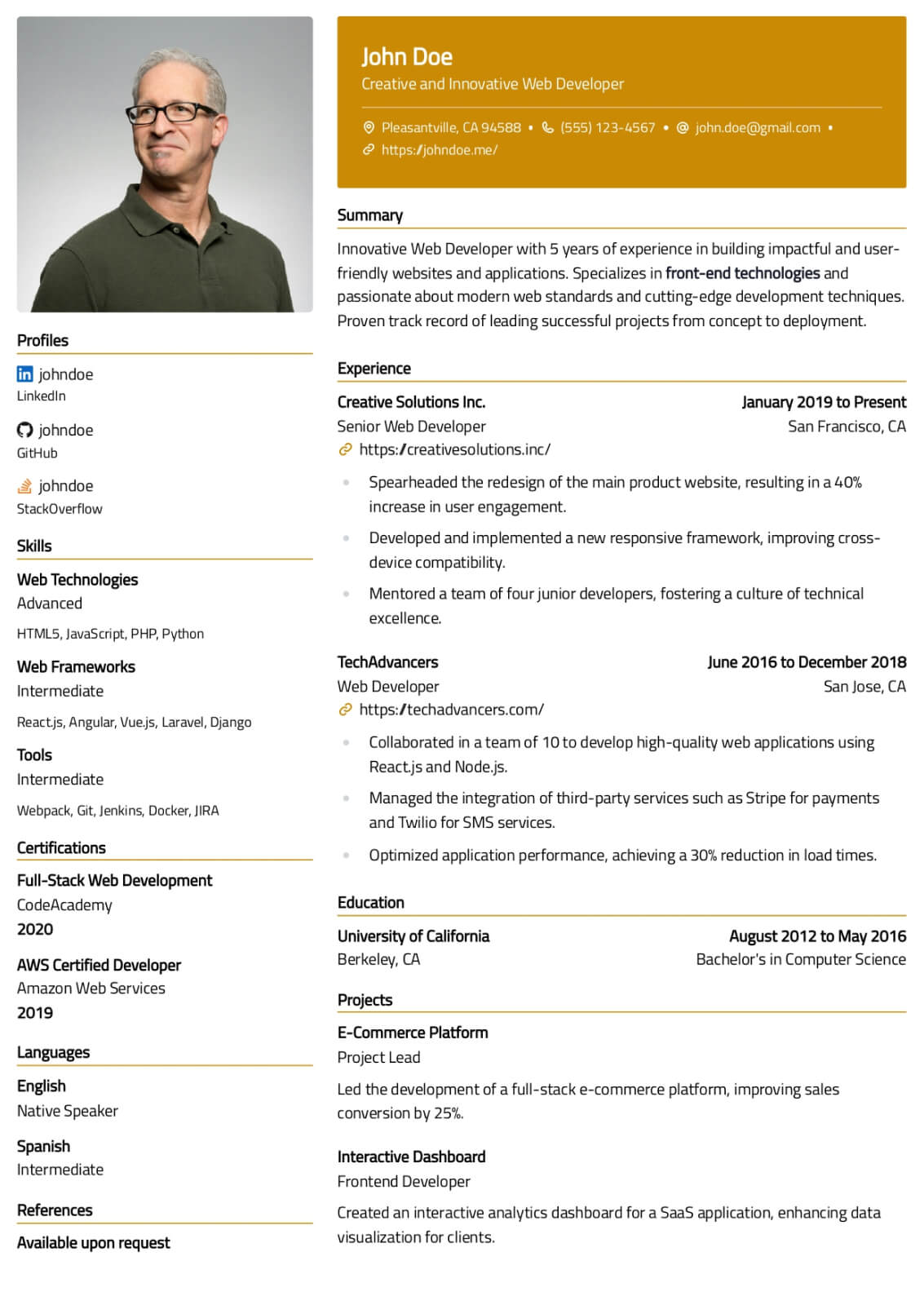
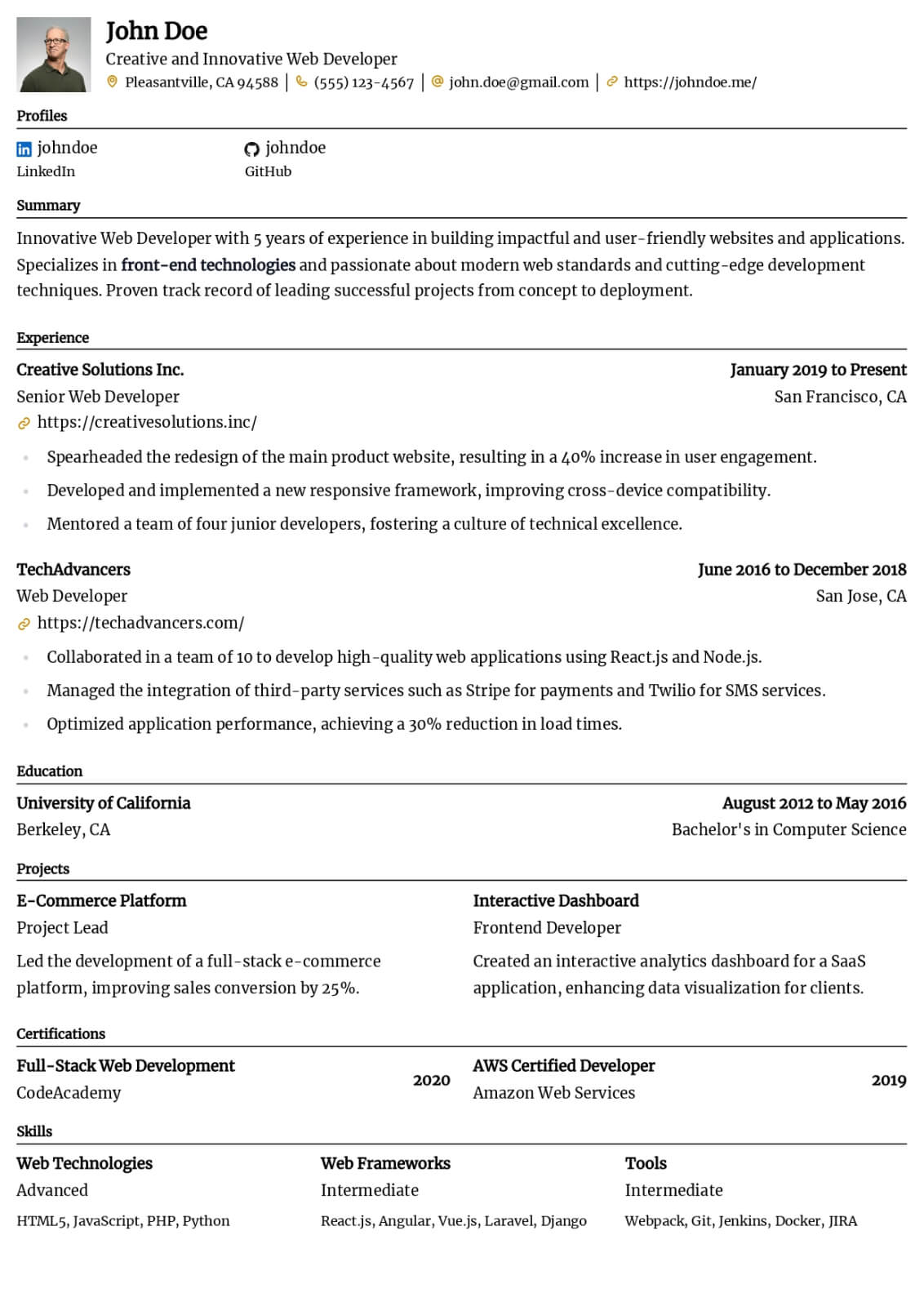
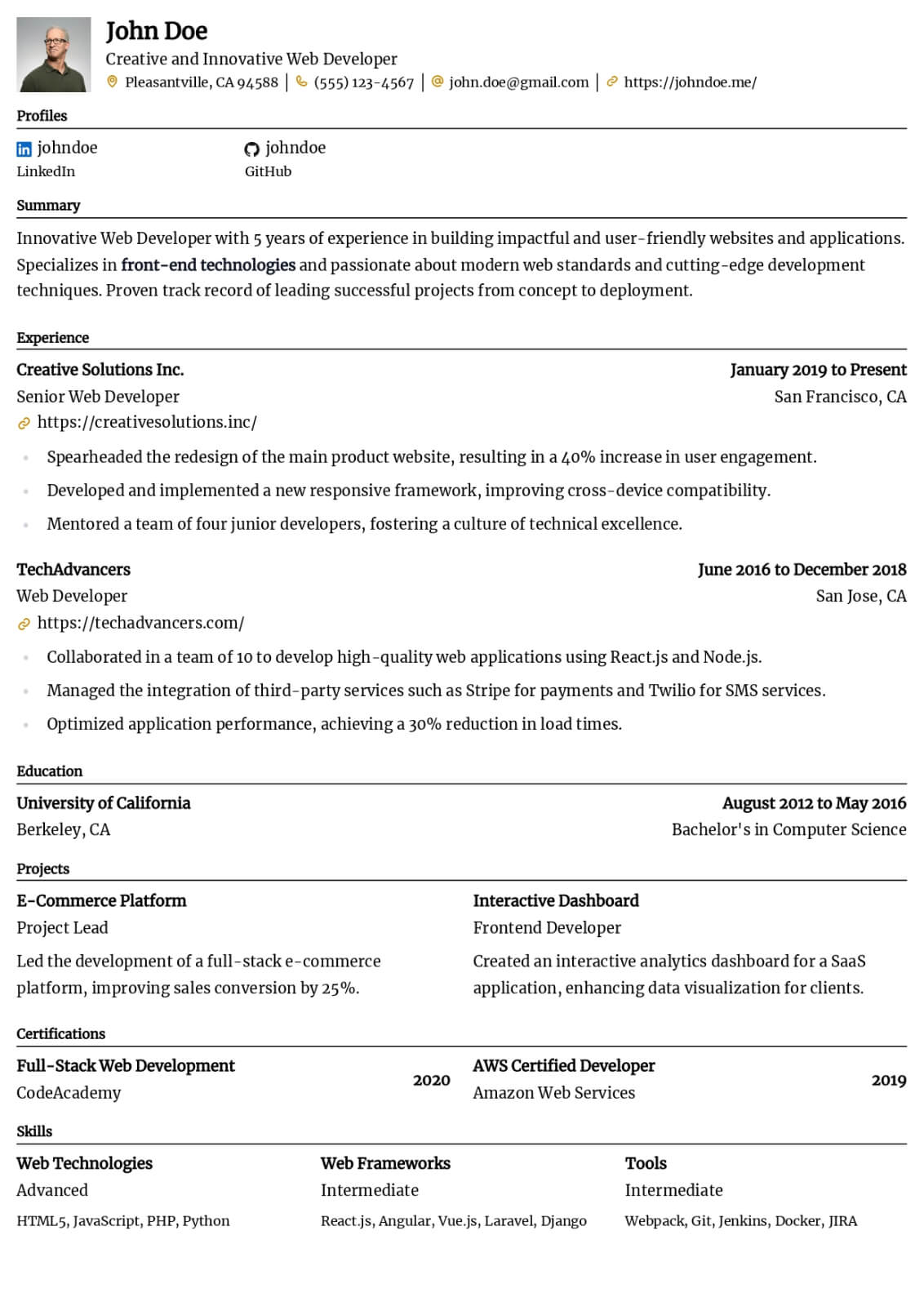
Speech-Language Pathologist resume guide
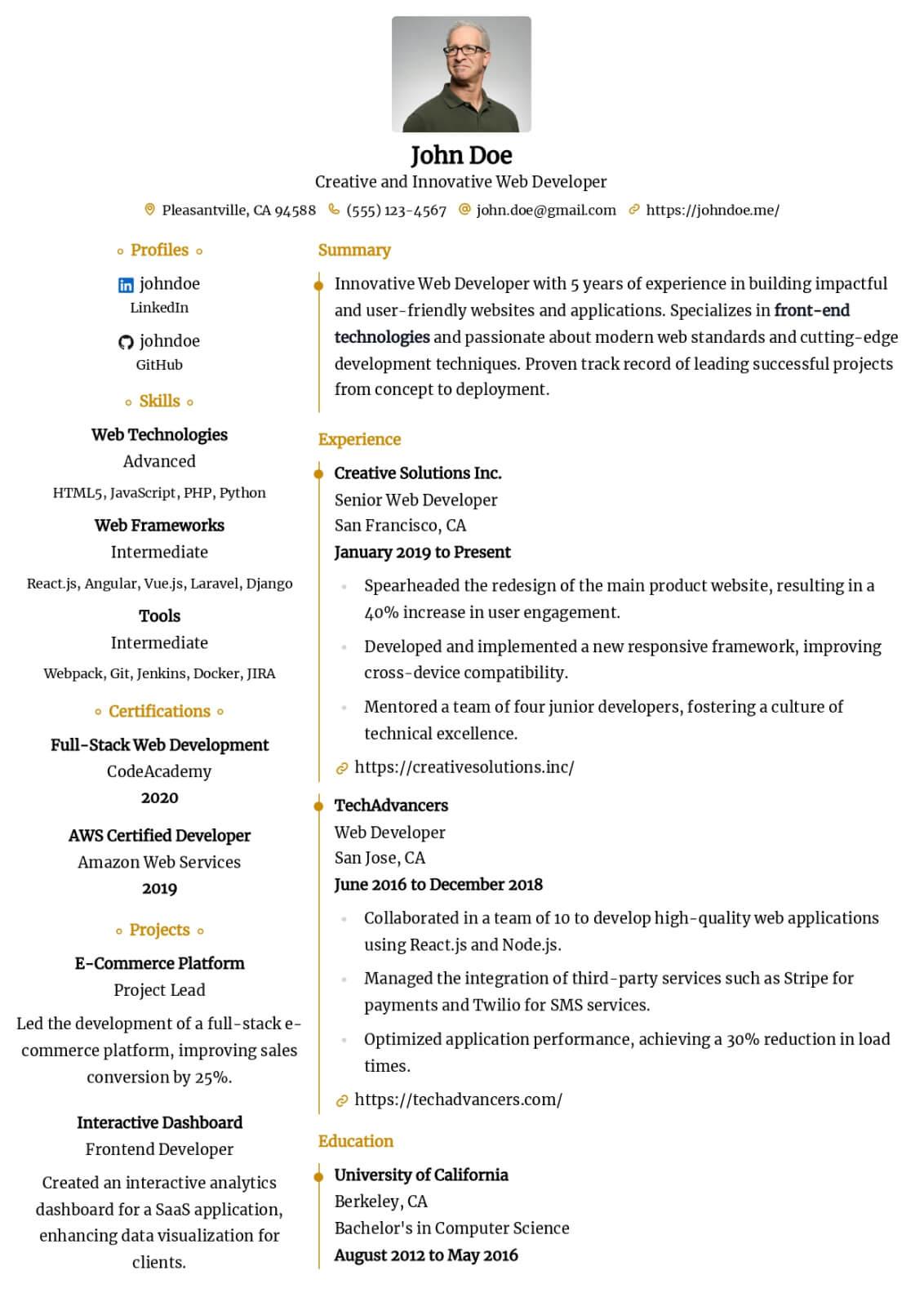
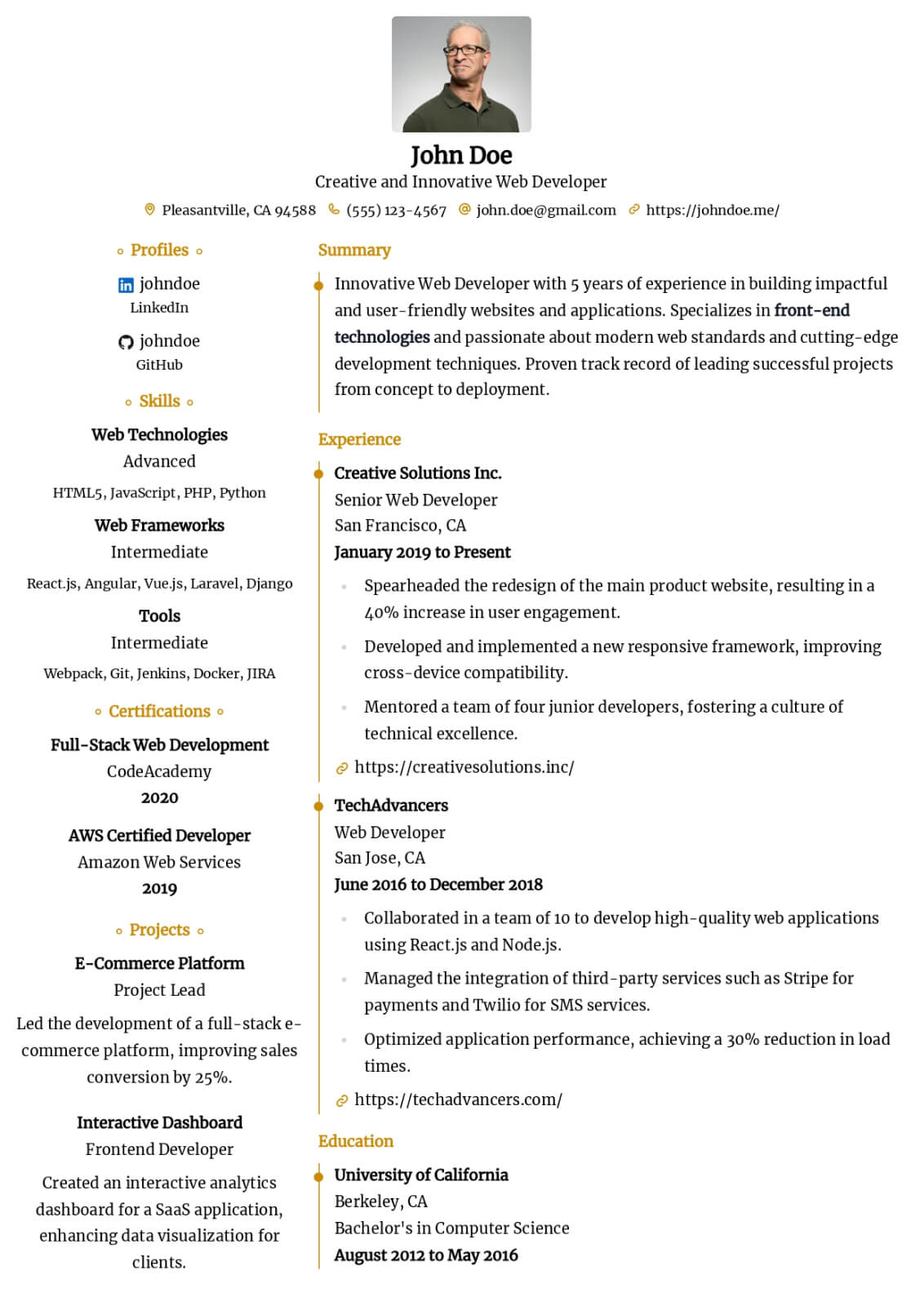
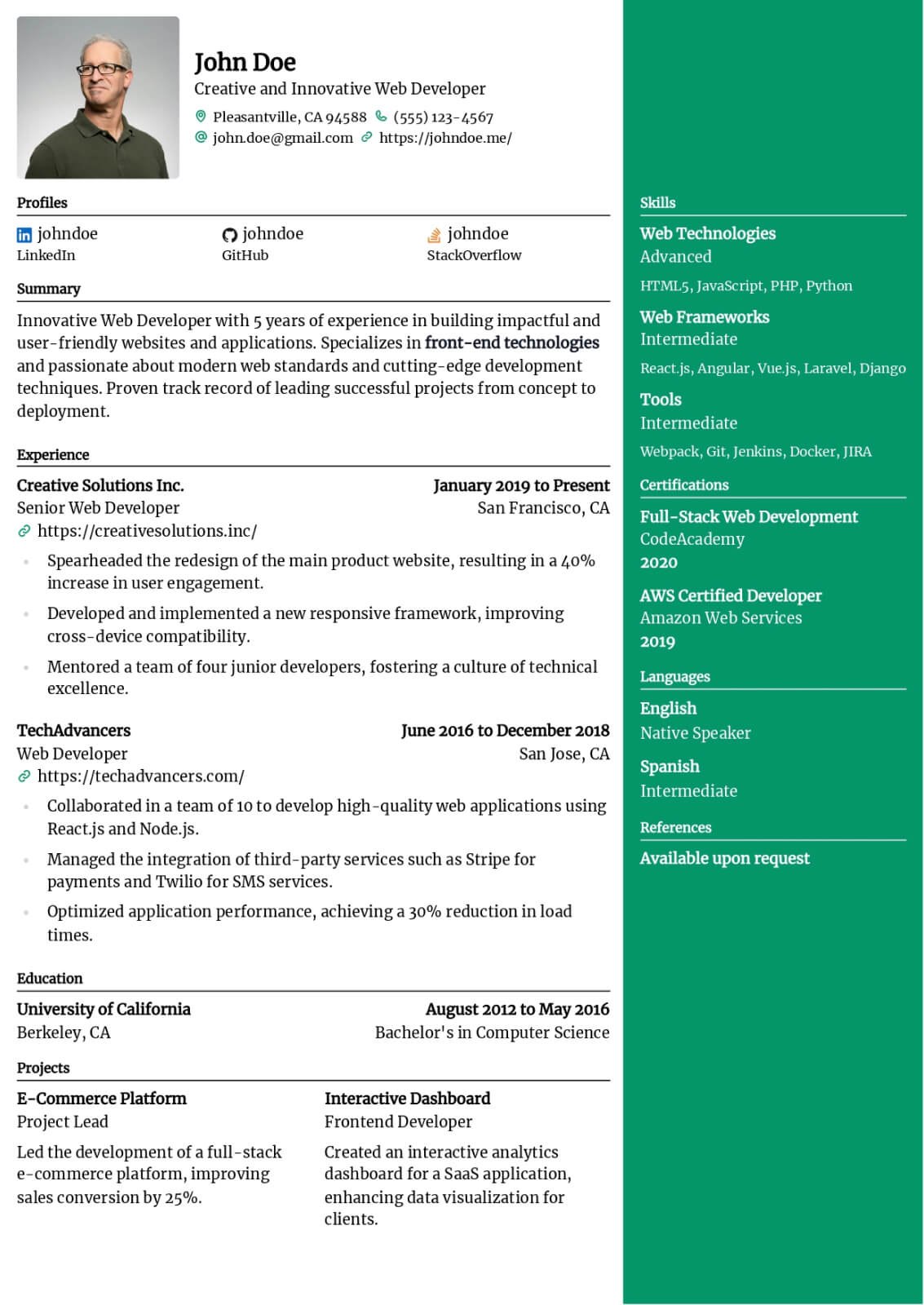
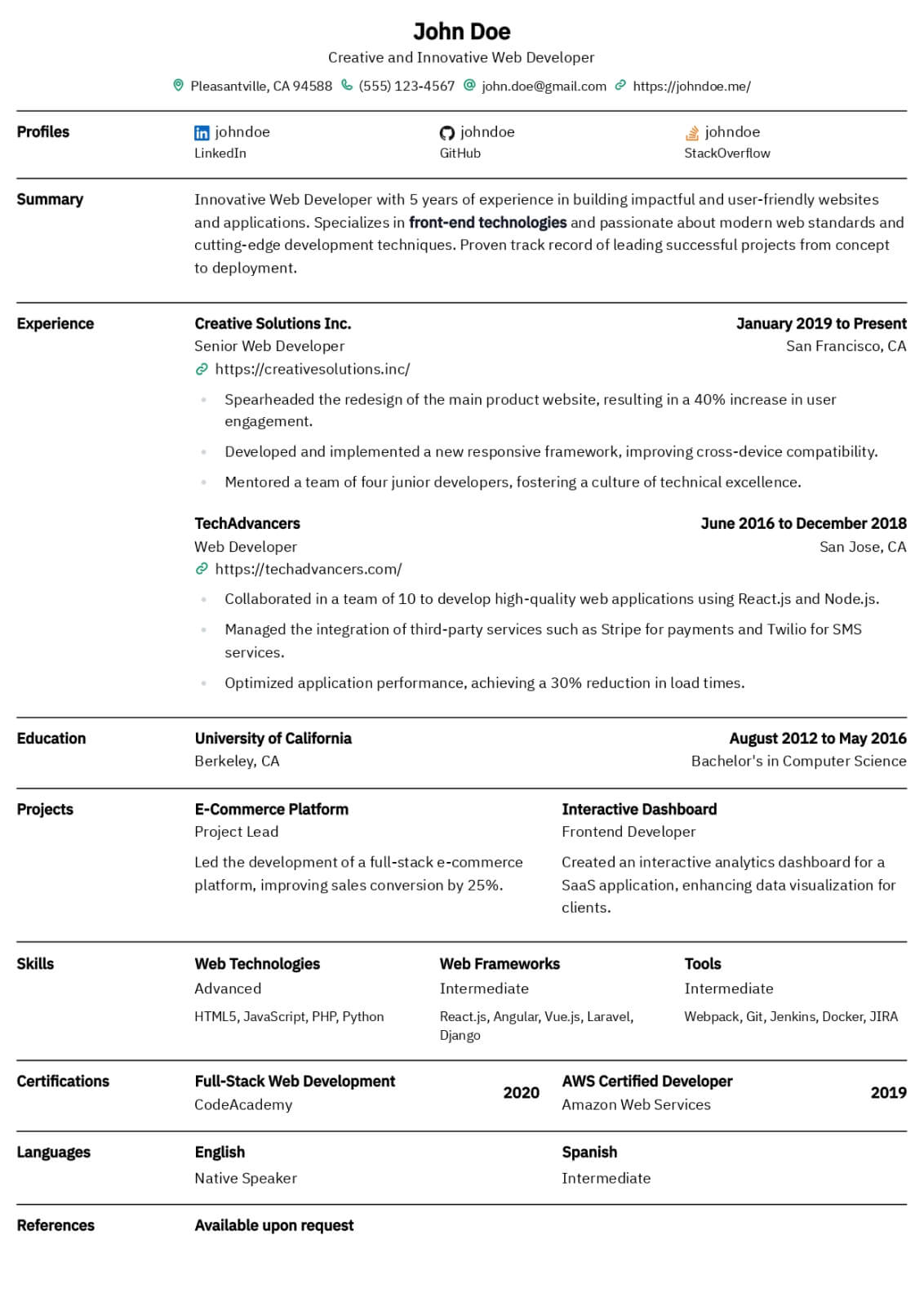
Below, you will find section-by-section guidance for your speech-language pathologist resume — from your opening summary through skills and experience. Tailor every line to the job you want.
Professional Summary
Your professional summary should establish you as a certified speech-language pathologist with a clear clinical specialty and evidence-based treatment philosophy. Open by stating your CCC-SLP credential from ASHA, state licensure, and primary practice setting such as acute care, outpatient rehabilitation, or pediatric early intervention. Reference your caseload capacity and core treatment areas, for instance managing a caseload of forty patients weekly specializing in dysphagia management, voice disorders, and neurogenic communication deficits. Include a quantified outcome such as achieving a ninety percent rate of documented functional improvement on NOMS outcomes across your adult dysphagia caseload over the past year. Tailor language to the target setting to align with employer expectations and patient population needs.
Clinical Experience
Present your speech-language pathology positions in reverse-chronological order, listing the facility name, setting, and employment dates. Write four to six bullet points per role using action verbs such as evaluated, treated, assessed, counseled, and collaborated. Quantify your impact by noting caseload volumes, functional outcome improvements, and patient discharge goal achievement rates. Describe specific clinical responsibilities including conducting comprehensive speech-language and swallowing evaluations, performing instrumental assessments such as FEES and modified barium swallow studies, developing individualized treatment plans for articulation, language, fluency, voice, and cognitive-linguistic disorders, and providing patient and caregiver education. Highlight interdisciplinary collaboration with occupational therapists, physical therapists, physicians, and dietitians for comprehensive patient management. Include supervisory experience with SLP clinical fellows, graduate students, or speech-language pathology assistants.
Clinical & Assessment Skills
Build a skills section with eight to ten clinical hard skills and six to seven soft skills aligned with your practice area. Hard skills should include dysphagia evaluation and management including diet texture modification, instrumental swallowing assessment via FEES and videofluoroscopy, aphasia and cognitive-linguistic rehabilitation, pediatric articulation and language intervention, voice therapy techniques including Lee Silverman Voice Treatment, and augmentative and alternative communication device programming. List standardized assessment tools you administer such as the ASHA NOMS, Boston Diagnostic Aphasia Examination, Clinical Evaluation of Language Fundamentals, and Mann Assessment of Swallowing Ability. Soft skills should emphasize caregiver counseling and training, interdisciplinary team communication, cultural and linguistic diversity sensitivity, and evidence-based clinical reasoning.
Licensure & Certifications
Lead with your Certificate of Clinical Competence in Speech-Language Pathology from ASHA as this is the gold standard credential for SLP practice and the primary screening criterion for employers. Include your state SLP license with the license number and renewal date. Add specialty certifications such as Board Certification in Swallowing and Swallowing Disorders from ASHA, LSVT LOUD certification for Parkinson's disease voice treatment, or VitalStim electrical stimulation certification. List BLS certification if required by your medical practice setting. If you are completing your clinical fellowship year, note your CFY status and expected CCC-SLP completion date. Place this section near the top because SLP hiring managers verify ASHA certification status before reviewing clinical qualifications.
Education
List your Master of Science or Master of Arts in Speech-Language Pathology along with the institution name and graduation year. Specify CAA accreditation status from the Council on Academic Accreditation in Audiology and Speech-Language Pathology as this is required for CCC-SLP eligibility. Include clinical practicum placements completed during your graduate program, specifying the facility, setting, patient population, and clinical hours accrued. Highlight any thesis or capstone research projects relevant to your clinical specialty. Mention your undergraduate degree in communication sciences and disorders if it strengthens your academic foundation. For SLPs pursuing clinical doctoral programs or post-graduate specialty training, include the program with expected completion date.
Research & Professional Contributions
Include scholarly contributions and professional development activities that demonstrate advanced clinical engagement. List publications in peer-reviewed journals such as the American Journal of Speech-Language Pathology or Dysphagia. Reference poster or platform presentations at ASHA Convention, state association meetings, or specialty conferences. Describe evidence-based practice projects such as implementing a standardized dysphagia screening protocol in the emergency department that reduced aspiration pneumonia incidence. Mention continuing education in advanced clinical areas and any contributions to clinical practice guideline development within your facility or professional organization. These entries are particularly valued by academic medical centers and rehabilitation hospitals seeking clinicians with scholarly practice commitment.
Resume layout and formatting
Use a clean, single-column layout with clear section headings and plenty of white space. Lead with technical strengths such as Dysphagia Evaluation & Diet Texture Management, Instrumental Swallowing Assessment (FEES, MBSS), Aphasia & Cognitive-Linguistic Rehabilitation, Pediatric Articulation & Language Intervention, Voice Therapy (LSVT LOUD, Resonant Voice Therapy), AAC Device Programming & Implementation, then reinforce interpersonal strengths like Caregiver Counseling & Training, Interdisciplinary Rehabilitation Team Collaboration, Cultural & Linguistic Diversity Sensitivity, Evidence-Based Clinical Reasoning. Keep fonts standard (e.g., Arial or Calibri) at 10–12pt body size so your resume stays ATS-friendly and easy to scan.
Key takeaways
- Lead with CCC-SLP certification and state licensure as the primary resume qualifiers
- Quantify treatment outcomes using ASHA NOMS or other standardized functional measures
- Highlight instrumental assessment competencies like FEES and MBSS for medical positions
- Specify treatment populations and disorder types to demonstrate clinical depth
- Include clinical fellowship details if you are a recently certified SLP professional
- Tailor clinical terminology to the target setting whether medical or educational practice
Build your Speech-Language Pathologist resume with Scale
Lead with CCC-SLP certification and state licensure as the primary resume qualifiers
Use This Template
Professional Templates That Make You Stand Out
Browse modern, ATS-friendly resume designs crafted to impress recruiters. Customize any template and download it as a Word or PDF file.
Listen What Our Users Have to Say

Rohan Sen
I am very happy with the team's quick turnaround time - any query is responded at utmost priority. Shoutout to my client manager, Anub Biju - very helpful.

Gael L
Service and communication is great, cover letters are non-ai sounding and well tailored. Just have a lot of communication and review with your staff!

Jonathan Parry
Wow - don't tell your peers! Wow, I can't recommend scale.jobs enough - it's so good I am not sharing with my peers. Applications at scale that get through filters. Thank you!

Cynthia Zhu
Great service! The scale.jobs team was very responsible and managed to apply tons of jobs for me in a very tight deadline to help me secure interviews quickly. Highly recommend to anyone who needs help applying to jobs!

Yash Yenugu
Save your fingers. Saved me from a thumb cramp because we're expected to effortlessly apply to jobs during these times.

Cian O'Driscoll
Clever service. Takes the hard effort out of applying for jobs with an intuitive dashboard and attention to detail. A great asset to job seekers. :-)
Frequently asked questions
What should a speech-language pathologist resume include in 2026?
A strong SLP resume should feature CCC-SLP certification, state licensure, a professional summary with quantified treatment outcomes, detailed clinical experience organized by setting and population, and specialty credentials. Include standardized assessment tools you administer and instrumental evaluation competencies. Tailor every section to the target clinical setting and primary disorder areas.
How do I present my clinical fellowship on my SLP resume?
List your clinical fellowship as a distinct entry under clinical experience, specifying the facility, setting, mentor name and credentials, and dates. Describe the caseload you managed, populations served, and treatment approaches used. Quantify your CF experience with patient volume numbers and outcome metrics. Note your expected CCC-SLP certification completion date to signal imminent full credentialing.
Should I list instrumental assessment competencies on my resume?
Absolutely. FEES and modified barium swallow study competencies are highly valued by medical SLP employers and significantly differentiate your candidacy. Specify the number of instrumental assessments you have performed and any formal training or mentorship completed. Instrumental assessment skills are a primary hiring criterion for acute care and inpatient rehabilitation SLP positions.
How do I quantify treatment outcomes on an SLP resume?
Reference standardized outcome measures such as ASHA NOMS functional communication measures, goal attainment scaling results, and discharge functional level improvements. Include specific percentages like achieving documented functional improvement in ninety percent of patients on your caseload. Pull metrics from your facility's outcome tracking system and quality reporting data.
How long should a speech-language pathologist resume be?
New SLP graduates and clinical fellows should aim for one page. Experienced SLPs with multiple clinical settings, specialty certifications, research publications, and supervisory responsibilities can appropriately use two pages. Every entry should demonstrate clinical value relevant to the target position. Remove outdated or irrelevant content that dilutes your professional narrative.
How do I transition between medical and school-based SLP settings?
Emphasize transferable skills such as standardized assessment administration, treatment plan development, progress monitoring, and interdisciplinary collaboration. Highlight disorder areas that overlap between settings including articulation, language, and fluency. Address setting-specific requirements in your summary such as IEP development experience for school roles or dysphagia management for medical positions.
Related Resume Guides
Occupational Therapist
Build an occupational therapist resume that highlights functional independence goals, ADL training expertise, OTR/L licensure, and evidence-based intervention outcomes for pediatric, adult, and geriatric settings.
Physical Therapist
Create a compelling physical therapist resume that showcases evidence-based treatment planning, functional outcome measurements, DPT credentials, and patient rehabilitation success to secure positions across clinical settings.
Registered Nurse
Craft a compelling registered nurse resume that highlights clinical competencies, patient care outcomes, EMR proficiency, and licensure credentials to land interviews at top healthcare facilities.
Mental Health Counselor
Create a mental health counselor resume that highlights evidence-based therapeutic modalities, clinical licensure credentials, caseload management expertise, and measurable client outcome improvements for agency and private practice roles.
Respiratory Therapist
Create a respiratory therapist resume that showcases ventilator management expertise, arterial blood gas interpretation, RRT credentials, and critical care competencies for hospital and pulmonary rehabilitation roles.