
Actuary Resume Examples, Templates & Writing Guide

Written by: Scale.jobs EditorialLast updated: May 1, 2026







Introduction
Build a compelling actuary resume that showcases your exam progress, risk modeling expertise, and ability to translate complex statistical analyses into actionable business recommendations for insurers and financial institutions.
This guide walks you through every major section of a actuary resume, with practical tips you can apply today.
- How to present actuarial exam progress and credentialing milestones to maximize your candidacy
- Techniques for quantifying the financial impact of your pricing models and reserve analyses
- Strategies for showcasing proficiency in actuarial software like Prophet, MoSes, and GGY AXIS
- Methods for demonstrating your ability to communicate complex risk findings to non-technical stakeholders
- Best practices for highlighting experience with mortality tables, loss triangles, and stochastic modeling
- Ways to tailor your resume for life insurance, property and casualty, health, or pension actuarial roles
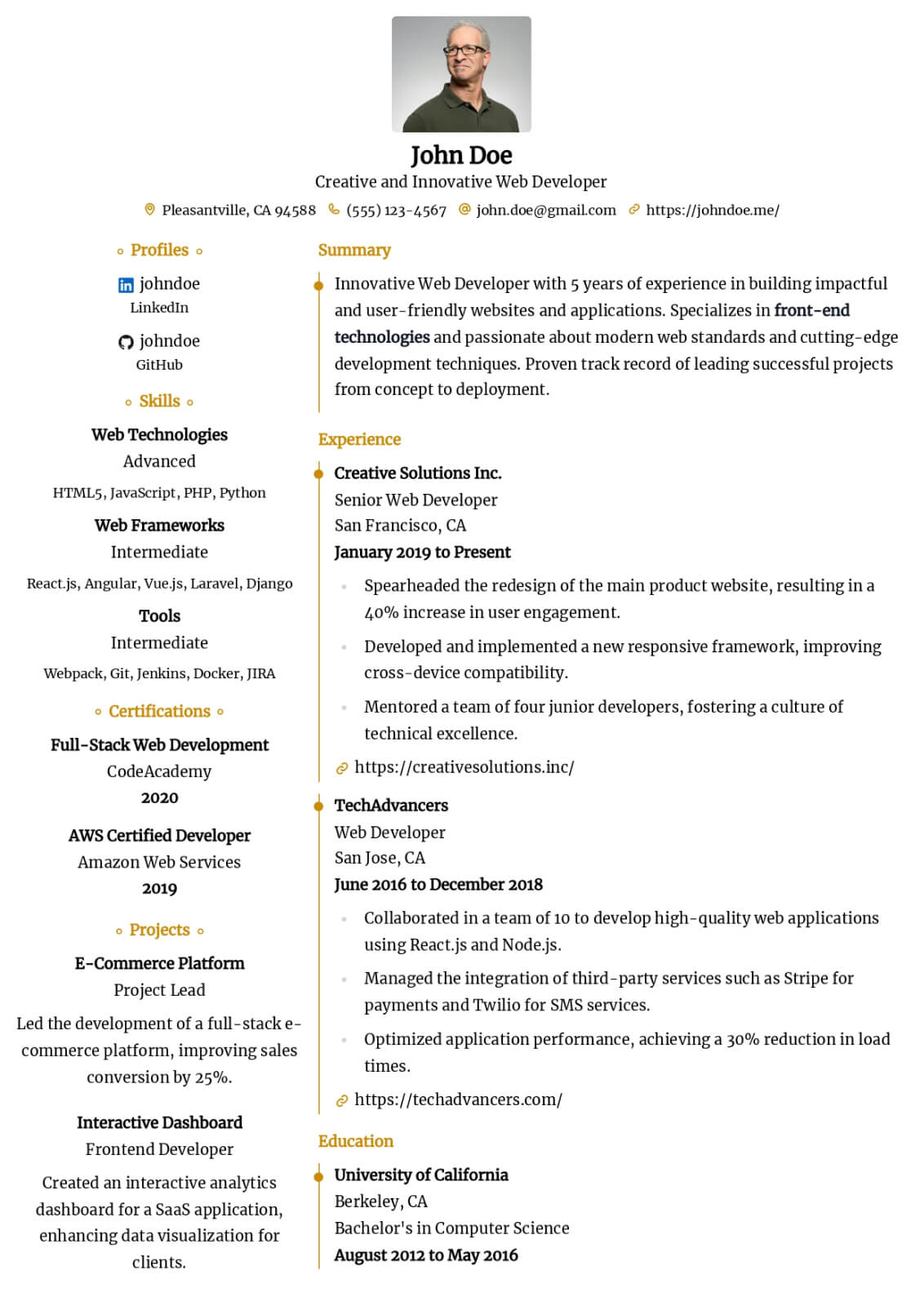
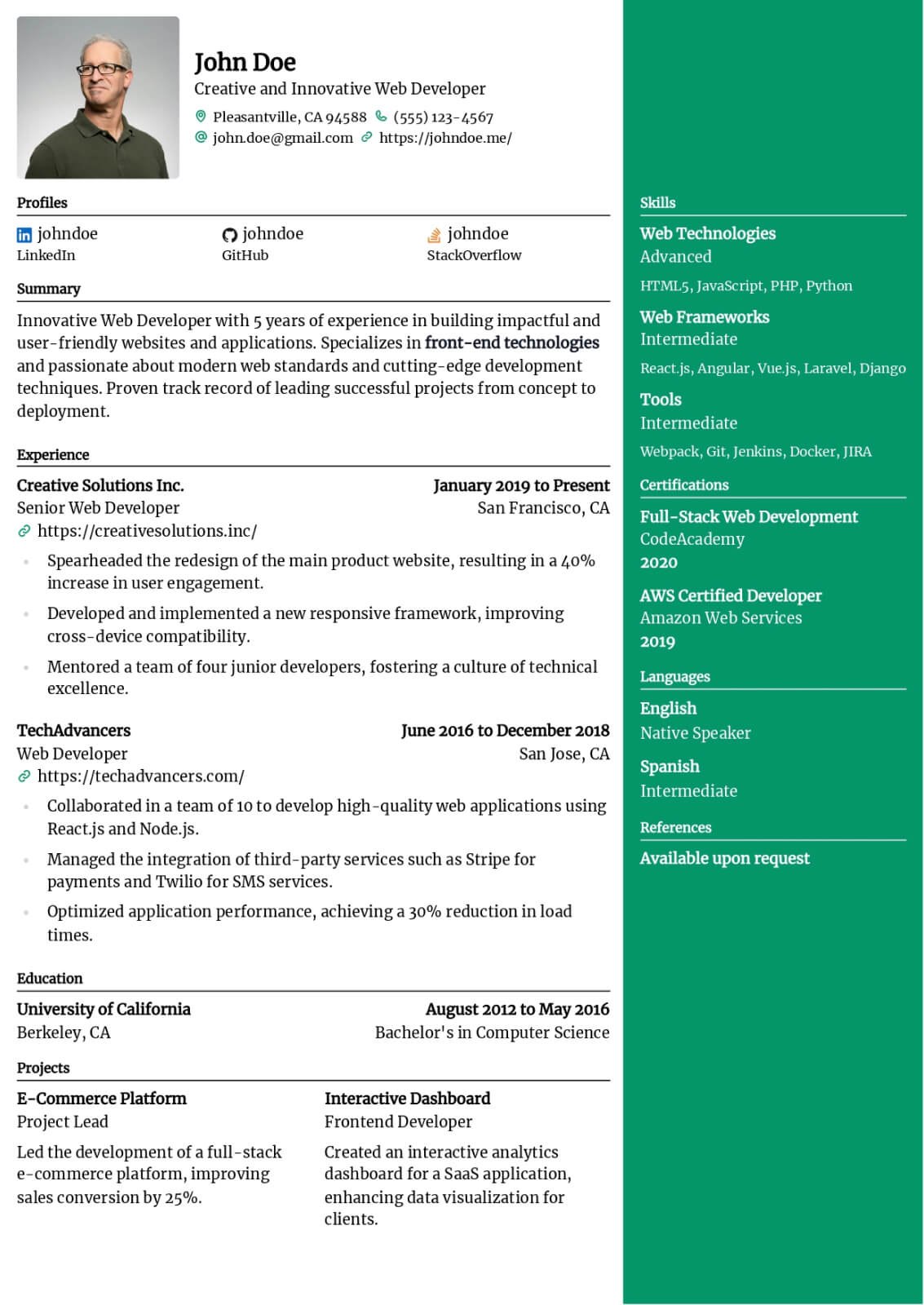
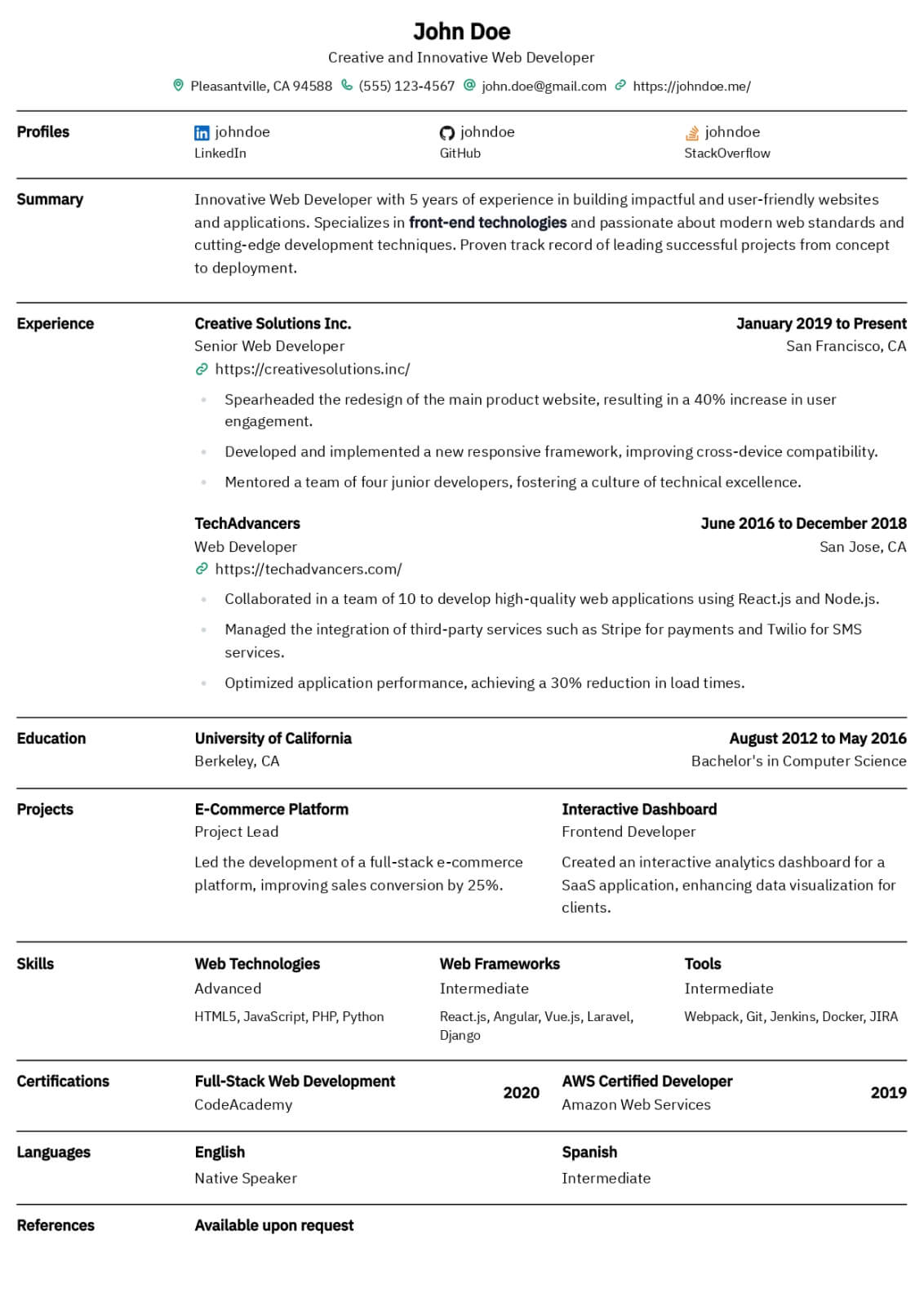
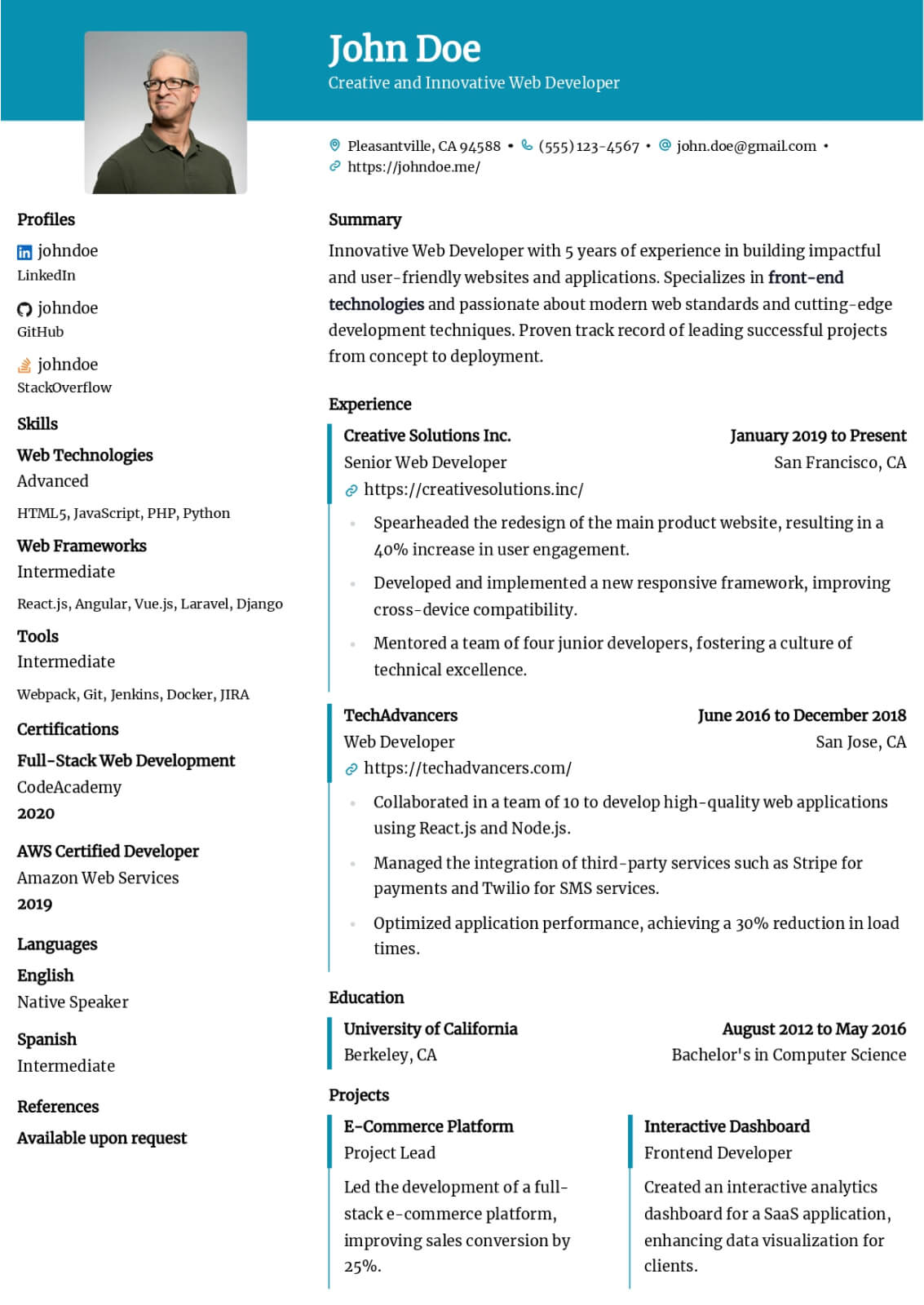
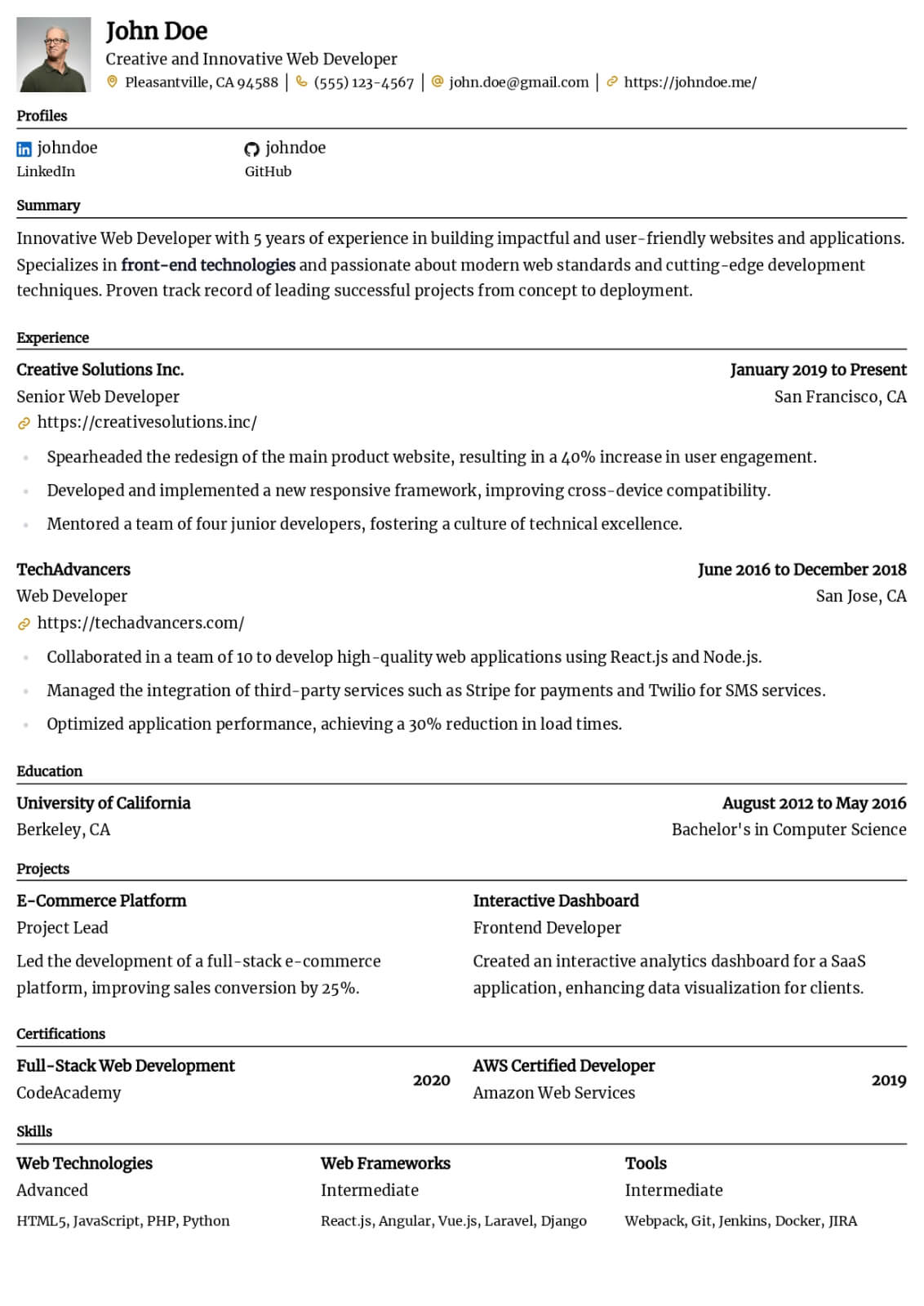
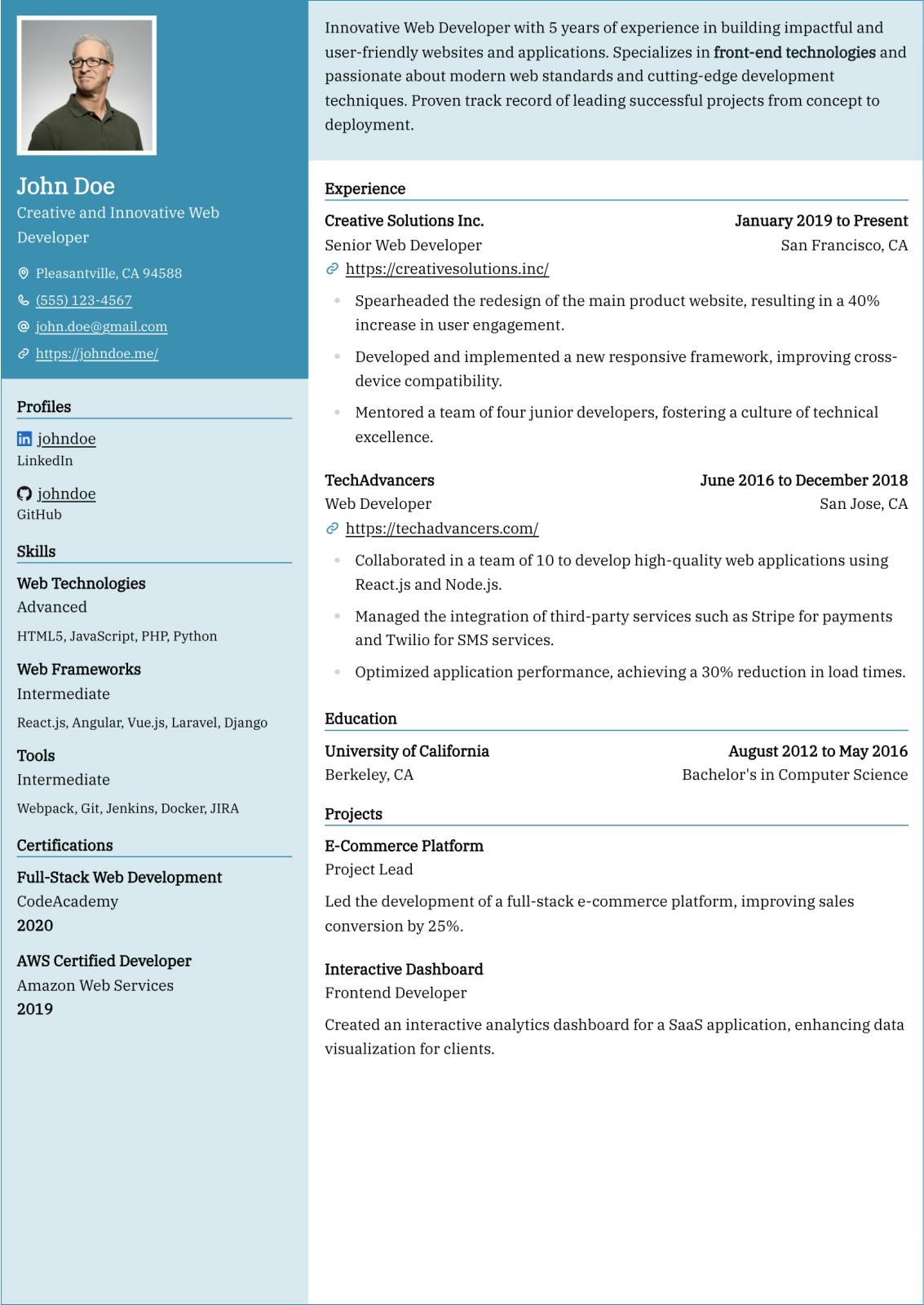
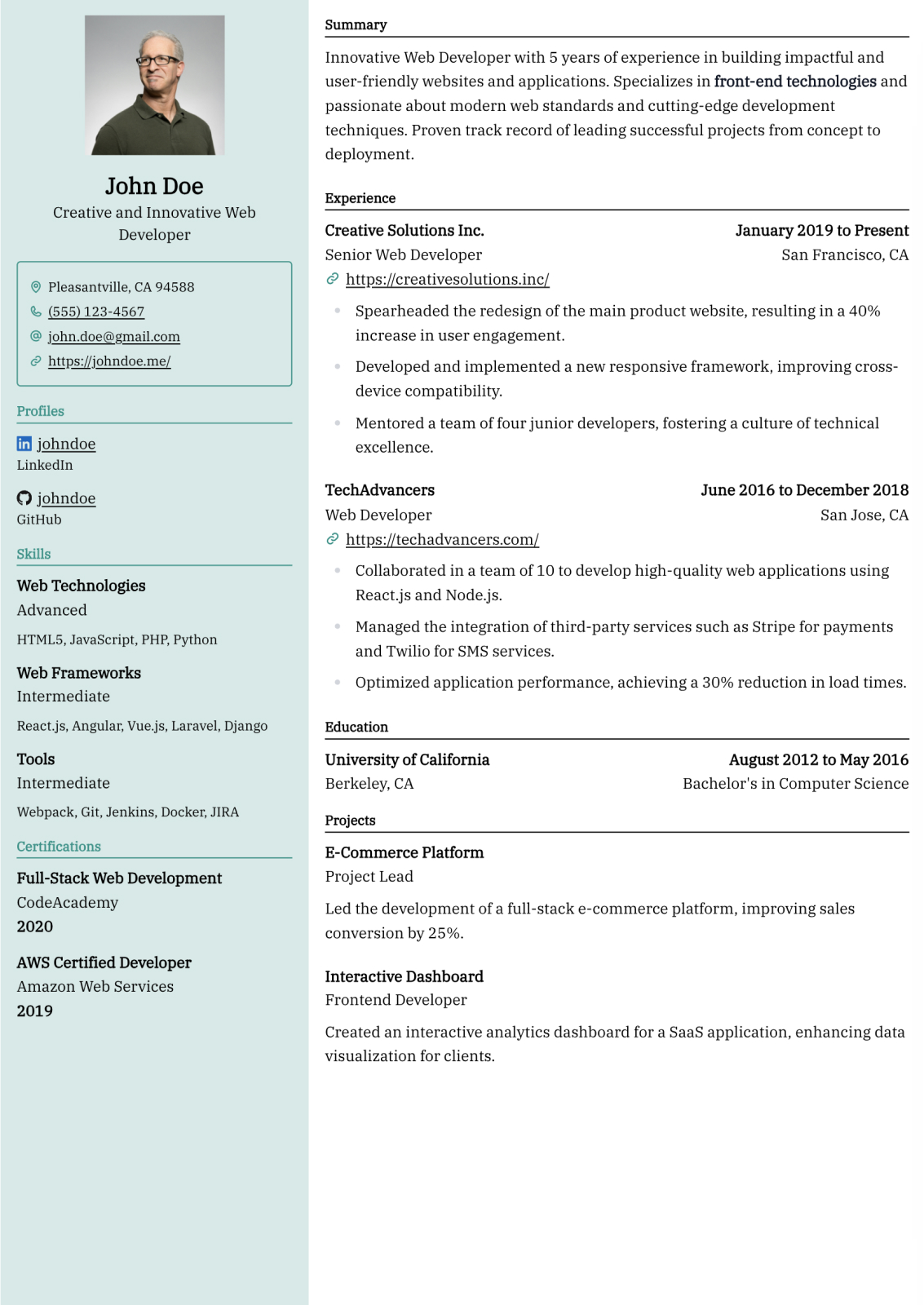
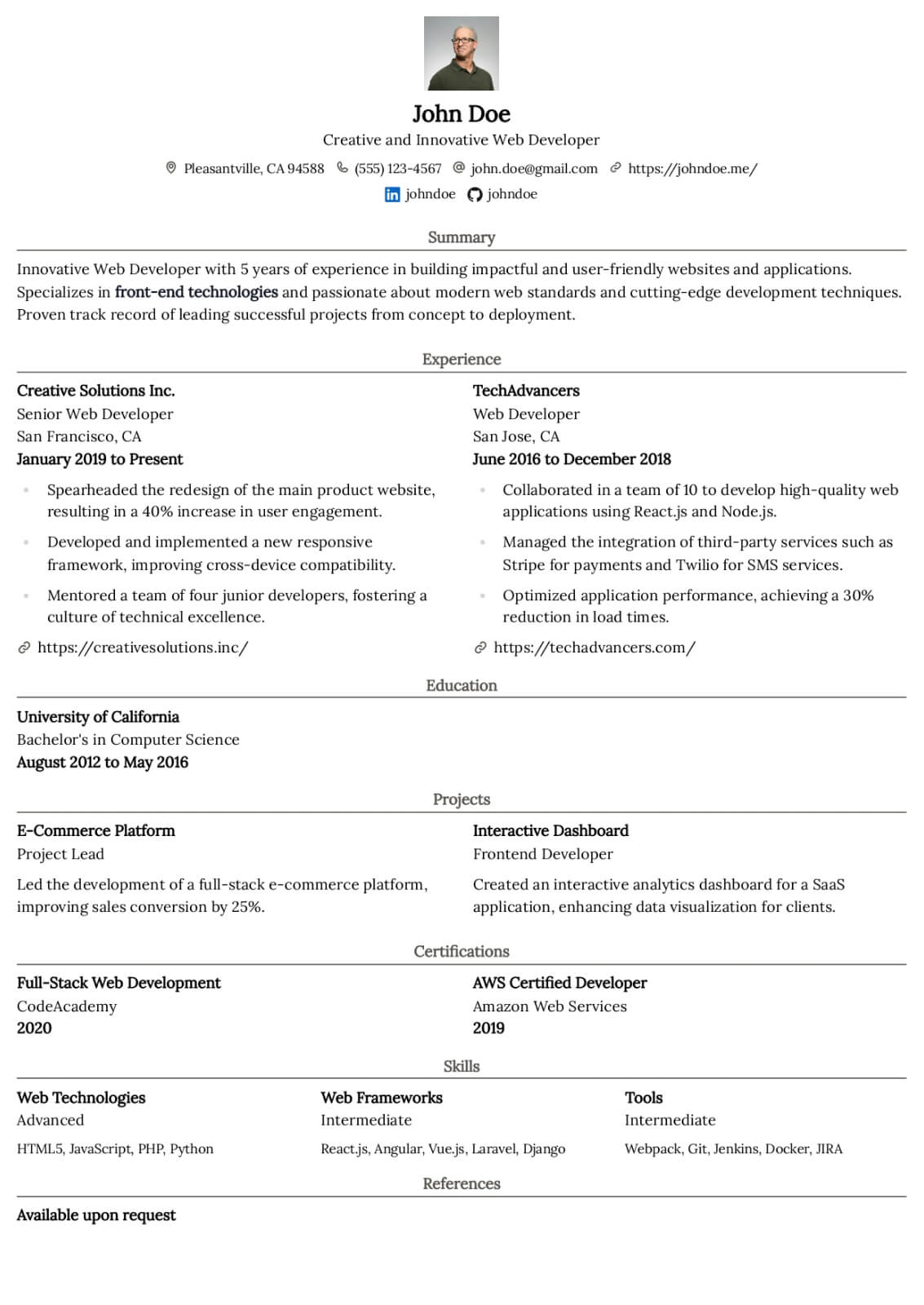
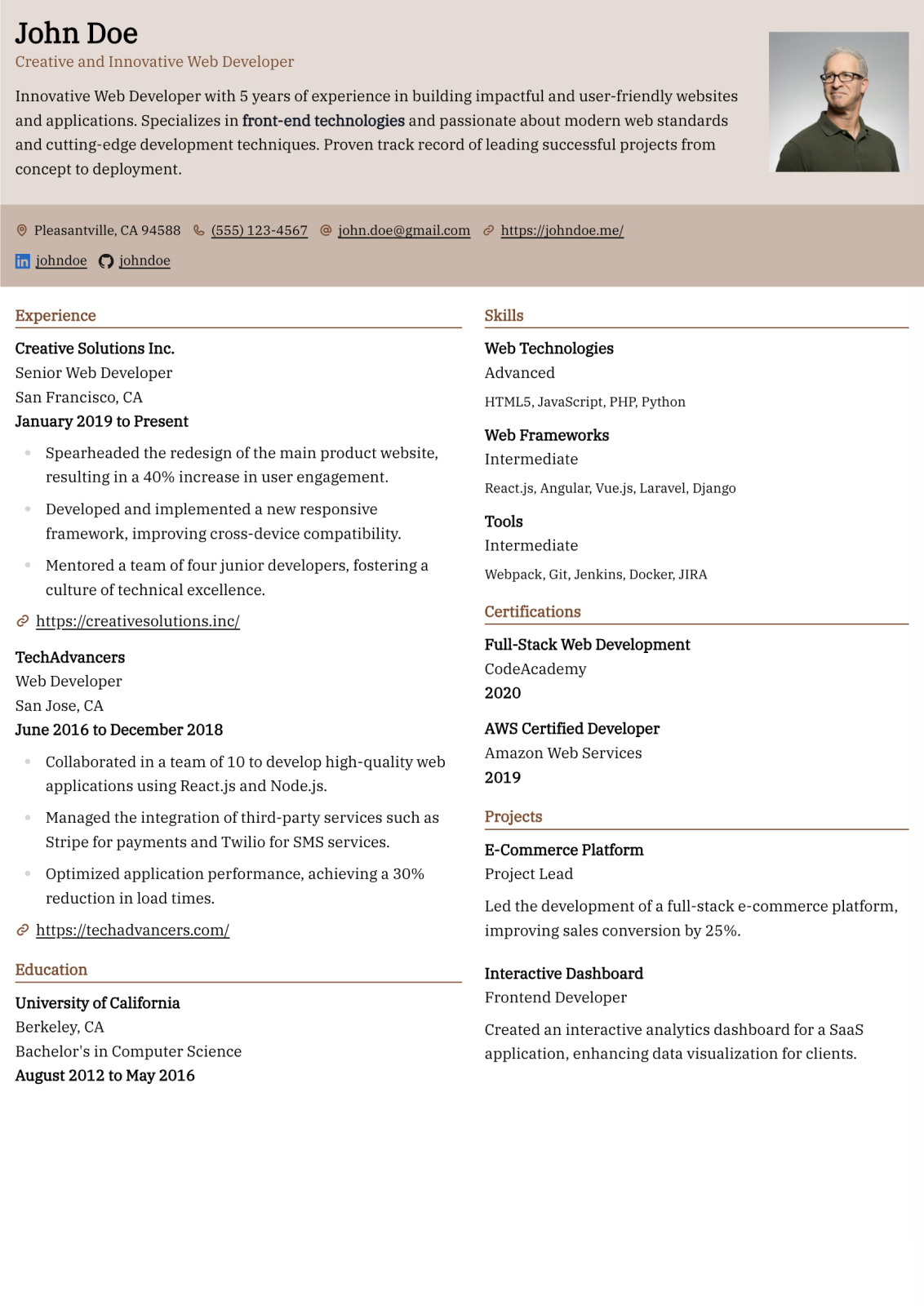
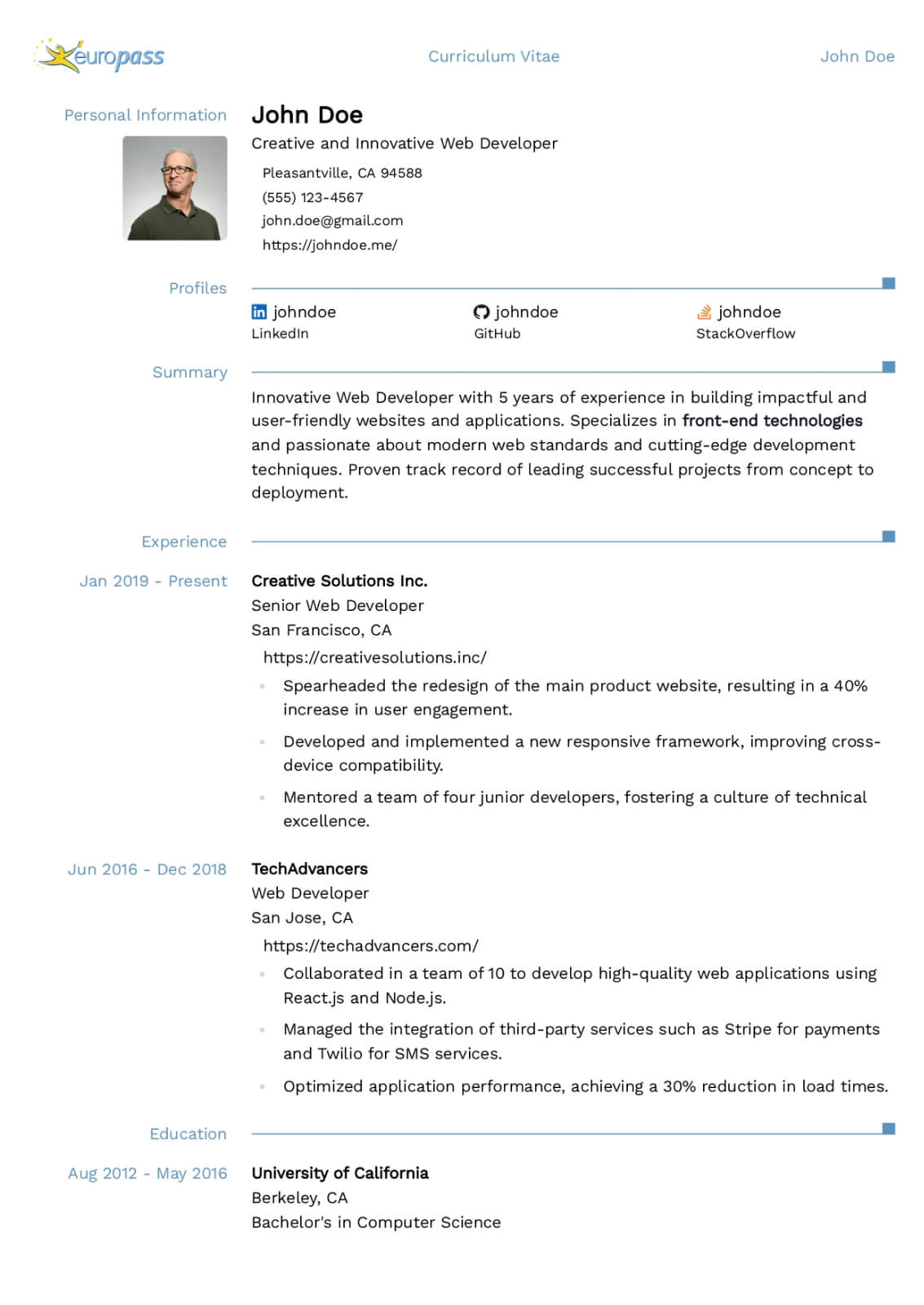
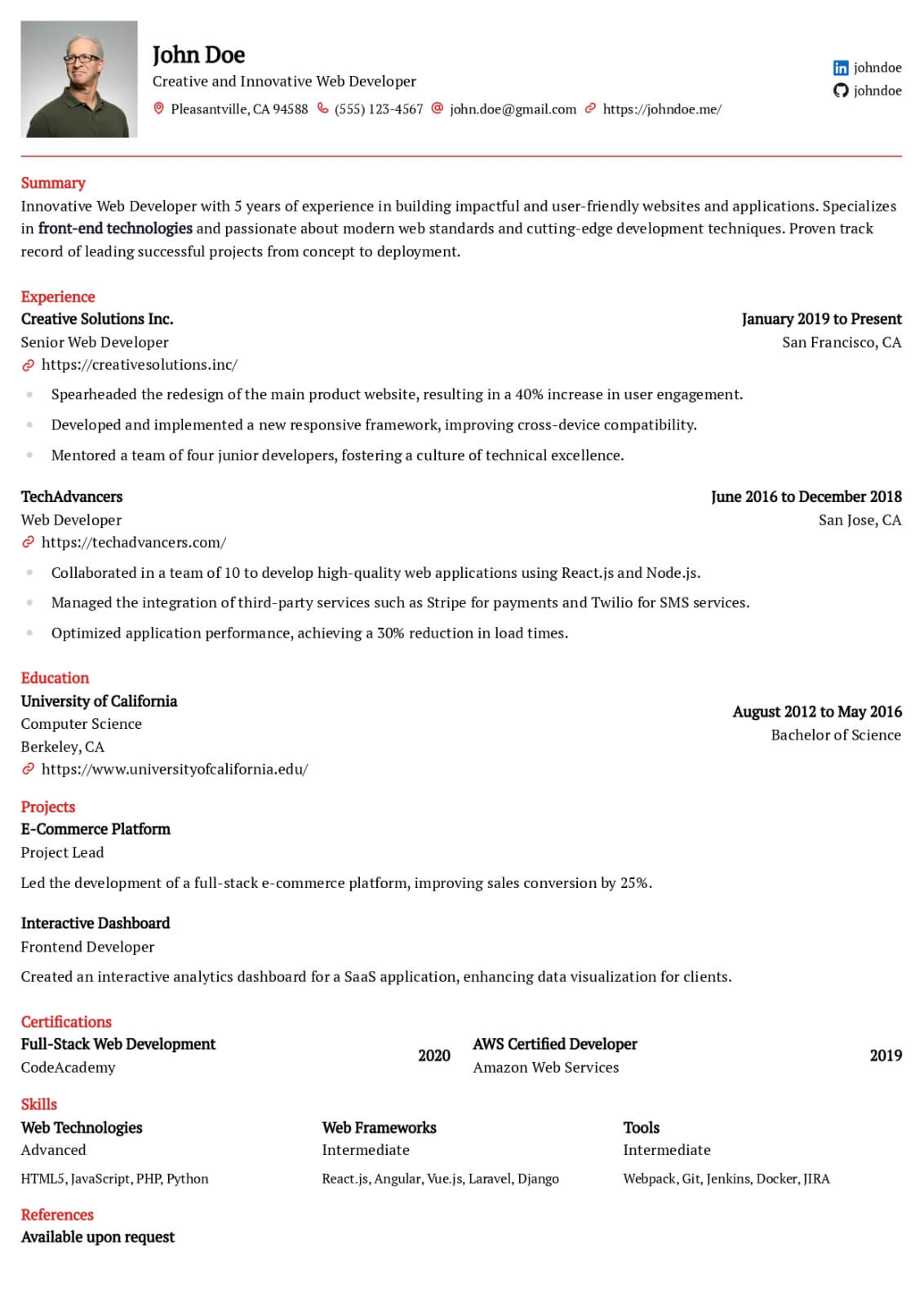
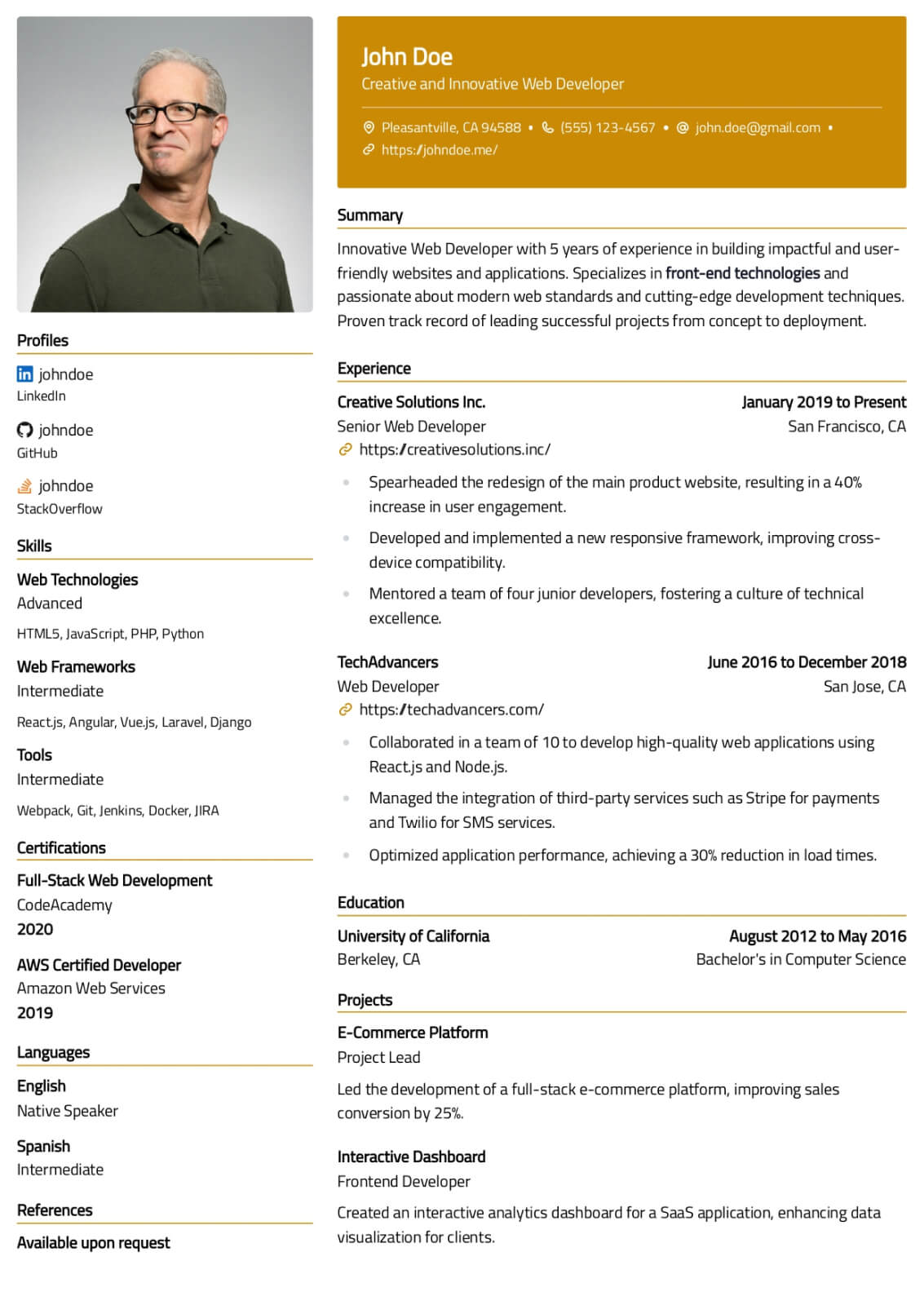
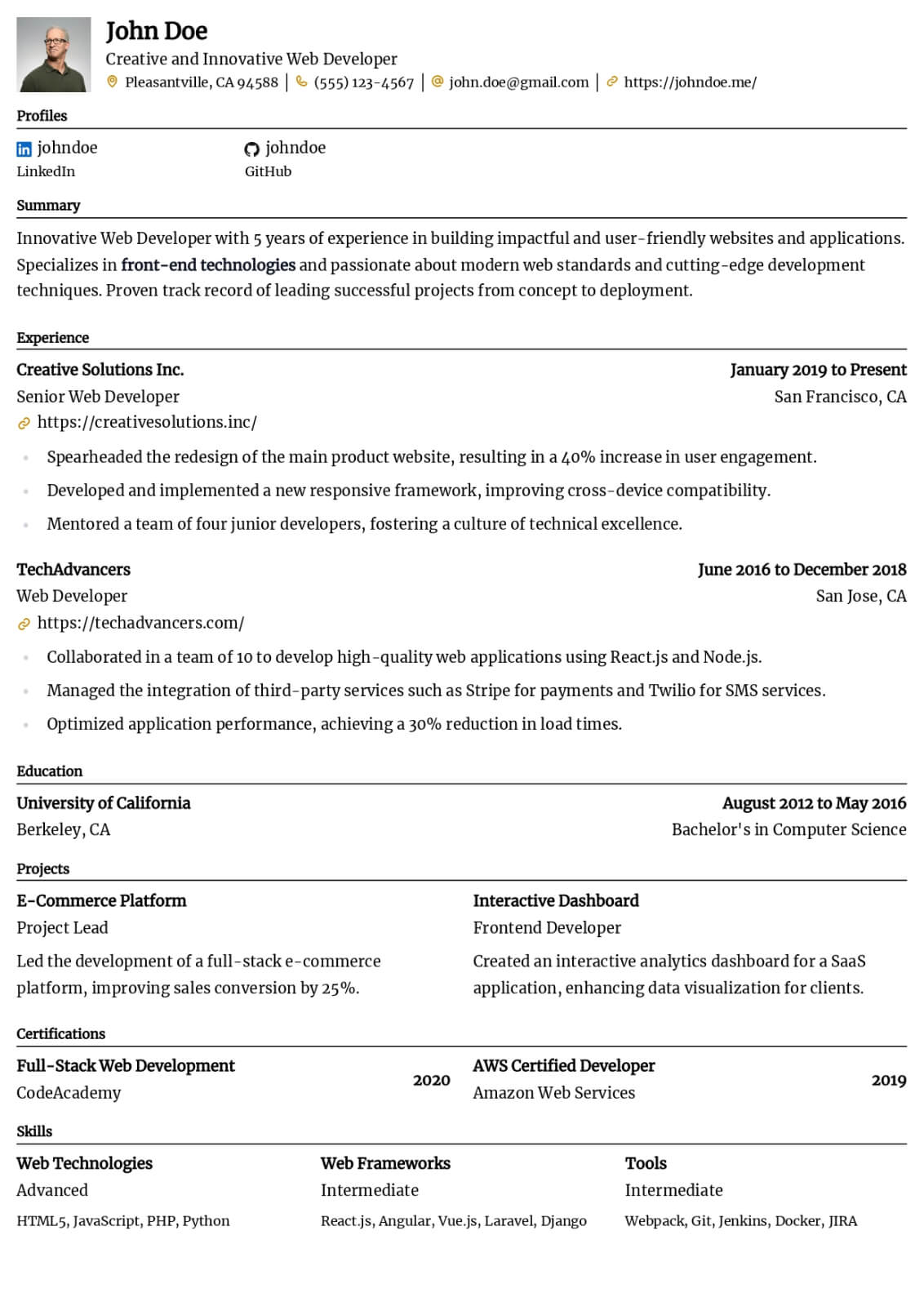
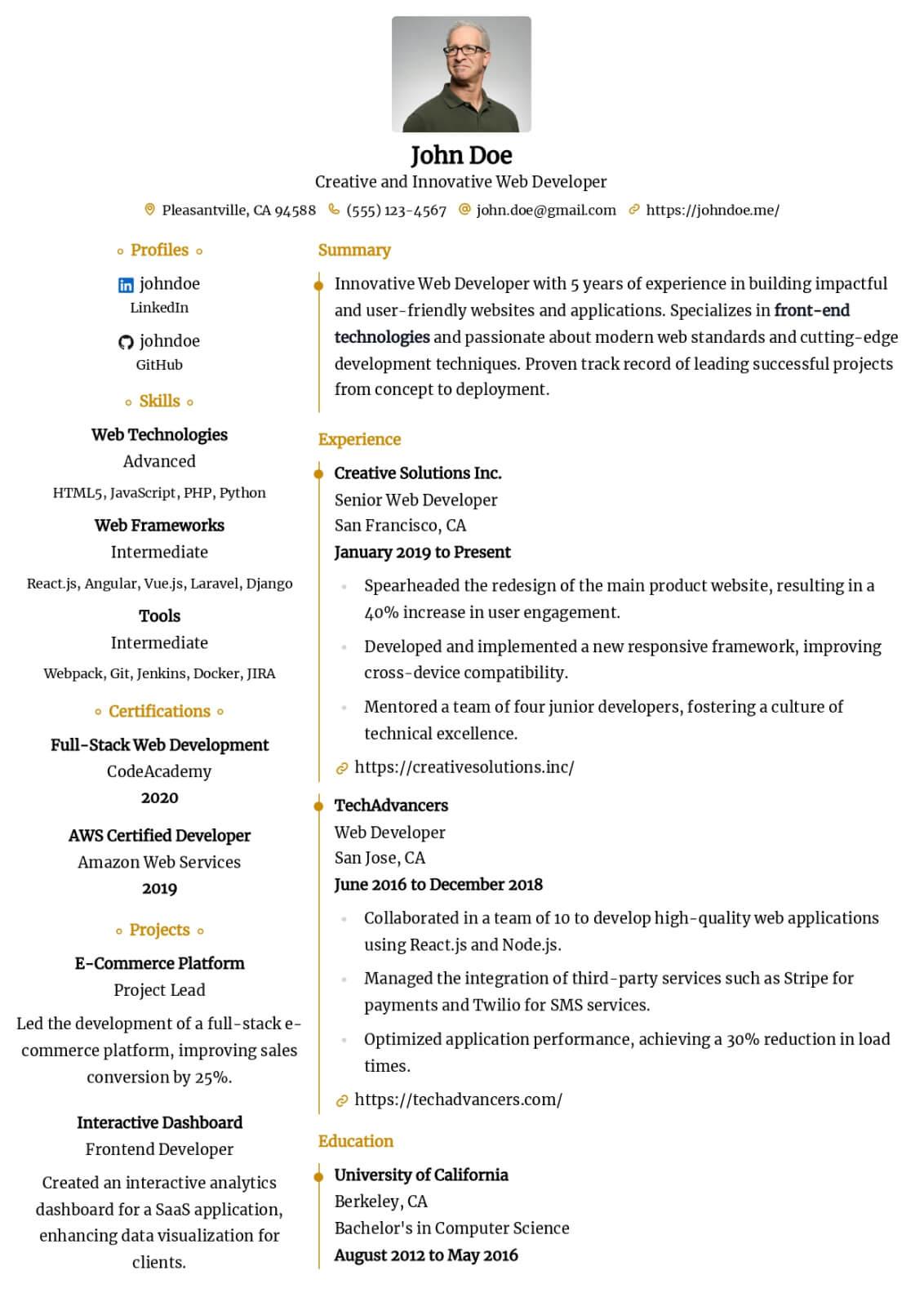
Actuary resume guide
Below, you will find section-by-section guidance for your actuary resume — from your opening summary through skills and experience. Tailor every line to the job you want.
Professional Summary
Open your professional summary by identifying your actuarial credential status, whether you are an Associate of the Society of Actuaries, a Fellow, or a candidate with a specific number of exams passed. This is the single most important piece of information on an actuarial resume because hiring managers immediately filter candidates by exam progress. State your years of experience and your specialization area, such as life insurance pricing, property and casualty reserving, or pension valuation. Include a flagship accomplishment like developing a predictive mortality model that improved pricing accuracy by fifteen percent across a two-billion-dollar block of business. Reference the actuarial software and programming languages you use, such as Prophet, GGY AXIS, R, or Python. Keep the summary between three and five sentences for maximum impact.
Actuarial Exams & Credentials
Dedicate a prominent section to your actuarial exam history, listing each exam passed with the date of completion. Organize exams in chronological order starting with Exam P or Exam FM and progressing through your most recent passage. If you hold an ASA or FSA designation, list it with the date conferred. For candidates on the CAS track, list exams and indicate your progress toward ACAS or FCAS status. Include Validation by Educational Experience credits and any modules or fellowship projects completed. This section is uniquely critical for actuarial resumes because exam progress is the primary screening criterion in actuarial hiring. Position it immediately after your professional summary or at the top of the page to ensure it is the first substantive detail hiring managers see.
Work Experience
Present your actuarial experience in reverse-chronological order with clear titles, company names, and employment dates. Write four to six bullet points per role, opening each with an action verb such as modeled, priced, analyzed, projected, or validated. Every bullet should pair an actuarial analysis with a quantified business outcome, for example stating that you developed a stochastic reserving model for a three-hundred-million-dollar property casualty portfolio that improved reserve adequacy estimates by eight percent. Describe the data sets, mortality or morbidity tables, and loss development triangles you worked with. Mention your experience presenting findings to underwriting committees, pricing boards, or regulatory bodies. Highlight any cross-functional collaboration with data science, finance, or product development teams that leveraged your actuarial expertise.
Skills
Build a skills section with eight to ten technical competencies and six to seven interpersonal abilities specific to actuarial practice. On the technical side, include actuarial modeling software such as Prophet, MoSes, or GGY AXIS, statistical programming in R or Python, SQL for data extraction, Excel with VBA for experience studies, and reserving methodologies including chain-ladder, Bornhuetter-Ferguson, and generalized linear models. Add knowledge of regulatory frameworks relevant to your specialization, such as Solvency II, IFRS 17, or state insurance department requirements. For soft skills, emphasize analytical reasoning, clear communication of complex findings, attention to detail, intellectual curiosity, and collaborative problem-solving. Prioritize skills named in the target job posting to maximize ATS match rates.
Key Actuarial Projects
Dedicate a section to two to four significant actuarial projects that showcase the depth and breadth of your analytical work. For each project, describe the business context, the actuarial methodology applied, the tools and data sources used, and the quantified impact on the organization. A compelling entry might read: Built an IFRS 17 transition model for a multinational insurer covering twelve product lines, enabling compliant financial reporting six months ahead of the regulatory deadline. Projects are especially valuable for candidates with fewer than five years of experience or those transitioning between actuarial specializations. Include any model validation work, assumption studies, or enterprise risk management analyses that demonstrate your capabilities beyond standard pricing or reserving tasks.
Education
List your degree, institution, and graduation year. Actuarial positions typically require a bachelor's degree in actuarial science, mathematics, statistics, or a closely related quantitative field. If your degree is in actuarial science, highlight relevant coursework such as life contingencies, loss models, financial mathematics, and credibility theory. For candidates with degrees in adjacent fields like applied mathematics or statistics, note any courses that map to SOA or CAS preliminary exam syllabus topics to demonstrate foundational readiness. Include academic honors like summa cum laude or membership in actuarial honor societies. Keep this section concise for experienced actuaries and let your exam record and professional accomplishments carry the primary weight.
Resume layout and formatting
Use a clean, single-column layout with clear section headings and plenty of white space. Lead with technical strengths such as Actuarial Modeling (Prophet, MoSes, GGY AXIS), R & Python for Statistical Analysis, SQL for Data Extraction, Excel with VBA (Experience Studies), Reserving Methods (Chain-Ladder, BF, GLM), Mortality & Morbidity Table Analysis, then reinforce interpersonal strengths like Analytical Reasoning, Communication of Complex Findings, Intellectual Curiosity, Collaborative Problem Solving. Keep fonts standard (e.g., Arial or Calibri) at 10–12pt body size so your resume stays ATS-friendly and easy to scan.
Key takeaways
- Position your actuarial exam progress and credential status as the first thing hiring managers see
- Quantify the financial impact of your pricing models, reserve analyses, and risk assessments
- Name specific actuarial software platforms and programming languages to satisfy ATS filters
- Include a projects section showcasing complex analyses like IFRS 17 transitions or predictive models
- Tailor your resume for the specific actuarial specialization of each target role
- Keep formatting clean and professional to reflect the precision expected in actuarial work
Build your Actuary resume with Scale
Position your actuarial exam progress and credential status as the first thing hiring managers see
Use This Template
Professional Templates That Make You Stand Out
Browse modern, ATS-friendly resume designs crafted to impress recruiters. Customize any template and download it as a Word or PDF file.
Listen What Our Users Have to Say

Rohan Sen
I am very happy with the team's quick turnaround time - any query is responded at utmost priority. Shoutout to my client manager, Anub Biju - very helpful.

Gael L
Service and communication is great, cover letters are non-ai sounding and well tailored. Just have a lot of communication and review with your staff!

Jonathan Parry
Wow - don't tell your peers! Wow, I can't recommend scale.jobs enough - it's so good I am not sharing with my peers. Applications at scale that get through filters. Thank you!

Cynthia Zhu
Great service! The scale.jobs team was very responsible and managed to apply tons of jobs for me in a very tight deadline to help me secure interviews quickly. Highly recommend to anyone who needs help applying to jobs!

Yash Yenugu
Save your fingers. Saved me from a thumb cramp because we're expected to effortlessly apply to jobs during these times.

Cian O'Driscoll
Clever service. Takes the hard effort out of applying for jobs with an intuitive dashboard and attention to detail. A great asset to job seekers. :-)
Frequently asked questions
How should I present actuarial exam progress on my resume?
Create a dedicated exams section positioned prominently near the top of your resume, listing each exam passed with its completion date. Exam progress is the primary screening criterion in actuarial hiring, so making it immediately visible is essential. If you hold an ASA or FSA designation, display it alongside your name or in a credentials header. Candidates currently sitting for exams should note their next scheduled exam date to signal continued momentum.
What technical skills should an actuary highlight on their resume?
Prioritize actuarial modeling platforms like Prophet, GGY AXIS, or MoSes, statistical programming in R or Python, SQL for data manipulation, and advanced Excel with VBA for experience studies. Knowledge of reserving methodologies including chain-ladder and generalized linear models is essential for most roles. Tailor your technical skills to the specific actuarial domain you are targeting, whether that is life pricing, P&C reserving, health analytics, or pension valuation.
How do I quantify accomplishments on an actuarial resume?
Attach dollar amounts, percentages, and portfolio sizes to every accomplishment. Rather than writing that you built a pricing model, state that you developed a predictive pricing model for a five-hundred-million-dollar commercial auto portfolio that reduced loss ratios by three points over two years. Pull metrics from model validation reports, pricing exhibits, or reserve opinions to ensure your claims are accurate and defensible during technical interviews.
Should I include programming skills on my actuarial resume?
Programming skills are increasingly expected in actuarial roles as the profession evolves toward predictive analytics and machine learning applications. Listing R, Python, and SQL demonstrates that you can work with large datasets and build reproducible analytical workflows. Connect each programming language to a specific actuarial use case from your experience to show depth of application rather than surface-level familiarity.
What distinguishes a strong actuarial resume from an average one?
The strongest actuarial resumes combine clear exam progress visibility, quantified business impact from modeling and analysis work, and evidence of communication skills bridging technical and business audiences. Average resumes list exam passages and job duties without connecting analyses to financial outcomes. Demonstrating that your work influenced pricing decisions, improved reserve adequacy, or satisfied regulatory requirements elevates your resume above the majority of competing candidates.
How long should an actuary resume be?
One page is ideal for actuarial candidates with fewer than eight years of experience. Senior actuaries with extensive project portfolios and fellowship credentials may justify two pages. Every line should deliver quantified value, so remove early-career non-actuarial roles that no longer strengthen your narrative. The precision and conciseness of your resume itself signals the analytical rigor employers expect from actuarial professionals.
Related Resume Guides
Financial Analyst
Craft a compelling financial analyst resume that showcases your valuation expertise, forecasting accuracy, and ability to translate complex data into strategic investment recommendations.
Budget Analyst
Create a results-driven budget analyst resume that demonstrates your expertise in expenditure forecasting, variance analysis, and the ability to align organizational spending with strategic financial objectives.
Credit Analyst
Craft a compelling credit analyst resume that showcases your creditworthiness assessment expertise, financial statement analysis capabilities, and track record of making sound lending recommendations under risk constraints.
Analyst
Create a versatile analyst resume that demonstrates your data interpretation skills, reporting capabilities, and ability to deliver actionable insights that drive strategic business decisions across departments.
Data Analyst
Build an effective data analyst resume that demonstrates your proficiency in SQL, data visualization, and translating complex datasets into actionable insights that drive strategic business decisions.