
What Should I Do About My Debt After Losing My Job?

Sarah Mitchell
July 19, 2026

If I lose my job, I handle debt in this order: protect housing, cut spending, call creditors before I miss payments, and avoid high-cost borrowing. That gives me the best shot at keeping cash in place while I work on replacing income.
Here’s the short version:
- I total my cash, severance, unemployment, and any side income.
- I build a bare-bones budget for rent, food, utilities, insurance, phone, and transportation.
- I pay debts by risk first: housing, car, taxes or child support, then credit cards and medical bills.
- I ask lenders for hardship help and get every change in writing.
- I avoid payday loans, cash advances, and early retirement withdrawals if I can.
- I treat any paid job search platform like part of my monthly burn.
If I’m comparing LazyApply and Scale.jobs while money is tight, I look at one question first: Will this cost help me get interviews without adding more monthly pressure? For some people, self-serve automation is enough. For others, a flat-fee job application service may fit better.
Unemployed: Game plan to Stay Financially Afloat
sbb-itb-564272e
What I do in the first 7 days after a layoff
I keep the first week simple:
- List all cash on hand
- Cut non-bill spending
- Rank debts by what happens if I miss them
- Call creditors
- File for unemployment and check aid
- Pick a low-cost system to Apply for jobs
A Federal Reserve report has long shown many U.S. adults would struggle with a $400 surprise bill. That’s why the first moves matter so much after a layoff.
My 5-step debt playbook after job loss
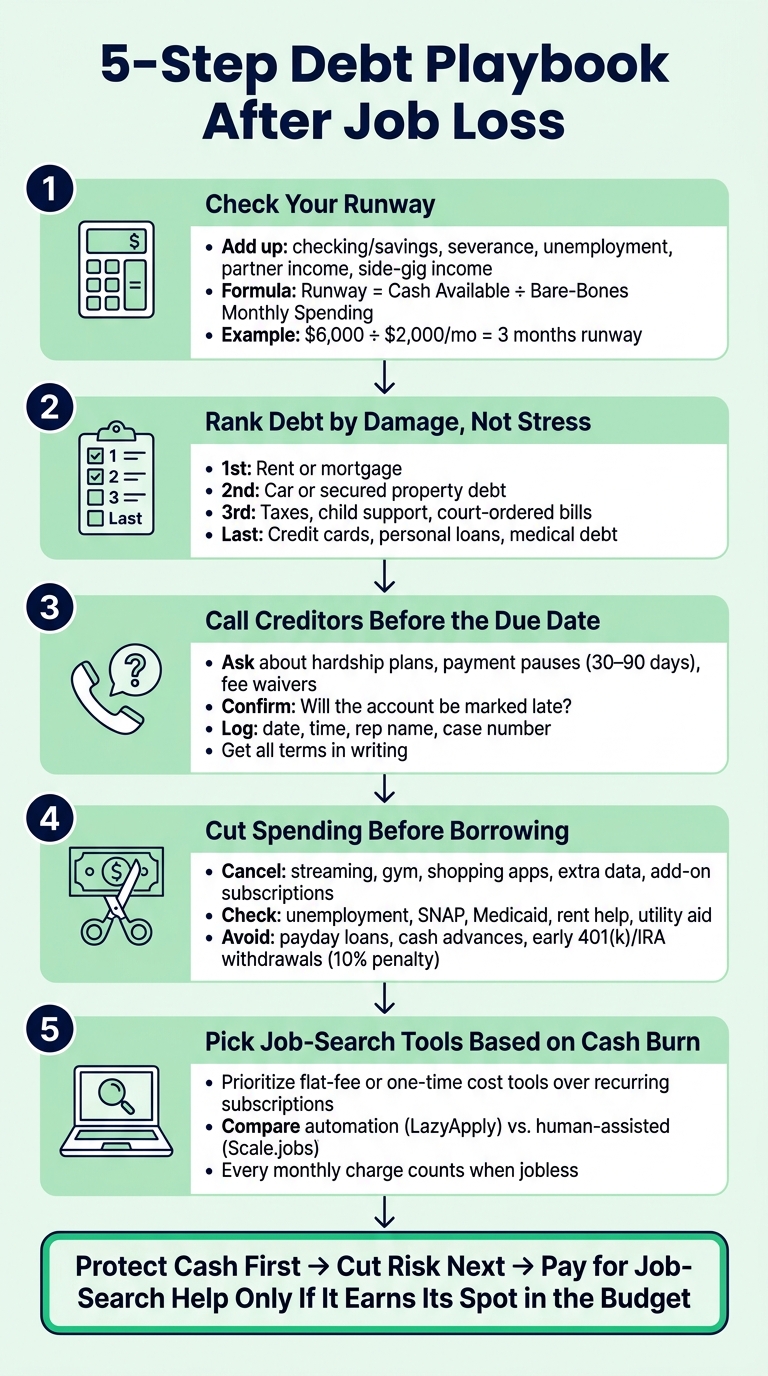
5-Step Debt Playbook After Job Loss
1) I check runway first
I add up:
- Checking and savings
- Severance
- Unemployment
- Partner income
- Side-gig income
Then I compare that total to one month of bare-bones bills.
Simple formula:
Runway = cash available ÷ bare-bones monthly spending
If I have $6,000 and my stripped-down monthly budget is $2,000, I have about 3 months of runway.
2) I rank debt by damage, not by stress
I don’t pay bills based on which one feels loudest. I pay based on which one can hurt me fastest.
- First: rent or mortgage
- Next: car payment or other debt tied to property
- Then: taxes, child support, court-ordered bills
- Last: credit cards, personal loans, medical debt
That order helps me cut the risk of eviction, repossession, or legal trouble.
3) I call creditors before the due date
When I call, I ask:
- Is there a hardship plan?
- Can I pause or cut payments for 30 to 90 days?
- Will fees be waived?
- Will the account be marked late?
- Can you send the terms by email or secure message?
Important: I log the date, time, rep name, and case number right after the call.
4) I cut spending before I borrow
I pause or cancel:
- Streaming
- Gym
- Shopping apps
- Extra phone data
- Add-on subscriptions
Then I check unemployment, SNAP, Medicaid, rent help, and utility aid.
5) I pick job-search tools based on cash burn
A recurring fee may not look like much at first. But if I’m jobless, every monthly charge counts.
If I want more support, I may compare a job search virtual assistant, a job search coach, or a Virtual Assistant for Job Applications. If I’m still doing my own resumes, an ai resume builder can help me move faster.
Is LazyApply Worth It?
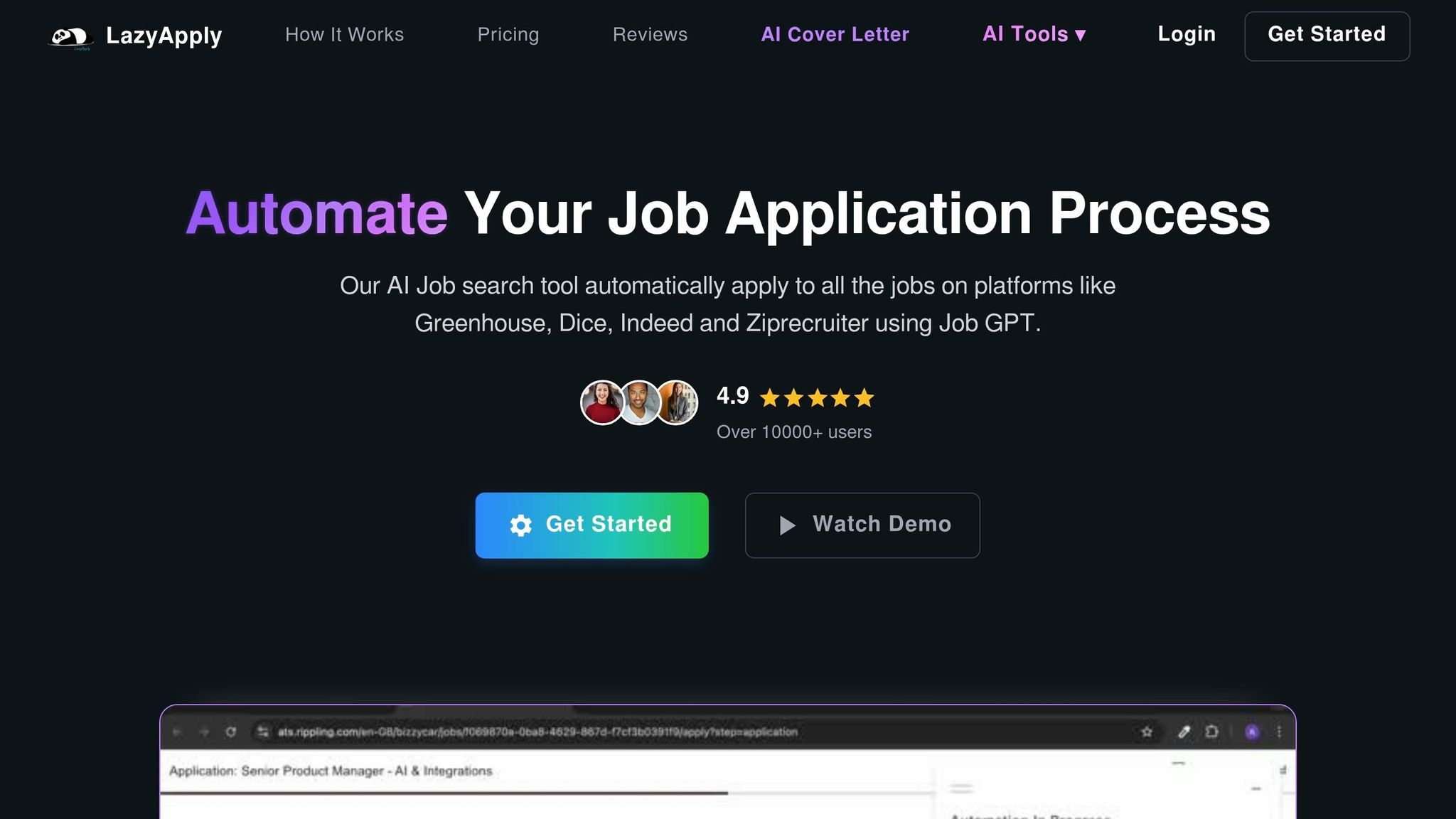
It can be, but only if I’m okay with a self-run process and a recurring charge.
LazyApply is built for volume. That works best if I want to send many applications fast and I’m willing to review the output myself.
I would lean toward LazyApply if:
- I’m applying to many similar roles
- I’m okay checking each submission
- I want software more than hands-on help
- The monthly cost fits my budget
I would pause before paying for it if:
- My runway is short
- I need tighter control over each application
- I want help with ATS forms and custom resumes
- I’m already paying for other job tools
LazyApply vs Scale.jobs
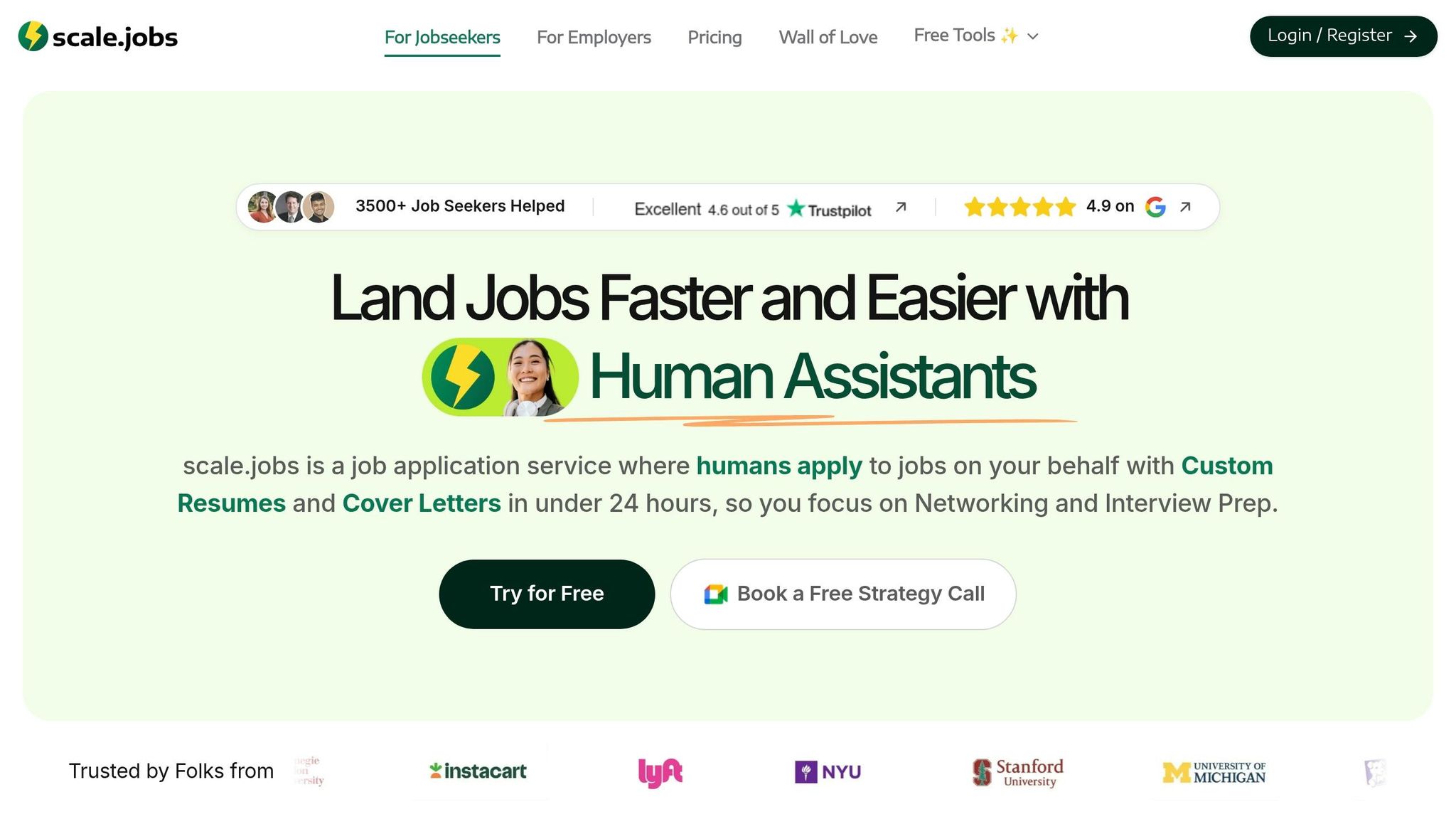
This comes down to automation vs human help.
Quick Comparison
| Criteria | LazyApply | Scale.jobs |
|---|---|---|
| Main setup | Browser automation | Human-assisted submission |
| Pricing | Recurring subscription | Flat-fee bundles |
| Best for | High-volume self-serve use | Lower hands-on work |
| Resume tailoring | Limited | Per posting |
| Proof of work | Basic logs | Screenshots and tracking |
| Good fit when cash is tight? | Maybe | Often easier to budget |
If I’m under debt pressure, the pricing model matters as much as the feature list. A one-time fee is often easier for me to plan around than another monthly bill.
TealHQ or Jobscan vs Scale.jobs
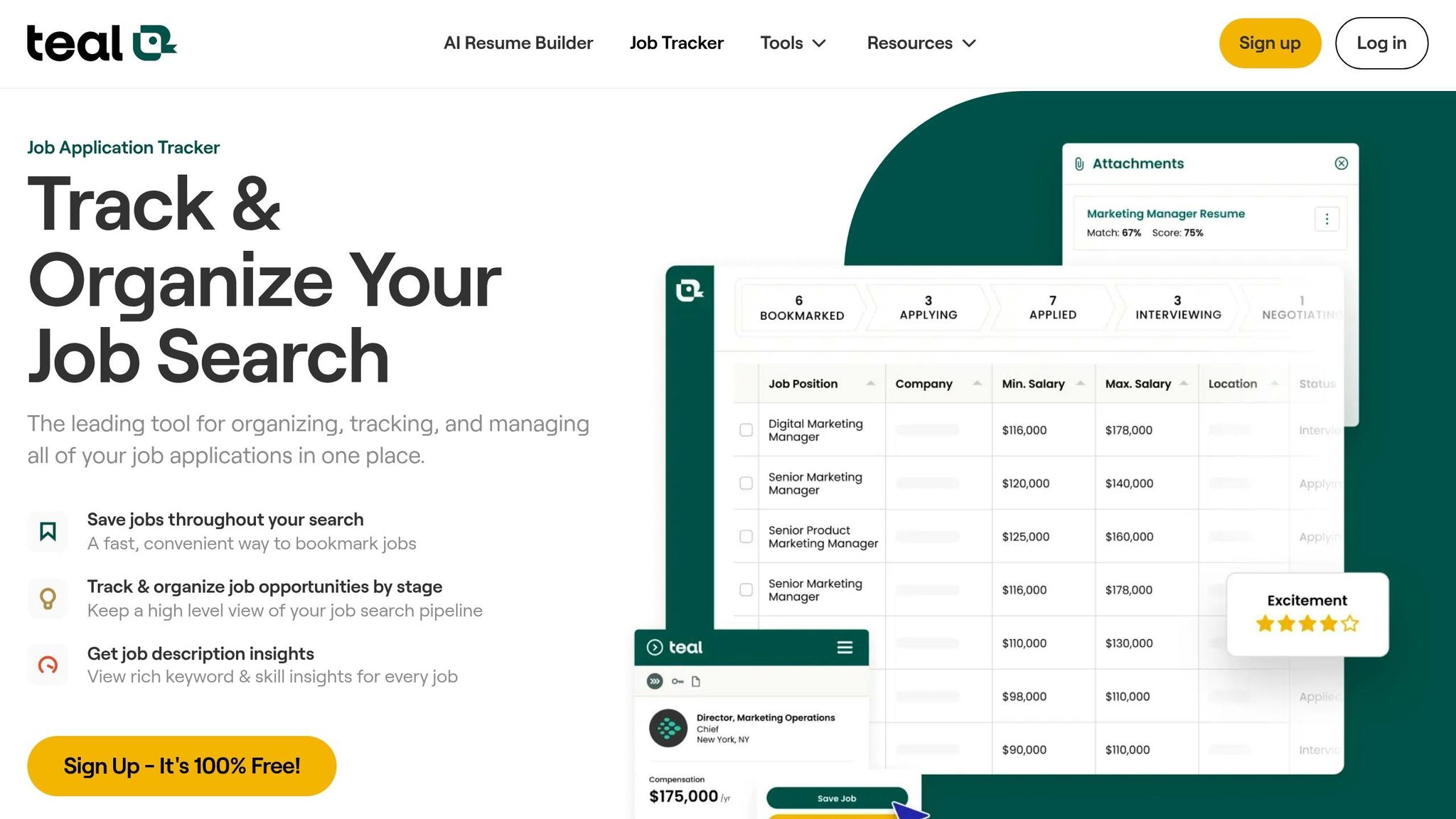
If I still want to run my own search, tools like TealHQ and Jobscan can help with tracking and keyword fit.
That said, those tools don’t remove the work of filling out portals.
I’d use job application automation tools if I want to stay hands-on and tune my resume with an ai cover letter builder or resume tool. I’d look at Scale.jobs if the main problem is time, follow-through, or submission fatigue.
A simple weekly workflow I’d use
Here’s the setup I’d follow each week:
Monday
- Review cash
- Check due dates
- Call one or two creditors
Tuesday
- Update resume
- Pull target roles from the best job boards
Wednesday
- Send applications for full time jobs
- Look at backup options like Part time jobs near me
Thursday
- Follow up on hardship requests
- Track interviews and next steps
Friday
- Cut one more expense
- Review job search results
- Adjust tool spend if needed
FAQ
Which debt should I pay first after losing my job?
I pay housing first, then car or other secured debt, then taxes or child support, and then unsecured debt like credit cards.
Should I use a credit card to cover bills after a layoff?
Only for basic needs if I have no lower-cost option left. I try hardship plans and spending cuts first.
Should I take money from my 401(k) or IRA?
I treat that as a last option. Early withdrawals can trigger taxes and often a 10% penalty.
Is Scale.jobs better than LazyApply?
Not for everyone. If I want self-serve volume, LazyApply may fit. If I want human help and a flat-fee setup, Scale.jobs may fit better.
What job-search help is worth paying for when I have debt?
I start with the lowest monthly burden. That may mean using free boards, a single resume tool, or a virtual assistant for job seekers only if it saves enough time to justify the cost.
My bottom line
If I lose my job, I don’t start with apps or debt panic. I start with cash, bills, and creditor calls.
Then I build a job search system that fits what I can afford now.
Protect cash first. Cut risk next. Then pay for job-search help only if it earns its spot in the budget.
1. Sort out your cash and debt before you pay another bill
Check your runway and build a bare-bones monthly budget
Start with one simple task: list every dollar you have access to right now.
That includes severance, unemployment, partner income, side-gig income, and savings you can tap. The point is to get a clear picture of what’s coming in and what you can use.
Next, build a bare-bones monthly budget. Focus ONLY on core bills:
- Rent or mortgage
- Utilities
- Groceries
- Transportation
- Insurance
- Phone
- Internet
This gives you your runway, or how long your cash can cover the basics. Once you know that number, it gets easier to decide what can wait and what needs attention before the next due date.
If you're between roles and trying to cut the gap, it can help to tighten both sides at once: lower monthly burn and speed up your search. That’s where tools like a job search platform or a job application service may fit, especially if you need to apply at volume without letting admin work eat your day.
Rank debts by consequence
Not every late payment hits the same way.
If money is short, sort debts by what happens if you miss them. Housing usually comes first. Unsecured debt, in most cases, comes later.
| Priority | Debt Type | Why It's Urgent |
|---|---|---|
| 1 | Housing | Missing rent or a mortgage payment can threaten where you live |
| 2 | Secured debt | Car loan, auto loan, or other debts tied to an asset you could lose |
| 3 | Legal obligations | Taxes, child support, and court-ordered payments carry serious penalties |
| 4 | Unsecured debt | Credit cards, personal loans, and medical bills - lowest immediate consequence |
This is basic bill triage. You’re not asking, “Which bill annoys me most?” You’re asking, “Which missed payment creates the biggest problem fastest?”
Once the high-risk bills are handled, you can work down the list and decide what to pay, defer, or try to negotiate.
Use a bill triage checklist before making any calls
Before you call anyone, gather the facts for each bill in one place.
Write down the bill name, amount due, due date, creditor, and what happens if you miss it. That keeps the call focused and helps you avoid blanking when a rep starts asking questions.
A simple checklist should include:
- Bill name
- Amount due
- Due date
- Creditor
- Result of missing the payment
Then contact the highest-priority creditors first.
If you’re out of work, this same mindset applies to your search too: deal with the highest-impact tasks first. That may mean using an ai resume builder, getting help from a job search coach, or using support from a virtual assistant for job seekers so you can spend more time on interviews and less time buried in paperwork.
2. Call creditors and document creditor terms
Once the call ends, pin down the details before you send the next payment.
If a creditor agrees to any relief, ask for the updated payment amount, the length of the pause, and any fee waivers in writing through email or a secure message. A phone promise may sound clear in the moment, but it won’t help much if there’s a dispute later. Wait for written confirmation from the creditor before you rely on the new terms.
Log every call to preserve the terms
Write down every call right away while the details are still fresh. Include the date, time, representative’s name, case number, and the exact terms they gave you. If a payment gets applied the wrong way later, that record can help you show what was agreed to.
3. Avoid costly shortcuts while you replace income
After hardship requests, the next step is simple: don’t solve this month’s gap by making next month even harder. When income drops, the fastest option often comes with the highest cost.
Skip payday loans, high-fee cash advances, and unplanned credit card spending
Start by ruling out payday loans. These loans can come with triple-digit APRs, and they’re built around a short repayment window. If you don’t have steady income coming in, rollover fees can pile up fast.
Credit-card cash advances should also be near the bottom of your list. Use them only if you have no other way to cover basic needs. The same goes for new card spending: don’t add charges unless they pay for essentials. Borrowing should come after you’ve gone through relief options and cut your budget as much as you can.
Think carefully before tapping your 401(k) or IRA
Treat 401(k) and IRA withdrawals as a last resort. In the U.S., early withdrawals can trigger income taxes and an early withdrawal penalty, often 10%. That’s the near-term hit.
There’s also the long-term cost. When you pull money from retirement savings, you shrink what’s left for later. So before touching those accounts, work through hardship programs, payment pauses, and spending cuts first.
Free up cash through benefits and cost cuts before taking on new debt
If you still need cash after budget cuts and relief calls, go line by line through every nonessential expense. Cut spending before you borrow. Then check one more time for support programs such as unemployment, SNAP, Medicaid, and utility or rent assistance.
A short reset can help here:
- Pause every nonessential subscription or service
- Cancel streaming
- Put gym memberships on hold
- Downgrade phone, internet, or other monthly plans
- Defer any nonessential purchase
Keep only the expenses you marked as essential in your bare-bones budget.
4. Is LazyApply worth it when you are under debt pressure? Reviews, alternatives, and why some job seekers switch to scale.jobs
When you're cutting costs and sorting bills, every tool has to earn its place. A job-search subscription is no different. If debt pressure is high, it helps to compare LazyApply's automation with scale.jobs' human-assisted workflow before you spend money on another tool. Pick the wrong setup, and you may add monthly cost without getting better results from your job search.
LazyApply vs scale.jobs: why some laid-off job seekers switch from automation to human-assisted applications
LazyApply's biggest draw is speed. It helps with high-volume outreach, which can work if your goal is to <a href="/apply-for-jobs">apply for jobs</a> at scale and you're fine checking the submissions yourself.
Where scale.jobs fits better when you're under debt pressure:
- Human assistants review each application before submission.
- Resumes and cover letters are customized for each posting.
- You get proof-of-work tracking through WhatsApp updates and time-stamped screenshots.
- Human submission handles ATS portals and niche boards more consistently than browser automation.
| Feature | LazyApply | scale.jobs |
|---|---|---|
| Human involvement | None; browser automation | Human assistants |
| Resume customization depth | Limited / template-driven | Per-posting, ATS-optimized |
| ATS handling | Depends on automation | Human-verified |
| Application execution method | Browser automation | Manual submission by human assistants |
| Transparency and proof of work | Automated logs | Screenshots + dashboard |
| Pricing model | Subscription-based | One-time, capped bundles |
Who should use LazyApply: Job seekers who want high-volume outreach fast, are comfortable reviewing submissions themselves, and don't mind a recurring subscription.
Who should use scale.jobs: Job seekers dealing with debt, wanting human oversight, and needing proof that applications were submitted correctly without adding monthly overhead. This setup can make more sense if you're looking for a <a href="/job-application-service">job application service</a> instead of another self-serve tool.
If you want to keep handling applications yourself but want better organization or stronger resume fit, the next two tools cover that lane.
TealHQ and Jobscan vs scale.jobs: where software helps and where human oversight changes the outcome
TealHQ is built for tracking. Jobscan is built for keyword fit. If you still want to manage submissions on your own, both can help.
Where scale.jobs fits better when execution is the bottleneck:
- Human assistants handle submissions, so you don't have to manage every portal yourself.
- Resumes and cover letters are tailored per posting, not just keyword-adjusted.
- Proof-of-work tracking gives you verifiable records without self-managed logging.
Who should use TealHQ or Jobscan: Job seekers who want to organize their search and improve resume matching while still doing their own applications. That can work well if you're already using an <a href="/ai-resume-builder">ai resume builder</a> or an <a href="/ai-cover-letter-builder">ai cover letter builder</a> and just need better workflow control.
Who should use scale.jobs: Job seekers who want submissions handled for them, need clear records, and want less manual work while replacing income. For people who feel stuck juggling portals, this can feel closer to having a <a href="/job-search-virtual-assistant">job search virtual assistant</a> than using a standard job search platform.
Use the checklist below if your main goal is to cut monthly cost and reduce manual work during your search.
Switch to scale.jobs if...
- you're managing high-interest debt and want to avoid another recurring subscription;
- automated submissions are producing poor results because of ATS formatting issues;
- you need verifiable job-search records for your own tracking or benefits documentation;
- you don't have time to run a self-serve workflow every day.
Decision summary
Choose LazyApply for fast, self-reviewed volume. Choose TealHQ or Jobscan for tracking and keyword tuning. Choose scale.jobs for human submission, one-time capped pricing, and proof of work.
If you're comparing tools under financial strain, that last point matters more than it might in a normal market. A recurring fee can look small at first, but when you're trying to land <a href="/full-time-jobs">full time jobs</a> or even bridge the gap with short-term work, fixed-cost help is often easier to plan around.
Conclusion: protect cash first, negotiate early, and pick a job-search system that fits your financial situation
Start with the basics this week: build a bare-bones budget, sort your debts by how much damage they can do, and call creditors before you miss a payment. Put housing and secured debt at the top of the list. Unsecured debt, like credit cards and medical bills, can usually wait a few days while you get your plan in place.
Stay away from payday loans and retirement withdrawals unless you've run through every lower-cost option. First, try to free up cash through benefit claims, bill relief, and spending cuts. New borrowing should be the last move, not the first.
After your must-pay bills are covered, look at your job-search setup the same way you'd look at any other monthly expense. If you're comparing LazyApply with Scale.jobs, the right pick comes down to how hands-on you want to be and what you can afford. If LazyApply fits your budget and you're fine running a self-serve process, it may do the job. If you want human help with job applications, ATS-tuned documents, WhatsApp support, and proof-of-work tracking in a flat-fee model, Scale.jobs is built for that kind of workflow. For some people, that can be a better fit than paying for another tool that still leaves most of the work on their plate.
The goal is simple: protect cash, cut penalties, and pick a job search platform or job application service that helps you apply for jobs without adding more monthly strain.