
Backend Developer Resume Examples, Templates & Writing Guide

Written by: Scale.jobs EditorialLast updated: May 1, 2026







Introduction
Create a powerful backend developer resume that showcases your expertise in server-side architecture, database optimization, API design, and building reliable distributed systems at scale.
This guide walks you through every major section of a backend developer resume, with practical tips you can apply today.
- How to highlight API design decisions and their impact on system reliability
- Strategies for presenting database optimization achievements with measurable query improvements
- Techniques for quantifying backend contributions using throughput, latency, and error rate metrics
- Best practices for describing microservices architecture and distributed system experience
- Methods for showcasing security implementations including authentication and data protection
- How to demonstrate scalability expertise through load handling and infrastructure achievements
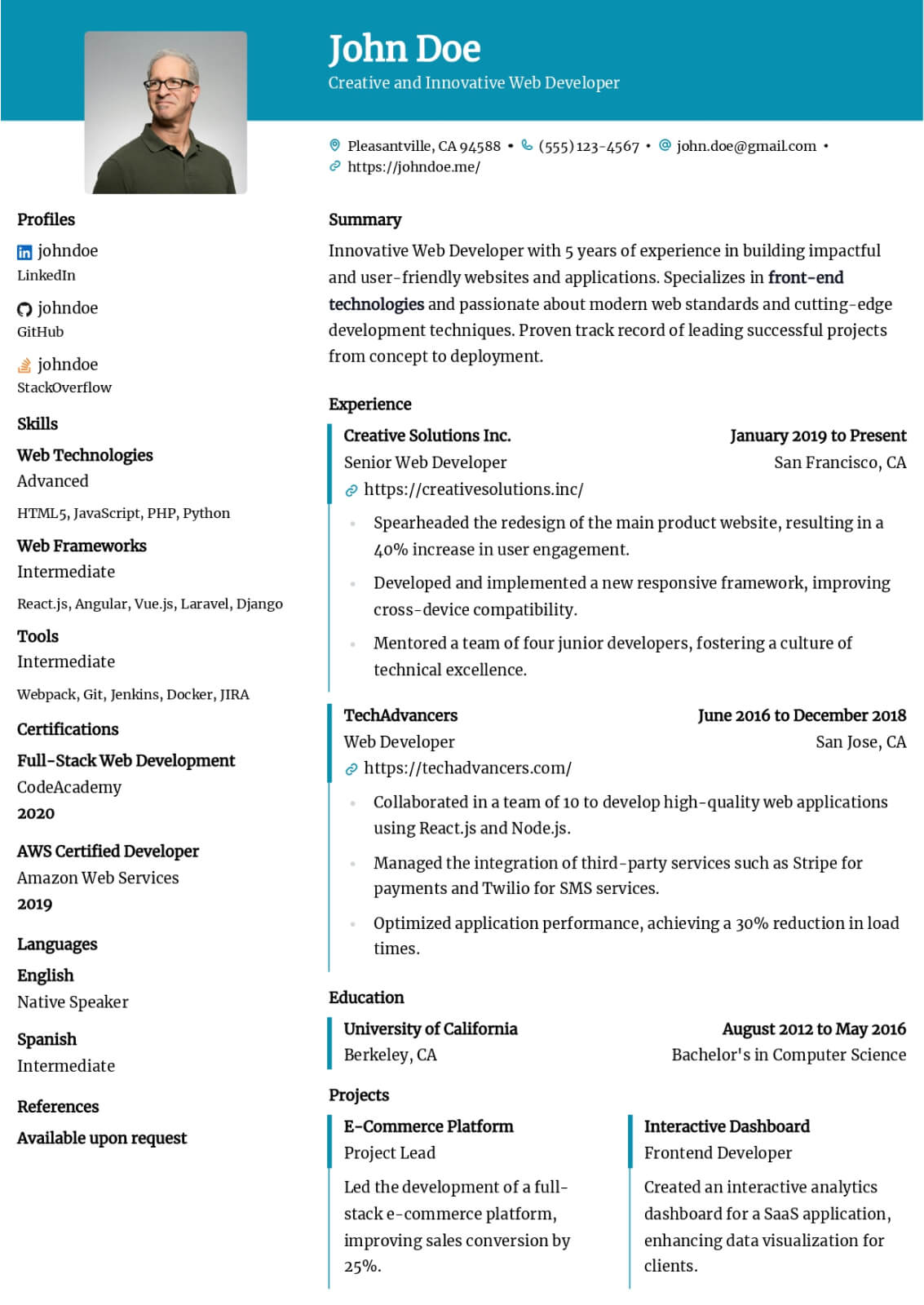
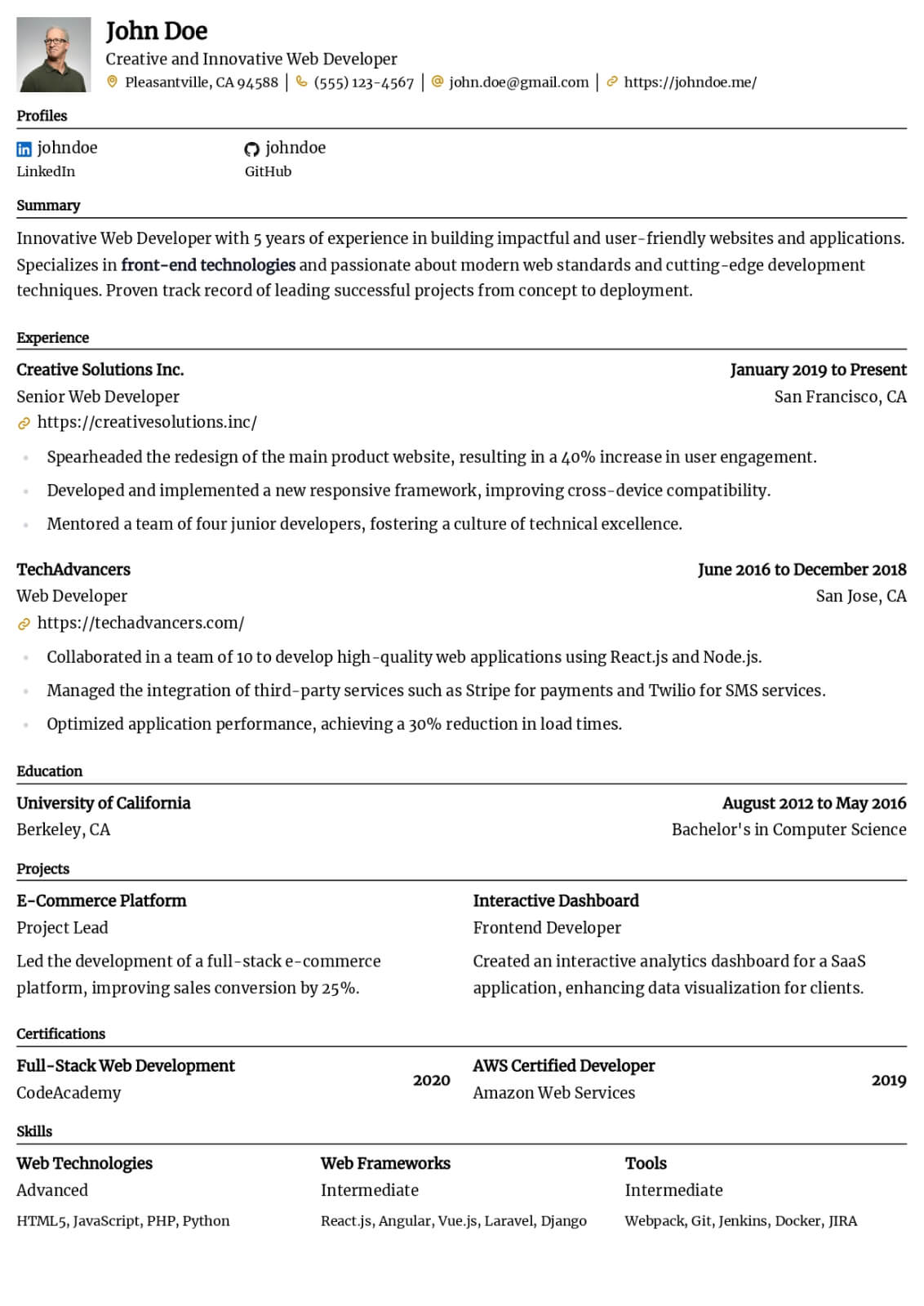
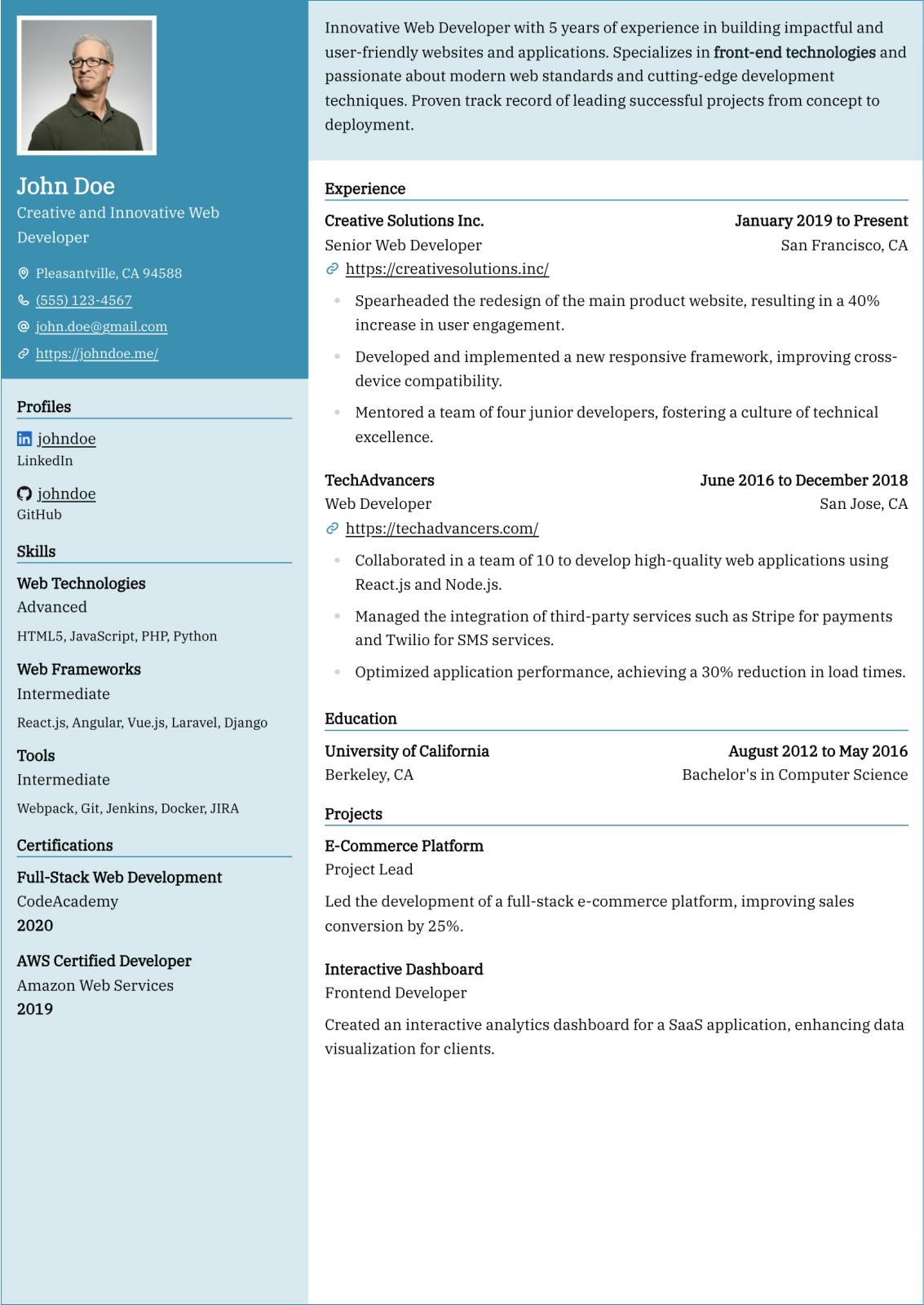
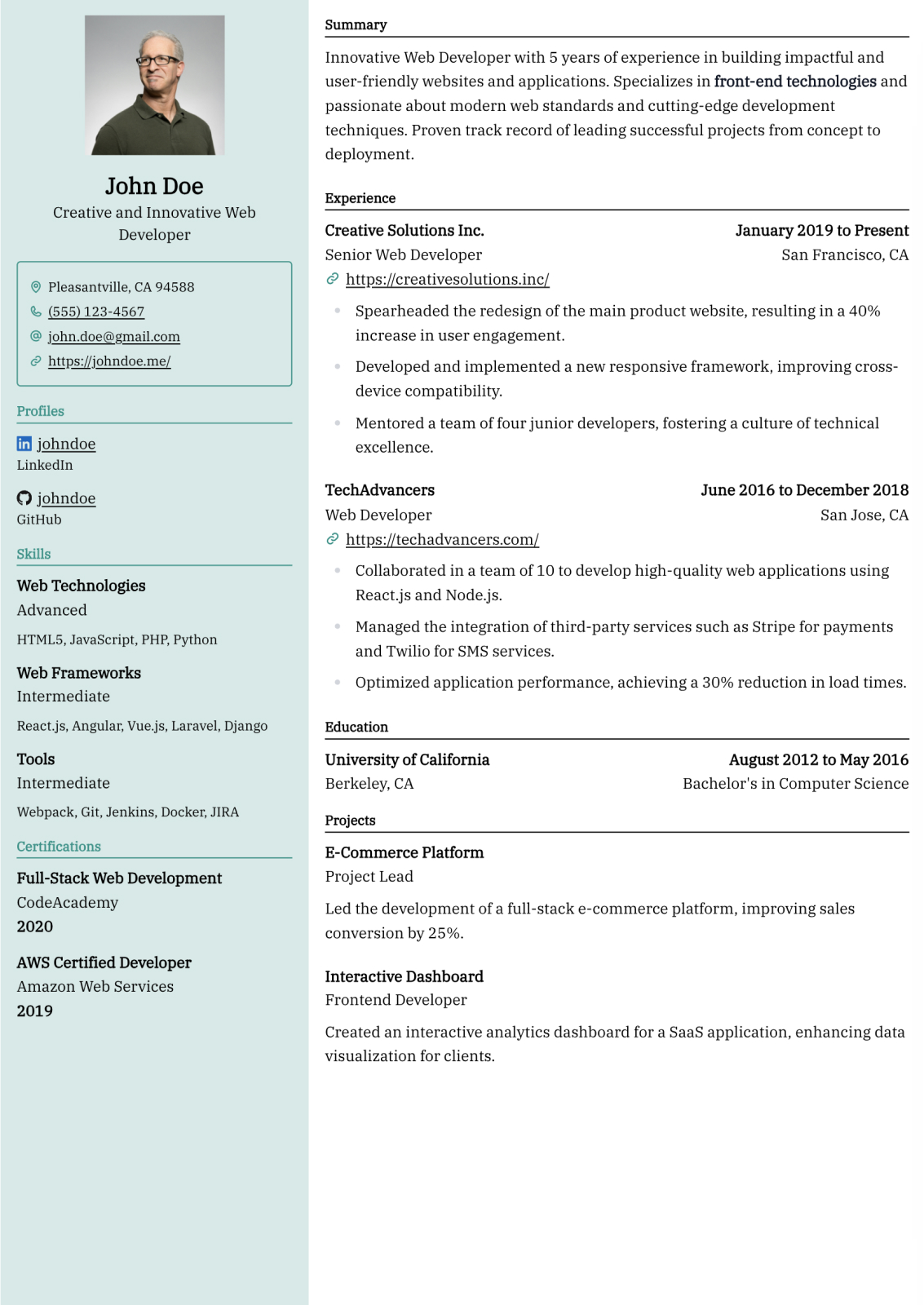
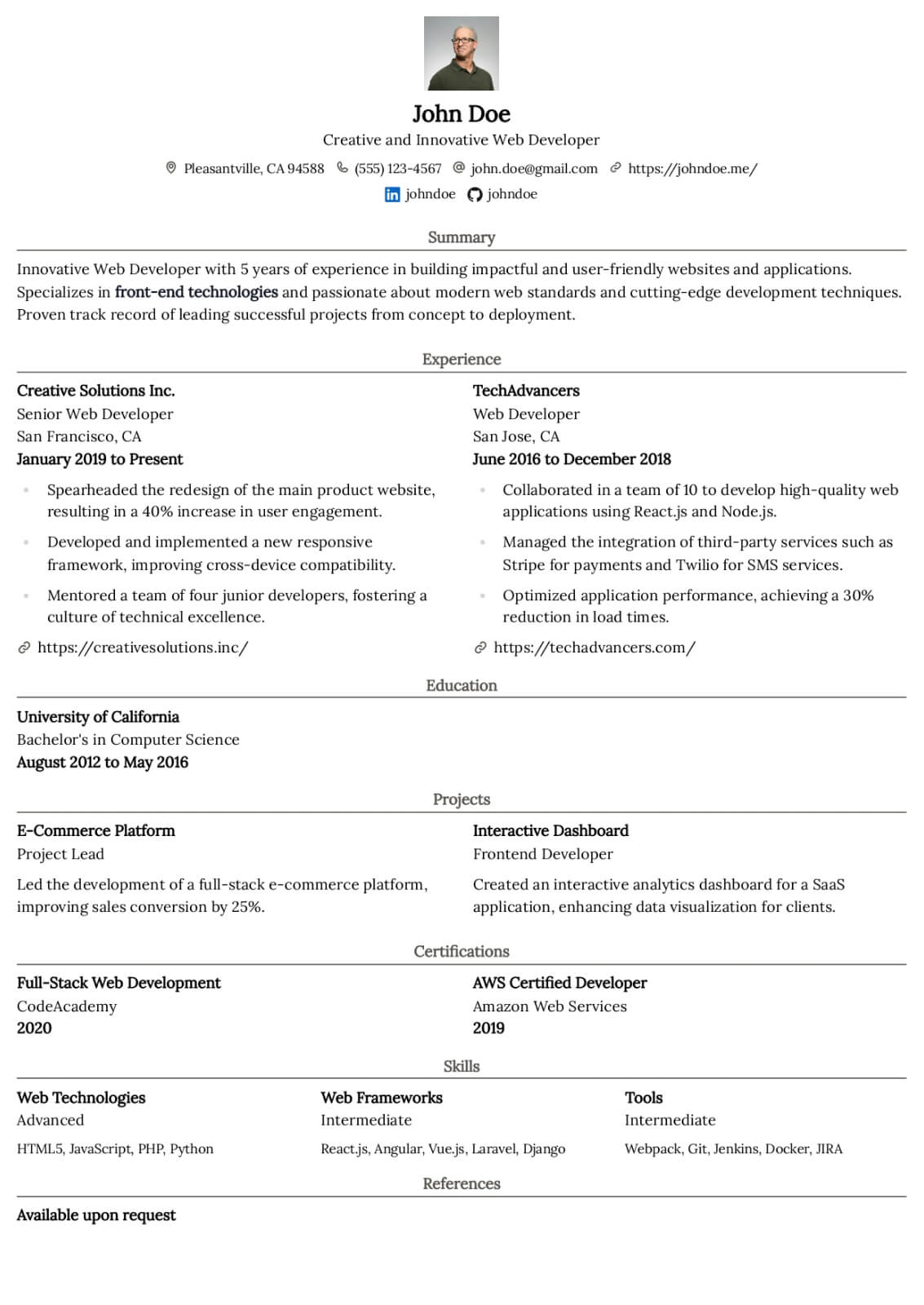
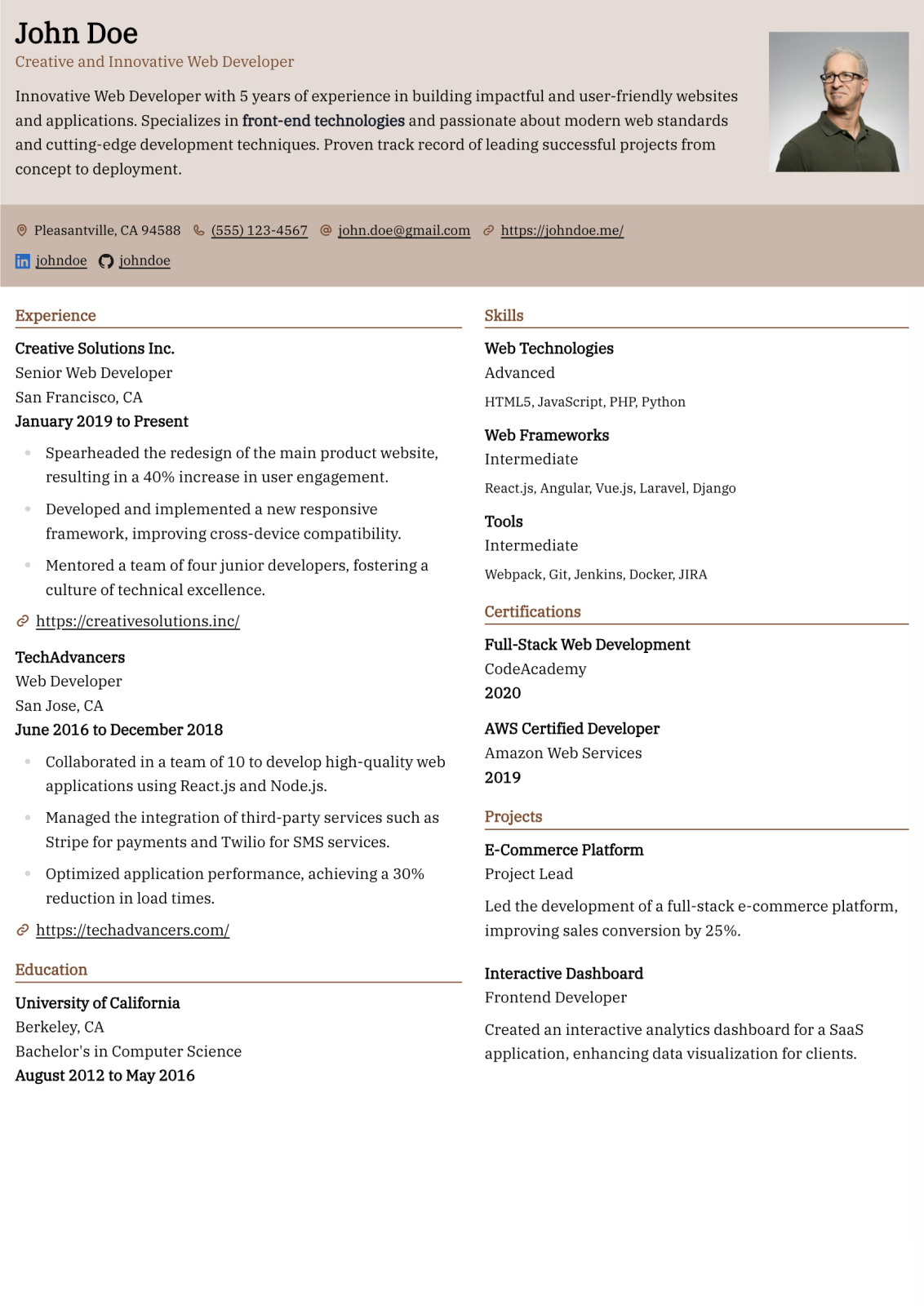
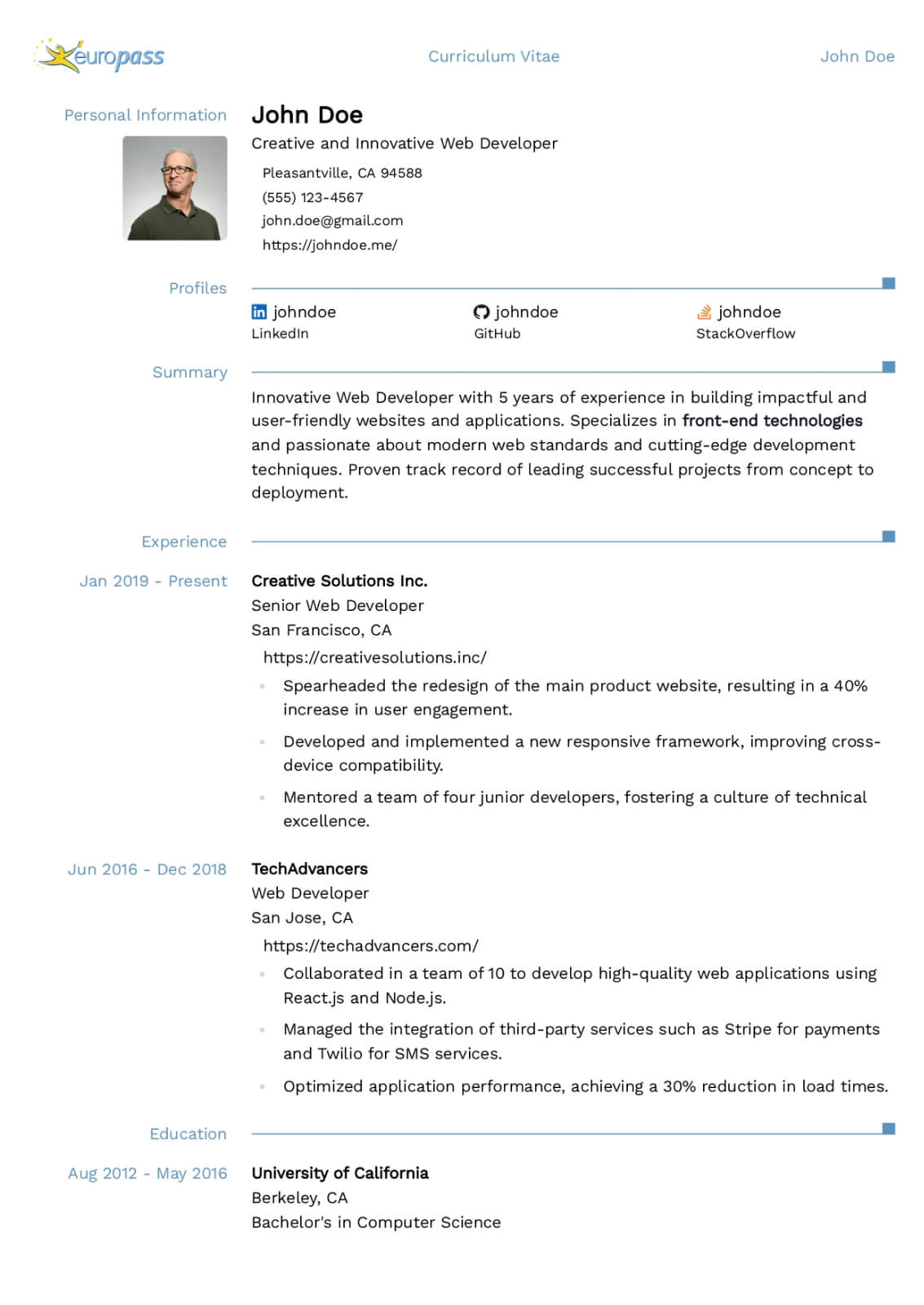
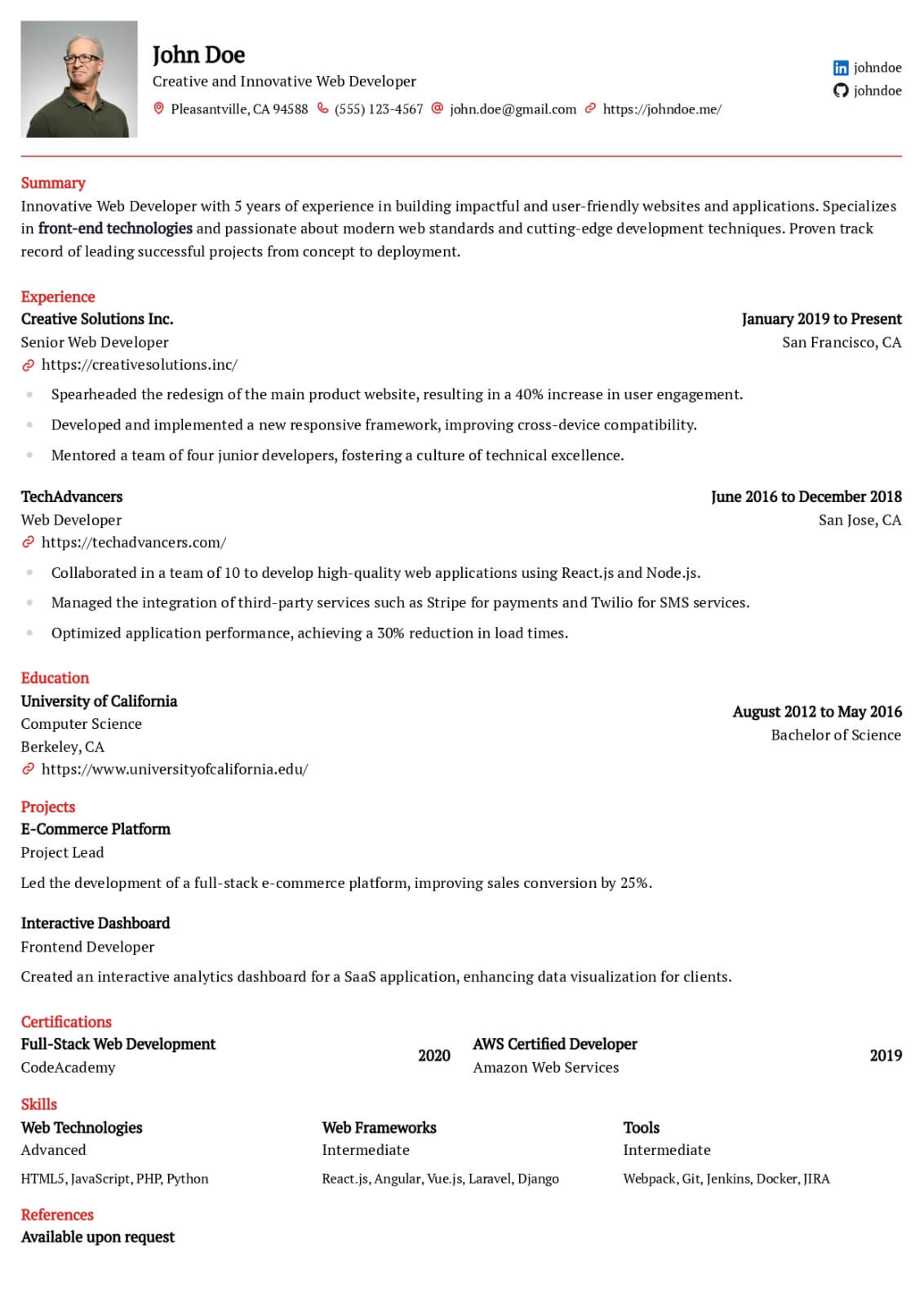
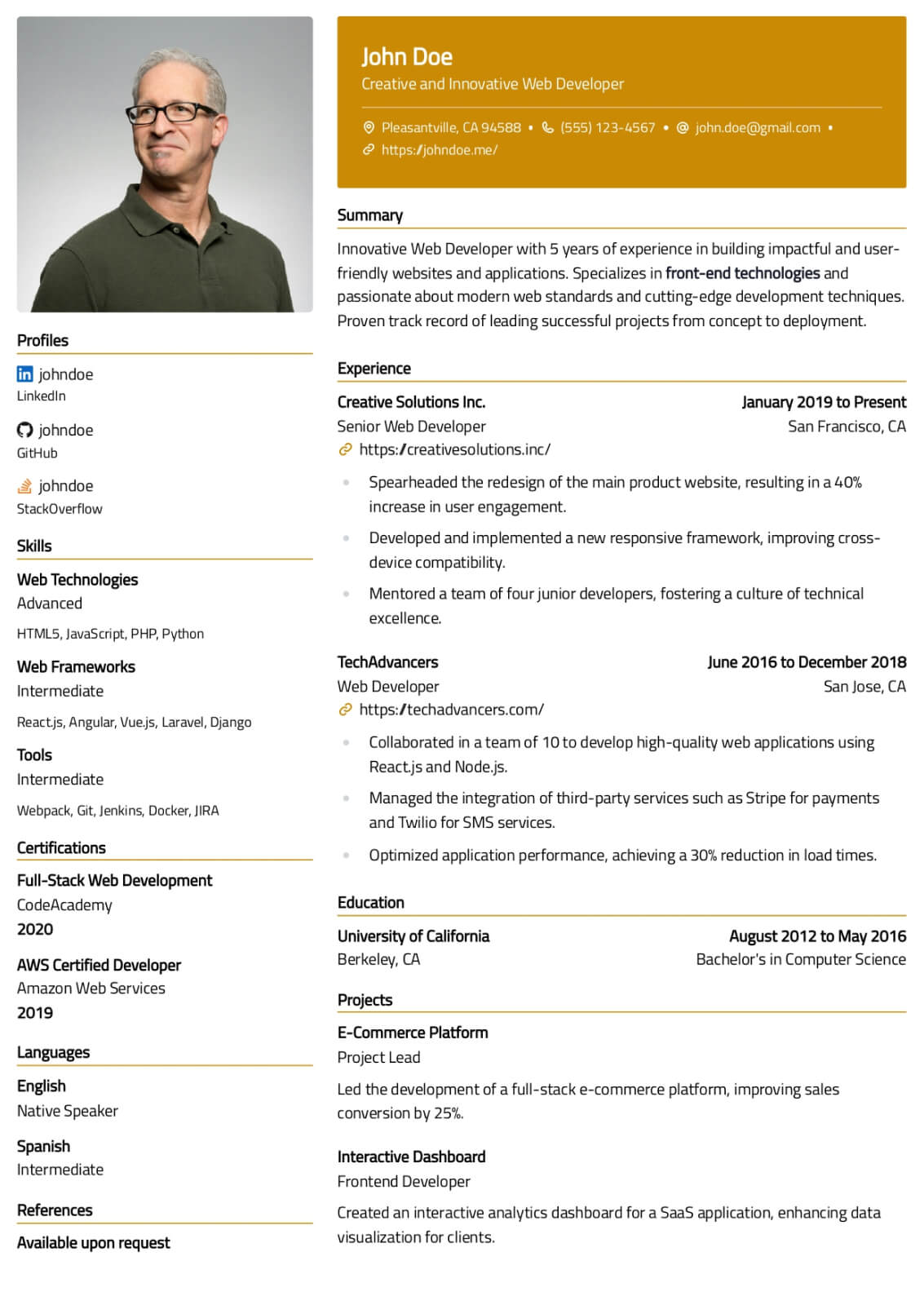
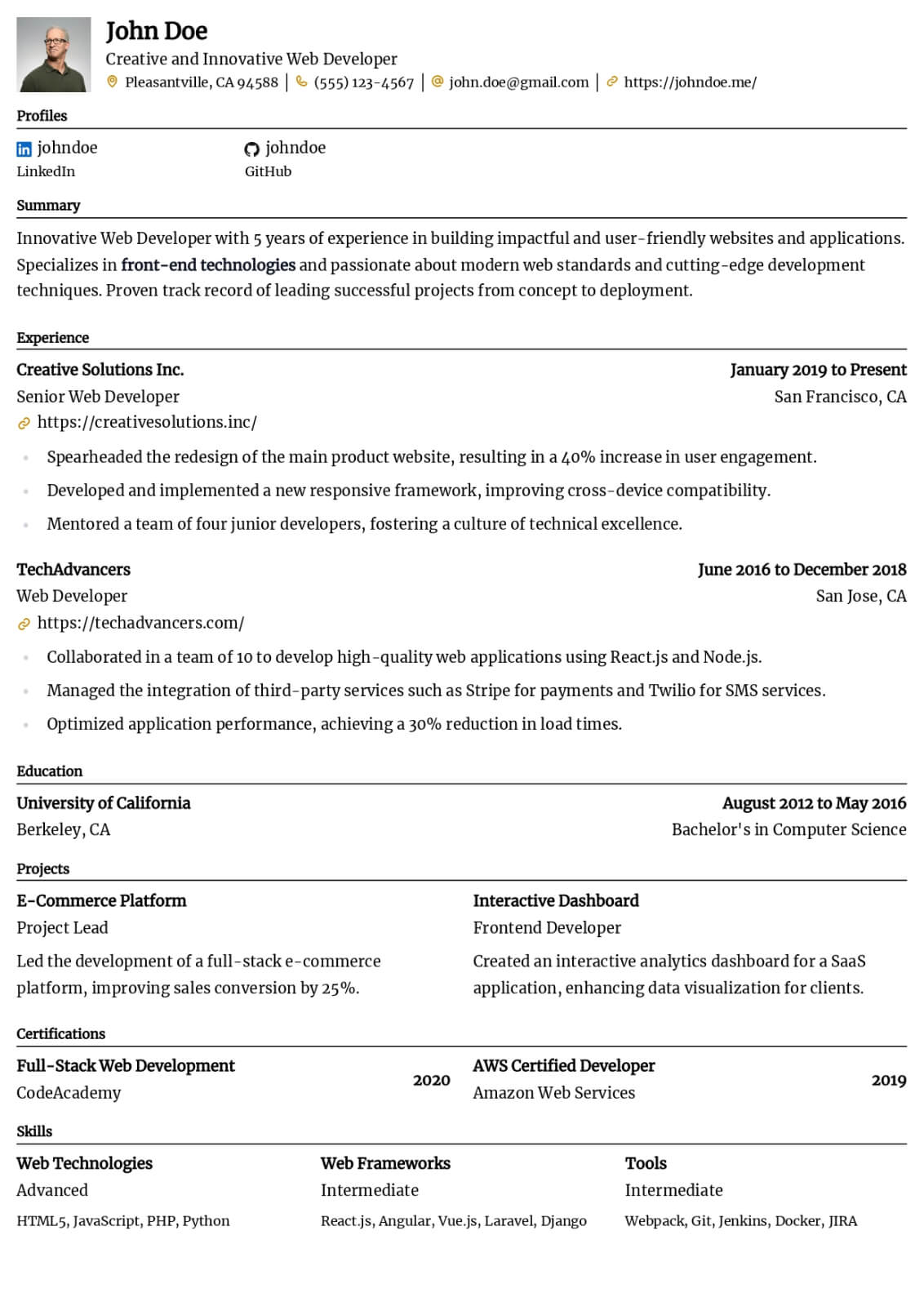
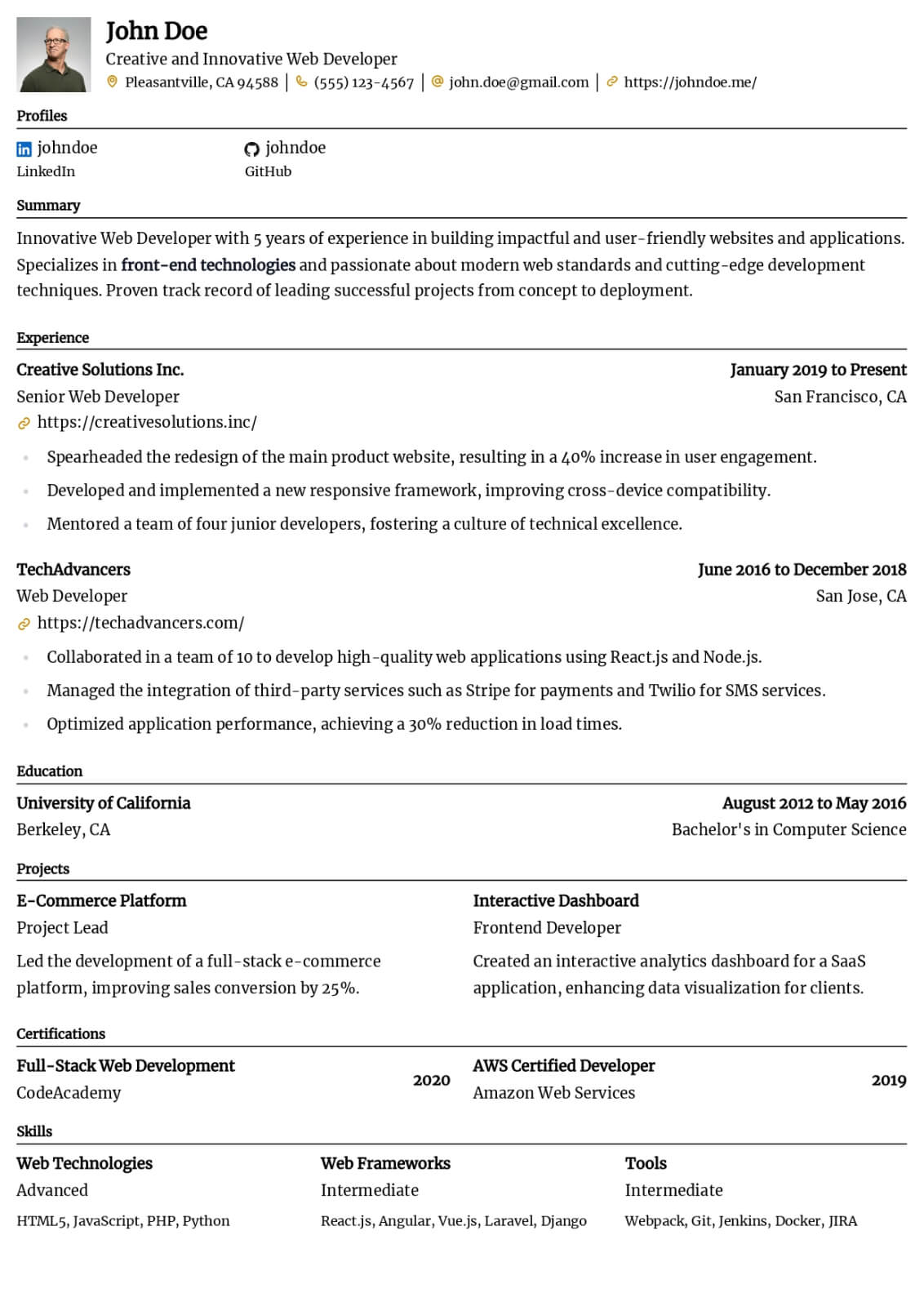
Backend Developer resume guide
Below, you will find section-by-section guidance for your backend developer resume — from your opening summary through skills and experience. Tailor every line to the job you want.
Professional Summary
Your professional summary should immediately establish your backend engineering identity by stating your years of experience and primary server-side languages such as Java, Python, Go, or Node.js. Reference the types of systems you have built, whether they are high-throughput REST APIs, event-driven microservices, or real-time data processing pipelines. Include one quantified achievement that demonstrates scale, such as designed a payment processing API handling fifty thousand transactions per minute with ninety-nine point nine nine percent uptime. Mention your database expertise spanning relational and NoSQL technologies to signal architectural versatility. Indicate your experience with cloud-native development practices including containerization and orchestration. Close with a statement about the engineering challenges you seek, which helps hiring managers assess cultural and technical fit simultaneously.
Work Experience
Present your backend roles in reverse chronological order with company names, titles, and dates clearly displayed. Each role should have four to six bullet points that open with strong action verbs like engineered, scaled, migrated, instrumented, or deployed. Every bullet must connect an action to an outcome: designed and implemented a caching layer using Redis that reduced database load by sixty percent and decreased average API response time from four hundred milliseconds to eighty milliseconds. Describe the architecture patterns you implemented such as event sourcing, CQRS, or saga patterns for distributed transactions. Highlight your work on non-functional requirements including observability with tools like Datadog or Grafana, automated alerting, and incident response. Show cross-functional collaboration by describing how you worked with frontend teams to design API contracts or partnered with DevOps to improve deployment pipelines.
Technical Skills
Organize backend skills into clear categories including programming languages, frameworks, databases, message brokers, cloud services, and DevOps tooling. List primary languages like Java, Python, Go, C#, or Node.js with frameworks such as Spring Boot, Django, FastAPI, Express, or Gin. Under databases include both relational systems like PostgreSQL and MySQL and NoSQL options like MongoDB, DynamoDB, or Cassandra. Add message brokers and streaming platforms such as Apache Kafka, RabbitMQ, or AWS SQS that you have used in production. Include cloud services you have deployed to production with, specifying AWS services like Lambda, ECS, RDS, or their equivalents in GCP or Azure. List observability and testing tools such as Prometheus, Grafana, JUnit, or pytest to show that you prioritize reliability and code quality in your engineering practice.
System Design & Architecture
Backend developers are evaluated heavily on their ability to design scalable, resilient systems, so a dedicated section highlighting architectural contributions can differentiate your resume. Describe two to three significant system design efforts including the problem context, architectural approach, and measurable results. For example, you might describe migrating a monolithic order processing system to an event-driven microservices architecture using Kafka and gRPC, reducing deployment lead time from two weeks to four hours. Include details about data modeling decisions, caching strategies, and consistency trade-offs you navigated. Reference specific patterns like circuit breakers, bulkhead isolation, or read replicas that demonstrate advanced backend engineering knowledge. This section is particularly valuable for mid-level and senior candidates seeking to demonstrate they can architect systems rather than simply implement features.
Certifications & Education
Certifications in cloud platforms and distributed systems carry significant weight for backend developers. List credentials such as AWS Certified Developer Associate, Google Professional Cloud Architect, or Certified Kubernetes Administrator alongside the issuing organization and year earned. These certifications validate your ability to build and operate backend systems in cloud environments that employers rely on. In the education section, include your degree, institution, and graduation year. Computer science, software engineering, or information systems degrees are standard but not mandatory. For experienced backend developers with deep professional track records, keep education brief and position it below your technical accomplishments. If you completed relevant graduate coursework in distributed systems, databases, or operating systems, mention it to reinforce your architectural foundation.
Formatting & ATS Optimization
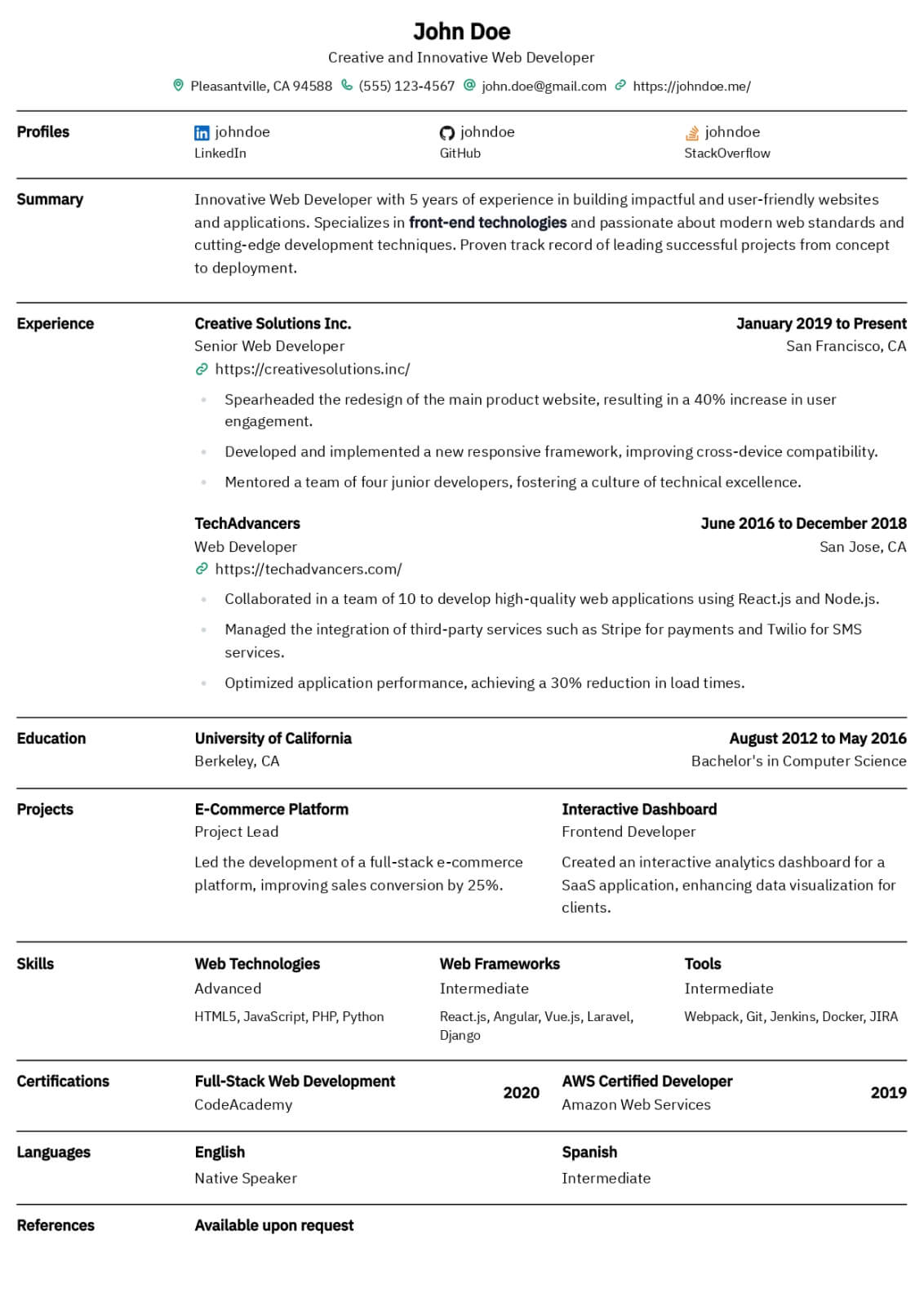
Backend developer resumes should prioritize readability and ATS compatibility over visual flair. Use a single-column format with standard section headings that automated parsers can identify reliably. Embed technology keywords naturally within your experience descriptions rather than stuffing them into an isolated list, as contextual usage carries more weight with both ATS algorithms and human reviewers. Include exact technology names as they appear in the job posting, for example writing PostgreSQL rather than Postgres if that is how the employer phrased it. Save your resume as a PDF and keep it to one page for candidates with fewer than eight years of experience. Test your final document with an ATS parsing tool to confirm that all sections, dates, and skills extract correctly before submitting your application.
Resume layout and formatting
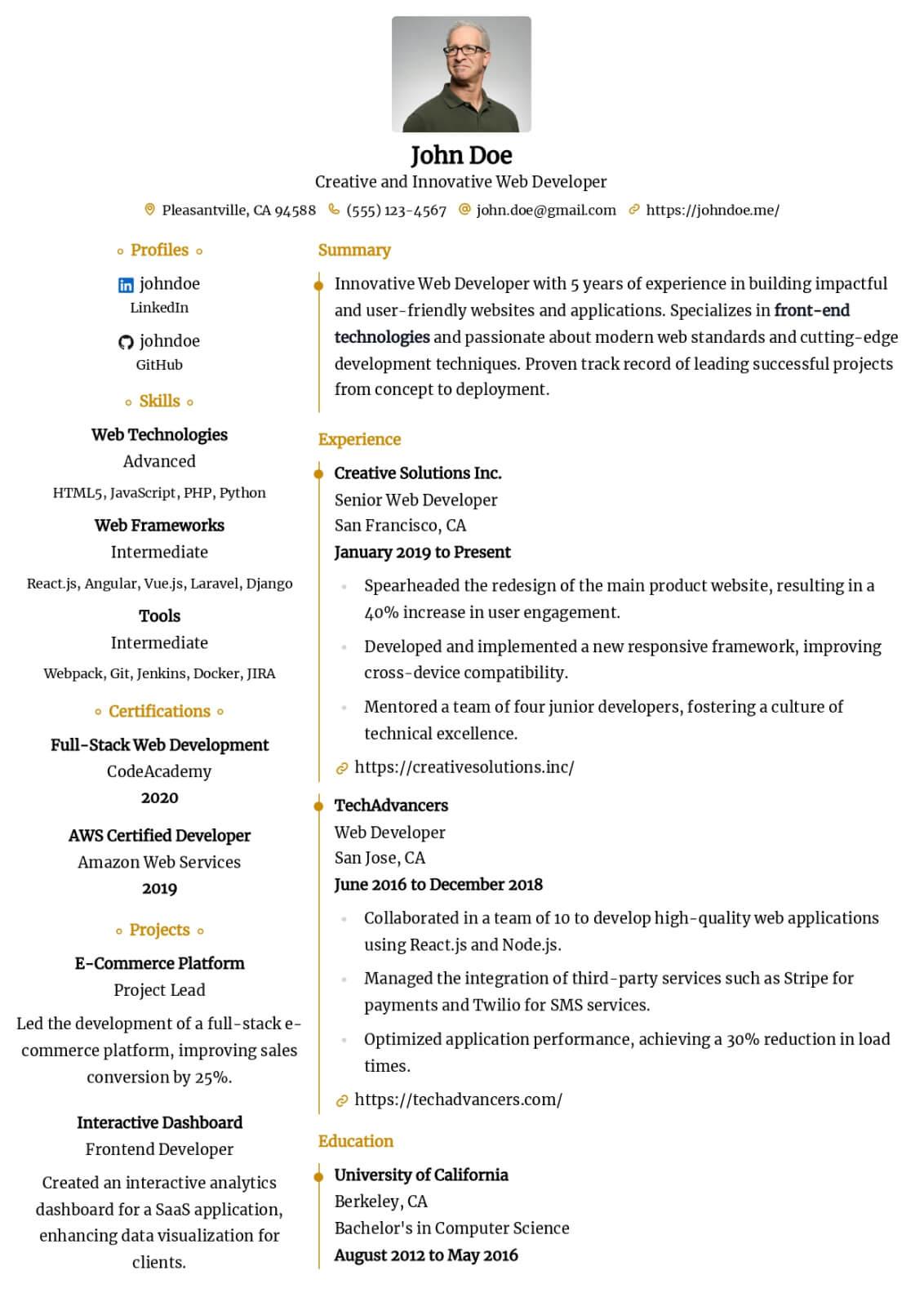
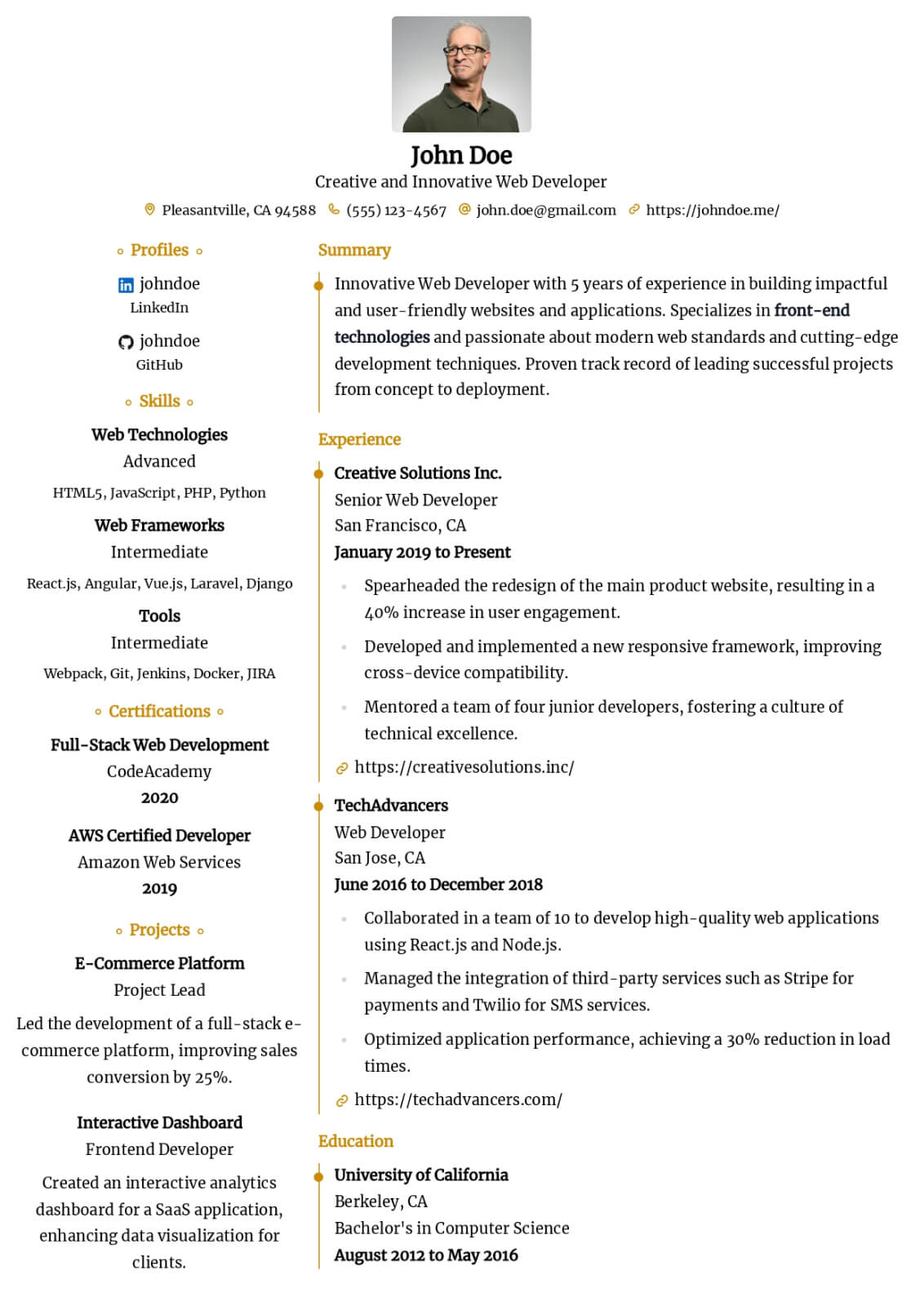
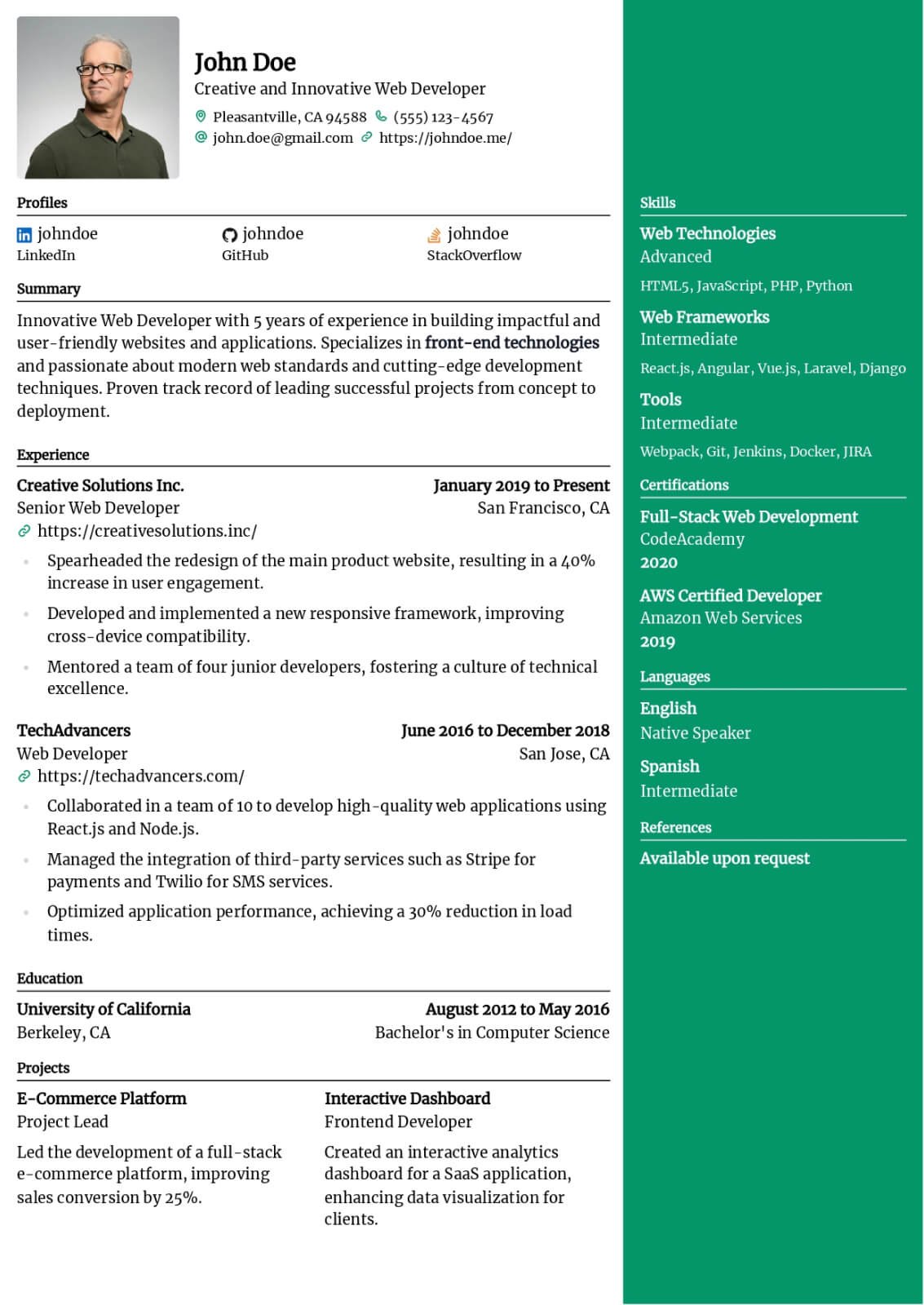
Use a clean, single-column layout with clear section headings and plenty of white space. Lead with technical strengths such as Java, Python, or Go, Spring Boot / Django / Express, RESTful API & gRPC Design, PostgreSQL & MySQL, MongoDB or DynamoDB, Apache Kafka & RabbitMQ, then reinforce interpersonal strengths like Analytical Thinking, System-Level Problem Solving, Cross-Team Communication, Incident Response & Ownership. Keep fonts standard (e.g., Arial or Calibri) at 10–12pt body size so your resume stays ATS-friendly and easy to scan.
Key takeaways
- Open your summary with primary server-side languages and system scale metrics
- Attach latency, throughput, and uptime numbers to every experience bullet point
- Dedicate space to system design achievements that demonstrate architectural thinking
- List database technologies with context about optimization work you performed
- Mirror cloud service names from job postings to maximize ATS keyword matching
- Keep formatting simple and ATS-friendly with a clean single-column layout
Build your Backend Developer resume with Scale
Open your summary with primary server-side languages and system scale metrics
Use This Template
Professional Templates That Make You Stand Out
Browse modern, ATS-friendly resume designs crafted to impress recruiters. Customize any template and download it as a Word or PDF file.
Listen What Our Users Have to Say

Rohan Sen
I am very happy with the team's quick turnaround time - any query is responded at utmost priority. Shoutout to my client manager, Anub Biju - very helpful.

Gael L
Service and communication is great, cover letters are non-ai sounding and well tailored. Just have a lot of communication and review with your staff!

Jonathan Parry
Wow - don't tell your peers! Wow, I can't recommend scale.jobs enough - it's so good I am not sharing with my peers. Applications at scale that get through filters. Thank you!

Cynthia Zhu
Great service! The scale.jobs team was very responsible and managed to apply tons of jobs for me in a very tight deadline to help me secure interviews quickly. Highly recommend to anyone who needs help applying to jobs!

Yash Yenugu
Save your fingers. Saved me from a thumb cramp because we're expected to effortlessly apply to jobs during these times.

Cian O'Driscoll
Clever service. Takes the hard effort out of applying for jobs with an intuitive dashboard and attention to detail. A great asset to job seekers. :-)
Frequently asked questions
What distinguishes a backend developer resume from a general software engineer resume?
A backend resume emphasizes server-side technologies, database design, API architecture, and distributed systems expertise. While a general software engineer resume covers broad technical skills, backend-focused resumes dive deeper into data modeling, caching strategies, message queuing, and system reliability. Tailor your language to highlight the infrastructure and data layer challenges you have solved rather than user interface or client-side work.
How do I present database optimization experience effectively?
Describe specific optimizations with quantified results such as reducing query execution time from twelve seconds to two hundred milliseconds through index tuning and query plan analysis. Mention the database engine, the nature of the performance problem, and the techniques you applied including indexing strategies, denormalization, or connection pooling. Concrete performance improvements resonate strongly with backend hiring managers evaluating your data layer expertise.
Should I include DevOps skills on a backend developer resume?
Absolutely, as the boundary between backend development and DevOps continues to blur. Include experience with Docker, Kubernetes, CI/CD pipelines, and infrastructure-as-code tools if you have used them in production. Hiring managers value backend developers who understand deployment, monitoring, and operational concerns. Frame these skills as extensions of your backend expertise rather than a separate discipline.
How important is cloud platform experience for backend roles?
Cloud platform experience is nearly essential for modern backend roles. Most employers expect familiarity with at least one major provider such as AWS, GCP, or Azure. List specific services you have used in production like Lambda, RDS, SQS, or Cloud Run rather than just naming the platform. Certifications like AWS Certified Developer further validate your cloud competency to prospective employers.
What is the best way to describe microservices experience?
Describe the number of services you owned or contributed to, the communication patterns used such as REST, gRPC, or asynchronous messaging, and the operational outcomes achieved. For example, state that you decomposed a monolithic application into twelve microservices, reducing average deployment time from days to minutes. Include details about service discovery, fault tolerance, and monitoring to demonstrate end-to-end understanding.
Do I need to list every API I have built on my resume?
Prioritize two to four APIs that had the most significant business or technical impact rather than listing everything you have touched. Describe the scale of each API in terms of requests per second, number of consumers, or data volume processed. Notable design decisions like pagination strategies, rate limiting implementations, or versioning approaches demonstrate thoughtful engineering beyond basic endpoint creation.
Related Resume Guides
Software Engineer
Craft a compelling software engineer resume that highlights your technical depth, system design expertise, and measurable contributions to production software used by millions of users worldwide.
Full Stack Developer
Craft a compelling full stack developer resume that demonstrates your ability to build end-to-end web applications spanning frontend interfaces, backend APIs, databases, and cloud deployment.
DevOps Engineer
Build an impactful DevOps engineer resume that highlights your expertise in CI/CD pipelines, infrastructure as code, container orchestration, and reliable production system operations at scale.
Site Reliability Engineer
Craft a results-driven SRE resume that demonstrates your expertise in maintaining service reliability, automating operations, and engineering scalable infrastructure that supports millions of users.
Data Engineer
Create a compelling data engineer resume that showcases your expertise in building scalable data pipelines, designing warehouse architectures, and enabling reliable analytics at petabyte scale.