
Data Scientist Resume Examples, Templates & Writing Guide

Written by: Scale.jobs EditorialLast updated: May 1, 2026







Introduction
Build a compelling data scientist resume that demonstrates your statistical modeling expertise, machine learning proficiency, and ability to translate complex data insights into measurable business outcomes.
This guide walks you through every major section of a data scientist resume, with practical tips you can apply today.
- How to present machine learning model development with measurable business impact metrics
- Strategies for showcasing statistical analysis and hypothesis testing expertise on your resume
- Techniques for quantifying data science contributions through revenue lift and cost reduction
- Best practices for describing end-to-end data pipelines from ingestion to model deployment
- Methods for highlighting research publications, Kaggle competitions, and conference presentations
- How to balance technical depth with business communication skills for cross-functional appeal
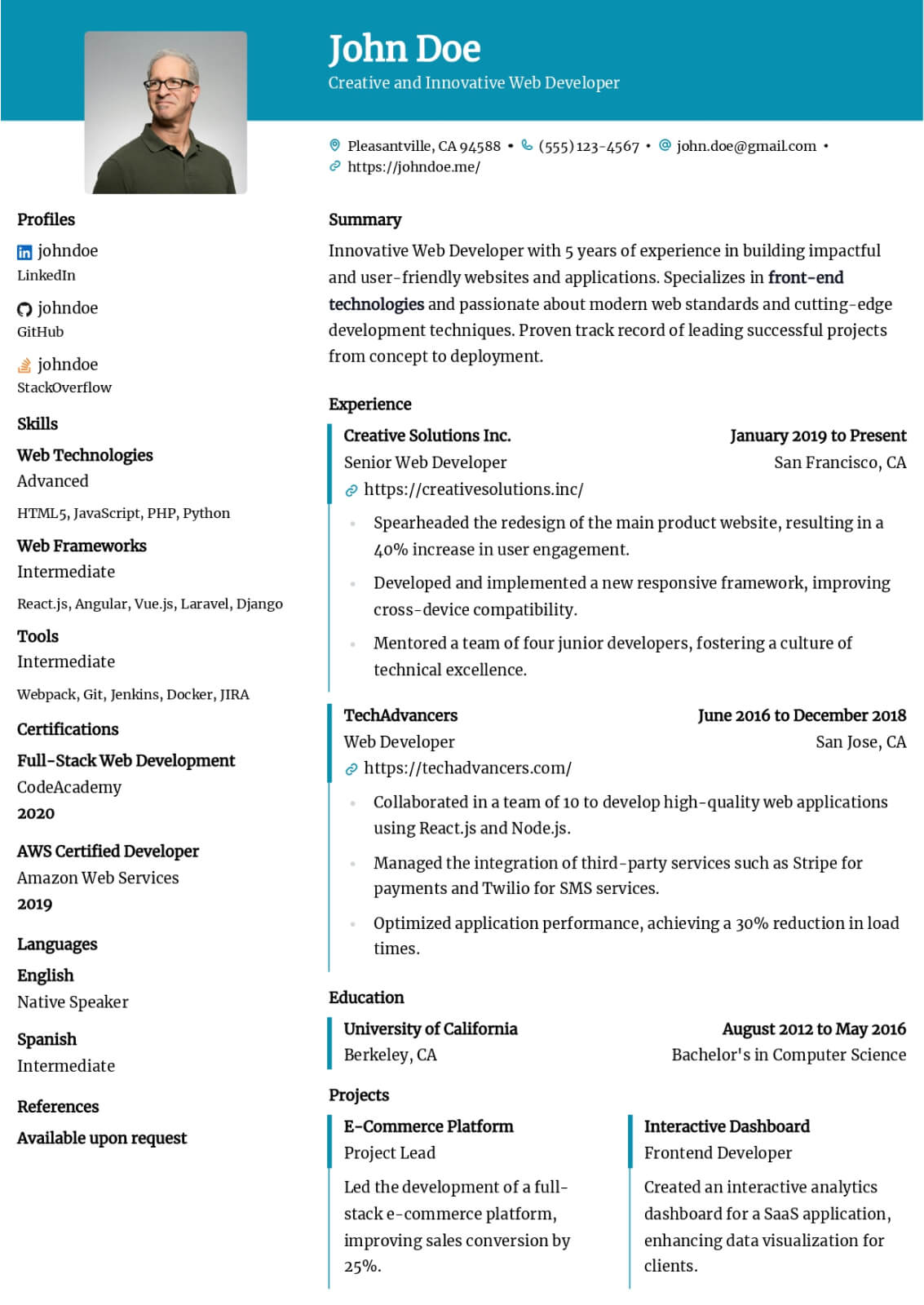
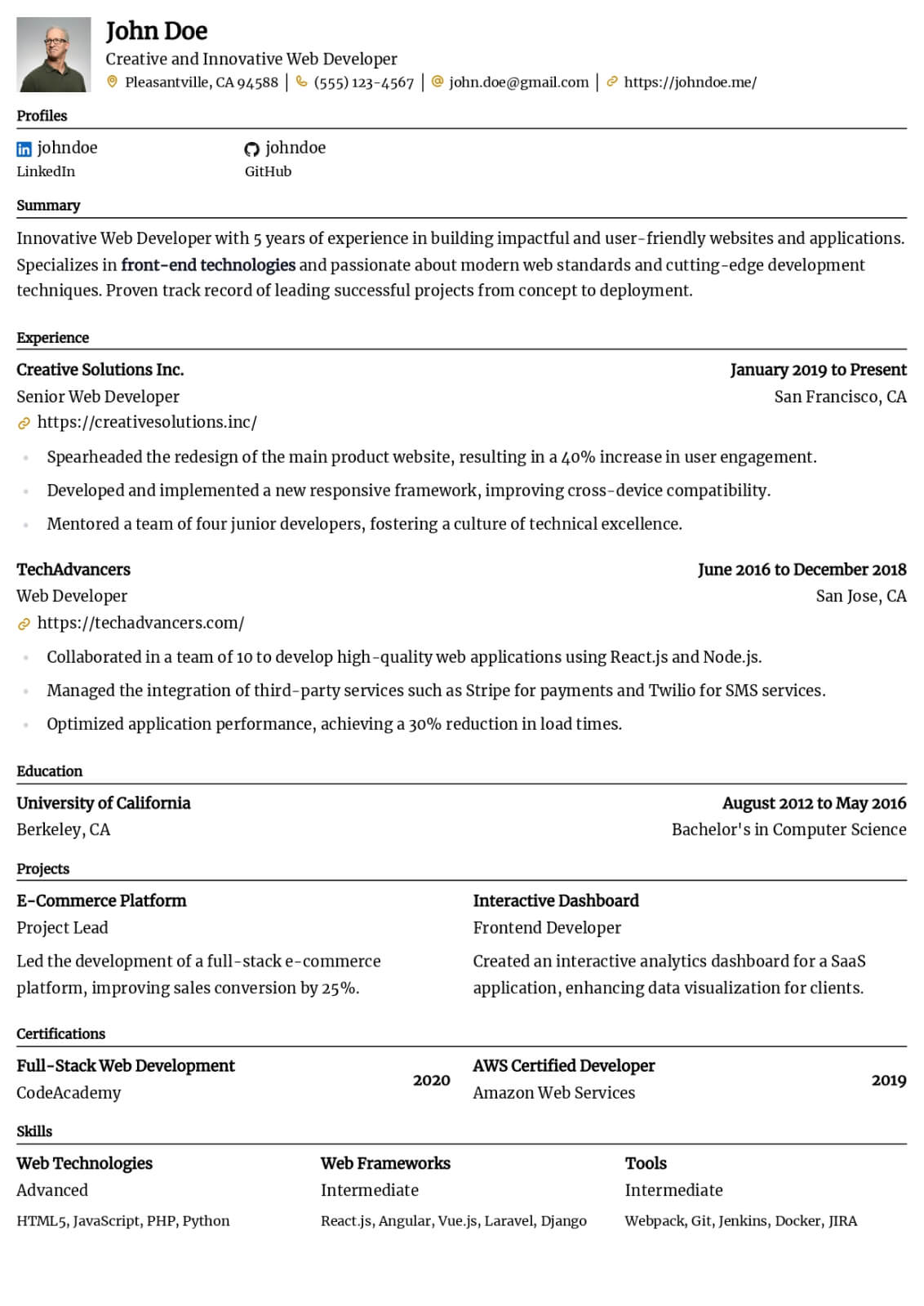
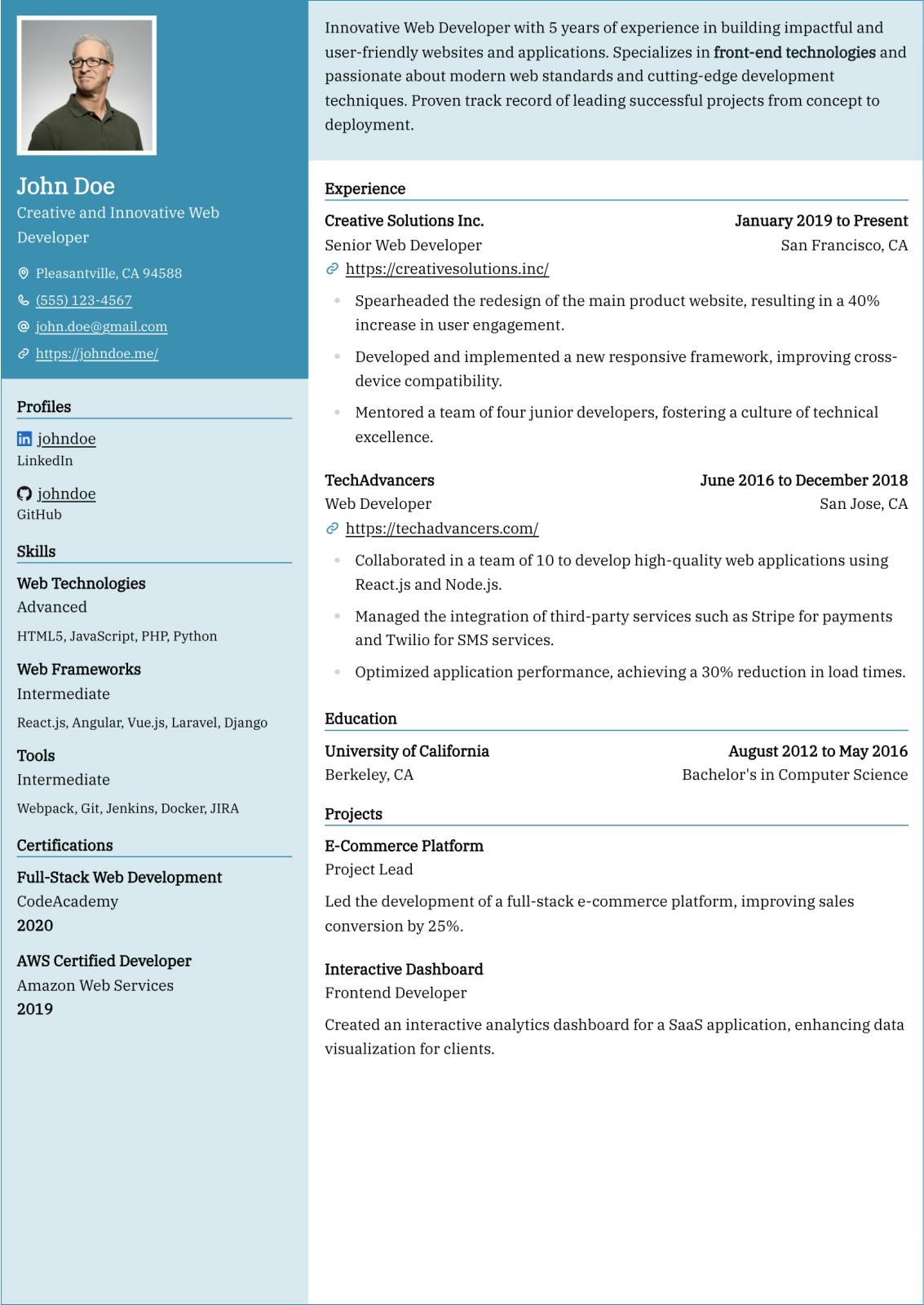
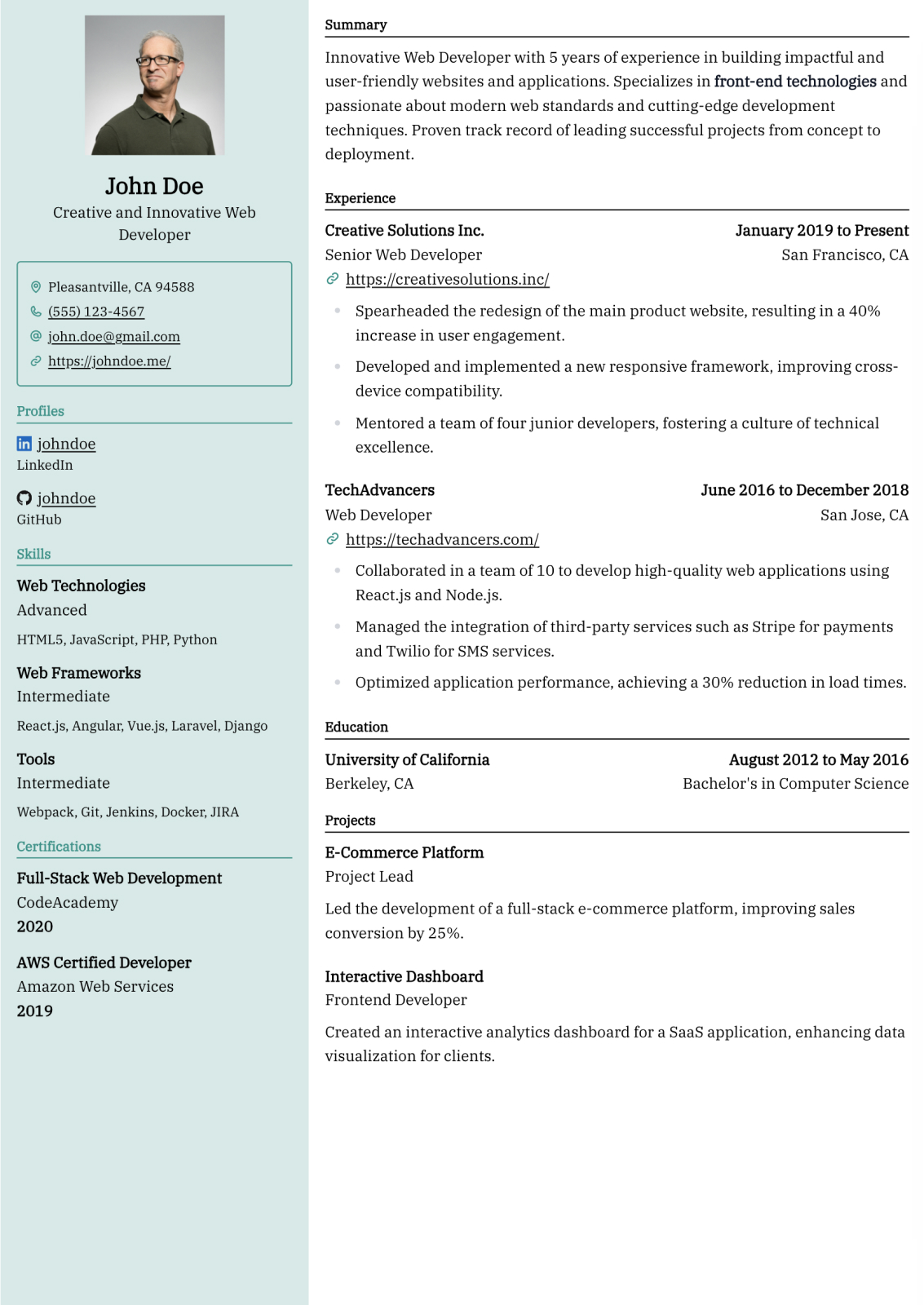
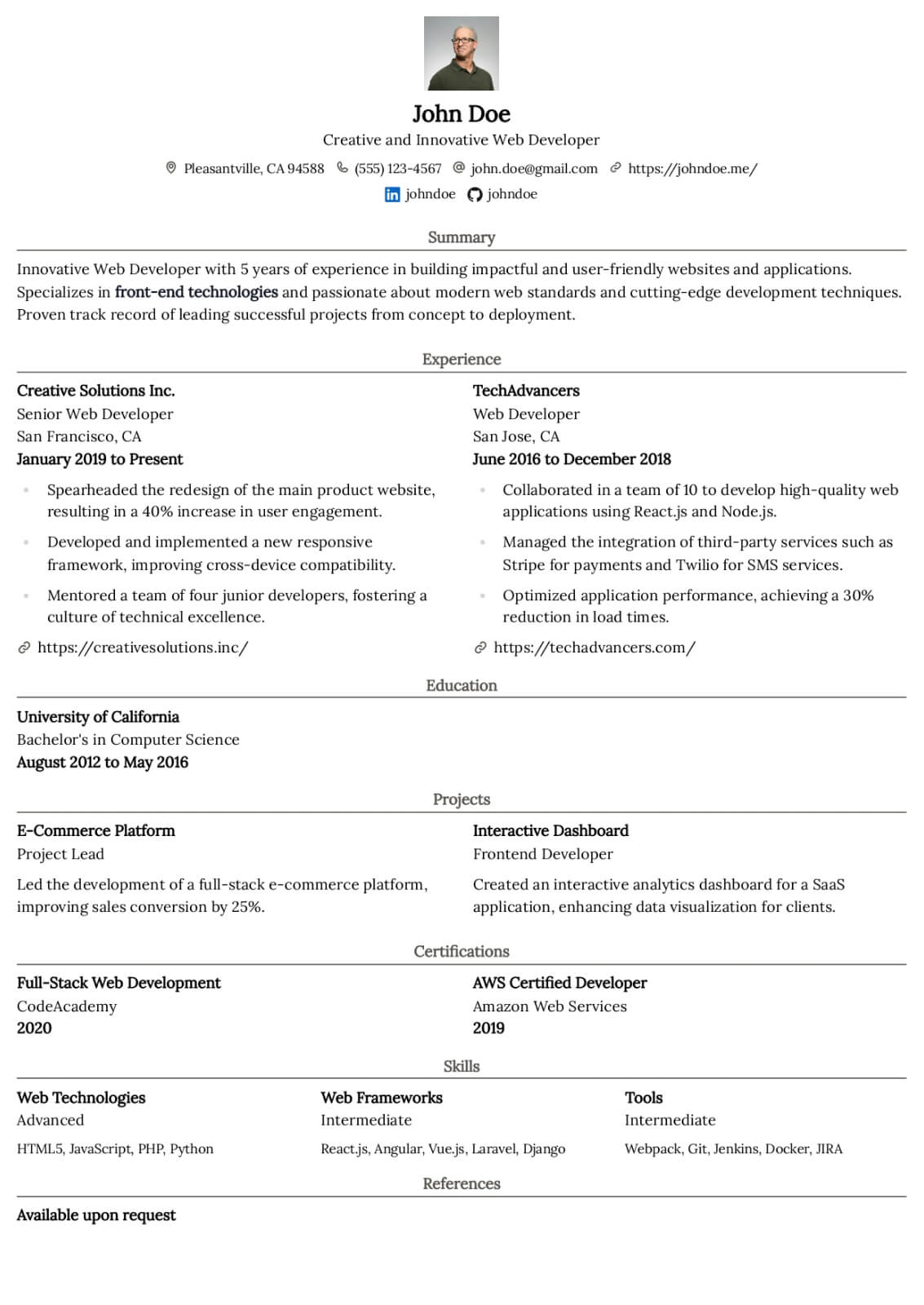
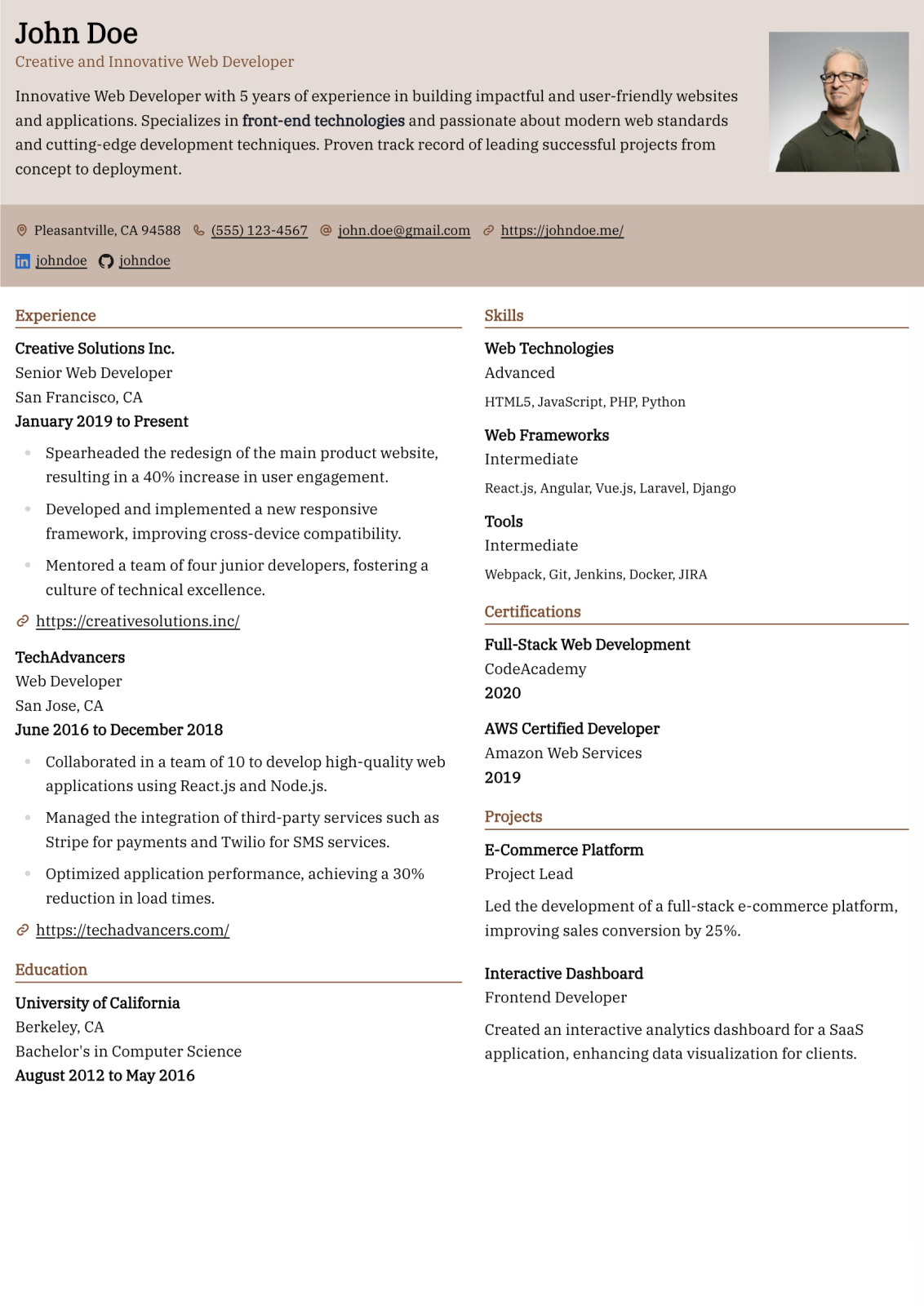
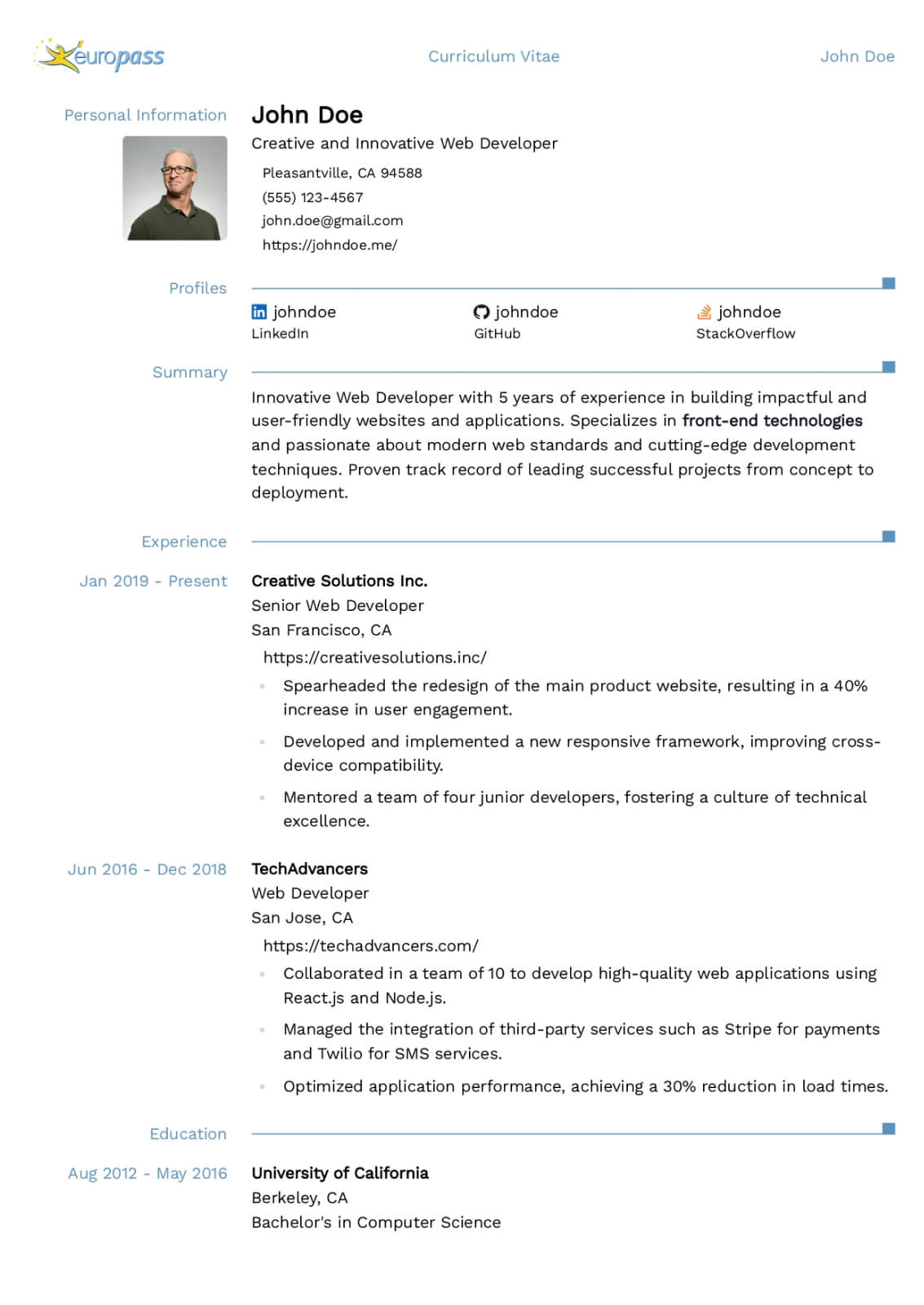
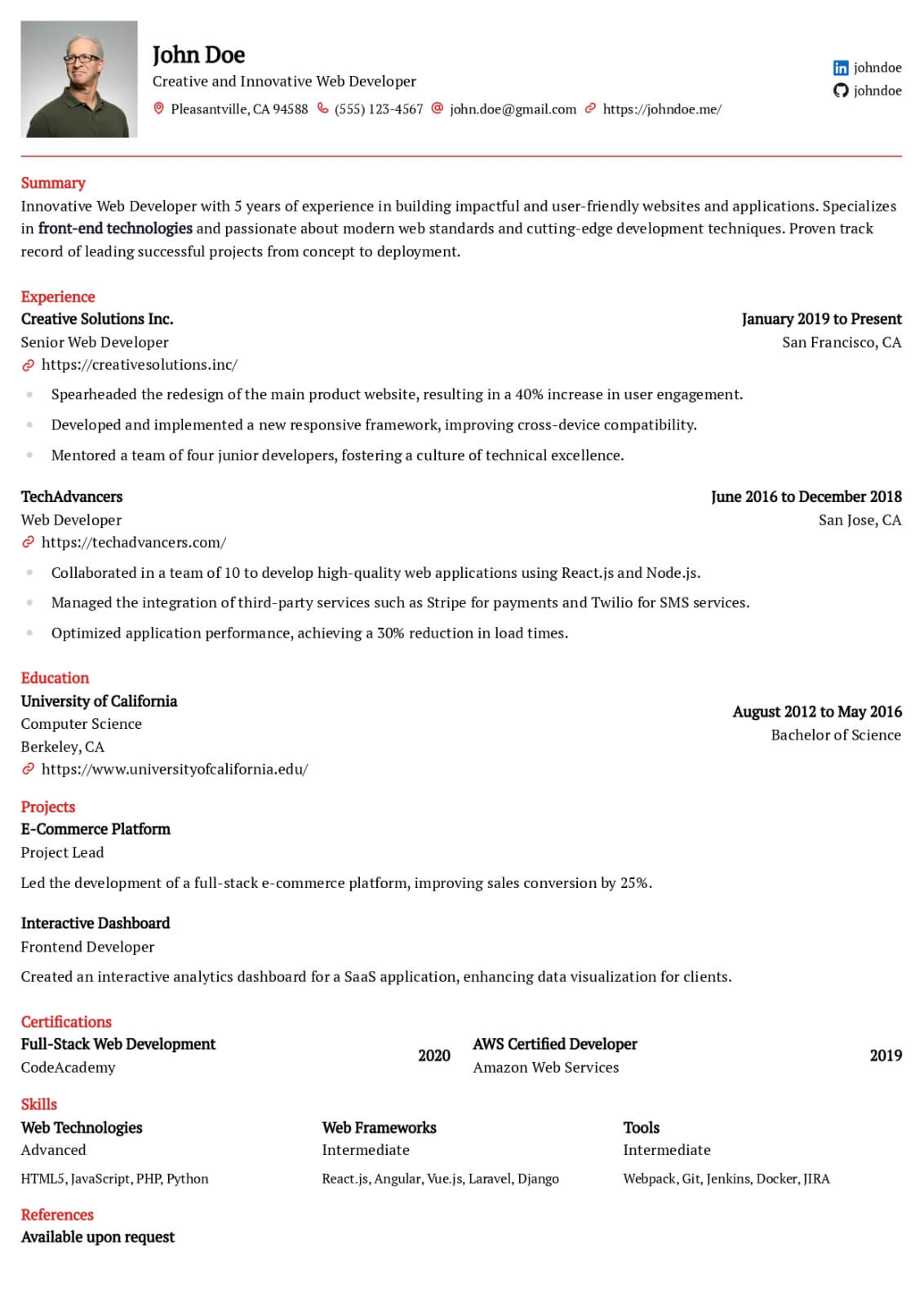
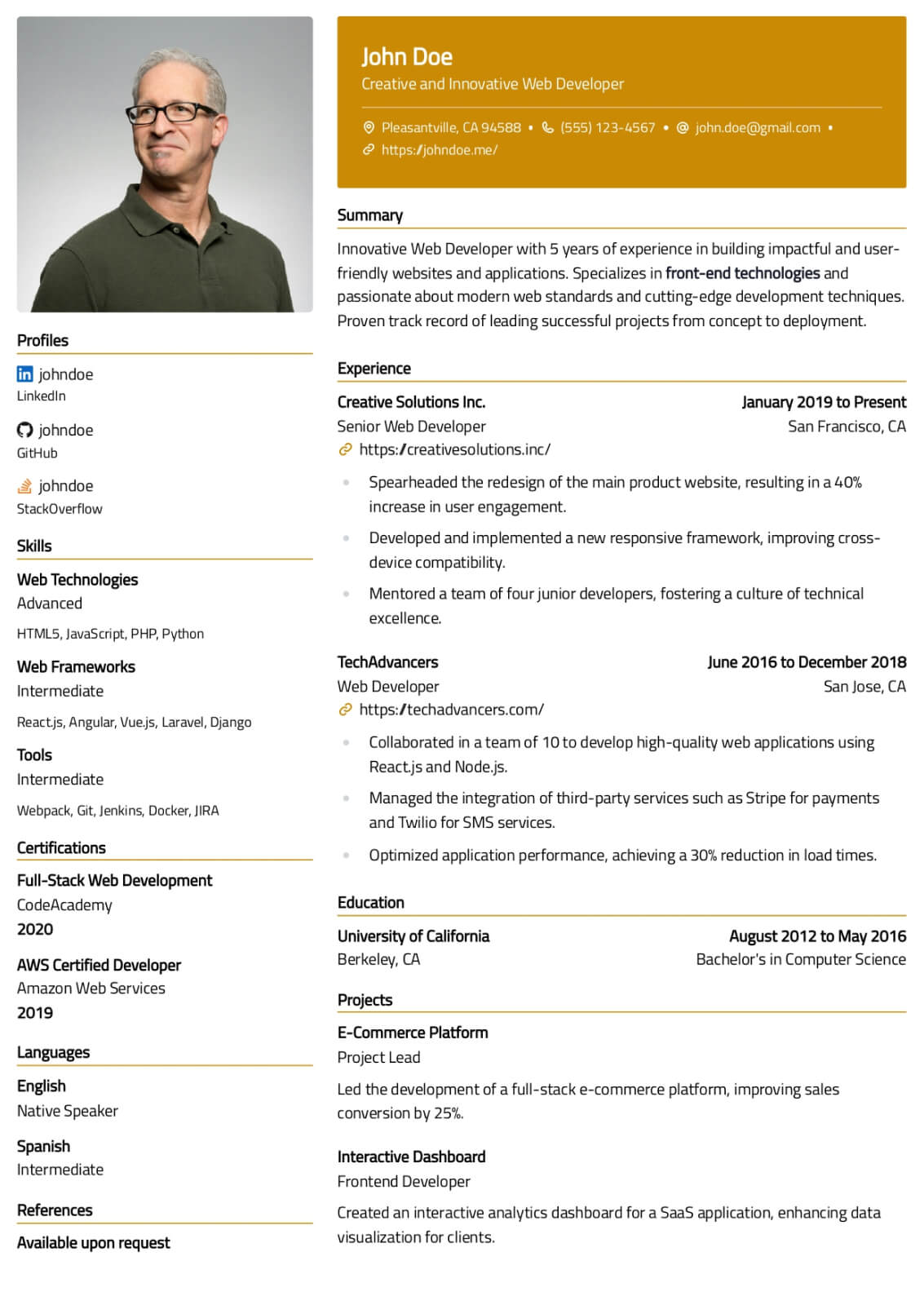
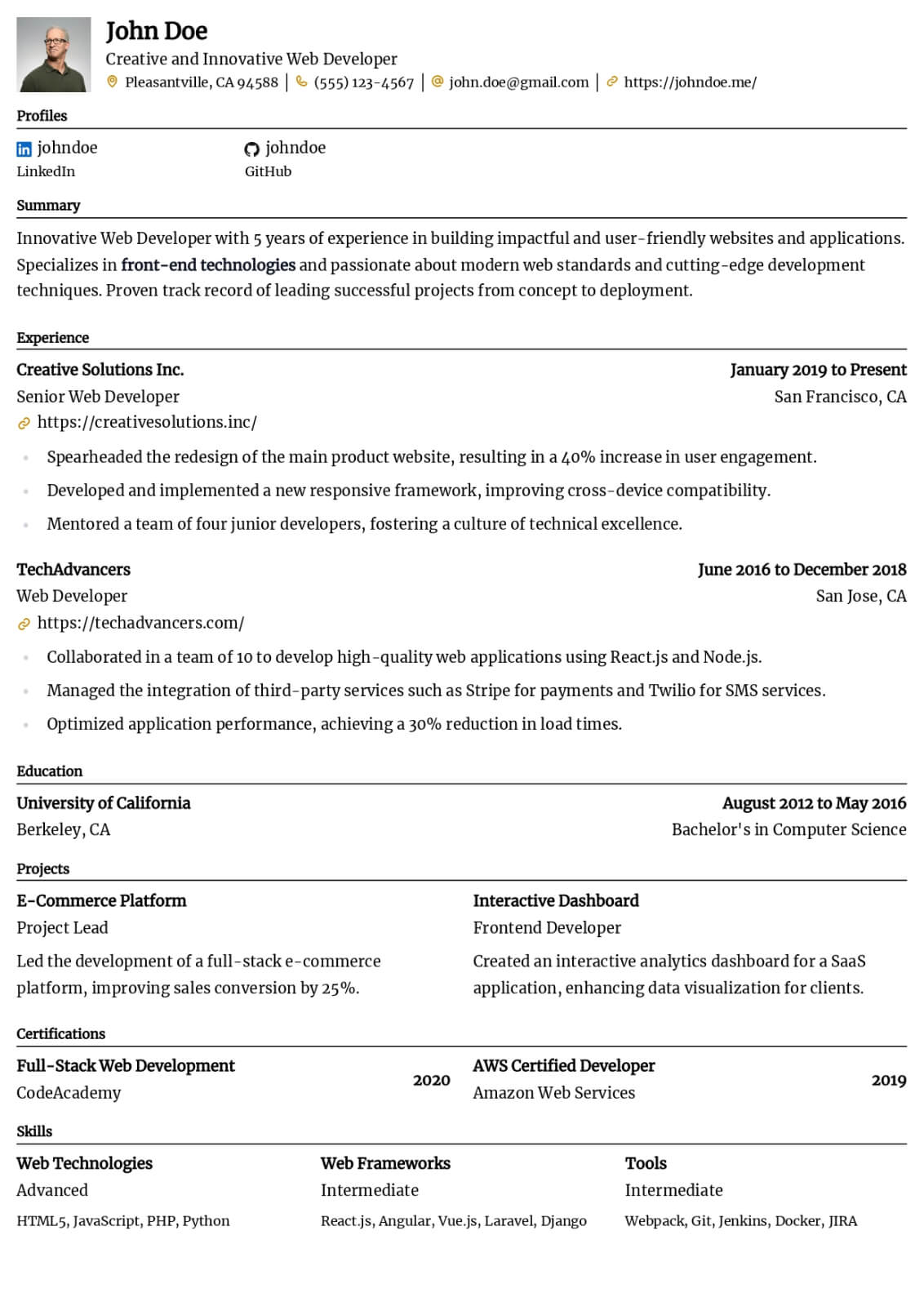
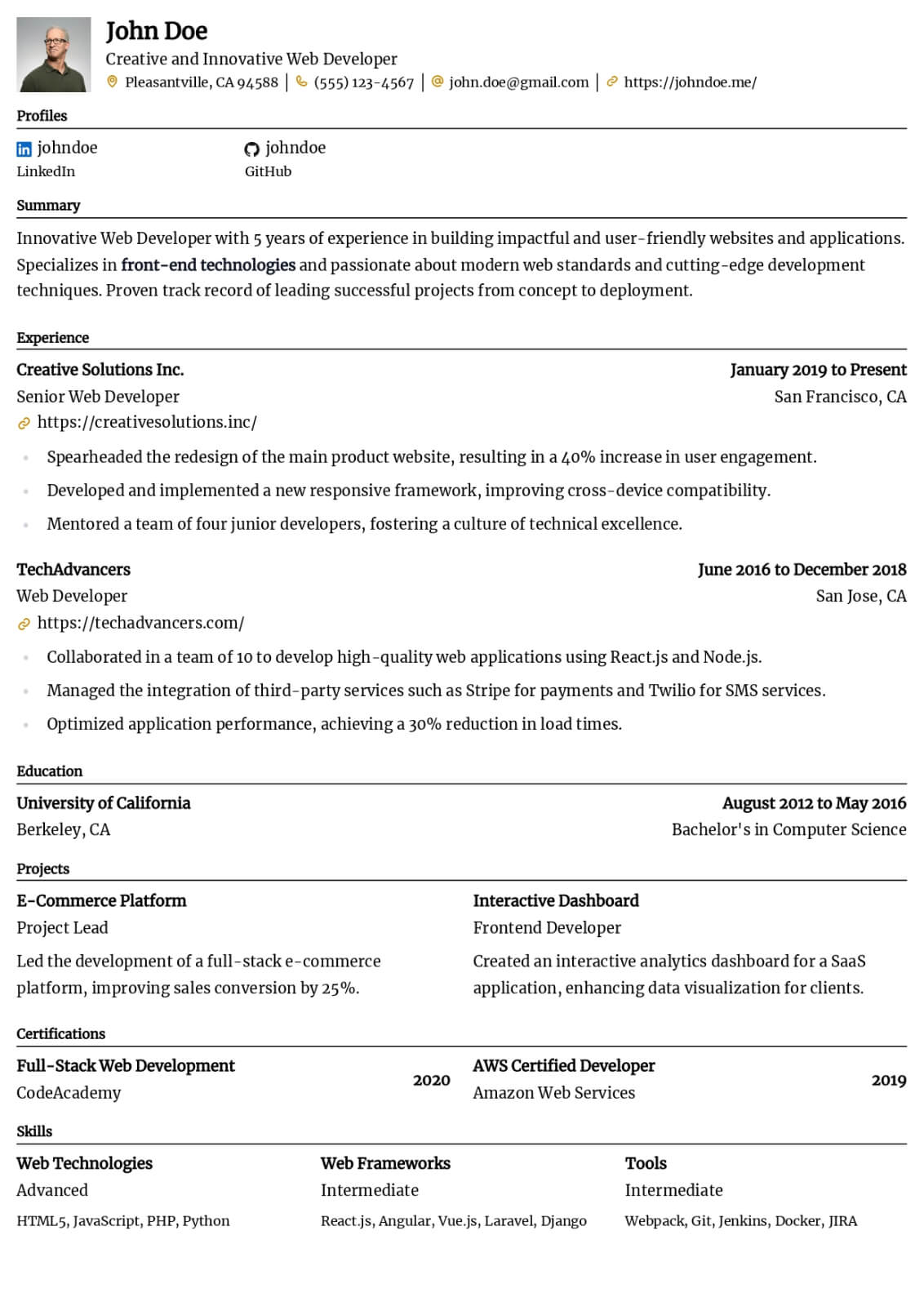
Data Scientist resume guide
Below, you will find section-by-section guidance for your data scientist resume — from your opening summary through skills and experience. Tailor every line to the job you want.
Professional Summary
Your professional summary should immediately establish your data science expertise by stating your years of experience and primary specialization such as predictive modeling, natural language processing, or computer vision. Name the tools and languages that define your practice, including Python, R, SQL, TensorFlow, or PyTorch. Reference the business domains you have worked in, whether that is fintech, healthcare, e-commerce, or advertising, to help hiring managers assess domain relevance. Include a flagship achievement that connects technical work to business outcomes, such as developed a churn prediction model using gradient-boosted trees that retained an estimated four million dollars in annual recurring revenue. Mention your ability to communicate findings to non-technical stakeholders through visualizations and executive presentations. Close with the type of data challenges that motivate you to signal alignment with the team's mission.
Work Experience
Structure each data science role with four to six bullet points that demonstrate the full lifecycle from problem framing through model deployment and impact measurement. Open each bullet with action verbs like developed, trained, deployed, validated, or optimized rather than passive descriptions. Quantify every achievement: built a recommendation engine using collaborative filtering that increased average order value by eighteen percent across two million monthly active users. Describe the datasets you worked with including scale, sources, and preprocessing challenges to contextualize the complexity of your work. Highlight cross-functional collaboration by explaining how you partnered with product managers to define success metrics or worked with engineers to productionize models. Include A/B testing experience where you designed experiments, analyzed results, and influenced product decisions based on statistical significance testing.
Technical Skills
Organize your data science skills into categories such as programming languages, ML frameworks, statistical methods, data engineering tools, and visualization platforms. Under languages list Python, R, and SQL as core competencies. For ML frameworks include scikit-learn, TensorFlow, PyTorch, XGBoost, and Hugging Face Transformers depending on your specialization. List statistical methods you apply regularly such as regression analysis, Bayesian inference, time series forecasting, hypothesis testing, and causal inference. Under data engineering tools add Spark, Airflow, dbt, or similar pipeline tools that demonstrate your ability to work with data at scale. Include visualization tools like Matplotlib, Seaborn, Plotly, and Tableau that you use to communicate findings to stakeholders. Avoid listing tools you have only used in tutorials, as data science interviews probe deeply into claimed technical competencies.
Research & Publications
A research section distinguishes data scientists who contribute to the field beyond their day-to-day role. Include published papers, conference presentations, blog posts, or Kaggle competition results that demonstrate technical depth and intellectual curiosity. For each entry provide the title, venue or platform, date, and a brief description of the methodology and findings. A strong entry might reference a paper on transformer-based anomaly detection presented at a workshop alongside a top machine learning conference. Kaggle medals, especially gold or silver, signal competitive modeling ability and should include your ranking context. If you maintain a technical blog covering data science topics, link to it as evidence of communication skills and subject matter expertise. This section is particularly important for roles at research-oriented companies or teams building novel ML systems.
Certifications & Education
Data science roles frequently require or prefer advanced degrees, so position your education prominently if you hold a masters or doctorate in statistics, computer science, mathematics, or a quantitative field. List your degree, institution, graduation year, and dissertation topic if it is relevant to your target roles. Include relevant certifications such as AWS Machine Learning Specialty, Google Professional Machine Learning Engineer, or TensorFlow Developer Certificate alongside the issuing body and completion year. Professional development courses from platforms like Coursera or edX can supplement formal education if they cover specialized topics like deep learning or causal inference. For candidates without advanced degrees, emphasize portfolio projects, competition results, and professional experience that demonstrate equivalent technical depth.
Layout & ATS Optimization
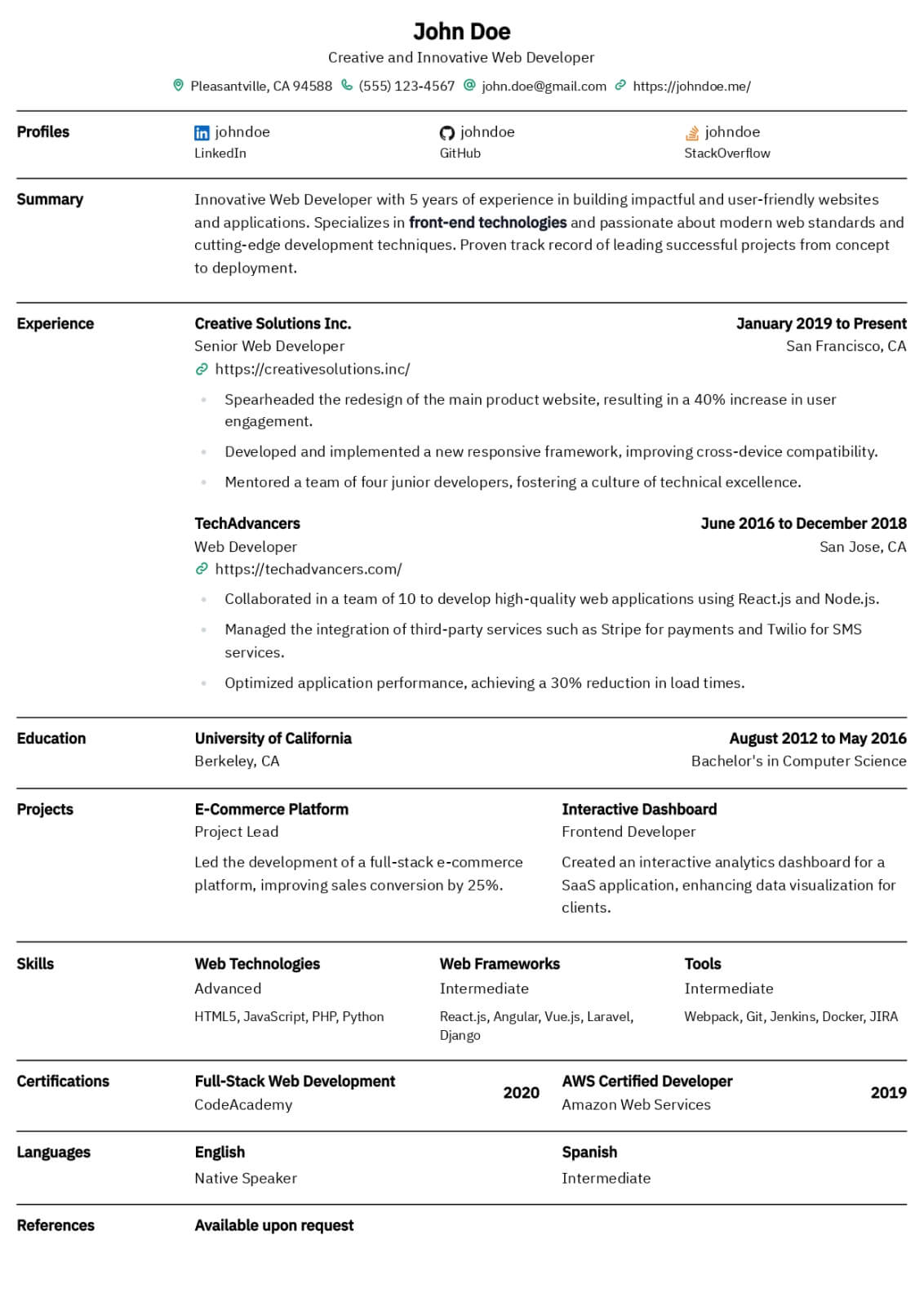
Data scientist resumes should use a clean single-column format with standard section headings that ATS systems can parse reliably. Embed relevant keywords from the job posting naturally within your experience descriptions, targeting terms like machine learning, statistical modeling, Python, TensorFlow, and A/B testing. Include both abbreviated and full forms of important terms such as NLP and natural language processing to capture different keyword variations. Keep your resume to one or two pages depending on experience level and publication count. Save as PDF unless the employer requests a different format. Include links to your GitHub profile, Kaggle page, Google Scholar profile, or personal portfolio to give reviewers access to your technical work beyond the resume document.
Resume layout and formatting
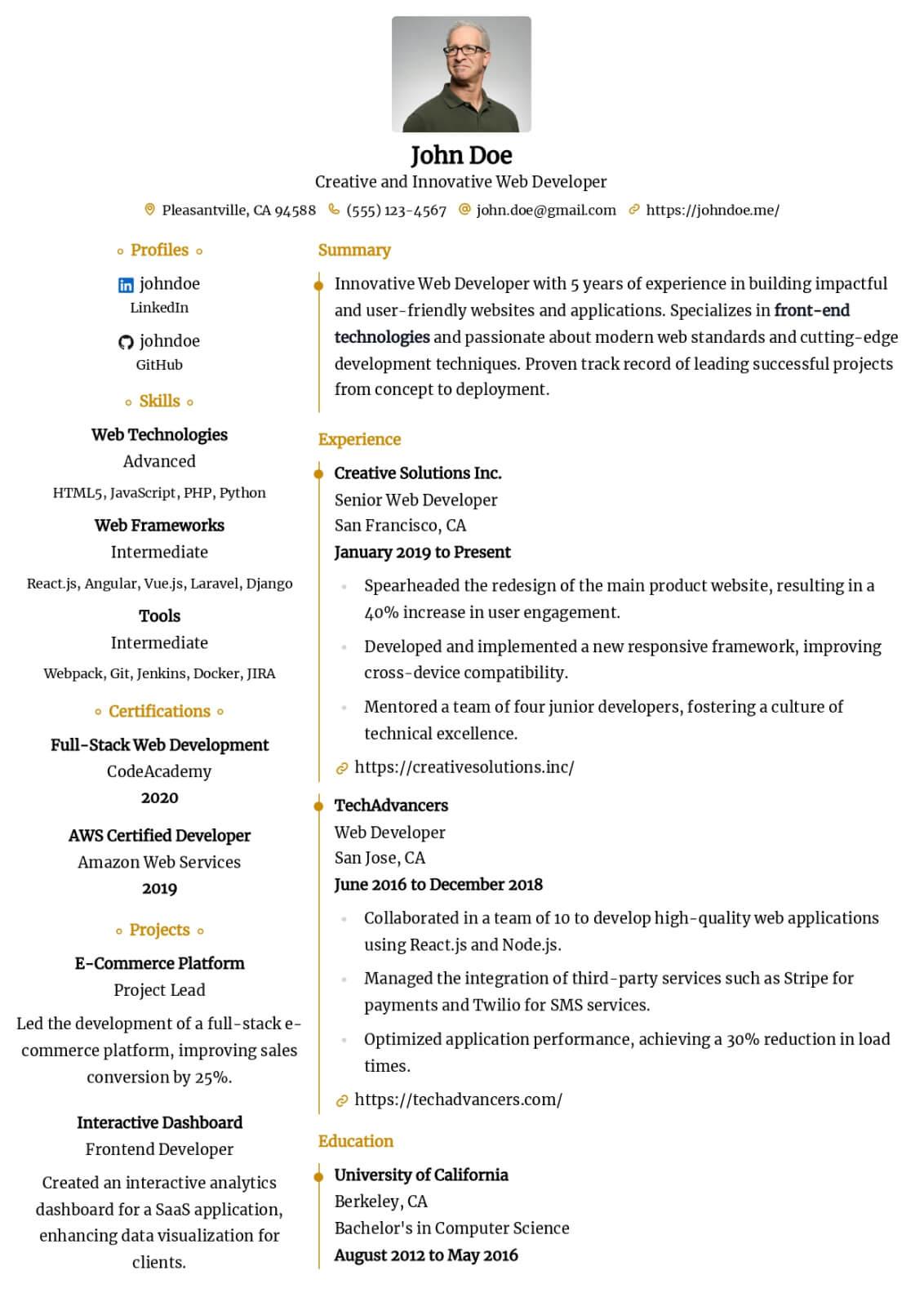
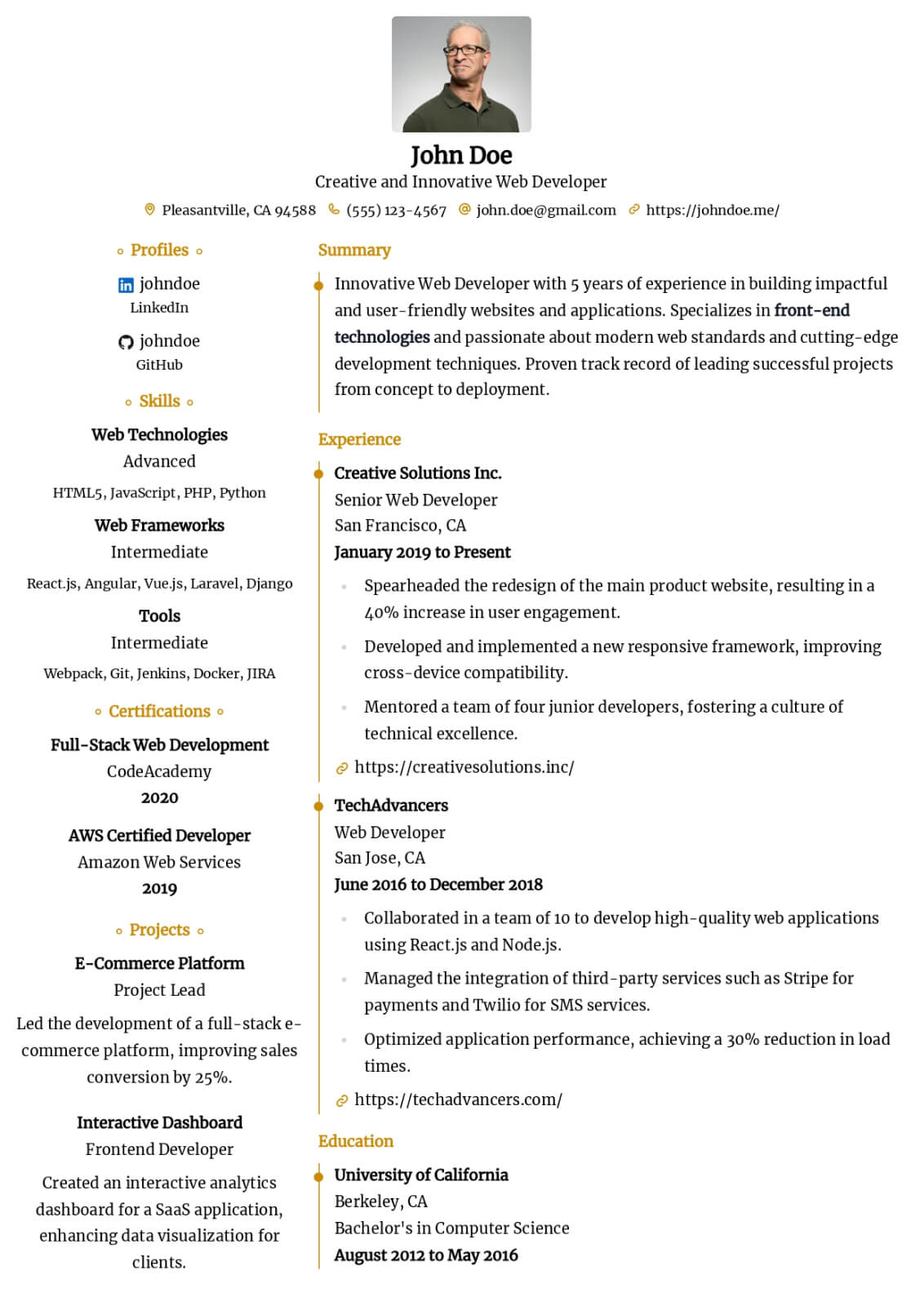
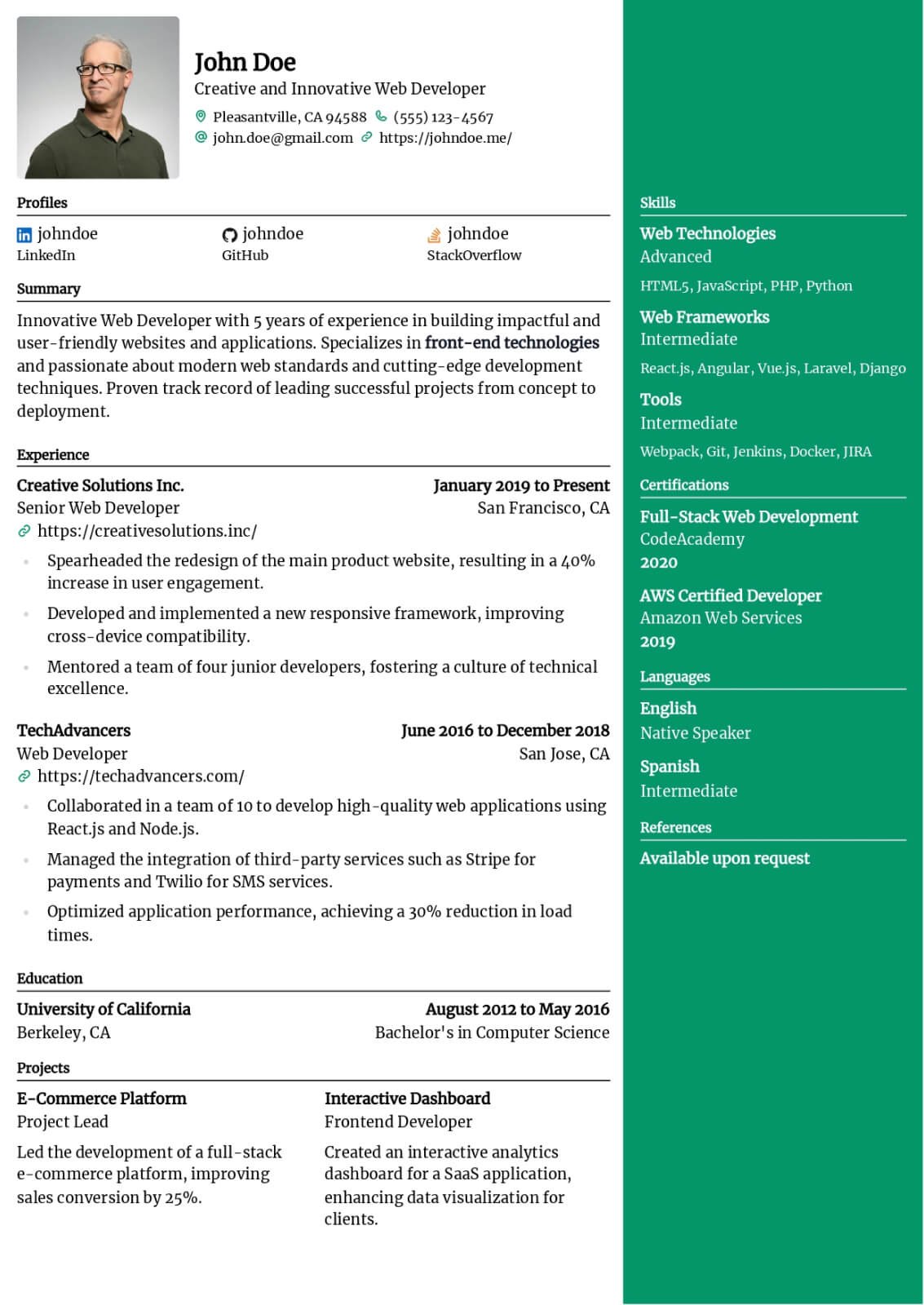
Use a clean, single-column layout with clear section headings and plenty of white space. Lead with technical strengths such as Python (NumPy, Pandas, scikit-learn), TensorFlow / PyTorch, SQL & Database Querying, Statistical Modeling & Hypothesis Testing, Machine Learning Algorithm Development, Natural Language Processing, then reinforce interpersonal strengths like Translating Data Insights for Business Stakeholders, Cross-Functional Collaboration, Intellectual Curiosity, Research & Critical Thinking. Keep fonts standard (e.g., Arial or Calibri) at 10–12pt body size so your resume stays ATS-friendly and easy to scan.
Key takeaways
- Lead your summary with specialization area and flagship business impact achievement
- Quantify model performance using business metrics like revenue lift and churn reduction
- Include the full model lifecycle from data preprocessing through deployment and monitoring
- Showcase research publications and competition results to demonstrate technical depth
- Organize skills by category to distinguish ML frameworks from statistical methods
- Link to GitHub, Kaggle, and portfolio sites to give reviewers access to your work
Build your Data Scientist resume with Scale
Lead your summary with specialization area and flagship business impact achievement
Use This Template
Professional Templates That Make You Stand Out
Browse modern, ATS-friendly resume designs crafted to impress recruiters. Customize any template and download it as a Word or PDF file.
Listen What Our Users Have to Say

Rohan Sen
I am very happy with the team's quick turnaround time - any query is responded at utmost priority. Shoutout to my client manager, Anub Biju - very helpful.

Gael L
Service and communication is great, cover letters are non-ai sounding and well tailored. Just have a lot of communication and review with your staff!

Jonathan Parry
Wow - don't tell your peers! Wow, I can't recommend scale.jobs enough - it's so good I am not sharing with my peers. Applications at scale that get through filters. Thank you!

Cynthia Zhu
Great service! The scale.jobs team was very responsible and managed to apply tons of jobs for me in a very tight deadline to help me secure interviews quickly. Highly recommend to anyone who needs help applying to jobs!

Yash Yenugu
Save your fingers. Saved me from a thumb cramp because we're expected to effortlessly apply to jobs during these times.

Cian O'Driscoll
Clever service. Takes the hard effort out of applying for jobs with an intuitive dashboard and attention to detail. A great asset to job seekers. :-)
Frequently asked questions
Do I need a PhD to get hired as a data scientist?
A PhD is valued but not required at most companies. Many organizations hire data scientists with masters degrees or even bachelors degrees combined with strong portfolios and relevant experience. Emphasize practical projects, Kaggle competition results, and published work on your resume. Demonstrating applied machine learning expertise and business impact matters more than formal degree level at most employers.
How do I quantify data science achievements on my resume?
Connect your models to business outcomes like revenue increases, cost reductions, or efficiency gains. State metrics such as improved customer retention by twelve percent through a churn prediction model or reduced fraud losses by two million dollars annually. Include technical metrics like model accuracy, precision, recall, or AUC alongside business impact to demonstrate both rigor and practical value.
Should I include Kaggle competitions on my resume?
Kaggle competition results are valuable signals of modeling skill, especially medals and top-percentage finishes. Include your ranking, the competition name, and a brief description of your approach. Kaggle results are particularly impactful for early-career data scientists who may lack extensive professional experience but can demonstrate competitive technical ability through competition performance.
What programming languages should a data scientist list?
Python is the dominant language for data science and should lead your skills section. SQL is essential for data querying and manipulation. R is valued in specific industries like pharmaceuticals and academia. List only languages you use regularly in your data science workflow rather than general-purpose languages you learned in school. Proficiency depth matters more than breadth across multiple languages.
How do I describe model deployment experience on my resume?
Describe the deployment platform, the serving infrastructure, and the monitoring you implemented. For example, state that you deployed a real-time fraud detection model on AWS SageMaker serving fifty thousand predictions per minute with automated retraining triggered by data drift alerts. Including deployment experience differentiates you from analysts because it shows you can take models from notebooks to production systems.
Should I include a projects section on my data science resume?
A projects section strengthens your resume by showcasing end-to-end data science work beyond your employment history. Include two to four projects with descriptions of the problem, dataset, methodology, and quantified results. Link to Jupyter notebooks or GitHub repositories so reviewers can evaluate your code quality and analytical approach. Projects are especially critical for career changers or recent graduates entering data science.
Related Resume Guides
Machine Learning Engineer
Build a powerful machine learning engineer resume that highlights your expertise in model training, MLOps infrastructure, production deployment, and building scalable ML systems that deliver measurable business value.
Data Engineer
Create a compelling data engineer resume that showcases your expertise in building scalable data pipelines, designing warehouse architectures, and enabling reliable analytics at petabyte scale.
Data Analyst
Build an effective data analyst resume that demonstrates your proficiency in SQL, data visualization, and translating complex datasets into actionable insights that drive strategic business decisions.
Business Intelligence Analyst
Create a data-driven business intelligence analyst resume that showcases your expertise in building dashboards, transforming raw data into strategic insights, and driving executive decision-making across organizations.
Software Engineer
Craft a compelling software engineer resume that highlights your technical depth, system design expertise, and measurable contributions to production software used by millions of users worldwide.