
Green Card vs H-1B: What Every International Professional Should Know

Sarah Mitchell
June 27, 2026

If I had to say it in one line: your immigration status changes how risky each job application is, so it should also change the tool and workflow you use.
Here’s the short answer:
- Green Card holders usually have more room to target better-fit roles and focus on quality.
- H-1B workers often need to move fast, check sponsorship early, track H1B sponsoring companies effectively, and avoid wasting time on low-fit openings.
- Automation tools can help with volume.
- Human-led support can help when each submission needs more review.
- DIY ATS tools help with resume matching, but they don’t do the application work for you.
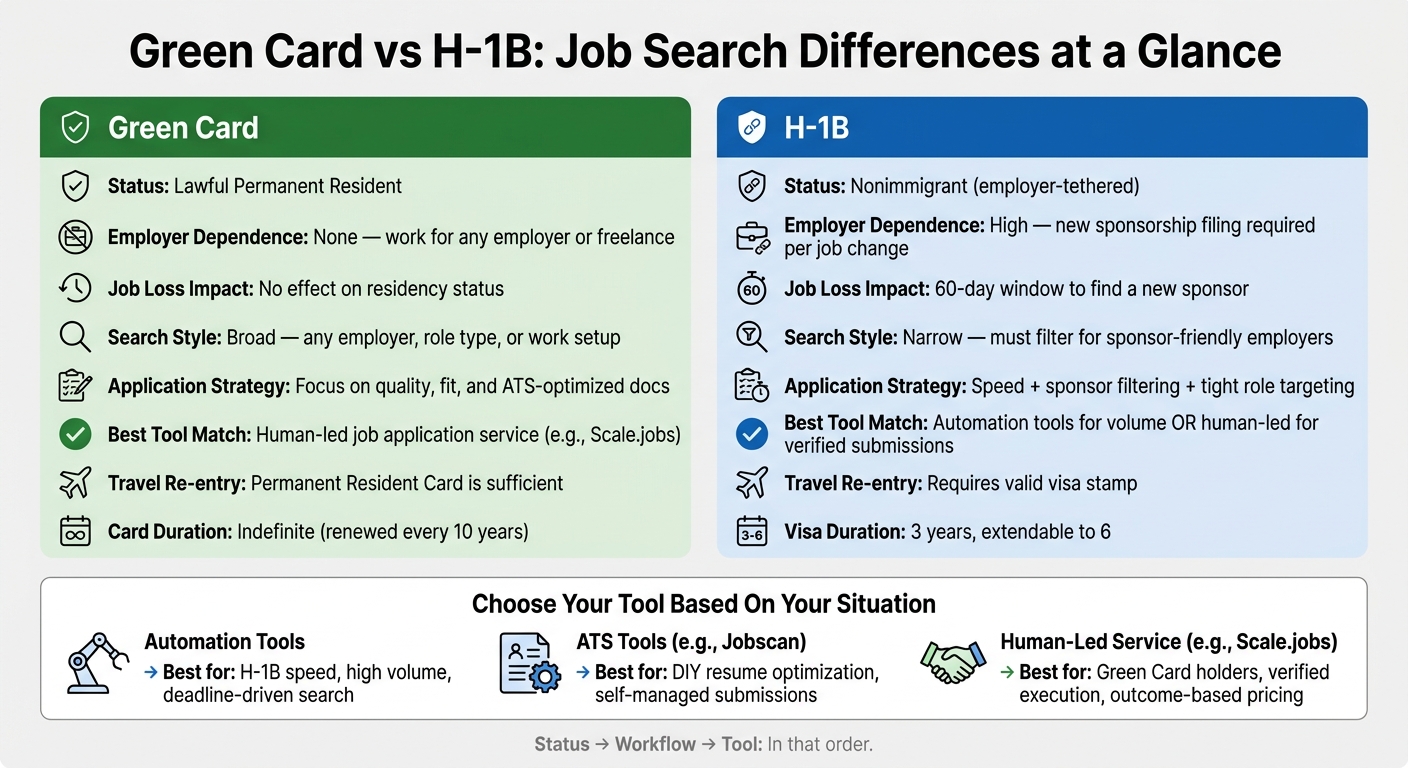
Green Card vs H-1B Job Search: Key Differences at a Glance
H-1B Visa vs Employment-Based Green Card: Which is Easier?
sbb-itb-564272e
Quick comparison
| Situation | What usually matters most | Best-fit workflow |
|---|---|---|
| Green Card holder switching roles | Better-fit applications, less wasted effort | Human-led or guided workflow |
| H-1B worker after layoff | Time, sponsor filtering, fast outreach | Fast application workflow with tight targeting |
| DIY job seeker with weak response rates | Resume-job match and execution | ATS review plus hands-on submission help |
| Busy professional with little time | Offloading forms and portal work | Human-assisted apply support |
If I were choosing, I’d use status + timeline + workload as the filter first, not brand names. That makes the decision much simpler.
My take
I wouldn’t treat Green Card and H-1B job searches the same.
A Green Card gives you more freedom across employers, contract work, and many types of full time jobs. H-1B status adds pressure because job loss can trigger a 60-day grace period, and not every company will sponsor H1B visas. That means your process matters just as much as your resume. For many, the most effective path is to use expert job placement for immigrants to navigate these complexities.
What I would do based on status
If I had a Green Card
I’d focus on:
- role fit
- ATS-friendly documents
- cleaner execution
- fewer wasted applications
In that case, a human-led job application service or a guided job search platform often makes more sense than blasting out hundreds of applications.
If I were on H-1B
I’d focus on:
- sponsor-friendly employers
- faster filtering
- short response time
- application volume only after basic fit checks
That may mean using automation, but I still wouldn’t skip role screening. Fast volume helps only if the jobs are even open to sponsorship.
A simple playbook
1. Start with your risk level
Ask yourself:
- Am I on a visa tied to one employer?
- Do I need sponsorship for my next move?
- Am I under a layoff deadline?
- Can I afford to spend hours on weak-fit postings?
If most of those answers are yes, your search needs tighter control.
2. Pick the workflow, not just the tool
I’d break tools into three buckets:
- Automation tools: high volume, less review
- ATS tools: resume matching, self-run submissions
- Human-led services: submission support, more checks, more visibility
If you already tried an ai resume builder or ai cover letter builder and still aren’t getting interviews, the problem may be execution, not just documents.
3. Match the tool to the bottleneck
Use this checklist:
- If you lack time → use human-assisted help
- If you lack resume-job match → use ATS review
- If you need raw volume fast → use automation
- If you keep missing deadlines or portal work → use a Job search virtual assistant
Scale.jobs vs automation tools
If I compare Scale.jobs to auto-apply tools, the split is simple:
- Scale.jobs = human submission, tailored docs, proof of work
- LazyApply / Sonara-style tools = bulk automation, less manual review
For Green Card holders, I can see why a human-led setup may fit better. There’s less sponsorship friction, so the upside comes from cleaner applications and better tracking.
For H-1B workers, automation may still help when time is short. But I’d still be careful: sending large numbers of low-fit applications can burn time you don’t have.
LazyApply vs Scale.jobs
If I were choosing between these two, I’d ask one question:
Do I want volume, or do I want checked submissions?
LazyApply fits people who want fast outreach with little manual effort.
Scale.jobs fits people who want:
- role-by-role submission
- ATS-tuned resumes
- proof screenshots
- less admin work
That difference matters more when your search has legal limits or a tight timeline.
Is Jobscan worth it?
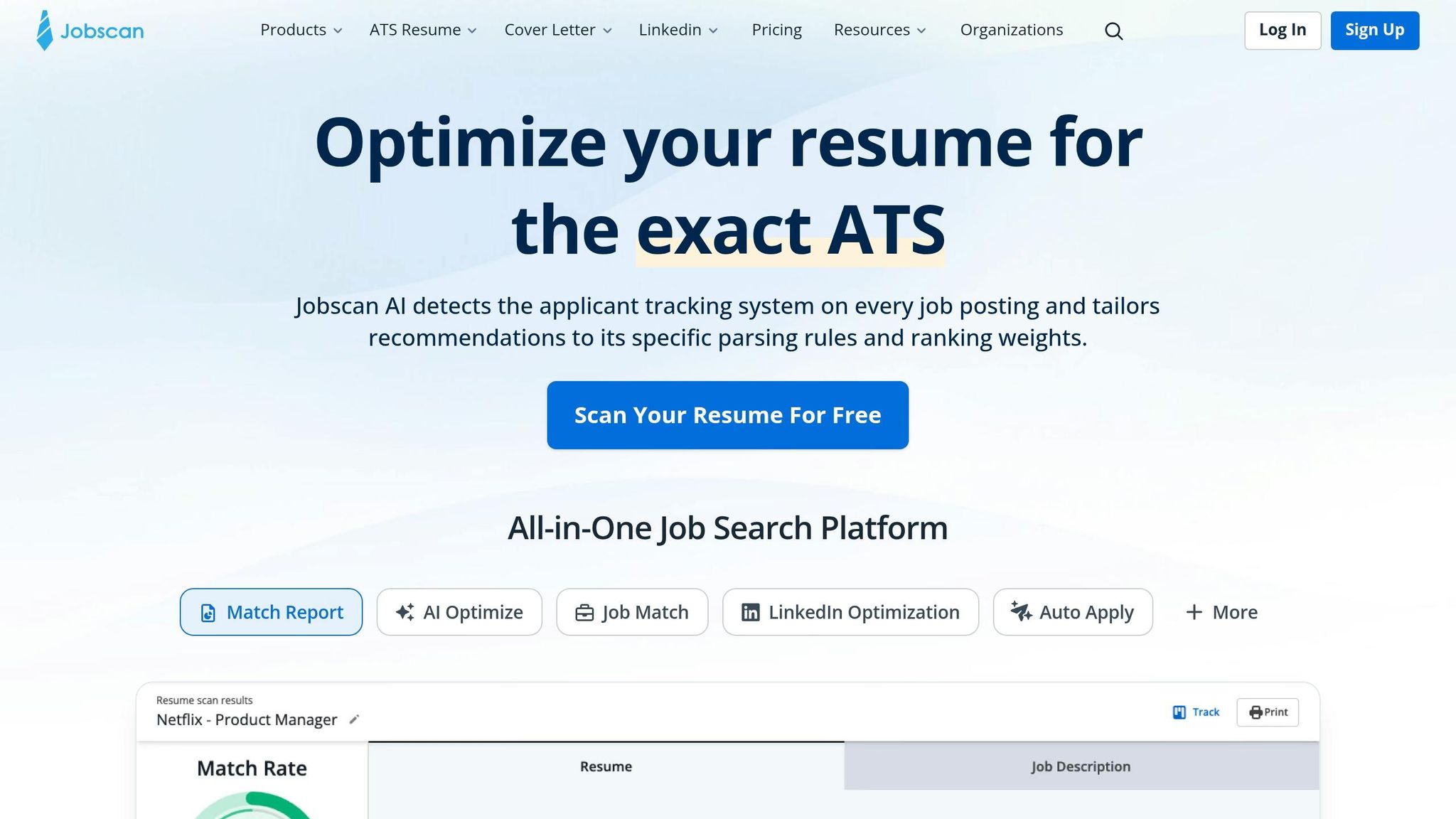
Yes, if you want help matching your resume to a job description and you’re fine doing the rest yourself.
No, if your main problem is the time spent filling out forms, tracking portals, and getting applications out each week.
That’s where a Virtual Assistant for Job Applications can be a better fit than a pure DIY tool.
FAQ
Is a Green Card better than H-1B for job searching?
Yes. In most cases, a Green Card gives you more employer choice, fewer hiring barriers, and less pressure during a job change.
Should H-1B workers use automation tools?
Sometimes. If time is short, automation can help with volume. But I’d still filter for sponsor-friendly employers first.
Are ATS tools enough on their own?
Only if you have time to handle the full process yourself. ATS tools improve your resume, but they do not submit applications for you.
When should I switch from DIY to a service?
I’d switch when:
- interview rates stay low
- I’m spending hours on forms
- I need support with execution
- I want a virtual assistant for job seekers instead of doing every step alone
Final call
If I strip this down to the basics:
- Choose automation for volume
- Choose ATS tools for self-managed resume tuning
- Choose human-led help vs. automation for execution and oversight
Your status should decide the workflow first. The tool comes second.
Green Card vs H-1B: practical differences that affect your job search
The biggest day-to-day difference is simple: H-1B workers need employer sponsorship. Green Card holders don't. That one fact changes almost everything about your search, from how many roles you can target to how much review each application needs.
If you're on H-1B, your search usually has to be tighter and more selective. You can't just mass-apply and hope something sticks. You need roles at companies that sponsor, titles that fit H-1B rules, and timing that works with filing and start dates. For Green Card holders, the search is broader. You can go after more employers, more role types, and more work setups without that extra legal filter.
That also affects how much support makes sense. Someone on H-1B may need a more hands-on process, whether that's a job search coach, a job application service, or a Virtual Assistant for Job Applications that helps filter roles before you apply.
Career stability, job mobility, and layoff risk by status
Layoffs hit these two groups very differently. If you're on H-1B, losing your job can start a 60-day clock to find a new sponsor or take other legal steps. That's a lot of pressure, and it can turn a normal job hunt into a race against time. Green Card holders don't face that same deadline.
Switching jobs is also much easier with a Green Card. On H-1B, a move to a new employer usually means a H-1B transfer. Even when a company wants to hire you, that extra step can slow things down or make the employer back off. Green Card holders can move more freely, which opens up more full time jobs and contract options.
Travel matters too. H-1B holders often need a valid visa stamp to re-enter the U.S., so international trips can create delays. Green Card holders have a simpler path back with their Permanent Resident Card.
| Feature | H-1B | Green Card |
|---|---|---|
| Status type | Nonimmigrant (employer-tethered) | Lawful Permanent Resident |
| Duration | 3 years, extendable to 6 | Indefinite (card renewed every 10 years) |
| Employer dependence | High; new sponsorship filing required for each job change | None; work for any employer or freelance |
| Job-loss impact | 60-day window to find a new sponsor | No effect on residency status |
| Travel re-entry | Usually requires a valid visa stamp | Permanent Resident Card is sufficient |
In plain terms, employer dependence makes the search narrower for H-1B candidates and much broader for Green Card holders.
How your visa status shapes your application strategy
Green Card holders can cast a wide net. They can apply across white-collar roles at large companies, small businesses, and startups because the employer doesn't need to set aside money or legal support for sponsorship. That makes it easier to apply for jobs across many sectors without overthinking immigration fit on every listing.
H-1B workers need a sharper filter. Many smaller employers don't sponsor. Some job posts look open on the surface but aren't realistic once you dig into the hiring process. So your search has to be more deliberate. You're not just looking for a good role. You're looking for a good role and a workable employer.
That changes execution in a few ways:
- Your target list has to be tighter.
- Each role needs a sponsorship check before you spend time applying.
- Your resume and positioning should line up with H-1B-eligible work.
- Manual review matters more, even if you use a job search platform or ai resume builder.
Green Card holders still gain from strong resumes and better outreach. Of course they do. But they don't have the same targeting pressure. They can work for any employer, freelance, or self-employ, which gives them far more room to move.
That's why the next comparison isn't just about resume quality. It's about execution style, role filtering, and how much human review your search needs.
scale.jobs for Green Card holders vs automation tools for H-1B job seekers
Why scale.jobs fits Green Card holders better than most apply tools
Once you look at the status differences, the choice is pretty simple: volume vs control.
For Green Card holders comparing LazyApply or Sonara.ai, Scale.jobs tends to fit better when you care more about application quality, recruiter visibility, and knowing what was sent out.
Scale.jobs is a better match for Green Card holders who want fewer, better applications. Human assistants submit each one by hand. The resume and cover letter are tailored to the posting. And eligible U.S. citizens and Green Card holders in white-collar roles with fewer than 10 years of experience pay $0 upfront and only pay a $1,500 success fee after getting hired.
Why scale.jobs wins:
- Human assistants submit each application by hand
- ATS-focused, job-specific docs for every role
- Proof-of-work screenshots for every submission
- WhatsApp updates and support during your search
- Free upfront for eligible U.S. citizens and Green Card holders, with a $1,500 success fee only if hired
This is also where Scale.jobs stands apart from many bulk-apply tools. You don’t just hope applications went through. You get proof of submission and updates on WhatsApp, which makes the whole process easier to track. If you want a more selective job application service with submission-level visibility, that’s a big plus.
| Feature | scale.jobs | LazyApply / Sonara.ai |
|---|---|---|
| Human involvement | Human assistants submit every application | None; fully automated |
| Resume customization depth | ATS-optimized, tailored per job posting | Generic or static templates used in bulk |
| ATS handling | ATS-optimized documents built per application | Limited; same resume submitted at scale |
| Application execution method | Manual submission by human assistants | Automated submission scripts |
| Transparency and proof of work | Screenshots provided for each submission | Minimal visibility into what was filed |
| Pricing model | Free upfront; $1,500 success fee for eligible users | Recurring subscription fees |
If you're trying to apply for jobs in a more targeted way, that extra control can matter a lot. The same goes for people who want help from a Virtual Assistant for Job Applications instead of relying on scripts to spray the same resume everywhere.
Where automation tools still make sense
Automation tools still have a place. If speed and volume matter more than review depth, they can help.
LazyApply and Sonara.ai are easy to use and can send out a large number of applications fast. For an H-1B candidate dealing with the 60-day grace period after a layoff, the top goal is often finding another sponsoring employer as fast as possible. In that case, a high-volume tool may be more practical than a slower, human-reviewed workflow.
That’s the key tradeoff. Green Card holders usually have more room to focus on quality. H-1B job seekers often need speed first.
For people who want more guided help, a job search virtual assistant can sit in the middle: more support than pure automation, but more hands-on than doing everything alone.
Competitor comparisons for people considering a switch
If you're deciding between automation and a human-led workflow, these three comparisons make the tradeoffs pretty clear.
For eligible U.S. citizens and Green Card holders in white-collar roles with under 10 years of experience, scale.jobs charges $0 upfront and collects a $1,500 success fee only after a hire. That pricing model matters if you want help now without paying a large amount before results show up.
LazyApply vs scale.jobs: why you should switch to human-led application workflows
LazyApply is built for fast, high-volume auto-submitting. It fills out and sends applications at scale, which can work if your main goal is broad outreach. That tends to matter most for H-1B candidates in a deadline-driven search and Green Card holders weighing speed against control.
The downside is pretty simple: it's a bulk system, not role-by-role handling. That usually means less human review and less visibility into how ATS-optimized resumes are actually processed.
scale.jobs takes the opposite path. Instead of browser-based automation, human assistants submit each application by hand, using ATS-compliant documents matched to each posting. You also get proof of work and updates through WhatsApp, which makes the process easier to track day by day. If you want a job application service with hands-on execution instead of mass automation, that's the key difference.
Why scale.jobs wins:
- Human assistants submit every application manually, which avoids extension-based automation risk
- ATS-optimized documents are tailored to each posting
- Proof-of-work screenshots confirm each submission
- $0 upfront for eligible U.S. citizens and Green Card holders; $1,500 success fee after hire
LazyApply strengths: Fast, easy to set up, and lower cost. A practical option if your top priority is application volume with very little manual effort.
Who should use LazyApply: Employed candidates with time to trade customization for volume.
Who should choose scale.jobs: Green Card holders or H-1B candidates who need checked, verified execution in a time-sensitive search. It also fits people who want a Virtual Assistant for Job Applications instead of a pure automation tool.
| Feature | scale.jobs | LazyApply |
|---|---|---|
| Human involvement | Human assistants submit every application | None; automated browser extension |
| Resume customization depth | ATS-optimized, tailored per job posting | Limited per-role customization; bulk workflow |
| ATS handling | Human-verified, ATS-compliant submission | Automated workflow; limited human QA |
| Application execution method | Assistant-led submission across any portal | Automated submission via browser extension |
| Transparency and proof of work | Screenshots and WhatsApp updates | Dashboard stats and bulk status tracking |
| Pricing model | No upfront cost for eligible users; $1,500 success fee after hire | Subscription or lifetime pricing |
If automation feels too hands-off, but you still want someone helping with the search, the next option is a better comparison.
Find My Profession vs scale.jobs: is Find My Profession worth it for international job seekers?
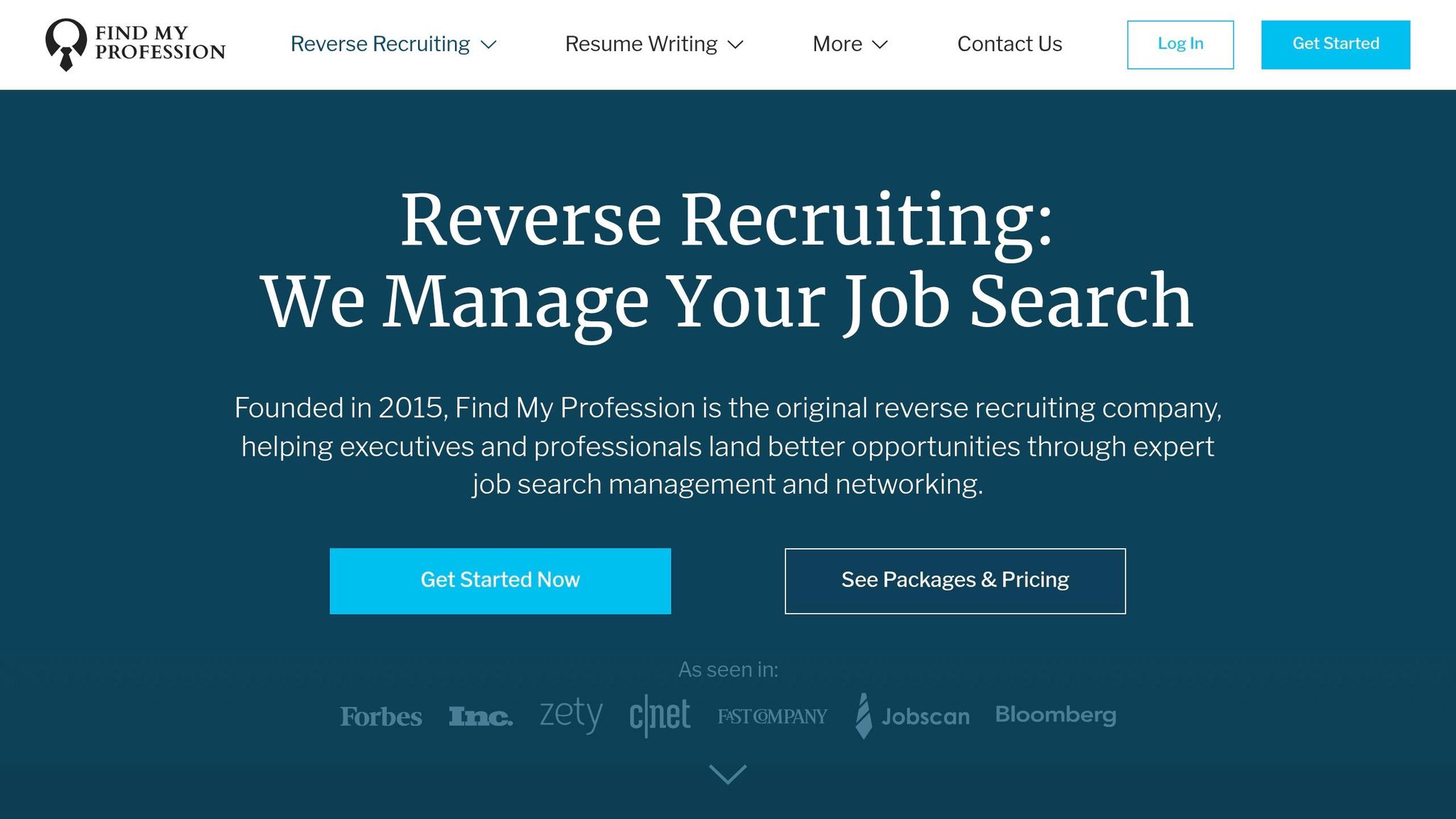
If you want a recruiter-led option instead of automation, Find My Profession is the next name to look at.
Find My Profession is a reverse recruiting service. A dedicated recruiter runs your search, handles outreach, and helps position you as a candidate. That setup fits buyers who care more about a hands-off process than low upfront cost.
The catch is the pricing model. Find My Profession uses a premium upfront fee, so you're paying before results come in. For professionals dealing with visa pressure, that's not a small detail.
scale.jobs blends ATS resume tools, AI customization, and human submission in one workflow. More importantly, the fee is tied to the outcome. If you're comparing a recruiter-led model with a job search platform that still gives you human support, this is where the split becomes clear.
Why scale.jobs wins:
- No large upfront payment; cost applies only after a hire
- AI resume customization and human submission in one workflow
- Works across more portals than recruiter-led services
- Submission proof and updates keep you informed day to day
Find My Profession strengths: Dedicated recruiter support plus resume and profile positioning help. A strong fit for executives who want a fully managed recruiting relationship.
Who should use Find My Profession: Senior professionals who want a hands-off recruiting relationship and are comfortable with a premium upfront fee.
Who should choose scale.jobs: Green Card holders and U.S. citizens who want human-assisted applications with outcome-based pricing, or international professionals who need ATS-compliant documents plus submission support without a large upfront commitment. It can also fit candidates looking for a job search coach style of support, but with execution built in.
| Feature | scale.jobs | Find My Profession |
|---|---|---|
| Human involvement | Human assistants submit every application | Dedicated recruiter manages the search |
| Resume customization depth | AI + human-reviewed, ATS-optimized per role | Resume and profile positioning support |
| ATS handling | Human-verified, ATS-compliant submission | Manual submission by recruiter |
| Application execution method | Assistant-led submission across any portal | Reverse recruiting via recruiter network |
| Transparency and proof of work | Screenshots and WhatsApp updates | Direct consultant communication |
| Pricing model | No upfront cost for eligible users; $1,500 success fee after hire | Premium upfront flat fee |
If you'd rather handle your own submissions and only want resume feedback, Jobscan is the lighter option.
Jobscan vs scale.jobs: ATS optimization vs full application execution
Jobscan belongs in this comparison if you only need ATS feedback and plan to submit applications on your own.
It helps you compare your resume against a job description and spot keyword gaps before you apply. That's useful if you're comfortable editing your own documents and managing submissions yourself. It can also be a good first step if you want to improve your resume before moving to a fuller service, such as an ai resume builder.
But Jobscan stops at optimization. scale.jobs handles the actual submission work. For professionals juggling a high-volume search with a full-time job or visa timeline, that missing piece can turn into hours of extra work every week. That's why many people move from DIY tools to a job search virtual assistant once the workload starts piling up.
Why scale.jobs wins:
- ATS optimization is built into the submission workflow, not a separate step you manage
- Human assistants handle execution so you spend less time on forms
- Submission proof and updates confirm each application was filed
- The same success-fee model applies - $0 upfront for eligible users, $1,500 after hire
Jobscan strengths: Strong keyword matching and resume scoring for professionals who want close control over their own documents and prefer a DIY path.
Who should use Jobscan: Job seekers who want to improve their own resume, have time to apply manually, and prefer a low-cost subscription for self-directed searches.
Who should choose scale.jobs: Green Card holders eligible for the success-fee model, or H-1B professionals who need ATS-compliant documents and verified proof of application during a tight timeline. It's also a fit for people who want to Apply for jobs at scale without doing every form themselves.
| Feature | scale.jobs | Jobscan |
|---|---|---|
| Human involvement | Human assistants submit every application | None; fully DIY |
| Resume customization depth | AI + human-reviewed, ATS-optimized per role | Keyword suggestions only; user edits manually |
| ATS handling | Human-verified, ATS-compliant submission | Optimization tool only; no submission |
| Application execution method | Assistant-led submission across any portal | User-executed after manual edits |
| Transparency and proof of work | Screenshots and WhatsApp updates | Software reports and match scores |
| Pricing model | No upfront cost for eligible users; $1,500 success fee after hire | SaaS subscription |
Decision Summary: match your status and tool to your risk, timeline, and workload
After comparing LazyApply, Jobscan, and human-led services, the choice comes down to status, speed, and oversight.
Here’s the plain-English version: Green Card holders and U.S. citizens usually get more out of stronger execution and broader coverage. H-1B candidates often need fast sponsor filtering first.
Who should choose Green Card flexibility plus scale.jobs
Green Card holders and U.S. citizens can apply to any employer without sponsorship. That shifts the focus. Instead of hunting only for sponsor-friendly companies, the bigger win is often better application quality and steady volume.
For eligible U.S. citizens and Green Card holders in white-collar roles with under 10 years of experience, the service is free upfront, then $1,500 only after a hire. That pricing setup makes Scale.jobs a better fit for low-friction searches than high-volume automation. If you want outcome-based help instead of another monthly bill, it’s the more sensible default.
This is where a human-led job application service can make life easier. Rather than juggling forms, logins, and repeated uploads on every job search platform, you get support with the work that usually eats up your week.
Who may stay with H-1B-focused targeting or a competitor
For H-1B searches, the short-term tradeoff is often speed vs. control.
If you need to narrow your list to sponsoring employers fast, sponsor-filtering tools or high-volume automation may be the faster short-term move. Sponsorship changes the math. You’re not just looking for fit; you’re looking for fit and employer eligibility.
Jobscan helps you optimize your materials. LazyApply helps you submit fast. Neither gives you human oversight. Both can work for a self-managed search, especially if you want to stay hands-on and handle each step yourself.
If you’re still doing your own search and want help with documents first, tools like an ai resume builder or ai cover letter builder may help tighten your applications before you apply for jobs.
Switch to scale.jobs if these conditions apply
Use this quick switch test when your current tool is adding work instead of taking it off your plate.
- You want human assistants handling portal submissions instead of managing every form yourself
- You want the application work handled end to end
- You’ve used a subscription tool and still aren’t getting interview callbacks
- You want screenshots and WhatsApp updates confirming each submission, and you prefer a $1,500 success fee after hire instead of monthly subscriptions
At that point, the issue usually isn’t whether you can click “Apply.” It’s whether your current setup is saving time or quietly draining it. A Virtual Assistant for Job Applications or job search virtual assistant makes more sense when you’re tired of doing the same admin work over and over.
In short: choose automation for speed, Jobscan for DIY optimization, and scale.jobs for human execution.